Home Blog

8 Paint Shades That Pair Perfectly With White Trim

0

Crisp white trim acts as the ultimate architectural highlighter, offering a sharp boundary that instantly elevates the visual impact of your spaces. Selecting the right complementary paint shades determines whether a room feels disjointed or serves as a masterful display of interior design ideas. Pairing brilliant white moldings with intentional wall hues anchors your space, creating a cohesive framework for your entire aesthetic. Navigating available white trim paint colors and home color combinations requires a precise understanding of undertones and light reflectivity. Discover the exact paint hues that maximize the sophisticated contrast of white woodwork while infusing your home with enduring, high-end style.

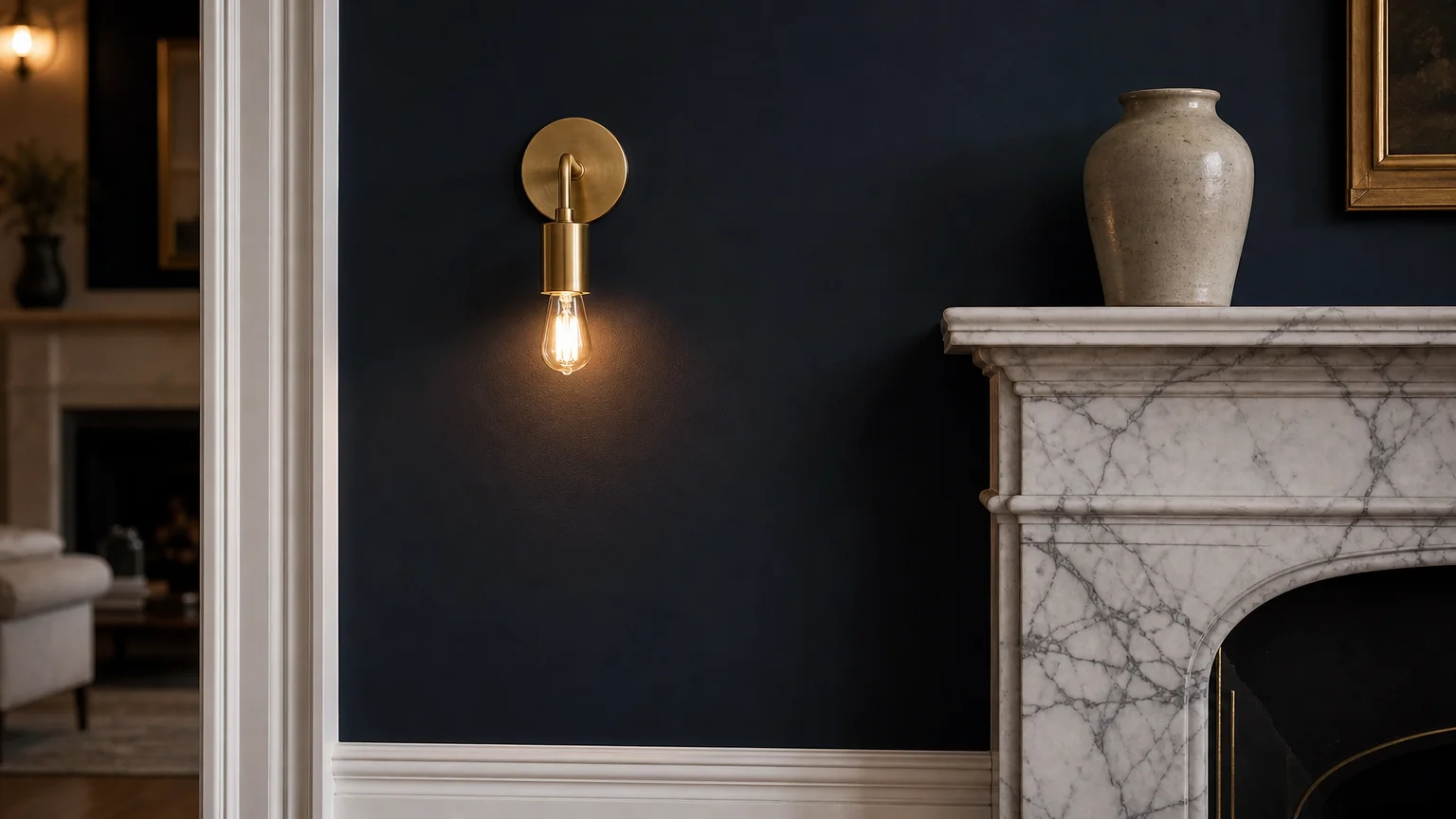
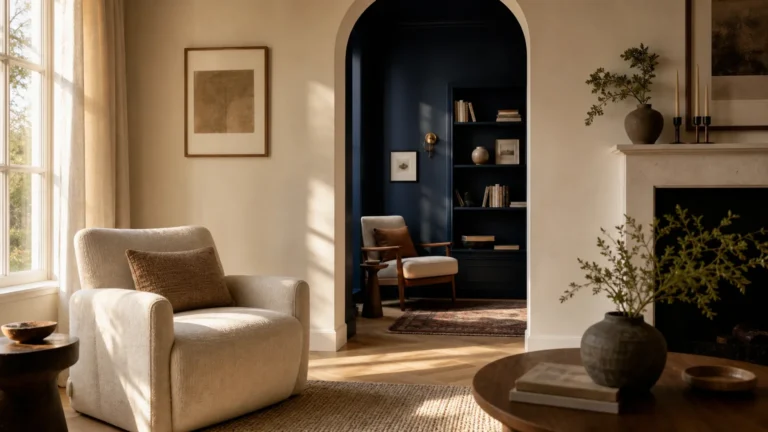
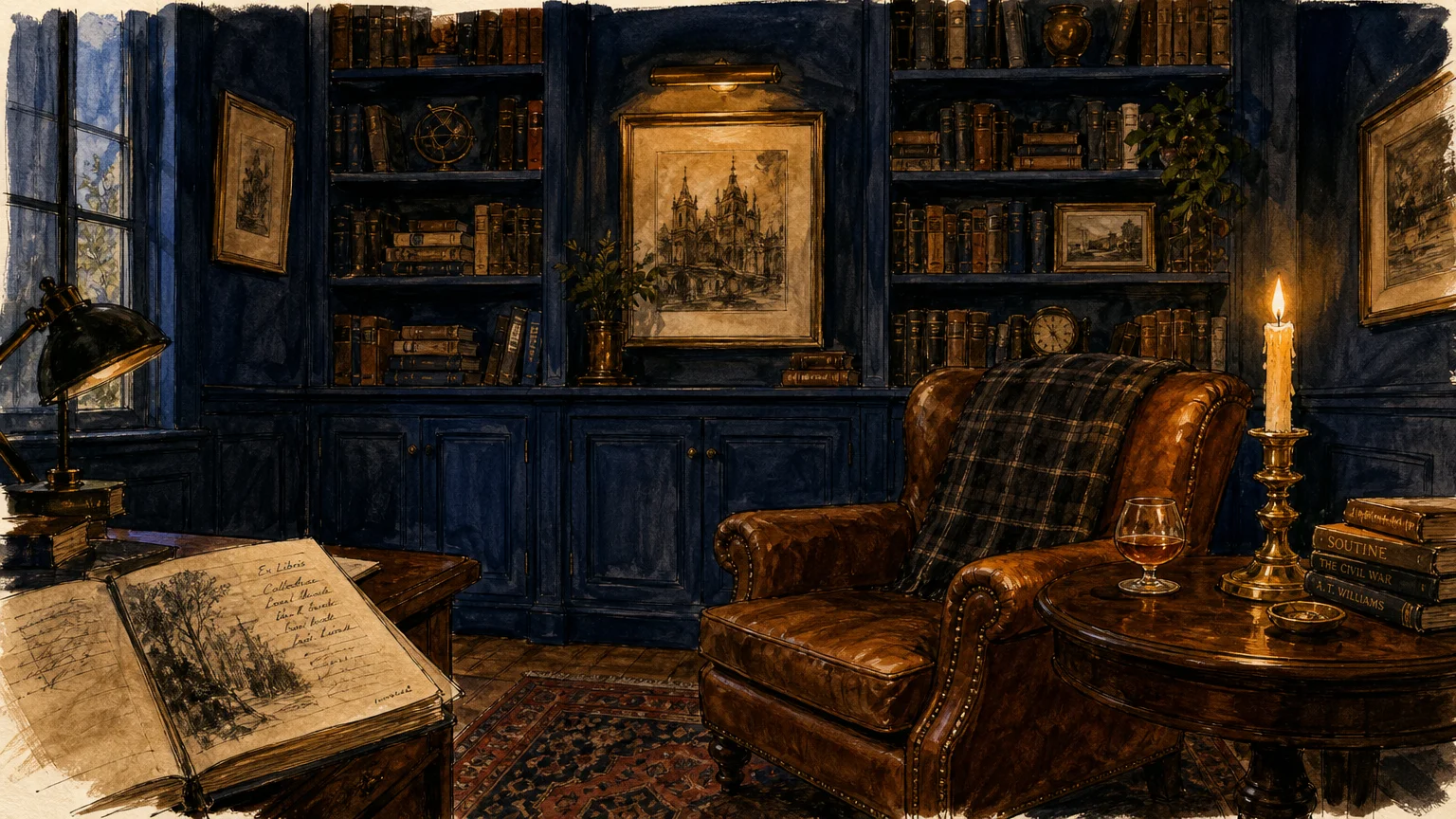
A close-up of a living room corner with matte dusty navy walls, glossy white crown molding, and an unlacquered brass sconce.
Dusty navy walls and crisp white trim bring a sense of quiet luxury to this fireplace.

Trend #1: Dusty Navy Blue and Quiet Luxury

Embracing the principles of quiet luxury requires materials and hues that speak softly but resonate deeply. Dusty navy blue serves as the ultimate backdrop for this aesthetic, offering a masterclass in understated elegance. Unlike vivid primary blues that can quickly overwhelm the senses and dictate a room’s entire personality, a muted navy carries subtle gray undertones; these nuances anchor a living space with sophisticated gravitas. When you frame dusty navy walls with crisp white trim, you create a tailored, tuxedo-like effect that demands attention without appearing ostentatious.

The brilliant white architectural details cut through the dark wall color, providing necessary visual relief and sharply highlighting the room’s structural geometry. To maximize this impact, specify a dead-flat or matte finish for your navy walls. The lack of light reflection absorbs shadows and creates a velvety, immersive texture. Contrast this directly with a semi-gloss finish on your white baseboards and crown molding. The light bouncing off the glossy trim emphasizes the depth of the matte navy, delivering a layered, tactile experience. Industry data reveals a significant market shift toward these anchoring dark tones in primary living spaces, proving that moody colors provide unparalleled versatility. You can style a navy and white room with unlacquered brass fixtures and deeply veined marble to achieve a timeless, high-end environment that completely redefines traditional elegance.

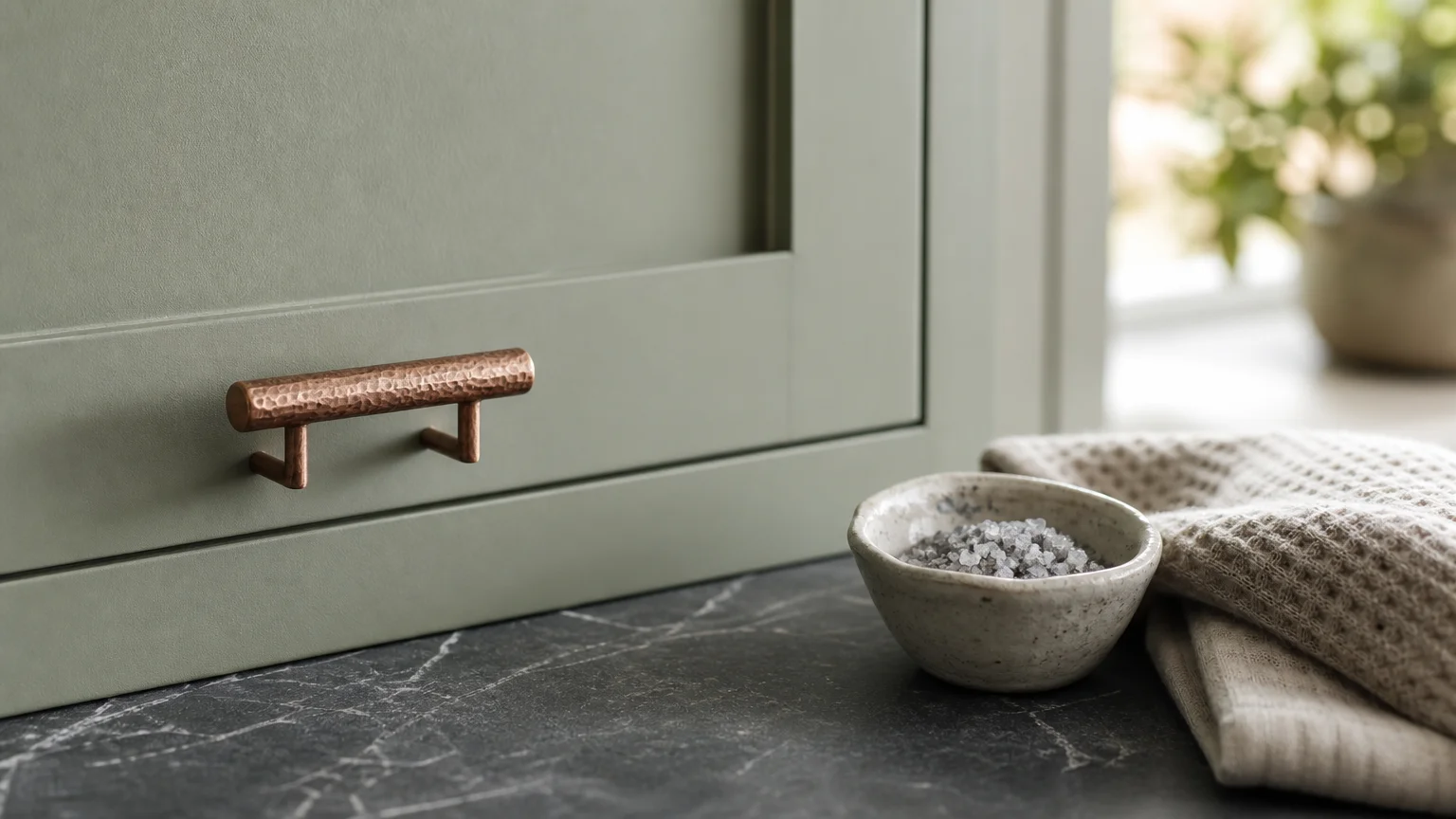
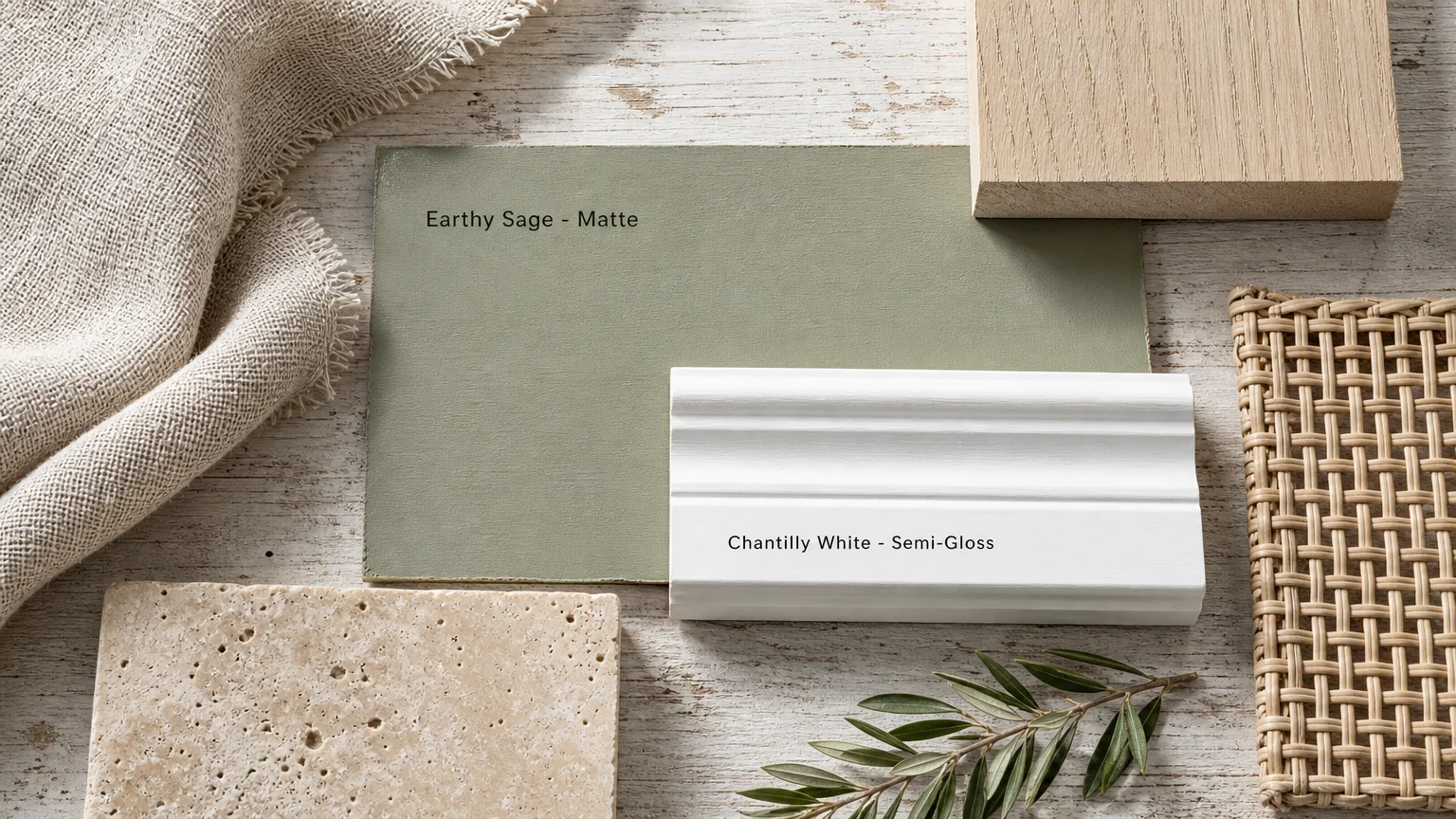
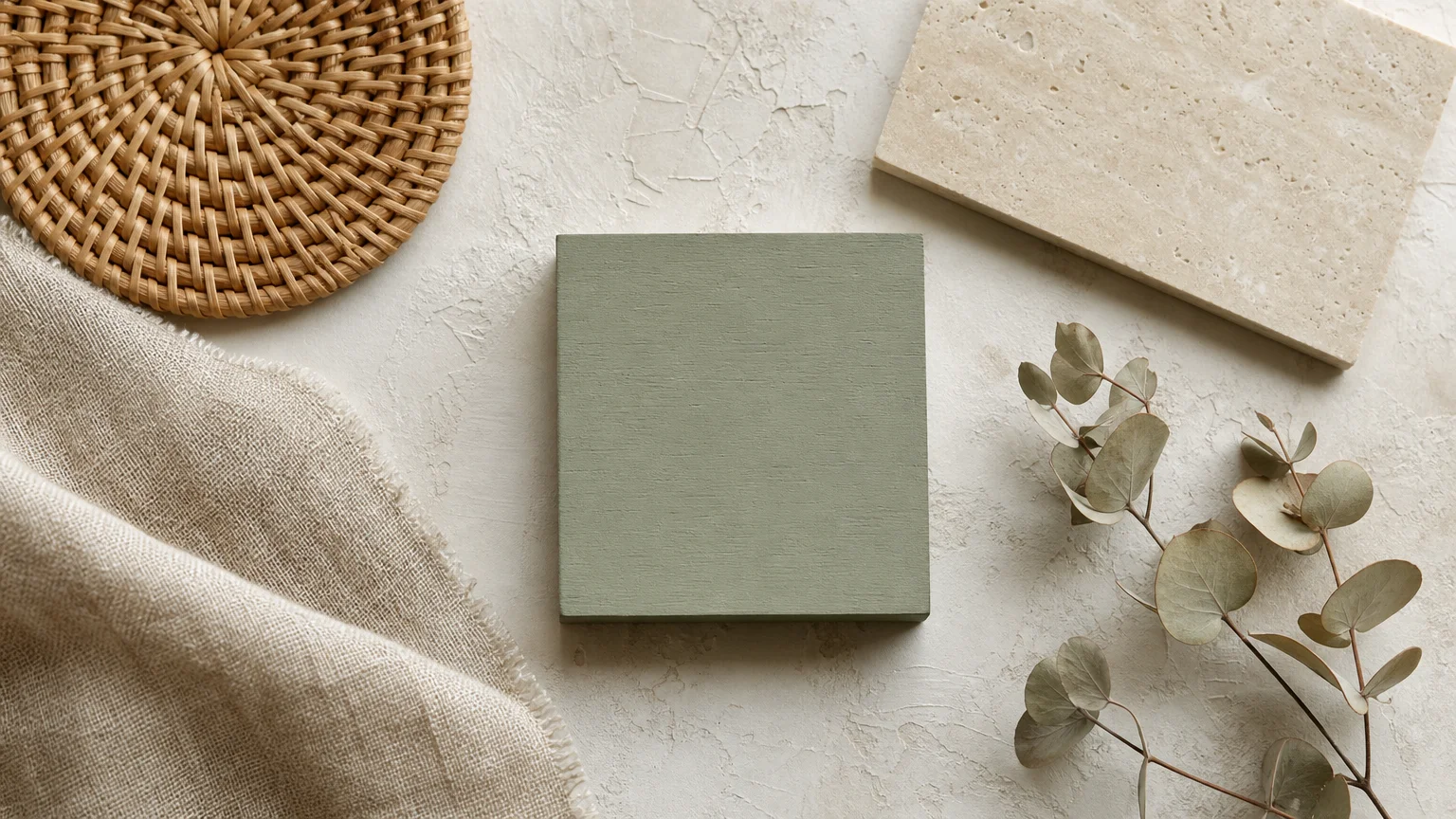
An interior design flatlay mood board featuring a sage green paint sample labeled 'Earthy Sage', white wood trim, linen, and rattan.
A matte sage green swatch pairs beautifully with white trim and natural, biophilic textures.

Trend #2: Earthy Sage Green and Biophilic Design

Biophilic design prioritizes our inherent human connection to the natural world, transforming sterile houses into restorative, health-conscious sanctuaries. Earthy sage green perfectly captures this organic movement, bringing the tranquility of a lush forest canopy straight into your living room or bedroom. The true magic of sage green lies in its chameleon-like adaptability; its delicate balance of yellow and gray undertones shifts dynamically as natural daylight moves across your room from morning to dusk.

Framing sage green walls with stark white trim prevents the earthy color from skewing muddy or heavy. The bright white casings and baseboards mimic the dappled sunlight breaking through a treeline, keeping the overall atmosphere exceptionally fresh and invigorating. Concrete examples of this trend dominate recent international design exhibitions, where leading architects pair sage green plaster with light, bleached oak flooring to maximize environmental harmony. You can implement this aesthetic by layering organic textures—think raw Belgian linen drapery, honed travertine coffee tables, and woven rattan light fixtures. The stark white trim acts as the structural constant that binds these diverse natural elements together seamlessly. This deliberate contrast ensures your biophilic retreat remains polished and intentional rather than overwhelmingly rustic.

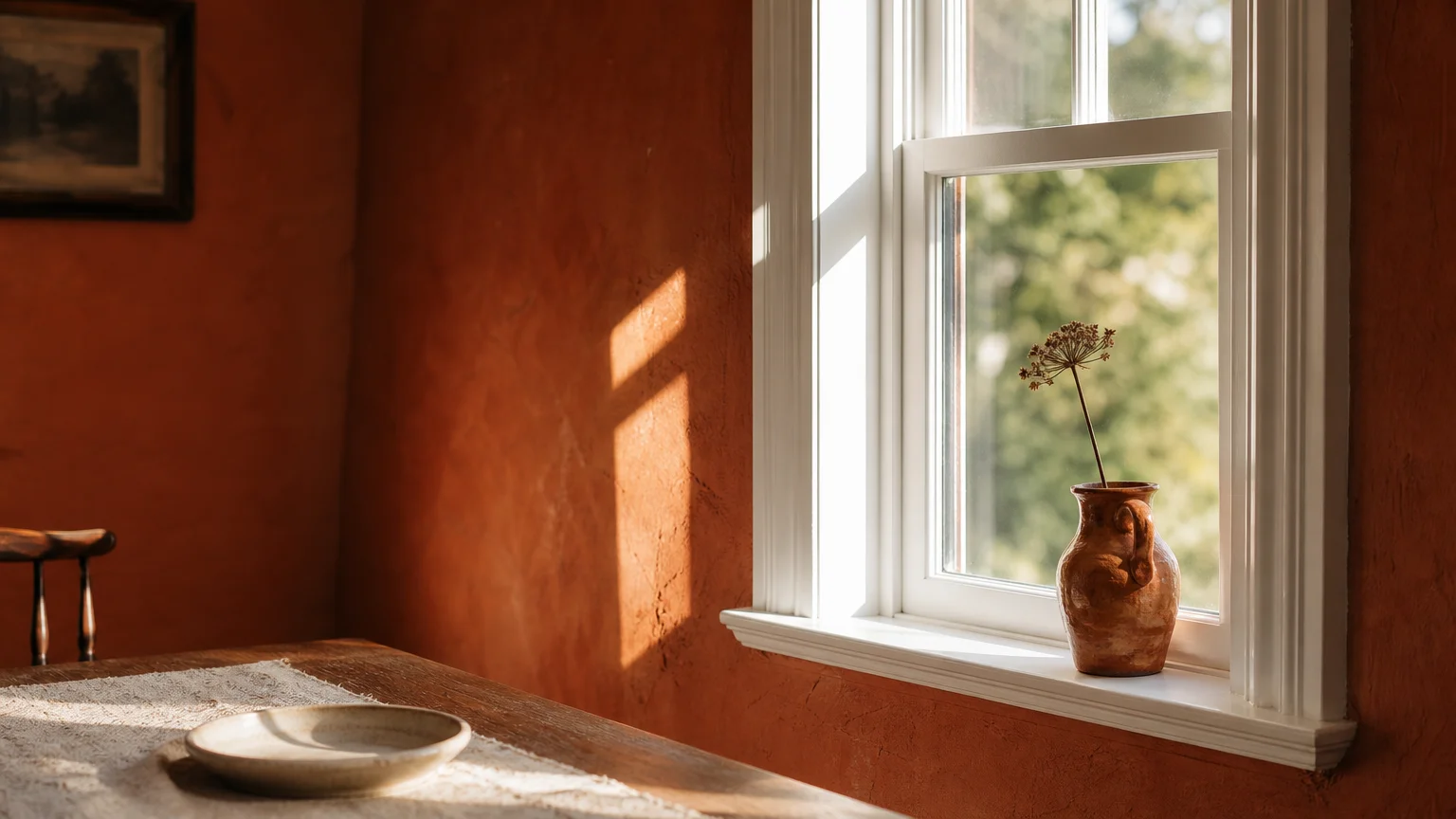
A sun-drenched breakfast nook featuring warm terracotta plaster walls and a window framed in thick, crisp white trim.
Warm terracotta walls contrast beautifully with crisp white trim, highlighting a rustic vase on the windowsill.

Trend #3: Warm Terracotta and Artisanal Provenance

Modern interior design increasingly celebrates provenance—the origin, history, and authentic craftsmanship behind the materials we bring into our homes. Warm terracotta paint embodies this cultural shift toward artisanal authenticity, evoking powerful images of sun-baked Mediterranean clay and historic European ceramics. While terracotta infuses a dining room or private study with unparalleled warmth and intimacy, the bold, enveloping hue risks visually enclosing a space if executed without proper architectural boundaries.

Crisp white trim provides this necessary architectural relief. It acts as a clean, modern framework that stops the intense color from overwhelming the eye. This stark contrast actively modernizes the rustic shade, brilliantly bridging the gap between old-world charm and contemporary elegance. To execute this look flawlessly, opt for terracotta shades with dusty, muted brown undertones rather than vivid, aggressive oranges. Balance the grounded, heavy energy of the terracotta walls by pairing your high-contrast white trim with matching brilliant white ceilings; this technique visually raises the height of the room and reflects ambient light downward. Introduce sculptural brass wall sconces and deeply saturated vintage wool rugs to highlight the rich, baked tones of the walls, resulting in a vibrant yet deeply comforting environment.

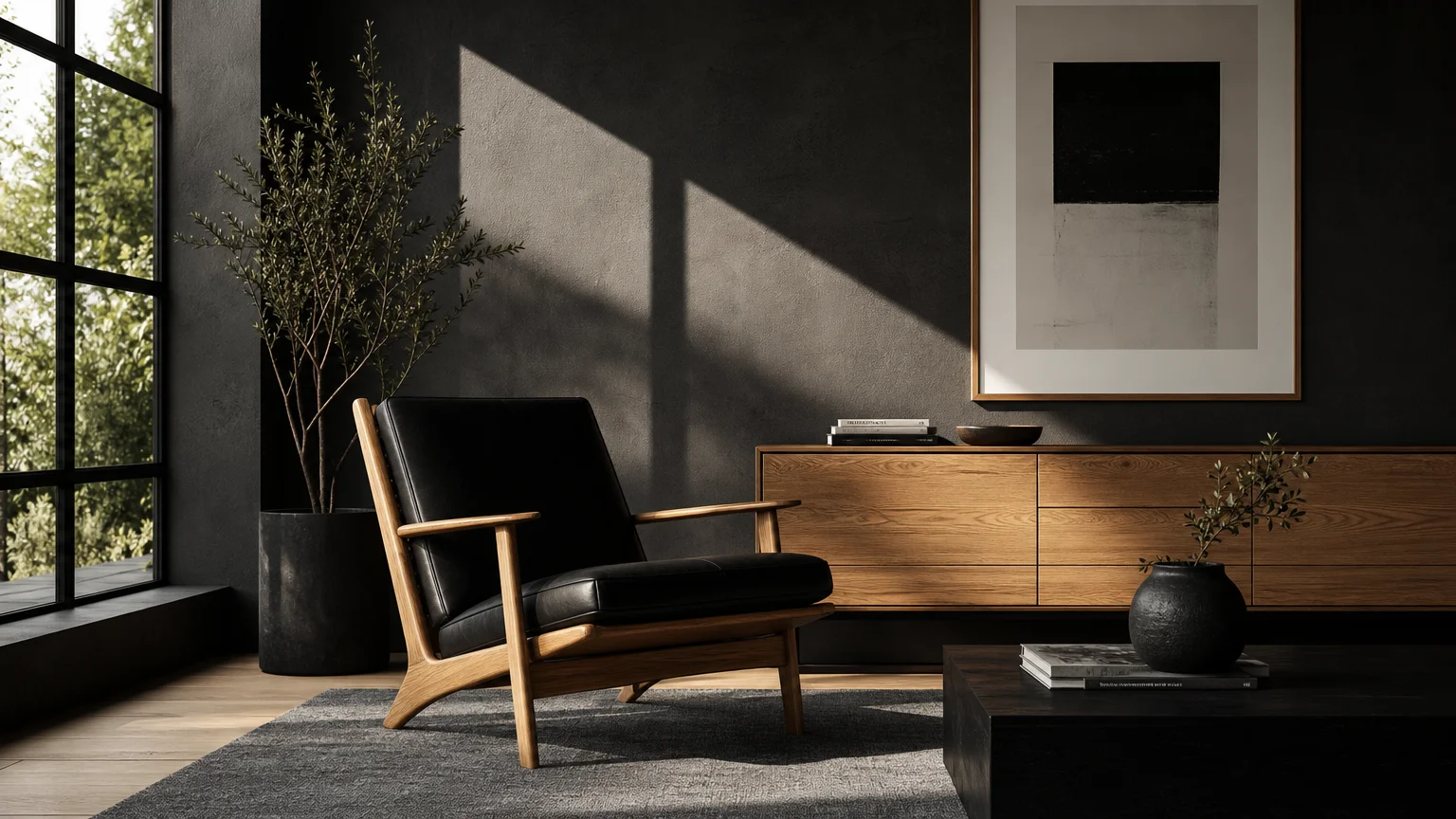
A dark mood board showing a 'Deep Charcoal' paint swatch, glossy white trim, brass hardware, and a dark green botanical wallpaper sample.
Deep charcoal paint and rich floral wallpaper create a moody maximalist backdrop for crisp white trim.

Trend #4: Deep Charcoal and Moody Maximalism

Moody maximalism fiercely rejects the sterile, all-white rooms of the previous decade in favor of drama, enveloping depth, and unabashed character. Deep charcoal stands at the absolute forefront of this design rebellion, offering a softer, more highly nuanced alternative to flat pitch black. Charcoal naturally absorbs light, blurring the physical boundaries of a room and creating a surprising sense of infinite space—a counterintuitive but highly effective visual strategy for compact home libraries, intimate dining spaces, or small powder rooms.

When strategically paired with bright white trim, charcoal walls deliver an undeniably striking visual punch. The white baseboards, picture rails, and window casings act as a glowing perimeter, defining the room’s geometry against the shadowy, atmospheric walls. Understanding Light Reflectance Value (LRV) helps explain the power of this dynamic; deep charcoal typically features an LRV strictly below 15, while a true white trim pushes an LRV of 85 or higher. This extreme mathematical juxtaposition commands immediate attention. Style your charcoal and white spaces with jewel-toned velvet upholstery, oversized abstract artwork, and polished chrome accents. The brilliant white trim ensures the room continually retains a crisp, tailored edge, entirely preventing the moody atmosphere from crossing the line into a gloomy or cavernous space.

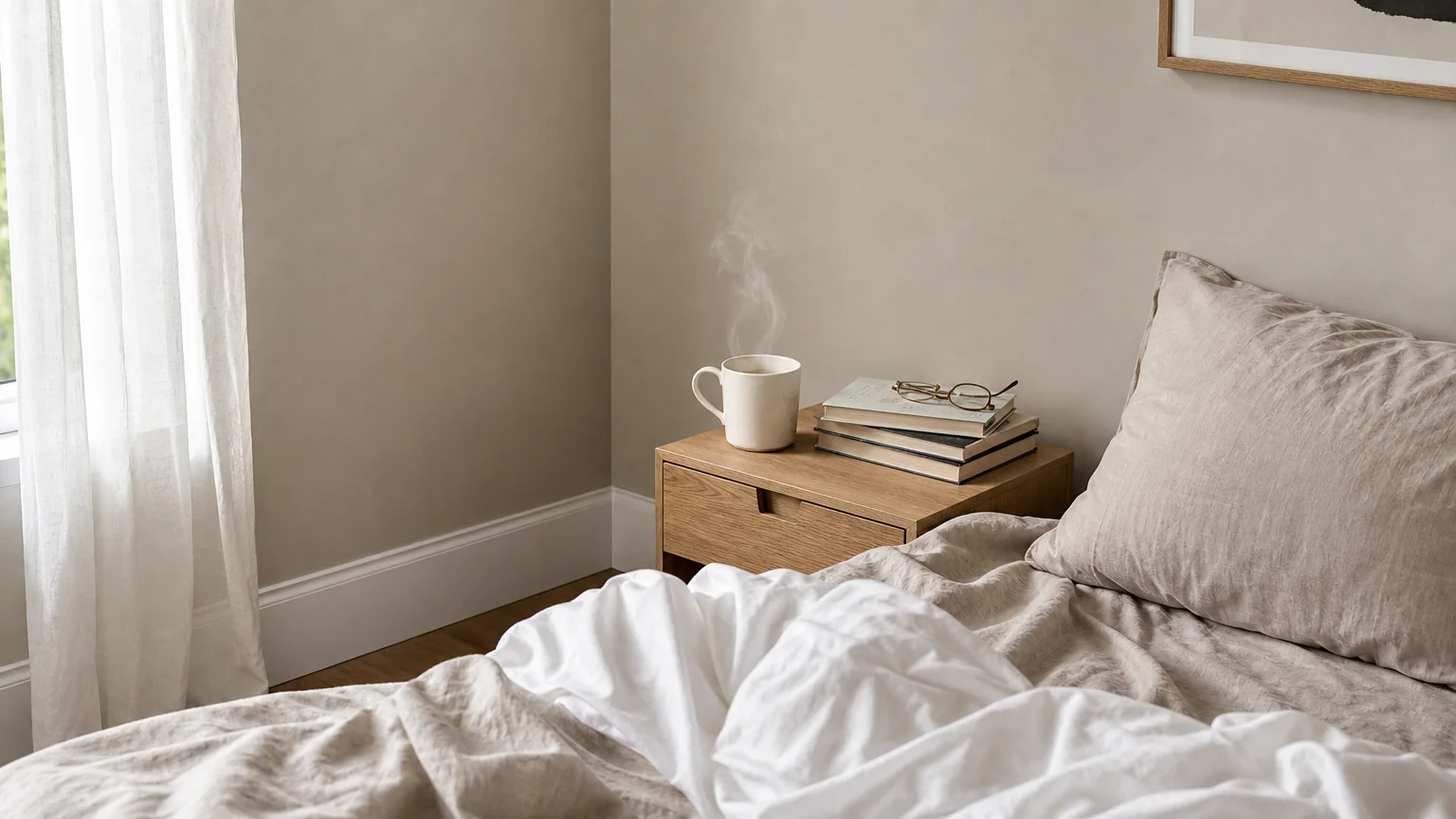
A warm greige bedroom corner with a white baseboard, a light oak bedside table, and messy beige linen bedding in soft morning light.
Soft greige walls and crisp white trim create a serene, minimalist backdrop for this cozy bedroom.

Trend #5: Soft Greige and Warm Minimalism

The lengthy era of cool, sterile gray has officially concluded, generously making way for the inviting, human-centric embrace of warm minimalism. Soft greige—a masterful, balanced blend of gray and beige—dominates this new design philosophy. It offers a highly versatile neutral foundation that feels entirely modern yet universally comfortable. Finding the perfect greige requires careful consideration of underlying pigments; you want a sophisticated shade that leans toward a dusty taupe without ever reading as a dated, yellow-heavy tan.

Pure white trim plays a critically crucial role in modernizing greige walls. The stark white sharply delineates your home’s architecture, providing a crisp, clean frame that highlights the complex, shifting warmth of the wall color. Without the defining presence of white trim, greige risks visually washing out a room or creating a monolithic, uninspired aesthetic box. Implement this highly effective color combination in open-concept living spaces to establish a seamless, calming flow from the kitchen directly into the family room. You can further enhance the warm minimalist vibe by incorporating bouclé accent chairs, matte black architectural hardware for a touch of grounding contrast, and minimal linen window treatments that allow maximum natural sunlight to illuminate the subtle nuances of the greige paint.

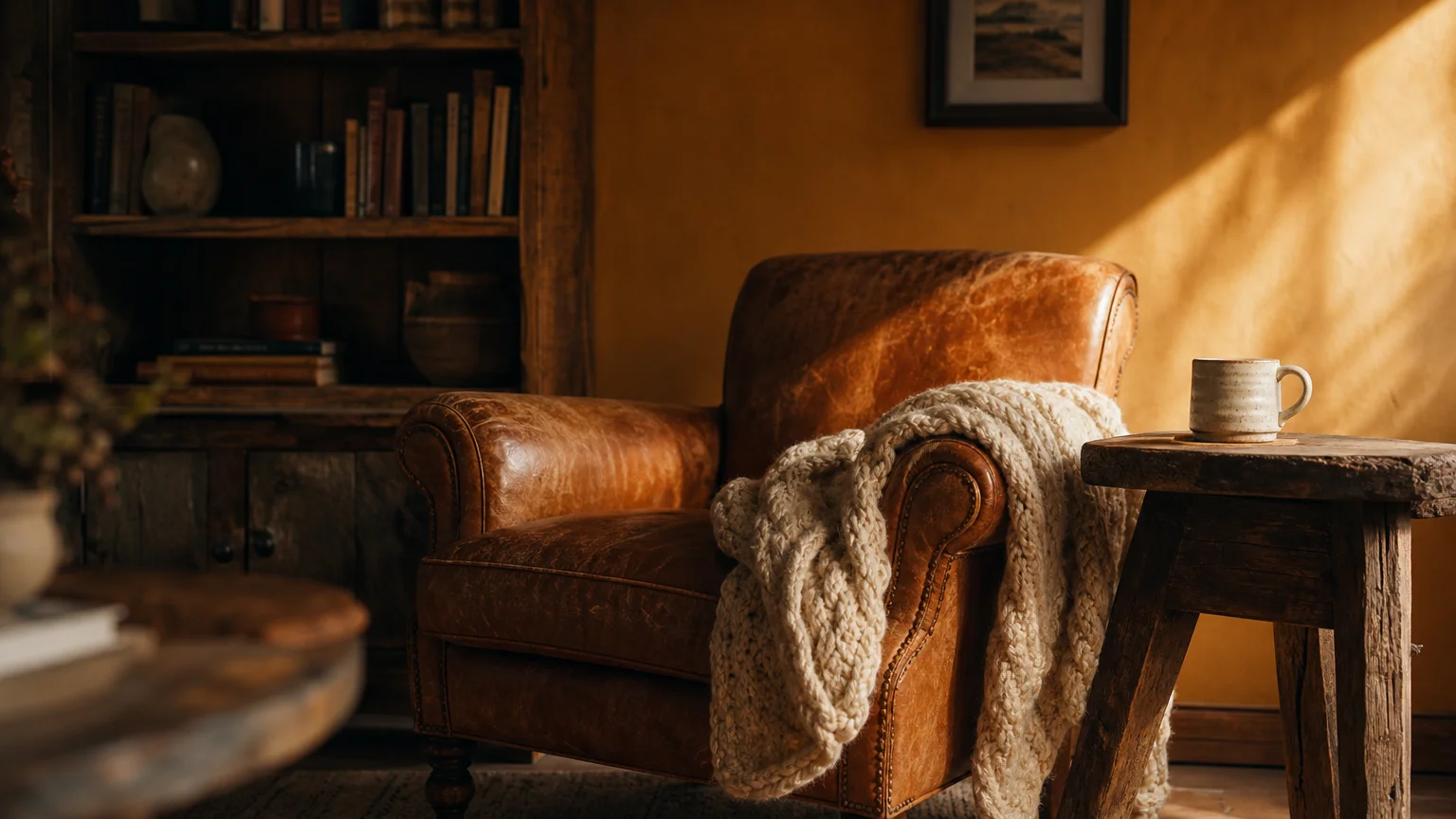
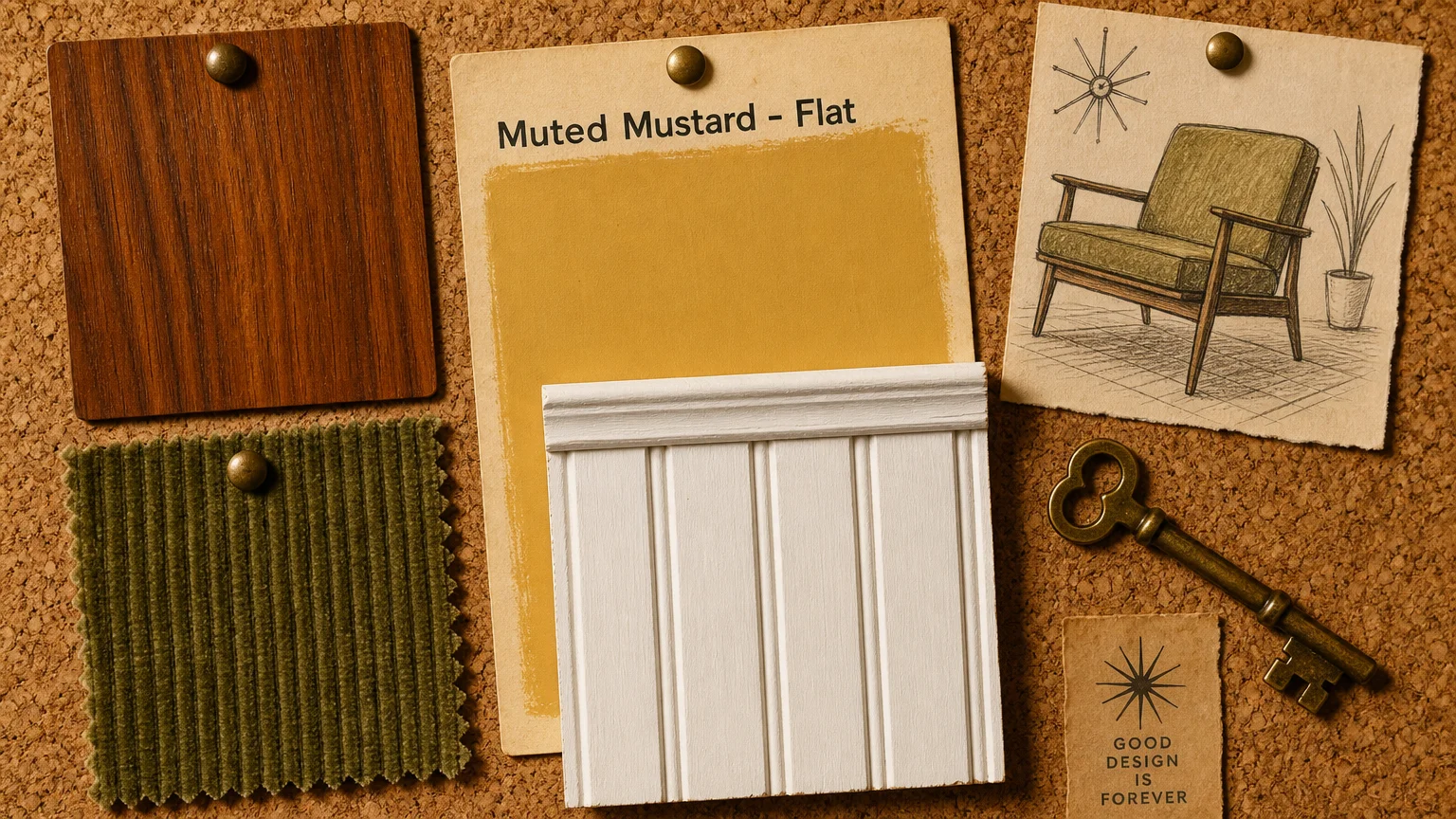
A retro-themed flatlay mood board with a 'Muted Mustard' paint swatch, white beadboard trim, teak wood, and olive green corduroy.
A nostalgic mood board pairs a muted mustard yellow swatch with classic white beadboard trim.

Trend #6: Muted Mustard Yellow and Nostalgic Revival

Nostalgic design elements are rapidly infiltrating modern homes, heavily influenced by the earthy, fiercely optimistic palettes of the 1970s. Muted mustard yellow captures this ongoing retro revival perfectly, deliberately injecting spaces with a joyful, golden-hour glow regardless of the actual time of day. However, successfully decorating with yellow requires strategic restraint to entirely avoid creating an environment that feels juvenile or overwhelmingly stimulating.

Crisp white trim serves as the ultimate neutralizing agent in this colorful scenario. Substantial white crown molding and thick, historic baseboards cut sharply through the vibrancy of the mustard, establishing a mature, highly sophisticated framework. Apply muted mustard predominantly in north-facing rooms that naturally receive cooler, blue-tinted sunlight; the yellow paint artificially warms the space and effectively counteracts the climatic chill. Treat your mustard yellow walls as a rich, textural backdrop for authentic mid-century modern furniture, dark walnut wood tones, and lush, trailing indoor greenery. The sharp white architectural details keep the overall aesthetic firmly rooted in the present day, clearly proving that vintage-inspired wall colors look incredibly chic and decidedly contemporary when appropriately framed by modern boundaries.

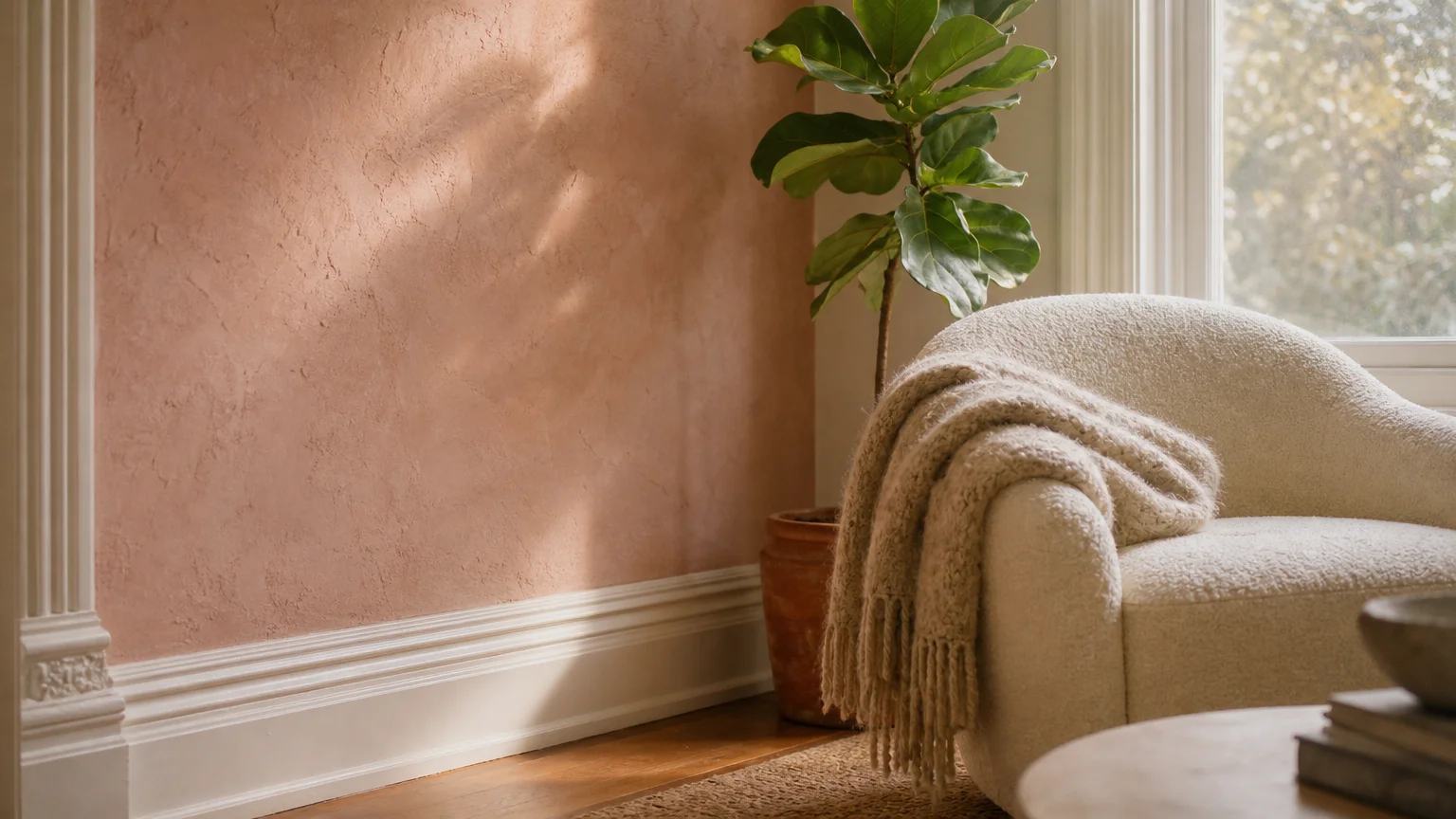
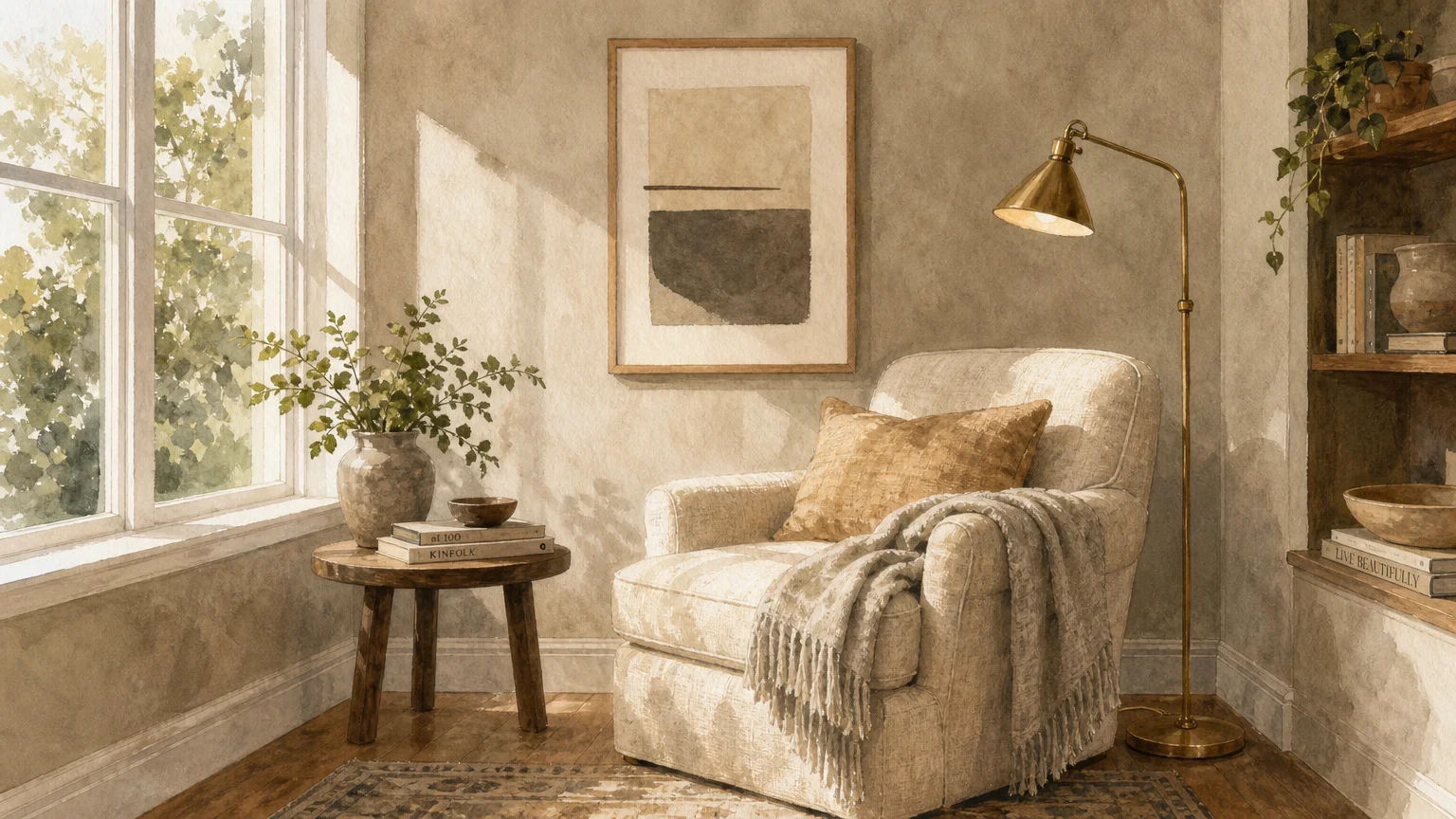
A warm 35mm photo of a living room corner with tactile plaster pink walls, Victorian white trim, and a cream boucle armchair.
Textured plaster pink walls and crisp white trim beautifully frame a cozy, tactile reading corner.

Trend #7: Plaster Pink and Tactile Elegance

Pink has officially shed its purely adolescent reputation, rapidly maturing into a highly sophisticated neutral currently favored by top-tier architectural designers. Plaster pink—a dusty, thoroughly muted shade that accurately mimics the raw, unrefined beauty of setting plaster or unglazed clay—brings an undeniable tactile elegance to primary bedrooms, luxurious en-suite bathrooms, and formal living areas. This specific hue universally flatters almost every skin tone, naturally creating a warm, ambient reflection that makes occupants look and feel their absolute best.

When you pair plaster pink with bright white trim, the resulting aesthetic feels distinctly fresh, romantic, and unapologetically high-end. The white casings cleanly highlight the subtle gray and soft peach undertones baked directly into the pink paint, effectively preventing the color from reading as overly sweet or saccharine. Elevate this powerful combination by focusing heavily on wall texture; utilize a specialized limewash or Roman clay finish for the pink walls to add subtle movement, depth, and historical gravitas. Complement the soft, powdery finish of the walls and the sharp crispness of the white trim with brushed nickel or living unlacquered brass plumbing fixtures. This highly nuanced approach to pink delivers a serene, restorative environment that subtly whispers luxury.

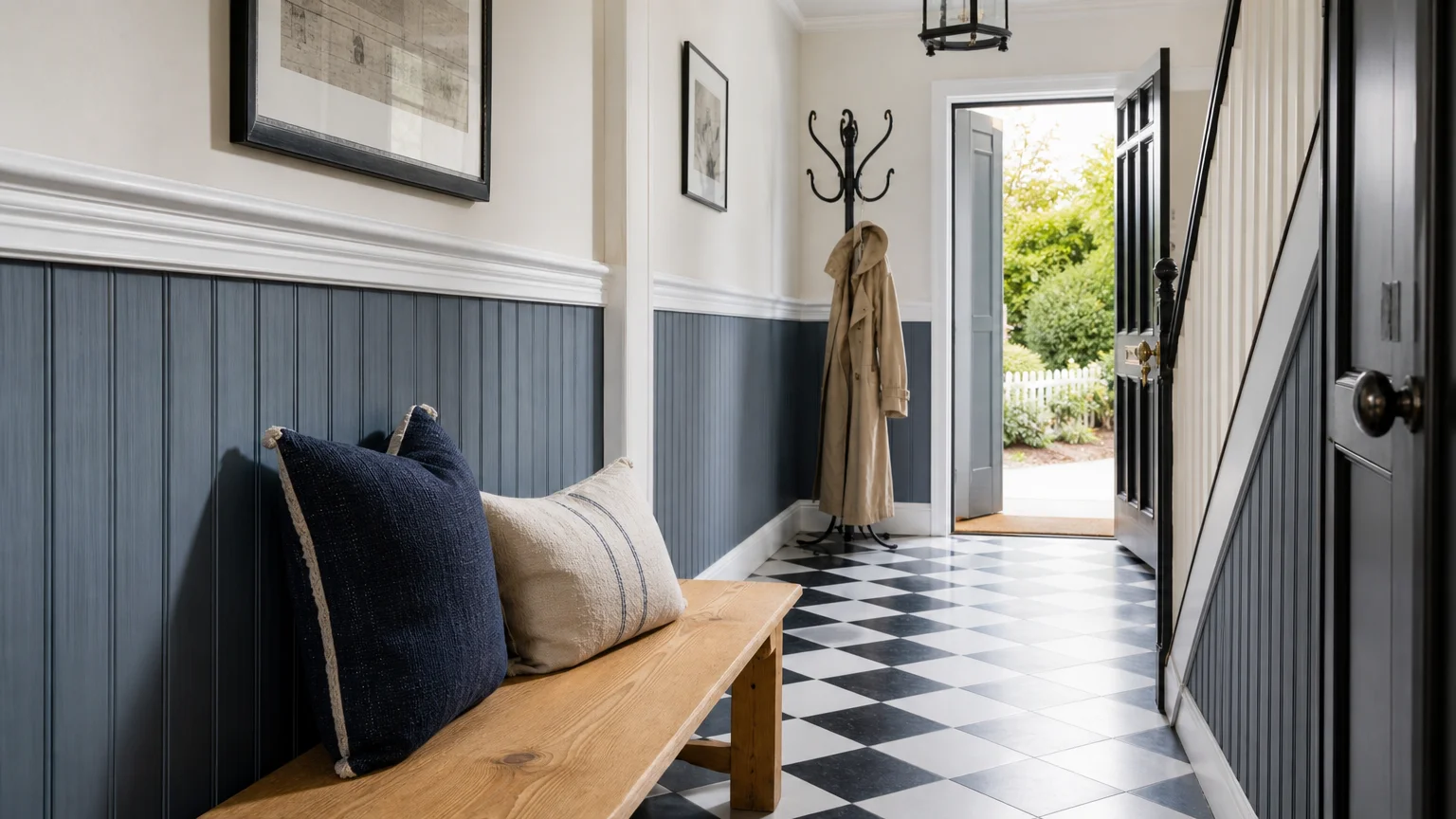
An entryway hallway with slate blue wainscoting, a white chair rail, and black-and-white checkered tile floors.
Crisp white trim beautifully highlights slate blue wainscoting in this elegant, transitional entryway.

Trend #8: Slate Blue and Transitional Chic

Transitional design successfully bridges the persistent gap between traditional comfort and contemporary clean lines, appealing directly to homeowners who appreciate historic architectural details but actively crave modern functionality. Slate blue perfectly encapsulates this highly balanced aesthetic. Infused with heavy gray and very subtle green undertones, slate blue feels historically significant yet entirely updated for modern living. It possesses a unique, chameleon-like quality, appearing as a moody, stormy gray on cloudy days and revealing its rich, saturated blue core under direct, bright sunlight.

Brilliant white trim acts as the vital, high-energy catalyst that brings slate blue completely to life. The high-contrast white instantly brightens the overall visual palette, proudly highlighting the intricate details of traditional wainscoting, picture rails, or heavy baseboards. Slate blue excels practically and aesthetically in high-traffic areas like mudrooms, formal dining rooms, and grand entryways, providing a highly durable, elegant backdrop that masks daily wear significantly better than lighter builder-grade neutrals. Pair this classic color combination with polished mahogany or cherry furniture for a traditional lean, or surround it entirely with light ash wood and streamlined, low-profile silhouettes for a distinctly modern edge. The white trim ensures the slate blue remains crisp, defined, and purposeful in either scenario.

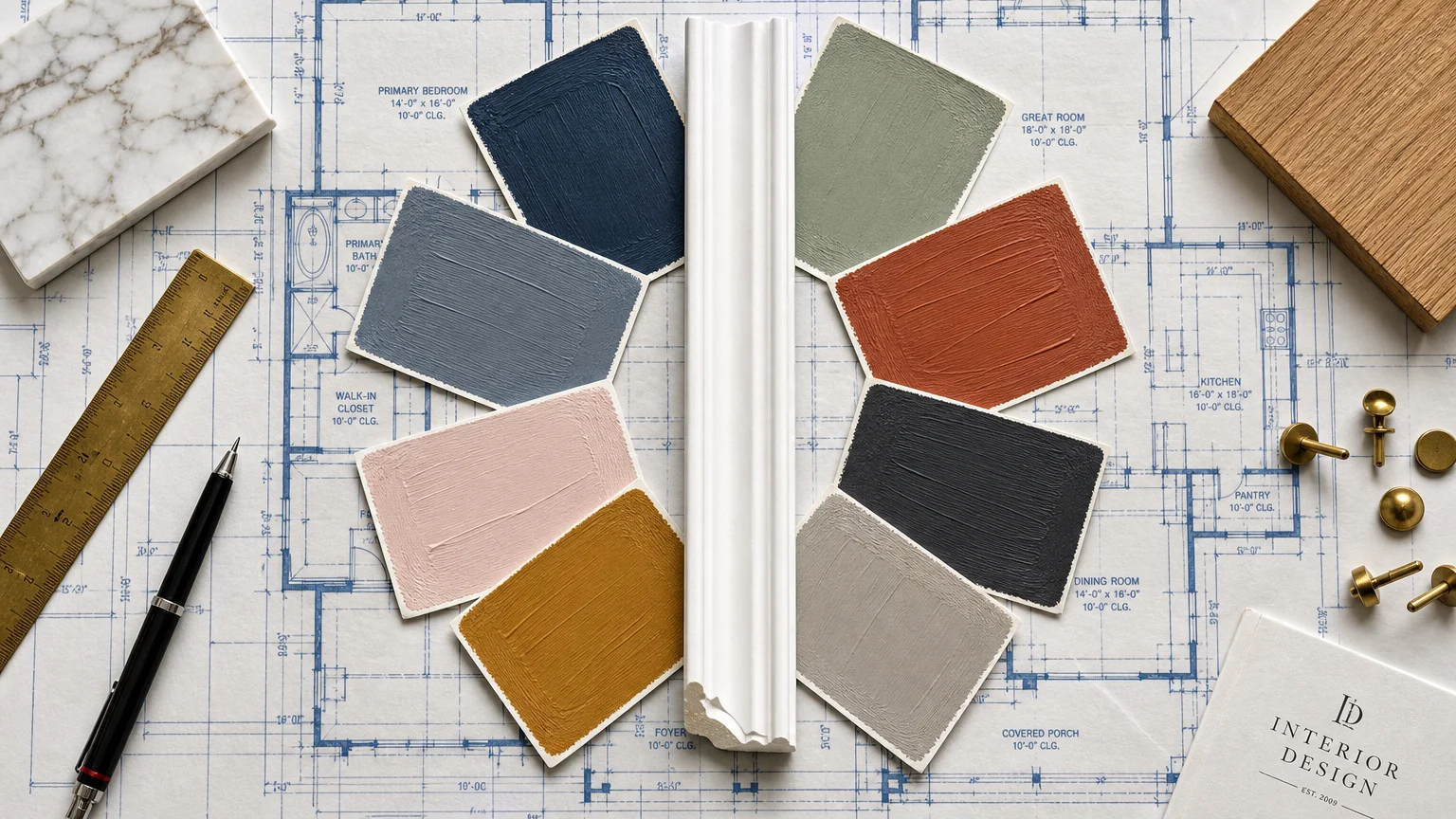
An overhead flatlay of eight colorful paint swatches arranged on a blueprint background, tied together by a central white molding trim sampl
Eight colorful paint swatches surround a white trim sample on a blueprint, inspiring your home design.

The Big Picture: Weaving These Trends into Your Home

Adopting new color palettes requires significantly more than simply rolling a fresh coat of paint onto your drywall; it demands a comprehensive, holistic approach to your home’s unique architecture, natural lighting, and spatial flow. Finding the right wall color inspiration always begins with critically assessing the physical realities of your specific environment. Natural lighting dramatically alters how a paint shade reads throughout the day. A dusty navy blue that looks incredibly chic and inviting in a sun-drenched, south-facing living room might feel oppressively dark and enclosing in a windowless interior hallway. Always test large, physical paint swatches on multiple walls and observe them continuously from early morning until late at night before making a financial and aesthetic commitment.

Furthermore, you must remember that white trim is not a monolith. The broad term encompasses hundreds of distinct shades, each engineered with its own highly specific undertones. If you select a warm wall color like artisanal terracotta or soft greige, deliberately pair it with a white trim that features subtle warm undertones—like a drop of cream or yellow—to maintain visual harmony. Conversely, cool-toned walls like slate blue or deep charcoal explicitly demand a stark, pure white with high reflectivity to maximize the crisp, tailored contrast.

Finally, maintain strict color continuity by keeping your trim color entirely consistent throughout the entire house, even as your primary wall colors shift dynamically from room to room. This single, unifying architectural element creates a powerful subconscious visual flow, ensuring your property feels like a deliberately curated estate rather than a fragmented, chaotic collection of disconnected design trends.

Frequently Asked Questions

How do I choose the correct white trim paint to match my wall color?

The professional secret lies in accurately identifying the undertones of both your primary wall paint and your chosen trim paint. If your wall color features warm undertones—such as earthy sage green, warm terracotta, or soft greige—opt for a white trim infused with a subtle hint of cream or yellow to maintain an inviting, cohesive harmony. For cool-toned walls like dusty navy blue or deep charcoal, explicitly select a pure, brilliant white or a white formulated with faint gray undertones. This rigorous matching process ensures the visual contrast remains crisp and entirely intentional rather than accidentally clashing.

Do dark wall colors make a room look significantly smaller when paired with white trim?

Dark colors do not inherently shrink a room; rather, they actively absorb light and visually blur the hard edges of the space, which can successfully create a surprising illusion of expansive depth. When you frame a moody color like deep charcoal with bright white baseboards and heavy crown molding, the high-contrast trim sharply defines the room’s overarching architecture. This precise visual geometry firmly grounds the eye and provides structural clarity, effectively preventing the dark walls from feeling cavernous or claustrophobic.

Can I mix different paint trends within an open-concept home?

Yes, you can mix trends, but successful execution strictly requires a unifying visual thread to prevent spatial chaos. In an expansive open-concept layout, you must maintain a single, consistent white trim paint color across all adjoining spaces. This continuous architectural outline provides a highly reliable visual boundary. You can transition smoothly from a soft greige living area into a bold slate blue dining space seamlessly, provided the trim remains totally uniform and you cleverly echo accent colors through textiles, rugs, and artwork to physically bridge the distinct living zones.

What paint finish is best for white trim to maximize contrast?

Interior design professionals almost universally recommend a semi-gloss or satin finish for white trim, regardless of the accompanying wall color. The significantly higher sheen level of a semi-gloss paint actively reflects both natural and artificial light, causing the architectural details to literally shine and stand out. When intelligently paired with a dead-flat or matte finish on the primary walls, the resulting textural disparity massively amplifies the visual contrast, making the white trim appear even sharper and more structurally pronounced against your complementary paint shades.

For the latest color forecasts, consult industry leaders like Pantone and paint companies like Benjamin Moore. For professional design standards, refer to the American Society of Interior Designers (ASID).

Disclaimer: This article reflects design trend analysis and predictions. Personal taste and timeless design principles should always guide your decorating choices.
The Best Paint Colors for Homes With Lots of Natural Light

0

Understanding how natural light interacts with wall colors is the ultimate secret to designing a spectacular, sunlit interior. Abundant daylight acts as a powerful magnifier, transforming the best paint colors for homes with lots of natural light from flat swatches into dynamic, living elements. While dark rooms demand hues that generate artificial brightness, sun-drenched spaces afford you the luxury of experimenting with complex neutrals and deep saturations without creating a gloomy atmosphere. Harnessing this solar energy requires attention to the direction of your light source. By selecting shades with appropriate Light Reflectance Values, you prevent glaring overexposure while maintaining a perfectly balanced, sophisticated aesthetic throughout your living environment.

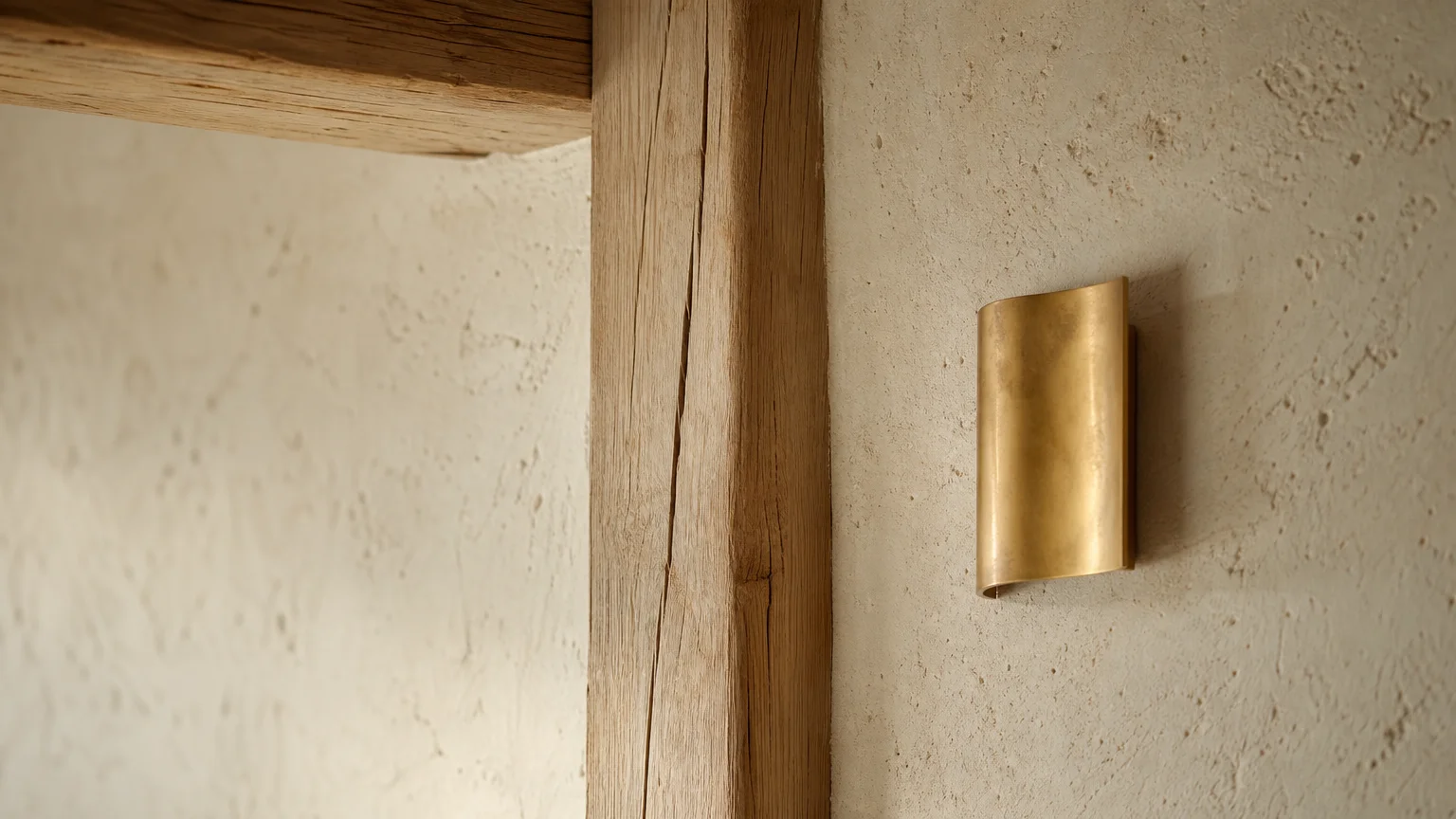
Close-up of a warm off-white mineral plaster wall catching soft southern sunlight next to a raw oak beam.
A brass sconce shines against warm mineral plaster walls and rustic wood beams in natural light.

Trend #1: Warm Off-Whites and Mineral Plasters

When you have large windows pouring brilliant daylight into a room, a stark, pure white paint will actively fatigue your eyes. The high Light Reflectance Value (LRV) of pure, untinted white bounces nearly every photon directly back into your visual field, creating a sterile, clinical environment rather than the relaxing retreat you envision. Evaluating reliable natural light paint colors requires a strategic pivot toward warm off-whites infused with subtle yellow, beige, or grey undertones. These mineral-inspired hues dial down the harsh glare while beautifully retaining the airy, spacious feeling that makes bright rooms so desirable.

The prevailing shift toward organic modernism heavily influences this aesthetic, favoring finishes that mimic the porous, uneven textures of natural plaster, limestone, and chalk. By opting for a creamy, nuanced off-white, you allow the incoming sunlight to gently wash over the walls, highlighting structural architecture rather than flattening the room into a glaring white box. Southern-facing rooms, which receive intense, warm sunshine throughout the afternoon, particularly benefit from off-whites with a hint of ash or grey to neutralize the yellowing effect of the sun. Conversely, northern light casts a cooler, distinctly bluish tint, requiring an off-white with a stronger beige or warm cream base to inject much-needed thermal balance.

Emulate this sophisticated trend by selecting eggshell or flat matte finishes. Their slightly porous surface absorbs light softly, enhancing the tactile, organic quality of your walls. Pair these serene walls with raw, wide-plank white oak flooring, unlacquered brass hardware, and heavy woven textiles to ground the ethereal brightness in tactile reality.

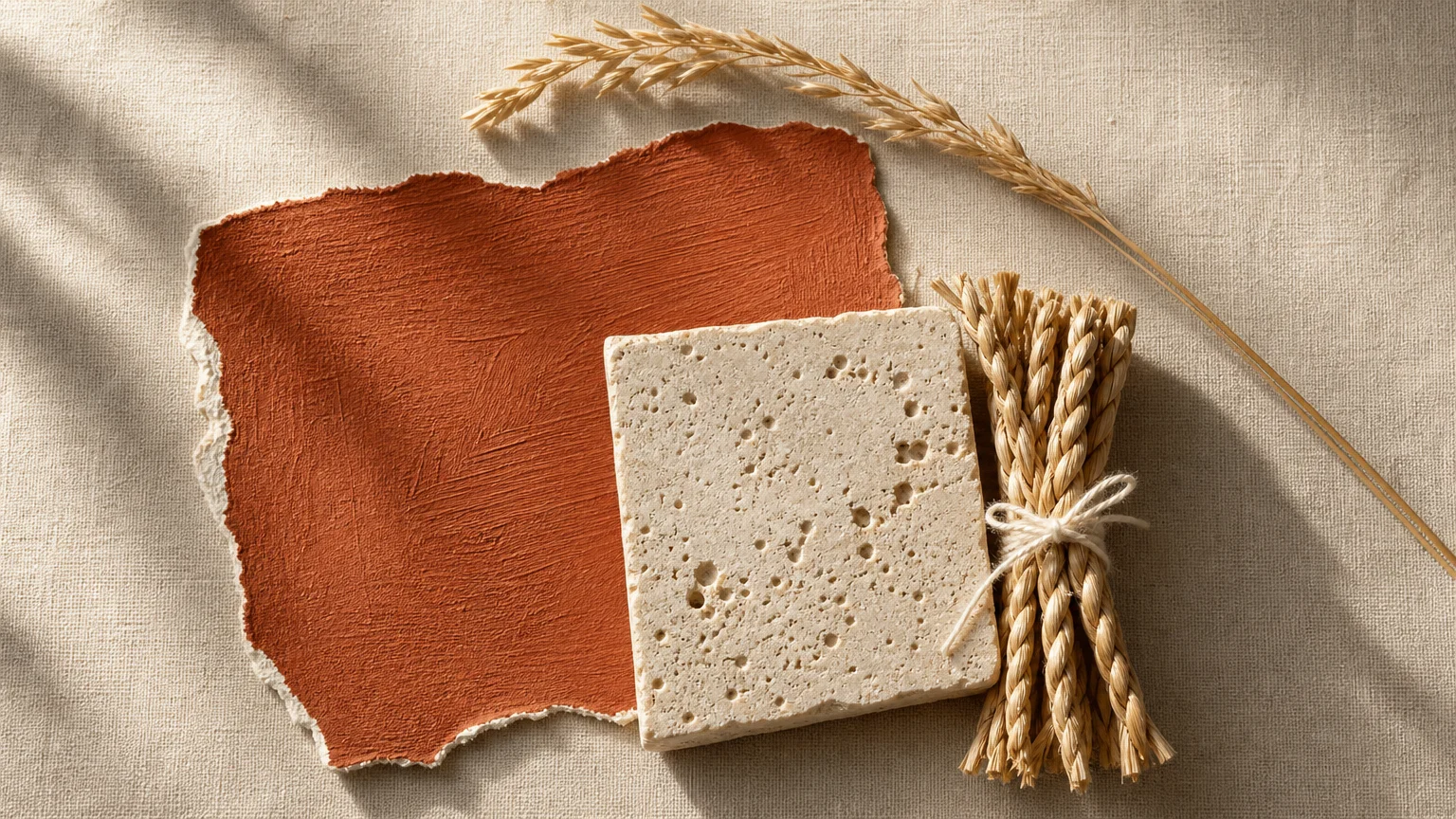
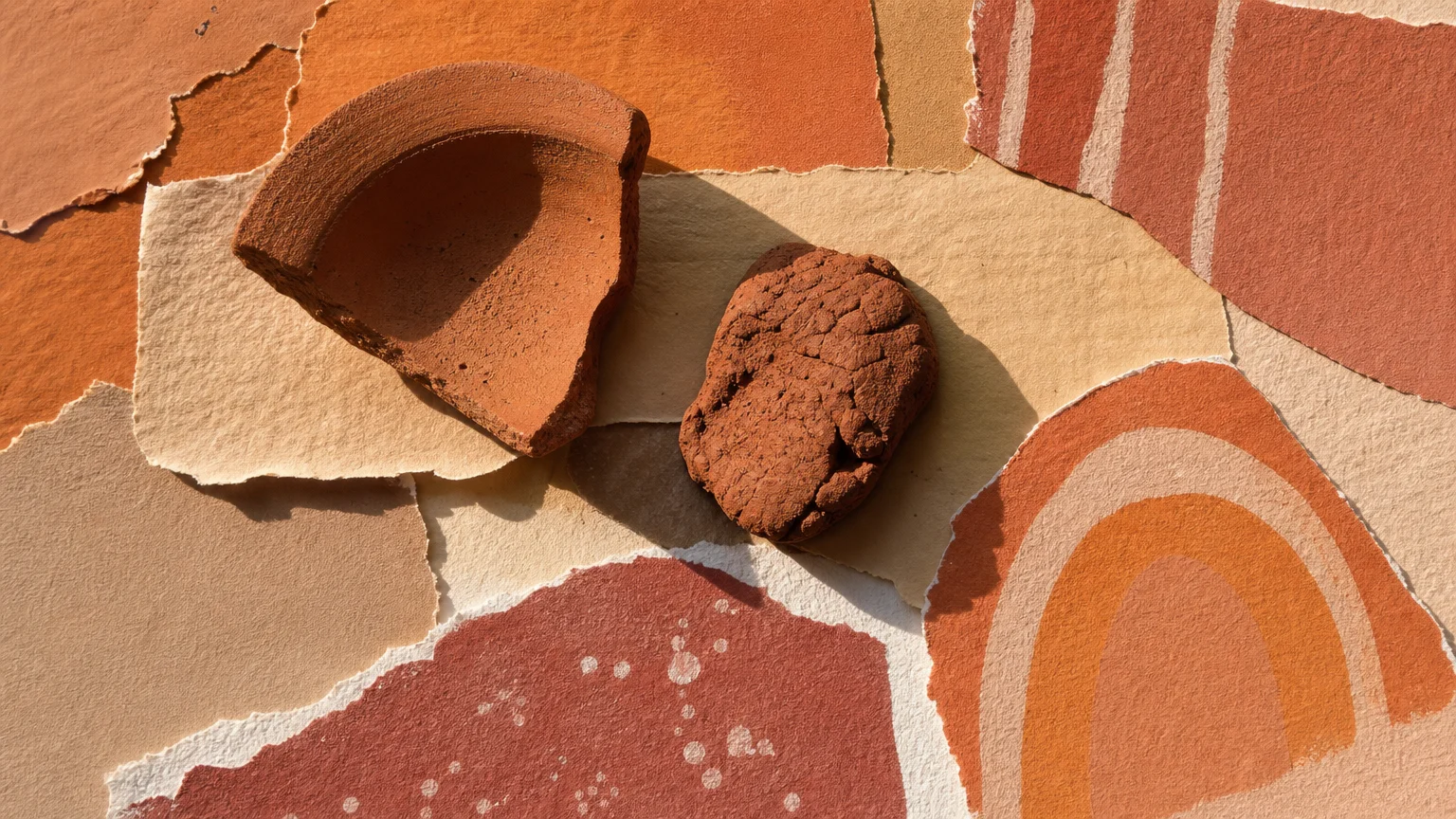
Collage of torn watercolor papers in terracotta and clay shades with cast shadows under natural light.
Sunlight illuminates textured clay and terracotta shards, inspiring a warm, earthy palette for bright rooms.

Trend #2: Earthy Terracottas and Sunbaked Clays

Natural light acts as an activating agent for red, orange, and brown undertones, making earthy terracottas and sunbaked clays phenomenally successful in bright spaces. If you apply a deep, rusty terracotta in a dimly lit, windowless corridor, it quickly reads as heavy and oppressive. However, when you introduce abundant sunlight, the pigment awakens. The walls emit an inherent, radiant warmth that captures the feeling of a Mediterranean villa at the peak of golden hour.

The enduring biophilic design movement continues to drive this trend, as homeowners actively seek to blur the boundaries between their interior sanctuaries and the rugged natural world outside. Terracotta serves as the perfect structural bridge, drawing the organic, grounding hues of rich soil and baked clay directly indoors. When working with these highly saturated colors, your specific window exposure dictates the exact shade you must choose to achieve perfect harmony. Western-facing rooms amplify warm tones as the sun sets, meaning a slightly muted, desaturated clay will prevent the room from feeling overwhelmingly hot and visually chaotic. Eastern-facing rooms, receiving the crisper, cooler morning light, can beautifully handle a richer, more robust terracotta, creating a cozy, enveloping breakfast nook or morning room.

Pair these sunbaked walls with crisp, ivory trim to maintain sharp architectural definition, or embrace a bold color-drenching technique by painting your baseboards, doors, and crown molding the exact same terracotta shade. This immersive approach eliminates visual interruptions, allowing the interplay of shifting sunlight and deep shadows to become the primary focal point of your design.

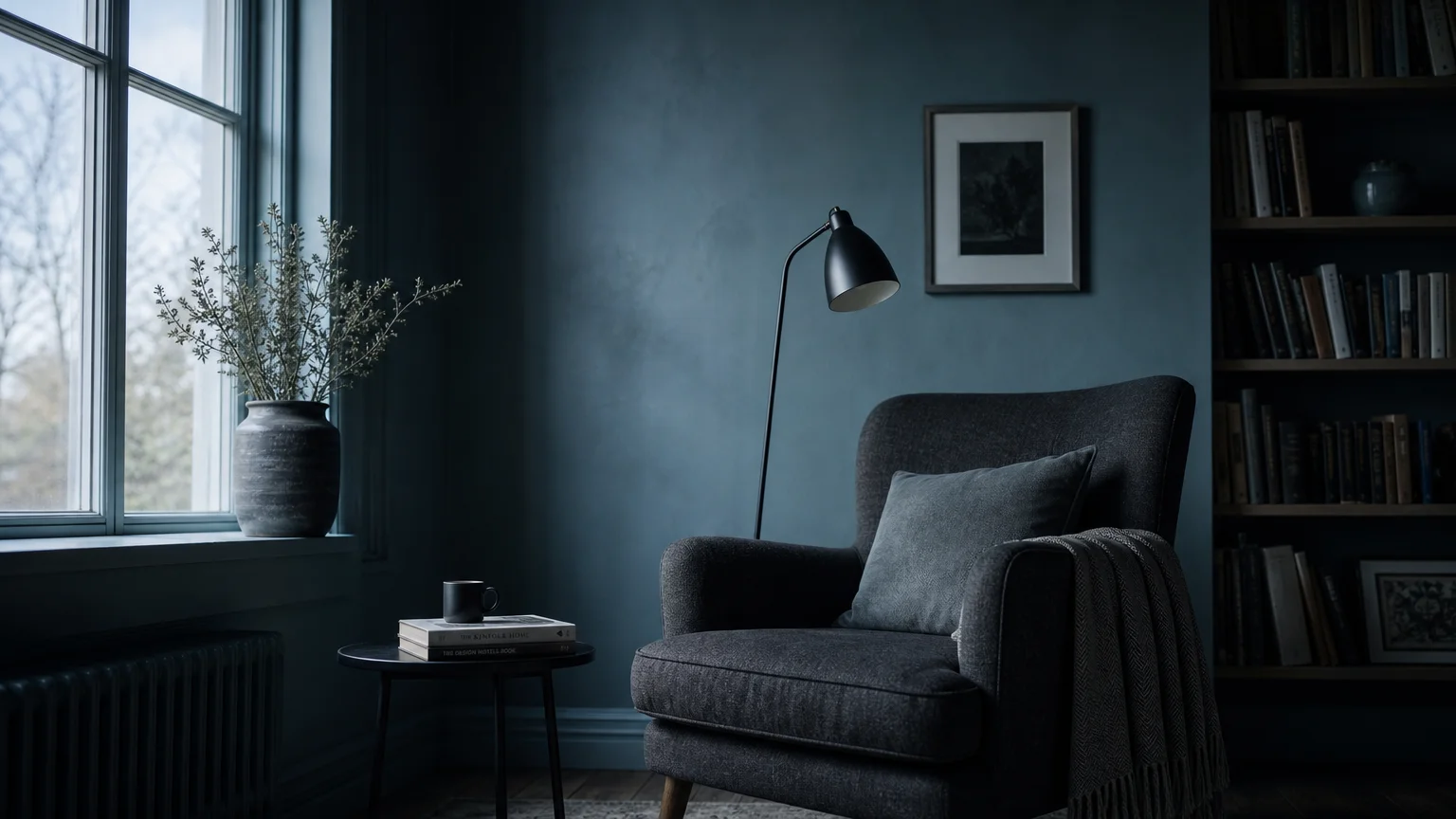
A reading nook with a dusty blue-grey wall illuminated by cool northern light from an adjacent window.
Soft daylight from the window beautifully illuminates a cozy reading nook with atmospheric dusty blue walls.

Trend #3: Atmospheric Dusty Blues and Muted Aquamarines

Homes flooded with southern or western light often battle a visual temperature that feels excessively hot and overwhelming during the peak hours of the day. To counteract this intense thermal energy, leading interior designers rely on atmospheric dusty blues and muted aquamarines. When you need bright room paint to perform as an aesthetic air conditioner, these cool-toned hues instantly soothe the senses and bring a crucial, balancing equilibrium to your sun-drenched interiors.

The current iteration of this color trend steers entirely clear of pastel, juvenile baby blues. Instead, the focus rests on sophisticated, grey-infused blues that embody the highly sought-after aesthetic of quiet luxury. These complex, moody colors shift beautifully and unpredictably throughout the day. Under the crisp, direct light of a bright midday, they appear remarkably fresh and vibrant. As dusk approaches and shadows begin to lengthen across the floor, they deepen into contemplative, elegant charcoals.

If your living room features wall-to-wall glazing or expansive skylights, an atmospheric dusty blue provides a sophisticated, grounding backdrop that prevents the space from feeling floaty or overexposed. The psychological impact of blue inherently lowers the heart rate and promotes a profound sense of tranquility, establishing it as an ideal choice for sunlit bedrooms and focused home offices. When executing this cool-toned color scheme, incorporate warm metallic accents—such as aged copper, polished brass, or burnished bronze—to introduce a deliberate, striking tension. The cool expanse of the blue walls juxtaposed against the radiant glint of warm metals creates a deeply layered, highly curated aesthetic.

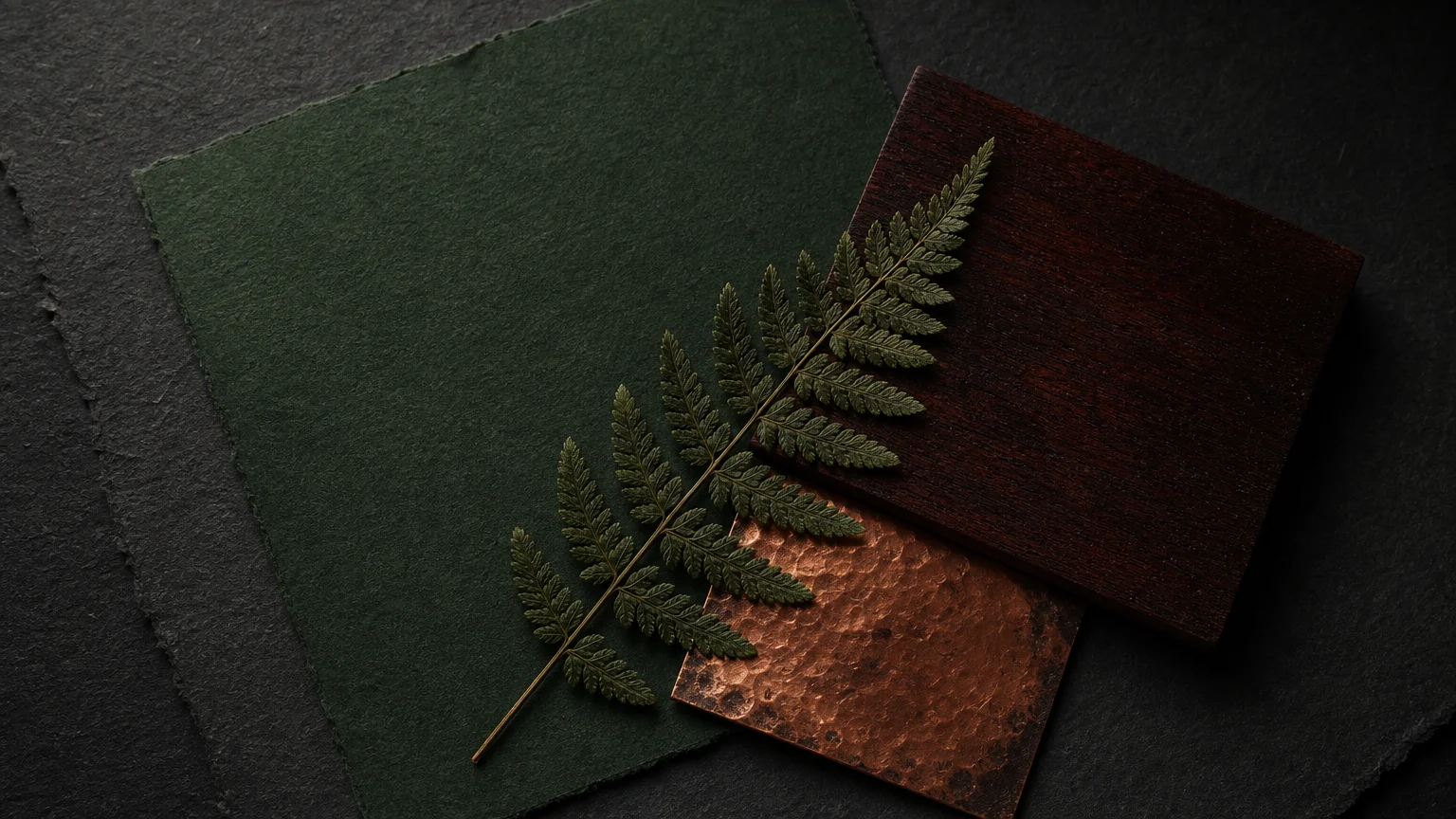
Physical paper collage featuring deep olive and forest green paint swatches alongside a pressed olive branch.
Rich forest and olive green paint swatches shine in natural light alongside warm wood and foliage.

Trend #4: Rich Forest and Olive Greens

A pervasive design myth dictates that you must only paint bright rooms with light, reflective colors. In reality, rooms gifted with abundant natural light provide the absolute perfect canvas for dark, dramatic hues like rich forest and olive greens. Direct sunlight possesses the remarkable ability to penetrate deep, heavy pigments, revealing the complex, vibrant nuances of green that would otherwise remain totally hidden in the flat shadows of a darker room.

By enveloping a well-lit, window-heavy space in saturated olive green, you forge a direct visual continuation of the lush foliage outside your glass, solidifying a seamless indoor-outdoor connection. This deep, persistent connection to nature remains a cornerstone of contemporary interior decorating tips, grounding large spaces in organic reality. Olive green, possessing a subtle yellow undertone, practically sings under the warm rays of southern light, creating an environment that feels both vibrant and deeply historic. Forest green, leaning slightly cooler with a touch of blue, offers profound, sophisticated depth and works exceptionally well in dining rooms or residential libraries that receive strong, focused morning sunlight.

When you commit to these saturated greens, carefully consider the sheen of your paint. A completely flat finish absorbs maximum light, creating a velvety, luxurious appearance that masterfully hides drywall imperfections. Conversely, a satin finish reflects light subtly, highlighting the structural contours of custom millwork, beadboard, and cabinetry. To keep the deep green space feeling expansive rather than enclosed, pair these rich walls with pale travertine flooring, natural linen upholstery, and highly textured, light-toned rugs.

Bright morning sunlight projecting a geometric shape onto a golden ochre accent wall in a dining nook.
Warm sunlight floods this cozy dining nook, beautifully highlighting the rich, golden ochre walls.

Trend #5: Muted Mustards and Golden Ochres

For those who wish to enthusiastically amplify the joy and kinetic energy of natural sunlight, muted mustards and golden ochres stand as the ultimate architectural color choice. Rather than attempting to tone down the sun, these colors wholeheartedly embrace it, capturing the luminous quality of daylight and radiating it back into the room, even on notoriously overcast days.

The secret to successfully implementing yellow in sunlit interiors lies in selecting shades deeply anchored by brown or grey undertones. A pure, primary yellow will quickly turn chaotic, acidic, and visually fatiguing when exposed to high-lumen natural light. Golden ochre, rooted deeply in natural, historic pigments utilized by artisans for centuries, offers a sophisticated provenance that elevates and grounds your design. This specific trend heavily references mid-century modern aesthetics and the global bohemian revival, yet it feels entirely contemporary and bespoke when applied with an educated, restrained hand.

Use mustard and ochre to foster conversation and activity in your sunlit interiors, applying them to bustling kitchens, formal dining rooms, or vibrant creative studios. Eastern-facing rooms benefit immensely from these energetic hues, as the paint visually warms up the cooler morning light and maintains a cheerful disposition as the afternoon shadows stretch. Master this striking color palette by offsetting the intense warmth of the walls with sharply contrasting, cool elements. Deep navy velvet sofas, stark black wrought iron light fixtures, and cold, heavily veined marble countertops provide the necessary visual breaks, ensuring the ochre remains a captivating feature rather than an overwhelming presence.

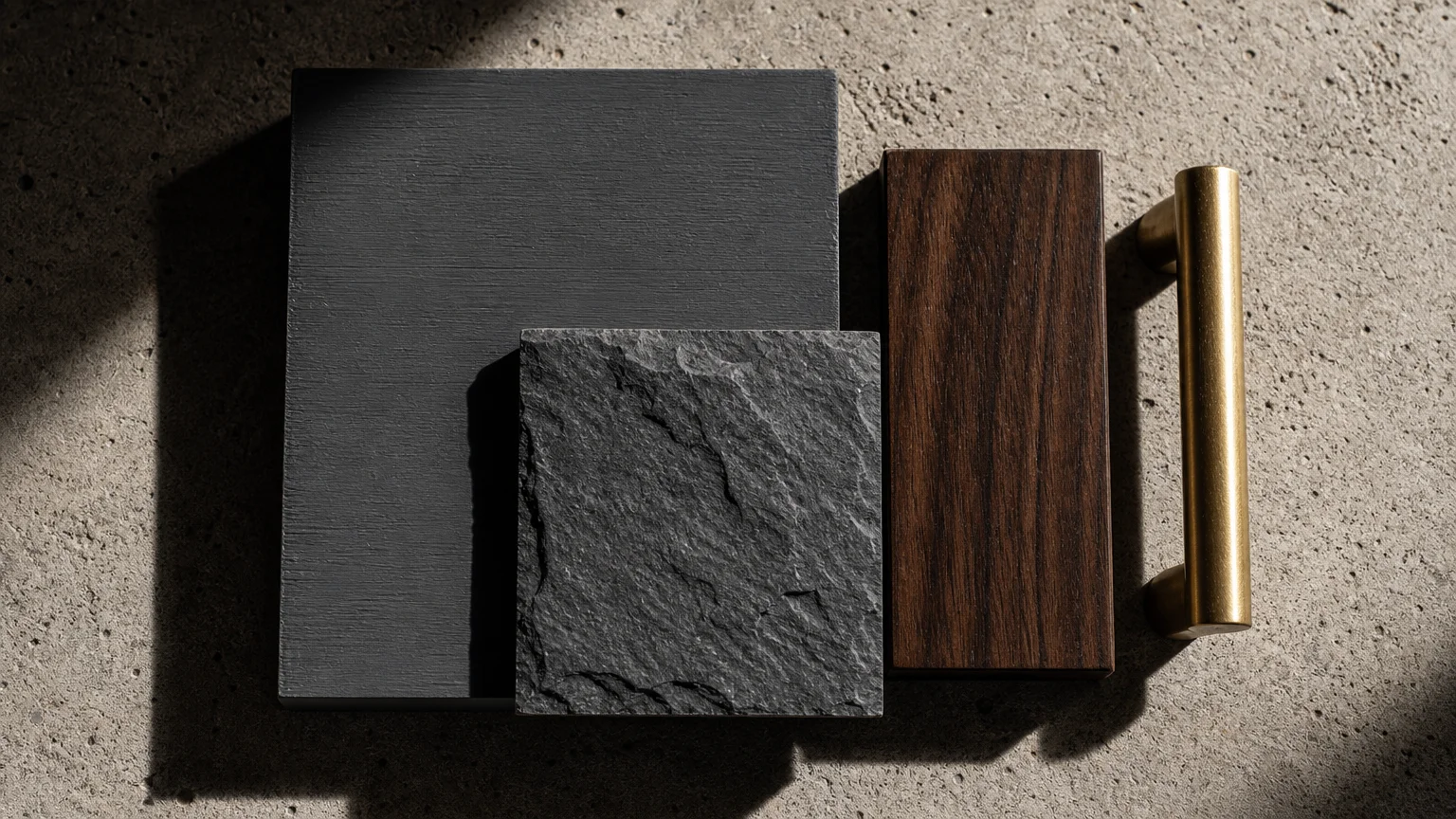
A tactile collage of overlapping charcoal-grey cardstock, black linen fabric, and natural dark slate.
Tactile layers of slate, plaster, and torn paper reveal the stunning depth of chalky charcoal tones.

Trend #6: Chalky Charcoals and Soft Blacks

Embracing chalky charcoals and soft, muted blacks in a room flooded with natural light represents the absolute pinnacle of bold design confidence. While conventional decorating wisdom suggests painting bright rooms white to maximize reflection, painting a sunlit room black achieves something entirely different and profoundly striking: it perfectly frames the outdoors.

Much like the matte black bezel of a television screen enhances the perceived vibrancy and quality of the moving picture, black walls recede visually, drawing your eye immediately past the architecture and directly out to the bright windows and the landscape beyond. The sheer, overwhelming volume of natural light entering the space entirely prevents the dark paint from feeling oppressive or cave-like. Instead, the sunlight turns the walls into a sophisticated, moody canvas that brilliantly anchors your colorful furniture, curated textiles, and fine artwork.

When navigating this highly dramatic trend, the specific hidden undertone of your dark paint matters immensely. A dark charcoal carrying a violet or blue undertone will behave very differently than a soft black built upon a green or brown base. Southern light will forcefully pull out any hidden warmth nestled within the dark paint, while northern light will emphasize the colder, sleeker blue-grey notes. Prevent the space from feeling completely devoid of light reflection by incorporating highly reflective, glossy surfaces into your room design. Expansive antique mirrors, high-gloss lacquered ceilings, or large glass coffee tables will bounce the incoming sunlight around the dark room, creating a glamorous, dynamic interplay of heavy shadow and sharp illumination.

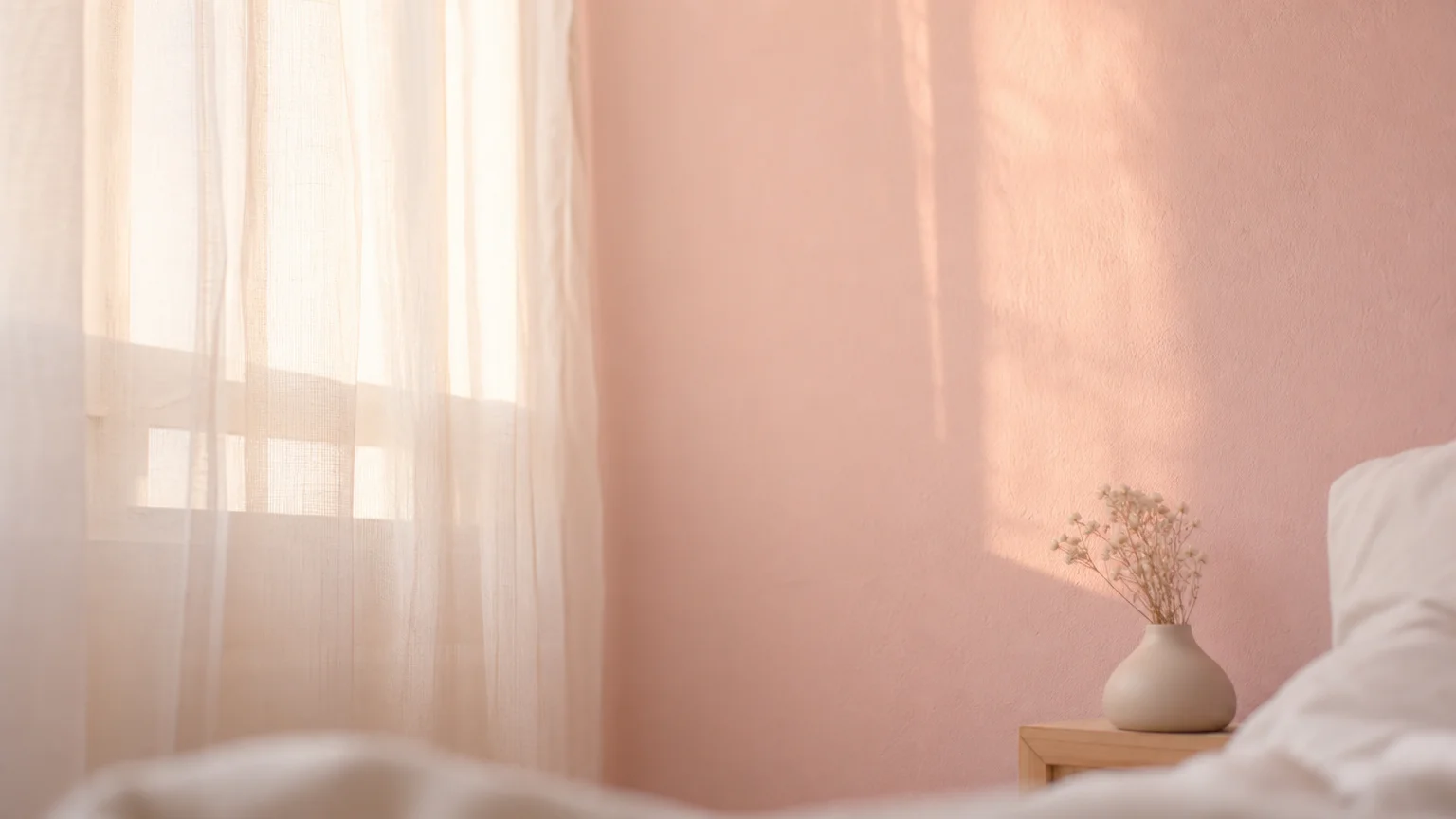
Soft dawn light casting a pale glow onto a plaster pink bedroom wall behind a sheer white cotton curtain.
Warm sunlight streams through sheer curtains, beautifully illuminating a soft plaster pink wall and delicate bedside flowers.

Trend #7: Barely-There Blushes and Plaster Pinks

Moving decisively away from the overtly feminine, saccharine connotations of past decades, barely-there blushes and muted plaster pinks have rapidly emerged as the new, sophisticated foundational neutrals for high-end, sunlit homes. These complex, highly desaturated pinks possess an incredibly flattering quality; they bounce a warm, gentle, rosy glow onto the skin of everyone sitting in the room, creating an atmosphere that feels inherently welcoming, intimate, and luxurious.

When a room receives a tremendous amount of direct natural daylight, standard whites and pale greys can often feel glaring, sterile, or shockingly cold. Plaster pinks elegantly bridge this gap, offering the desired lightness and spaciousness of a white wall but delivering a complex, shifting depth that changes dramatically depending on the exact time of day. In the crisp light of the morning, these walls may read as a warm, comforting beige. By sunset, as the light shifts toward the red spectrum, the walls ignite with a subtle, breathtaking coral radiance. This chameleon-like behavior makes blush an exceptional, versatile choice for sprawling open-concept living areas and serene primary bedrooms alike.

The physical texture of the paint plays a crucial, defining role in successfully executing this trend. Instead of standard flat acrylics, homeowners and designers are turning to traditional limewash, Roman clay, and micro-cement finishes to give these pink hues a mottled, suede-like appearance. The subtle, artisanal variations in the plaster finish catch the sunlight at different angles, creating a wall that feels highly tactile and vibrantly alive. Pair these gentle, glowing hues with raw concrete pillars, natural travertine floors, and sharp matte black hardware to deliver a perfectly balanced, fiercely modern interior.

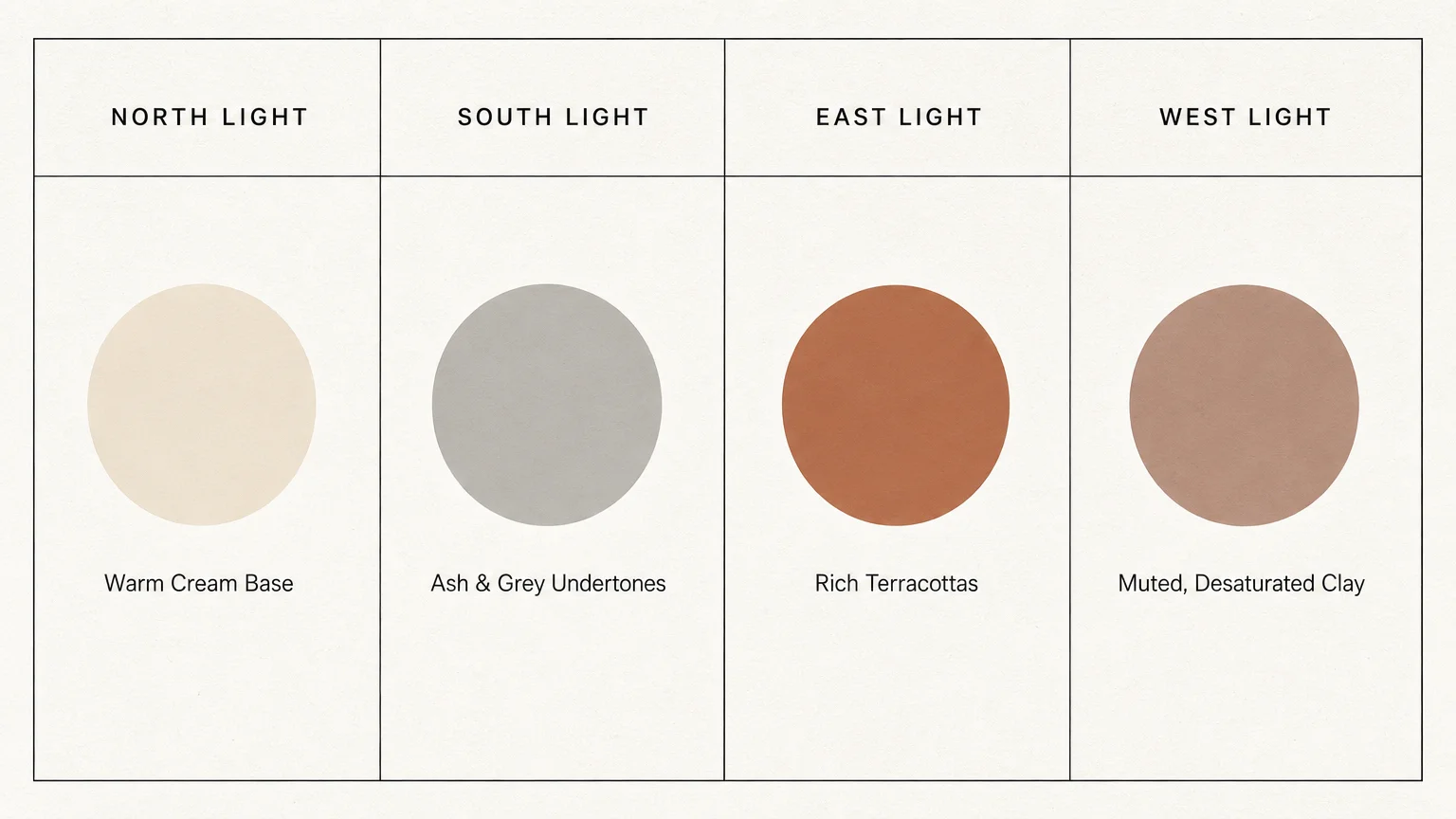
A minimalist grid diagram mapping home window orientations to recommended warm and cool paint undertones.
This helpful chart pairs recommended paint swatches with the direction of your home’s natural light.

The Big Picture: Weaving These Trends into Your Home

Understanding the intricate nuances behind these color trends provides an excellent foundation, but the true art of interior design lies in expertly weaving these colors into your specific, unique home environment. High-volume natural light is a highly dynamic, ever-changing architectural element. A complex wall color that looks mesmerizing and vibrant at ten in the morning might unexpectedly fall flat, turning dull and lifeless by four in the afternoon as the sun dips behind the trees.

Therefore, your first and most critical step before committing to home color schemes is exhaustive, rigorous testing. Never rely solely on a tiny, two-inch paper swatch illuminated by the artificial, fluorescent lighting of a hardware store. Instead, paint large, two-foot square sample boards, or utilize high-quality repositionable painted decals. Move these samples around the room, observing exactly how the hue interacts with your specific geographical light over a full forty-eight-hour cycle. Pay exceptionally close attention to how the exterior foliage outside your windows alters the incoming light; a massive, leafy oak tree can cast a distinct, heavy green filter into your living room during the peak summer months, fundamentally altering how a white or beige wall actually appears to the human eye.

Furthermore, achieving a cohesive, high-end aesthetic requires looking holistically beyond the painted walls. Your paint colors must enter a deliberate, harmonious dialogue with your flooring, cabinetry, and major upholstered furniture pieces. Adopting a new trend does not mean you must aggressively redesign your entire home simultaneously. Start strategically. Implement a bold, chalky charcoal in a sunlit dining room or a delicate plaster pink in a bright guest bedroom to gauge your visual comfort level. The ultimate goal of sophisticated design is to curate spaces that feel thoughtfully collected and highly personal over time. By combining these contemporary color trends with timeless design principles, you create a home that feels both urgently current and profoundly enduring.

Frequently Asked Questions

How do I choose a paint color based on the specific directional exposure of my room?

Directional exposure stands as the single most critical factor in color selection. North-facing rooms receive cool, indirect light that strongly amplifies blue and grey tones; counteract this frigid effect by choosing warm, yellow-based off-whites, terracotta, or rich earth tones. South-facing rooms enjoy intense, warm light all day long, allowing you to successfully utilize cooler blues, greens, or starker charcoals without the room ever feeling cold. East-facing rooms get bright, cool morning light and much darker afternoons, making highly adaptable, chameleon-like neutrals ideal. West-facing rooms receive fiery, intense late-afternoon sun, meaning you should generally avoid overly warm reds or bright oranges unless your goal is a highly dramatic, enveloping aesthetic.

Can I combine multiple trending colors within an open-concept sunlit space?

Yes, you can beautifully combine trends, but success relies entirely on establishing a strict, clear color hierarchy. Choose one dominant color to carry the vast majority of the wall space—such as a warm mineral off-white or a subtle plaster pink. Then, deploy secondary, bolder colors like deep olive green or golden ochre for strategic, high-impact focal points, such as a central kitchen island, expansive built-in bookcases, or a dramatic fireplace accent wall. Crucially, maintain a continuous, unifying thread through your trim color; painting all baseboards, doors, and window casings a consistent shade seamlessly unifies the distinct zones within a large open floor plan.

Do dark paint colors like charcoal or forest green have long-term design longevity?

Absolutely. While highly specific, trendy shades naturally fluctuate in popularity over the decades, the fundamental concept of utilizing dark colors to create architectural depth and visual contrast is deeply rooted in centuries of design history. Dark, saturated hues possess an inherently timeless quality, especially when applied thoughtfully to traditional architectural elements like library millwork, wainscoting, or coffered ceilings. Their longevity is secured by how masterfully they highlight the surrounding architecture and dramatically frame the natural light entering the room, making them a permanent staple in high-end, bespoke design rather than a fleeting, disposable fad.

How does paint sheen impact the way color behaves in a bright room?

Sheen determines precisely how much light reflects off the painted surface. In rooms flooded with intense natural light, high-gloss or semi-gloss finishes act almost exactly like mirrors, bouncing light aggressively around the space and glaringly highlighting every tiny drywall imperfection or uneven texture. Conversely, flat or matte finishes absorb the incoming light, providing a rich, velvety depth that makes the actual color pigment appear much more saturated, even, and elegant. For walls in exceptionally bright spaces, an eggshell or flat matte finish is almost always the most sophisticated, visually pleasing choice, reserving satin or semi-gloss finishes exclusively for highly trafficked doors and protective trim.

For the latest color forecasts, consult industry leaders like Pantone and paint companies like Benjamin Moore. For professional design standards, refer to the American Society of Interior Designers (ASID).

Disclaimer: This article reflects design trend analysis and predictions. Personal taste and timeless design principles should always guide your decorating choices.
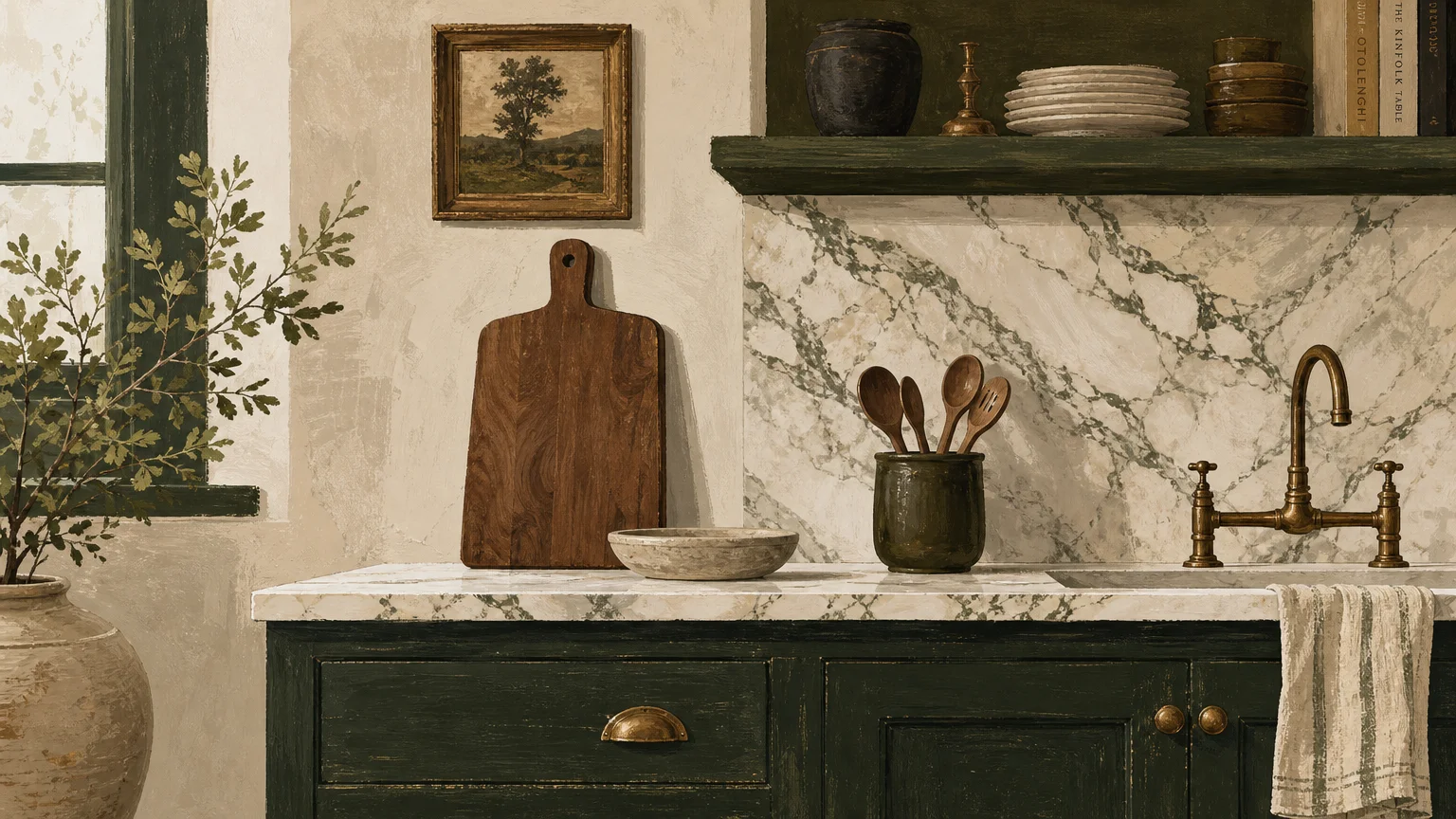
7 Designer-Approved Paint Colors for Small Spaces

0

Choosing the right palette fundamentally alters the perceived dimensions of your compact rooms, transforming cramped layouts into spacious, curated sanctuaries. Paint serves as your most powerful tool for expanding tight dimensions; strategic hues manipulate light and shadow to recede walls and lift ceilings. While conventional wisdom once dictated that you must paint small areas stark white, modern color theory embraces sophisticated alternatives that inject character without overwhelming the footprint. You can deploy rich, space-enhancing paint choices—from enveloping dark tones that blur physical boundaries to luminescent neutrals that reflect maximum sunlight. By examining current designer-approved colors, you uncover dynamic interior color ideas capable of elevating any modest floor plan into a masterclass in spatial illusion and style.

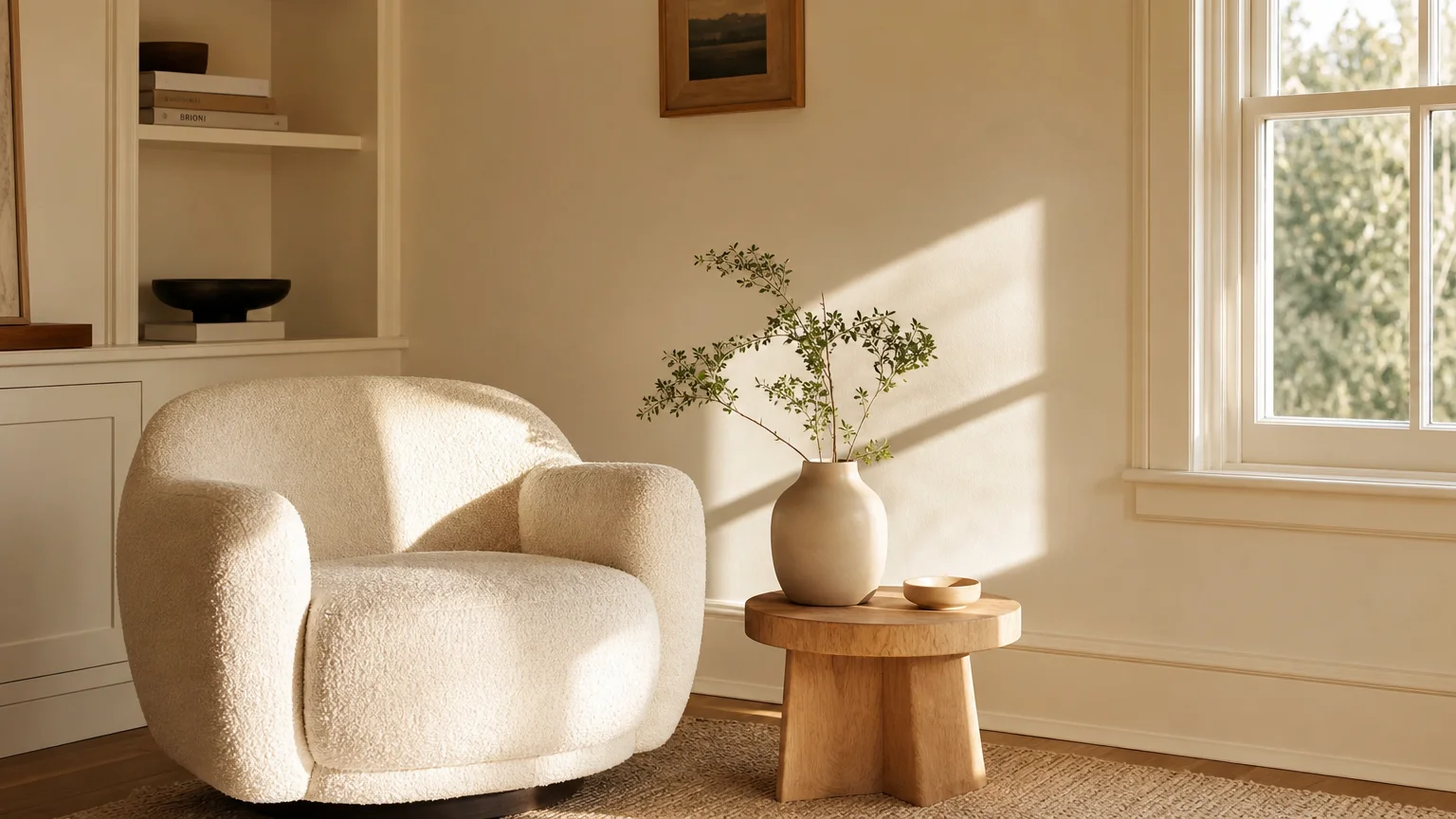
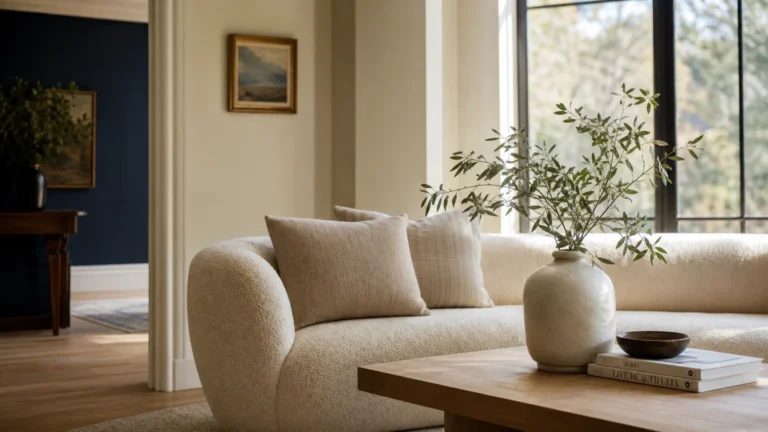
A sunlit room corner painted in luminous warm white, featuring a cream bouclé lounge chair and a light oak side table under soft morning lig
Natural light bathes a plush bouclé armchair and warm white walls, making this small space feel luminous.

Trend #1: Luminous Warm Whites

Architects and designers increasingly utilize warm whites to reflect natural light without creating the sterile, clinical atmosphere typical of hospital rooms. Pure, stark whites carry cool blue undertones that fall entirely flat in north-facing rooms or heavily shaded environments. By contrast, warm whites—infused with subtle hints of yellow, umber, or even faint peach—thrive in these darker settings by mimicking the glow of golden hour sunlight. You can leverage these hues as foundational small room paint colors, establishing a versatile canvas that amplifies your available light. Industry professionals often look for a Light Reflectance Value (LRV) between 75 and 85; this range maximizes light bounce while retaining enough pigment to register as a distinct color rather than a primer. To execute this trend effectively, embrace the technique of color drenching. You coat the walls, trim, doors, and even the ceiling in the exact same warm white shade. This continuous application eliminates visual breaks that chop up a compact space, effectively forcing the eye to glide upward and outward. When you restrict your palette to a single luminous neutral, your interior architecture feels seamless and expansive. Because the color steps back, you must introduce tactile variety through your furnishings. Layering boucle fabrics, bleached oak flooring, and matte ceramic accessories against a warm white backdrop ensures the room remains visually engaging. You transform cramped quarters into an airy, elevated sanctuary simply by shifting your foundational white a few degrees warmer.

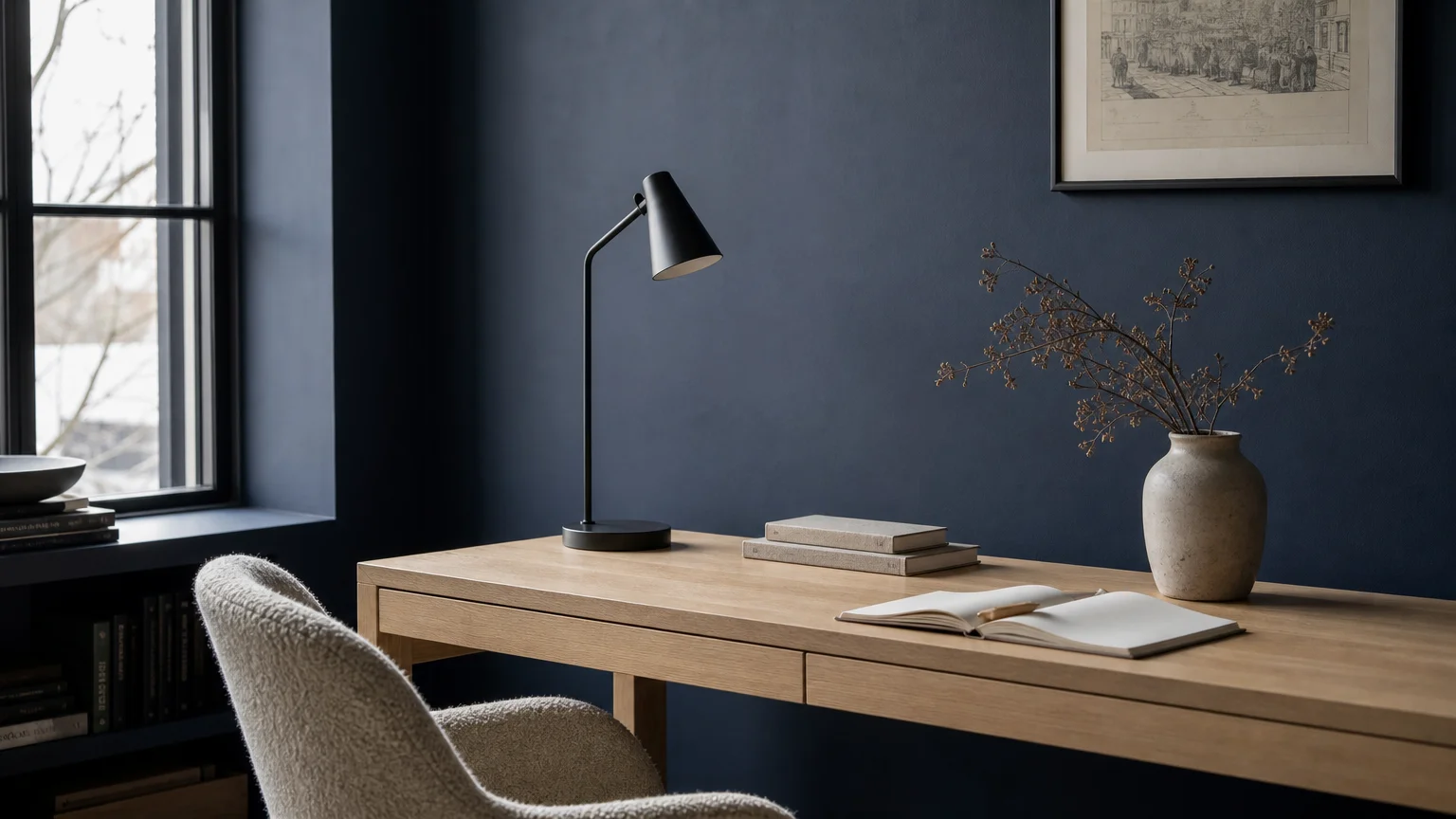
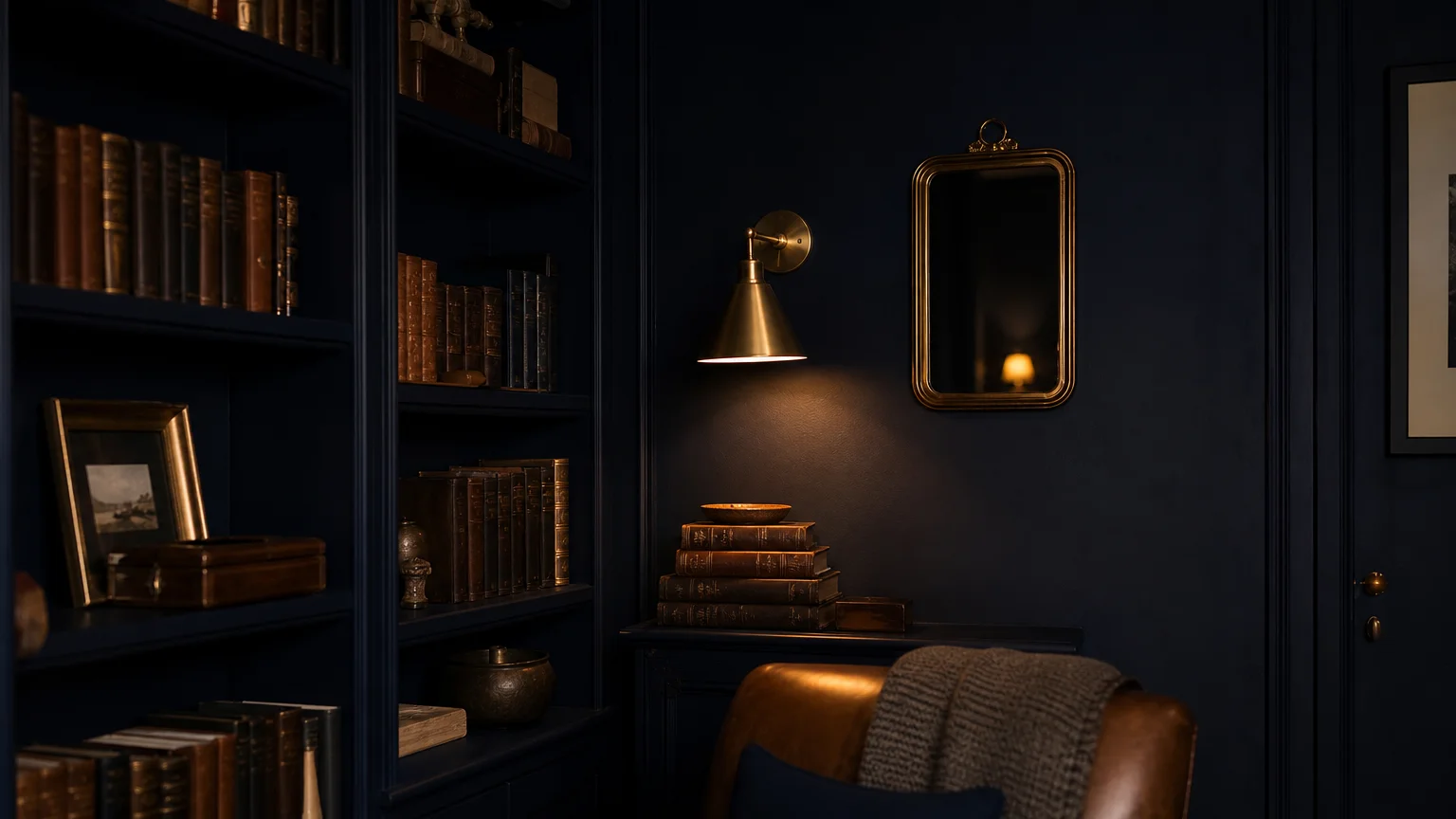
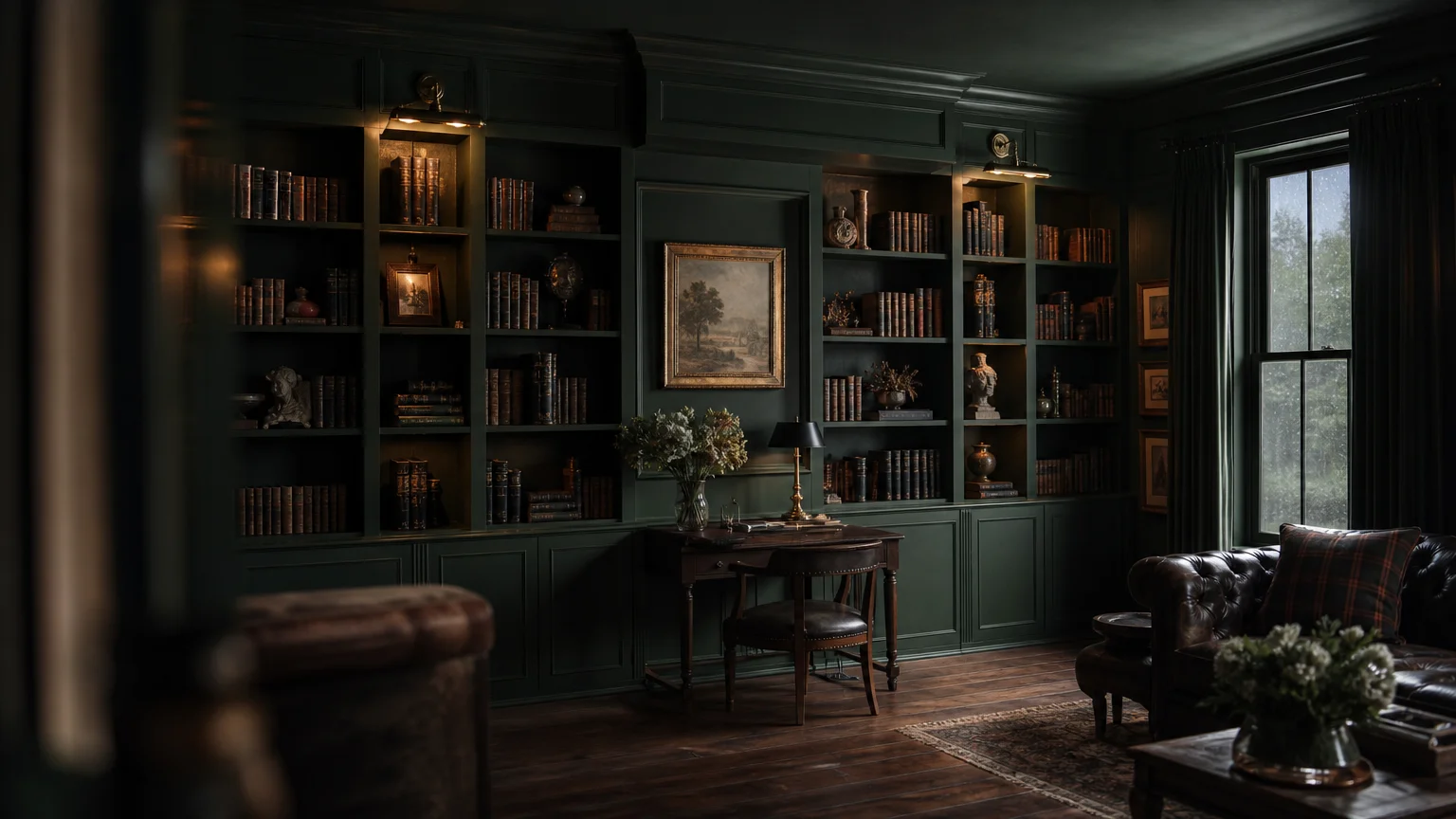
A small library nook painted in deep midnight blue with a glowing brass sconce casting warm light on bookshelves.
Deep midnight blue walls, a brass sconce, and a leather chair create a cozy, enveloping reading nook.

Trend #2: Enveloping Midnight Blue

Counterintuitive as it may seem, draping a tight room in deep, moody tones often produces a more profound sense of space than painting it white. Midnight blue absorbs shadows, blurring the distinct lines where your walls intersect with the ceiling. Without those harsh geometric boundaries, the room loses its defined edges and begins to feel expansive—mimicking the infinite depth of the night sky. Designers frequently deploy enveloping midnight blue in inherently dark environments, such as windowless powder rooms, narrow hallways, or secluded home libraries. Instead of fighting the lack of natural light with weak neutrals, you lean into the moodiness to create a deliberate, jewel-box aesthetic. This approach introduces instant provenance and quiet luxury into homes that might otherwise lack architectural significance. When selecting these designer-approved colors, seek out shades with deep charcoal or subtle green undertones rather than primary school blues; complexity elevates the finish. To prevent the environment from feeling cavernous, you must introduce elements that reflect light. Polished unlacquered brass hardware, heavily veined marble countertops, and strategically placed mirrors become essential components of your small home decor strategy. The high-contrast interplay between the matte, light-absorbing walls and the gleaming metallic accents provides a dynamic visual tension. You effectively manipulate perception, turning a claustrophobic footprint into a sophisticated, tailored retreat that feels completely intentional.

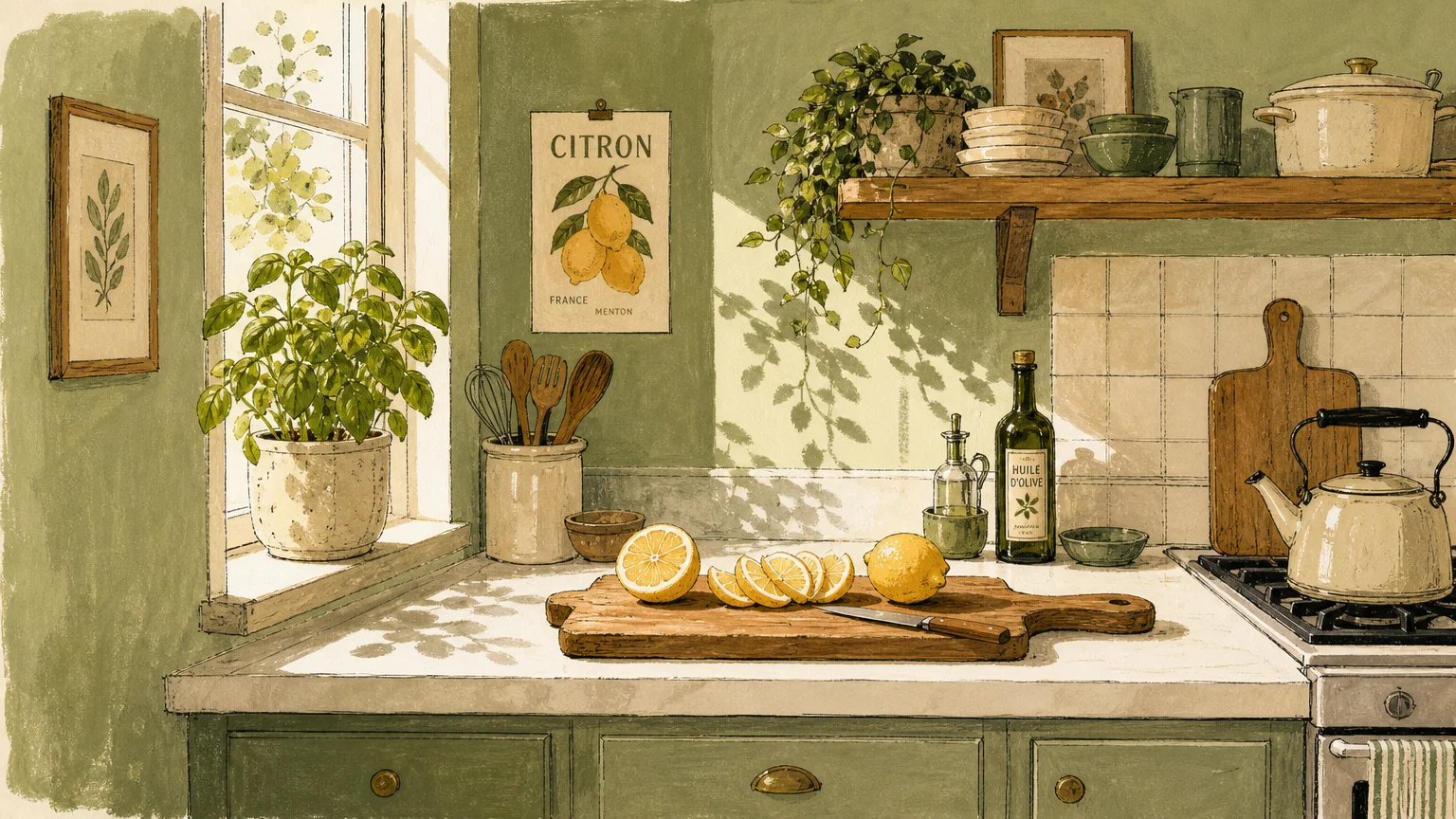
A hand-painted gouache illustration of a small kitchen with sage green cabinets, a wooden cutting board, and a potted plant on the windowsil
Earthy sage green walls and bright lemons create a warm, inviting feel in this sunlit kitchen.

Trend #3: Earthy Sage Green

Integrating biophilic design principles fundamentally shifts how you experience a confined floor plan. Earthy sage green serves as the ultimate transitional hue, dissolving the physical barriers between your interior environment and the outside world. By bringing organic, nature-inspired tones indoors, you establish a psychological expansiveness that standard neutrals cannot achieve. Sage green operates at an ideal mid-tone frequency—dark enough to provide genuine character but light enough to maintain an airy atmosphere. You can utilize this versatile shade as a primary backdrop because it shifts beautifully throughout the day. Under the crisp morning sun, the paint reveals subtle, silvery gray undertones; as evening approaches and artificial lights take over, it warms into a rich, comforting olive. This chameleon-like quality makes sage green one of the most reliable interior color ideas for multifunctional areas like combined living and dining rooms or small home offices. The hue naturally reduces visual fatigue and lowers stress, transforming a tight space into a restorative haven. To maximize the impact of this color, pair it with organic textures and honest materials. Natural rattan chairs, tumbled travertine tables, and soft linen drapery harmonize effortlessly with a green palette. By keeping your material choices rooted in nature, you reinforce the restorative narrative of the paint. You create a cohesive, breathable environment that feels vastly larger than its actual square footage dictates.

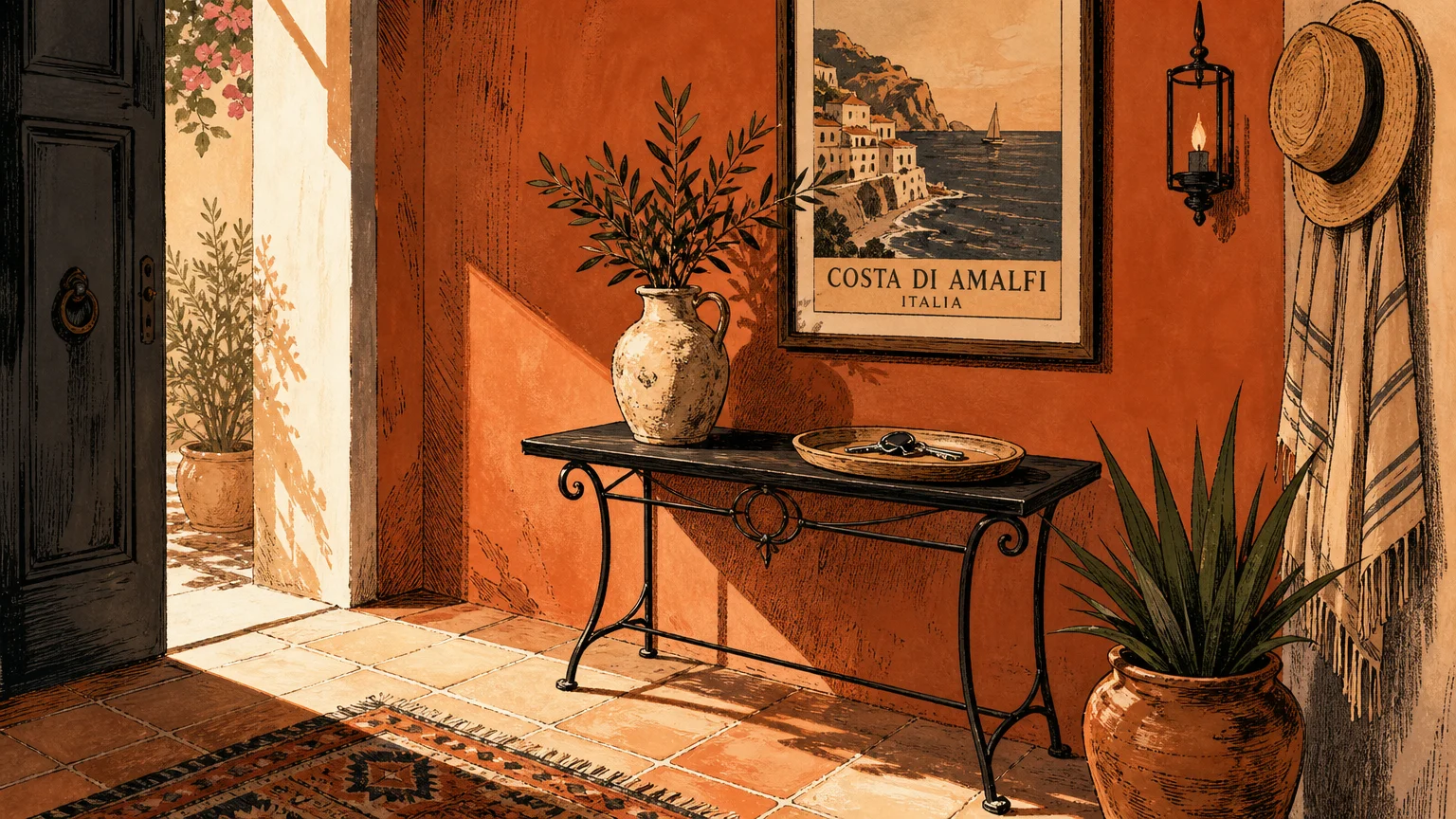
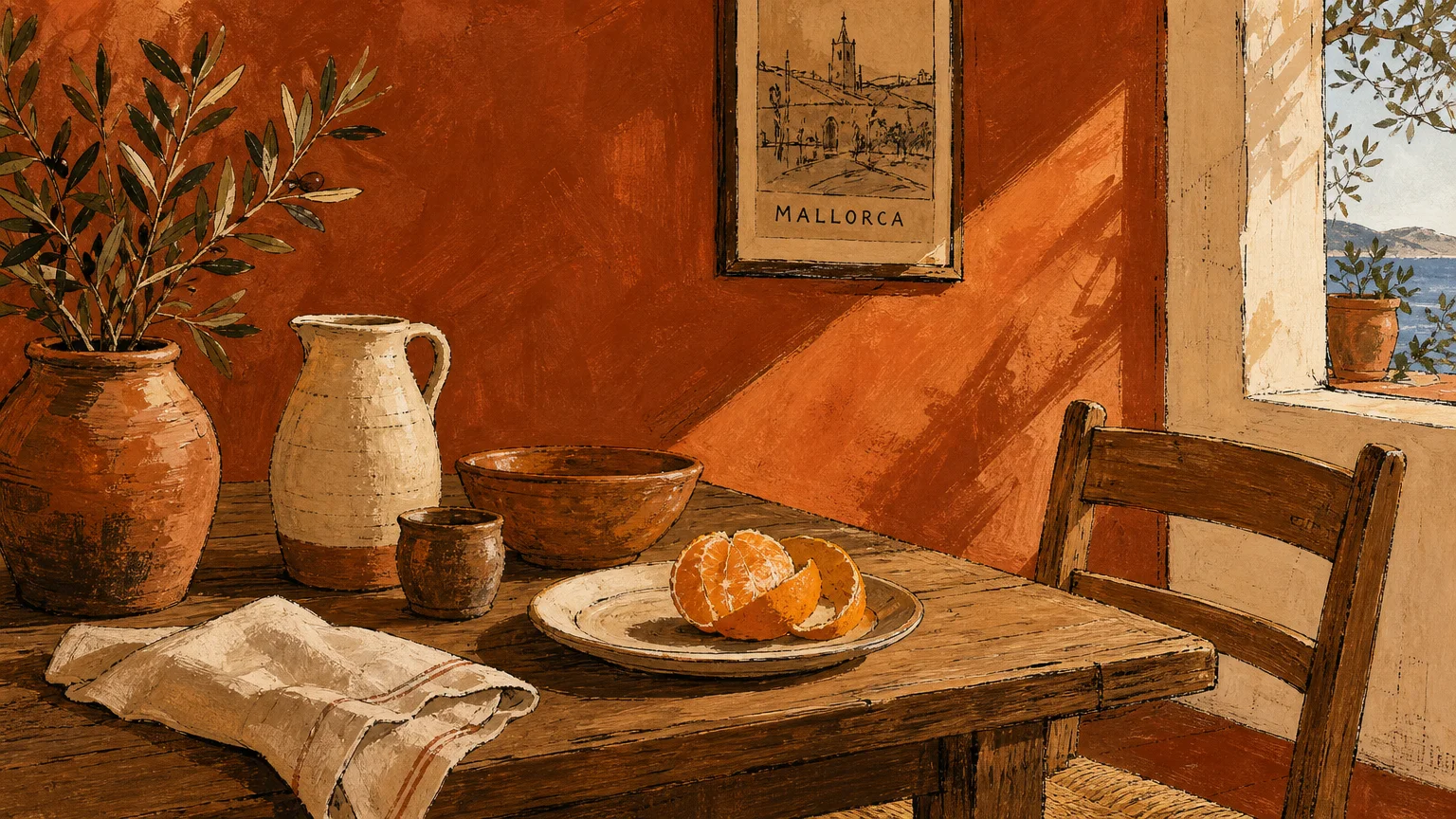
A stylized gouache illustration of an entryway with terracotta walls, a black console table, and warm light casting long shadows.
Warm terracotta walls bring a cozy, sun-baked Mediterranean charm to this small, welcoming entryway.

Trend #4: Sun-Baked Terracotta

As interior design moves decisively away from the cool, clinical grays of the previous decade, warm, earth-pigmented hues are taking center stage. Sun-baked terracotta injects a vital dose of warmth and tactile energy into compact living spaces. While you might assume red-based tones would visually advance and make a room feel smaller, a dusty, muted terracotta actually creates a deeply enveloping and sophisticated atmosphere. The color radiates heat, counteracting the dreary chill of spaces that receive limited natural daylight. You can deploy this rich shade in a small dining room to cultivate an intimate, candlelit ambiance, or use it in an entryway to establish a welcoming, bold first impression. To execute this trend successfully, the finish matters just as much as the pigment. Standard flat latex paint can sometimes cause heavily pigmented reds to read as flat or lifeless. Instead, designers often specify lime wash or Roman clay applications for terracotta hues. These artisanal finishes introduce subtle movement and a suede-like texture to the walls, capturing ambient light in varied, dynamic ways. This textural depth distracts the eye from the limited dimensions of the room. When styling your space around sun-baked terracotta, balance the heat of the walls with cooler, grounding elements. Dark walnut woods, matte black metal accents, and lush, oversized houseplants create a beautifully balanced aesthetic. You transform an easily overlooked room into a captivating, culturally resonant environment.

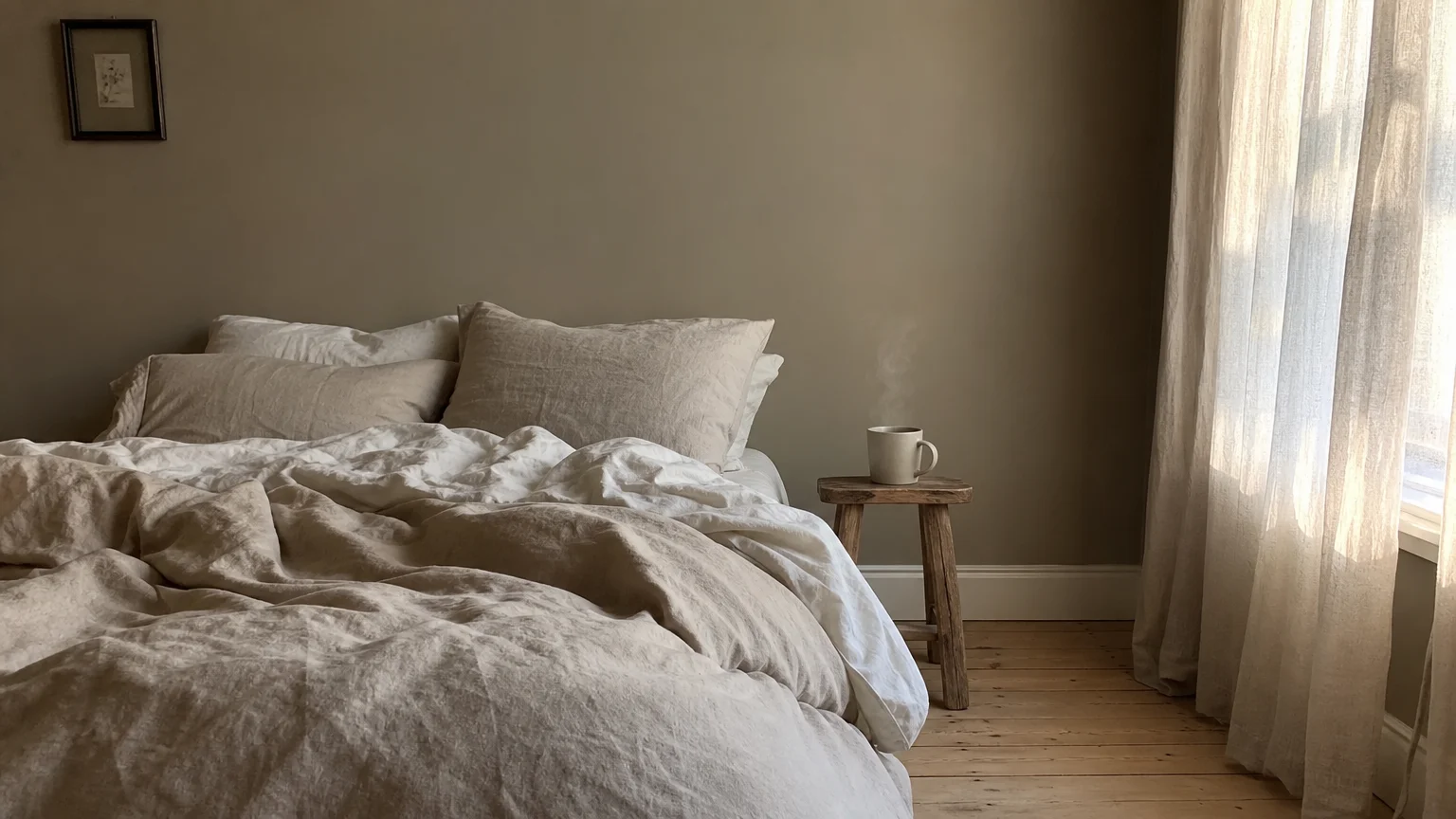
A cozy, casually made bed with linen sheets against a soft greige wall in gentle morning light.
Sophisticated greige walls create a warm, cozy backdrop for this serene bedroom with rumpled linen bedding.

Trend #5: Sophisticated Greige

The concept of a versatile neutral has evolved dramatically, culminating in the rise of sophisticated greige. A masterful blend of cool gray and warm beige, greige offers the ultimate foundational canvas for modest floor plans. Pure grays often render a small space icy and uninviting, while heavy beiges can feel dated and muddy. Greige strikes a flawless equilibrium, providing enough warmth to make the room feel hospitable while retaining a crisp, modern edge. This specific balance categorizes it as a premier space-enhancing paint, capable of reflecting ample light while maintaining deep architectural interest. Because the color is so highly adaptable, it forms an ideal backdrop for virtually any design style—from stark minimalism to layered maximalism. You can apply a soft, luminous greige in a narrow galley kitchen or a compact primary bedroom to establish a serene, cohesive flow. The hue changes subtly in response to its surroundings, pulling out the blue in adjacent artwork or highlighting the warmth in vintage rugs. For optimal results, utilize contrasting sheen levels within the same greige family. Painting your walls in a matte finish while finishing the baseboards and crown molding in a high-gloss sheen of the exact same color creates a subtle, light-catching border that outlines the room elegantly. This tone-on-tone strategy adds undeniable sophistication without cluttering the visual field, proving that restrained palettes often yield the most powerful spatial illusions.

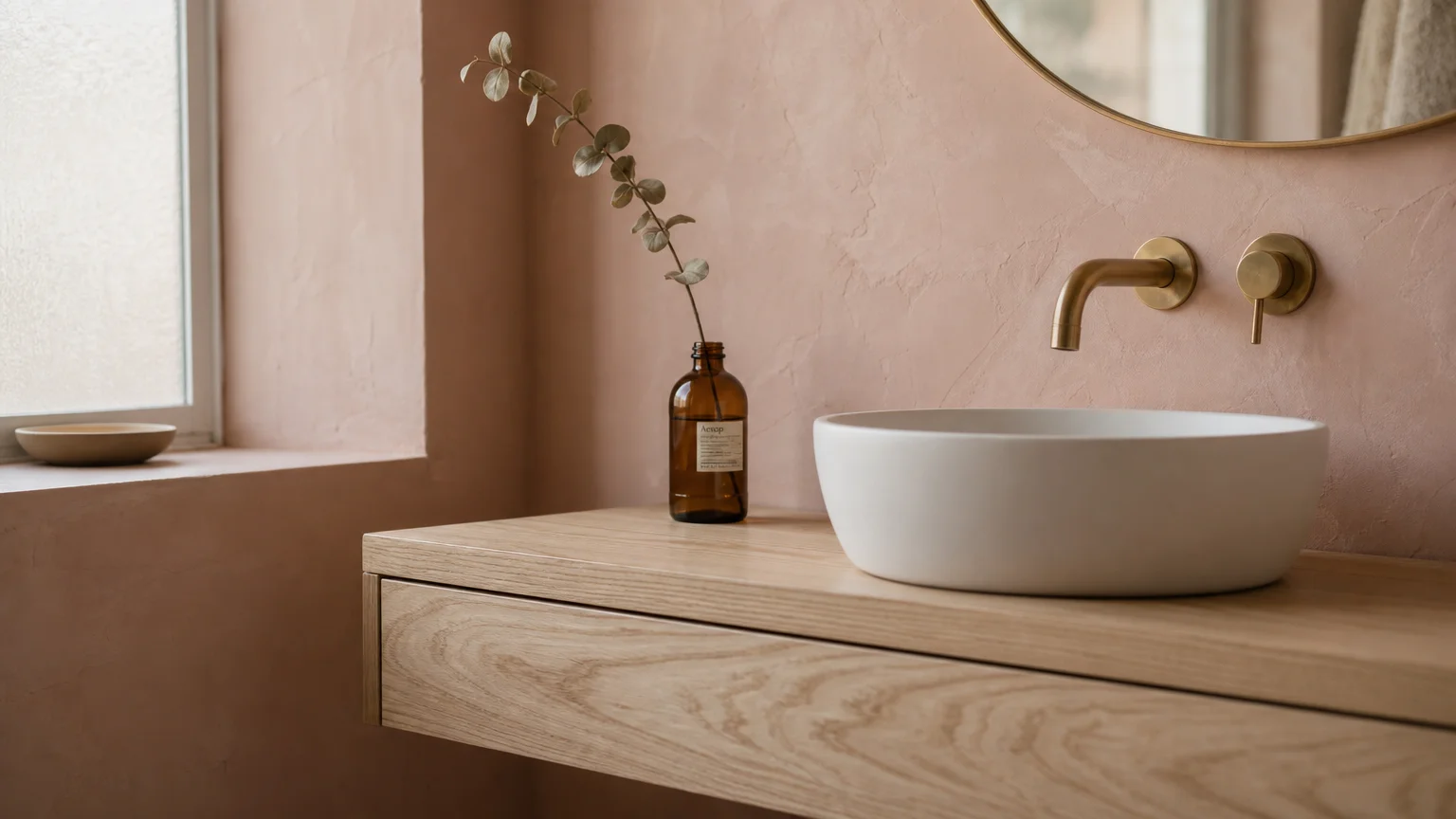
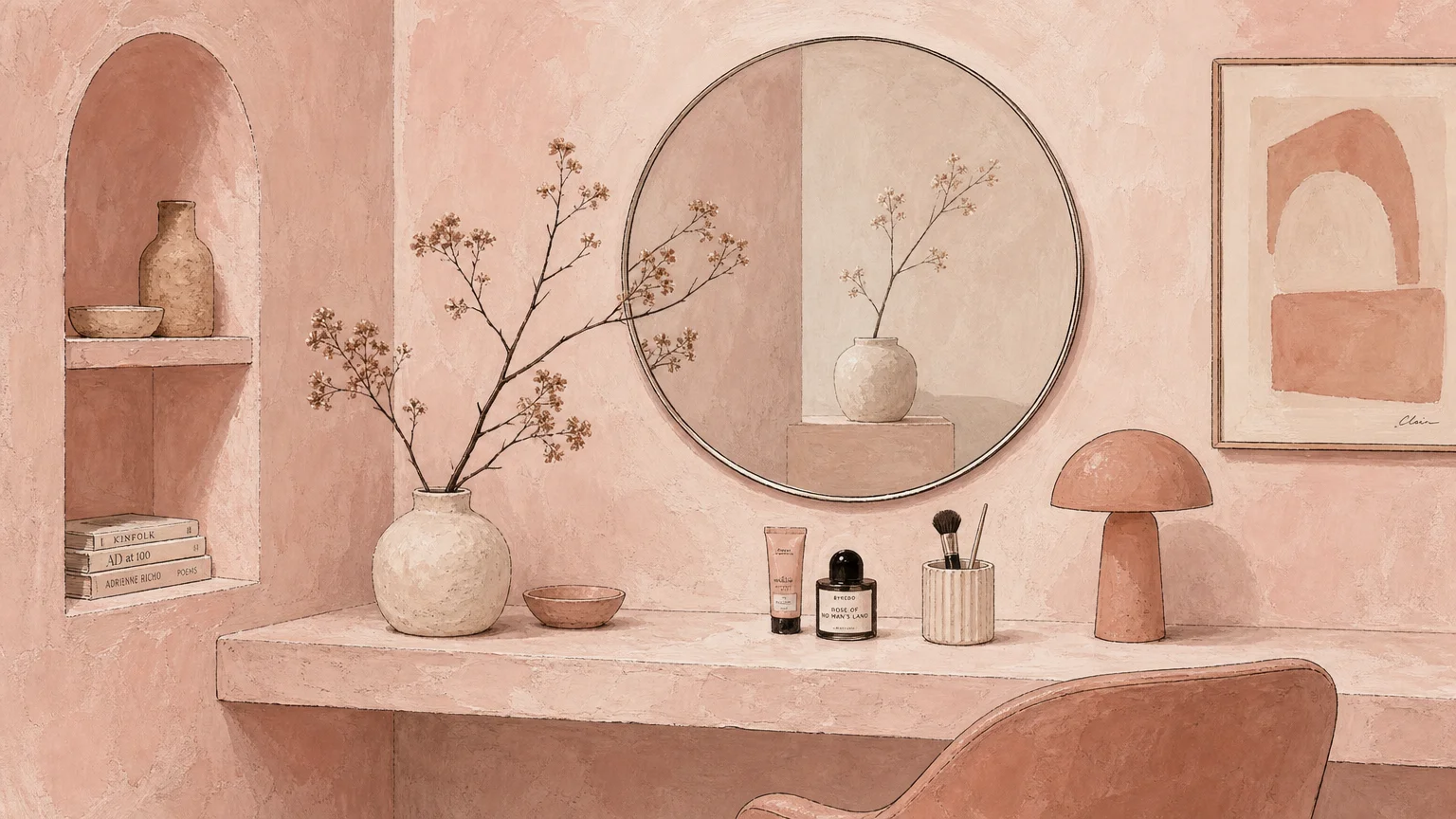
A soft plaster pink and muted blush vanity nook shown in a minimalist gouache illustration with a round mirror and dried branch.
Textured plaster pink walls and a round mirror create a serene, warm vanity setup in small spaces.

Trend #6: Plaster Pink and Muted Blush

Far removed from the youthful brightness of traditional bubblegum shades, plaster pink has matured into a deeply sophisticated, architectural neutral. Muted blush tones—often featuring dusty brown or subtle gray undertones—mimic the exceptionally flattering glow of sunset or soft candlelight. When you envelop a small space in these warm, flesh-toned hues, you immediately soften the harsh angles and tight corners of the architecture. Plaster pink reflects warmth onto the skin and the surrounding decor, generating an atmosphere of intimate luxury rather than confinement. Designers frequently utilize these tones in small bedrooms, dressing rooms, and even windowless bathrooms to establish a serene, boutique-hotel aesthetic. The inherent softness of the color reduces visual friction, allowing the eye to sweep across the room without interruption. To prevent the space from leaning overly sweet or heavily gendered, you must ground the palette with strong, contrasting elements. Deep burgundy accents, robust olive green upholstery, or heavily veined dark marble surfaces provide necessary visual weight and sophistication. The juxtaposition between the delicate plaster pink walls and these heavier materials creates a deeply compelling interior dynamic. By treating muted blush as a foundational neutral rather than an accent color, you introduce a layer of unexpected elegance. You elevate the small footprint, proving that limited square footage provides the perfect opportunity for daring, highly customized color stories.

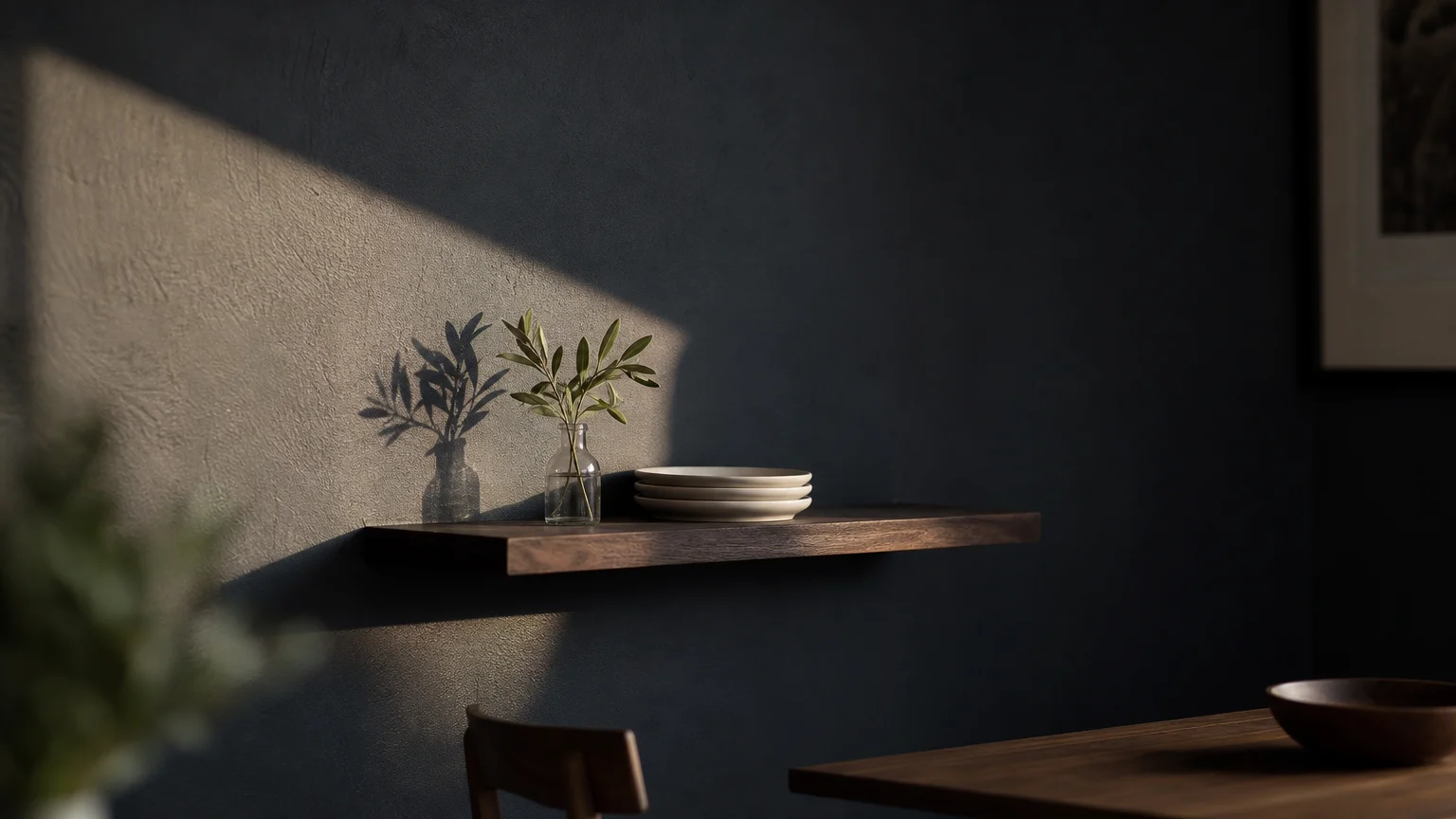
A close-up of a matte charcoal black wall with a dramatic beam of sunlight, a dark wood shelf, white plates, and a green sprig.
A textured charcoal black wall creates a dramatic, moody backdrop for a sunlit wooden floating shelf.

Trend #7: Dramatic Charcoal Black

Embracing true dark tones requires confidence, but the spatial rewards for compact environments are immense. While stark jet black can occasionally feel overly severe, dramatic charcoal black offers a nuanced, deeply layered alternative. Charcoal retains a subtle softness, often carrying faint undertones of blue, green, or brown that reveal themselves uniquely under different lighting conditions. This color operates as the ultimate boundary eraser; when applied to the walls of a small room, the dark pigment absorbs shadows and causes the physical parameters of the space to recede infinitely. You can harness this effect to completely transform a cramped media room, a tiny home office, or even a tight hallway. A dramatic charcoal palette serves as a highly effective gallery backdrop, making artwork, brass light fixtures, and architectural details pop with museum-like intensity. Furthermore, applying this dark hue to a low ceiling can perform a surprising visual trick: much like the night sky, a dark ceiling feels limitless, effectively tricking the brain into perceiving more vertical height. To ensure the space feels intentionally designed rather than accidental, your lighting scheme must be impeccable. You must layer multiple light sources—combining ambient overhead lighting with focused task lamps and atmospheric wall sconces. By pooling warm light against the moody charcoal walls, you create a dynamic, theatrical environment that maximizes style while completely defying its modest dimensions.

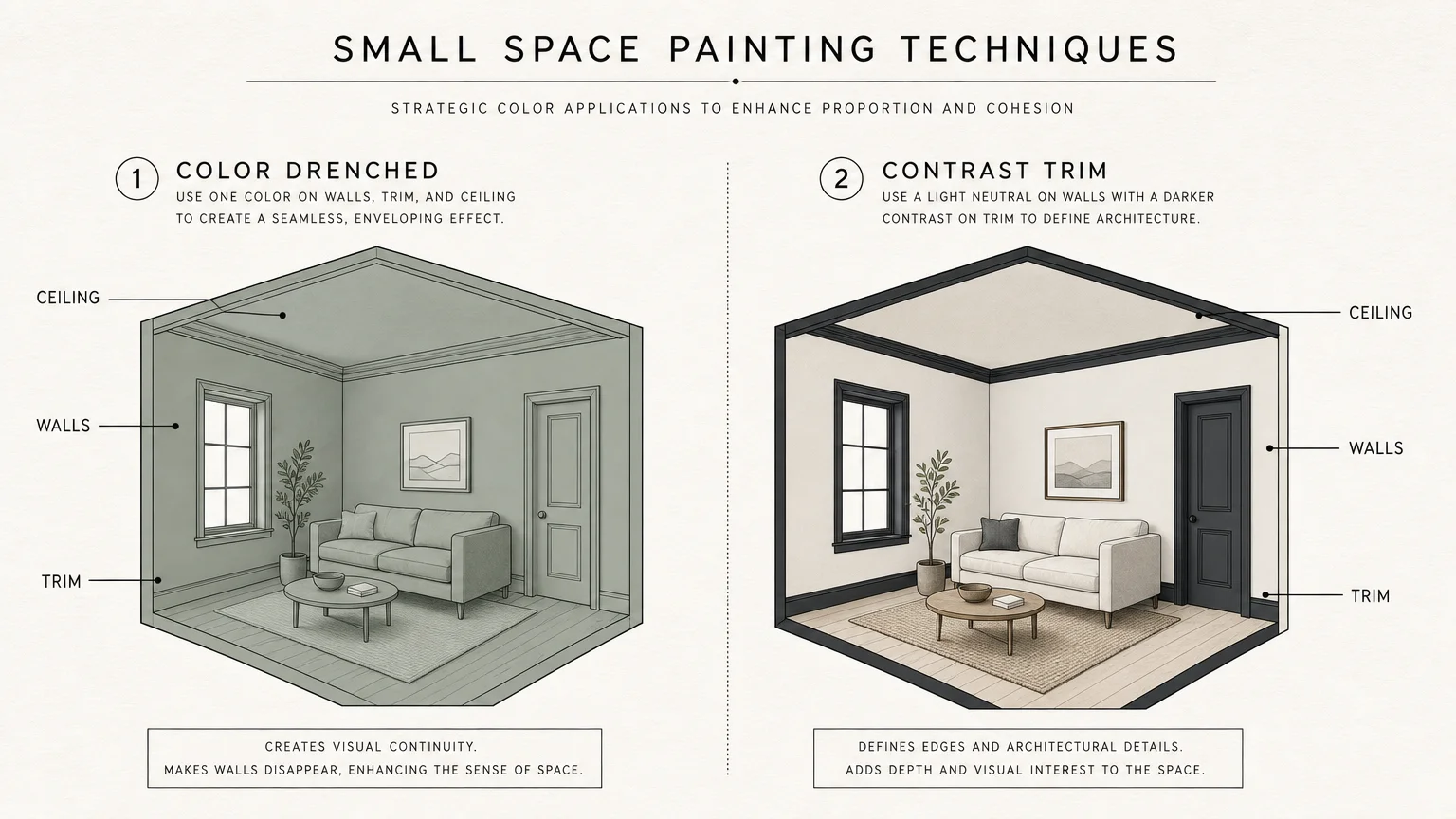
A horizontal architectural diagram showing two painting techniques for small spaces: Color Drenched and Contrast Trim.
Two illustrated room diagrams compare color drenching and contrast trim techniques for small spaces.

The Big Picture: Weaving These Trends into Your Home

Identifying the perfect color represents only the first phase of your interior transformation; executing the application with precision determines your ultimate success. To truly leverage these small room paint colors, you must view your home as a holistic, interconnected environment rather than a series of isolated boxes. When navigating a compact floor plan, visual continuity becomes your greatest asset. You can establish this flow by carrying a single foundational color through your hallways and main living areas, reserving the more dramatic, saturated trends for enclosed spaces like bedrooms, bathrooms, or studies. This deliberate pacing creates a journey of contraction and expansion as you move through the home, making the overall footprint feel significantly larger and highly customized.

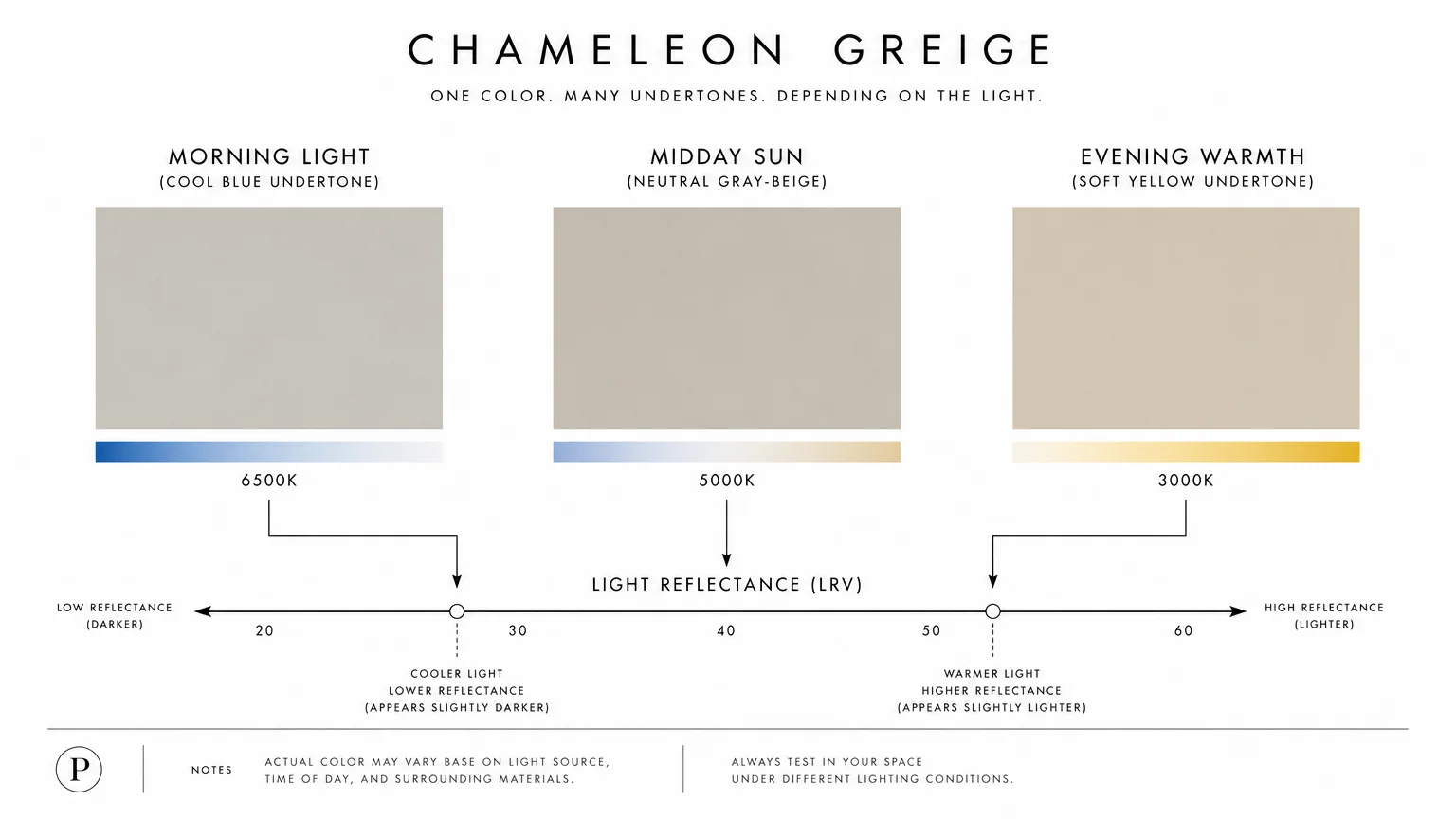
Beyond the pigment itself, the technical specifications of your paint play a critical role in spatial manipulation. You must carefully consider paint sheen and finish. Matte or flat finishes absorb light and brilliantly camouflage drywall imperfections, offering a velvet-like texture that elevates dark, moody colors. Conversely, eggshell or satin finishes reflect ambient light, making them indispensable for bouncing sunlight around a tight, warm-white living room. Your artificial lighting scheme also radically alters how these designer-approved colors perform. You should swap out harsh, cool daylight bulbs for warm-toned LEDs—typically around 2700K to 3000K—to accurately render the depth and warmth of your chosen palette.

Before committing to a full-room application, thoroughly test your selections. Paint large swatches on multiple walls and observe how the undertones shift from the crisp light of morning to the artificial glow of evening. Ultimately, your choice of space-enhancing paint must reflect your authentic lifestyle. While tracking trends provides excellent inspiration, you should curate your small home decor based on the hues that resonate with your personal aesthetic, ensuring your compact spaces remain as enduringly beautiful as they are functional.

For the latest color forecasts, consult industry leaders like Pantone and paint companies like Benjamin Moore. For professional design standards, refer to the American Society of Interior Designers (ASID).

Frequently Asked Questions

Can I use multiple dark colors in a single small space?

While you can introduce multiple dark hues, doing so in a tight floor plan often creates visual clutter that shrinks the room. Instead of mixing various dark pigments, professionals recommend selecting one primary dark color and utilizing it across multiple surfaces—a technique known as color drenching. If you paint your walls, trim, and doors in a unified charcoal or midnight blue, you eliminate the high-contrast lines that draw attention to the limited dimensions. You can then introduce secondary colors through your textiles, artwork, and lighting fixtures, keeping the architectural envelope seamless and expansive.

Which paint finish works best for expanding the look of a compact room?

The optimal finish depends entirely on the specific color you choose and the condition of your walls. For luminous warm whites and soft greiges, an eggshell or satin finish on the walls paired with semi-gloss trim maximizes light reflection, helping the room feel airy. However, when you utilize dark, dramatic tones like navy or terracotta, a matte or flat finish is generally preferred. Matte finishes absorb light, softening the harsh edges of the room and giving deep colors a sophisticated, velvety depth. Always ensure your walls are smooth before applying higher sheen paints, as they will highlight every structural imperfection.

How does natural lighting affect designer-approved colors in small rooms?

Natural light dictates how a paint color ultimately behaves within your home. North-facing rooms receive cool, bluish light that can make stark whites and cool grays feel clinical and depressing; these spaces require warm undertones like terracotta or warm white to counterbalance the chill. Conversely, south-facing rooms are flooded with warm, golden light throughout the day, allowing you to successfully deploy cooler tones like sage green or sophisticated greige without the space feeling icy. You must always test your chosen interior color ideas on multiple walls, monitoring how the shifting daylight interacts with the pigment’s underlying notes before making a final commitment.

Disclaimer: This article reflects design trend analysis and predictions. Personal taste and timeless design principles should always guide your decorating choices.
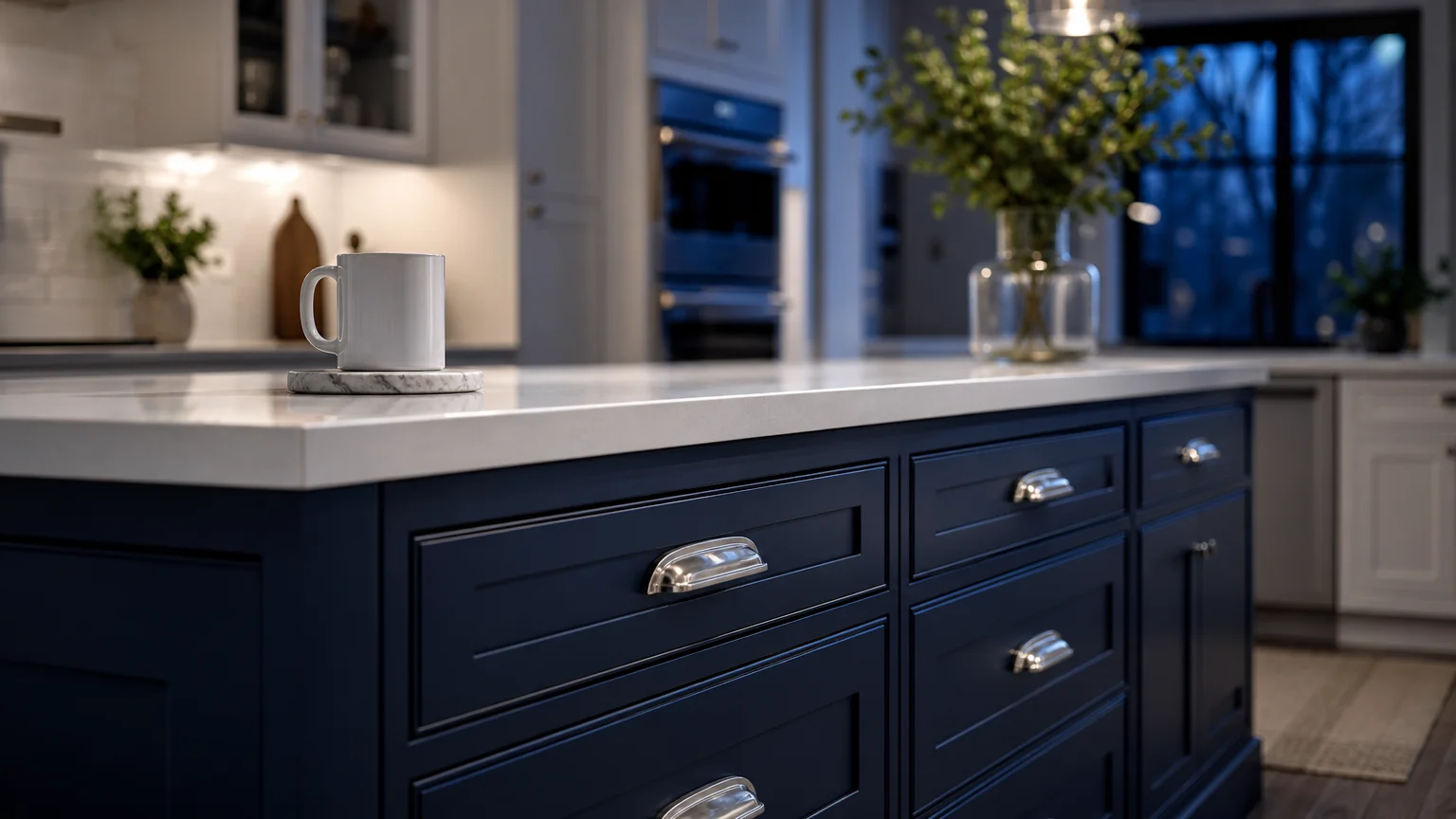
10 Classic Paint Colors That Always Look Elegant

0

Choosing the right wall color anchors your entire design aesthetic and instantly elevates the perceived value of your space. True sophistication relies on classic paint colors that transcend fleeting fads, offering a versatile foundation for any architectural style. These timeless paint shades adapt effortlessly to changing lighting conditions and shifting interior paint ideas, ensuring your home feels both current and established. Instead of chasing the latest vibrant micro-trends, discerning homeowners embrace foundational hues that evoke a sense of quiet luxury. Master these ten enduring color profiles to craft sophisticated interiors that command attention while maintaining an inviting, deeply personal atmosphere for years to come.

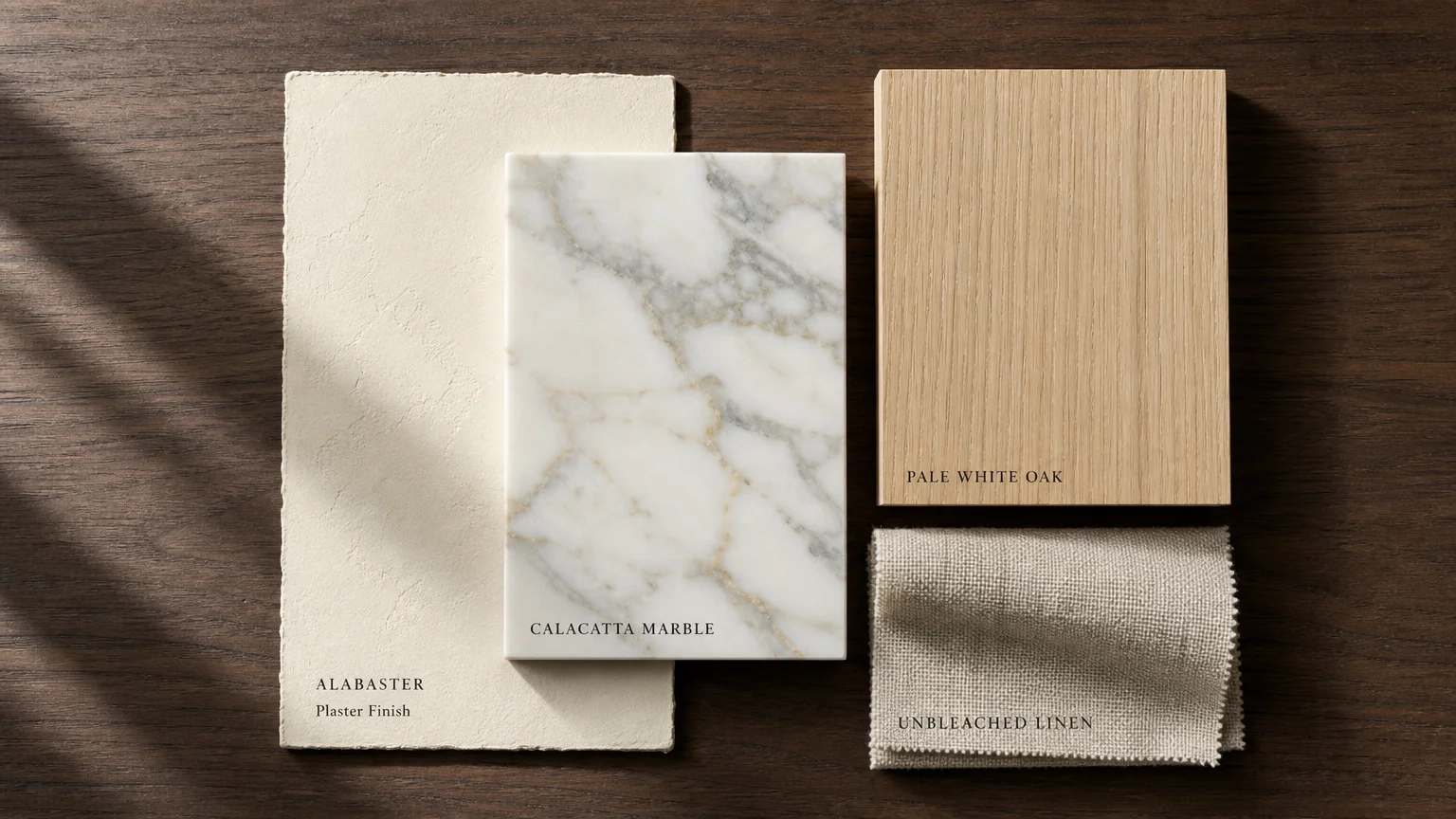
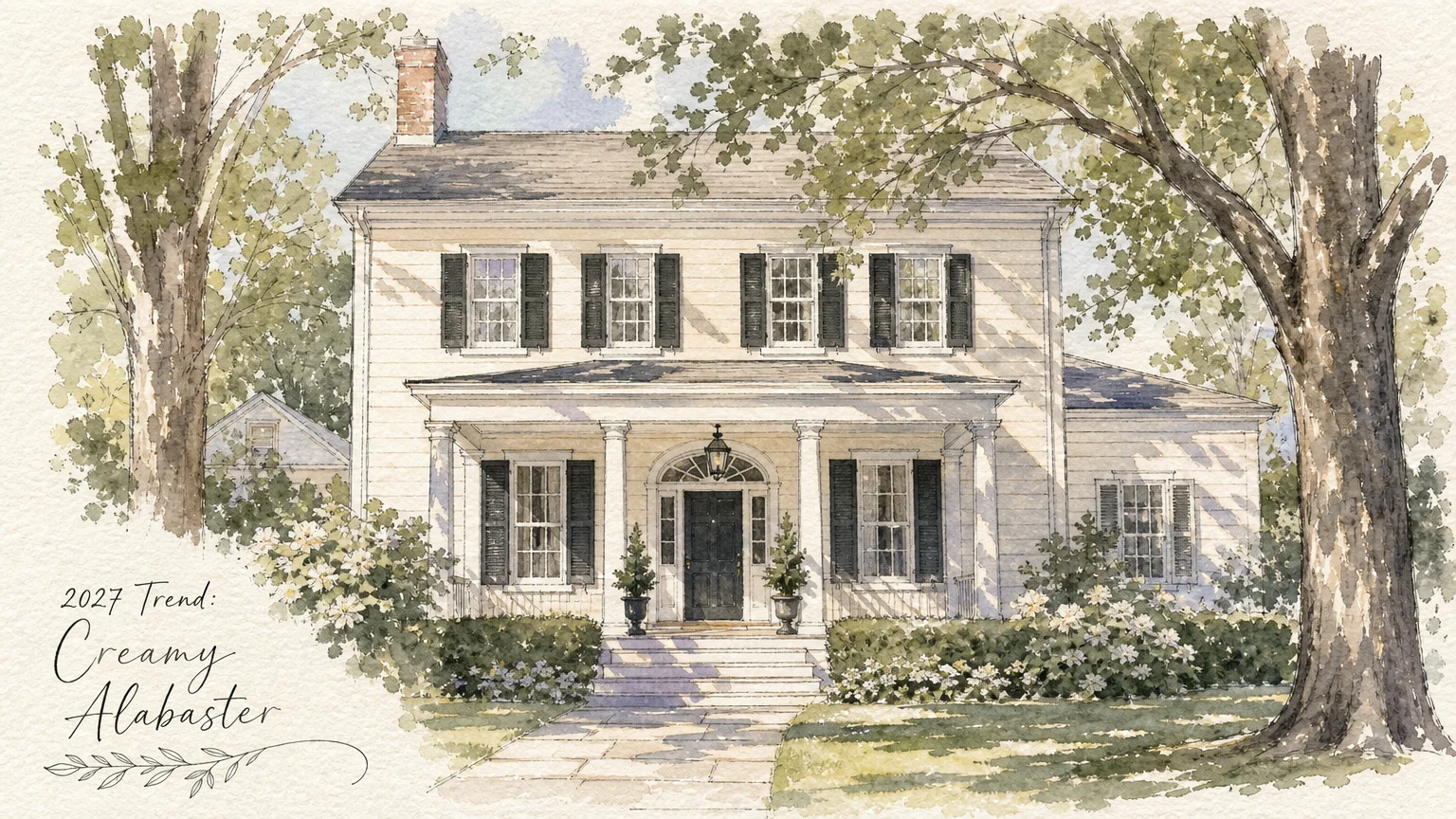
Trend #1: Warm Alabaster White

Organic modernism demands a foundation that feels both pristine and approachable. Warm alabaster white delivers exactly that, stepping away from the stark, blue-toned whites of the early 2010s to embrace a creamier, softer luminance. This shade owes its enduring popularity to its high Light Reflectance Value (LRV), allowing it to bounce natural sunlight gracefully across a room without feeling clinical. You establish an immediate sense of quiet luxury when you envelop your living spaces in this hue. Pair alabaster walls with tactile materials like tumbled travertine floors, pale European oak cabinetry, and rich bouclé upholstery. Because it lacks harsh undertones, this color acts as a gallery-quality backdrop, ensuring your curated art collection and structural furniture silhouettes remain the focal point. When exploring interior paint ideas, consider applying alabaster in an eggshell finish on walls with a flat ceiling to maximize light diffusion while maintaining a durable, wipeable surface. Use it to unify open-concept homes where transitioning colors might otherwise feel disjointed.

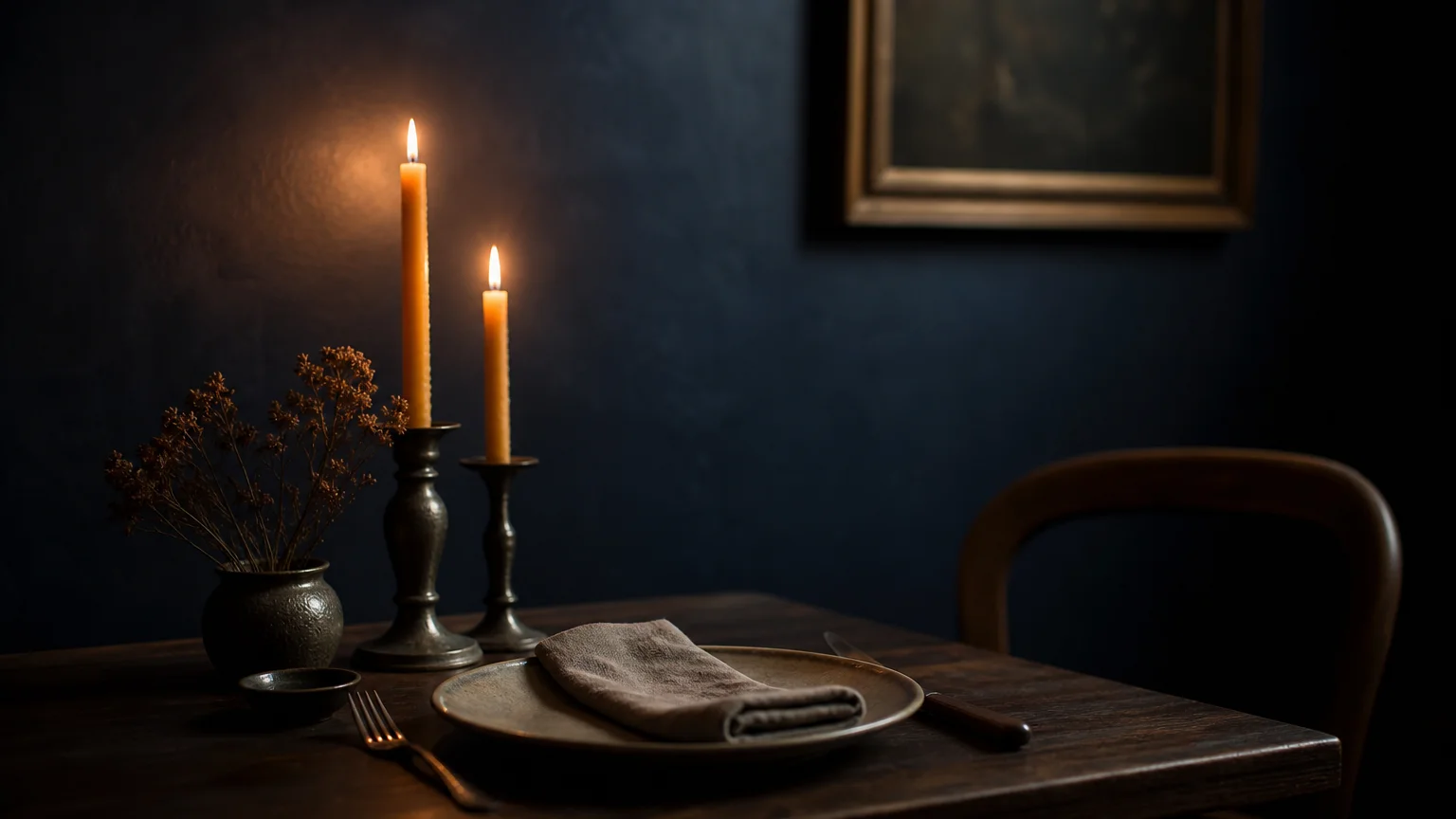
Trend #2: Moody Navy Blue

Deep, enveloping tones command attention, and moody navy blue remains the definitive choice for adding historic provenance to contemporary spaces. This shade operates as a complex neutral, absorbing excess light and blurring the hard physical boundaries of a room—a visual trick that makes smaller spaces, like intimate dining rooms or home libraries, feel unexpectedly expansive. Navy blue anchors a room with profound depth while maintaining a classic maritime elegance that pure black paint often lacks. To maximize its impact, coat the walls, trim, and ceiling in a unified matte finish; this creates a seamless, jewel-box effect. Introduce unlacquered brass hardware, cognac leather seating, and rich walnut wood tones to warm up the cool base of the blue. This powerful contrast defines sophisticated interiors, striking a perfect balance between dramatic, moody atmosphere and inviting, grounded comfort.

Trend #3: Serene Sage Green

Biophilic design principles focus on our innate connection to the natural world, and serene sage green translates that philosophy directly onto your walls. This dusty, muted green mimics the soothing tones of a sunlit forest canopy, instantly lowering the visual pulse of a room. Homeowners gravitate toward sage because it bridges the challenging gap between a neutral backdrop and a committed color. It brings life into a space without overwhelming the senses. Apply sage green to your kitchen cabinetry or bedroom walls to create a restorative sanctuary. The color harmonizes flawlessly with natural textures—think woven rattan pendants, raw linen drapery, and honed limestone countertops. As a cornerstone of elegant home decor, sage shifts beautifully throughout the day, appearing silvery and crisp in morning light before warming into a cozy, earthy hue by dusk.

Trend #4: Rich Charcoal Gray

When you need architectural definition without the starkness of pure black, rich charcoal gray serves as the ultimate design tool. This sophisticated shade thrives on its inherent moodiness, offering a tailored, masculine edge that instantly elevates builder-grade spaces. Charcoal gray acts as a visual anchor; use it to highlight custom millwork, wainscoting, or a dramatic fireplace surround. The color’s immense depth provides a stunning high-contrast canvas for showcasing metallic accents—particularly polished nickel and brushed gold. To prevent the room from feeling cavernous, balance the dark walls with strategic, layered lighting and reflective surfaces like oversized antique mirrors or marble countertops. By enveloping a room in charcoal, you create an intimate, cocooning environment that feels simultaneously modern and deeply rooted in classic design traditions. It proves that dark colors can be endlessly inviting.

Trend #5: Luminous Greige

Luminous greige masterfully solves the eternal debate between warm and cool tones, serving as the ultimate chameleon in the world of interior design. This sophisticated blend tempers the icy austerity of gray with the inviting warmth of beige, resulting in a complex hue that adapts to its environment. Greige achieved its iconic status because it performs exceptionally well in tricky lighting situations, particularly in north-facing rooms where pure grays turn bleak and whites look dingy. You create a cohesive, elevated atmosphere when you use greige as your home’s primary foundational color. It aligns seamlessly with the principles of quiet luxury, allowing high-quality materials to shine. Complement greige walls with distressed vintage rugs, polished marble, and rich velvet textiles. For a truly tailored look, paint your baseboards and crown molding a shade darker than the walls, adding subtle architectural interest without disrupting the room’s serene, flowing energy.

Trend #6: Dusty Rose

Shedding its juvenile associations, dusty rose has matured into a powerful, sophisticated neutral that flatters both the architecture of a room and the people within it. This grown-up iteration of pink carries brown and gray undertones, anchoring the color and preventing it from skewing too sweet. Historic manor houses have utilized similar plaster-pink shades for centuries to reflect a subtle, warm glow into formal sitting rooms. Today, dusty rose brings that same flattering warmth to modern, cold spaces. Implement this timeless paint shade in a primary bedroom or a formal dining room to cultivate an atmosphere of understated glamour. The key to elevating dusty rose lies in your contrasting elements. Pair it with dark, grounding woods like mahogany or espresso-stained oak, and introduce sharp, modern lines through lighting fixtures to maintain a contemporary, chic aesthetic that defies fading fads.

Trend #7: Deep Forest Green

Steeped in heritage richness, deep forest green brings the distinguished aesthetic of an old-world study directly into modern living spaces. This color taps into the growing desire for homes that feel curated, established, and layered over time. Forest green absorbs light to create an enveloping, protective atmosphere that invites quiet reflection and deep conversation. Unlike lighter botanical shades, this robust color holds its own against heavy furniture and dramatic architecture. Utilize deep forest green in spaces meant for evening gathering, such as dining rooms, libraries, or media rooms. The richness of the green provides an extraordinary backdrop for antique gold frames, glowing amber lampshades, and highly textured fabrics like mohair and tweed. When applying these classic paint colors, consider a satin finish on beadboard or paneling to catch ambient light and highlight the carpentry’s intricate, custom details.

Trend #8: Classic French Blue

Evoking the airy sophistication of a Parisian apartment, classic French blue delivers European elegance straight to your walls. This specific shade features a slightly desaturated, gray-leaning profile that keeps it looking refined rather than overly vibrant. French blue creates an immediate psychological sense of calm, making it a perennial favorite for primary suites and luxurious guest bathrooms. Its versatility allows it to pivot stylistically based on your furnishings; it feels crisp and coastal alongside white linen and slipcovered sofas, yet incredibly formal when paired with crystal chandeliers and antique silver. To master this look, combine French blue walls with brilliant, crisp white trim to emphasize architectural boundaries. When planning your interior paint ideas, remember that this blue beautifully offsets warm metallic tones, making unlacquered brass sconces or antique gold mirrors pop with unparalleled brilliance and elegant home decor flair.

Trend #9: Warm Terracotta

As design shifts away from sterile environments toward highly tactile, artisanal spaces, warm terracotta has reclaimed its position as a highly desirable foundational color. This baked-earth tone instantly injects soul and character into a room, recalling the sun-drenched facades of Mediterranean villas. Terracotta works brilliantly because it provides the vibrancy of a red or orange but remains grounded by deep brown undertones, ensuring the space feels cozy rather than chaotic. Embrace terracotta in spaces where you want to stimulate energy and warmth, such as kitchens, breakfast nooks, or creative home offices. The color pairs intuitively with raw, organic materials. Introduce heavily textured plaster finishes, handmade ceramic tiles, and chunky woven textiles to amplify the artisanal aesthetic. By surrounding yourself with these earthy, classic paint colors, you cultivate a deeply welcoming environment that celebrates natural imperfections and authentic craftsmanship.

Trend #10: Earthy Mushroom

Earthy mushroom represents the pinnacle of sophisticated, enveloping neutrals. Sitting comfortably between taupe and deep brown, this structured shade replaces the stark grays of the past decade with something far more complex and inviting. Mushroom owes its massive appeal to its ability to create a cocooning effect while maintaining a clean, tailored appearance. It serves as an exquisite canvas for the quiet luxury aesthetic, where the focus remains on the provenance and quality of the materials rather than loud patterns. Wrap a living room or a primary bedroom in earthy mushroom to establish an instantly grounding atmosphere. The color harmonizes beautifully with tone-on-tone layering; mix it with creamy bouclé armchairs, oatmeal-colored linen drapery, and dark bronze hardware. This deliberate, monochromatic layering results in elegant home decor that feels intentionally designed, profoundly comfortable, and relentlessly chic from floor to ceiling.

The Big Picture: Weaving These Trends into Your Home

Transitioning these timeless paint shades from mere inspiration into a cohesive reality requires a strategic approach to your home’s unique layout and lighting. Start by evaluating your space’s natural light exposure; a luminous greige that glows beautifully in a sun-drenched, south-facing room might read flat and lifeless in a dim, north-facing hallway. Always test large swatches directly on your walls, observing how the undertones shift from bright morning light to artificial evening illumination before committing.

Instead of viewing each room in isolation, curate a whole-home color palette that flows organically from the entryway to the back bedrooms. Utilize the classic 60-30-10 rule to maintain visual balance: dedicate 60 percent of your home’s square footage to a dominant neutral like warm alabaster or earthy mushroom, allocate 30 percent to a secondary shade like serene sage green for cabinetry or accent walls, and reserve 10 percent for a high-impact, dark tone like deep forest green applied through textiles, trim, or smaller adjacent spaces like powder rooms. When you repeat these colors in varying proportions throughout the house—perhaps echoing a moody navy dining room with navy throw pillows in the adjacent living room—you establish a rhythmic, deliberate design. This thoughtful integration prevents your home from feeling like a disjointed series of trends and instead creates a unified, sophisticated environment that reflects your personal narrative.

Frequently Asked Questions

How do I choose between warm and cool classic paint colors?

Your decision should hinge directly on your home’s fixed elements and its natural light exposure. Look closely at your flooring, countertops, and large furniture pieces. If your home features warm wood floors and beige stone, warm tones like terracotta, alabaster, and mushroom will integrate seamlessly. Conversely, if you have cool gray veining in your marble or dark slate floors, classic French blue or charcoal gray will complement those existing finishes beautifully. Additionally, use warm colors to inject life into chilly, north-facing rooms, and employ cool tones to temper the intense heat of south-facing sunlight.

Can I mix multiple dark, timeless paint shades in an open floor plan?

Mixing dark shades requires deliberate spatial planning to avoid a heavy, visually cluttered environment. In an open floor plan, it is best to establish one primary dark anchoring color—such as moody navy—for a defining architectural feature, like a massive built-in bookcase or a sprawling kitchen island. If you want to introduce a second dark shade, like forest green, relegate it to a clearly defined adjacent zone, such as a walk-in pantry or a powder room tucked off the main space. Always use transitional neutrals to buffer these deep colors and maintain necessary visual breathing room.

Does lighting really change how sophisticated interiors appear?

Lighting fundamentally dictates color perception, making it the most critical factor in your design execution. The exact same paint formula will look entirely different under crisp daylight bulbs compared to warm, ambient incandescent lighting. Natural light also alters color rendering significantly; morning light skews cool and blue, while afternoon sunlight casts a warm, golden hue. To ensure your interior paint ideas translate beautifully from the hardware store to your walls, you must test generously sized paint samples in the specific room, observing them on different walls and at various times of the day.

For the latest color forecasts, consult industry leaders like Pantone and paint companies like Benjamin Moore. For professional design standards, refer to the American Society of Interior Designers (ASID).

Disclaimer: This article reflects design trend analysis and predictions. Personal taste and timeless design principles should always guide your decorating choices.
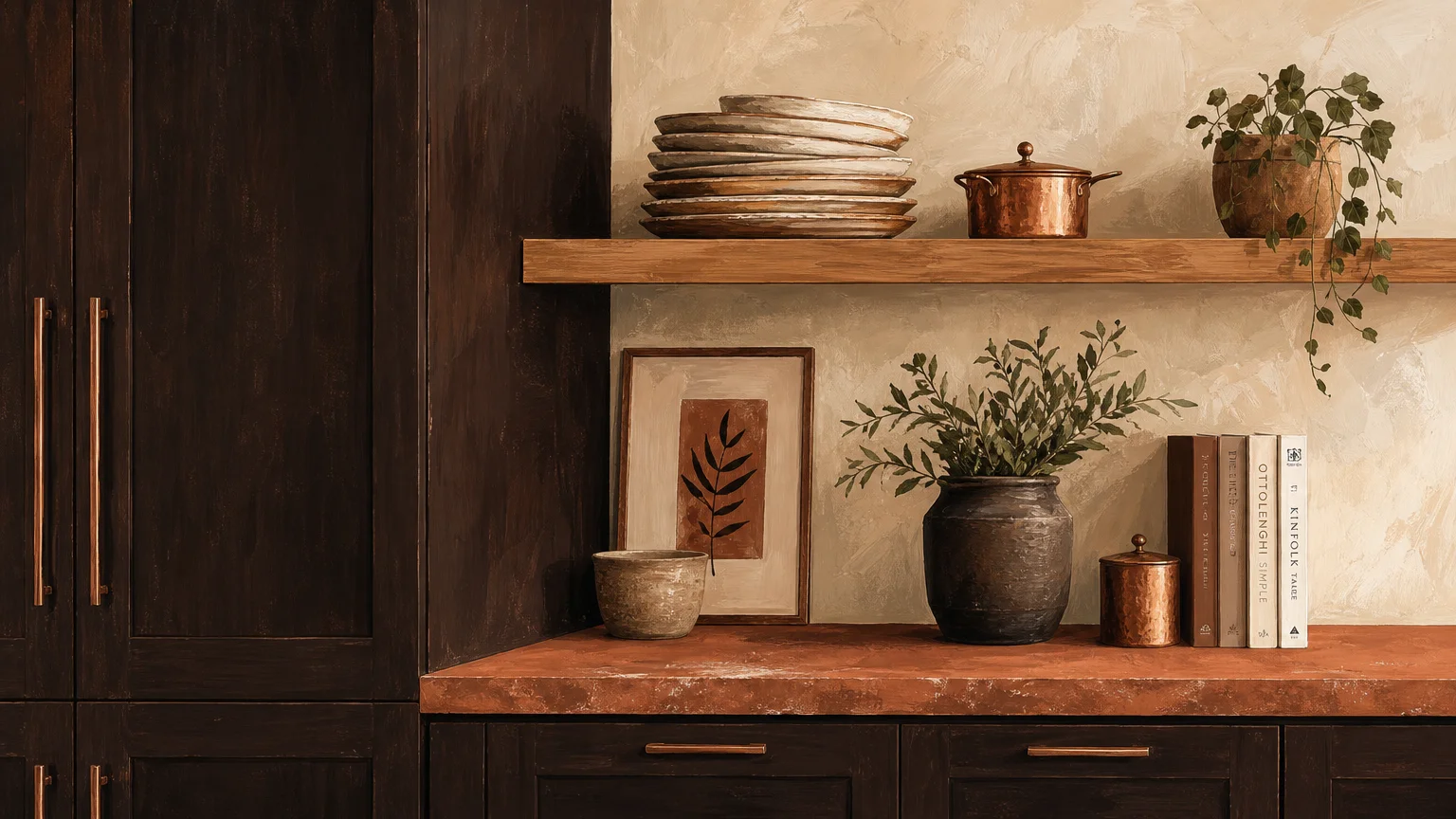
7 Paint Shades Designers Use Again and Again

0

Discovering the exact paint shades that elevate a room from ordinary to architecturally profound saves you countless hours of agonizing over color swatches. Top designers rely on a closely guarded arsenal of specific, transformative colors that consistently deliver flawless results across varying lighting conditions. These proven formulations bridge the gap between fleeting fads and enduring elegance; they possess complex undertones shifting beautifully from morning sun to evening shadows. By adopting these exact hues, you harness the power of quiet luxury and give your walls a sophisticated provenance. Whether you want to saturate a dining room in moody drama or envelop a living space in organic warmth, these seven indispensable paints guarantee a masterful finish.

Trend #1: Warm, Complex Off-White

When creating a foundation for a room, stark gallery whites often feel clinical and abrasive in a typical residential setting. Instead, you need a complex off-white that offers high light reflectance without sacrificing an inviting sense of warmth. Designers repeatedly reach for creamy alabasters and soft doves to execute the principles of quiet luxury—an interior design philosophy prioritizing subtle, exceptional quality over loud, flashy statements. By applying a warm off-white to your walls, you establish a luminous envelope that flatters architectural details like crown molding, tall baseboards, and intricate wainscoting.

The secret behind these beloved shades lies entirely in their underlying pigmentation. A precise touch of yellow or warm gray prevents the color from turning sterile on cloudy afternoons or under cool LED lighting. Understanding Light Reflectance Value (LRV) remains crucial when selecting these neutral paints. LRV measures the percentage of light a paint color reflects on a scale of zero to one hundred. A shade hovering around an LRV of 85 provides the perfect balance; it bounces enough natural sunlight around the room to feel airy but retains enough pigment to contrast beautifully with bright, untinted white ceilings.

You can deploy this versatile shade across open-concept living rooms, kitchen cabinetry, and primary bedroom walls. It acts as the ultimate palate cleanser, allowing your highly textured fabrics, antique wooden furniture, and bold art pieces to take center stage without competing against the wall color. When you paint both the walls and the trim in the exact same warm white—varying only the finish from a velvety flat on the walls to a durable satin on the trim—you create a seamless, expansive environment that visually raises the ceiling height and bathes your home in a sophisticated glow.

Trend #2: Moody Forest Green

Biophilic design is the practice of integrating natural elements into the built environment to improve mental well-being and cognitive function, and deep, moody forest greens act as the cornerstone of this prevailing philosophy. Top-tier designers use highly saturated botanical shades to bring the grounding majesty of the outdoors inside. Unlike vibrant jewel-tone emeralds, these complex dark greens carry heavy black, charcoal, or brown undertones, allowing them to function brilliantly as a dark neutral rather than an overwhelming primary color.

You can wrap an entire home library, a powder room, or a formal dining space in a dark green to create an intimate, jewel-box effect. Dark paint plays a fascinating trick on the human eye; it effectively blurs the hard edges and corners of a room. When you cannot clearly delineate where the walls meet the ceiling, the space paradoxically feels larger and infinitely deeper. Ground this rich wall color with highly tactile, natural materials. Pair a forest green space with unlacquered brass hardware, heavily veined marble countertops, and raw walnut flooring. The warm metallic accents gleam brilliantly against the dark, moody backdrop, perfectly mimicking sunlight piercing through a dense tree canopy.

Consider the psychological impact of your color choices: deep green naturally lowers the heart rate and reduces visual fatigue, making it an exceptional, data-backed choice for home offices where you spend countless hours staring at glowing screens. By saturating the walls, doors, and trim in the exact same moody green, you employ a highly effective technique known as color drenching. This method eliminates visual fragmentation, yielding a curated, custom look that elevates standard drywall into something texturally and architecturally profound.

Trend #3: Earthy Terracotta

Modern design continuously shifts away from the stark, ultra-minimalist gray palettes of the previous decade and boldly embraces rich, sun-baked earth tones. Earthy terracotta brings an undeniable sense of provenance to your home. In interior design, provenance refers to the origin and historical authenticity of materials, meaning these specific colors feel deeply rooted in ancient civilization, Mediterranean landscapes, and traditional craftsmanship. A perfectly balanced terracotta strikes a delicate harmony between burnt orange, muted red, and soft brown.

Designers utilize terracotta to inject immediate warmth and character into sterile, boxy rooms that lack inherent architectural charm. Because terracotta absorbs light rather than reflecting it aggressively, it creates a cozy, enveloping atmosphere that feels especially welcoming during the evening hours. You can maximize the impact of this color by applying it via a specialty finish, such as a Roman clay or a traditional lime wash. These application techniques yield a mottled, suede-like texture that introduces physical depth and movement to your walls, transforming a flat surface into a piece of artisanal art.

When incorporating this earthy shade into your decorating scheme, you must balance its visual weight with organic, lighter elements. Terracotta pairs flawlessly with creamy bouclé upholstery, light French oak flooring, and woven rattan light fixtures. It also serves as an extraordinary backdrop for indoor foliage; the vibrant green of a large olive tree or a cascading pothos pops dramatically against the rusty, clay-colored walls. If painting an entire room feels too intimidating, consider brushing a muted terracotta onto the ceiling of a neutral dining room to draw the eye upward and create an intimate, canopy-like dining experience.

Trend #4: The Chameleon Greige

As homeowners transition away from the icy, cool-toned grays that dominated the early 2010s, they seek a transitional neutral that feels fresh yet familiar. Enter the perfect greige—a masterful, scientifically balanced blend of warm beige and soft gray. Designers return to this chameleon-like shade time and time again because it effortlessly adapts to changing lighting conditions and seamlessly bridges the gap between disparate design styles.

The true brilliance of a high-quality greige lies in its complex matrix of undertones. In a room flooded with crisp, cool morning light from east-facing windows, the color leans slightly gray, maintaining a clean and contemporary appearance. As the day progresses and warm, golden-hour sunlight pours through west-facing windows, the beige undertones activate, saturating the room in a rich, inviting warmth. This unique adaptability makes greige the ultimate problem-solving paint for sprawling, open-concept floor plans where natural lighting shifts dramatically from the kitchen to the living room.

You can lean heavily on this designer favorite when preparing a home for the real estate market or when you want to establish a timeless backdrop that outlasts fleeting micro-trends. To prevent a greige room from feeling muddy or flat, you must introduce strategic, high-contrast elements. Pair your greige walls with crisp, pure white window casings and baseboards to emphasize the warmth of the wall color. Next, introduce matte black hardware, structural iron light fixtures, and richly stained wood furniture. This layering of light, medium, and dark tones guarantees a dynamic, professionally styled aesthetic that feels both effortless and deeply intentional.

Trend #5: Inky Navy Blue

While design trends constantly ebb and flow, deeply saturated, inky navy blue remains a permanent fixture in the sophisticated designer’s toolkit. Unlike brighter, nautical blues that can feel juvenile or overly thematic, a true designer navy borders on charcoal or soft black. This heavy dose of gray and black pigmentation grounds the color, stripping away any garishness and leaving behind a dignified, historically rich hue that commands immediate respect.

Designers leverage inky navy to create a sense of dramatic tension and high contrast within a home. It serves as an incredibly elegant alternative to stark black, offering the same visual weight and anchoring effect but with a softer, more forgiving edge. You will frequently see top decorators applying this shade to substantial architectural elements: massive kitchen islands, floor-to-ceiling library built-ins, and expansive butler’s pantries. By grounding these large structures in a dark, recessive color, the surrounding space opens up and breathes more easily.

Navy blue also provides an unrivaled canvas for showcasing reflective surfaces and luxury finishes. Warm metallic tones—specifically brushed brass, antique gold, and polished copper—vibrate with intensity when set against an inky blue backdrop. If you want to create a truly spectacular dining room, consider painting the walls and trim a matte navy blue, then finishing the ceiling in a high-gloss lacquer of the exact same shade. The glossy ceiling will catch and reflect the warm glow of a centralized crystal chandelier, producing an atmospheric, glamorous environment that rivals the ambiance of a five-star boutique hotel.

Trend #6: Soft Muted Sage

As the cultural emphasis on holistic wellness heavily influences modern interior design, homeowners increasingly demand living spaces that function as restorative sanctuaries. Soft, muted sage green directly answers this call. Hovering delicately between a silvery gray and a pale botanical green, this highly sophisticated shade actively lowers stress levels and promotes a profound sense of tranquility. It acts as a visual deep breath.

The beauty of a muted sage rests in its restraint; it offers just enough color to register as a distinct design choice without ever demanding your full attention. Because of its inherent soothing properties, designers frequently specify this color for primary bathrooms, guest bedrooms, and dedicated meditation or reading rooms. When natural light strikes a sage wall, it highlights the silvery-gray undertones, making the room feel crisp, clean, and restorative. At night, under warm artificial lighting, the green steps forward, creating a cocoon-like environment.

To maximize the spa-like qualities of this paint shade, you should pair it with a very specific, nature-inspired material palette. Light, whitewashed woods, honed Carrara marble, and polished nickel plumbing fixtures create a classic, timeless synergy with sage green. You can also layer in natural textiles like tumbled linen bedding, chunky wool throws, and woven jute rugs to enhance the room’s organic appeal. By treating sage green as a baseline neutral rather than an accent color, you effortlessly achieve an elegant, laid-back aesthetic that prioritizes your daily comfort and mental well-being.

Trend #7: Dusty Plaster Pink

Historically relegated to nurseries and overtly feminine spaces, pink has experienced a massive, sophisticated renaissance. Designers now embrace dusty, plaster-toned pinks as incredibly versatile, complex neutrals. A mature plaster pink strips away the saccharine, bubblegum sweetness by incorporating heavy doses of brown, gray, and yellow undertones. The resulting color mimics the raw, unpainted plaster found in historic European villas, bringing an air of romantic antiquity to modern drywall.

One of the most compelling, practical reasons designers consistently use dusty pink is the remarkably flattering quality of the light it reflects. When you paint a room in this warm, fleshy tone, the ambient light bouncing off the walls casts a beautiful, healthy glow onto the skin of everyone inside. This cosmetic benefit makes plaster pink an unparalleled choice for formal dining rooms, intimate sitting areas, and elegant powder baths where you want your guests to feel and look their absolute best.

Dusty pink also provides a brilliant, unexpected counterpoint to cold, hard contemporary design elements. If your home features polished concrete floors, rigid angular furniture, and minimalist steel windows, applying a plaster pink to the walls instantly softens the harsh industrial edges. Pair this warm hue with luxurious, heavy textures like deep burgundy velvet drapery, chocolate brown leather armchairs, and dark walnut case goods. The tension between the soft, romantic walls and the heavy, masculine furniture creates a highly sophisticated, deeply layered space that challenges conventional color rules.

The Big Picture: Weaving These Trends into Your Home

While understanding these seven designer-approved paint shades gives you a distinct advantage, the true art of interior design lies in how you weave them together to form a cohesive, whole-house narrative. You should never view a room in total isolation; the color of your dining room must converse politely with the color of your adjacent hallway. To establish a harmonious flow, you can rely on the proven 60-30-10 rule. Dedicate 60 percent of your home’s square footage to a unifying foundation—such as a complex off-white or a versatile greige. Allocate 30 percent to secondary colors, utilizing shades like soft sage or plaster pink in bedrooms and bathrooms. Finally, reserve the remaining 10 percent for high-impact, dramatic moments, deploying inky navy or moody forest green in contained spaces like powder rooms, libraries, or on specific architectural focal points.

Before you commit to purchasing gallons of paint, you must rigorously test your selected shades in your actual environment. Paint large, two-foot by two-foot sample boards and move them around the room throughout the day. You will witness firsthand how a color that looks perfectly neutral at noon suddenly shifts green or purple under your evening lamps. Furthermore, you must evaluate these color swatches directly against your immovable, permanent finishes. A paint shade only works if it flatters your existing hardwood floors, stone countertops, and major upholstery pieces. By taking the time to observe these interactions, you ensure your final decision feels intentional, enduring, and deeply personal.

Frequently Asked Questions

How do I successfully mix warm and cool paint shades in the same house?
You can seamlessly mix warm and cool tones by ensuring they share a similar level of saturation and muddiness. If you pair a dusty, muted warm terracotta with a vibrant, primary cool blue, the jarring contrast feels chaotic. Instead, pair that dusty terracotta with an equally muted, gray-leaning cool navy. You must also distribute the temperatures strategically; use warm tones in north-facing rooms to counteract the cool, bluish natural light, and deploy cool tones in south-facing rooms to balance the intense, warm sunshine.

Do dark paint colors actually make a room look smaller?
Contrary to popular belief, dark paint colors do not inherently shrink a room. In fact, dark colors are highly recessive, meaning they visually pull away from the viewer. When you paint a small room—like a powder bath or a narrow hallway—in a dark, moody shade, the sharp corners and boundaries of the room fade into the shadows. This optical illusion makes the walls feel expansive and infinite, effectively making the tight space feel much grander and far more intimate.

What is the best paint finish for high-traffic areas?
For hallways, mudrooms, and family living spaces, an eggshell or satin finish provides the optimal balance of aesthetics and durability. Flat or matte paints absorb light beautifully and hide drywall imperfections, but they scuff easily and resist wiping. A high-quality eggshell finish offers a very subtle, elegant sheen while providing a protective surface that you can easily clean with a damp cloth, ensuring your designer shades look pristine for years to come.

Will these designer paint colors look dated in a few years?
The seven shades detailed above transcend fleeting, seasonal fads because they possess complex, heavily neutralized undertones rather than bright, synthetic pigments. Paint colors that rapidly fall out of style usually lack gray or brown grounding elements. Because these specific designer favorites draw direct inspiration from nature and historical architecture, they offer a timeless provenance that guarantees exceptional longevity in your home.

For the latest color forecasts, consult industry leaders like Pantone and paint companies like Benjamin Moore. For professional design standards, refer to the American Society of Interior Designers (ASID).

Disclaimer: This article reflects design trend analysis and predictions. Personal taste and timeless design principles should always guide your decorating choices.
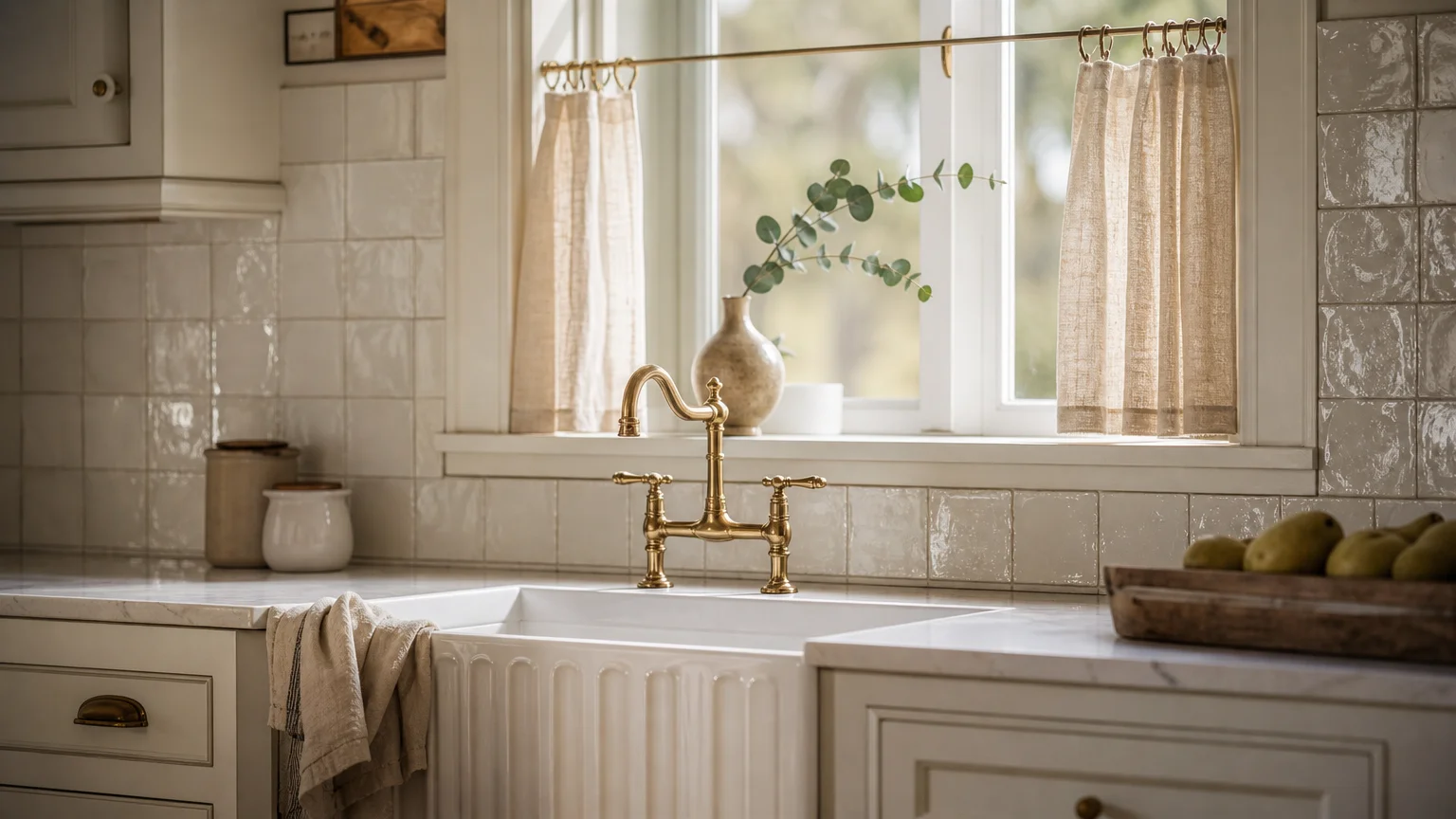
7 Design Choices That Make Aging at Home Easier

Designing a timeless home requires anticipating your future needs while maintaining a sophisticated aesthetic. You can cultivate a space that supports long-term comfort and independence by integrating subtle, universal design principles long before they become medical necessities. Aging in place no longer means sacrificing style for safety; today, the most coveted interior trends naturally align with accessible home living. Through mindful material selection, intuitive spatial planning, and strategic lighting, your sanctuary can gracefully evolve alongside you. By blending quiet luxury with practical foresight, you ensure your residence remains both a stunning architectural showcase and an effortlessly functional retreat for decades to come.

A detailed close-up of a seamless flush transition between wire-brushed oak wood planks and honed grey tile flooring.
A seamless transition between wood planks and grey tiles eliminates tripping hazards for safer living.

Trend #1: Seamless Zero-Transition Flooring

Modern architectural preferences heavily favor open, unbroken sightlines across a single level, and this visual preference aligns flawlessly with long-term home safety. Zero-transition flooring eliminates the raised thresholds between rooms that disrupt spatial flow and create dangerous tripping hazards. By carrying one continuous, high-quality material throughout your primary living spaces, you establish a sense of expansive grandeur while simultaneously making your home infinitely easier to navigate.

Material provenance and texture play critical roles in this design choice. High-gloss polished stones and smooth laminates reflect light beautifully, but they provide minimal traction and can lead to devastating falls. Instead, you should specify luxury materials with inherent grip. Wide-plank European oak with a wire-brushed, matte finish offers exquisite tactile beauty and excellent slip resistance. Alternatively, large-format porcelain tiles treated with a honed, slip-resistant glaze deliver the upscale look of natural limestone without the associated maintenance or slickness.

When executing this trend, insist on flush transitions even where flooring materials must change, such as between a bedroom and a master bathroom. You can achieve this by having your contractor properly level the subfloor during renovation. This meticulous attention to structural detail preserves the refined aesthetic of your interior while laying the groundwork for a truly accessible home.

A gouache illustration showing a room with high-contrast charcoal baseboards against white walls and a navy chair.
Dark trim contrasted against light walls clearly defines doorways and pathways for safer home navigation.

Trend #2: High-Contrast Color Mapping

The concept of “color drenching”—painting walls, trim, and ceilings a single uniform hue—has dominated recent design cycles. However, the emerging trend of high-contrast color mapping offers a far more supportive environment for aging eyes. As our vision naturally changes, distinguishing between different spatial planes becomes increasingly difficult. Low-contrast environments often blur the boundaries between floors, walls, and furniture, subtly contributing to disorientation and a higher risk of accidents.

You can solve this challenge through strategic, sophisticated color blocking. By intentionally contrasting the color of your baseboards, door frames, and flooring with your wall color, you create an elegant visual map of the room. Design professionals often measure this contrast using Light Reflectance Value (LRV); aiming for an LRV difference of at least 30 points between adjacent surfaces ensures clear visibility.

This approach lends itself perfectly to high-end, tailored aesthetics. Picture rich, charcoal wainscoting set against warm alabaster walls, or deep navy door casings framing an entryway in a crisp, cream-colored hallway. You should also apply this principle to your furnishings; placing a boldly colored velvet armchair over a light, neutral rug ensures the seating area immediately stands out. This deliberate use of contrast enriches your senior home design with depth and drama while offering vital spatial cues.

A cozy reading corner with a soft floor lamp, a sheer curtain filtering sunlight, and leafy indoor plants casting gentle shadows.
A soft globe lamp and natural light create a warm, glare-free reading nook surrounded by greenery.

Trend #3: Layered, Anti-Glare Biophilic Lighting

A beautifully illuminated room dictates the mood, highlights your architectural features, and ensures everyday safety. Aging eyes require up to three times more light to discern details than younger eyes, but simply increasing bulb wattage creates harsh, blinding glare. The current shift toward layered, biophilic lighting resolves this issue by mimicking natural daylight patterns and distributing illumination evenly across multiple sources.

You must abandon the reliance on a single, blazing overhead fixture. Instead, construct a sophisticated lighting scheme utilizing three distinct layers: ambient, task, and accent lighting. Install dimmable LED cove lighting to wash your ceilings with a soft, indirect glow that illuminates the room without reflecting off polished surfaces. Supplement this ambient layer with articulated, brass reading lamps near seating areas and motion-activated, illuminated toe-kicks beneath bathroom vanities and kitchen cabinetry.

Integrate smart-home technology to elevate this setup. Automated lighting systems can shift their color temperature throughout the day—from crisp, invigorating daylight tones in the morning to warm, amber hues in the evening. This circadian lighting strategy regulates sleep cycles, reduces eye strain, and completely removes the burden of navigating dark corridors at night. You gain a dramatic, gallery-like atmosphere that discreetly safeguards your mobility.

An elegant gouache illustration of a living room layout featuring a curved sofa, round coffee table, and clear walking paths.
A curved sofa and round table eliminate sharp corners, creating a fluid path for safer navigation.

Trend #4: Curved Silhouettes and Fluid Navigation

Organic modernism continues to reshape the interior design landscape, replacing rigid geometry with softened, natural forms. The proliferation of curved silhouettes in both architecture and furniture represents a brilliant intersection of avant-garde style and practical safety. Sharp corners on coffee tables, heavily structured armchairs, and squared-off kitchen islands pose significant bruising and injury risks as we age.

Transform your living spaces by prioritizing furniture with rounded, enveloping edges. A kidney-shaped bouclé sectional paired with an oversized, upholstered ottoman completely eradicates sharp impact points in the center of your living room. In the dining room, an oval or pedestal-style dining table facilitates better conversation flow while providing ample clearance for comfortable movement around the perimeter.

This commitment to fluidity extends to your spatial planning. You should design your furniture layout to support generous, sweeping pathways rather than tight, right-angled corridors. Industry standards recommend maintaining at least 42 to 48 inches of clearance between major furniture groupings. By embracing rounded archways and curvilinear furnishings, you generate a relaxed, highly sophisticated energy in your home that inherently supports unobstructed, hazard-free navigation.

A close-up photograph of a hand pressing a brass lever door handle with a diamond-patterned knurled grip.
A hand grips a textured brass lever handle, demonstrating how ergonomic hardware makes opening doors easier.

Trend #5: Tactile, Ergonomic Hardware Upgrades

True luxury resides in the details you touch every day. The hardware you select for your doors, cabinets, and plumbing fixtures dramatically influences the daily functionality of your home. Traditional round doorknobs and minuscule cabinet pulls require tight gripping and painful twisting motions, which can quickly become burdensome for hands dealing with arthritis or reduced dexterity.

The design world has fully embraced substantial, tactile hardware that effortlessly upgrades your home’s accessibility. Replace standard doorknobs with heavy, lever-style handles. Choose wide, easy-to-grasp D-pulls or cup pulls for your kitchen cabinetry. In the bathroom and kitchen, opt for touchless faucets or elegant, single-handle cross designs that allow you to control water flow and temperature with the gentle push of a wrist.

These ergonomic features do not require aesthetic compromise. Premium hardware manufacturers produce lever handles and pulls in exquisite finishes like unlacquered brass, which develops a rich, bespoke patina over time, or matte black, which provides excellent visual contrast against light-colored cabinetry. By treating your hardware as functional jewelry, you integrate invisible assistance into the very fabric of your rooms.

An architectural watercolor diagram showing the cross-section of a seamless, curbless shower floor with a linear drain.
A sloped shower pan creates a seamless, curbless transition from the level subfloor for safer bathroom access.

Trend #6: Elevated Curbless Wet Rooms

The modern bathroom has evolved from a purely utilitarian space into a dedicated wellness sanctuary. The most significant trend driving this transformation is the curbless wet room. Traditional shower enclosures feature raised thresholds that create notorious tripping hazards and complicate future mobility assistance. A curbless shower eliminates this barrier entirely, utilizing a subtly sloped floor and a sleek linear drain to manage water flow within a seamless, open-concept environment.

To execute this universal design masterpiece, focus on high-performance luxury materials. Cover the shower floor in small-scale mosaic tiles or textured natural pebbles; the multitude of grout lines provides exceptional grip under bare feet. Build a permanent, floating stone bench into the shower wall to offer a stable seating option that feels like a feature of a high-end spa rather than a medical necessity.

You can further disguise safety features through brilliant hardware integration. Today’s luxury market offers designer grab bars camouflaged as sleek towel racks, shampoo shelves, and adjustable slide bars for handheld showerheads. By specifying these heavy-duty, dual-purpose fixtures in polished nickel or brushed gold, you secure the structural support you may eventually need without ever signaling vulnerability.

An older adult sits comfortably reading in a stylish, supportive high-back armchair with sturdy armrests.
An older man enjoys reading in a firm, supportive armchair that offers both comfort and stability.

Trend #7: Firm, Supportive, and Proportional Furnishings

The era of ultra-deep, sink-in lounge sofas is giving way to tailored, structured seating that commands a room while properly supporting the human body. As we age, the mechanics of sitting down and standing up require significantly more effort. Low-slung seating with excessively plush, down-filled cushions traps the user, placing undue strain on the knees and lower back during egress.

Curating a retirement home demands a rigorous evaluation of furniture proportions. Select sofas and armchairs that feature a firmer seat density, utilizing high-resiliency foam cores wrapped in a thin layer of down for surface comfort. Pay strict attention to dimensions; an ideal seat height hovers between 18 and 20 inches from the floor, and the seat depth should allow your feet to rest flat while your back is fully supported.

Do not overlook the importance of robust armrests. A sturdy, well-padded armrest provides critical leverage when transitioning from sitting to standing. Upholster these structural pieces in quiet luxury performance fabrics, such as solution-dyed acrylics or tightly woven alpacas, which resist stains and wear while offering supreme tactile comfort. Your seating arrangements will radiate confident, bespoke tailoring while actively promoting your physical well-being.

A beautiful gouache collage illustration showcasing elements of universal design, including seamless flooring, contrast, and curved lines.
This watercolor illustration highlights accessible design features like lever handles, smooth thresholds, and comfortable seating.

The Big Picture: Weaving These Trends into Your Home

Adapting your residence for the decades ahead does not require a sudden, disruptive overhaul that strips away your personal style. Instead, view these seven design choices as a cohesive framework for your next series of renovations. You can weave these updates into your home systematically, allowing the design to mature alongside your changing lifestyle.

Begin with the most immediate, low-impact upgrades. Swap out restrictive hardware for elegant lever handles and replace harsh overhead bulbs with automated, layered lighting systems. As you plan larger investments, prioritize structural continuity. Committing to a zero-transition, slip-resistant flooring plan across your entire main level provides the greatest long-term return on investment for your safety and property value.

Ultimately, successful universal design operates invisibly. By demanding high-end materials, insisting on rigorous color contrast, and favoring organic, ergonomic shapes, you build a safety net that looks like an architectural triumph. You are not simply preparing for old age; you are refining your home into a frictionless, welcoming sanctuary that effortlessly accommodates every phase of your life.

Frequently Asked Questions

How do I mix these accessible home trends without making my space look too clinical?

The secret to avoiding a clinical aesthetic lies in your material palette and lighting. Institutional spaces rely on sterile whites, harsh fluorescent lights, and cheap plastics. You must actively counter this by selecting materials with deep provenance and rich textures. Pair an unlacquered brass lever handle with a dark, moody door color. Soften a curbless shower with warm, ambient LED cove lighting and heavily veined marble. When you prioritize organic textures and layered illumination, the accessibility features completely vanish into the luxury of the design.

What is the most critical design choice to tackle first in a retirement home renovation?

Flooring and lighting demand your immediate attention. These two elements fundamentally dictate how you navigate your space. Eliminating tripping hazards by installing zero-transition, slip-resistant floors instantly reduces your risk of falls. Coupling this with an automated, layered lighting system ensures you can clearly see the secure pathways you have created. Furniture and hardware can be swapped easily, but flooring and electrical work form the structural baseline of your safety.

Does implementing universal design negatively impact my property value?

Quite the opposite. High-end universal design significantly increases your property value and widens your pool of potential buyers. Features like curbless luxury showers, widened archways, and open-concept, zero-transition floor plans are highly coveted in the general real estate market because they look expansive and custom-built. Because these trends prioritize spaciousness and premium materials, buyers perceive them as luxury upgrades rather than age-specific accommodations.

How can I update my current furniture layout to better support aging in place?

You should immediately edit your floor plan to prioritize wide, unobstructed pathways. Remove small, decorative accent tables or low-profile ottomans that jut into walkways and create tripping hazards. Pull your seating arrangements slightly closer together to ensure someone can easily reach an armrest or table surface for balance as they move through the room. Ensure that every major transit route in your home—especially the path from the bedroom to the bathroom—features a minimum of 42 inches of clearance.

For the latest color forecasts, consult industry leaders like Pantone and paint companies like Benjamin Moore. For professional design standards, refer to the American Society of Interior Designers (ASID).

Disclaimer: This article reflects design trend analysis and predictions. Personal taste and timeless design principles should always guide your decorating choices.
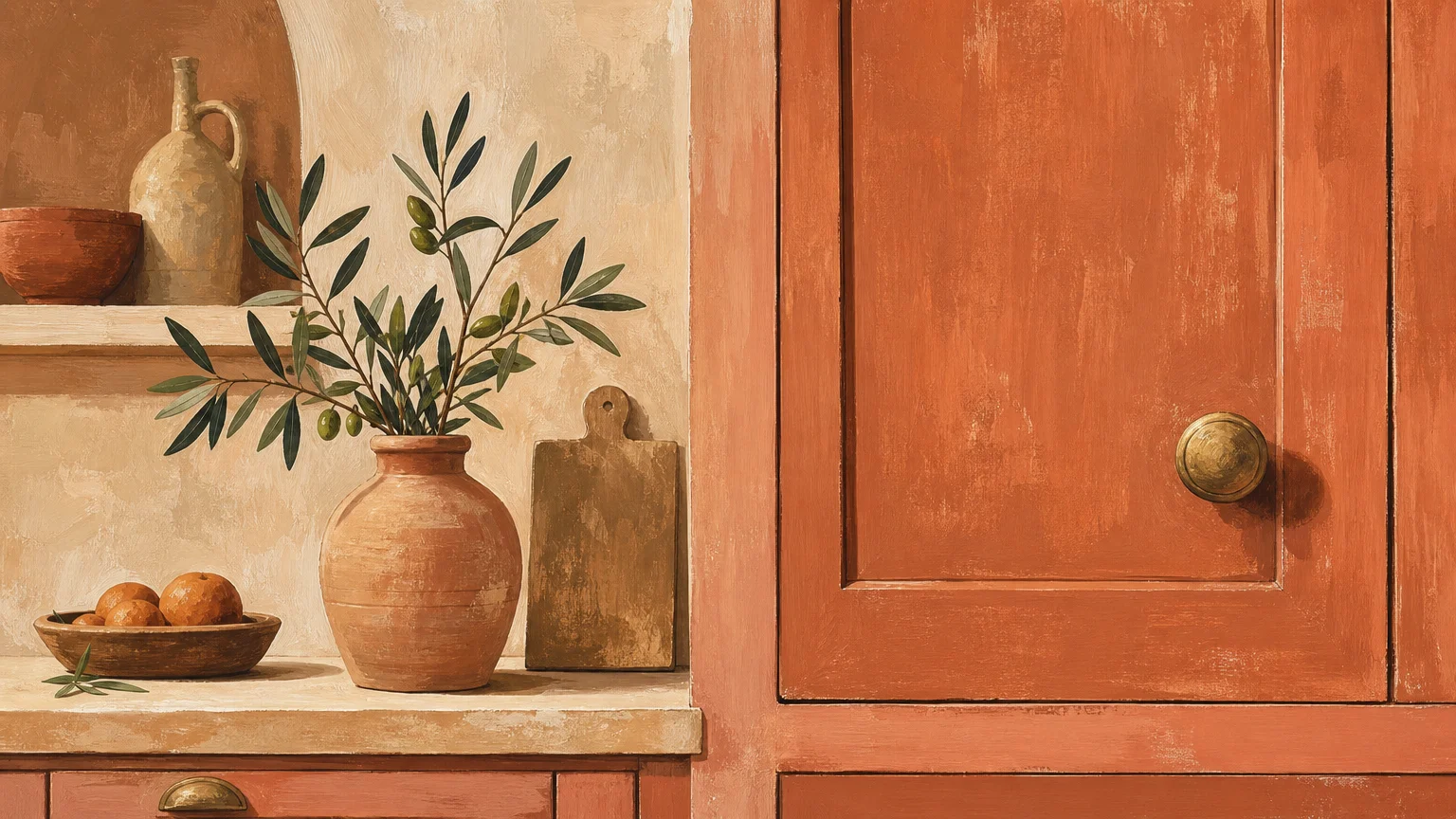
Want a More Beautiful Porch? Start With These 7 Houseplants

0

Transform your transitional outdoor spaces into a lush extension of your living room by selecting the right botanical companions. Strategic container gardening elevates front porch decor from an afterthought to a curated biophilic sanctuary; it softens hard architectural lines and breathes life into your home exterior. Selecting outdoor houseplants requires understanding not just their aesthetic appeal—such as architectural fronds or trailing vines—but their resilience in shifting microclimates. Whether your entryway receives dappled morning sunlight or bakes in the afternoon heat, the precise curation of porch plants anchors your exterior design. By adopting a high-end approach to botanical styling, you create an inviting prelude to your home interior narrative.

A vibrant majesty palm in a fluted concrete planter sits on a modern porch with dark wood siding.
A lush majesty palm in a ribbed grey planter brings tropical modernism to a sleek entryway.

Trend #1: Tropical Modernism with the Majesty Palm

Tropical modernism relies on bold structural elements and a seamless blend of indoor and outdoor environments. The Majesty Palm serves as the ultimate living column for your porch, drawing the eye upward while establishing an imposing spatial hierarchy. These vigorous fronds fan out gracefully, introducing an undeniable architectural presence that easily rivals custom millwork or expensive porticos. By positioning symmetrical pairs of these towering palms flanking your front door, you instantly establish a grand, high-end entryway. This approach transforms standard front porch decor into an immersive, resort-like experience.

Majesty palms thrive in the bright, indirect sunlight typical of a covered porch; they demand consistently moist soil and generous humidity to maintain their deep green vibrancy. Houseplants for porch environments often fail when subjected to harsh, direct afternoon rays, making the sheltered canopy of your entrance ideal for their cultivation. To elevate the aesthetic further, place their nursery pots in oversized, fluted concrete planters. This specific design choice contrasts the organic wildness of the fronds with brutalist, contemporary geometry. This deliberate juxtaposition defines modern container gardening, marrying wild organic forms with structured, sophisticated materials to create a compelling visual statement right at your doorstep.


Lush English Ivy cascades over a weathered terracotta pot on a brick porch step.
Lush English ivy cascades from a weathered terracotta pot, bringing historic charm to this brick porch.

Trend #2: Historic Provenance via Cascading English Ivy

Romantic historicism is experiencing a profound resurgence in exterior design, moving away from sterile, ultra-minimalist architecture toward lived-in elegance with a clear sense of provenance. English Ivy captures this mood perfectly, acting as a living tapestry that drapes elegantly over the rigid edges of window boxes, pedestal planters, and hanging baskets. As a trailing element, it provides the essential “spiller” component in sophisticated container gardening, cascading downward to gracefully soften harsh brickwork and rigid wooden railings. Incorporating English Ivy into your front porch decor instantly imbues your home with the gravitas of a heritage estate.

The deep, verdant tones of the ivy establish a classic visual foundation that bridges the gap between your manicured lawn and the structured architecture of your home exterior. These highly resilient outdoor houseplants thrive in partial to full shade, making them exceptional candidates for deeper porches or north-facing orientations that receive limited direct sunlight. You will find that keeping the soil moderately moist allows the vines to lengthen rapidly, creating a romantic, enveloping atmosphere. For a truly curated look, pair your ivy with authentic, aged terracotta pots. The natural, chalky patina that develops on the clay over time harmonizes beautifully with the ivy’s traditional aesthetic, anchoring your entryway in timeless sophistication.


A minimalist graphic illustration of three sculptural snake plants in a black metal planter against a cream wall.
Sculptural snake plants in a minimalist black planter bring quiet luxury to a modern porch setting.

Trend #3: Quiet Luxury in Sculptural Snake Plants

The global movement toward quiet luxury demands design elements that are striking yet fundamentally understated, prioritizing clean forms and longevity over chaotic ornamentation. The Snake Plant, with its rigid, sword-like leaves, delivers this minimalist impact flawlessly. Embracing striking verticality, these structural porch plants introduce clean lines that complement contemporary or mid-century modern facades without overwhelming the surrounding space. Their subtly mottled patterns of silver, deep green, and pale yellow add a layer of visual texture that feels incredibly intentional and highly curated.

Utilizing Snake Plants in your front porch decor demonstrates a highly disciplined approach to exterior styling; they serve as architectural exclamation points. Furthermore, their renowned durability makes them one of the most practical houseplants for porch setups available today. They tolerate a vast spectrum of lighting conditions, ranging from the deep shadows of a heavily recessed entryway to the bright glare of an east-facing exposure. Because they efficiently store water in their fleshy leaves, they require minimal hydration, thriving even when occasionally neglected during busy summer weeks. To maximize their sophisticated profile, pot them in sleek, matte black or charcoal fiberglass containers. This monochromatic styling technique forces the eye to focus entirely on the plant’s sharp, definitive silhouette, embodying the very essence of quiet, unpretentious luxury.


A warm, sunny Southern porch framed by hanging Boston ferns with two white rocking chairs.
Lush hanging Boston ferns and classic rocking chairs bring timeless Southern charm to this welcoming porch.

Trend #4: Southern Revival Aesthetics Using Boston Ferns

Southern gothic and historical revival aesthetics celebrate lush, overflowing biophilia that borders on the theatrical. The Boston Fern is the undisputed protagonist of this rich design narrative. With its feathery, arching fronds, this plant introduces unparalleled volume and graceful movement to your porch design. When a gentle evening breeze catches the delicate foliage, it creates a dynamic, kinetic energy that static patio furniture and inanimate decor simply cannot replicate. Suspending massive Boston Ferns from the ceiling of a sprawling wraparound porch instantly evokes a sense of bygone hospitality, transforming the space into a shaded, cooling retreat during the sweltering summer months.

These luxurious outdoor houseplants demand highly specific microclimates to thrive at their maximum potential; they strongly prefer filtered light and crave high ambient humidity. Consistent, thorough watering is absolutely non-negotiable to prevent their delicate tips from browning and shedding. When executing this opulent style of container gardening, scale is critical to achieving the desired impact. Opt for oversized, generously proportioned hanging baskets heavily lined with natural coco coir. This material retains necessary moisture while providing the excellent drainage the root systems require. By integrating these voluminous ferns into your layout, you effectively blur the boundary between the wildness of nature and the refined comfort of your interior spaces.


A large fiddle leaf fig tree stands at the open glass door transition between a living room and a modern patio.
A lush fiddle leaf fig beautifully connects a modern indoor living room with a spacious outdoor patio.

Trend #5: Indoor-Outdoor Continuity with the Fiddle Leaf Fig

Achieving seamless indoor-outdoor continuity is a fundamental hallmark of high-end interior design, where the patio or porch is treated as a literal extension of the living room. The Fiddle Leaf Fig, long celebrated as the crown jewel of interior spaces, effectively bridges this threshold when transitioned to a protected porch. Its massive, violin-shaped, glossy leaves create an immediate, arresting focal point, establishing a dramatic scale that firmly anchors your exterior seating arrangements. The broad surface of the leaves reflects ambient light beautifully, adding a subtle shimmer to shaded corners. By bringing this iconic indoor plant outside during the warmer months, you clearly signal to guests that your porch is a curated living area rather than a mere transitional walkway.

Integrating a Fiddle Leaf Fig into your front porch decor requires a strategic understanding of its specific environmental boundaries. These statement porch plants abhor sudden temperature fluctuations and require bright, ambient light entirely shielded from the scorching midday sun. They flourish spectacularly under the deep protective overhang of a substantial porch roof. To elevate the presentation and protect the roots from extreme heat, place the plastic nursery pot inside a heavy, woven seagrass, sisal, or thick rattan basket. This textural choice softens the plant’s rigid, woody stem and introduces a crucial layer of organic warmth that ties effortlessly into chic, contemporary outdoor furniture collections.


A colorful gouache painting of heart-shaped caladium leaves in shades of pink, white, and emerald green.
Bring bold maximalist style to your porch with vibrant pink and green caladiums in a brass planter.

Trend #6: Maximalist Color Forecasting via Caladiums

While lush greenery provides a crucial baseline for exterior styling, contemporary design forecasting points toward a bold, maximalist embrace of vivid, saturated hues. Caladiums introduce dramatic splashes of color to your entryway without requiring the constant deadheading and exhaustive maintenance associated with traditional flowering annuals. Their paper-thin, expansive heart-shaped leaves act as living canvases, boasting intricate, painted veins of deep crimson, vibrant magenta, pale pink, and crisp white. This bold application of color directly disrupts the visual monotony of standard green porch plants, allowing you to establish a dynamic, eye-catching exterior palette.

Utilizing Caladiums in your container gardening strategy enables you to pull accent colors from your home exterior paint, your front door finish, or your outdoor textiles directly into your botanical arrangements. They thrive in the humid heat and strongly prefer the dappled shade found beneath porch awnings, as direct sunlight can easily scorch their delicate, translucent foliage. By mass-planting identical Caladium varieties together in wide, low-profile concrete bowl planters, you create a dense, luxurious mound of color that feels incredibly intentional and bespoke. This sophisticated approach to utilizing outdoor houseplants demonstrates a masterful command of color theory, elevating your entryway from conventionally pretty to definitively avant-garde.


A macro photograph of thick, glossy green jade plant leaves with red edges in a sandy ceramic pot.
A sunlit jade plant with red-edged leaves brings tactile organic modernism to a rustic porch.

Trend #7: Organic Modernism Embracing the Tactile Jade Plant

Organic modernism celebrates the inherent beauty of raw, tactile materials combined with enduring, sculptural forms. The Jade Plant, with its thick, structural woody branches and plump, pebble-like leaves, embodies this design philosophy effortlessly. As a premium succulent, it brings a fundamentally different, fleshy texture to your front porch decor, contrasting beautifully with the leafy, delicate, or feathery foliage of traditional ferns and trailing vines. Over time, a well-cared-for Jade Plant develops the gnarled, architectural character of an oversized, ancient bonsai, serving as a mesmerizing, living sculpture stationed prominently near your front door. At night, strategic uplighting placed at the base of the pot highlights the plant’s magnificent structural branching.

Incorporating these highly tactile outdoor houseplants speaks to a refined desire for permanence paired with low-maintenance luxury. They are remarkably resilient specimens, highly capable of enduring the intense heat and extended dry periods that often accompany the late summer season. They require exceptionally well-draining soil and thrive in locations where they receive generous amounts of early morning sunlight followed by afternoon shade. To fully harness their organic modern appeal, house your Jade Plant in a handcrafted, highly porous ceramic or heavy stone vessel. The natural imperfections of an artisan-crafted pot perfectly complement the plant’s sturdy, botanical architecture, resulting in a cohesive vignette that radiates earthy sophistication and profound grounding energy.


An architectural diagram showing plant placement zones on a front porch layout.
This porch blueprint shows how to arrange houseplants using a strategic design hierarchy.

The Big Picture: Weaving These Trends into Your Home

Successfully integrating these botanical trends into your exterior styling requires considerably more effort than merely purchasing attractive houseplants for porch displays; it demands a strategic, holistic approach to spatial design. The foundation of exceptional front porch decor lies in the deliberate manipulation of scale, texture, and color to create a cohesive narrative that reflects the interior aesthetic of your home. Rather than scattering small, disparate pots randomly across your entryway, focus on establishing purposeful, weighted groupings. Employ the classic design rule of three, clustering containers of varying heights to generate visual intrigue and to guide the eye naturally toward the architectural focal point of your front door.

Consider the necessary interplay between your chosen porch plants and the structural materials of your home. If your exterior features heavy, rustic stonework or rough brick, soften the imposing facade with the cascading elegance of English Ivy or the feathery, expansive volume of a Boston Fern. Conversely, if you reside in a minimalist, contemporary build with sleek siding and sharp angles, the rigid verticality of a Snake Plant or the architectural gravity of a Majesty Palm will beautifully reinforce the clean, structural lines of the property.

Container gardening is equally about the physical vessels you select. Ensure your chosen planters harmonize directly with your established exterior color palette. A cohesive, curated collection of glazed ceramics, naturally aged terracotta, or fluted concrete unifies vastly diverse plant species, transforming them into a deliberate gallery rather than a haphazard, accidental assortment. Always assess the varying microclimates of your porch; observe exactly how the natural light shifts throughout the day and place your outdoor houseplants accordingly. By treating your porch as a vital, highly designed outdoor room complete with ambient lighting and layered textures, you seamlessly extend your living space. This thoughtful execution invites guests into a beautifully layered, intentionally designed environment long before they ever cross the threshold into your foyer.

For the latest color forecasts, consult industry leaders like Pantone and paint companies like Benjamin Moore. For professional design standards, refer to the American Society of Interior Designers (ASID).


Frequently Asked Questions

How do I successfully mix different plant trends without making my porch look cluttered?

The absolute secret to mixing diverse botanical trends lies in establishing a strong, unifying visual element. If you combine the architectural strictness of a Snake Plant with the romantic, sprawling chaos of English Ivy, ensure their respective containers share a consistent material finish or exact color palette. Limiting your planter choices to a strict monochromatic scheme—such as all matte charcoal, pure white ceramic, or varying shapes of natural terracotta—imposes immediate visual order on the arrangement. Additionally, arrange your porch plants in structured, asymmetrical clusters rather than scattering them individually across the floorboards. This clustering technique anchors the space, creates intentional zones, and entirely prevents visual chaos.

Are indoor houseplants truly suitable for outdoor container gardening on a porch?

Yes, many beloved interior favorites thrive spectacularly outdoors during the warmer months, provided you respect their specific environmental boundaries. The transition from indoor climate control to outdoor living must be gradual to prevent physiological shock; introduce them to the outdoors for a few hours a day before moving them permanently. Most importantly, deeply covered porches offer the exact ideal microclimate for these sensitive species by providing bright, indirect ambient light while offering crucial protection from harsh, direct midday sun. Always monitor the soil moisture levels closely, as outdoor air circulation, wind, and ambient heat will dry out your outdoor houseplants much faster than the perfectly controlled climate of your living room.

How does biophilic design elevate standard front porch decor into high-end design?

Biophilic design operates on the proven psychological principle that humans possess an innate, biological desire to connect intimately with nature. Incorporating robust, thriving plant life into your exterior architecture physically softens harsh building materials and introduces necessary organic movement. High-end design prioritizes complete sensory experiences; the subtle rustle of Majesty Palm fronds in the wind or the vibrant, living color of a Caladium adds deep layers of texture and vitality that static, manufactured furniture simply cannot provide. This intentional, layered integration signals a luxurious, deeply considered approach to transitioning between the chaotic public street and your serene private sanctuary.

Can I sustain a cohesive look as the seasons change and certain plants die back?

Maintaining a highly sophisticated aesthetic year-round requires establishing a solid baseline of evergreen or structurally significant plants. While tender tropicals like the Majesty Palm, Caladiums, or the Fiddle Leaf Fig must inevitably transition indoors before the first frost hits, you can seamlessly swap them for cold-hardy evergreens, structured boxwoods, or even sculptural, dried branches. The true continuity of your container gardening strategy relies heavily on the permanence and quality of your planters. By investing in significant, heavy, architectural vessels, the structural integrity and spatial planning of your porch design remains completely intact, even when the botanical inhabitants shift naturally with the changing seasons.

Disclaimer: This article reflects design trend analysis and predictions. Personal taste and timeless design principles should always guide your decorating choices.
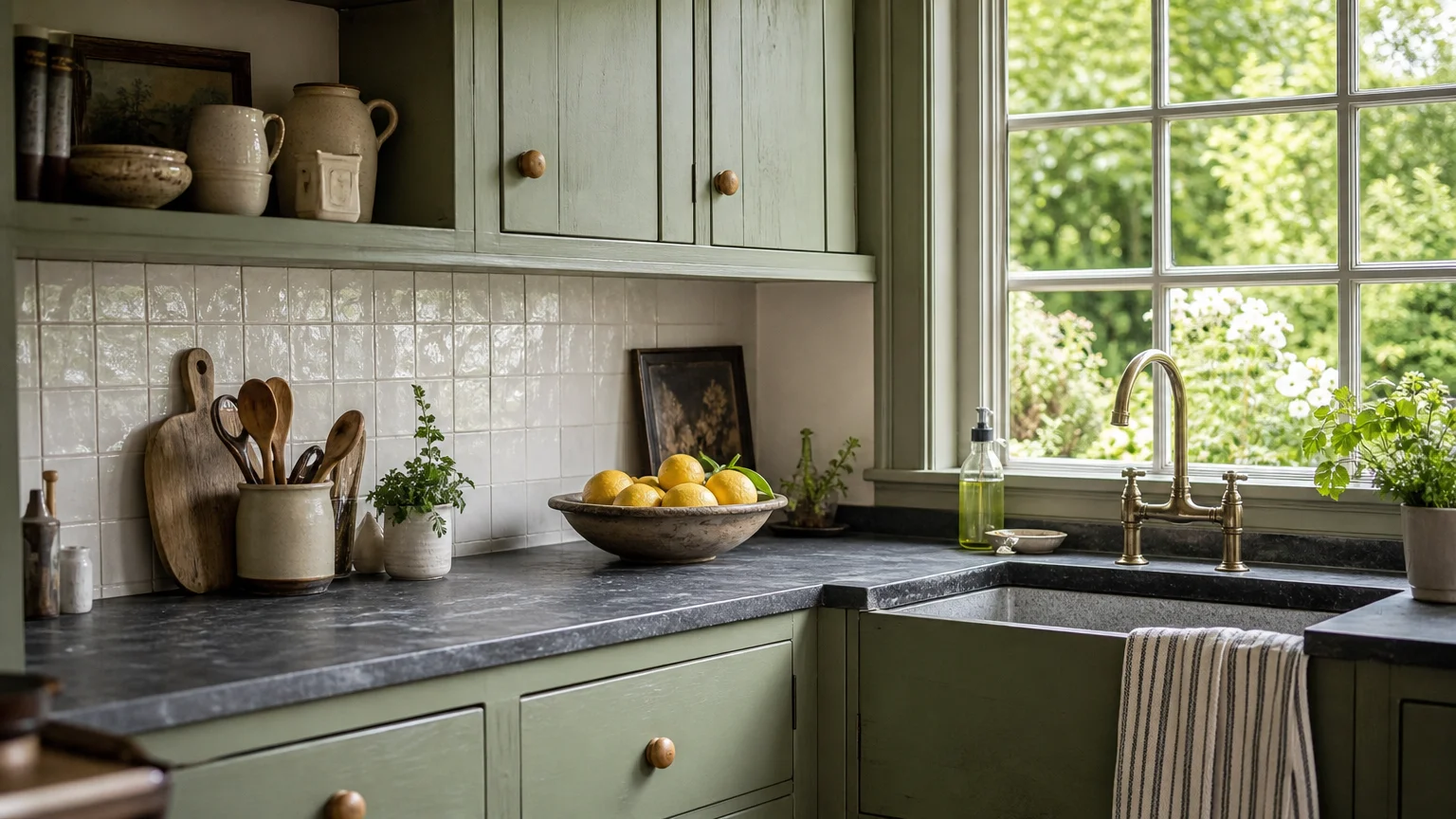
The Most Common Decorating Mistakes Designers Notice Immediately

0

Professional designers step into a room and instantly read its visual language, instinctively spotting the disjointed layouts and missed opportunities that prevent a space from reaching its full potential. You can bypass years of trial and error by recognizing these common pitfalls and shifting your approach toward intentional, cohesive styling. Today’s most sophisticated interiors abandon rigid rules in favor of organic flow, elevated textures, and personal authenticity. Understanding the specific decorating mistakes that industry experts notice immediately empowers you to refine your eye and elevate your environment. We translate these crucial designer secrets into actionable insights, helping you replace outdated habits with the refined trends shaping modern interior design.

Trend #1: Curated Eclecticism Over Matching Sets
A stylish woman relaxes in a mustard armchair, surrounded by a beautifully curated mix of mismatched art.

Trend #1: Curated Eclecticism Over Matching Sets

When interior designers evaluate a room, nothing gives away an amateur approach quite like a fully matching furniture set. Buying the entire coordinating bedroom or living room suite creates a flat, sterile showroom aesthetic rather than a lived-in, highly personal home. You rob your space of character and provenance when every wood tone, fabric, and silhouette perfectly mirrors the piece next to it.

Curated eclecticism serves as the sophisticated antidote to this widespread decorating mistake. This approach champions the artful blending of eras, materials, and styles to create a space that feels organically gathered over time. You achieve this elevated look by anchoring the room with a foundational piece, such as a clean-lined modern sofa, and pairing it with contrasting elements like a vintage burled wood coffee table or mid-century architectural accent chairs.

Embracing this trend requires you to trust your eye and focus on overarching harmony rather than exact replication. Tie disparate pieces together using a unified color palette, a repeated geometric shape, or complementary textures. This designer secret instantly elevates your home styling, transforming a rigid catalog look into a dynamic, customized environment that speaks directly to your distinct personal taste.

Trend #2: Grounded Scale and Proportion
Low wooden furniture and neutral tones anchor this minimalist living space with perfectly balanced proportions.

Trend #2: Grounded Scale and Proportion

Walking into a living room anchored by a tiny, floating rug is one of the most jarring decorating mistakes you can make. Undersized rugs chop up your floor plan visually, making the room feel significantly smaller and disjointed. Similarly, hanging small pieces of art too high on a massive blank wall disrupts the visual equilibrium of your entire space, pulling the eye toward awkward, unintentional voids.

Designers employ the trend of grounded scale and proportion to correct these spatial imbalances. You must view your room as a singular composition where every piece relates proportionally to the architecture and surrounding furnishings. An appropriately sized rug should extend at least 18 to 24 inches beyond the edges of your main seating arrangement, allowing the front legs of all major furniture pieces to rest comfortably on the textile.

Implementing proper scale also applies directly to your vertical spaces. When installing artwork, position the center of the piece exactly 57 to 60 inches from the floor to align naturally with human eye level. By sizing up your foundational pieces and respecting architectural proportions, you anchor the room properly; this makes your home decor ideas feel intentional, luxurious, and professionally executed.

Trend #3: Architectural and Layered Lighting Design
A warm table lamp, wall sconce, and backlit shelves demonstrate the beauty of layered architectural lighting.

Trend #3: Architectural and Layered Lighting Design

Relying exclusively on the harsh, flat illumination of builder-grade recessed lighting is a critical error that ruins the ambiance of otherwise beautiful spaces. Single overhead light sources cast unflattering downward shadows, flatten the gorgeous textures you carefully selected, and create an atmosphere reminiscent of a commercial office rather than a relaxing, sophisticated sanctuary.

The transition toward architectural and layered lighting design revolutionizes the way a room feels and functions. Exceptional home styling relies on a meticulously planned lighting scheme that incorporates three distinct layers: ambient, task, and accent lighting. You build this scheme by introducing varied light sources at different heights throughout the room to create multidimensional warmth.

Start by installing dimmer switches on all overhead fixtures to easily control intensity and mood. Add sculptural floor lamps to illuminate dark corners, utilize substantial table lamps to create intimate pools of light near seating areas, and mount brass or matte black sconces to highlight architectural features or artwork. Pay close attention to your bulb temperatures—industry experts overwhelmingly recommend utilizing bulbs between 2700K and 3000K to cast a warm, inviting glow that instantly enhances the sophistication of your interior.

Trend #4: Contextual Color Drenching
A woman relaxes in a serene space where the walls, trim, and furniture are drenched in green.

Trend #4: Contextual Color Drenching

The isolated, brightly painted accent wall is an outdated trend that fragments a room and breaks the visual flow. Designers immediately notice when an accent wall feels like a timid afterthought rather than a bold, cohesive design statement. This approach often highlights the wrong architectural features and inadvertently makes the space feel smaller by visually pulling one contrasting wall forward.

Contextual color drenching emerges as the luxurious, modern replacement for the isolated accent wall. This powerful trend involves painting the walls, trim, baseboards, interior doors, and sometimes even the ceiling in a single, unified color. Enveloping the entire room in one continuous hue eliminates jarring visual breaks, allowing your eye to travel smoothly across the space without interruption.

When you apply a single rich color across all surfaces, you elevate the perceived value of the room and create a profound sense of quiet luxury. Dark, moody tones like deep forest green or aubergine create an intimate, jewel-box effect in dining rooms or studies, while soft, muddy neutrals generate an expansive, calming atmosphere in main living spaces. This technique shifts the focus away from the drywall and directly onto your curated furnishings and artwork.

Trend #5: Intentional Negative Space and Floating Layouts

Trend #5: Intentional Negative Space and Floating Layouts

Pushing every piece of furniture flush against the perimeter walls ranks highly among the decorating mistakes that ruin spatial flow. Homeowners often utilize this strategy in a misguided attempt to create more space in the center of the room, but it achieves the exact opposite. A vast, empty center surrounded by wallflower furniture creates a disconnected, cavernous environment that impedes natural conversation; it effectively neutralizes the warmth of your home.

Designers counter this by embracing intentional negative space and floating furniture layouts. You construct a far more engaging and intimate environment by pulling your seating away from the walls and arranging it around a central focal point, such as a cast-stone fireplace or an exceptional window view. Leaving a minimum of three feet of walking space behind sofas or heavy chairs allows the architecture to breathe naturally.

Negative space—the intentional empty areas around your furnishings—is just as crucial as the physical objects within the room. Resisting the urge to fill every corner with a fake plant, an unnecessary side table, or a decorative basket prevents visual clutter. This masterclass in restraint highlights the quality of your chosen pieces and fosters a serene, deeply functional atmosphere.

Trend #6: Authentic Provenance Over Mass Production
A potter meticulously crafts a rustic clay vessel, showcasing the beauty of authentic, handmade home decor.

Trend #6: Authentic Provenance Over Mass Production

Filling your walls and shelves entirely with generic, mass-produced word art or ubiquitous big-box store accessories creates a visually shallow environment. Designers quickly identify these pieces because they lack a unique narrative and fail to reflect the personality of the people living in the home. An over-reliance on fast decor generates a space that feels highly temporary, trend-obsessed, and creatively uninspired.

The industry is shifting rapidly toward authentic provenance, prioritizing items that carry history, craftsmanship, and profound meaning. You instantly upgrade your home decor ideas by incorporating original artwork, handmade ceramics, and vintage textiles. The story behind a piece—its provenance—adds an intangible layer of sophistication that mass-produced replicas simply cannot duplicate.

You do not need an unlimited budget to achieve this designer aesthetic. Sourcing raw charcoal sketches from local artists, hunting for sculptural travertine vases at estate sales, or custom-framing inherited textiles introduces immense character into your home. Mixing these one-of-a-kind discoveries with your contemporary staples anchors the room in authenticity and ensures your interior design remains completely unique to you.

Trend #7: Layered Textural Depth in Neutrals
Plush bouclé pillows, a knit sweater, and rustic ceramics create a masterclass in layered neutral textures.

Trend #7: Layered Textural Depth in Neutrals

Designing a monochromatic or neutral room without varying the textures results in a flat, lifeless environment. When your sofa, drapery, and rug all share a similar smooth finish, the eye has nothing to engage with, causing the entire room to fall visually flat. This is a common trap for homeowners attempting to recreate a minimalist aesthetic without understanding the essential mechanics of visual weight.

Layered textural depth transforms sterile spaces into warm, inviting sanctuaries. When working with a restrained color palette, tactile contrast becomes your primary design tool. You must intentionally clash materials to create tension and visual interest. Pair the soft, matte finish of a Belgian linen sofa with the hard, reflective surface of a polished marble coffee table.

Incorporate biophilic elements like heavily grained walnut, woven jute, and raw concrete to introduce organic imperfections into the space. Toss a chunky bouclé throw over a smooth leather armchair, or install sheer wool drapery against a high-gloss painted window trim. By building a rich tactile landscape, you ensure that even the most subdued neutral palettes feel dynamic, luxurious, and expertly executed.

Trend #8: Functional Quiet Luxury
A woman in sophisticated neutral clothing leans against stone pillars, showcasing effortless quiet luxury style.

Trend #8: Functional Quiet Luxury

Sacrificing everyday comfort for the sake of a viral design trend is a fundamental error. Designers wince at rigid, unyielding seating, aggressively sharp coffee tables in family rooms, and delicate fabrics placed in high-traffic zones. Beautiful interior design tips hold absolutely no value if the resulting space is too fragile or uncomfortable for you to actually live in.

The definitive trend dominating high-end interiors today is functional quiet luxury. This philosophy dictates that true elegance lies in the intersection of impeccable aesthetics and effortless usability. You achieve this standard by investing in modern performance fabrics that mimic the look of delicate linens and rich velvets but withstand the rigors of daily life without staining, pilling, or fading.

Prioritize ergonomic silhouettes and highly durable, authentic materials. A solid white oak dining table that develops a beautiful patina from daily use is inherently more luxurious than a fragile, easily chipped veneer alternative. By aligning your aesthetic goals directly with the practical realities of your lifestyle, you create a home that feels inherently welcoming, deeply comfortable, and unapologetically sophisticated.

The Big Picture: Weaving These Trends into Your Home
A woman adds fresh greenery to a beautifully styled living room, effortlessly blending natural textures and tones.

The Big Picture: Weaving These Trends into Your Home

Recognizing these common decorating mistakes and understanding the trends that resolve them provides a powerful framework for elevating your home. However, the ultimate goal of interior design is not merely to follow a checklist of rules, but to cultivate a space that resonates with your daily life. You weave these concepts together successfully by applying them with intention, patience, and restraint.

Start by evaluating your current layout and identifying areas where the scale feels off or the lighting falls flat. Address foundational elements like floating furniture placement and undersized rugs before investing in new statement pieces. Introduce layered architectural lighting and rich, clashing textures gradually, allowing the room to evolve naturally over time. Remember that exceptional home styling is a marathon, not a sprint. By focusing on authentic provenance, functional luxury, and grounded proportions, you construct an enduring environment that avoids fleeting fads while remaining fresh, deeply personal, and aesthetically timeless.

Frequently Asked Questions

How do I mix design trends without creating a chaotic space?

You prevent visual chaos by establishing a cohesive foundational palette. Choose a dominant color scheme and a consistent wood tone to ground the room. Once your baseline is established, you can layer varying trends—such as curated eclecticism and biophilic textures—as secondary accents. Ensure that every piece shares at least one common attribute, whether it is a subtle color thread or a similar geometric shape, to maintain absolute visual harmony.

What is the most cost-effective way to fix a poorly scaled room?

The most impactful and budget-friendly correction is adjusting your furniture layout. Pull your seating away from the walls to create an intimate floating arrangement. Next, properly position your existing artwork at the optimal 57-to-60-inch eye level. If your current rug is too small, purchase an inexpensive, oversized natural fiber rug and layer your smaller, more expensive rug directly on top of it to instantly correct the scale of the room.

Do designers consider neutral color palettes a decorating mistake?

Neutral palettes are never a mistake when executed correctly. The error lies in failing to introduce textural contrast within that muted palette. Designers love neutral spaces, but they rely heavily on layered textural depth—mixing raw woods, honed stones, woven textiles, and matte ceramics—to keep the environment visually engaging and far from sterile.

For the latest color forecasts, consult industry leaders like Pantone and paint companies like Benjamin Moore. For professional design standards, refer to the American Society of Interior Designers (ASID).

Disclaimer: This article reflects design trend analysis and predictions. Personal taste and timeless design principles should always guide your decorating choices.
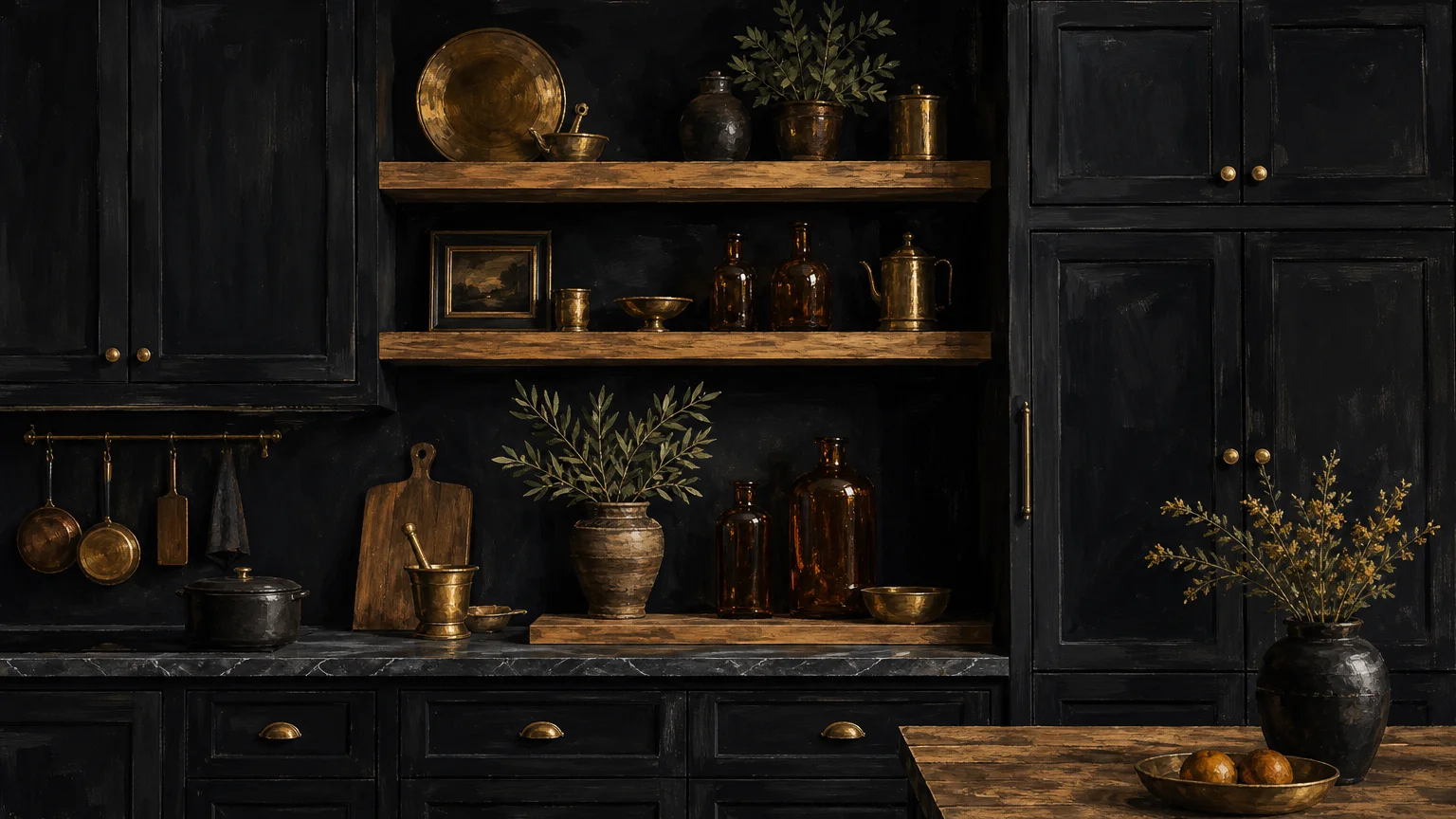
10 Mirror Designs That Instantly Make Any Room Look Luxurious

0

A thoughtfully selected mirror acts as a dynamic architectural element capable of transforming the spatial perception and energetic flow of your entire home. By strategically integrating luxury mirror designs, you capture natural light, amplify visual square footage, and introduce a compelling layer of quiet luxury into your interior design scheme. Modern home decor increasingly relies on these reflective surfaces as primary focal points rather than mere functional afterthoughts. Whether you gravitate toward the organic provenance of antiqued glass or the bold geometry of oversized statement pieces, the right decorative mirrors instantly elevate your environment. Explore these ten sophisticated designs to curate a space that radiates enduring elegance, maximizes luminosity, and achieves refined spatial harmony.

A massive rectangular floor mirror with a thin black metal frame leaning against a plaster wall next to a stone pedestal.
This sleek, oversized floor mirror reflects lush outdoor greenery, instantly elevating the bedroom’s luxurious aesthetic.

Trend #1: Oversized Floor Mirrors with Minimalist Metal Frames

Scale represents the ultimate luxury in interior design, and an oversized floor mirror leaning gracefully against a wall provides an instant injection of grandeur. You can visually double the square footage of your living room or primary suite by introducing a massive reflective surface framed in whisper-thin brass, blackened steel, or oil-rubbed bronze. This design embodies the concept of quiet luxury; it does not demand attention through excessive ornamentation, yet it commands the room through sheer magnitude and pristine material quality. By positioning a heavy floor leaner opposite a primary light source—such as floor-to-ceiling windows or a striking crystal chandelier—you exponentially increase the ambient light in your space. Interior architecture data suggests that strategically placed oversized mirrors can enhance a room’s perceived brightness by up to sixty percent. To ground this massive architectural piece, place a substantial potted olive tree, a heavy travertine pedestal, or an upholstered bench slightly overlapping the mirror’s edge. This layering technique prevents the mirror from looking like a forgotten afterthought, integrating it seamlessly into your cohesive modern home decor.

Gouache illustration of an antiqued mirror with foxed, distressed glass set in dark wood paneling, flanked by glowing brass sconces.
An antiqued gold mirror reflects warm sconce light, adding vintage luxury to a moody dining room.

Trend #2: Antiqued and Distressed Glass

Flawless reflection often feels too clinical for deeply layered, sophisticated interiors, which explains the surging demand for antiqued or foxed glass. These luxury mirror designs intentionally feature heavy oxidization, subtle chemical distressing, and darkened, smoky patches that mimic centuries of natural aging. Incorporating an antiqued mirror into your dining room or formal sitting area immediately establishes a sense of provenance and historical weight, effectively counterbalancing the starkness of brand-new, mass-produced furniture. The muted, slightly obscured reflection softens the room’s atmosphere, making it exceptionally flattering for evening entertaining when illuminated by flickering candlelight or dim brass wall sconces. Designers frequently specify foxed glass for expansive, full-wall applications or inset into custom library millwork, where it functions more like an atmospheric, textured mural than a functional vanity piece. Choose heavily distressed patinas with warm gold, bronze, or amber undertones to infuse your space with inviting warmth and old-world European elegance. By embracing these deliberate imperfections, you add a captivating layer of curated storytelling to your home.

Gouache illustration of three organic, puddle-shaped mirrors arranged in a cluster on a warm terracotta wall.
Three asymmetrical gold mirrors bring a luxurious, organic feel to this beautifully styled entryway.

Trend #3: Asymmetrical and Amorphous Silhouettes

Rigid right angles and perfect circles no longer dominate the contemporary landscape of decorative mirrors. Asymmetrical, puddle-like, and amorphous shapes bring a vital dose of organic modernism into your home. These fluid, unpredictable silhouettes mimic the gentle forms found in nature—a central tenet of biophilic design—and effectively soften the harsh, rigid architectural lines of typical rectangular rooms. Hanging a curated cluster of pebble-shaped mirrors in a narrow entryway creates a dynamic, moving gallery wall that feels effortlessly artistic rather than strictly functional. When selecting an asymmetrical mirror, pay close attention to the edge detailing; frameless, polished edges offer a sleek, ultra-modern aesthetic, while thick, hand-carved walnut or oak borders add earthy, tactile interest. You can utilize these unconventional shapes to break up repetitive vertical lines in a hallway or to introduce an element of unexpected whimsy above a linear dining room credenza. Market analyses show a significant surge in consumer preference for curved furniture, and amorphous mirrors act as the perfect vertical extension of this comforting, soft-edge trend.

A circular wall mirror crafted from smoked bronze tinted glass mounted on a rich mid-century walnut wood paneled wall.
A round smoked glass mirror reflects a warm, luxurious lounge against elegant wood paneling.

Trend #4: Tinted and Smoked Glass

If you want to cultivate a moody, intimate atmosphere, traditional silver-backed mirrors often prove too harsh and visually demanding. Smoked grey and bronze-tinted mirrors offer a seductive alternative, actively filtering the reflected light to create a sultry, atmospheric glow. This trend heavily references the sophisticated glamour of 1970s Italian design, prioritizing rich ambiance over crystal-clear, high-definition visibility. You will find tinted mirrors highly effective in spaces dedicated to relaxation and evening entertaining, such as home bars, formal dining rooms, or luxurious, boutique-style walk-in closets. The bronze tint specifically warms up cool-toned interior design ideas, harmonizing beautifully with rich walnut cabinetry, jewel-toned velvet upholstery, and brushed brass hardware. Install a large, bronze-tinted mirror behind open shelving or a wet bar to give your curated crystal decanters and object displays a deep, mysterious backdrop. As the natural light shifts throughout the day, the tinted glass transforms, moving from a subtle, reflective surface into a dark, dramatic architectural feature.

Close-up photo of a vanity mirror with a decorative fluted glass border that beautifully refracts glowing light.
This elegant mirror features a glowing fluted glass border that radiates warmth against marble walls.

Trend #5: Fluted and Ribbed Glass Borders

The broader architectural fascination with fluted and ribbed textures has officially transitioned from reeded kitchen islands and shower doors into the refined realm of luxury mirror designs. These sophisticated pieces typically feature a clear, functional center mirror surrounded by a wide border of heavily ribbed, corrugated, or scalloped glass. The textured border catches and refracts ambient light in a mesmerizing, prismatic manner, adding a three-dimensional sculptural quality to a traditionally flat, two-dimensional surface. This specific design seamlessly bridges the gap between opulent 1920s Art Deco decadence and restrained 21st-century contemporary minimalism. Hang a fluted mirror in your powder room above a deeply veined marble vanity to introduce a layer of elevated, tactile engagement. The ribbed outer edges intentionally obscure the peripheral reflection, drawing the viewer’s eye inward while simultaneously scattering light from adjacent wall sconces into a beautiful array of vertical shadow lines across your walls. This dynamic interplay of light and texture makes the mirror a true standalone statement piece.

Gouache illustration of a mirror in a thick, sculpted white plaster frame on a neutral sand-colored wall.
A wavy plaster mirror brings organic texture and sculptural elegance to this warm, neutral interior.

Trend #6: Sculptural Plaster Frames

The prevailing shift toward raw, unrefined materials makes sculptural plaster frames a prominent, highly sought-after feature in high-end modern home decor. These mirrors actively celebrate the Japanese aesthetic philosophy of wabi-sabi, finding quiet beauty in organic imperfection, visual asymmetry, and visible, tactile handcraftsmanship. Plaster, tadelakt, and limewash finishes currently dominate luxury wall treatments, and this earthy aesthetic naturally bleeds into furniture and decor. A chalky, matte white plaster frame undulating in uneven, deeply sculpted waves offers a striking textural contrast against the slick, polished surface of the glass it surrounds. You can utilize these artisanal pieces to inject soul and grounding warmth into spaces that otherwise feel too crisp, overly structured, or sterile. They work exceptionally well when layered into coastal, Mediterranean, or arid desert-inspired interiors. Because the thick plaster frames possess a distinctly matte finish, they absorb ambient light rather than reflect it, allowing the central mirror itself to pop visually. Display a substantial, heavily textured plaster mirror above a minimalist limestone fireplace mantel to anchor your living room.

A hallway console table beneath a three-panel modern black-framed triptych mirror showing segmented reflections of a staircase.
This elegant three-panel triptych mirror reflects a grand staircase, adding dramatic depth and luxury to the room.

Trend #7: Triptych and Multi-Panel Installations

When a room lacks adequate windows or compelling architectural interest, triptych and multi-panel mirrors serve as the ultimate, transformative design solution. These expansive statement mirrors mimic the structural look of grand, historical factory windows or classical French doors, instantly tricking the human eye into perceiving deeper spatial volume and non-existent outdoor views. By dividing a massive reflective surface into an organized grid with slender black iron or aged brass muntins, you significantly reduce the overwhelming glare of a solid mirror while adding compelling geometric rhythm to your empty walls. You can dramatically elevate a windowless, enclosed dining room by leaning a massive windowpane mirror against the furthest wall; this strategic placement creates the distinct illusion of an adjoining conservatory or a sunlit extended living space. Pair these gridded, architectural designs with flanking indoor olive trees or tall, structural floor lamps to maximize the trompe l’oeil effect, effectively bouncing available light deep into the darkest corners of your interior.

An artistic illustration of a deep-set, round convex mirror with a gold frame reflecting a distorted, cozy library room.
A deep convex mirror reflects a cozy library, adding dramatic depth and instant luxury to the space.

Trend #8: Deep-Set Convex Mirrors

Convex mirrors—historically referred to as bullseye or banker’s mirrors—curve dramatically outward, capturing a wide-angle, panoramic reflection of the entire surrounding room. Originally popularized in the affluent homes of the 18th and 19th centuries, these distinctive, highly stylized pieces have returned as sophisticated curiosities within modern, layered interiors. A deep-set convex mirror housed in a chunky, ebonized wood or heavily gilded frame acts as a mesmerizing, almost cinematic focal point. The intentionally distorted reflection miniaturizes your room, transforming your meticulously planned decor into a dynamic, shifting piece of interactive art. Incorporate a convex mirror above a classic mahogany entryway console or intersperse it within a traditional, floor-to-ceiling gallery wall to break up flat, two-dimensional artwork with a bulbous, light-catching element. These mirrors provide a distinct intellectual and historical charm that actively challenges the standard functional use of a reflective surface, elevating the object from a simple grooming tool to an item of pure, decorative fascination.

A circular bathroom mirror lit from behind with a warm glowing LED halo on a dark grey slate-textured wall.
This round backlit LED halo mirror creates a warm, luxurious glow in a modern stone bathroom.

Trend #9: Backlit LED Halo Mirrors

Integrated, architectural lighting represents a major leap forward in interior design ideas, particularly within spa-like bathrooms, luxurious dressing rooms, and stark contemporary entryways. Backlit mirrors feature hidden, continuous LED light strips seamlessly mounted behind the glass, casting a soft, diffuse, glowing halo directly against the mounting wall. This floating, ethereal effect creates striking visual drama while providing incredibly flattering, shadow-free, forward-facing illumination for your daily grooming routines. To achieve a truly high-end finish, specify tunable LED lighting systems that allow you to adjust the color temperature on demand—shifting smoothly from crisp, energizing daylight for morning routines to a warm, amber, candle-like glow for evening relaxation. The complete absence of a visible, heavy frame keeps the aesthetic ultra-minimalist, clean, and forward-thinking. Pair a large, backlit, frameless pill-shaped mirror with heavily veined, dark marble walls; the soft rear glow will intensely highlight the stone’s natural texture, producing an exclusive, five-star hotel atmosphere right in your own primary suite.

A detailed close-up of a verre églomisé mirror frame displaying gilded, distressed gold leaf hand-applied to glass.
Intricate verre églomisé and gilded details on a mirror beautifully reflect a glowing crystal chandelier.

Trend #10: Verre Églomisé and Gilded Details

For the absolute pinnacle of bespoke, traditional luxury, top-tier designers increasingly turn to verre églomisé—the intricate, centuries-old artisanal technique of applying genuine gold, silver, or platinum leaf directly to the reverse side of glass. This highly specialized process produces a mirror that is less about clear, functional reflection and entirely about breathtaking, luminous artistry. Authentic verre églomisé designs often feature delicate, hand-etched botanical motifs, sharp geometric patterns, or subtle, fading borders that shimmer beautifully through the thick glass. These opulent statement mirrors demand to be treated and displayed as fine art. Hang a masterful églomisé piece above a custom-upholstered master bed or center it in a formal, lacquered dining room where seated guests can admire the intricate craftsmanship up close. The precious metal backing reflects ambient room light with an unmatched, fiery warmth that standard silvering simply cannot replicate, ensuring your space feels distinctly wealthy, highly cultivated, and deeply steeped in bespoke European luxury.

A minimalist architectural floor plan diagram illustrating mirror placement strategies to optimize light and break up harsh lines.
This floor plan diagram illustrates strategic mirror placements to maximize natural light and elevate your home’s design.

The Big Picture: Weaving These Trends into Your Home

How do you seamlessly integrate these luxury mirror designs without turning your carefully curated home into a confusing, chaotic funhouse? The key to elevated design always lies in extreme intentionality and practiced restraint. Treat each decorative mirror not as a required functional necessity, but as a deliberate architectural intervention. If you choose a heavily textured, wabi-sabi plaster frame for your main living room, balance its raw visual weight with sleek, understated side tables and plush, monochromatic seating. When working with oversized statement mirrors, you must ensure the reflection captures something genuinely beautiful—a spectacular crystal light fixture, an opposing window overlooking a lush garden, or an arresting piece of original art. Never place a mirror where it simply reflects a blank hallway door, a chaotic clutter zone, or the side of a television. By carefully orchestrating exactly what the mirror sees, you actively multiply the beauty of your existing interior design ideas. Select just one or two standout reflective pieces per room, allowing them the necessary visual breathing space they require to anchor the aesthetic and permanently elevate the daily experience of your home.

Frequently Asked Questions

How do I choose the correct scale for a statement mirror?

Choosing the correct scale depends entirely on the proportions of the underlying furniture and the height of your ceilings. As a general rule, a mirror hung above a credenza, fireplace mantel, or sofa should span roughly two-thirds to three-quarters of the furniture’s total width. If you are opting for a floor-leaning mirror, taller is always better; aim for a height of at least six feet to ensure the piece feels like an intentional architectural choice rather than an undersized mirror you simply forgot to hang.

Can I mix different luxury mirror designs in the same room?

You can successfully mix different mirror styles within a single space, provided you establish a cohesive thread that ties the room together. For example, you might feature a massive, clean-lined floor leaner with a brass frame on one side of a large living room, and a smaller, antiqued mirror in a heavily carved wooden frame above a side console. The key is to vary the scale and the application so the mirrors do not visually compete. Avoid placing two large, radically different statement mirrors on opposing walls, which creates a jarring, infinite reflection loop.

Are heavily antiqued mirrors considered timeless or just a passing trend?

Antiqued glass remains a deeply timeless design element, largely because it intentionally mimics genuine historical artifacts. Unlike ultra-trendy, brightly colored acrylic frames that cycle quickly out of fashion, foxed glass relies on the eternal appeal of provenance and aged character. Integrating an antiqued mirror into modern home decor provides immediate soul and permanence, ensuring the piece will gracefully endure shifting design fads for decades to come.

What is the best way to light a mirror for maximum impact?

To maximize both functionality and aesthetic impact, avoid casting harsh, single-source light directly onto the mirror from a high ceiling fixture. Instead, utilize layered, indirect lighting. Flank your decorative mirrors with elegant wall sconces mounted at eye level; this cross-illumination eliminates unflattering facial shadows while beautifully highlighting the mirror’s frame. If you are lighting a purely decorative, textured piece like a plaster or verre églomisé mirror, position a directional ceiling spot or picture light to gently wash down the face of the mirror, emphasizing the tactile elements of the frame over the reflection itself.

For the latest color forecasts, consult industry leaders like Pantone and paint companies like Benjamin Moore. For professional design standards, refer to the American Society of Interior Designers (ASID).

Disclaimer: This article reflects design trend analysis and predictions. Personal taste and timeless design principles should always guide your decorating choices.
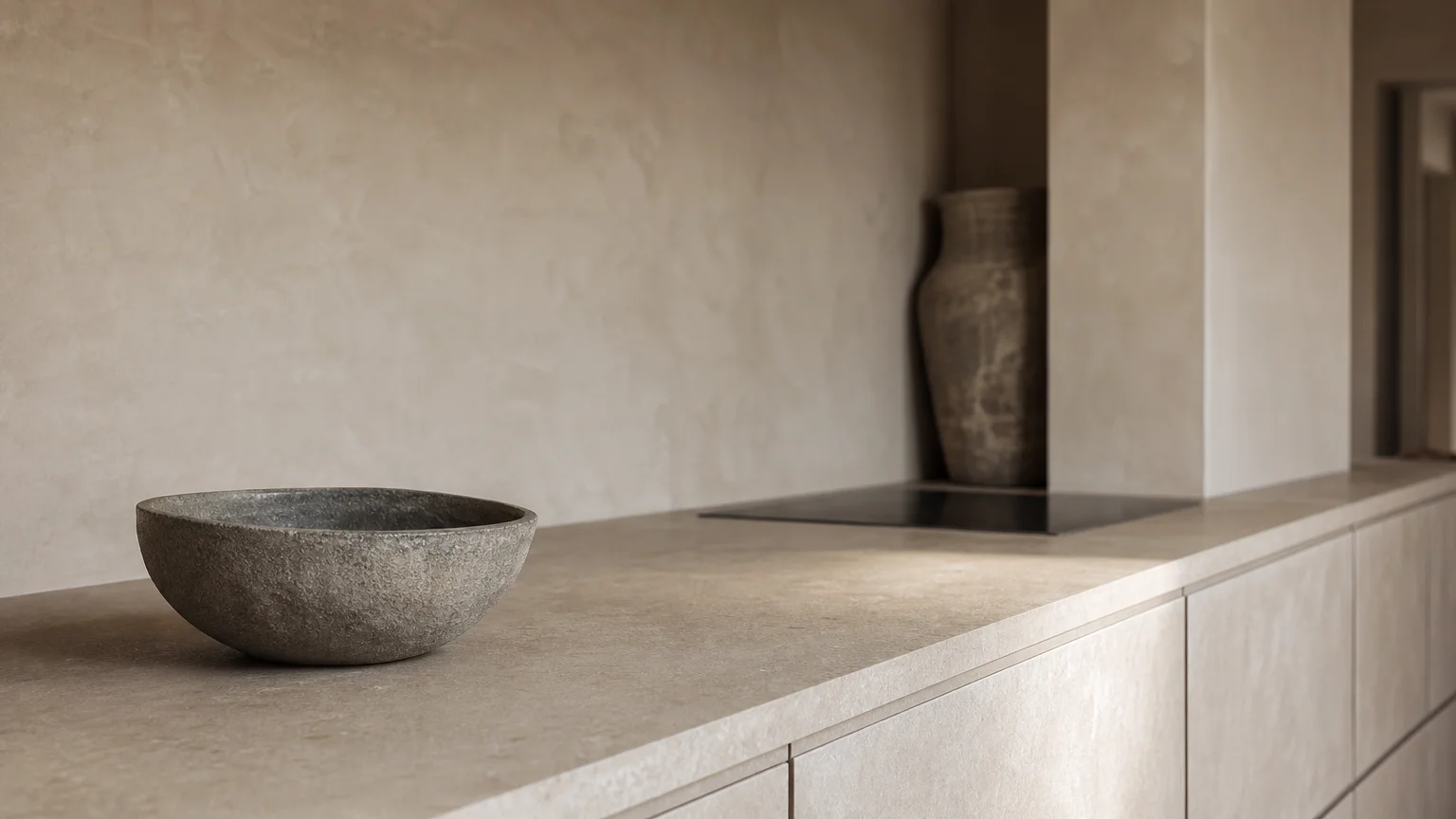
7 Design Tips to Create the Pantry of Your Dreams

You deserve a culinary sanctuary that marries pristine form with flawless function, eliminating visual clutter from your home. A thoughtfully executed pantry makeover instantly upgrades your daily routines, providing advanced kitchen storage solutions that elevate your entire cooking experience. Transforming a utilitarian storage closet into an elegant architectural feature requires more than just matching bins; it demands a strategic approach to spatial design. By applying high-end principles—from bespoke millwork to biophilic color palettes—you easily turn a mere storage zone into the undisputed dream pantry. Implement these seven actionable pantry design ideas to beautifully reimagine your space, ensuring your new layout harmonizes perfectly with your adjoining living areas, dining rooms, and overarching interior architecture.

Illustration of deep forest green custom pantry cabinets featuring heavy unlacquered brass hardware.
This elegant sketch of green cabinetry and brass hardware illustrates the beauty of quiet luxury millwork.

Trend #1: Architectural Integration and Quiet Luxury Millwork

Wire racks and basic open shelving are obsolete in contemporary high-end homes. Today’s premier interior designs treat the pantry as a direct extension of the main kitchen’s architecture. This approach embodies quiet luxury—a design philosophy prioritizing impeccable craftsmanship, premium materials, and subdued elegance over flashy, superficial trends. When you invest in bespoke millwork for your pantry, you create a seamless visual transition from your adjoining culinary spaces. Opt for flush-inset cabinetry painted in rich, moody hues, or select rift-sawn white oak for a grounded, organic warmth. Ensure you extend the exact same crown molding, baseboards, and trim used in your primary living spaces directly into the pantry area.

This architectural integration significantly boosts your property value; real estate data consistently shows that custom-built storage commands premium resale prices. Actionable insight: upgrade your cabinet hardware immediately. Swap out flimsy, builder-grade knobs for heavy, unlacquered brass pulls that develop a beautiful natural patina over time. Consider adding soft-close hinges and solid wood dovetail drawer boxes to introduce a tactile sense of quality every time you reach for an ingredient. By treating the pantry with the same architectural reverence as your main kitchen, you establish a cohesive, luxurious foundation for your entire home.

Close-up photo of textured sage green zellige tiles, a dark soapstone countertop, and a woven hyacinth basket.
Glossy sage tiles and a woven basket of onions and garlic bring organic warmth to the pantry.

Trend #2: Biophilic Color Palettes and Organic Materials

Biophilic design fundamentally reshapes how we interact with interior spaces, shifting the focus toward wellness and a deep, psychological connection to the natural world. Because most pantries occupy windowless, interior footprints, introducing biophilic color palettes and organic materials becomes crucial to prevent the space from feeling like a sterile utility closet. Move away from stark, hospital whites. Instead, envelop the room in tones drawn directly from nature: muted sage greens, warm terracottas, and deep mushroom taupes. These earthy pigments absorb harsh artificial light and create a soothing, grounded atmosphere that drastically reduces the mental friction of daily chores.

Support this organic color strategy by layering authentic, tactile materials. Install unglazed zellige tiles for a backsplash that gently reflects light through its imperfect, undulating surface. Introduce natural stone countertops, such as honed Carrara marble or deep charcoal soapstone, which age gracefully and offer a cool, durable surface for pastry preparation. Actionable insight: integrate woven textures to soften hard architectural lines. Utilize heavy rattan or water hyacinth baskets to organize loose items like root vegetables and bagged snacks. To further amplify this natural aesthetic, incorporate floating shelves crafted from reclaimed walnut; the beautiful grain patterns immediately warm up the room. Grounding your dream pantry in biophilic principles cultivates a serene environment that feels intrinsically linked to the outdoors.

Minimalist diagram mapping out pantry zones: Active Prep Zone, Daily Essentials, and Bulk Storage.
This illustrated guide shows how to organize your pantry into three functional zones for maximum efficiency.

Trend #3: Zonal Spatial Planning and Decanting

Mastering pantry organization requires significantly more than simply purchasing identical plastic bins; it demands a highly strategic, zonal approach to food storage. The human brain naturally craves visual order, and eliminating the visual chaos of brightly colored, mismatched commercial packaging immediately reduces your daily cognitive load. Decanting forms the foundational step of a sophisticated system. Transfer your dry staples—flour, rice, pasta, and cereals—into uniform, airtight borosilicate glass or high-quality acrylic canisters. This practice not only streamlines the visual landscape but also drastically extends the shelf life of your ingredients by protecting them from moisture and pests.

Beyond aesthetics, intelligent spatial planning dictates how effectively your pantry operates on a functional level. Divide your storage into distinct, functional zones based strictly on your daily rituals. Dedicate a specific quadrant to morning routines, grouping coffee beans, teas, and sweeteners at waist height for effortless, bleary-eyed access. Reserve the lowest, coolest pull-out drawers for heavy root vegetables and oversized bulk items, while allocating the highest shelves to lightweight, seasonal equipment like holiday baking molds. Actionable insight: precisely measure your physical inventory before finalizing shelf heights. Install adjustable shelving tracks, spacing them strictly according to your needs—for example, leave sixteen inches of vertical clearance for tall cereal dispensers and eight inches for standard canned goods. This meticulous attention to measurement minimizes wasted space and provides highly customized kitchen storage solutions tailored exactly to your lifestyle.

A hidden coffee station and prep counter nestled behind sliding oak pocket doors in a modern kitchen.
Sliding wooden doors open to reveal a beautifully lit, concealed coffee station and prep zone.

Trend #4: The Modern Scullery and Concealed Prep Zones

The widespread resurgence of the butler’s pantry and the modern scullery highlights a renewed appreciation for provenance in residential design. Provenance traditionally refers to the origin or history of a piece, but in modern architecture, it signifies reviving historical floorplans that prioritize dedicated, secondary work zones over massive, single-room footprints. As open-concept living and dining rooms remain the standard, the main kitchen island often becomes a highly exposed, cluttered stage. A well-equipped scullery solves this dilemma by providing a hidden sanctuary where messy preparation, deep cleaning, and noisy appliances remain entirely out of sight from your guests.

To fully capitalize on this architectural trend, outfit your pantry with robust, secondary infrastructure. Integrate a deep undermount prep sink, a secondary dishwasher drawer, and heavily insulated cabinetry to soundproof loud mechanical vibrations. Moving high-use gadgets—like high-end espresso machines, heavy stand mixers, and blenders—into this concealed space instantly declutters your primary kitchen counters. Actionable insight: prioritize heavy-duty electrical and ventilation planning during your renovation phase. Work with your contractor to install dedicated 20-amp circuits specifically for heat-generating appliances like toaster ovens and microwaves. Furthermore, consider incorporating secondary refrigeration, such as a built-in wine cooler or under-counter produce drawers. Elevating your storage room into a fully functional scullery represents the pinnacle of modern luxury, offering unparalleled kitchen storage solutions while preserving the gallery-like aesthetic of your main entertaining areas.

Illustration of a cozy pantry illuminated by warm under-shelf LED lighting and a decorative brass pendant light.
A glowing pendant and warm shelf lighting beautifully illuminate elegant decanters in this cozy pantry.

Trend #5: High-Impact Decorative and Task Illumination

High-end interior designers inherently understand that lighting acts as the ultimate luxury, yet pantries frequently suffer from woefully inadequate, institutional illumination. Relying on a single, glaring overhead flush-mount fixture flattens the room, creates harsh shadows over your workspaces, and makes navigating the deepest shelves incredibly frustrating. To create a truly spectacular culinary environment, you must implement a layered lighting scheme that addresses task, ambient, and decorative needs with the exact same rigor applied to your living room or master suite.

Start by establishing highly functional, foundational task lighting. Route slim, high-CRI LED tape lights directly into the underside of every shelf. This bathes your beautifully decanted jars and stored ingredients in a soft, even glow, completely eliminating the dark corners where expired food typically hides. Next, elevate the room’s design pedigree by introducing decorative accent fixtures. Install an elegant brass wall sconce or suspend a delicate, fluted glass pendant light directly above your prep counter. Actionable insight: connect your pantry lighting to an automated smart system. Install motion sensors that gently fade the lights up to full brightness the moment you open the door, and set your LED drivers to a warm, inviting 2700K or 3000K color temperature. This specific Kelvin range perfectly flatters natural wood tones and organic paint colors, transforming a dark closet into a glowing, jewel-box destination.

Stylized pantry floating shelves displaying handmade ceramic bowls, vintage cookbooks, and a small green houseplant.
Warm wooden shelves showcase a curated collection of rustic ceramic bowls, cookbooks, and a trailing green plant.

Trend #6: Open Shelving with Curated Provenance

While the primary function of any pantry remains containment, the most captivating designs strike a delicate, intentional balance between rigorous utility and curated display. The era of packing every available square inch with dense, visually overwhelming rows of boxes has officially passed. Today, sophisticated pantry design ideas enthusiastically embrace the strategic use of open shelving to showcase personal style, seamlessly blending everyday ingredients with cherished objects of provenance, history, and beauty.

Adopt the designer-approved sixty-forty rule: dedicate sixty percent of your linear shelf space to pure storage and reserve the remaining forty percent exclusively for aesthetic moments. Group your everyday utilitarian items—like woven storage baskets and heavy glass canisters—on the lower and middle shelves to prioritize easy access. Reserve the eye-level and upper shelves for pure curation. Display an inherited collection of heavy copper cookware, lean a stack of vintage, spine-worn cookbooks against a heavy stone bookend, or present a beautifully glazed, artisanal ceramic bowl. Actionable insight: utilize strict color-blocking and negative space to maintain absolute order. Group items of similar hues or textures together, and intentionally leave blank gaps between these groupings. This negative space allows the eye to rest, preventing the shelves from feeling cluttered. A carefully curated display injects soul into your space, proving that a hardworking room can easily serve as a beautiful gallery.

High-angle illustration of encaustic patterned floor tiles in terracotta and cream, paired with a textured jute rug.
Bold patterned floor tiles and a textured jute rug create a warm, stylish foundation in this pantry.

Trend #7: Statement Flooring and Textural Foundations

The flooring you select for your pantry serves as the literal and visual foundation of the space, offering a surprisingly unique opportunity to make a powerful, unexpected design statement. Because pantries typically feature much smaller, enclosed footprints, you can take bold architectural risks that might feel overwhelming in a massive, open-concept living room or kitchen. While extending your main hardwood floors directly into the pantry creates a clean, continuous flow, introducing a distinct, contrasting material instantly defines the space as a highly bespoke, specialized destination.

Consider laying a classic, high-contrast checkerboard pattern using honed Carrara marble and absolute black granite. This timeless motif adds immediate architectural grandeur and incredible visual depth, effortlessly tricking the eye into perceiving a narrow room as much wider. Alternatively, embrace organic warmth with handmade terracotta tiles or intricately patterned encaustic cement tiles. Actionable insight: always scale your flooring pattern directly to the physical size of the room. In a tight reach-in space, opt for a smaller mosaic or a herringbone brick pattern; in a spacious walk-in scullery, utilize large-format tiles to drastically reduce grout lines and create a sleek, expansive look. Ensure you specify a matte, slip-resistant finish to safeguard against liquid spills and flour dust. High-impact flooring elevates the entire sensory experience of the room.

Wide photo showing a kitchen transitioning into an organized, matching walk-in pantry with oak cabinetry.
Weave your design style seamlessly from the elegant kitchen into a beautifully organized, warm wood pantry.

The Big Picture: Weaving These Trends into Your Home

Navigating the ever-evolving landscape of interior design requires a discerning, highly edited eye. The primary goal of a comprehensive pantry makeover is not to thoughtlessly cram every current fad into a single room, but rather to curate a specific selection of trends that authentically enhance your daily lifestyle while harmonizing with your home’s existing architecture. True, enduring elegance always lies in restraint and cohesion.

Begin by ruthlessly evaluating the structural reality of your physical space. If you reside in a historic, century-old craftsman home, forcing an ultra-minimalist, high-gloss acrylic pantry creates a jarring, unpleasant aesthetic disconnect. Instead, lean heavily into trends emphasizing provenance, utilizing classic scullery designs, unlacquered brass hardware, and rich, biophilic color palettes that deeply honor the building’s original, historic character. Conversely, a contemporary, new-build urban loft benefits immensely from seamless architectural integration, entirely hidden appliances, and sleek, continuous LED lighting.

Actionable insight: firmly anchor your pantry in timeless, foundational elements—such as high-quality custom millwork, highly durable stone surfaces, and classic hardwood or marble flooring. Once this robust architectural shell stands firmly established, safely experiment with trend-forward elements that remain relatively easy to update over time, such as moody cabinet paint colors, decorative cabinet hardware, or woven storage baskets. This strategic, layered approach ensures your space remains visually fresh and highly functional for decades, seamlessly supporting the rapid daily rhythm of your household.

Frequently Asked Questions

How do I maximize storage in a small, reach-in pantry?

Maximizing a compact, narrow reach-in space requires aggressive vertical optimization. Install a highly customizable, track-based shelving system that allows you to easily adjust shelf heights down to the exact inch, entirely eliminating dead air above your stored items. Utilize the hidden inside surface of the pantry door by mounting a heavy-duty, over-the-door rack specifically for spices, cooking oils, and small jars. Finally, incorporate pull-out wire or solid wood drawers on the bottom half of the closet; drawers grant immediate, top-down visibility and instant access to deep items that would otherwise inevitably get lost in the dark back corners of a standard fixed shelf.

What is the ideal shelf depth for a highly functional dream pantry?

For standard dry goods and decanted storage containers, shallow shelves prove significantly more efficient than deep ones. The professional industry standard for optimal visibility demands a shelf depth of exactly twelve to fourteen inches. This precise measurement actively prevents the dreaded “black hole” effect, where expired cans and forgotten ingredients slowly accumulate entirely out of sight. If you are specifically designing a working scullery intended to permanently house small appliances like microwaves, blenders, or heavy stand mixers, you require a dedicated lower counter section measuring at least twenty to twenty-four inches deep to safely and securely accommodate their larger physical footprints.

Does investing in a custom butler’s pantry increase my home’s resale value?

Absolutely. High-end real estate buyers increasingly view secondary prep spaces as a premium, non-negotiable architectural amenity. A well-appointed butler’s pantry or modern scullery directly addresses the primary drawback of open-concept floorplans by effectively concealing cooking messes, dirty dishes, and noisy appliances. Current real estate data consistently indicates that homes featuring custom-built, architecturally integrated storage solutions spend drastically fewer days on the open market and frequently command much higher closing prices. This specific renovation investment yields both immense daily functional joy and substantial long-term financial return.

How can I maintain my sophisticated pantry organization over the long term?

Sustainable, long-term organization relies strictly on rigid systems, not just fleeting initial motivation. Establish a rigorous, non-negotiable decanting protocol: the exact moment new groceries enter your house, immediately transfer the dry goods into their designated glass or acrylic containers and swiftly recycle the chaotic commercial packaging. Implement a strict “one in, one out” purchasing rule to aggressively prevent shelf overcrowding. Most importantly, schedule a brief, ten-minute monthly maintenance audit to quickly check expiration dates, wipe down dusty shelves, and precisely realign displaced items. Maintaining the beautiful aesthetic integrity of your kitchen storage solutions quickly becomes second nature when you deeply respect the physical spatial boundaries established by your functional storage zones.

For the latest color forecasts, consult industry leaders like Pantone and paint companies like Benjamin Moore. For professional design standards, refer to the American Society of Interior Designers (ASID).

Disclaimer: This article reflects design trend analysis and predictions. Personal taste and timeless design principles should always guide your decorating choices.
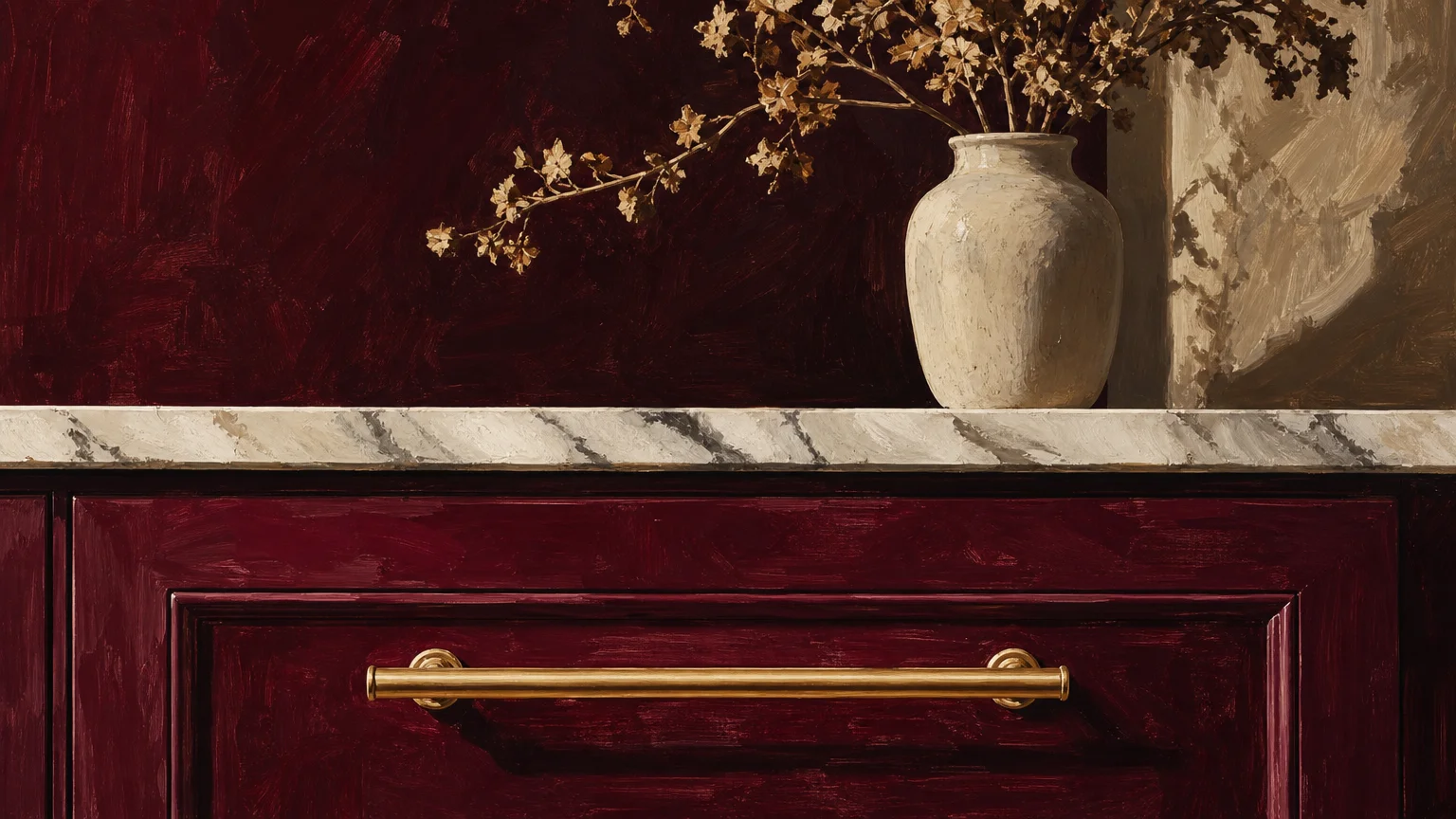
6 Exterior Paint Colors Designers Say Will Be Everywhere in 2027

0

Transforming your property’s curb appeal starts with mastering the subtle yet profound shifts in exterior paint colors 2027 has on the horizon. Moving away from stark contrasts, the upcoming year embraces deeply grounded, complex hues that connect architecture to its surrounding landscape. You will see a refined focus on authenticity, blending organic inspiration with quiet luxury to create facades that feel both timeless and incredibly current. Exploring these emerging house paint trends allows you to elevate your home exterior design with confidence and sophistication. Understanding these six designer-approved shades gives you the blueprint to create a striking, welcoming presence that commands attention while remaining perfectly rooted in its environment.

A modern home with deep forest green siding and a walnut door, nestled in a pine forest with mushroom-colored trim.
Deep forest green siding and copper accents create a sophisticated, moody look for this modern woodland home.

Trend #1: Deep Forest Green

Architecture is increasingly blurring the boundaries between the built environment and the natural world; this philosophy directly drives the surge of deep forest green. Homeowners and designers are stepping away from the austere charcoal grays that dominated the previous decade, favoring this rich, organic hue instead. Deep green successfully grounds your home in its environment, pulling tones directly from surrounding foliage to create a seamless visual transition from your landscaping straight to your siding.

This color exemplifies biophilic design, an approach that satisfies our innate human desire to connect with nature on a daily basis. Forest green possesses a unique gravity and elegance, giving homes a distinct sense of established provenance even if they are newly constructed builds. When you apply this highly saturated shade to cedar shingles, classic board-and-batten siding, or traditional stucco, the physical texture of the material creates beautiful, subtle variations in the color throughout the day. In the bright midday sun, the green reads vibrant and alive; in the evening, it deepens into an almost black, intensely sophisticated shadow.

To master this specific look, pair deep green exteriors with warm, authentic natural materials. Unpainted copper gutters that will gracefully patina over time, richly stained walnut front doors, and raw stone foundations offer the perfect textural and visual contrast. You must actively avoid stark white trim, which creates a jarring, outdated contrast that breaks the organic spell. Instead, opt for soft putty, warm greige, or mushroom tones for the fascia, window casings, and eaves. This precise combination delivers highly actionable curb appeal ideas for those wanting a sophisticated, earthy aesthetic that commands profound respect without aggressively demanding attention.

The stucco exterior of a home painted in warm terracotta orange-brown during a glowing sunset.
Sun-drenched terracotta walls and a large clay pot create a warm, inviting entrance with rustic charm.

Trend #2: Sunbaked Terracotta

While coastal aesthetics and modern farmhouse styles relied heavily on bright whites and cool grays for years, 2027 welcomes the triumphant return of profound, saturated warmth. Sunbaked terracotta is boldly leading this charge, offering an earthy elegance that transforms a home’s exterior into a deeply welcoming retreat. This rich color draws direct inspiration from historic Mediterranean, Spanish Colonial, and Southwestern architecture, but it receives a modernized, slightly muted update that works beautifully across highly diverse climates and architectural styles.

Terracotta brings an undeniable, vibrant energy to home exterior design, yet its muddy, browned-down undertones keep it exceptionally sophisticated rather than loud or overly saturated. The true appeal of terracotta lies in its highly dynamic relationship with natural sunlight. During the crisp morning hours, the color reads as a rich, dense clay-like brown; as the sun sets, it catches the golden hour rays and glows with a fiery, brilliant amber. This organic, ever-changing quality makes it an exceptional choice for smooth stucco, long Roman brick, or deeply textured horizontal siding.

Implementing terracotta properly requires a thoughtful, strategic approach to your secondary color palettes. You must anchor this powerful hue with dark, grounding accents to prevent it from feeling overwhelmingly bright. Dark oil-rubbed bronze or matte black window frames provide the necessary contemporary edge that modernizes the entire facade. Meanwhile, muted sage green or dusty storm-blue front doors offer a beautifully complementary color scheme that strictly honors color theory. If you want to integrate this trend incrementally rather than painting the entire house, consider applying terracotta to a specific architectural focal point—such as an entryway alcove, a prominent chimney, or a detached guest house. The resulting facade radiates quiet luxury and unmatched, inviting hospitality.

A gouache illustration of a modern house painted in Smoked Oyster, a sophisticated warm greige color.
This modern home features Smoked Oyster walls, sleek black window frames, and perfectly manicured garden hedges.

Trend #3: Smoked Oyster

Selecting the perfect exterior neutral often feels like an impossible balancing act between boring and chaotic; however, smoked oyster emerges as the definitive, elegant solution for 2027. This incredibly complex color masterfully bridges the gap between warm taupe, soft gray, and subtle, shadowy violet. Unlike the flat, lifeless beiges or stark contractor grays of the past, smoked oyster possesses a chameleon-like quality that adapts flawlessly to its surrounding environment, rightfully earning its premier place among the top house paint trends.

The absolute genius of smoked oyster lies in its sophisticated undertones. Because it balances both warm and cool visual elements, it works harmoniously with nearly any hardscaping or roofing material you might currently have, from cool blue-gray slate walkways to warm tumbled brick driveways. This immense versatility grants you exceptional freedom when selecting exterior home colors for an intensive renovation. The hue fully embodies the essence of the quiet luxury aesthetic—it feels inherently expensive, deeply considered, and intentionally understated.

For a truly striking, magazine-worthy application, use smoked oyster as your primary siding color and boldly pair it with tone-on-tone architectural accents. Painting your trim, fascia, and gutters just one or two shades darker or lighter than the main body creates a monolithic, highly contemporary aesthetic. This sophisticated monochromatic approach deliberately draws the eye to the physical shape, massing, and texture of your home rather than sharply dividing it with high-contrast, distracting lines. You can further enhance this deeply sophisticated palette by incorporating unlacquered brass exterior hardware, rich mahogany doors, and oversized, modern gas-lantern light fixtures to elevate the entire visual experience for anyone approaching the property.

A modern house with matte midnight blue-black siding at twilight with warm light in the windows.
Sleek midnight blue-black siding creates a sophisticated and moody exterior that glows beautifully against the twilight sky.

Trend #4: Midnight Blue-Black

The dramatic, all-black exterior has enjoyed significant mainstream popularity over recent years, but 2027 officially introduces a much more nuanced, intensely livable alternative. Midnight blue-black offers all the striking, head-turning impact of a dark facade while deliberately removing the harsh, sometimes clinical edge of pure, unadulterated black. This deeply saturated, luxurious hue reads as a soft, velvety charcoal when cast in shadows, but direct, bright sunlight beautifully reveals a rich, hidden navy undertone that adds incredible depth and architectural character.

Choosing midnight blue-black demonstrates a highly confident, sophisticated approach to modern home exterior design. It serves as an absolutely exceptional, contrasting backdrop for vibrant landscaping, making lush green ferns, blooming white hydrangeas, and fiery red Japanese maples pop with extraordinary, museum-quality brilliance. This specific dark color also beautifully masks minor architectural imperfections, helping older, weathered siding or irregular stonework visually recede into a cohesive, elegant whole.

When utilizing the dramatic exterior paint colors 2027 heavily champions, you must meticulously balance the visual weight of the overall property. Expansive, light-reflecting glass windows become crucial to prevent the home from feeling like a heavy, intimidating void. You should introduce necessary warmth through rich, honey-toned wood accents strategically placed on wide soffits, custom garage doors, or the main front entry sequence. Natural stone chimneys, sweeping limestone pathways, or robust brick foundations also help effectively break up the dark expanse, visually grounding the structure to the earth. This careful, calculated balance of moody dark paint and inviting warm textures ensures your property maintains a welcoming, dynamic atmosphere despite its dramatically dark palette.

A watercolor sketch of a classic white colonial home with warm creamy undertones and soft green trees.
A traditional two-story home glows in creamy alabaster, perfectly accented by dark shutters and lush green landscaping.

Trend #5: Creamy Alabaster

The pervasive era of the stark, blindingly bright white house is officially behind us. In its place, top architectural designers are turning enthusiastically toward creamy alabaster and soft, sun-washed plaster tones. This distinct shift directly reflects a broader cultural desire for residential spaces that feel authentically lived-in, historically rooted, and deeply comforting from the moment you pull into the driveway. Creamy alabaster successfully offers the clean, tailored crispness of white but carries a heavy, deliberate dose of yellow and brown undertones, resulting in a buttery, radiant warmth that glows beautifully in natural ambient light.

This nuanced, highly sophisticated neutral works absolute miracles on traditional and historic homes, honoring their original architecture while simultaneously providing a fresh, pristine canvas. However, it is equally effective and striking on contemporary modern builds, where it softens rigid, sharp angles and successfully prevents ultra-minimalist designs from feeling cold or sterile. Alabaster closely mimics the gorgeous look of natural, aged European lime wash, bringing a distinct sense of heritage and permanence to everyday American neighborhoods.

To effectively maximize your curb appeal ideas with creamy alabaster, you must pay strict, unwavering attention to your roof and trim color selections. This warm, enveloping white pairs exquisitely with naturally weathered cedar shake roofs or warm brown architectural shingles. For the trim, actively avoid cool, icy grays or harsh, unforgiving blacks; instead, opt for soft, earthy greiges, pale olive greens, or even muted French blues. These gentle, low-contrast combinations actively enhance the creamy, rich nature of the main siding, creating an inviting, masterfully layered exterior that feels entirely custom and meticulously curated by a professional.

Close-up of sage green cedar shingles on a house next to soft green garden foliage.
Soft sage shingles and a rain-speckled window pair beautifully with delicate white blossoms in the garden.

Trend #6: Weathered Sage

As homeowners increasingly seek to purposefully transform their properties into private, restorative sanctuaries, weathered sage quickly emerges as a dominant frontrunner in high-end exterior design. This extraordinarily soft, dusty green-gray perfectly captures the very essence of transitional serenity. It beautifully bridges the aesthetic gap between charming historical reverence and modern, tailored restraint, offering a subtle infusion of organic color for those who find traditional neutrals far too uninspired but consider vibrant, loud hues too intimidating for a permanent exterior application.

Weathered sage acts as a highly effective visual palate cleanser. It is inherently calming and restorative, accurately reflecting the soft, muted tones of silver dollar eucalyptus leaves, dried culinary herbs, and distant misty mountain ranges. Because it heavily leans into its gray undertones, it functions almost identically to a true neutral, allowing you to easily and confidently pair it with a remarkably wide variety of architectural styles. From rambling, expansive coastal shingle-style homes to crisp, low-slung mid-century modern ranches, weathered sage adapts effortlessly and immediately enhances the structure’s absolute best features.

When applying this highly sought-after color, seriously consider the immense power of a semi-transparent stain if you feature natural cedar or pine wood siding. This technique allows the organic wood grain to proudly show through, resulting in an exceptionally textured, earthy appearance. If using standard solid paint, intentionally pair weathered sage with creamy white trim and raw copper exterior accents that will naturally patina and age gracefully over time. A brightly colored front door—perhaps a deep, rich oxblood red or a sophisticated mustard yellow—can serve as a brilliant, welcoming focal point against the soft, restrained sage background. This strategic approach guarantees an exterior that remains perpetually fresh, inviting, and endlessly stylish for decades to come.

An infographic showing the six 2027 paint trends as color circles with labels and suggested material accents.
Six elegant color swatches and natural accents create a curated and timeless palette for 2027 home exteriors.

The Big Picture: Weaving These Trends into Your Home

Adopting the most highly anticipated exterior paint colors 2027 offers requires significantly more effort than simply picking a trendy shade from a hardware store swatch book; it demands a comprehensive, holistic understanding of your entire property. Successful, enduring home exterior design fundamentally treats the primary house, the surrounding landscaping, and the integrated hardscaping as a single, beautifully unified composition. When you finally decide to update your home’s exterior palette, you must first critically evaluate the permanent, fixed elements you cannot easily or affordably change. Your existing roof color, robust brick or stone foundations, expansive driveway materials, and even the size and maturity of your surrounding trees all play absolutely critical roles in determining which trending color will actually work best for your specific home environment.

For example, a cool-toned, blue-gray slate roof will inevitably clash aggressively with a warm, sunbaked terracotta facade, whereas that exact same roof will sing beautifully alongside smoked oyster or midnight blue-black siding. Similarly, an aggressively shaded, heavily wooded lot might completely swallow a deep forest green house, making a radiant, light-reflecting creamy alabaster the far superior choice to capture and bounce ambient sunlight.

You should always ruthlessly prioritize overall harmony over simply checking a box on an annual trend list. The most sophisticated, visually arresting properties often utilize these emerging colors in incredibly subtle, masterfully layered ways. Consider purposefully adopting a tailored tri-color scheme: select one primary grounding color for the main body, a secondary stabilizing color for the trim and fascia, and a strategic, personality-driven accent color for the front door and window sashes. By taking a highly methodical, thoroughly customized approach to these prominent house paint trends, you effectively ensure your home not only looks brilliantly current but also actively maintains an enduring, timeless elegance that drastically elevates its long-term market value and everyday neighborhood curb appeal.

Frequently Asked Questions

How do I accurately test these exterior home colors before committing to a full paint job?

You must always test paint colors directly on your home’s exterior; never make a final decision just by looking at a tiny paper swatch inside your artificially lit kitchen. Purchase sample pots of your top designer choices and paint large, two-foot sections of inexpensive poster board. Tape these painted boards directly to different sides of your house—specifically targeting the north, south, east, and west-facing walls. Meticulously observe how the colors shift and morph throughout the day as the sun moves. A smoked oyster tone that looks perfectly balanced and neutral in the crisp morning light might turn unexpectedly purple in the warm, fading late afternoon sun. This rigorous, hands-on testing phase is absolutely crucial for flawlessly executing your ultimate curb appeal ideas.

Should my garage doors match the primary siding color or the accent trim?

For the most elegant, seamless, and high-end look, you should almost always paint your garage doors the exact same color as your primary siding. Garage doors naturally take up a massive amount of visual real estate on most standard facades; painting them a heavily contrasting trim color violently draws the eye directly to them, unintentionally highlighting a strictly utilitarian feature rather than your home’s beautiful, carefully crafted architectural details. By deliberately blending the heavy garage doors into the main body of the house, you allow the front entry sequence, the porch, and the windows to rightfully command primary attention. Alternatively, if your doors are crafted from high-quality, authentic natural wood, leaving them beautifully stained and sealed offers an excellent, luxurious textural contrast that warms up the entire property.

Can I combine multiple house paint trends on a single facade without it looking chaotic?

You absolutely can mix multiple contemporary trends, provided you do so with a strict, disciplined eye for visual balance and architectural proportion. The absolute key to success is establishing a very clear, undeniable hierarchy among the chosen hues. Choose one specific trend to act as the dominant, guiding force—such as creamy alabaster for the main stucco siding—and use a second, complementary trend, like weathered sage, strictly for the functioning shutters, the trim, or the board-and-batten gables. You must ensure the underlying color undertones of both selections share a remarkably similar temperature or saturation intensity. By consistently keeping the application highly intentional, restrained, and purposeful, you expertly create a bespoke exterior that feels professionally designed, deeply cohesive, and infinitely engaging to anyone passing by.

For the latest color forecasts, consult industry leaders like Pantone and paint companies like Benjamin Moore. For professional design standards, refer to the American Society of Interior Designers (ASID).

Disclaimer: This article reflects design trend analysis and predictions. Personal taste and timeless design principles should always guide your decorating choices.
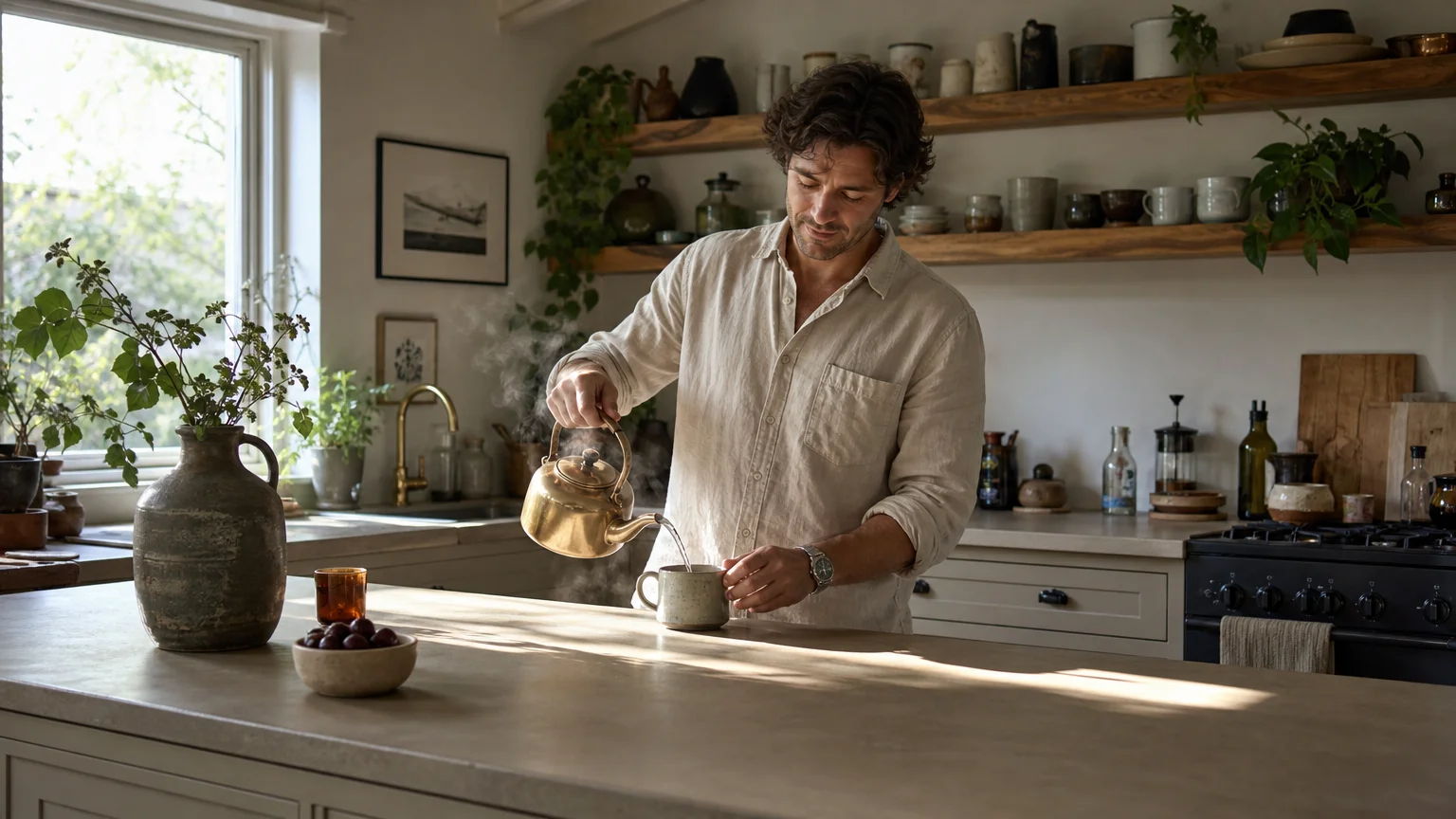
10 Vanity Styles Everyone Wants Right Now

0

Upgrading your bathroom starts with anchoring the space around a meticulously selected vanity that sets the entire aesthetic tone. You need stylish bathroom vanities that balance robust daily functionality with elevated, architectural design. We are currently witnessing a dramatic shift away from mass-produced utility cabinets toward bespoke, furniture-like installations that rival luxury living room pieces. Quiet luxury now dominates the conversation, demanding rich textures, sustainable materials, and precise artisanship. By exploring these latest bathroom design trends, you secure actionable insights into the exact silhouettes, natural stone finishes, and warm wood tones dominating high-end renovations. The ten vanity styles commanding the market right now blend organic warmth with razor-sharp modernism, offering a clear roadmap for creating your own sanctuary.

Macro detail of fluted white oak wood on a bathroom vanity cabinet.
Textured fluted wood detailing and a smooth stone countertop define this trending organic modern vanity style.

Trend #1: Organic Modern Fluted Wood

Warm wood vanities featuring fluted detailing bring a deeply tactile, architectural element to your bathroom design. Fluting introduces rhythmic shadow play that significantly softens the hard, sterile surfaces traditionally found in washrooms. Industry professionals heavily favor solid white oak and rich walnut for these stylish bathroom vanities because the natural grain offers organic provenance—a vital component of successful biophilic design. When you pair a fluted oak base with a honed marble countertop, you achieve a quintessential organic modern aesthetic.

The ribbed texture effectively conceals subtle daily wear while creating an engaging, sophisticated focal point. You see this style skyrocketing in popularity because homeowners desperately crave sensory experiences in their private spaces; recent luxury design forecasts indicate a massive surge in textured millwork requests over the past two years. Fluted profiles elevate a simple storage unit into a bespoke piece of fine furniture. You bridge the gap between utilitarian function and sculptural art by choosing this deeply grounded, nature-inspired vanity style. For longevity, ensure the fluting is treated with a matte, water-resistant sealant to protect the wood from ambient moisture while preserving its raw appearance.

Architectural diagram showing the installation and structural blocking of a floating concrete vanity slab.
This exploded view diagram illustrates the minimalist construction and elegant brass fixtures of a floating concrete vanity.

Trend #2: The Floating Concrete Slab

Embracing the core principles of refined brutalism, floating concrete vanities deliver unmatched visual impact through raw, unpretentious materiality. By mounting an integrated concrete sink and counter directly to the wall without base cabinetry, you create an illusion of expansive floor space. This modern bathroom vanity style champions spatial purity. Concrete provides incredible structural durability while offering a subtle, mottled patina that evolves gracefully over time. Advanced glass-fiber reinforced concrete allows specialized fabricators to cast these pieces at a fraction of traditional weight without sacrificing tensile strength.

You should pair this austere silhouette with unlacquered brass wall-mounted fixtures to introduce essential warmth; the brass will oxidize and perfectly complement the concrete’s cool, industrial gray tones. You want this specific style if your ultimate goal is an ultra-minimalist, architectural bathroom. Floating concrete slabs prioritize form, negative space, and industrial longevity over bulky, traditional storage solutions, resulting in a striking, gallery-like environment. Before installing, you must verify that your contractor has installed proper wooden blocking behind the drywall to support the immense cantilevered weight of the concrete fixture.

A vintage mid-century modern wooden dresser converted into a functional bathroom vanity with a vessel sink.
A vintage wooden dresser is beautifully repurposed into a custom bathroom vanity with a modern vessel sink.

Trend #3: Antique Furniture Repurposed

The conversion of antique dressers, credenzas, and console tables into functional washstands injects undeniable provenance and soulful history into your modern bathroom. This style directly rebels against the ubiquitous, flat-pack bathroom cabinet. By sourcing a vintage mid-century modern credenza or a heavily carved French provincial chest, you secure a completely unique vanity style that tells a compelling historical story. Master carpenters easily adapt these historical pieces to accommodate modern plumbing lines and drop-in porcelain sinks.

This creative approach aligns perfectly with sustainable design practices by rescuing and repurposing existing, high-quality timber. The rich, aged patina of an antique mahogany or burl wood dresser contrasts beautifully with crisp white ceramic basins and modern matte black hardware. You elevate your bathroom’s character immensely by treating the vanity as a curated antique acquisition rather than a standard plumbing fixture. This tension between old-world craftsmanship and modern utility creates an environment rich in narrative and highly personal charm. Always remember to apply a marine-grade polyurethane topcoat to the antique wood surface to prevent devastating water rings and soap stains.

A solid monolithic black marble vanity block with white veining in a minimalist dark bathroom.
This solid black marble block with striking white veins creates a bold and sculptural statement bathroom vanity.

Trend #4: The Monolithic Marble Block

Nothing broadcasts quiet luxury quite like a monolithic marble vanity. This dramatic style utilizes heavily veined natural stones—such as Arabescato Corchia or Calacatta Viola marble—to clad the entire vanity structure, including the drawer fronts and side panels. The meticulous book-matching of the stone creates a seamless, solid block of continuous geological art. You invest in monolithic vanities when you want an unapologetic, show-stopping centerpiece. These modern bathroom vanities eliminate visible hardware, relying instead on integrated stone pull-channels to maintain an unbroken, sculptural silhouette.

The high-end market heavily demands highly expressive stones featuring deep burgundy or dramatic charcoal veining over plain, understated white options. This design dominates current bathroom design trends because it directly mimics the custom stone installations found in elite five-star hospitality venues. When you seal the natural stone properly and maintain it with pH-neutral cleaners, it withstands daily use while providing a monumental, opulent presence that anchors your entire room. Because stone cladding adds immense weight, ensure your flooring sub-structure is professionally reinforced prior to delivery.

Minimalist ink and watercolor sketch of a light wood slatted vanity in a Japandi style.
This slatted wood vanity and round mirror perfectly capture the serene, minimalist essence of Japandi bathroom design.

Trend #5: Slatted Japandi Minimalism

Japandi design merges Japanese minimalism with Scandinavian functionality, producing bathroom vanity ideas centered on profound tranquility. Slatted wood vanities embody this movement perfectly, featuring clean, repetitive timber slats over sliding doors or open shelving. You typically see this style executed in blonde woods like ash or sustainably harvested teak, which naturally resists ambient moisture. The slatted design permits essential air circulation—a highly practical feature for damp bathroom environments—while maintaining visual lightness and strict geometric order.

Incorporating a Japandi vanity instantly calms the visual noise of a room, transforming a hectic morning prep zone into a zen retreat. Countertops crafted from matte black soapstone or simple white solid surface materials balance the organic warmth of the slatted wood beautifully. You should embrace this vanity style if you desire an uncluttered, mindful space. Slatted minimalism emphasizes exceptional craftsmanship, abundant natural light, and serene, harmonious proportions that immediately lower your resting heart rate. To maximize functionality, select slatted vanities with hidden internal drawer organizers that keep your grooming essentials rigorously sorted behind the serene facade.

A vibrant emerald green lacquered bathroom vanity with gold handles and a white countertop.
Glossy emerald green cabinetry and gold hardware create a bold, saturated jewel-tone statement in this bathroom.

Trend #6: Saturated Jewel-Tone Cabinetry

Moving decisively away from the endless sea of white and gray, saturated jewel-tone vanities command attention and inject vital personality into interior spaces. Deep emerald greens, rich sapphire blues, and moody aubergines represent the forefront of contemporary bathroom design trends. Applying these highly pigmented, glossy lacquers to a traditional shaker or sleek slab door vanity instantly revitalizes the entire room. Color theory plays a massive role in this trend; dark greens promote restoration and balance, while deep blues evoke the calming, immersive depths of the ocean.

When you offset these bold painted cabinets with brushed gold hardware and warm ambient sconce lighting, the resulting atmosphere feels intensely glamorous and intimate. This style grants you an accessible pathway to experiment with maximalism and dramatic color drenching without committing to painting your entire room. Jewel tones offer a lavish, high-contrast foundation for stylish bathroom vanities that demand to be noticed. For the most sophisticated finish, request a high-gloss or satin lacquer rather than a standard matte paint, as the subtle sheen beautifully reflects natural light and highlights the depth of the pigment.

A stylized gouache illustration of a rounded, capsule-shaped vanity in terracotta and peach tones.
Embrace the capsule silhouette with this terracotta vanity featuring rounded edges and a matching mirror.

Trend #7: The Curved Capsule Silhouette

Sharp right angles are quickly making way for the gentle, forgiving geometry of curved capsule vanities. This style features rounded corners, semi-circular profiles, and cylindrical pedestal bases. The psychological appeal of soft curves lies in their inherent ability to make a space feel more welcoming, organic, and physically safe to navigate. You often find these curved silhouettes finished in ribbed plaster, reeded wood, or smooth, matte painted finishes.

In tight powder rooms or narrow en suites, a rounded vanity eliminates awkward hip-bumping corners and significantly improves daily traffic flow. Capsule vanities pair magnificently with arched mirrors and spherical lighting fixtures, creating a cohesive, soothing language of curves throughout your bathroom. Designers currently champion this trend because it dramatically breaks up the rigid, boxy nature of traditional bathroom architecture. By installing a capsule vanity, you inject a much-needed sense of fluidity and sculptural grace into your daily routine. Match the soft aesthetic by utilizing a bullnose or half-bullnose edge profile on your selected stone countertop.

An open brass frame vanity console with visible matching plumbing against a navy tile wall.
This open brass frame console adds a touch of luxury against the striking blue herringbone tiles.

Trend #8: Open Brass Frame Consoles

For homeowners who prioritize a lightweight, airy aesthetic over concealed storage, open brass frame console vanities deliver unmatched elegance. This vanity style consists of a sleek, tubular metal frame—often finished in brushed brass, polished nickel, or matte black—supporting a premium marble or ceramic basin top. The open undercarriage proudly exposes beautiful, high-quality plumbing trap details and provides a perfect staging area for plush, rolled towels resting in woven baskets. To execute this look properly, you must invest in decorative P-traps and supply lines that match the console’s metallic finish.

These modern bathroom vanities drastically expand the visual square footage of a room, making them an ingenious solution for compact urban apartments or intimate guest bathrooms. The gleaming metallic framework introduces a potent element of traditional hotel luxury, reminiscent of early twentieth-century Parisian washstands. You choose an open console when you actively want to highlight pristine wall tiling and intricate floor mosaics, allowing the beautiful architecture of the room to shine completely through the vanity itself.

Macro close-up of a colorful terrazzo sink basin showing chips of marble and glass embedded in cement.
Vibrant stone chips and water droplets highlight the seamless, modern appeal of this integrated terrazzo basin.

Trend #9: Terrazzo Integrated Basins

Terrazzo has triumphantly returned from its mid-century origins, evolving rapidly into a premium material for integrated bathroom vanities. Modern fabricators pour custom terrazzo mixtures—featuring oversized aggregates of marble, quartz, and colored glass set in a cementitious or resin binder—directly into bespoke vanity forms. This advanced process creates a seamless, continuous transition from the countertop straight down into the sink basin.

You gain a highly durable, non-porous surface that effortlessly resists water damage, cosmetic staining, and daily wear. The true magic of terrazzo lies in its absolutely endless customization; you can easily specify a neutral base with bold terracotta and emerald chips to tie your entire bathroom color palette together. This vanity style injects a playful, artistic energy into the space while maintaining a highly sophisticated, architectural edge. Terrazzo stands as a brilliant, durable alternative to conventional quartz or standard porcelain sinks, offering an eco-friendly solution if you source aggregates made from post-consumer recycled glass.

Technical diagram of a 72-inch wide wall-to-wall floating trough sink with measurement callouts.
This technical diagram showcases the sleek dimensions and seamless design of a custom wall-to-wall floating trough vanity.

Trend #10: Wall-to-Wall Floating Troughs

The wall-to-wall floating trough vanity successfully adapts a commercial aesthetic into a highly desirable residential luxury. Stretching seamlessly from one wall of the bathroom to the exact opposite side, this continuous surface features an elongated, sloping trough sink shared by multiple wall-mounted faucets. You effectively eliminate the wasted dead space between dual sinks, maximizing usable counter real estate for grooming essentials. Typically fabricated from solid surface composites or honed quartz, these stylish bathroom vanities project a streamlined, futuristic minimalism.

By floating the entire massive structure off the floor, you facilitate effortless cleaning and maintain a visually unobstructed footprint. The trough vanity style completely redefines the primary bathroom experience, offering a communal yet highly spacious wash zone that prioritizes sleek horizontal lines. This specific design strategy drastically elongates the perceived proportions of the room, creating an expansive, professional spa-like atmosphere right inside your home. For added drama, you can easily integrate warm LED strip lighting underneath the floating trough to create a glowing, ethereal nightlight effect.

An artistic watercolor mood board featuring various textures, colors, and vanity elements.
This mood board illustrates how to blend fluted wood, emerald tiles, and brass for a cohesive bathroom.

The Big Picture: Weaving These Trends into Your Home

Navigating an abundance of bathroom vanity ideas can feel overwhelming, but successful interior design lies in deliberate, measured implementation. You do not need to gut your entire bathroom to capture the essence of these powerful trends. Instead, view these ten distinct vanity styles as targeted tools for solving specific spatial and aesthetic challenges within your home. If your bathroom currently feels cold and clinical, introducing a warm wood fluted vanity or an antique repurposed credenza instantly restores soul, history, and tactile warmth. Conversely, if your space feels cluttered and visually cramped, upgrading to a floating concrete slab or a wall-to-wall trough aggressively opens up the visual floor plan and enforces a calming minimalism.

You must always anchor your trendy choices with timeless surrounding elements to ensure exceptional longevity. A highly saturated jewel-tone vanity feels sophisticated, rather than faddish, when you balance it with classic subway tile or neutral stone flooring. The ultimate design goal involves selecting a vanity style that vigorously supports your daily lifestyle while elevating the core architectural integrity of your home. Focus your budget on high-quality materials, impeccable craftsmanship, and functional silhouettes that will gracefully endure the test of time. This thoughtful approach ensures your investment remains profoundly relevant and visually stunning long after current fads inevitably fade.

Frequently Asked Questions

How do I mix a very modern vanity with traditional home architecture?

The key to blending modern bathroom vanities with historic or traditional architecture is absolute material continuity and transitional hardware. If you install a minimalist floating concrete vanity in a Victorian home, bridge the stylistic gap by utilizing unlacquered brass wall-mount faucets that will naturally patinate over time. You should also incorporate classic lighting, such as ribbed glass sconces, to soften the modern edges and seamlessly integrate the new fixture into the home’s historical context.

Do open console vanities provide enough storage for a primary bathroom?

Open frame consoles excel in guest baths and powder rooms, but they absolutely require supplemental storage when used in a primary suite. You can easily solve this practical issue by pairing your open vanity with recessed medicine cabinets, a matching tall linen tower, or stylish lidded floor baskets that slide neatly beneath the console. This strategy maintains the airy aesthetic while successfully concealing your daily toiletries and grooming devices.

Are highly textured vanities, like fluted wood, difficult to clean?

While a flat slab door is objectively the easiest surface to wipe down, high-quality fluted vanities feature robust sealants that actively repel dust and ambient moisture. You simply need a soft microfiber cloth and a gentle wood cleaner to maintain the structural crevices. If you prioritize low maintenance above all else, opt for wider, shallower fluting rather than tightly packed, intricate ridges that tend to trap more airborne dust.

Does a monolithic marble vanity require special structural support?

Yes, utilizing heavily veined natural stones to clad an entire vanity adds immense weight to your bathroom floor. Before installing a monolithic block, you must have a structural engineer or a licensed contractor verify that your floor joists can comfortably bear the intense concentrated load. In many cases, adding supplemental blocking or sistering the existing joists provides the necessary reinforcement to safely support these show-stopping pieces.

For the latest color forecasts, consult industry leaders like Pantone and paint companies like Benjamin Moore. For professional design standards, refer to the American Society of Interior Designers (ASID).

Disclaimer: This article reflects design trend analysis and predictions. Personal taste and timeless design principles should always guide your decorating choices.
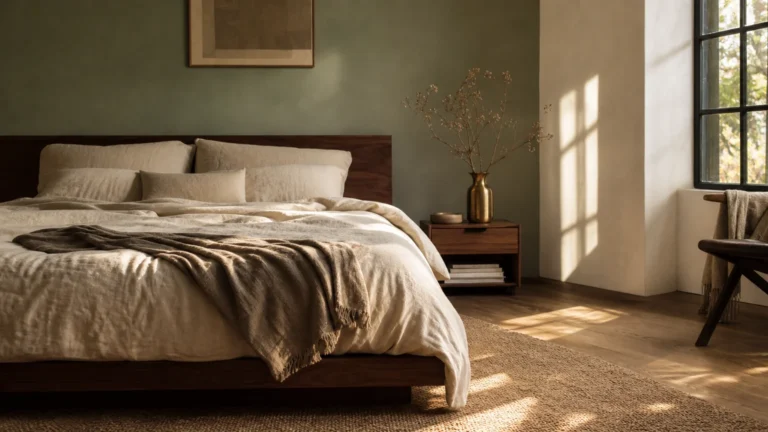
15 Craftsman Homes That Inspire Timeless Design

0

Mastering timeless home design begins by observing the architectural mastery of Craftsman homes, where function and organic beauty merge seamlessly. You can elevate your own modern spaces by implementing the artisanal craftsmanship and natural materials found in these 15 inspiring properties. Born from the Arts and Crafts movement, Craftsman house design rebels against mass production by celebrating hand-wrought details that anchor a room in enduring style. Exploring these fundamental principles allows you to integrate authentic woodwork, earthy palettes, and purposeful built-ins into any aesthetic. Whether renovating a historic bungalow or injecting soul into a new build, studying these historic precedents offers a proven blueprint for creating deeply personal, sophisticated interiors that will never feel dated.

A technical diagram showing the exploded view of a dovetail joint and a quarter-sawn oak beam with clear labels.
Detailed technical drawings showcase the structural integrity and artisanal beauty of an exposed dovetail joint in oak.

Trend #1: Artisanal Woodwork and Exposed Joinery

Craftsman house design prioritizes honesty in construction, famously highlighting structural elements rather than hiding them behind layers of drywall. You see this vividly in historical Pasadena bungalows, where exposed ceiling beams and intricate dovetail joints become the primary decorative features of the living space. This quiet luxury approach—where the quality of the material and the skill of the artisan speak for themselves—brings immense warmth and character to residential interiors. To capture this enduring aesthetic, invest in custom oak or mahogany trim finished with a clear seal that allows the natural wood grain to shine. Modern interior interpretations frequently blend these traditional, heavy wood elements with sleek, contemporary furnishings. This deliberate juxtaposition creates a balanced, organic modernism that feels both historically rooted and strikingly fresh.

An ink and watercolor illustration of a room corner featuring washes of olive green, terracotta, and ochre.
Rich olive green, ochre, and terracotta tones bring a timeless warmth to this cozy reading nook.

Trend #2: Earth-Toned Color Palettes

Moving definitively away from stark whites, Craftsman architecture embraces colors pulled directly from nature to foster a biophilic connection between indoors and out. Classic Craftsman homes rely heavily on muted olive greens, warm terracottas, and deep, muddy ochres to complement the extensive interior woodwork. These historically accurate shades absorb natural light beautifully; they create a cozy, enveloping atmosphere that feels inherently sophisticated. You can successfully apply this timeless home design strategy by painting your dining room, library, or den in rich, saturated tones that instantly ground the space. Selecting high-quality paints with a matte or eggshell finish further mimics the historical authenticity of early twentieth-century interiors. Ultimately, these earthy backdrops provide a perfect, moody canvas for displaying both antique collections and vibrant contemporary art.

A real-life view of a built-in oak buffet in a dining room with books and a coffee mug on the counter.
Handcrafted oak built-ins with leaded glass doors provide elegant storage and a functional surface for everyday items.

Trend #3: Purposeful Built-In Cabinetry

The original Arts and Crafts movement heavily emphasized maximizing daily utility without sacrificing aesthetic beauty, making integrated built-in cabinetry a permanent hallmark of the style. In legacy Craftsman style homes, you will frequently discover glass-front bookcases flanking a grand fireplace or expansive built-in buffets anchoring a formal dining room. These substantial architectural additions eliminate the need for bulky freestanding furniture while establishing a compelling sense of permanence and provenance in your home. You can seamlessly incorporate this trend by designing a custom window seat featuring hidden storage or a built-in hallway drop zone using rich, quarter-sawn oak. Highlighting these practical features with authentic brass or blackened iron hardware delivers essential organization while simultaneously honoring the structural integrity of your living space.

A stone fireplace inside an intimate inglenook with wooden benches and a warm glowing fire.
A roaring fire illuminates the massive stone hearth and cozy inglenook benches in this timeless Craftsman space.

Trend #4: The Centralized Hearth and Inglenook

Craftsman house design intentionally utilizes the fireplace as the undeniable beating heart of the living room, often framing it within an intimate, recessed inglenook. This brilliant architectural technique creates a cozy room-within-a-room dedicated entirely to conversation, reading, and relaxation. Historically, these robust hearths feature hand-fired glazed tiles or rugged, stacked river rock, emphasizing a deep appreciation for raw, tactile materials. You can recreate this highly inviting atmosphere by establishing a symmetrical seating arrangement focused entirely on your fireplace—purposely avoiding the modern tendency to center rooms around a massive television screen. Flanking your hearth with built-in wooden benches or low-slung, leather armchairs fosters an intimate gathering space that actively celebrates the age-old ritual of coming together around a fire.

A geometric stained glass window illustration with amber and sage green floral patterns.
This intricate leaded glass window features a vibrant yellow rose set within a classic geometric Craftsman frame.

Trend #5: Stained Glass and Leaded Windows

Artisan glasswork provides a vital opportunity to inject vibrant color and complex geometric artistry into Craftsman homes without overwhelming the serene, wood-heavy architecture. Original historic properties frequently showcase highly stylized motifs of local flora and fauna in their transoms, sidelights, and upper window sashes. These beautiful installations filter harsh midday sunlight, casting warm, intricate patterned glows across your interior hardwood floors. To leverage this sophisticated timeless home design element, consider commissioning a local artisan to create a custom leaded glass panel for your front entryway or a prominent stairwell window. This thoughtful investment adds immediate historical gravitas to your property; furthermore, it serves as a bespoke piece of integrated architectural art that elevates your entire exterior and interior facade.

An architectural diagram labeling the tapered column, stone pedestal, and overhanging eaves of a porch.
Tapered columns and deep eave overhangs with exposed rafter tails create a signature Craftsman porch design.

Trend #6: Tapered Columns and Overhanging Eaves

While primarily recognized as a defining exterior feature, the profound structural design of Craftsman architecture heavily dictates the internal, lived experience. Deep, overhanging exterior eaves shield interior rooms from the harsh glare of the summer sun, creating a soft, diffused natural light that perfectly complements dark wood interiors. Inside, tapered, battered columns resting on heavy stone or brick piers establish a muscular, grounded aesthetic that effortlessly commands attention. You can elegantly nod to these iconic structural choices indoors by utilizing similarly tapered woodwork on staircase newel posts, fireplace surrounds, or prominent room dividers. Embracing these exceptionally sturdy, geometric proportions creates a comforting sense of safety and unshakable permanence that firmly defines the enduring, global appeal of the Arts and Crafts movement.

A low-angle shot of wide-plank oak floors with a beam of sunlight and the corner of a colorful rug.
Warm sunlight illuminates the rich grain and timeless character of these beautifully restored wide-plank hardwood floors.

Trend #7: Restored and Celebrated Hardwood Floors

Wall-to-wall carpeting genuinely has no place in authentic Craftsman house design, which strongly favors showcasing the natural, unadorned beauty of continuous hardwood flooring. Historic residential examples typically feature narrow planks of durable maple, white oak, or Douglas fir, often exquisitely detailed with intricate inlaid borders utilizing contrasting wood species. This continuous flooring treatment visually expands the footprint of smaller historic bungalows and provides a durable, easy-to-clean surface for active families. When updating your own modern home, prioritize restoring original floors or installing high-quality solid wood over synthetic, temporary alternatives. Complementing these rich, gleaming floors with strategically placed, hand-woven wool rugs adds necessary acoustic dampening and introduces a layer of soft, textural contrast to the home’s hard architectural lines.

A gouache illustration of a floral tile pattern in terracotta and green with a hand-painted look.
Vibrant orange poppies bloom across these hand-fired tiles, showcasing the timeless beauty of artisanal craftsman design.

Trend #8: Hand-Fired Tiles and Artisanal Mosaics

The passionate rejection of factory-made uniformity during the Arts and Crafts era sparked a massive, enduring renaissance in artisanal tile making. Craftsman homes frequently display stunning, matte-finished tiles featuring bold geometric patterns or stylized nature scenes surrounding fireplace surrounds, inside utilitarian kitchens, and across durable bathroom floors. The subtle, unavoidable variations in glaze and texture inherent in handmade tiles add a critical layer of organic imperfection that precise machine-made products simply cannot replicate. You can expertly introduce this highly tactile trend by selecting authentic zellige or custom ceramic tiles for a striking kitchen backsplash or a dramatic bathroom accent wall. Choosing rich, deep glazes in forest green, amber, or midnight blue pays beautiful homage to traditional Craftsman palettes while remaining effortlessly contemporary.

A minimalist floor plan diagram showing the open flow between the living room, dining room, and porch.
This floor plan illustrates a seamless connection between the living, dining, and kitchen areas for modern living.

Trend #9: Open and Flowing Floor Plans

Long before modern, cavernous open-concept living became the standard in residential construction, Craftsman architecture quietly revolutionized domestic layouts by eliminating rigid, boxy, isolated rooms. These forward-thinking homes introduced wide colonnades, built-in bookcases, and sturdy half-walls to separate distinct spaces—like the living room and formal dining room—while deliberately maintaining continuous sightlines and shared airflow. This intelligent approach fosters a highly communal living environment while still offering clearly defined zones for specific family activities. If you are renovating a deeply closed-off historical home, consider widening key doorways or installing classic Craftsman-style room dividers to open up the restrictive space. This proven structural strategy heavily encourages natural social interaction and successfully maximizes the vital reach of natural light throughout your entire main floor.

A wide, shaded front porch with wooden rocking chairs and dappled sunlight filtering through trees.
Two wooden rocking chairs and a pitcher of lemonade invite relaxation on this functional Craftsman front porch.

Trend #10: Prominent and Functional Front Porches

The quintessential Craftsman front porch operates as a highly vital transitional space, seamlessly bridging the gap between the deeply private interior and the public neighborhood. These deep, incredibly welcoming structures are purposefully designed to be actively used, fully furnished with sturdy rocking chairs, heavy hanging swings, and large potted ferns. The covered porch physically extends the functional living footprint of the home, actively encouraging outdoor relaxation regardless of passing inclement weather. You can easily maximize your own front porch or backyard patio by treating it as a true outdoor living room; invest in weather-resistant, solid teak furniture and highly durable outdoor textiles. Enhancing this critical area with patinated copper lanterns and classic, heavy house numbers creates an inviting, historically accurate entry sequence.

An architectural diagram of board and batten wainscoting with labels for the rail, batten, and baseboard.
This architectural diagram illustrates the construction and dimensions of classic olive green board and batten wainscoting.

Trend #11: Architectural Board and Batten Wainscoting

Interior walls in authentic Craftsman style homes rarely rely on flat, unadorned paint alone; they brilliantly utilize extensive wainscoting to introduce much-needed texture and compelling architectural interest. High board and batten paneling, typically rising two-thirds of the way up the wall, frequently wraps around formal dining rooms, cozy studies, and grand entryways. This traditional treatment not only protects fragile plaster walls from daily household wear but also provides a sturdy visual base that immediately grounds the entire room. Implementing this specific timeless home design feature instantly elevates a historically bland space, providing a perfect, structured framework for displaying curated art collections or striking, William Morris-inspired wallpaper above the prominent plate rail. Choose a flat or satin paint finish to maintain an understated elegance.

An ink and watercolor sketch of a mission-style pendant lamp with amber mica and dark bronze metal.
This sketch highlights the warm mica panels and hammered bronze textures of an authentic Craftsman lantern.

Trend #12: Authentic Period Lighting Fixtures

Lighting in classic Craftsman architecture serves as a primary decorative accessory, confidently stepping away from generic overhead glass domes in favor of highly stylized, functional art. Iconic Mission-style chandeliers, delicate mica-shade table lamps, and rugged hammered copper wall sconces permanently define the illumination strategy of these historic spaces. The carefully selected materials—often featuring patinated bronze, stained glass, and warm, oiled wood—emit a soft, ambient glow that drastically enhances the cozy nature of the paneled rooms. Upgrading your builder-grade lighting to heavy fixtures that prominently echo these organic materials instantly shifts the entire atmosphere of your home. Focus strictly on sourcing high-quality pieces with clean, geometric lines and warm metallic finishes to accurately capture the moody, highly inviting spirit of the era.

A view through a dark wood window frame looking out onto a bright, lush green garden path.
A large wooden window frames a lush garden path, bringing the beauty of nature directly indoors.

Trend #13: The Integration of Nature and Biophilic Design

Craftsman design was inherently biophilic long before the trendy term entered the modern architectural and interior design lexicon. These brilliant historic homes were meticulously sited to harmonize perfectly with their specific natural landscapes, purposefully utilizing local stone and heavy timber to visually anchor the structure to the earth. Interiors brilliantly blur the distinct line between inside and out through banks of large, unadorned windows and the prevalent, enthusiastic use of botanical motifs in luxurious textiles and intricate wallcoverings. You can effortlessly enhance this vital biophilic connection in your own modern home by maximizing window exposures, introducing large-scale indoor plants, and opting for natural fiber rugs. Prioritizing this deep, daily connection to nature drastically reduces stress and creates a deeply calming residential sanctuary.

A modern kitchen with oak cabinets, soapstone countertops, a farmhouse sink, and a loaf of bread on a cutting board.
Warm wood cabinetry and a white farmhouse sink define this beautiful and utilitarian Craftsman kitchen.

Trend #14: Utilitarian and Beautiful Kitchens

Unlike the opulent, hidden, and highly restrictive kitchens of the preceding Victorian era, classic Craftsman kitchens heavily embrace a clean, utilitarian aesthetic focused entirely on efficiency and hygiene. Historical examples from these properties feature simple, unadorned shaker-style cabinetry, durable soapstone or butcher block countertops, and deep, highly practical farmhouse sinks. This refreshingly straightforward approach to kitchen design actively avoids excessive, frivolous ornamentation, relying instead entirely on the innate beauty of high-quality, durable building materials. To achieve this enduring, timeless look in your own home renovation, completely avoid high-gloss modern finishes; instead, select solid wood cabinetry with a deeply saturated painted or natural matte finish, perfectly paired with honed stone counters. Emphasizing strict function and authentic materials ensures your kitchen remains highly practical.

An exploded view diagram of a blackened iron door handle and lockset with parts labeled.
This exploded view of hand-forged iron hardware showcases the sophisticated craftsmanship of quiet luxury design.

Trend #15: Quiet Luxury in Functional Hardware

The final, perhaps most intimate defining characteristic of Craftsman homes lies in the meticulous, unwavering attention to functional hardware. Everyday utility pieces—like heavy door hinges, substantial cabinet knobs, drawer pulls, and cast-iron register grates—are absolutely never treated as cheap afterthoughts; they are proudly celebrated as vital components of the home’s architectural jewelry. Authentic Craftsman hardware frequently features hammered metals, unlacquered brass, or deeply oiled bronze that naturally develops a rich, unique patina over years of daily use. You can subtly but profoundly elevate your entire home by swapping out generic, factory-made door hardware and kitchen cabinet pulls for substantial, highly tactile pieces featuring a living finish. This deep commitment to quiet luxury in the smallest, most tactile details solidifies enduring craftsmanship.

A conceptual illustration collage of wood textures, stone patterns, and green color washes in the shape of a house.
This watercolor illustration shows how natural textures and traditional details weave together into a timeless home.

The Big Picture: Weaving These Trends into Your Home

Integrating these robust Craftsman trends into a modern aesthetic requires a highly balanced, carefully curated approach to actively prevent your home from feeling like a rigid, untouchable museum exhibit. You absolutely do not need to commit to a strict, top-to-bottom historical restoration to genuinely benefit from these incredibly enduring design principles. Start by establishing a strong, unshakable foundation of high-quality, natural materials—like restoring original hardwood floors and installing solid wood interior trim—that immediately ground your living space. Next, introduce the iconic, earthy color palette in highly specific zones, such as a cozy den or a formal dining room, deliberately allowing other areas of the house to remain lighter and slightly more transitional.

It is vital to contrast heavy, traditional architectural elements, such as chunky built-in oak bookcases or a dominant, stacked stone hearth, with lighter, modern contemporary furnishings to maintain a dynamic, airy, and welcoming feel. By intensely focusing on the underlying philosophy of the original Arts and Crafts movement—which passionately celebrates daily function, authentic human craftsmanship, and unadorned natural beauty—you can flawlessly weave these timeless principles into literally any home style with immense sophistication and effortless grace.

Frequently Asked Questions

Can I mix Craftsman design elements with modern or contemporary furniture?

Absolutely. Craftsman architecture provides a highly robust, incredibly warm visual backdrop that contrasts beautifully with the sleek, clean lines of modern or mid-century contemporary furniture. The ultimate key to successful stylistic blending lies in maintaining a strict, consistent focus on high-quality materials and deliberately avoiding overly ornate, fussy pieces that aggressively clash with the straightforward, honest geometry of traditional Craftsman design.

Does Craftsman house design still hold its value in today’s real estate market?

Yes, exceptionally well. The intense historical emphasis on solid, unyielding construction, highly practical built-in storage, and premium natural materials aligns perfectly with current, modern buyer demands for homes with authentic character and proven longevity. Timeless home design inherently and stubbornly resists the rapid, costly depreciation frequently associated with hyper-trendy, fast-fashion interior design aesthetics.

How do I incorporate Craftsman style if my home is a standard modern new build?

Focus heavily on adding immediate architectural character through strategic, high-quality millwork. Installing tall board and batten wainscoting in your dining room, adding a substantial reclaimed wood mantel to your standard fireplace, or simply framing your existing doorways with wider, flat, authentic trim immediately introduces a strong Craftsman sensibility. Furthermore, upgrading your builder-grade hardware and standard lighting fixtures to warm, patinated metals drastically enhances the authentic, handcrafted atmosphere.

For the latest color forecasts, consult industry leaders like Pantone and paint companies like Benjamin Moore. For professional design standards, refer to the American Society of Interior Designers (ASID).

Disclaimer: This article reflects design trend analysis and predictions. Personal taste and timeless design principles should always guide your decorating choices.
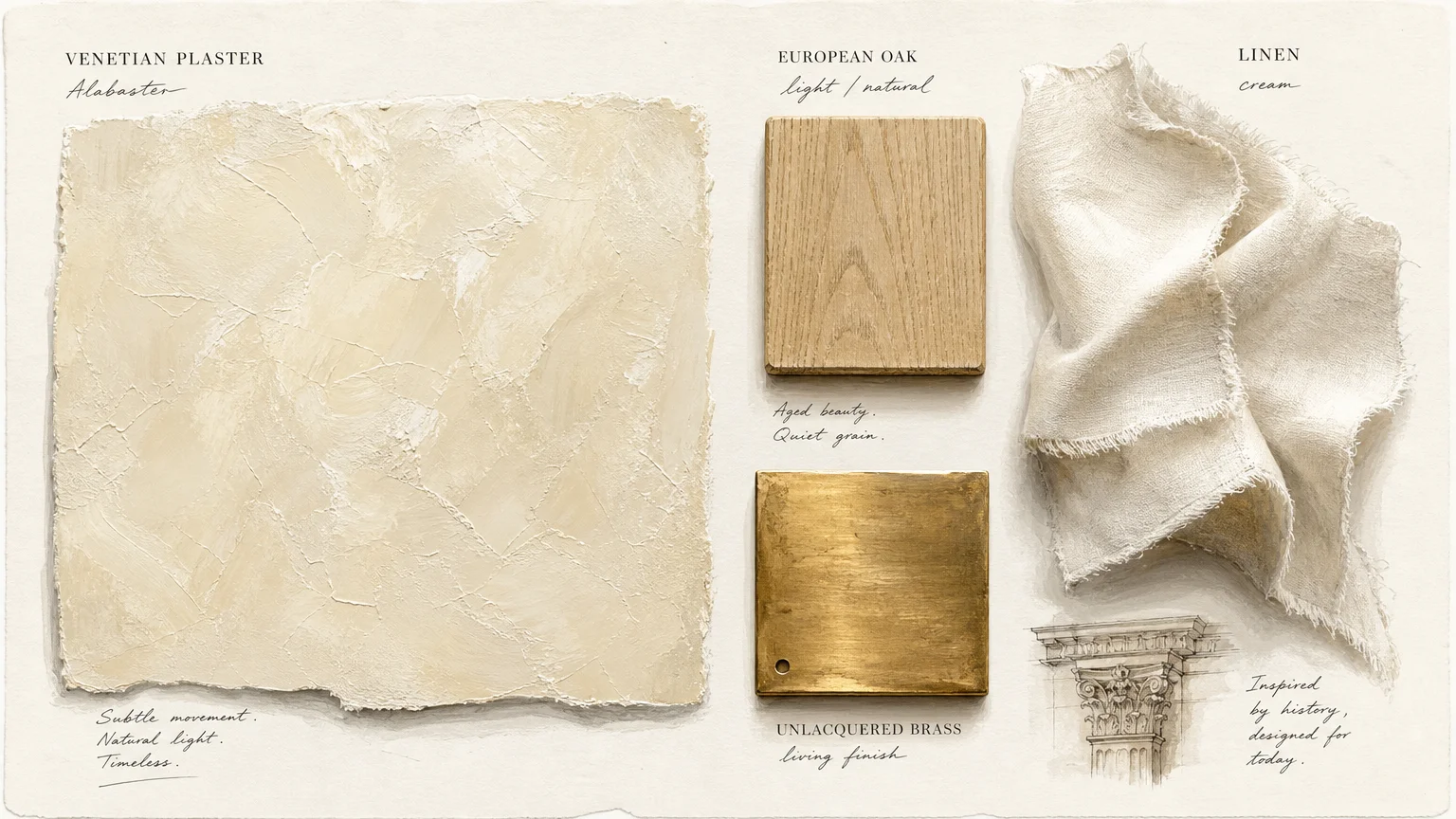
10 Design Mistakes That Make Your Home Feel Cold and Uninviting

0

Cultivating a warm and inviting home requires more than filling a room with expensive furniture; it demands a strategic balance of texture, lighting, and spatial planning. Many homeowners unwittingly sabotage their spaces by falling into common home design mistakes that strip rooms of comfort. Prioritizing stark minimalism or relying on single-source lighting creates an environment that feels sterile rather than welcoming. Correcting these fundamental errors immediately transforms your house into a cozy sanctuary. By understanding the nuanced interplay between rich color palettes, organic materials, and human-centric design, you can effortlessly reverse these missteps. Apply these practical interior design tips to banish the chill, elevate your aesthetic, and infuse your living spaces with authentic character and enduring warmth.

A diagram comparing harsh overhead lighting to a layered strategy with a focus on 2700K warm color temperature.
Layered lighting creates a warm, inviting atmosphere compared to the harsh shadows of a single overhead light.

Mistake #1: Relying Exclusively on Overhead Lighting

Relying exclusively on overhead lighting stands as one of the most egregious home design mistakes you can make. When you flip a single switch to illuminate an entire room with downward-facing light, you flatten the architectural details and cast harsh, unflattering shadows across the space. This singular approach mimics the sterile environment of a commercial office or an operating room, instantly stripping away any potential for intimacy. To cultivate a warm and inviting home, you must implement a meticulously layered lighting strategy. Combine ambient, task, and accent lighting to create depth and visual interest throughout your living areas. Introduce floor lamps with fabric shades to diffuse light softly into the corners of your living room. Utilize table lamps on consoles and side tables to bring the light source closer to human eye level, fostering a profound sense of enclosure and comfort. Furthermore, pay strict attention to color temperature. Swap out glaring, cool-toned bulbs—anything measuring above 3000 Kelvins—for warm white options resting in the 2700K range. This simple adjustment mimics the comforting glow of candlelight or a setting sun, fundamentally shifting the psychological temperature of your interiors.

A watercolor illustration of various textured pillows and a knitted throw blanket layered on a sofa.
Soft bouclé pillows and a chunky knit throw provide the tactile texture needed for a cozy home.

Mistake #2: Ignoring the Power of Tactile Texture

Texture dictates how a room feels long before you ever physically touch a surface. If your living space consists entirely of smooth, flat materials—think polished glass, rigid metal, pristine drywall, and flat leather—the room will inevitably project a severe, unapproachable energy. A truly cozy home relies on a complex interplay of tactile elements to engage the senses and soften the architecture. To reverse this clinical aesthetic, you must intentionally layer varied textures throughout your space. Drape a chunky wool or cashmere throw over the arm of a sleek, modern sofa. Incorporate accent pillows fashioned from rich velvet, nubby bouclé, or tumbled washed linen. When considering home decorating ideas for your flooring, contrast the hard, reflective surface of polished hardwood with a deep-pile Moroccan rug or a natural jute floor covering. These contrasting materials absorb sound and diffuse light, softening the hard visual edges of your architecture. By leaning into the principles of quiet luxury, you elevate your home beyond mere visual appeal, creating a multisensory environment that actively invites you to sit, relax, and linger for hours.

A top-down floor plan comparison showing furniture pushed against walls versus furniture floated in the center.
Floating furniture creates an intimate conversation zone instead of a cold waiting room with an empty center.

Mistake #3: Pushing All Furniture Against the Walls

Many well-intentioned homeowners fall victim to the “waiting room effect” by pushing every seating arrangement flush against the perimeter of a room. While this strategy might seem logical to maximize open floor space, it actually creates a vast, dead zone in the center of the room, making the environment feel cavernous and disconnected. Intimacy requires physical proximity. To design a genuinely warm and inviting home, pull your furniture away from the walls and create dedicated conversation zones. Float your sofa in the middle of your living room, anchoring it with a substantial area rug and a well-proportioned coffee table. Arrange accent chairs so they face the sofa, encouraging direct eye contact and natural social interaction. This spatial planning technique immediately shrinks the functional footprint of the room to an approachable human scale. If you have an exceptionally large or long room, break the floor plan into multiple distinct areas—perhaps a primary seating arrangement for entertaining and a secondary, quieter reading nook nestled in a corner. Intentional spatial planning bridges the physical gaps between your furnishings, naturally bringing people together.

A watercolor transition from a cold blue color palette to a warm terracotta and cream palette in a room.
This watercolor illustration demonstrates the dramatic shift from sterile blue tones to a warm, inviting living space.

Mistake #4: Opting for Stark, Cool-Toned Color Palettes

The era of ubiquitous cool-toned gray interiors has officially passed, leaving behind a legacy of spaces that often feel undeniably frigid. While gray was once championed as the ultimate foolproof neutral, saturating your walls, floors, and upholstery in cool, icy hues systematically drains the life from your interiors. If you want to build a warm and inviting home, you must shift your design focus toward nature-inspired, earthy color palettes. You do not need to abandon neutrals entirely; simply transition from stark grays to complex, warm-toned alternatives. Embrace rich taupes, soft mushrooms, creamy off-whites, and deep ochres. When exploring modern home decorating ideas, consider the transformative impact of “color drenching”—painting the walls, trim, and even the ceiling in a single, enveloping warm hue to create a cocooning effect. If you prefer a lighter foundation, use a creamy alabaster for your walls and introduce warmth through terracotta, rust, or deep olive green accents in your upholstery and prominent artwork. Color deeply influences human psychology; enveloping yourself in warm pigments physically lowers stress levels and tells your brain that you are in a safe, comforting sanctuary.

Soft sunlight diffusing through light-colored linen curtains onto a wooden floor in a home.
Soft linen curtains filter sunlight onto the floor, adding the essential texture that keeps a room feeling warm.

Mistake #5: Neglecting Window Treatments

Leaving your windows completely bare is a subtle but highly impactful home design mistake that leaves a room feeling unfinished and inherently cold. Exposed expanses of glass reflect ambient sound, creating an acoustic echo that subconsciously amplifies the chill of a room. Furthermore, bare windows draw the eye out into the darkness at night, creating a psychological sense of vulnerability rather than protective enclosure. Installing high-quality window treatments is essential for adding necessary softness and acoustic dampening to your living spaces. For a sophisticated, high-end aesthetic, mount your drapery rods as close to the ceiling as possible and extend them several inches beyond the actual width of the window frame. This professional interior design tip not only makes your windows appear significantly larger and your ceilings higher, but it also allows maximum natural light to filter in during the day when the curtains are open. Choose substantial fabrics like lined linen, heavy cotton, or sumptuous velvet to add a thick layer of luxurious insulation. The gentle, cascading folds of the fabric break up the rigid, straight lines of your architecture, wrapping the room in an elegant, comforting embrace.

Watercolor illustration of unique artisanal decor including a ceramic vase and vintage brass candlestick.
A vintage vase and framed landscape painting add unique character that mass-produced items simply cannot replicate.

Mistake #6: Decorating Exclusively with Mass-Produced Pieces

A home entirely furnished directly from a single big-box catalog lacks the fundamental soul required to feel truly welcoming. When every piece of furniture and art is brand new and mass-produced, the environment resembles a staged commercial showroom rather than a lived-in, personal sanctuary. Authentic spaces require provenance—a verifiable sense of history, story, and deeply personal connection. To curate a warm and inviting home, you must bravely embrace the art of the mix. Juxtapose a sleek, contemporary sofa with a weathered antique console table or a vintage Persian rug. Display original artwork, unique travel souvenirs, or inherited heirlooms right alongside your pristine modern fixtures. These unique, deeply personal elements provide necessary visual tension and serve as natural conversation starters for guests. The imperfections found in aged wood, patinated unlacquered brass, and hand-woven textiles inject a necessary dose of humanity into your decorating scheme. By thoughtfully integrating pieces endowed with history and character, you transform a generic house into a deeply personal home that immediately puts guests at ease and accurately reflects your unique life journey.

An infographic showing the correct way to size a rug so it sits under the front legs of all furniture.
This diagram illustrates how a properly scaled rug anchors furniture to create a cohesive and balanced room.

Mistake #7: Anchoring Rooms with Undersized Area Rugs

Selecting an undersized area rug is one of the most frequent flooring mistakes, systematically fragmenting your room and making your furniture appear as though it is floating aimlessly. A rug acts as the foundational anchor for your entire design scheme; when it resembles a mere postage stamp in the center of your living room, the entire space feels disjointed and visually chaotic. A properly sized rug draws the disparate elements of a room together, establishing clear boundaries and grounding the aesthetic. In a standard living room, your rug should be large enough that at least the front legs of every major piece of seating rest comfortably upon it. If your space and budget allow, size up to an 8×10 or 9×12 rug so that all furniture sits completely within the rug’s perimeter. For dining rooms, ensure the rug extends a minimum of 24 to 36 inches beyond all edges of the table, allowing chairs to safely remain on the rug even when fully pulled out. Committing to appropriately scaled textiles is a foundational interior design tip that instantly unifies a room, creating a cohesive, grounded, and inherently warmer environment.

A large green plant in a clay pot next to a natural wood bench in a sunlit room.
A vibrant fiddle leaf fig and rustic wooden bench add essential warmth and texture to this room.

Mistake #8: Eliminating Natural and Biophilic Elements

Modern construction techniques often seal us away from the natural world behind layers of drywall, heavily insulated glass, and synthetic flooring materials. When a room lacks any tangible connection to nature, it intuitively feels alien and cold to the human psyche. Biophilic design—the deliberate practice of connecting indoor environments to the natural world—is vital for establishing a grounding, deeply comforting atmosphere. You must intentionally bridge the visual and tactile gap between the indoors and the outdoors. Introduce living elements like oversized potted ficus trees, trailing pothos plants, or freshly cut seasonal branches arranged in a sculptural ceramic vase. Beyond literal plant life, prioritize organic materials in your hard finishes. Choose unpainted, natural wood grains for your cabinetry and accent furniture to introduce organic warmth. Incorporate natural stone elements, such as marble featuring prominent, earthy veining or deeply textured travertine, instead of relying solely on perfectly engineered synthetic quartz. The subtle irregularities and imperfections found in natural materials remind us of the outside world, subtly lowering our resting heart rates and establishing a deeply embedded sense of tranquility and warmth.

A watercolor painting of a bookshelf filled with books, a small plant, and personal mementos.
Avoid sterile minimalism by displaying a curated collection of books and lush greenery on wooden shelves.

Mistake #9: Over-Decluttering into Sterile Minimalism

While removing excess household clutter is certainly necessary for peace of mind, crossing the line into hyper-minimalism creates a sterile, museum-like quality that actively repels comfort. When you compulsively hide every sign of daily life behind closed cabinet doors and leave every horizontal surface completely bare, you erase the authentic personality of the home. A warm and inviting home actively requires evidence of human life. Embrace the concept of “warm minimalism” by striking a careful, deliberate balance between tidy organization and curated display. Stack a few well-read hardcover books on your coffee table alongside a textured ceramic bowl or a favorite scented candle. Leave a beautiful linen throw casually draped on the arm of your favorite reading chair. Display a small, meaningful collection of artisanal pottery on open kitchen shelving. These intentional, styled moments visually demonstrate that the space is actively loved and lived in by real people. Utter perfection is inherently cold; slight, deliberate imperfection is inviting. Allow your home to breathe freely by showcasing the meaningful objects that bring you joy, naturally infusing the environment with character and approachable warmth.

An architectural diagram comparing a bulky sofa that blocks a room to a properly scaled sofa.
This blueprint illustrates how oversized furniture blocks walkways compared to slim pieces that maintain balanced room proportions.

Mistake #10: Disregarding Scale and Proportion in Furniture Selection

A room will never feel comfortable if the physical components within it are constantly at war with the surrounding architecture. Disregarding scale and proportion leads to severe visual dissonance, fundamentally disrupting the harmony of your home. Placing dainty, low-profile furniture in a voluminous living room boasting vaulted ceilings makes the space feel cavernous and the furniture look insignificant and temporary. Conversely, cramming overstuffed, massive sectional sofas into a compact, low-ceilinged room creates an overwhelming feeling of claustrophobia rather than cozy comfort. To master this critical interior design tip, you must accurately match the visual weight of your furnishings to the specific scale of the room. Large, airy rooms demand substantial pieces—tall, imposing bookcases, robust sofas, and large-scale artwork that confidently commands the expansive wall space. Smaller rooms benefit greatly from furniture with exposed legs and slimmer silhouettes, which allow natural light to pass through underneath and maintain a necessary sense of openness. When the proportions of your furniture perfectly align with your architecture, the room intuitively feels balanced, settled, and supremely comfortable.

A person relaxing in a cozy, well-designed living room lit by a warm lamp in the evening.
Warm lamplight and soft blankets transform this reading nook into a cozy, inviting space for relaxation.

The Big Picture: Weaving These Trends into Your Home

Correcting these common home design mistakes is not about strictly following fleeting fads; it is about embracing enduring design principles that vehemently prioritize human comfort. Creating a warm and inviting home demands a holistic, patient approach. As you apply these interior design tips, remember that your home should evolve organically over time. Do not rush to purchase entirely new matching sets of furniture or frantically repaint every room in a single weekend. Instead, take a measured, highly intentional approach. Assess your current living spaces with a critical eye and identify the specific areas that feel cold, echoing, or disjointed. Begin by addressing your layered lighting scheme and introducing a few key tactile textiles to soften hard edges. Slowly swap out sterile, mass-produced items for vintage finds that carry authentic provenance. Layering is the ultimate secret to elevated, sophisticated design. As you carefully layer warm color palettes, optimized spatial planning, and natural biophilic elements, your home will gradually shed its uninviting chill. The ultimate goal is to craft a highly personal sanctuary that beautifully reflects your evolving aesthetic while steadfastly supporting your daily lifestyle with comfort and undeniable warmth.

Frequently Asked Questions

How do I transition away from a cool gray color palette without replacing all my expensive furniture?

You can effortlessly warm up a gray foundation without undertaking a massive, budget-breaking renovation. Start by repainting your walls in a warm white or a soft, creamy taupe to change the baseline temperature of the room. Introduce rich, earthy accents through your textiles—add rust-colored velvet throw pillows, an olive green wool blanket, or a heavily patterned area rug featuring warm terracotta tones. Finally, change your lightbulbs to a warmer color temperature (around 2700K) to immediately neutralize the harsh, cool undertones of your existing gray upholstery and flooring.

Can a home with modern, minimalist architecture still feel cozy and inviting?

Absolutely. The key to warming up contemporary, rigid architecture is adopting the specific principles of “organic modernism.” While you maintain the clean lines and uncluttered open layouts characteristic of modernism, you must execute them using rich, natural materials rather than synthetics. Swap polished chrome hardware for living finishes like unlacquered brass, replace stark white drywall with highly textured Roman clay or limewash, and incorporate heavily grained natural woods. This methodology creates a striking, beautiful balance between sleek architectural restraint and tactile, organic warmth.

How do I incorporate vintage and antique pieces if my home is predominantly contemporary?

The most sophisticated, high-end interiors consistently rely on the rule of tension. Mixing disparate eras prevents a room from looking like a flat, one-dimensional catalog showroom. Start small by introducing a single, high-impact vintage piece into your contemporary space. Consider laying an antique Persian rug in a sleek modern kitchen, or hanging a 19th-century ornate gilded mirror above a stark, minimalist fireplace console. The intricate, aged details of the antique piece will beautifully highlight and contrast the clean, sharp lines of your modern furnishings.

Is layering different types of wood finishes considered a home design mistake?

Not at all; in fact, perfectly matching all your wood finishes is a dated practice that actively contributes to a sterile, uninspired appearance. Mixing various wood tones adds necessary depth and an evolved, collected character to a room. To execute this successfully, ensure your different woods share a similar underlying tone—for instance, mixing warm woods like rich walnut and cherry, or blending cool woods like ash and weathered driftwood. Use a unifying element, such as a large textured area rug, to visually buffer contrasting wood floors and heavy furniture pieces.

For the latest color forecasts, consult industry leaders like Pantone and paint companies like Benjamin Moore. For professional design standards, refer to the American Society of Interior Designers (ASID).

Disclaimer: This article reflects design trend analysis and predictions. Personal taste and timeless design principles should always guide your decorating choices.
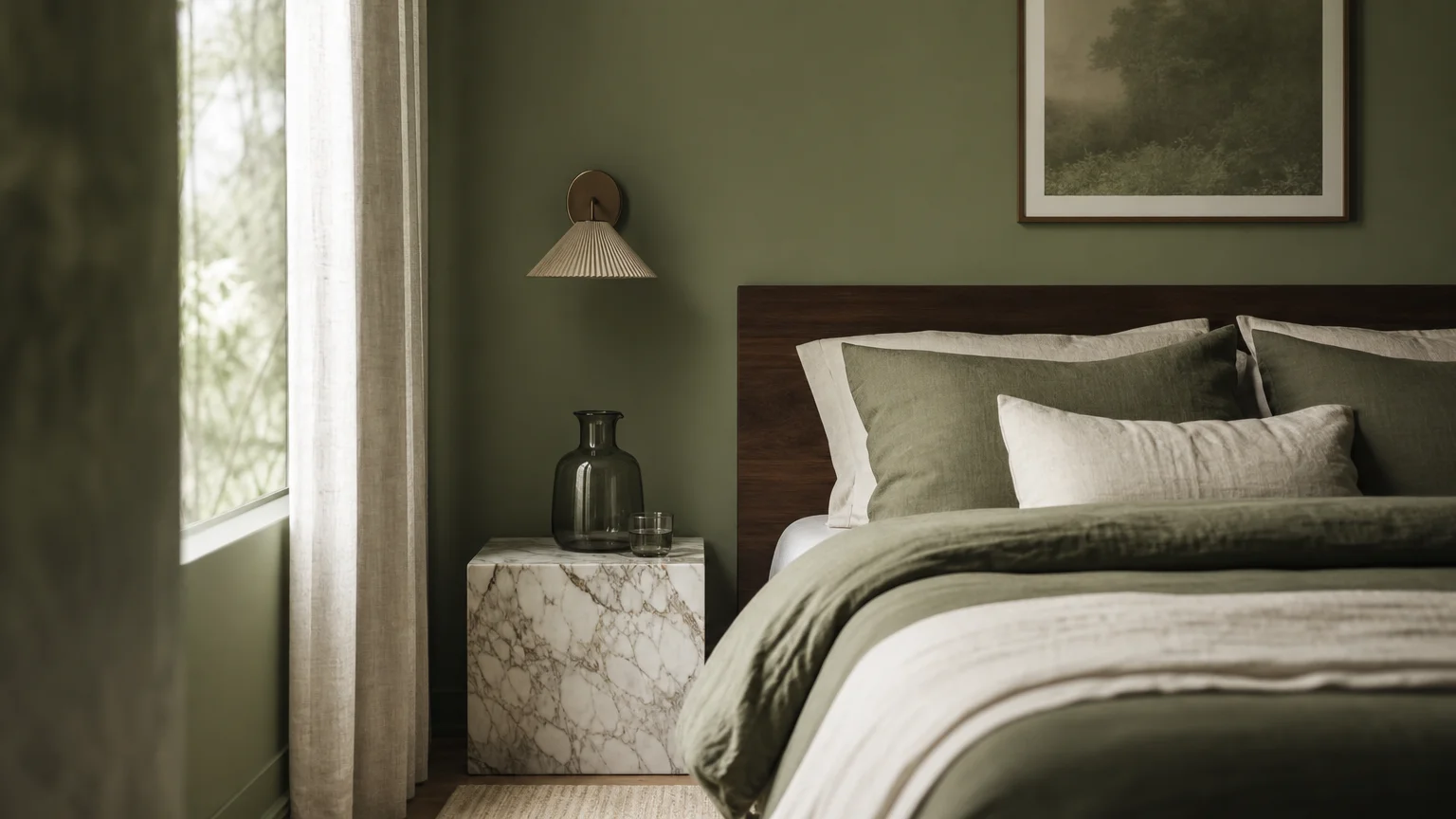
8 Design Trends Replacing Traditional Accent Walls

0

The era of a single painted wall in a contrasting color has officially given way to more immersive, sophisticated interior design trends. You no longer need an isolated splash of teal to create a focal point. Today’s modern interiors embrace holistic wraparound treatments that elevate the entire room rather than fragmenting it. By shifting away from stark divisions, you introduce quiet luxury, textural depth, and architectural interest that wraps the viewer in a cohesive environment. We are seeing a major pivot toward tactile materials and saturated color drenching. Explore these innovative wall decor ideas and cutting-edge home decorating trends currently reshaping residential spaces, offering sophisticated accent wall alternatives to revitalize your own design projects.

A bedroom painted entirely in warm aubergine, including the ceiling and trim, with a ladder and paint supplies suggesting a DIY project.
This bedroom showcases saturated color drenching with deep plum paint covering the walls, trim, and ceiling.

Trend #1: Saturated Color Drenching

Color drenching immerses an entire room in a single hue, effectively eliminating the visual fragmentation caused by starkly contrasted walls. This sophisticated practice involves painting the drywall, baseboards, crown molding, window casings, interior doors, and even the ceiling in the exact same shade. The traditional single-wall approach often interrupts the eye and abruptly halts the flow of a room; color drenching creates a seamless, unified envelope. By erasing the contrasting lines between trim and architecture, you blur spatial boundaries—making small spaces feel remarkably expansive and larger spaces feel distinctly intimate. This shift toward monochromatic saturation stems from a collective desire for cocoon-like environments that soothe the nervous system and offer visual quiet.

Focus on complex, muddy tones rather than harsh primary colors when selecting your palette. Deep terracotta, muted sage green, and warm aubergine currently dominate modern interiors. These nuanced shades change dramatically as natural daylight shifts throughout the afternoon, providing dynamic visual interest without requiring opposing paint colors. You can easily elevate this technique by applying a matte or eggshell finish to your drywall while using a satin or semi-gloss finish in the exact same color for your woodwork, adding a subtle layer of sheen and structural dimension.

Apply this strategy first in spaces primarily meant for relaxation, such as primary bedrooms, libraries, or intimate dining rooms. Choose a grounding tone that deeply resonates with your personal aesthetic. If committing to a heavily saturated, moody color feels intimidating, execute the color-drenching technique utilizing warm neutrals like taupe, greige, or mushroom. The deliberate lack of visual interruption allows your curated furniture pieces, lighting fixtures, and art collections to command the room effortlessly.

A technical diagram showing three types of architectural millwork: vertical slats, geometric grids, and reeded wood panels.
Technical diagrams and room photos showcase the construction and visual impact of three floor-to-ceiling architectural millwork styles.

Trend #2: Floor-to-Ceiling Architectural Millwork

Flat drywall often lacks the inherent character required to carry a truly sophisticated design scheme. Architectural millwork steps in to solve this dilemma by adding physical dimension, structural shadow lines, and historical presence to your living spaces. Wainscoting, board and batten, and reeded wood panels introduce a level of tangible craftsmanship that instantly elevates a standard room into a bespoke environment. Rather than relying on a solitary pop of flat color to draw attention, you utilize physical texture to engage the eye and establish a distinctly premium atmosphere.

Contemporary iterations of wall paneling move far beyond the highly formal, traditional dining room aesthetics of the past century. Today’s leading home decorating trends favor floor-to-ceiling applications boasting exceptionally clean, linear profiles. Slim, vertical slatted wood creates a compelling illusion of exceptional ceiling height; meanwhile, oversized geometric grid paneling offers a modern, transitional edge. Premium oak, rich walnut, and primed wood painted in deep, dark hues provide highly versatile foundations for these structural installations. The tactile nature of the organic wood grain successfully grounds the room, bridging the aesthetic gap between sleek minimalist architecture and warm, inviting design.

Integrate architectural millwork to cleverly define specific zones within open-concept floor plans without erecting disruptive physical walls. Install vertical fluted paneling across the entire expanse of your living room’s main wall to beautifully house your media center, or completely wrap a dining alcove in rich walnut beadboard to create separation. Keep the profile moldings relatively simple to ensure the design feels undeniably current rather than dated. This deliberate approach requires an upfront investment in skilled carpentry, yet it fundamentally increases the perceived value and permanent architectural integrity of your property.

Close-up of a hand applying textured Roman Clay finish to a wall with a metal tool, showing the mottled ochre plaster.
A hand uses a putty knife to apply textured Roman clay for a warm, organic finish.

Trend #3: Limewash and Roman Clay Finishes

The pristine, perfectly smooth drywall that dominated the early two-thousands has rapidly lost its appeal among high-end designers. Today, the focus has shifted entirely toward organic modernism—a design philosophy that champions raw textures, natural imperfections, and earthy warmth. Limewash and Roman clay finishes embody this shift perfectly, replacing the rigid boundary of an accent wall with a gentle, sweeping application of Old World texture across the entire room. These natural plaster alternatives cure to a stunning, suede-like finish that features subtle, cloudy mottling. They capture the highly sought-after wabi-sabi aesthetic, celebrating the beauty found in natural variance.

Authentic limewash derives from crushed limestone, which undergoes a specialized burning and aging process before being mixed with natural earth pigments. Roman clay offers a slightly smoother, more polished alternative, applied with a putty knife to create overlapping structural planes. Both materials utilize distinct, earthy color palettes—think warm ecru, sandy beige, soft terracotta, and dusty charcoal. The naturally high pH of limewash also provides inherent antibacterial and hypoallergenic properties, making it an incredibly healthy choice for your interior environment.

To master this look in your own home, completely abandon the idea of a single focal wall and commit to treating the entire room. The magic of these finishes lies entirely in how they catch and diffuse light across multiple planes, glowing softly during the golden hour and offering moody shadows in the evening. Hire a seasoned professional for the application, or patiently practice the required cross-hatch brushing technique on a sample board before tackling your primary living spaces. The resulting movement on your walls creates a serene, earthy backdrop that standard latex paint simply cannot replicate.

An artistic watercolor illustration of a room with a landscape mural that wraps around the corners of the walls.
A misty forest mural wraps around the corner, enveloping this modern lounge in a serene panoramic landscape.

Trend #4: Wraparound Panoramic Wallcoverings

The concept of wallpapering a single wall behind a headboard or a sofa feels decidedly unbalanced in today’s sophisticated design landscape. Modern interiors now embrace maximalist, wraparound wallcoverings that completely envelop the room, transporting you into a distinct, curated world. Panoramic murals and large-scale scenic wallpapers have surged in popularity, acting as expansive pieces of bespoke art that continuously wrap around corners and flow seamlessly across the entire space. This immersive approach rejects the timidity of the traditional accent wall, boldly celebrating narrative-driven design.

Biophilic motifs currently dominate this category, effectively bringing the profound psychological benefits of the natural world indoors. Lush botanical landscapes, misty forest scenes, and intricate, oversized floral designs serve as stunning alternatives to flat paint. Advancements in digital printing allow for highly customized murals tailored precisely to your room’s exact dimensions, ensuring that critical parts of the scenic design are not awkwardly severed by doorways or windows. For a highly textured approach, natural grasscloth, woven sisal, and metallic-threaded linen wallcoverings offer exceptional depth without relying on heavy illustrative patterns.

When implementing wraparound wallcoverings, consider the specific scale of the room alongside the scale of the chosen pattern. Large, sweeping murals work exceptionally well in spacious dining rooms and primary suites, providing a majestic sense of scale. In smaller, confined spaces like powder rooms or entry vestibules, intensely detailed, repeating botanical patterns create a captivating, jewel-box effect. Keep your larger furniture pieces upholstered in solid, coordinating colors drawn directly from the wallpaper’s palette to prevent visual chaos, allowing the intricate walls to act as the undeniable star of the room.

A modern diagram showing integrated built-in shelving and storage as an alternative to a painted accent wall.
Modern integrated casework offers a sophisticated blend of open shelving, concealed storage, and built-in media features.

Trend #5: Functional Built-Ins and Integrated Casework

Why dedicate a prime wall solely to a different paint color when you can utilize that vertical real estate for stunning, architectural utility? Replacing a flat focal point with highly functional, integrated casework is a major pillar of current home decorating trends. Floor-to-ceiling built-in bookcases, custom display shelving, and seamlessly integrated cabinetry offer a powerful combination of aesthetic gravitas and practical storage. This approach anchors the room definitively, establishing a focal point rooted in purpose rather than purely arbitrary decoration.

The materials you select for your built-ins heavily dictate the overall tone of the space. Richly stained mahogany or deeply grained walnut shelving projects an atmosphere of quiet luxury and academic elegance. Conversely, painting the built-ins to match the precise color of your room’s walls—tying directly into the color-drenching trend—creates a sleek, highly modern aesthetic where the architecture gently recedes. The shelving itself becomes a three-dimensional canvas designed exclusively for the display of provenance—showcasing your personal collections, travel artifacts, and meaningful literary volumes.

Designing effective built-ins requires careful attention to proportion and symmetry. Ensure the shelving stretches entirely from the floor to the ceiling to maximize the visual height of the room. Incorporate closed cabinetry at the bottom of the unit to discreetly hide unsightly electronics, children’s toys, or household clutter, while keeping the upper open shelving rigorously curated. Leave ample negative space between your displayed objects; styling is just as important as the cabinetry itself. A beautifully arranged, fully integrated bookcase provides far more intellectual and visual stimulation than a standard accent wall ever could.

A large wall covered in textured travertine stone panels, illuminated by soft lighting to highlight the natural material.
Warm floor lighting accentuates the organic texture of this expansive stone wall, creating a sophisticated architectural statement.

Trend #6: Expansive Stone and Textured Cladding

For decades, stone was strictly relegated to fireplace surrounds or kitchen backsplashes. Today, expansive stone cladding has stepped firmly into the spotlight as one of the premier wall decor ideas for luxurious living spaces. Wrapping vast stretches of your interior architecture in textured stone—such as honed travertine, heavily veined marble, or rugged ledgestone—injects an unparalleled sense of permanence and geological beauty into your home. This substantial, grounding element taps directly into the quiet luxury movement, prioritizing high-quality, authentic materials over flashy, ephemeral design tricks.

Fluted marble panels and oversized, large-format porcelain slabs are rapidly replacing the fussy, intricately tiled accent walls of the past. Travertine, characterized by its warm, pitted surface and creamy beige undertones, is experiencing a massive renaissance, lending a distinct Mediterranean brutalism to modern interiors. If natural stone proves too heavy or structurally demanding for your specific room, highly advanced, ultra-compact sintered stone surfaces offer the exact same monumental aesthetic with a fraction of the weight and required maintenance.

To successfully pull off this heavy architectural feature, you must balance the immense visual weight of the stone with softer, highly tactile furnishings. Pair a massive, fluted travertine wall with deep, plush velvet sofas, organic wool rugs, and diaphanous linen window treatments. Limit the stone application to logical architectural zones—such as the entire span of a structural load-bearing wall or a double-height stairwell—rather than randomly applying it to an arbitrary flat surface. The resulting contrast between hard geological elements and soft textiles creates an incredibly dynamic and sophisticated living environment.

A stylized illustration of a room with dark navy glossy walls that reflect light and furniture like a mirror.
Deep navy lacquer walls reflect light beautifully, creating a dramatic backdrop for the velvet armchair and bookshelves.

Trend #7: High-Gloss Lacquer and Reflective Finishes

While matte, chalky finishes celebrate organic imperfections, the opposing trend of high-gloss lacquer celebrates absolute, exacting precision. A room completely enveloped in a brilliant, mirror-like finish creates an atmosphere of unparalleled glamour and sophisticated drama. High-gloss paint bounces available natural and artificial light vigorously around the room, adding an extraordinary sense of depth that makes solid walls appear nearly liquid. This highly reflective treatment entirely negates the need for an accent wall, as the finish itself acts as the defining architectural feature.

Moody, heavily saturated color palettes benefit the most from this demanding application technique. Deep oxblood red, dark olive green, rich navy, and even absolute black take on a mesmerizing, luminous quality when rendered in high gloss. Unlike flat paint, which absorbs light and can sometimes render dark colors oppressive, lacquer actively reflects light, ensuring the space remains incredibly vibrant. The application process, however, is notoriously unforgiving; the drywall must be meticulously skim-coated and sanded to a glass-like smoothness before the paint is expertly sprayed on, as even the slightest imperfection will be magnified by the glossy sheen.

Given the intensive labor and high cost associated with true lacquer applications, consider deploying this trend strategically within your home. Powder rooms, butler’s pantries, and formal dining rooms make exceptional candidates for the jewel-box treatment. If executing a full-room lacquer job exceeds your current renovation budget, applying a high-gloss finish exclusively to your ceiling offers a spectacular, unexpected design moment that beautifully draws the eye upward and remarkably expands the perceived height of the room.

A lush vertical garden of green plants covering a wall behind a modern white desk in a home office.
Lush greenery spills from a framed vertical garden, transforming this home office into a biophilic sanctuary.

Trend #8: Biophilic Living Walls and Organic Partitions

As the line between indoor and outdoor environments continues to blur, biophilic design has evolved from a niche concept into a primary driver of modern interiors. Traditional painted focal walls are being actively replaced by living vertical gardens, preserved moss installations, and highly organic room partitions. These living elements engage multiple senses simultaneously—introducing vibrant natural color, improving indoor air quality, and subtly dampening harsh acoustics. Incorporating living architecture deeply satisfies our innate human craving for a connection to the natural world.

If maintaining a fully irrigated, living plant wall feels entirely too daunting, preserved reindeer moss walls offer a zero-maintenance alternative that provides the exact same lush, textural impact. Beyond actual plant life, organic partitions crafted from natural woven rattan, sustainable cork, and laser-cut timber are frequently utilized to break up large, echoing rooms without completely blocking the flow of natural sunlight. These natural materials inherently possess incredibly rich, varied textures that bring an essential layer of earthy warmth directly into your home.

Integrate a biophilic wall in transitional spaces where natural light is readily abundant, such as sunrooms, enclosed patios, or well-lit home offices. When utilizing organic partitions or natural cork wall treatments, allow the raw, unadulterated color of the material to dictate the surrounding palette. Pair these intensely textural elements with sleek, modern furniture silhouettes to prevent the room from feeling overly rustic. By embracing living elements and organic textures, you breathe literal life into your home, fostering a restorative sanctuary that actively promotes well-being.

An infographic summarizing 8 design trends: Color Drenching, Millwork, Limewash, Wallcoverings, Built-Ins, Stone, Lacquer, and Living Walls.
This grid of eight icons illustrates modern design trends that offer a fresh alternative to accent walls.

The Big Picture: Weaving These Trends into Your Home

Navigating the rapid evolution of interior design trends requires a highly thoughtful, measured approach rather than a simple desire to follow the crowd. The collective movement away from the traditional accent wall represents a broader, industry-wide shift toward holistic design thinking. Creating a beautifully layered, immersive environment demands that you consider the room in its absolute entirety—accounting for the intricate interplay of natural lighting, structural architecture, and your own personal lifestyle requirements. You do not need to adopt every single emerging trend to achieve a sophisticated aesthetic; instead, you must carefully select the specific treatments that genuinely enhance the existing architectural bones of your specific property.

Before committing to an intensive color-drenching project or a highly expensive custom millwork installation, thoroughly analyze the natural light patterns within your chosen space. A moody, dark limewash might read as incredibly cozy in a north-facing library, yet it could easily feel overly oppressive in a room lacking adequate supplementary lighting. Always secure large-scale physical samples of your desired wallcoverings, paint swatches, or stone finishes, and meticulously observe them within the actual room at various points throughout the day.

Ultimately, the most successful modern interiors strike a delicate, refined balance between striking visual innovation and enduring comfort. Whether you decide to envelop your primary suite in a panoramic botanical mural, heavily texture your living room with rich Roman clay, or install highly functional, sleek built-in cabinetry, ensure the final execution feels deeply authentic to your personal taste. By moving confidently past the fragmented, dated concept of the isolated focal wall, you empower yourself to craft a deeply cohesive, thoughtfully designed home that elegantly stands the test of time.

Frequently Asked Questions

How do I transition from a traditional accent wall to a color-drenched room without overwhelming the space?
Begin the transition by evaluating your existing furniture and lighting fixtures. If you choose to color-drench a room in a bold or dark hue, ensure your furnishings offer visual relief through lighter upholstery, reflective metallic accents, and varied textures. You can gently ease into this trend by first painting your baseboards and window trims to match your current, neutral wall color, familiarizing yourself with the seamless look before fully committing to a highly saturated, dramatic shade.

Are textured finishes like Roman clay and authentic limewash durable enough for high-traffic areas?
While naturally stunning, traditional limewash and Roman clay possess a porous nature that makes them slightly more susceptible to scuffs and watermarks than standard latex paint. They are generally best suited for adult bedrooms, formal dining rooms, or home offices. If you wish to utilize these beautiful textures in high-traffic hallways, active kitchens, or children’s rooms, consult your professional applicator about utilizing specialized, protective clear-coat sealants that significantly improve the finish’s overall durability and washability.

Can I effectively combine modern architectural millwork with maximalist panoramic wallpapers?
Yes, combining these two distinct treatments often yields an incredibly sophisticated, deeply layered result. A highly popular and successful approach involves installing crisp, painted wainscoting or detailed board and batten on the lower third of the wall, thereby anchoring the room structurally. You then apply the expansive, panoramic mural to the upper two-thirds of the wall. This specific method protects the delicate wallpaper from daily scuffs while beautifully grounding the intricate pattern with solid, architectural weight.

What is the most cost-effective way to achieve the highly sought-after quiet luxury aesthetic on my walls?
Achieving the quiet luxury aesthetic does not strictly require expensive, large-format stone slabs or bespoke carpentry. You can effectively replicate this premium look on a strict budget by utilizing monochromatic paint strategies. Applying a high-quality matte paint in a complex, muddy neutral—such as warm taupe or sophisticated greige—across your walls, ceiling, and trim instantly elevates a basic room. Focus your remaining budget on elegant, tactile window treatments and sophisticated, layered lighting to complete the premium atmosphere.

For the latest color forecasts, consult industry leaders like Pantone and paint companies like Benjamin Moore. For professional design standards, refer to the American Society of Interior Designers (ASID).

Disclaimer: This article reflects design trend analysis and predictions. Personal taste and timeless design principles should always guide your decorating choices.
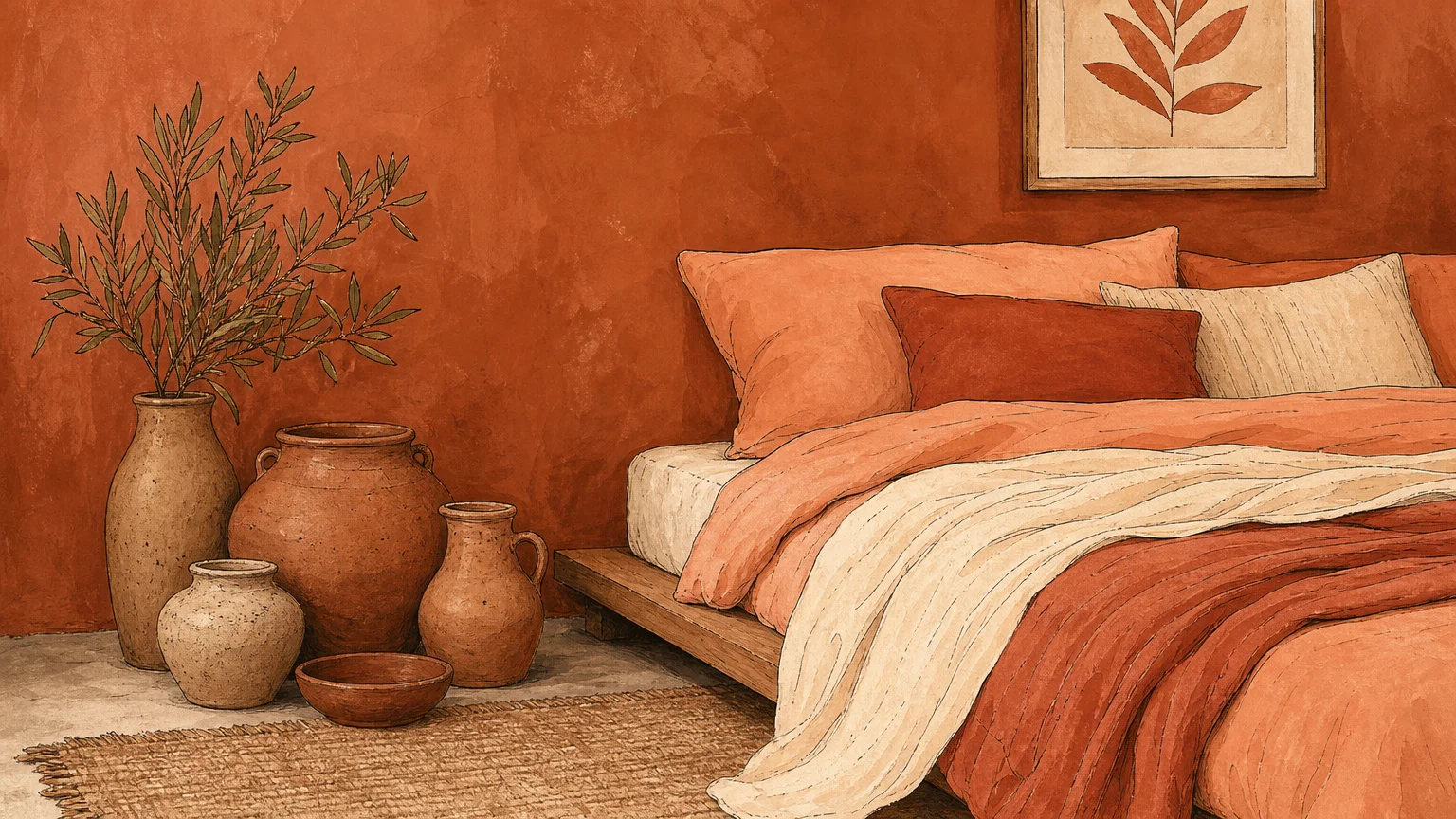
8 Minimalist Trends That Still Feel Warm

0

Modern design no longer demands stark white rooms and cold, empty spaces to achieve a sophisticated aesthetic. You can embrace minimalist decor while maintaining a deeply inviting, cozy home through intentional material choices and nuanced color palettes. The secret lies in warm minimalism—a design philosophy that strips away unnecessary clutter but leaves texture, rich earth tones, and organic shapes intact. By layering tactile textiles, incorporating biophilic elements, and selecting purposeful statement pieces, you create an environment that breathes without feeling barren. These interior design trends allow you to curate a serene sanctuary that feels remarkably human, perfectly balancing visual quietness with tactile warmth.

Close-up of a wall with textured, earth-toned Roman clay plaster, showing soft shadows and hand-applied details.
Warm sunlight highlights the organic texture of earth-toned plaster walls and a simple hanging linen bag.

Trend #1: Earth-Toned Plaster Finishes

Interior design trends now dictate that flat, sterile walls must give way to dynamic, textured surfaces. Earth-toned plaster finishes—such as Roman clay, tadelakt, and limewash—introduce an immediate sense of history and depth to modern decorating. These living finishes interact beautifully with natural light, creating soft, mottled shadows that a standard matte paint simply cannot replicate. By wrapping a room in a continuous plaster finish, you blur the harsh angles between walls and ceilings, effectively wrapping the space in a visual embrace.

To implement this in your own cozy home, start by selecting warm, nuanced pigments like terracotta, soft fawn, or muted ochre. Apply the treatment to a central living area or a primary bedroom to immediately soften the acoustic and visual harshness of the room. Design industry data shows a massive resurgence in traditional application techniques, with boutique hotels and luxury developments heavily favoring mineral-based wall treatments. You can either hire an artisan for authentic Venetian plaster or utilize accessible, brush-on limewash products to achieve a similar suede-like texture. The goal is to eliminate stark white drywall and replace it with a breathable, organic envelope that feels inherently soothing. This foundational layer sets the tone for warm minimalism, ensuring the architecture itself provides character without requiring additional clutter.


A material board collage featuring wood veneer samples of white oak and walnut with clean text labels.
Natural walnut and rift-sawn white oak samples showcase the inviting, tactile textures of modern minimalist design.

Trend #2: Tactile Wood Casework

While traditional minimalism often relied on high-gloss lacquers or flat painted cabinets, the current shift favors the intrinsic beauty of tactile wood casework. Richly grained woods like rift-sawn white oak, walnut, and warm ash inject organic vitality into a streamlined space. This approach bridges the gap between austere modern decorating and the desire for a cozy home. Wood inherently carries provenance; its knots and grain patterns tell a story of growth and time, which grounds a room in nature.

When incorporating wood tones, opt for matte or satin clear coats rather than heavy, glossy varnishes. The tactile experience of running your hand over natural wood grain reinforces the sensory appeal of warm minimalism. You can introduce this trend through full kitchen cabinetry, fluted wall paneling, or substantial architectural elements like exposed ceiling beams. To maintain a refined aesthetic, ensure your wood tones relate to one another—you do not need perfectly matched sets, but selecting woods with similar undertones creates a cohesive, harmonious environment. A concrete example includes pairing wide-plank European oak flooring with darker walnut built-ins, allowing the contrast to provide visual interest without relying on decorative excess.


A round wooden dining table in a room featuring a soft arched doorway, emphasizing organic and curved shapes.
Soft arches and rounded wooden furniture create a warm, sculptural silhouette in this minimalist dining space.

Trend #3: Curved and Sculptural Silhouettes

Curved and sculptural silhouettes are fundamentally reshaping how we approach furniture planning and interior architecture. The stark, rigid grid lines that defined early 2000s minimalist decor have softened. Today, you will find kidney-shaped sofas, rounded dining tables, and arched doorways softening the boundaries of our living spaces. These organic, fluid shapes mimic the natural world, instantly putting the human brain at ease and fostering a sense of safety and comfort. This psychological shift is exactly why modern decorating now embraces the curve.

To integrate this into your layout, introduce one heavily contoured statement piece per room. A plush, crescent-shaped sectional can float beautifully in the center of a living room, encouraging conversation and easy traffic flow. Alternatively, a monolithic round dining table constructed from solid timber softens the hard right angles of a typical dining room. Even small architectural interventions, such as softening the sharp corners of a plaster fireplace or adding an arched transition between your kitchen and living space, significantly reduce visual tension. These flowing lines prove that you can maintain an uncluttered environment while completely eliminating the feeling of a sterile, boxy enclosure.


A collage of layered fabric swatches including chunky wool, linen, and bouclé in monochromatic neutral tones.
Soft chunky knits and frayed linen in neutral tones bring tactile warmth to a layered monochromatic space.

Trend #4: Layered Monochromatic Textiles

When you deliberately restrict your color palette to serene neutrals, texture must take over the heavy lifting. Layered monochromatic textiles are the absolute cornerstone of a cozy home designed with restraint. Warm minimalism thrives on the interplay of light and shadow across different woven surfaces. Imagine a living room bathed in varied shades of ivory, oat, and taupe—the visual interest stems entirely from mixing heavy nubby wools, smooth washed linens, and luxurious brushed mohair. This tactile diversity prevents a neutral room from falling flat.

To master this interior design trend, apply the rule of threes to your upholstery and bedding. On a tailored linen sofa, layer a chunky knit alpaca throw alongside velvet and bouclé accent pillows. The colors remain tightly controlled, but the contrasting textures create profound depth and warmth. You should also extend this philosophy to your window treatments and area rugs. Swap out rigid blinds for traversing drapery in a sheer, gauzy linen that filters sunlight softly, and anchor the room with a deep-pile Moroccan rug or a heavily textured sisal mat. This sensory richness ensures your minimalist decor remains deeply inviting and comfortable for everyday living.


Mixed media art featuring aged brass, weathered stone, and oxidized copper textures on a handmade paper background.
Weathered brass and oxidized copper textures highlight the organic beauty of patinated finishes in minimalist design.

Trend #5: Patinated and Living Finishes

The concept of quiet luxury heavily intersects with warm minimalism, particularly through the use of patinated and living finishes. Flawless, mass-produced surfaces are losing ground to materials that actively age and evolve with your daily routines. Unlacquered brass, oiled bronze, and natural copper hardware develop a unique patina over time, reacting to the oils in your hands and the environment of your home. This subtle tarnishing process adds unparalleled character and authenticity to modern decorating. The pursuit of perfection has given way to an appreciation for materials that show the passage of time.

You can easily apply this trend in kitchens and bathrooms by swapping out sterile chrome or brushed nickel fixtures for unlacquered brass faucets and cabinet pulls. Over a few months, the bright gold tones will deepen into a rich, antiqued bronze, providing a warm metallic glow that contrasts beautifully against minimalist cabinetry. This philosophy also applies to natural stones and leathers. A full-grain leather sling chair that softens and scratches gracefully, or a soapstone countertop that deepens in color with use, signals a confident, relaxed approach to design. Embracing living finishes means your home becomes more beautiful, not less, as you live in it.


A bedroom corner at night with soft ambient lighting from a hidden wall source and a modern floor lamp.
Integrated headboard lighting and a sleek floor lamp cast a warm, ambient glow across this minimalist bedroom.

Trend #6: Ambient and Architectural Lighting

Lighting profoundly dictates the emotional resonance of a space, and the latest interior design trends completely reject harsh, uniform overhead illumination. Ambient and architectural lighting now focuses on creating pools of warmth and accentuating natural textures. A truly cozy home relies on multiple, dimmable light sources rather than a single, glaring central fixture. Warm minimalism utilizes lighting as a sculptural element during the day and a mood-setter at night. You should prioritize bulbs with a color temperature between 2700K and 3000K, which mimics the golden hour and flatters both the architecture and the inhabitants.

To execute this properly, layer your lighting across three distinct vertical planes. Install low-level light strips under floating vanities or cabinetry to wash the floor in a soft glow. At eye level, deploy articulated wall sconces with unglazed ceramic or paper shades that diffuse the light into a soft halo. Finally, use strategic picture lights or directional spotlights to highlight textured plaster walls or specific architectural details. By utilizing Noguchi-style paper lanterns or portable LED mushroom lamps, you add functional art to your minimalist decor while maintaining absolute control over the room’s atmosphere and shadow play.


A marble bathroom vanity with gold veining and a small green plant, showing the use of natural stone as a statement piece.
Dramatic marble veining and a potted olive tree bring organic warmth to this sleek minimalist bathroom.

Trend #7: Biophilic Stone Statements

Stone has always been a staple of interior design, but its current application in minimalist decor is decidedly bold and monolithic. Biophilic stone statements—where materials like heavily veined Calacatta Viola marble, rugged travertine, and deep green soapstone are used as sculptural anchors—bring the majesty of the outdoors directly into your home. Rather than limiting stone to standard countertops, designers are employing it as solid blocks of natural art. A minimalist space requires very few objects, which means the objects you do choose must possess substantial visual weight and integrity.

Consider a solid travertine plinth used as a coffee table, or a custom-carved marble sink basin that floats seamlessly against a plaster wall. These heavy, earthen elements provide an essential grounding effect in otherwise airy, uncluttered rooms. The dramatic veining and natural imperfections of the stone act as the room’s primary pattern, eliminating the need for busy wallpapers or excessive artwork. When incorporating large stone elements, leave the edges honed or leathered rather than highly polished; a matte finish enhances the tactile warmth of the material and aligns perfectly with the understated elegance of modern decorating.


Collage of artisanal object silhouettes, including a ceramic vase and wooden bowl, in a minimalist arrangement.
A speckled ceramic vase and vintage brass candlestick bring artisanal warmth to this curated minimalist display.

Trend #8: Curated Vintage and Artisanal Objects

The final layer of a warm minimalist aesthetic involves the precise introduction of curated vintage and artisanal objects. To prevent a streamlined home from feeling like a generic showroom, you must introduce items that possess unmistakable provenance. The Japanese philosophy of wabi-sabi—finding beauty in imperfection—heavily influences this approach. Mass-produced accessories are replaced by hand-thrown ceramics, antique wooden milking stools, and oxidized bronze vessels. These objects infuse a space with soul and distinct personality.

The key to maintaining your minimalist decor is restraint; you are not filling every empty shelf, but rather creating deliberate moments of focus. Try displaying a single, asymmetrical clay vase on an expansive dining table, or resting an antique, weathered wooden bowl on a sleek modern console. The juxtaposition of a crisp, contemporary architectural background against a rugged, time-worn object creates a thrilling visual tension. This highly curated approach ensures that every single item in your home commands attention and serves a purpose, whether functional or purely aesthetic. By prioritizing quality, history, and craftsmanship over sheer volume, you build a cozy home that feels uniquely yours and deeply connected to human artistry.


A wide view of a home interior combining plaster walls, wood cabinets, and curved furniture in a cohesive, warm minimalist style.
Warm wood cabinetry and a stone island create a cohesive, inviting atmosphere in this minimalist home.

The Big Picture: Weaving These Trends into Your Home

The beauty of warm minimalism lies in its adaptability. You do not need to gut-renovate your house to embrace these interior design trends. Instead, view these eight principles as a cohesive toolkit for simplifying and enriching your environment simultaneously. Weaving these trends into your home requires a disciplined editorial eye; you must be willing to remove the superfluous so the essential can shine. Start with the foundational elements: assess your walls, floors, and lighting. Painting a stark white room in a textured, warm neutral lime wash instantly alters the mood.

From there, you can slowly replace cold, glossy furniture with tactile wood pieces and softly curved upholstery. The ultimate goal of modern decorating is not to adhere to a rigid set of rules, but to curate a space that supports your daily life and mental well-being. A truly cozy home balances the negative space—the empty areas that allow your eyes to rest—with profoundly rich, tactile materials that engage your senses. By focusing on organic textures, living finishes, and intentional lighting, you craft an enduring sanctuary that transcends fleeting fads.


Frequently Asked Questions

Q: How do I transition my current stark, minimalist decor into a warmer, more inviting space?
A: You can easily warm up a sterile environment by focusing on textiles and lighting first. You do not need to replace your large furniture immediately. Introduce a large, heavily textured area rug, layer wool and bouclé throw pillows onto your existing sofa, and swap out cool-toned LED bulbs for dimmable 2700K bulbs. Adding a few pieces of vintage pottery or a heavily grained wooden accent table will instantly break up the rigid lines and coldness of early-wave minimalism.

Q: Can I incorporate dark colors while still maintaining a warm minimalist aesthetic?
A: Absolutely. Warm minimalism is not exclusively restricted to beige and cream. Deep, saturated earth tones like olive green, rich terracotta, baked rust, and even charcoal gray work beautifully within this framework, provided they feature a matte or textured finish. The key is to avoid high-contrast, jarring color blocking. If you use a dark tone, saturate the entire room—including the ceiling and trim—to create a cohesive, enveloping feeling that feels remarkably modern and cozy.

Q: Are curved silhouettes and asymmetrical furniture just a passing fad?
A: While extreme, exaggerated curves may cycle out of high-fashion design, the fundamental shift toward organic, biophilic shapes represents a permanent evolution in interior design trends. Human beings are biologically wired to feel more relaxed around soft, rounded forms rather than sharp, aggressive angles. Investing in a curved sofa or a round dining table is a structurally sound decision that will remain functional and visually pleasing for decades.

For the latest color forecasts, consult industry leaders like Pantone and paint companies like Benjamin Moore. For professional design standards, refer to the American Society of Interior Designers (ASID).

Disclaimer: This article reflects design trend analysis and predictions. Personal taste and timeless design principles should always guide your decorating choices.
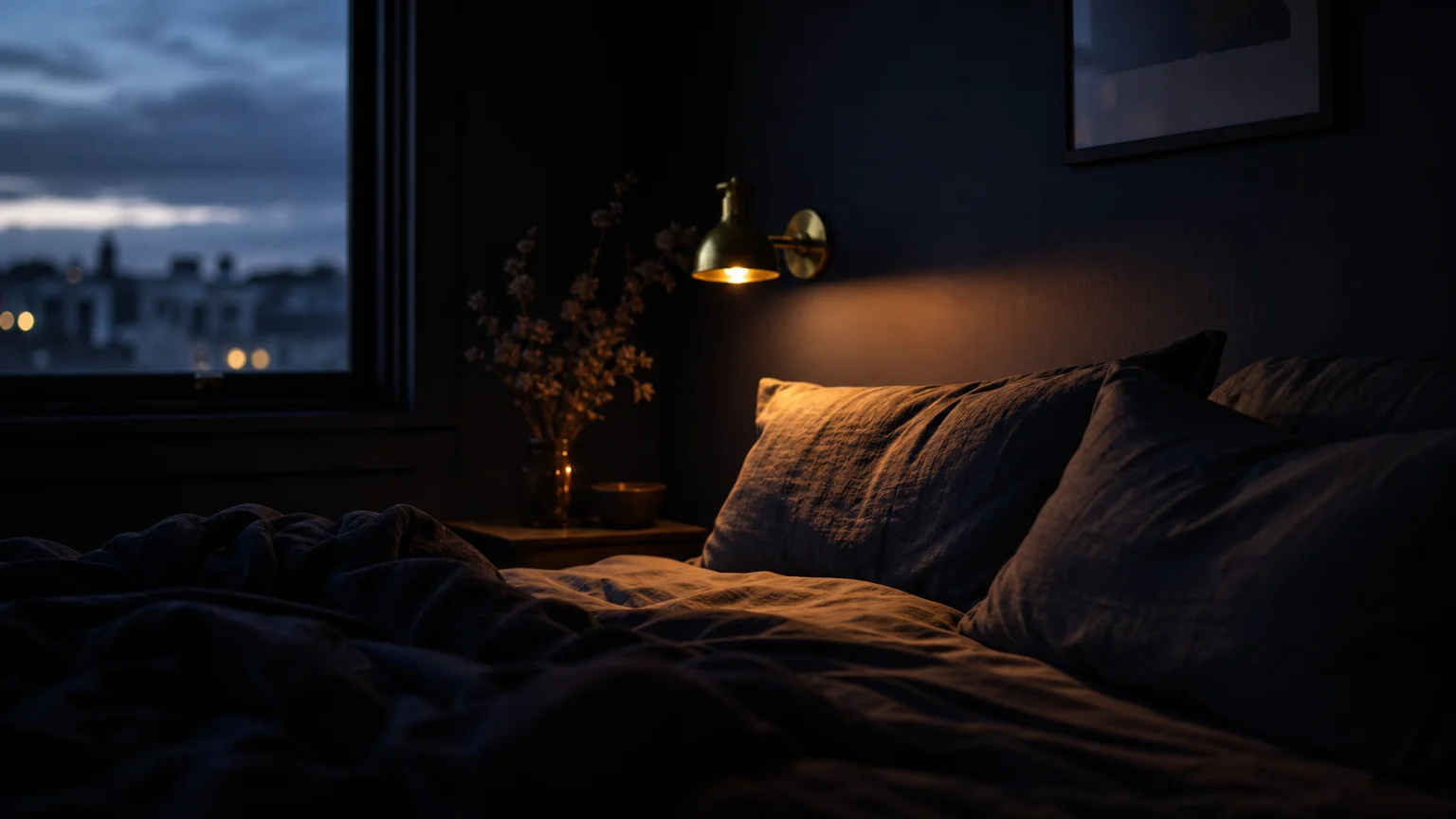
8 Front Door Colors That Feel Fresh

0

Revitalizing your home exterior starts with a single, transformative focal point: the front door. Selecting the right front door paint colors instantly elevates your property and sets a sophisticated tone for the spaces within.

Today, conventional primary reds and stark whites give way to nuanced, complex hues grounded in biophilic design and quiet luxury principles. Choosing modern exterior paint ideas involves evaluating your surrounding landscape, architectural provenance, and natural lighting conditions.

Whether you own a historic colonial or a streamlined midcentury property, embracing these fresh front door shades creates an immediate sense of arrival. Explore the eight most compelling curb appeal colors currently dominating modern exterior design, offering both undeniable longevity and visual impact for your entryway.

A person placing a basket of oranges in front of a warm terracotta-colored door on a bright, sunny day.
An earthy terracotta door creates a warm, inviting entrance alongside a basket of fresh oranges.

Trend #1: Earthy Terracotta

Organic modernism continues to heavily influence interior design, and this aesthetic seamlessly extends to your home exterior through earthy terracotta. This baked, sun-drenched hue provides a tactile warmth that stark neutrals simply cannot achieve; it bridges the gap between raw nature and structured architecture.

Homeowners increasingly crave environments that feel grounded and authentic, actively moving away from hyper-polished, synthetic color palettes. Terracotta channels the rich, mineral-heavy soils of Mediterranean landscapes, immediately signaling a welcoming, relaxed environment to your guests.

To implement this color successfully, you must evaluate your existing siding and hardscaping. Terracotta looks exquisite against warm white stucco, creamy brick, or natural wood cladding. It creates a striking, complementary contrast when surrounded by lush green foliage, making your entryway pop organically.

When selecting your paint finish, opt for a satin or eggshell sheen. High-gloss finishes often make earthy colors appear plastic and artificial, which entirely defeats the purpose of an organic aesthetic.

Pair your terracotta door with unlacquered brass or aged bronze hardware. These living metals develop a unique patina over time, further enhancing the bespoke, lived-in character of your front porch.

8 Bathroom Wall Pairings That Create a Spa-Like Feel

0

Transforming a strictly utilitarian bathroom into a restorative sanctuary requires mastering the art of bathroom wall pairings, as vertical spaces dominate your visual field and set the room’s entire psychological tone. You can achieve genuine spa bathroom ideas by moving beyond singular flat paint colors and embracing dynamic, tactile combinations that mimic the natural world. Strategic material pairings—such as merging water-resistant textured woods with artisanal plasters—reduce harsh acoustics while visually lowering your heart rate. Interior design trends now heavily favor these sensory-rich environments over sterile clinical whites. By carefully layering relaxing bathroom colors alongside organic textures, you establish an immersive retreat that delivers daily rejuvenation and significantly elevates your home’s intrinsic value.

A bathroom wall corner showing the transition between smooth, cream-colored plaster and vertical light oak wood slats.
Textured Tadelakt plaster and vertical ribbed oak paneling create a serene, spa-like atmosphere in this modern bathroom.

Trend #1: Tadelakt Plaster and Vertical Ribbed Oak Paneling

The movement toward “Organic Modernism” relies heavily on materials that feel grounded and historically rooted, which is precisely why tadelakt plaster paired with ribbed oak paneling reigns supreme in high-end design. Tadelakt—a waterproof, lime-based plaster originating from Moroccan architecture—cures into a smooth, stone-like finish that possesses a subtle, cloudy depth. When you apply this artisanal plaster to your shower enclosure and pair it with vertical ribbed oak paneling on the dry vanity walls, you create an environment that feels both earthy and architecturally significant.

This pairing works because it balances opposing sensory inputs. The plaster provides a cool, continuous surface that bounces soft, diffused light around the room; meanwhile, the natural wood introduces crucial visual warmth and acoustic dampening. Bathrooms inherently contain hard, reflective surfaces that cause sound to bounce aggressively, destroying any potential for relaxation. By integrating ribbed wood, the varying depths of the fluting scatter sound waves, dramatically reducing echoes. To execute this pairing successfully, keep your wood tones in the pale oak or light walnut family, and tint your plaster to a warm alabaster or soft bone shade. This low-contrast harmony ensures the textures remain the focal point rather than the color disparity.

A close-up of a bathroom wall with matte sage green paint above a section of shiny, irregularly shaped white tiles.
Glossy white Zellige tiles and sage green paint create a serene, spa-like atmosphere in this bathroom.

Trend #2: Sage Green Paint and Glossy White Zellige Tiles

Biophilic design dictates that humans possess an innate biological connection to nature, and incorporating nature-inspired elements indoors actively reduces cortisol levels. You can leverage this biological reality by pairing matte sage green paint with glossy white zellige tiles. Sage green ranks among the most relaxing bathroom colors because the human eye requires virtually no adjustment to perceive it on the retina, creating an immediate sense of visual rest. When establishing a bathroom accent wall, reserve the green paint for the upper two-thirds of the room and anchor the lower third with authentic zellige.

Zellige tiles are hand-molded clay tiles baked over olive branches, resulting in highly irregular surfaces and undulating glazes. When you stack these glossy tiles along your lower walls, they act as subtle mirrors. They catch and refract both natural daylight and ambient vanity lighting, preventing the matte green paint from absorbing too much illumination and making the room feel enclosed. This dynamic interplay between the light-absorbing matte paint and the light-reflecting artisanal tile generates an atmospheric glow reminiscent of a high-end wellness retreat. For the most cohesive look, use a tight grout line in a warm white to let the jagged edges of the zellige shine.

A sunlit shower featuring large beige stone slabs and a warm, earthy orange-toned textured wall.
Sunlight streams through an arched window onto large-format travertine tiles and warm terracotta limewash walls.

Trend #3: Large-Format Travertine and Warm Terracotta Limewash

The revival of Mediterranean influences in interior design brings a renewed appreciation for raw, porous stones. Large-format travertine slabs paired with warm terracotta limewash transport you instantly to a European thermal bath. Travertine offers a magnificent tactile beauty characterized by its natural pitting and distinct veining. By utilizing oversized slabs—such as 24-by-48-inch tiles—you drastically reduce grout lines, creating a seamless, monolithic appearance that expands the visual footprint of a small bathroom.

To offset the visual weight of the stone, apply a terracotta-tinted limewash to the opposing walls or the ceiling. Limewash paint penetrates the wall surface rather than sitting on top of it, curing to form a breathable, velvety finish that reveals subtle brushstrokes and organic movement. The iron-rich terracotta hues warm up the cooler, gray-beige undertones found in natural travertine. This specific pairing relies heavily on thermal mass aesthetics; the materials physically look like they hold heat, tricking the mind into feeling warmer and more relaxed before the bathwater even runs. Protect the travertine with a penetrating, matte sealer to ensure it withstands daily moisture without losing its raw, ancient appeal.

Soft gray wood paneling on the bottom half of a wall with botanical patterned wallpaper above it.
Botanical wallpaper and soft gray beadboard wainscoting create a serene, spa-like atmosphere in this elegant bathroom.

Trend #4: Botanical Wallpaper and Soft Gray Beadboard Wainscoting

If your aesthetic leans toward classic, transitional elegance, pairing an oversized botanical wallpaper with soft gray beadboard wainscoting provides a timeless route to a spa-like atmosphere. Wallpaper in a bathroom once terrified homeowners due to peeling risks, but modern vinyl-coated and non-woven wallpapers handle humidity exceptionally well when properly installed and ventilated. An oversized, muted botanical print introduces sweeping, organic lines that soften the rigid geometry of mirrors, countertops, and cabinetry.

Because botanical prints hold significant visual weight, running them from floor to ceiling often overwhelms the senses, creating chaos rather than tranquility. You solve this by installing traditional beadboard wainscoting on the lower portion of the wall, painted in a grounding, soft dove gray. The gray anchors the room and protects the lower walls from water splashes, while neutralizing the vibrant greens and blues typically found in botanical prints. For the most pleasing proportions, adhere to the architectural golden ratio: install the beadboard exactly one-third or two-thirds up the wall height, deliberately avoiding a halving of the room, which visually truncates the ceiling height.

A detail shot showing the contrast between a grooved marble wall and a soft, bumpy fabric-textured wallcovering.
Warm lighting accentuates the elegant fluted marble slabs paired with textured creamy white bouclé vinyl.

Trend #5: Fluted Marble Slabs and Creamy White Bouclé Vinyl

The concept of “quiet luxury” focuses on exceptional materials, meticulous craftsmanship, and understated restraint. To capture this upscale essence, pair precision-cut fluted marble slabs with commercial-grade bouclé-textured vinyl wallcoverings. Fluting entails carving deep, vertical grooves into solid stone. When applied to the wall anchoring your freestanding soaking tub, fluted marble draws the eye upward, accentuating the verticality of the room and establishing a monumental, architectural focal point.

However, an entirely marble-clad room quickly reads as a chilly, echoing cavern rather than a cozy spa. You mitigate this coldness by covering the remaining dry walls in a creamy white vinyl wallcovering designed to mimic the nubby, looped texture of bouclé fabric. High-end commercial wallcoverings now offer completely waterproof, scrubbable surfaces that perfectly replicate the tactile warmth of textiles. The juxtaposition of the cold, rigid, carved stone against the soft, yielding appearance of the faux textile yields an incredibly sophisticated tension. This tactile diversity forces you to engage with the room through touch as well as sight, deepening the immersive experience.

A dark blue wall meets a floor made of charcoal-colored slate tiles arranged in a V-shaped chevron pattern.
Muted blue walls and charcoal slate chevron tiles create a serene, spa-like atmosphere in this bathroom.

Trend #6: Muted Blue Paint and Charcoal Slate Chevron Tiles

Water-inspired palettes remain a staple in bathroom design, but contemporary spa bathroom ideas pivot away from bright aquas in favor of moody, muted slate blues. Pairing a desaturated, foggy blue paint with deep charcoal slate tiles laid in a chevron pattern creates a profoundly relaxing, subterranean atmosphere. This combination excels in bathrooms lacking abundant natural light, as it leans into the shadows to create a cocooning effect rather than fighting a losing battle to make a dark room feel bright.

Slate provides unparalleled slip resistance and durability, making it an excellent material to run continuously from the floor straight up the lower half of the shower walls. Installing the rectangular slate tiles in a sharp chevron pattern introduces forward momentum and kinetic energy, preventing the dark colors from feeling stagnant. Above the tile line, applying a muted blue paint—specifically one with a Light Reflectance Value (LRV) between 20 and 30—absorbs harsh artificial light and casts a flattering, diffused shadow. This deeply saturated pairing mimics the tranquil, hushed environment of a luxury steam room, encouraging deep, restorative breathing.

A textured beige plaster wall with a vertical stripe of small black hexagonal tiles.
Matte black hexagonal tiles create a sophisticated contrast against the warm, textured finish of beige Roman clay.

Trend #7: Matte Black Accent Tiles and Warm Beige Roman Clay

While spas frequently utilize light, airy palettes, modern sensory deprivation spas lean heavily into high-contrast serenity. You can replicate this cutting-edge aesthetic by combining striking matte black accent tiles with the rustic softness of warm beige Roman clay. Roman clay is a thicker, gypsum-based material applied with a putty knife, resulting in a smooth, mottled finish that resembles perfectly worn leather or honed suede. It lacks the shiny, mottled variance of Venetian plaster, providing a quieter, more understated background.

Use the matte black tiles strategically—perhaps lining the interior of a walk-in shower or defining a prominent vanity wall. Black absorbs light completely, creating a sense of infinite depth that visually pushes the walls backward. By framing this dark, modern tile with the earthy, hand-troweled texture of beige Roman clay, you prevent the black from feeling aggressive or industrial. The clay introduces human imperfection and warmth, serving as the perfect transitional material between the sleek plumbing fixtures and the architecture of your home. Incorporate warm, dimmable LED backlighting behind the mirrors to highlight the putty knife marks in the clay, enriching the texture.

Looking through a textured glass pane at a wall of light green rectangular tiles.
Textured ribbed glass and seafoam green subway tiles create a tranquil, spa-like atmosphere in this bathroom.

Trend #8: Ribbed Glass Partitions and Seafoam Green Subway Tile

Sometimes, creating a wall pairing involves light filtration as much as it involves solid materials. Integrating structural ribbed glass partitions alongside vertically stacked seafoam green subway tile crafts a luminous, retro-inspired spa aesthetic. Traditional clear glass shower enclosures often leave the space feeling exposed, while solid walls block essential light. Ribbed or fluted glass solves this dilemma by allowing light to pass through while obscuring shapes, offering a comforting sense of privacy crucial for a relaxing bathing experience.

Pair this textural glass with elongated subway tiles painted in a watery seafoam green, but install them in a vertical straight-stack pattern rather than a traditional brick lay. The vertical orientation of the grout lines perfectly echoes the vertical striations in the ribbed glass, establishing a rigorous, satisfying geometric harmony throughout the room. Seafoam green acts as a cooling agent, psychologically reducing stress. When sunlight filters through the ribbed glass and strikes the glossy green tile, it casts rippling, aquatic shadows across the floor, essentially turning your bathroom architecture into a dynamic, soothing light installation.

An infographic grid showing 8 pairs of bathroom materials like Tadelakt and Oak or Sage and Zellige.
Explore eight curated material pairings that balance acoustic softness and visual texture for a spa-inspired bathroom.

The Big Picture: Weaving These Trends into Your Home

Adopting these bathroom wall colors and material pairings requires a holistic approach to your interior architecture. The fundamental secret to a high-end spa aesthetic lies in restraint and proportion. When mixing two distinct wall materials, strictly avoid splitting the room precisely in half. Employ the 60/30/10 rule: let one wall treatment dominate 60 percent of the vertical space, allocate 30 percent to your secondary material, and reserve the final 10 percent for accents like metallic hardware, mirrors, and lighting fixtures.

Lighting remains the great multiplier of texture. If you invest in artisanal plasters, limewash, or fluted stone, standard overhead recessed lighting will flatten these surfaces and hide their beauty. You must incorporate grazing light—such as wall sconces positioned close to the wall or LED strips hidden in ceiling coves—to wash light down the vertical surfaces. This lighting technique highlights the peaks and shadows of your tactile materials, amplifying the organic, spa-like ambiance.

Finally, ensure your metal finishes bridge the gap between your chosen wall materials. If you pair a cool-toned slate with a moody blue paint, warm up the room with unlacquered brass or brushed bronze fixtures. If your walls feature warm terracotta and travertine, polished nickel or matte black hardware will provide the necessary visual snap to keep the room feeling crisp and modern. By balancing texture, proportion, and light, you guarantee your bathroom functions not merely as a washroom, but as a dedicated domestic retreat.

Frequently Asked Questions

How do I mix these wall pairings in a small bathroom without overwhelming the space?
In a compact bathroom, rely on monochromatic material pairings rather than high-contrast colors. For example, pair white zellige tiles with a soft cream limewash. You still gain all the textural benefits and light-play necessary for a spa environment, but the lack of harsh color breaks prevents the room from feeling chopped up. Additionally, use large-format tiles to minimize grout lines, which reduces visual clutter and makes the walls appear expansive.

Are plaster finishes like Tadelakt and Roman Clay truly durable in wet environments?
Tadelakt is inherently waterproof; artisans have used it in Moroccan hammams for centuries, making it perfectly suitable for shower interiors when applied and sealed correctly by a professional. Roman clay and standard limewash, however, are not naturally waterproof. You must restrict these finishes to dry zones—like vanity walls or the upper halves of the room—and always apply a high-quality, clear topcoat to protect them from ambient humidity and stray splashes.

What is the most effective way to transition between two different wall materials?
The transition point requires deliberate design intent. If you are merging a thick material like stone with a thin material like wallpaper, cap the stone with a matching bullnose tile, a sleek metal Schluter strip, or a milled wood chair rail. This architectural cap provides a clean visual stopping point and prevents dust from settling on the raw edge of the tile. For flush materials, such as paint meeting tile, a crisp, color-matched grout line or a minimalist metal edging ensures a modern, tailored finish.

For the latest color forecasts, consult industry leaders like Pantone and paint companies like Benjamin Moore. For professional design standards, refer to the American Society of Interior Designers (ASID).

Disclaimer: This article reflects design trend analysis and predictions. Personal taste and timeless design principles should always guide your decorating choices.

7 Wallpaper Accent Wall Trends Quietly Taking Over

0

Reviving a flat space requires more than a fresh coat of paint; a strategically placed wallpaper accent wall transforms the entire architectural energy of your room. Leading designers are abandoning predictable painted focal points in favor of immersive, textured wallcoverings that define a home’s aesthetic narrative. Understanding these emerging wallpaper trends gives you the exact blueprint to elevate your interiors into a layered, sophisticated sanctuary. You will discover how modern wallpaper designs manipulate light, introduce crucial tactile elements, and create architectural depth without requiring extensive renovations. From woven grasscloths to expansive biophilic murals, these refined statement wall decor techniques offer a high-impact, actionable upgrade for your home styling strategy.

A bedroom featuring a panoramic misty forest mural wallpaper behind the bed, styled with sage and terracotta linens.
This immersive misty forest mural transforms a simple bedroom into a tranquil and nature-inspired sanctuary.

Trend #1: Immersive Biophilic Murals and Panoramic Landscapes

Standard repeating botanical prints are stepping aside to make room for expansive, non-repeating scenic murals that transform your room into an immersive environment. You no longer have to rely on small-scale leaf patterns; modern wallpaper designs now offer sweeping panoramas of misty alpine forests, vintage jungle etchings, and lush botanical conservatories. This distinct shift toward large-scale biophilic design roots your interior in the natural world, a scientifically proven strategy for lowering cortisol levels and introducing profound calm into high-traffic living spaces.

These panoramic murals act as massive pieces of bespoke art, entirely eliminating the need for additional framed artwork on your focal wall. By installing a scenic mural behind a primary bedroom headboard or along the longest wall of a formal dining room, you instantly establish a powerful architectural anchor. The lack of a repeating pattern tricks the human eye into perceiving continuous, uninterrupted depth; this visual illusion pushes your physical walls outward, making confined, boxy spaces feel incredibly vast and airy.

When you execute this wallpaper accent wall trend, you must keep the surrounding color palette tightly controlled to maintain elegance. Extract two or three dominant hues directly from the mural—perhaps a muted sage green and a soft, earthy terracotta—and pull those exact tones into your adjacent painted walls, area rugs, and upholstery. This disciplined color-matching technique ensures your landscape mural remains a sophisticated statement wall decor feature rather than an overwhelming, chaotic distraction.

A close-up view of textured grasscloth wallpaper showing the natural fiber weave and horizontal seams under warm side lighting.
Warm lighting highlights the rich tactile texture of natural woven grasscloth wallpaper behind a wooden desk.

Trend #2: Tactile Textures and Woven Grasscloths

The contemporary design landscape increasingly prioritizes spaces that engage the sense of touch just as much as the sense of sight. A flat, painted accent wall offers nothing tactile, driving the massive resurgence of textured wallcoverings made from natural fibers. Authentic grasscloth, woven jute, raw silk, and metallic cork seamlessly inject warmth and organic irregularity into sterile, overly modern rooms. You can feel the craftsmanship in these materials; the slight variations in fiber thickness and dye lots prove the material’s natural provenance.

Beyond their stunning visual appeal, textured wallpapers provide significant acoustic benefits for your home. Hard surfaces bounce sound waves, creating chaotic echoes in minimalist living rooms and echoing hallways. Woven grasscloth and heavy linen wallpapers naturally dampen these sound waves, absorbing ambient noise and creating a softer, more intimate auditory environment. You will find these tactile papers incredibly effective in home offices, media rooms, and high-ceilinged spaces where acoustics often present a structural challenge.

Because grasscloth contains visible horizontal and vertical seams upon installation, you should embrace this paneling effect as part of the authentic aesthetic. Illuminate your textured wallpaper accent wall with strategic grazing light; position recessed ceiling fixtures or sleek floor uplights a few inches from the wall’s surface. This sharp lighting angle catches the raised natural fibers, casting microscopic shadows that amplify the material’s rich texture and completely transform the room’s atmosphere after sunset.

An editorial illustration showing a wallpaper that creates a 3D faux millwork effect on a previously flat wall.
A woman applies wallpaper that transforms a flat white wall into realistic faux millwork with shadow detail.

Trend #3: Architectural Trompe L’Oeil and Faux Millwork

High-end custom millwork demands massive budgets and weeks of invasive construction, but architectural trompe l’oeil wallpapers deliver the exact same visual gravitas at a fraction of the cost. Advanced digital printing technology now produces hyper-realistic illusions of 3D surfaces, completely revolutionizing how you can add structural character to builder-grade homes. You can now source modern wallpaper designs that flawlessly mimic slatted wood paneling, ornate Parisian plaster moldings, poured concrete, and deeply veined marble slabs.

This trend directly addresses the desire for historical character and structural intrigue in otherwise featureless, square rooms. A fluted wood wallpaper installed behind a minimalist sofa instantly creates the illusion of a custom-built architectural partition. Similarly, a faux-plaster molding wallpaper applied to a dining room wall establishes immediate, convincing neoclassical elegance. The shading and highlights printed onto the flat paper deceive the eye so effectively that guests will instinctively reach out to touch the faux textures.

To successfully pull off this illusion, you must pay strict attention to scale and lighting. Ensure the shadows printed on the trompe l’oeil wallpaper align logically with the actual light sources in your room. If you choose a faux wood slat design, extend it seamlessly from the baseboard all the way to the ceiling line without interruption. This floor-to-ceiling application maximizes the verticality of the space and reinforces the illusion of authentic architectural structural elements.

A vibrant navy Chinoiserie wallpaper with floral and bird motifs in a formal dining room setting.
Deep blue Chinoiserie wallpaper with vibrant floral and bird motifs creates a stunning maximalist dining room accent.

Trend #4: Maximalist Chinoiserie and Heritage Revivals

Minimalism is steadily yielding ground to opulent, historically rich aesthetics, bringing maximalist Chinoiserie and dark, moody heritage florals to the forefront of design. These intricate patterns feature lush garden scenes, exotic birds, and sweeping floral motifs, often set against deeply saturated, dramatic backgrounds like aubergine, midnight navy, and charcoal black. This trend channels a sense of “quiet luxury” and old-world provenance, injecting profound drama and romanticism into your home.

Unlike the brightly colored, overly sweet florals of the past decades, today’s heritage revivals rely on rich contrast and sophisticated restraint. The dark backdrop grounds the intricate botanical elements, preventing the pattern from feeling excessively chaotic. You will see these striking wallpapers thriving in intimate, enclosed spaces where you want to create a jewel-box effect. Powder rooms, formal dining spaces, and cocktail lounges serve as the perfect canvas for this specific style of statement wall decor.

Tension drives the success of a heritage accent wall. You must deliberately contrast the ornate, vintage-inspired wallpaper with sleek, highly contemporary furnishings. Place a stark, geometric brass mirror against a lush Chinoiserie backdrop, or position a smooth marble dining table in front of a dark Dutch floral mural. This calculated friction between historical patterns and ultra-modern furniture prevents your room from looking like a dusty museum exhibit, ensuring the space feels vibrant, curated, and deeply personal.

A soft watercolor ombré illustration transitioning from deep indigo to misty lavender with painterly textures.
Soft purple watercolor washes and deep blue ombré gradients create a tranquil mountain landscape for accent walls.

Trend #5: Watercolor Washes and Ombré Gradients

Rigid geometric patterns and sharp chevrons are fading from favor, replaced by the ethereal, fluid transitions of ombré gradients and watercolor washes. These stunning wallcoverings mimic the seamless color transitions of dawn skies, deep oceans, and natural atmospheric phenomenons. By removing harsh lines and repeating motifs, ombré wallpapers induce an immediate psychological state of calm, making them highly desirable for spaces dedicated to rest and mental decompression.

A floor-to-ceiling gradient wallpaper manipulates spatial perception brilliantly. When you install an ombré paper that begins with a deep, saturated color at the baseboard and gradually fades into a soft, airy cream or stark white near the ceiling, you force the eye upward. This specific visual technique dramatically increases the perceived height of your ceiling. You can effectively use this strategy in basements, attic bedrooms, or any room suffering from oppressively low, restrictive architecture.

Gradient and watercolor wallpapers require restraint in your remaining decor choices. Because the wall itself acts as a massive, fluid canvas, you should limit competing patterns on your rugs and window treatments. Opt for solid, textured fabrics like boucle, velvet, and washed linen. When brainstorming accent wall ideas for a primary suite, a soft blush-to-sand gradient behind the bed serves as a serene, sophisticated focal point that gently lulls you to sleep and invigorates you upon waking.

A hallway with geometric Art Deco wallpaper featuring thin metallic gold lines on a sage green background.
Shimmering gold geometric lines transform this sage green hallway wall into a sophisticated Art Deco masterpiece.

Trend #6: Subtle Metallics and Art Deco Geometrics

Metallic wallpapers have matured far beyond the loud, reflective gold foils of the early 2000s. The current iteration focuses on subtle, oxidized patinas and brushed metallic threads woven into sophisticated, Art Deco-inspired geometric grids. You will find wallpapers featuring matte charcoal backgrounds sliced by razor-thin lines of champagne gold, tarnished silver, and aged copper. These designs introduce a refined, adult sense of glamour without overwhelming the visual senses.

The primary advantage of metallic-infused wallpaper lies in its ability to manipulate light within dark or windowless environments. The metallic elements catch and scatter whatever ambient light exists, brightening up gloomy entryways, narrow interior corridors, and subterranean basement bars. As you move through the space, the viewing angle shifts, causing the metallic lines to shimmer gently and bringing a dynamic, kinetic energy to the otherwise static walls.

To maximize the impact of this modern wallpaper design, you must pair it with deliberate, layered lighting. Relying solely on a harsh overhead flush-mount fixture will wash out the metallic subtleties. Instead, install warm-toned wall sconces directly onto the wallpapered surface, or use picture lights to cast a downward glow. The warm artificial light will ignite the metallic flakes in the paper, creating an incredibly luxurious, glowing atmosphere during evening hours.

A delicate micro-floral illustration in cream and dusty rose, evoking a sense of quiet luxury and traditional charm.
Delicate micro-floral patterns provide a sophisticated and quiet luxury backdrop for a classic armchair and table.

Trend #7: Micro-Florals and Quiet Luxury Patterns

For those who find large-scale murals and bold geometrics too visually aggressive, the micro-pattern trend offers the perfect solution. Inspired by the bespoke tailoring of high-end menswear, these wallpapers feature tiny, densely packed motifs—such as micro-florals, houndstooth, or subtle stippling—that read as a solid, textured color from across the room. Only as you physically approach the wall does the intricate, precise detailing reveal itself.

This understated approach epitomizes the concept of quiet luxury. It provides immense visual depth and layering without demanding the immediate attention of anyone walking into the room. You can confidently apply micro-patterned wallpapers to expansive accent walls in open-concept living rooms; they bridge the gap between stark, flat paint and overwhelming, dominating artwork. The intricate density hides wall imperfections brilliantly, masking uneven drywall and minor bumps that standard matte paint would only highlight.

Integrate a micro-patterned wallpaper accent wall by echoing its subtle colors throughout your architectural trim. If your micro-floral paper consists of tiny navy leaves on a cream background, paint your baseboards, crown molding, and interior doors in that exact navy shade. This cohesive color-blocking technique frames the wallpaper elegantly, elevating the entire room into a bespoke, designer-finished space that feels incredibly intentional and highly polished.

An infographic diagram titled 'The Wallpaper Selection Blueprint' categorizing different wallpaper trends by their benefits and visual effec
This selection blueprint illustrates how to match popular wallpaper trends with your desired room vibe and benefits.

The Big Picture: Weaving These Trends into Your Home

Transforming your space with a wallpaper accent wall demands more than just selecting a beautiful pattern; it requires a strategic understanding of your room’s architecture. You must first identify the natural focal point of your space. The ideal accent wall usually anchors the heaviest piece of furniture—such as a king-sized bed, a fireplace, or a prominent media console—or serves as the furthest continuous wall you see upon entering the room. Slapping a bold pattern on a random, interrupted wall creates visual confusion rather than cohesion.

Never chase interior design trends blindly. Instead, analyze the existing architectural bones and natural lighting of your home before committing to a specific style. A dark, moody heritage floral might overwhelm a cramped, low-ceilinged apartment, but an airy, vertical ombré gradient will elevate that same space brilliantly. Order large physical swatches of your chosen wallpapers and tape them to your intended wall. Observe how the natural sunlight interacts with the colors and textures throughout the day, and note how your artificial lighting changes the mood at night.

Your ultimate goal is to create a home that feels collected and authentic, not like a staged showroom. By pairing these sophisticated wallcoverings with meaningful personal artifacts, varied textiles, and strategic lighting, you craft a dynamic environment that honors cutting-edge design while remaining comfortably yours.

Frequently Asked Questions

How do I choose which wall should be the accent wall?

You must identify the architectural anchor of your room. Walk into the space and note where your eye naturally lands; this is typically the solid wall furthest from the entry door. Walls that anchor significant furniture pieces, such as the wall behind a bed, a living room sofa, or a dining room table, serve as excellent candidates. Avoid walls heavily broken up by multiple windows, poorly placed doors, or bulky utility closets, as these interruptions will ruin the continuous visual impact of your chosen wallpaper.

Are wallpaper accent walls going out of style anytime soon?

The concept of a sharply contrasting, brightly painted accent wall feels dated, but textured, mural, and architecturally integrated wallpaper accent walls are rapidly gaining momentum. Homeowners and designers alike crave spaces with tactile depth, character, and visual storytelling—elements that flat paint simply cannot provide. By choosing sophisticated materials like woven grasscloths, subtle metallic grids, or large-scale scenic murals, you ensure your accent wall remains a timeless, high-end architectural feature rather than a passing fad.

Can I mix modern wallpaper designs with vintage or antique furniture?

Absolutely; in fact, leading designers actively encourage this exact approach. Deliberately mixing eras creates dynamic visual tension, which prevents your room from feeling entirely one-dimensional or predictable. You can dramatically modernize a heavy, antique Victorian dining set by placing it against a fluid, contemporary ombré watercolor wall. Conversely, placing a sleek, low-profile modern sofa against a traditional, moody Chinoiserie wallpaper creates an incredibly sophisticated, curated environment that spans multiple design eras seamlessly.

How does lighting affect textured and metallic wallpapers?

Lighting completely dictates the success of tactile and reflective wallcoverings. Harsh, cool-toned overhead lighting flattens textures and washes out delicate metallic threads. You must utilize layered, warm-toned lighting to bring these specific wallpapers to life. Install wall sconces, picture lights, or floor uplights that cast light parallel to the wall’s surface; this technique, known as grazing, highlights the physical peaks and valleys of grasscloth and catches the reflective metallic elements, adding immense warmth and drama to your space.

For the latest color forecasts, consult industry leaders like Pantone and paint companies like Benjamin Moore. For professional design standards, refer to the American Society of Interior Designers (ASID).

Disclaimer: This article reflects design trend analysis and predictions. Personal taste and timeless design principles should always guide your decorating choices.
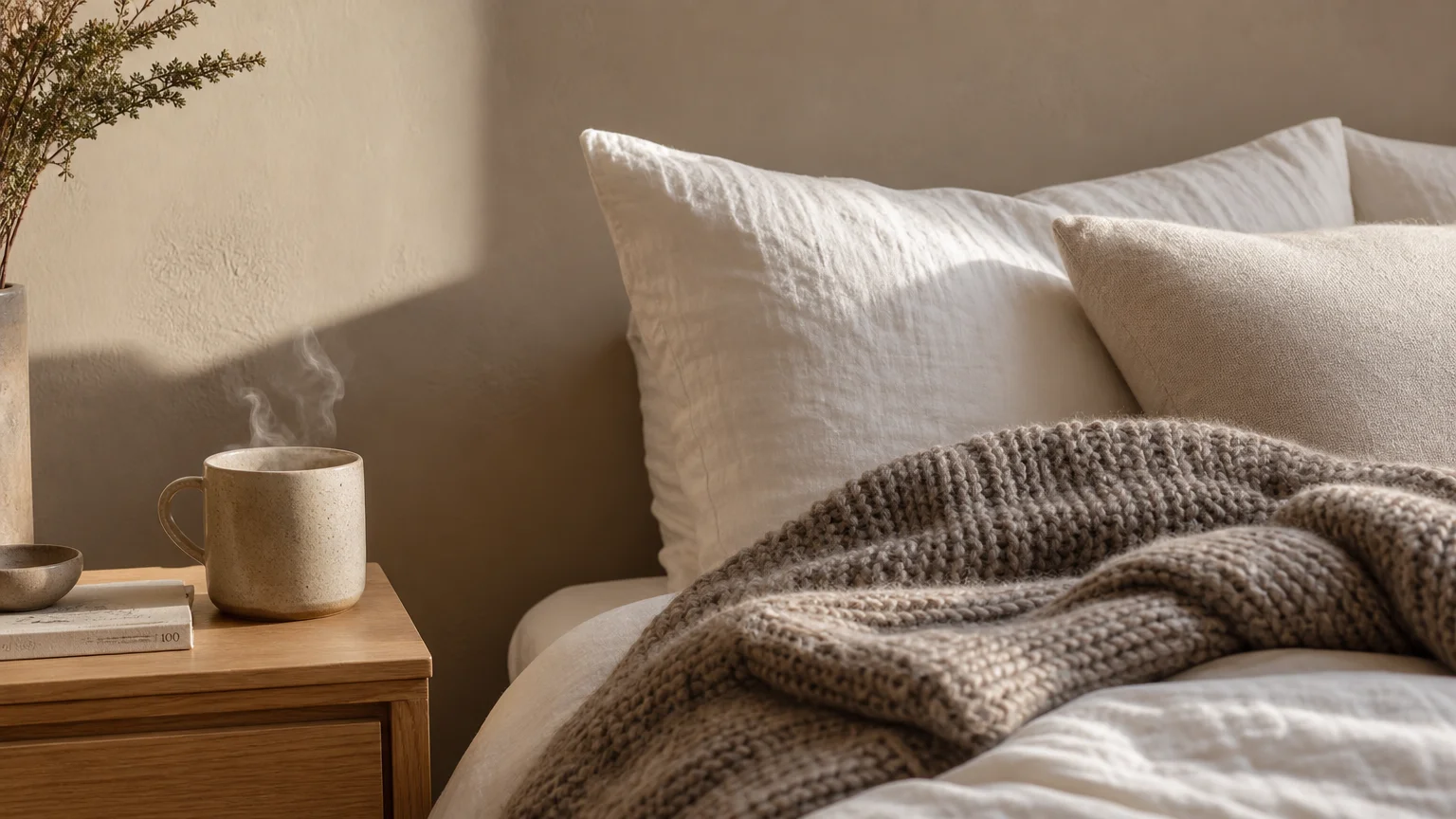
12 Bold Ceiling Colors That Actually Work

0

Look up from your beige walls and recognize the massive, untapped canvas hovering right above your head. The ceiling—often relegated to standard builder-grade white—is the fifth wall of your room and the ultimate frontier for sophisticated interior design. Treating this expanse with bold ceiling colors instantly transforms the entire atmospheric volume of a space, altering perceived height, light, and architectural drama. Whether you crave a moody, enveloping living room or a dramatic dining space that anchors your furniture, painted ceiling ideas provide unmatched visual impact. Modern ceiling design embraces striking hues that establish character and architectural definition without taking up a single square inch of floor space.

A dark purple matte ceiling in a formal dining room with a glowing brass chandelier reflecting warm light.
A deep aubergine ceiling adds dramatic flair to this moody dining room illuminated by a brass chandelier.

Trend #1: Aubergine and Deep Plum

Embrace the quiet luxury of deep purple. Aubergine establishes a rich, enveloping atmosphere that feels inherently regal yet incredibly grounded. When you paint your ceiling this dark, saturated hue, you lower the visual height of an overly tall room, creating a sense of intimacy perfect for formal dining rooms or moody studies. Aubergine absorbs artificial light beautifully; in fact, a flat, dark finish can absorb over 80% of ambient light, requiring you to pair it with strategic, low-hanging brass chandeliers to cast a warm, sophisticated glow across your dining table. Use a matte finish to enhance the velvety texture of the color and hide any surface imperfections in the drywall. You can ground the space further by repeating plum accents in your textiles or rug. This ceiling paint trend works especially well when paired with warm neutral walls, allowing the statement ceiling color to command attention without overwhelming the senses. By drawing the eye upward, you celebrate the architectural volume of your home while making a fearless design statement.
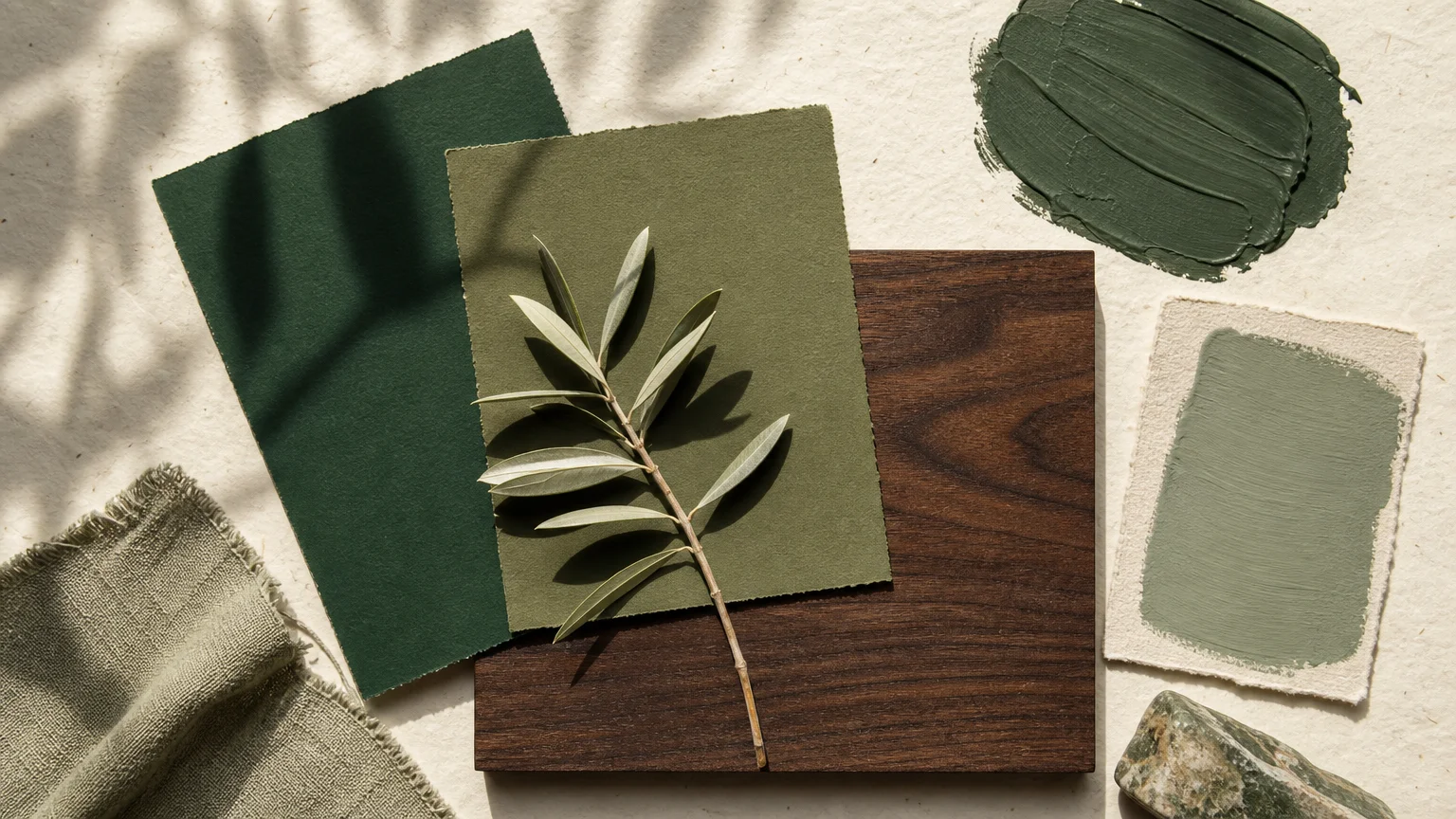
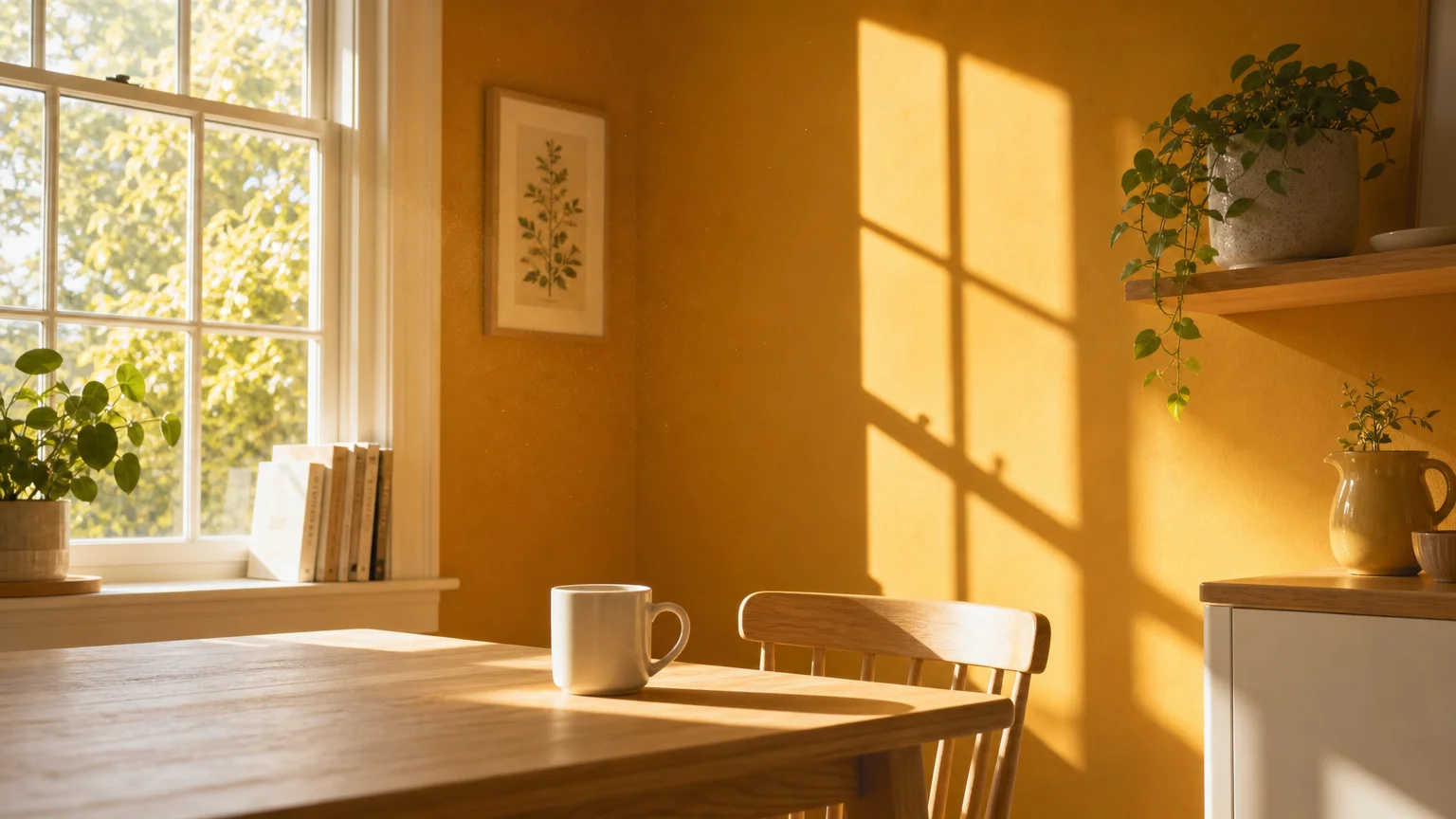
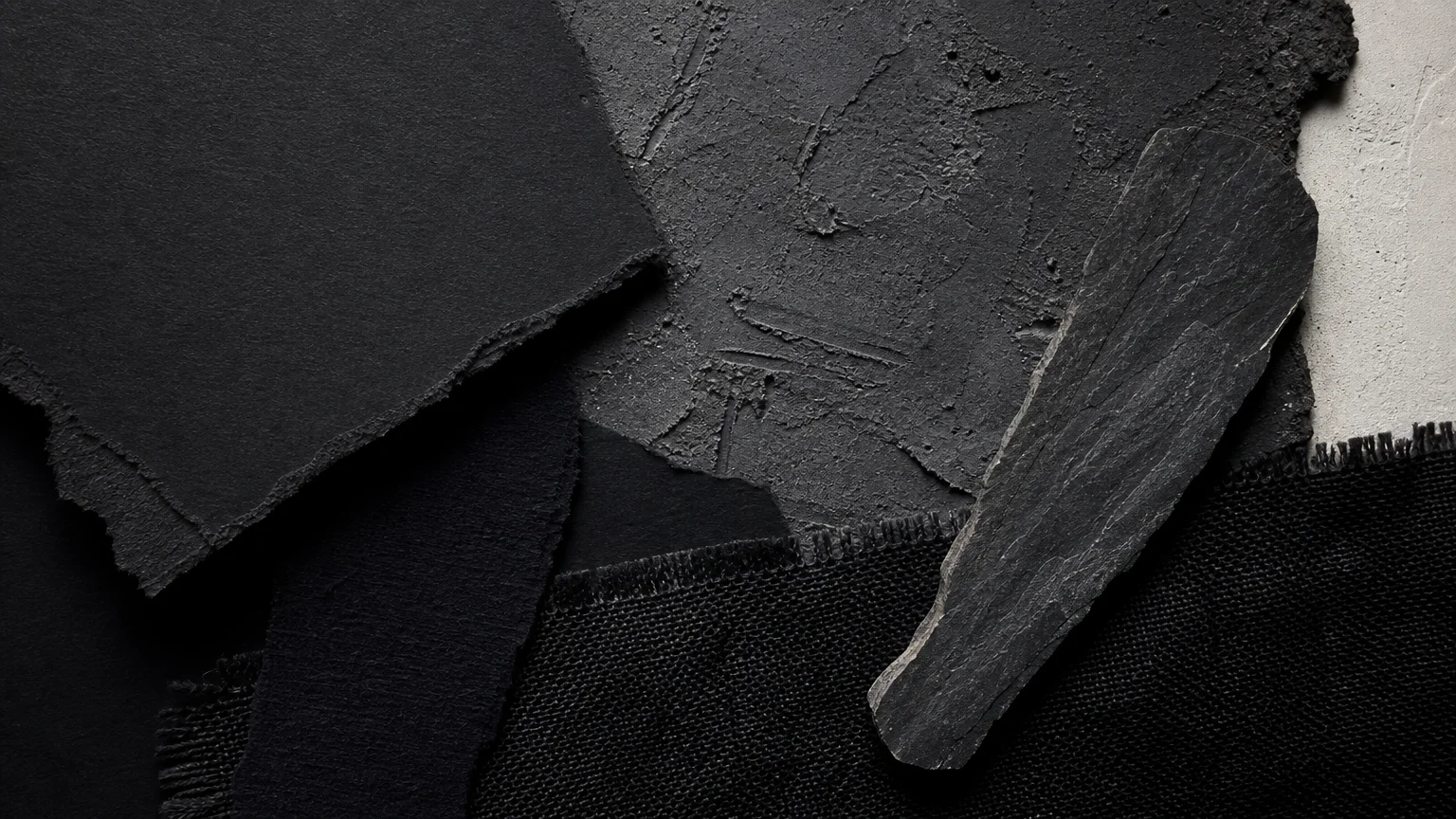

A watercolor illustration of a sunroom with a warm terracotta ceiling, wicker furniture, and potted plants.
A warm terracotta ceiling anchors this sunlit room featuring lush plants, wicker furniture, and a sleeping cat.

Trend #2: Terracotta and Baked Clay

Bring the warmth of the earth indoors with terracotta. This baked clay hue infuses a room with an organic modernism that feels both rustic and highly curated. A terracotta ceiling mimics the comforting embrace of a Mediterranean villa, warming up stark white or cool gray walls instantly. Apply this color in kitchens or sunrooms where natural daylight can pull out the subtle orange and red undertones as the sun moves across the sky. Terracotta reflects light in a way that universally flatters skin tones, making your living spaces feel undeniably inviting and vibrant. To implement this modern ceiling design successfully, maintain a matte or eggshell finish to keep the organic illusion intact; a shiny finish undermines the earthy aesthetic. Accentuate the ceiling with natural wood tones in your flooring and furniture to tie the biophilic palette together. A terracotta ceiling effectively bridges the gap between historical architecture and contemporary interior styling.


A home office with a dark forest green ceiling that extends down the walls, seen from a natural, everyday perspective.
A deep forest green ceiling creates a cozy and focused atmosphere for this minimalist home office setup.

Trend #3: Forest Green and Deep Olive

Channel the restorative power of nature with forest green. Biophilic design continues to dominate interior spaces, and moving verdant hues to the ceiling is the ultimate expression of this movement. A deep olive or forest green ceiling acts like a lush canopy, bringing the outdoors inside while grounding the room in profound tranquility. This color thrives in bedrooms and home offices, where focus, relaxation, and a sense of retreat are paramount. If you have crisp white walls and plenty of natural light, a dark green ceiling provides a striking, high-contrast anchor that dictates the mood of the entire floor plan. For a highly cohesive and custom look, extend the green paint down the top quarter of the walls to create an architectural border or picture rail effect. Pair this statement ceiling color with natural materials like woven rattan, light oak flooring, and heavily textured linen upholstery.


A minimalist gouache drawing of a library with a solid navy blue ceiling and white bookshelves.
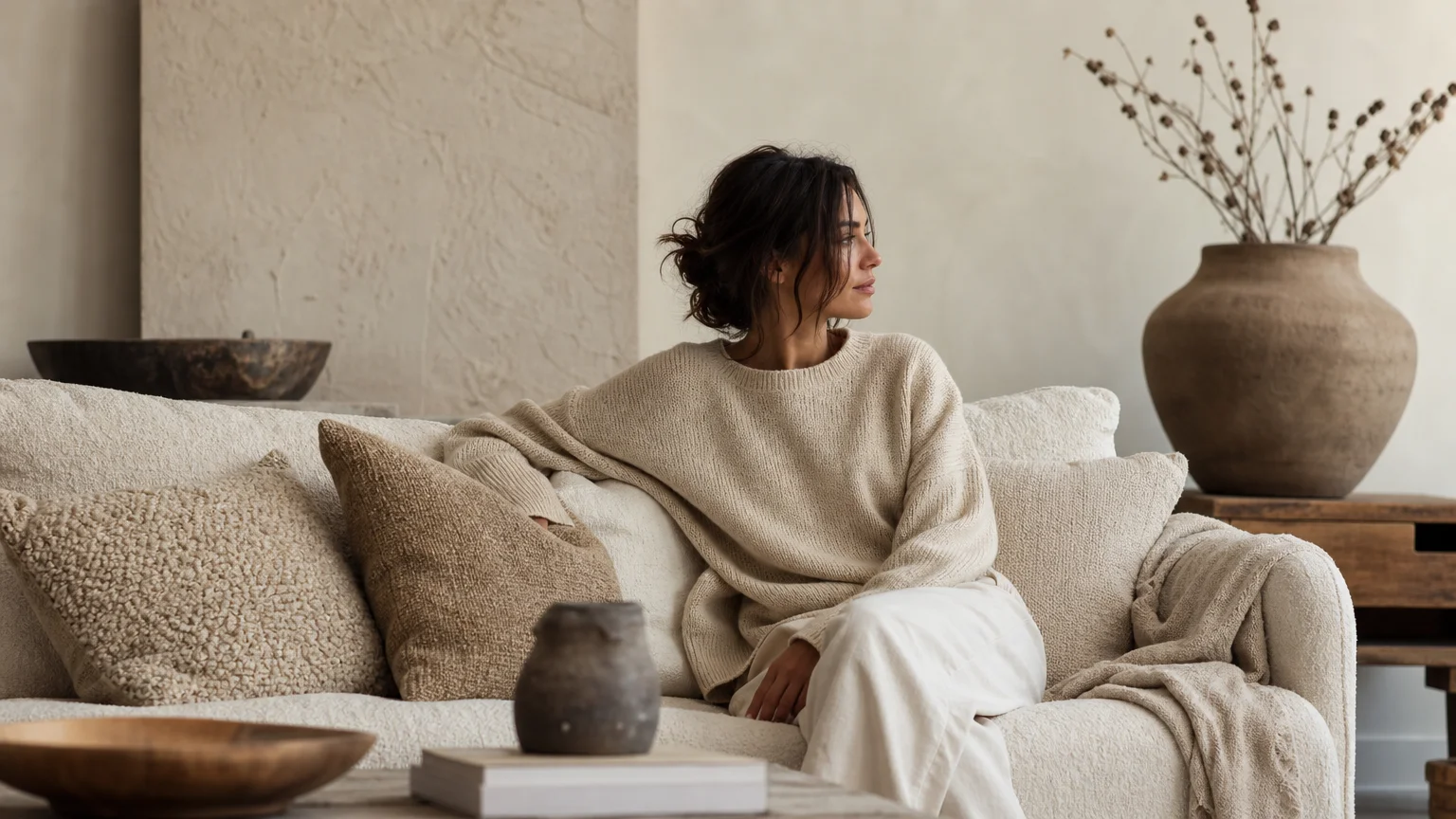
This saturated navy ceiling creates a sense of infinite depth above white bookshelves and a wooden ladder.

Trend #4: Saturated Navy Blue

Anchor your room with the infinite depth of saturated navy blue. Often considered a dark neutral, navy blue provides the drama of black but retains a hint of maritime color that shifts beautifully throughout the day. Painting your ceiling navy blue simulates the night sky, making the physical boundary of the ceiling recede and tricking the eye into perceiving an endless expanse above. This technique works exceptionally well in media rooms, libraries, or primary bedrooms where you want to foster a cozy, restful environment conducive to relaxation. Apply a high-gloss lacquer finish to bounce ambient light around the room. Lacquered ceilings can reflect up to 90% of available light, mimicking the reflective, undulating qualities of a quiet ocean at midnight. Contrast the glossy navy ceiling with crisp white crown molding to strictly highlight the architectural separation between the vertical walls and the horizontal ceiling plane. This bold ceiling color guarantees an atmosphere of tailored sophistication.


A bright hallway featuring a mustard yellow ceiling that reflects light onto white walls and a wooden floor.
A vibrant mustard yellow ceiling adds a warm, sunny glow to this classic hallway with white walls.
Trend #5: Mustard Yellow and Ochre

Inject a burst of energetic optimism into your home with mustard yellow. While many fear applying yellow to their walls, moving an ochre or mustard shade to the ceiling offers a controlled dose of sunshine that elevates the entire room. This bold ceiling color radiates warmth, effectively counteracting the physical chill of north-facing rooms that receive limited natural sunlight. Mustard yellow pairs beautifully with charcoal gray or navy blue walls, creating a high-contrast, tailored aesthetic that feels highly intentional. In a breakfast nook or a transitional hallway, an ochre ceiling establishes a cheerful, welcoming vibe that energizes your daily routines. To keep the look sophisticated rather than juvenile, select a yellow with heavy brown or muddy undertones. This ensures the color reads as a rich, historical pigment rather than a primary bright. Ground the design with brass hardware and dark walnut furniture for a truly elevated finish.

A cozy home theater room with a matte charcoal black ceiling and plush gray velvet furniture.
A charcoal ceiling and blue cove lighting create a moody, cinematic atmosphere in this cozy home theater.

Trend #6: Charcoal and Soft Black

Redefine dramatic elegance with a charcoal or soft black ceiling. Defying the outdated myth that dark colors make a room feel inherently small, a black ceiling actually blurs the edges of the room, adding a layer of profound sophistication and mystery. Industrial lofts, contemporary living rooms, and modern minimalist spaces benefit significantly from this approach, as the dark ceiling conceals exposed ductwork, tracks, and structural imperfections while visually organizing the chaotic elements of a space. Soft black provides a stark, gallery-like contrast to art-filled white walls below. Enhance this modern ceiling design by incorporating sculptural metallic light fixtures; the dark background forces the eye to focus entirely on the silhouette of the chandelier. If your room features tall windows, a charcoal ceiling frames the exterior view brilliantly, drawing the eye directly out toward the landscape and making the physical room feel like an extension of the outdoors.


A delicate watercolor sketch of a bathroom with a soft blush pink ceiling and a vintage clawfoot tub.
A textured blush pink ceiling adds a warm and sophisticated glow to this elegant watercolor bathroom sketch.

Trend #7: Blush Pink and Plaster

Soften the harsh angles of modern architecture with blush pink. A pale pink ceiling acts as a massive cosmetic filter for your room, reflecting a universally flattering, rosy glow onto everything—and everyone—below. This hue represents a subtle approach to bold ceiling colors, offering a gentle departure from stark white without forcing you to commit to a dark jewel tone. Blush pink thrives in bathrooms, dressing rooms, and formal living rooms that prioritize a serene, highly elegant atmosphere. When applied in a traditional Venetian plaster finish, the pink ceiling gains a historical provenance, adding tactile texture and visual movement that a standard flat paint simply cannot achieve. Pair this painted ceiling idea with cool Calacatta marbles, brushed brass hardware, and plush velvet upholstery to master the aesthetic of quiet luxury. A blush ceiling whispers its design credentials, creating an environment that feels both curated and effortlessly beautiful.


A retro living room with a burnt orange ceiling, a brick fireplace, and a leather chair, captured on warm film.
A burnt orange ceiling adds warmth to this cozy room featuring a brick fireplace and leather chair.

Trend #8: Burnt Orange and Rust

Ignite your interior palette with the fiery energy of burnt orange. A rust-colored ceiling delivers an unexpected punch of retro-inspired warmth, drawing heavily from mid-century modern color palettes while remaining fiercely contemporary. This color excels in social spaces—like open-concept living rooms, basement bars, and retro dining areas—because warm colors naturally stimulate lively conversation and appetite. When you paint a ceiling burnt orange, you lower the visual roofline, creating a snug, enveloping vibe even in large, historically cavernous rooms. Balance the sheer intensity of the rust ceiling with cool-toned furnishings, such as slate gray sofas, teal accent chairs, or navy blue drapery. Implement a flat, chalky finish to prevent the color from appearing too aggressive or reflective, allowing the rust hue to smolder quietly above your daily activities. This rich color instantly transforms a builder-grade room into a bespoke, architecturally fascinating environment.


A clean line-art illustration of a laundry room with sage green and mint green accents on the ceiling and cabinets.
A soft sage ceiling adds a calming touch to this laundry room sketch with matching green cabinetry.

Trend #9: Sage and Mint Green

Breathe fresh life into tired spaces with a subtle sage or mint green ceiling. If deep forest green feels entirely too heavy for your square footage, these lighter botanical shades offer an airy, uplifting alternative. Sage green carries a slight gray undertone, making it an incredibly versatile neutral that pairs effortlessly with a wide range of interior styles, from rustic farmhouse to sleek contemporary. Applying this color to the ceiling of a kitchen, a laundry room, or a sunny vestibule injects serious personality into utilitarian spaces that often lack architectural interest. Mint green reflects natural light beautifully, actively amplifying the perceived brightness of a room throughout the day. Ground this delicate ceiling paint trend with dark wood floors, crisp white subway tile, and matte black hardware to prevent the space from feeling overly sweet or pastel-heavy. A sage ceiling provides a whisper of color that feels entirely fresh.


A high-gloss teal ceiling in a hallway filled with gold-framed art, reflecting the light and colors of the gallery.
A lacquered peacock ceiling reflects a stunning gallery of ornate gold frames in this dramatic hallway.

Trend #10: Rich Teal and Peacock

Make an unforgettable statement with a rich teal or peacock blue ceiling. Straddling the line between blue and green, teal offers a dynamic, jewel-box effect that shifts in visual intensity as the sun moves across the sky. This bold ceiling color is the absolute hallmark of maximalist design, perfect for homeowners who want their spaces to exude bold confidence and creative flair. Use teal in a cramped powder room or a grand entryway to immediately captivate guests the very moment they step inside your home. To maximize the visual impact, employ color-drenching—painting the walls, trim, wainscoting, and ceiling the exact same shade of peacock blue. This specific technique completely erases the room’s traditional boundaries, resulting in a fully immersive, cinematic interior experience that celebrates bold, unapologetic design. Highlight the teal expanse with crystal lighting fixtures to add a layer of necessary sparkle.


A close-up of a warm mushroom-colored ceiling meeting a cream wall in a serene, sunlit bedroom.
A warm mushroom ceiling creates a cozy, grounded atmosphere above the rustic textured walls and wooden headboard.

Trend #11: Warm Greige and Mushroom

Embrace the nuanced sophistication of a warm greige or mushroom ceiling. While it might seem vastly less audacious than aubergine or teal, moving a saturated, muddy neutral from the walls to the ceiling is a distinctly modern, elevated design choice. A mushroom ceiling provides necessary visual weight and warmth, effectively grounding a room painted in crisp architectural whites or soft, buttery creams. This subtle approach is the absolute epitome of quiet luxury, whispering rather than shouting its complex design credentials. Implement this painted ceiling idea in sprawling open-plan living areas to subtly delineate specific functional zones without the need for physical walls or heavy rugs. The warm undertones of the greige harmonize flawlessly with natural quartzite countertops, bleached oak flooring, and heavily textured boucle upholstery, resulting in a cohesive, highly tailored environment that feels timelessly elegant. You achieve a designer-curated look that respects traditional color theory while subverting standard placement expectations.


A high-gloss tomato red ceiling reflecting a modern white dining set in a bright, high-energy breakfast nook.
A high-gloss tomato red ceiling reflects light beautifully over a modern white table and red chairs.

Trend #12: High-Gloss Tomato Red

Electrify your design scheme with a high-gloss tomato red ceiling. This is the ultimate power move in professional interior design, firmly reserved for spaces that demand high energy and absolute dramatic flair. A lacquered red ceiling acts as a massive visual reflector, aggressively bouncing light and color throughout the room. Because red wavelengths are the longest in the visible spectrum, this color advances toward the eye, actively lowering the perceived ceiling height and creating an atmosphere of unabashed, old-world glamour. Deploy this fierce statement ceiling color in a formal dining room, an entertainment space, or a moody, book-filled library, pairing it directly with dark, paneled walls to balance the visual intensity. Achieving a flawless high-gloss finish requires meticulous, time-consuming prep work—the ceiling drywall must be skim-coated perfectly smooth, as the unforgiving lacquer will highlight every single bump and imperfection. The resulting mirror-like surface is entirely worth the extensive effort, delivering an unparalleled architectural showpiece that keeps your guests looking up. A red ceiling ensures your room leaves a lasting impression long after the dinner party ends.


Editorial photograph illustrating: The Big Picture: Weaving These Trends into Your Home
A person holds teal paint swatches to coordinate their bold ceiling with a cohesive home design.

The Big Picture: Weaving These Trends into Your Home

Treating your ceiling as an active, crucial participant in your color scheme requires a strategic approach to balance and spatial proportion. When you introduce a statement ceiling color, you must physically anchor the rest of the room to prevent the space from feeling top-heavy or visually overwhelming. Echo the ceiling hue in lower elements of the room—a heavily patterned throw pillow, a vintage area rug, or a striking piece of oversized artwork—to draw the eye downward and create a cohesive visual loop that grounds the aesthetic.

Consider the paint finish just as carefully as the specific color. Matte finishes effortlessly hide drywall imperfections and heavily absorb light, making them ideal for dark, moody colors like forest green, rust, or aubergine. Conversely, high-gloss or lacquer finishes bounce ambient light beautifully, adding perceived height, but they require a perfectly skim-coated ceiling to avoid highlighting structural flaws. Always test your paint colors by applying large swatches directly to the ceiling; light hits horizontal surfaces drastically differently than vertical walls, which dramatically alters how your chosen hue reads throughout the morning, afternoon, and evening. By treating the fifth wall with the exact same respect and consideration as your flooring and furniture, you inherently elevate the entire architectural integrity of your home. You transform an often-ignored expanse into a stunning, highly customized design feature.


Frequently Asked Questions

Do dark ceiling colors make a room look smaller?

Not necessarily; in fact, the opposite is often true. While dark colors physically lower the perceived height of a ceiling, they simultaneously blur the sharp corners and right angles of a room. This loss of defined architectural boundaries tricks the eye into seeing an endless expanse, much like gazing into a night sky. If you intentionally pair a dark ceiling with light, neutral walls and ample layered lighting, the room maintains its essential spaciousness while gaining significant, undeniable architectural drama.

Should I paint the ceiling trim the same color as the ceiling?

Your specific approach to trim depends entirely on your ultimate design goals. Painting the crown molding the same color as the ceiling physically extends the bold hue down the wall, creating a lush canopy effect that feels distinctly modern and highly immersive. Conversely, leaving the trim crisp white or matching it to the wall establishes a sharp, traditional boundary that proudly highlights the architectural separation between the vertical wall plane and the horizontal ceiling surface.

What is color-drenching, and does it work with bold ceilings?

Color-drenching is an immersive design technique that involves painting the walls, baseboards, trim, doors, and ceiling the exact same, unbroken color. This specific technique works exceptionally well with bold ceiling colors, as it completely envelops the room in a single, continuous hue. Color-drenching actively eliminates harsh visual breaks and shadows, allowing your curated furniture silhouettes and vibrant artwork to take absolute center stage against a unified, deeply monochromatic background.

How do I accurately choose between a warm or cool ceiling color?

Start by meticulously analyzing the natural light entering your specific space. North-facing rooms generally receive cool, bluish light and benefit immensely from warm ceiling colors like terracotta, mustard, or blush pink to actively counteract the inherent chill. South-facing rooms receive intense, warm sunlight throughout the day, making them the absolute perfect canvas for cool, receding shades like saturated navy, mint green, or charcoal gray. Always test paints directly on the ceiling to observe these light shifts.

For the latest color forecasts, consult industry leaders like Pantone and paint companies like Benjamin Moore. For professional design standards, refer to the American Society of Interior Designers (ASID).

Disclaimer: This article reflects design trend analysis and predictions. Personal taste and timeless design principles should always guide your decorating choices.