

The kitchen acts as the definitive anchor of your home, and updating its color palette offers the fastest route to a sophisticated transformation. You no longer have to settle for stark, clinical whites or overly heavy, dark woods that dominated past decades. Today, the most popular kitchen cabinet colors right now embrace a nuanced balance of warmth, personality, and grounding natural tones. These evolving kitchen trends reflect a collective shift toward quiet luxury—an approach prioritizing high-quality materials and understated elegance over flashy statements. Whether you plan to completely renovate or simply refresh your cabinet paint, selecting the right hue fundamentally dictates the energy of your space. Explore the standout shades currently redefining interior decorating and setting the standard for modern residential design.
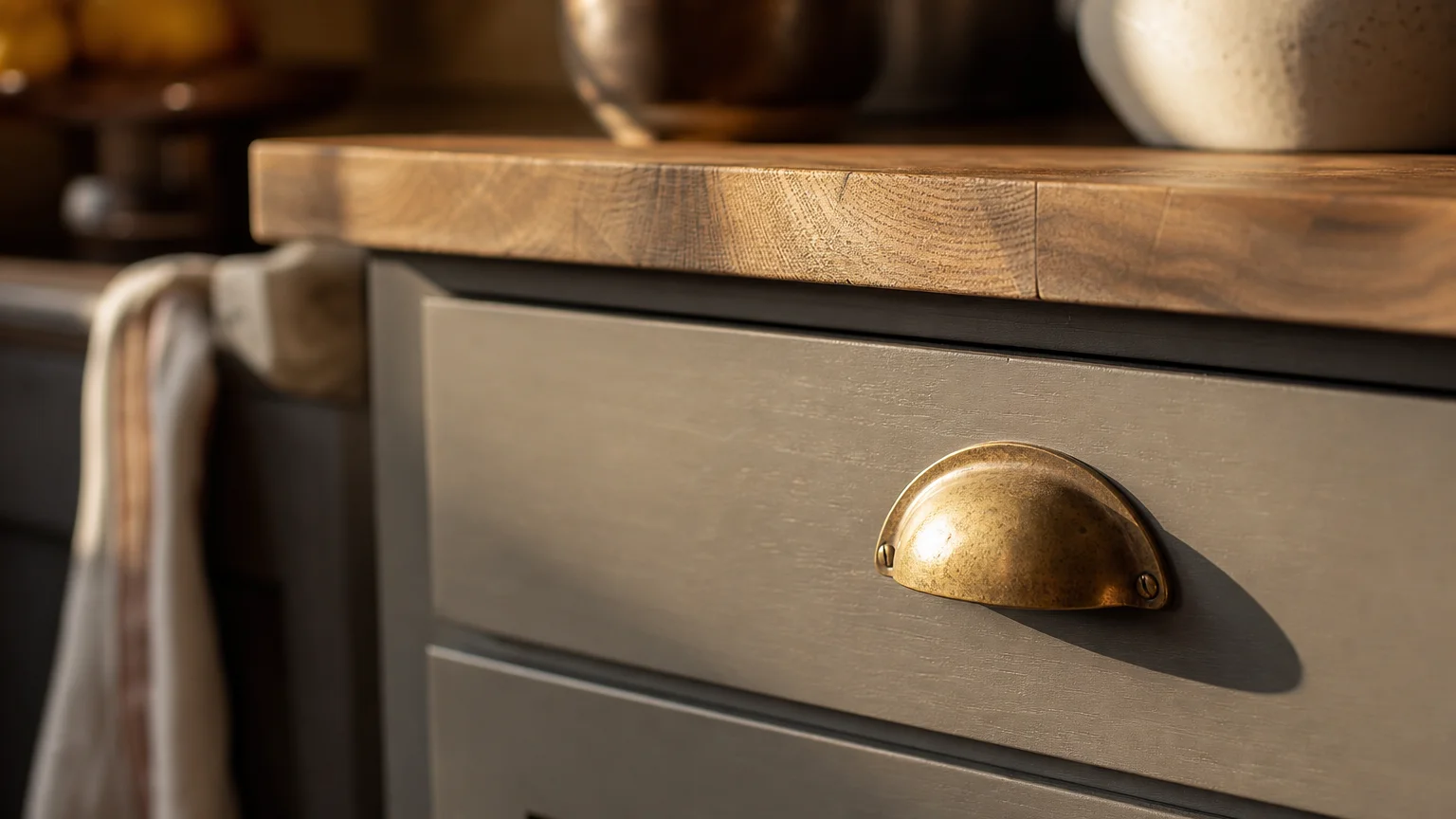
Trend #1: Warm, Earthy Mushrooms (Taupe and Greige)
Cool, industrial grays formally exited the design zeitgeist, making way for the enveloping warmth of mushroom tones. This sophisticated hybrid of gray and beige provides a flawless neutral foundation for your kitchen without feeling sterile. The appeal lies in its adaptability; mushroom tones shift beautifully depending on your natural light, appearing crisp in the morning and incredibly cozy by evening.
Design professionals favor this shade because it effortlessly complements both polished marble countertops and rugged butcher block surfaces. By selecting a mushroom hue for your cabinet paint, you establish a serene, grounded atmosphere that perfectly aligns with biophilic design—an architectural concept focused on connecting indoor spaces with the natural world.
If you want to achieve quiet luxury, pair these earthy cabinets with unlacquered brass hardware. The brass will develop a unique patina over time, adding a layer of historical depth and character to your home design. Furthermore, mushroom cabinets beautifully bridge the gap between traditional and modern aesthetics, allowing you to easily update your surrounding decor without requiring a complete kitchen overhaul.
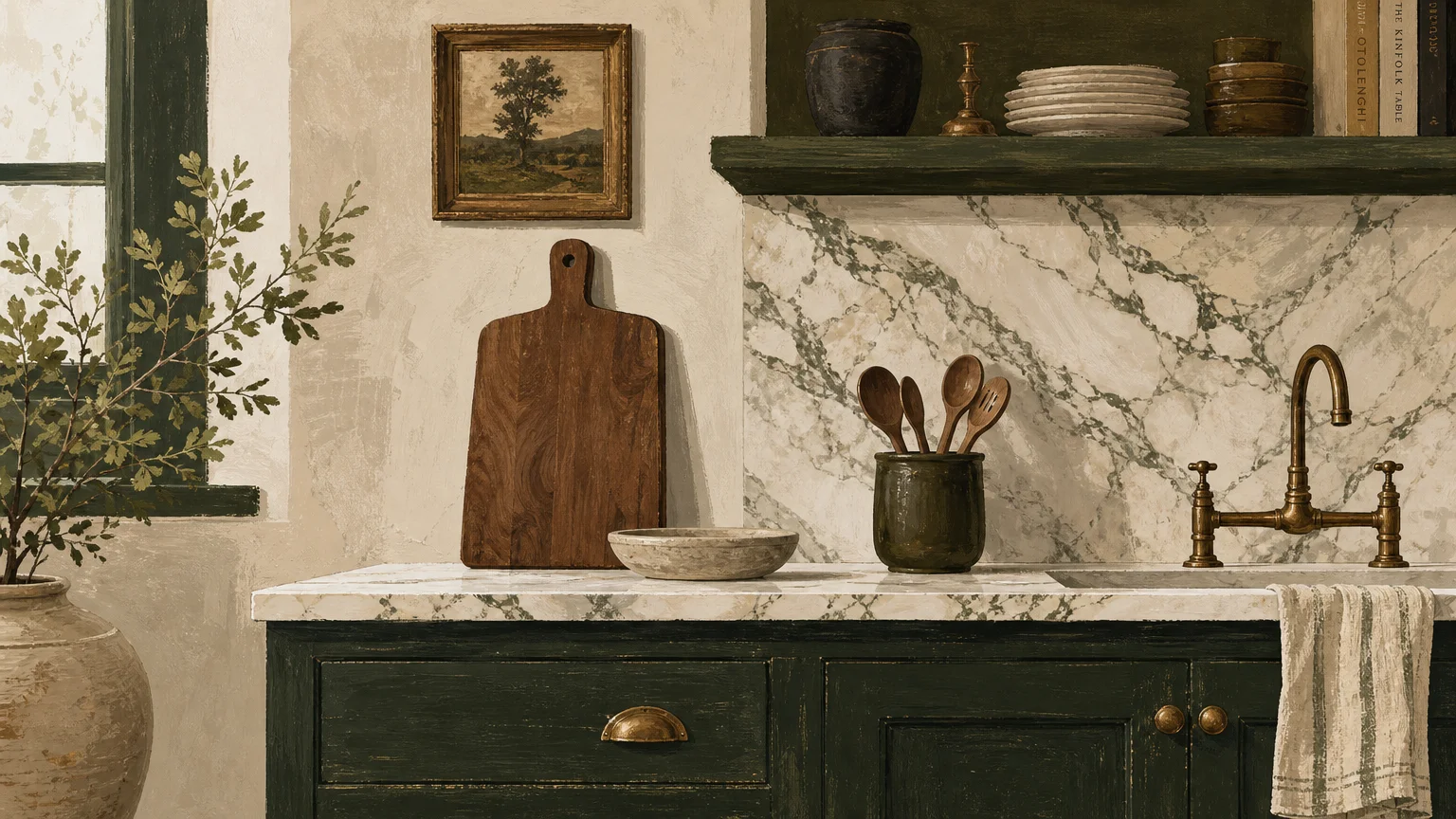
Trend #2: Deep, Heritage Greens
Green continues its massive reign over kitchen trends, but the specific shade has matured from playful emeralds to deeply saturated, historic forest greens. Colors resembling moss, olive, and aged pine evoke a strong sense of provenance; they feel as though they have existed in a grand countryside estate for centuries. This rich hue anchors the room, pulling the eye downward and grounding the entire space.
You can utilize deep green on lower cabinets while leaving upper walls bright, or you can commit to color drenching by painting the cabinetry, trim, and surrounding walls in the exact same verdant shade. This immersive approach dramatically elevates the sophistication of the room.
Deep green cabinets pair remarkably well with heavily veined Calacatta marble and warm walnut accents, striking a balance between organic rawness and polished elegance. Integrating a deeply saturated green into your interior decorating scheme effortlessly brings the tranquility of a dense forest directly into your daily cooking routine, promoting a profound sense of domestic calm.
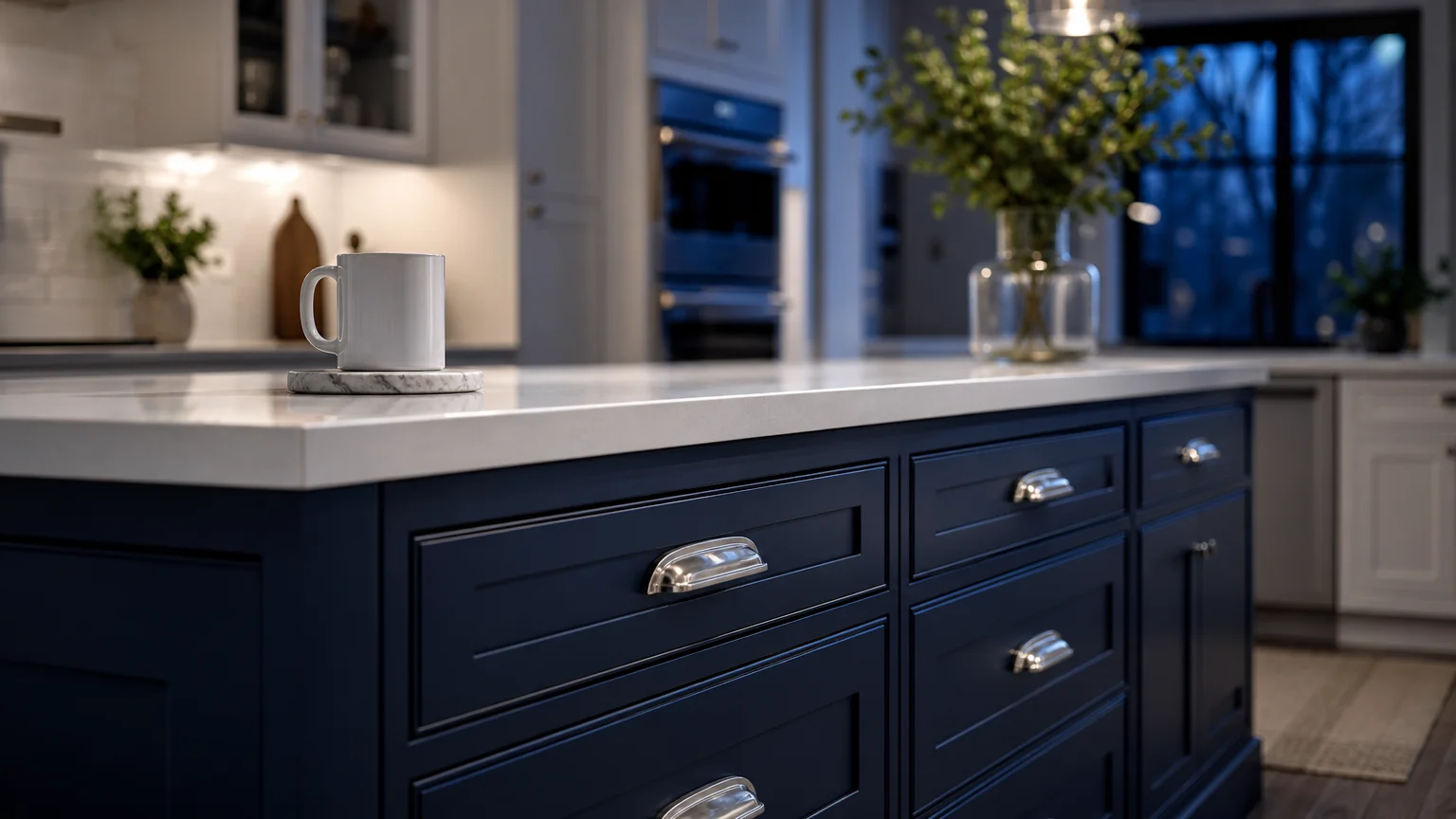
Trend #3: Moody, Saturated Blues
While navy always held a classic status in interior decorating, today’s saturated blues push boundaries by leaning into inkier, moodier territories. Think of midnight blues, deep indigo, and stormy marine tones that border on black. These colors introduce an undeniable level of drama and formality to your cooking space, yet they remain universally flattering.
Saturated blue works phenomenally well on a kitchen island, acting as a commanding focal point against softer perimeter cabinets. When you combine inky blue cabinets with polished nickel or polished chrome fixtures, you create a crisp, tailored aesthetic reminiscent of high-end hospitality design. Furthermore, this color practically begs for dramatic lighting; installing oversized, structural pendants above a dark blue island instantly modernizes the traditional kitchen layout.
To avoid making the room feel overly heavy, incorporate open shelving and highly reflective zellige tile backsplashes. These glossy elements will bounce light throughout the space, highlighting the rich, complex undertones of your newly upgraded cabinet paint.
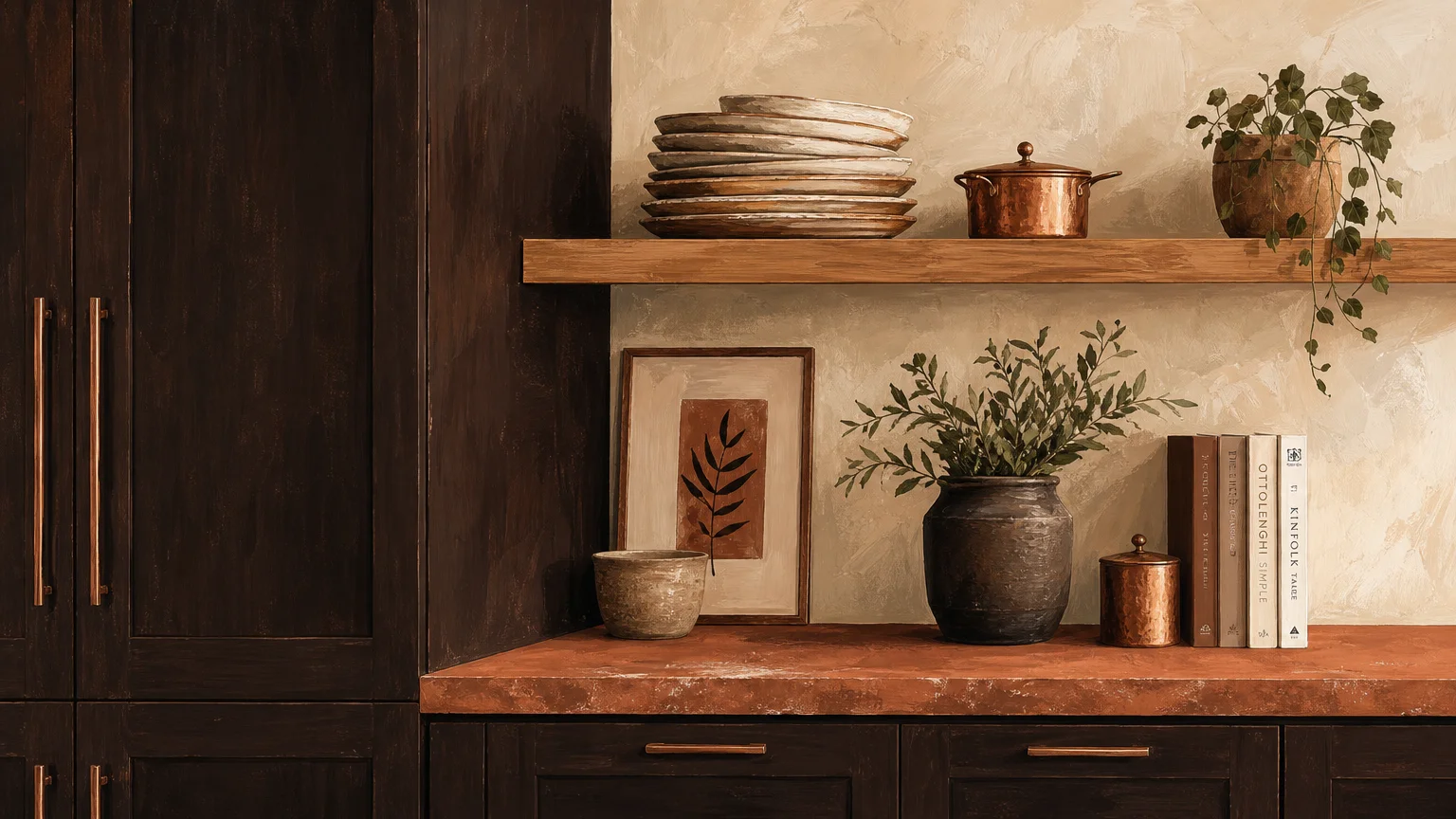
Trend #4: Rich, Chocolate Browns
For decades, homeowners actively avoided brown kitchens due to lingering memories of heavy, dated oak cabinets from the 1990s. However, rich, chocolate brown paint has officially secured its position as a major contender in modern home design. This color trend represents a bold rebellion against the clinical white kitchen, offering an incredibly rich, tactile alternative.
Chocolate brown cabinets wrap the room in warmth, making large, cavernous kitchens feel intimate and inviting. To prevent the space from feeling excessively dark, interior designers typically pair these deep cabinets with creamy plaster walls, light oak flooring, and heavily textured stone backsplashes. This contrast ensures the brown reads as a deliberate, chic color choice rather than a dated wood stain.
Implementing chocolate brown hues into your kitchen cabinetry adds an undeniable layer of decadence to the room. The color serves as a stunning, grounded backdrop for modern culinary exploration and elegant evening entertaining, bringing an air of sophisticated retro-revival to your home.
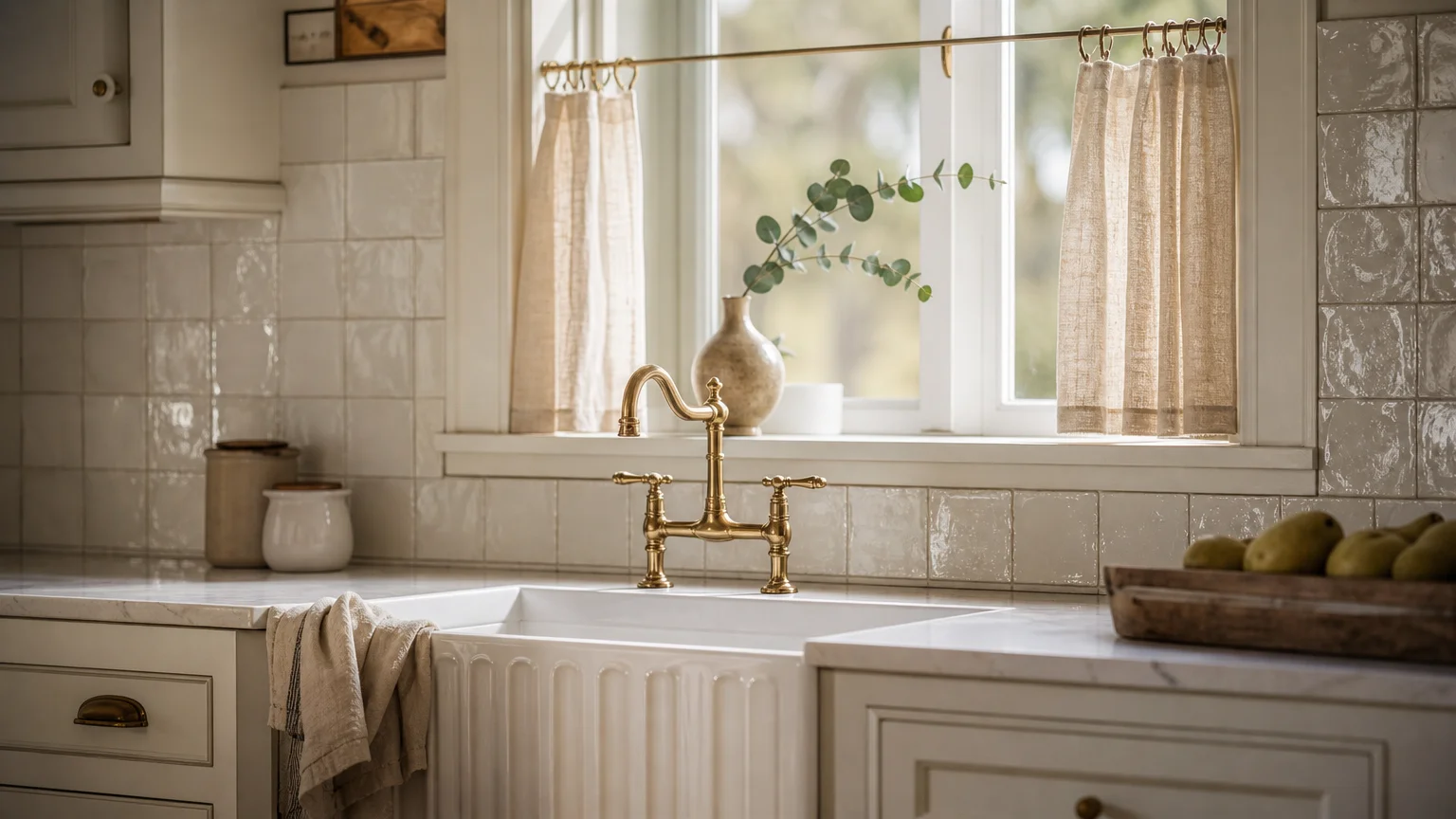
Trend #5: Soft, Creamy Off-Whites
The stark, blinding white kitchens of the early 2010s have softened into more forgiving, creamy off-whites. Colors like alabaster, heavy cream, and warm linen still deliver the bright, airy feeling you likely desire, but they do so without feeling sterile or uninviting. This subtle shift toward warmer whites drastically changes how light bounces around your kitchen.
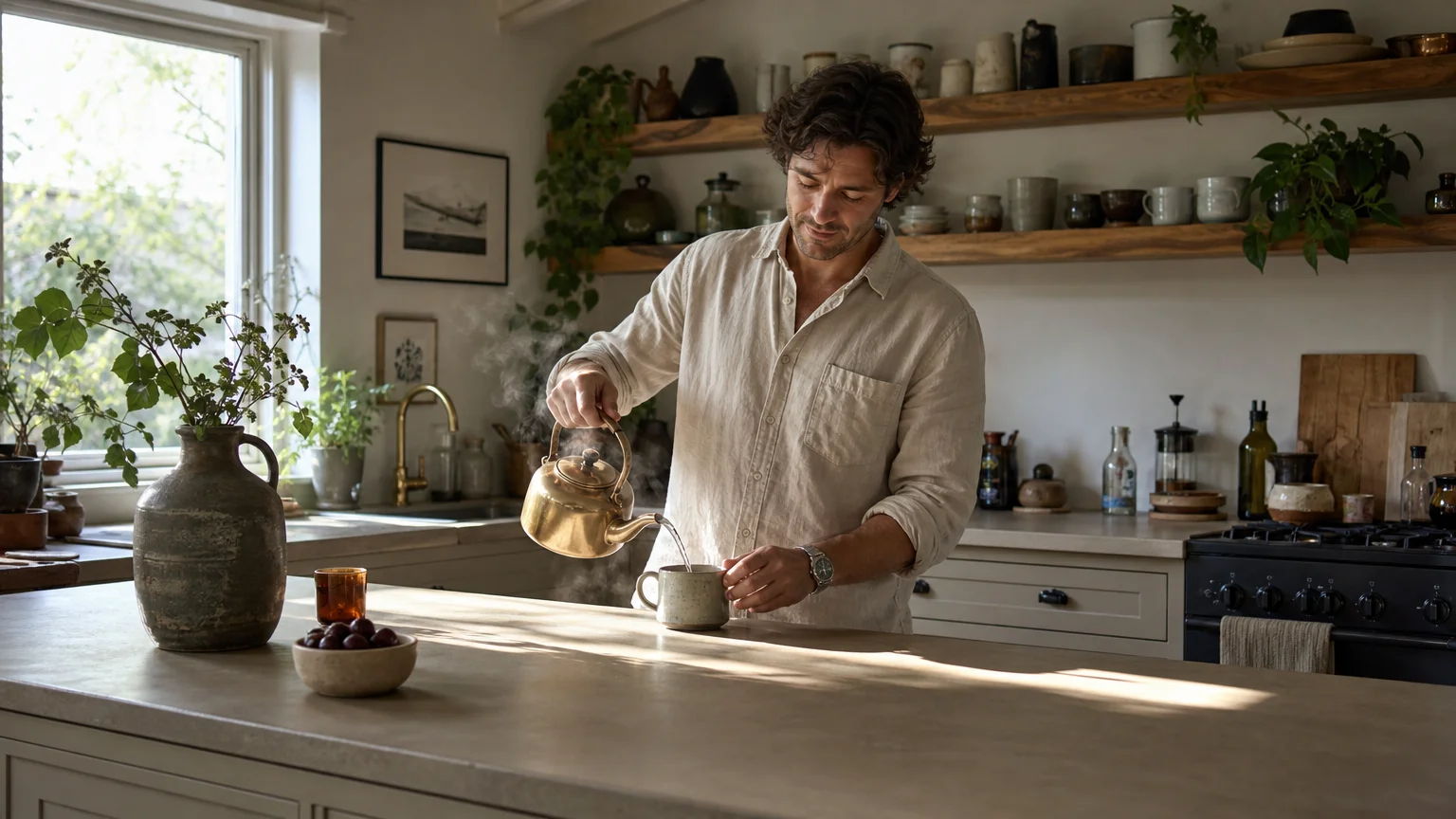
Creamy cabinets reflect morning sunlight beautifully, creating a glowing, welcoming environment for your first cup of coffee. These softer whites also play exceptionally well with mixed metal finishes; you can seamlessly blend antique brass knobs with a matte black faucet without the contrast feeling jarring.
Upgrading your stark white cabinet paint to a warm cream is arguably the easiest way to immediately elevate the perceived value and comfort of your existing kitchen. Soft whites also provide an exceptional canvas for showcasing colorful, heavily patterned runner rugs or vibrant countertop appliances without visually overwhelming the space.
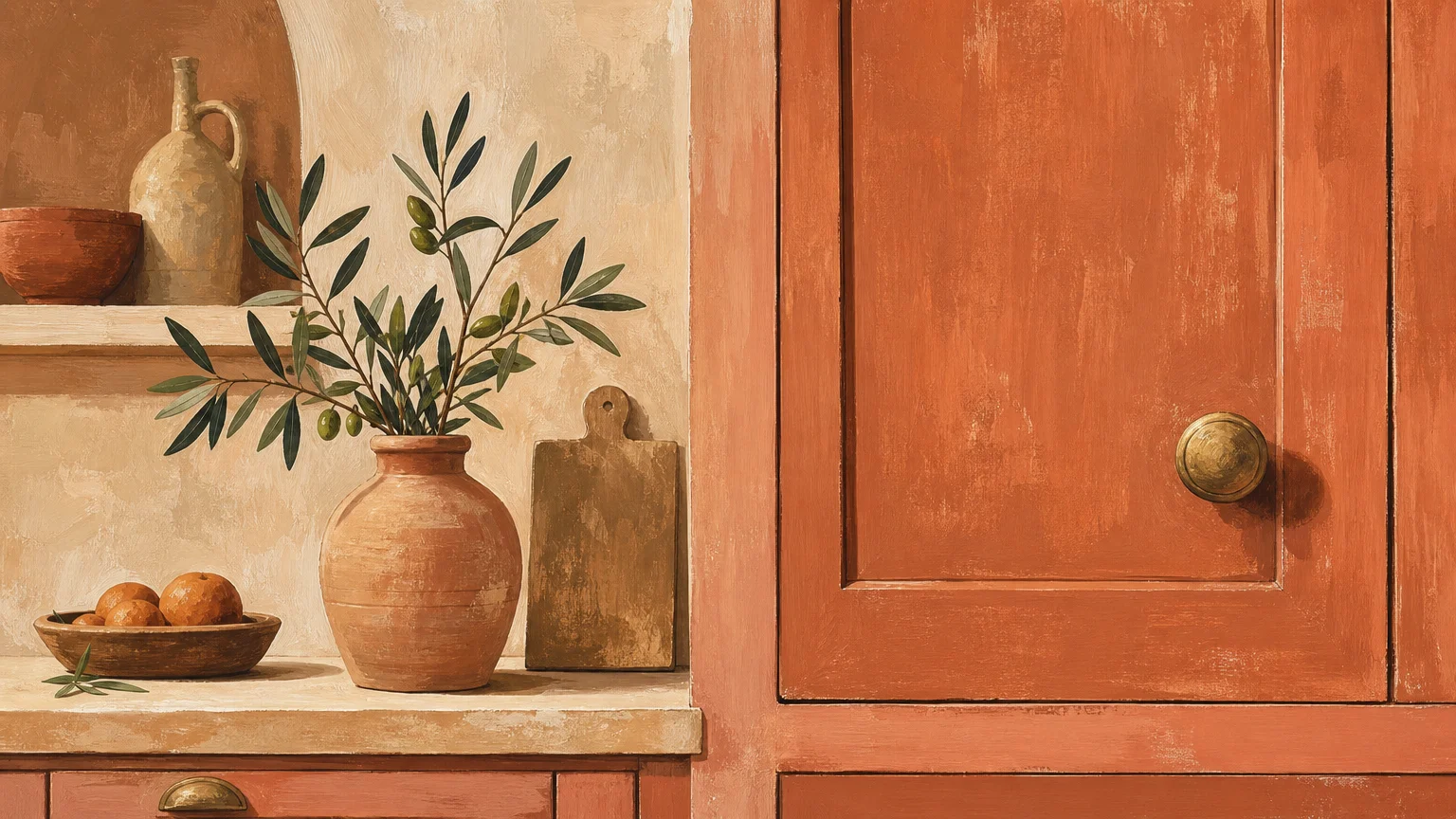
Trend #6: Dusty Terracotta and Clay
Homeowners increasingly crave spaces that exude character and global influence, leading to the rapid rise of dusty terracotta and baked clay tones. Drawing heavy inspiration from Mediterranean and desert landscapes, these earthy pinks and muted oranges inject an undeniable zest into your kitchen.
Terracotta cabinets work incredibly well in spaces that feature abundant natural light and organic textures, such as exposed wooden beams or natural stone floors. This color palette inherently feels artisanal and handmade. By incorporating clay tones into your kitchen trends board, you move away from mass-produced aesthetics and toward a highly personalized, curated home.
Consider using terracotta on a butler’s pantry or a standalone hutch if you feel hesitant about painting your primary perimeter cabinets in such a warm, bold hue. When styled with matte black hardware and trailing green houseplants, terracotta cabinets deliver a striking, sun-baked aesthetic that feels effortlessly chic year-round.
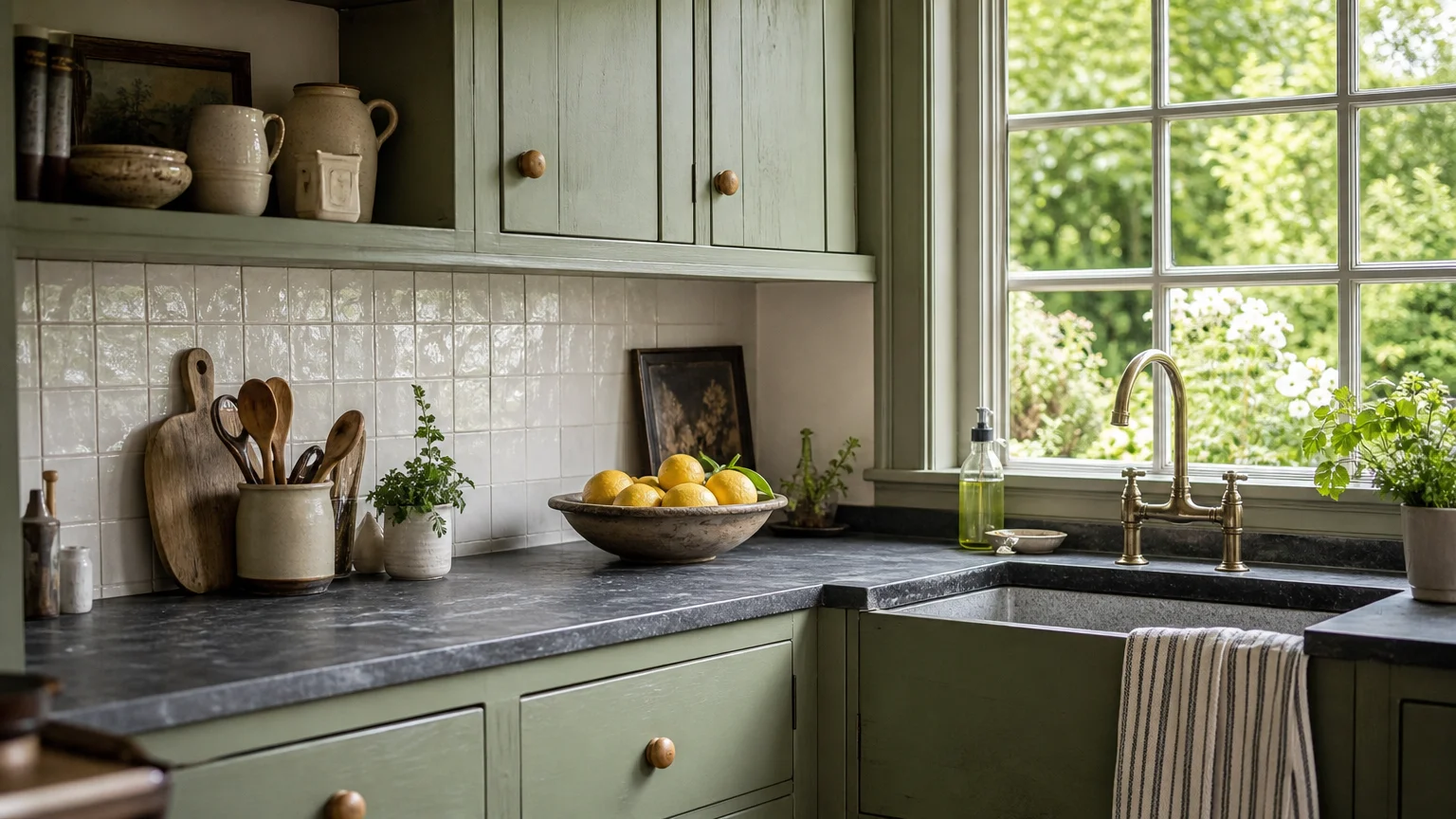
Trend #7: Muted, Sophisticated Sage
If deep forest green feels too heavy for your square footage, muted sage offers a brilliant, luminous alternative. Sage green essentially functions as a neutral in modern interior decorating; it pairs just as easily with cool grays as it does with warm beiges. The dusty, silvery undertones of sage prevent the color from looking too pastel or juvenile.
Instead, the color feels restorative and calm, reminiscent of an upscale wellness retreat. You will frequently see sage green cabinets paired with light blonde woods, such as white oak or ash, creating a serene, Scandinavian-inspired aesthetic. Because this color reflects light so effectively, it serves as an exceptional choice for galley kitchens or smaller cooking spaces that lack massive, floor-to-ceiling windows.
By choosing a sophisticated sage, you introduce just enough pigment to give the room an identity without compromising on the airy, expansive atmosphere that homeowners universally desire in their culinary spaces. It represents the perfect harmony between color and neutrality.
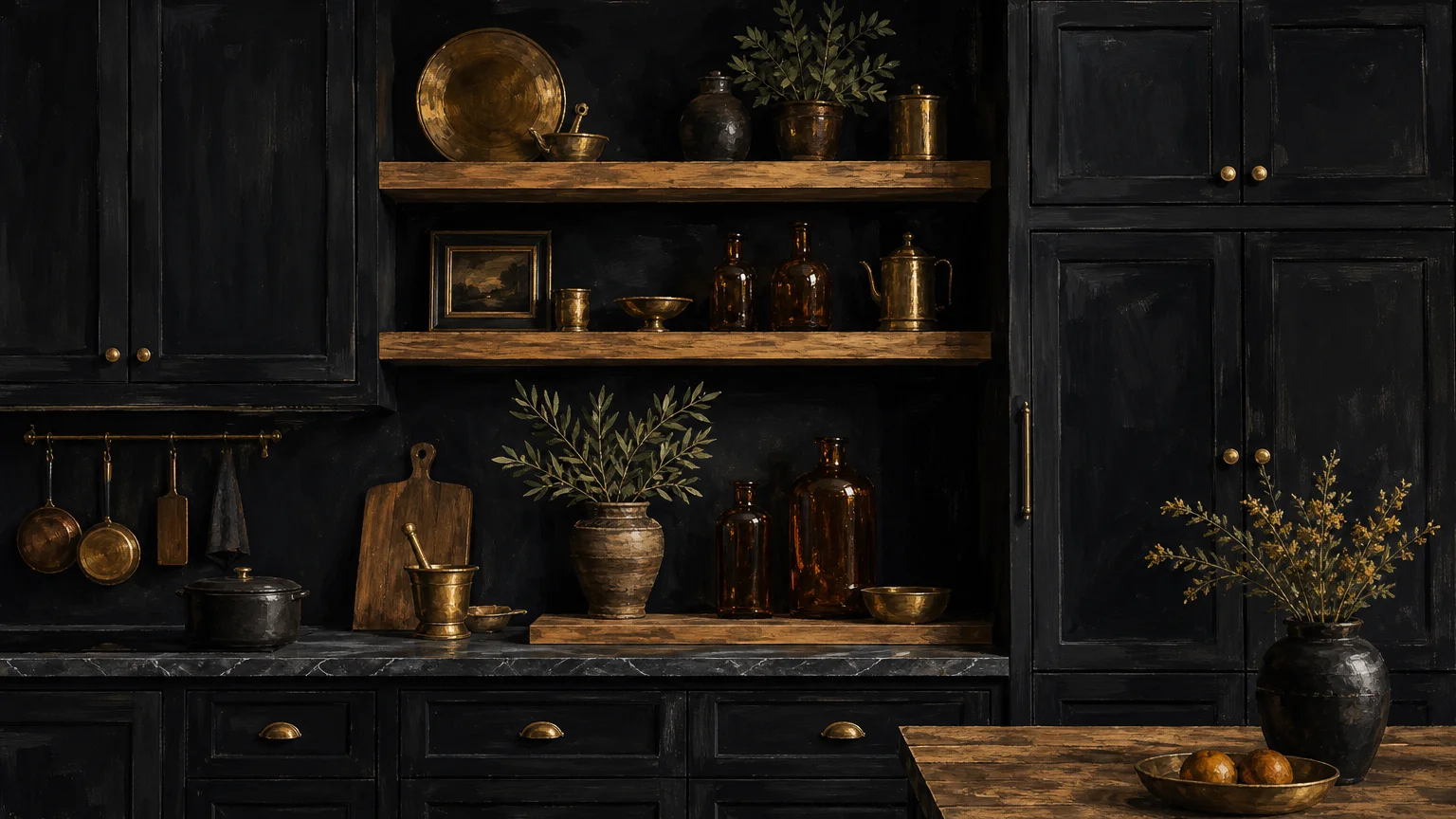
Trend #8: Midnight Black with Warm Accents
Black kitchens command attention, projecting a fearless, avant-garde attitude. However, the current iteration of the black kitchen strictly avoids the cold, highly lacquered finishes of the past. Today’s midnight black cabinets feature velvety, matte finishes that absorb light and create a soft, luxurious texture.
To keep the kitchen from feeling like a cave, you must strategically introduce warmth through your secondary materials. Designers heavily rely on rich walnut floating shelves, woven rattan light fixtures, and vintage runner rugs to soften the intensity of black cabinet paint. The contrast between the stark, graphic black cabinetry and the organic, imperfect textures of wood and textiles results in a highly dynamic environment.
Midnight black cabinets also execute a magnificent framing effect. The dark tones draw the eye directly toward dramatic marble veining or a meticulously organized open shelving display, proving that dark colors can be remarkably strategic in high-end home design.
Trend #9: Chalky Putty and Plaster Tones
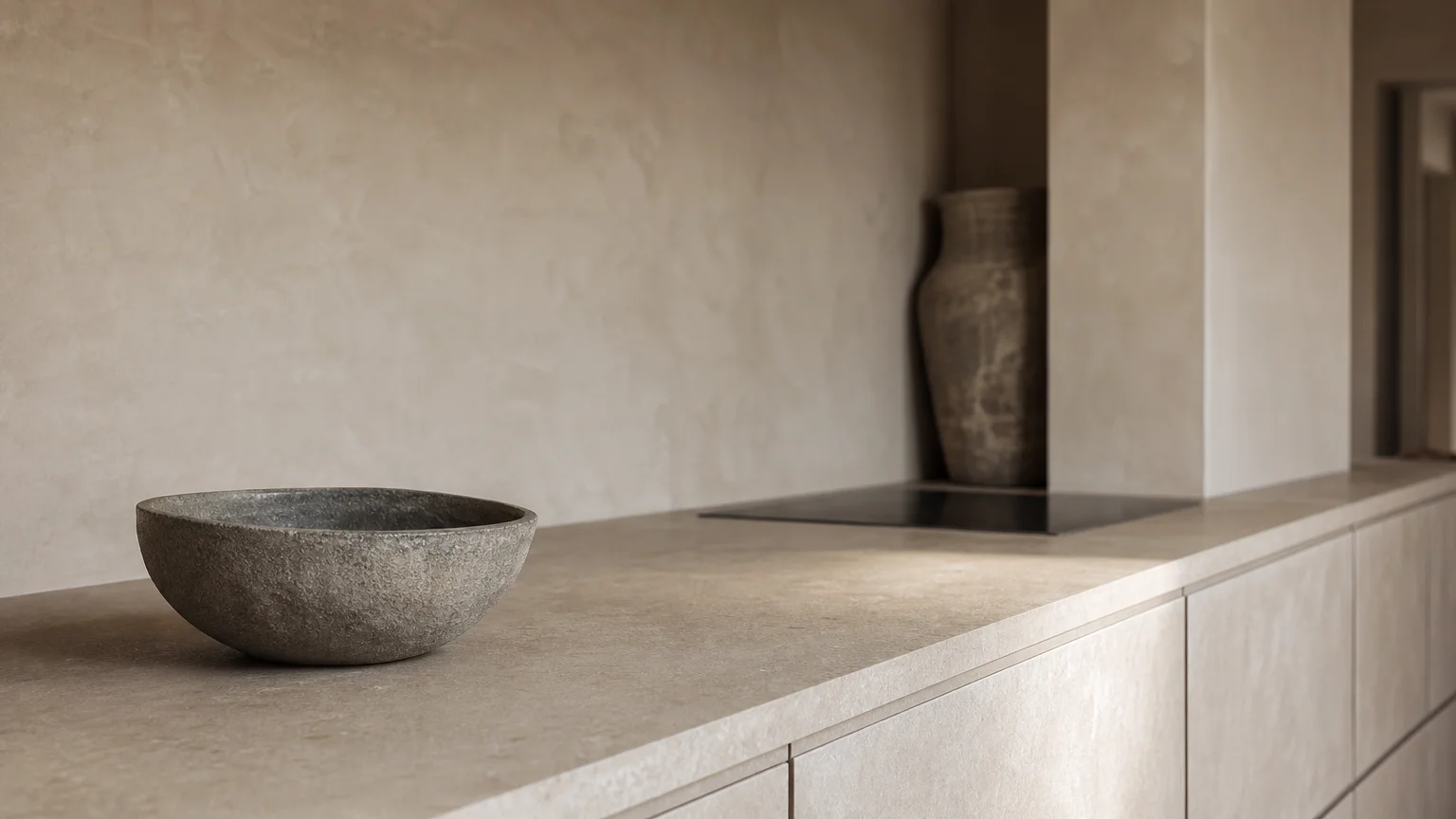
Texture currently dictates design choices just as much as color does. Chalky putty tones—those ambiguous, shape-shifting colors that dance between taupe, gray, and pale green—are dominating high-end kitchen remodels. These colors emulate the look of raw plaster and aged limestone, providing your kitchen with an ancient, structural quality.
Homeowners drawn to a minimalist aesthetic will appreciate how putty tones add visual interest without requiring bold, contrasting colors. These shades look incredibly sophisticated when applied to flat-panel, handleless cabinetry, pushing the focus entirely onto the subtle color and the architecture of the space.
When you utilize putty tones, you seamlessly blend the cabinetry into the surrounding walls, creating an uninterrupted visual flow that makes the kitchen appear significantly larger and more cohesive. The resulting environment feels deeply intentional, relying on the subtle interplay of shadow and light rather than loud pigmentation.
Trend #10: Bold Burgundy and Oxblood
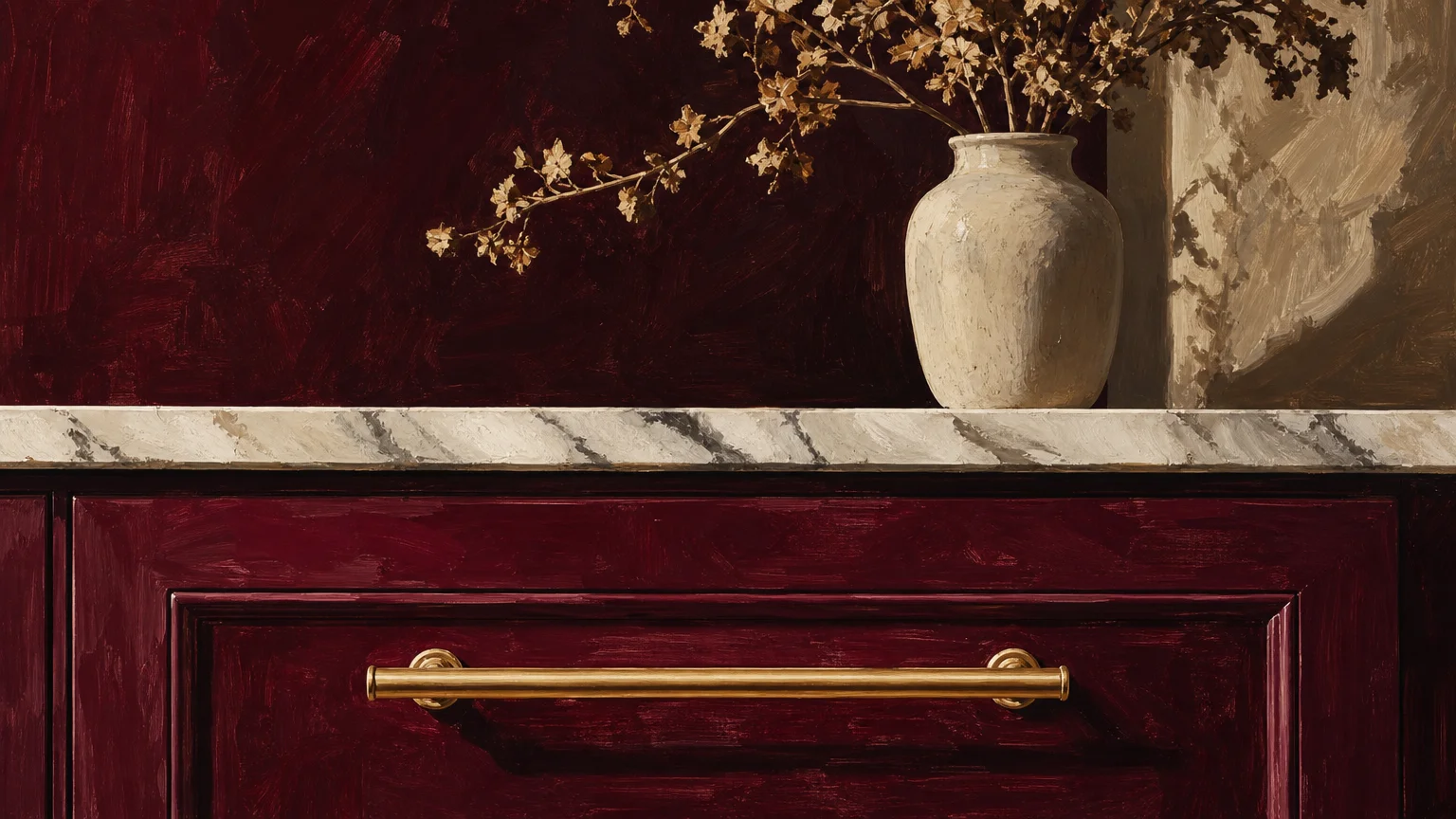
For the truly daring design enthusiast, deep red tones like burgundy, merlot, and oxblood are making a triumphant return. Moving far away from the bright, primary reds of mid-century diners, these deep, wine-soaked hues bring a layer of dramatic, moody opulence to the home.
Burgundy cabinets exude a library-like sophistication; they feel historic, intellectual, and incredibly rich. This color looks spectacular when applied to high-gloss cabinetry in a wet bar or a secondary prep kitchen, reflecting ambient light beautifully. To master this daring kitchen trend, you should pair oxblood cabinets with heavily veined, dramatic stones like Nero Marquina marble or soapstone.
This combination delivers a theatrical, high-impact aesthetic that transforms your kitchen into a luxurious evening entertaining space. Choosing such a profound, saturated color instantly marks you as a tastemaker, pushing your home design far beyond standard builder-grade palettes and into the realm of custom luxury.
The Big Picture: Weaving These Trends into Your Home
Navigating the ever-changing landscape of kitchen trends can feel overwhelming, but the secret to enduring design lies in intentional application. You do not need to adopt every color movement to achieve a stylish, contemporary home. Instead, select a cabinet color that resonates with the existing architectural style of your property and your personal daily routines.
If your home features wide-plank oak floors and massive windows, organic greens and mushroom tones will naturally bridge the interior with the outdoors. Conversely, if you live in an urban loft with exposed brick and industrial elements, moody blues or matte blacks will seamlessly amplify the building’s inherent character.
Remember that cabinet paint serves as just one layer of your home design narrative. The hardware, lighting, and countertop materials you select play a critical role in balancing the overall aesthetic. If you choose a highly saturated color like terracotta or oxblood, allow the cabinets to act as the primary focal point by keeping your backsplashes and flooring relatively understated. By thoughtfully integrating these popular hues rather than impulsively chasing fads, you will create a kitchen space that feels both currently relevant and timelessly elegant.
Frequently Asked Questions
How do I choose between a matte or high-gloss finish for my kitchen cabinets?
The sheen you select dictates the mood of the room just as much as the color itself. Matte finishes currently dominate the interior decorating market because they hide fingerprints well and offer a velvety, sophisticated look that pairs beautifully with earthy greens and mushroom tones. High-gloss finishes reflect significantly more light, making them an excellent choice for moody colors like navy or burgundy, as the gloss prevents the dark colors from feeling flat or oppressive.
Is it a good idea to mix two different cabinet colors in the same kitchen?
Absolutely. The two-tone kitchen remains a highly effective design strategy, provided you anchor the space correctly. A foolproof method involves placing the darker or heavier color on your lower cabinets or the central island, while utilizing a lighter, softer shade on the upper cabinets. This technique grounds the room while maintaining a bright, open feeling at eye level, ensuring the space does not feel top-heavy.
How long will these specific kitchen cabinet colors remain in style?
While micro-trends cycle out rapidly, the colors currently leading the market—such as deep forest greens, creamy off-whites, and warm taupes—are deeply rooted in nature. Colors derived from the natural environment possess an inherent longevity. By pairing these organic cabinet colors with classic, high-quality materials like natural stone and solid brass, you guarantee your kitchen will remain sophisticated and relevant for decades to come.
For the latest color forecasts, consult industry leaders like Pantone and paint companies like Benjamin Moore. For professional design standards, refer to the American Society of Interior Designers (ASID).
Disclaimer: This article reflects design trend analysis and predictions. Personal taste and timeless design principles should always guide your decorating choices.
