

You deserve a culinary sanctuary that marries pristine form with flawless function, eliminating visual clutter from your home. A thoughtfully executed pantry makeover instantly upgrades your daily routines, providing advanced kitchen storage solutions that elevate your entire cooking experience. Transforming a utilitarian storage closet into an elegant architectural feature requires more than just matching bins; it demands a strategic approach to spatial design. By applying high-end principles—from bespoke millwork to biophilic color palettes—you easily turn a mere storage zone into the undisputed dream pantry. Implement these seven actionable pantry design ideas to beautifully reimagine your space, ensuring your new layout harmonizes perfectly with your adjoining living areas, dining rooms, and overarching interior architecture.
Trend #1: Architectural Integration and Quiet Luxury Millwork
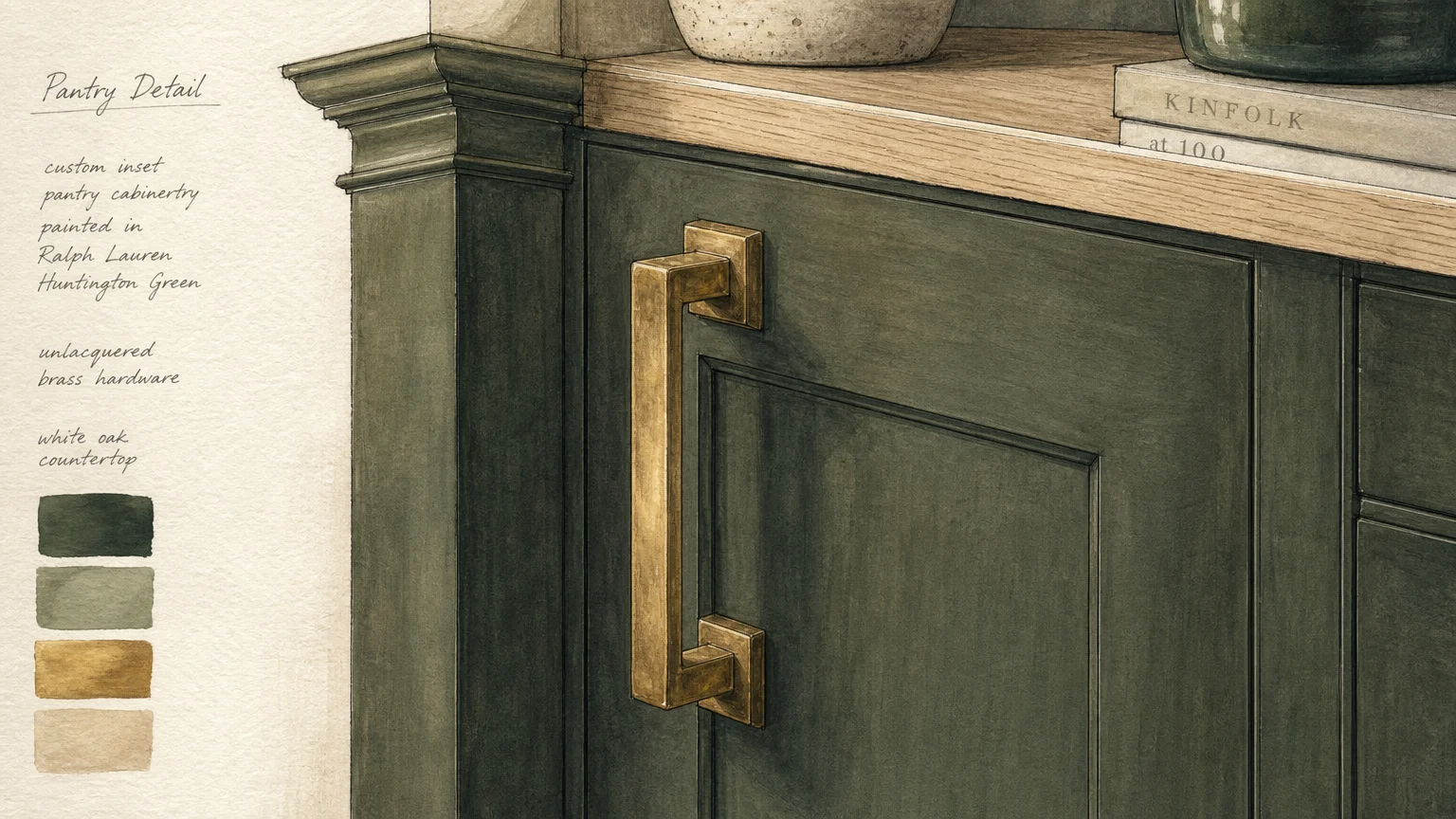
Wire racks and basic open shelving are obsolete in contemporary high-end homes. Today’s premier interior designs treat the pantry as a direct extension of the main kitchen’s architecture. This approach embodies quiet luxury—a design philosophy prioritizing impeccable craftsmanship, premium materials, and subdued elegance over flashy, superficial trends. When you invest in bespoke millwork for your pantry, you create a seamless visual transition from your adjoining culinary spaces. Opt for flush-inset cabinetry painted in rich, moody hues, or select rift-sawn white oak for a grounded, organic warmth. Ensure you extend the exact same crown molding, baseboards, and trim used in your primary living spaces directly into the pantry area.
This architectural integration significantly boosts your property value; real estate data consistently shows that custom-built storage commands premium resale prices. Actionable insight: upgrade your cabinet hardware immediately. Swap out flimsy, builder-grade knobs for heavy, unlacquered brass pulls that develop a beautiful natural patina over time. Consider adding soft-close hinges and solid wood dovetail drawer boxes to introduce a tactile sense of quality every time you reach for an ingredient. By treating the pantry with the same architectural reverence as your main kitchen, you establish a cohesive, luxurious foundation for your entire home.
Trend #2: Biophilic Color Palettes and Organic Materials
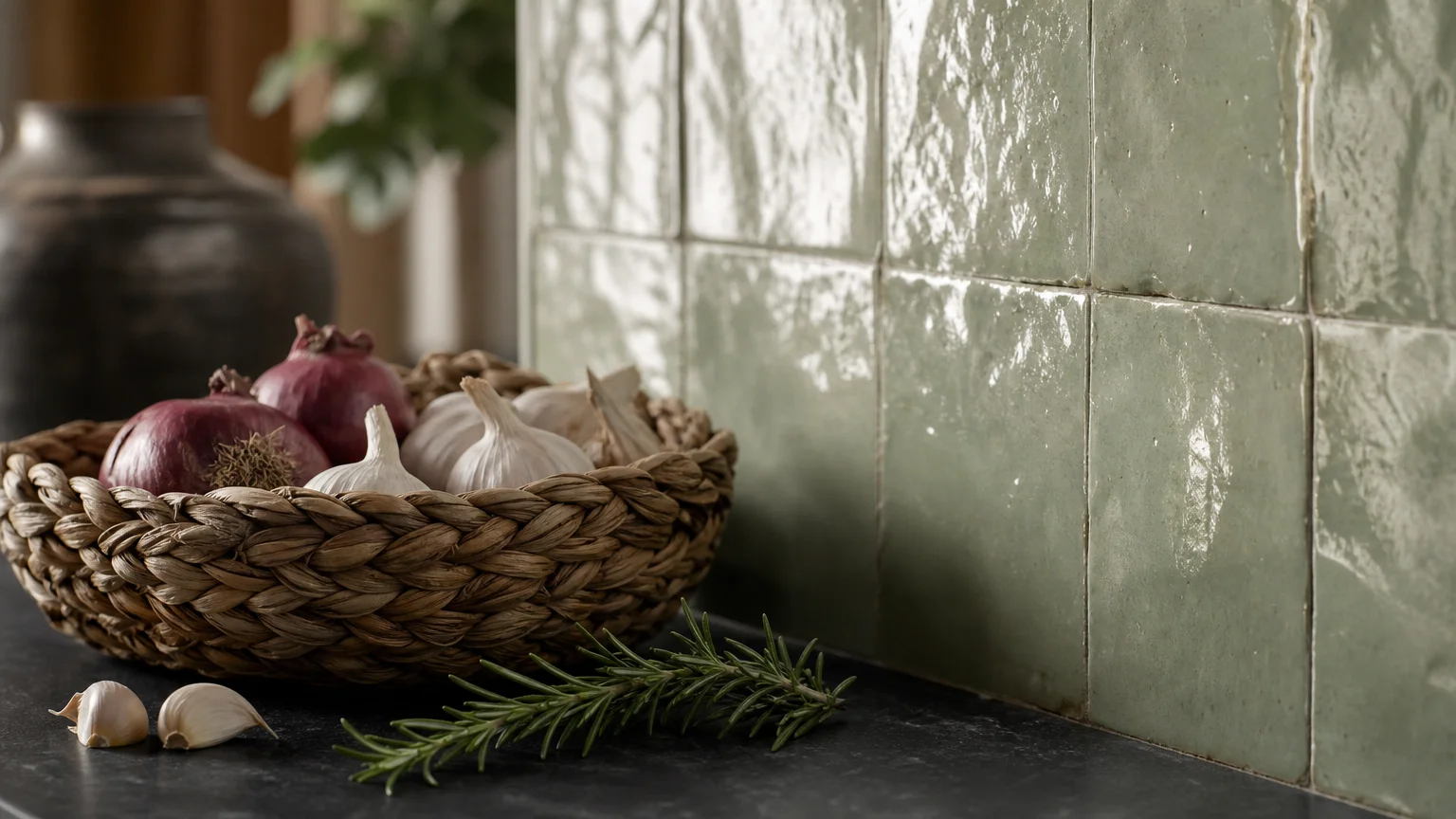
Biophilic design fundamentally reshapes how we interact with interior spaces, shifting the focus toward wellness and a deep, psychological connection to the natural world. Because most pantries occupy windowless, interior footprints, introducing biophilic color palettes and organic materials becomes crucial to prevent the space from feeling like a sterile utility closet. Move away from stark, hospital whites. Instead, envelop the room in tones drawn directly from nature: muted sage greens, warm terracottas, and deep mushroom taupes. These earthy pigments absorb harsh artificial light and create a soothing, grounded atmosphere that drastically reduces the mental friction of daily chores.
Support this organic color strategy by layering authentic, tactile materials. Install unglazed zellige tiles for a backsplash that gently reflects light through its imperfect, undulating surface. Introduce natural stone countertops, such as honed Carrara marble or deep charcoal soapstone, which age gracefully and offer a cool, durable surface for pastry preparation. Actionable insight: integrate woven textures to soften hard architectural lines. Utilize heavy rattan or water hyacinth baskets to organize loose items like root vegetables and bagged snacks. To further amplify this natural aesthetic, incorporate floating shelves crafted from reclaimed walnut; the beautiful grain patterns immediately warm up the room. Grounding your dream pantry in biophilic principles cultivates a serene environment that feels intrinsically linked to the outdoors.
Trend #3: Zonal Spatial Planning and Decanting
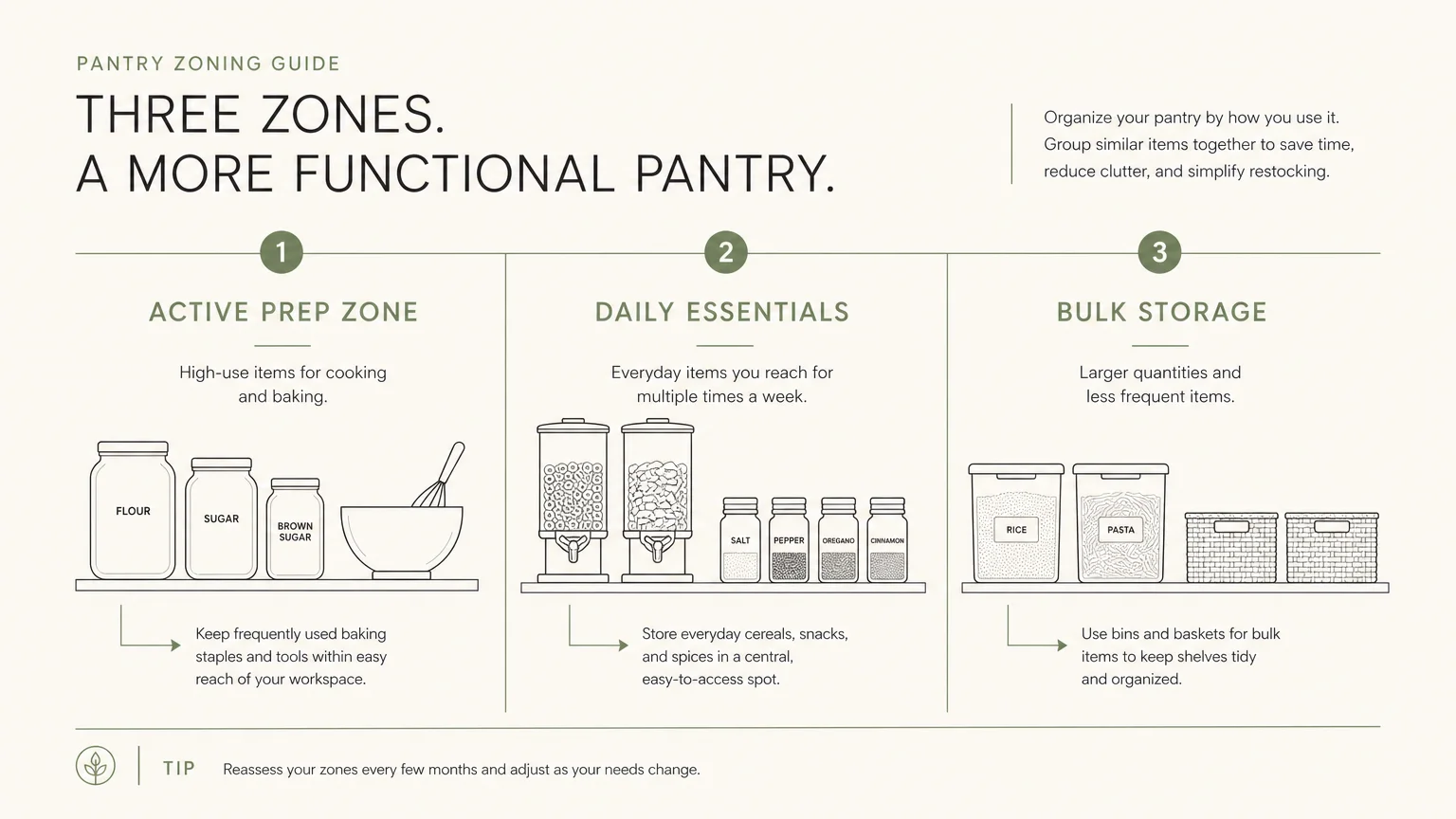
Mastering pantry organization requires significantly more than simply purchasing identical plastic bins; it demands a highly strategic, zonal approach to food storage. The human brain naturally craves visual order, and eliminating the visual chaos of brightly colored, mismatched commercial packaging immediately reduces your daily cognitive load. Decanting forms the foundational step of a sophisticated system. Transfer your dry staples—flour, rice, pasta, and cereals—into uniform, airtight borosilicate glass or high-quality acrylic canisters. This practice not only streamlines the visual landscape but also drastically extends the shelf life of your ingredients by protecting them from moisture and pests.
Beyond aesthetics, intelligent spatial planning dictates how effectively your pantry operates on a functional level. Divide your storage into distinct, functional zones based strictly on your daily rituals. Dedicate a specific quadrant to morning routines, grouping coffee beans, teas, and sweeteners at waist height for effortless, bleary-eyed access. Reserve the lowest, coolest pull-out drawers for heavy root vegetables and oversized bulk items, while allocating the highest shelves to lightweight, seasonal equipment like holiday baking molds. Actionable insight: precisely measure your physical inventory before finalizing shelf heights. Install adjustable shelving tracks, spacing them strictly according to your needs—for example, leave sixteen inches of vertical clearance for tall cereal dispensers and eight inches for standard canned goods. This meticulous attention to measurement minimizes wasted space and provides highly customized kitchen storage solutions tailored exactly to your lifestyle.
Trend #4: The Modern Scullery and Concealed Prep Zones
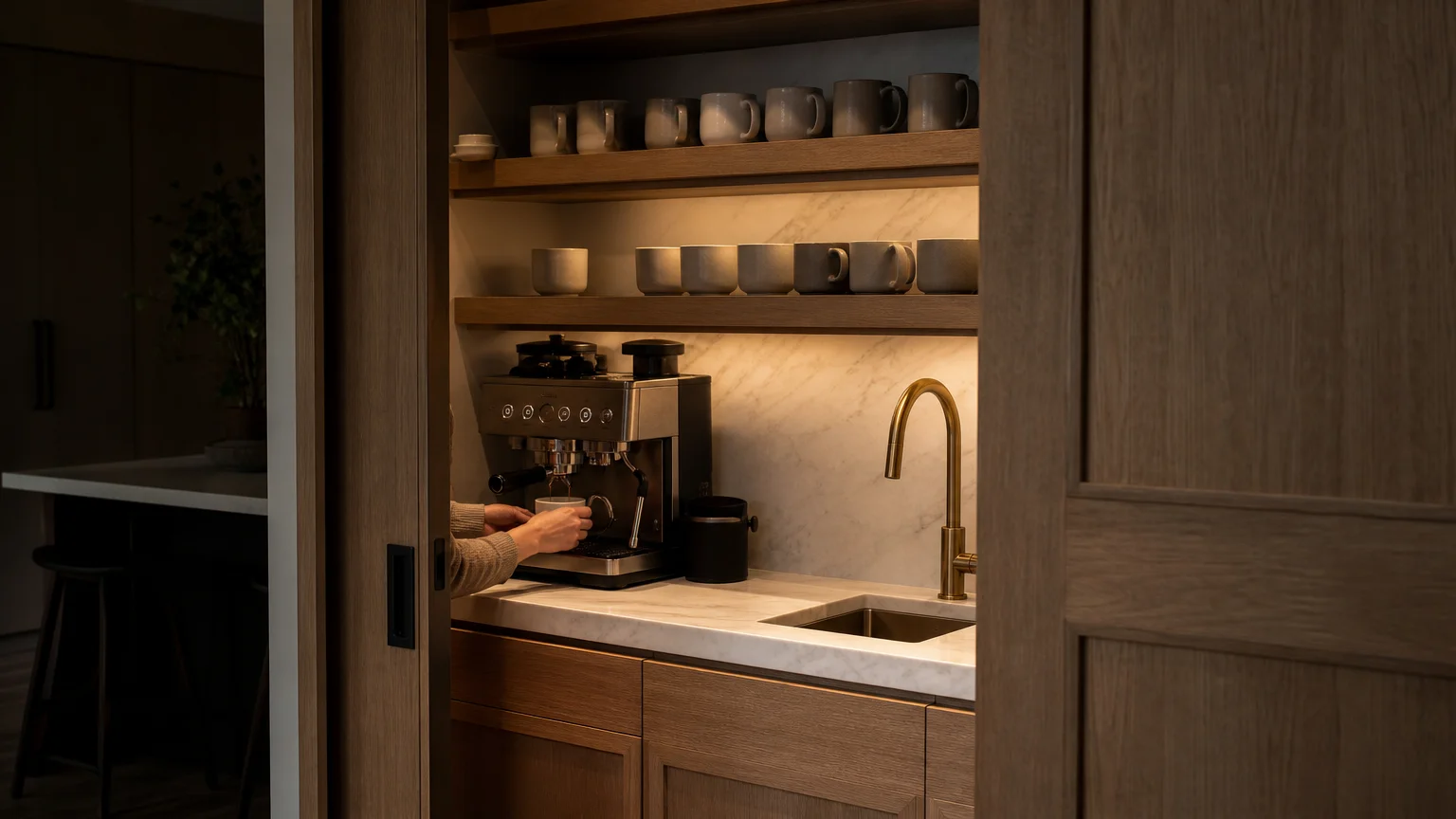
The widespread resurgence of the butler’s pantry and the modern scullery highlights a renewed appreciation for provenance in residential design. Provenance traditionally refers to the origin or history of a piece, but in modern architecture, it signifies reviving historical floorplans that prioritize dedicated, secondary work zones over massive, single-room footprints. As open-concept living and dining rooms remain the standard, the main kitchen island often becomes a highly exposed, cluttered stage. A well-equipped scullery solves this dilemma by providing a hidden sanctuary where messy preparation, deep cleaning, and noisy appliances remain entirely out of sight from your guests.
To fully capitalize on this architectural trend, outfit your pantry with robust, secondary infrastructure. Integrate a deep undermount prep sink, a secondary dishwasher drawer, and heavily insulated cabinetry to soundproof loud mechanical vibrations. Moving high-use gadgets—like high-end espresso machines, heavy stand mixers, and blenders—into this concealed space instantly declutters your primary kitchen counters. Actionable insight: prioritize heavy-duty electrical and ventilation planning during your renovation phase. Work with your contractor to install dedicated 20-amp circuits specifically for heat-generating appliances like toaster ovens and microwaves. Furthermore, consider incorporating secondary refrigeration, such as a built-in wine cooler or under-counter produce drawers. Elevating your storage room into a fully functional scullery represents the pinnacle of modern luxury, offering unparalleled kitchen storage solutions while preserving the gallery-like aesthetic of your main entertaining areas.
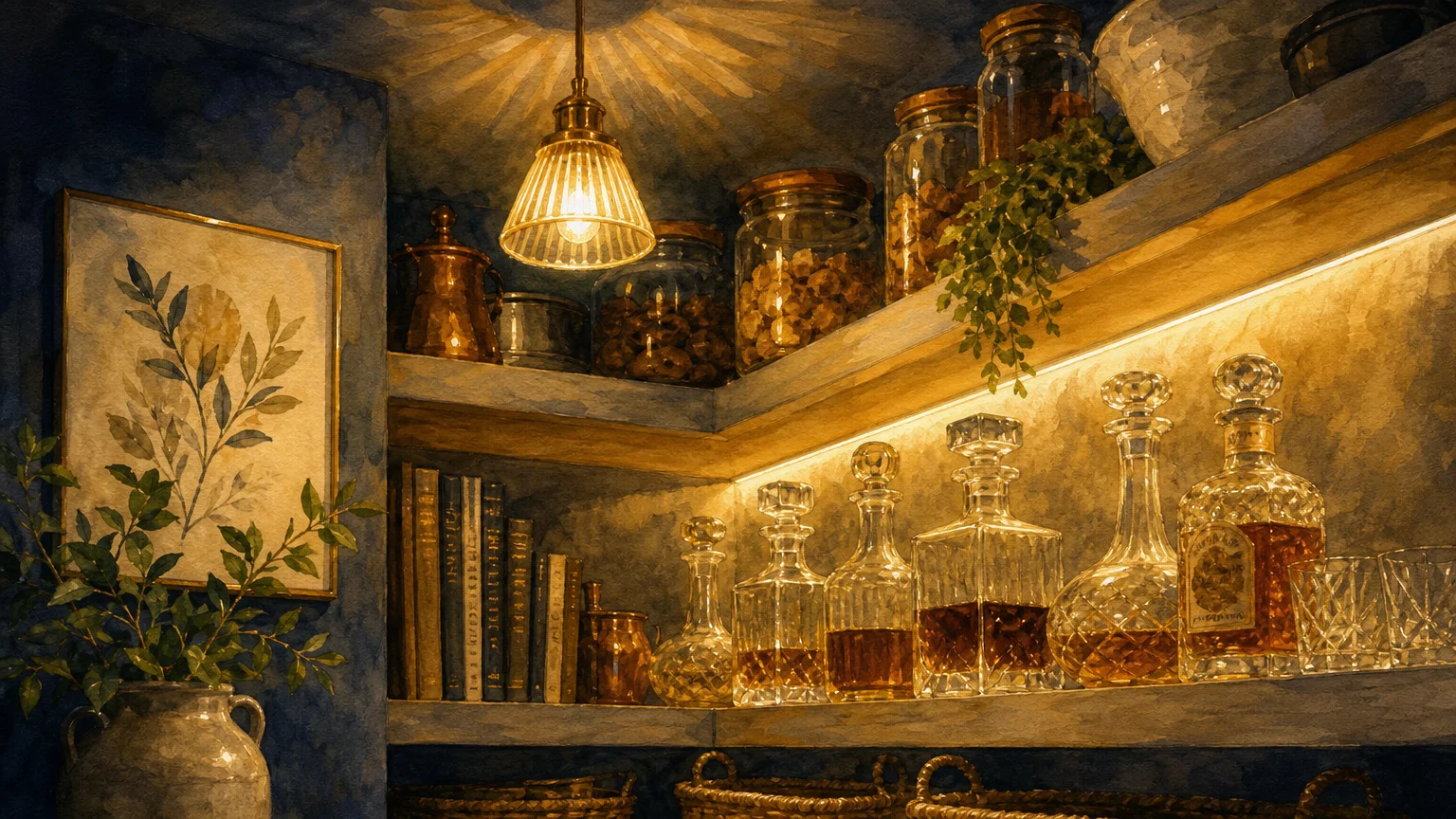
Trend #5: High-Impact Decorative and Task Illumination
High-end interior designers inherently understand that lighting acts as the ultimate luxury, yet pantries frequently suffer from woefully inadequate, institutional illumination. Relying on a single, glaring overhead flush-mount fixture flattens the room, creates harsh shadows over your workspaces, and makes navigating the deepest shelves incredibly frustrating. To create a truly spectacular culinary environment, you must implement a layered lighting scheme that addresses task, ambient, and decorative needs with the exact same rigor applied to your living room or master suite.
Start by establishing highly functional, foundational task lighting. Route slim, high-CRI LED tape lights directly into the underside of every shelf. This bathes your beautifully decanted jars and stored ingredients in a soft, even glow, completely eliminating the dark corners where expired food typically hides. Next, elevate the room’s design pedigree by introducing decorative accent fixtures. Install an elegant brass wall sconce or suspend a delicate, fluted glass pendant light directly above your prep counter. Actionable insight: connect your pantry lighting to an automated smart system. Install motion sensors that gently fade the lights up to full brightness the moment you open the door, and set your LED drivers to a warm, inviting 2700K or 3000K color temperature. This specific Kelvin range perfectly flatters natural wood tones and organic paint colors, transforming a dark closet into a glowing, jewel-box destination.
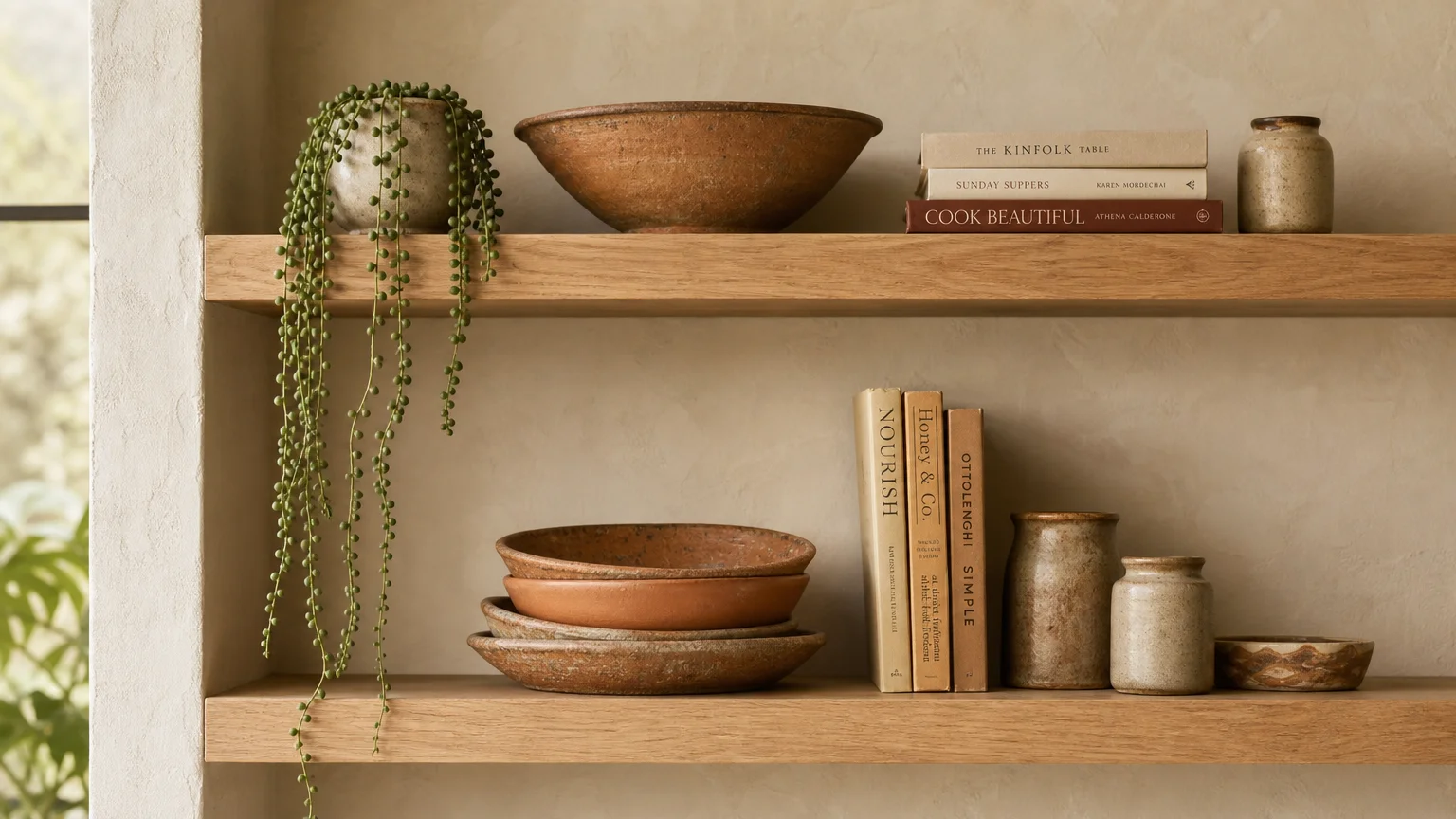
Trend #6: Open Shelving with Curated Provenance
While the primary function of any pantry remains containment, the most captivating designs strike a delicate, intentional balance between rigorous utility and curated display. The era of packing every available square inch with dense, visually overwhelming rows of boxes has officially passed. Today, sophisticated pantry design ideas enthusiastically embrace the strategic use of open shelving to showcase personal style, seamlessly blending everyday ingredients with cherished objects of provenance, history, and beauty.
Adopt the designer-approved sixty-forty rule: dedicate sixty percent of your linear shelf space to pure storage and reserve the remaining forty percent exclusively for aesthetic moments. Group your everyday utilitarian items—like woven storage baskets and heavy glass canisters—on the lower and middle shelves to prioritize easy access. Reserve the eye-level and upper shelves for pure curation. Display an inherited collection of heavy copper cookware, lean a stack of vintage, spine-worn cookbooks against a heavy stone bookend, or present a beautifully glazed, artisanal ceramic bowl. Actionable insight: utilize strict color-blocking and negative space to maintain absolute order. Group items of similar hues or textures together, and intentionally leave blank gaps between these groupings. This negative space allows the eye to rest, preventing the shelves from feeling cluttered. A carefully curated display injects soul into your space, proving that a hardworking room can easily serve as a beautiful gallery.
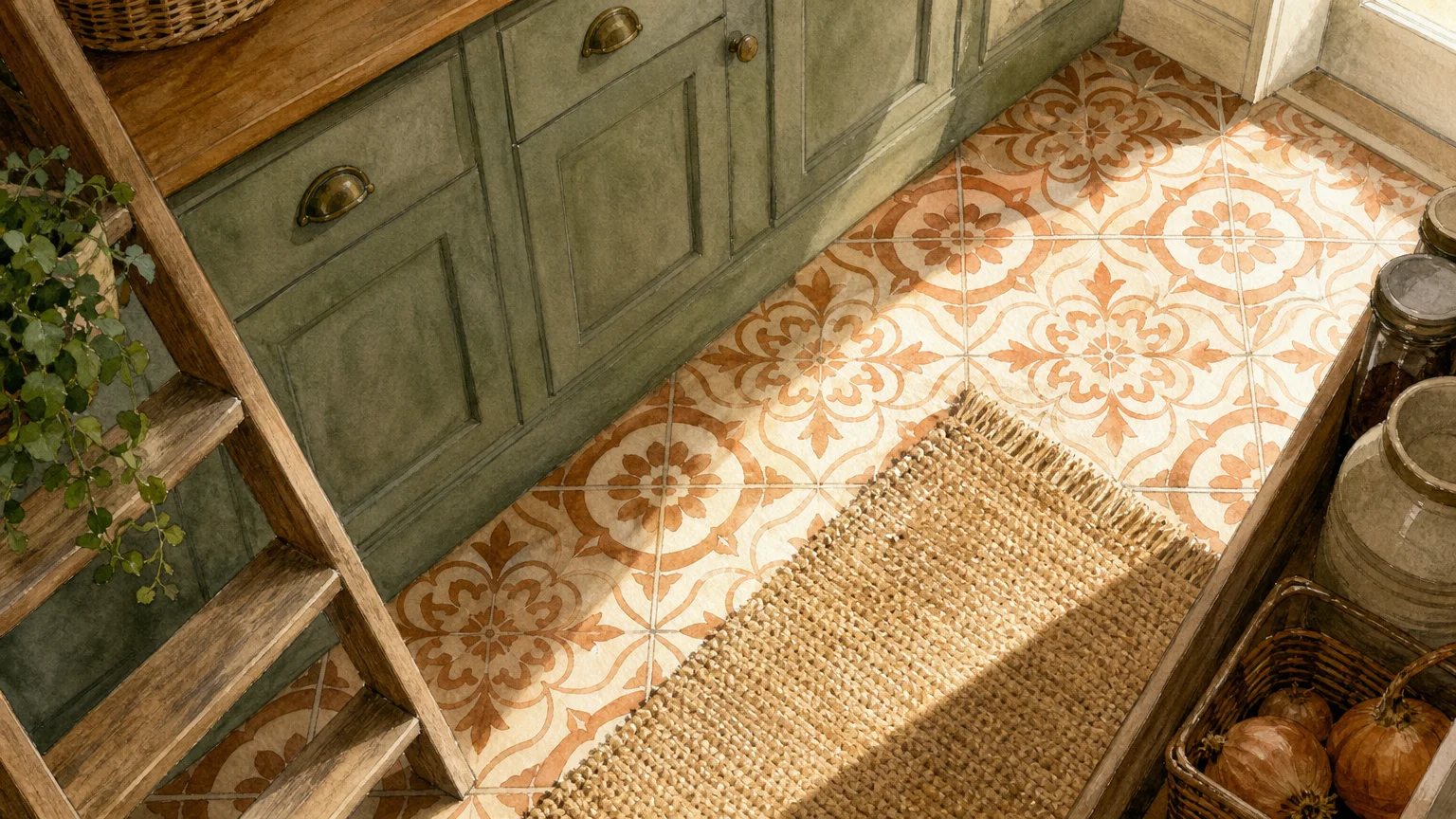
Trend #7: Statement Flooring and Textural Foundations
The flooring you select for your pantry serves as the literal and visual foundation of the space, offering a surprisingly unique opportunity to make a powerful, unexpected design statement. Because pantries typically feature much smaller, enclosed footprints, you can take bold architectural risks that might feel overwhelming in a massive, open-concept living room or kitchen. While extending your main hardwood floors directly into the pantry creates a clean, continuous flow, introducing a distinct, contrasting material instantly defines the space as a highly bespoke, specialized destination.
Consider laying a classic, high-contrast checkerboard pattern using honed Carrara marble and absolute black granite. This timeless motif adds immediate architectural grandeur and incredible visual depth, effortlessly tricking the eye into perceiving a narrow room as much wider. Alternatively, embrace organic warmth with handmade terracotta tiles or intricately patterned encaustic cement tiles. Actionable insight: always scale your flooring pattern directly to the physical size of the room. In a tight reach-in space, opt for a smaller mosaic or a herringbone brick pattern; in a spacious walk-in scullery, utilize large-format tiles to drastically reduce grout lines and create a sleek, expansive look. Ensure you specify a matte, slip-resistant finish to safeguard against liquid spills and flour dust. High-impact flooring elevates the entire sensory experience of the room.
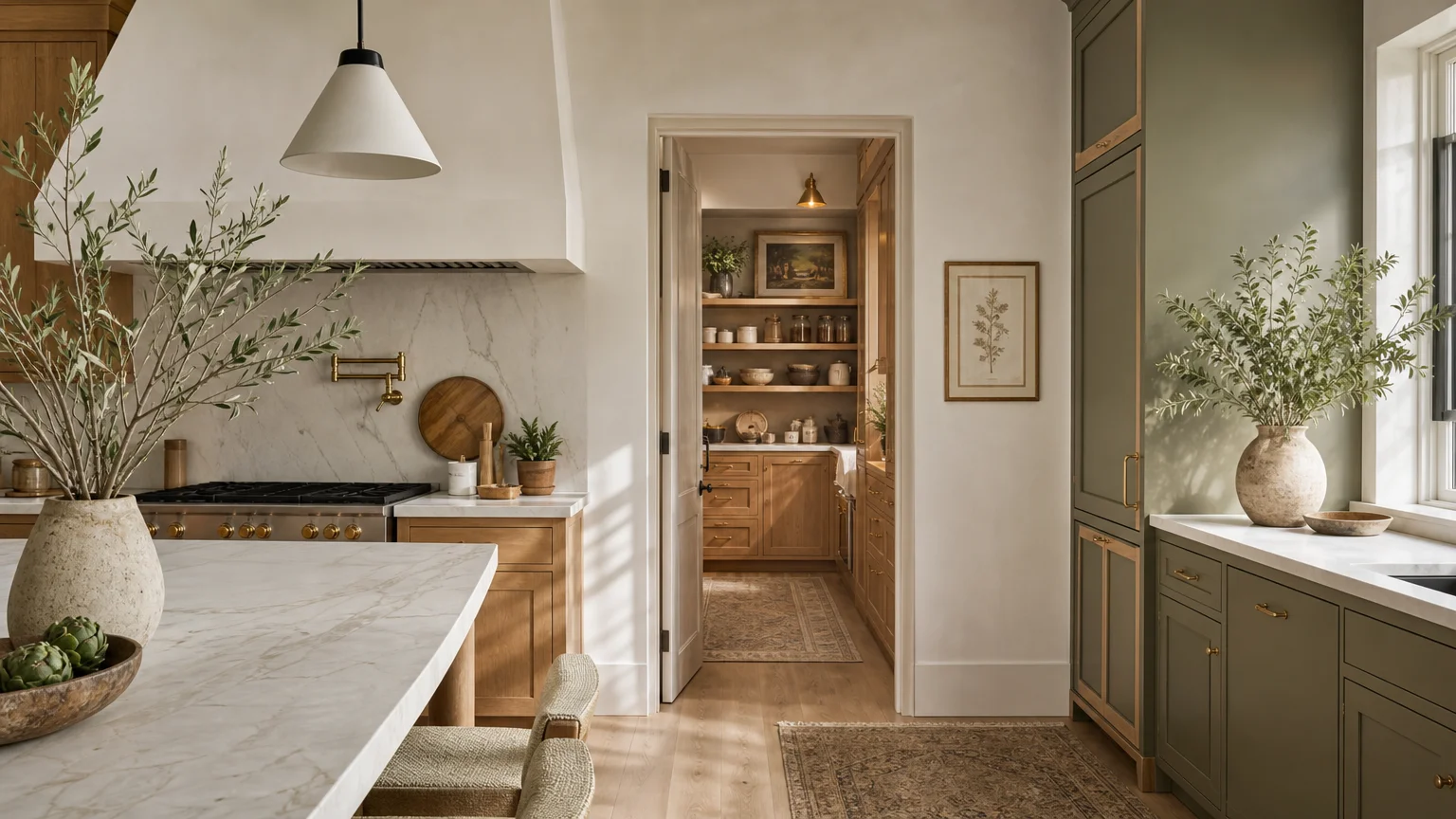
The Big Picture: Weaving These Trends into Your Home
Navigating the ever-evolving landscape of interior design requires a discerning, highly edited eye. The primary goal of a comprehensive pantry makeover is not to thoughtlessly cram every current fad into a single room, but rather to curate a specific selection of trends that authentically enhance your daily lifestyle while harmonizing with your home’s existing architecture. True, enduring elegance always lies in restraint and cohesion.
Begin by ruthlessly evaluating the structural reality of your physical space. If you reside in a historic, century-old craftsman home, forcing an ultra-minimalist, high-gloss acrylic pantry creates a jarring, unpleasant aesthetic disconnect. Instead, lean heavily into trends emphasizing provenance, utilizing classic scullery designs, unlacquered brass hardware, and rich, biophilic color palettes that deeply honor the building’s original, historic character. Conversely, a contemporary, new-build urban loft benefits immensely from seamless architectural integration, entirely hidden appliances, and sleek, continuous LED lighting.
Actionable insight: firmly anchor your pantry in timeless, foundational elements—such as high-quality custom millwork, highly durable stone surfaces, and classic hardwood or marble flooring. Once this robust architectural shell stands firmly established, safely experiment with trend-forward elements that remain relatively easy to update over time, such as moody cabinet paint colors, decorative cabinet hardware, or woven storage baskets. This strategic, layered approach ensures your space remains visually fresh and highly functional for decades, seamlessly supporting the rapid daily rhythm of your household.
Frequently Asked Questions
How do I maximize storage in a small, reach-in pantry?
Maximizing a compact, narrow reach-in space requires aggressive vertical optimization. Install a highly customizable, track-based shelving system that allows you to easily adjust shelf heights down to the exact inch, entirely eliminating dead air above your stored items. Utilize the hidden inside surface of the pantry door by mounting a heavy-duty, over-the-door rack specifically for spices, cooking oils, and small jars. Finally, incorporate pull-out wire or solid wood drawers on the bottom half of the closet; drawers grant immediate, top-down visibility and instant access to deep items that would otherwise inevitably get lost in the dark back corners of a standard fixed shelf.
What is the ideal shelf depth for a highly functional dream pantry?
For standard dry goods and decanted storage containers, shallow shelves prove significantly more efficient than deep ones. The professional industry standard for optimal visibility demands a shelf depth of exactly twelve to fourteen inches. This precise measurement actively prevents the dreaded “black hole” effect, where expired cans and forgotten ingredients slowly accumulate entirely out of sight. If you are specifically designing a working scullery intended to permanently house small appliances like microwaves, blenders, or heavy stand mixers, you require a dedicated lower counter section measuring at least twenty to twenty-four inches deep to safely and securely accommodate their larger physical footprints.
Does investing in a custom butler’s pantry increase my home’s resale value?
Absolutely. High-end real estate buyers increasingly view secondary prep spaces as a premium, non-negotiable architectural amenity. A well-appointed butler’s pantry or modern scullery directly addresses the primary drawback of open-concept floorplans by effectively concealing cooking messes, dirty dishes, and noisy appliances. Current real estate data consistently indicates that homes featuring custom-built, architecturally integrated storage solutions spend drastically fewer days on the open market and frequently command much higher closing prices. This specific renovation investment yields both immense daily functional joy and substantial long-term financial return.
How can I maintain my sophisticated pantry organization over the long term?
Sustainable, long-term organization relies strictly on rigid systems, not just fleeting initial motivation. Establish a rigorous, non-negotiable decanting protocol: the exact moment new groceries enter your house, immediately transfer the dry goods into their designated glass or acrylic containers and swiftly recycle the chaotic commercial packaging. Implement a strict “one in, one out” purchasing rule to aggressively prevent shelf overcrowding. Most importantly, schedule a brief, ten-minute monthly maintenance audit to quickly check expiration dates, wipe down dusty shelves, and precisely realign displaced items. Maintaining the beautiful aesthetic integrity of your kitchen storage solutions quickly becomes second nature when you deeply respect the physical spatial boundaries established by your functional storage zones.
For the latest color forecasts, consult industry leaders like Pantone and paint companies like Benjamin Moore. For professional design standards, refer to the American Society of Interior Designers (ASID).
Disclaimer: This article reflects design trend analysis and predictions. Personal taste and timeless design principles should always guide your decorating choices.
