

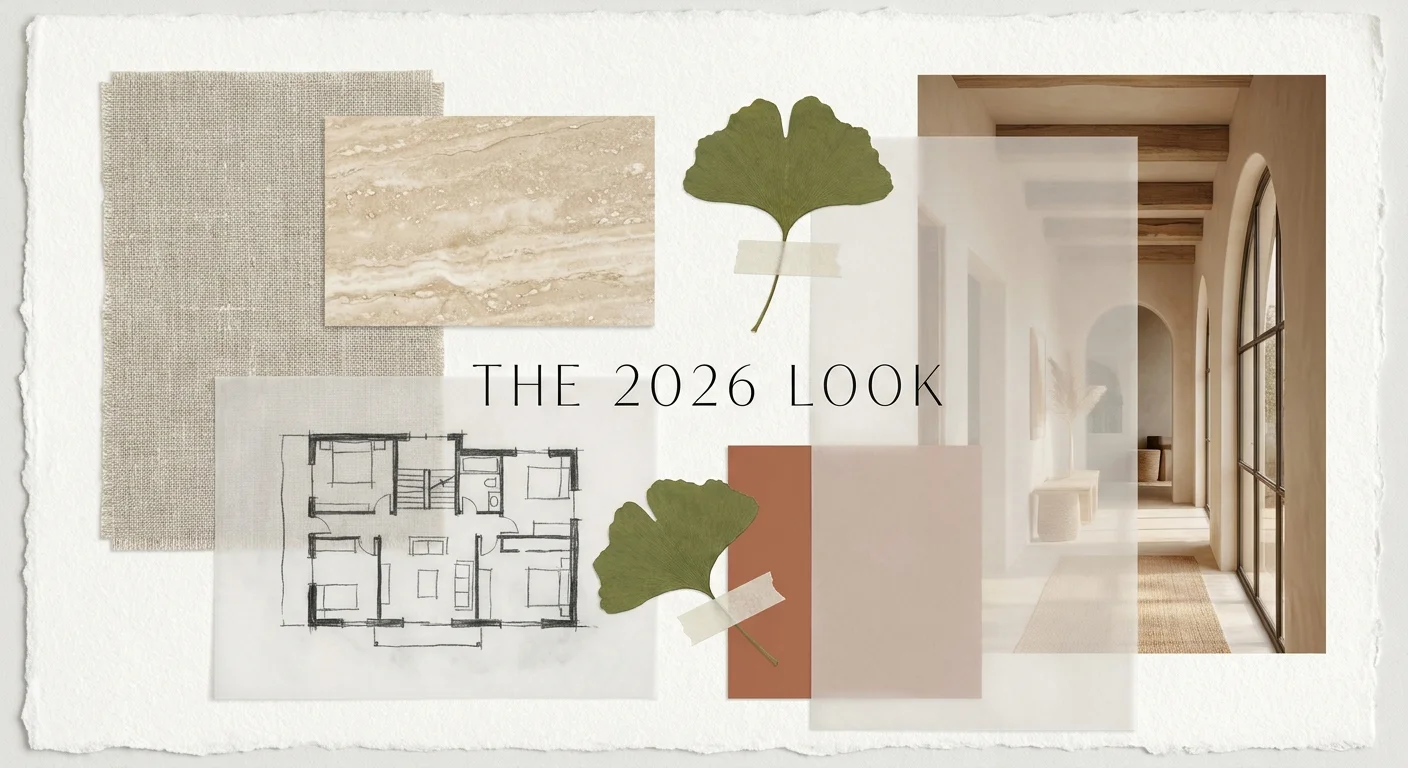
Introduction: Defining the Look of 2026
Your home is more than a physical shelter; it is a dynamic reflection of a life well-lived. As we move deeper into 2026, the conversation surrounding senior home design has shifted dramatically. Gone are the days when adapting a home for your later years meant compromising on style or settling for clinical, uninspired aesthetics. Today, the focus lies entirely on empowering you to thrive in your environment. You deserve a space that feels expansive, luxurious, and completely attuned to your current lifestyle.
Whether you have recently downsized to a chic city apartment or you are thoughtfully editing the family home you have loved for decades, maximizing your perceived square footage changes how you experience your daily routines. Expanding a room visually does not require knocking down walls or undergoing exhausting renovations. Instead, it relies on mastering optical illusions, manipulating natural light, and making deliberate, highly curated design choices.
The latest interior design movements champion an elegant fusion of form and function. By embracing these sophisticated strategies, you create interiors that breathe effortlessly. From adopting seamless color palettes to rethinking how your furniture interacts with the floor, these insights will guide you in transforming any constrained room into an airy, welcoming sanctuary. Prepare to rethink your spatial boundaries and discover how intelligent design effortlessly elevates your everyday living experience.
Trend #1: Tonal Layering and the Evolution of Quiet Luxury
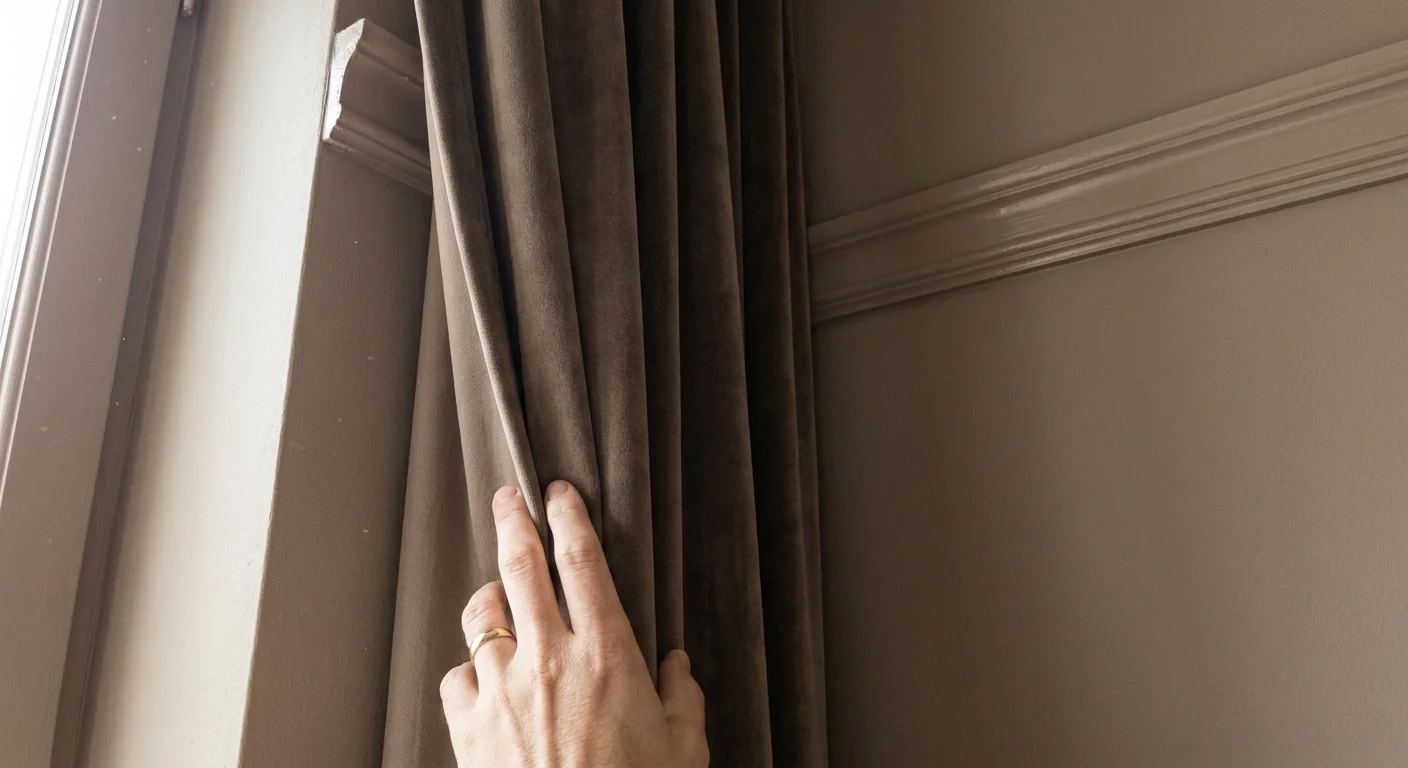
When you enter a room painted in stark, high-contrast colors, your eyes naturally stop at the sharp boundaries where those distinct shades meet. This immediate visual stopping point defines the exact dimensions of the room, often making a modest footprint feel even more confined. By embracing tonal layering—a cornerstone of the contemporary “quiet luxury” movement—you effectively dissolve these harsh visual borders. Quiet luxury rejects loud, chaotic patterns in favor of understated elegance, prioritizing high-quality materials and soothing, continuous color palettes.
To execute this sophisticated technique in your own home, select a single foundational color and build your entire room using lighter and darker variations of that exact shade. For example, if you choose a warm, luminous taupe for your walls, paint your baseboards, window casings, and crown molding the exact same hue. You can simply shift the paint finish from a flat matte on the walls to a durable satin on the trim. This method, widely known in the industry as color drenching, tricks the eye by camouflaging the corners and edges of the room, causing the walls to visually recede.
You can seamlessly extend this tonal philosophy to your upholstery, window treatments, and floor coverings. Layering a soft ivory linen sofa over a slightly deeper cream wool rug creates an uninterrupted visual flow. Studies in spatial perception consistently show that low-contrast, monochromatic environments can make a room feel up to twenty percent larger than high-contrast alternatives. Lean into rich, varied textures—like bouclé, velvet, and natural wood grains—to provide vital depth and character without visually enclosing your space.
Trend #2: Low-Profile Furniture with High-Ergonomic Standards
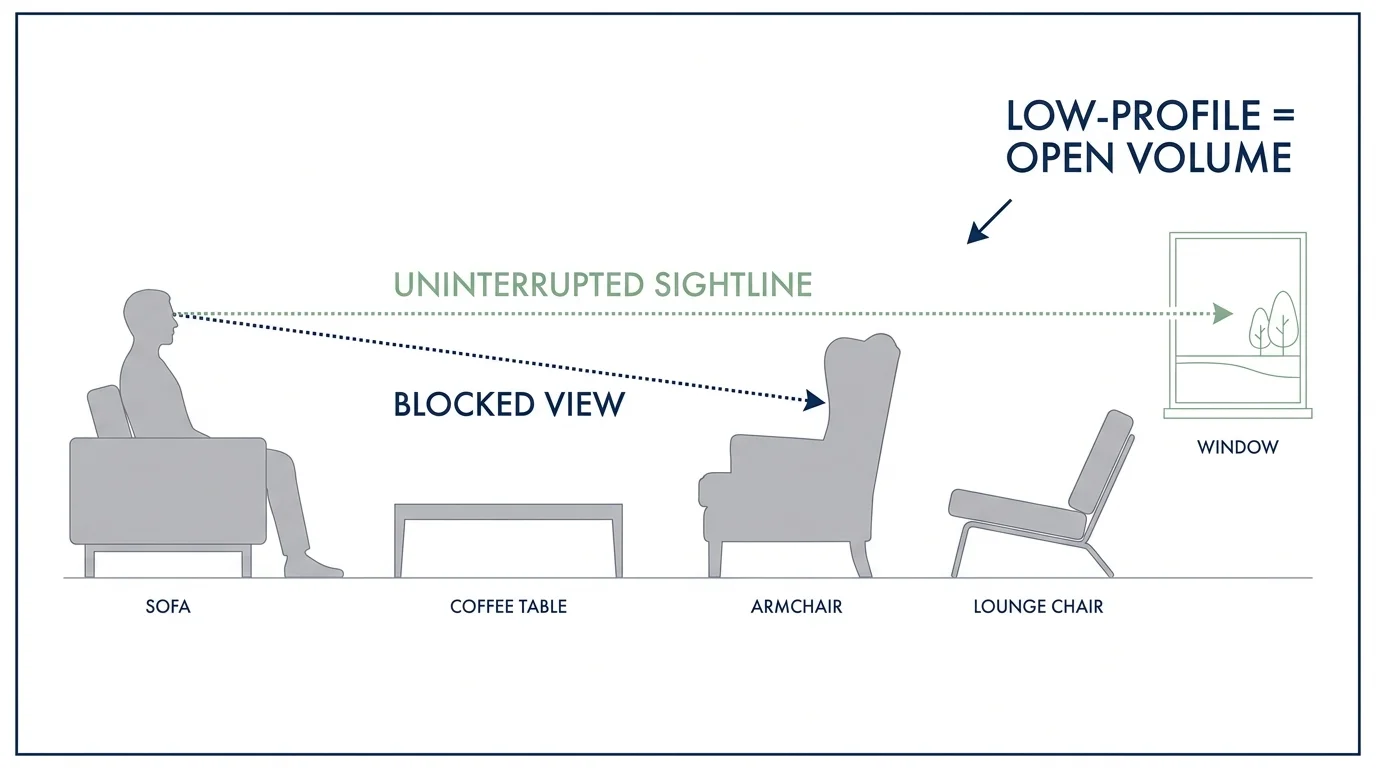
Sightlines represent the invisible paths your eyes travel when scanning your environment. When tall, overly bulky furniture blocks these natural visual pathways, your brain immediately interprets the room as cramped and crowded. Opting for low-profile furniture immediately opens up the upper half of your room, generating the illusion of significantly higher ceilings and a much more expansive volume of air. However, curating a modern home seniors can truly enjoy requires a meticulous balance between sleek aesthetics and vital daily practicality.
You cannot simply purchase an ultra-low, modern sofa if it severely compromises your physical comfort or mobility. The solution involves selecting pieces that carry a very low visual weight while still adhering to strict ergonomic standards. Seek out sofas and armchairs equipped with a firm seat deck positioned at an optimal height—typically around eighteen to twenty inches from the floor—but featuring lower backrests and slim, tailored arms.
Mid-century modern designs frequently strike this ideal balance, offering structural support without visually dominating a room. Furthermore, choose furniture elevated on slender, tapered legs rather than pieces featuring heavy, floor-grazing skirts. Allowing the eye to see the floor extending underneath your seating tricks your mind into registering additional square footage. You achieve the open, airy aesthetic crucial for expanding a room while ensuring every piece of furniture vigorously supports your long-term physical well-being.
Trend #3: Strategic Biophilic Design and Vertical Sightlines
Biophilic design—the practice of intentionally integrating nature and natural elements into the built environment—has evolved from a passing trend into a fundamental principle of sophisticated interior architecture. While introducing houseplants is a well-known strategy for boosting indoor air quality and mental well-being, strategic biophilic design also serves as an incredibly powerful tool for spatial expansion.
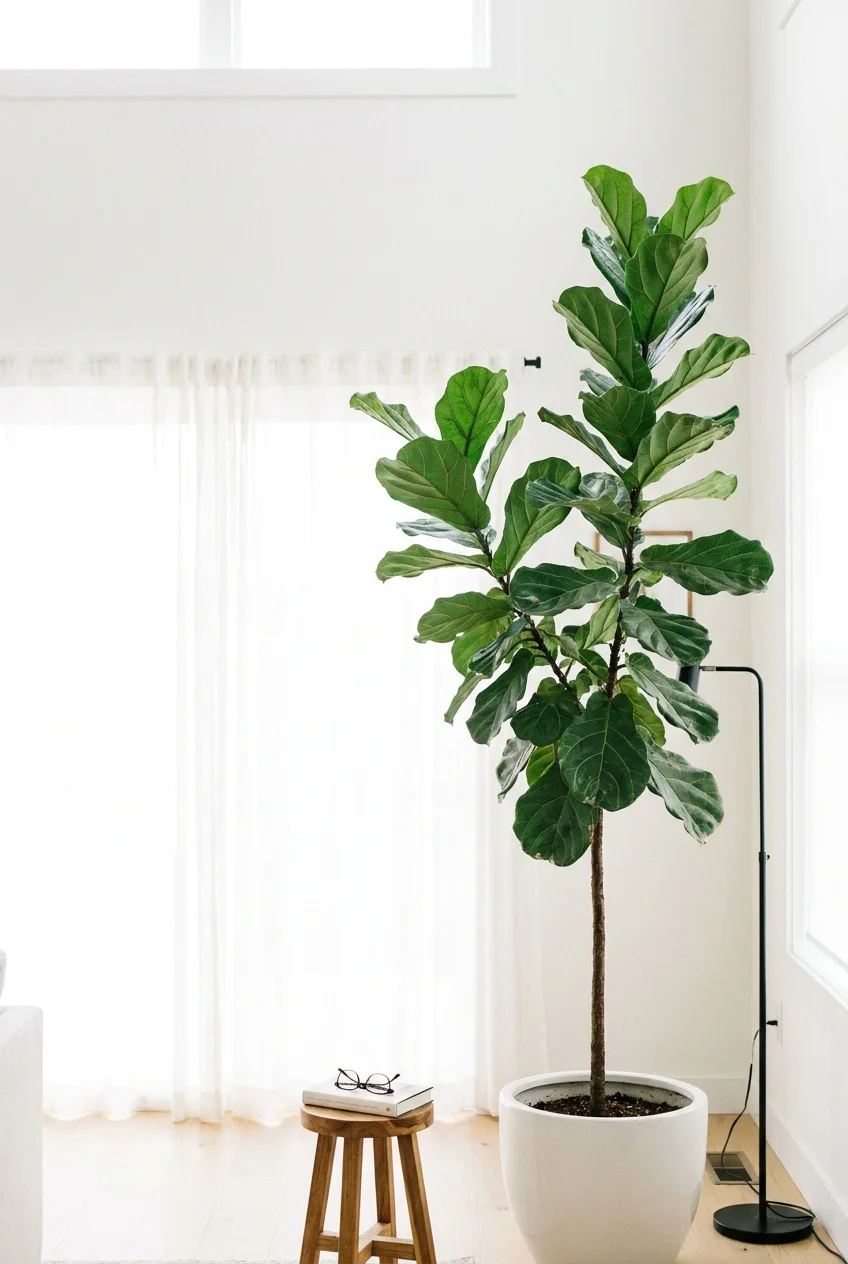
When dealing with restricted square footage, drawing the eye upward remains one of the most effective ways to make a space feel grander. Tall, structural indoor trees, such as a graceful Ficus Audrey or an elegant indoor Olive tree, force the viewer’s gaze toward the ceiling. This vertical distraction shifts focus away from a narrow floor plan and emphasizes the total height of the room.
Positioning a tall plant in a tight corner blurs the sharp angles of the room, softening the architectural boundaries that typically enclose a space. If floor space is exceptionally tight, consider hanging trailing plants like Pothos or String of Pearls from ceiling-mounted planters. This provides lush, vibrant texture at an elevated sightline without consuming a single inch of your walkable floor area. By connecting your interior space with organic, upward-reaching elements, you create a vibrant atmosphere that feels deeply rooted yet visually expansive.
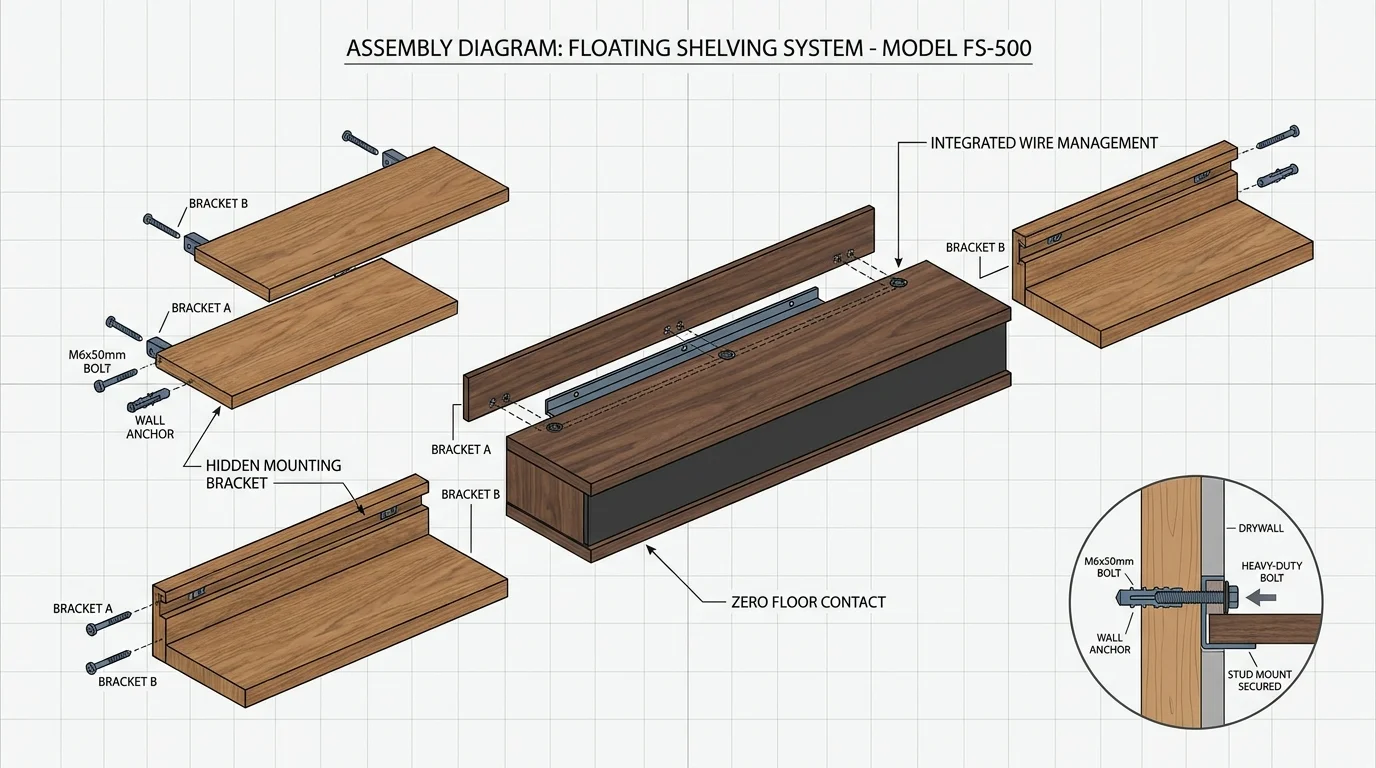
Trend #4: Floating Circuitry and Wall-Mounted Storage
Nothing shrinks a room faster than a floor completely covered by heavy cabinets, bookcases, and media consoles. As you accumulate cherished items over a lifetime, finding places to store them becomes paramount. However, traditional storage solutions visually anchor the room, making it feel heavy and burdensome. Transitioning to floating cabinetry and wall-mounted storage represents one of the most transformative space saving tips for the modern homeowner.
By lifting your furniture off the ground and securing it directly to the wall, you instantly expose more of your flooring. Because the human brain judges the size of a room heavily based on the amount of visible floor space, revealing the area underneath your storage units immediately creates a profound sense of openness. A sleek, wall-mounted wooden credenza beneath your television provides ample storage for electronics and personal items while appearing to float effortlessly in the room.
This floating circuitry extends beautifully into bathrooms and bedrooms as well. Floating vanities in a primary bathroom can make a tight layout feel like a sprawling spa. Beyond the striking visual benefits, elevating your furniture delivers highly practical advantages for daily life. Wall-mounted units eliminate the need to bend down deeply to retrieve items from bottom drawers, and they make sweeping or vacuuming underneath entirely effortless—a seamless blend of exceptional style and practical longevity.
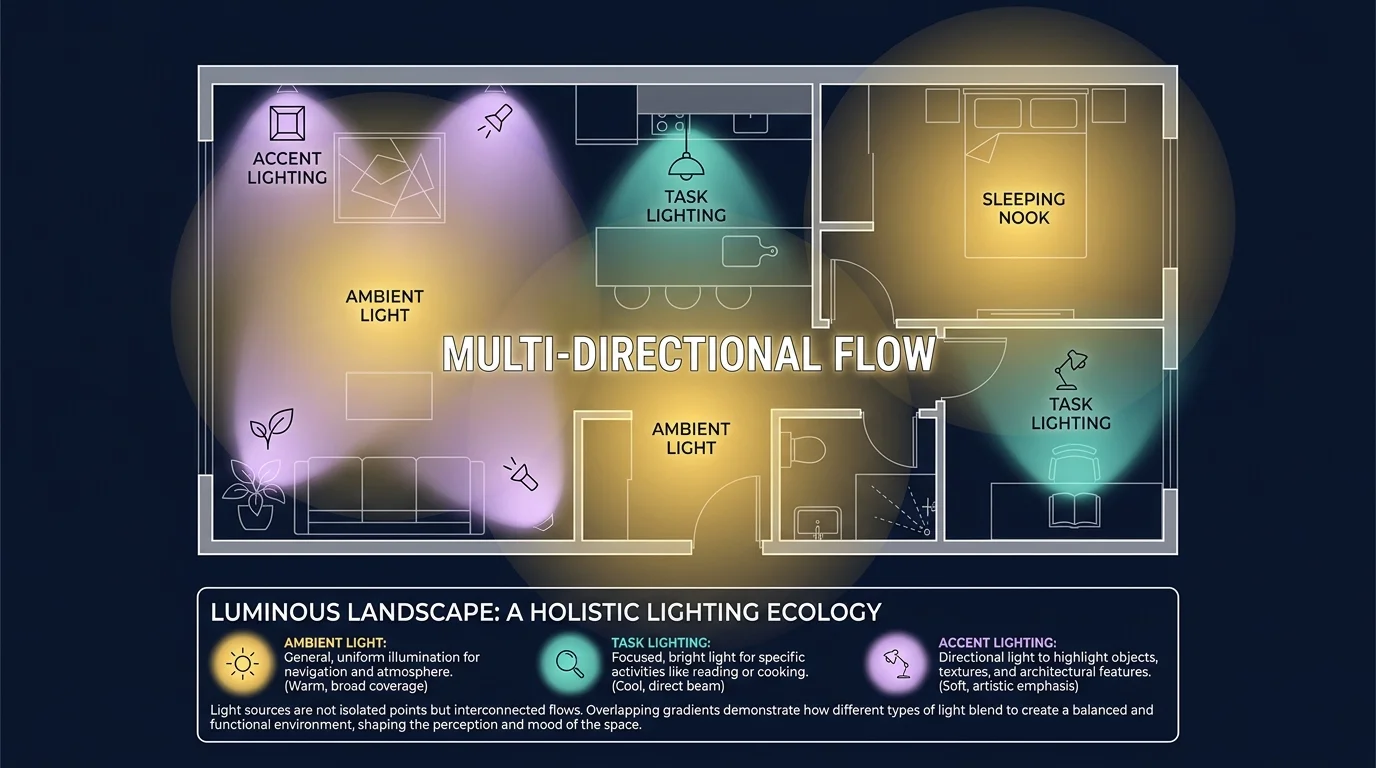
Trend #5: Multi-Directional Lighting and Luminous Landscapes
Harsh, single-source overhead lighting casts heavy, unappealing shadows that pull the ceiling down and shrink the perimeter of a room. As we age, our eyes require greater illumination to perform tasks comfortably and safely, but simply installing brighter lightbulbs in an overhead fixture only exacerbates the sterile, confined feeling. The sophisticated approach relies on creating a multi-directional lighting architecture.
Instead of relying on a single chandelier or flush mount, you must build layers of light: ambient, task, and accent. To make a room feel noticeably wider, employ wall sconces that cast light upwards and downwards. This technique, known as wall washing, eliminates shadows in the corners of the room and visually pushes the walls outward. When light bounces off vertical surfaces, the entire room feels instantly more voluminous.
Introduce elegant table lamps with warm-toned, semi-translucent shades to spread a soft, horizontal glow across your seating areas. Place small, discreet LED uplights behind large potted plants or floor mirrors to create dramatic, expansive silhouettes. By distributing your light sources across varying heights and directions, you craft a luminous landscape. You maintain the brightness required for comfortable reading and navigating while simultaneously generating a glowing, expansive ambiance.
Trend #6: Mirrored Architecture and Reflective Depth
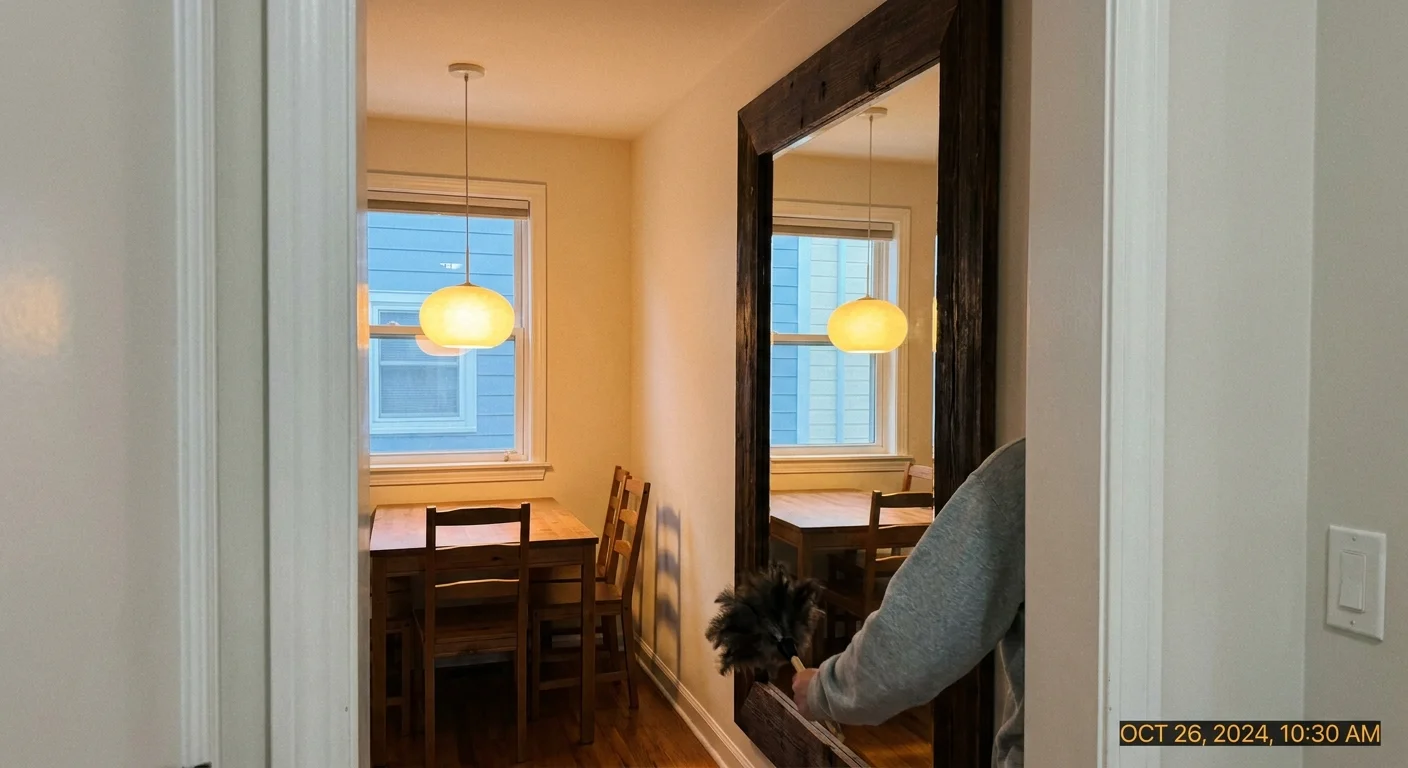
Interior designers have long championed mirrors as a method for expanding small spaces, but the approach for 2026 demands a far more architectural execution. Hanging a standard, modestly sized mirror on a random wall accomplishes very little. To authentically double the perceived depth of a room, you must treat reflective surfaces as structural elements rather than mere accessories.
Position an oversized, floor-to-ceiling mirror directly opposite your largest window. This precise placement acts as a virtual secondary window, capturing natural sunlight and aggressively bouncing it deep into the darkest corners of your home. If a massive floor mirror does not suit your aesthetic, consider integrating antiqued mirror tiles into your kitchen backsplash or installing reflective, high-gloss finishes on your ceiling.
A ceiling painted in a high-gloss or lacquered finish gently reflects the activity and light from the room below, blurring the definitive top boundary of the space and mimicking the infinite height of the sky. Even introducing furniture with subtle reflective properties—like a polished brass coffee table or a glass-front display cabinet—helps light travel uninterrupted. By strategically weaving reflective architecture throughout your home, you obliterate visual roadblocks and create an environment that feels magnificently infinite.
Trend #7: The Shift Toward Curated Provenance
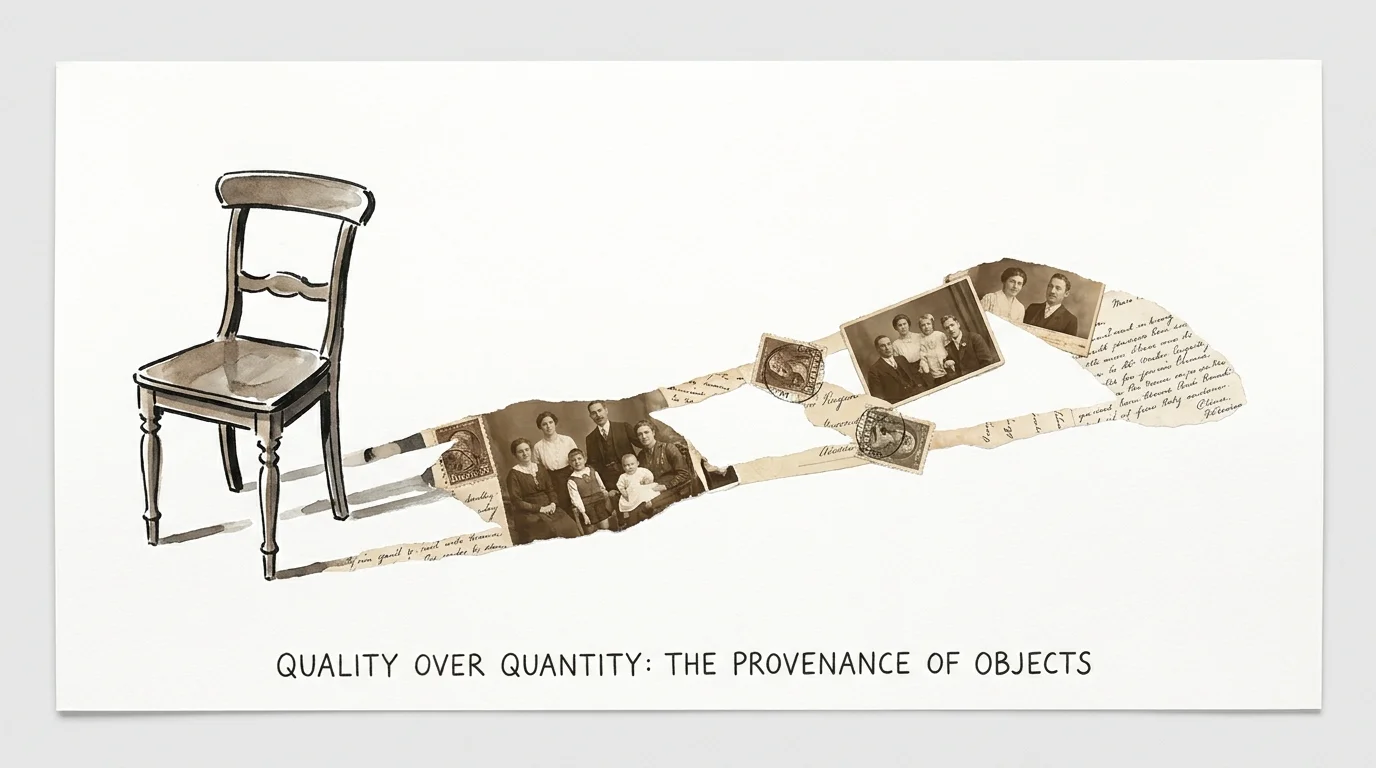
Over the decades, it is entirely natural to accumulate a vast collection of art, souvenirs, and decorative objects. However, covering every available surface with small items forces the eye to stop and process dozens of visual distractions, rendering even the largest rooms chaotic and cramped. The current design movement advocates for “curated provenance”—the intentional display of fewer, much more significant pieces that carry deep personal history and exceptional craftsmanship.
Small space decor thrives on the strategic use of negative space. Negative space refers to the empty, unadorned areas around your furniture and artwork. This visual breathing room is essential for making a room feel expansive and serene. Instead of displaying fifty assorted knick-knacks across your mantle and side tables, edit your collection down to three or five pieces of substantial scale and undeniable meaning.
Present a single, striking piece of pottery you acquired on a memorable trip, or hang one oversized piece of striking contemporary art rather than a cluttered gallery wall of undersized frames. Grouping smaller items onto a single, elegant decorative tray can also unify them into one cohesive visual element. By rigorously editing your possessions and honoring the empty space between them, you elevate your home from a mere storage facility to a breathtaking, gallery-like sanctuary that breathes freely.
Trend #8: Seamless Thresholds and Unbroken Flooring
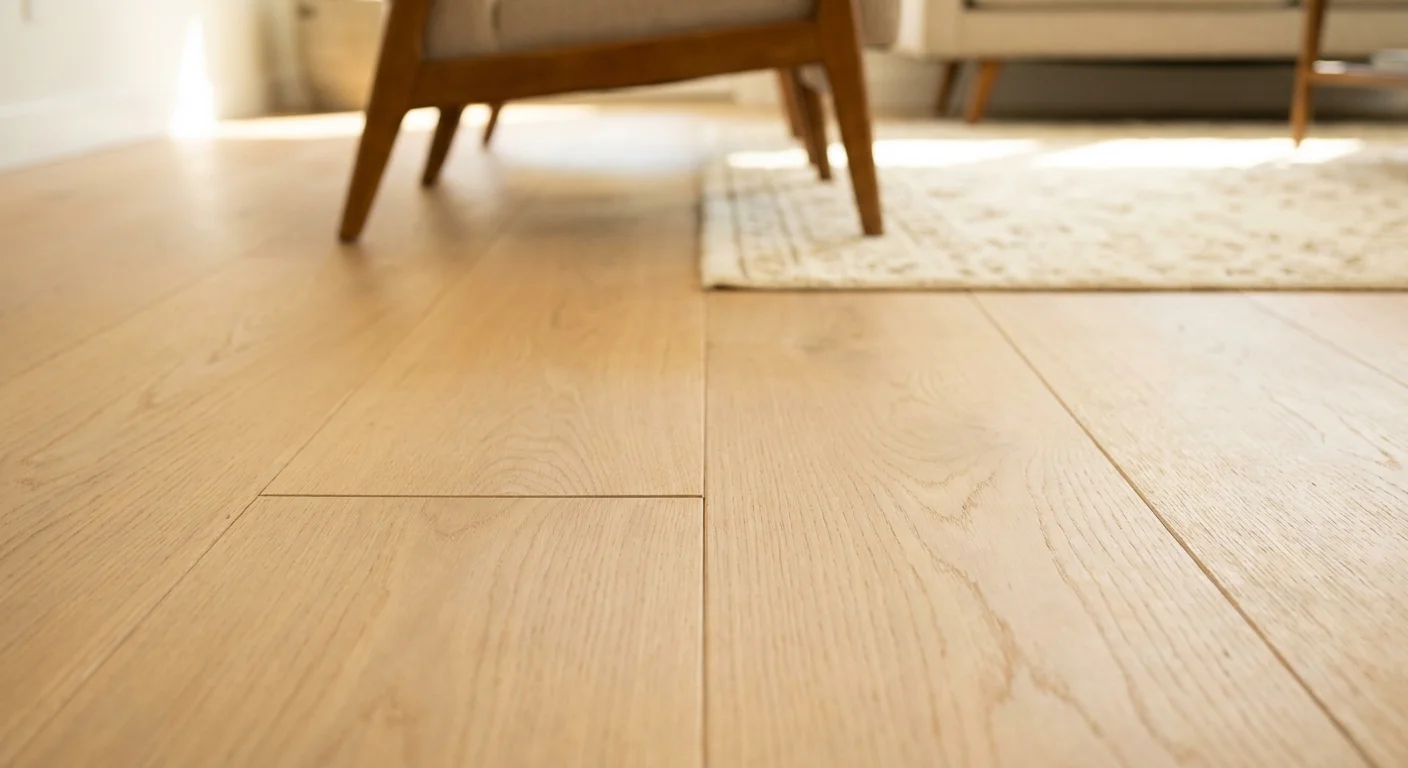
Visual fragmentation ranks among the greatest enemies of spatial perception. When you install different flooring materials in every individual room—tile in the kitchen, hardwood in the living room, and carpet in the hallway—you draw sharp, rigid lines across your floor plan. These sudden transitions chop your home into small, distinct boxes, constantly reminding the viewer of the limited square footage.
To establish a sprawling, palatial feel, you must prioritize continuous, unbroken flooring throughout your main living areas. Running a single, high-quality material, such as wide-plank engineered oak or premium luxury vinyl plank, seamlessly from the entryway through the kitchen and into the living room unites the distinct zones into one cohesive, massive space. The eye travels effortlessly across the floor without encountering visual stop signs.
Beyond the undeniable aesthetic benefits, eliminating uneven thresholds and sudden material changes proves highly practical. Continuous flooring removes dangerous tripping hazards, significantly improving the safety and accessibility of your home. You achieve a sleek, highly modernized look that simultaneously caters to elegant entertaining and deeply secure, comfortable daily living.
The Big Picture: Weaving These Trends into Your Home
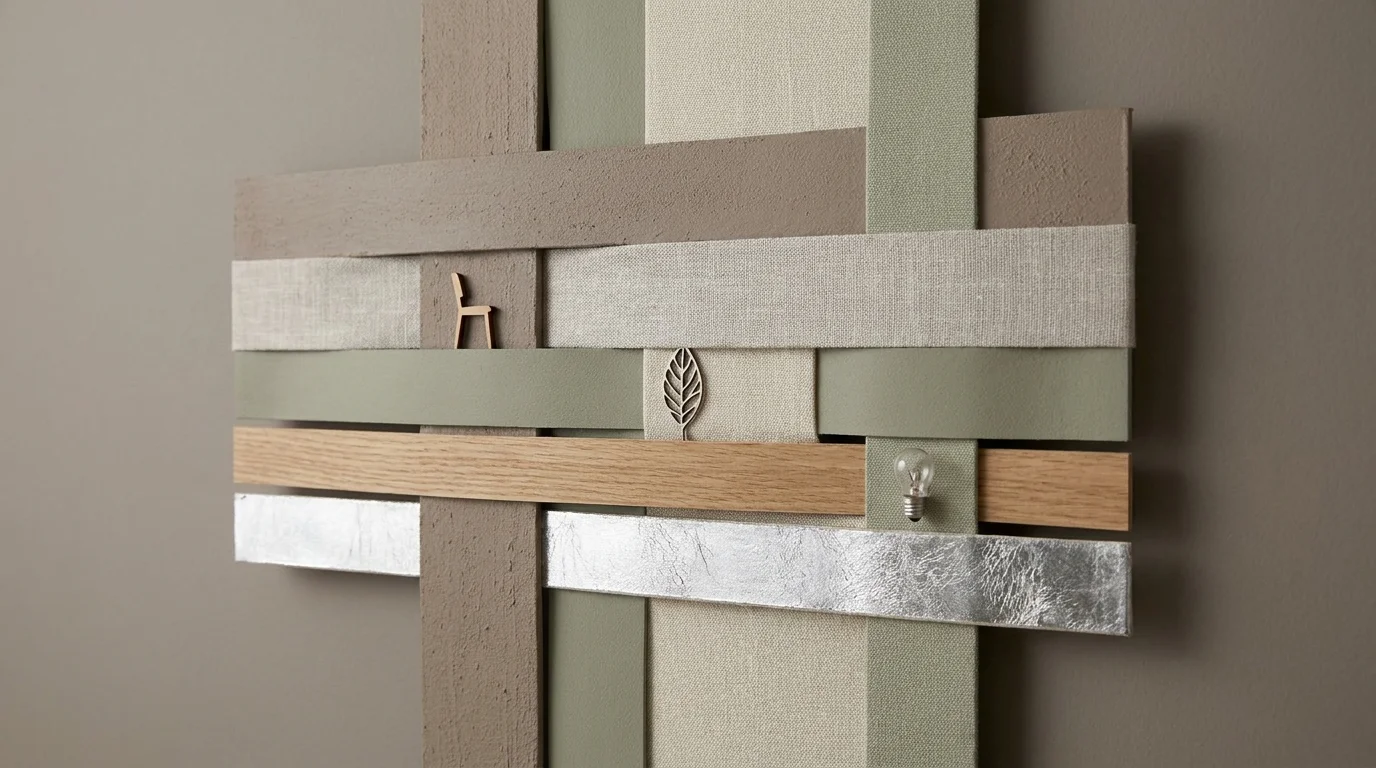
Transforming your home into a spacious, light-filled haven does not demand an overnight overhaul. The most refined interiors evolve through careful, intentional layering. Start by stepping back and observing how light travels through your rooms at different times of the day. Identify the architectural choke points—perhaps a bulky armchair blocking a window, or a dark, heavily patterned rug that anchors the room too aggressively.
Begin with the easiest modifications. Apply a fresh coat of tonal paint, or clear your surfaces to embrace the elegance of curated provenance. Gradually introduce multi-directional lighting and low-profile furniture as your budget and timeline allow. Remember that harmony reigns supreme; the goal is not to force every single trend into one room, but rather to select the strategies that naturally complement your home’s existing architecture and your personal lifestyle.
By blending the subtle sophistication of quiet luxury with intelligent, space-maximizing layouts, you establish an environment that feels both deeply comforting and magnificently expansive. You are crafting a living space that honors your past while fiercely supporting your vibrant future.
Frequently Asked Questions
How do I make my living room look bigger without buying new furniture?
You can instantly expand your living room by radically optimizing your current layout and decluttering your surfaces. Pull your furniture a few inches away from the walls; creating this breathing room allows shadows to form behind the pieces, adding necessary depth. Next, edit your decorative accessories down to a few impactful items to maximize negative space. Finally, rely on easy decor ideas like rearranging your lighting to wash the walls rather than pointing directly downward, and add a strategically placed mirror opposite your primary light source.
What are the absolute best paint finishes for small, confined spaces?
While matte finishes hide drywall imperfections beautifully, they absorb light and can make a tight room feel somewhat flat. To visually expand a space, experts highly recommend using an eggshell or satin finish on the walls. These finishes possess a slight sheen that subtly bounces ambient light around the room. For an even more dramatic effect, use a semi-gloss or high-gloss finish on your ceiling to mimic the expansiveness of the sky and draw the eye continually upward.
How does rug placement affect the perceived size of a room?
An undersized rug breaks up the floor space and makes the room appear completely disjointed and small. To maximize spatial perception, select a rug large enough that all the front legs of your primary seating arrangement rest comfortably upon it. Ideally, leave roughly twelve to eighteen inches of bare floor exposed around the perimeter of the rug. This arrangement unifies your furniture into a single, cohesive zone while allowing the continued sight of the hard floor to suggest expansive square footage.
Can I still use bold patterns in my home without shrinking the space?
Absolutely. While tonal layering remains the easiest path to visual expansion, you do not have to abandon bold patterns entirely. The secret lies in scale and precise placement. Reserve bold, large-scale patterns for singular accent elements, such as a statement upholstered ottoman or an oversized piece of dramatic artwork, rather than applying them to your walls or large window treatments. Keep the foundational elements of the room calm and neutral, allowing the bold pattern to serve as a singular, exciting focal point rather than an overwhelming, room-shrinking distraction.
For the latest color forecasts, consult industry leaders like Pantone and paint companies like Benjamin Moore. For professional design standards, refer to the American Society of Interior Designers (ASID).
Disclaimer: This article reflects design trend analysis and predictions. Personal taste and timeless design principles should always guide your decorating choices.
