

Your living room dictates the mood of your entire home, and updating its aesthetic does not require a massive financial investment or a prolonged renovation. You can completely transform your space by leaning into strategic, high-impact design choices that elevate comfort and sophistication. This year, the focus shifts toward “quiet luxury” and personalization, emphasizing thoughtful curation over expensive overhauls. A successful home makeover 60+ or at any stage of life relies on blending cherished existing pieces with fresh textures, optimized lighting, and intentional color placement. Discover how these nine practical yet chic refinements deliver a remarkably upscale living room refresh seniors, design enthusiasts, and budget-conscious homeowners will appreciate.
Trend #1: Curating Provenance Through Room-to-Room Foraging
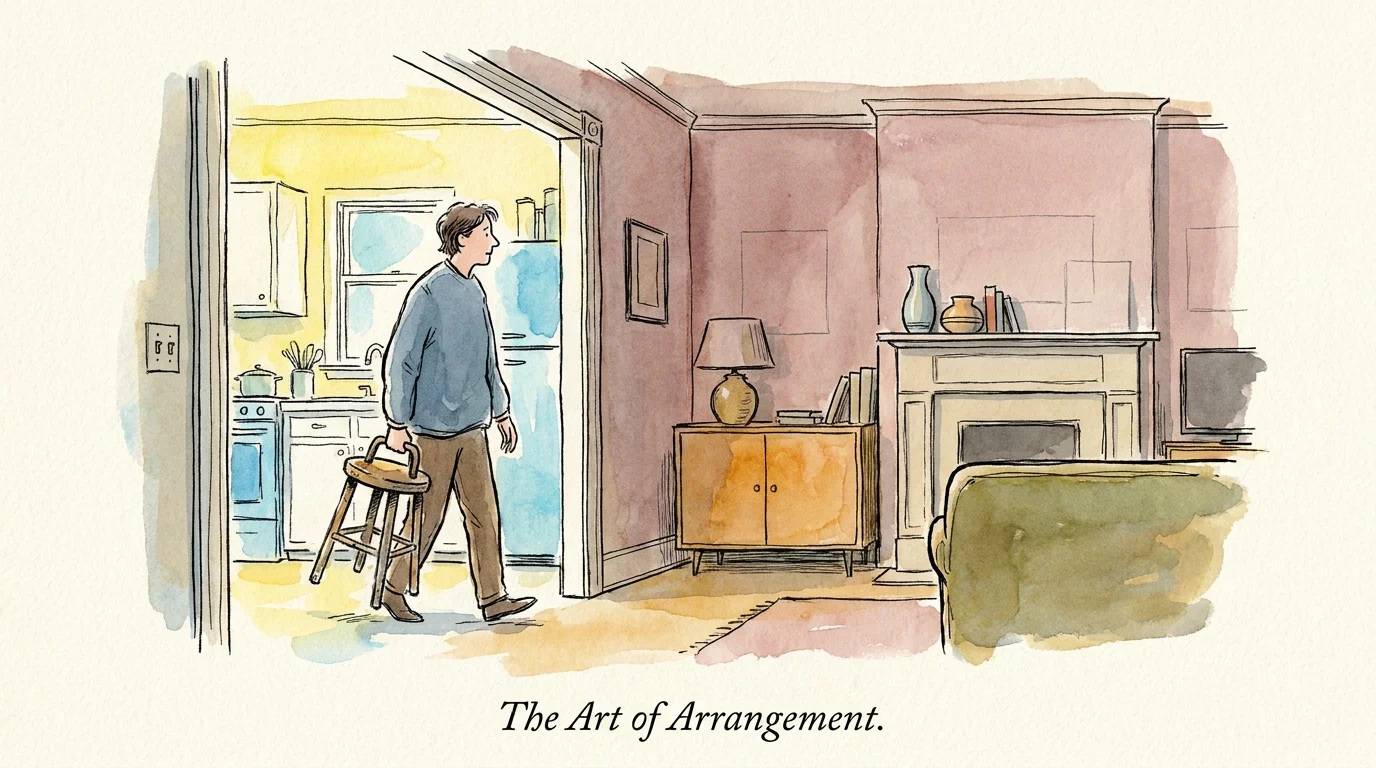
The concept of provenance refers to the origin and history of an object, adding a layer of narrative richness that mass-produced items simply cannot replicate. You do not need to scour high-end antique shops to introduce this depth into your living space. Instead, embark on a foraging expedition throughout your own home. Moving a beloved ceramic vase from a rarely used guest bedroom onto your living room mantel instantly refreshes the atmosphere. This room-to-room rotation acts as a completely affordable home update, costing nothing but a few moments of your time.
Start by clearing off your coffee table, bookshelves, and sideboards entirely. Once you have a blank canvas, reintroduce items selectively. Bring in a weathered stool from the kitchen to act as a rustic side table, or repurpose a stack of vintage hardcover books as a pedestal for a trailing plant. By recontextualizing objects you already own, you trick your eye into seeing them as brand-new additions. This strategic curation eliminates visual clutter while highlighting the pieces that carry genuine personal significance, proving that sophisticated design relies heavily on editing rather than constant purchasing.
Trend #2: Embracing “Quiet Luxury” with Textural Layering
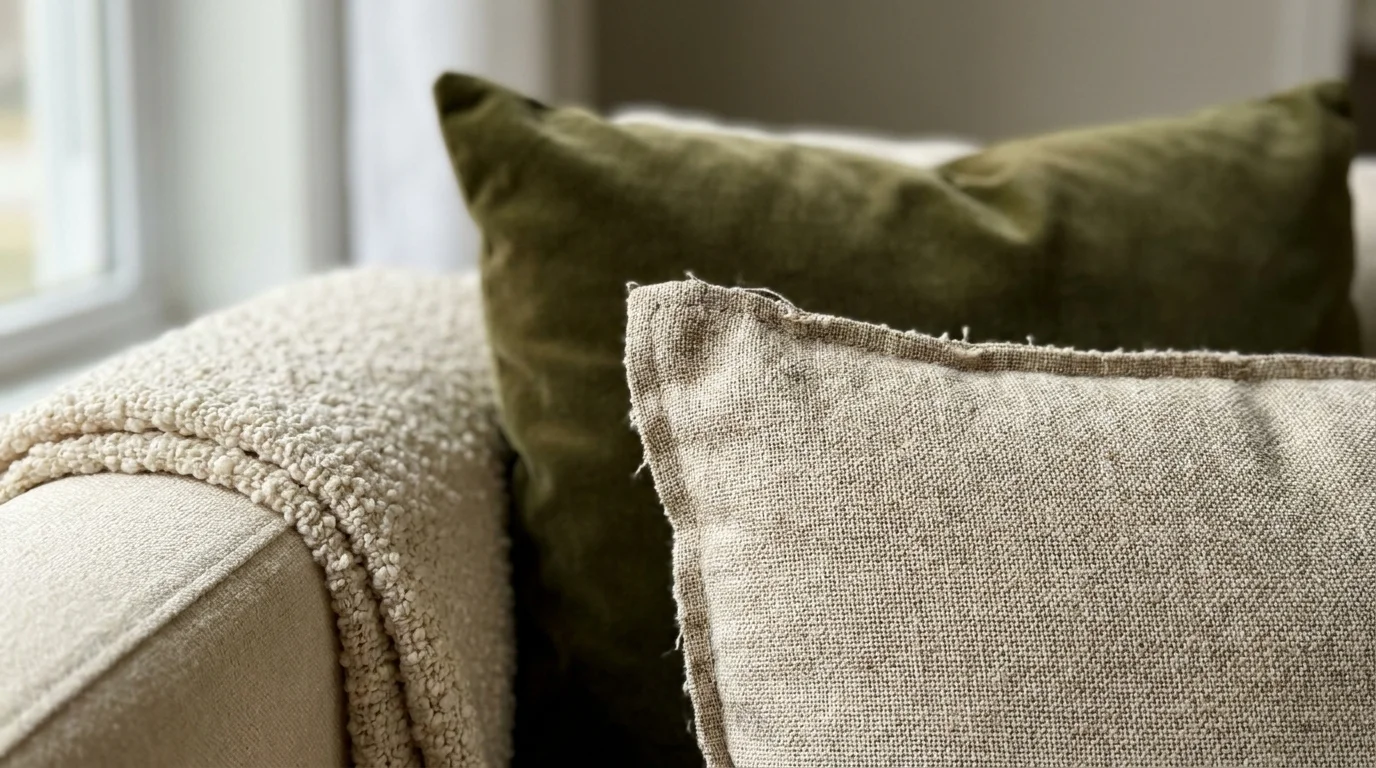
Quiet luxury continues to dominate the interior design landscape, shifting the focus away from flashy logos and chaotic prints toward understated elegance and supreme material quality. You can easily harness this sophisticated aesthetic by rethinking the textiles in your home. Rather than replacing an entire sofa—a project that demands a significant financial commitment—you can dramatically alter the look and feel of your seating by updating your throw pillows and blankets.
Invest in high-quality, interchangeable pillow covers made from natural fibers like heavy linen, rich cotton velvet, or tactile boucle. Because you are only purchasing the covers and reusing your existing inserts, this approach remains highly budget-friendly while delivering maximum impact. When selecting new textiles, gravitate toward a cohesive, nature-inspired color palette such as warm terracotta, deep olive, or soft oatmeal. Layering these varied textures creates a sense of depth and invites tactile engagement, generating incredibly cozy living room ideas that transform a sterile room into a welcoming sanctuary. Drape a heavyweight, woven throw blanket casually over the arm of a chair to soften rigid architectural lines and encourage guests to settle in and relax.
Trend #3: Color Drenching on a Shoestring
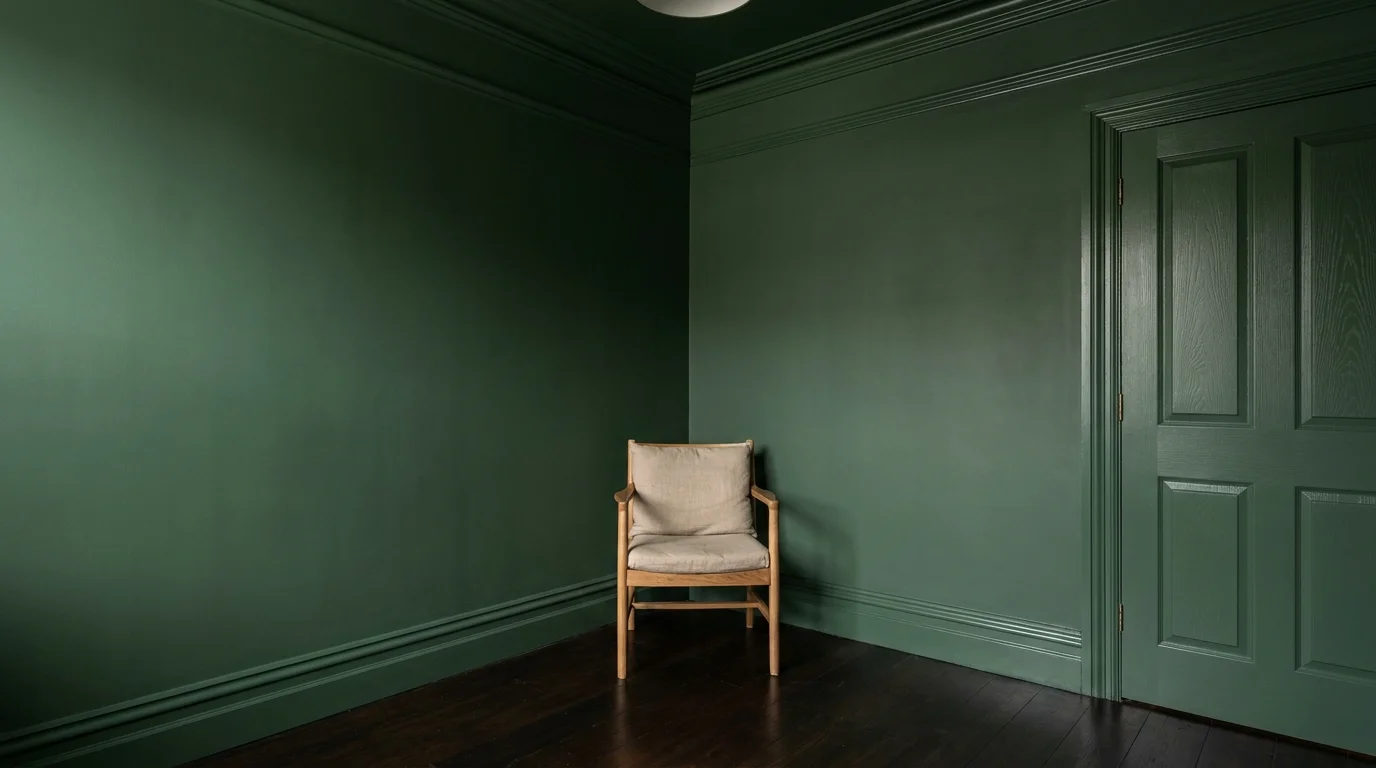
If you want to fundamentally alter the architecture and mood of your living room without tearing down walls, grab a paintbrush. Paint remains the most transformative tool in your design arsenal, particularly when you employ the highly popular technique known as color drenching. This method involves painting the walls, baseboards, window casings, doors, and even the ceiling in the exact same shade. By erasing the high-contrast lines between the walls and the trim, color drenching visually expands the room and creates a seamless, enveloping atmosphere.
This technique is especially effective for those looking to redecorate budget consciously, as it requires only a few gallons of paint and some weekend elbow grease. When you paint the baseboards and crown molding the same color as the walls, the ceiling appears taller and the entire space feels inherently more custom. For a dramatic, moody aesthetic, opt for deep, saturated hues like charcoal grey, forest green, or navy blue. If you prefer a lighter, more airy environment, warm beiges and soft taupes deliver that same seamless elegance while maximizing natural light reflection. Ultimately, color drenching provides a designer-approved backdrop that instantly elevates your existing furniture.
Trend #4: Cultivating Atmosphere with Biophilic Design
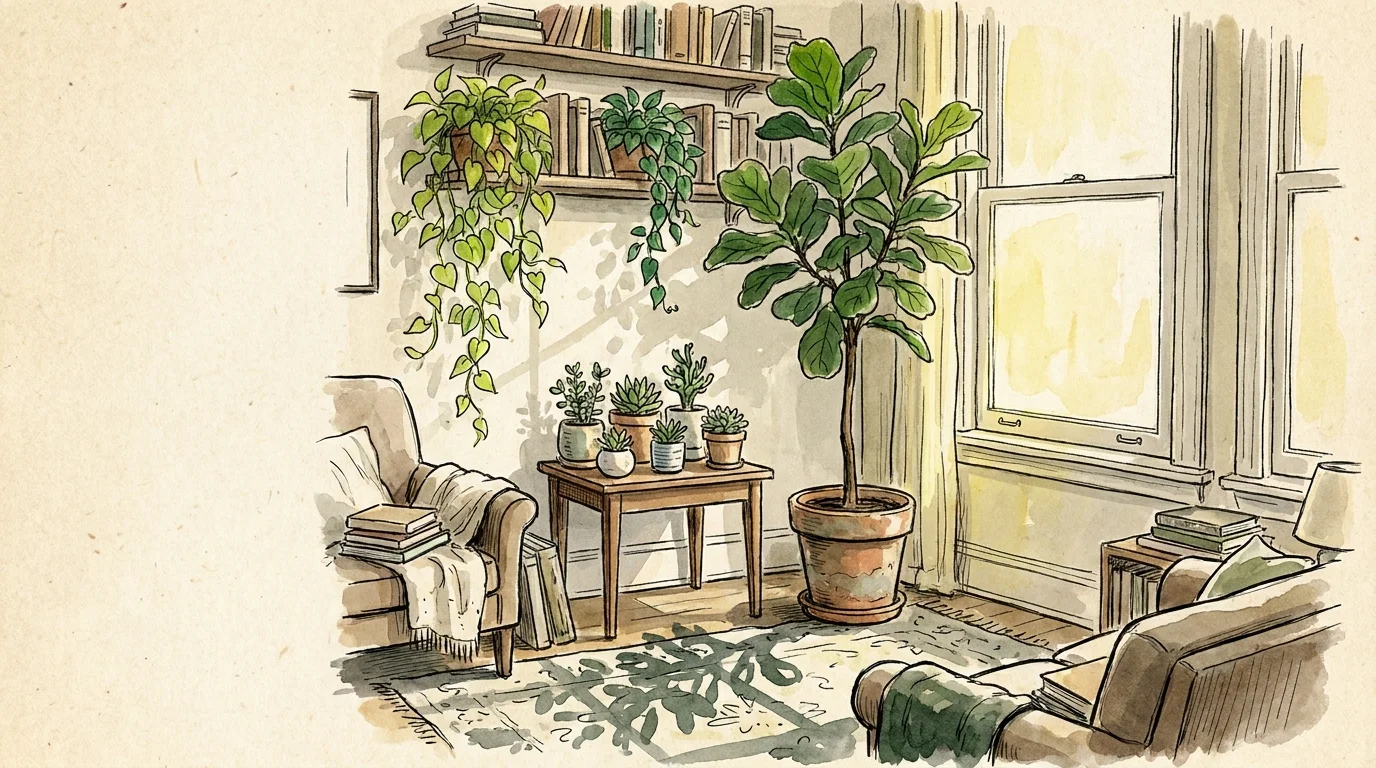
Biophilic design principles emphasize the fundamental human need to connect with the natural world, and integrating these elements into your living room yields immediate psychological and aesthetic benefits. Introducing vibrant greenery breathes life into stagnant corners and softens the hard angles of electronic devices and heavy furniture. You do not need a massive budget or an expansive indoor greenhouse to achieve this lush look.
Start by visiting your local nursery and selecting low-maintenance, high-impact houseplants such as the resilient snake plant, the trailing golden pothos, or the sculptural rubber tree. These varieties tolerate diverse lighting conditions and forgive occasional watering inconsistencies. Beyond purchasing new plants, you can multiply your existing collection through simple water propagation. Snipping a few vines from a mature pothos and displaying them in clear glass jars on a windowsill not only costs absolutely nothing, but it also creates dynamic, living artwork as the roots slowly develop. To amplify the biophilic effect, incorporate raw, organic materials alongside your greenery. A reclaimed wood side table, woven rattan baskets for storing extra blankets, or a bowl of smooth river stones all reinforce the connection to nature and ground your living space in tranquility.
Trend #5: Upgrading Touchpoints and Architectural Details
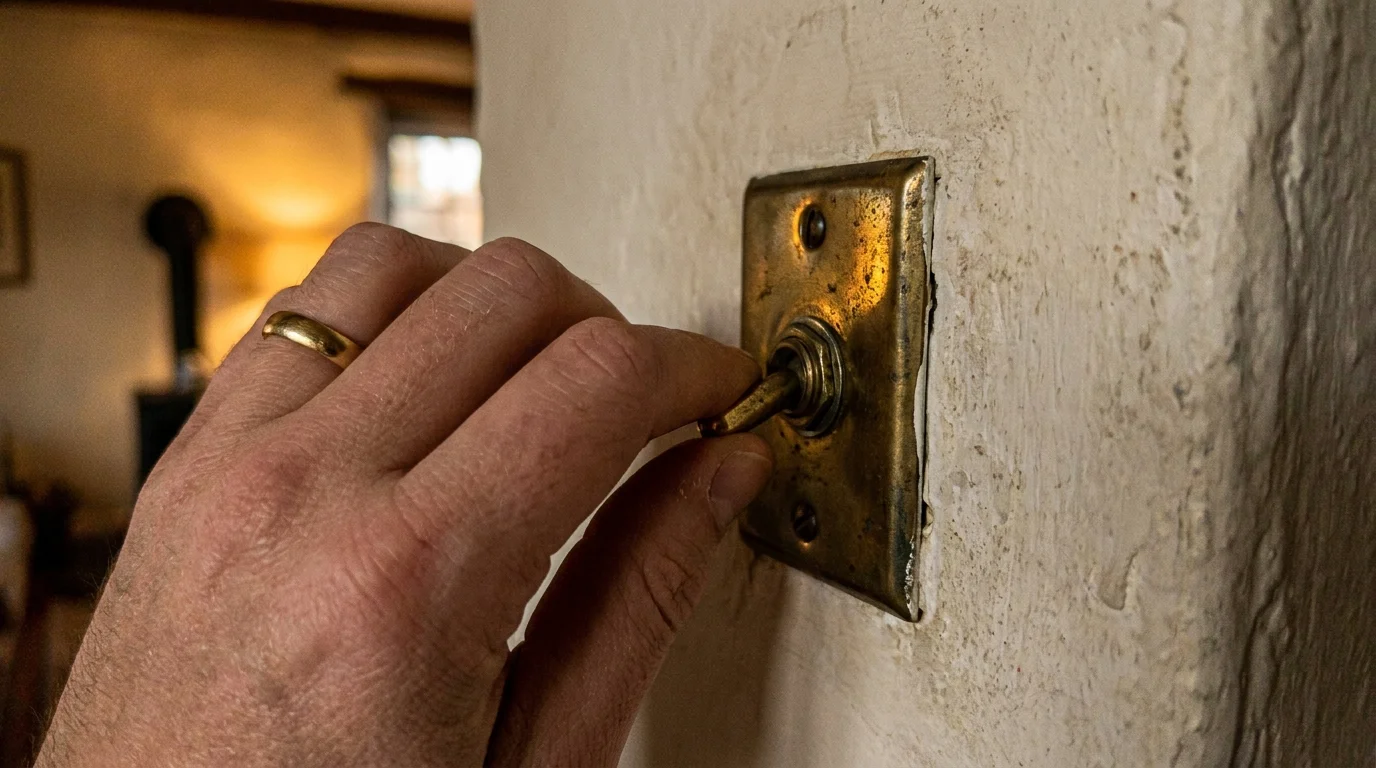
Interior designers frequently refer to hardware as the jewelry of a room, and upgrading these small touchpoints delivers an astonishingly high return on investment. Take a critical look at the doorknobs, cabinet pulls on your media console, and the light switch plates scattered across your living room. Often, these elements are builder-grade afterthoughts that quietly drag down the overall aesthetic of the space.
Swapping out a generic plastic light switch cover for a brushed brass or matte black metal alternative takes less than five minutes and costs only a few dollars, yet it immediately signals a level of intentionality and custom craftsmanship. Apply this same logic to the hardware on your sideboards or built-in shelving. Replace cheap, shiny nickel knobs with unlacquered brass pulls that will develop a beautiful, living patina over time, or choose hammered iron handles for a subtly rustic edge. Because these items physically connect you to the room every time you turn on a light or open a drawer, upgrading their tactile quality subtly shifts your perception of the entire space. This hyper-focused attention to detail bridges the gap between mass-market utility and bespoke elegance.
Trend #6: Mastering the Architecture of Light
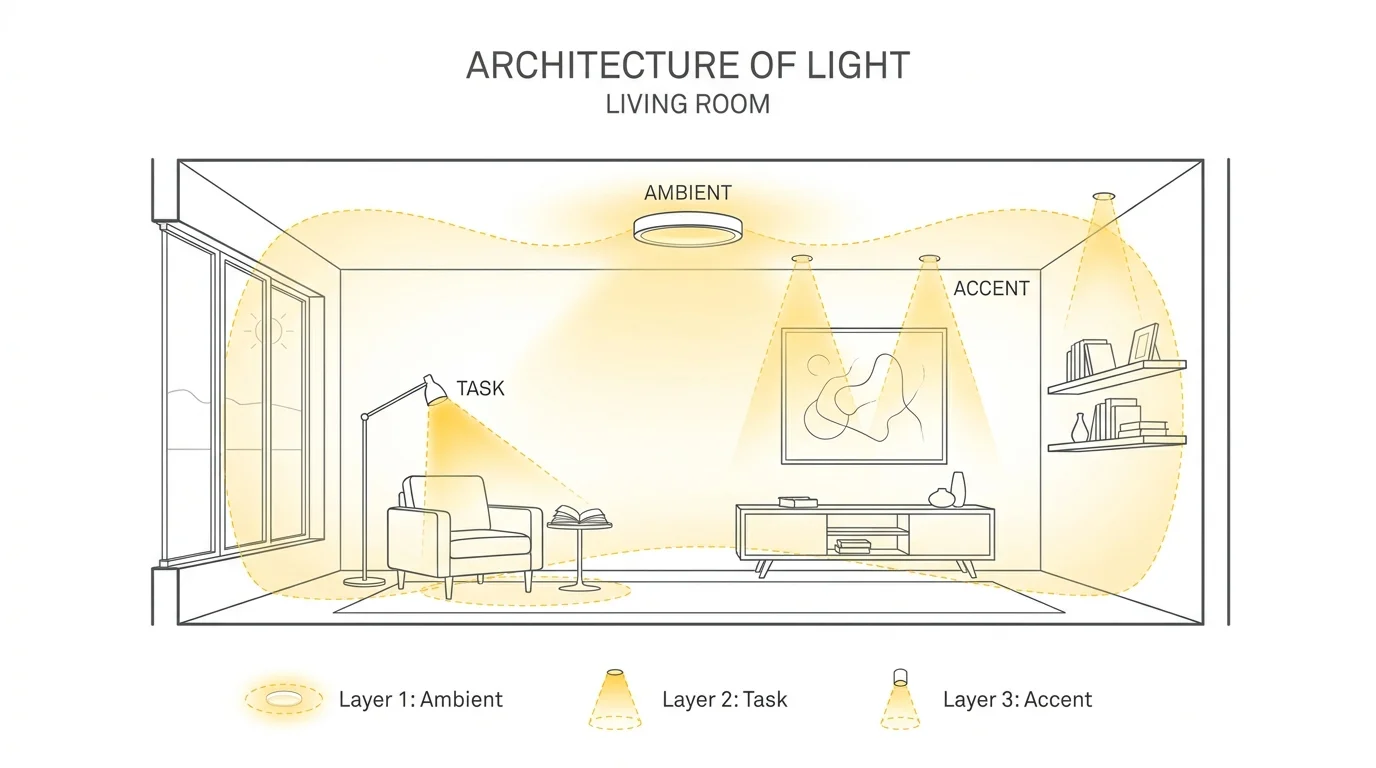
Relying solely on a harsh, singular overhead fixture remains one of the most common and easily correctable mistakes in residential design. To achieve a sophisticated, welcoming atmosphere, you must embrace the architecture of light by creating multiple, distinct zones. Professional designers layer three types of lighting: ambient, task, and accent. You can overhaul your living room ambiance this weekend simply by turning off the ceiling light and strategically placing floor and table lamps around the perimeter of the room.
Thrift stores and estate sales serve as treasure troves for unique, sculptural lamp bases that you can easily modernize with an inexpensive, crisp white drum shade. The true secret to high-end lighting, however, lies within the bulbs themselves. Immediately discard any cool, blue-toned bulbs that cast a clinical glare over your furniture. Instead, invest in high-quality LED bulbs with a color temperature of exactly 2700 Kelvin. This specific metric mimics the warm, flattering glow of traditional incandescent bulbs and firelight. By positioning these warm light sources at eye level, you eliminate harsh shadows and envelop the room in a rich, inviting warmth that encourages lingering conversations.
Trend #7: Reconfiguring Layouts for Flow and Conversation
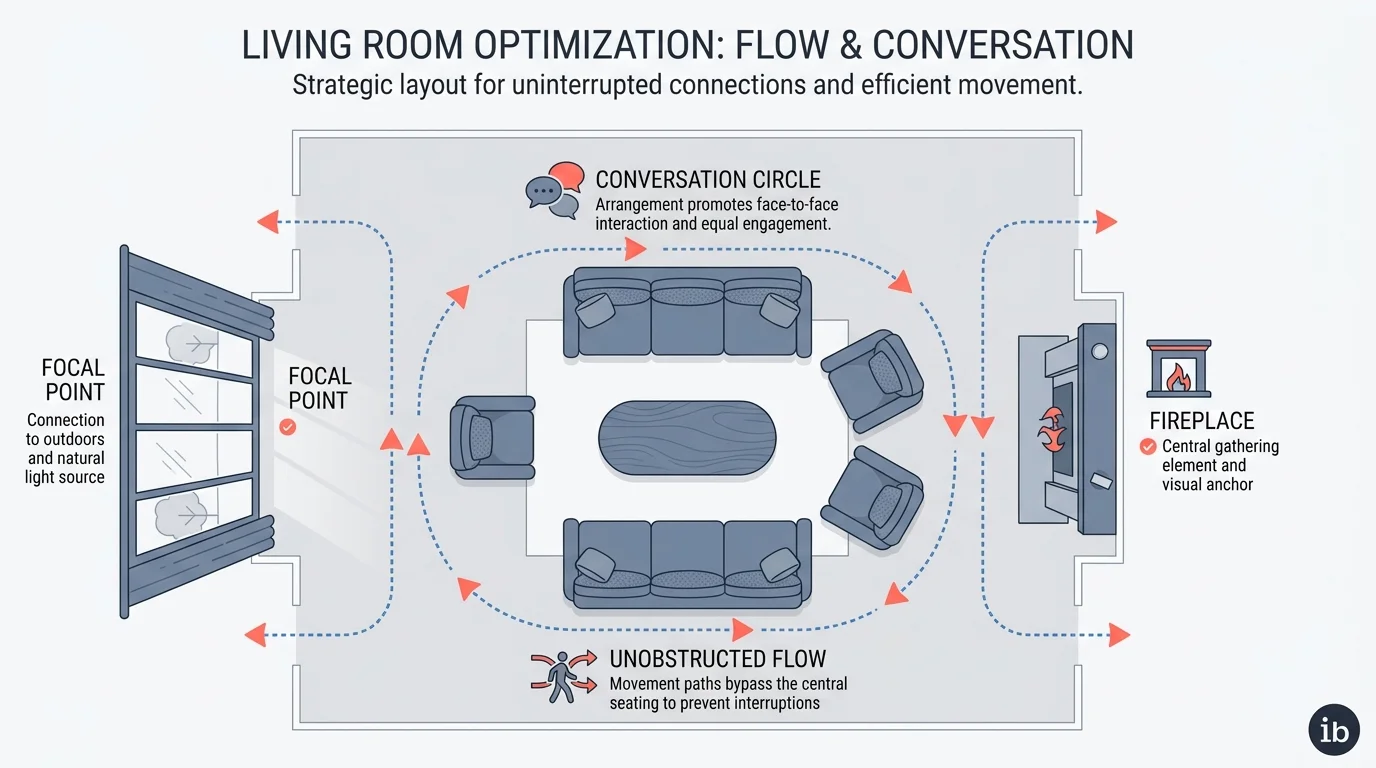
The physical arrangement of your furniture dictates how people move through and interact within a room, making layout optimization a critical, zero-cost strategy for completely refreshing your space. The instinct for many homeowners is to shove sofas and armchairs flush against the walls, operating under the mistaken belief that this maximizes floor space. In reality, this perimeter-hugging approach creates a cavernous, disjointed void in the center of the room.
Instead, try floating your furniture. Pull the sofa at least twelve inches away from the wall to let the architecture breathe, and angle your armchairs to face one another over a central coffee table. This inward-facing configuration establishes an intimate, conversational grouping that feels both deliberate and highly functional. Evaluate the traffic flow, ensuring that pathways into and out of the room remain unobstructed. This thoughtful approach to spatial planning is particularly crucial for maintaining accessibility and comfort, establishing a solid foundation for a beautiful living area. When you honor the natural pathways of the room and group seating logically, the entire environment instantly feels professionally styled and effortlessly welcoming.
Trend #8: Crafting a Statement Gallery Wall with Personal Archives
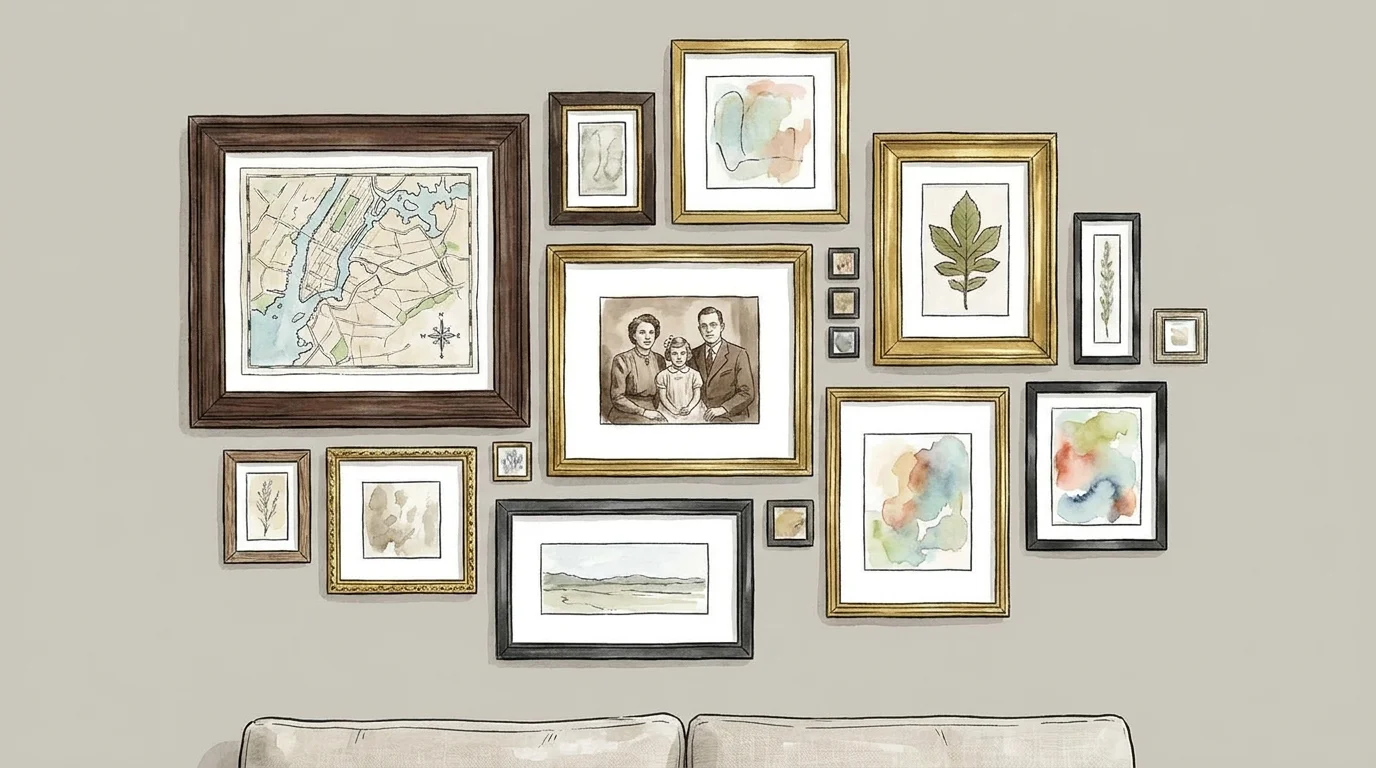
Bare walls can make a living room feel transient and unfinished, but acquiring large-scale, original artwork often requires a formidable budget. You can bypass this financial hurdle by creating a deeply personal statement gallery wall utilizing items you already possess. Delve into your personal archives to unearth vintage family photographs, postcards from memorable travels, or even beautiful scraps of textured fabric and historic wallpaper.
The unifying secret to an upscale gallery wall lies in the framing. Visit local second-hand shops to collect an assortment of inexpensive wooden frames. Unify a mismatched collection by removing the glass and spray-painting all the frames in a single, cohesive color, such as a crisp matte black or a warm antique gold. To elevate the presentation further, utilize oversized, custom-cut white mat boards inside the frames. Placing a small, vintage photograph inside a generously proportioned mat creates a striking visual dynamic that mimics the presentation found in high-end art galleries. Arrange the framed pieces on the floor first, shifting them around until you achieve a balanced composition, and then transfer that exact layout to your most prominent empty wall.
Trend #9: Anchoring the Space with Layered Rugs
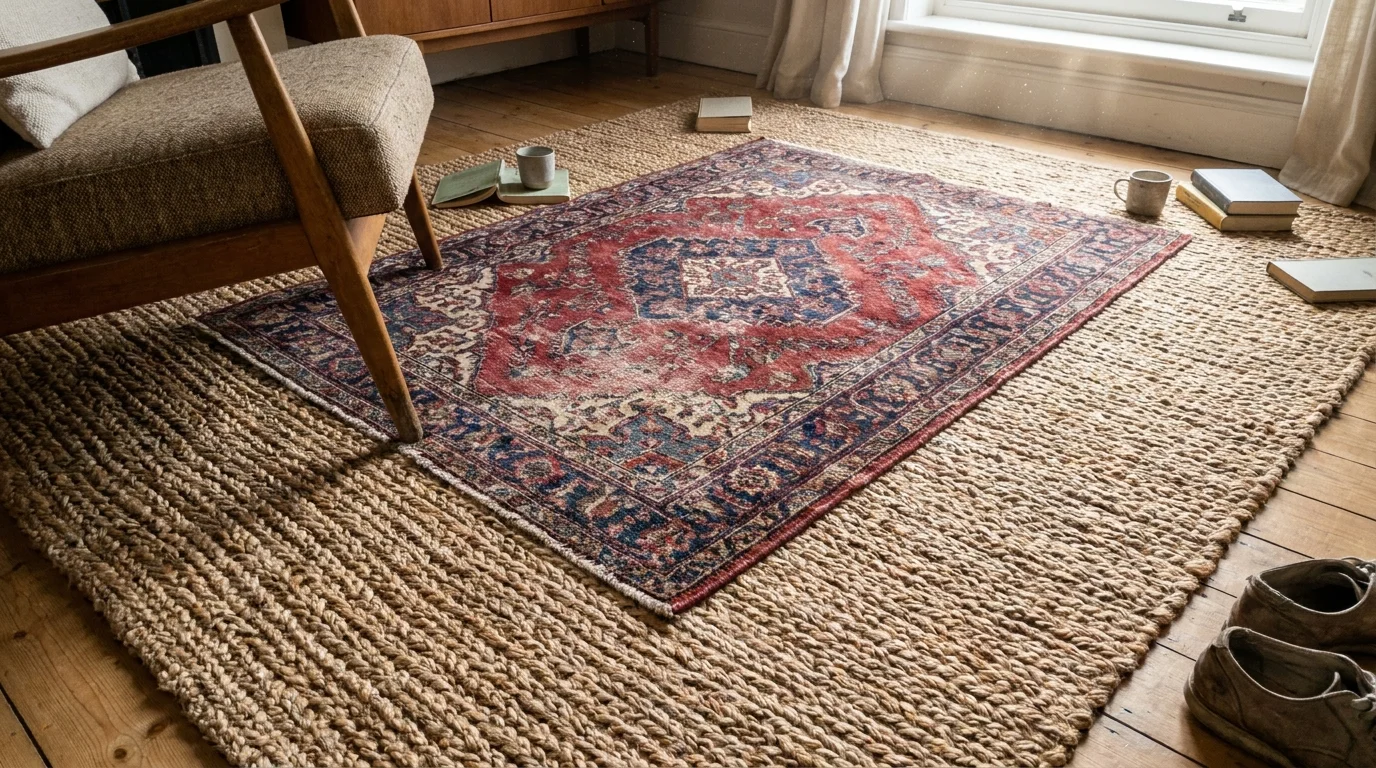
A carefully selected area rug serves as the visual anchor for your room, defining the seating zone and introducing essential softness underfoot. However, purchasing a massive, high-quality rug to properly cover the floor space represents a major expense. You can achieve a rich, bespoke look at a fraction of the cost through the designer technique of rug layering.
Start by purchasing a large, highly affordable natural fiber rug—such as sisal, jute, or seagrass—to serve as the foundational base. These durable materials provide excellent texture and span the required square footage without breaking the bank. Once the neutral base is established, layer a smaller, more expressive rug directly on top, centering it under the coffee table. This top layer could be a vintage Turkish kilim, a vibrant Persian-style runner, or a plush, irregular sheepskin hide. This two-tiered approach not only solves the dilemma of scale and expense but also adds incredible visual depth to the room. Layering rugs grounds your furniture arrangement and introduces an element of curated, bohemian luxury that elevates the entire aesthetic.
The Big Picture: Weaving These Trends into Your Home
True design excellence stems from a balanced approach to utility and beauty, recognizing that your home must evolve gracefully alongside your lifestyle. As you integrate these nine strategies, focus on the overarching harmony of the room rather than rushing to complete every project simultaneously. A thoughtfully curated home comes together gradually, driven by intention rather than impulse. Layering warm lighting, optimizing your spatial layout, and introducing tactile elements work in concert to build a highly functional and deeply comforting environment.
For the latest color forecasts, consult industry leaders like Pantone and paint companies like Benjamin Moore. For professional design standards, refer to the American Society of Interior Designers (ASID).
Ultimately, an impactful transformation relies on trusting your instincts and prioritizing the changes that resonate most with your daily routines. By strategically blending your existing treasures with calculated, affordable updates, you guarantee a living room that not only looks spectacular but feels undeniably authentic.
Frequently Asked Questions
How do I choose the right paint color for a dark room?
In rooms that lack natural light, homeowners often instinctively reach for stark white paint in an attempt to brighten the space. However, without natural sunlight to bounce off the walls, white paint often looks flat, dingy, and cold. Instead of fighting the natural shadows, lean into the moodiness. Choose mid-tone or dark colors with warm undertones, such as rich terracotta, warm olive green, or deep chocolate brown. These enveloping shades absorb shadows beautifully and make a dark room feel intentionally cozy and sophisticated rather than neglected.
Can I mix metal finishes when updating my hardware?
Yes, mixing metal finishes is highly encouraged, as it prevents a room from looking overly matchy and sterile. The key to successfully mixing metals is establishing a dominant finish and a secondary, accent finish. For example, if your primary lighting fixtures feature matte black metal, you can confidently introduce unlacquered brass cabinet knobs and curtain rods as a warm accent. Keep the finishes limited to two or three distinct types to maintain a cohesive look, and ensure that the undertones of the metals complement the overall color palette of your room.
What is the most cost-effective way to update aging furniture?
Before replacing a structurally sound sofa or armchair, explore the transformative power of high-quality slipcovers. Modern slipcovers have evolved significantly from the ill-fitting versions of the past; many companies now offer tailored, custom-fit options in luxurious fabrics like heavy linen and performance velvet. For wooden furniture like side tables or media consoles, a light sanding followed by a fresh coat of mineral paint or a deep conditioning wax can completely erase decades of wear and tear, restoring the piece to its original glory for mere pennies on the dollar.
Disclaimer: This article reflects design trend analysis and predictions. Personal taste and timeless design principles should always guide your decorating choices.
