

As we navigate 2026, upgrading your interior illumination provides the ultimate intersection of safety and sophisticated design for aging in place. You can transform potential hazard zones into beautifully lit sanctuaries by strategically implementing the latest lighting advancements. Proper illumination significantly reduces the risk of falls while elevating the overall aesthetic of your living space. Gone are the days of clinical, institutional fixtures; today’s solutions embrace quiet luxury and seamlessly integrate into your home’s architecture. By prioritizing elements like circadian rhythms and high-contrast clarity, you enhance daily comfort and preserve independence. This year’s definitive trends prove that functional accessibility and high-end elegance perfectly coexist in your forever home.
Trend #1: Layered Ambient Illumination
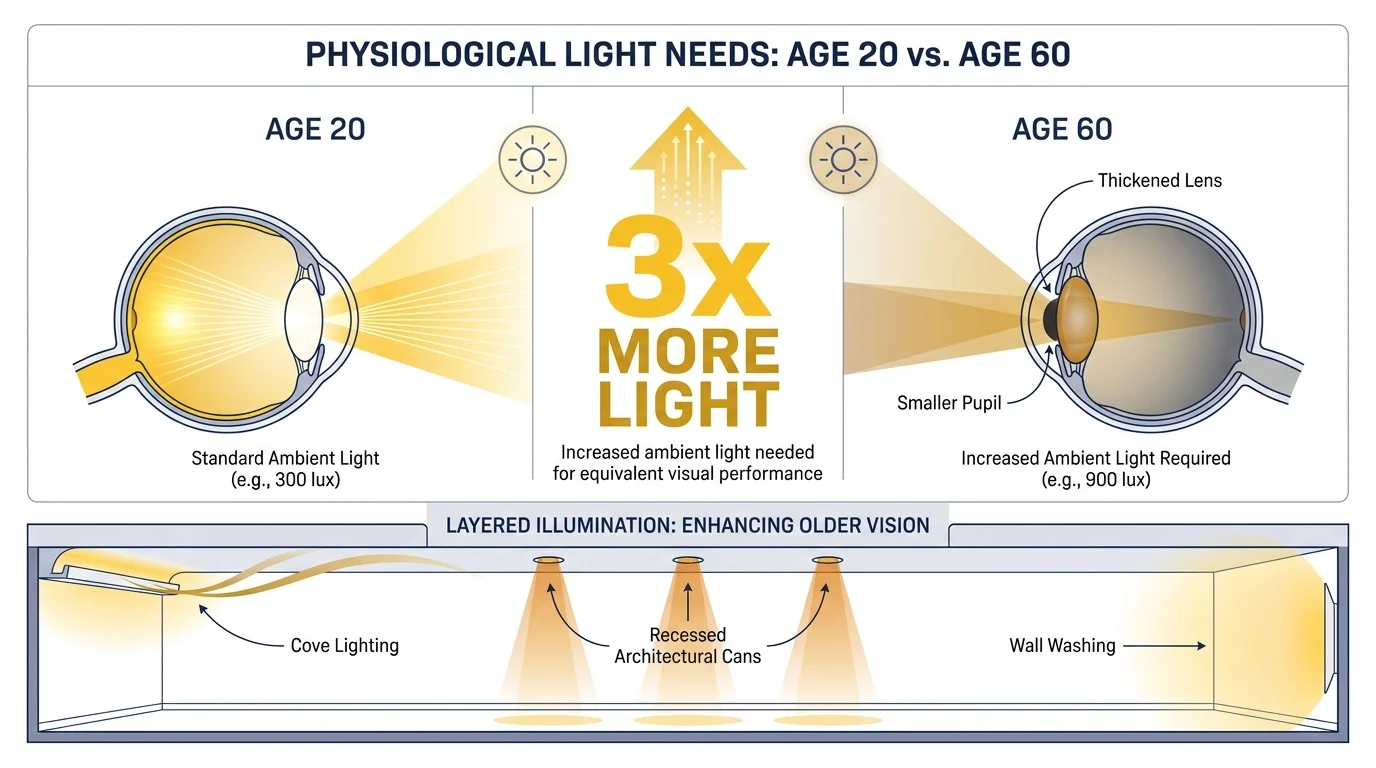
Relying on a single, harsh overhead fixture is an outdated approach that actively works against the visual needs of older adults. As you age, your eyes undergo physiological changes—pupils become smaller and lenses thicken, which drastically reduces the amount of light that reaches your retina. In fact, a sixty-year-old eye requires nearly three times as much ambient light to see as clearly as a twenty-year-old eye. To accommodate this shift without creating an uninviting environment, you must adopt a layered ambient illumination strategy.
Layering light involves blending multiple sources—cove lighting, recessed architectural cans, and subtle wall washing—to create a wash of illumination that eliminates deep shadows and dark corners. Shadows create false steps and optical illusions that compromise depth perception, making navigation treacherous. By strategically positioning wide-beam LED downlights alongside upward-facing sconces, you bounce light off the ceiling and walls. This approach distributes the illumination evenly, softening the entire room while establishing an incredibly effective foundation for safe lighting 60+ households require. The resulting aesthetic feels expansive, warm, and distinctly high-end.
Trend #2: Motion-Activated Baseboard Guidance
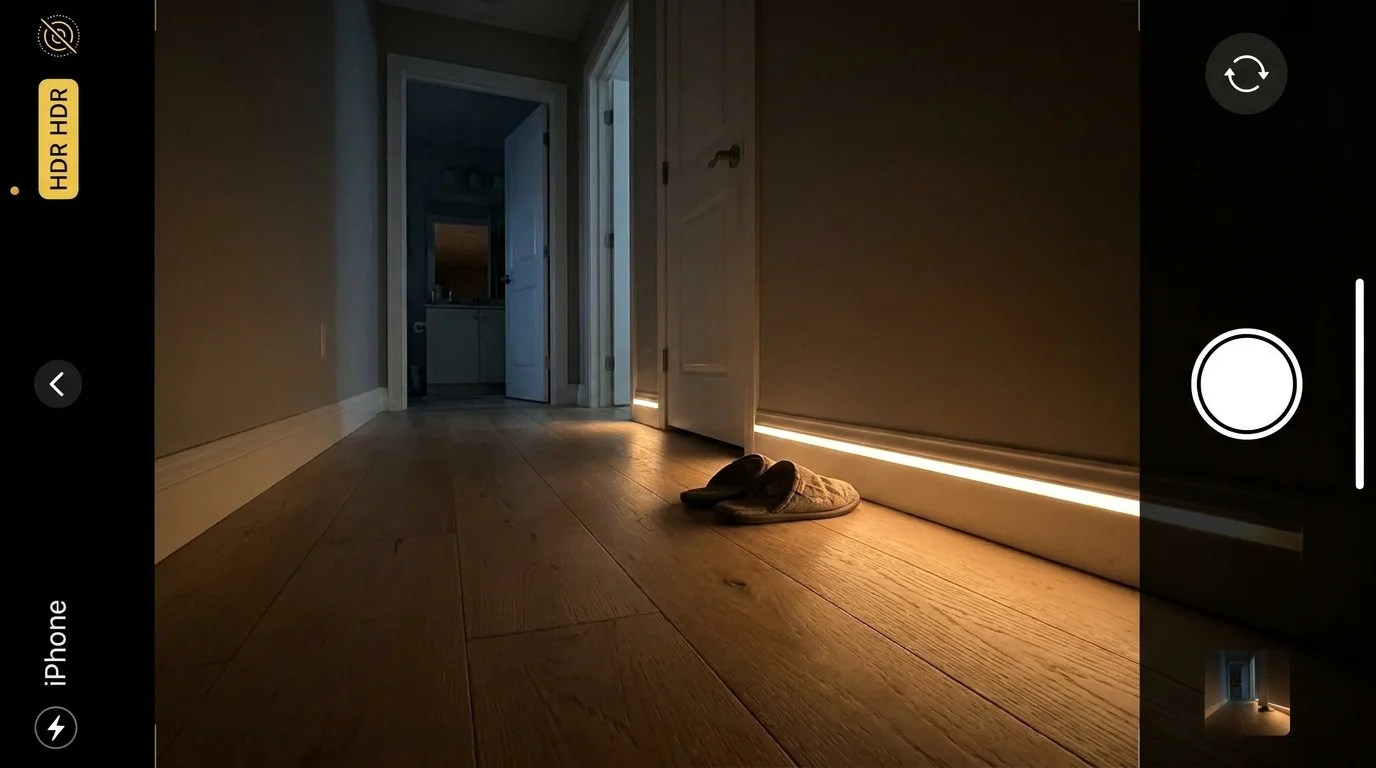
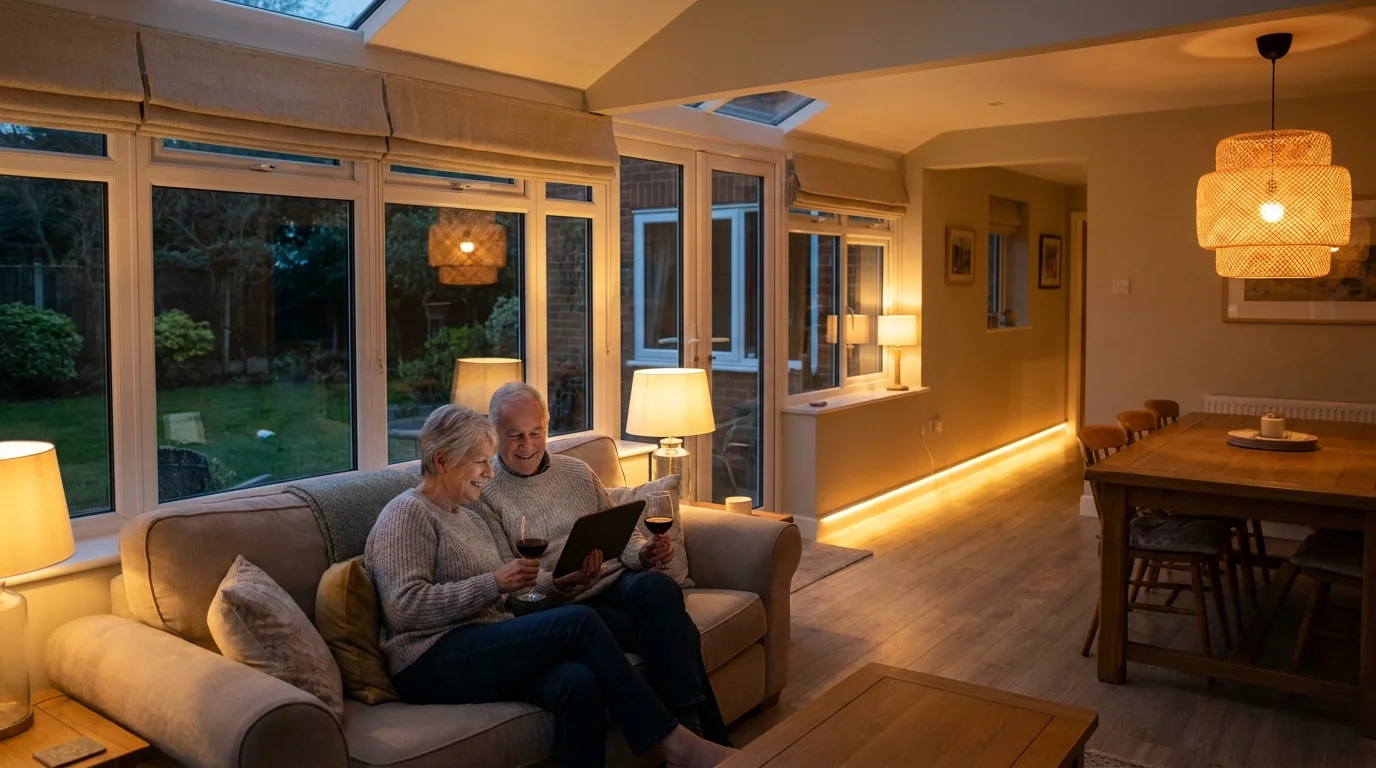
Nighttime navigation presents one of the greatest hazards for aging homeowners. Waking up in a dark room and fumbling for a bedside lamp drastically increases the likelihood of disorientation and falls. The 2026 solution borrows heavily from the hospitality sector: motion-activated baseboard guidance systems. These low-level, linear LED strips install directly into or just above your floor molding, creating a continuous, illuminated runway from the bedroom to the bathroom or kitchen.
You no longer need to rely on visually intrusive plug-in nightlights. Today’s baseboard systems feature flush-mounted, architectural integration that speaks directly to modern lighting seniors appreciate for its invisibility during the day. When motion sensors detect movement, these pathways emit a soft, amber-toned glow—typically around 2700 Kelvin. We recommend amber light for nighttime guidance because it provides enough visibility to clearly see obstacles on the floor without suppressing your body’s melatonin production, allowing you to easily fall back asleep once you return to bed. This is a brilliant fusion of proactive safety and sleek, modern design.
Trend #3: Biophilic Circadian Lighting Systems
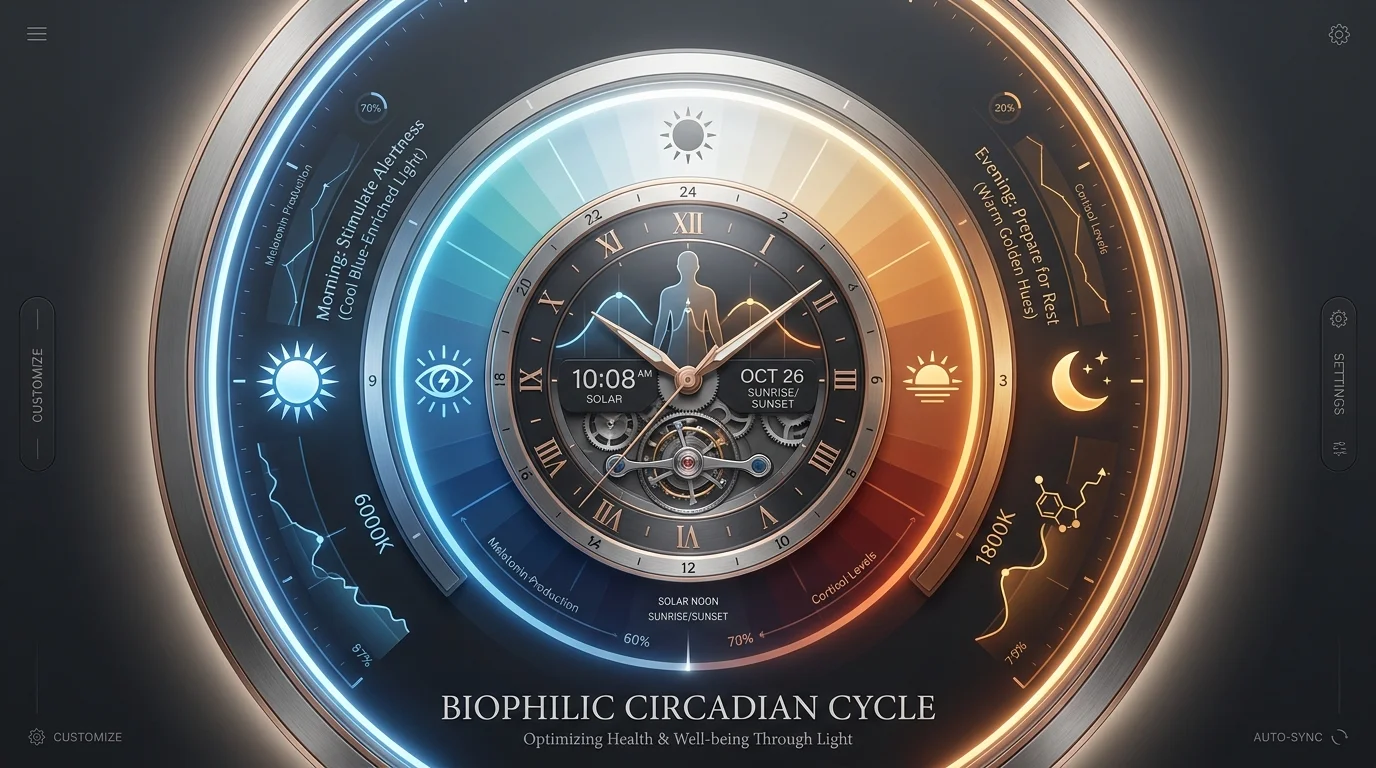
The interior design industry is heavily leaning into “biophilic” principles—an approach that intentionally connects your indoor environment with the natural world to promote physical and psychological well-being. In the realm of illumination, this translates to biophilic circadian lighting systems. These intelligent lighting networks automatically mimic the sun’s natural progression throughout the day. They emit cool, blue-enriched light in the morning to stimulate alertness and gradually transition to warm, golden hues in the evening to prepare your brain for rest.
For seniors, maintaining a robust circadian rhythm is critical. Aging often disrupts sleep-wake cycles, leading to daytime fatigue and restless nights. By installing smart bulbs and central control hubs that automatically adjust color temperature and intensity based on the time of day, you actively support your biological clock. You simply go about your daily routine while the environment subconsciously regulates your energy levels. This invisible, health-focused technology represents the pinnacle of modern wellness design, ensuring your home actively cares for you while remaining visually spectacular.
Trend #4: High-Contrast Task Lighting for Kitchens
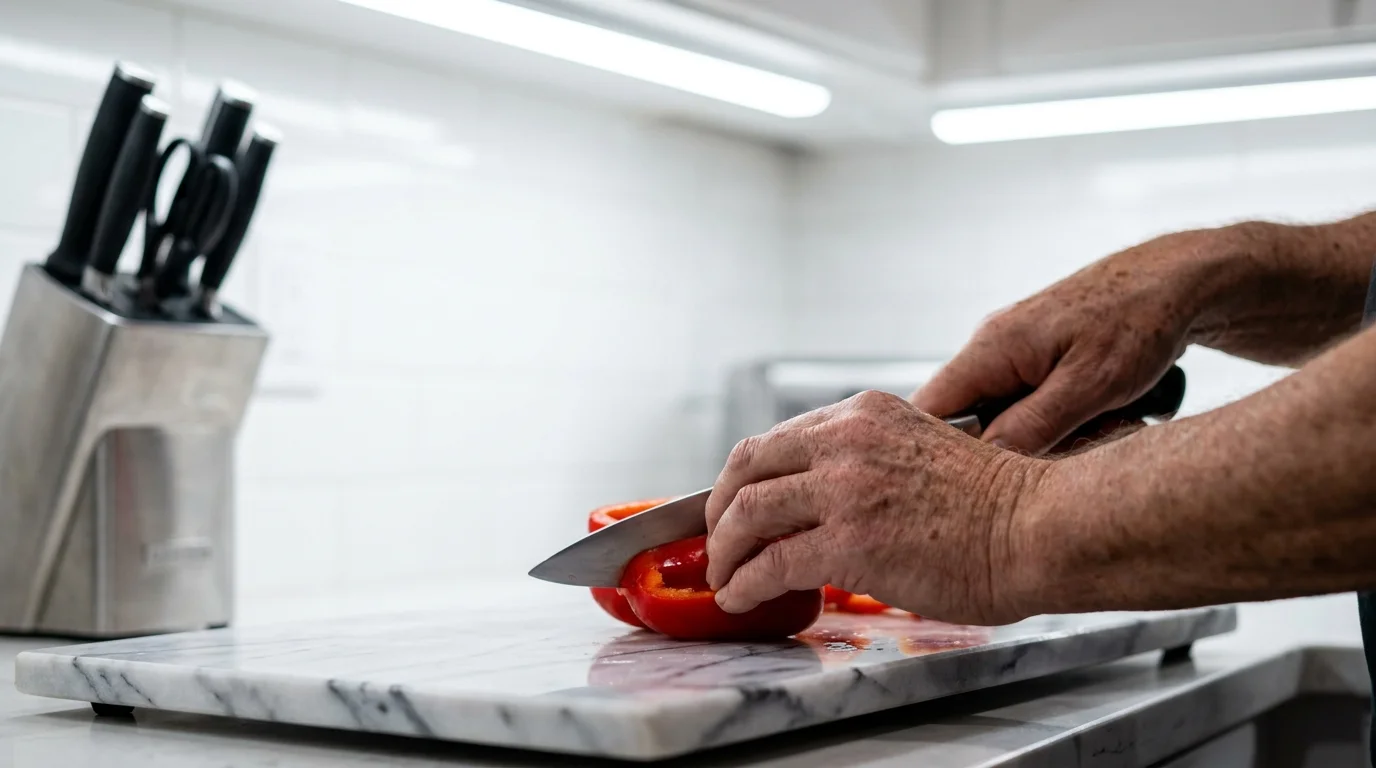
The kitchen is a workspace that demands precision. Whether you are slicing vegetables, measuring ingredients, or reading the fine print on a prescription bottle, poor lighting creates unnecessary frustration and danger. High-contrast task lighting addresses these challenges by delivering concentrated, intense illumination exactly where you perform your daily chores. This goes far beyond standard overhead fixtures; it requires dedicated light sources positioned close to the work surface.
When executing a home lighting upgrade elderly residents will use daily, focus on continuous under-cabinet LED tape lighting rather than isolated puck lights. Puck lights create pools of light interspersed with dark shadows, known as a “scalloping” effect, which strains aging eyes. Continuous strip lighting delivers a seamless, uniform beam across your countertops. Pay close attention to the Color Rendering Index (CRI) of the fixtures you choose. Select LEDs with a CRI of 90 or higher. High CRI lighting ensures that colors appear exactly as they do in natural daylight, making it easier to distinguish between the visual textures of different foods. Implementing these bright home tips instantly transforms a frustrating kitchen into an accessible, chef-worthy culinary space.
Trend #5: Glare-Free Architectural Glow
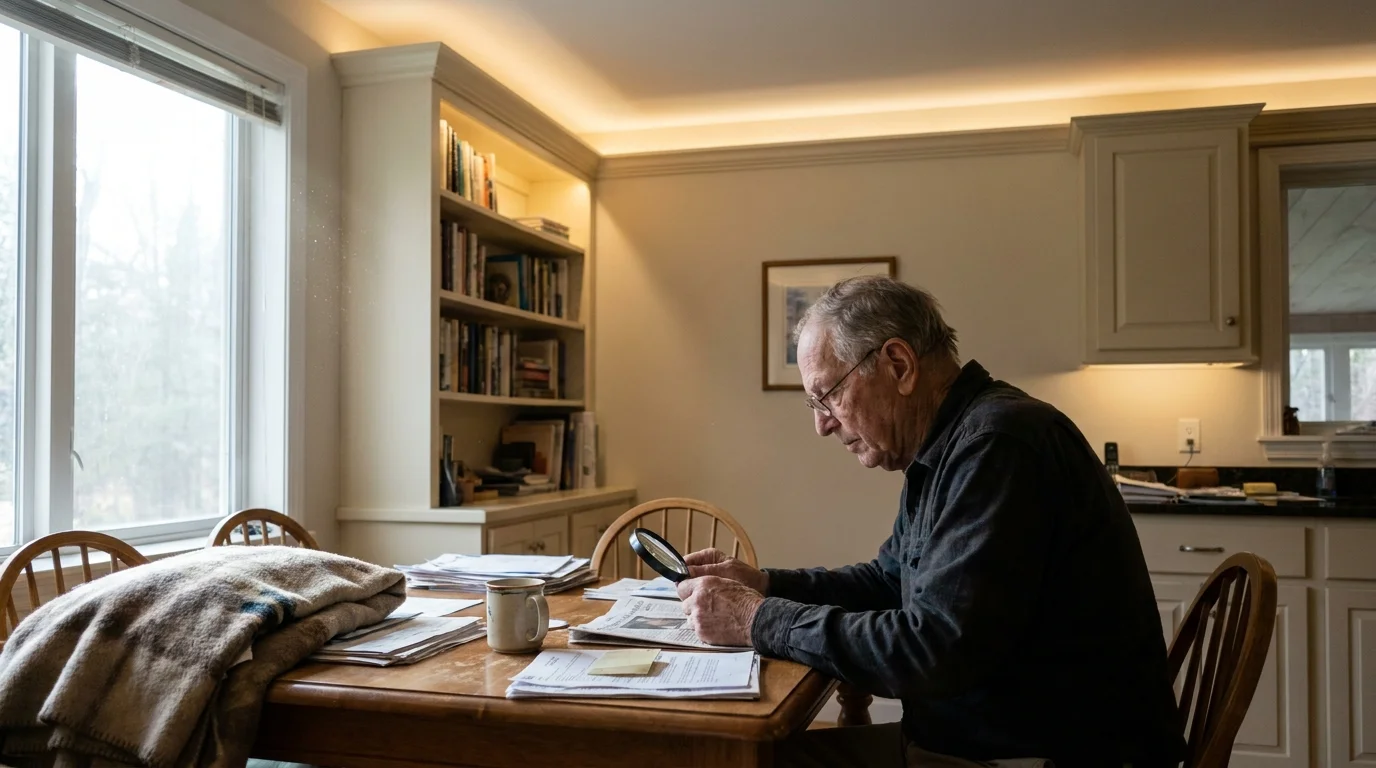
While maximizing brightness is vital, raw lumen output without proper diffusion creates a debilitating issue: glare. As the eye’s lens ages, it scatters incoming light rather than focusing it cleanly. This means exposed bulbs, glossy countertops reflecting bright lights, and harsh unshielded fixtures create a blinding “veiling glare” that washes out contrast and causes eye fatigue. Overcoming this requires an emphasis on glare-free architectural glow.
To eliminate glare, you must shield the light source from direct view. Utilize fixtures equipped with frosted glass diffusers, thick fabric drum shades, or alabaster covers that soften the beam. Indirect uplighting—where the fixture shines light toward the ceiling to bounce back down into the room—is another masterful technique to eliminate visual hot spots. Furthermore, consider the finishes within your home. Swapping high-gloss paint and polished stone surfaces for matte or honed finishes drastically reduces harsh reflections. This thoughtful approach ensures your living space remains brilliantly lit yet exceptionally gentle on sensitive eyes.
Trend #6: Voice-Controlled Smart Switch Networks
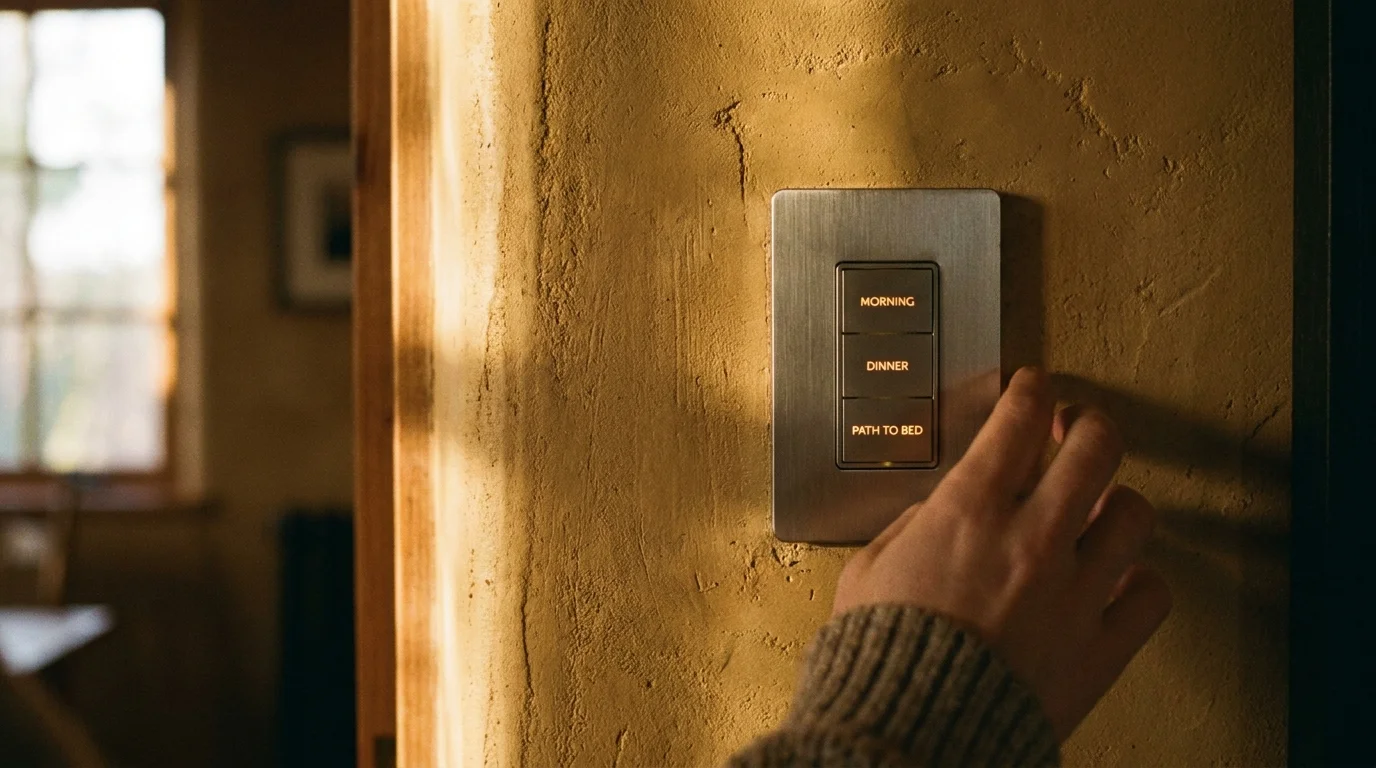
Accessibility relies heavily on the ease of controlling your environment. Traditional toggle switches require precise motor skills and physical presence—you must walk across a potentially dark room to turn on the light. The rapid advancement of smart home technology has rendered this physical limitation obsolete. Voice-controlled smart switch networks empower you to command your entire home’s illumination through simple vocal cues, utilizing platforms like Amazon Alexa, Google Assistant, or Apple HomeKit.
Imagine walking through your front door with arms full of groceries and simply saying, “Turn on the hallway.” The lights respond instantly. This seamless interaction is the cornerstone of designing a lighting seniors home environment that champions absolute independence. Beyond voice control, these systems allow you to program automated routines. You can set your exterior security lights, interior living room lamps, and hallway sconces to illuminate automatically at sunset. By removing the physical friction of finding and flipping switches, you dramatically reduce the risk of twilight tripping hazards while introducing an undeniably luxurious, hands-free experience.
Trend #7: Illuminated Bathroom Vanities and Rails
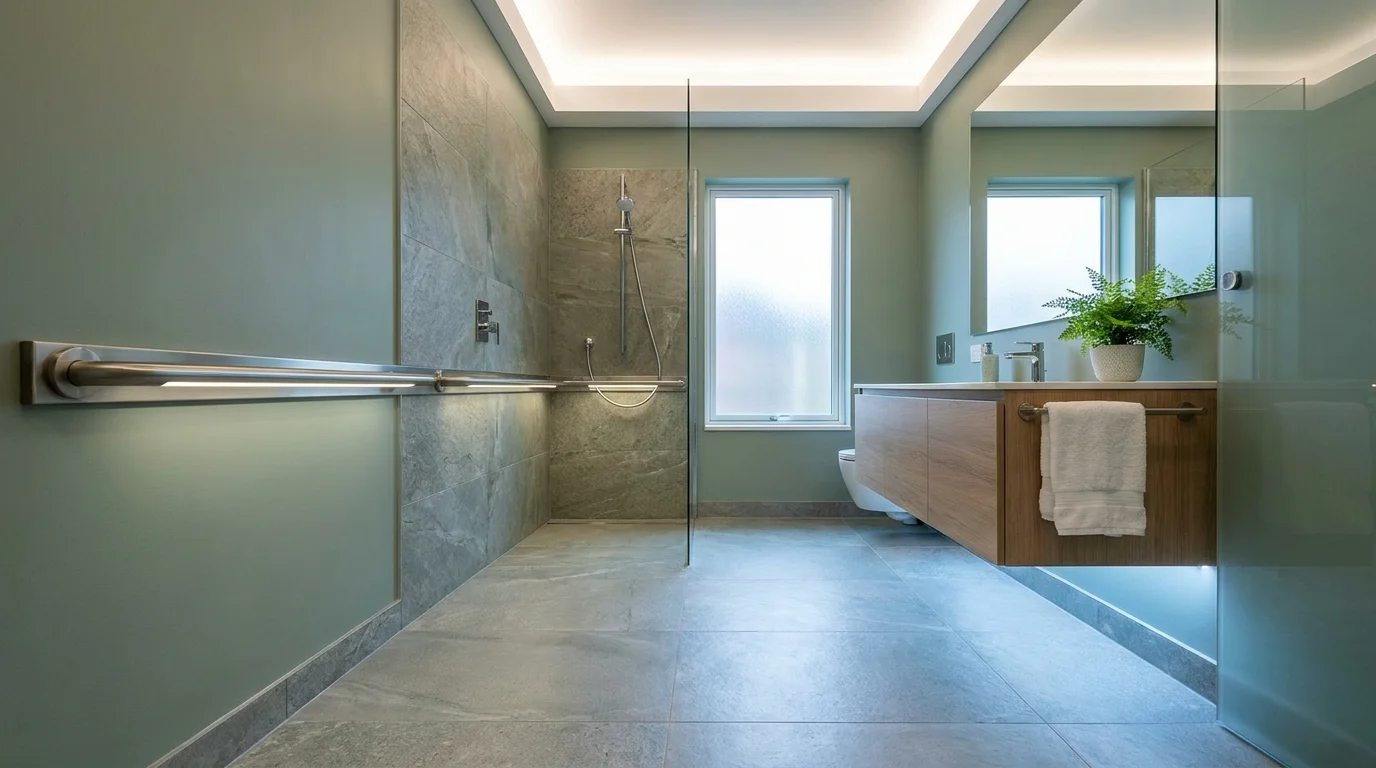
Bathrooms are statistically the most dangerous rooms in the house due to the combination of hard surfaces, water, and frequent transitions from sitting to standing. Elevating bathroom safety requires integrating illumination directly into the architecture and safety hardware. The trend of illuminated bathroom vanities and rails proves that accessibility features do not have to look clinical or institutional.
Start with the vanity. Overhead lighting in the bathroom casts severe, unflattering shadows across the face, making grooming tasks like shaving or applying makeup difficult. Install tall, vertical sconces on either side of the mirror at eye level to provide cross-illumination that entirely eliminates facial shadows. Next, look to your safety hardware. Innovative manufacturers now produce heavy-duty grab bars that feature integrated, waterproof LED strips along their undersides. These illuminated rails look like high-end, contemporary bathroom hardware during the day, but at night, they provide a firm, glowing grip exactly where you need it near the shower or toilet. This dual-purpose design perfectly balances robust safety with spa-like aesthetics.
Trend #8: Quiet Luxury Statement Pendants with Easy-Access Controls
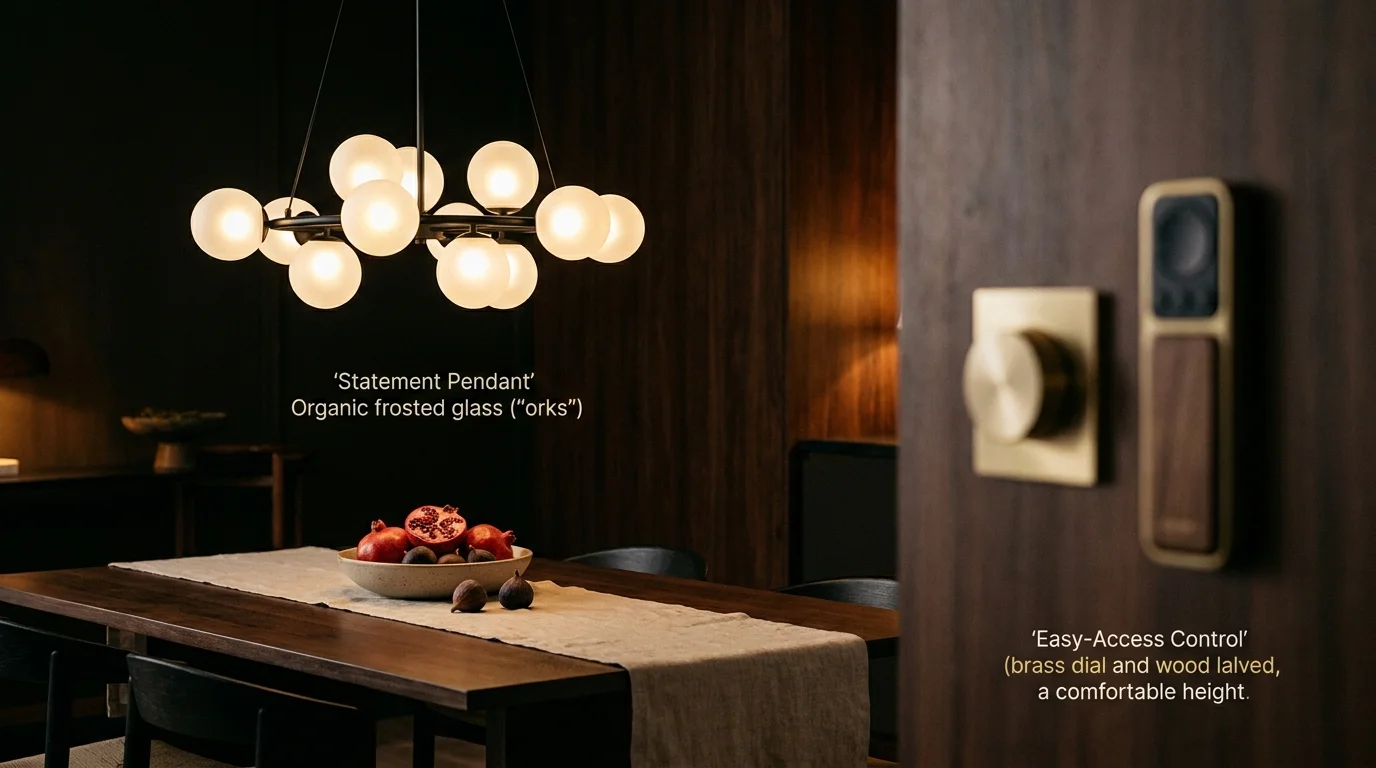
Practicality should never force you to sacrifice your personal style. The concept of “quiet luxury” focuses on creating spaces that exude elegance through high-quality materials, exceptional craftsmanship, and understated design rather than flashy branding or excessive ornamentation. You can apply this design philosophy directly to your overhead fixtures by selecting grand statement pendants that are modified for accessibility.
Oversized, lightweight drum pendants wrapped in natural linen or warm metallic finishes draw the eye upward and anchor a room’s decor. To ensure these beautiful fixtures remain accessible, pair them with smart dimmers or wall controls mounted at a comfortable, universal height—typically 36 to 48 inches from the floor, making them easily reachable from a seated or standing position. You can also utilize wireless, kinetic switches that sit on your coffee table or nightstand, allowing you to adjust the ambiance of your stunning quiet luxury fixtures without getting up. This proves that a meticulously designed, beautiful home can fully accommodate your needs without ever advertising itself as an accessible space.
The Big Picture: Weaving These Trends into Your Home
Transforming your home into a secure, radiant environment requires a holistic perspective. You cannot view these eight upgrades as isolated projects; they work best when harmoniously woven together to create a comprehensive lighting plan. Start by auditing your current illumination. Walk through your home at night and identify the “dark zones” that make you hesitate or feel unsure of your footing. These are the prime locations for baseboard guidance systems and layered ambient light.
Next, evaluate the spaces where you perform daily tasks. Upgrading your kitchen task lighting and adding shadow-free bathroom sconces will yield immediate improvements in your daily comfort and confidence. As you select new fixtures, always keep the principles of glare reduction and high contrast at the forefront of your decision-making process. Remember, the ultimate goal is to foster an environment that empowers your independence while wrapping you in an atmosphere of refined elegance. By embracing these cutting-edge strategies, you ensure your forever home remains a beacon of safety, beauty, and modern sophistication for decades to come.
For the latest color forecasts, consult industry leaders like Pantone and paint companies like Benjamin Moore. For professional design standards, refer to the American Society of Interior Designers (ASID).
Frequently Asked Questions
What is the ideal color temperature for older adults?
The optimal color temperature depends entirely on the function of the room and the time of day. For general living spaces and ambient lighting, a warm white in the 2700K to 3000K range creates a comfortable, inviting atmosphere. For task-oriented areas like kitchens, home offices, and bathroom vanities, a cooler, crisper light around 3500K to 4000K enhances visual clarity and contrast. If possible, utilizing tunable circadian lighting that shifts between these temperatures offers the most substantial health and visual benefits.
Can I install smart lighting if my home has older wiring?
Yes, you absolutely can. One of the greatest advantages of modern smart lighting is that it rarely requires invasive electrical rewiring. You can simply replace your existing standard light bulbs with smart LED bulbs that connect directly to your home’s Wi-Fi network. Additionally, you can install battery-operated, wire-free smart switches anywhere on your walls. These wireless switches communicate with the smart bulbs via radio frequencies or Wi-Fi, allowing you to add accessible controls at lower heights without cutting into drywall or pulling new copper wires.
How many lumens do I need for a dedicated reading lamp?
As the lens of the eye thickens with age, you require significantly more light to read comfortably without experiencing eye strain or headaches. A dedicated reading lamp for an older adult should deliver between 450 to 800 lumens, which is roughly equivalent to an older 40-watt to 60-watt incandescent bulb, but focused directly on the page. Ensure the lamp features an adjustable, articulating arm so you can position the light beam exactly where you need it, and look for models with built-in diffusers to prevent harsh glare reflecting off glossy magazine pages.
Disclaimer: This article reflects design trend analysis and predictions. Personal taste and timeless design principles should always guide your decorating choices.
