


Introduction: Defining the Look of 2026
Digital fatigue dictates modern architectural choices. As screens dominate daily routines, you inevitably seek physical environments grounded in analog experiences. The interior design landscape of 2026 responds to this cultural shift by elevating the reading nook from a neglected afterthought into a primary focal point of home wellness. You no longer need sweeping square footage to curate a sanctuary; modern spatial design prioritizes micro-zoning, allowing you to transform overlooked alcoves into deeply intentional retreats.
Creating a dedicated space for literature and reflection requires more than dropping a chair in an empty corner. Today’s design ethos demands a synthesis of aesthetic sophistication and psychological comfort. The most successful spaces leverage natural light, tactile materials, and ergonomic geometry to lower cortisol levels and encourage sustained relaxation. Industry data reflects this shift; recent architectural surveys indicate a sharp increase in homeowner requests for specialized quiet zones, far outpacing the demand for open-concept entertaining spaces.
As you conceptualize your upcoming renovation or weekend restyling project, understanding the underlying mechanics of these intimate spaces guarantees a superior result. We will explore the definitive trends shaping residential interiors, equipping you with practical, actionable strategies to implement immediately. Whether you want to revitalize a dormant hallway or design a masterful retreat within your primary suite, you can engineer an environment that actively supports your mental well-being.
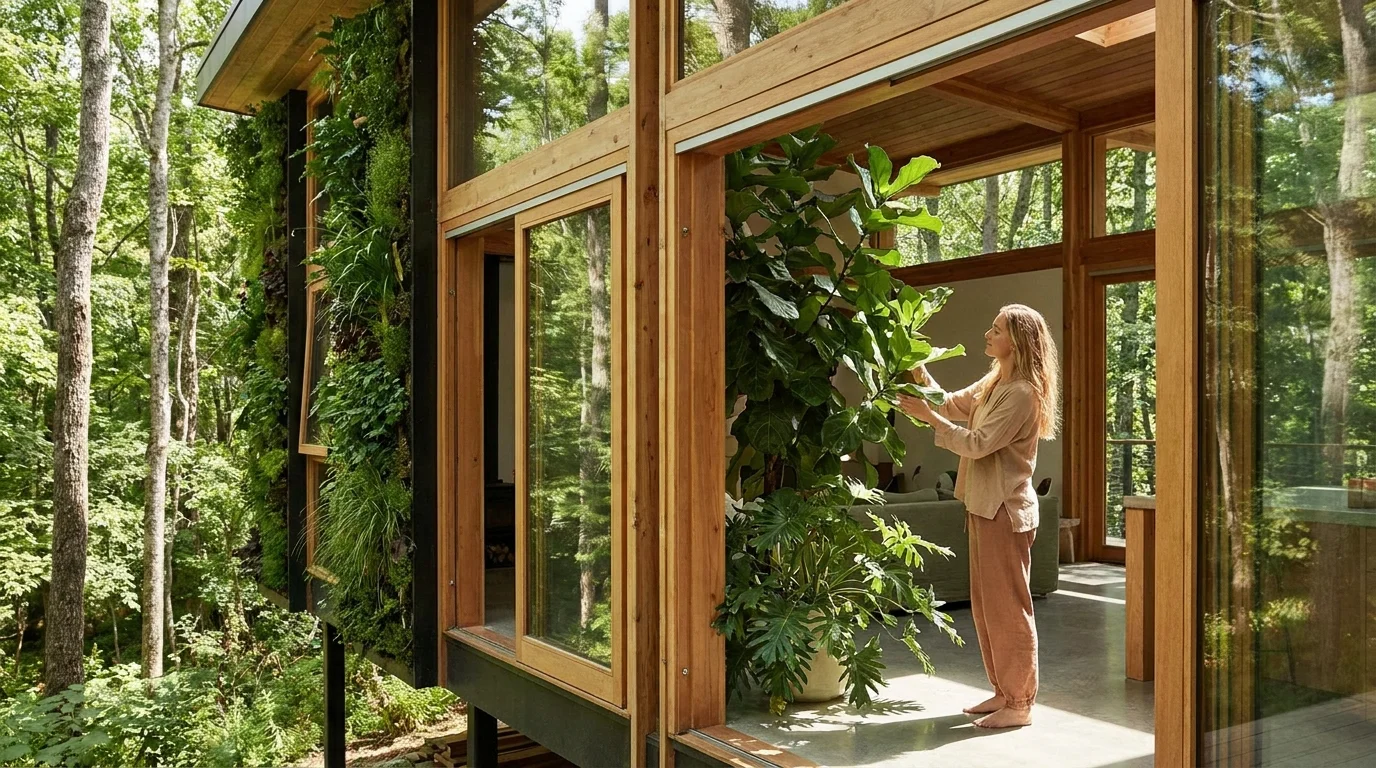
Trend #1: Biophilic Immersion and Architectural Symbiosis
Biophilic design goes entirely beyond placing a potted fern on a side table. In high-end interiors, biophilia acts as a structural philosophy that blurs the boundary between the constructed environment and the natural world. To execute this in your own home, you must anchor your quiet spaces near primary daylight sources. Positioning a chair facing a garden window or a glass door establishes an immediate visual connection to outdoor rhythms, effectively grounding your nervous system.
When sunlight remains scarce, you can simulate biophilic immersion through raw, untreated materials. Incorporate side tables carved from solid burl wood or seating woven with authentic rattan and sisal. These organic textures introduce necessary friction into a room, contrasting beautifully against smooth painted walls. Clinical studies consistently demonstrate that exposure to natural wood grains and organic forms lowers heart rates and reduces stress, making these materials essential for a restorative environment.
To fully capitalize on this trend, evaluate the sightlines from your seating position. A cozy corner home strategy requires you to look outward rather than stare at a blank wall. Frame the view with natural linen drapery that diffuses harsh afternoon glare while allowing ambient light to penetrate. If you lack large windows, you can achieve a similar psychological effect by wrapping the alcove in botanical-print wallpaper or installing a living moss wall, tricking the brain into perceiving depth and organic vitality.
Trend #2: Quiet Luxury in Upholstery and Textiles
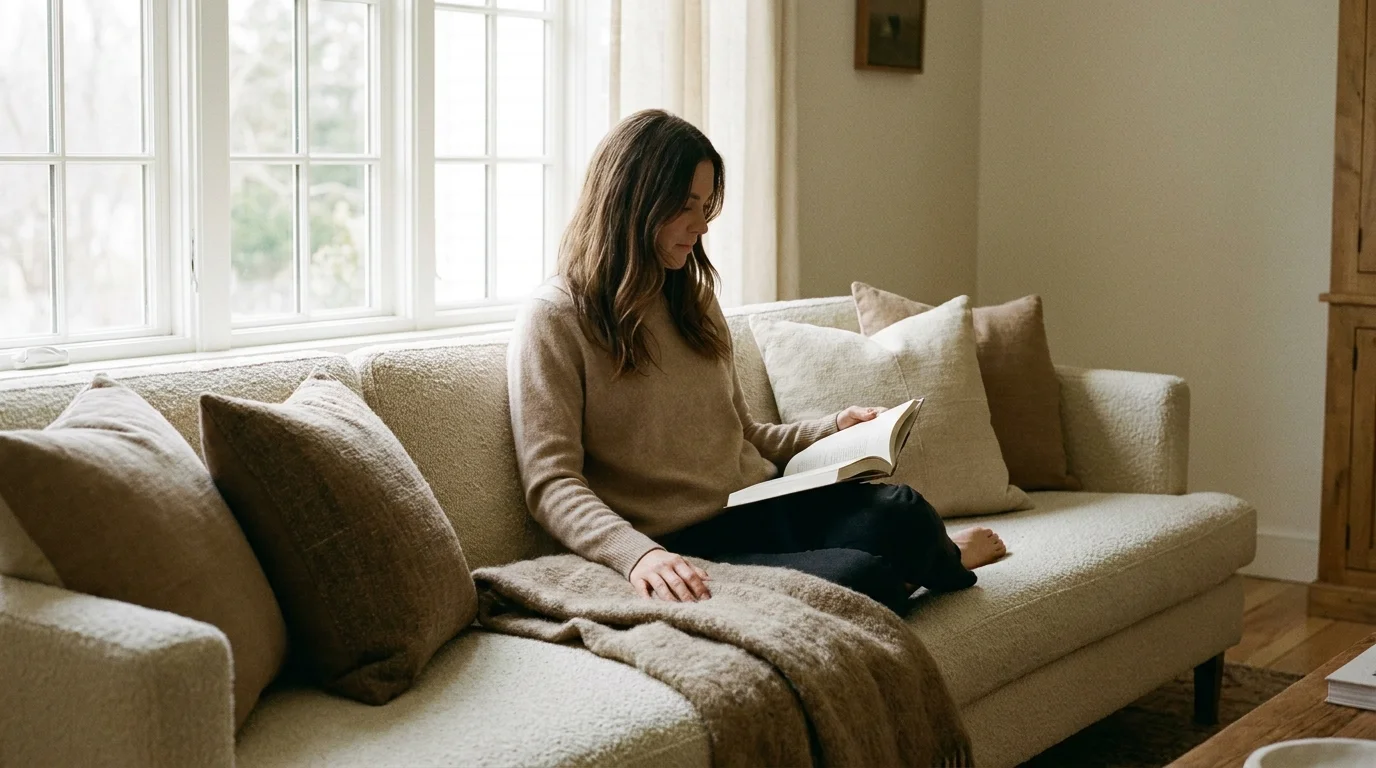
The concept of quiet luxury dominates contemporary textile selection, emphatically rejecting ostentatious patterns and synthetic blends. This trend champions provenance, exceptional craftsmanship, and tactile richness. You experience quiet luxury physically; it is the enveloping weight of a cashmere throw, the breathability of pure Belgian linen, and the dense, acoustic-dampening property of a boucle armchair.
When exploring reading nook ideas, prioritize fabrics that reward touch. Upholster your primary seating in heavy-weight mohair or distressed velvet. These materials possess a dynamic quality, capturing light and casting subtle shadows that change throughout the day. Furthermore, thick textiles absorb ambient room echo, creating an acoustic micro-climate that makes your chosen space feel distinctly insulated from the rest of the bustling household.
Color palettes within the quiet luxury framework lean heavily into earthy neutrals and deeply saturated jewel tones. Think of roasted espresso, muted sage, and warm terracotta. Avoid stark whites, which often reflect too much light and strain the eyes during extended reading sessions. Instead, layer tonal variations of a single color. Pair a camel-colored leather reading chair with a taupe wool blanket and a sand-hued textured rug. This monochromatic layering builds visual depth without generating visual noise, keeping your mind focused entirely on the pages in front of you.
Trend #3: Architectural Provenance and the Built-In Renaissance
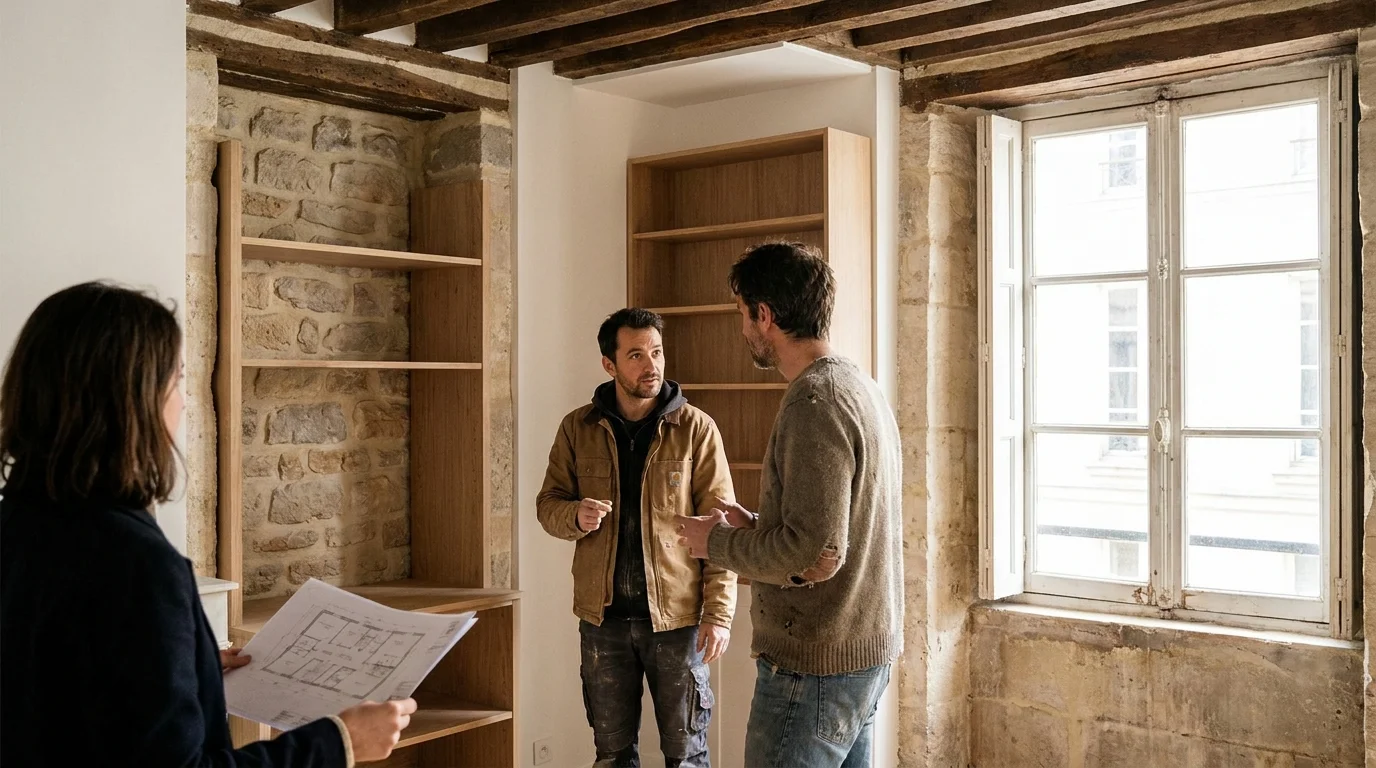
Provenance refers to the origin, history, and authenticity of a piece. Modern homeowners increasingly reject mass-produced, flat-pack shelving in favor of millwork that tells a story. Integrating architectural provenance into your design means sourcing reclaimed timber for floating shelves or commissioning custom, floor-to-ceiling cabinetry that appears original to the historic footprint of the house.
A dedicated home library nook relies heavily on this built-in aesthetic. Built-in shelving utilizes vertical space efficiently, drawing the eye upward and making low-ceilinged rooms feel significantly taller. If custom cabinetry falls outside your current budget, you can fake the built-in look by securing high-quality, matching bookcases to the wall and trimming the edges with custom crown molding and baseboards. Paint the entire assembly—shelves, trim, and the wall behind them—in a single, dramatic color like navy blue or forest green to create a cohesive, architectural statement.
Displaying your books also requires intentional curation. Rather than stuffing shelves to maximum capacity, treat your library as a dynamic gallery. Alternate between vertical stacks and horizontal piles of oversized art books. Leave strategic negative space to display structural ceramics, vintage brass reading glasses, or framed sketches. This deliberate styling prevents the space from feeling cluttered, maintaining the serene atmosphere required for deep concentration.
Trend #4: Ergonomic Elegance for Multigenerational Comfort
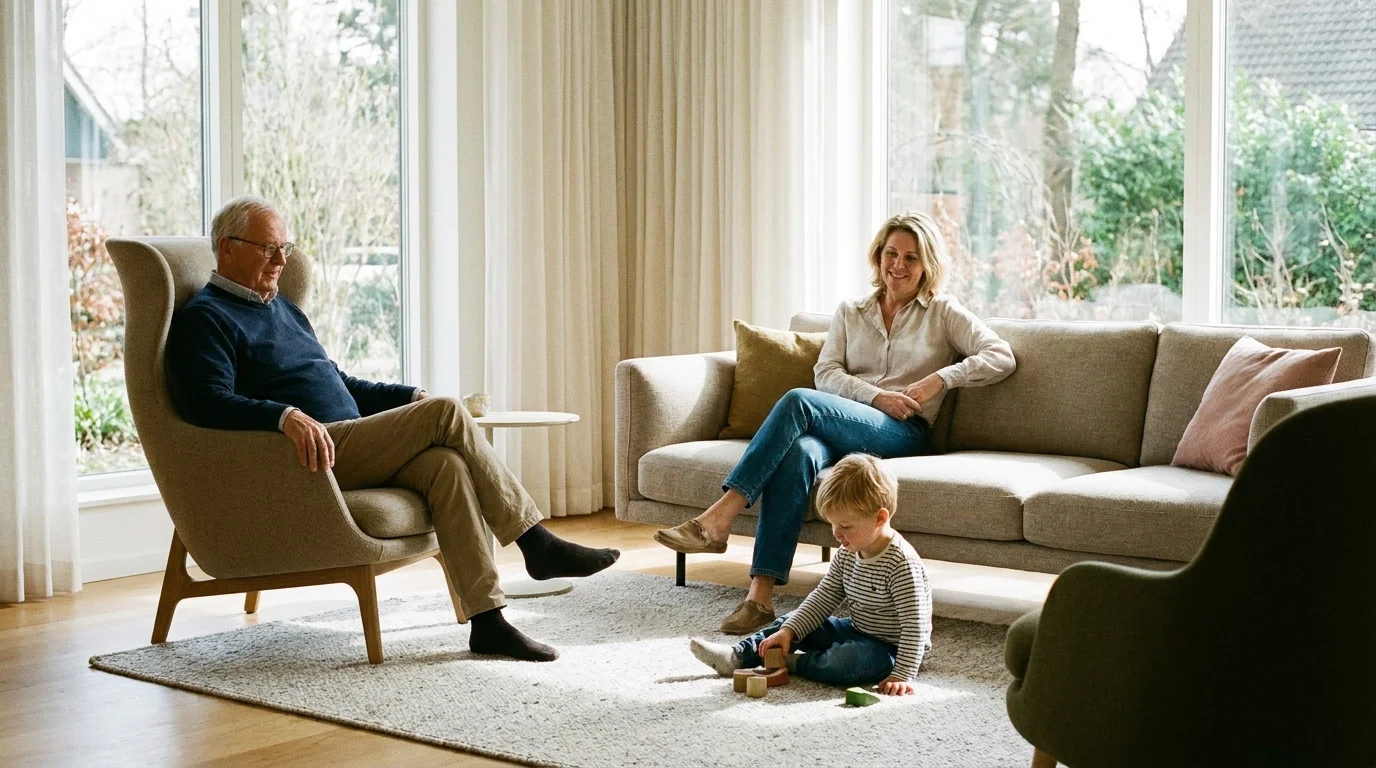
Exceptional design serves the human body just as effectively as it delights the eye. The residential market is currently experiencing a profound shift toward multigenerational living, requiring spaces that accommodate a wide spectrum of physical needs. Designing a relaxing room seniors can navigate comfortably means prioritizing biomechanics and joint support without sacrificing high-end aesthetics.
The foundation of ergonomic elegance lies in the dimensions of your seating. Sink-in, ultra-deep sofas might look appealing in catalogs, but they force the spine into an unnatural C-curve and make standing up extremely difficult. Instead, select a chair with a seat depth of roughly 20 to 22 inches and a firm, high-density foam core. The seat height should hover around 18 inches from the floor, allowing the user’s feet to rest completely flat, which stabilizes the lower back.
Incorporate dynamic movement into the space. Swivel bases and articulating recliners have shed their clunky, outdated reputations. Leading furniture houses now embed high-performance reclining mechanisms inside sleek, mid-century modern silhouettes. Pair your seating with an upholstered ottoman that supports the legs at a slight downward angle, promoting healthy blood circulation during lengthy reading sessions. By addressing these structural details, you guarantee that the space remains a restorative haven for individuals of every age and mobility level.
Trend #5: Sensory Lighting and Atmospheric Dimming
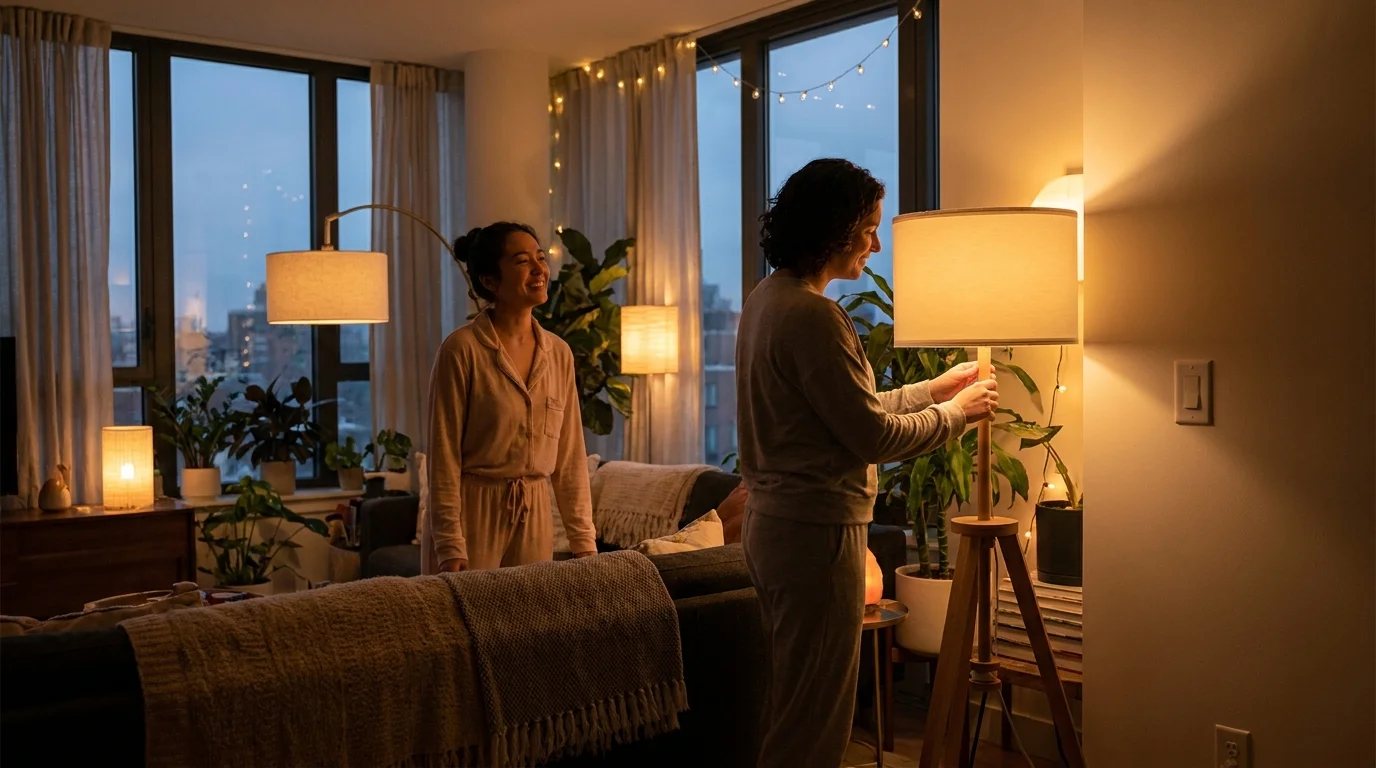
Proper illumination dictates the mood, utility, and biological impact of any interior. Overhead, recessed lighting acts as a harsh spotlight, casting unflattering shadows and triggering alertness when you actually want to wind down. To build a highly comfortable reading space, you must implement a layered, sensory-driven lighting strategy.
Start with task lighting. A dedicated reading lamp should deliver targeted illumination directly onto your page without spilling excessive light into the surrounding room. Opt for articulated brass floor lamps or swing-arm wall sconces. These fixtures allow you to adjust the beam’s angle precisely, reducing glare and preventing eye strain. Ensure you position the light source over your shoulder, rather than directly in front of you, to eliminate harsh reflections off glossy pages.
Next, integrate ambient, temperature-controlled lighting. The human circadian rhythm responds intensely to the color temperature of light, measured in Kelvins (K). During the evening, your body requires warm, amber light to trigger melatonin production. Install smart LED bulbs in your accent lamps and set them to a warm 2700K or 2200K as the sun goes down. Connecting these fixtures to a centralized dimmer switch gives you absolute control over the atmospheric intensity, allowing you to transition the mood of the alcove seamlessly from a bright morning study area to an intimate, shadowy evening retreat.
Trend #6: The Unused Closet and Hallway Metamorphosis
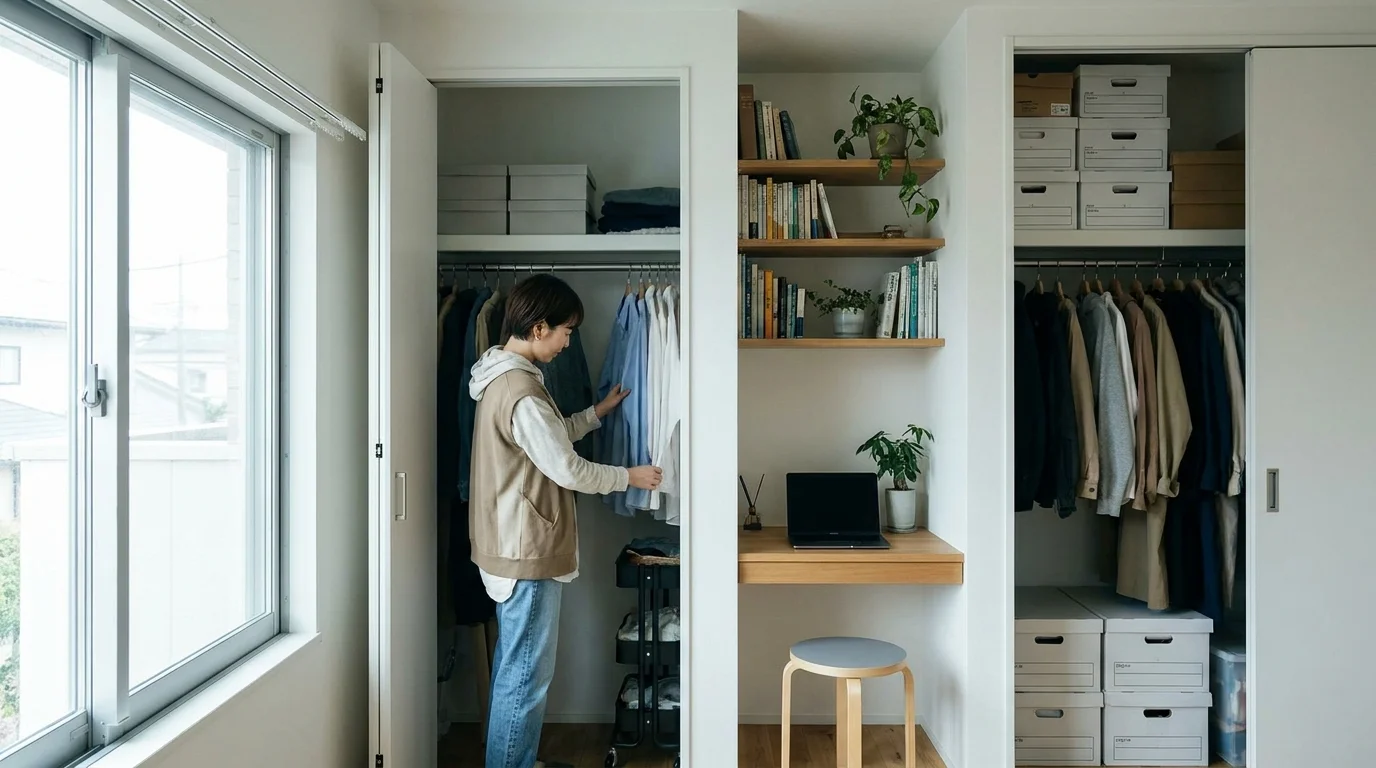
You do not need a sprawling manor to capture the luxury of a private library; you simply need a critical eye for underutilized real estate. The most innovative residential designs of the decade involve micro-zoning—the practice of carving highly specialized environments out of transitional spaces. Awkward hallway corners, deep window frames, and empty closets present prime opportunities for architectural metamorphosis.
Consider the architectural potential of the space beneath a staircase. Often relegated to housing seasonal coats or vacuum cleaners, this sloped cavity serves as an ideal footprint for a built-in daybed. Reinforce the structure, add a custom-upholstered bench cushion, and install recessed wall niches for books. Enclose the opening with heavy velvet portieres to create a dramatic, theatrical hideaway that feels entirely separated from the adjacent living spaces.
Similarly, you can remove the doors from a shallow, unused closet to engineer a sophisticated reading recess. Wallpaper the interior cavity with a bold, immersive print to differentiate the zone from the rest of the room. Install a floating bench and a hardwired pendant light hanging directly overhead. By intentionally framing these tight architectural pockets, you maximize the functional square footage of your home and deliver an element of unexpected delight to your daily routine.
The Big Picture: Weaving These Trends into Your Home
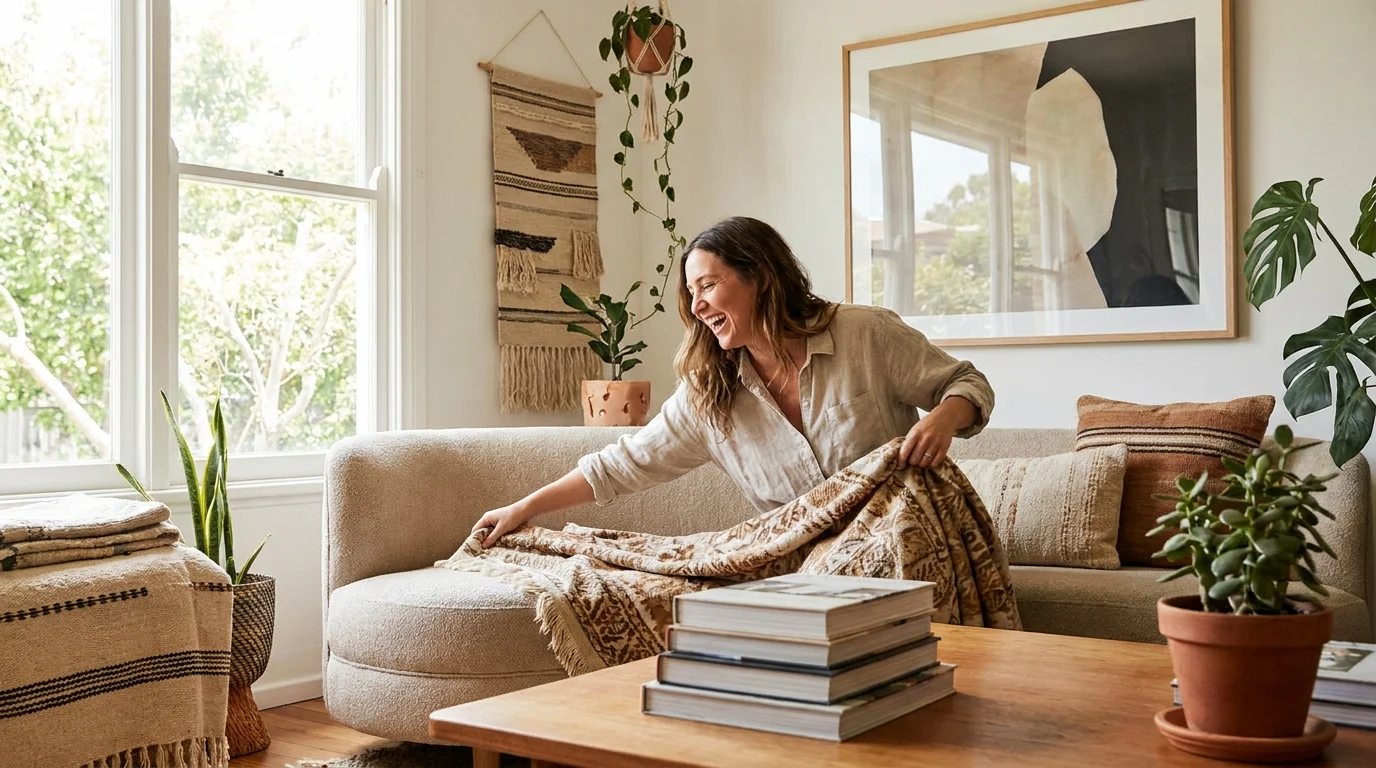
Synthesizing these diverse design trends requires editing and restraint. You do not need to implement every single concept to achieve a masterful result. Instead, evaluate the unique architectural constraints of your home and select the strategies that naturally enhance your daily habits. If you possess a brilliant bay window, let biophilic immersion and natural light drive your design. If you live in a dense urban apartment with limited sunlight, lean heavily into sensory lighting and the quiet luxury of rich, tactile fabrics.
Start by auditing your floor plan. Identify the dead zones—the spaces you walk through but never pause in. Clear the clutter, define the boundary with a textured rug, and establish a focal point using a substantial piece of seating. Introduce lighting that flatters the eye and calms the mind. Finally, populate the surrounding shelves with objects that hold genuine personal provenance.
When you approach interior design with this level of intentionality, you move beyond mere decoration. You construct an environment that actively participates in your mental recovery. A thoughtfully executed quiet space provides a necessary buffer against the velocity of modern life, offering a private theater where you can disconnect, reflect, and recharge.
For the latest color forecasts, consult industry leaders like Pantone and paint companies like Benjamin Moore. For professional design standards, refer to the American Society of Interior Designers (ASID).
Frequently Asked Questions
What is the minimum square footage required to design a functional quiet space?
You can execute a highly functional design in a footprint as small as nine square feet (a 3×3 foot area). This dimension easily accommodates a streamlined accent chair, a narrow profile floor lamp, and a slim pedestal table for a book and a beverage. The success of a small space relies entirely on scale; choose furniture with exposed legs and open frames to allow light to pass through, preventing the corner from feeling congested.
How do I select the right artwork to complement my book collection?
Treat artwork as a visual palate cleanser among heavy rows of books. Incorporate pieces that feature expansive negative space, such as abstract line drawings, minimalist charcoal sketches, or atmospheric landscape photography. Avoid hyper-detailed or text-heavy art prints, which compete with the visual density of book spines. Frame your pieces in non-reflective museum glass to maintain a glare-free environment when utilizing your task lighting.
Can I create a dedicated reading zone within an open-concept living room?
Absolutely. You must establish distinct visual boundaries to separate the reading zone from the main entertainment area. Use a high-pile area rug to anchor the reading chair independently from the main sofa arrangement. Position the back of your reading chair toward the television to signal a psychological break from digital media. You can also deploy open-backed bookcases or folding decorative screens to create a permeable but effective architectural barrier.
What are the best practices for maintaining a clean and dust-free library environment?
Books naturally generate and trap dust, which can degrade paper quality over time. Maintain a consistent humidity level between 40% and 50% to prevent pages from becoming brittle or attracting mold. Keep books pushed to the front edge of the shelves; this prevents dust from settling on the ledge in front of them and allows air to circulate behind the bindings. Utilize a HEPA-filter vacuum with a soft brush attachment on your upholstery and shelves weekly to preserve the pristine look of your textiles.
Disclaimer: This article reflects design trend analysis and predictions. Personal taste and timeless design principles should always guide your decorating choices.
