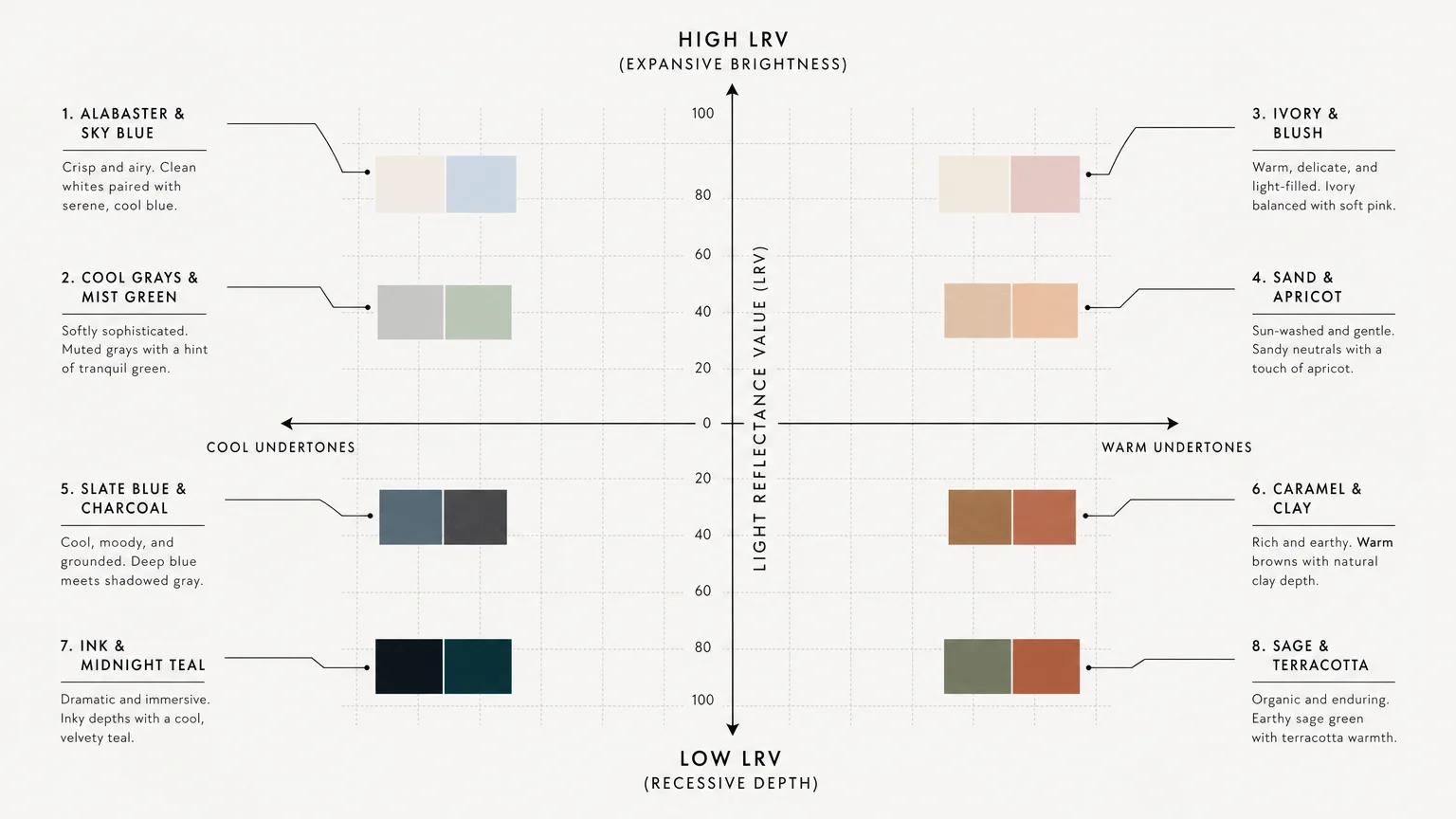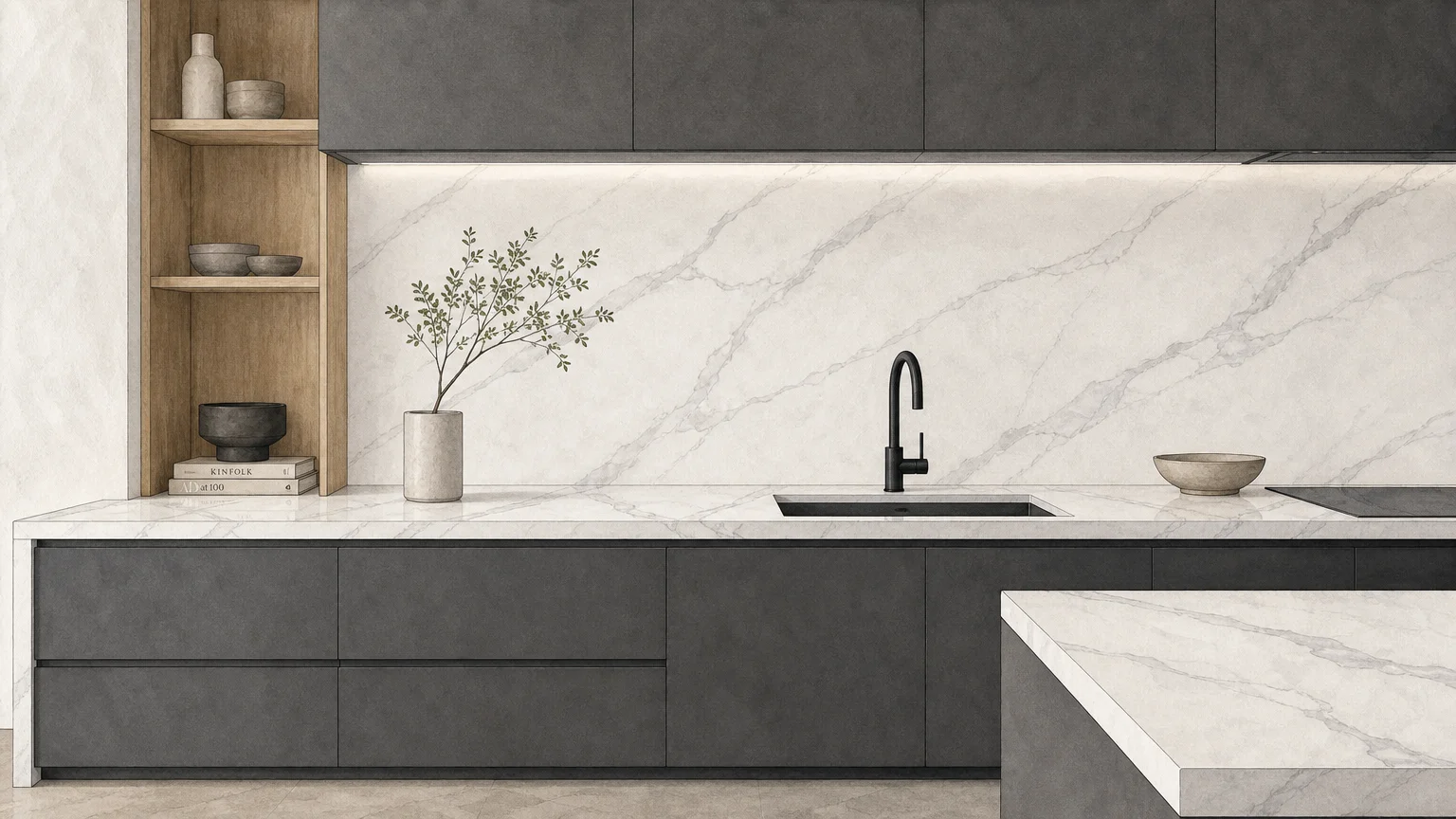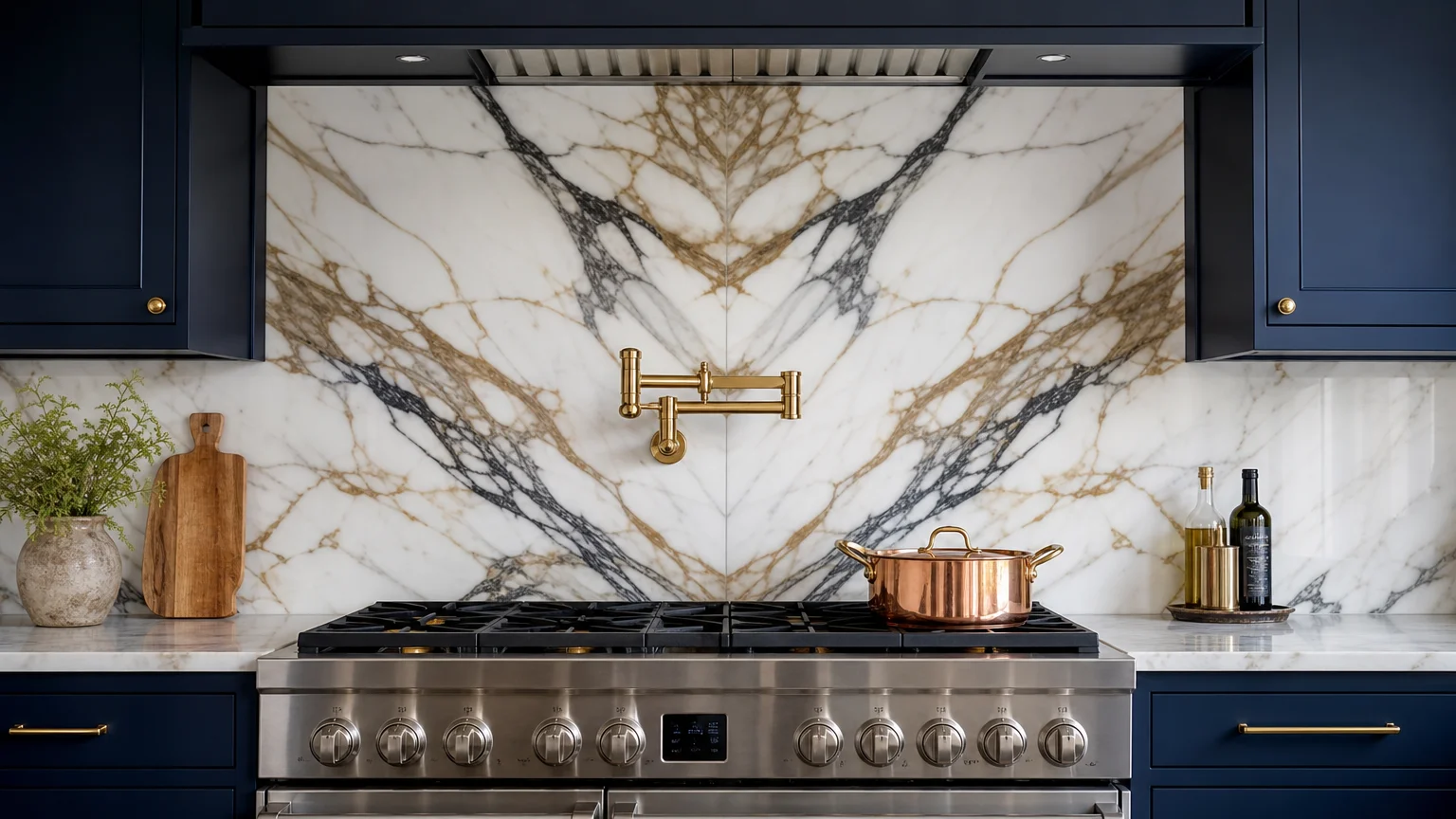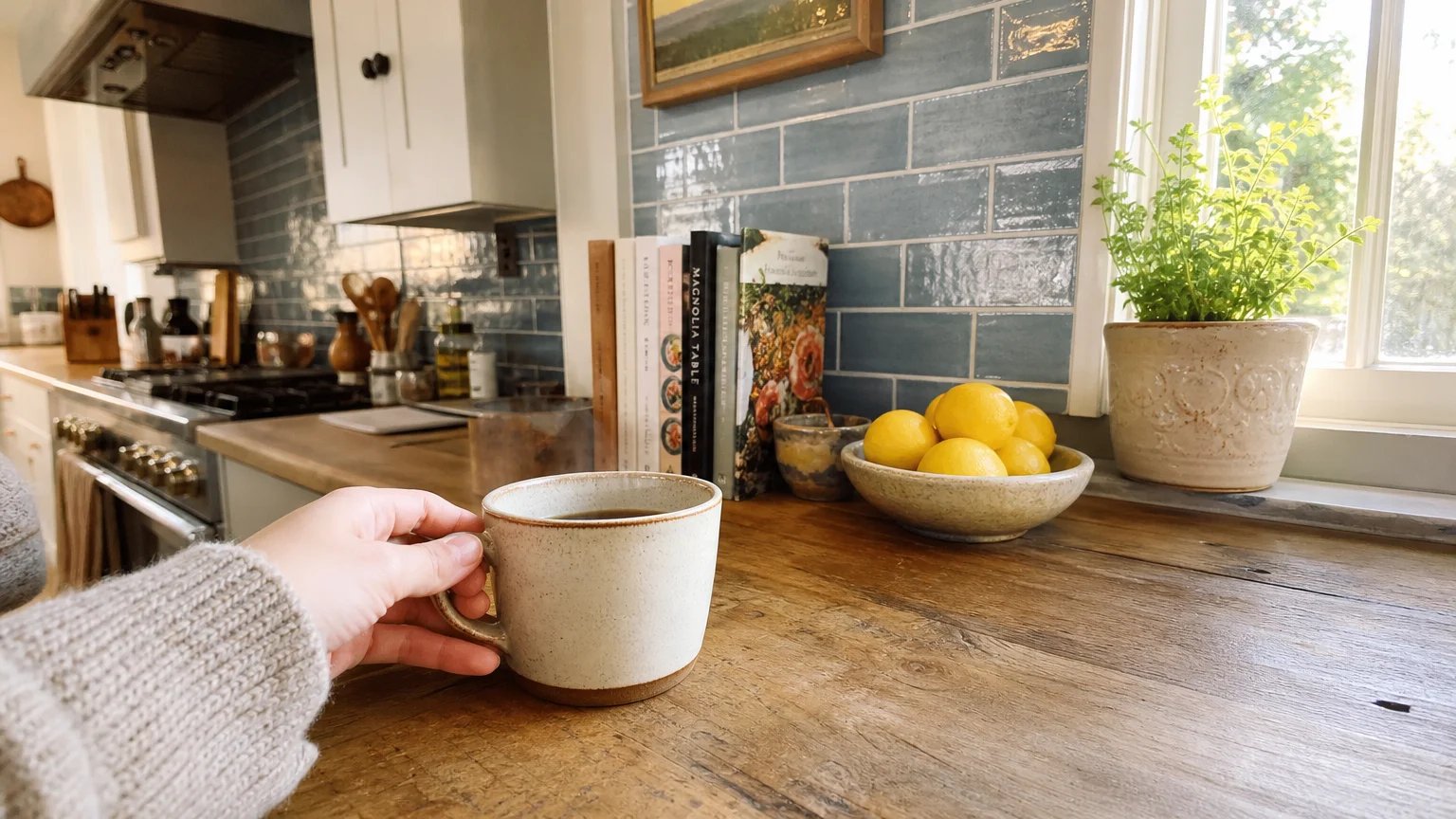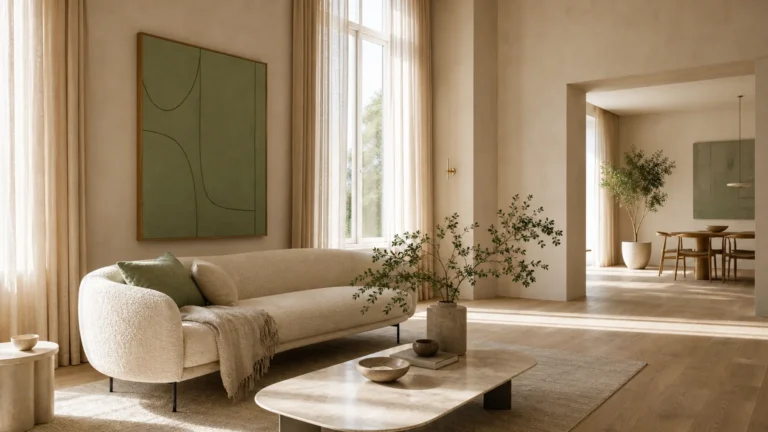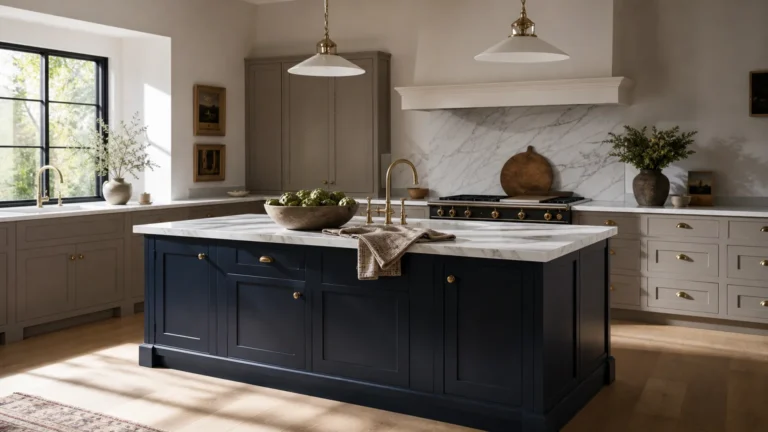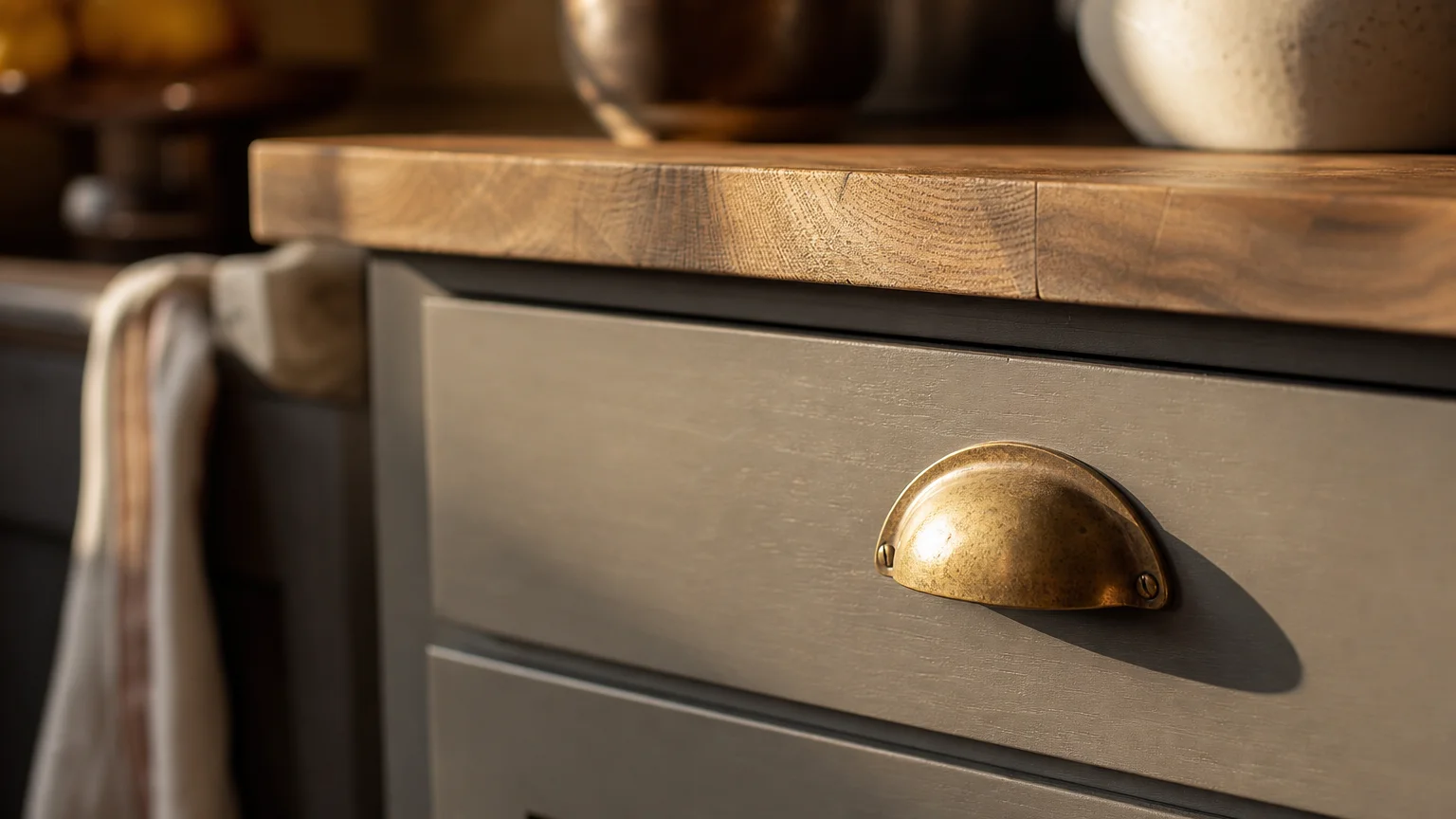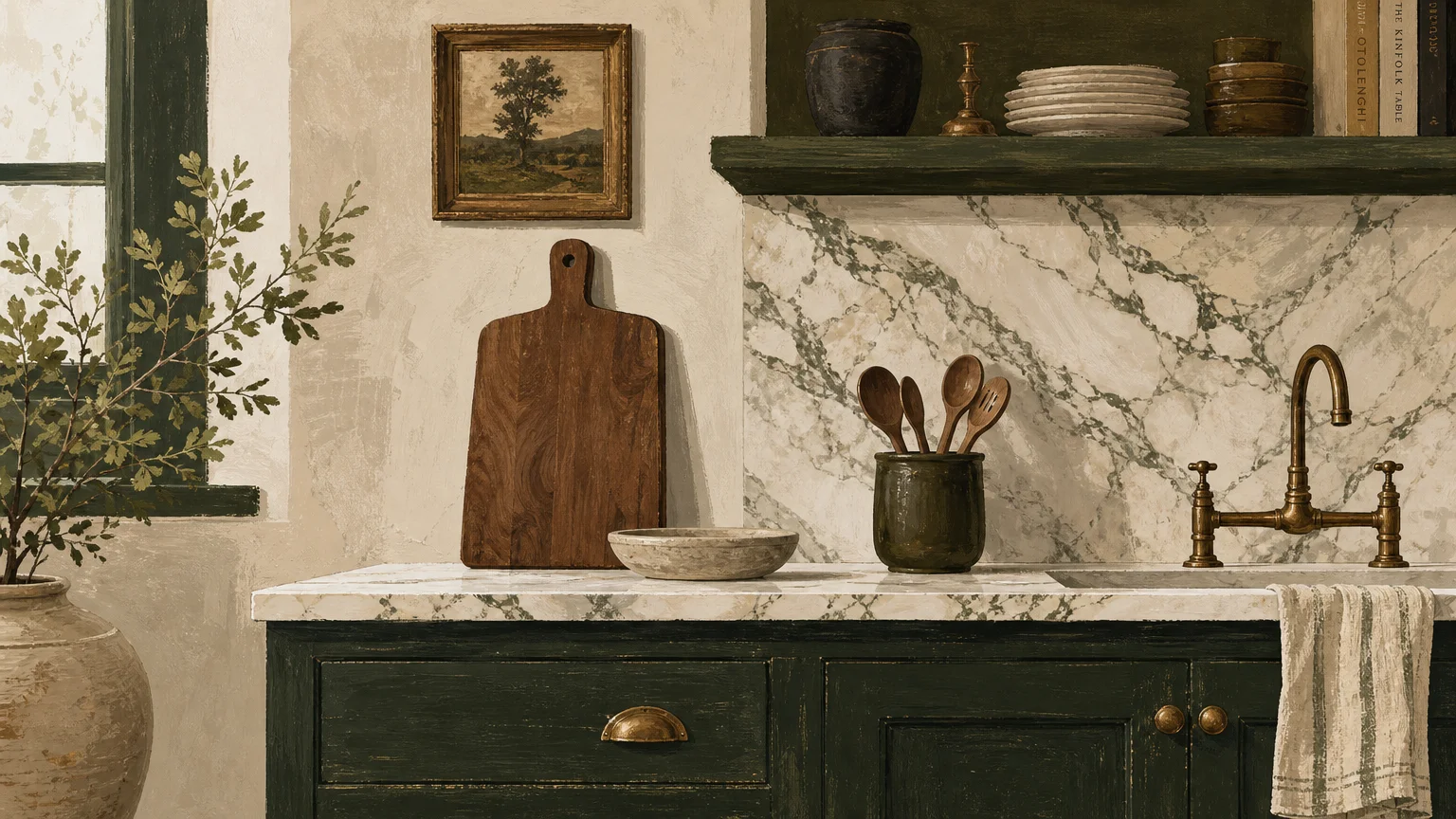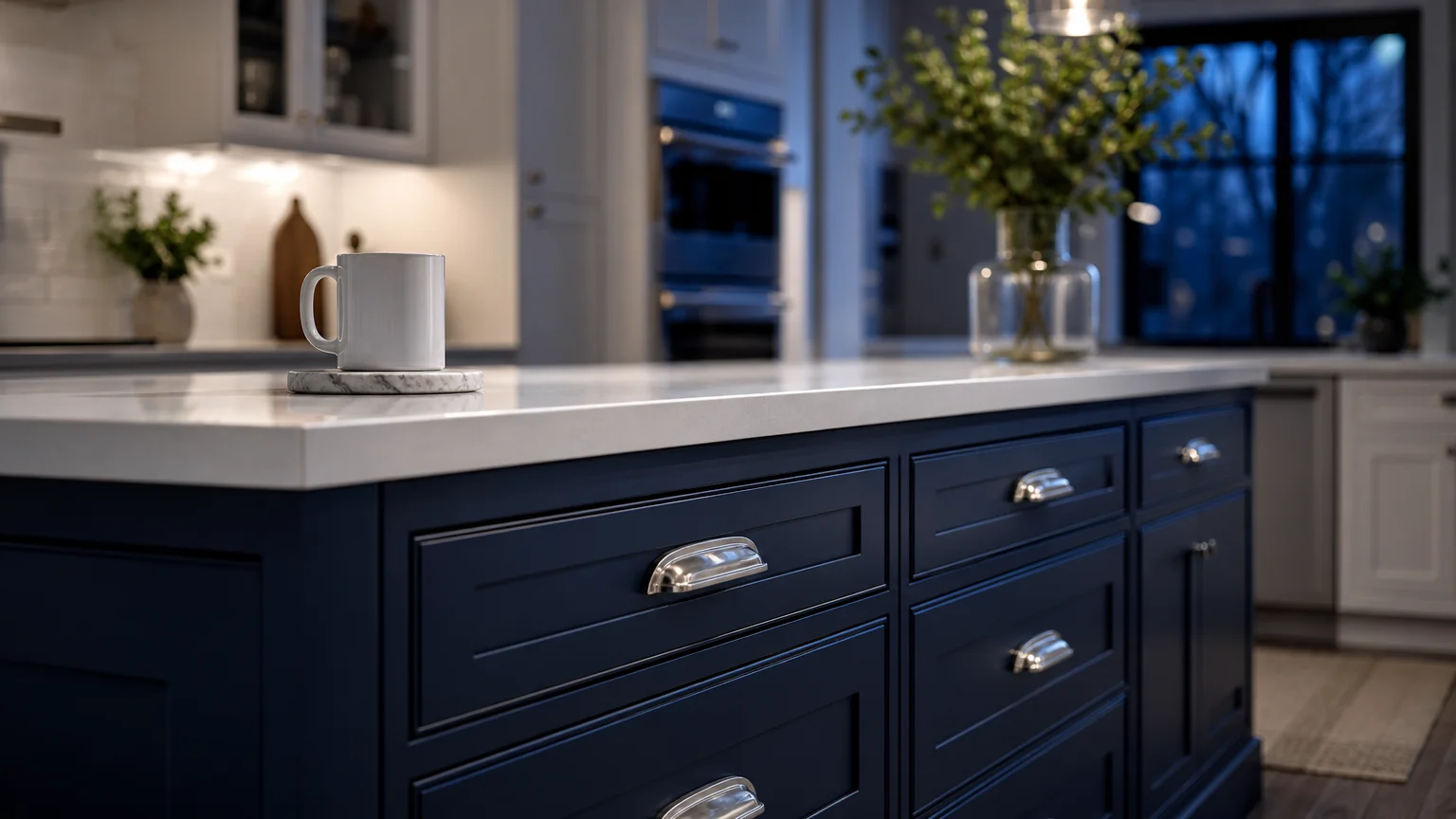
Home Blog

6 Color Trends That Make Senior Homes Feel Modern and Inviting in 2026

0

Introduction: Defining the Look of 2026

Aging in place is undergoing a massive aesthetic renaissance. You no longer have to choose between functional accessibility and high-end design; today, the two concepts work in perfect harmony. In 2026, the modern senior home embraces rich, deeply comforting palettes that prioritize psychological well-being as much as visual appeal. The design world has officially moved past the sterile, clinical whites and the outdated, overly muted pastels that once defined senior living spaces. Instead, we are entering an era of sophisticated, intentional color design that elevates everyday living and celebrates the art of growing older with style.

When analyzing the home color trends 2026 has introduced, a clear narrative emerges: you want spaces that feel both luxurious and emotionally grounding. Color choices directly impact your mood, your energy levels, and even your physical spatial awareness—factors that become increasingly important as you age. Aging eyes require specific lighting and color contrasts to navigate spaces safely, but these functional requirements should never compromise your personal taste. You deserve an environment that feels curated, intentional, and inspiring.

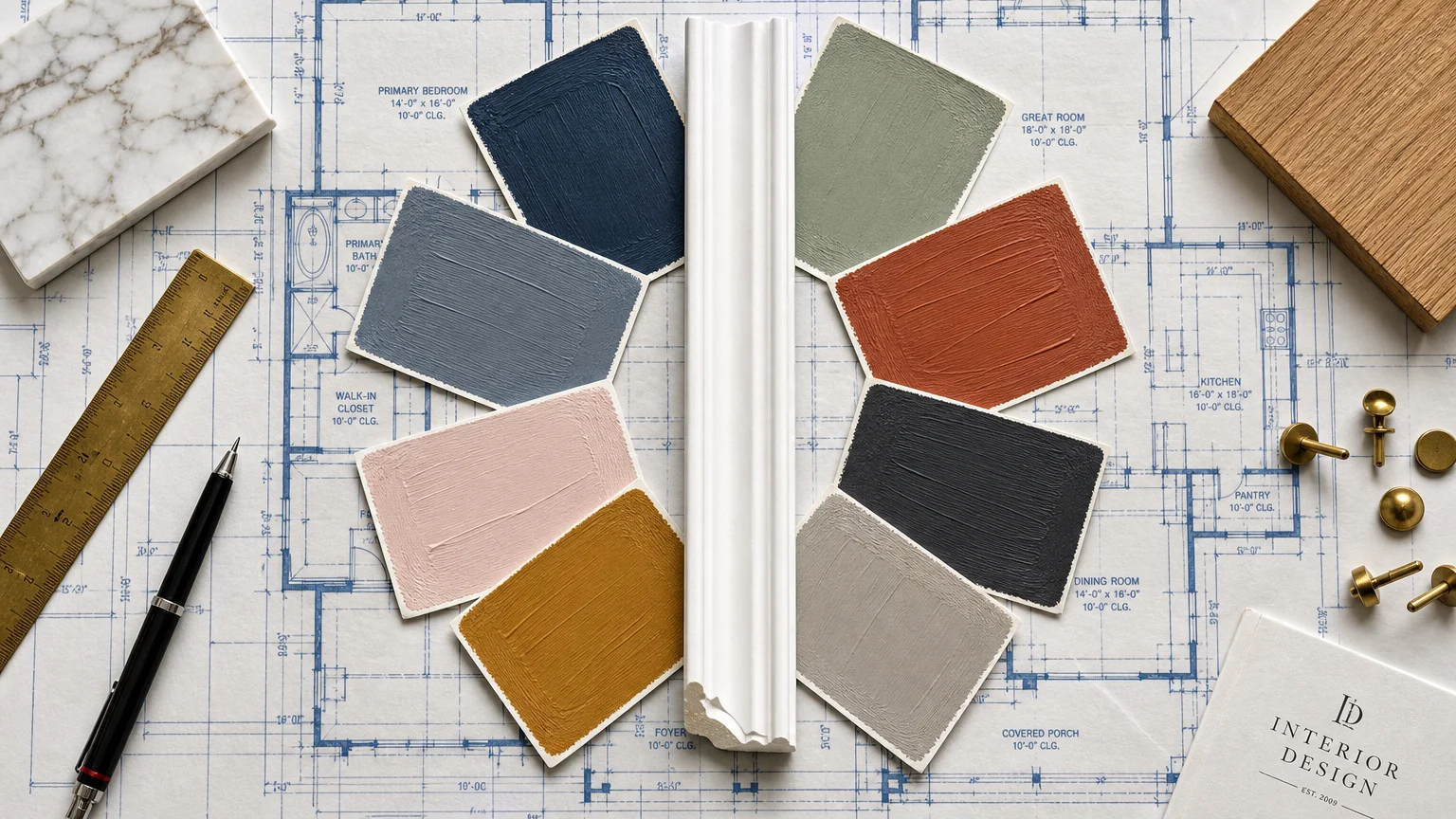
By adopting these fresh home look concepts, you create environments that feel vibrant, engaging, and undeniably chic. This guide explores six transformative color movements shaping interior design right now. You will discover practical ways to integrate these hues into your own living spaces, ensuring your home remains a welcoming sanctuary for years to come. Whether you are planning a full-scale renovation or simply looking for small updates, these insights provide the blueprint for a truly elevated interior.

———

Trend #1: Warm, Enveloping Terracottas

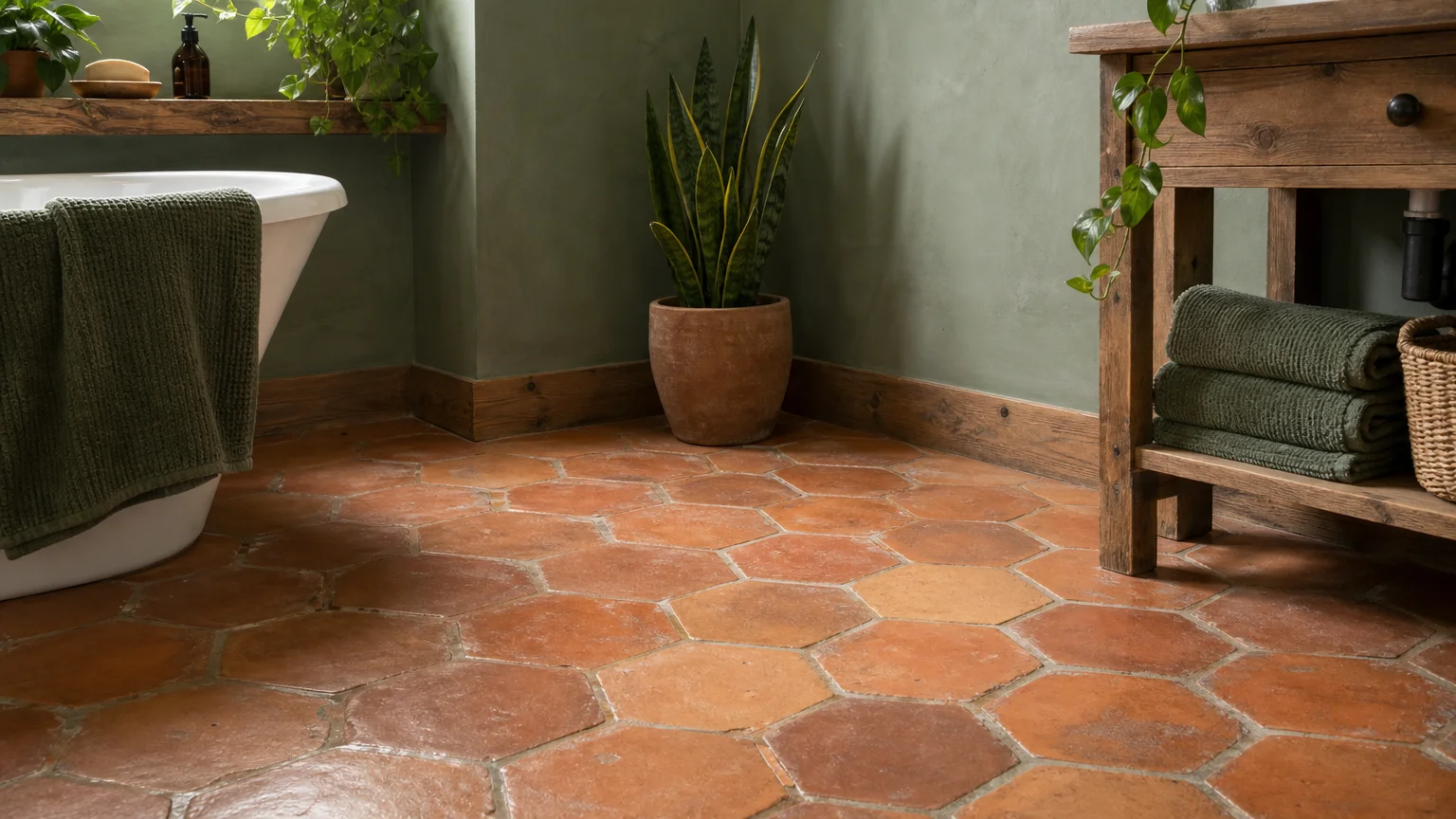
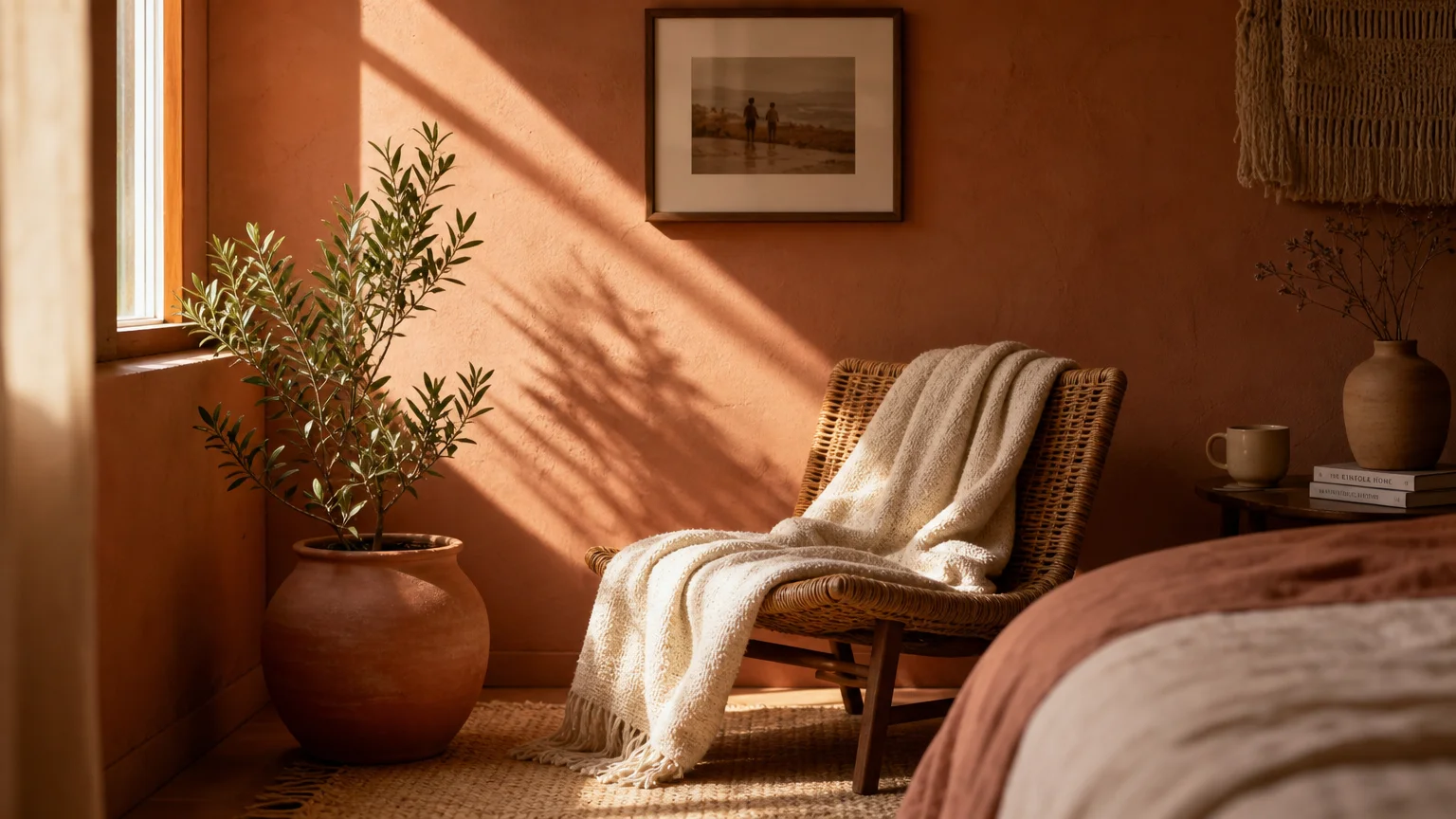
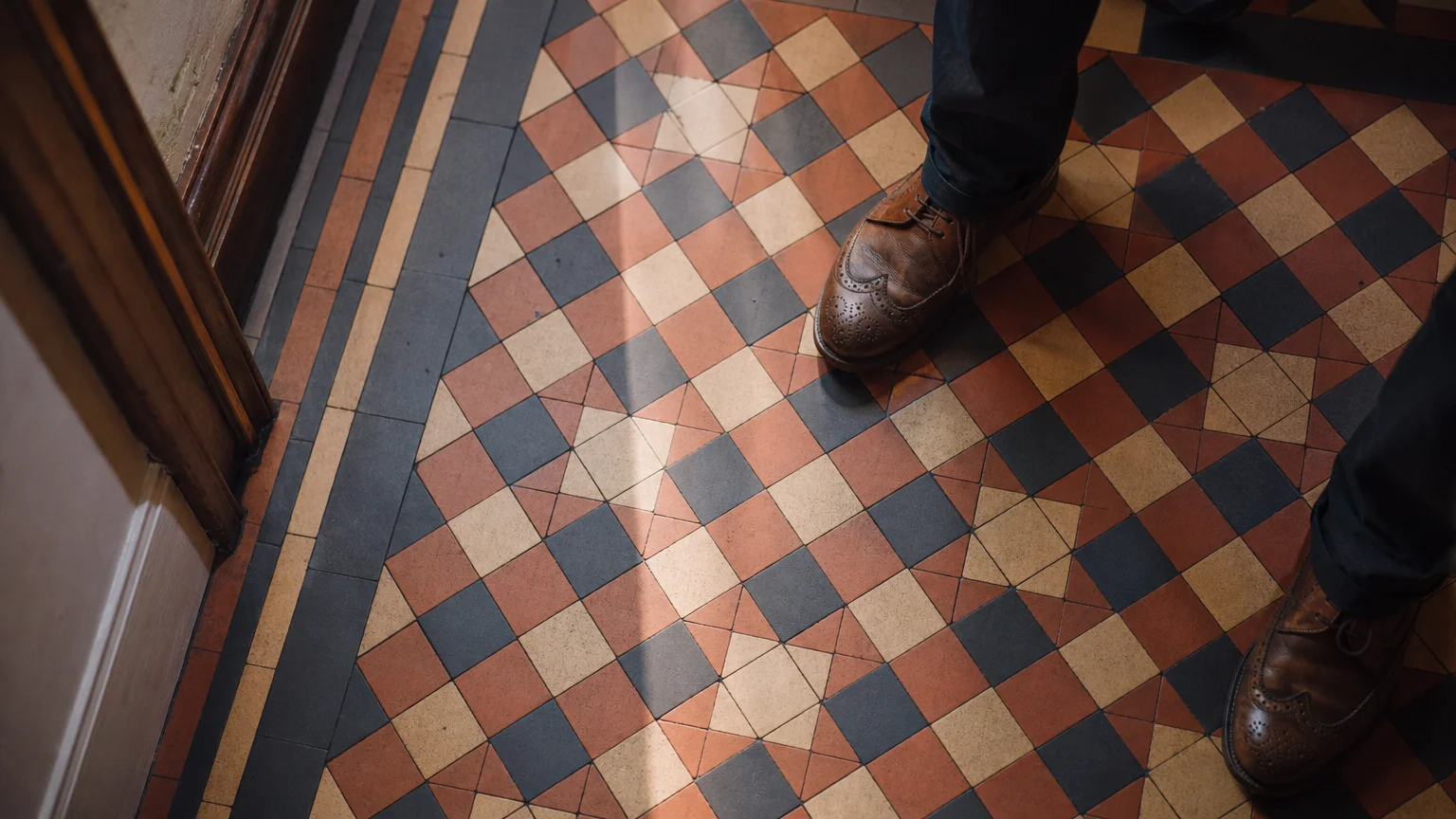
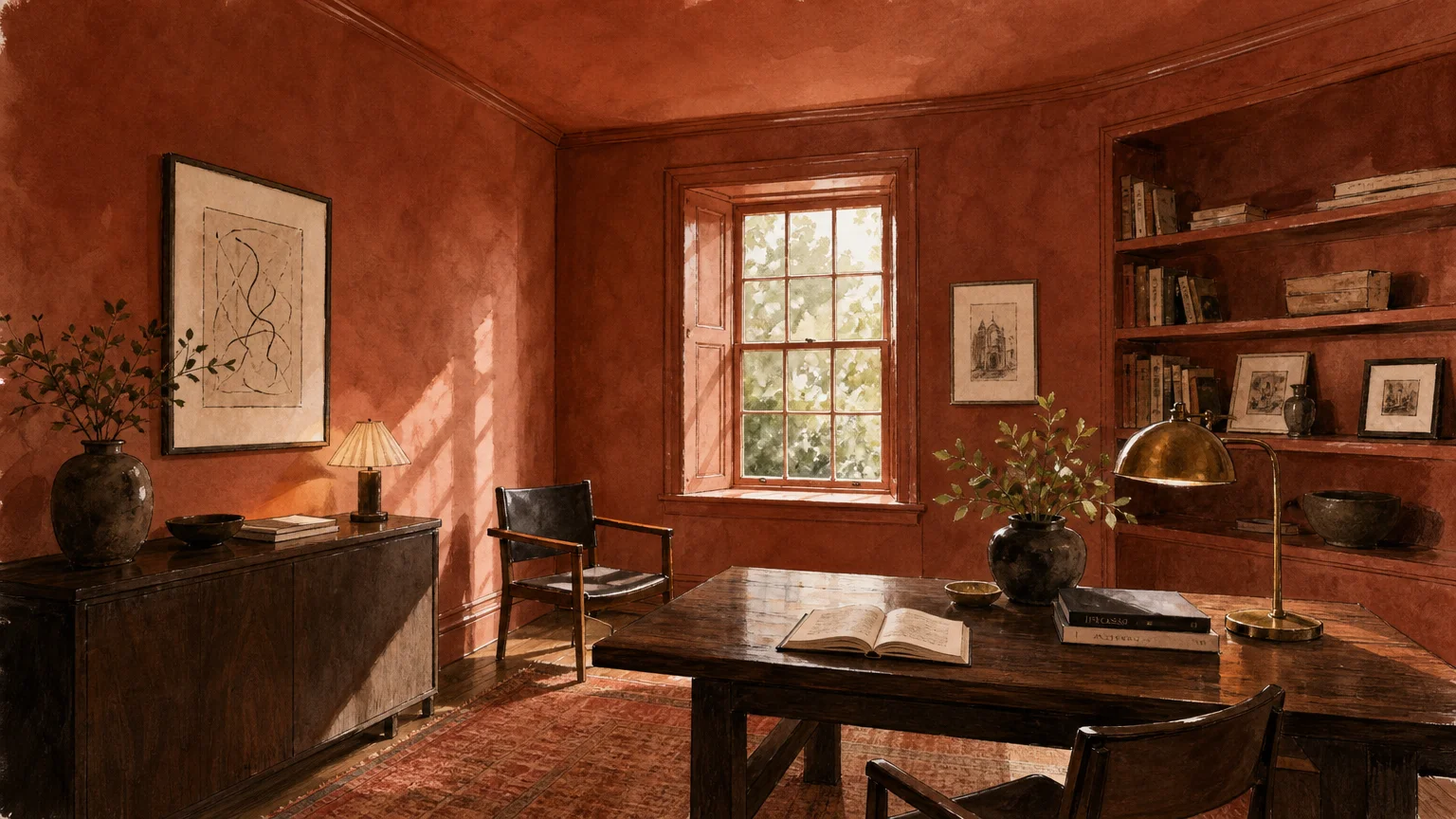
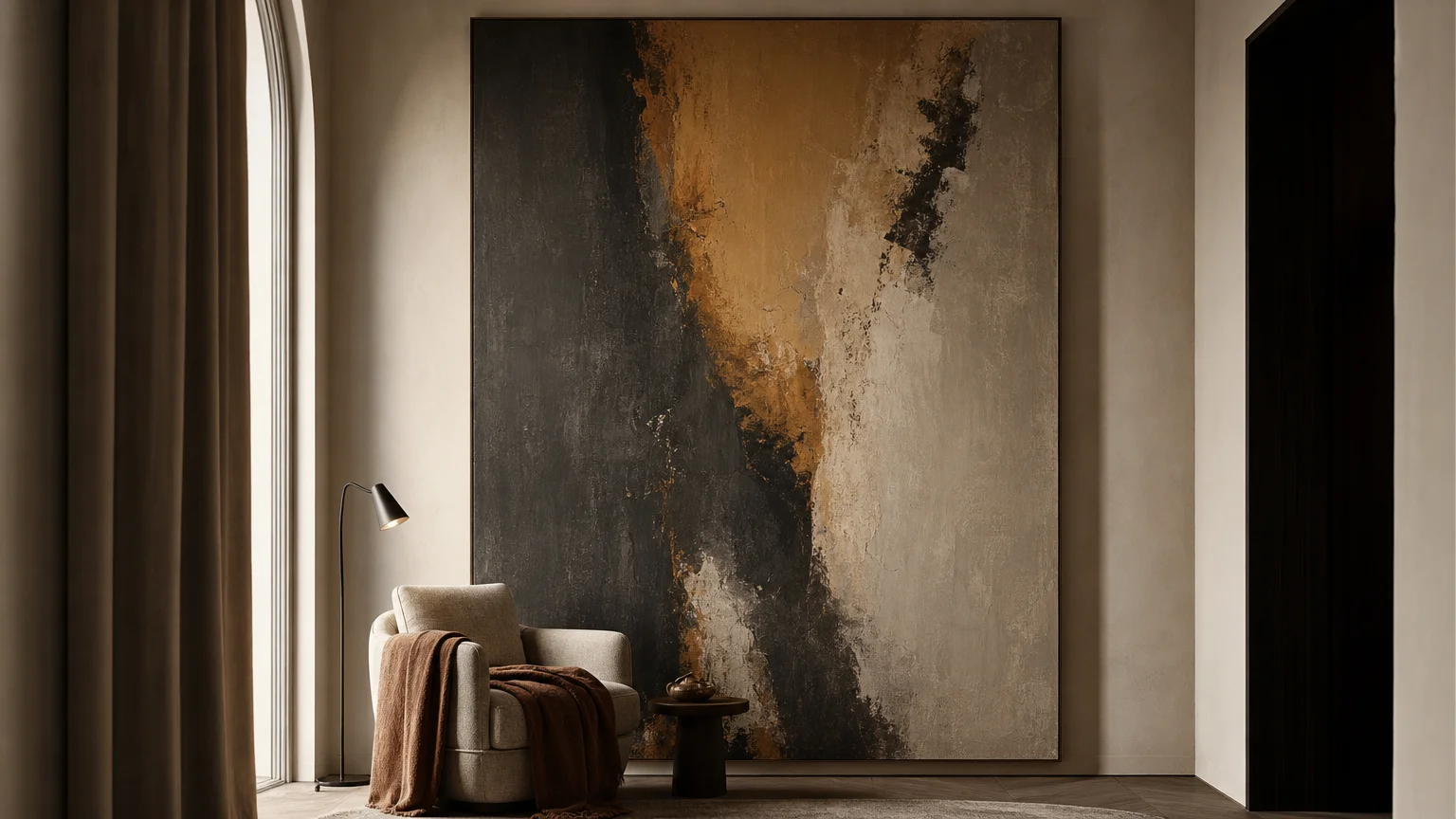
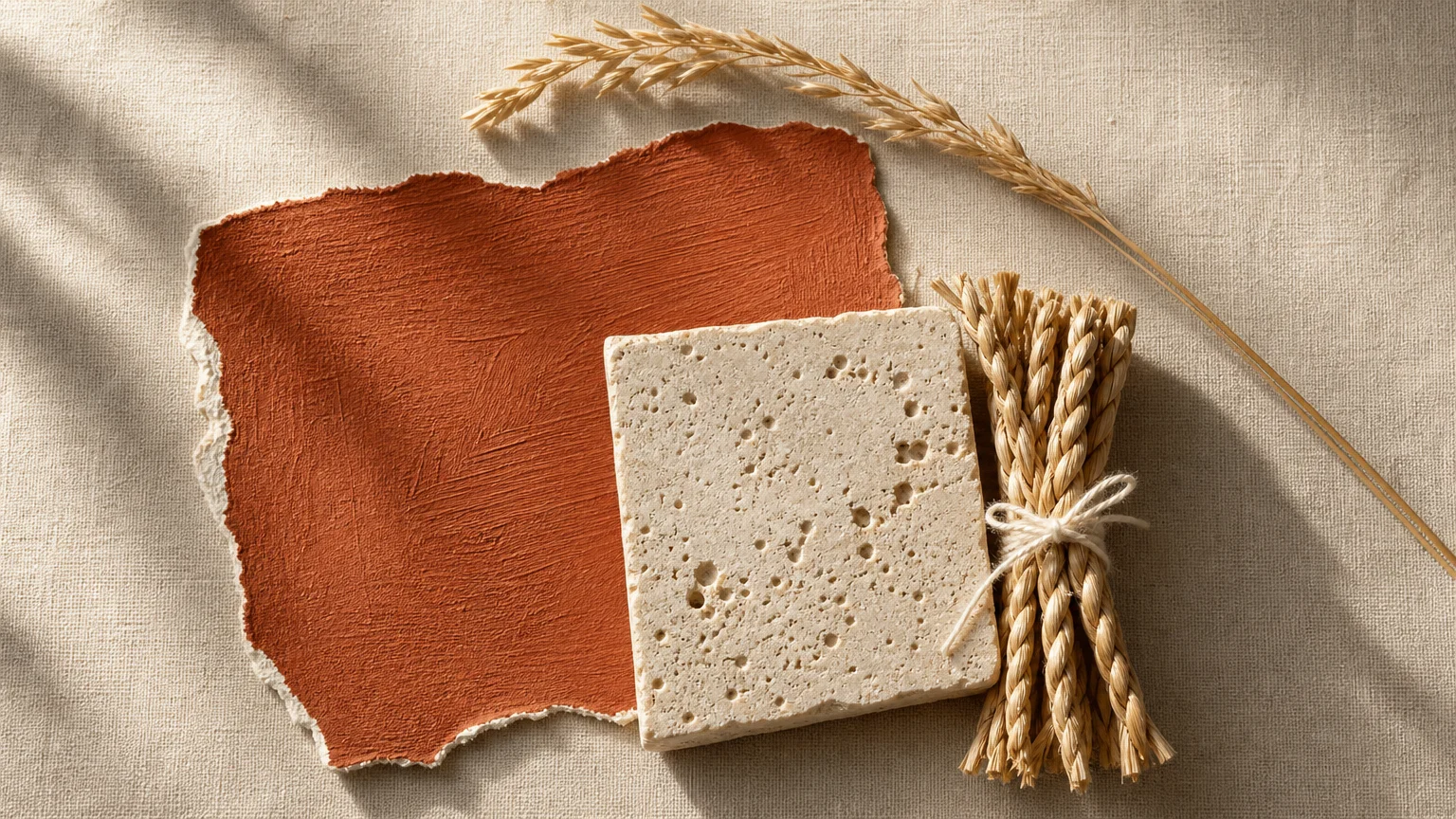
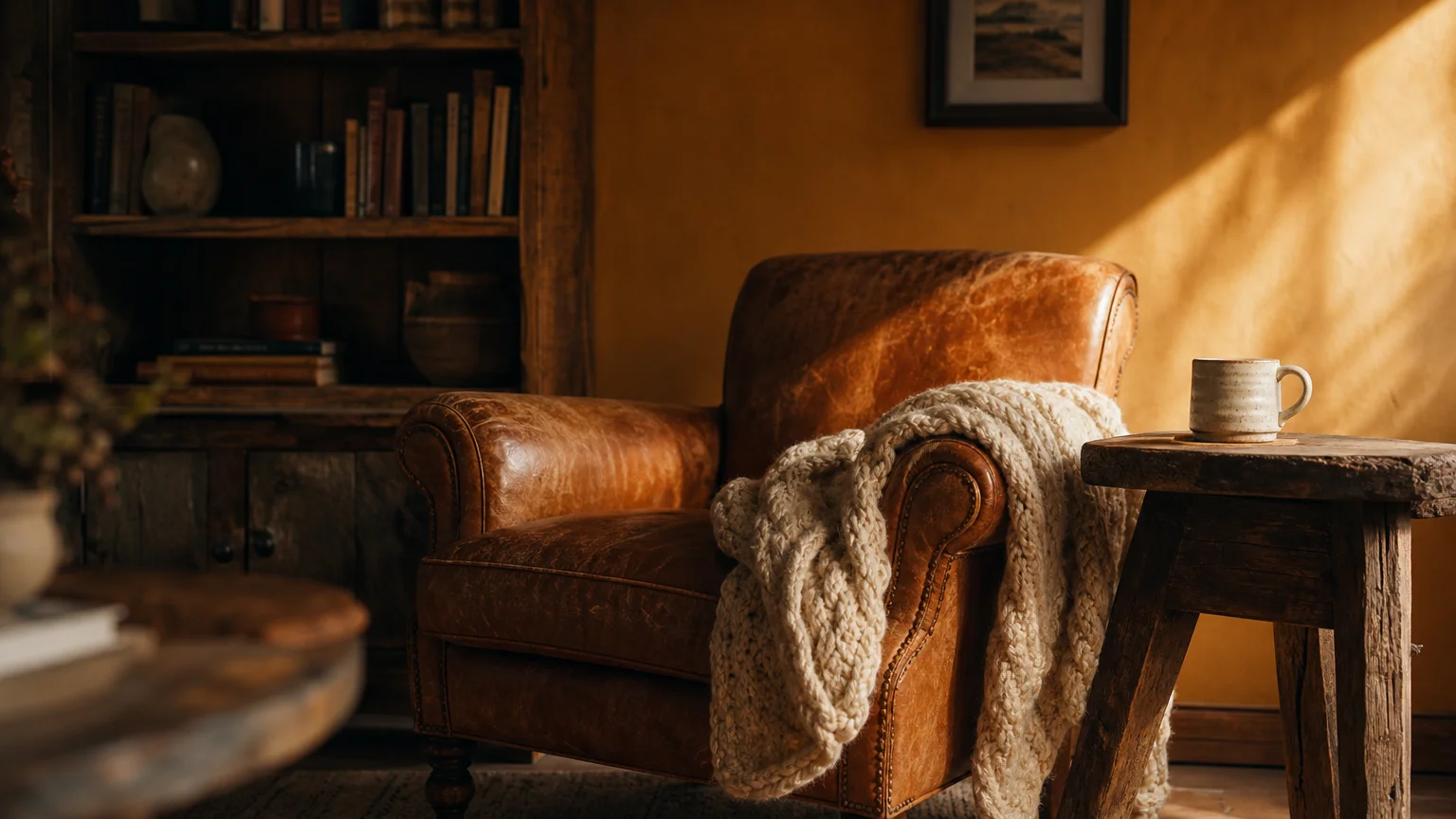
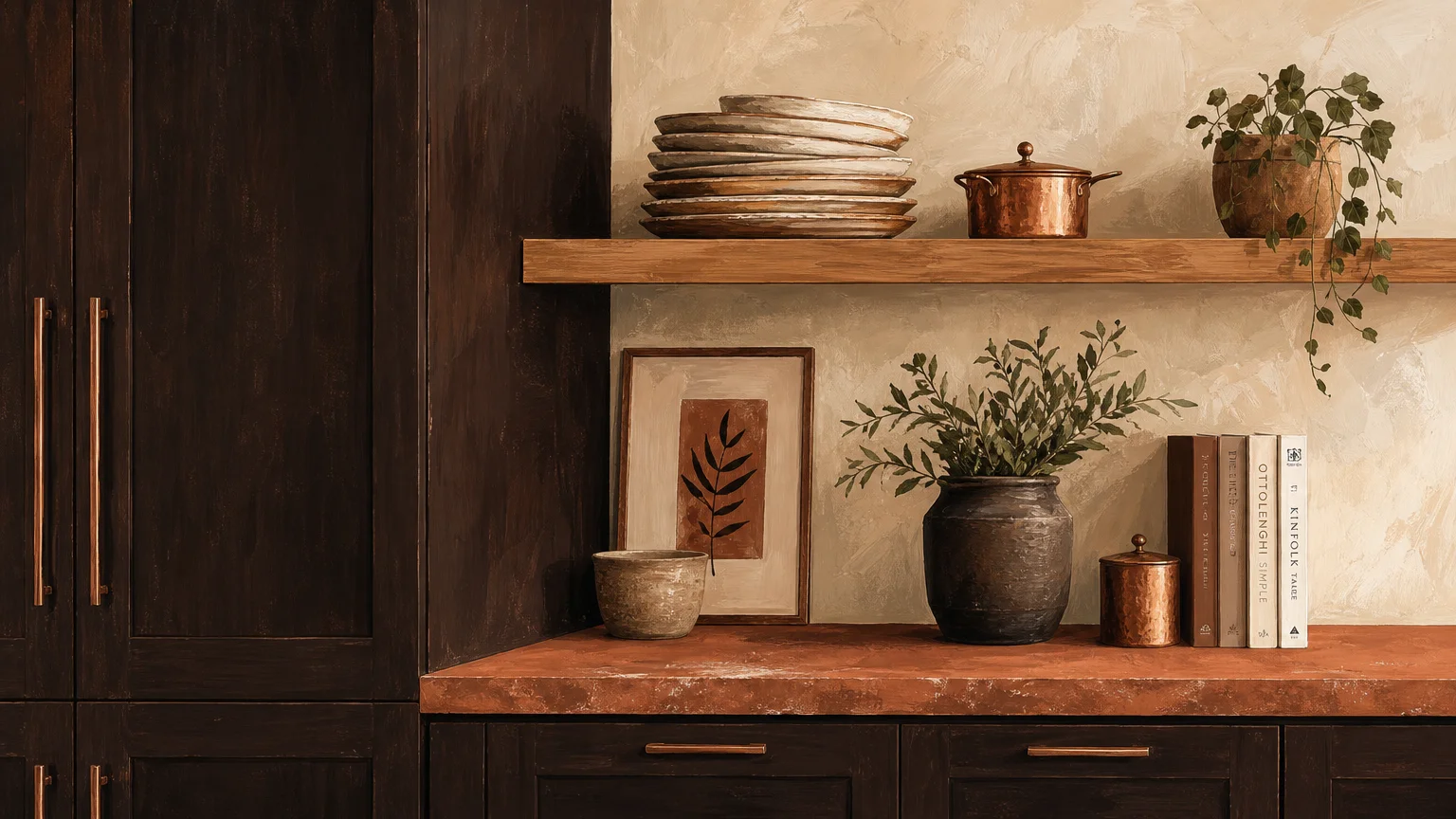
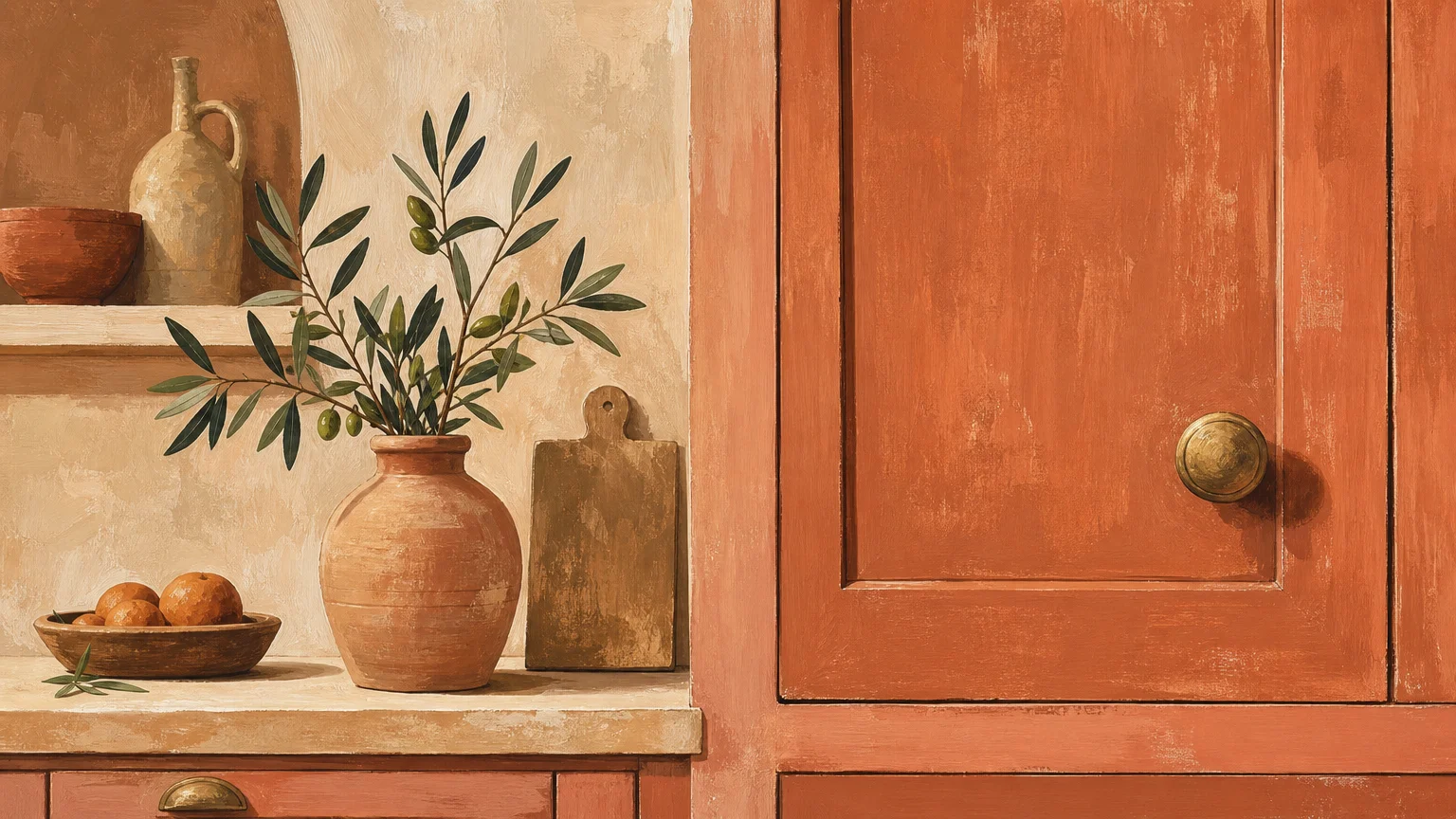
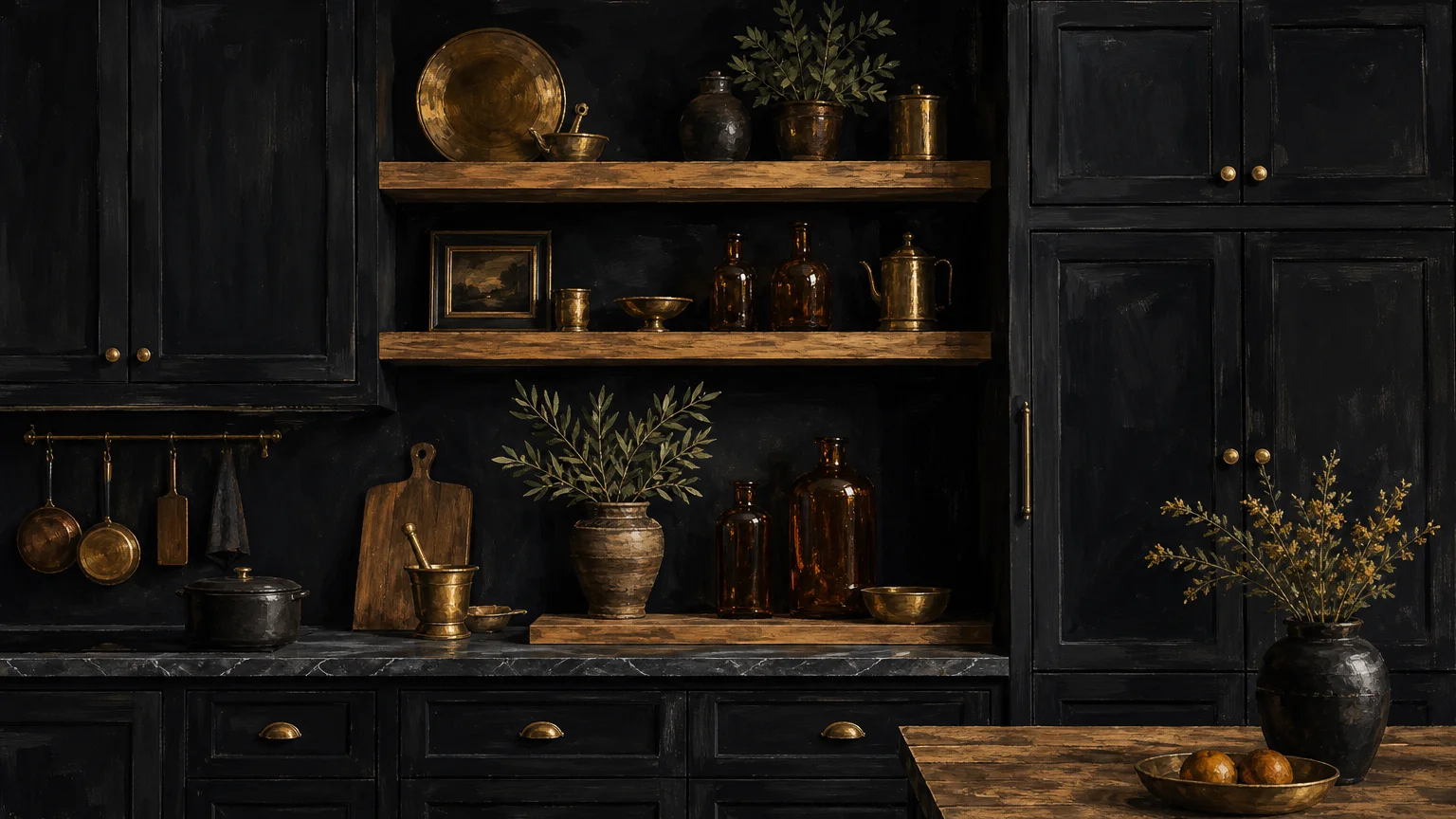
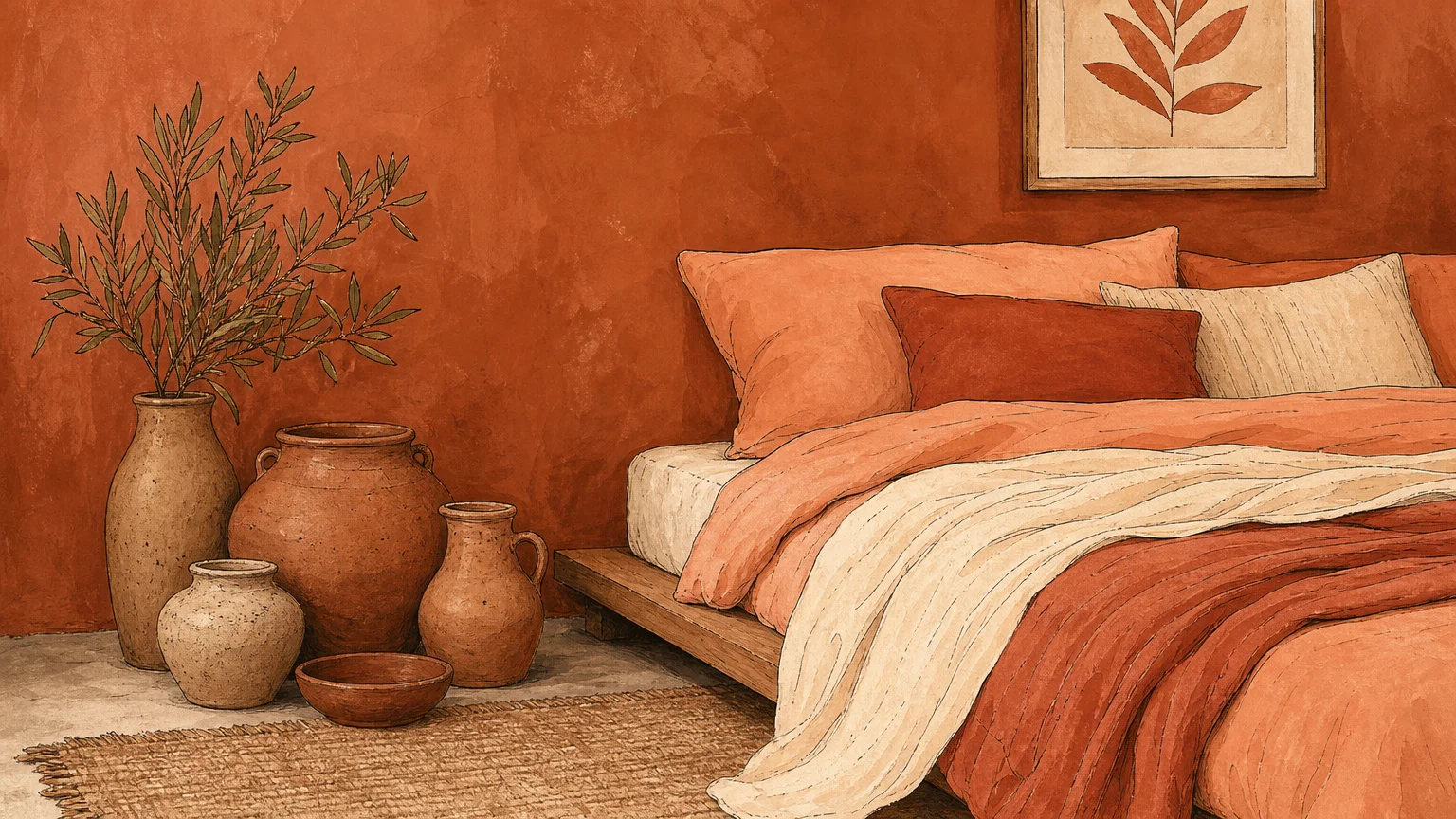
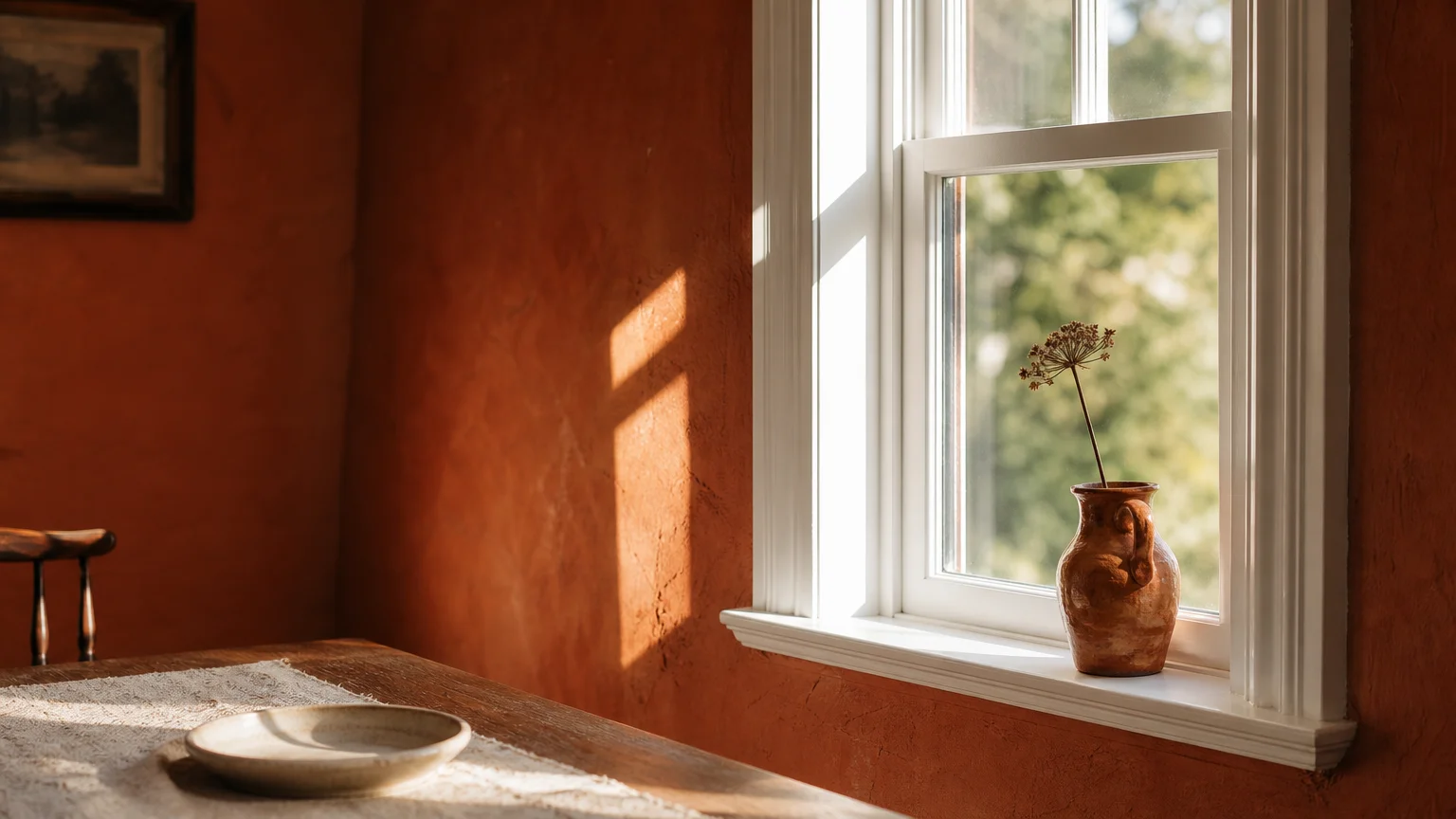
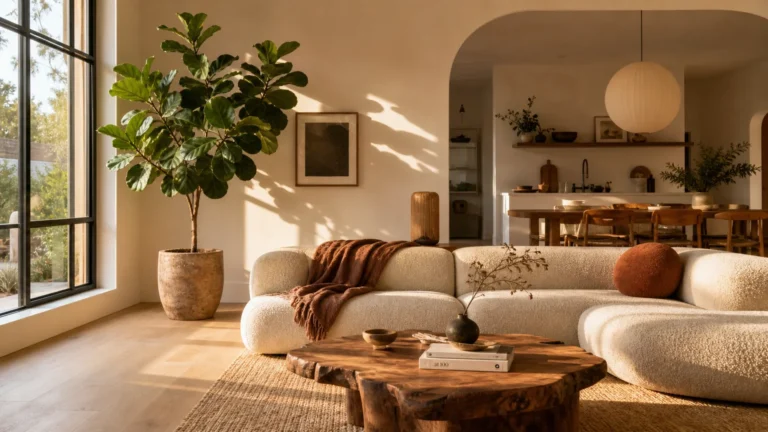
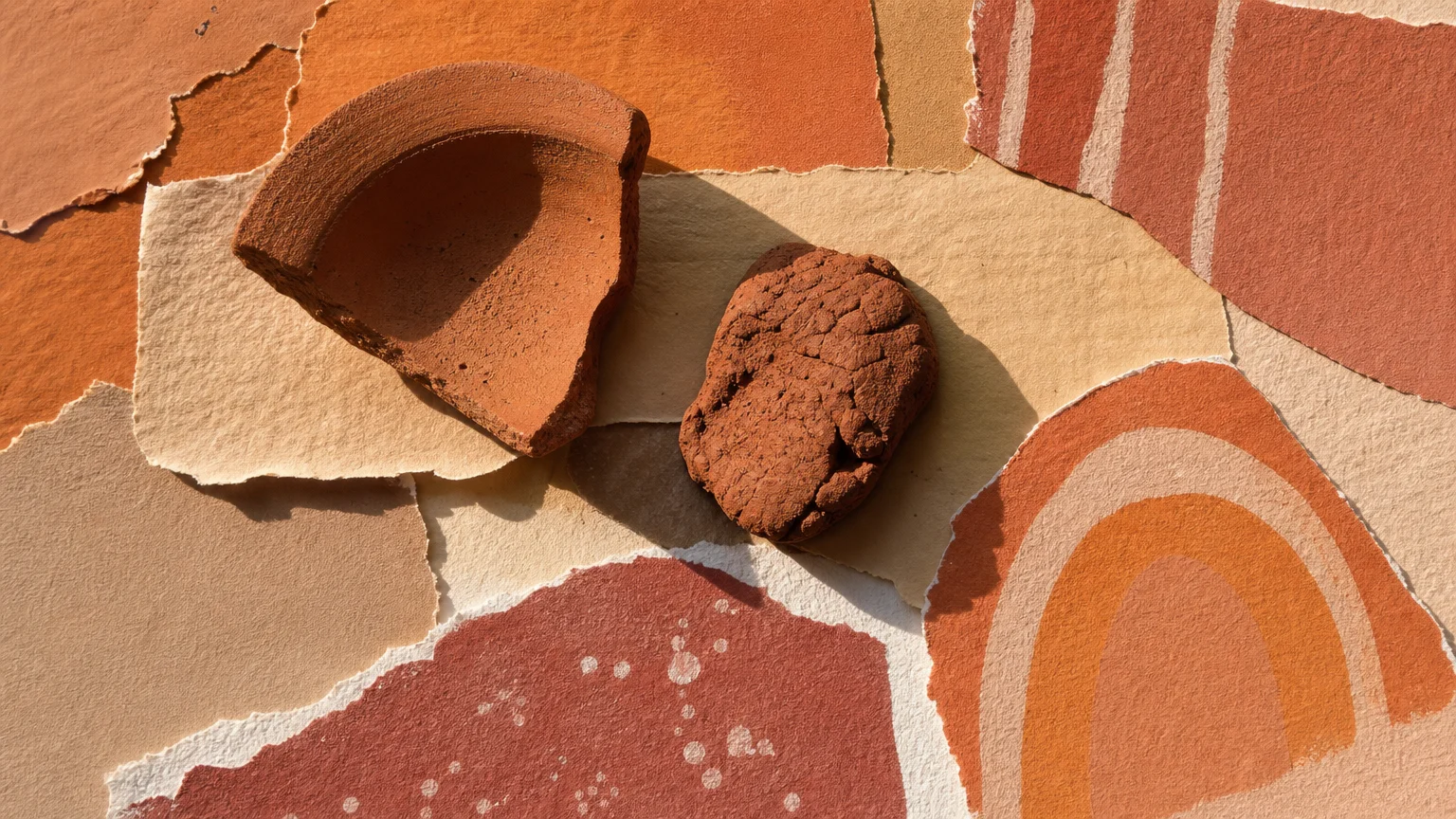
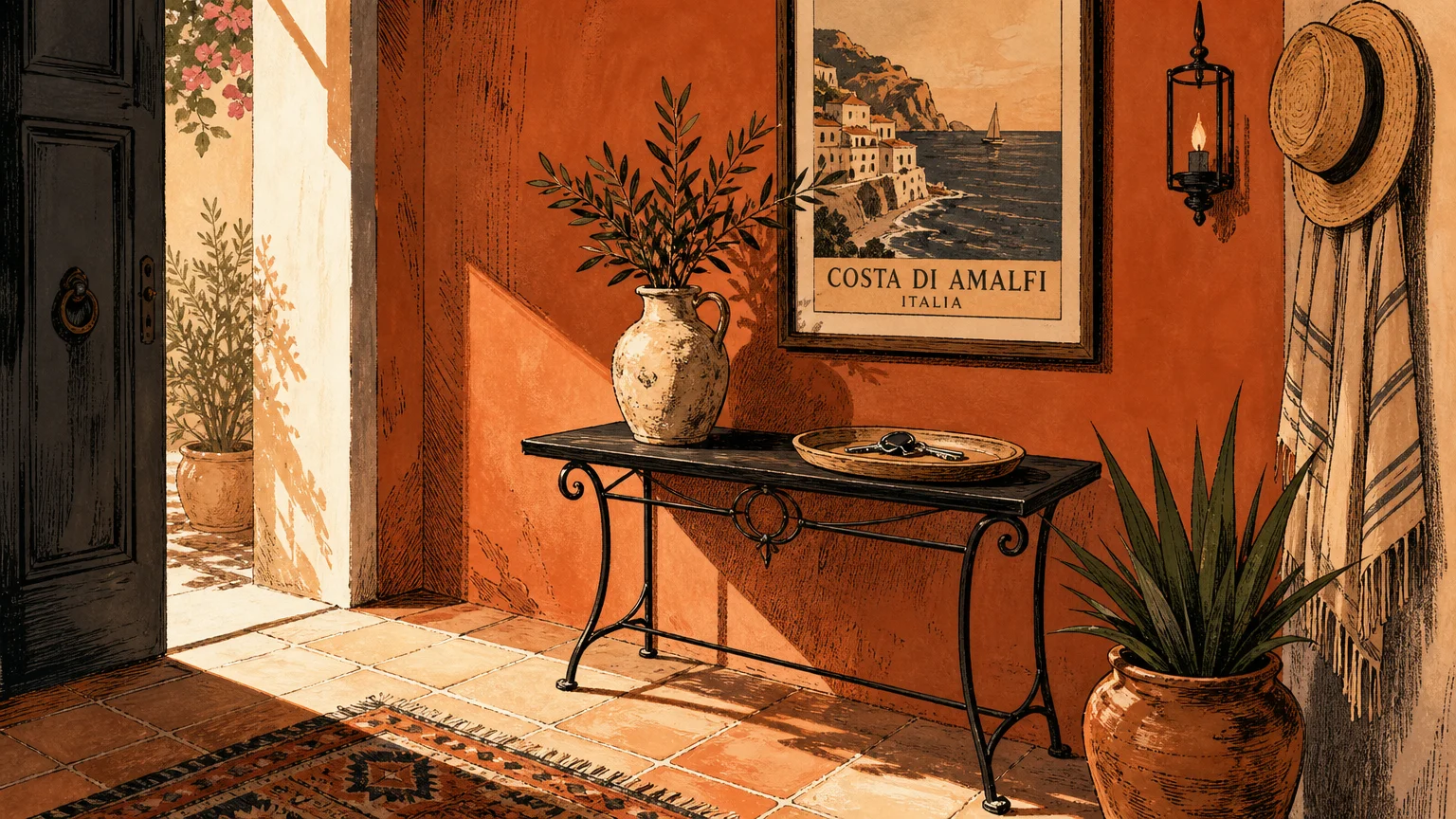
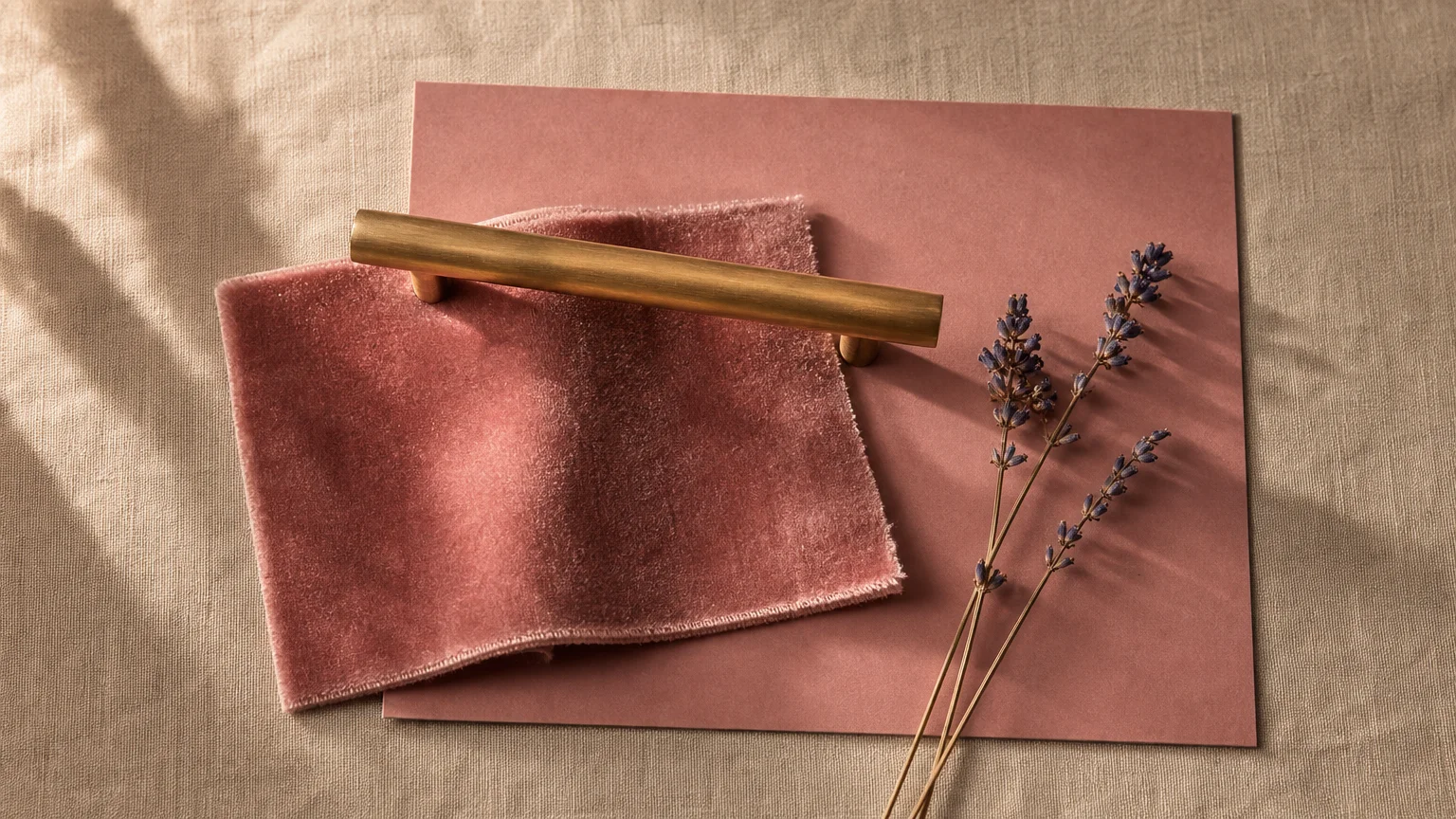
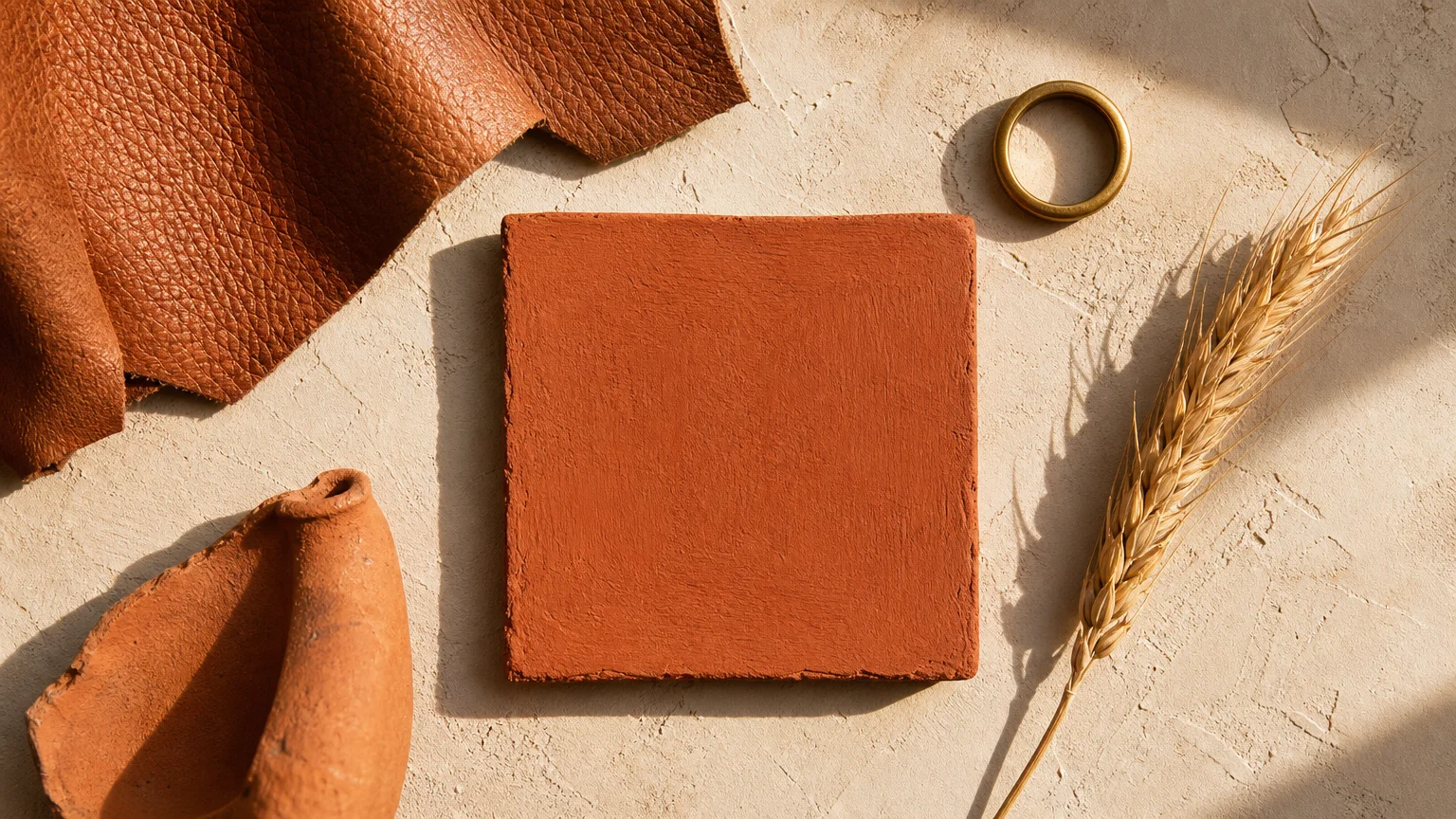
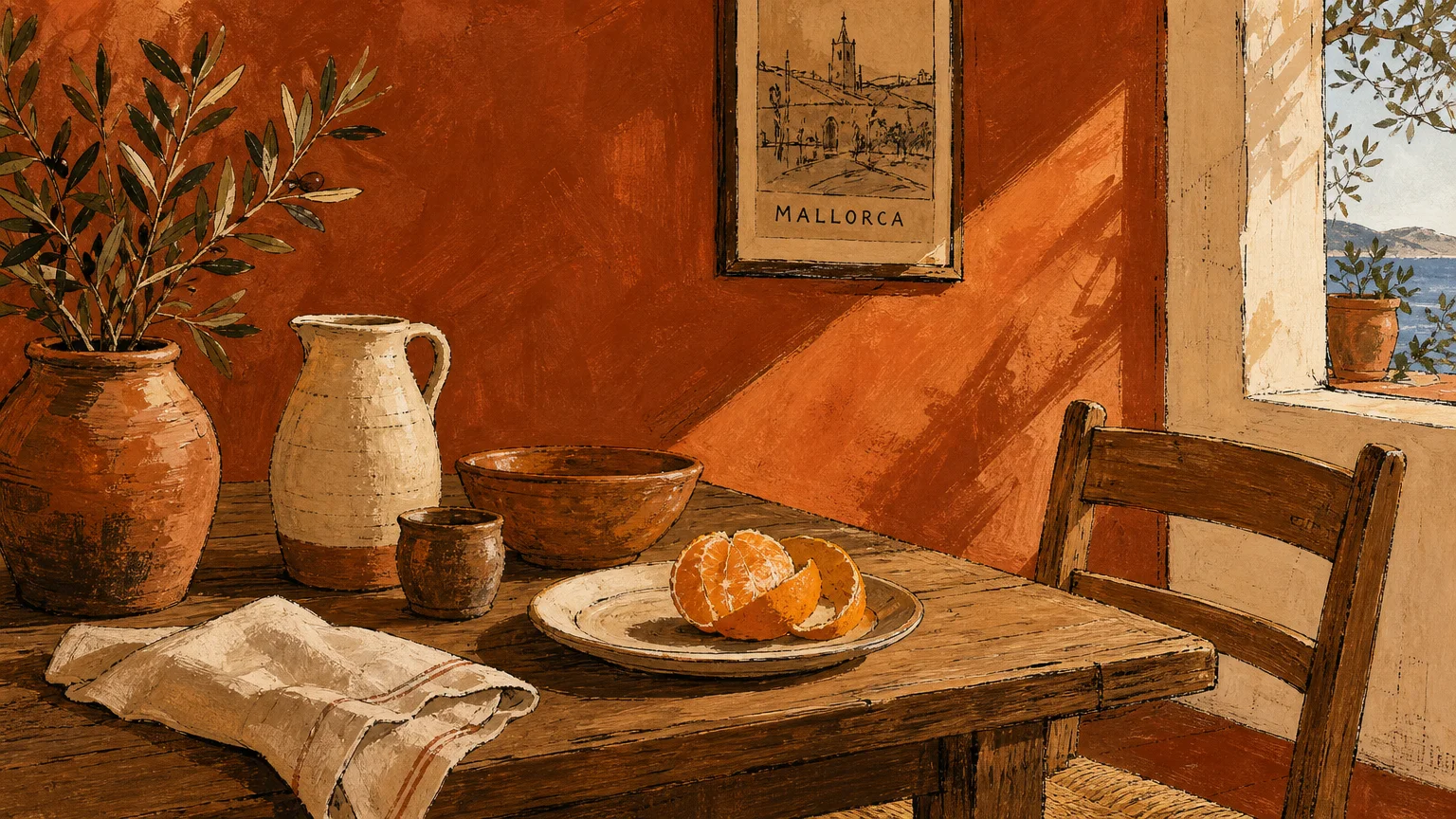
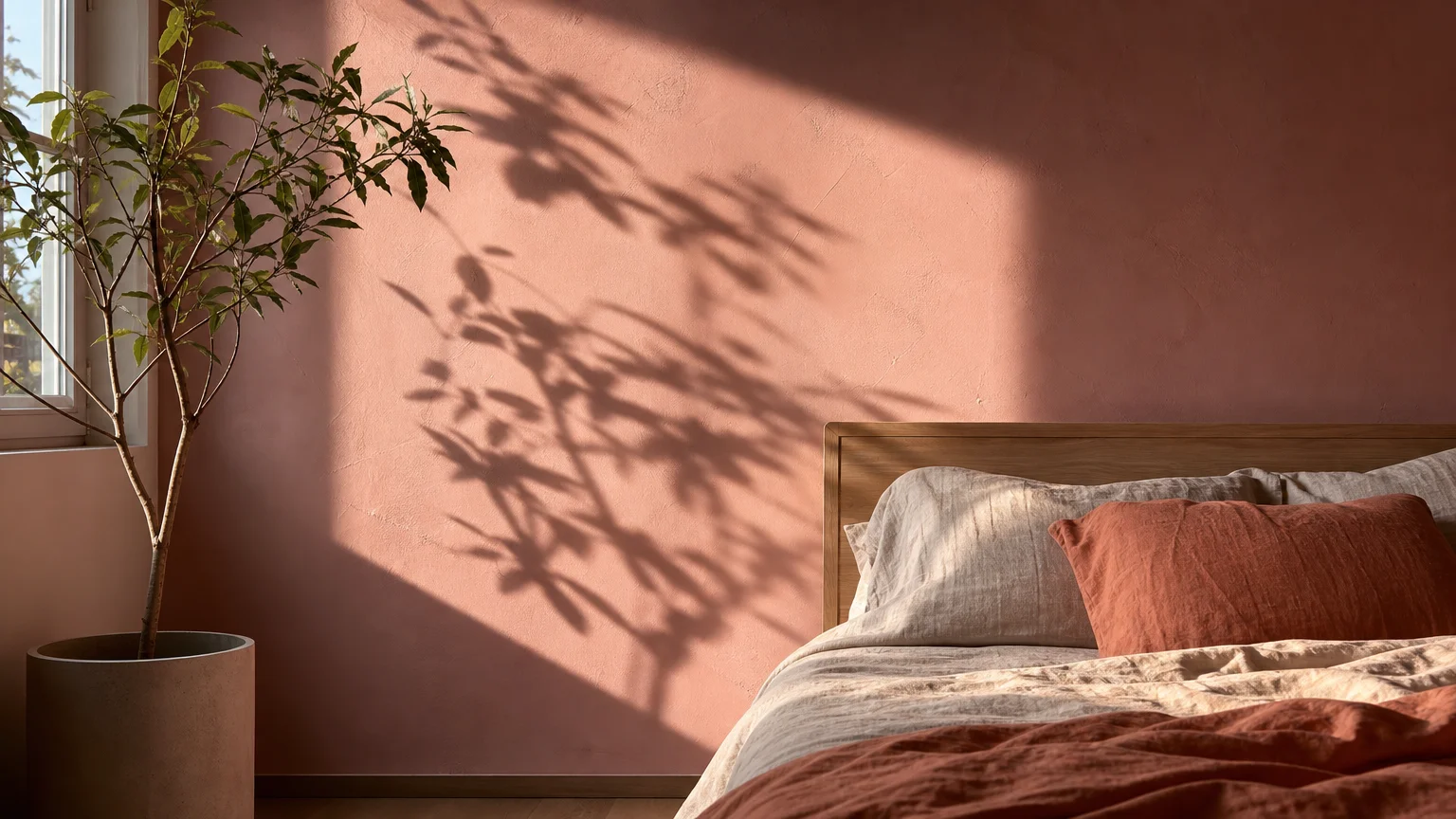
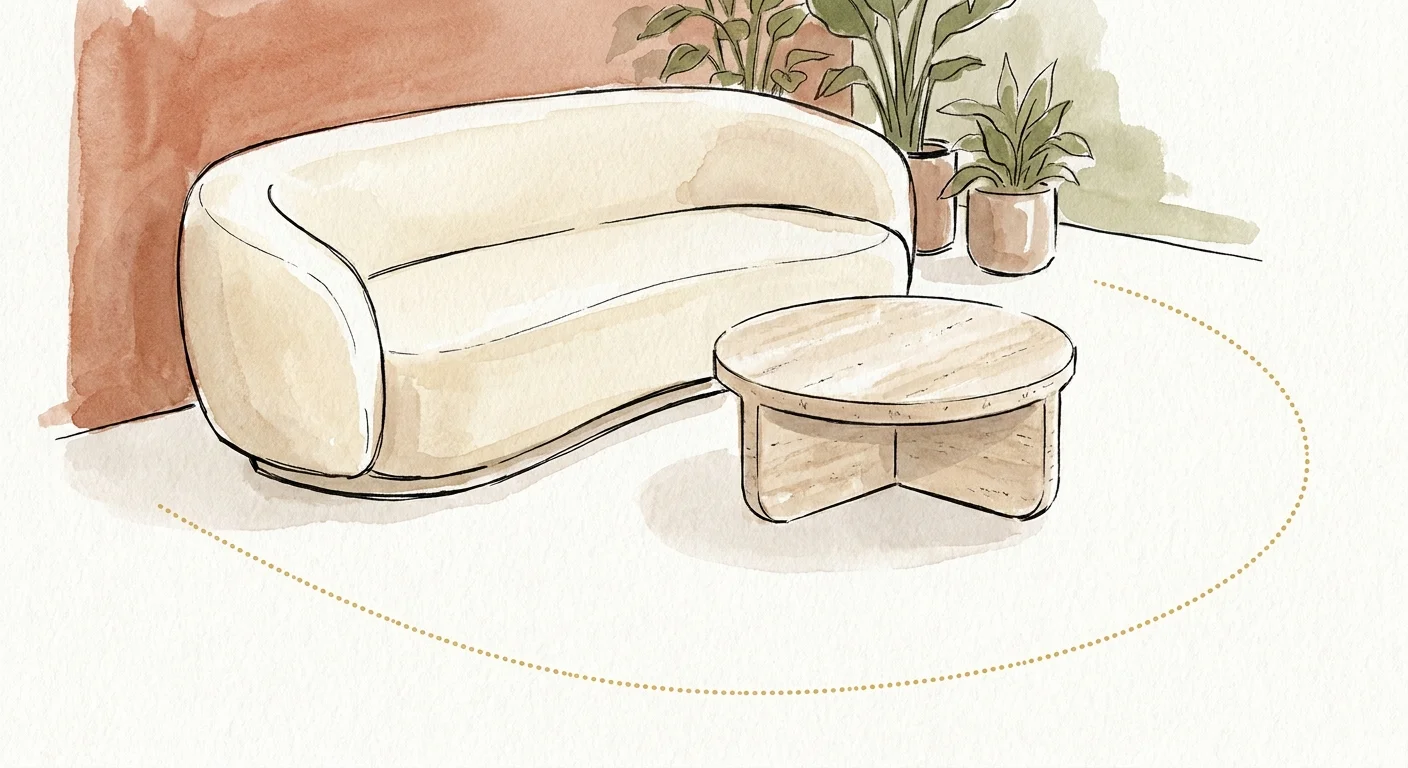
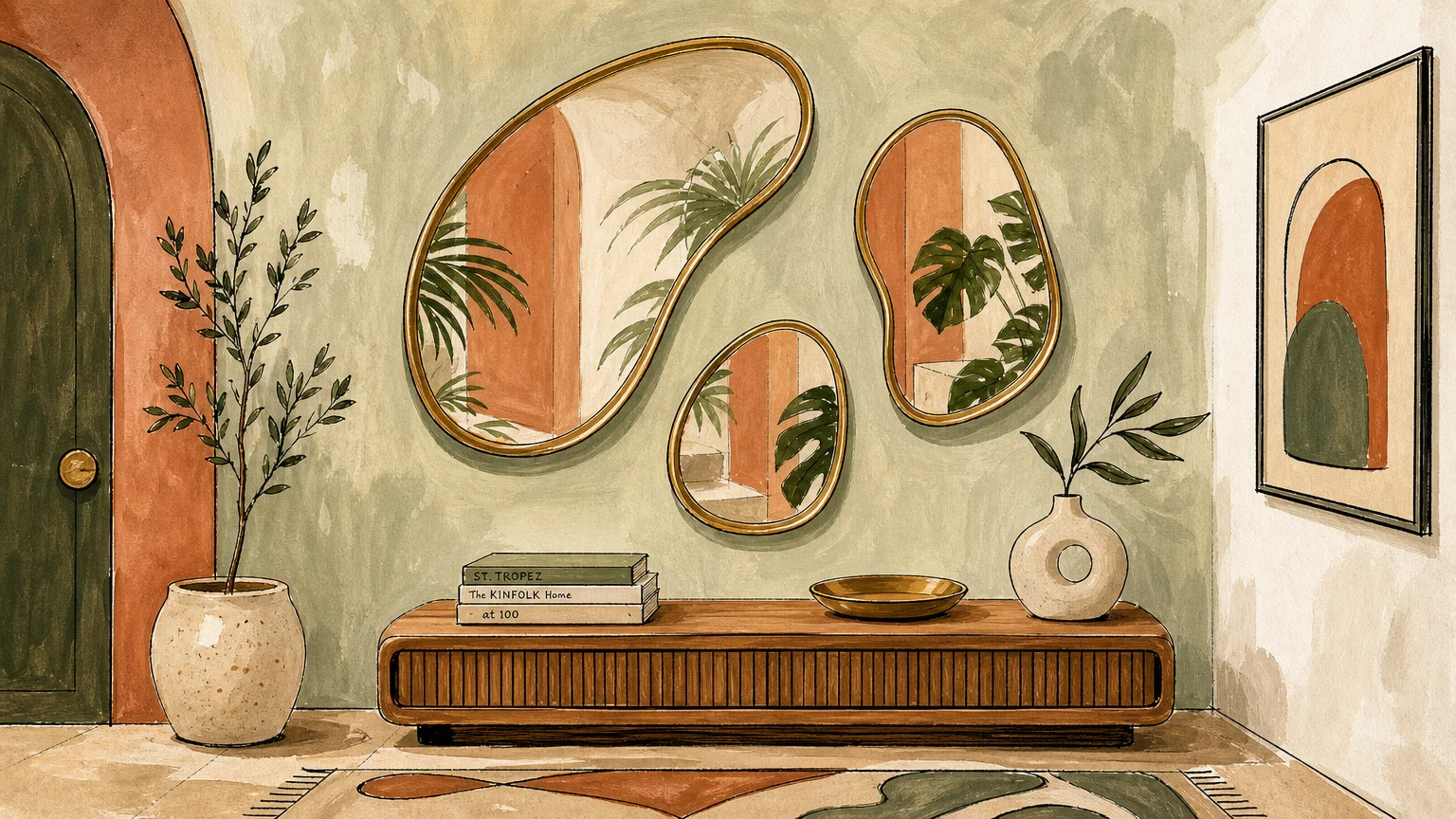
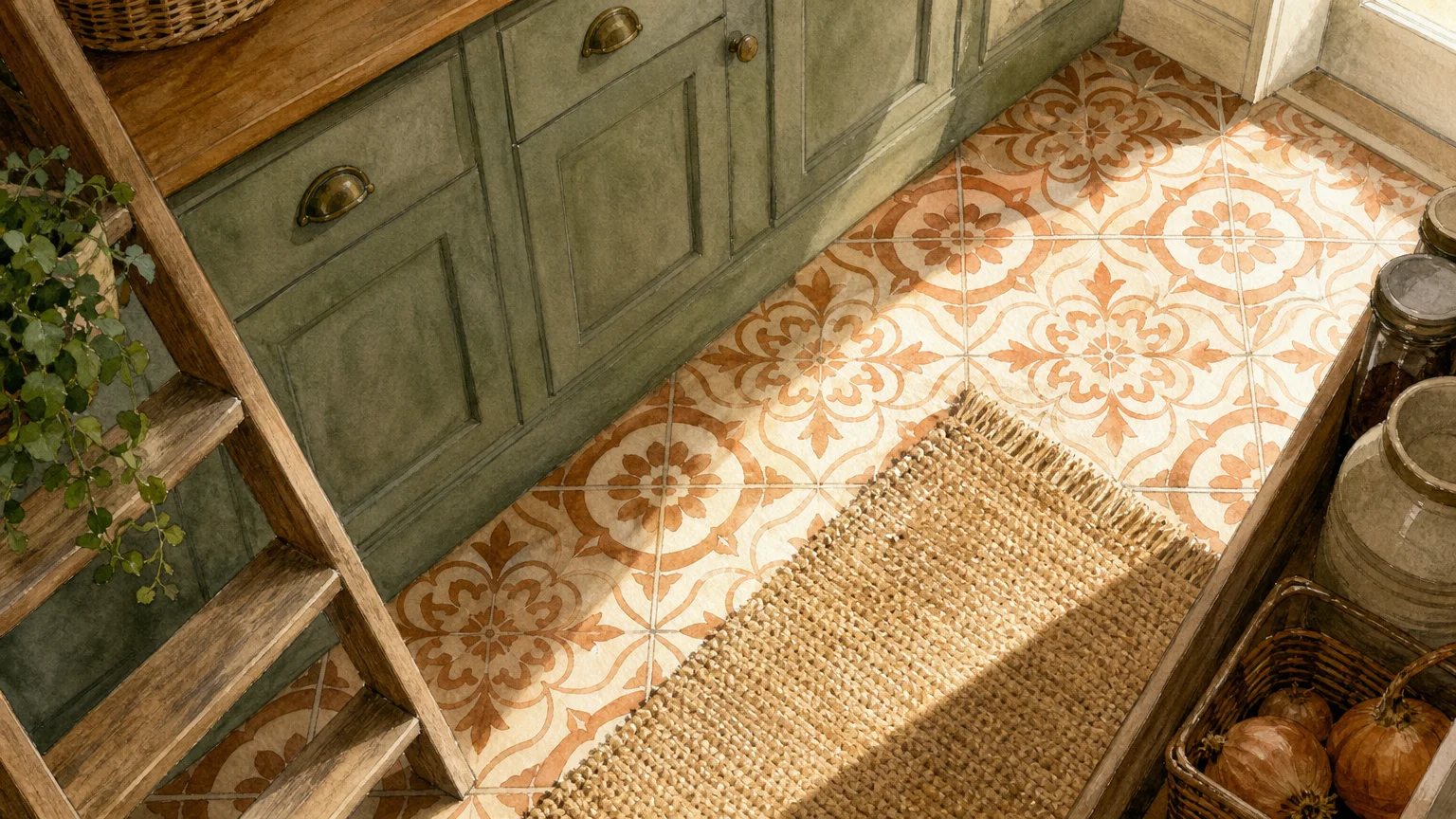
Let us examine the vibrant resurgence of terracotta. Far from the heavy, muddy browns of the early 2000s, the 2026 iteration of terracotta is luminous, breathable, and deeply connected to nature. This trend leans heavily into the concept of biophilic design—the practice of connecting interior architecture to the natural world—to foster a profound sense of peace and groundedness. Designers are moving toward baked clay, rich sienna, and sun-washed brick hues that physically wrap a room in visual warmth.

For a modern senior home, warm terracotta serves as an ideal backdrop for living rooms and gathering spaces. As your vision changes with age, stark white walls often create an uncomfortable glare when hit by direct, bright natural sunlight. Terracotta effectively absorbs that harsh light, diffusing a soft, flattering warmth throughout the room. The color inherently draws people together, stimulating conversation and creating an atmosphere of quiet luxury—a design ethos that values subtle elegance, craftsmanship, and high-quality materials over flashy, short-lived trends.

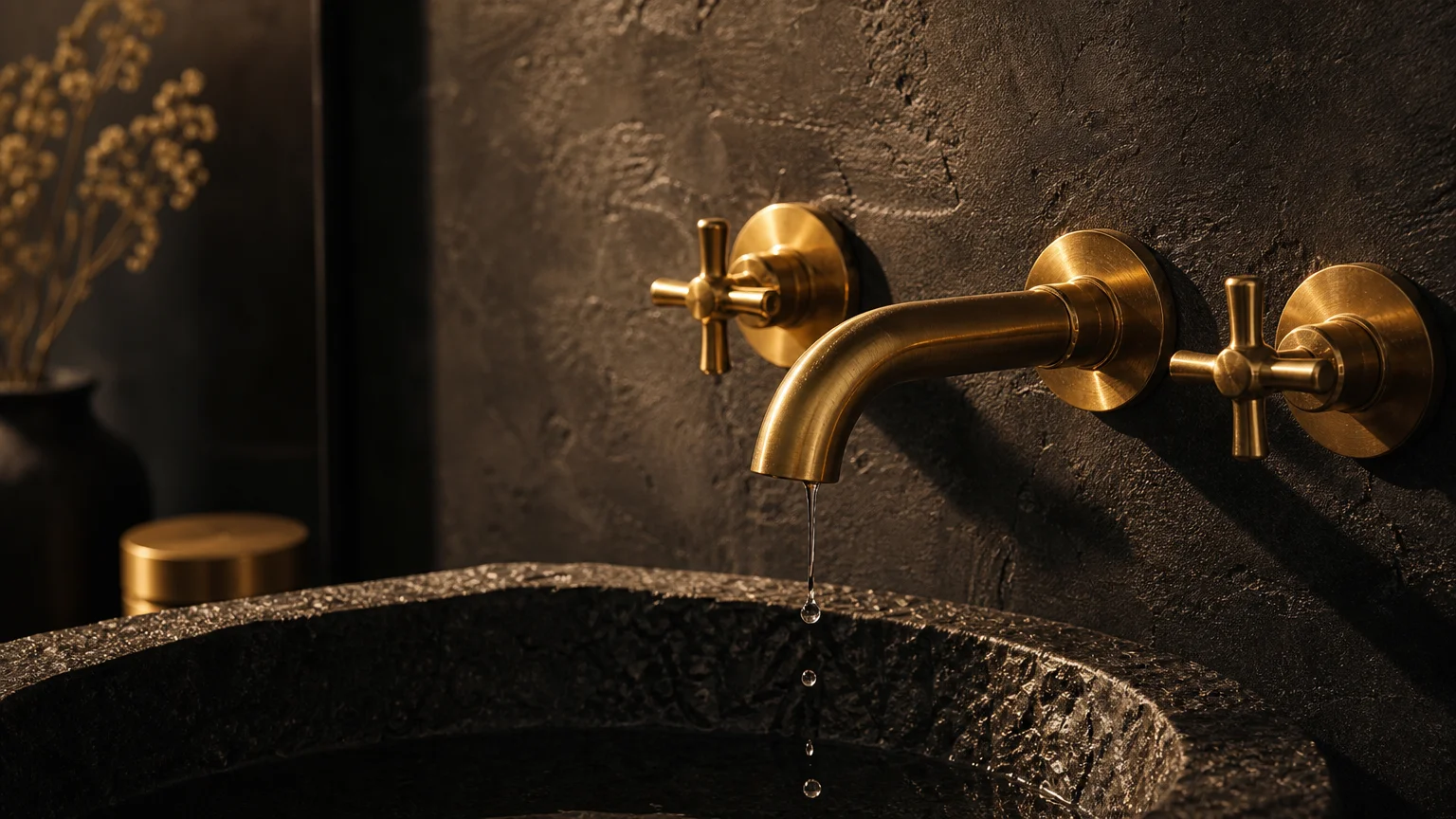
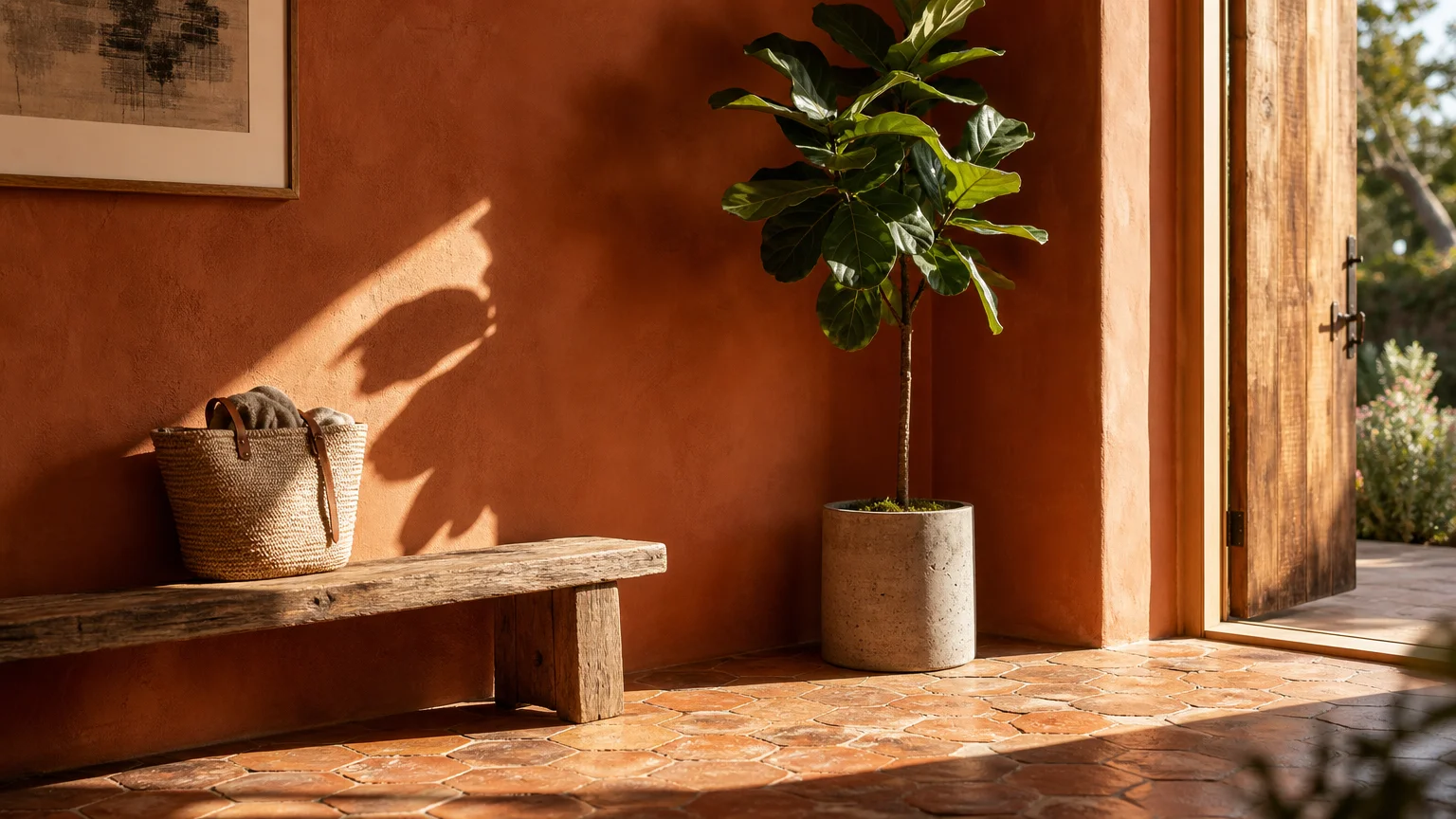
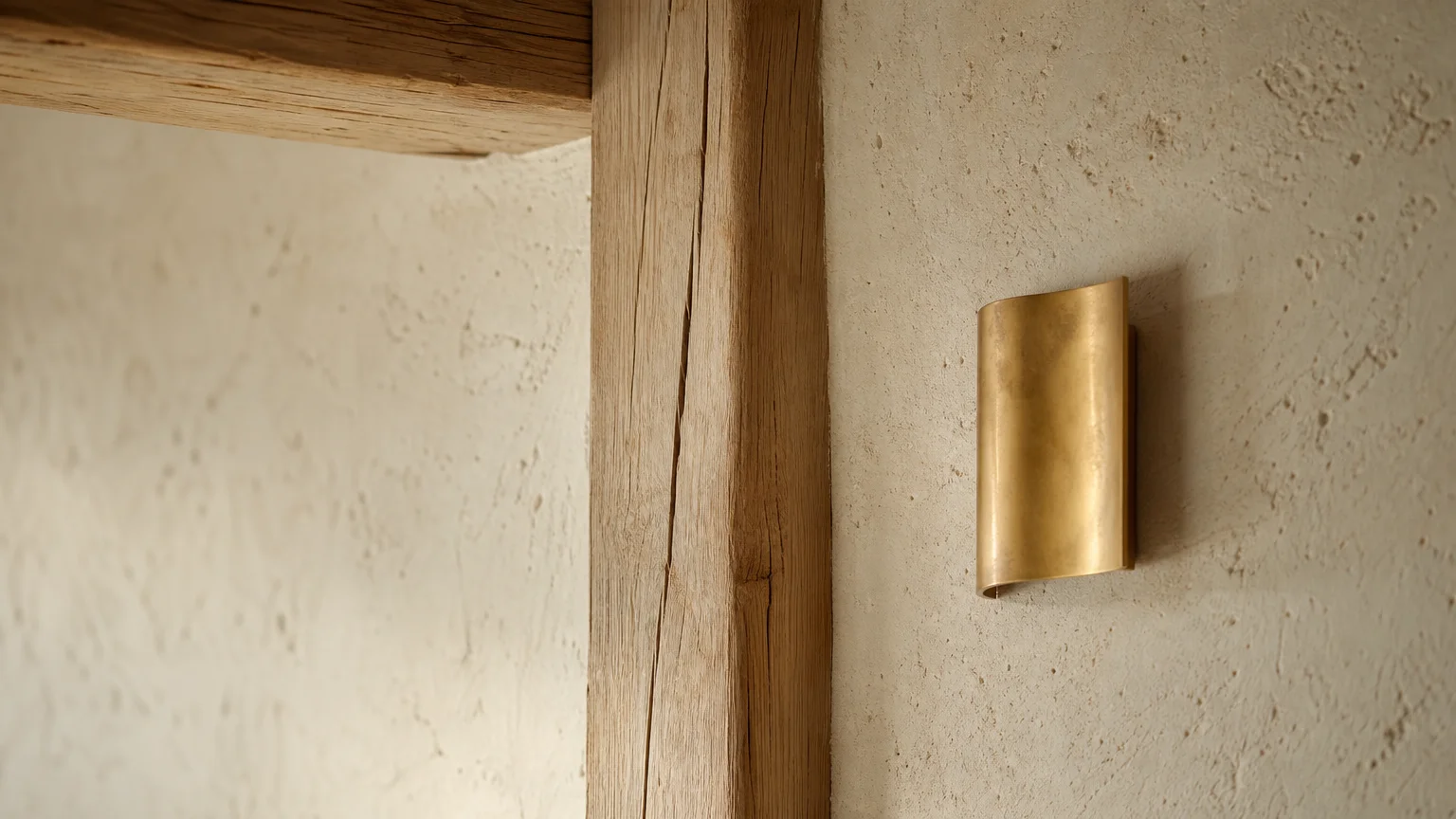
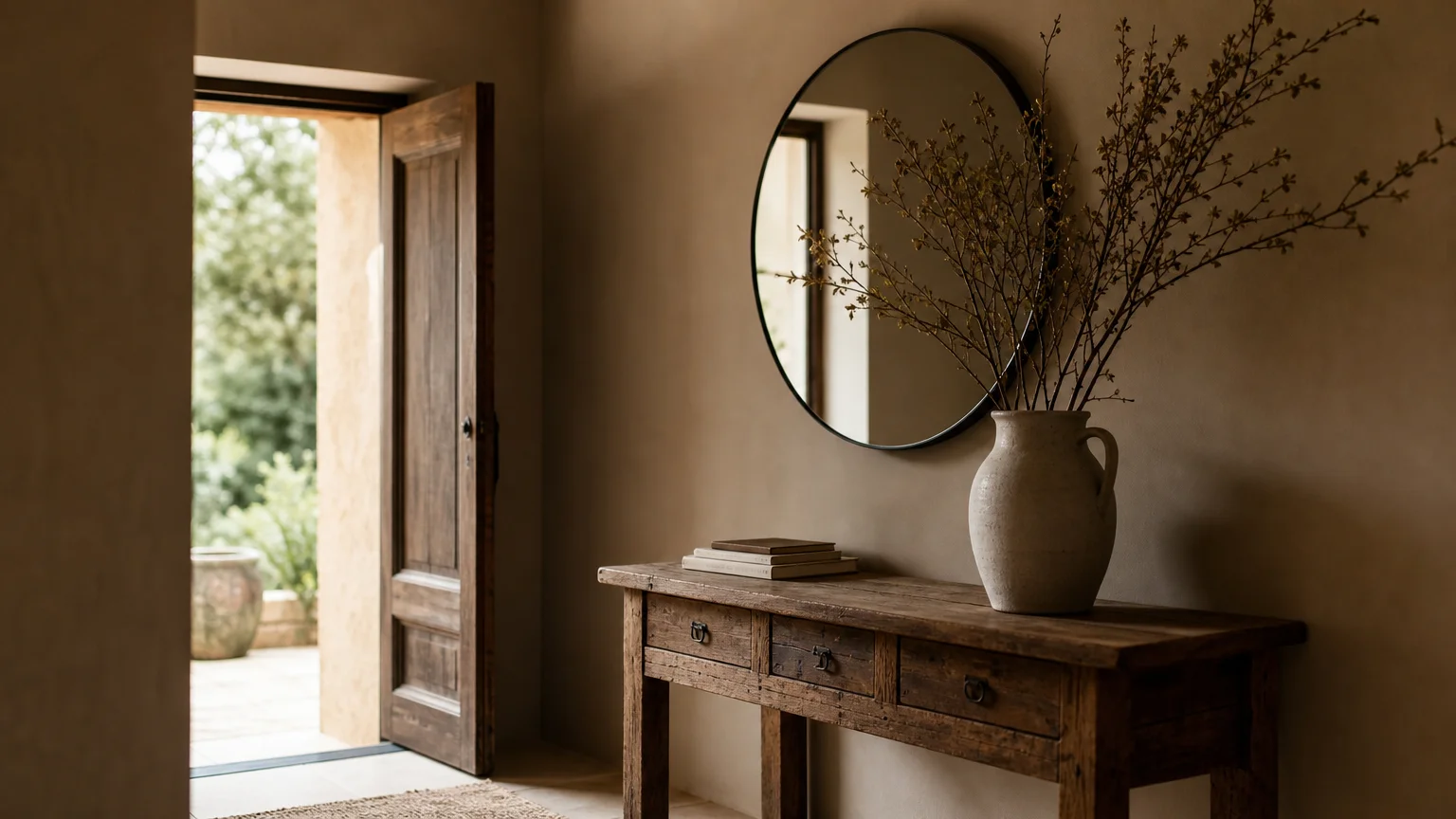
To implement this trend effectively, consider painting your primary living area in a soft, baked-clay hue. Pair these walls with natural wood furniture, textured linen upholstery, and unlacquered brass accents to elevate the overall sophistication. If committing to an entire room feels too bold for your current aesthetic, apply terracotta to an accent wall behind a prominent piece of furniture or use it in transitional spaces like hallways and vestibules. The strategic placement of this earthy tone envelops the space in warmth without overwhelming the senses, offering a grounded, secure feeling that enhances daily living.

———

Trend #2: Restorative Sage and Olive Greens

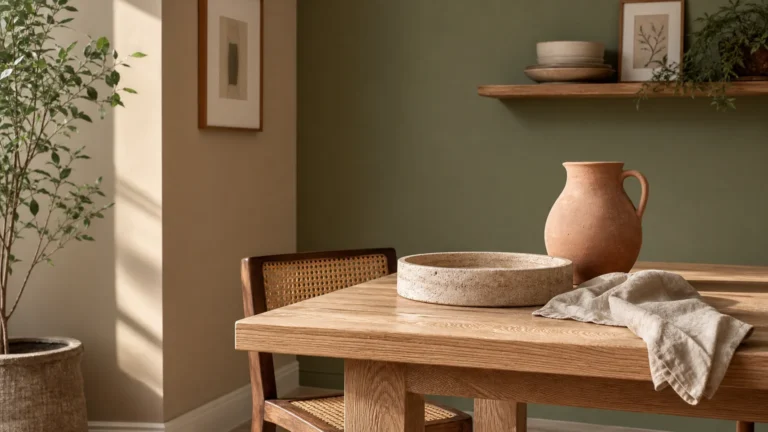
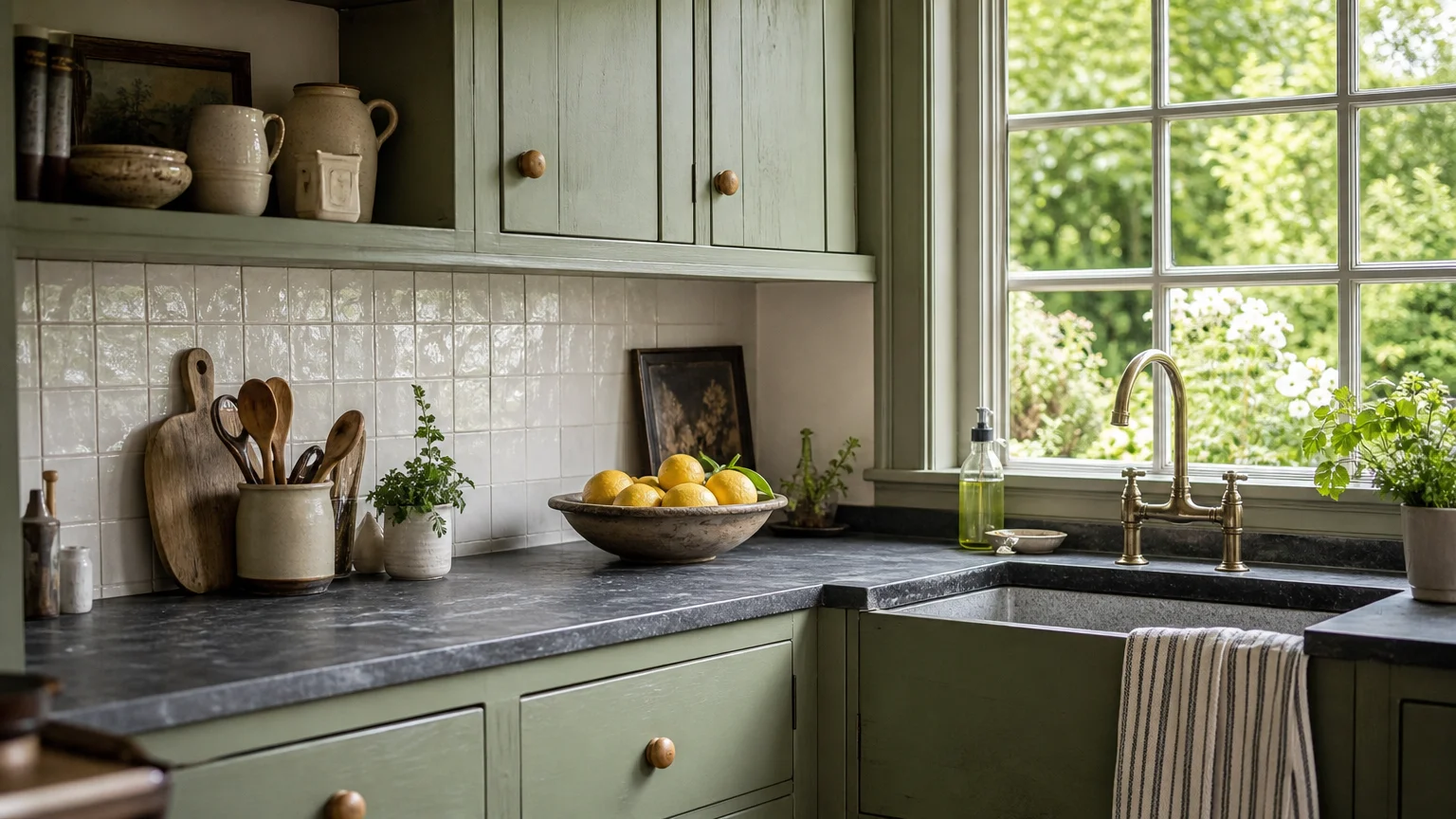
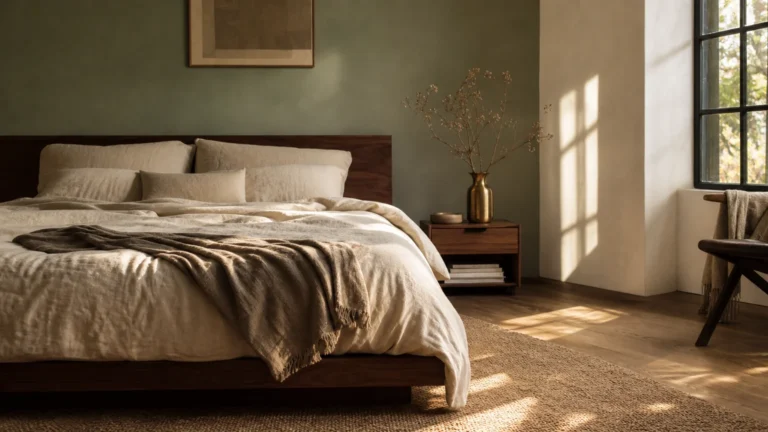
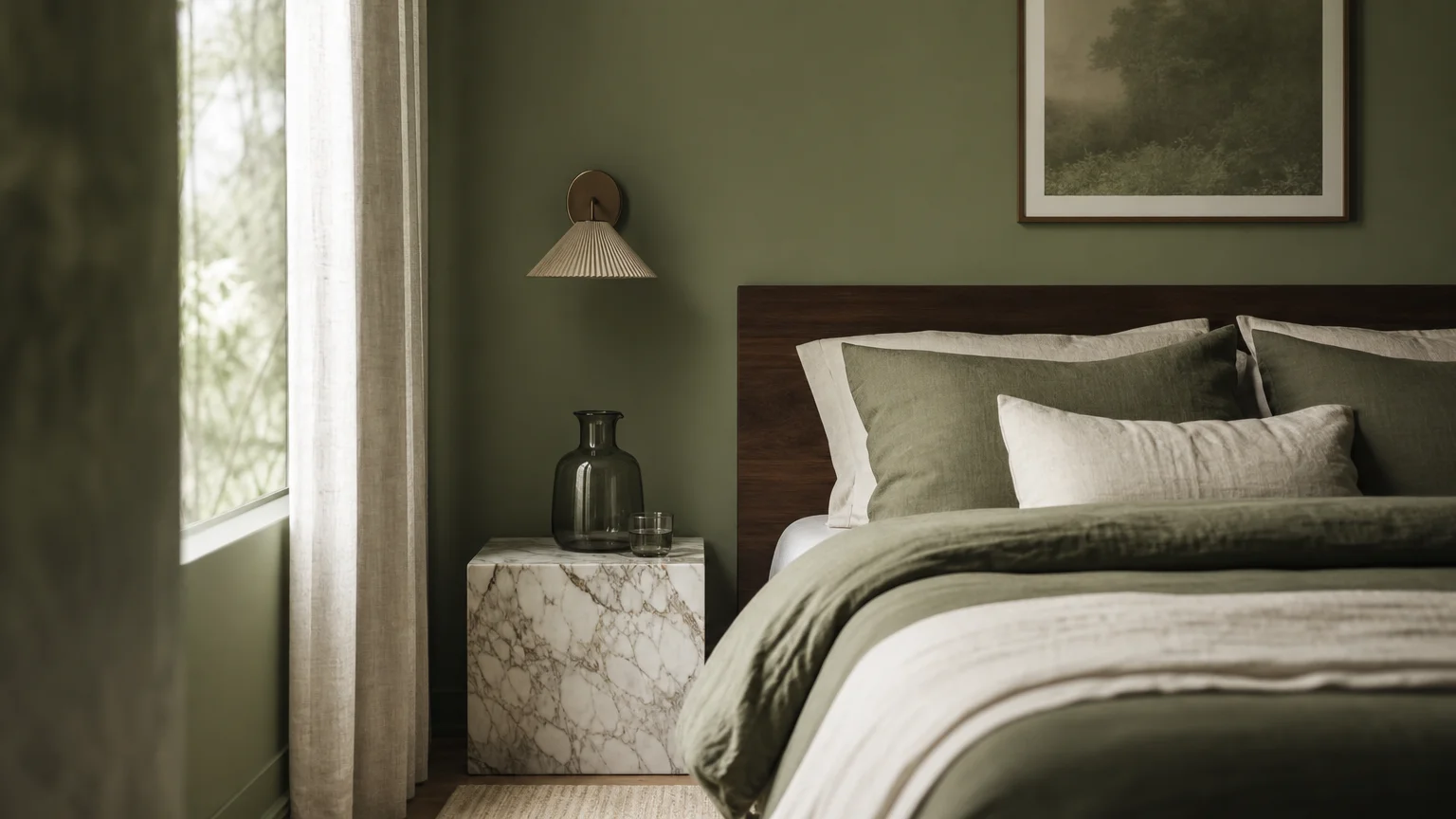
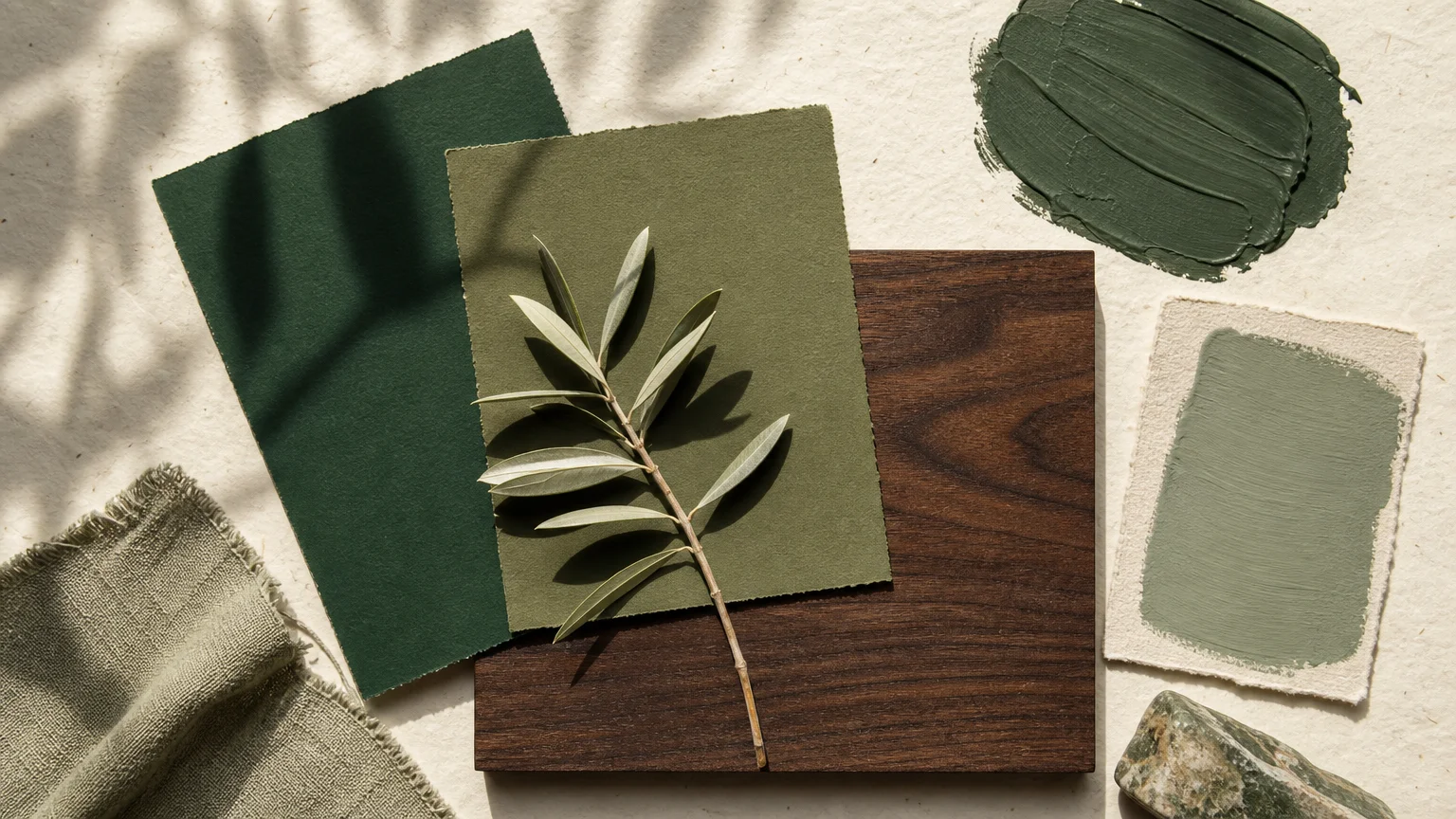
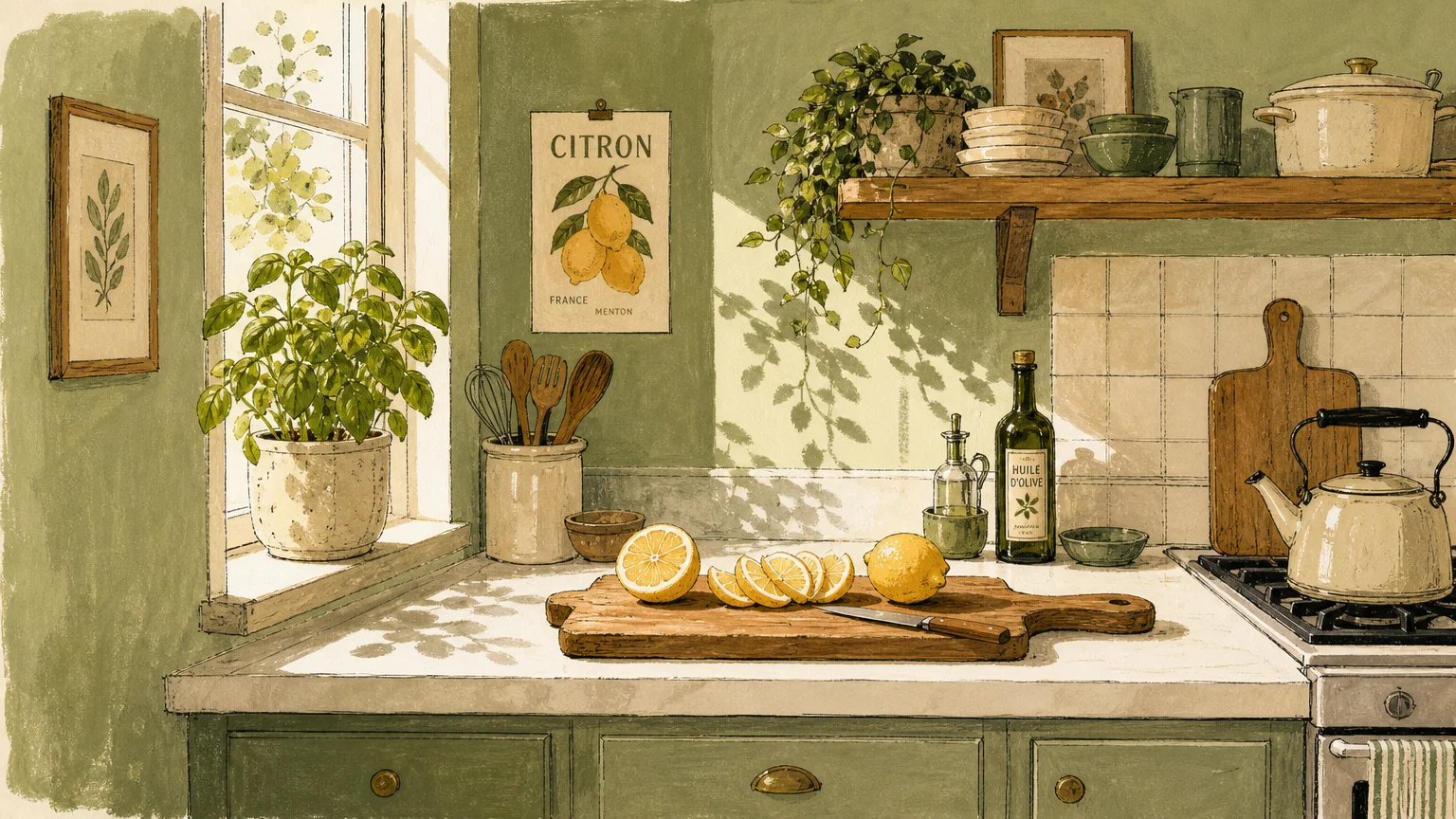
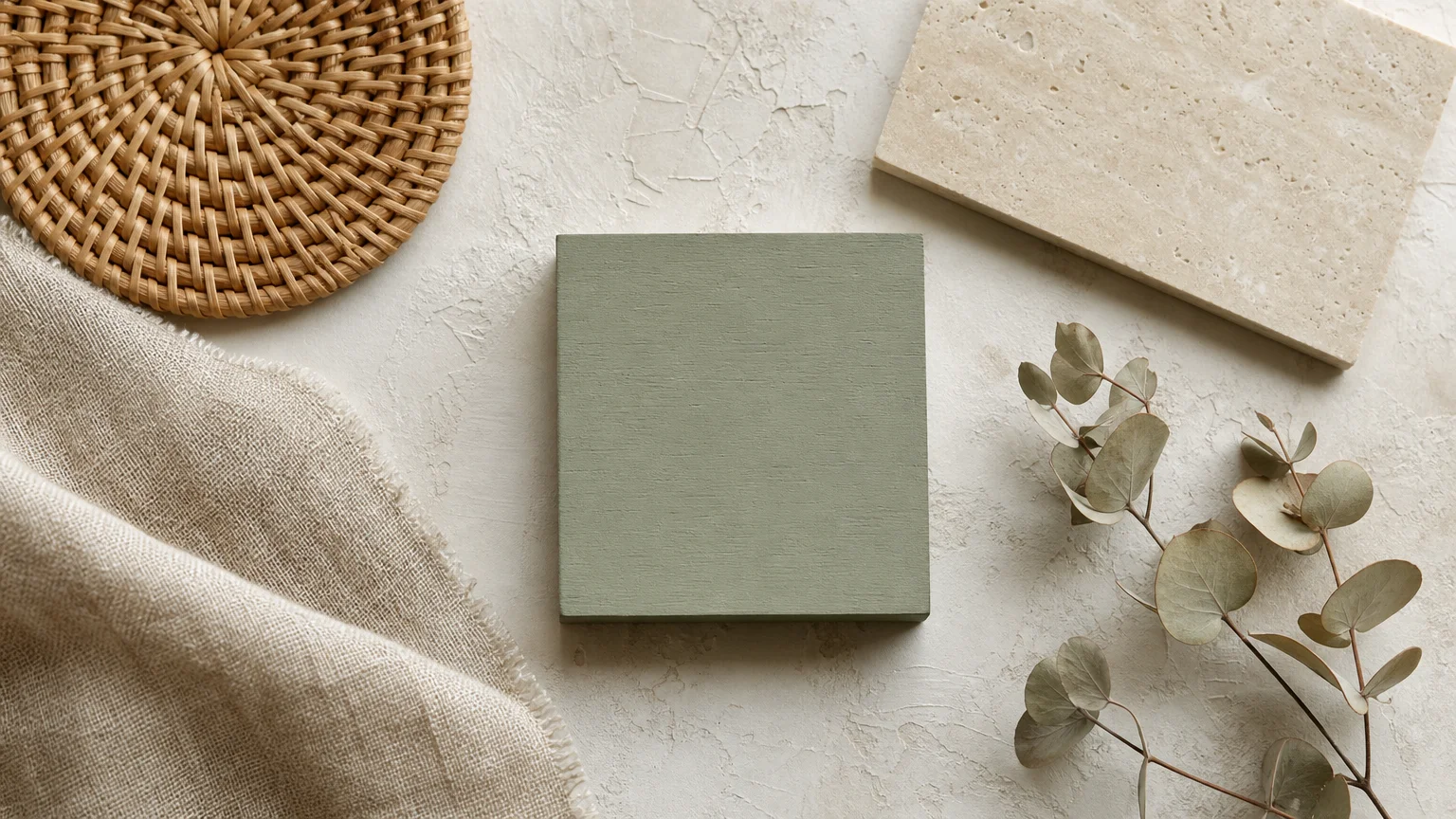
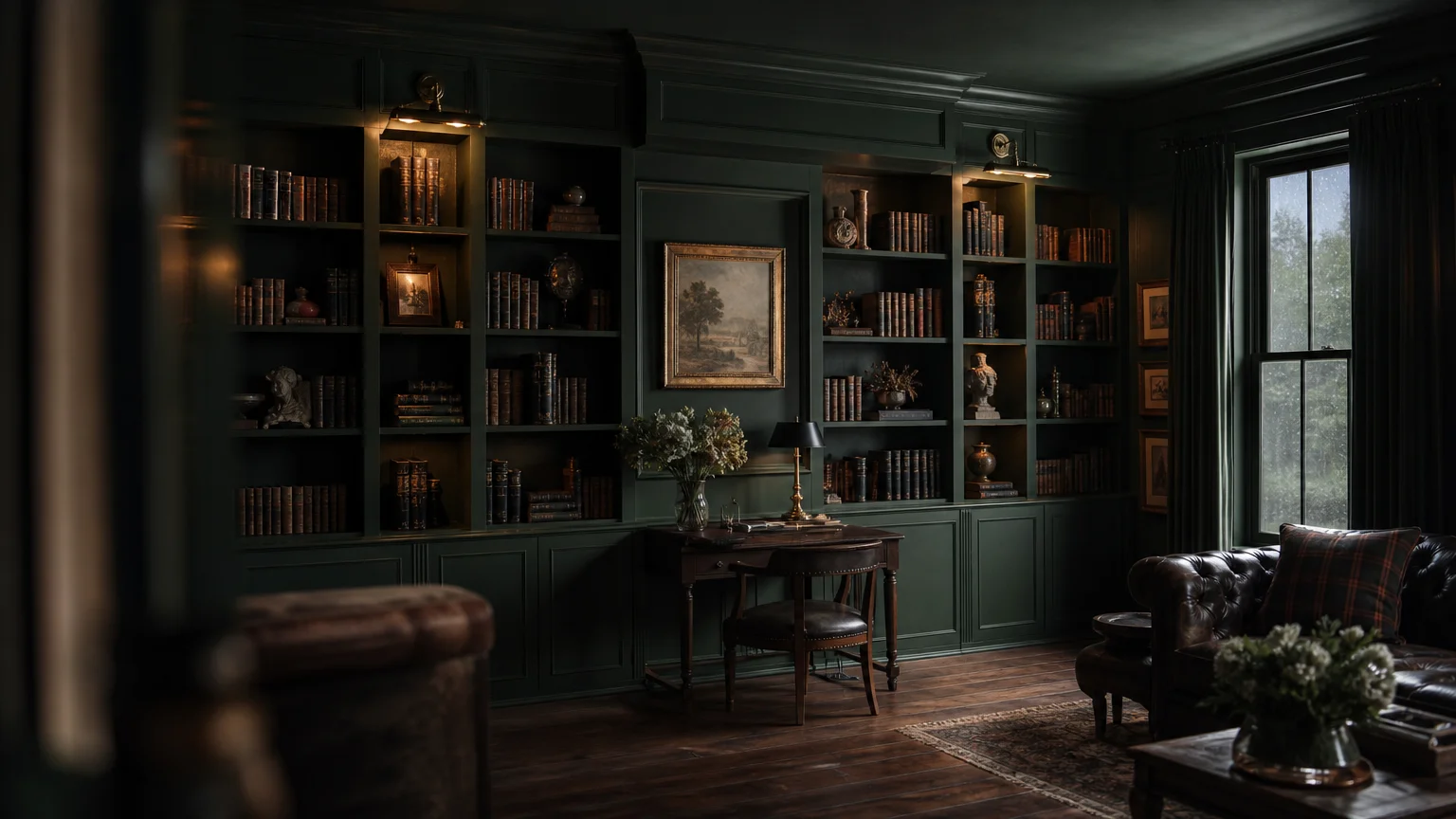
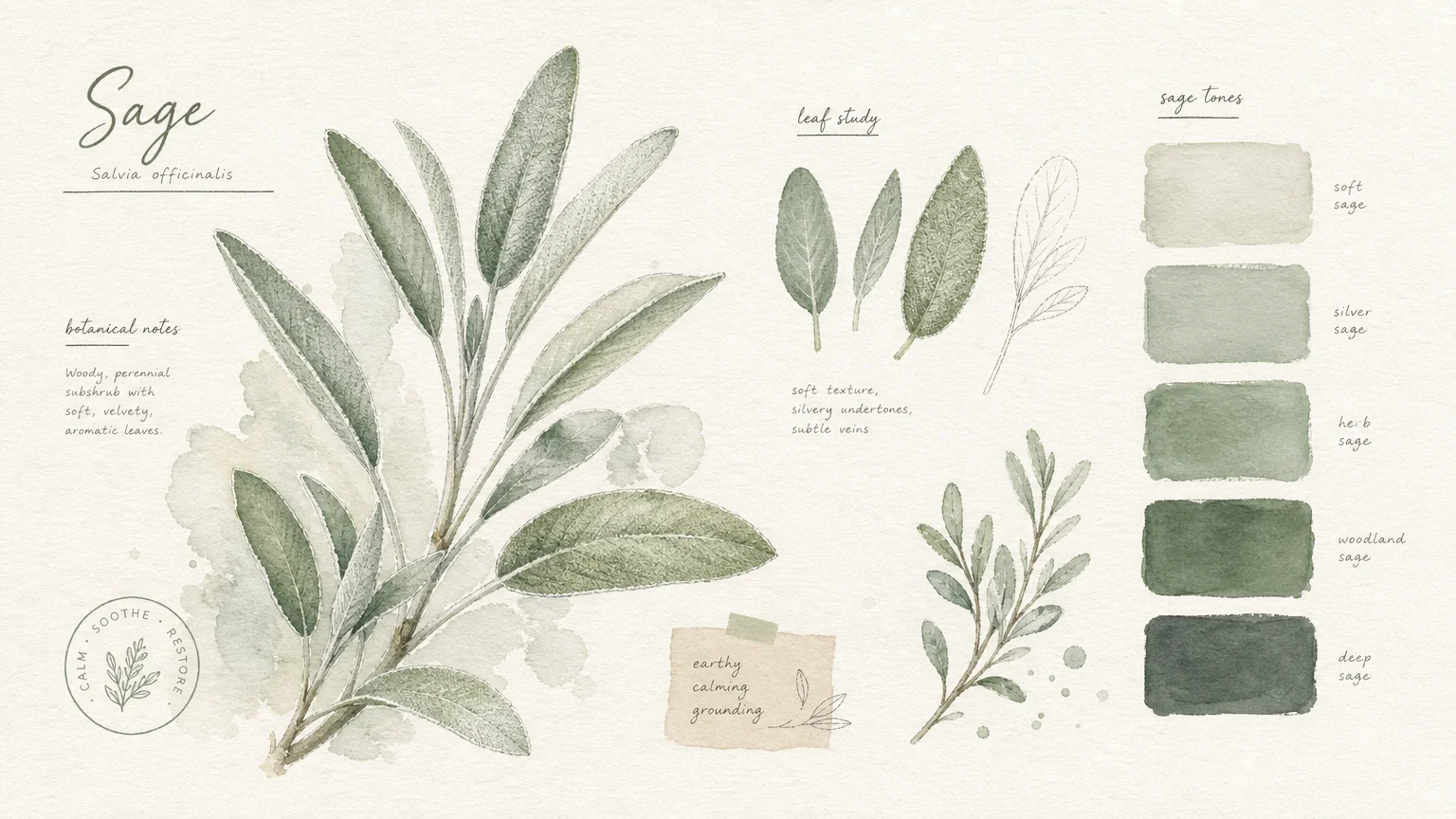
Nature continues to heavily influence interior color tips for the coming year, and green remains at the absolute forefront of this movement. However, the vivid emeralds and dark forest greens of previous years have softened dramatically. We now see a massive surge in restorative sage, muted olive, and soft, silvery moss greens. These organic shades act almost as modern neutrals, seamlessly blending with various architectural styles while offering distinct, measurable psychological benefits.

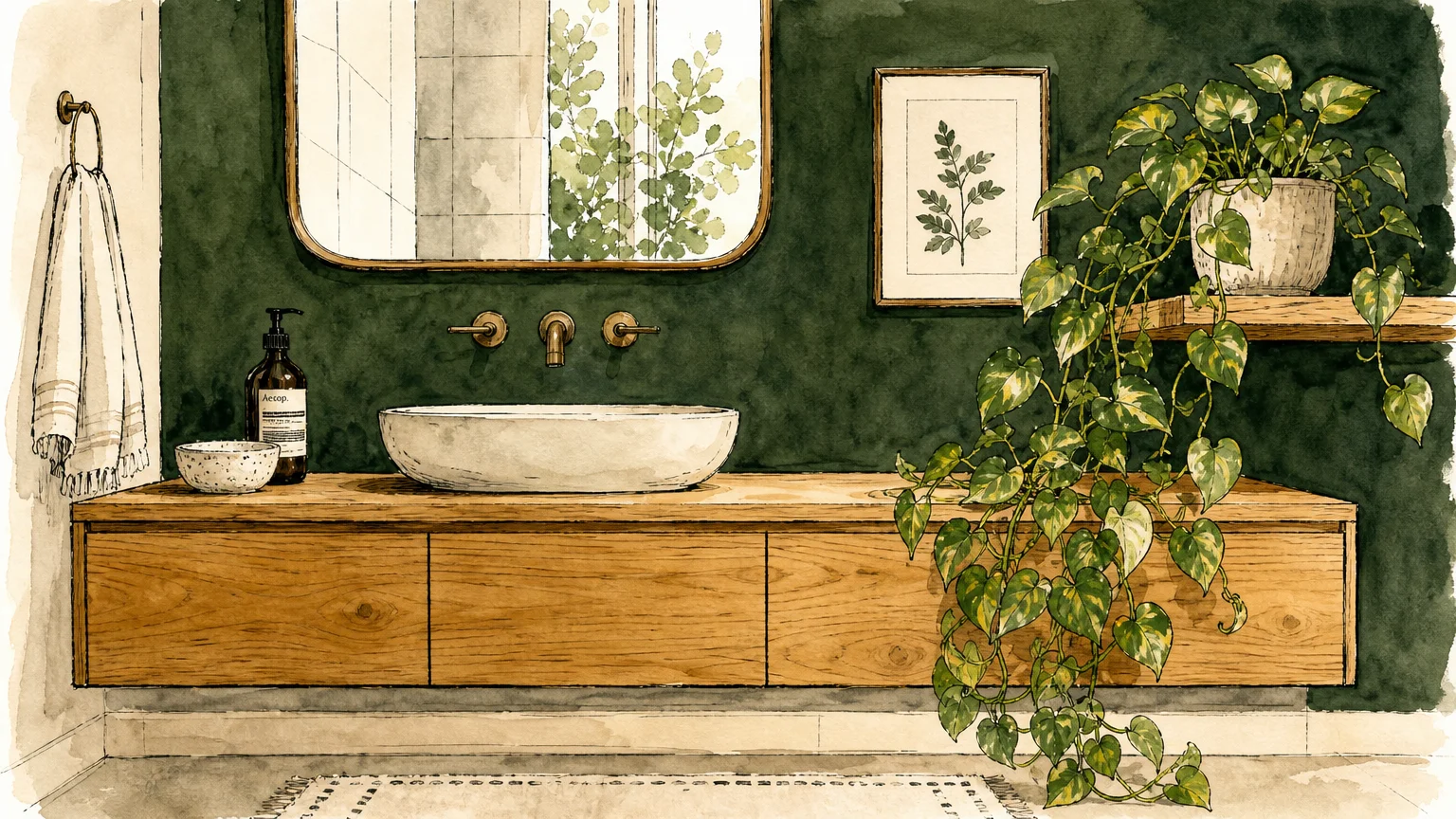
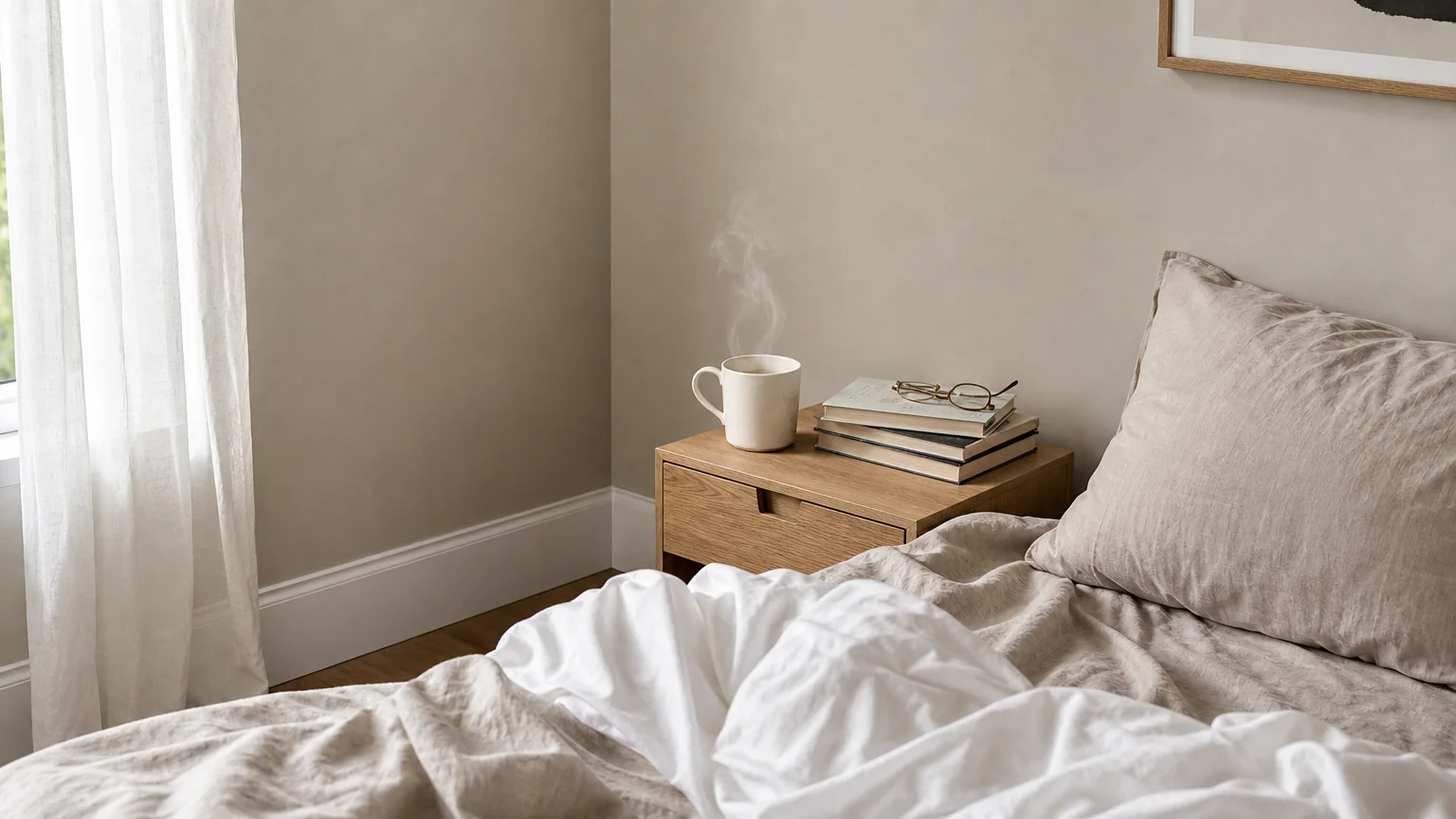
Green sits at the exact center of the visible color spectrum, making it the easiest color for the human eye to perceive. This scientific reality makes it an exceptional choice for senior living spaces, as it demands virtually zero eye strain. When you surround yourself with these restorative greens, you naturally lower your heart rate and reduce stress levels. They evoke the tranquility of a lush, overgrown garden, providing a masterfully calming backdrop for reading nooks, primary bedrooms, and spa-like bathrooms.

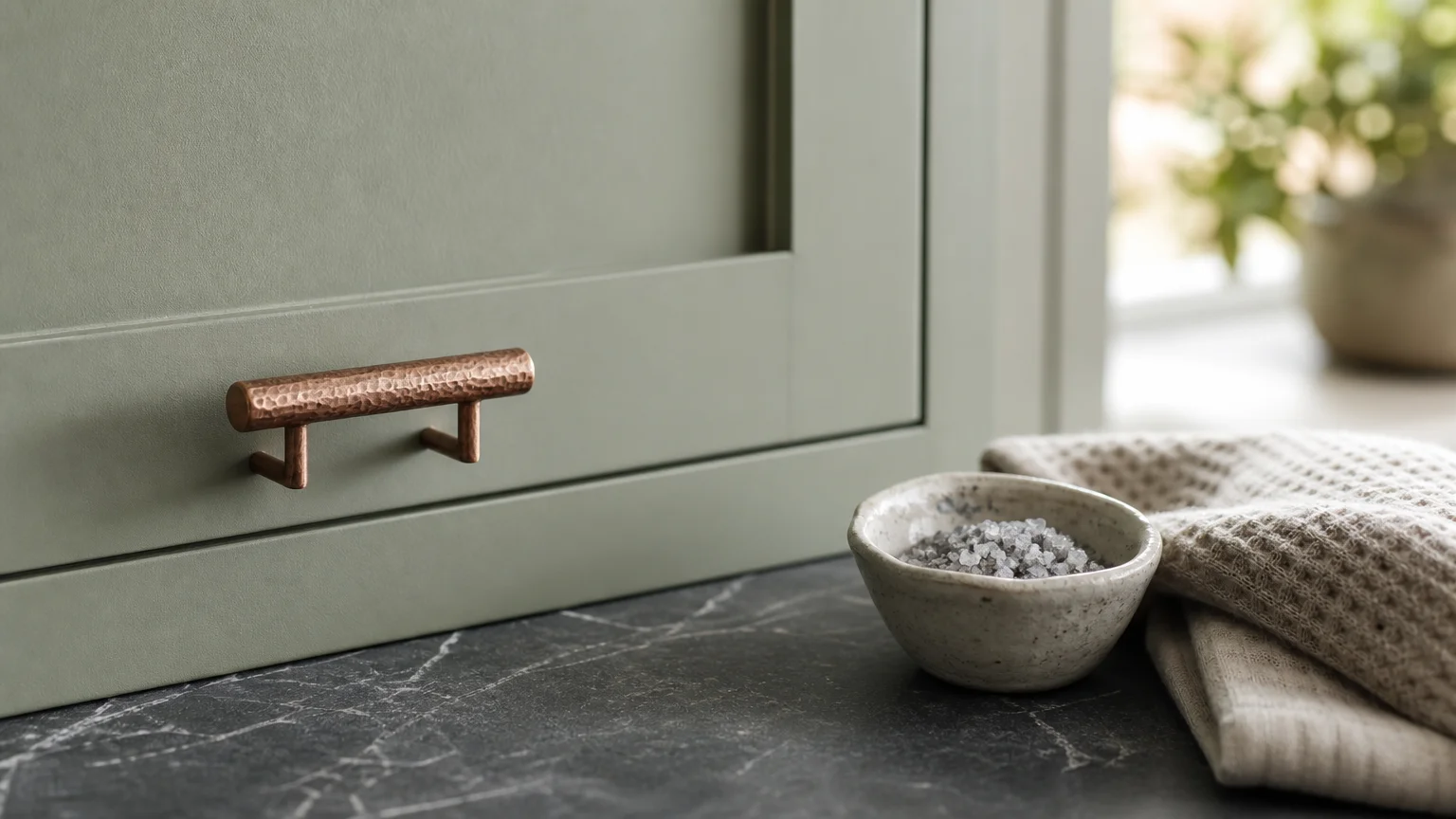
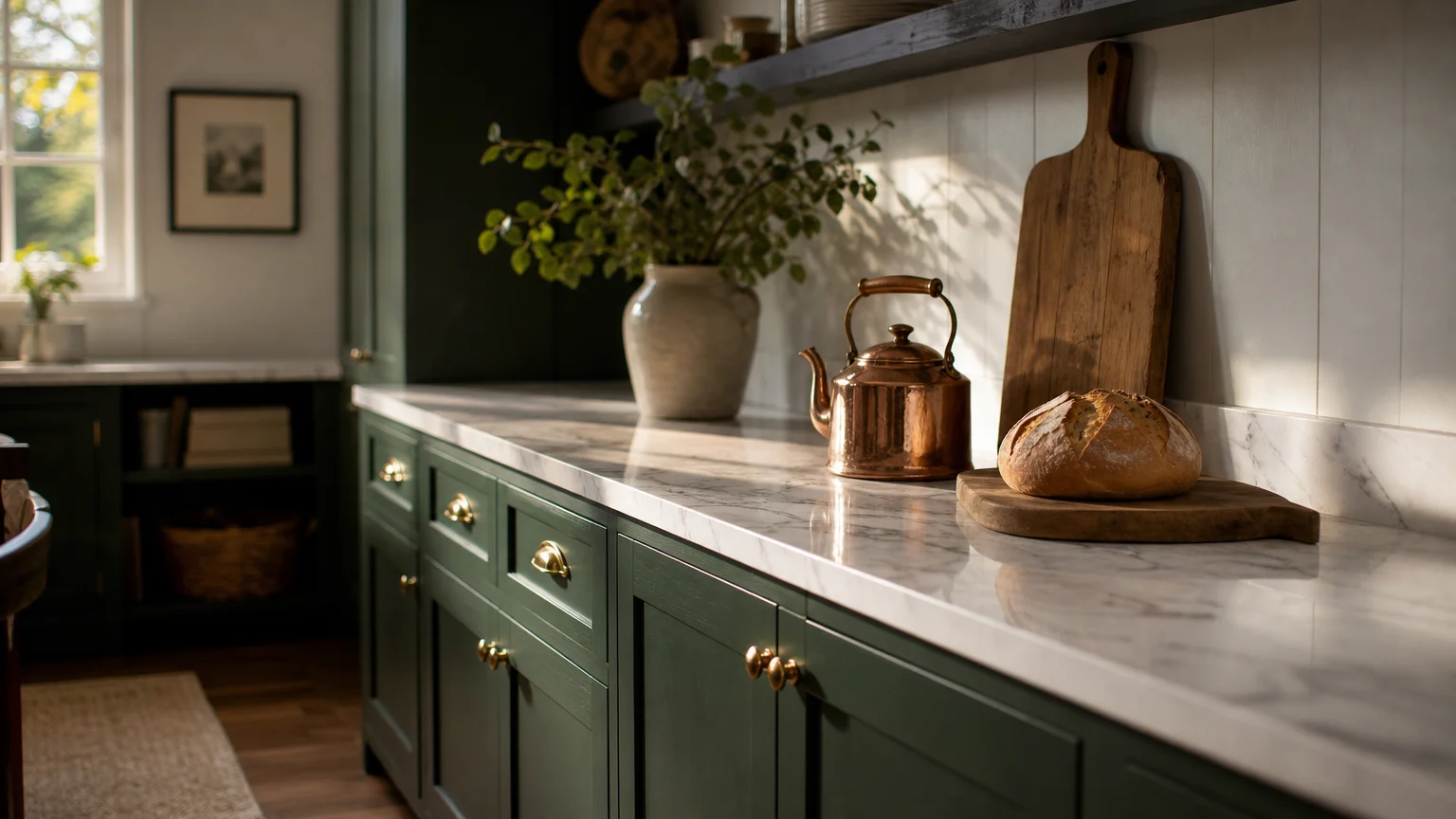
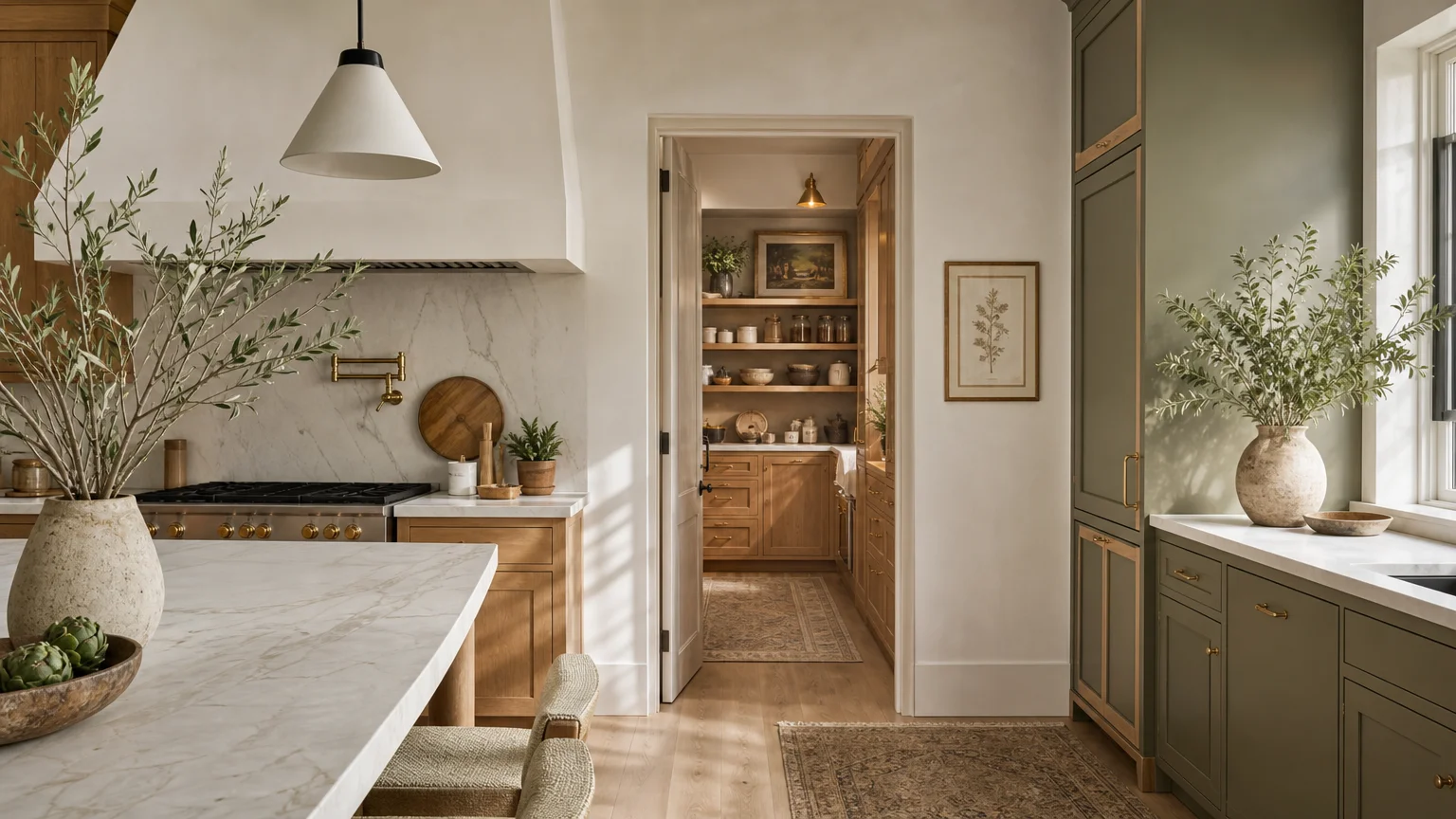
When you explore paint ideas seniors can easily adopt, consider using a soft silvered sage in the bedroom to promote deep, restorative sleep. Olive green works beautifully on kitchen cabinetry or built-in bookcases, offering a sophisticated, deeply rooted contrast against light quartz countertops and warm oak floors. You can also layer multiple different shades of green within the exact same room—perhaps a lighter sage on the walls paired with deeper olive velvet textiles—to create a compelling sense of depth and architectural interest without ever relying on harsh visual contrasts.

———

Trend #3: Soft, Luminous Buttermilk Yellows

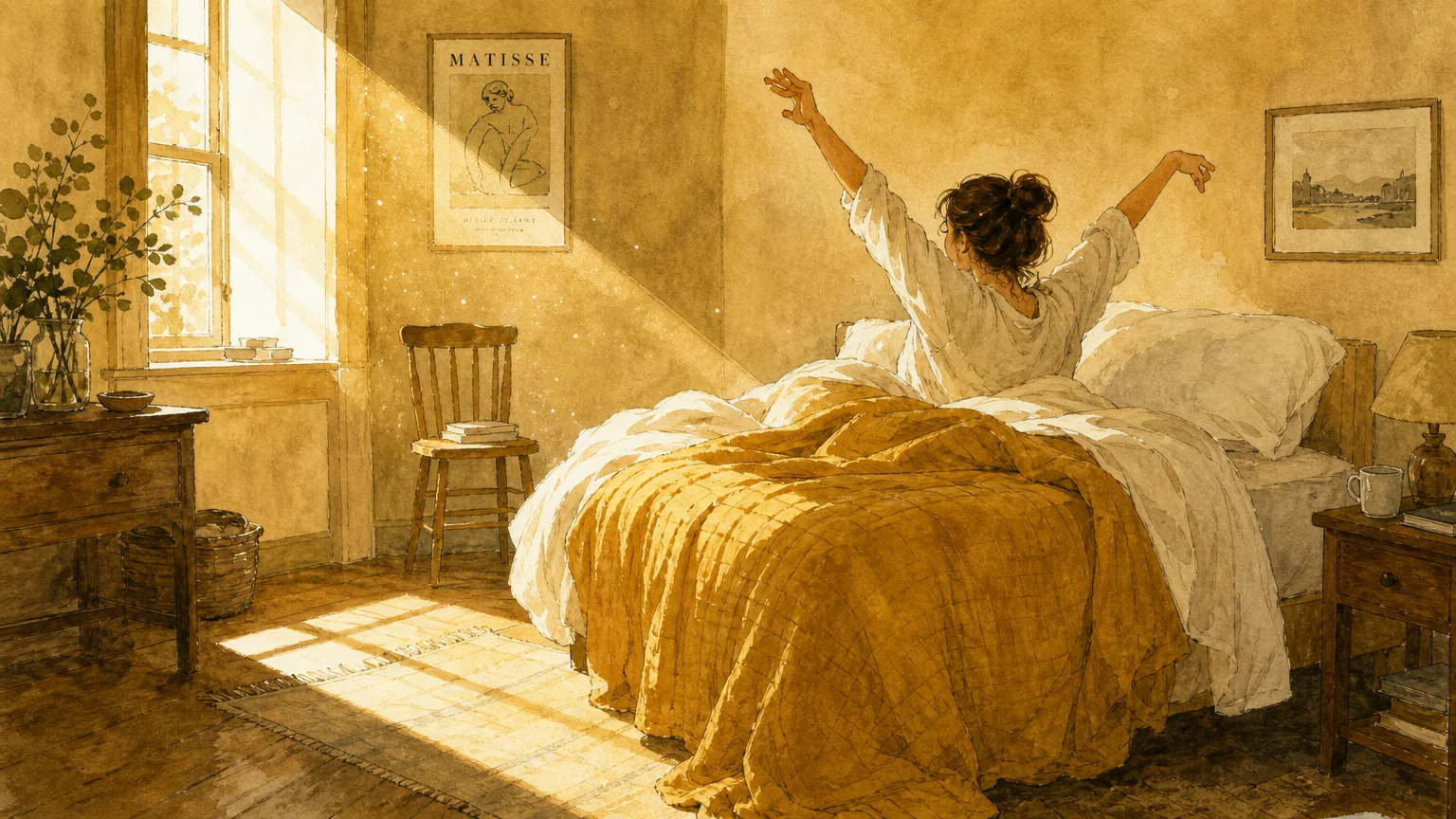
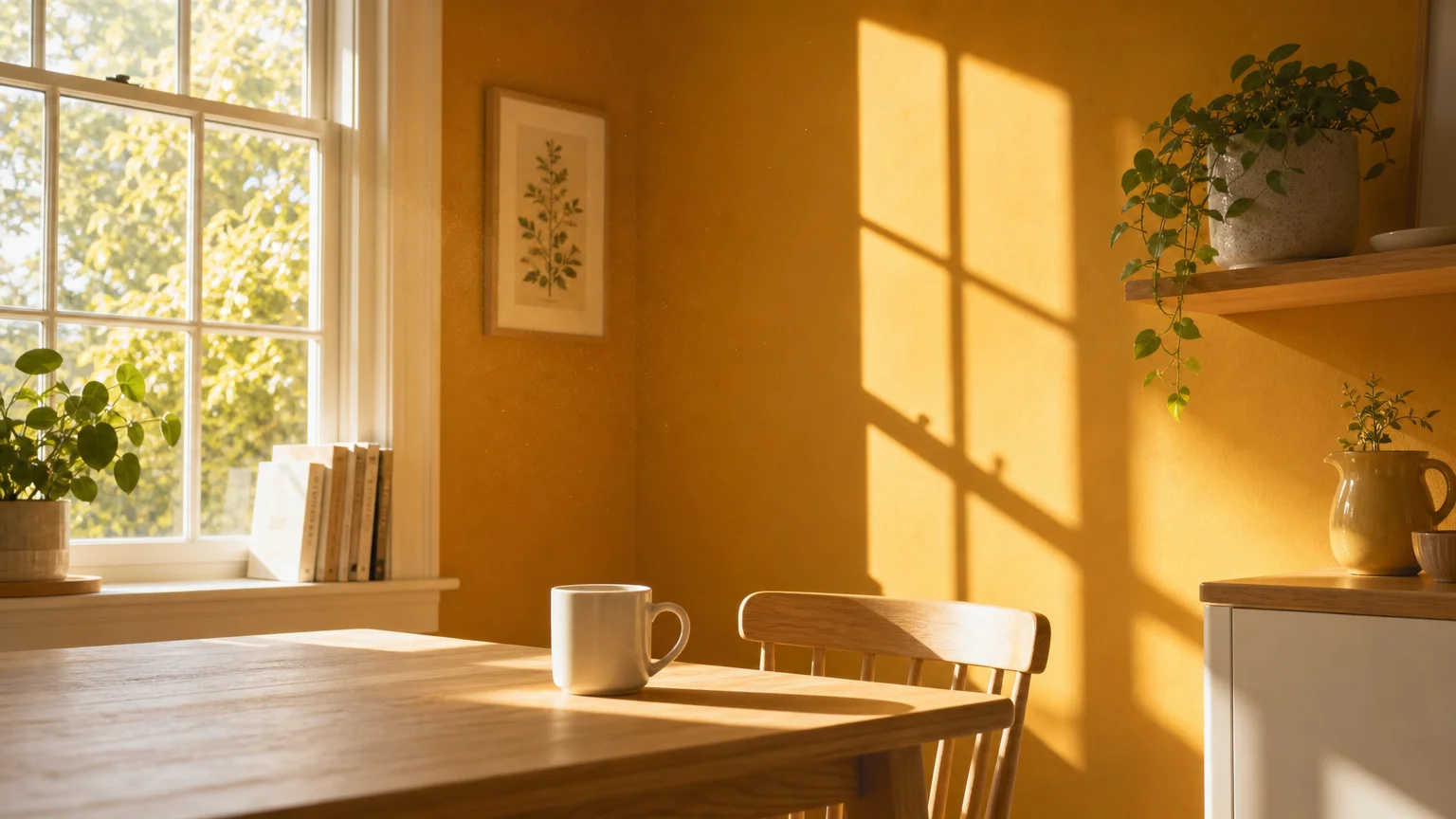
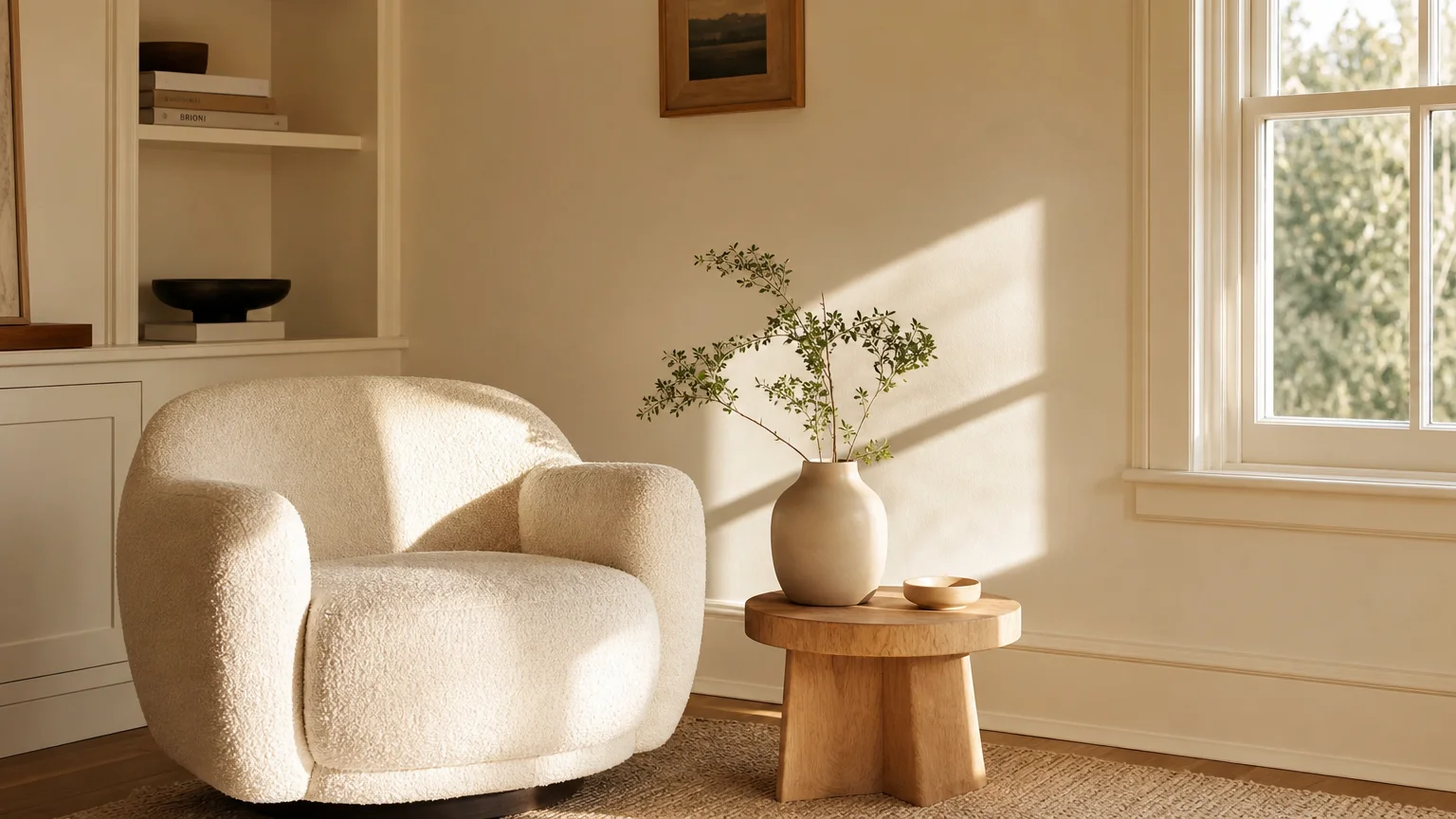
For years, high-end designers avoided yellow, associating the hue with overly bright, frenetic spaces that felt visually chaotic. In 2026, yellow makes a triumphant, highly refined return in the form of soft, luminous buttermilk. This particular shade is creamy, incredibly subtle, and inherently optimistic. It provides the absolute perfect design solution for rooms that lack natural light, instantly warming up cold, north-facing spaces that might otherwise feel gloomy or uninviting.

As you age, the biological lenses of your eyes gradually yellow and thicken. This common physiological shift filters out blue light and causes interior environments to appear noticeably darker than they actually are. Buttermilk yellow brilliantly counters this natural biological change by reflecting ambient light efficiently and physically amplifying the brightness of a room. It delivers a fresh home look that feels uplifting and invigorating, ensuring your home never feels closed in or heavily shadowed.

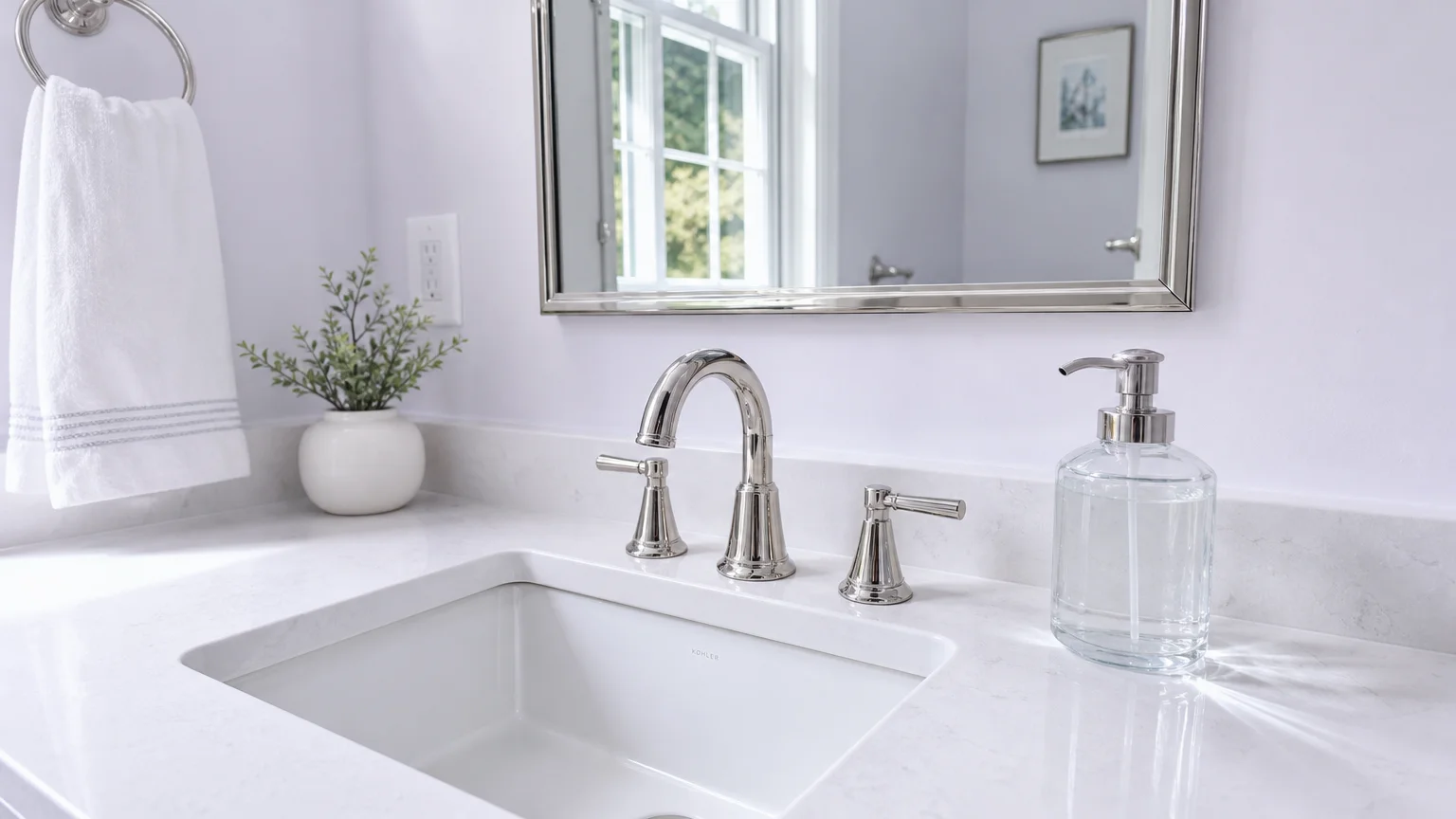
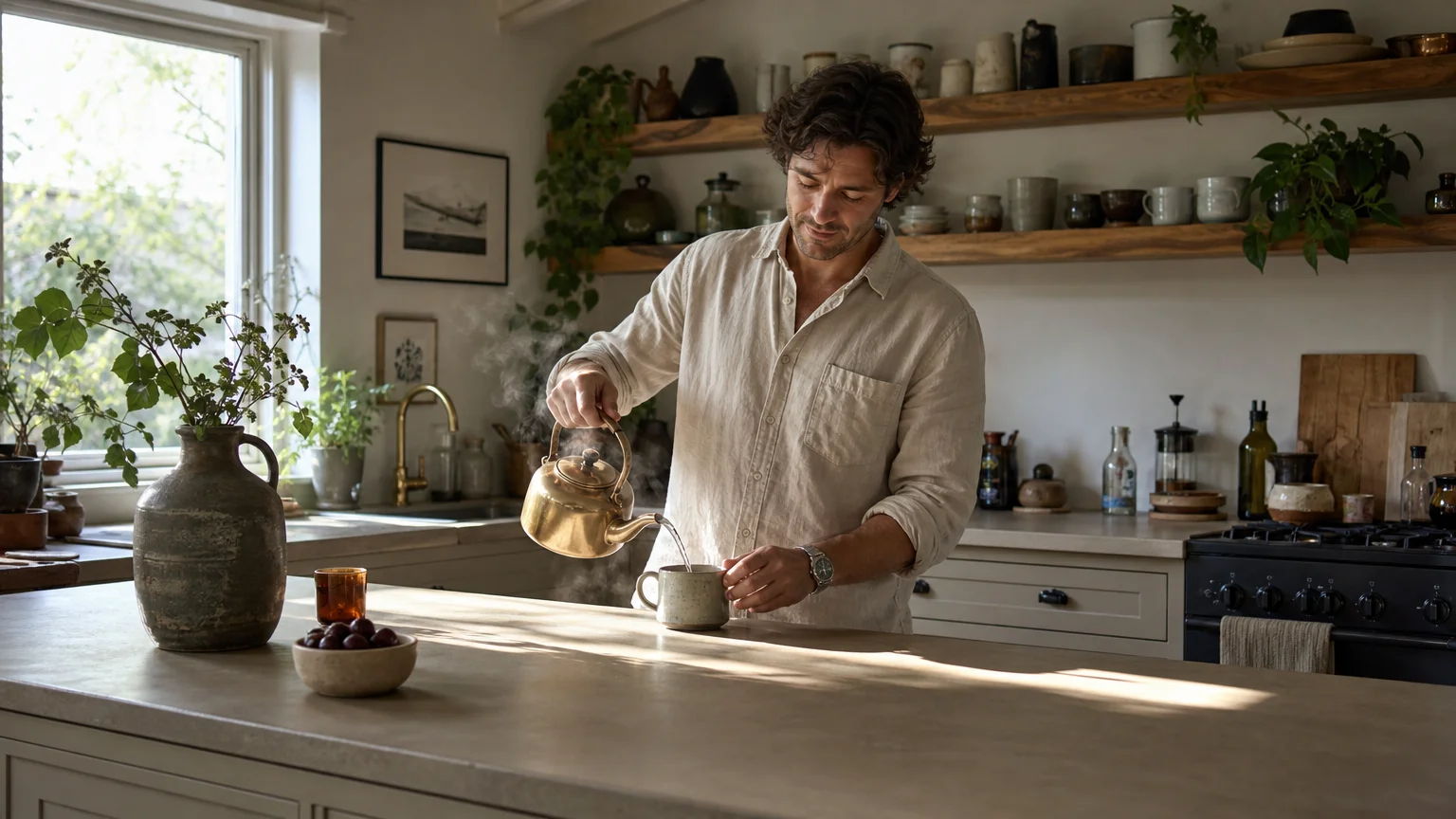
Integrate buttermilk yellow into the exact spaces where you begin your daily routine, such as kitchens, sunrooms, breakfast nooks, or primary bathrooms. It pairs exceptionally beautifully with crisp white trims, natural stone textures like honed travertine, and polished nickel hardware. Unlike the vibrant, neon lemon yellows of the past, modern buttermilk carries enough warm beige undertones to feel sophisticated, anchored, and deeply grounded. It acts as a gentle, comforting embrace, starting your morning with a subtle but highly effective boost of energy and positivity.

———

Trend #4: Deep, Grounding Oceanic Blues

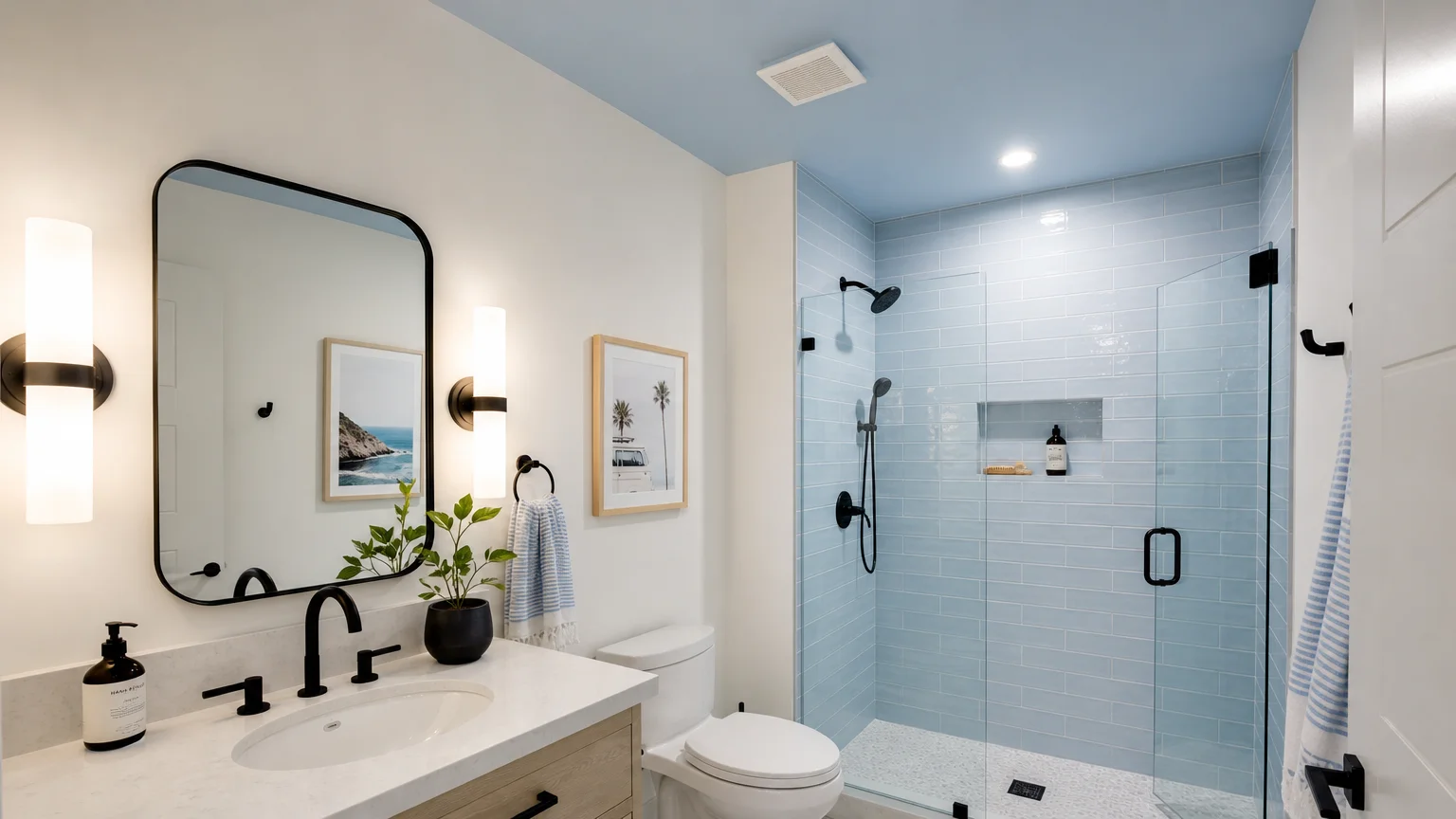
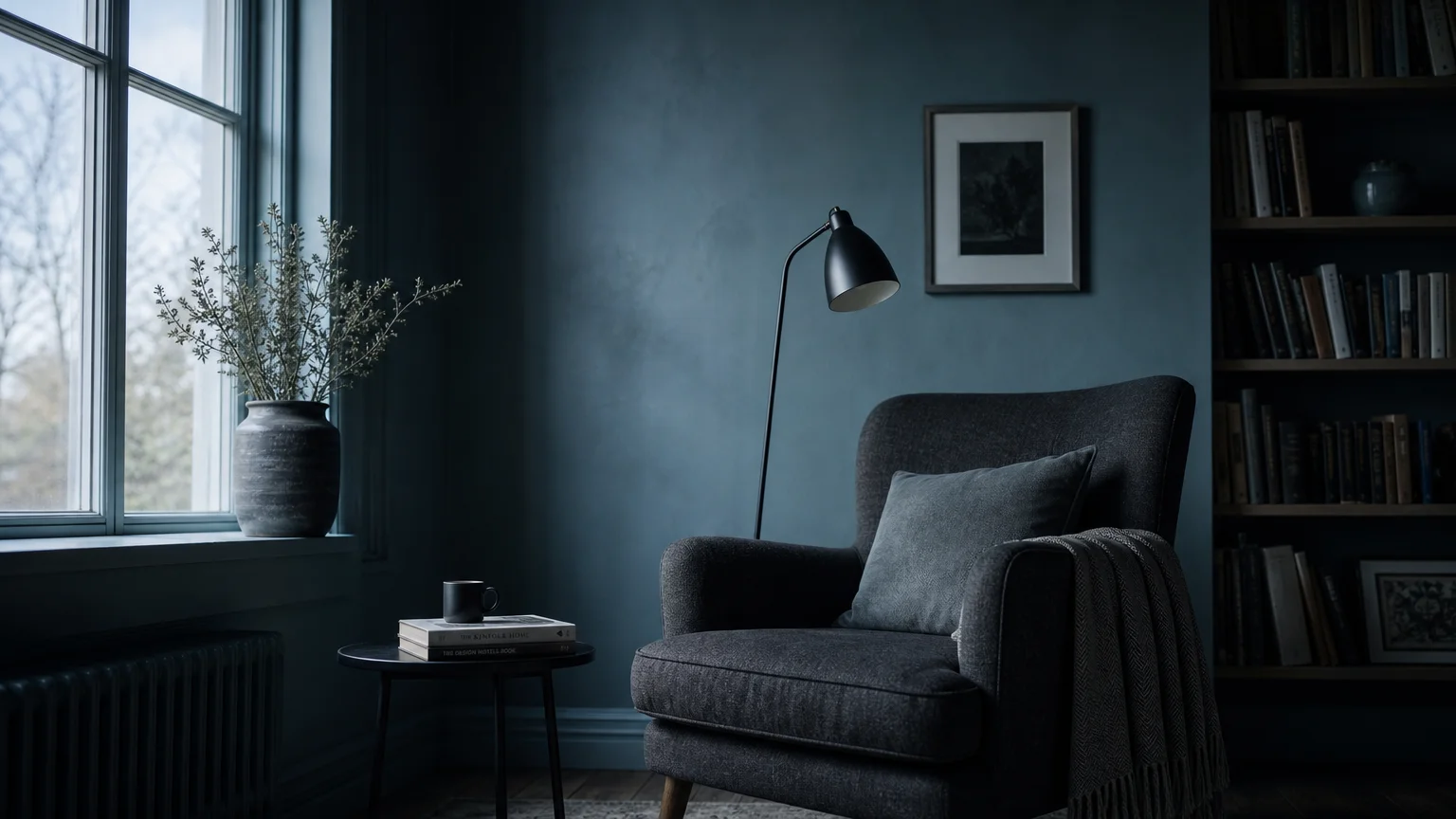
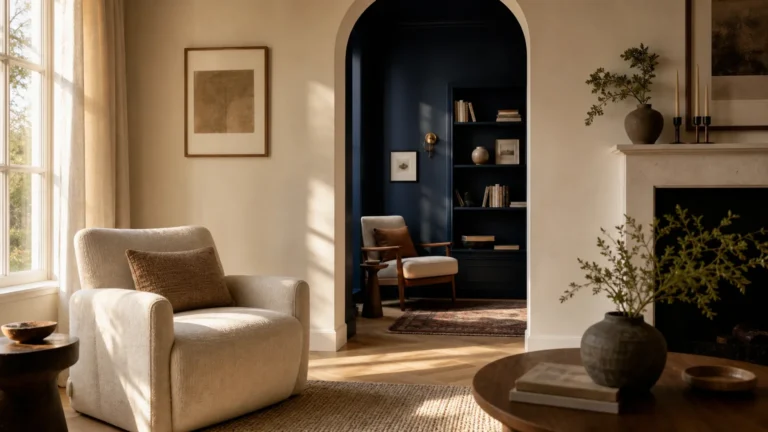
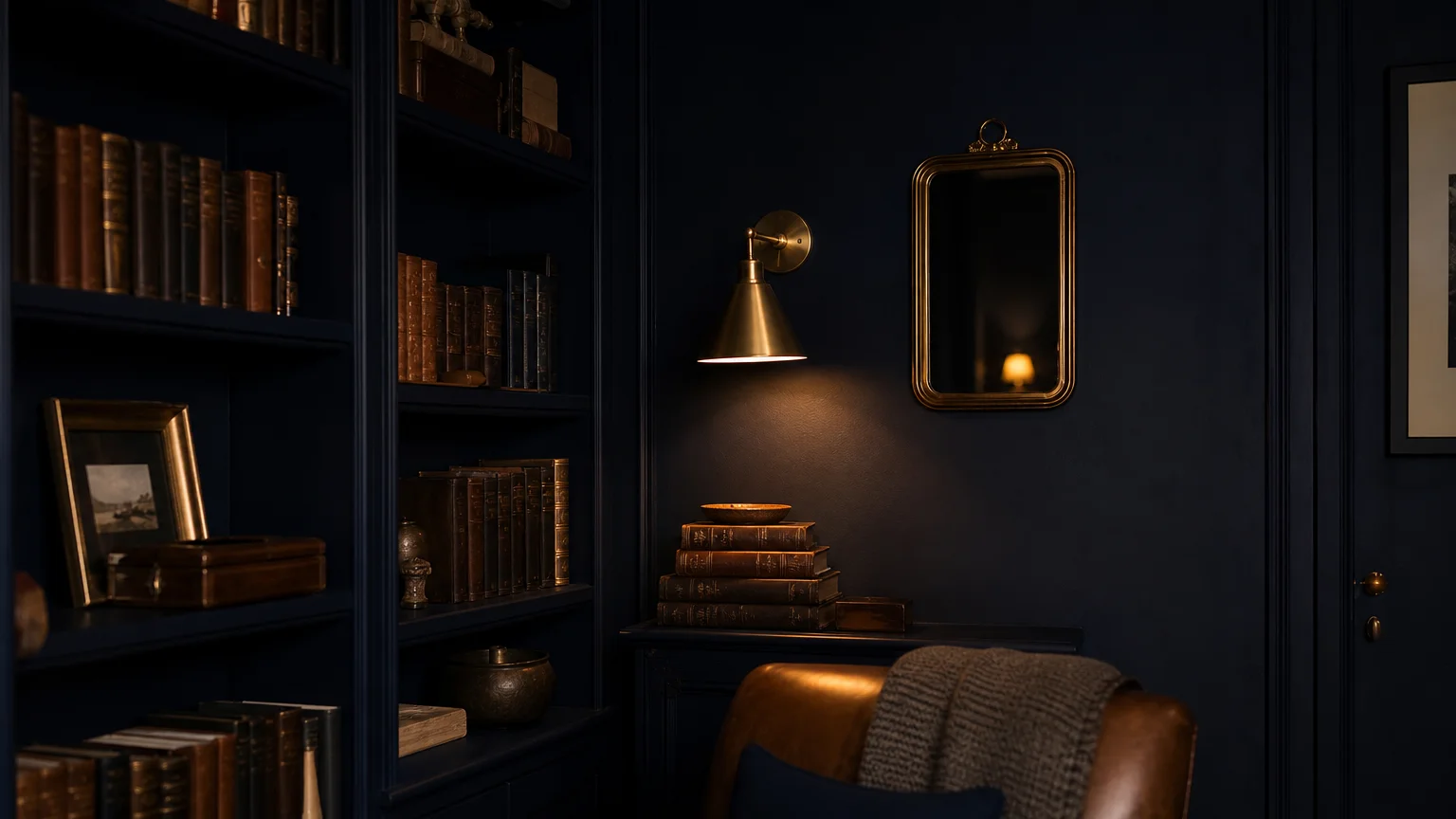
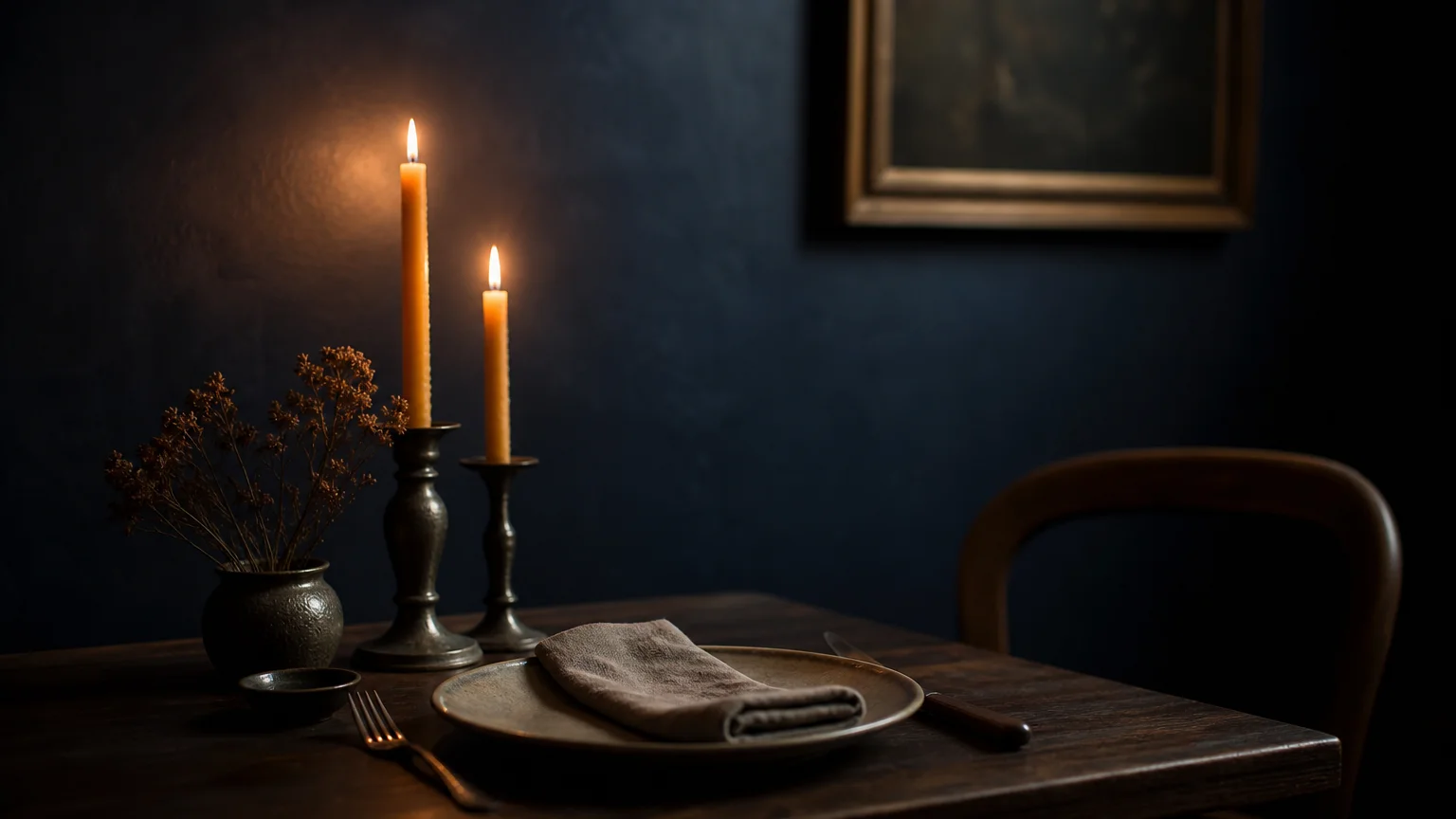
While warm tones unquestionably dominate much of the 2026 forecast, cooler shades still play a vital, structural role in creating balanced, elegant interiors. Deep, grounding oceanic blues—think marine navy, slate blue, and deep, stormy indigo—bring a necessary visual weight and architectural structure to your spaces. These specific colors speak loudly to the concept of provenance, carrying a profound sense of history, steadfast stability, and timelessness that resonates deeply with mature homeowners who appreciate legacy and classic design.

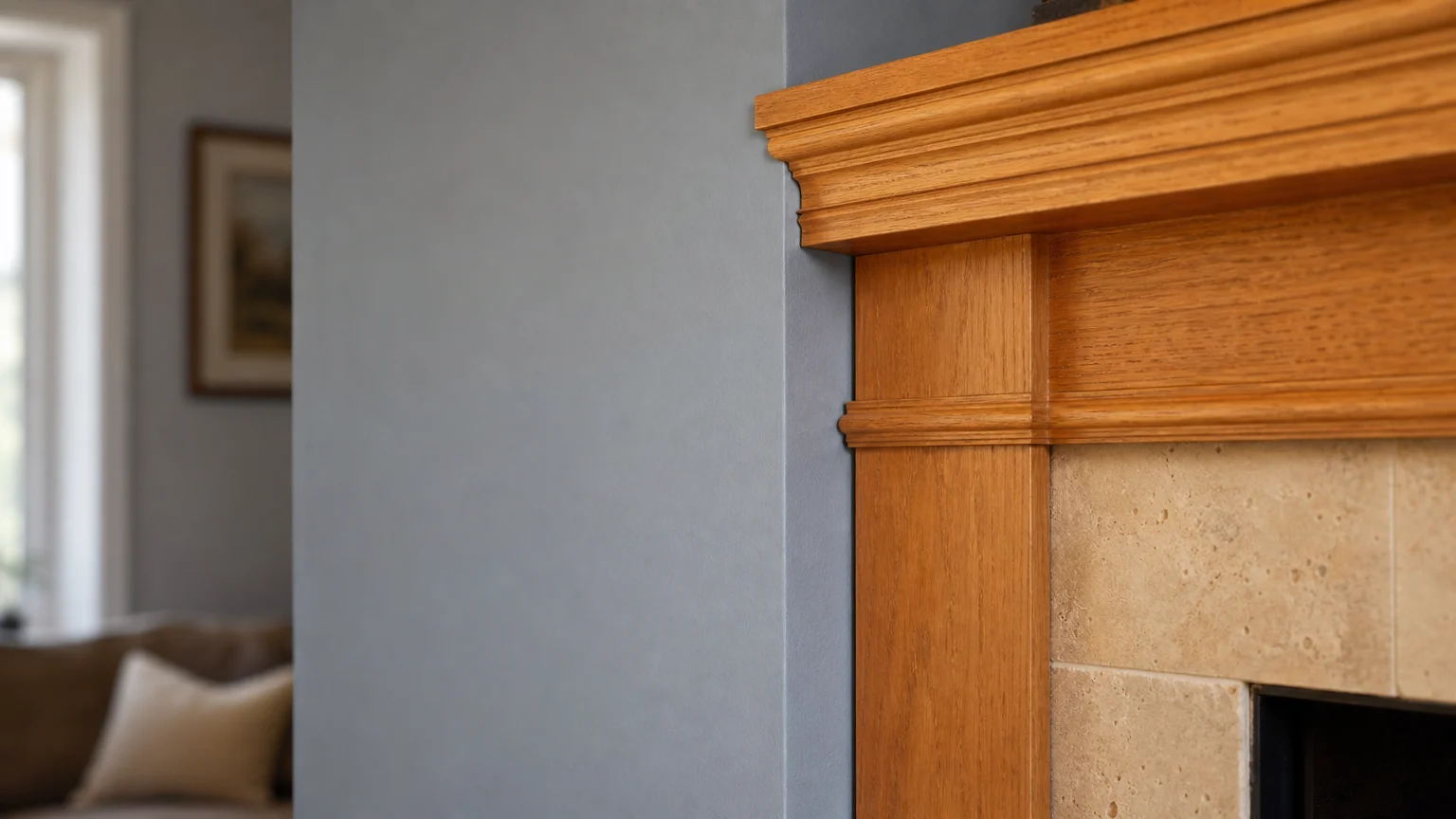
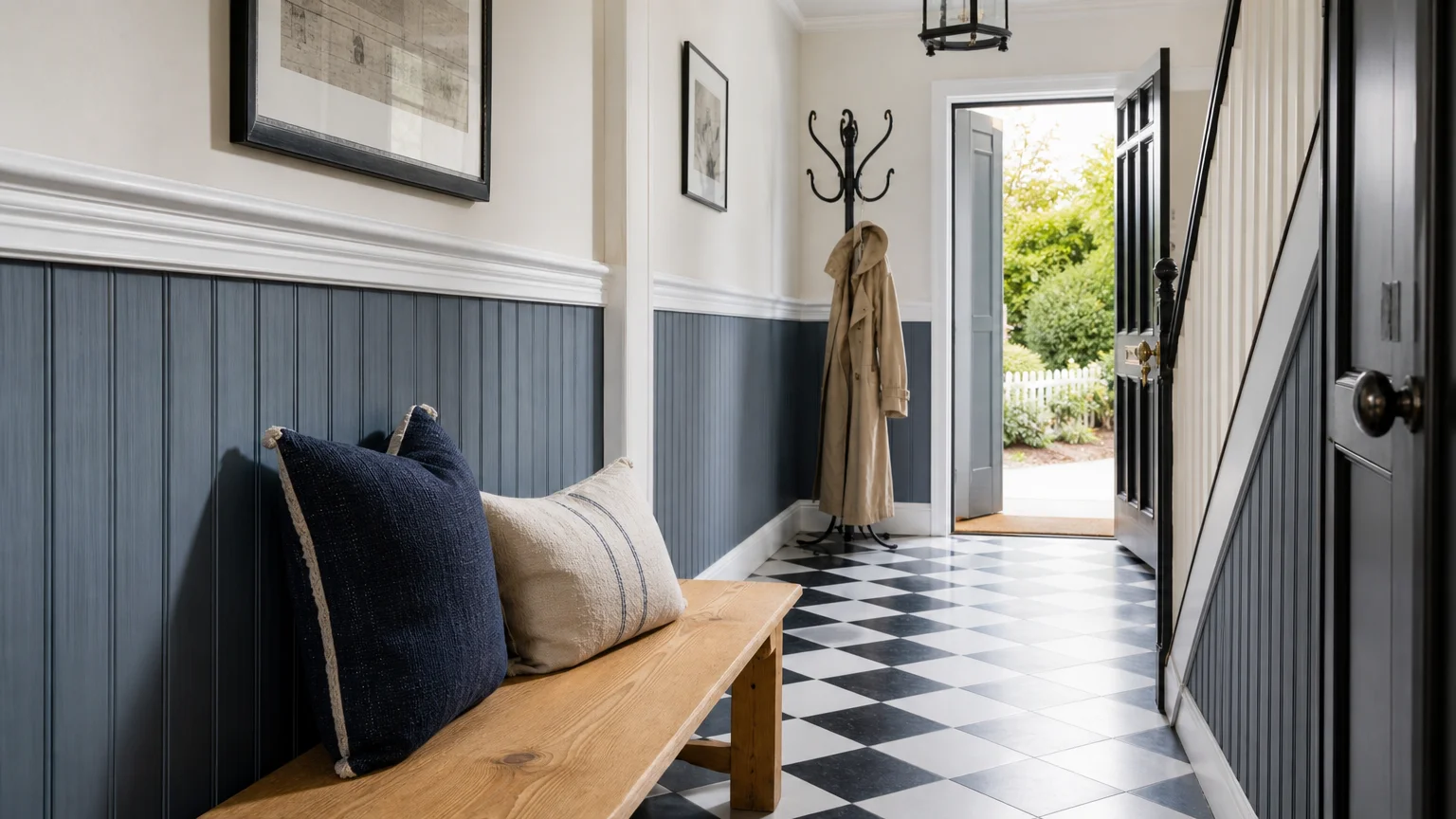
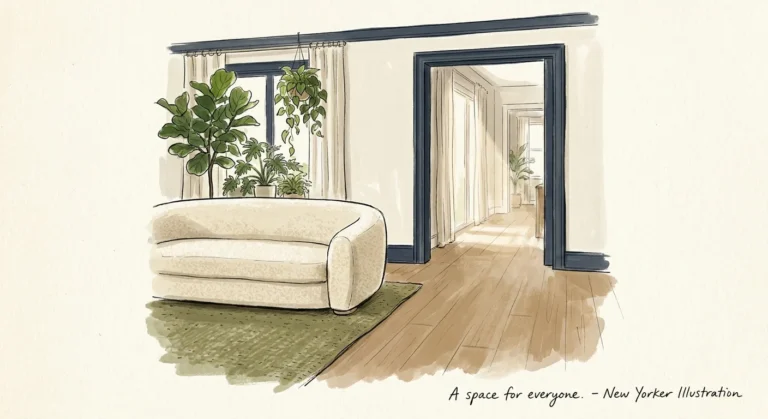
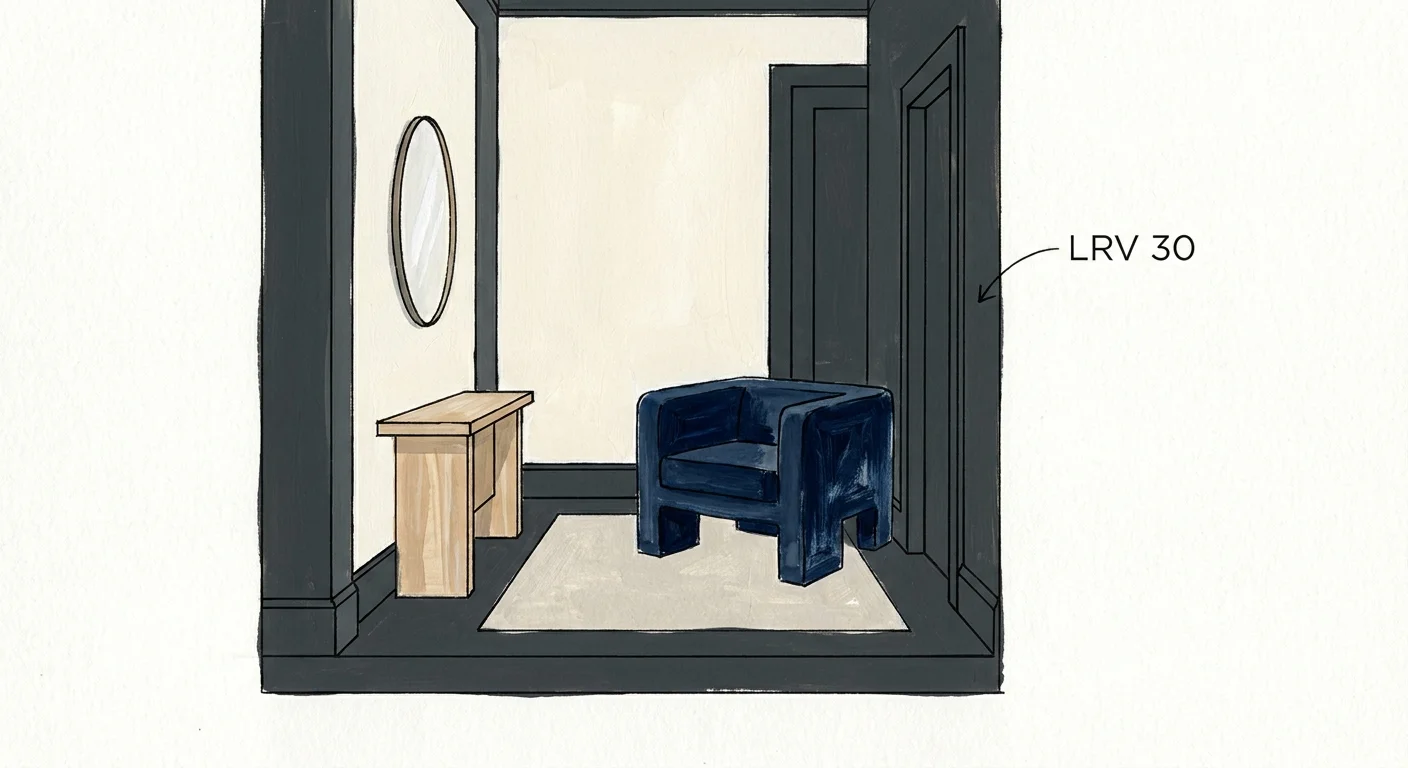
From a highly practical standpoint, dark blues provide critical visual contrast. Spatial awareness and depth perception often decline with age, making it increasingly difficult to distinguish between adjoining surfaces of similar light colors. By introducing a dark blue accent wall or decisively painting your baseboards, interior doors, and doorframes in a deep marine shade against much lighter walls, you establish stark, clear visual boundaries. This strategic, intentional use of high-contrast design significantly improves safety and room navigability without making the space look like a clinical care facility.

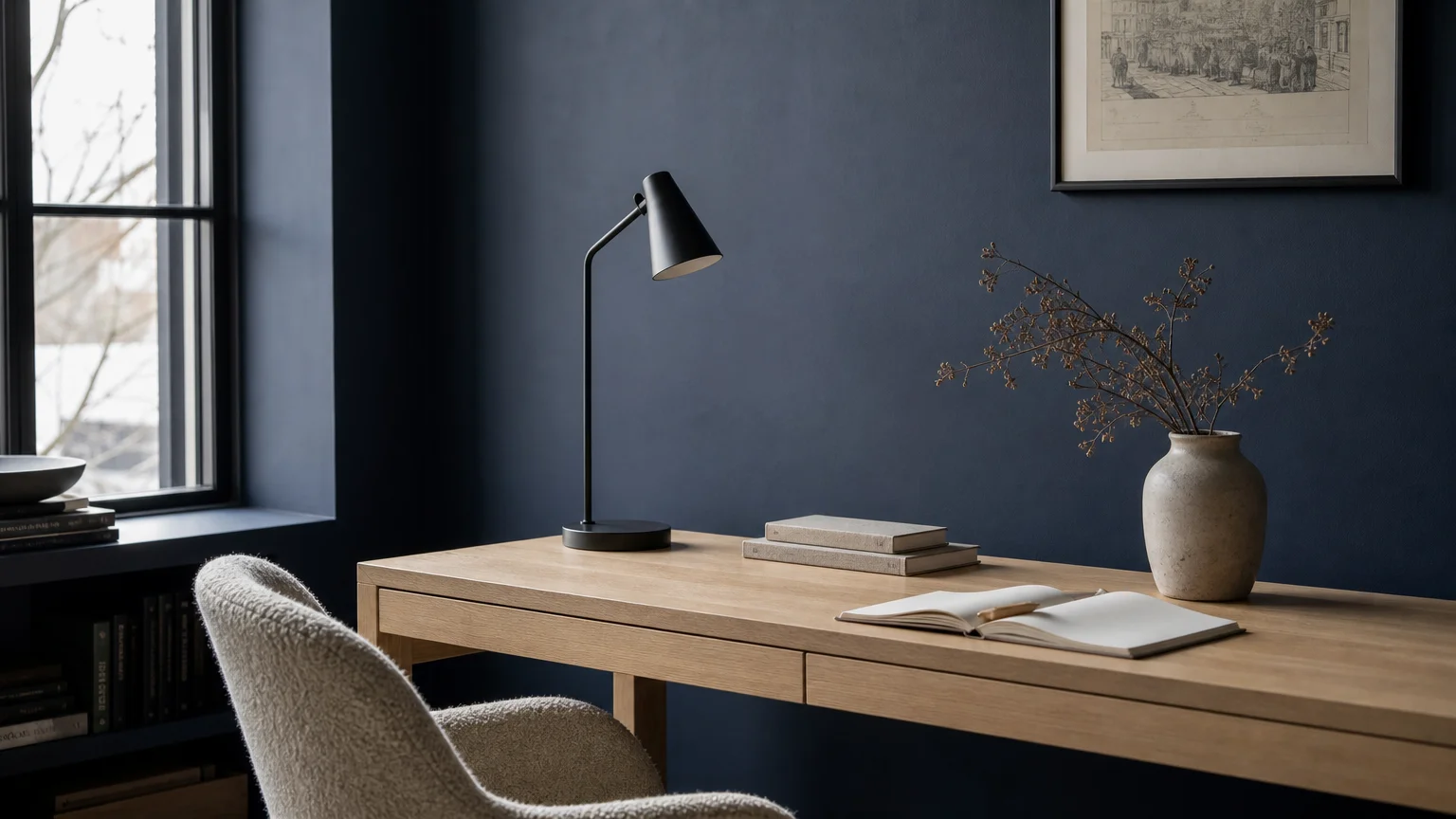
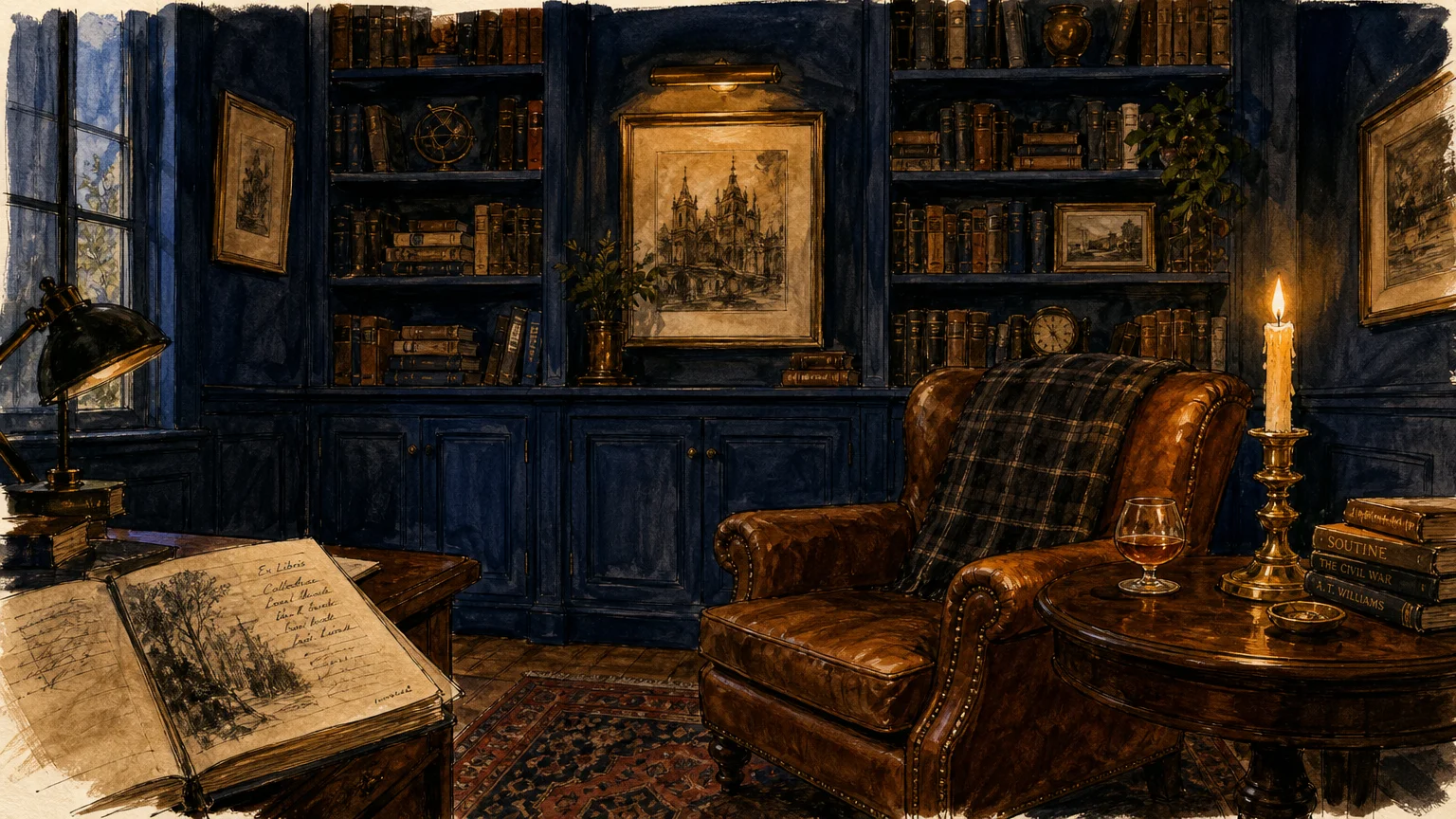
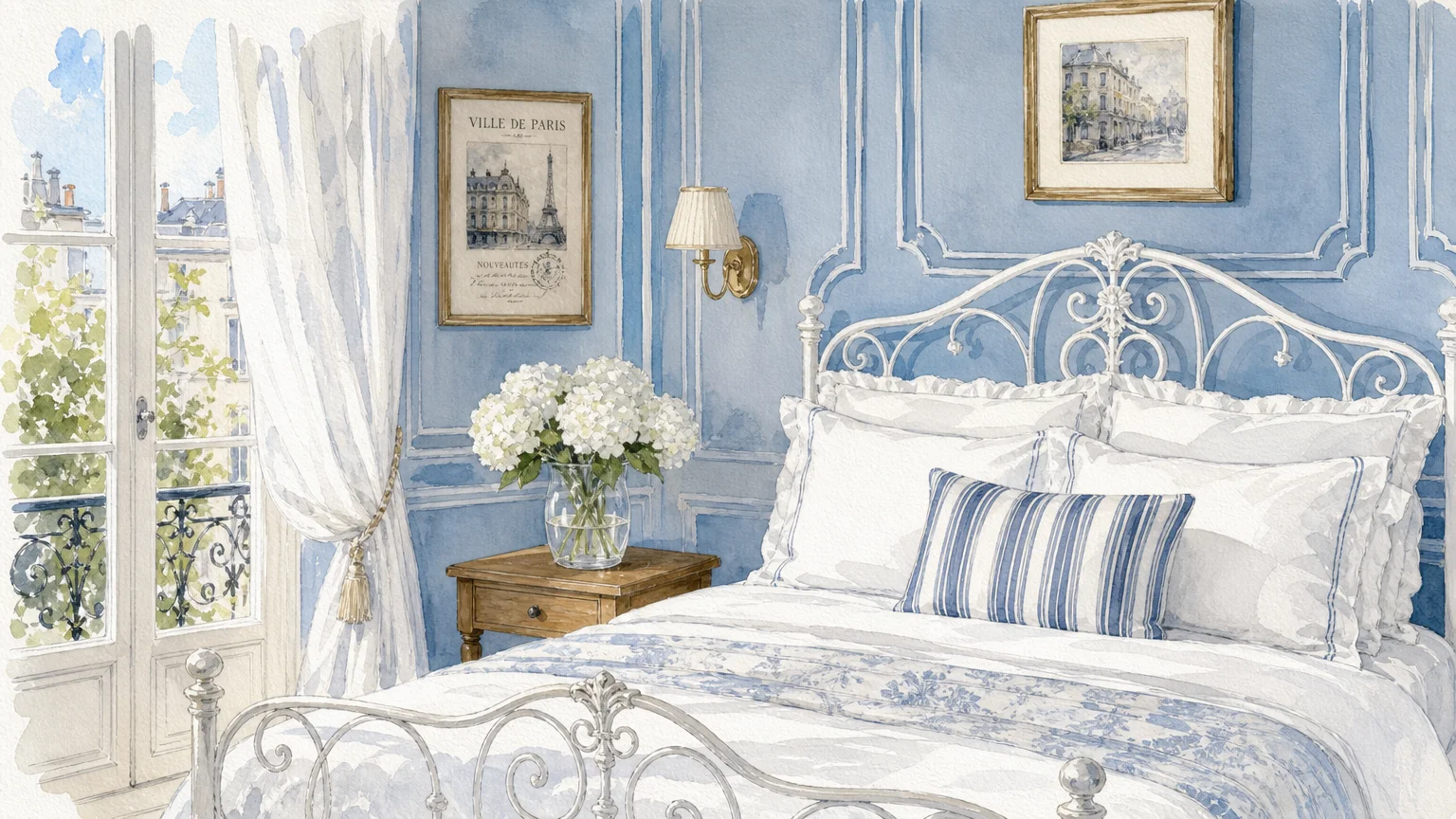
Use oceanic blues in formal dining rooms to curate an intimate, sophisticated atmosphere perfect for evening entertaining. Alternatively, apply a dusty slate blue to built-in living room bookshelves or a central fireplace surround to anchor a large, open-concept space. Complement these deep, immersive blues with warm metallic finishes—like heavily aged brass or brushed copper—to entirely prevent the room from feeling cold. The resulting aesthetic masterfully balances striking visual clarity with an undeniable, refined elegance.

———

Trend #5: Sophisticated Plaster and Warm Neutrals

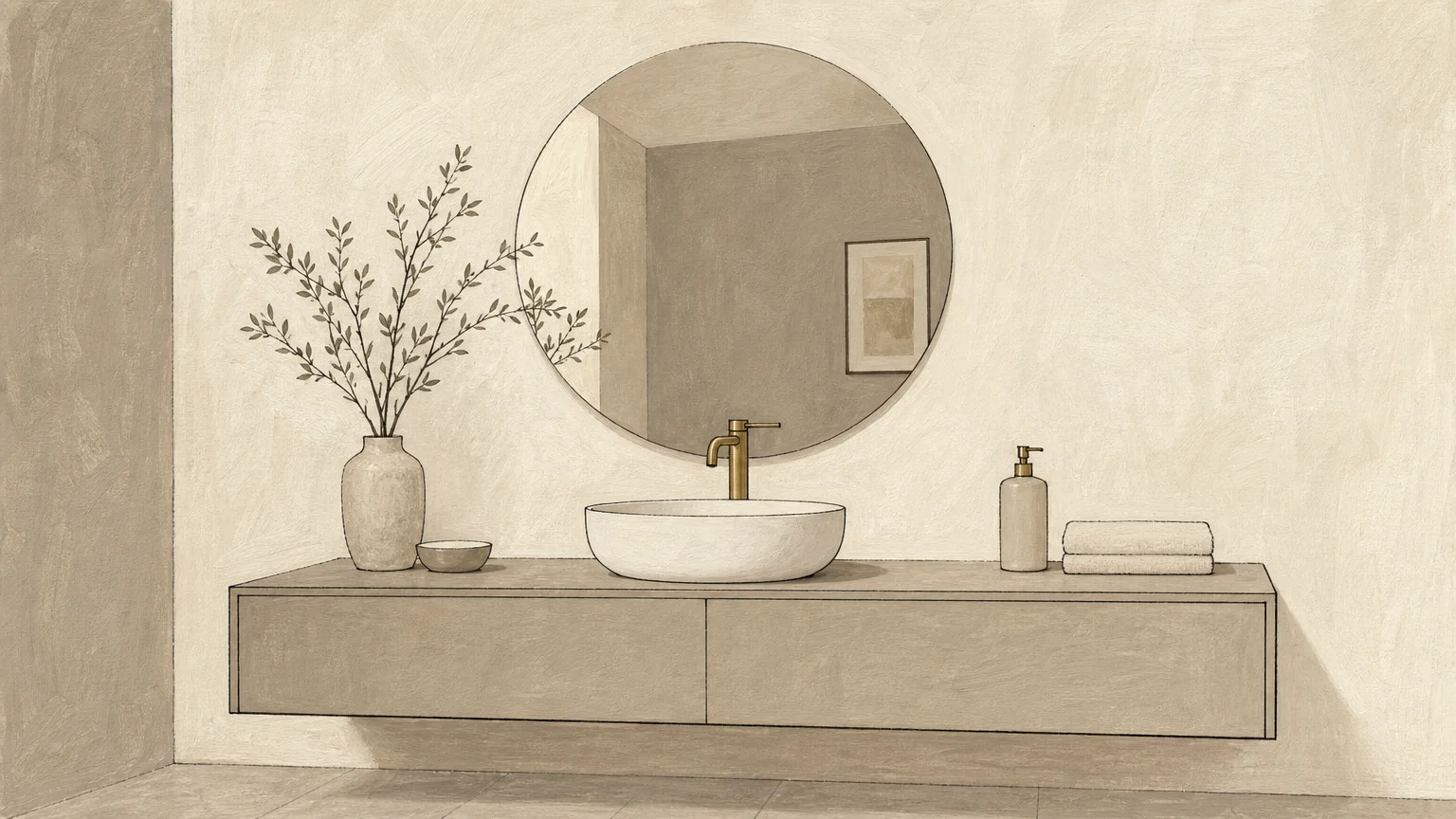
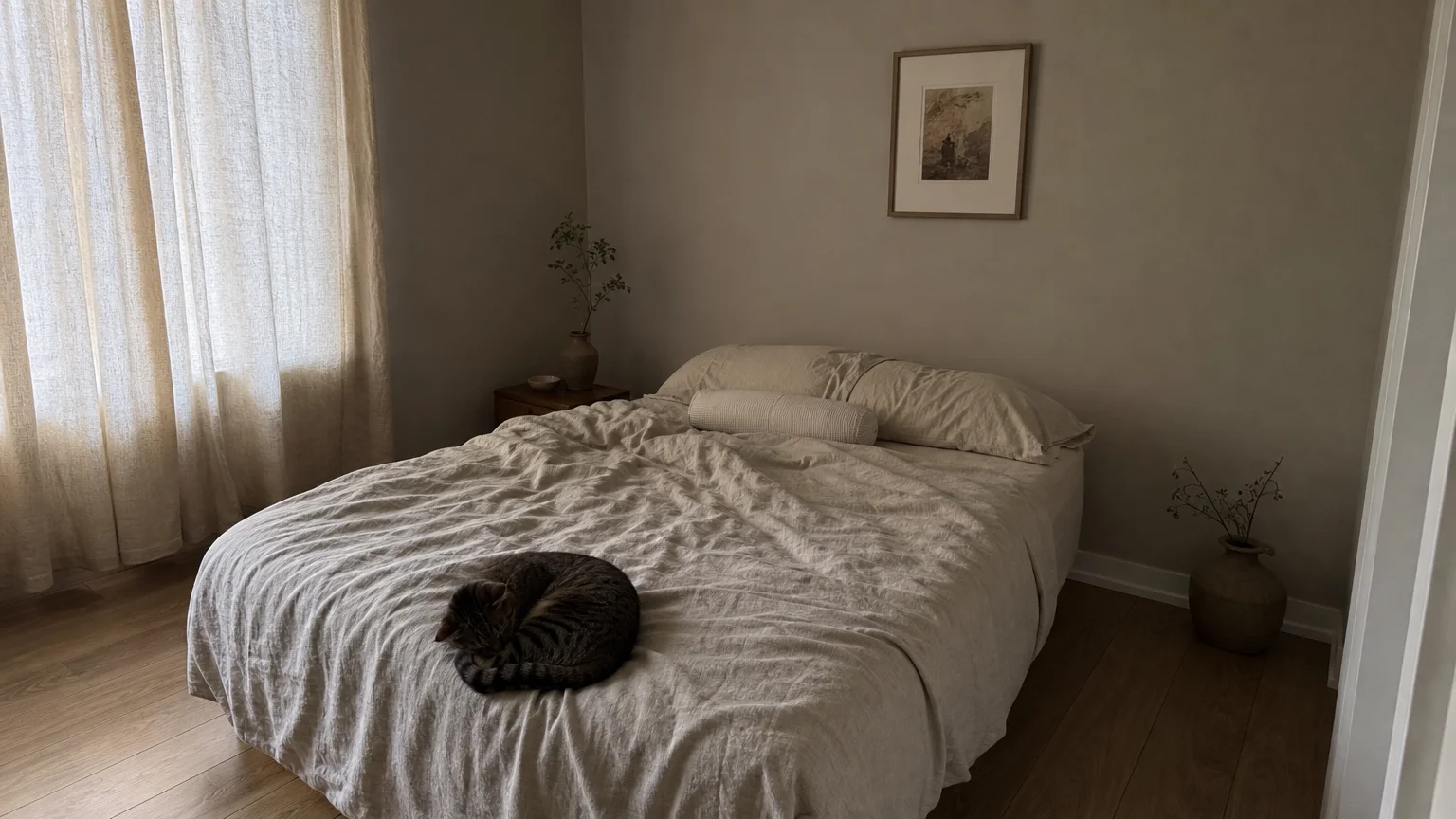
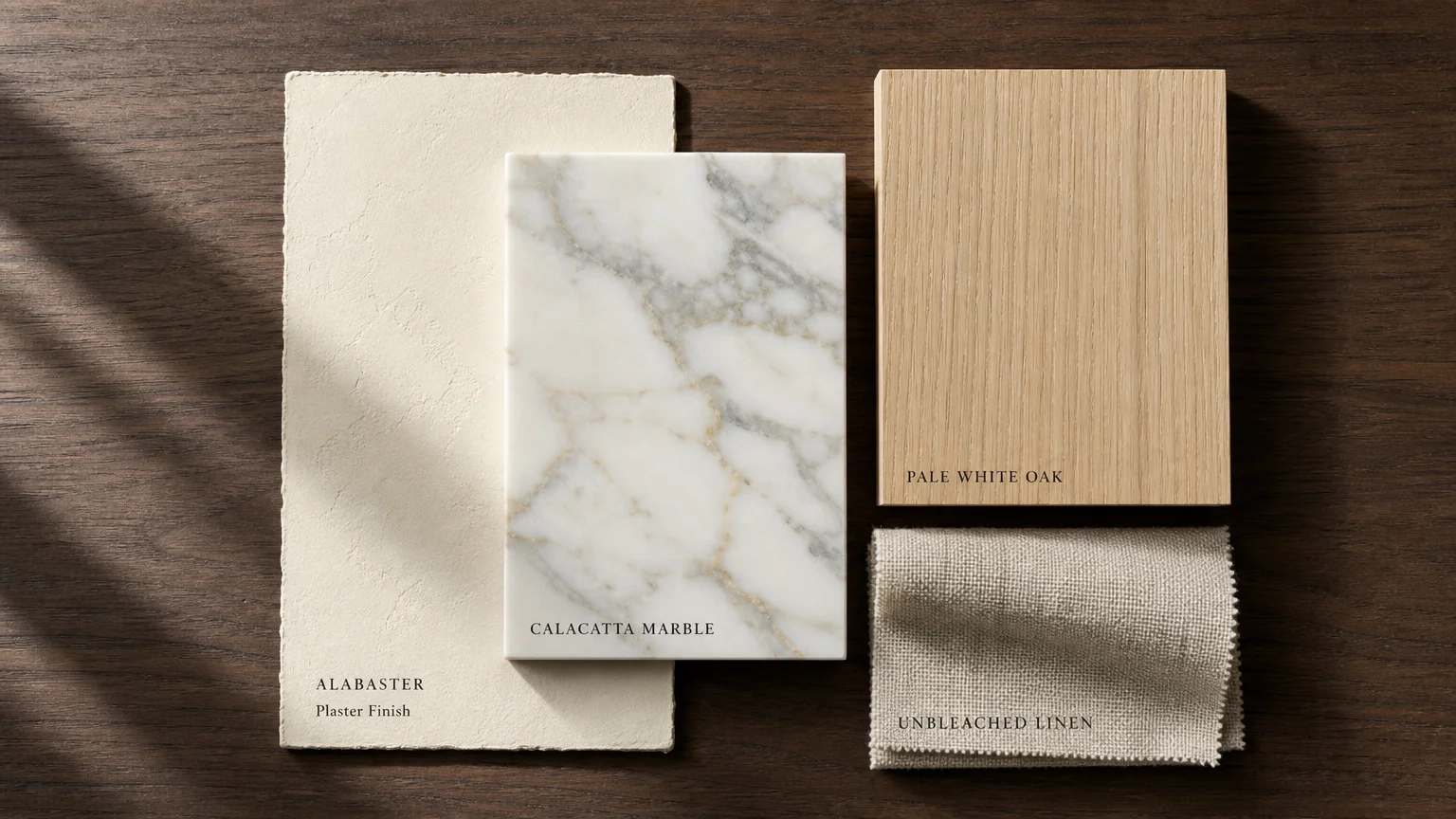
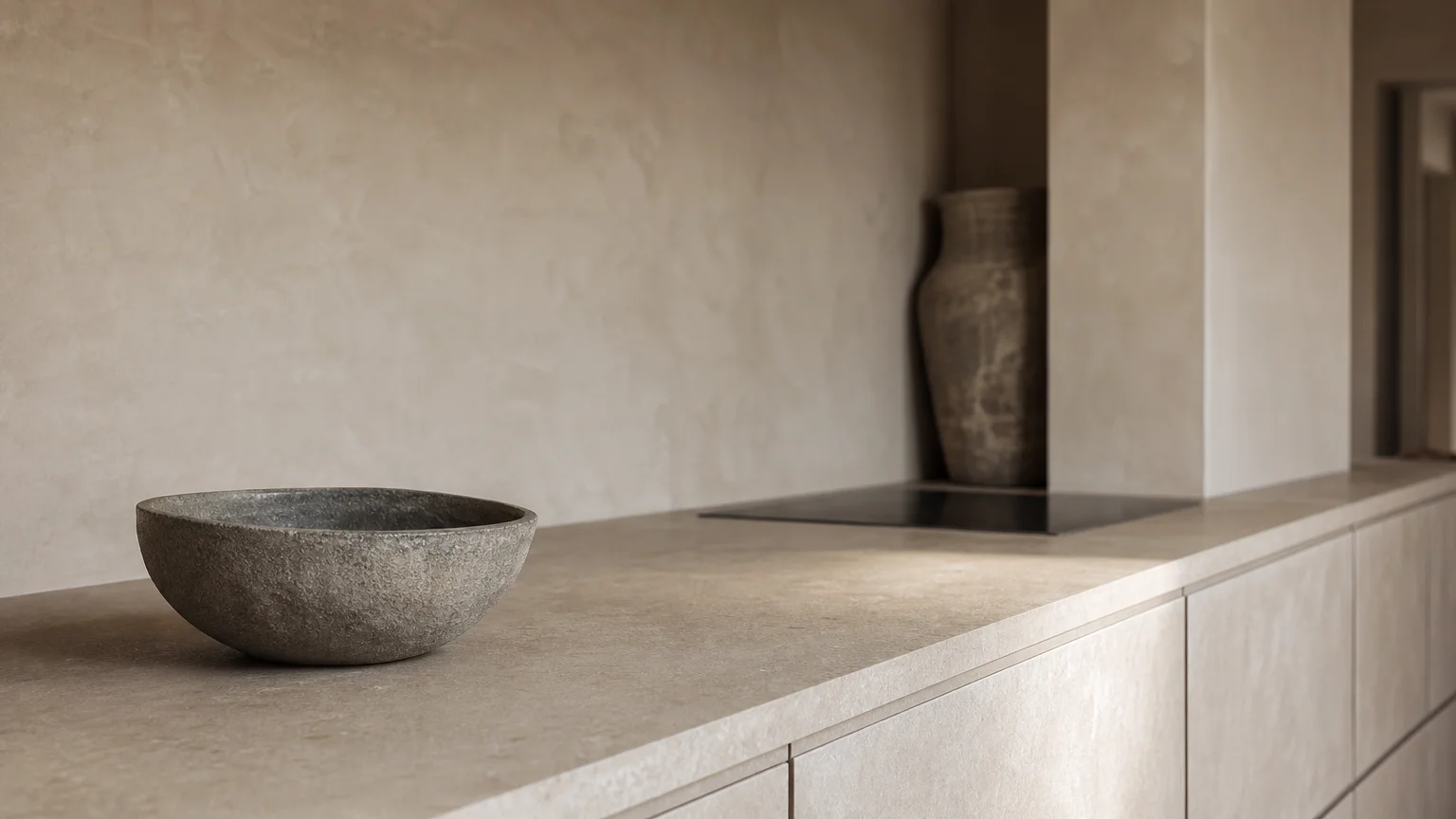
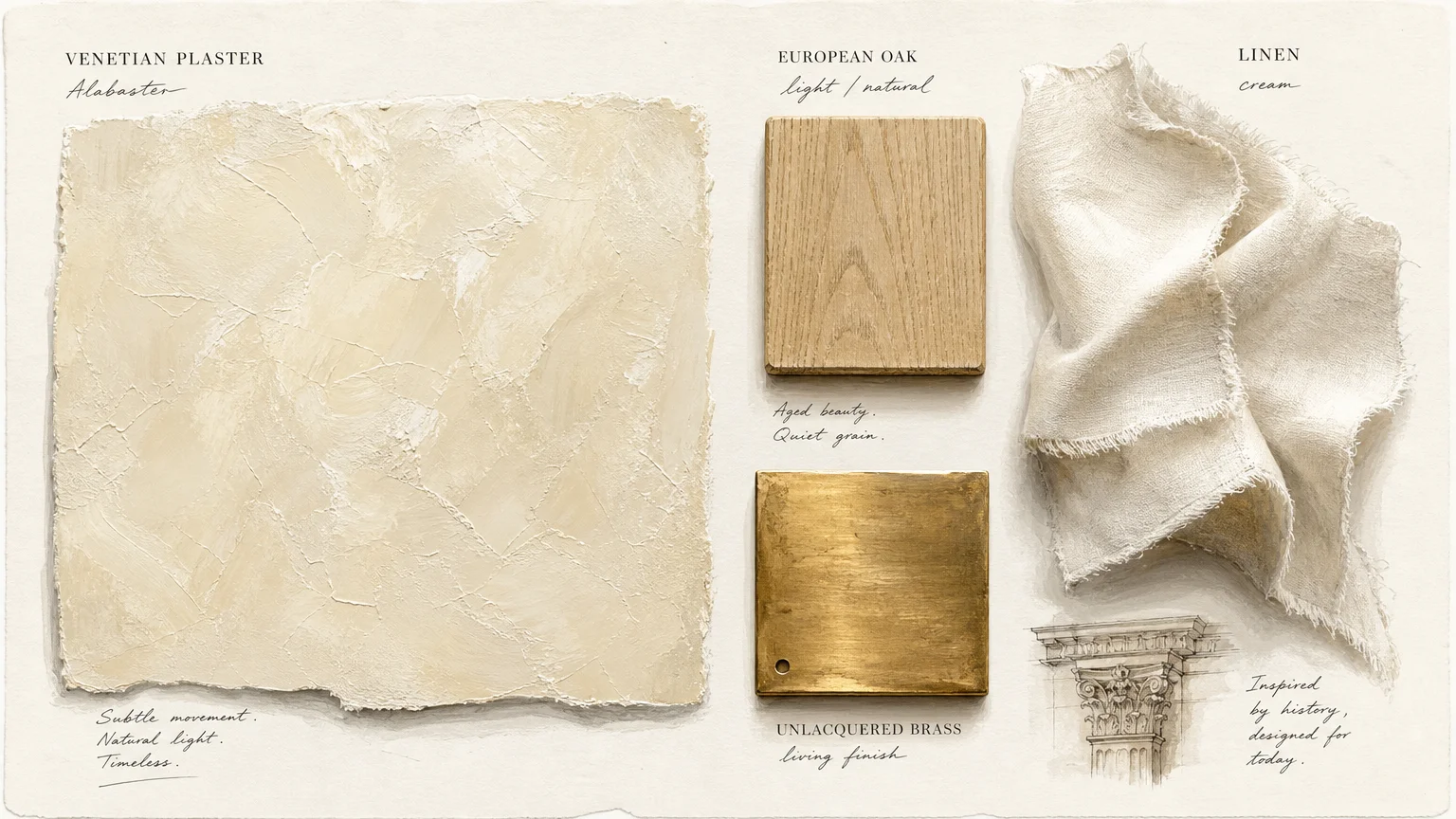
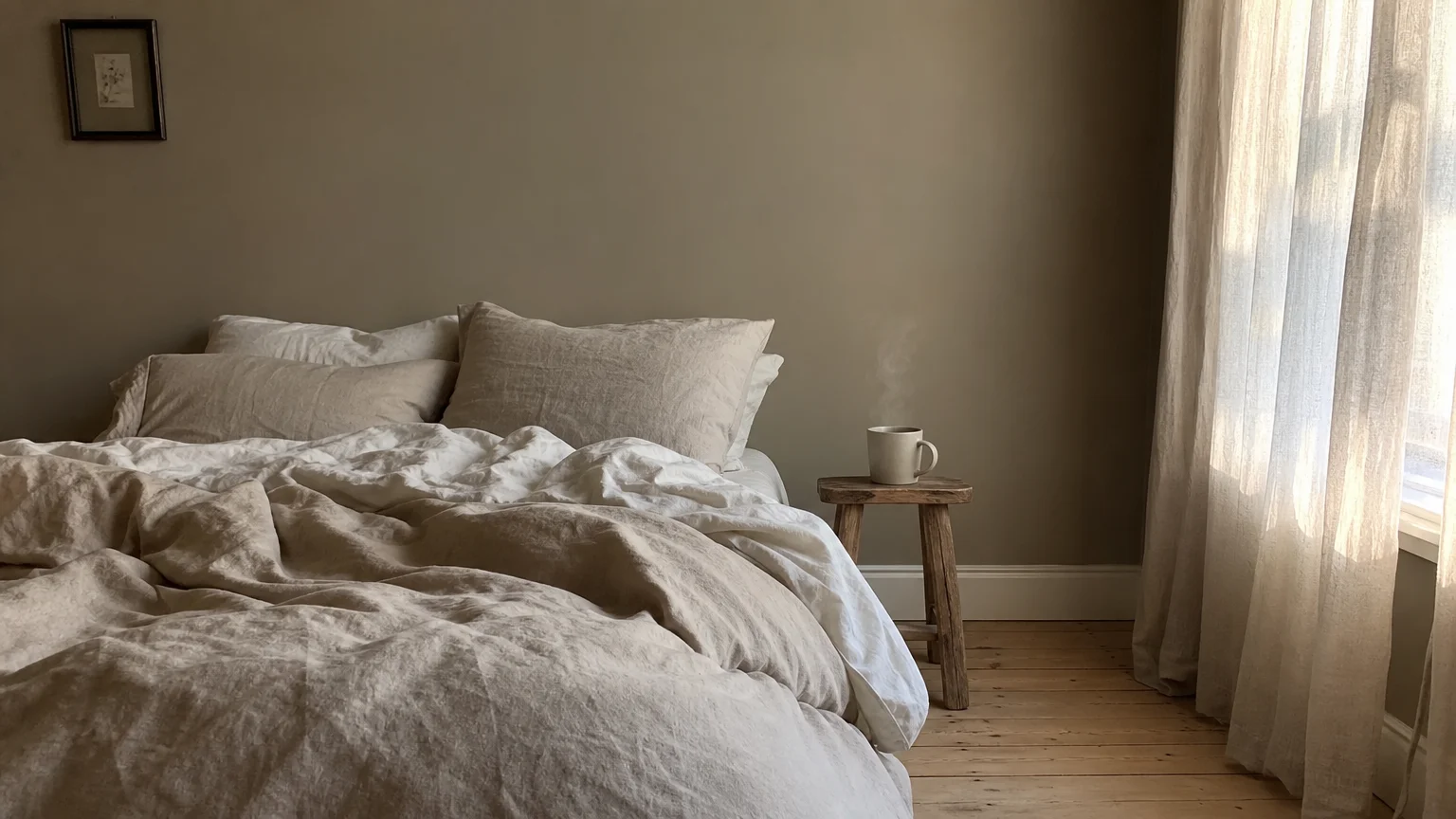
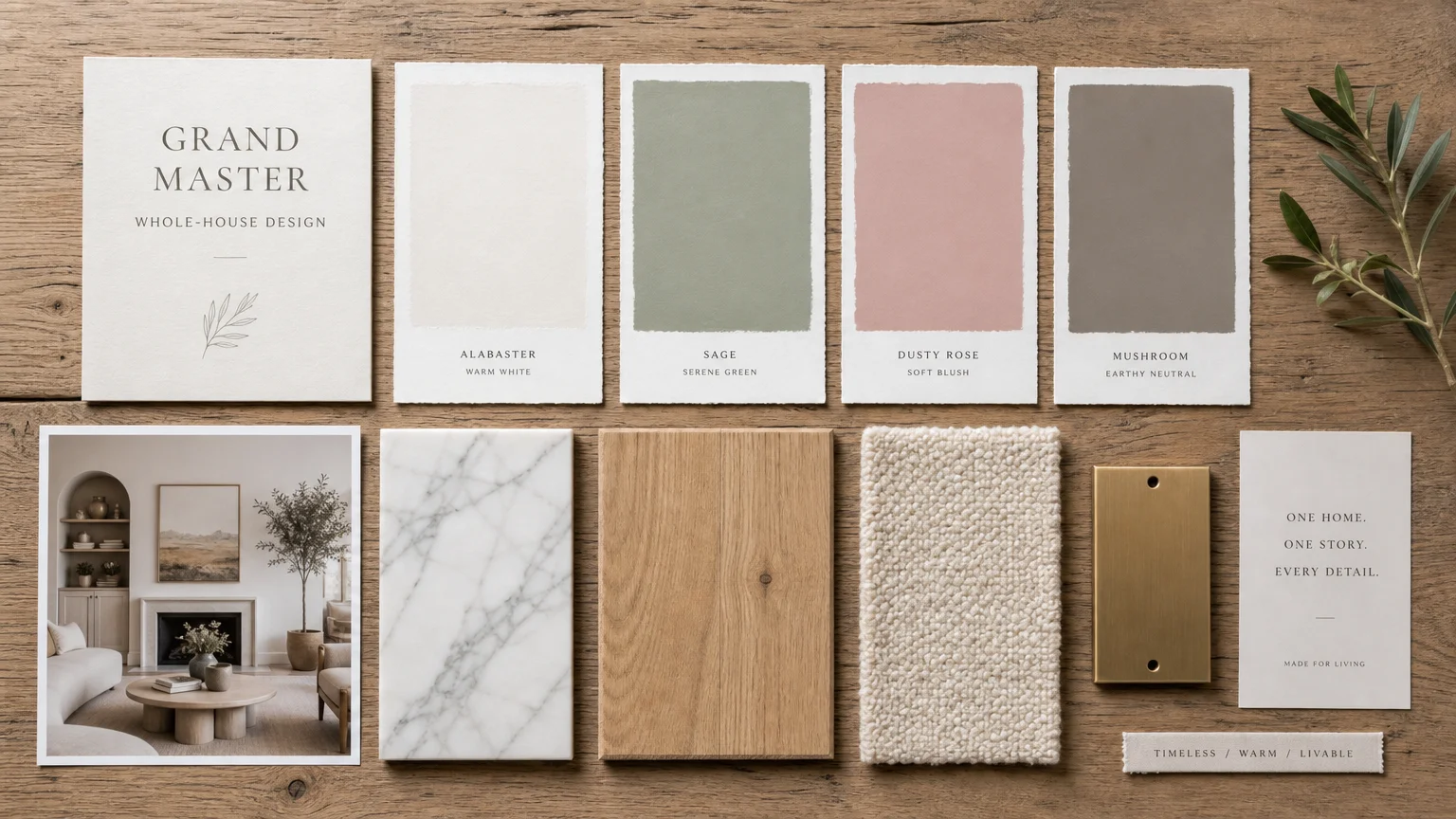
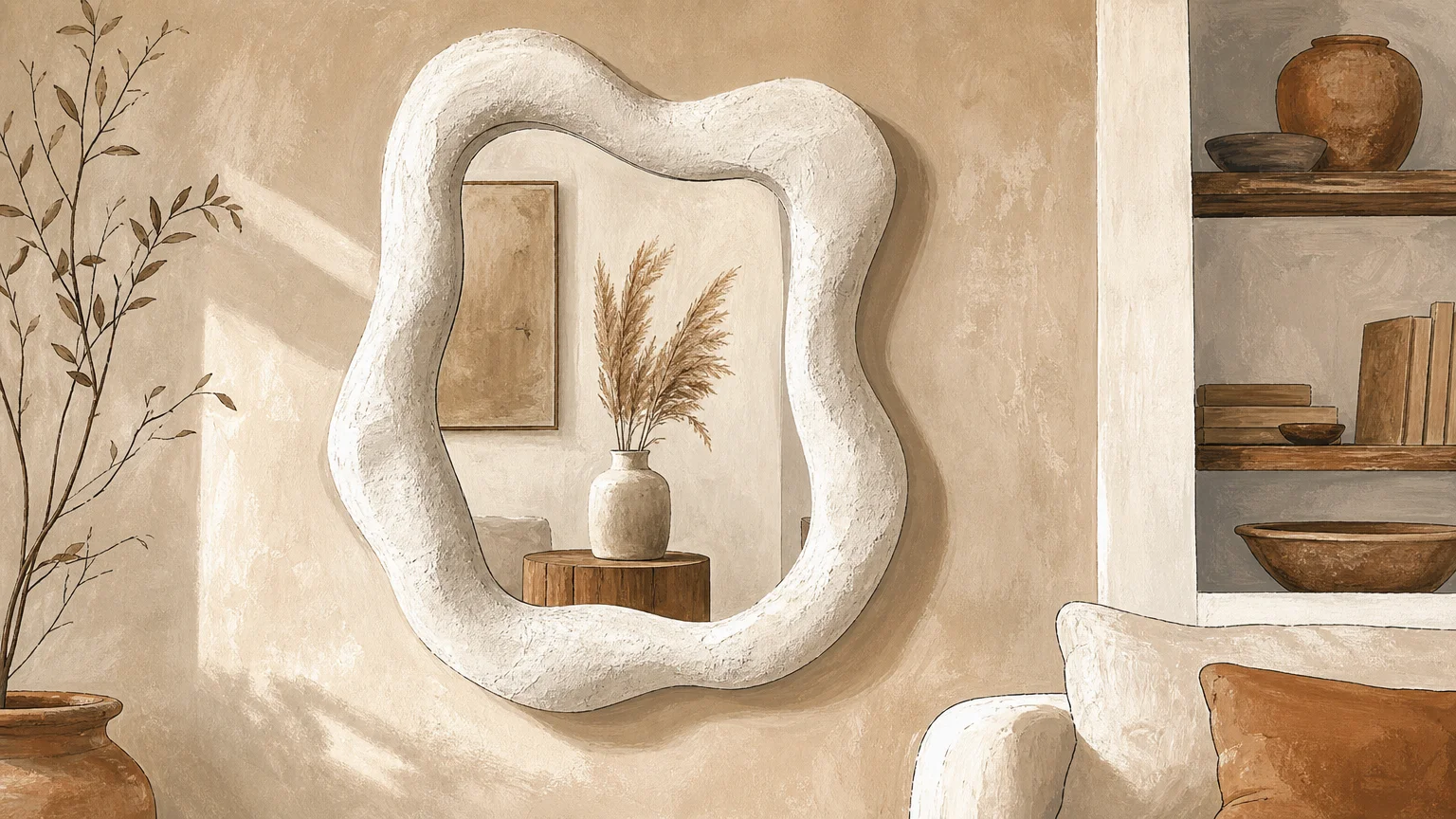
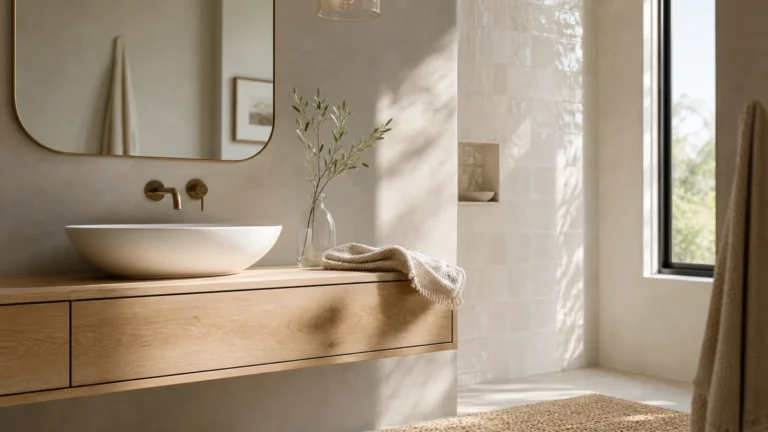
The era of cool, flat grays has gracefully come to an end. Home color trends 2026 celebrate sophisticated, highly textured warm neutrals. We are specifically highlighting shades of rich alabaster, organic oatmeal, soft taupe, and earthy mushroom. These colors frequently incorporate tactile, artisanal finishes like authentic limewash, Roman clay, or Venetian plaster, actively adding subtle movement, depth, and shadow to your walls rather than a flat, uninspired layer of basic paint.

Warm neutrals offer the ultimate interior versatility, serving as a quiet canvas that deliberately allows your personal art collections, cherished family heirlooms, and statement furniture to take their rightful center stage. For seniors actively looking to downsize their footprint or streamline their interior belongings, these shades provide a remarkably clean, uncluttered aesthetic that still feels deeply welcoming. They embrace the movement of quiet luxury, where the true beauty of a space lies in the raw quality of the light, the subtle interplay of physical textures, and the impeccable craftsmanship of the materials.

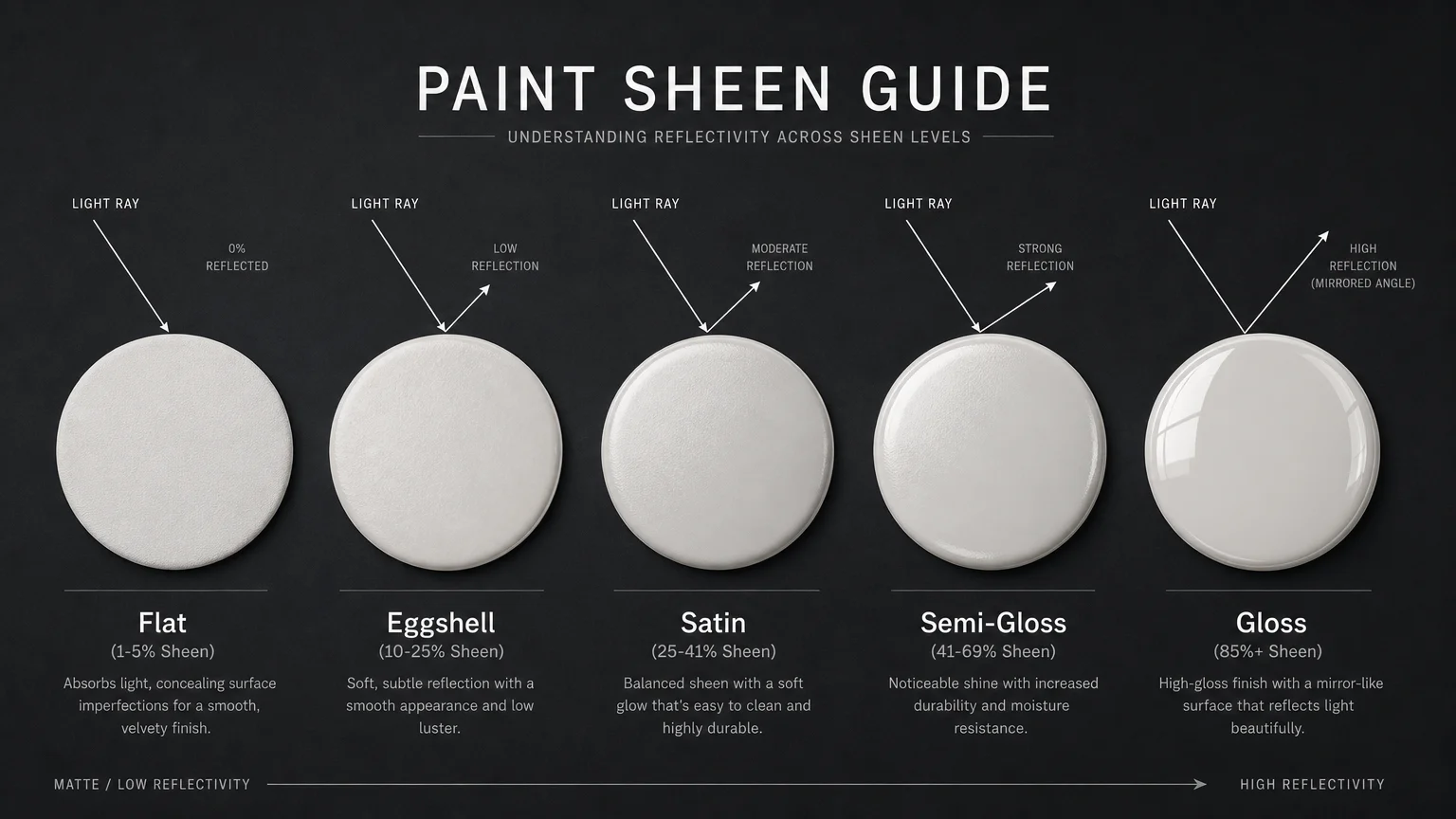
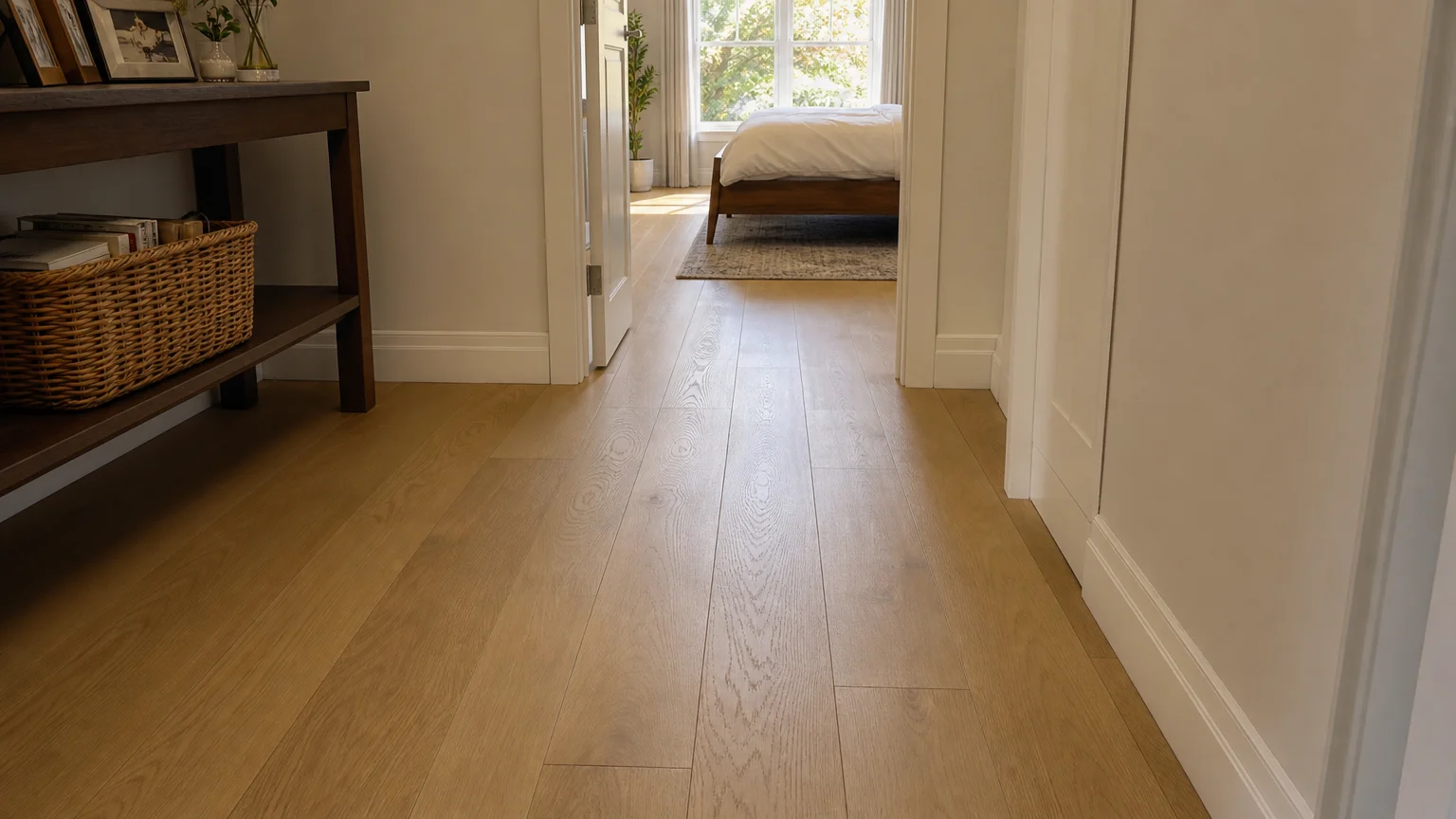
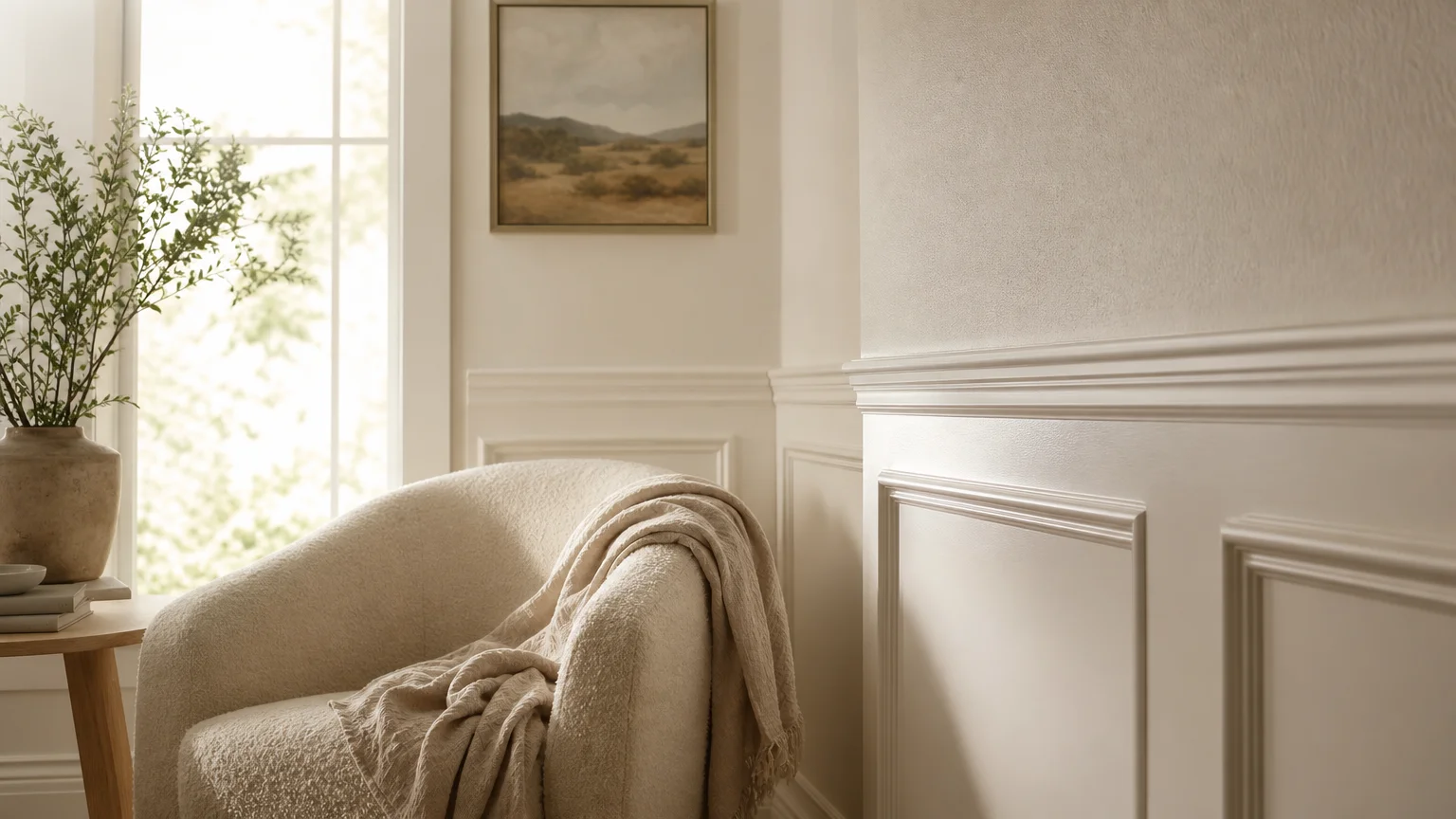
If you are updating your current home but prefer a conservative, timeless palette, gradually transition your walls from stark builder-grade white to a rich, enveloping warm taupe. Use an eggshell or satin finish to ensure the walls reflect a soft, flattering sheen while remaining highly durable and easy to clean. Layering various neutral shades—such as oatmeal walls, heavy cream upholstery, and light-washed oak floors—creates a visually cohesive, expansive environment. This intentional monochromatic approach visually enlarges smaller spaces, making your entire home feel airy, unbound, and infinitely luxurious.

———

Trend #6: Gentle Berry and Muted Plums

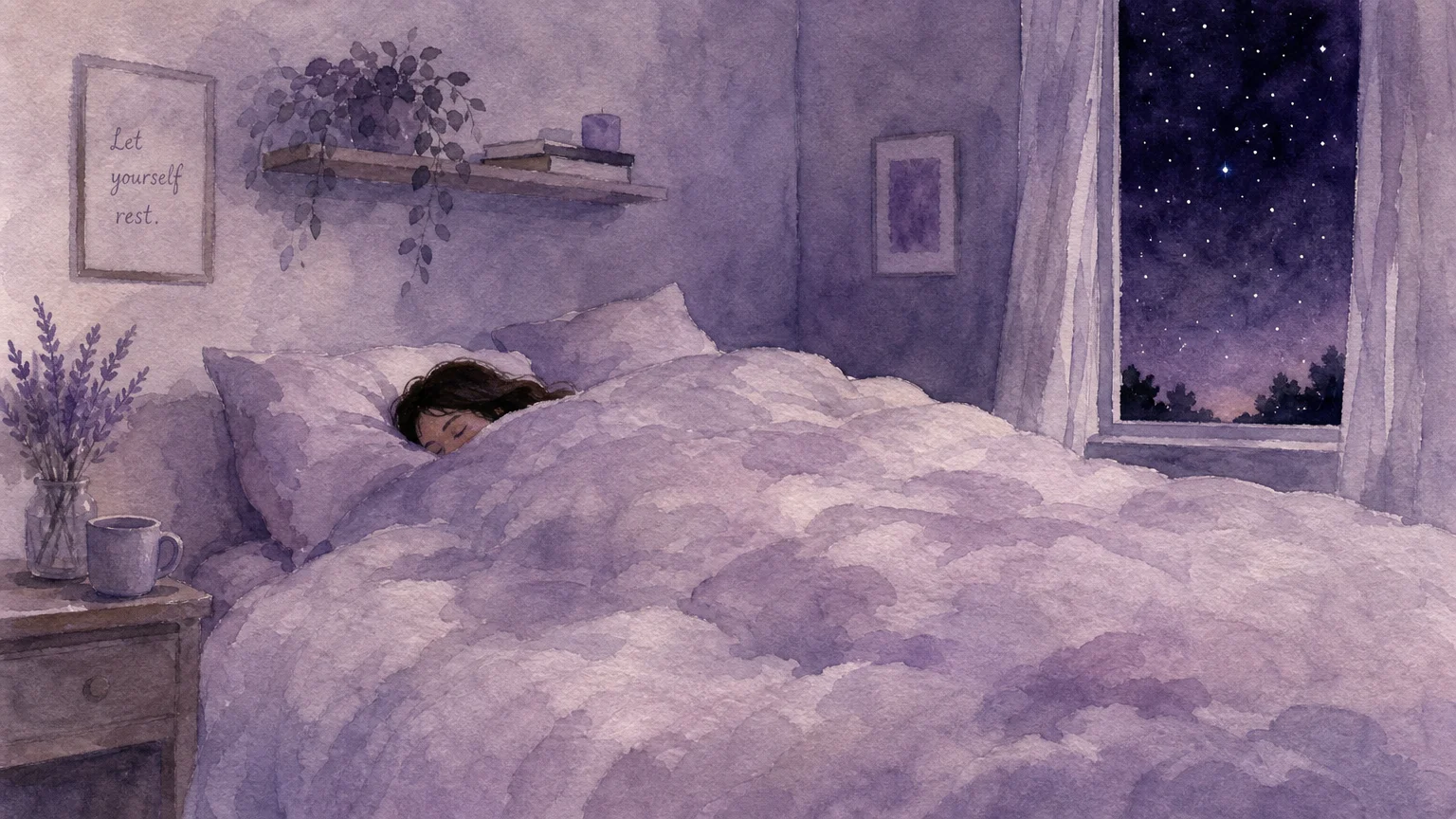
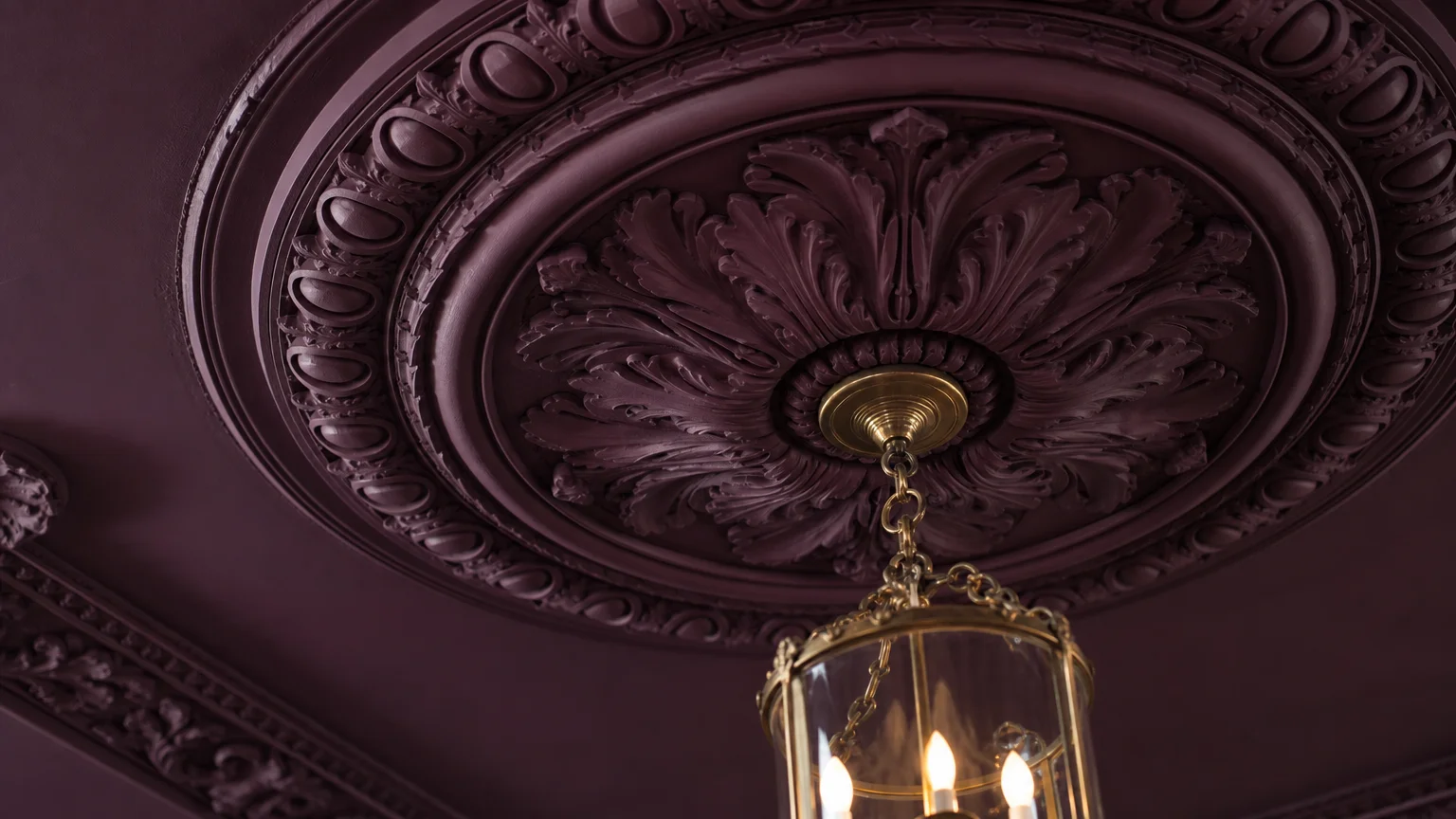
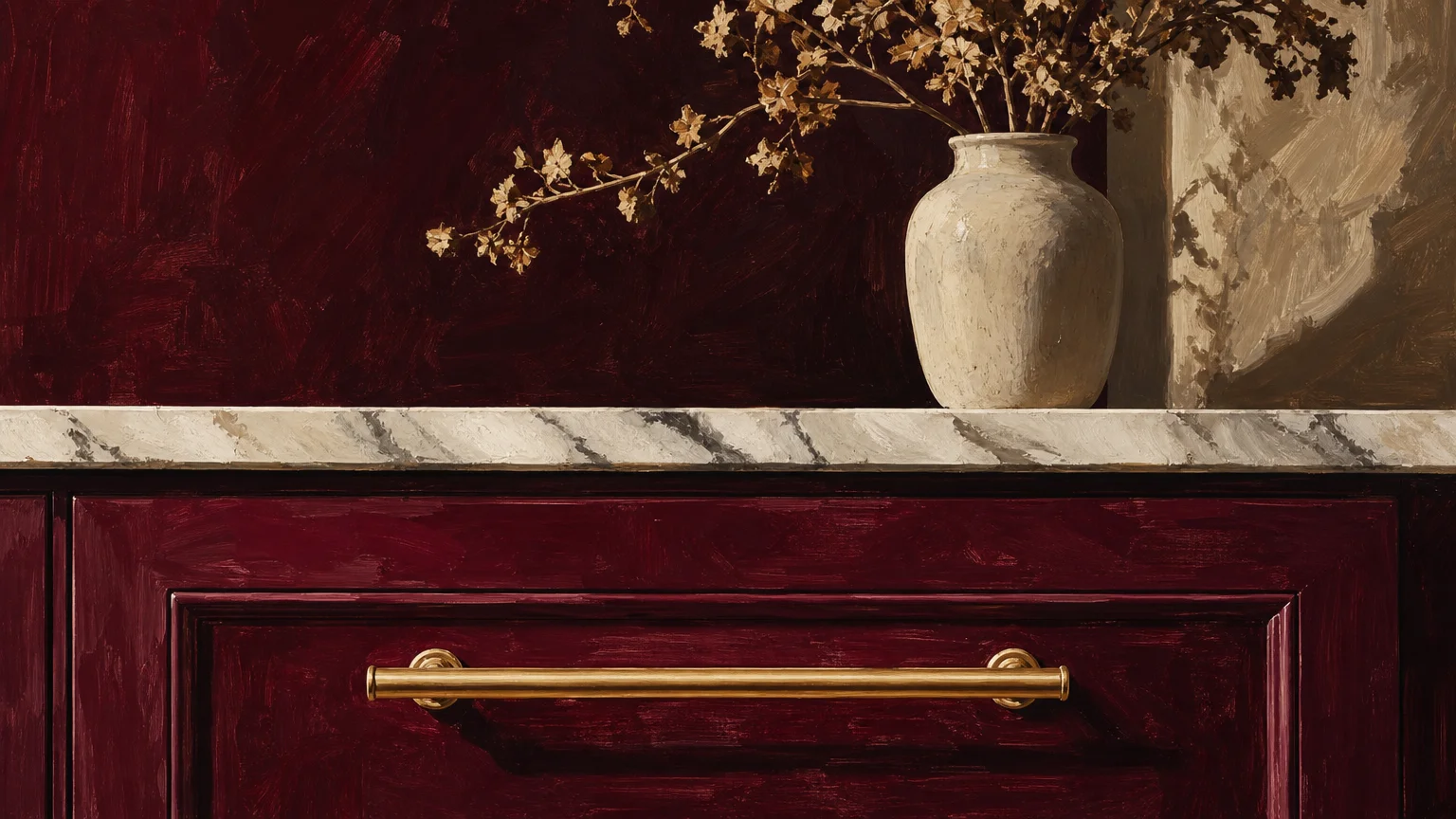
The final major color trend of 2026 introduces a profound touch of romantic elegance through gentle berry tones and soft, muted plums. Actively moving away from the stark, high-contrast harshness of pure black and white, leading designers now utilize these deep, dusty purples and muted reds to add theatrical drama and undeniable richness to interior spaces. These specific colors feel inherently regal, historically grounded, and offer an incredibly flattering, warm backdrop for both natural sunlight and artificial evening lighting.

Psychologically, rich berry tones actively stimulate feelings of warmth, nostalgic comfort, and even physical appetite, making them spectacular, scientifically backed choices for formal dining areas or transitional spaces like entryways and foyers. For a modern senior home, a muted, dusty plum provides an excellent, sophisticated alternative to traditional bright reds, which can sometimes feel overly aggressive or visually exhausting to the eye. These softer, deeper hues create an immediate sense of envelopment and rooted security.

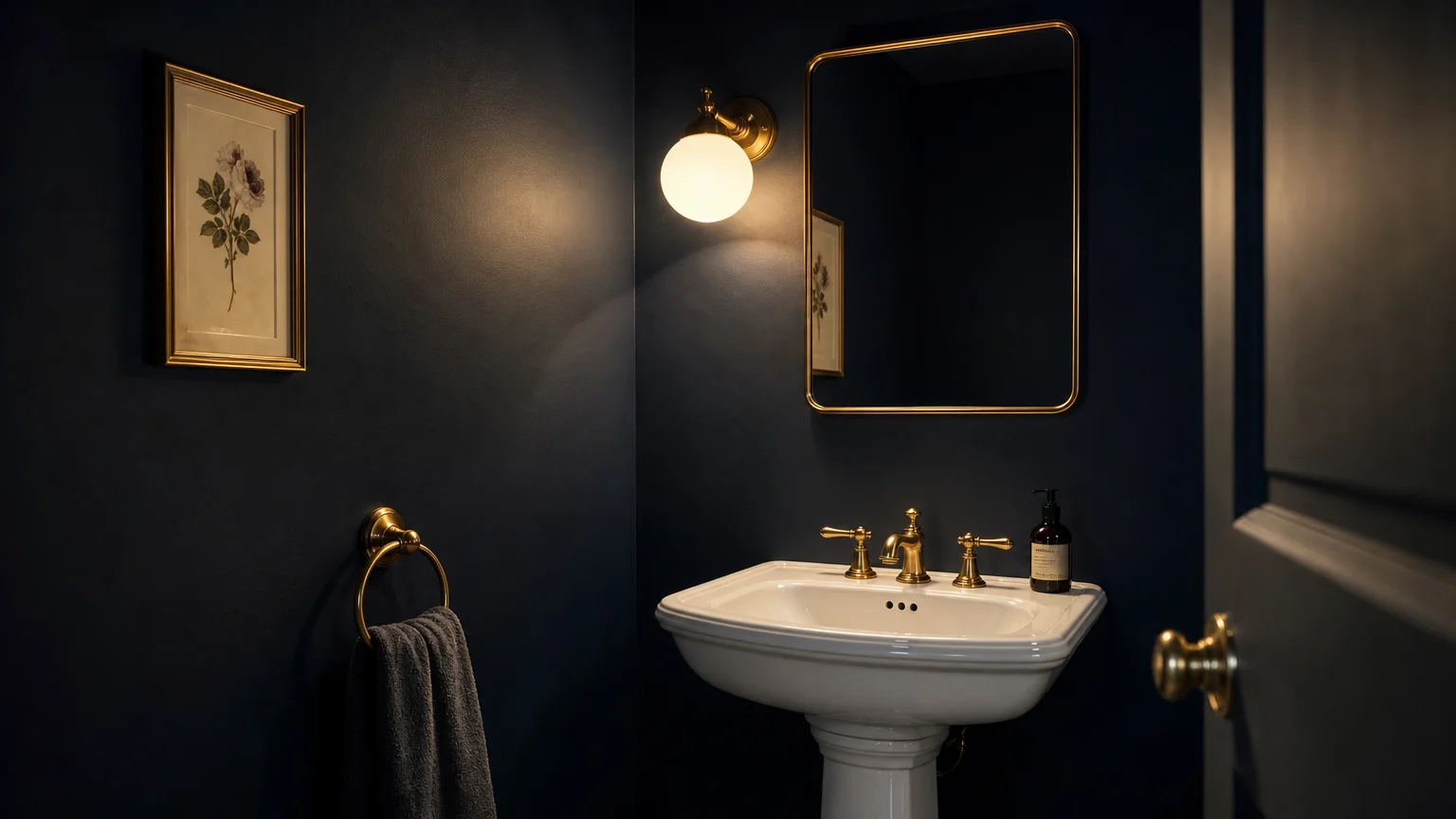
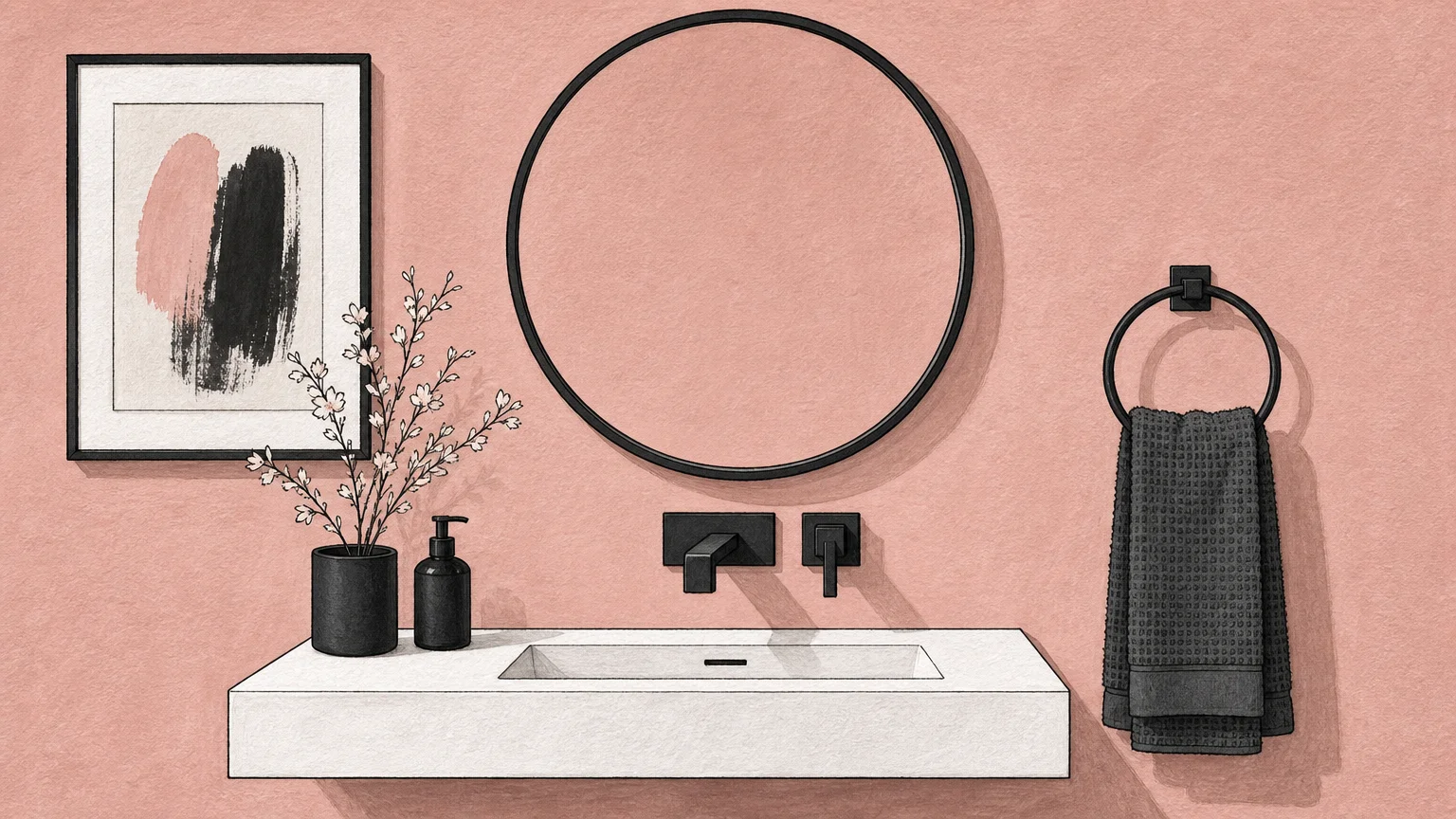
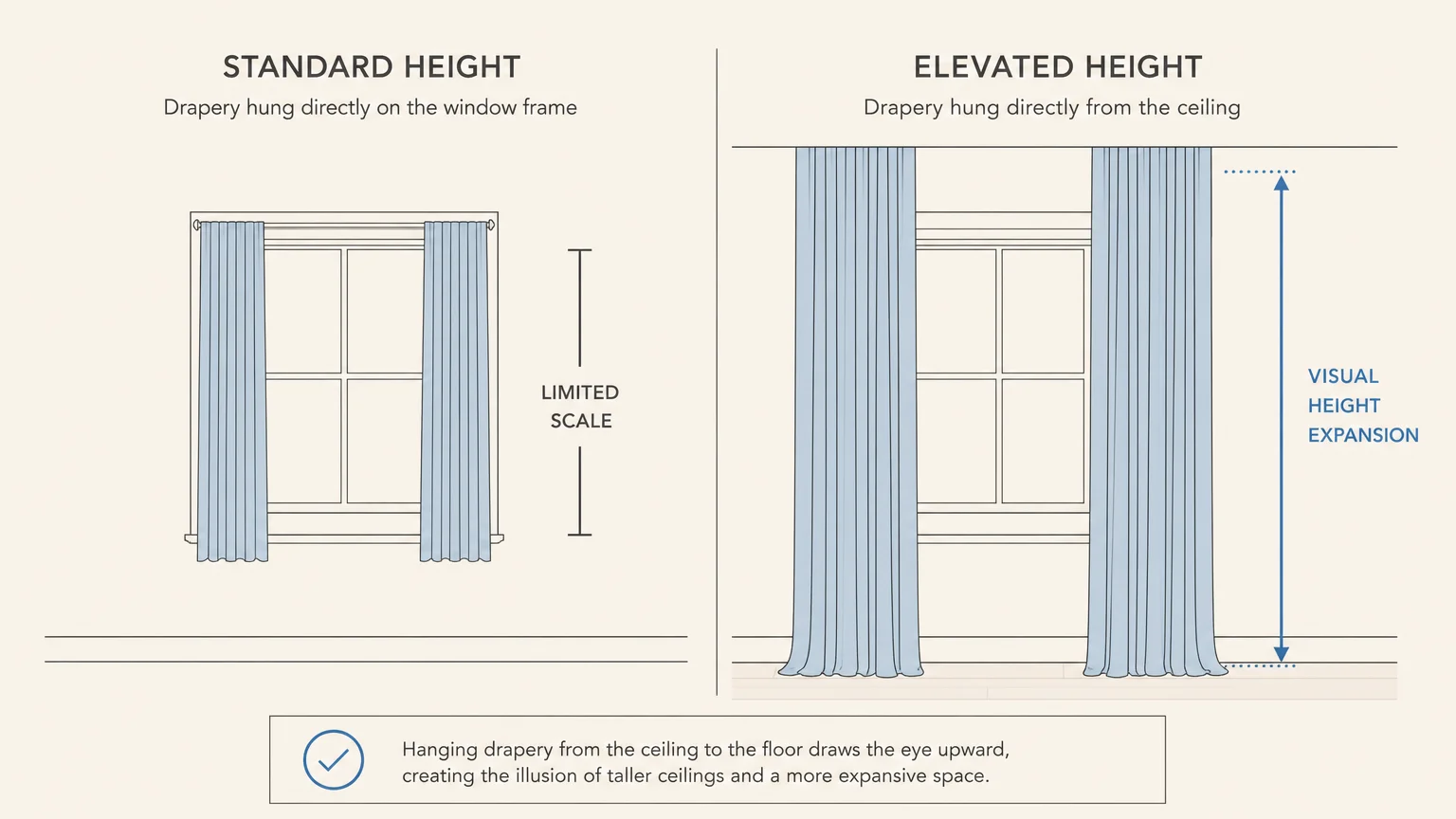
Incorporate gentle berry tones through strategic, highly intentional paint applications. Consider painting a small powder room entirely in a muted plum—including the baseboards, crown molding, and ceiling—to create a stunning, immersive jewel-box effect. If painting a whole room feels like slightly too much of a firm commitment, introduce these lavish colors through heavy, sweeping linen drapery, a plush, tactile velvet armchair, or an oversized area rug. These rich, concentrated accents powerfully ground lighter rooms, drawing the eye and effortlessly adding a distinct layer of curated sophistication to your design scheme.

———

The Big Picture: Weaving These Trends into Your Home

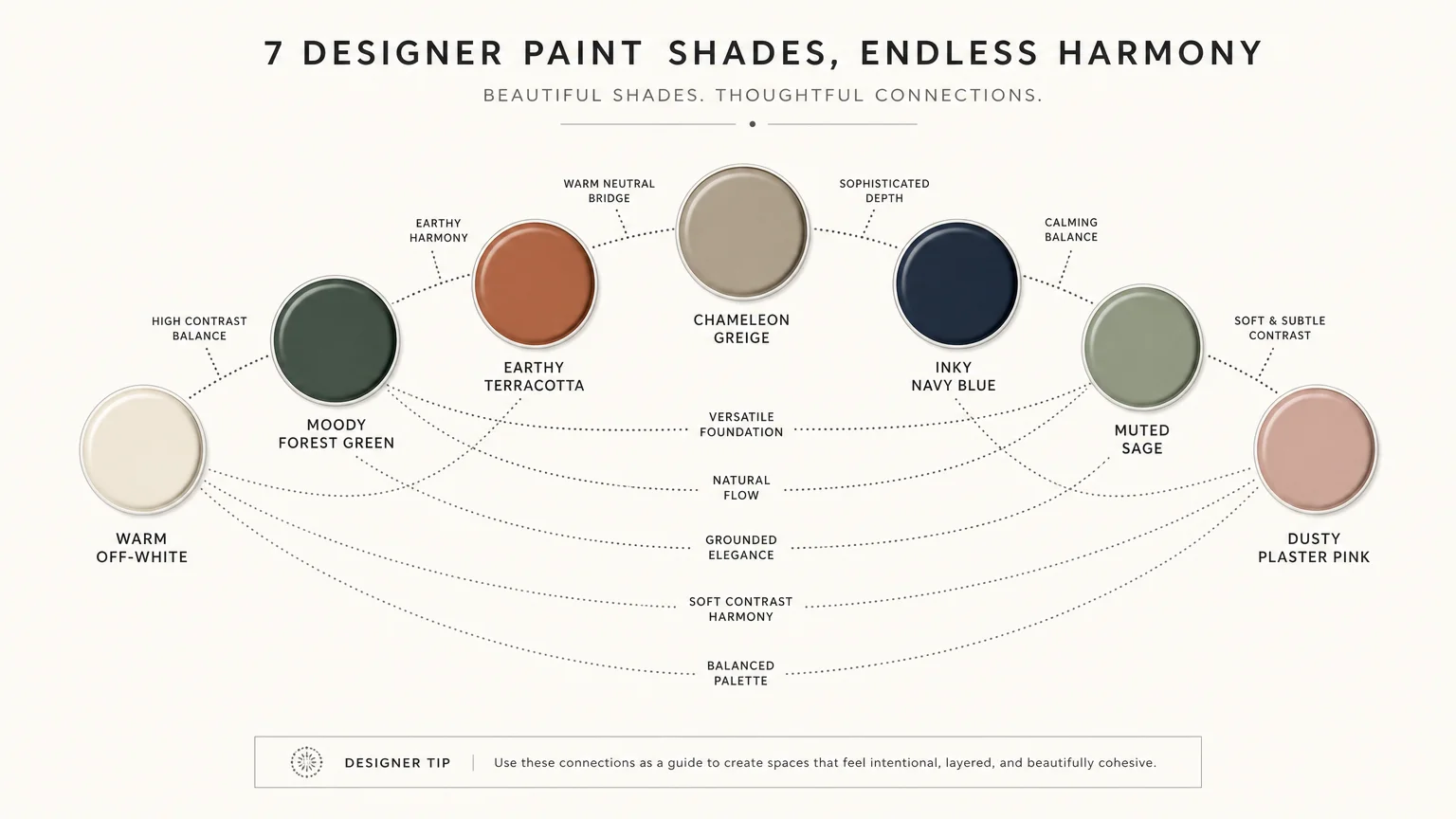
Understanding the psychology and impact of individual colors acts as only the first critical step; the true, lasting art of interior design lies in precisely how you seamlessly weave them together. You do not need to overhaul your entire house from top to bottom to successfully achieve a stunning visual update. Instead, strategically identify the specific areas where you spend the vast majority of your time and concentrate your design updates there. A single, well-lit room freshly painted in a restorative sage or a cramped entryway instantly refreshed with warm terracotta can fundamentally shift the energy and flow of your daily routine.

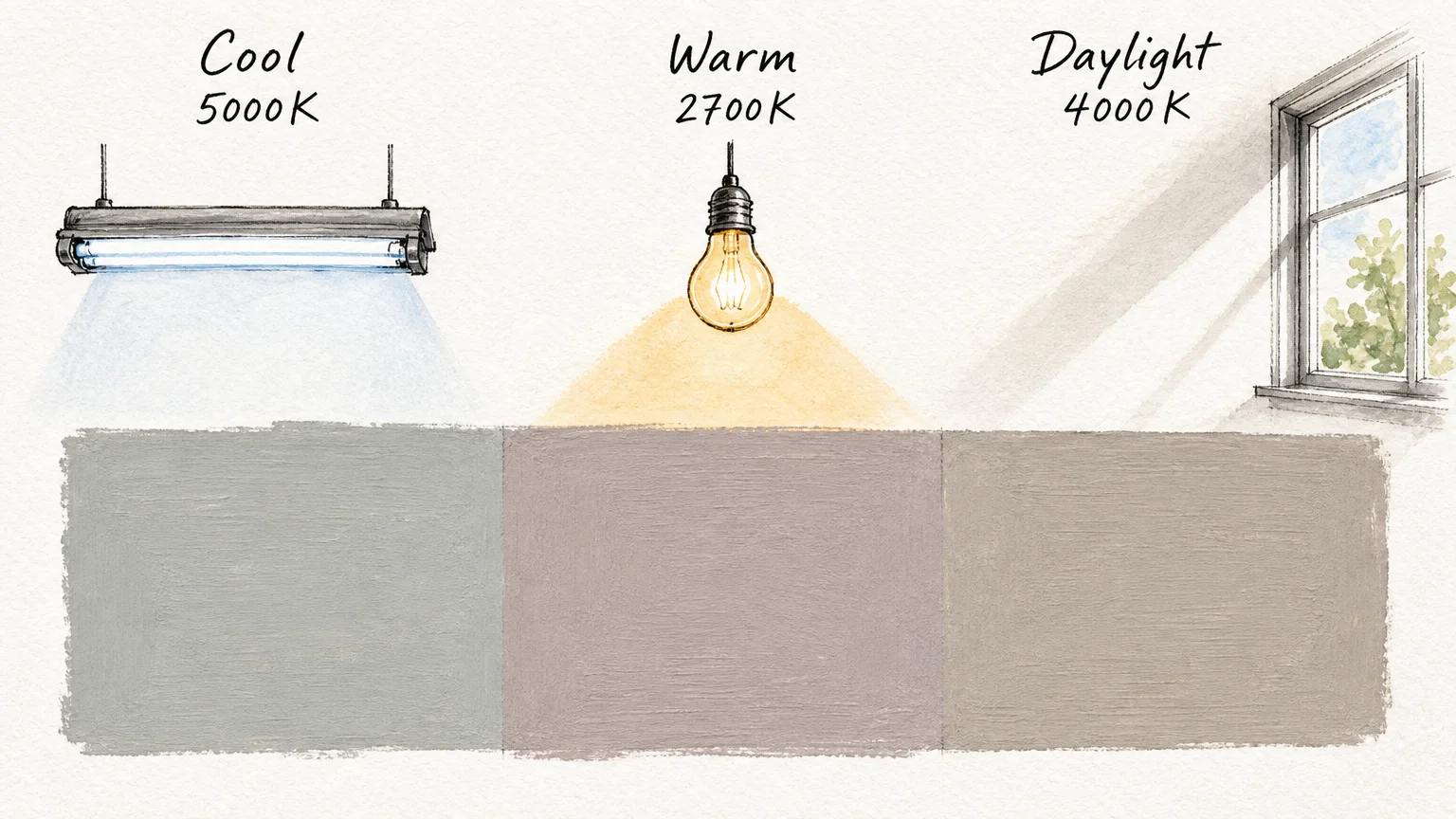
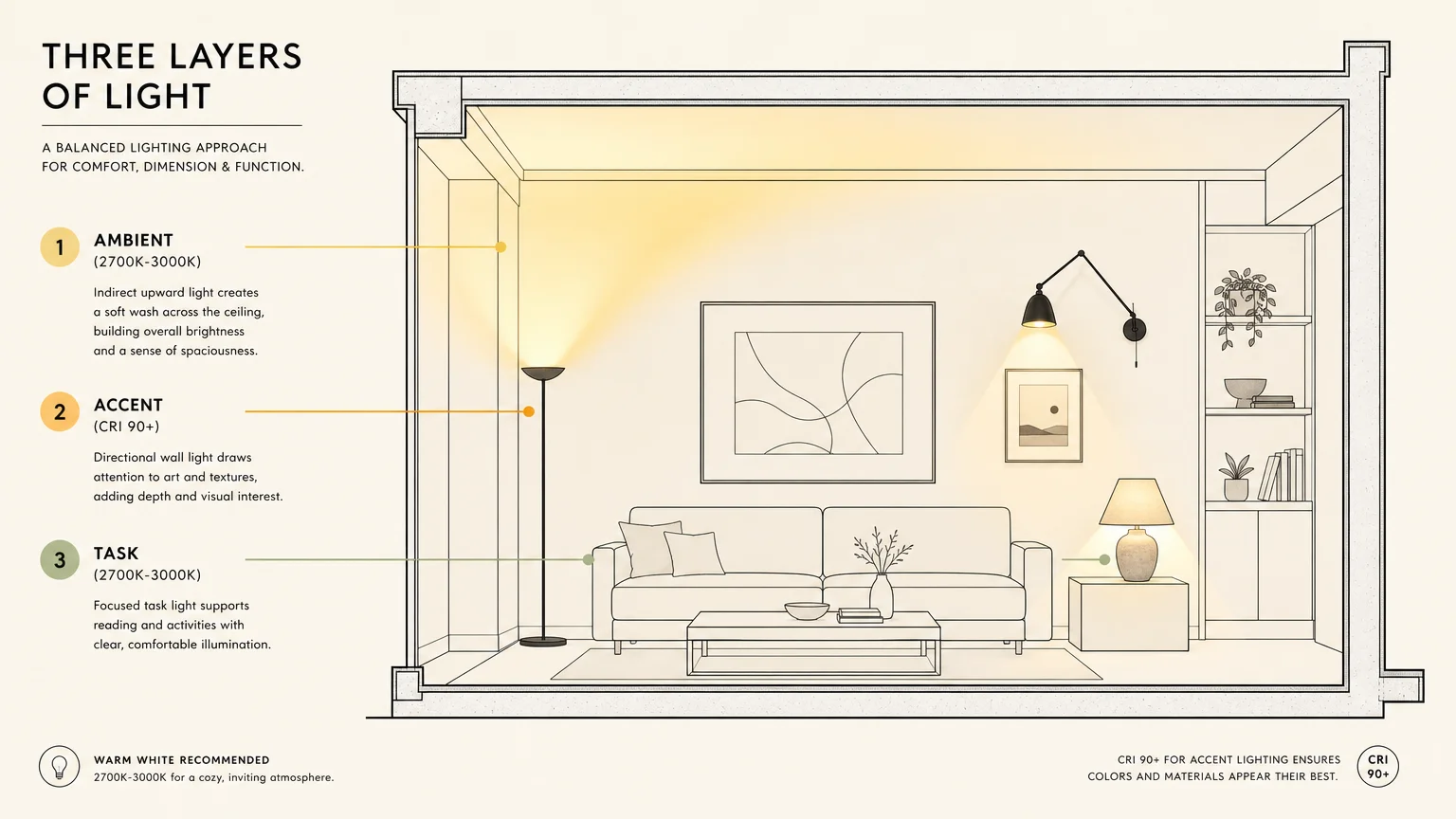
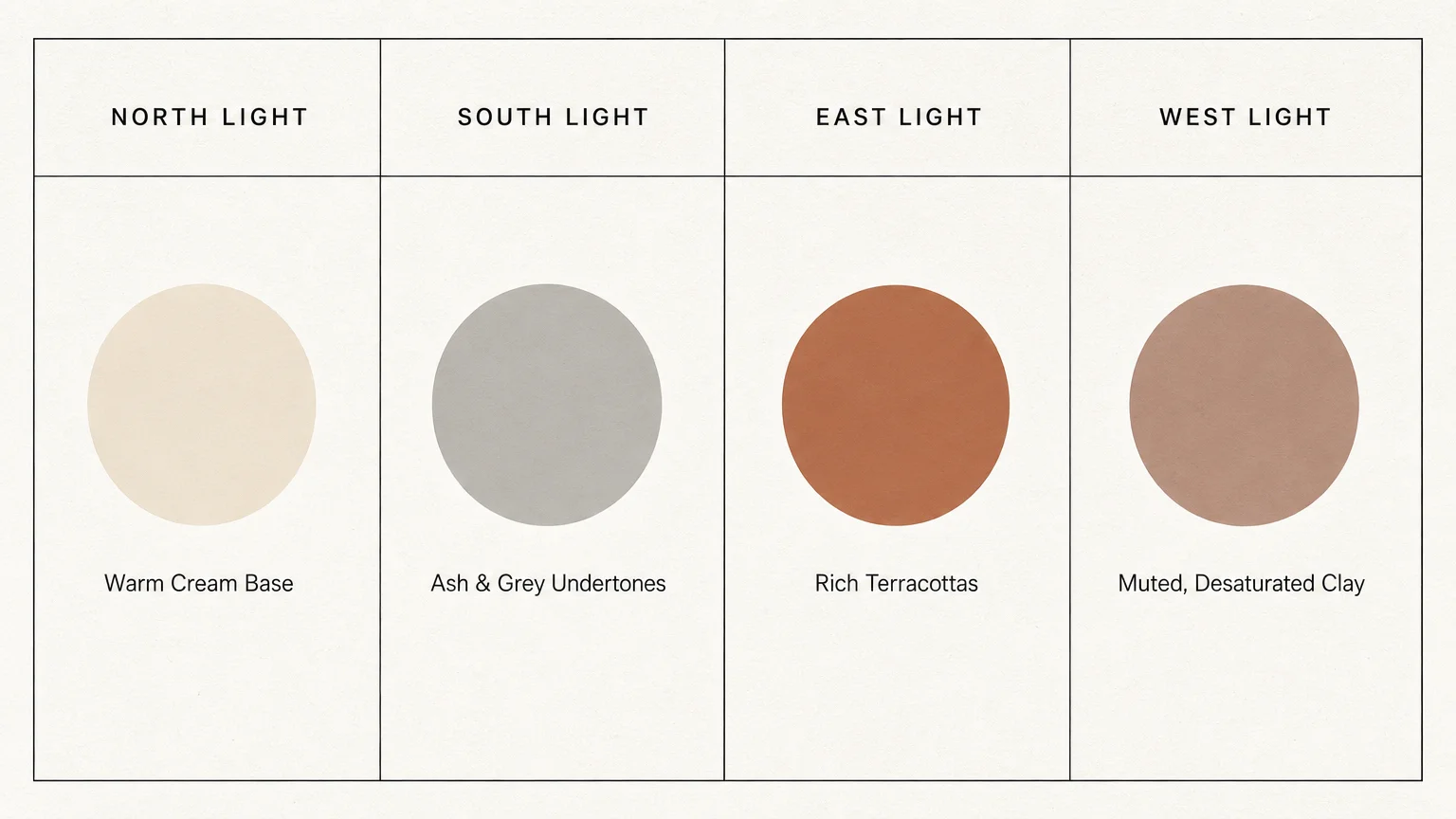
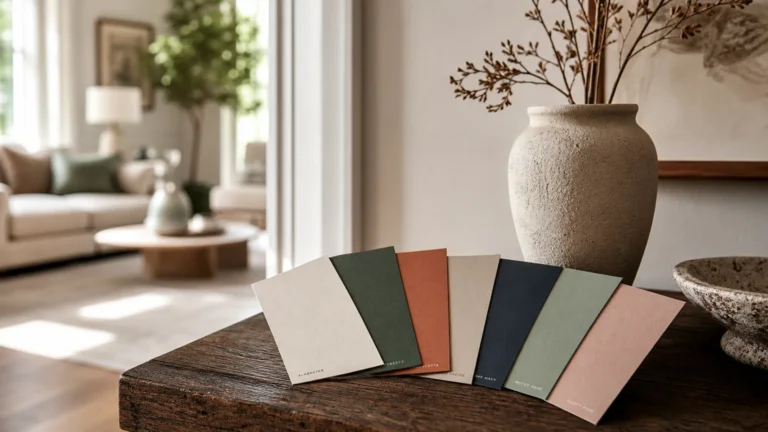
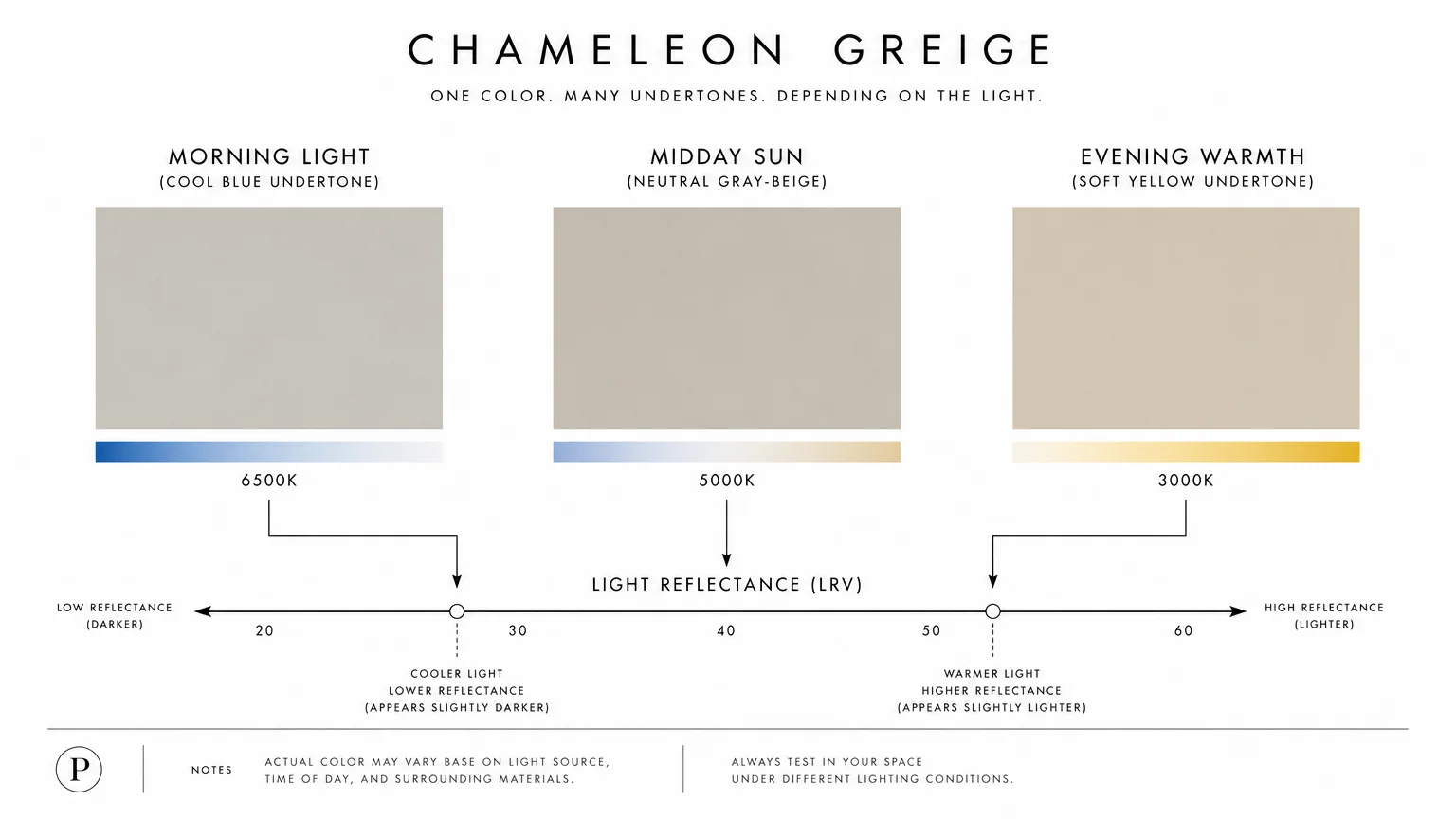
When practically applying these interior color tips, you must always consider your specific lighting conditions. The exact way a color looks in a bright, sun-drenched commercial showroom will always differ drastically from how it appears in a dimly lit residential hallway. Always thoroughly test large swatches of paint on multiple different walls within the room, and carefully observe how the color naturally shifts from bright morning sun to artificial evening light. Lighting significantly impacts how aging eyes actively perceive color, so ensure your rooms consistently feature a well-planned combination of ambient overhead lights, targeted task lighting for reading, and warm, low-level accent lamps to mitigate deep shadows.

Furthermore, intentionally leverage your newly chosen color palette to vastly enhance your home’s daily functionality. Use highly contrasting shades to visibly define the sharp edges of stairs, kitchen countertops, and transitional doorways. Exceptional interior design should always deeply serve the actual people living within the space, masterfully harmonizing high-end aesthetic beauty with deeply practical, safe, everyday livability.

For the latest color forecasts, consult industry leaders like Pantone and paint companies like Benjamin Moore. For professional design standards, refer to the American Society of Interior Designers (ASID).

Disclaimer: This article reflects design trend analysis and predictions. Personal taste and timeless design principles should always guide your decorating choices.
———

Frequently Asked Questions

How do aging eyes affect color perception in interior design?

As you grow older, the natural lenses inside your eyes gradually become denser and take on a slight yellow tint. This biological change inherently acts as a filter, reducing the amount of light that actually reaches the retina and specifically filtering out cooler, blue-toned light. Consequently, colors can easily begin to appear washed out, significantly darker, or heavily muted. Recognizing this shift explains exactly why incorporating warm, luminous hues like buttermilk yellow or bright, light-reflecting warm neutrals dramatically improves your ability to see and navigate your home comfortably. Proper color selection directly compensates for these inevitable visual changes, reducing eye strain and preventing spatial confusion.

What is the best paint finish to use in a modern senior home?

While flat or deeply matte finishes beautifully hide drywall imperfections, they actively absorb precious light and prove notoriously difficult to clean. For a highly functional residence, industry experts overwhelmingly recommend utilizing an eggshell or satin finish for primary walls. These specific finishes provide a very gentle, flattering sheen that effectively bounces ambient light around the room, making spaces feel significantly brighter and visually larger. Furthermore, they are highly durable and incredibly easy to wipe down. For structural trims, baseboards, and interior doors, opt for a semi-gloss finish; the stark contrast in sheen between the satin walls and semi-gloss trim subtly helps aging eyes quickly differentiate between the wall and the doorway.

How can I use color to vastly improve safety and navigation without making my home look medical?

The secret to blending safety with high-end style lies purely in the intentional application of visual contrast. You do not need bright, industrial caution colors to achieve safety. Instead, employ sophisticated, deep shades—such as oceanic blue or muted plum—on crucial architectural elements like door frames, stair risers, or kitchen base cabinets. Contrasting a dark, handsome navy door against a warm, creamy alabaster wall creates a crisp, highly visible boundary that greatly aids depth perception. This strategic approach provides all the necessary visual cues for safe navigation while maintaining the elegant, curated aesthetic of a luxury residence.

Are cool colors like gray completely out of style for 2026?

The flat, sterile, inherently cool grays that heavily dominated the last decade have indeed fallen out of favor. They often feel deeply institutional and can make a room feel physically cold or unwelcoming. However, this does not mean you must completely abandon all cool tones. The 2026 approach to cool colors involves significant depth and complex undertones. If you love gray, pivot strongly toward sophisticated, highly textured slate blues and silvered sage greens. These complex variations provide the calming, grounding effect of traditional gray while injecting necessary warmth, life, and visual vitality back into your living spaces.

How do I practically test these 2026 color trends before committing to a full room renovation?

You should never purchase gallons of paint based solely on a tiny paper color card. To test these new color trends accurately, purchase small, liquid sample pots of your top choices. Paint sizable swatches—ideally at least two feet by two feet—directly onto heavy, movable poster board rather than directly onto your walls. Move these large painted boards around the room throughout the day, closely observing how the specific color interacts with the morning sunlight, the afternoon shadows, and your artificial evening lamps. This practical, foolproof method ensures you fully understand how the color physically behaves in your unique environment before you make a costly, permanent commitment.

How to Create a Cozy Reading Nook in Any Room of Your Home

0
Introduction: Defining the Look of 2026
Friends gather around a wooden table in a sunlit room, defining the cozy aesthetic of 2026.

Introduction: Defining the Look of 2026

Digital fatigue dictates modern architectural choices. As screens dominate daily routines, you inevitably seek physical environments grounded in analog experiences. The interior design landscape of 2026 responds to this cultural shift by elevating the reading nook from a neglected afterthought into a primary focal point of home wellness. You no longer need sweeping square footage to curate a sanctuary; modern spatial design prioritizes micro-zoning, allowing you to transform overlooked alcoves into deeply intentional retreats.

Creating a dedicated space for literature and reflection requires more than dropping a chair in an empty corner. Today’s design ethos demands a synthesis of aesthetic sophistication and psychological comfort. The most successful spaces leverage natural light, tactile materials, and ergonomic geometry to lower cortisol levels and encourage sustained relaxation. Industry data reflects this shift; recent architectural surveys indicate a sharp increase in homeowner requests for specialized quiet zones, far outpacing the demand for open-concept entertaining spaces.

As you conceptualize your upcoming renovation or weekend restyling project, understanding the underlying mechanics of these intimate spaces guarantees a superior result. We will explore the definitive trends shaping residential interiors, equipping you with practical, actionable strategies to implement immediately. Whether you want to revitalize a dormant hallway or design a masterful retreat within your primary suite, you can engineer an environment that actively supports your mental well-being.

Trend #1: Biophilic Immersion and Architectural Symbiosis
A woman tends to lush plants in a sunlit home that blends seamlessly with the surrounding forest.

Trend #1: Biophilic Immersion and Architectural Symbiosis

Biophilic design goes entirely beyond placing a potted fern on a side table. In high-end interiors, biophilia acts as a structural philosophy that blurs the boundary between the constructed environment and the natural world. To execute this in your own home, you must anchor your quiet spaces near primary daylight sources. Positioning a chair facing a garden window or a glass door establishes an immediate visual connection to outdoor rhythms, effectively grounding your nervous system.

When sunlight remains scarce, you can simulate biophilic immersion through raw, untreated materials. Incorporate side tables carved from solid burl wood or seating woven with authentic rattan and sisal. These organic textures introduce necessary friction into a room, contrasting beautifully against smooth painted walls. Clinical studies consistently demonstrate that exposure to natural wood grains and organic forms lowers heart rates and reduces stress, making these materials essential for a restorative environment.

To fully capitalize on this trend, evaluate the sightlines from your seating position. A cozy corner home strategy requires you to look outward rather than stare at a blank wall. Frame the view with natural linen drapery that diffuses harsh afternoon glare while allowing ambient light to penetrate. If you lack large windows, you can achieve a similar psychological effect by wrapping the alcove in botanical-print wallpaper or installing a living moss wall, tricking the brain into perceiving depth and organic vitality.

Trend #2: Quiet Luxury in Upholstery and Textiles
A woman reads on a textured cream sofa with neutral pillows, embodying the elegant quiet luxury trend.

Trend #2: Quiet Luxury in Upholstery and Textiles

The concept of quiet luxury dominates contemporary textile selection, emphatically rejecting ostentatious patterns and synthetic blends. This trend champions provenance, exceptional craftsmanship, and tactile richness. You experience quiet luxury physically; it is the enveloping weight of a cashmere throw, the breathability of pure Belgian linen, and the dense, acoustic-dampening property of a boucle armchair.

When exploring reading nook ideas, prioritize fabrics that reward touch. Upholster your primary seating in heavy-weight mohair or distressed velvet. These materials possess a dynamic quality, capturing light and casting subtle shadows that change throughout the day. Furthermore, thick textiles absorb ambient room echo, creating an acoustic micro-climate that makes your chosen space feel distinctly insulated from the rest of the bustling household.

Color palettes within the quiet luxury framework lean heavily into earthy neutrals and deeply saturated jewel tones. Think of roasted espresso, muted sage, and warm terracotta. Avoid stark whites, which often reflect too much light and strain the eyes during extended reading sessions. Instead, layer tonal variations of a single color. Pair a camel-colored leather reading chair with a taupe wool blanket and a sand-hued textured rug. This monochromatic layering builds visual depth without generating visual noise, keeping your mind focused entirely on the pages in front of you.

Trend #3: Architectural Provenance and the Built-In Renaissance
Experts review plans for custom built-in shelving within a historic space featuring original stone and timber.

Trend #3: Architectural Provenance and the Built-In Renaissance

Provenance refers to the origin, history, and authenticity of a piece. Modern homeowners increasingly reject mass-produced, flat-pack shelving in favor of millwork that tells a story. Integrating architectural provenance into your design means sourcing reclaimed timber for floating shelves or commissioning custom, floor-to-ceiling cabinetry that appears original to the historic footprint of the house.

A dedicated home library nook relies heavily on this built-in aesthetic. Built-in shelving utilizes vertical space efficiently, drawing the eye upward and making low-ceilinged rooms feel significantly taller. If custom cabinetry falls outside your current budget, you can fake the built-in look by securing high-quality, matching bookcases to the wall and trimming the edges with custom crown molding and baseboards. Paint the entire assembly—shelves, trim, and the wall behind them—in a single, dramatic color like navy blue or forest green to create a cohesive, architectural statement.

Displaying your books also requires intentional curation. Rather than stuffing shelves to maximum capacity, treat your library as a dynamic gallery. Alternate between vertical stacks and horizontal piles of oversized art books. Leave strategic negative space to display structural ceramics, vintage brass reading glasses, or framed sketches. This deliberate styling prevents the space from feeling cluttered, maintaining the serene atmosphere required for deep concentration.

Trend #4: Ergonomic Elegance for Multigenerational Comfort
Elegant ergonomic furniture creates a comfortable, sun-drenched space for multiple generations to relax and play together.

Trend #4: Ergonomic Elegance for Multigenerational Comfort

Exceptional design serves the human body just as effectively as it delights the eye. The residential market is currently experiencing a profound shift toward multigenerational living, requiring spaces that accommodate a wide spectrum of physical needs. Designing a relaxing room seniors can navigate comfortably means prioritizing biomechanics and joint support without sacrificing high-end aesthetics.

The foundation of ergonomic elegance lies in the dimensions of your seating. Sink-in, ultra-deep sofas might look appealing in catalogs, but they force the spine into an unnatural C-curve and make standing up extremely difficult. Instead, select a chair with a seat depth of roughly 20 to 22 inches and a firm, high-density foam core. The seat height should hover around 18 inches from the floor, allowing the user’s feet to rest completely flat, which stabilizes the lower back.

Incorporate dynamic movement into the space. Swivel bases and articulating recliners have shed their clunky, outdated reputations. Leading furniture houses now embed high-performance reclining mechanisms inside sleek, mid-century modern silhouettes. Pair your seating with an upholstered ottoman that supports the legs at a slight downward angle, promoting healthy blood circulation during lengthy reading sessions. By addressing these structural details, you guarantee that the space remains a restorative haven for individuals of every age and mobility level.

Trend #5: Sensory Lighting and Atmospheric Dimming
Two people adjust warm floor lamps to create a sensory atmosphere perfect for a cozy reading nook.

Trend #5: Sensory Lighting and Atmospheric Dimming

Proper illumination dictates the mood, utility, and biological impact of any interior. Overhead, recessed lighting acts as a harsh spotlight, casting unflattering shadows and triggering alertness when you actually want to wind down. To build a highly comfortable reading space, you must implement a layered, sensory-driven lighting strategy.

Start with task lighting. A dedicated reading lamp should deliver targeted illumination directly onto your page without spilling excessive light into the surrounding room. Opt for articulated brass floor lamps or swing-arm wall sconces. These fixtures allow you to adjust the beam’s angle precisely, reducing glare and preventing eye strain. Ensure you position the light source over your shoulder, rather than directly in front of you, to eliminate harsh reflections off glossy pages.

Next, integrate ambient, temperature-controlled lighting. The human circadian rhythm responds intensely to the color temperature of light, measured in Kelvins (K). During the evening, your body requires warm, amber light to trigger melatonin production. Install smart LED bulbs in your accent lamps and set them to a warm 2700K or 2200K as the sun goes down. Connecting these fixtures to a centralized dimmer switch gives you absolute control over the atmospheric intensity, allowing you to transition the mood of the alcove seamlessly from a bright morning study area to an intimate, shadowy evening retreat.

Trend #6: The Unused Closet and Hallway Metamorphosis
A woman stands beside a closet that has been transformed into a cozy and functional reading nook.

Trend #6: The Unused Closet and Hallway Metamorphosis

You do not need a sprawling manor to capture the luxury of a private library; you simply need a critical eye for underutilized real estate. The most innovative residential designs of the decade involve micro-zoning—the practice of carving highly specialized environments out of transitional spaces. Awkward hallway corners, deep window frames, and empty closets present prime opportunities for architectural metamorphosis.

Consider the architectural potential of the space beneath a staircase. Often relegated to housing seasonal coats or vacuum cleaners, this sloped cavity serves as an ideal footprint for a built-in daybed. Reinforce the structure, add a custom-upholstered bench cushion, and install recessed wall niches for books. Enclose the opening with heavy velvet portieres to create a dramatic, theatrical hideaway that feels entirely separated from the adjacent living spaces.

Similarly, you can remove the doors from a shallow, unused closet to engineer a sophisticated reading recess. Wallpaper the interior cavity with a bold, immersive print to differentiate the zone from the rest of the room. Install a floating bench and a hardwired pendant light hanging directly overhead. By intentionally framing these tight architectural pockets, you maximize the functional square footage of your home and deliver an element of unexpected delight to your daily routine.

The Big Picture: Weaving These Trends into Your Home
A woman arranges patterned blankets and plants to create a warm, inviting reading nook in her home.

The Big Picture: Weaving These Trends into Your Home

Synthesizing these diverse design trends requires editing and restraint. You do not need to implement every single concept to achieve a masterful result. Instead, evaluate the unique architectural constraints of your home and select the strategies that naturally enhance your daily habits. If you possess a brilliant bay window, let biophilic immersion and natural light drive your design. If you live in a dense urban apartment with limited sunlight, lean heavily into sensory lighting and the quiet luxury of rich, tactile fabrics.

Start by auditing your floor plan. Identify the dead zones—the spaces you walk through but never pause in. Clear the clutter, define the boundary with a textured rug, and establish a focal point using a substantial piece of seating. Introduce lighting that flatters the eye and calms the mind. Finally, populate the surrounding shelves with objects that hold genuine personal provenance.

When you approach interior design with this level of intentionality, you move beyond mere decoration. You construct an environment that actively participates in your mental recovery. A thoughtfully executed quiet space provides a necessary buffer against the velocity of modern life, offering a private theater where you can disconnect, reflect, and recharge.

For the latest color forecasts, consult industry leaders like Pantone and paint companies like Benjamin Moore. For professional design standards, refer to the American Society of Interior Designers (ASID).

Frequently Asked Questions

What is the minimum square footage required to design a functional quiet space?

You can execute a highly functional design in a footprint as small as nine square feet (a 3×3 foot area). This dimension easily accommodates a streamlined accent chair, a narrow profile floor lamp, and a slim pedestal table for a book and a beverage. The success of a small space relies entirely on scale; choose furniture with exposed legs and open frames to allow light to pass through, preventing the corner from feeling congested.

How do I select the right artwork to complement my book collection?

Treat artwork as a visual palate cleanser among heavy rows of books. Incorporate pieces that feature expansive negative space, such as abstract line drawings, minimalist charcoal sketches, or atmospheric landscape photography. Avoid hyper-detailed or text-heavy art prints, which compete with the visual density of book spines. Frame your pieces in non-reflective museum glass to maintain a glare-free environment when utilizing your task lighting.

Can I create a dedicated reading zone within an open-concept living room?

Absolutely. You must establish distinct visual boundaries to separate the reading zone from the main entertainment area. Use a high-pile area rug to anchor the reading chair independently from the main sofa arrangement. Position the back of your reading chair toward the television to signal a psychological break from digital media. You can also deploy open-backed bookcases or folding decorative screens to create a permeable but effective architectural barrier.

What are the best practices for maintaining a clean and dust-free library environment?

Books naturally generate and trap dust, which can degrade paper quality over time. Maintain a consistent humidity level between 40% and 50% to prevent pages from becoming brittle or attracting mold. Keep books pushed to the front edge of the shelves; this prevents dust from settling on the ledge in front of them and allows air to circulate behind the bindings. Utilize a HEPA-filter vacuum with a soft brush attachment on your upholstery and shelves weekly to preserve the pristine look of your textiles.

Disclaimer: This article reflects design trend analysis and predictions. Personal taste and timeless design principles should always guide your decorating choices.
9 Kitchen Upgrades That Make Cooking Easier After 60

0
An ink and watercolor sketch of a person moving effortlessly through a light-filled kitchen, evoking a sense of ease and joy.
A smiling woman enjoys the refreshing air flow and natural light in her modern, accessible kitchen.

Introduction: Defining the Look of 2026

The culinary space represents the beating heart of your home; it is where you entertain, experiment, and nourish yourself. As you step into your sixties and beyond, you demand a kitchen that works seamlessly with your body rather than against it. Gone are the days when designing an accessible kitchen meant compromising on style or settling for clinical, utilitarian modifications. Today, the design industry recognizes that true luxury lies in effortless functionality. The modern kitchen 60+ movement proves that high-end aesthetics and ergonomic universal design are inextricably linked.

In 2026, we see a distinct shift toward environments that anticipate your needs. Homeowners now integrate principles of quiet luxury—unobtrusive, highly refined, and deeply personal upgrades—to create an easy cooking space. You no longer have to stoop to find a heavy cast-iron skillet, nor do you have to strain your eyes under inadequate lighting. By weaving smart technology, specialized hardware, and thoughtful spatial planning into the very architecture of your room, you create a sanctuary that empowers your culinary passions. Whether you plan a complete renovation or seek targeted kitchen upgrades seniors can implement immediately, mastering these sophisticated design shifts will dramatically elevate your daily routine.

A diagram comparing traditional lower cabinets to heavy-duty drawers, highlighting a 60 percent reduction in bending for the user.
Modern drawer stacks offer a sixty percent reduction in bending compared to reaching into traditional cabinets.

Trend #1: The Drawers-First Foundation

For decades, lower cabinetry relied on a standard formula: swinging doors hiding deep, dark shelves. This archaic design forces you into deep knee bends and awkward spinal contortions just to retrieve a mixing bowl. The most impactful structural upgrade you can make today involves replacing those lower doors with deep, heavy-duty drawer stacks. Drawers completely revolutionize your relationship with your storage by pulling the contents directly into your line of sight.

Modern drawer glides support up to 100 pounds, effortlessly managing the weight of enameled Dutch ovens and towering stacks of ceramic plates. When you specify these base cabinets, you incorporate internal peg systems to keep your dishware securely locked in place during movement. Ergonomic studies demonstrate that switching to a drawers-first base layout reduces repetitive bending motions by up to 60 percent. This subtle shift fundamentally protects your lower back and knees while delivering the streamlined, horizontal aesthetic that currently dominates high-end European kitchen design.

An ergonomic diagram showing the height difference between a 36-inch standard counter and a 30-inch seated prep station.
Multi-tiered surfaces provide a lower sitting work area, creating an ergonomic zone for more comfortable food preparation.

Trend #2: Sculptural, Multi-Tiered Surfaces

Standardized counter heights ignore the diverse physical demands of intensive meal preparation. A uniform 36-inch surface works well for quick tasks, but prolonged chopping or kneading inevitably strains your shoulders and neck. Forward-thinking designers now implement multi-tiered countertops, breaking up the visual monotony of the room while offering tailored ergonomic zones. You introduce a dedicated 30-inch prep station—often integrated directly into the island—that allows you to sit comfortably on a standard chair while you work.

This staggered approach also opens the door for biophilic design integration. You might contrast a cool, resilient quartz primary counter with a lowered, warm walnut chopping block. Incorporating natural wood tones provides a tactile, grounded connection to nature, which environmental psychologists link to reduced stress levels. By varying your surface heights, you craft a dynamic, sculptural focal point that accommodates your changing physical needs without sacrificing an ounce of sophisticated style.

A warm close-up of under-cabinet lighting illuminating a kitchen counter and backsplash at dusk.
Bright under-cabinet lighting illuminates an open book and steaming mug, making kitchen tasks easier on the eyes.

Trend #3: Intuitive, Layered Illumination

As you age, your eyes require significantly more ambient and direct light to focus on fine details. Relying solely on a central ceiling fixture creates hazardous shadows over your work surfaces. To combat this, you must engineer a comprehensive, layered lighting ecosystem. A beautifully illuminated room relies on three distinct pillars: ambient overhead lighting, focused task lighting, and subtle accent illumination.

You install high-CRI (Color Rendering Index) LED strip lighting continuously under your upper cabinets, casting a uniform, shadow-free glow across your cutting boards. Designers currently favor color temperatures between 3000K and 3500K; this range delivers crisp clarity for reading small recipe print without the harsh, blue glare that induces eye fatigue. Furthermore, integrating motion-activated toe-kick lighting near the floor provides safe navigation during midnight trips for a glass of water. Smart home integration allows you to adjust these zones via voice command, ensuring you never have to fumble for a switch with wet or messy hands.

Hands opening a wooden appliance garage door to reveal a toaster and espresso machine on a clean counter.
A wooden tambour door slides up to reveal heavy appliances, keeping your kitchen counters organized and accessible.

Trend #4: The Return of the Appliance Garage

The concept of the appliance garage has evolved from its clunky 1990s origins into a cornerstone of contemporary quiet luxury. Heavy countertop appliances—like stand mixers, food processors, and espresso machines—weigh enough to cause severe wrist or back strain if you constantly lift them from lower cabinets. Conversely, leaving them permanently scattered across your countertops creates visual clutter that disrupts the harmony of your interior design.

You solve this by designing counter-level appliance garages concealed behind sleek pocket doors or motorized tambour panels. You slide your heavy mixer forward when needed and effortlessly tuck it away when finished, all without lifting a single pound. These custom garages feature built-in electrical outlets and task lighting, transforming them into fully functional, hidden workstations. This approach ensures your primary surfaces remain pristine and unobstructed, honoring the minimalist elegance of a modern kitchen 60+.

A watercolor illustration of a person easily reaching the back of a shallow-depth refrigerator without straining.
A woman reaches into a shallow-depth refrigerator, showing how ergonomic designs keep fresh food easily accessible.

Trend #5: Ergonomic, Shallow-Depth Appliances

Traditional appliance design often ignores the mechanics of the human body. Reaching over a hot, drop-down oven door to baste a heavy turkey presents a significant burn risk and severely challenges your core balance. The luxury appliance market addresses this beautifully with the widespread introduction of French-door wall ovens. Mounted directly at waist height, these double doors swing outward, allowing you to step squarely up to the oven cavity for safe, direct access to your food.

Similarly, you upgrade your cleanup zone by replacing the standard drop-down dishwasher with dual dishwasher drawers. You position the primary drawer directly beneath the counter, allowing you to load and empty daily plates without bending forward. The secondary lower drawer handles overflow from dinner parties or large pots. Additionally, transitioning to a shallow-depth, French-door refrigerator ensures no rogue condiment ever gets lost in the dark depths of a bottom shelf. Every ingredient remains highly visible and easily within your arm’s reach.

A close-up of feet in wool socks on a textured cork floor, showing the material's soft and slip-resistant quality.
Feet in warm socks stand on textured cork flooring, offering a soft and slip-resistant kitchen surface.

Trend #6: Tactile, High-Performance Flooring

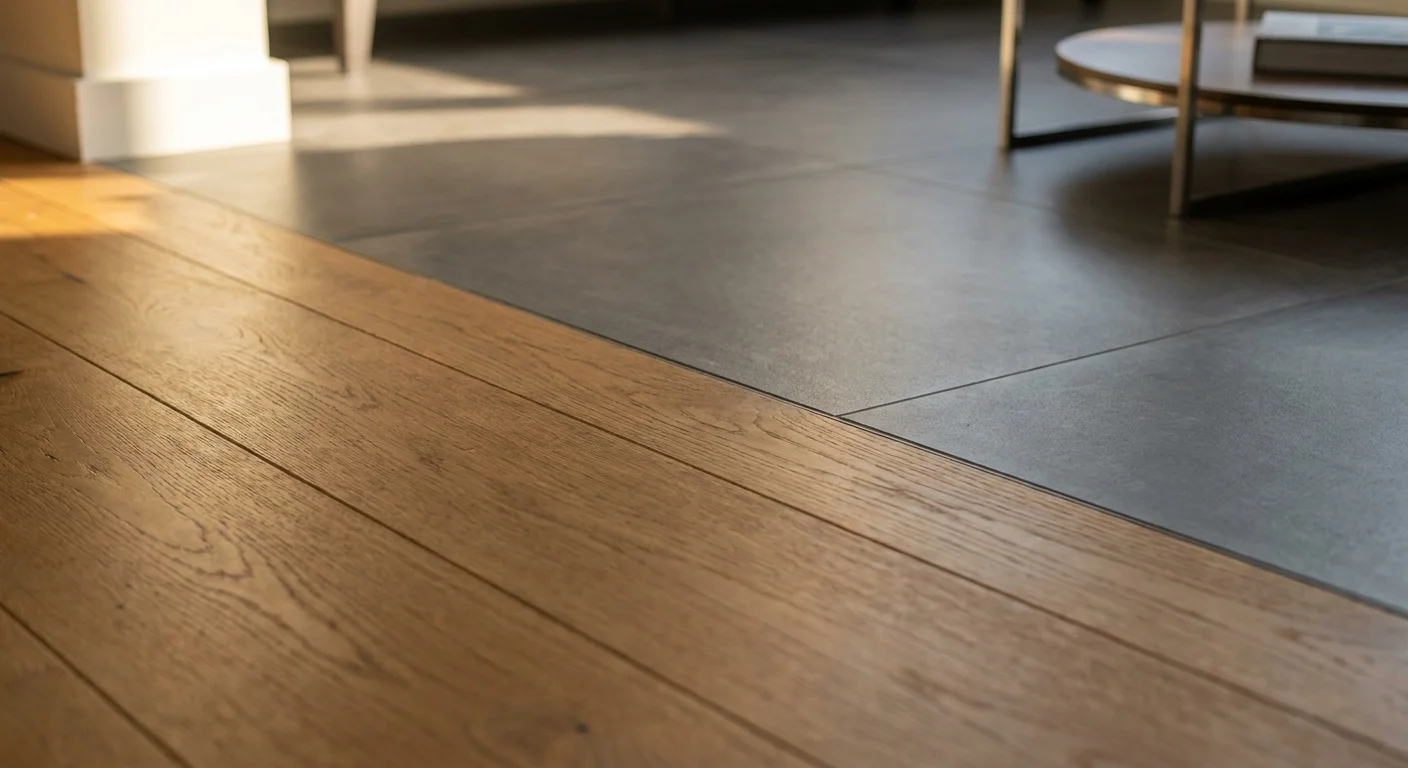
The foundation of any accessible kitchen relies on flooring that forgives. Hardwood and ceramic tile historically dominated the upscale market; however, their rigid, unyielding surfaces exact a heavy toll on aging joints. Today’s senior kitchen design trends prioritize shock-absorbing materials that mimic the provenance and visual depth of traditional finishes without the associated physical strain.

Premium cork flooring and high-end luxury vinyl plank (LVP) represent the pinnacle of this shift. Cork inherently possesses microscopic air pockets, offering exceptional buoyancy underfoot and naturally regulating room temperature. High-quality LVP replicates the textured grain of wide-plank European oak while providing a critical layer of cushioning. More importantly, both materials feature advanced slip-resistant wear layers. When you prioritize a high Dynamic Coefficient of Friction (DCOF) rating in your flooring, you drastically reduce the risk of accidental slips caused by spilled water or cooking oils.

An ink and watercolor sketch of a brass pot filler faucet filling a blue pot on a stove with flowing water.
A wall-mounted pot filler eliminates heavy lifting by delivering water directly to your cookware on the stove.

Trend #7: Frictionless Water Delivery Systems

Arthritis and diminished grip strength can make operating traditional plumbing fixtures a painful chore. The simple act of twisting a tight faucet knob disrupts your workflow and introduces unnecessary discomfort. You eliminate this friction entirely by upgrading to touchless, voice-activated smart faucets. These fixtures represent a massive leap forward in both household hygiene and ergonomic accessibility.

Modern smart faucets feature precision sensors that activate the water flow with a simple wave of your hand or a tap of your forearm. The integration of smart home bridges allows you to command the faucet verbally; you simply ask for exactly two cups of water at a specific temperature, and the fixture delivers it flawlessly. This technology drastically reduces the physical effort required for meal preparation. Visually, these faucets maintain a striking, architectural presence—often finished in unlacquered brass or matte black—serving as a piece of functional jewelry for your room.

A top-down diagram showing how high-contrast edges on countertops help with depth perception and safety.
High-contrast colors clearly define wet, prep, and hot zones to improve safety and visibility while cooking.

Trend #8: High-Contrast Aesthetic Zoning

As depth perception and contrast sensitivity subtly decline over the years, a monochrome white-on-white kitchen becomes incredibly difficult to navigate safely. Visual boundaries blur, making it hard to distinguish where a countertop ends and the floor begins. You mitigate this by employing sophisticated color theory to create high-contrast aesthetic zoning. This design strategy uses bold, elegant color pairings to visually map the room.

You ground your layout by pairing dark, honed granite or soapstone countertops against lighter, natural wood cabinetry. This stark contrast creates a sharp visual edge, immediately signaling the boundary of your work surface. You also use bold backsplash tiles to frame your cooking zone, guiding your eye naturally toward the stove. This thoughtful application of color ensures you move confidently through the space. The result is a richly layered, visually captivating environment that simultaneously serves as a crucial navigational aid.

A top-down photo of a workstation sink with an integrated cutting board and colander being used for food prep.
Simplify meal prep with an integrated cutting board that lets you chop vegetables directly over the sink.

Trend #9: The Integrated Workstation Sink

The sink traditionally functions as a simple basin for washing up, but modern design reimagines it as a comprehensive culinary command center. The integrated workstation sink dramatically reduces the distance you must carry heavy, water-filled pots and pans. By building functionality directly into the sink, you centralize your mess and minimize hazardous movement across the room.

These large-format sinks feature interior ledges that perfectly support custom accessories. You slide a heavy-duty cutting board directly over the basin, allowing you to chop vegetables and sweep the scraps straight into the disposal below. You place colanders on the tracks to drain heavy pots of pasta without lifting them out of the sink. By confining your preparation and cleanup to one highly engineered zone, you streamline your workflow and protect your body from unnecessary strain. The workstation sink embodies the ultimate synthesis of professional-grade utility and luxurious convenience.

A warm watercolor illustration of a completed, accessible kitchen sanctuary, showing comfort and integrated design.
Organized drawers and warm lighting create a functional kitchen where you can cook and relax comfortably.

The Big Picture: Weaving These Trends into Your Home

Designing an easy cooking space requires you to view your room holistically. You are not simply installing grab bars or lowering a single cabinet; you are orchestrating a symphony of tactile materials, intuitive technology, and customized spatial planning. Every upgrade you select must align with your personal culinary habits and your physical requirements. A successful modern kitchen 60+ effortlessly masks its accessibility features behind a veil of bespoke, high-end design.

As you plan your renovation, collaborate with professionals who understand the delicate balance between universal design and sophisticated aesthetics. Color and light dictate how you interact with your environment. Take the time to sample materials under your new layered lighting ecosystem to ensure maximum visibility and aesthetic harmony.

For the latest color forecasts, consult industry leaders like Pantone and paint companies like Benjamin Moore. For professional design standards, refer to the American Society of Interior Designers (ASID).

Frequently Asked Questions

Does an accessible kitchen have to look clinical or institutional?

Absolutely not. The contemporary approach to senior kitchen design relies heavily on the concept of quiet luxury. Today’s universal design elements—such as touchless hardware, deeply pigmented contrast zones, and biophilic multi-level islands—are indistinguishable from standard high-end luxury upgrades. You achieve safety and ergonomics through custom architecture, rich materials, and smart technology, entirely avoiding the institutional aesthetic.

Are heavy-duty drawer base cabinets more expensive than standard door cabinets?

Yes, converting your lower storage entirely to drawer stacks increases your initial cabinetry costs. Drawers require more raw materials, complex joinery, and expensive, high-weight-capacity hardware glides. However, the return on investment is monumental. You instantly eliminate the daily physical strain of kneeling and digging through deep shelves, making this specific upgrade the most crucial investment for aging in place comfortably.

Can I implement these upgrades without completely gutting my kitchen?

You can seamlessly integrate several of these strategies without undertaking a full demolition. Upgrading to a touchless smart faucet, installing highly responsive LED under-cabinet task lighting, and organizing your existing countertops with a concealed appliance garage are all manageable, high-impact projects. You can also replace standard drop-in ranges with safer induction cooktops to eliminate open flames while using your existing counter cutouts.

Why are French-door wall ovens recommended for those over 60?

Traditional drop-down oven doors force you to lean forward awkwardly over a hot surface while lifting heavy roasting pans. This movement stresses your lower back and severely compromises your balance. French-door ovens open outwardly from the center, allowing you to stand vertically and step intimately close to the racks. This straightforward ergonomic correction radically improves kitchen safety and preserves your physical stamina.

Disclaimer: This article reflects design trend analysis and predictions. Personal taste and timeless design principles should always guide your decorating choices.
7 Bedroom Updates That Help Seniors Sleep Better and Feel Safer

0
An artistic watercolor mood board featuring fabric swatches and sketches of bedroom elements for senior wellness.
This sketch illustrates 2026 design trends that prioritize restorative rest and confident mobility for seniors.

Introduction: The Art of the Restful Retreat in 2026

Creating a sanctuary of style that also supports physical well-being is the ultimate achievement in modern interior architecture. For years, the intersection of accessibility and design was plagued by clinical aesthetics that felt out of place in a sophisticated home. Today, the landscape of senior room design has undergone a magnificent transformation. We are entering an era of quiet luxury where health-focused innovations seamlessly blend with elegant, tactile environments. You no longer have to compromise the beauty of your personal space to ensure it functions perfectly for your evolving needs.

As you curate your environment, your focus should naturally shift toward elements that promote restorative rest and confident mobility. Sleep architecture changes as we mature, making our bodies more sensitive to temperature fluctuations, light pollution, and ergonomic support. Simultaneously, creating a safe bedroom 60+ requires thoughtful spatial planning to reduce fall risks and enhance spatial awareness. By embracing a few strategic modifications, you can elevate the aesthetics of your room while implementing highly effective sleep better home tips. The key lies in selecting upgrades that look intentional, feel luxurious, and operate intuitively.

This trend report explores the most impactful modifications you can make to your personal retreat. From the subtle integration of biophilic circadian lighting to the implementation of smart textiles, we will guide you through refined bedroom updates seniors can adopt to foster independence and deep relaxation. Every choice you make in your private quarters should serve a dual purpose: soothing the senses and protecting your peace of mind.

An infographic showing how bedroom lighting transitions from blue-toned morning light to warm amber evening light.
Circadian lighting transitions from bright morning blue to warm amber tones to improve sleep and nighttime safety.

Bedroom Trend #1: Circadian-Synced Ambient Illumination

Lighting is arguably the most critical element in establishing a restorative bedroom environment, yet it is frequently overlooked in traditional room updates. As we age, our eyes naturally require up to three times more light to process fine details and navigate spaces confidently. However, exposing yourself to bright, cool-toned artificial light in the evening severely disrupts your natural melatonin production, leading to fragmented and restless sleep. The solution to this biological challenge lies in the rapid adoption of circadian-synced ambient lighting systems.

This sophisticated technology utilizes smart LED bulbs and fixtures programmed to mimic the natural progression of sunlight throughout the day. In the morning, your bedroom lighting emits a crisp, blue-enriched spectrum that signals your brain to wake up, boosting morning energy and stabilizing your internal clock. As evening approaches, the system automatically transitions into a warm, amber glow. This shift mimics a natural sunset, allowing your body to prepare for deep, restorative rest without compromising your ability to see clearly while moving around the room.

Beyond color temperature, strategic placement of light fixtures drastically improves nighttime safety. You should consider integrating motion-activated toe-kick lighting beneath your nightstands, dressers, and bed frame. These low-lumen, downward-facing strips cast a gentle wash of light across the floor the moment your feet touch the ground. This provides a clear, glare-free path to the en suite bathroom or doorway, significantly reducing the risk of accidental trips without forcing you to fumble for a bright overhead switch. When combined with automated bedside sconces, this layered lighting approach perfectly balances necessary illumination with sophisticated mood enhancement.

A close-up of a stylish upholstered bed frame that conceals an adjustable ergonomic base.
This sleek grey upholstered frame cleverly disguises an ergonomic foundation beneath cozy white linens and blankets.

Bedroom Trend #2: Disguised Ergonomic Bed Foundations

The foundation of any restful sanctuary is, quite literally, the bed itself. For decades, adjustable bed frames carried a distinctly medical stigma, characterized by exposed metal joints and clinical silhouettes. The current movement in luxury comfort bedroom ideas completely flips this narrative. Modern ergonomic foundations are now fully integrated into stunning, designer-approved frames, wrapped in tactile fabrics like performance bouclé, crushed velvet, or tailored Belgian linen.

Upgrading to an adjustable base is one of the most transformative bedroom updates seniors can invest in for physical comfort. By utilizing a remote control or voice command, you can effortlessly elevate your head and feet to achieve a zero-gravity sleeping position. This precise alignment takes the pressure off your lower lumbar spine, encourages healthy blood circulation to your extremities, and opens your airways to mitigate snoring or sleep apnea. Furthermore, sleeping with your head slightly elevated is a scientifically proven method for reducing nighttime acid reflux, a common culprit of sleep disruption.

These sophisticated foundations also offer practical mobility assistance. The ability to raise the head of the bed makes transitioning from lying down to sitting up virtually effortless, putting far less strain on your core and back muscles. Many premium models now include whisper-quiet massage features and targeted lumbar support bars that adjust to the specific curvature of your spine. By placing this advanced technology inside a mid-century modern oak frame or a lavishly upholstered platform, you preserve the high-end aesthetic of your sanctuary while enjoying unparalleled ergonomic support.

A diagram comparing a thick trip-hazard rug with a safe, low-profile 0.25-inch pile rug.
This diagram compares a dangerous high-pile rug to a safe, low-profile option with a beveled edge.

Bedroom Trend #3: Low-Profile Tactile Rug Layering

Flooring choices directly influence both the acoustic comfort and the physical safety of your bedroom. While deep, plush shag carpets once defined bedroom luxury, interior design trends have sharply pivoted toward low-profile, densely woven textiles. High-pile rugs present a significant tripping hazard, especially if you experience changes in balance or rely on mobility aids. Instead, the focus has shifted toward sophisticated tactile layering using natural, tightly constructed fibers.

To cultivate a safe but incredibly chic environment, you should seek out hand-knotted wool rugs, flat-weave kilims, or tightly bound sisal mats. These materials offer a pile height of a quarter-inch or less, ensuring a smooth transition between the bare floor and the rug. Wool, in particular, acts as an exceptional natural insulator, providing a warm landing pad for bare feet on chilly mornings while absorbing excess ambient noise to keep the room pin-drop quiet. The tactile sensation of high-quality wool underfoot adds an immediate sense of grounded luxury to the space.

When executing this trend, the implementation is just as important as the material selection. You must secure every rug with a premium, low-profile gripping pad to eliminate any risk of sliding or bunching. Additionally, consider selecting rugs with a contrasting border. As vision naturally changes over time, depth perception and contrast sensitivity can diminish. A rug with a defined, contrasting edge helps your eyes easily register the boundary of the textile, preventing missteps while adding a crisp, tailored visual element to your floor plan.

A person using a smartphone app to close automated blackout curtains in a modern bedroom at dusk.
Easily close automated blackout curtains with a smartphone app to create a darker and more restful bedroom.

Bedroom Trend #4: Automated Blackout Window Treatments

Window treatments serve as your primary defense against sleep-disrupting elements like urban light pollution, early morning sun glare, and extreme temperature fluctuations. Heavy, manual drapes with complicated cords and heavy rods are rapidly being replaced by streamlined, motorized shade systems. This evolution in window styling merges seamless automation with rich, organic textures to create a highly functional perimeter for your room.

Motorized blackout shades represent a brilliant convergence of safety, convenience, and sleep science. Reaching across furniture to pull heavy drapery cords can throw you off balance and strain your shoulders. By installing automated treatments, you can raise or lower your shades using a bedside remote, a smartphone application, or simple voice commands. You can even program your window treatments to operate on a set schedule, automatically lowering at dusk to provide privacy and rising gently at 7:00 AM to wake you with natural sunlight.

From an aesthetic standpoint, these automated systems no longer look like rigid office blinds. Designers are utilizing heavy-weight linen, soft organic cotton, and woven bamboo for Roman shades and drapery panels. When these luxurious textiles are lined with thermal blackout material, they block out 100 percent of exterior light, creating the pitch-black environment necessary for uninterrupted deep sleep. The thermal lining also provides a crucial layer of insulation, keeping the room cooler in the summer and trapping warmth during the winter, thereby helping you maintain a stable, comfortable sleeping temperature.

A conceptual illustration comparing a sharp, dangerous furniture corner with a safe, rounded silhouette.
Swap sharp, jagged furniture corners for smooth, rounded silhouettes to create a safer and more comfortable bedroom.

Bedroom Trend #5: Soft-Edge Furniture and Curved Silhouettes

The architectural flow of your bedroom dictates how easily and safely you can move through the space, especially in the dark. The prevailing design trend heavily favors soft-edge furniture, moving completely away from the sharp, rigid angles of industrial and minimalist aesthetics. Curved silhouettes offer a visual softness that makes the room feel inherently more relaxing, echoing the organic shapes found in nature through biophilic design principles.

Replacing sharp-cornered nightstands, dressers, and bed frames with rounded alternatives is a crucial step in fall-proofing your sanctuary. A sharp wooden corner on a low dresser poses a significant bruising risk if you happen to bump into it during a midnight trip to the restroom. By integrating drum-shaped bedside tables, beautifully upholstered bed bases, and curved accent chairs, you eliminate these hazard points. The room instantly becomes a more forgiving environment.

This trend extends beautifully into the realm of upholstered case goods. Nightstands wrapped in tactile faux leather or textured linen provide padded surfaces that absorb impact while looking incredibly chic. When arranging these soft-edge pieces, you should ensure a minimum of thirty-six inches of clearance around the sides and foot of the bed. This generous spacing, combined with the absence of sharp corners, creates a sweeping, unobstructed pathway that promotes confident, fluid movement throughout your most private living space.

A macro photograph showing the fine, breathable weave of temperature-regulating silk and eucalyptus bedding.
Breathable light blue bedding uses smart technology to keep seniors cool and comfortable throughout the night.

Bedroom Trend #6: Temperature-Regulating Smart Textiles

Thermal discomfort is one of the leading causes of fragmented sleep among adults over the age of sixty. Changes in metabolism, circulation, and hormone levels can cause unpredictable night sweats or sudden chills, forcing you to constantly throw off and pull on heavy blankets. The bedding industry has responded to this challenge with a surge of temperature-regulating smart textiles that prioritize your physiological comfort without sacrificing the luxurious look of a well-dressed bed.

Your bedding update should begin with the sheets. Move away from tightly woven, high-thread-count cotton sateen, which traps body heat and moisture against your skin. Instead, you should invest in textiles spun from natural, highly breathable fibers like European flax linen, Tencel lyocell, or bamboo viscose. These materials possess exceptional moisture-wicking properties, pulling perspiration away from your body and allowing it to evaporate quickly. Linen, with its hollow core fibers, is naturally thermo-regulating; it feels crisp and cool during the summer yet remarkably insulating during the winter.

To master the aesthetic of a sumptuous, inviting bed while managing your temperature, you must employ the technique of strategic tactile layering. Rather than utilizing a single, heavy down comforter, layer your bed with a lightweight, breathable down-alternative insert encased in a linen duvet, followed by a loosely woven cotton waffle blanket at the foot of the bed. This allows you to easily peel back individual layers to find your exact thermal sweet spot during the night. The resulting aesthetic is beautifully textured, inviting, and effortlessly luxurious.

A design diagram showing high-contrast color palettes like Navy and Cream to help with room navigation.
Bold color pairings create high-contrast boundaries that help seniors navigate their bedrooms with improved depth perception.

Bedroom Trend #7: High-Contrast, Color-Drenched Palettes

Color is typically discussed purely in terms of aesthetic preference, but it plays a highly functional role in senior room design. As our vision changes, subtle shifts in color become difficult to differentiate. A room decorated entirely in monochromatic shades of pale beige or white can cause the floors, walls, and furniture to visually blur together, increasing the risk of disorientation or misjudging distances. The design world has countered this with a sophisticated technique known as high-contrast color drenching.

This trend involves utilizing deeply saturated, soothing colors to create distinct visual boundaries within the room. For instance, painting your walls and baseboards in a rich, calming shade like sage green, dusty blue, or warm terracotta creates a striking contrast against light oak flooring or a cream-colored rug. This high-contrast ratio helps your eyes quickly and accurately identify where the floor ends and the wall begins, vastly improving spatial awareness and depth perception.

Color drenching goes beyond safety; it creates an incredibly enveloping, jewel-box atmosphere that feels deeply restful. By painting the walls, trim, and even the ceiling in the same soothing, medium-toned hue, you eliminate visual clutter and chaotic architectural lines. You can then introduce high-contrast furniture—such as a dark walnut dresser against a soft blue wall, or a brilliant white upholstered bed against a warm olive backdrop. This purposeful use of color theory guarantees your bedroom is visually stimulating enough to navigate safely, yet moody and cocooning enough to promote profound relaxation.

A senior woman sitting peacefully in a beautifully designed, safe, and comfortable modern bedroom.
A woman enjoys a quiet morning in her warm, sun-drenched sanctuary surrounded by lush indoor plants.

Designing Your Personal Sanctuary

Transforming your bedroom into a restorative retreat does not require executing every trend simultaneously. The most sophisticated spaces are built incrementally, layering functionality with personalized style. You should begin by assessing your most pressing sleep disruptors. If you struggle with maintaining a comfortable temperature, prioritize an investment in temperature-regulating smart textiles and automated blackout window treatments. If nighttime mobility is your primary concern, your initial focus should be on clearing pathways, introducing soft-edge furniture, and installing circadian-synced toe-kick lighting.

As you integrate these modern updates, remember that the ultimate goal is to curate an environment that feels uniquely yours. A safe bedroom 60+ update should never feel sterile or restrictive. You can maintain your personal aesthetic—whether that is French country, mid-century modern, or contemporary minimalism—while weaving these functional upgrades into the framework of the room. By intentionally selecting materials that soothe the senses and technology that operates seamlessly in the background, you elevate your daily routine from merely functional to genuinely luxurious.

Do not underestimate the power of tactile comfort. Surround yourself with textures that feel good against your skin, colors that calm your mind, and lighting that respects your biological rhythms. When your physical space actively supports your physical well-being, the quality of your sleep inevitably improves, leaving you more energized, confident, and ready to engage with the world each morning.

Frequently Asked Questions

How do I balance safety features with a high-end aesthetic?

The secret lies in integration and material choice. Modern safety features are designed to be invisible or highly decorative. Instead of using plastic medical aids, opt for solid wood grab bars disguised as towel racks or heavy, sculptural nightstands that naturally offer stability. Choose low-pile wool rugs over rubber mats, and conceal adjustable bed bases within beautiful custom upholstery. By prioritizing natural materials and bespoke finishes, safety becomes a seamless part of the architecture rather than an afterthought.

What is the most cost-effective bedroom update for seniors looking to improve sleep?

If you are working within a strict budget, updating your bedroom lighting and bedding will yield the highest return on investment. Replacing harsh overhead bulbs with warm, smart LED bulbs allows you to control the color temperature and prepare your brain for sleep. Pairing this with breathable, moisture-wicking bamboo or linen sheets provides immediate relief from night sweats and thermal discomfort, dramatically improving the quality of your rest without requiring a major furniture overhaul.

Why is lighting so critical for sleep in our later years?

As we age, the lenses in our eyes naturally thicken and yellow, which reduces the amount of light reaching the retina. This change can severely disrupt our circadian rhythms, making it harder for the brain to distinguish between day and night. Providing bright, blue-toned light during the day helps reinforce wakefulness, while utilizing warm, amber light in the evening prevents the suppression of melatonin. This clear light-dark signaling is essential for maintaining a healthy, uninterrupted sleep cycle.

How does tactile layering impact cognitive and physical well-being?

Tactile layering stimulates the senses and promotes grounding. Engaging with natural textures like wool, linen, and carved wood can lower cortisol levels and reduce anxiety, creating a psychological state conducive to sleep. Physically, managing the weight and warmth of your bedding through multiple breathable layers allows you to control your microclimate, preventing the sudden awakenings caused by overheating or freezing during the night.

For healthy sleep guidance, consult experts at the Sleep Foundation. For bedding and textile inspiration, explore resources highlighted by Elle Decor.

Disclaimer: This article reflects design trend analysis and predictions. Personal taste and timeless design principles should always guide your decorating choices.
8 Home Decor Ideas That Make Any Space Feel Bigger After 60

0
A mood board collage featuring linen, stone, and architectural sketches with the text 'THE 2026 LOOK'.
Organic elements and architectural sketches define a spacious, modern aesthetic in this mood board for 2026.

Introduction: Defining the Look of 2026

Your home is more than a physical shelter; it is a dynamic reflection of a life well-lived. As we move deeper into 2026, the conversation surrounding senior home design has shifted dramatically. Gone are the days when adapting a home for your later years meant compromising on style or settling for clinical, uninspired aesthetics. Today, the focus lies entirely on empowering you to thrive in your environment. You deserve a space that feels expansive, luxurious, and completely attuned to your current lifestyle.

Whether you have recently downsized to a chic city apartment or you are thoughtfully editing the family home you have loved for decades, maximizing your perceived square footage changes how you experience your daily routines. Expanding a room visually does not require knocking down walls or undergoing exhausting renovations. Instead, it relies on mastering optical illusions, manipulating natural light, and making deliberate, highly curated design choices.

The latest interior design movements champion an elegant fusion of form and function. By embracing these sophisticated strategies, you create interiors that breathe effortlessly. From adopting seamless color palettes to rethinking how your furniture interacts with the floor, these insights will guide you in transforming any constrained room into an airy, welcoming sanctuary. Prepare to rethink your spatial boundaries and discover how intelligent design effortlessly elevates your everyday living experience.

A close-up of a taupe wall and matching trim showing the color drenching technique with velvet curtains.
A hand touches plush velvet curtains that blend with neutral walls to create a sense of quiet luxury.

Trend #1: Tonal Layering and the Evolution of Quiet Luxury

When you enter a room painted in stark, high-contrast colors, your eyes naturally stop at the sharp boundaries where those distinct shades meet. This immediate visual stopping point defines the exact dimensions of the room, often making a modest footprint feel even more confined. By embracing tonal layering—a cornerstone of the contemporary “quiet luxury” movement—you effectively dissolve these harsh visual borders. Quiet luxury rejects loud, chaotic patterns in favor of understated elegance, prioritizing high-quality materials and soothing, continuous color palettes.

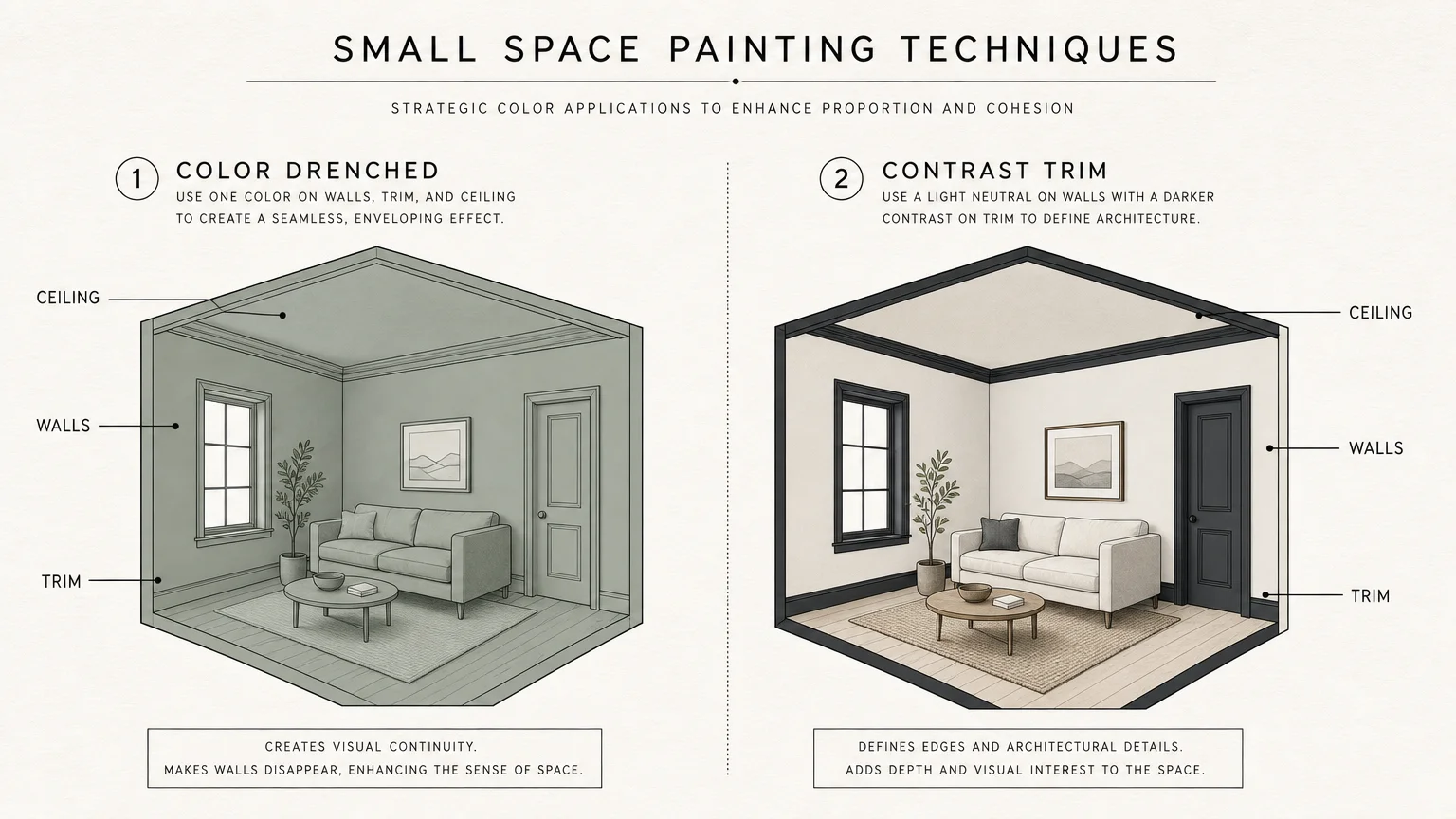
To execute this sophisticated technique in your own home, select a single foundational color and build your entire room using lighter and darker variations of that exact shade. For example, if you choose a warm, luminous taupe for your walls, paint your baseboards, window casings, and crown molding the exact same hue. You can simply shift the paint finish from a flat matte on the walls to a durable satin on the trim. This method, widely known in the industry as color drenching, tricks the eye by camouflaging the corners and edges of the room, causing the walls to visually recede.

You can seamlessly extend this tonal philosophy to your upholstery, window treatments, and floor coverings. Layering a soft ivory linen sofa over a slightly deeper cream wool rug creates an uninterrupted visual flow. Studies in spatial perception consistently show that low-contrast, monochromatic environments can make a room feel up to twenty percent larger than high-contrast alternatives. Lean into rich, varied textures—like bouclé, velvet, and natural wood grains—to provide vital depth and character without visually enclosing your space.

A technical diagram showing how low furniture keeps sightlines open compared to tall, bulky pieces.
Low-profile furniture creates an uninterrupted sightline, making your living space feel significantly more open and airy.

Trend #2: Low-Profile Furniture with High-Ergonomic Standards

Sightlines represent the invisible paths your eyes travel when scanning your environment. When tall, overly bulky furniture blocks these natural visual pathways, your brain immediately interprets the room as cramped and crowded. Opting for low-profile furniture immediately opens up the upper half of your room, generating the illusion of significantly higher ceilings and a much more expansive volume of air. However, curating a modern home seniors can truly enjoy requires a meticulous balance between sleek aesthetics and vital daily practicality.

You cannot simply purchase an ultra-low, modern sofa if it severely compromises your physical comfort or mobility. The solution involves selecting pieces that carry a very low visual weight while still adhering to strict ergonomic standards. Seek out sofas and armchairs equipped with a firm seat deck positioned at an optimal height—typically around eighteen to twenty inches from the floor—but featuring lower backrests and slim, tailored arms.

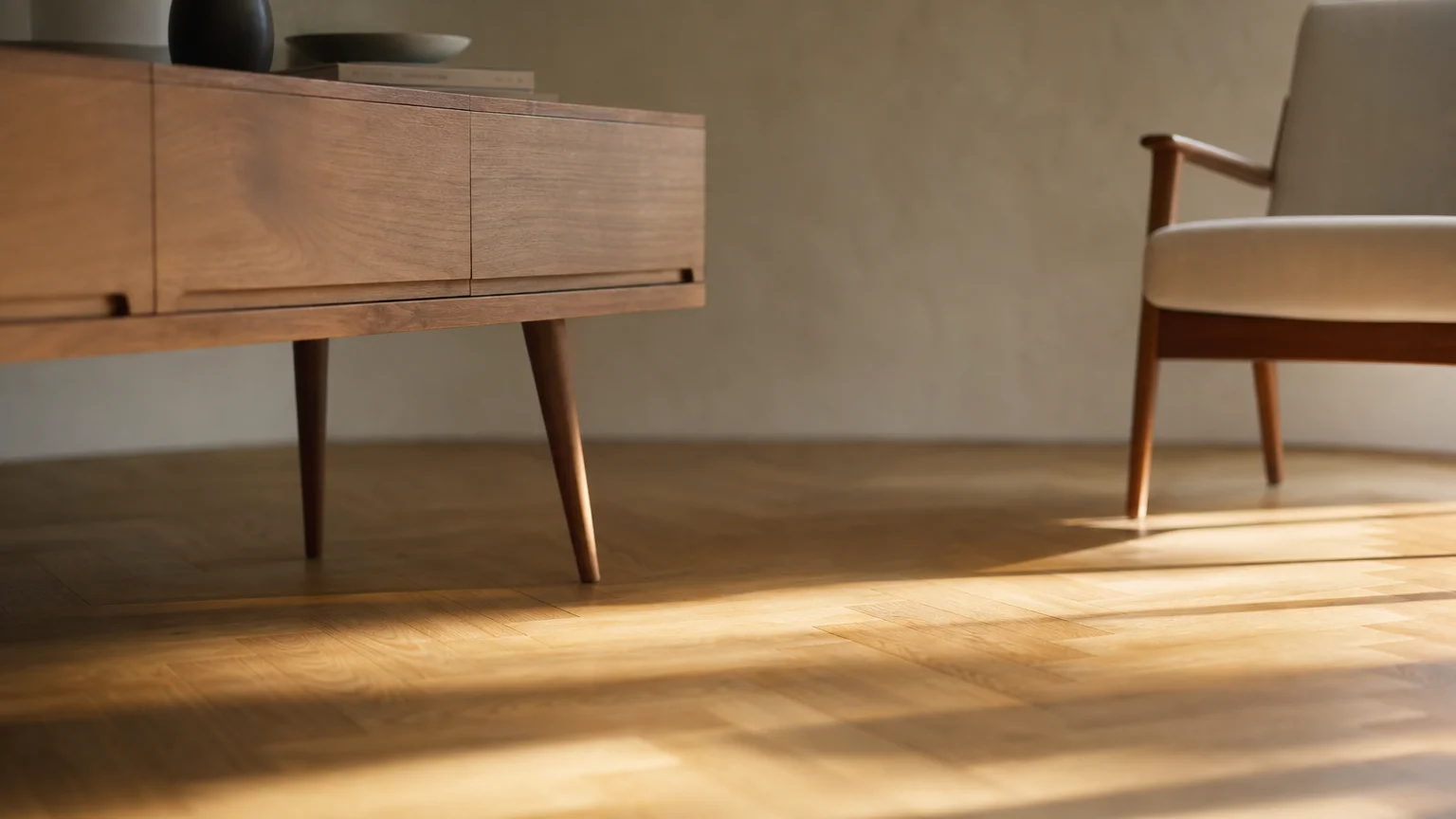
Mid-century modern designs frequently strike this ideal balance, offering structural support without visually dominating a room. Furthermore, choose furniture elevated on slender, tapered legs rather than pieces featuring heavy, floor-grazing skirts. Allowing the eye to see the floor extending underneath your seating tricks your mind into registering additional square footage. You achieve the open, airy aesthetic crucial for expanding a room while ensuring every piece of furniture vigorously supports your long-term physical well-being.

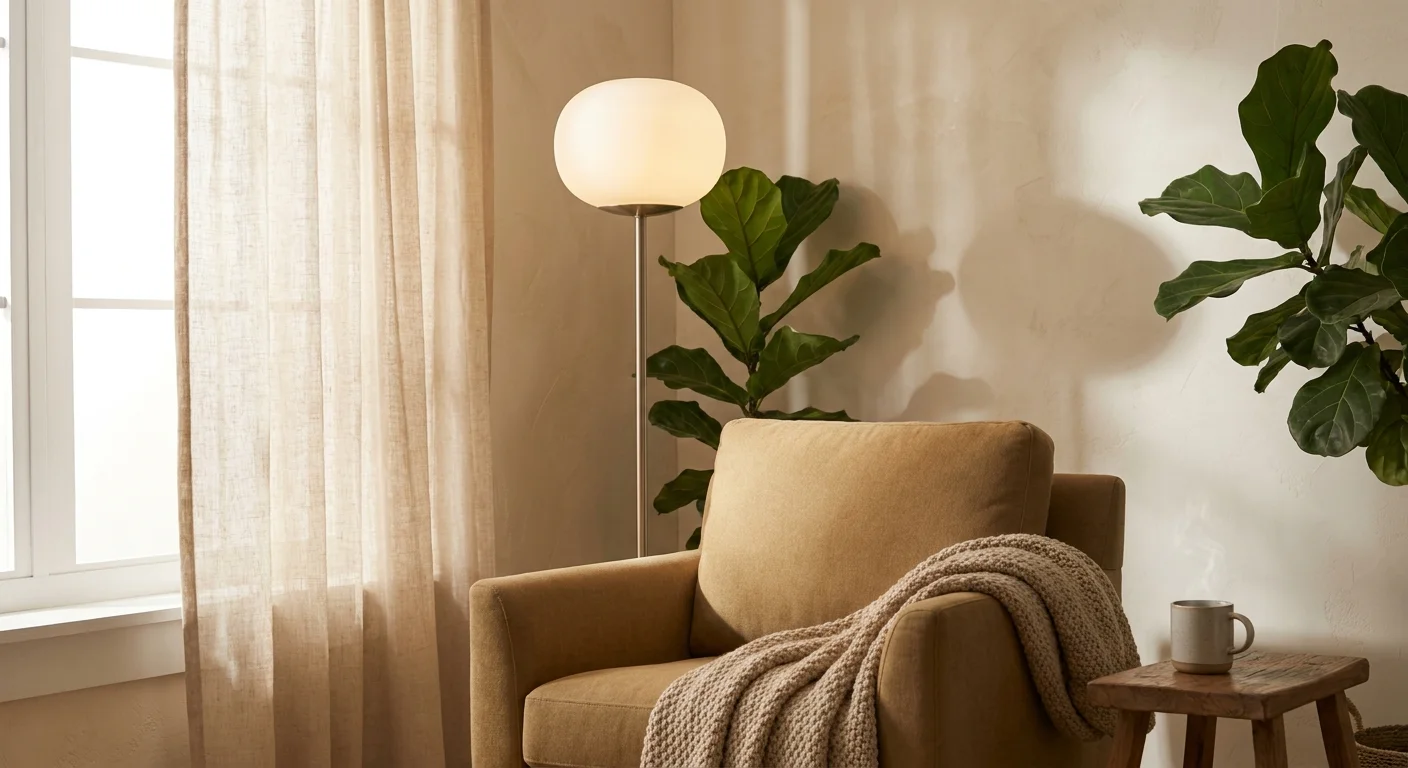
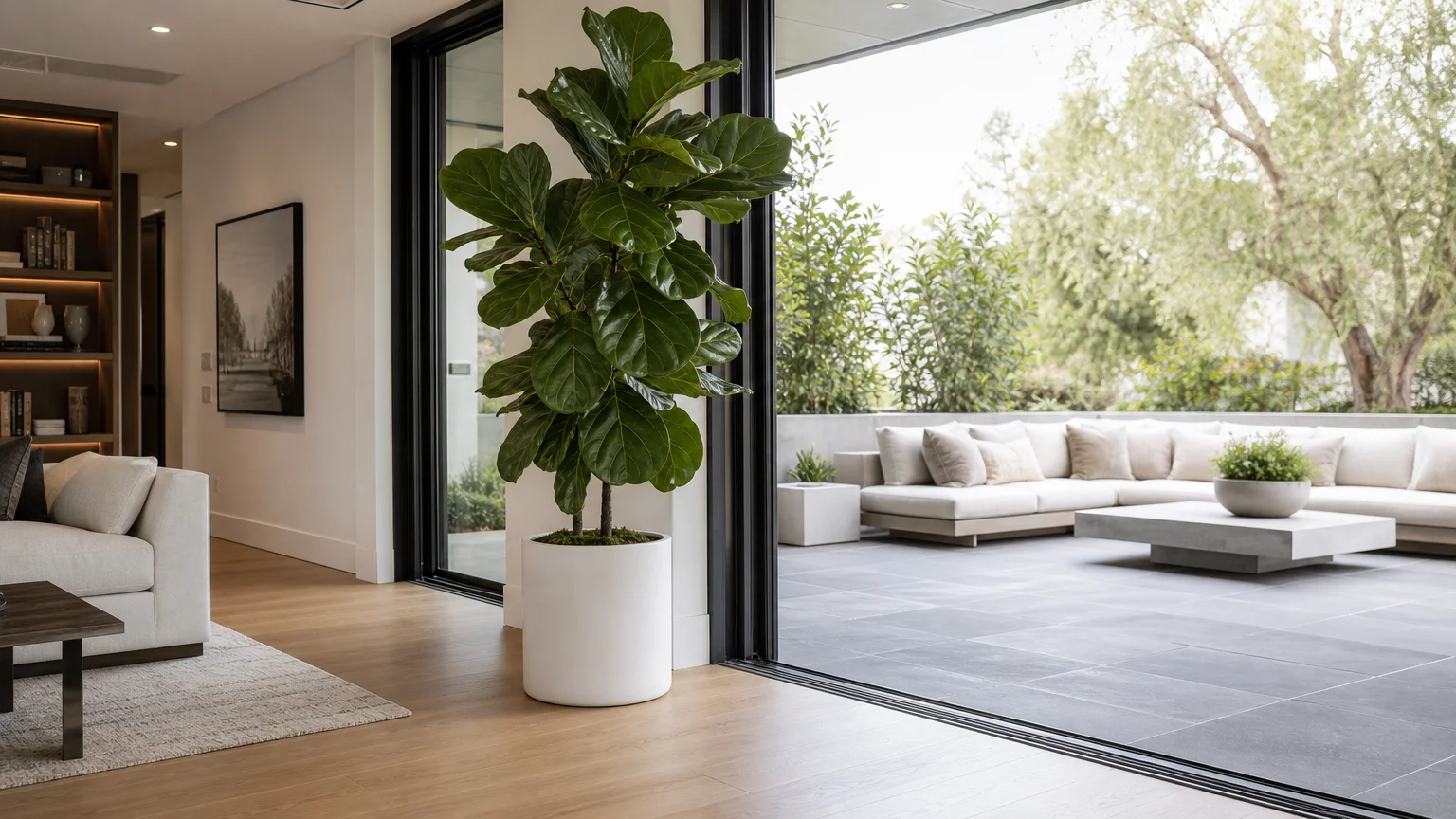
A tall Fiddle Leaf Fig plant and a slender lamp drawing the eye upward in a bright, sunlit corner.
A tall fiddle leaf fig draws the eye upward, using vertical sightlines to make the room feel larger.

Trend #3: Strategic Biophilic Design and Vertical Sightlines

Biophilic design—the practice of intentionally integrating nature and natural elements into the built environment—has evolved from a passing trend into a fundamental principle of sophisticated interior architecture. While introducing houseplants is a well-known strategy for boosting indoor air quality and mental well-being, strategic biophilic design also serves as an incredibly powerful tool for spatial expansion.

When dealing with restricted square footage, drawing the eye upward remains one of the most effective ways to make a space feel grander. Tall, structural indoor trees, such as a graceful Ficus Audrey or an elegant indoor Olive tree, force the viewer’s gaze toward the ceiling. This vertical distraction shifts focus away from a narrow floor plan and emphasizes the total height of the room.

Positioning a tall plant in a tight corner blurs the sharp angles of the room, softening the architectural boundaries that typically enclose a space. If floor space is exceptionally tight, consider hanging trailing plants like Pothos or String of Pearls from ceiling-mounted planters. This provides lush, vibrant texture at an elevated sightline without consuming a single inch of your walkable floor area. By connecting your interior space with organic, upward-reaching elements, you create a vibrant atmosphere that feels deeply rooted yet visually expansive.

An exploded-view diagram of floating wall shelves with labels for hidden mounts and floor clearance.
This assembly diagram illustrates how floating shelves with integrated wire management help maximize available floor space.

Trend #4: Floating Circuitry and Wall-Mounted Storage

Nothing shrinks a room faster than a floor completely covered by heavy cabinets, bookcases, and media consoles. As you accumulate cherished items over a lifetime, finding places to store them becomes paramount. However, traditional storage solutions visually anchor the room, making it feel heavy and burdensome. Transitioning to floating cabinetry and wall-mounted storage represents one of the most transformative space saving tips for the modern homeowner.

By lifting your furniture off the ground and securing it directly to the wall, you instantly expose more of your flooring. Because the human brain judges the size of a room heavily based on the amount of visible floor space, revealing the area underneath your storage units immediately creates a profound sense of openness. A sleek, wall-mounted wooden credenza beneath your television provides ample storage for electronics and personal items while appearing to float effortlessly in the room.

This floating circuitry extends beautifully into bathrooms and bedrooms as well. Floating vanities in a primary bathroom can make a tight layout feel like a sprawling spa. Beyond the striking visual benefits, elevating your furniture delivers highly practical advantages for daily life. Wall-mounted units eliminate the need to bend down deeply to retrieve items from bottom drawers, and they make sweeping or vacuuming underneath entirely effortless—a seamless blend of exceptional style and practical longevity.

A top-down floor plan diagram illustrating ambient, task, and accent lighting zones in a home.
This floor plan illustrates how layered lighting creates a luminous landscape that makes any room feel more spacious.

Trend #5: Multi-Directional Lighting and Luminous Landscapes

Harsh, single-source overhead lighting casts heavy, unappealing shadows that pull the ceiling down and shrink the perimeter of a room. As we age, our eyes require greater illumination to perform tasks comfortably and safely, but simply installing brighter lightbulbs in an overhead fixture only exacerbates the sterile, confined feeling. The sophisticated approach relies on creating a multi-directional lighting architecture.

Instead of relying on a single chandelier or flush mount, you must build layers of light: ambient, task, and accent. To make a room feel noticeably wider, employ wall sconces that cast light upwards and downwards. This technique, known as wall washing, eliminates shadows in the corners of the room and visually pushes the walls outward. When light bounces off vertical surfaces, the entire room feels instantly more voluminous.

Introduce elegant table lamps with warm-toned, semi-translucent shades to spread a soft, horizontal glow across your seating areas. Place small, discreet LED uplights behind large potted plants or floor mirrors to create dramatic, expansive silhouettes. By distributing your light sources across varying heights and directions, you craft a luminous landscape. You maintain the brightness required for comfortable reading and navigating while simultaneously generating a glowing, expansive ambiance.

A large floor-to-ceiling mirror in a dining area reflecting a window and light fixture to create depth.
A large dark-framed mirror creates reflective depth, making this small dining room feel bright and spacious.

Trend #6: Mirrored Architecture and Reflective Depth

Interior designers have long championed mirrors as a method for expanding small spaces, but the approach for 2026 demands a far more architectural execution. Hanging a standard, modestly sized mirror on a random wall accomplishes very little. To authentically double the perceived depth of a room, you must treat reflective surfaces as structural elements rather than mere accessories.

Position an oversized, floor-to-ceiling mirror directly opposite your largest window. This precise placement acts as a virtual secondary window, capturing natural sunlight and aggressively bouncing it deep into the darkest corners of your home. If a massive floor mirror does not suit your aesthetic, consider integrating antiqued mirror tiles into your kitchen backsplash or installing reflective, high-gloss finishes on your ceiling.

A ceiling painted in a high-gloss or lacquered finish gently reflects the activity and light from the room below, blurring the definitive top boundary of the space and mimicking the infinite height of the sky. Even introducing furniture with subtle reflective properties—like a polished brass coffee table or a glass-front display cabinet—helps light travel uninterrupted. By strategically weaving reflective architecture throughout your home, you obliterate visual roadblocks and create an environment that feels magnificently infinite.

An ink drawing of an antique chair casting a shadow made of vintage photos and letters.
A wooden chair casts a shadow filled with vintage family photos and letters, showcasing a curated history.

Trend #7: The Shift Toward Curated Provenance

Over the decades, it is entirely natural to accumulate a vast collection of art, souvenirs, and decorative objects. However, covering every available surface with small items forces the eye to stop and process dozens of visual distractions, rendering even the largest rooms chaotic and cramped. The current design movement advocates for “curated provenance”—the intentional display of fewer, much more significant pieces that carry deep personal history and exceptional craftsmanship.

Small space decor thrives on the strategic use of negative space. Negative space refers to the empty, unadorned areas around your furniture and artwork. This visual breathing room is essential for making a room feel expansive and serene. Instead of displaying fifty assorted knick-knacks across your mantle and side tables, edit your collection down to three or five pieces of substantial scale and undeniable meaning.

Present a single, striking piece of pottery you acquired on a memorable trip, or hang one oversized piece of striking contemporary art rather than a cluttered gallery wall of undersized frames. Grouping smaller items onto a single, elegant decorative tray can also unify them into one cohesive visual element. By rigorously editing your possessions and honoring the empty space between them, you elevate your home from a mere storage facility to a breathtaking, gallery-like sanctuary that breathes freely.

A close-up shot of continuous wood flooring running between two rooms without a transition strip.
Light wood planks flow seamlessly across the floor to create an open and airy living space.

Trend #8: Seamless Thresholds and Unbroken Flooring

Visual fragmentation ranks among the greatest enemies of spatial perception. When you install different flooring materials in every individual room—tile in the kitchen, hardwood in the living room, and carpet in the hallway—you draw sharp, rigid lines across your floor plan. These sudden transitions chop your home into small, distinct boxes, constantly reminding the viewer of the limited square footage.

To establish a sprawling, palatial feel, you must prioritize continuous, unbroken flooring throughout your main living areas. Running a single, high-quality material, such as wide-plank engineered oak or premium luxury vinyl plank, seamlessly from the entryway through the kitchen and into the living room unites the distinct zones into one cohesive, massive space. The eye travels effortlessly across the floor without encountering visual stop signs.

Beyond the undeniable aesthetic benefits, eliminating uneven thresholds and sudden material changes proves highly practical. Continuous flooring removes dangerous tripping hazards, significantly improving the safety and accessibility of your home. You achieve a sleek, highly modernized look that simultaneously caters to elegant entertaining and deeply secure, comfortable daily living.

An abstract weaving of textures like wood, linen, and paint, representing the combination of design trends.
Woven strips of wood and fabric create a textured wall display that brings diverse design elements together.

The Big Picture: Weaving These Trends into Your Home

Transforming your home into a spacious, light-filled haven does not demand an overnight overhaul. The most refined interiors evolve through careful, intentional layering. Start by stepping back and observing how light travels through your rooms at different times of the day. Identify the architectural choke points—perhaps a bulky armchair blocking a window, or a dark, heavily patterned rug that anchors the room too aggressively.

Begin with the easiest modifications. Apply a fresh coat of tonal paint, or clear your surfaces to embrace the elegance of curated provenance. Gradually introduce multi-directional lighting and low-profile furniture as your budget and timeline allow. Remember that harmony reigns supreme; the goal is not to force every single trend into one room, but rather to select the strategies that naturally complement your home’s existing architecture and your personal lifestyle.

By blending the subtle sophistication of quiet luxury with intelligent, space-maximizing layouts, you establish an environment that feels both deeply comforting and magnificently expansive. You are crafting a living space that honors your past while fiercely supporting your vibrant future.

Frequently Asked Questions

How do I make my living room look bigger without buying new furniture?

You can instantly expand your living room by radically optimizing your current layout and decluttering your surfaces. Pull your furniture a few inches away from the walls; creating this breathing room allows shadows to form behind the pieces, adding necessary depth. Next, edit your decorative accessories down to a few impactful items to maximize negative space. Finally, rely on easy decor ideas like rearranging your lighting to wash the walls rather than pointing directly downward, and add a strategically placed mirror opposite your primary light source.

What are the absolute best paint finishes for small, confined spaces?

While matte finishes hide drywall imperfections beautifully, they absorb light and can make a tight room feel somewhat flat. To visually expand a space, experts highly recommend using an eggshell or satin finish on the walls. These finishes possess a slight sheen that subtly bounces ambient light around the room. For an even more dramatic effect, use a semi-gloss or high-gloss finish on your ceiling to mimic the expansiveness of the sky and draw the eye continually upward.

How does rug placement affect the perceived size of a room?

An undersized rug breaks up the floor space and makes the room appear completely disjointed and small. To maximize spatial perception, select a rug large enough that all the front legs of your primary seating arrangement rest comfortably upon it. Ideally, leave roughly twelve to eighteen inches of bare floor exposed around the perimeter of the rug. This arrangement unifies your furniture into a single, cohesive zone while allowing the continued sight of the hard floor to suggest expansive square footage.

Can I still use bold patterns in my home without shrinking the space?

Absolutely. While tonal layering remains the easiest path to visual expansion, you do not have to abandon bold patterns entirely. The secret lies in scale and precise placement. Reserve bold, large-scale patterns for singular accent elements, such as a statement upholstered ottoman or an oversized piece of dramatic artwork, rather than applying them to your walls or large window treatments. Keep the foundational elements of the room calm and neutral, allowing the bold pattern to serve as a singular, exciting focal point rather than an overwhelming, room-shrinking distraction.

For the latest color forecasts, consult industry leaders like Pantone and paint companies like Benjamin Moore. For professional design standards, refer to the American Society of Interior Designers (ASID).

Disclaimer: This article reflects design trend analysis and predictions. Personal taste and timeless design principles should always guide your decorating choices.
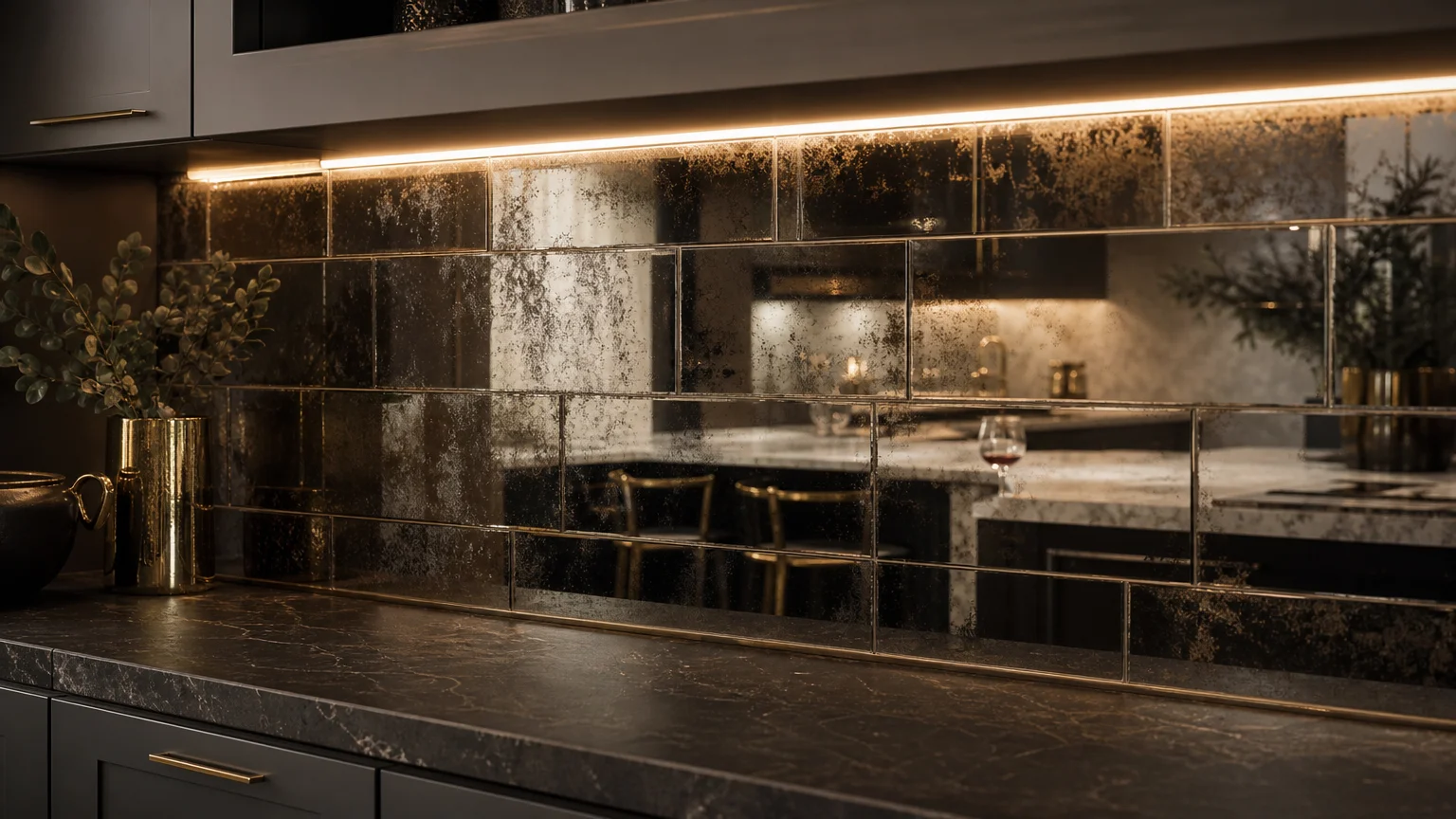
10 Living Room Layout Trends Ready to Take Over in 2026

0

The definitive guide to the interior design ideas, home renovation strategies, and furniture investment decisions that will define how Americans live in their living rooms this year and beyond.

Every few years, a convergence of cultural shifts, economic pressures, new technology, and evolving lifestyle preferences reshapes the way homeowners think about their living rooms. In 2026, that convergence has arrived with unusual force. Rising home values have made interior renovation a serious financial strategy rather than simply an aesthetic pursuit.

Remote and hybrid work arrangements have permanently changed how living spaces are used throughout the day. And a generation of design-aware homeowners — armed with better information, smarter tools, and higher expectations than any generation before them — is demanding living rooms that are simultaneously more beautiful, more functional, more flexible, and more reflective of genuine personal identity than the standard layouts of the past.

The living room trends taking over in 2026 are not fads. They are not the product of a single influencer’s aesthetic or a furniture brand’s marketing campaign. They are the result of real shifts in how people live, work, entertain, and invest in their homes — and they carry the kind of staying power that makes them worth understanding, planning around, and in many cases, investing real money to achieve.

Whether you are undertaking a comprehensive home renovation, making targeted furniture upgrades, or simply rethinking your current arrangement with the pieces you already own, knowing which direction residential interior design is moving is invaluable knowledge.

This guide covers the 10 living room layout trends that industry professionals, luxury interior designers, real estate investment experts, and leading home decor publications agree are ready to take over in 2026.

Each one is rooted in a genuine shift in how homeowners want to live — and each one offers specific, actionable ideas for bringing the trend to life in your own home, whatever your square footage, budget, or architectural starting point.

Interior Color Trends 2026: Transform Your Space with the Latest Shades

0

interior color trends 2025

As we enter 2026, the world of interior design continues to evolve, with color playing an increasingly vital role in shaping the spaces we call home. The right colors have the power to transform a room, influencing mood, energy, and even productivity. In the coming year, we see a shift towards nature-inspired tones, sustainable choices, and a careful blend of calm neutrals with bold accents. Whether you’re looking to create a serene retreat or a vibrant, energetic space, the color trends of 2026 offer endless possibilities to reflect your personal style.


This year’s palette is about balance: the calming influence of earthy hues that connect us to nature, the warm tones that make a room feel inviting, and the bold colors that add character and creativity. In this blog, we’ll explore the best paint colors for living rooms, soothing bedroom shades, and nature-inspired combinations that bring the outdoors in, along with tips for choosing the right colors and sustainable options for your home. Whether you’re planning a full redesign or just looking for a fresh update, these color trends will help you create a space that’s both stylish and harmonious.

Let’s dive into the interior color trends for 2026 and discover how you can bring these beautiful, contemporary hues into your home.

These Curtain Styles Are Going Viral — And They’ll Sell Out Fast!

0

A wide view of a bright living room with sheer curtains and a framed black and white photo of a smiling elderly woman on the wall.

Introduction: Defining the Look of 2025

In the ever-evolving theater of interior design, some elements play a supporting role, while others command the stage. For years, window treatments were often relegated to the former category—a functional necessity, an afterthought to the grander statements of furniture and art. But a tectonic shift is underway. We are witnessing the triumphant rise of the curtain, no longer a mere backdrop but a central character in the narrative of our homes. The trending curtain styles 2025 are not just about privacy or light control; they are about texture, form, and emotional resonance.

What’s driving this change? It’s a collective desire for spaces that feel both curated and deeply personal. We’ve moved beyond transient, fast-fashion décor and into an era of intentionality. The home is a sanctuary, a gallery of self-expression, and every detail contributes to its story. Curtains, with their vast potential for color, material, and shape, offer one of the most impactful ways to articulate a design vision. They frame our view of the world—both literally and metaphorically—and the latest viral designs reflect a new design vernacular rooted in quiet confidence, biophilic connection, and a sophisticated reinterpretation of nostalgia. Forget bland and basic; the new era of window treatments is bold, artful, and utterly essential.

10 Bedroom Trends That Instantly Boost Your Sleep AND Style

0

A wide view of a minimalist bedroom with a green velvet headboard and linen bedding, illuminated by soft morning light.

Introduction: The Art of the Restful Retreat in 2026

The modern bedroom has transcended its purely functional role. It is no longer just a room for sleep, but a deeply personal sanctuary—a space for decompression, restoration, and quiet reflection. As we look toward 2026, the most compelling bedroom trends are those that masterfully braid together sophisticated aesthetics with the foundational principles of sleep science. The goal is no longer just a beautiful room, but a high-performance environment engineered for tranquility. This is the era of the intentional retreat, where every color, texture, and light source is chosen to soothe the nervous system and elevate the spirit.

This year’s design ethos moves away from fleeting fads and toward enduring, wellness-focused principles. We are seeing a collective desire for spaces that feel grounding, safe, and intrinsically calming. The best bedroom design 2026 philosophy champions a multi-sensory approach, engaging not just the eyes but also the sense of touch and even sound. From earth-inspired palettes that ground us to smart lighting that syncs with our natural rhythms, these trends are about creating a holistic ecosystem for rest. They are a testament to the idea that true luxury is not about opulence, but about well-being. This report explores the ten definitive trends shaping the future of our most private spaces, offering powerful decorating tips for better sleep and impeccable style.

For healthy sleep guidance, consult experts at the Sleep Foundation. For bedding and textile inspiration, explore resources highlighted by Elle Decor.


Forget White Kitchens — THIS Shade Is the New Must-Have for 2026

0

An elegant senior woman smiles in her modern dark green kitchen, enjoying a cup of coffee in the bright morning sunlight.

Introduction: The Future of the Heart of the Home

For decades, the all-white kitchen reigned supreme. It was a symbol of cleanliness, simplicity, and safety in design. But as our lives have become more integrated with our homes, our expectations for the kitchen have evolved. It is no longer just a sterile laboratory for meal prep; it is the vibrant, beating heart of the home—a classroom, an office, a social hub, and a sanctuary. The design world has responded, shifting away from stark minimalism toward spaces that exude warmth, personality, and a deep, grounding connection to the natural world.

As we look toward 2026, the most forward-thinking kitchen trends are not about fleeting fads. They are about creating layered, sensorial experiences. We are seeing an embrace of rich color, tactile materials, and seamlessly integrated technology that serves us without shouting for attention. This is a new era of kitchen design, one defined by confident choices and functional elegance. It’s a move from a space you simply use to a space you truly inhabit. Forget what you knew. The future of kitchen design is here, and it is anything but white.


You Won’t Believe These Tiny Apartments After Their Makeovers!

0

A wide view of a small, sophisticated living room with dark green walls, a rust velvet sofa, and a prominent framed photograph of an elderly woman.

Introduction: Defining the Look of 2025

The era of the sprawling, cavernous home as the sole symbol of aspirational living is evolving. In its place, a new design hero has emerged: the thoughtfully curated, brilliantly executed small space. Urban living, a renewed focus on sustainability, and a cultural shift towards experiences over possessions have converged, making the tiny apartment not a compromise, but a canvas for profound creativity. The transformations we are witnessing are more than just clever storage solutions; they are a masterclass in intention, personality, and the art of living well with less.

For years, the conventional wisdom for decorating small spaces was a rigid, uninspired mantra: paint it white, buy small furniture, and keep it sparse. But today’s design landscape tells a different story. It’s a narrative of audacity, texture, and intelligence. The most breathtaking tiny apartment makeovers are not about making a space look bigger; they are about making it feel extraordinary. They embrace limitations as creative fuel, resulting in homes that are not just functional, but deeply personal and aesthetically resonant. This report unpacks the key trends driving these incredible transformations, proving that square footage is no match for a bold vision.

This Wall Color Combo Is Taking Over Pinterest in 2025

0

A close view of a smiling senior looking at a modern black door handle on a terracotta door in a brightly lit, minimalist home.

Introduction: Defining the Look of 2025

Every year, a subtle shift occurs in the design world. It begins as a whisper on the runways of Milan, echoes in the galleries of Chelsea, and finally, blossoms across our Pinterest boards, defining the aesthetic of our homes and our lives. For 2025, that shift is not about a single color, but a conversation between them. The singular wall color combo that is poised to dominate our visual landscape is less a specific duo and more a daring philosophy: the marriage of earthy, grounding warmth with a shot of vibrant, digital-age energy.

Forget the monochrome safety of years past. The zeitgeist of 2025 is one of curated contrast and thoughtful juxtaposition. We are collectively seeking spaces that feel both like a reassuring hug and a jolt of creative inspiration. This emerging palette reflects our complex world—a desire for authenticity and nature (the warm, earthy tones) fused with our inescapable connection to technology and innovation (the vibrant, unexpected accents). It’s a balance of the tactile and the cerebral, the organic and the electric.

This report delves into the five key pairings that embody this new direction. These are the hottest color combinations 2025 has to offer, each telling a unique story of comfort, confidence, and character. We will explore not just the colors themselves, but the feeling they evoke, offering you a blueprint for creating interiors that are not just on-trend, but deeply and personally resonant. Prepare to rethink your walls; they are about to become the most expressive canvas in your home.


7 Sofa Styles That Will DOMINATE Living Rooms in 2026

0

A smiling senior woman plays on the floor with her grandchild in a bright, modern living room filled with natural light.

Introduction: Shaping Comfort and Style in 2026

As we look toward 2026, the world of interior design is undergoing a quiet but profound transformation. The living room, our sanctuary for connection and repose, is being redefined not by fleeting fads, but by a deeper desire for furniture that tells a story. The coming year signals a departure from the purely minimalist and a full-throated embrace of pieces with personality, sculptural presence, and an undeniable sense of permanence. This is the era of the statement sofa, an anchor piece that is as much a work of art as it is a bastion of comfort.

The overarching mood is one of grounded luxury. We are moving beyond transient aesthetics to invest in modern furniture that balances innovative form with enduring function. The sofa trends of 2026 are characterized by organic silhouettes, a renewed appreciation for artisan provenance, and a sophisticated dialogue between material and form. We see a move towards earth-drawn color palettes, textures that beg to be touched, and modular systems that adapt to our ever-changing lives. This is not about chasing the new for its own sake; it is about curating a home that feels both current and timeless.

In this exclusive trend report, we will explore the seven definitive trending sofa styles 2026 will champion. From the monolithic forms that command a room to the deconstructed pieces perfect for urban living, these are the silhouettes that will shape our most cherished spaces. We track emerging furniture design at global fairs like Salone del Mobile Milano and see these movements gaining momentum. They represent a collective yearning for authenticity, comfort, and breathtaking design.


These Kitchen Backsplashes Will Be Everywhere in 2026 (Are You Ready?)

0

A wide view of a luxurious, modern kitchen with navy cabinets, a white island, and a dramatic purple-veined marble backsplash wall.

Introduction: The Future of the Heart of the Home

The modern kitchen has completed its evolution from a utilitarian workspace to the undisputed nucleus of the home. It is a laboratory for culinary creativity, a classroom for the next generation, and a showroom for personal style. As we look toward 2026, this transformation is accelerating, driven by a desire for spaces that are not only hyper-functional but also deeply personal and sensually rich. The era of the purely practical kitchen is over; we are now designing for experience.

Nowhere is this shift more evident than on the vertical planes of the kitchen—the backsplash. Once an afterthought, a mere protective shield against splatters, the backsplash has ascended to become the primary canvas for artistic expression. It sets the emotional temperature of the room, bridges the gap between countertop and cabinetry, and serves as the defining feature in a well-executed design. The trending kitchen backsplash 2026 is not just a material choice; it is a statement of intent.

The emerging kitchen trends reveal a sophisticated dialogue between raw, natural materials and cutting-edge technology. We see the rise of monolithic stone, the celebration of handcrafted imperfections, and the integration of light as a material itself. These are not fleeting fads but thoughtful responses to our changing lifestyles. We demand more from our homes, and in 2026, the kitchen backsplash will answer the call with unprecedented beauty and intelligence.


The 5 Lighting Tricks Designers Swear By to Make Any Room Look Expensive

0

A wide view of a sun-drenched glass conservatory where a smiling senior woman relaxes in a modern chair, surrounded by plants.

Introduction: Defining the Look of Luxury

In the world of high-end interior design, luxury is not merely about what you see, but how you feel. It is an orchestration of texture, space, and emotion, a quiet confidence that whispers rather than shouts. And the silent conductor of this entire symphony? Lighting. Forget the single, glaring overhead fixture of yesteryear. Today, creating a home that looks and feels expensive is an exercise in masterful light manipulation—a craft that separates amateur decorators from seasoned design professionals.

Lighting is the unsung hero of ambiance. It has the power to sculpt a room, to highlight its finest features while artfully concealing its flaws. The right light can make colors appear richer, textures deeper, and spaces feel both grander and more intimate. It is the crucial final layer that breathes life and soul into a design narrative. This is one of the most fundamental designer tricks: understanding that light is not an accessory, but a primary building material.

So, how does one harness this ephemeral element to cultivate an atmosphere of bespoke elegance? It begins with intention. It requires moving beyond the purely functional and embracing the strategic. It’s about creating moments—a warm pool of light inviting you to a reading nook, a soft glow grazing a piece of art, a subtle radiance that makes a hallway feel like a gallery. These are not happy accidents; they are calculated, artful decisions. The following lighting tips are not just about illumination; they are about curation. They are the secrets professionals use to transform the ordinary into the extraordinary, proving that the most impactful luxury is often the one you can’t quite put your finger on, but can absolutely feel.


10 Home Décor Mistakes That Instantly Make Your Place Look Cheap

0

A wide view of a modern entryway where a large, polished brass door handle reflects the soft-focus, smiling face of an elderly person.

As a leading voice in interior design, we at NewDecorTrends.com see beyond fleeting fads. We decode the subtle shifts that separate a merely decorated room from a truly designed space. The difference often lies not in budget, but in intention. A thoughtfully curated home whispers sophistication, while certain common home decor mistakes can inadvertently shout “amateur.”

The concept of “cheap” in design isn’t about the price tag. It’s about a lack of cohesion, a disregard for fundamentals, and a reliance on transient, mass-produced aesthetics. True luxury—what the industry now calls “quiet luxury”—is rooted in quality, personal narrative, and timeless principles. It’s the feeling of a space that is both deeply personal and impeccably resolved.

This report is your guide to elevating your home by sidestepping the most common interior fails. We’re not here to judge; we’re here to empower you with the professional insights needed to create a space that looks curated, expensive, and authentically yours. Let’s explore the ten critical missteps to avoid and the sophisticated solutions that will transform your home from commonplace to compelling.

Mistake #1: The Floating Rug Fiasco

There is perhaps no faster way to make a living room feel disjointed and undersized than with an improperly scaled area rug. The “floating rug”—a small rectangle marooned in the middle of a room with no furniture touching it—is a cardinal sin of interior design. It visually shrinks the space and makes the furniture arrangement appear accidental and untethered.

A rug’s purpose is to anchor a seating area, define a zone, and create a unified foundation. When it’s too small, it fails at all three. This is one of the most frequent home mistakes we see, and it instantly signals a lack of design consideration. The result is a room that feels fragmented and, frankly, cheap, because it looks like an afterthought.

The Sophisticated Solution: The golden rule is that at least the front two legs of every major piece of furniture in a seating arrangement should rest comfortably on the rug. In a perfect world, all furniture legs would be on the rug, with about 12-18 inches of bare floor between the rug’s edge and the walls. This creates a cohesive and intentional look that makes the entire room feel larger and more pulled-together. If your budget is a concern, consider layering a smaller, more decorative rug over a larger, inexpensive natural fiber one like jute or sisal.

The Shocking Interior Design Trend Everyone Will Copy in 2026

0

A young couple in a minimalist living room looks at a large digital screen on the wall displaying a happy, older person's face.

Introduction: Defining the Look of 2026

For the past several years, our homes have been our sanctuaries. We swathed them in soothing neutrals, embraced the organic simplicity of biophilia, and whispered the codes of “quiet luxury.” We sought refuge. But as the world re-accelerates, a palpable shift is occurring in the collective consciousness, and with it, in the very soul of our interiors. The desire for safety is evolving into a craving for expression. The pendulum is swinging away from passive minimalism and toward a future that is audacious, intelligent, and deeply, personally resonant.

So, what is the shocking interior design trend that will define 2026? It isn’t a color. It isn’t a pattern. It is a paradigm shift. We are entering the era of the Digital Artisan, a revolutionary fusion of high-technology and time-honored craftsmanship. This is not the cold, sterile futurism of science fiction. Instead, it’s a movement where algorithms enhance artistry, where 3D printers extrude soulful forms, and where our homes become living galleries of personalized, tech-enabled beauty. This is the must-have decor style for those who wish to live on the vanguard.

Forget everything you thought you knew about “tech” in the home. This isn’t about more screens or intrusive gadgets. It’s about leveraging technology as a tool to create unprecedented levels of customization, sustainability, and sensory engagement. The interiors of 2026 will be a dialogue between the hand and the machine, the natural and the digitally rendered, forging a new language of home decor. Let’s explore the key design trends that comprise this monumental shift.

Home Decor Trends 2025: The Future of Interior Design

0

As we move into 2025, home decor is undergoing a remarkable transformation. Our homes are no longer just places where we live—they have become personal sanctuaries, spaces for creativity, and reflections of our evolving values. With growing awareness of sustainability, technological advancements, and a renewed appreciation for craftsmanship, interior design in 2025 is about more than aesthetics. It’s about creating environments that promote well-being, align with eco-conscious living, and allow for authentic self-expression.

home decor trends 2025

From nature-inspired color palettes to multifunctional furniture for small spaces, the trends of 2025 reflect the diverse needs and desires of modern homeowners. Whether you’re drawn to the clean lines of minimalist Scandinavian design, the bold vibrancy of maximalism, or the fusion of high-end luxury with sustainability, this year’s home decor trends offer something for everyone.

In this article, we’ll explore the key trends shaping the future of home decor in 2025, diving deep into eco-friendly materials, innovative smart home technology, and the revival of vintage and handcrafted decor. Whether you’re looking to refresh your living space or completely redesign your home, these trends will inspire you to create a space that is both beautiful and meaningful.

Sustainable Home Decor for 2025: The Future of Eco-Friendly Living

As we move into 2025, one of the most significant trends in home decor is sustainability. It’s no secret that environmental awareness has been on the rise in recent years, but in 2025, it’s more than just a trend—it’s a lifestyle. Homeowners and designers are embracing eco-friendly materials, ethical manufacturing processes, and biophilic design principles to create spaces that are not only beautiful but also responsible.

The Importance of Eco-Friendly Materials

Sustainable home decor in 2025 isn’t just about using fewer resources; it’s about making conscious choices that have a lasting positive impact on the environment. This shift toward sustainability is evident in the materials that are becoming increasingly popular. Whether it’s for furniture, flooring, or wall finishes, natural and recycled materials are leading the way.

  1. Recycled and Upcycled Furniture

Recycling and upcycling have transformed the way we think about furniture. Instead of discarding old pieces, designers and homeowners are finding creative ways to give new life to existing furniture. In 2025, the concept of “throwaway culture” is quickly fading. People are looking for ways to reduce waste and minimize their environmental footprint, and upcycled furniture is a perfect solution.

From turning old wooden pallets into coffee tables to using repurposed metal in bed frames, the possibilities are endless. Not only does upcycled furniture help the environment, but it also adds a unique, personalized touch to home decor. Every piece tells a story, making it much more than just a functional item.

  1. Biodegradable Decor Elements

As the focus on sustainability deepens, more designers are turning to biodegradable materials for decor. Items like lamps, rugs, and even wallpaper made from biodegradable resources such as hemp, bamboo, and cork are becoming common in 2025 interiors. These materials break down naturally, reducing the amount of waste that ends up in landfills.

Bamboo, in particular, has gained widespread popularity because of its rapid growth and renewability. It’s used not only for furniture but also for flooring and decorative elements. Bamboo’s versatility, durability, and eco-friendliness make it an ideal choice for those looking to embrace sustainable decor.

  1. Low-Impact Manufacturing Processes

Sustainability isn’t just about the materials used; it’s also about how those materials are sourced and produced. Low-impact manufacturing processes are a key focus in 2025, with many companies adopting energy-efficient methods and ethical labor practices. Brands that prioritize sustainability in production are becoming more desirable, and consumers are willing to pay a premium for products that align with their values.

Furniture companies are increasingly transparent about their production methods, offering insights into how they minimize their carbon footprint. From using non-toxic adhesives to adopting water-based finishes, the commitment to sustainability is evident across the industry.

How Sustainability Influences Design Aesthetics

One of the most fascinating aspects of the sustainability trend is how it is shaping the look and feel of home decor. In 2025, sustainable design doesn’t mean compromising on style—in fact, it’s quite the opposite. The focus on natural materials and minimal waste has led to a more organic, earthy aesthetic that feels calming and grounded.

  1. Embracing Imperfections

The concept of “wabi-sabi,” a Japanese philosophy that finds beauty in imperfection, has gained popularity in 2025. Sustainable decor often embraces the raw, unpolished look of natural materials, allowing their imperfections to shine through. Furniture made from reclaimed wood, for example, may have visible knots, cracks, or color variations, which only add to its charm.

This aesthetic is a refreshing contrast to the mass-produced, uniform look that has dominated the market for years. People are now drawn to one-of-a-kind pieces that showcase the inherent beauty of natural materials.

  1. Earthy Color Palettes

The color palettes associated with sustainable decor are inspired by nature. Shades of brown, green, beige, and terracotta dominate, creating a warm, inviting atmosphere that reflects the outdoor world. These earthy tones help to create a sense of tranquility and connection with nature, making homes feel more relaxing and harmonious.

Natural fibers such as linen, jute, and wool also play a significant role in achieving this aesthetic. Textiles made from these materials not only add texture and depth to a room but also enhance the overall sense of warmth and comfort.

Minimalist Scandinavian Home Design for 2025: Simplicity Meets Functionality

As we look ahead to 2025, minimalist Scandinavian design continues to be a dominant force in the world of interior decor. Known for its clean lines, functionality, and emphasis on simplicity, Scandinavian design has long been a favorite for those seeking a modern yet cozy aesthetic. In 2025, this design philosophy is evolving, incorporating elements of sustainability and personalization to create spaces that are both stylish and meaningful.

1. The Rise of Minimalism and Simplicity

In an increasingly complex world, more people are turning to minimalism as a way to find clarity and peace. Scandinavian design has always embraced the “less is more” philosophy, but in 2025, this approach is even more relevant. Homes are being designed with fewer but higher-quality items, focusing on functionality and comfort rather than excess.

Minimalism doesn’t mean stripping a home of personality—it’s about carefully curating spaces to ensure that each piece has a purpose. By reducing clutter and excess, Scandinavian design creates an environment that feels open, airy, and calm.

2. Characteristics of Scandinavian Design in 2025

In 2025, Scandinavian design retains its signature characteristics—neutral color palettes, natural light, and functional furniture—but with some modern updates. There’s a greater emphasis on sustainability, with many Scandinavian-inspired homes featuring eco-friendly materials like recycled wood, organic cotton, and energy-efficient lighting.

Neutral colors remain a hallmark of Scandinavian design, with shades of white, gray, and beige creating a serene backdrop. However, in 2025, there’s a growing trend toward adding pops of color, particularly muted tones like sage green, dusty blue, and blush pink. These subtle hues add warmth and personality without overwhelming the simplicity of the space.

3. Tips for Achieving a Clean and Clutter-Free Space

To create a minimalist Scandinavian-inspired home, it’s essential to focus on organization and decluttering. Storage solutions play a key role in maintaining the clean lines and open spaces that define this style. In 2025, multifunctional furniture—such as ottomans with hidden storage or beds with built-in drawers—is gaining popularity, allowing homeowners to maximize their space while keeping clutter out of sight.

Maximalist Home Decor Ideas 2025: Embracing Boldness and Personality

While minimalism continues to thrive, 2025 is also the year of its vibrant counterpart: maximalism. In stark contrast to the clean lines and neutral tones of Scandinavian-inspired homes, maximalist decor is all about making bold choices. It’s an explosion of color, texture, and personality, where more is more, and rules are made to be broken. Maximalism in 2025 isn’t just about filling a space with stuff; it’s about curating a living environment that reflects individuality and creativity.
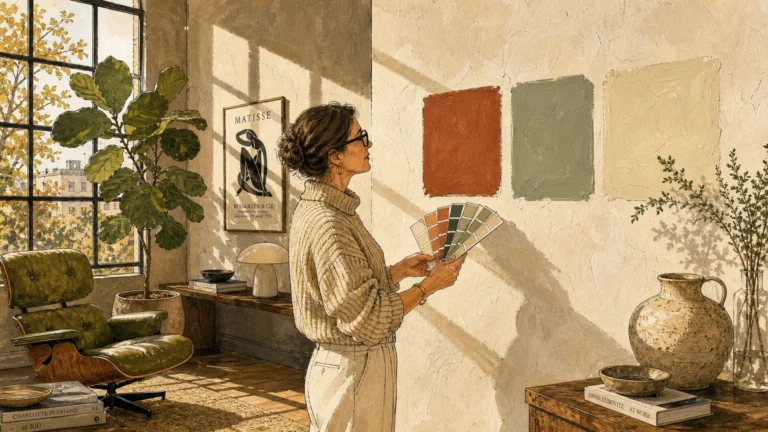
1. Bold Colors, Patterns, and Textures

Maximalist decor is defined by its fearless use of color, pattern, and texture. In 2025, expect to see interiors drenched in jewel tones like emerald green, sapphire blue, and deep burgundy. These rich colors are layered with bold patterns—think floral wallpapers, geometric rugs, and vibrant upholstery.

Texture also plays a crucial role in maximalist design. Luxurious fabrics like velvet and silk are paired with rougher materials like exposed brick, wood, or even metal to create a sensory experience. The goal is to create visual interest in every corner of the room, whether through layering fabrics, mixing prints, or adding quirky decor items.

2. The Evolution of Maximalism

In 2025, maximalism is evolving beyond the chaotic clutter that once defined it. Today’s maximalist interiors are more thoughtful, balancing abundance with intentionality. It’s not about throwing random objects together but about curating a space that tells a story. People are choosing items that have personal meaning—whether that’s a vintage lamp, a piece of travel art, or a handmade rug.

Another exciting aspect of maximalism is its fusion with modern luxury. High-end maximalist homes are incorporating opulent materials like marble, brass, and crystal into their designs. Statement lighting, plush furniture, and oversized artwork are just a few ways maximalist spaces are achieving elegance without losing their sense of fun.

3. Statement Pieces That Define 2025 Maximalism

The heart of maximalism lies in its statement pieces. In 2025, oversized furniture, bold art installations, and unconventional decor are central to the maximalist aesthetic. A single grand chandelier, a massive abstract painting, or a vividly patterned sofa can set the tone for an entire room.

These statement pieces are designed to spark conversation and evoke emotion. Maximalist decor gives homeowners the freedom to express themselves unapologetically, blending old and new, traditional and contemporary, in a way that reflects their tastes.

Smart Home Technology Integration in 2025 Interiors: Where Innovation Meets Design

As technology continues to advance at a rapid pace, its influence on home decor and interior design is becoming more prominent. In 2025, smart home technology is seamlessly integrated into living spaces, offering convenience, efficiency, and security—all while complementing the aesthetics of modern homes. Gone are the days when tech gadgets disrupted the flow of decor; now, they enhance it, merging functionality with design in new and exciting ways.

1. The Growing Importance of Smart Home Devices

Smart home devices are no longer a luxury reserved for tech enthusiasts—they’re becoming a standard feature in homes across the globe. From smart lighting systems to automated climate control, these technologies are designed to make life easier and more efficient. In 2025, the integration of smart devices has reached a level where they’re practically invisible, yet fully functional.

Smart lighting systems that can be controlled with a voice command or a mobile app are among the most popular devices. Homeowners can easily adjust the ambiance of a room by changing the brightness or color of their lights, without interrupting the aesthetic flow of their decor.

2. How Technology is Blending with Home Decor

One of the biggest challenges in the past was how to incorporate technology into home decor without sacrificing style. In 2025, designers are finding innovative ways to make technology blend seamlessly with interiors. For example, smart mirrors with built-in LED lighting are becoming a must-have for bathrooms, while wireless charging stations are being built into furniture like side tables and desks.

Televisions are also evolving, with many homeowners opting for sleek, frameless designs that can disappear into the wall when not in use. The goal is to ensure that tech enhances the home without overpowering the overall aesthetic. This harmonious integration of technology and design is shaping the future of interior decor.

3. Smart Home Automation and Personalization

Personalization is a significant trend in 2025’s smart home technology. Homeowners want their living spaces to reflect their unique preferences, and automation allows them to do just that. Whether it’s programming the lights to dim at sunset, setting up a morning routine that automatically opens the blinds, or adjusting the thermostat based on daily schedules, smart home systems are designed to adapt to individual needs.

Voice assistants, like Amazon Alexa and Google Home, are becoming central to this automation, allowing users to control multiple aspects of their home with simple commands. The result is a home that is not only smart but also responsive to the lifestyle of its inhabitants.

Biophilic Design for Homes in 2025: Bringing Nature Indoors

Biophilic design, which focuses on integrating nature into the built environment, has been steadily gaining popularity, and in 2025, it’s a core trend in home decor. This design approach is rooted in the belief that humans have an inherent connection to the natural world, and bringing elements of nature into our homes can improve mental and physical well-being. From incorporating natural materials to maximizing natural light, biophilic design creates spaces that feel alive, calming, and in harmony with nature.

1. Incorporating Natural Elements

In 2025, biophilic design is all about blurring the lines between the indoors and outdoors. This can be as simple as introducing houseplants into every room or as complex as designing entire walls made of living plants, also known as vertical gardens. Natural materials like wood, stone, and bamboo are commonly used in furniture, flooring, and decor, giving homes a warm, organic feel.

Water features, such as indoor fountains or ponds, are also becoming more common. These elements not only add a calming, tranquil atmosphere to the home but also serve as visual focal points. The goal of biophilic design is to create a space where the beauty and serenity of nature are ever-present.

2. Maximizing Natural Light and Airflow

Natural light plays a crucial role in biophilic design. Large windows, skylights, and open layouts are key features in homes that prioritize this style. In 2025, more homeowners are opting for designs that allow sunlight to flood their living spaces, creating a bright and airy environment. In addition to its aesthetic benefits, natural light is known to boost mood and energy levels, making it an essential component of biophilic design.

Airflow is another important aspect. Homes in 2025 are being designed with better ventilation systems and layouts that allow for cross-ventilation, ensuring that fresh air circulates freely. This not only improves indoor air quality but also enhances the connection between the home and the natural world outside.

3. The Mental Health Benefits of Biophilic Design

One of the driving forces behind the rise of biophilic design in 2025 is its proven benefits for mental health. Studies have shown that being around natural elements reduces stress, boosts creativity, and enhances overall well-being. In an era where people are increasingly spending time indoors, bringing nature into the home provides a much-needed escape from the demands of daily life.

The calming influence of greenery, natural light, and organic materials creates a serene environment that promotes relaxation and mindfulness. As a result, biophilic design isn’t just a trend—it’s a lifestyle choice that prioritizes health and happiness.

2025 Color Palettes and Paint Trends: A Shift Toward Nature-Inspired Hues

Colors play an essential role in setting the mood and tone of a home, and in 2025, the color palettes and paint trends are embracing a more organic, nature-inspired approach. As people seek comfort and serenity in their homes, the dominant hues for 2025 reflect this desire for tranquility and connection with the natural world. While bold shades are still present, softer, muted tones are making a significant impact.

1. Key Colors for 2025 Interiors

The primary color trend for 2025 revolves around earthy tones that evoke feelings of warmth and relaxation. Expect to see shades of sage green, terracotta, warm beige, and muted blues dominating interior spaces. These colors are inspired by the natural world—think lush forests, open deserts, and calming seas—and are chosen for their ability to create peaceful, grounding environments.

Sage green, in particular, is one of the standout colors of 2025. Its soft, versatile hue works beautifully in living rooms, kitchens, and bedrooms, offering a soothing atmosphere that promotes relaxation. Similarly, terracotta adds warmth to any space, making it ideal for accent walls or as part of an eclectic decor scheme.

2. The Psychology Behind Popular 2025 Color Trends

The resurgence of natural tones in 2025 is deeply connected to the psychology of color and its impact on our emotions. As more people look to their homes as a place of refuge, colors that promote calm and relaxation are in high demand. Sage green, for instance, is associated with balance and harmony, making it a perfect choice for creating peaceful environments. Warm, earthy tones like terracotta and sandy beige evoke feelings of comfort and security, which is why they’re increasingly being used in communal spaces like living rooms and dining areas.

In addition to their calming qualities, these natural colors are also seen as timeless. Unlike trendier, more vibrant shades, earthy tones have a classic appeal that allows homeowners to create spaces that will look beautiful for years to come.

3. Tips for Using Trending Colors in Different Rooms

When incorporating the 2025 color trends into your home, it’s essential to consider the purpose of each room. For living rooms, where relaxation and socialization take place, softer shades of green and beige can create a welcoming atmosphere. Accent these with richer tones like terracotta in throw pillows or rugs for a touch of warmth.

In the kitchen, muted blues or soft greys can provide a calming backdrop while complementing natural materials like wood or stone countertops. For bedrooms, where serenity is key, sage green or warm neutrals create a restful environment conducive to sleep and relaxation.

If you want to incorporate bold pops of color without overwhelming a room, try using a single accent wall or smaller decor items like artwork, vases, or furniture to introduce deeper, more saturated hues.

Eco-friendly Furniture Designs 2025

Multifunctional Furniture for Small Spaces in 2025: Smart Solutions for Modern Living

As urbanization continues and living spaces become more compact, the demand for multifunctional furniture is at an all-time high. In 2025, the focus is not just on making furniture that looks good but on creating pieces that serve multiple purposes and maximize available space. Whether it’s for a small apartment in the city or a compact home office, multifunctional furniture is a key trend shaping interior design.

1. The Rise of Compact Living Solutions

With more people embracing smaller, more efficient homes, the need for innovative furniture solutions has grown. In 2025, compact living is no longer viewed as a limitation but as an opportunity for creativity. Designers are crafting furniture that adapts to various needs, providing flexibility without compromising on style or comfort.

Convertible furniture is one of the leading solutions for compact living. From sofa beds that transform into full-sized beds to dining tables that fold into sleek consoles, these pieces are designed to save space while offering maximum functionality. Wall-mounted desks, fold-away beds, and stackable chairs are also gaining popularity as they allow homeowners to make the most of limited square footage.

2. Smart Furniture Ideas for Small Apartments

Multifunctional furniture is particularly useful in small apartments, where space is often at a premium. In 2025, homeowners are opting for pieces that can do double duty, such as ottomans with hidden storage compartments or coffee tables that convert into desks. These smart furniture designs not only save space but also enhance the overall aesthetic of the home by eliminating clutter and creating a streamlined look.

For example, modular sofas are becoming increasingly popular in compact living spaces. These customizable pieces can be rearranged to fit any layout and often come with additional storage underneath the cushions or within the armrests. Similarly, expandable dining tables allow for flexibility when entertaining guests, while folding away neatly when not in use.

3. How Multifunctionality Enhances Aesthetics and Practicality

The beauty of multifunctional furniture lies in its ability to combine form and function seamlessly. In 2025, these pieces are designed to be as stylish as they are practical. Gone are the days when multifunctional furniture was purely utilitarian—today’s designs are sleek, modern, and available in a variety of materials and finishes to suit any interior style.

In addition to enhancing aesthetics, multifunctional furniture promotes organization and efficiency. By incorporating hidden storage and flexible design elements, these pieces help to reduce clutter and make small spaces feel larger and more open. This combination of practicality and beauty is a key reason why multifunctional furniture continues to be a top trend in 2025.

Vintage and Retro Home Decor Comeback in 2025: A Nostalgic Revival

In 2025, vintage and retro styles are making a strong comeback, driven by a desire for individuality and a yearning for nostalgia. As homeowners seek to add character and history to their spaces, they’re turning to vintage furniture, retro decor, and classic design elements to create unique interiors. This trend is not about recreating the past but about blending old and new in a way that feels fresh and modern.

1. How Vintage Styles Are Making a Resurgence

Vintage decor brings with it a sense of timelessness and authenticity that mass-produced modern furniture often lacks. In 2025, more people are choosing to incorporate vintage pieces into their homes, whether through authentic antique finds or retro-inspired designs that capture the essence of a bygone era.

Mid-century modern furniture, in particular, is seeing a resurgence. Known for its clean lines, organic shapes, and functional design, this style blends seamlessly with contemporary decor, making it a popular choice for those who want a touch of retro flair without fully committing to a vintage aesthetic.

2. Blending Retro Aesthetics with Modern Design

The key to successfully incorporating vintage or retro elements into your home in 2025 is balance. Instead of recreating an entire room from the 1960s or 1970s, homeowners are mixing retro pieces with modern designs to create a more eclectic, personalized look. For example, pairing a vintage wooden sideboard with a contemporary sofa or adding a retro lamp to a minimalist room can create a striking contrast that adds depth and interest to the space.

This blending of old and new allows for more creative freedom in interior design. Homeowners can choose the elements they love from different decades and incorporate them in a way that reflects their personality and style.

3. Key Vintage Pieces to Look for in 2025

When it comes to vintage decor in 2025, there are a few key pieces that are in high demand. Mid-century modern furniture, as mentioned, remains a favorite, with items like Eames chairs, teak sideboards, and low-slung sofas taking center stage. In addition, Art Deco-inspired pieces—think geometric patterns, bold colors, and luxurious materials like velvet and brass—are gaining popularity as a way to add a touch of glamour to modern spaces.

Other vintage-inspired trends for 2025 include retro lighting fixtures, like brass pendant lamps or Sputnik chandeliers, and nostalgic decor items like rotary phones, vintage clocks, and retro artwork. These pieces not only add character to a home but also serve as conversation starters and focal points in any room.

Sustainable Luxury in High-End Home Design 2025: Merging Eco-Consciousness with Opulence

In 2025, sustainable living is no longer just about affordability or minimalist aesthetics. High-end home design is embracing eco-consciousness in new and exciting ways, merging luxury with sustainability. This trend reflects a growing awareness among affluent homeowners who want to enjoy the finer things in life without compromising their commitment to environmental responsibility. Sustainable luxury is now defined by the use of high-quality, eco-friendly materials, artisanal craftsmanship, and energy-efficient technology.

1. The Fusion of Sustainability and Luxury

Luxury and sustainability may have seemed like opposites in the past, but in 2025, the two are becoming increasingly intertwined. High-end homes are now featuring sustainable materials like reclaimed wood, recycled metal, and eco-friendly textiles, without sacrificing elegance. Homeowners are looking for materials that are not only beautiful but also have a lower environmental impact. For instance, countertops made from recycled glass or sustainable bamboo flooring offer a sophisticated look while being environmentally responsible.

Eco-conscious homeowners are also drawn to materials that are durable and timeless. The focus is on creating spaces that are both luxurious and long-lasting, reducing the need for frequent replacements and renovations. This shift toward sustainability is seen as a way to invest in the future—not only for the environment but also in terms of long-term value for the home.

2. Eco-Friendly Yet Luxurious Materials and Finishes

Sustainable luxury is all about finding the balance between opulence and eco-consciousness. In 2025, materials like sustainably sourced marble, reclaimed wood, and organic cotton are at the forefront of this trend. These materials offer the same level of sophistication and quality as their non-sustainable counterparts, but with the added benefit of being kinder to the planet.

For example, homeowners are increasingly choosing reclaimed wood for their flooring and furniture. Not only does this add a rustic charm to their interiors, but it also reduces the demand for new timber, preserving forests and reducing deforestation. Sustainable finishes, such as water-based paints and non-toxic varnishes, are being used to maintain the luxurious appearance of high-end homes while minimizing harmful environmental impacts.

3. The Future of Bespoke, Artisanal Home Decor

Handcrafted, artisanal decor is another significant aspect of sustainable luxury in 2025. Homeowners are gravitating toward one-of-a-kind, bespoke pieces that are made by skilled artisans rather than mass-produced in factories. This focus on craftsmanship not only supports local economies but also results in unique decor items that tell a story and add character to any space.

From hand-woven rugs made from organic fibers to custom-made furniture crafted from sustainable materials, artisanal home decor allows homeowners to express their individuality while making eco-friendly choices. These pieces are often made in small batches or on a made-to-order basis, ensuring that resources are used efficiently, and waste is minimized.
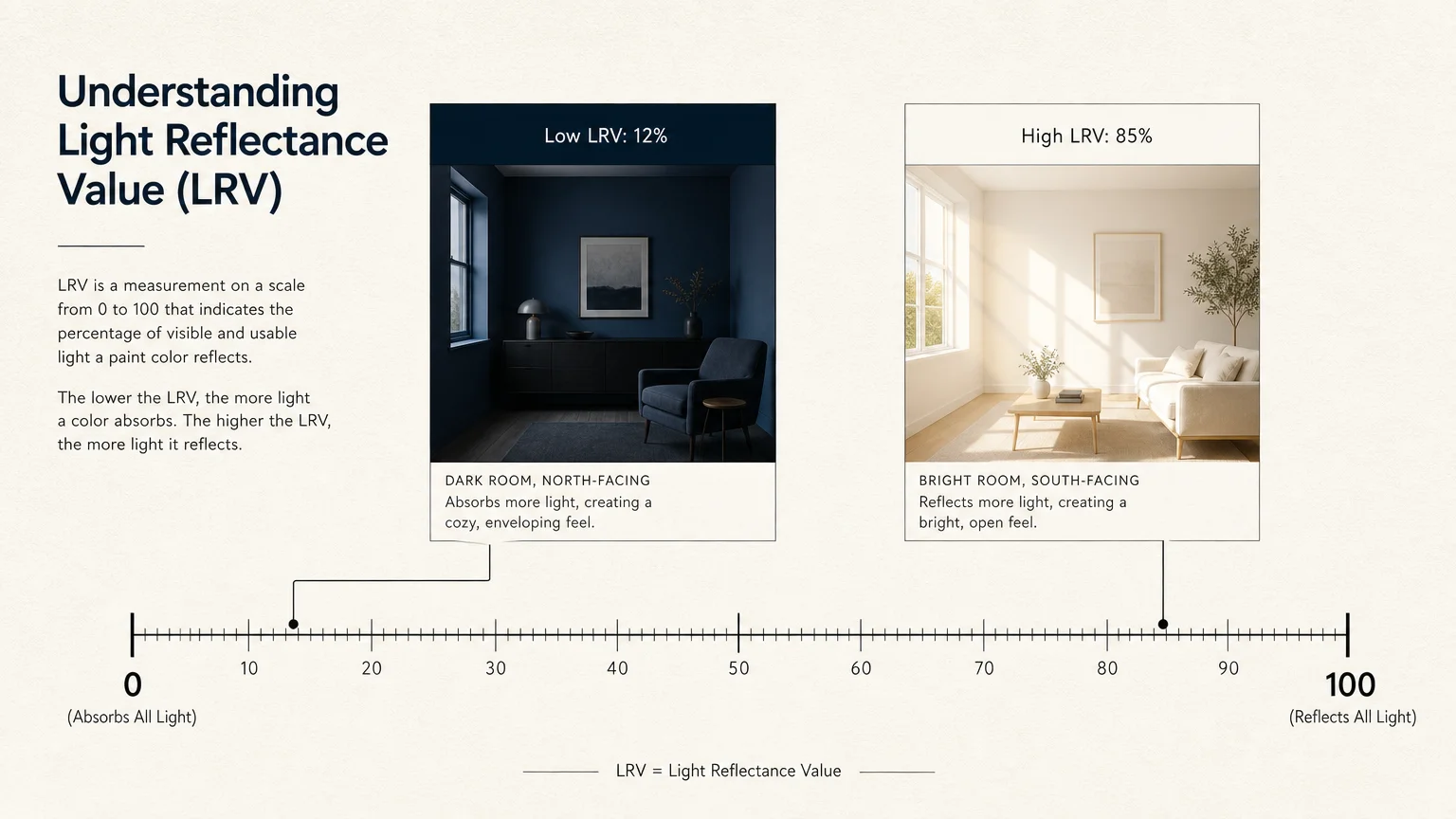
Artisanal and Handcrafted Decor Trends 2025: Celebrating Craftsmanship and Local Artisans

In 2025, there is a strong desire to return to the roots of craftsmanship and handmade artistry. As consumers become more conscious of their purchases, they are turning to artisanal and handcrafted decor to fill their homes with unique, meaningful pieces. This trend is driven by a growing appreciation for the skill and time it takes to create handcrafted items, as well as a desire to support local artisans and sustainable production methods.
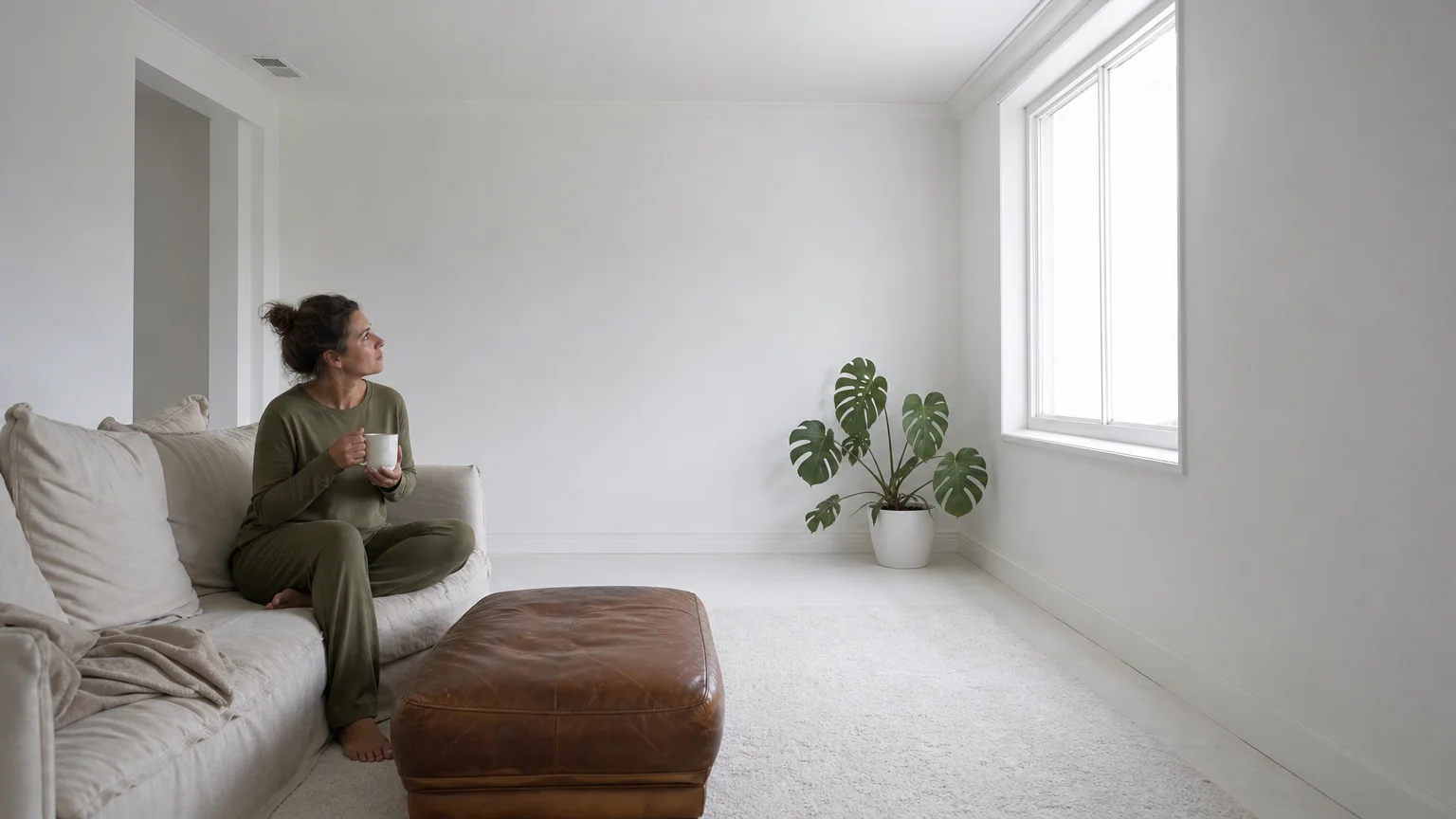
1. Why Craftsmanship Is Gaining Importance

Artisanal decor represents more than just a design trend—it’s a celebration of craftsmanship, tradition, and culture. In an age of mass production and fast fashion, handcrafted items stand out for their authenticity and attention to detail. People are increasingly drawn to pieces that are made with care and skill, knowing that they are investing in quality rather than quantity.

In 2025, handmade decor items are not only beautiful but also often have a story behind them. Whether it’s a hand-carved wooden table, a ceramic vase made by a local potter, or a hand-dyed textile, these pieces carry the essence of the artisans who created them. This emotional connection to decor is something that mass-produced items simply can’t replicate.

2. Popular Handcrafted Materials and Designs

Handcrafted decor in 2025 is characterized by natural materials, earthy textures, and organic shapes. Materials like clay, wood, leather, and natural fibers dominate the artisanal design landscape. Hand-thrown pottery, woven baskets, and intricately carved furniture are just a few examples of how artisans are incorporating these materials into their work.
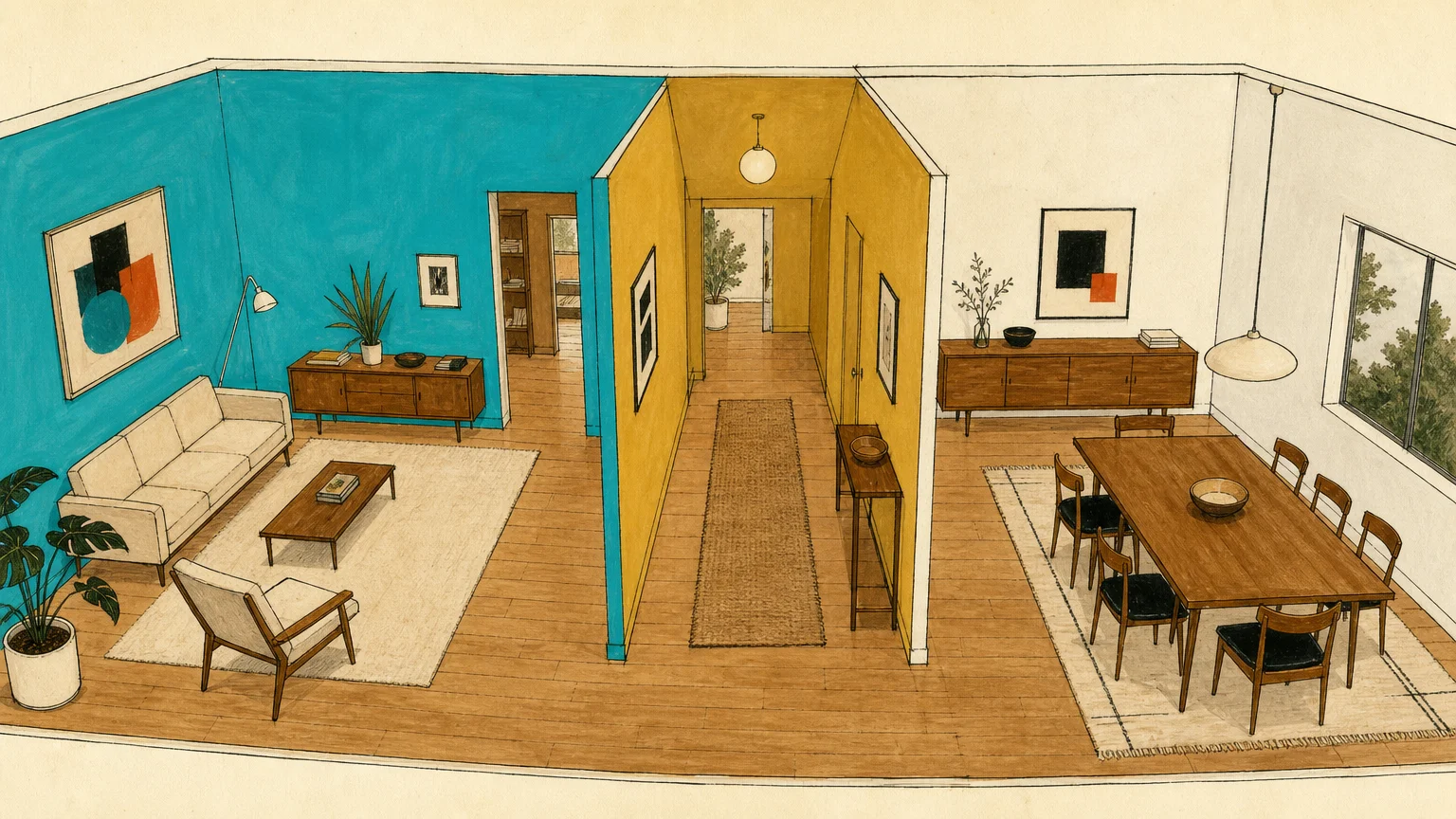
One notable trend is the resurgence of traditional crafts, such as weaving, pottery, and woodworking. These age-old techniques are being revived by contemporary artisans who are putting a modern twist on them. For instance, hand-woven rugs with bold, geometric patterns or modern, minimalist ceramics are highly sought after for their ability to blend tradition with modern design sensibilities.
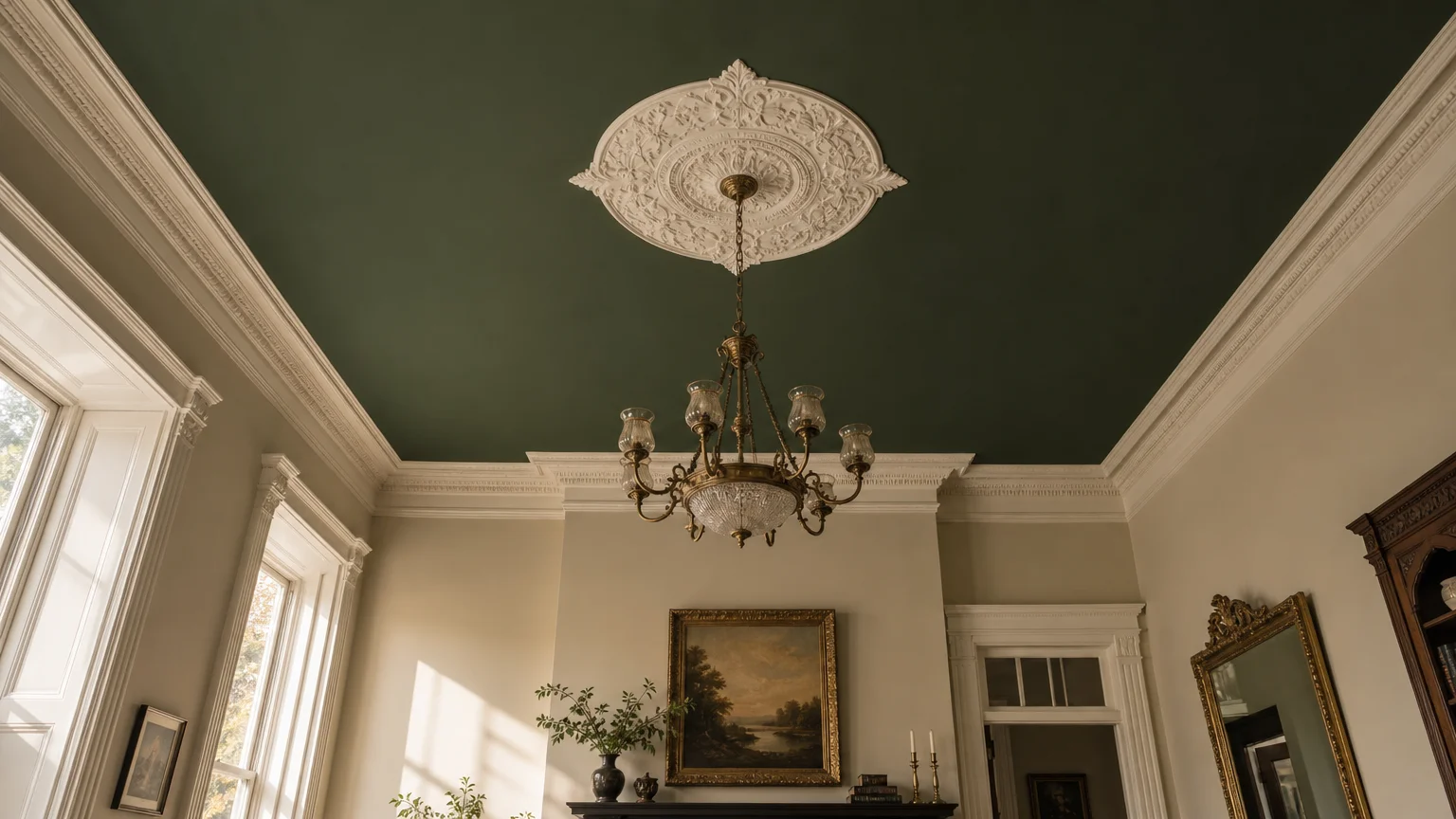
3. Supporting Local Artisans in Interior Decor
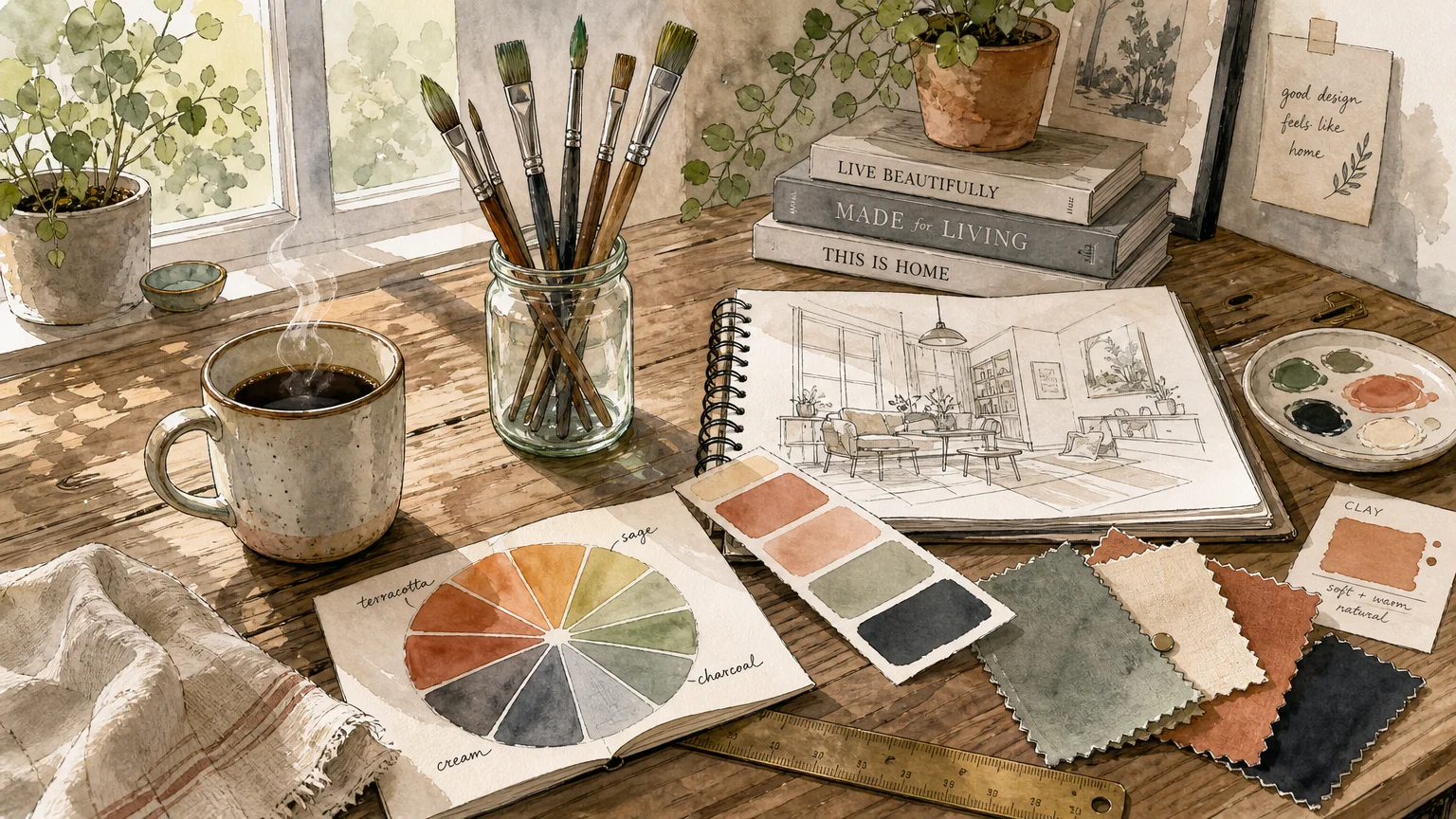
As more consumers become aware of the environmental and social impacts of their purchases, they are choosing to support local artisans and small businesses. This not only helps sustain local economies but also reduces the carbon footprint associated with importing mass-produced goods from overseas.

In 2025, it’s not uncommon to see homeowners proudly showcasing decor items that were sourced from local craftspeople. Farmers’ markets, craft fairs, and online platforms dedicated to handmade goods have become popular destinations for those seeking unique, ethically made decor. By choosing handcrafted items, homeowners are not only bringing beauty into their homes but also contributing to a more sustainable, equitable global economy.

Conclusion: Home Decor Trends in 2025—A Reflection of Personal Values and Sustainability

As we look at the home decor trends of 2025, one thing is clear: the future of interior design is deeply rooted in sustainability, personalization, and a return to craftsmanship. From embracing bold maximalist aesthetics to integrating smart home technology, the trends of 2025 reflect a growing desire for homes that are not only beautiful but also aligned with personal values and environmental responsibility.

Sustainability, in particular, plays a central role in shaping the design landscape, with eco-friendly materials, multifunctional furniture, and artisanal decor leading the charge. Whether you’re drawn to the organic warmth of biophilic design or the nostalgic charm of vintage decor, the key takeaway for 2025 is that interior design is no longer just about aesthetics—it’s about creating spaces that reflect who we are and how we want to live in harmony with the world around us.

The focus on thoughtful design choices, sustainability, and the blending of old and new ensures that homes in 2025 will be places of comfort, innovation, and timeless beauty.

How To Transform A Room With Curtains: Before And After

0

How To Transform A Room With Curtains Before And After

When it comes to room decor, window curtains can make a substantial difference and can also significantly improve the comfort of the entire area. Besides, they are almost always affordable, as compared to having other updates, meaning if you seek a budget-friendly home improvement, curtains can be a wonderful investment and a cost-effective one too.

Over and above, it’s equally important to employ the Curtains Dubai strategically, if you want a positive change in your interiors. And to help you get started, Fixit Design is here with a bunch of innovative, practical, convenient and effective ideas about styling window curtains. With this guide, you will be able to give your surroundings a welcoming look with a minimal effort.

Room Styling With Curtains; Before And After

Room Styling With Curtains Before And After

Up ahead, we have talked about a few examples of how a bland, boring or otherwise unattractive room can be instantly transformed into Luxury Interior Design Dubai with the addition of window drapes.

1- Spicing Up A Bare Room

Let’s see how the right choice and usage of window curtains can turn an uninviting space into a welcoming sanctuary.

  • Before

Think of a room with exposed windows and white, plain walls which appears very uninteresting. Besides, such a setup also has the potential to cancel out all the beauty of the furniture or other stuff present in it, as well.

  • After

All that is needed to improve the look of such a room is a panel (or a few panels) of jewel toned curtains that have a floor-to-ceiling (full) length. The addition of curtains in rich colors will quickly add visual interest to the area and will also make the windows stand out. Another benefit of this addition is the easy and flexible management of light.

2- Addition Of Sheer Curtains For Brightening

Addition Of Sheer Curtains For Brightenin

Similar to how a boring room can be beautified with opulent curtains, a space with (excessively) detailed decor can be balanced out with the help of window curtains.

  • Before

A lot of furniture, especially mismatched one, decor, detailed prints/patterns or loud

colors can make a room appear way too cluttered, congested and/or overwhelming. Such a space requires a very careful choice of fabrications, most particularly window curtains.

  • After 

Sheer curtains are the best recommendation for a room that has a lot of design details. You can go for different minimal color options, but the best approach is to opt for whites or at least pastels. The light and flowy profiles of sheer curtains will make the room appear serene and inviting and will also filter the external light for an even pleasant look.

3- Using Patterned Drapes For A Flair

Using Patterned Drapes For A Flair

Next up, we will be taking a look at the example of a room having an outdated decor and how the addition of suitable curtains can bring about a positive change in it.

  • Before

Rooms with heavy and bulky furniture and dull walls can be really unsightly and have various negative impacts on the mind as well. This goes the same for a space with outdated furnishing and excessively damaged or too simple walls.

  • After

To improve the look of such a room, you need patterned or printed window curtains, like those with floral, geometric, checkered or lined designs. Such curtains are ideally timeless and can be really helpful in changing the look of a room. They will not only give an interesting finishing to the windows but will also add more personality to the room.

4- Employing Cafe Curtains For A Well-lit Kitchen

Employing Cafe Curtains For A Well-lit Kitchen

The upcoming idea explores the transformation of a kitchen with the help of curtains. This info can be really handy since kitchens are frequently used spaces and require timeless decorations.

  • Before

Our idea revolves around a kitchen which is small in size and quite congested, therefore feels very gloomy plus uninviting. Moreover, its windows do not let in any natural light, which can also compromise hygienic conditions in the area.

  • After

This kitchen needs cafe curtains in bright colors and preferably with some sort of minimal patterns as well. The curtains will bring about a pleasant sensation of openness and make the whole area appear agreeable. Moreover, they can also be used to filter and maximize natural light in the area and of course for blocking it, whenever required.

5- Creating A Luxurious Dining Room With Velvet Curtains 

Creating A Luxurious Dining Room With Velvet Curtains

Dining room is amongst the most important and prominent spaces of a home and needs to be decorated thoughtfully, so as to be both eye-catching and comfortable.

  • Before

A dining room with neutral walls and very basic furniture can be both bland and uninspiring. But such a room can be easily made visually interesting with just the addition of the right kind of window curtains.

  • After

Velvet curtains are the ideal recommendation for such a situation; they are opulent, heavy-duty and timeless. It’s best if you get them within dark and rich colors like emerald green, deep red, royal blue or maroon and with metallic/jewel accents too. They will instantly make the area luxurious, cozy and free of noise disruptions as well.

6- Making A Bedroom Comfy With Blackout Drapes

Making A Bedroom Comfy With Blackout Drapes

This idea talks about a bedroom which has become uncomfortable for having a sound sleep because of excessive sunlight entering it.

  • Before

Consider a bedroom that faces the sun at a direct angle and is therefore too bright to fall asleep easily or stay asleep for longer periods of time. The incoming sunlight may also add to the temperature of the room, ultimately making resting difficult or unsatisfactory.

  • After 

This room needs thick and full-length blackout window curtains, so that the incoming light can be controlled with ease and sleep quality can be improved. The curtains should be chosen in a color that goes well with the overall room decor and printed or patterned options can also be considered. These curtains will also offer effective noise reduction.

Tips And Guidelines For Choosing The Right Curtains | Beneficial Home Improvements 

Now that you know the kind of (major) difference curtains can make, here’s some useful advice about choosing them accurately for maximally favorable outcomes.

  • Take accurate window measurements in order to get the sizes of curtains right. For areas where greater comfort, light control and noise reduction is necessary, it’s best to keep the curtains long and wide (install them high and extend their width from either side).
  • Darker curtains can be used to make a space feel cozy, intimate and boldly adorned, especially a room that has a lot of pale colored elements. In the same way, light, transparent and neutral curtains can help expand an area and benefit from natural light.
  • Invest in heavy, thick and full-length curtain fabrics to make rooms more cozy and free of disturbances, such as bedrooms, living rooms, study rooms, home offices, etc. The best options in this regard are blackout, velvet, silk, brocade and linen.

In A Nutshell

To make any given room attractive and comfortable, not only is it crucial to buy curtains Dubai in complimenting styles, but also to use them properly. Well-synced and accurately installed curtains can instantly give a room a really well-put-together look and will also make it appear more cozy visually. To make the project easier, we have discussed a few ways to use curtains and upgrade the entire look and feel of a room without any hassle. We hope that you find these ideas useful as well as convenient regarding favorable updates of your interiors.

Kitchen Cabinet Colors 2025: Bold, Modern Hues to Transform Your Space

0

kitchen cabinet colors 2025

As we step into 2025, kitchen design continues to evolve, with an increased focus on color as a powerful tool for transforming spaces. In particular, kitchen cabinets—arguably one of the most dominant features in any kitchen—are seeing a vibrant shift in trends. Gone are the days when cabinets were just functional elements; today, they are an expression of style and personality, making the color choices more important than ever.

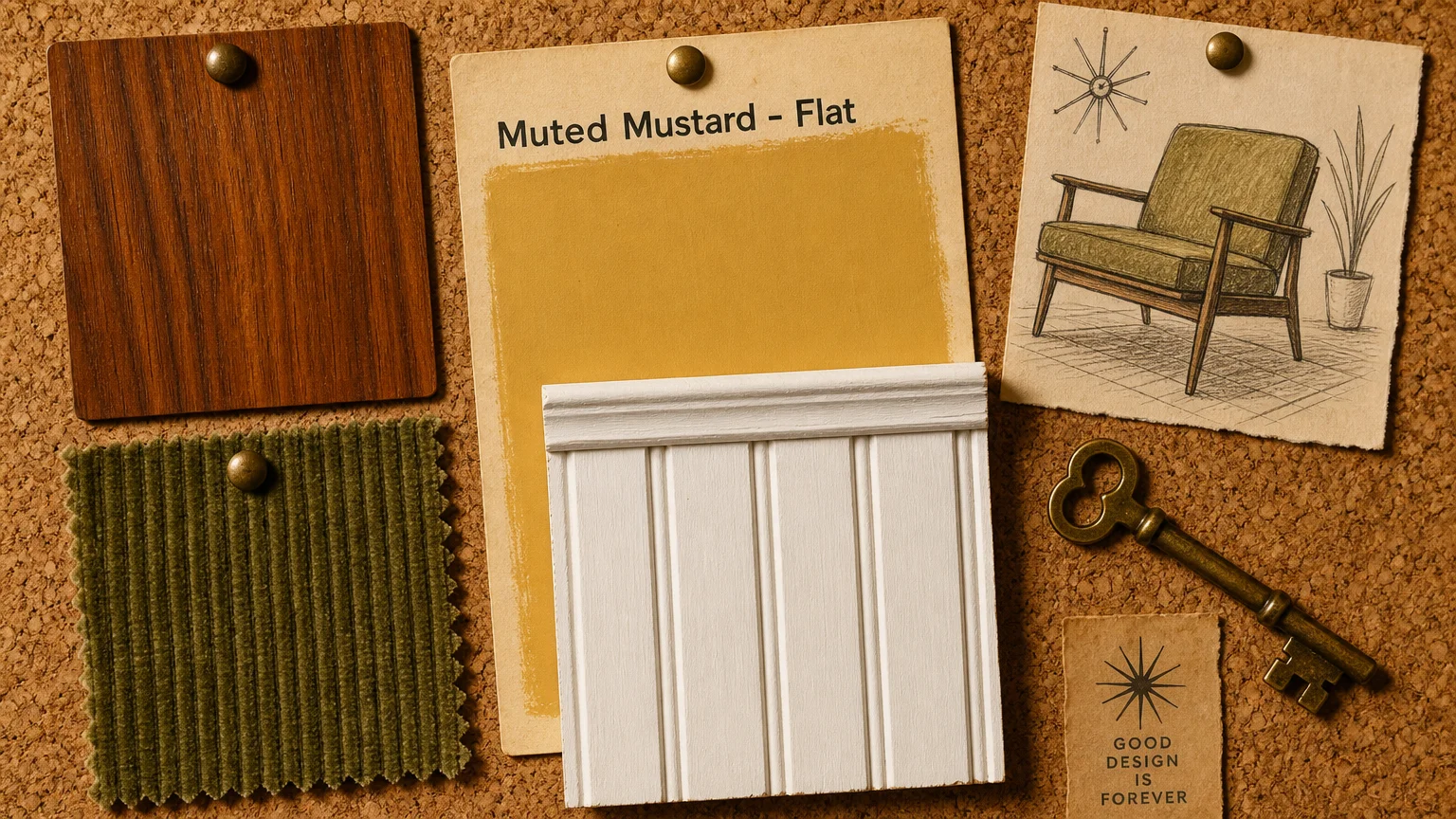
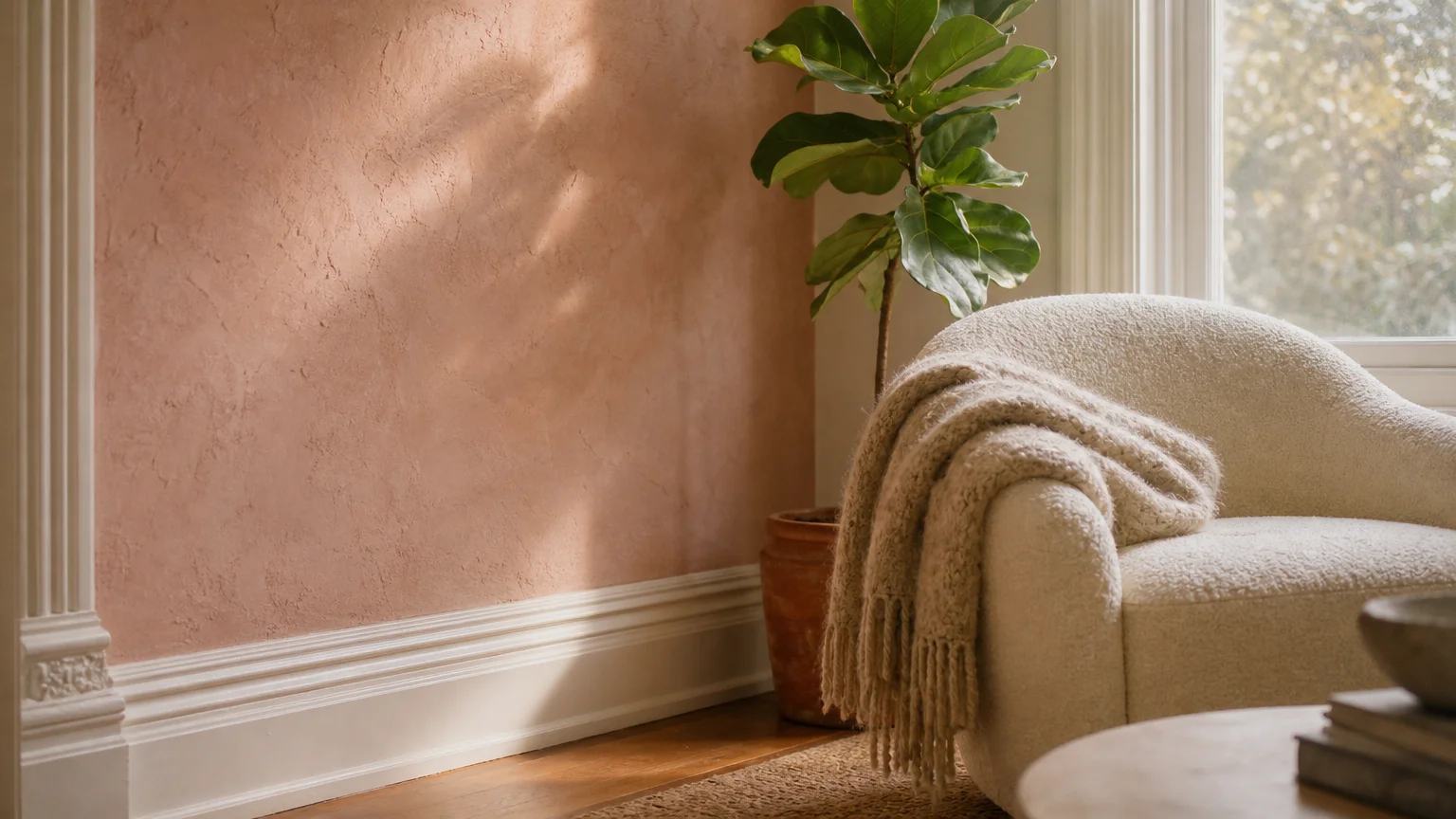
The year 2025 will see a delightful mix of hues that reflect a desire for calm, balance, and a touch of bold creativity. Whether you’re remodeling your entire kitchen or just looking to refresh your cabinets, understanding the trending colors can help you stay ahead of the curve. From earthy tones to bright, eye-catching shades, here are the top kitchen cabinet colors that will define kitchens in 2025.