

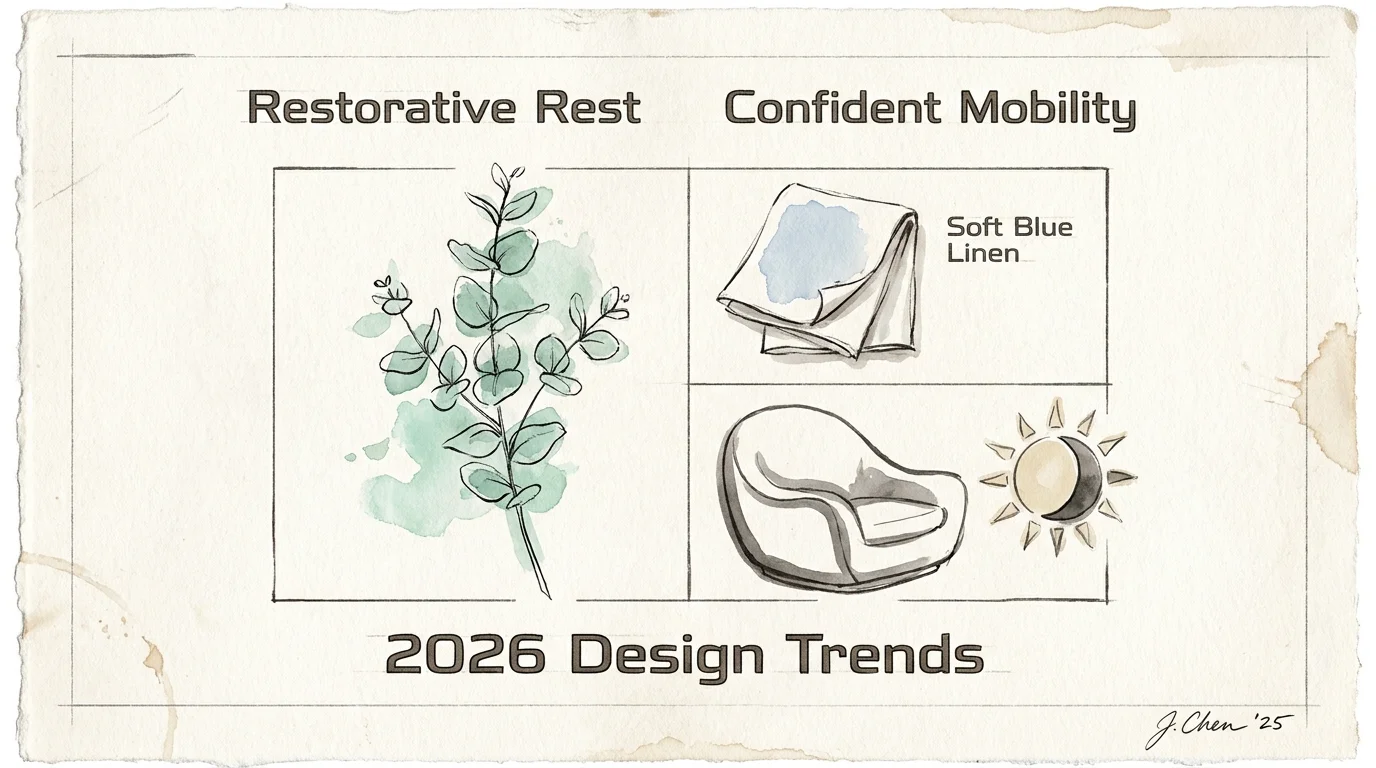
Introduction: The Art of the Restful Retreat in 2026
Creating a sanctuary of style that also supports physical well-being is the ultimate achievement in modern interior architecture. For years, the intersection of accessibility and design was plagued by clinical aesthetics that felt out of place in a sophisticated home. Today, the landscape of senior room design has undergone a magnificent transformation. We are entering an era of quiet luxury where health-focused innovations seamlessly blend with elegant, tactile environments. You no longer have to compromise the beauty of your personal space to ensure it functions perfectly for your evolving needs.
As you curate your environment, your focus should naturally shift toward elements that promote restorative rest and confident mobility. Sleep architecture changes as we mature, making our bodies more sensitive to temperature fluctuations, light pollution, and ergonomic support. Simultaneously, creating a safe bedroom 60+ requires thoughtful spatial planning to reduce fall risks and enhance spatial awareness. By embracing a few strategic modifications, you can elevate the aesthetics of your room while implementing highly effective sleep better home tips. The key lies in selecting upgrades that look intentional, feel luxurious, and operate intuitively.
This trend report explores the most impactful modifications you can make to your personal retreat. From the subtle integration of biophilic circadian lighting to the implementation of smart textiles, we will guide you through refined bedroom updates seniors can adopt to foster independence and deep relaxation. Every choice you make in your private quarters should serve a dual purpose: soothing the senses and protecting your peace of mind.
Bedroom Trend #1: Circadian-Synced Ambient Illumination
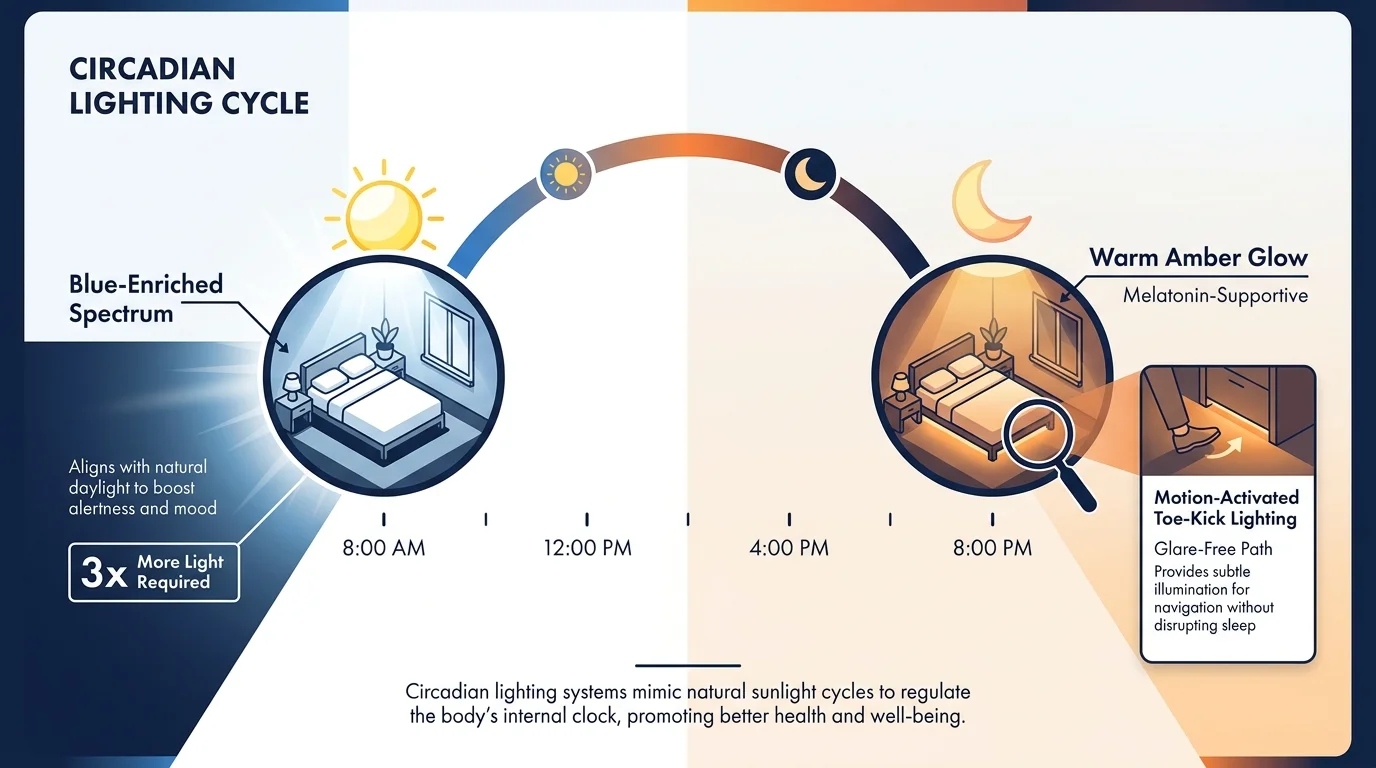
Lighting is arguably the most critical element in establishing a restorative bedroom environment, yet it is frequently overlooked in traditional room updates. As we age, our eyes naturally require up to three times more light to process fine details and navigate spaces confidently. However, exposing yourself to bright, cool-toned artificial light in the evening severely disrupts your natural melatonin production, leading to fragmented and restless sleep. The solution to this biological challenge lies in the rapid adoption of circadian-synced ambient lighting systems.
This sophisticated technology utilizes smart LED bulbs and fixtures programmed to mimic the natural progression of sunlight throughout the day. In the morning, your bedroom lighting emits a crisp, blue-enriched spectrum that signals your brain to wake up, boosting morning energy and stabilizing your internal clock. As evening approaches, the system automatically transitions into a warm, amber glow. This shift mimics a natural sunset, allowing your body to prepare for deep, restorative rest without compromising your ability to see clearly while moving around the room.
Beyond color temperature, strategic placement of light fixtures drastically improves nighttime safety. You should consider integrating motion-activated toe-kick lighting beneath your nightstands, dressers, and bed frame. These low-lumen, downward-facing strips cast a gentle wash of light across the floor the moment your feet touch the ground. This provides a clear, glare-free path to the en suite bathroom or doorway, significantly reducing the risk of accidental trips without forcing you to fumble for a bright overhead switch. When combined with automated bedside sconces, this layered lighting approach perfectly balances necessary illumination with sophisticated mood enhancement.
Bedroom Trend #2: Disguised Ergonomic Bed Foundations
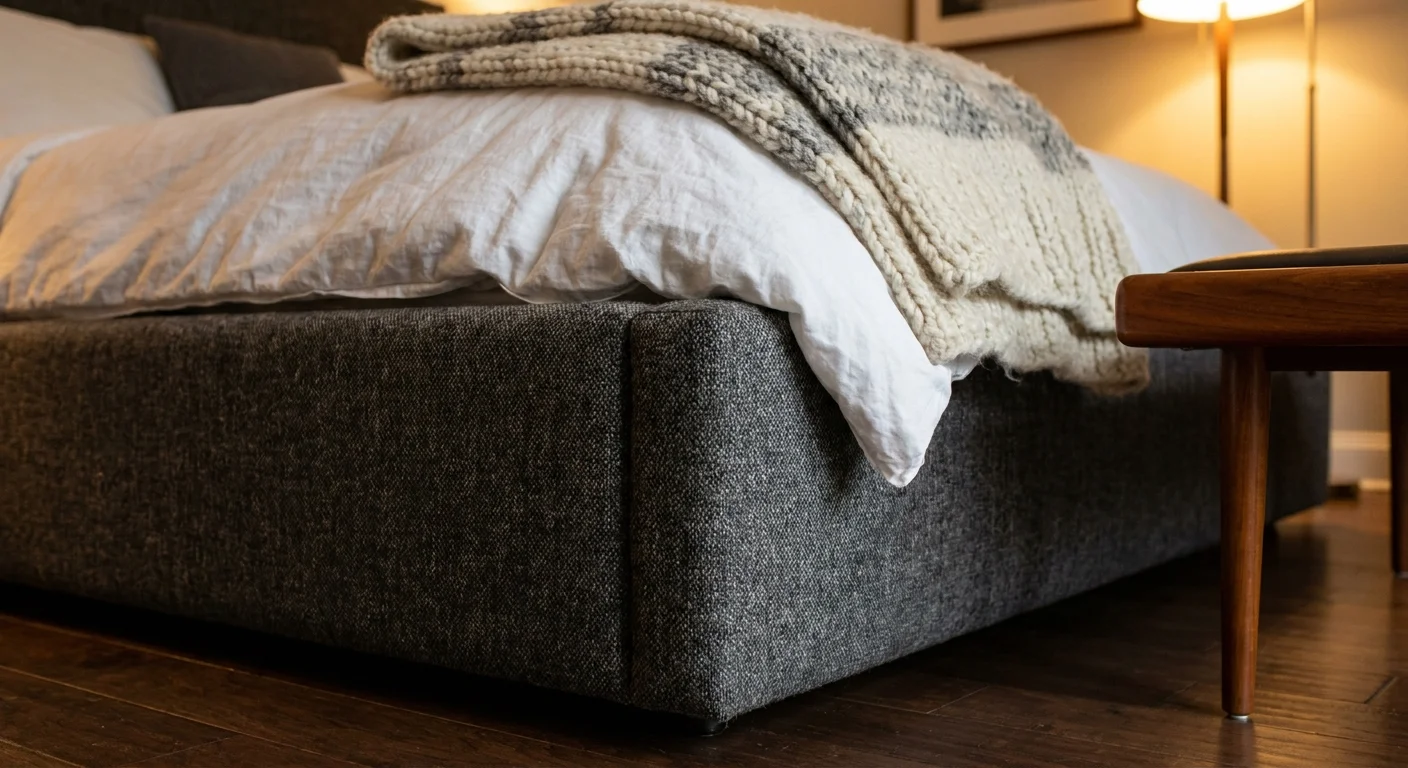
The foundation of any restful sanctuary is, quite literally, the bed itself. For decades, adjustable bed frames carried a distinctly medical stigma, characterized by exposed metal joints and clinical silhouettes. The current movement in luxury comfort bedroom ideas completely flips this narrative. Modern ergonomic foundations are now fully integrated into stunning, designer-approved frames, wrapped in tactile fabrics like performance bouclé, crushed velvet, or tailored Belgian linen.
Upgrading to an adjustable base is one of the most transformative bedroom updates seniors can invest in for physical comfort. By utilizing a remote control or voice command, you can effortlessly elevate your head and feet to achieve a zero-gravity sleeping position. This precise alignment takes the pressure off your lower lumbar spine, encourages healthy blood circulation to your extremities, and opens your airways to mitigate snoring or sleep apnea. Furthermore, sleeping with your head slightly elevated is a scientifically proven method for reducing nighttime acid reflux, a common culprit of sleep disruption.
These sophisticated foundations also offer practical mobility assistance. The ability to raise the head of the bed makes transitioning from lying down to sitting up virtually effortless, putting far less strain on your core and back muscles. Many premium models now include whisper-quiet massage features and targeted lumbar support bars that adjust to the specific curvature of your spine. By placing this advanced technology inside a mid-century modern oak frame or a lavishly upholstered platform, you preserve the high-end aesthetic of your sanctuary while enjoying unparalleled ergonomic support.
Bedroom Trend #3: Low-Profile Tactile Rug Layering
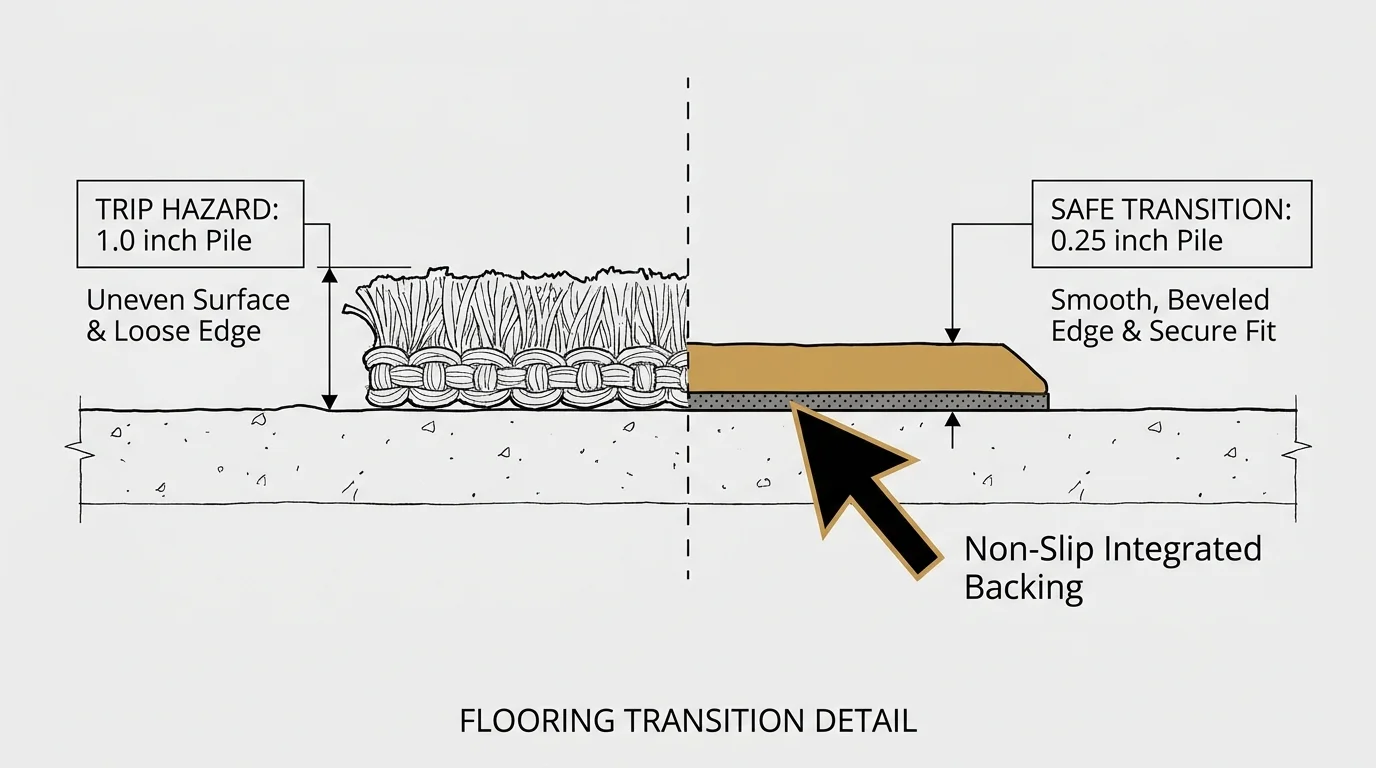
Flooring choices directly influence both the acoustic comfort and the physical safety of your bedroom. While deep, plush shag carpets once defined bedroom luxury, interior design trends have sharply pivoted toward low-profile, densely woven textiles. High-pile rugs present a significant tripping hazard, especially if you experience changes in balance or rely on mobility aids. Instead, the focus has shifted toward sophisticated tactile layering using natural, tightly constructed fibers.
To cultivate a safe but incredibly chic environment, you should seek out hand-knotted wool rugs, flat-weave kilims, or tightly bound sisal mats. These materials offer a pile height of a quarter-inch or less, ensuring a smooth transition between the bare floor and the rug. Wool, in particular, acts as an exceptional natural insulator, providing a warm landing pad for bare feet on chilly mornings while absorbing excess ambient noise to keep the room pin-drop quiet. The tactile sensation of high-quality wool underfoot adds an immediate sense of grounded luxury to the space.
When executing this trend, the implementation is just as important as the material selection. You must secure every rug with a premium, low-profile gripping pad to eliminate any risk of sliding or bunching. Additionally, consider selecting rugs with a contrasting border. As vision naturally changes over time, depth perception and contrast sensitivity can diminish. A rug with a defined, contrasting edge helps your eyes easily register the boundary of the textile, preventing missteps while adding a crisp, tailored visual element to your floor plan.
Bedroom Trend #4: Automated Blackout Window Treatments
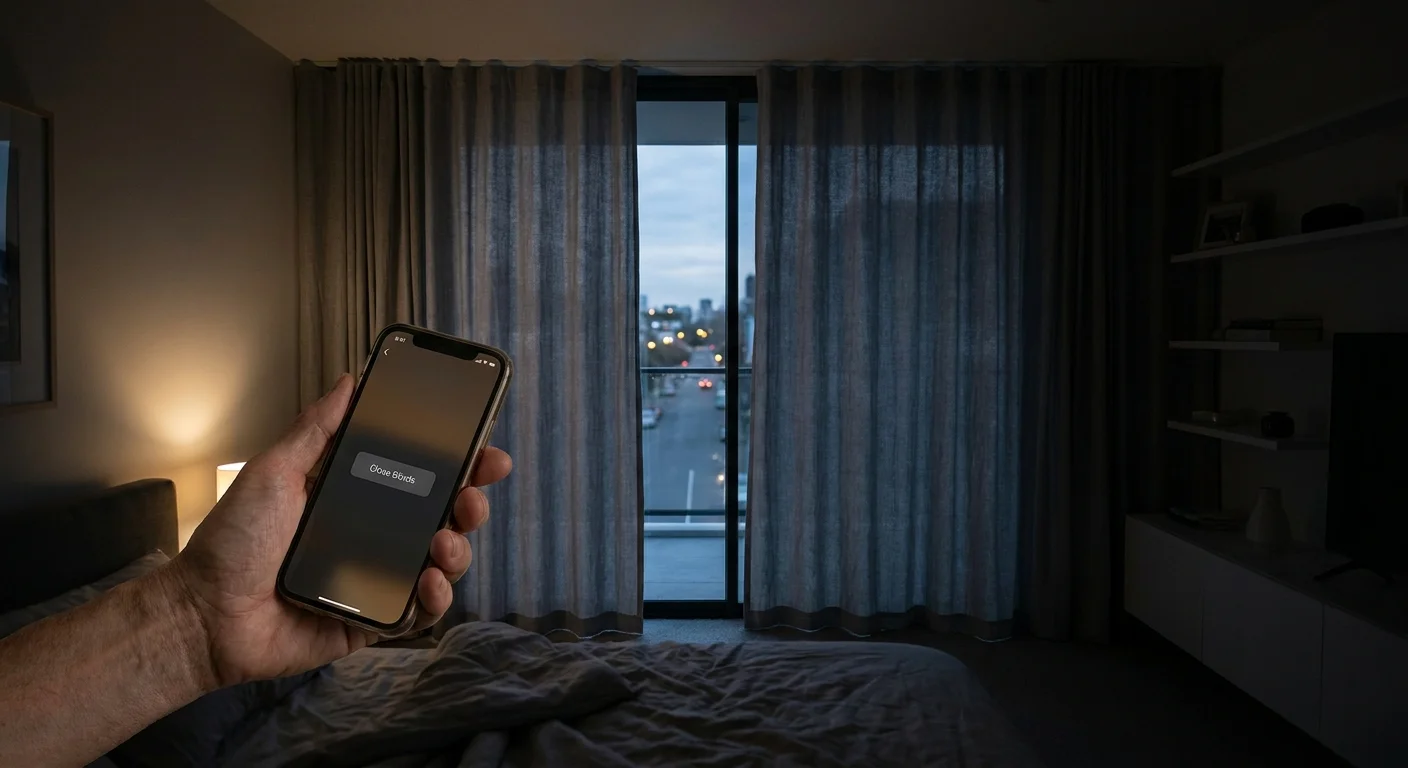
Window treatments serve as your primary defense against sleep-disrupting elements like urban light pollution, early morning sun glare, and extreme temperature fluctuations. Heavy, manual drapes with complicated cords and heavy rods are rapidly being replaced by streamlined, motorized shade systems. This evolution in window styling merges seamless automation with rich, organic textures to create a highly functional perimeter for your room.
Motorized blackout shades represent a brilliant convergence of safety, convenience, and sleep science. Reaching across furniture to pull heavy drapery cords can throw you off balance and strain your shoulders. By installing automated treatments, you can raise or lower your shades using a bedside remote, a smartphone application, or simple voice commands. You can even program your window treatments to operate on a set schedule, automatically lowering at dusk to provide privacy and rising gently at 7:00 AM to wake you with natural sunlight.
From an aesthetic standpoint, these automated systems no longer look like rigid office blinds. Designers are utilizing heavy-weight linen, soft organic cotton, and woven bamboo for Roman shades and drapery panels. When these luxurious textiles are lined with thermal blackout material, they block out 100 percent of exterior light, creating the pitch-black environment necessary for uninterrupted deep sleep. The thermal lining also provides a crucial layer of insulation, keeping the room cooler in the summer and trapping warmth during the winter, thereby helping you maintain a stable, comfortable sleeping temperature.
Bedroom Trend #5: Soft-Edge Furniture and Curved Silhouettes
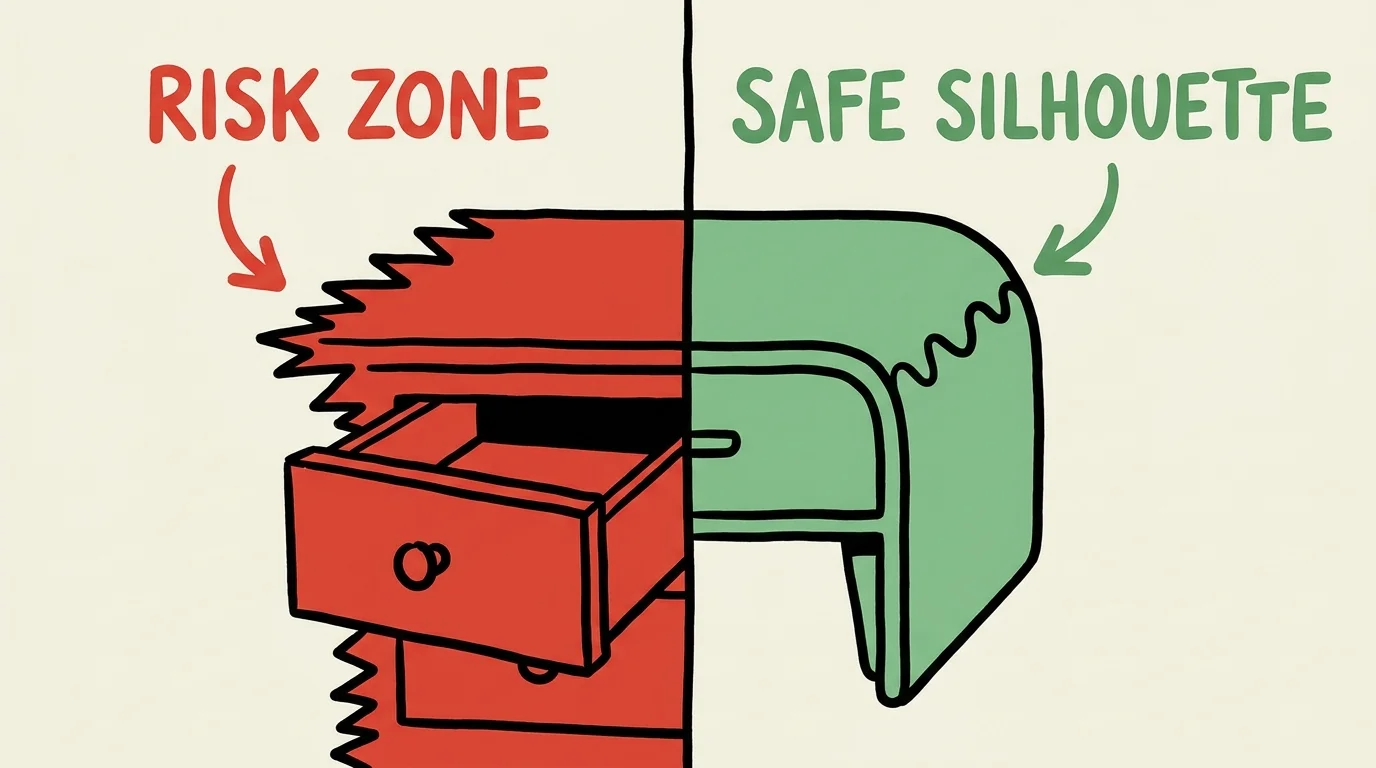
The architectural flow of your bedroom dictates how easily and safely you can move through the space, especially in the dark. The prevailing design trend heavily favors soft-edge furniture, moving completely away from the sharp, rigid angles of industrial and minimalist aesthetics. Curved silhouettes offer a visual softness that makes the room feel inherently more relaxing, echoing the organic shapes found in nature through biophilic design principles.
Replacing sharp-cornered nightstands, dressers, and bed frames with rounded alternatives is a crucial step in fall-proofing your sanctuary. A sharp wooden corner on a low dresser poses a significant bruising risk if you happen to bump into it during a midnight trip to the restroom. By integrating drum-shaped bedside tables, beautifully upholstered bed bases, and curved accent chairs, you eliminate these hazard points. The room instantly becomes a more forgiving environment.
This trend extends beautifully into the realm of upholstered case goods. Nightstands wrapped in tactile faux leather or textured linen provide padded surfaces that absorb impact while looking incredibly chic. When arranging these soft-edge pieces, you should ensure a minimum of thirty-six inches of clearance around the sides and foot of the bed. This generous spacing, combined with the absence of sharp corners, creates a sweeping, unobstructed pathway that promotes confident, fluid movement throughout your most private living space.

Bedroom Trend #6: Temperature-Regulating Smart Textiles
Thermal discomfort is one of the leading causes of fragmented sleep among adults over the age of sixty. Changes in metabolism, circulation, and hormone levels can cause unpredictable night sweats or sudden chills, forcing you to constantly throw off and pull on heavy blankets. The bedding industry has responded to this challenge with a surge of temperature-regulating smart textiles that prioritize your physiological comfort without sacrificing the luxurious look of a well-dressed bed.
Your bedding update should begin with the sheets. Move away from tightly woven, high-thread-count cotton sateen, which traps body heat and moisture against your skin. Instead, you should invest in textiles spun from natural, highly breathable fibers like European flax linen, Tencel lyocell, or bamboo viscose. These materials possess exceptional moisture-wicking properties, pulling perspiration away from your body and allowing it to evaporate quickly. Linen, with its hollow core fibers, is naturally thermo-regulating; it feels crisp and cool during the summer yet remarkably insulating during the winter.
To master the aesthetic of a sumptuous, inviting bed while managing your temperature, you must employ the technique of strategic tactile layering. Rather than utilizing a single, heavy down comforter, layer your bed with a lightweight, breathable down-alternative insert encased in a linen duvet, followed by a loosely woven cotton waffle blanket at the foot of the bed. This allows you to easily peel back individual layers to find your exact thermal sweet spot during the night. The resulting aesthetic is beautifully textured, inviting, and effortlessly luxurious.
Bedroom Trend #7: High-Contrast, Color-Drenched Palettes
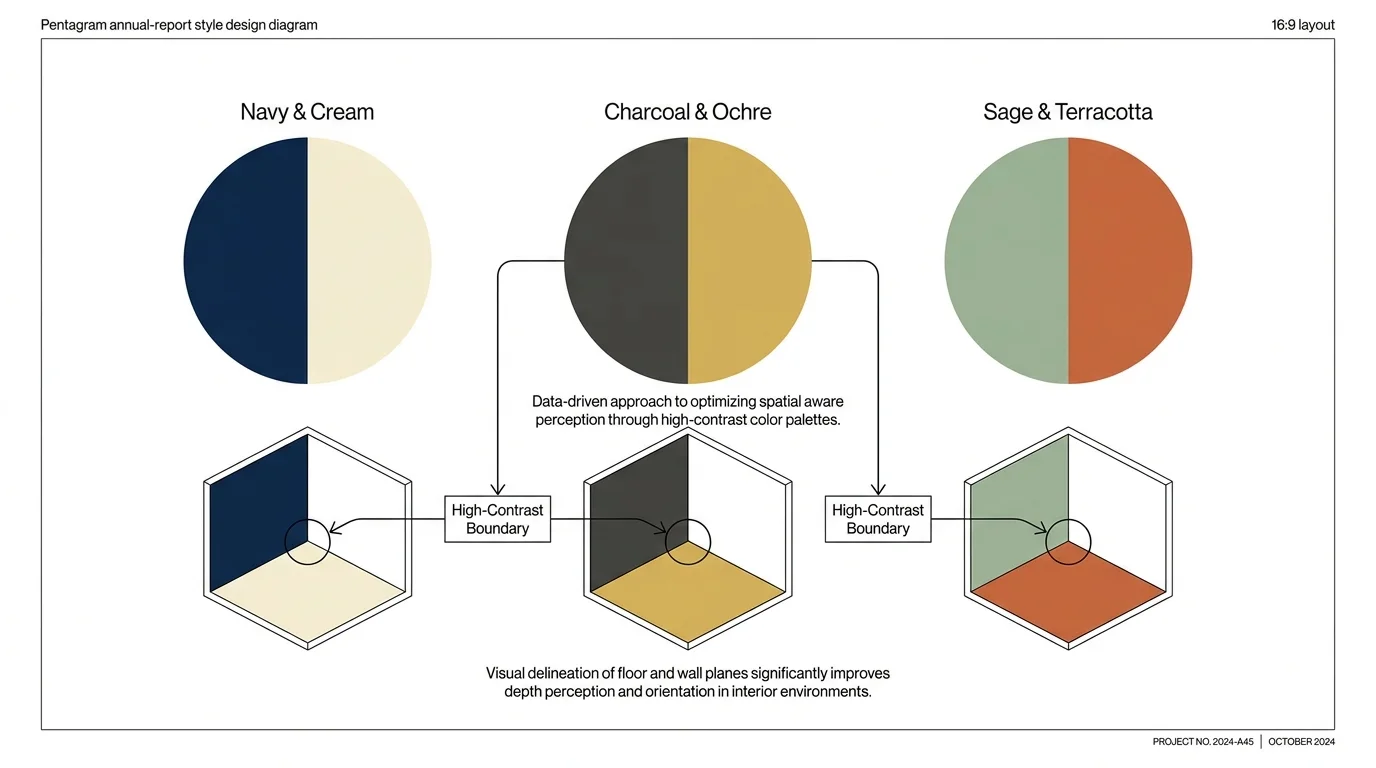
Color is typically discussed purely in terms of aesthetic preference, but it plays a highly functional role in senior room design. As our vision changes, subtle shifts in color become difficult to differentiate. A room decorated entirely in monochromatic shades of pale beige or white can cause the floors, walls, and furniture to visually blur together, increasing the risk of disorientation or misjudging distances. The design world has countered this with a sophisticated technique known as high-contrast color drenching.
This trend involves utilizing deeply saturated, soothing colors to create distinct visual boundaries within the room. For instance, painting your walls and baseboards in a rich, calming shade like sage green, dusty blue, or warm terracotta creates a striking contrast against light oak flooring or a cream-colored rug. This high-contrast ratio helps your eyes quickly and accurately identify where the floor ends and the wall begins, vastly improving spatial awareness and depth perception.
Color drenching goes beyond safety; it creates an incredibly enveloping, jewel-box atmosphere that feels deeply restful. By painting the walls, trim, and even the ceiling in the same soothing, medium-toned hue, you eliminate visual clutter and chaotic architectural lines. You can then introduce high-contrast furniture—such as a dark walnut dresser against a soft blue wall, or a brilliant white upholstered bed against a warm olive backdrop. This purposeful use of color theory guarantees your bedroom is visually stimulating enough to navigate safely, yet moody and cocooning enough to promote profound relaxation.
Designing Your Personal Sanctuary
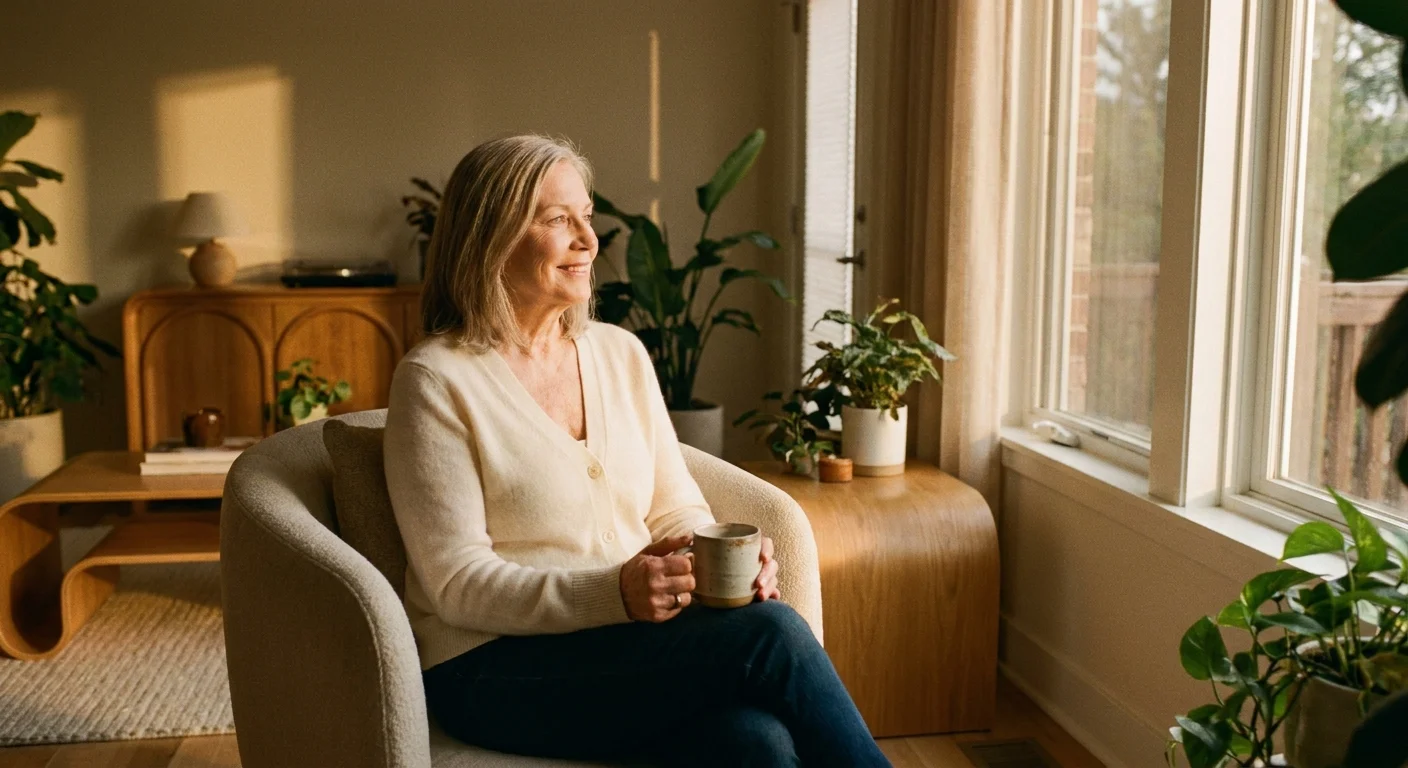
Transforming your bedroom into a restorative retreat does not require executing every trend simultaneously. The most sophisticated spaces are built incrementally, layering functionality with personalized style. You should begin by assessing your most pressing sleep disruptors. If you struggle with maintaining a comfortable temperature, prioritize an investment in temperature-regulating smart textiles and automated blackout window treatments. If nighttime mobility is your primary concern, your initial focus should be on clearing pathways, introducing soft-edge furniture, and installing circadian-synced toe-kick lighting.
As you integrate these modern updates, remember that the ultimate goal is to curate an environment that feels uniquely yours. A safe bedroom 60+ update should never feel sterile or restrictive. You can maintain your personal aesthetic—whether that is French country, mid-century modern, or contemporary minimalism—while weaving these functional upgrades into the framework of the room. By intentionally selecting materials that soothe the senses and technology that operates seamlessly in the background, you elevate your daily routine from merely functional to genuinely luxurious.
Do not underestimate the power of tactile comfort. Surround yourself with textures that feel good against your skin, colors that calm your mind, and lighting that respects your biological rhythms. When your physical space actively supports your physical well-being, the quality of your sleep inevitably improves, leaving you more energized, confident, and ready to engage with the world each morning.
Frequently Asked Questions
How do I balance safety features with a high-end aesthetic?
The secret lies in integration and material choice. Modern safety features are designed to be invisible or highly decorative. Instead of using plastic medical aids, opt for solid wood grab bars disguised as towel racks or heavy, sculptural nightstands that naturally offer stability. Choose low-pile wool rugs over rubber mats, and conceal adjustable bed bases within beautiful custom upholstery. By prioritizing natural materials and bespoke finishes, safety becomes a seamless part of the architecture rather than an afterthought.
What is the most cost-effective bedroom update for seniors looking to improve sleep?
If you are working within a strict budget, updating your bedroom lighting and bedding will yield the highest return on investment. Replacing harsh overhead bulbs with warm, smart LED bulbs allows you to control the color temperature and prepare your brain for sleep. Pairing this with breathable, moisture-wicking bamboo or linen sheets provides immediate relief from night sweats and thermal discomfort, dramatically improving the quality of your rest without requiring a major furniture overhaul.
Why is lighting so critical for sleep in our later years?
As we age, the lenses in our eyes naturally thicken and yellow, which reduces the amount of light reaching the retina. This change can severely disrupt our circadian rhythms, making it harder for the brain to distinguish between day and night. Providing bright, blue-toned light during the day helps reinforce wakefulness, while utilizing warm, amber light in the evening prevents the suppression of melatonin. This clear light-dark signaling is essential for maintaining a healthy, uninterrupted sleep cycle.
How does tactile layering impact cognitive and physical well-being?
Tactile layering stimulates the senses and promotes grounding. Engaging with natural textures like wool, linen, and carved wood can lower cortisol levels and reduce anxiety, creating a psychological state conducive to sleep. Physically, managing the weight and warmth of your bedding through multiple breathable layers allows you to control your microclimate, preventing the sudden awakenings caused by overheating or freezing during the night.
For healthy sleep guidance, consult experts at the Sleep Foundation. For bedding and textile inspiration, explore resources highlighted by Elle Decor.
Disclaimer: This article reflects design trend analysis and predictions. Personal taste and timeless design principles should always guide your decorating choices.
