

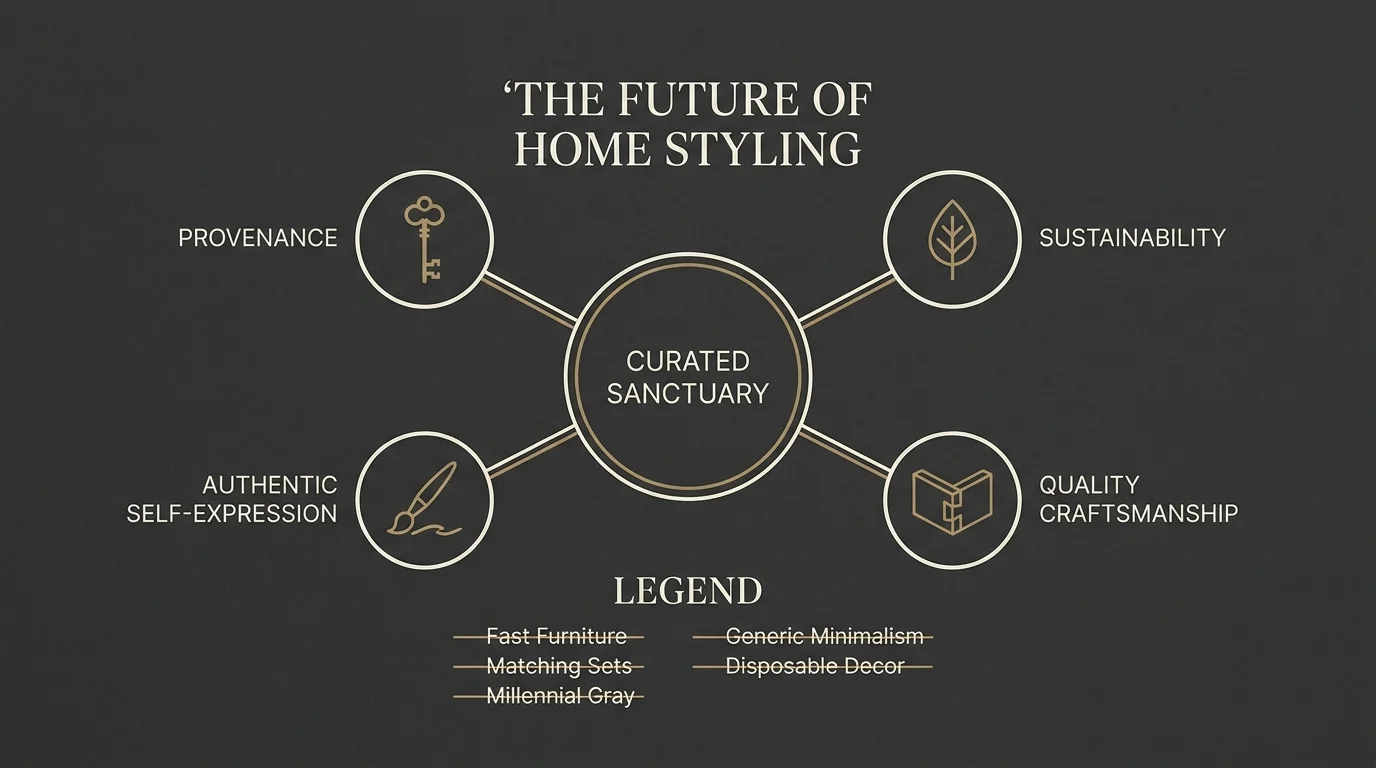
Younger generations are radically rewriting the rules of interior design by rejecting outdated conventions that prioritize uniformity over character. You can understand the future of home styling by looking closely at the specific furniture pieces Millennials and Gen Z refuse to buy. These demographics favor provenance, sustainability, and authentic self-expression; they view their living spaces as curated sanctuaries rather than showroom replicas. As a result, once-dominant industry staples are rapidly losing market share to artisanal, vintage, and modular alternatives. Examining these abandoned concepts offers you invaluable insight into the evolving cultural landscape of modern decor. You will learn exactly how aesthetic values are shifting and how you can adapt your own spaces to reflect these contemporary sensibilities.
Trend #1: The Matching Room-in-a-Box Collection
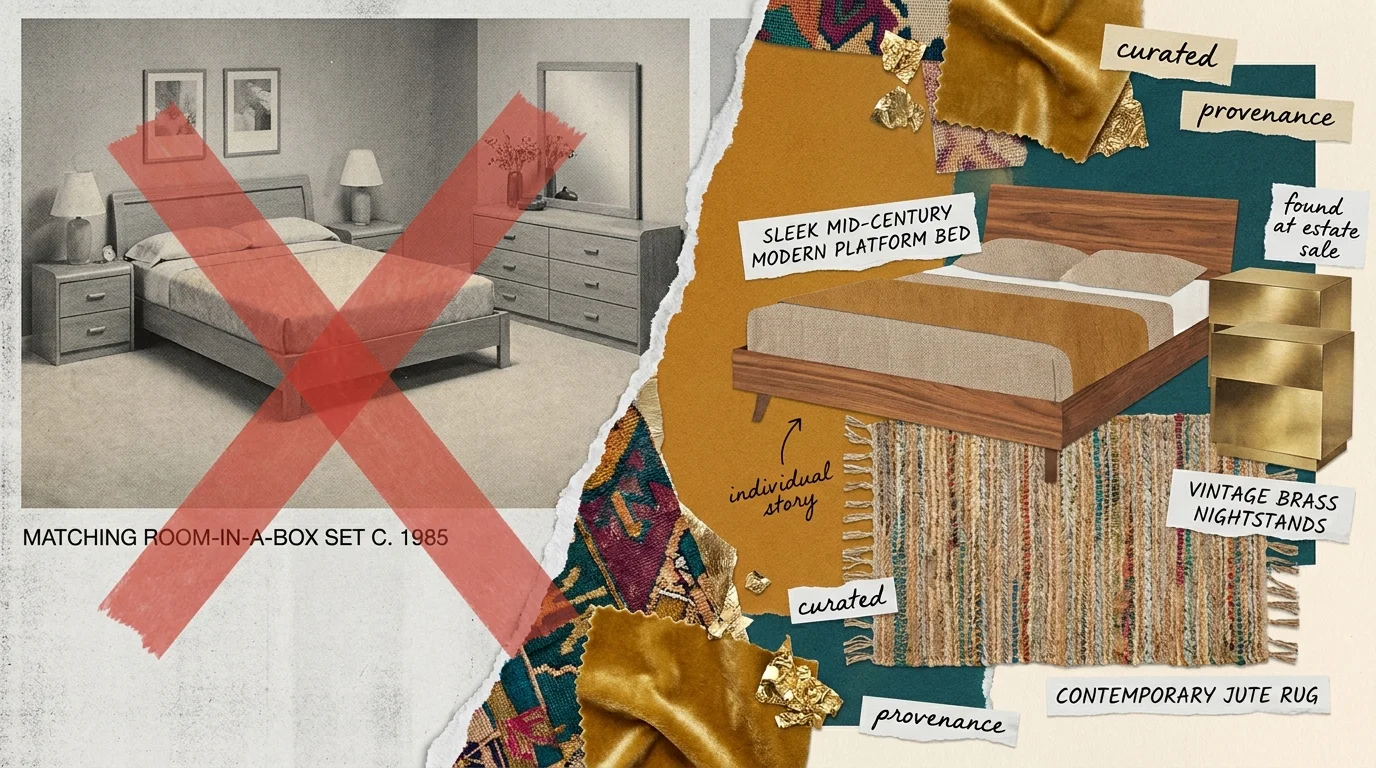
For decades, purchasing a complete, matching bedroom or living room suite was considered a significant milestone of adulthood. You would visit a showroom and select a flawlessly coordinated set—a bed frame, two nightstands, a dresser, and a mirror—all finished in the exact same stain with identical hardware. This methodology offered a safe, foolproof path to decorating, ensuring every element matched without requiring specialized styling knowledge.
Today, Millennials and Gen Z view this uniform approach as entirely devoid of personality. A strictly matching set often reads as a sterile catalog spread rather than a lived-in home. Younger buyers want their spaces to tell an individual story; they achieve this through provenance, actively hunting for unique pieces with distinct histories. They prefer a collected aesthetic that evolves organically over years of careful acquisition.
Instead of relying on rigid uniformity, you should aim for visual cohesion through complementary textures and contrasting eras. Picture a sleek mid-century modern platform bed flanked by vintage brass nightstands, grounded by a contemporary jute rug. This deliberate mixing creates a highly textured, sophisticated environment that feels authentically yours.
Trend #2: Fast Furniture and Disposable Decor
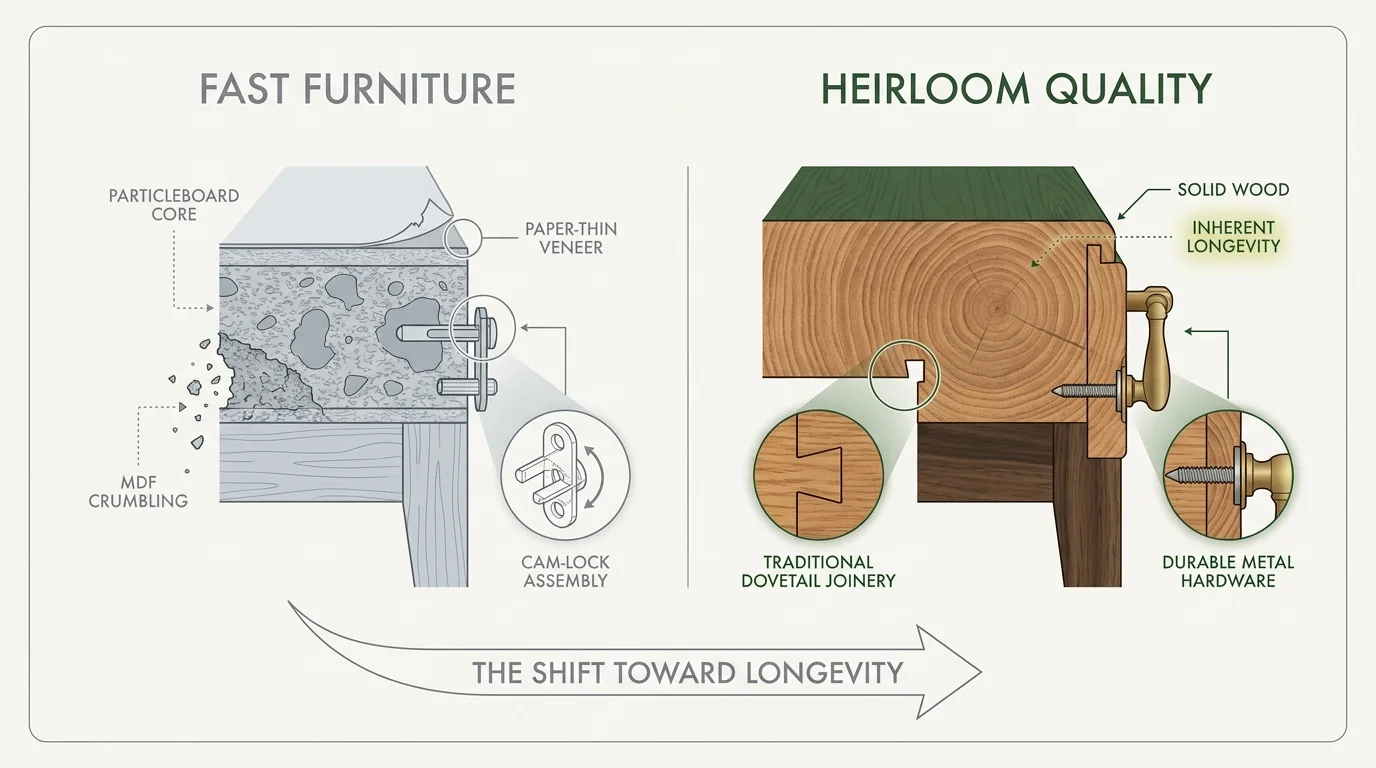
Fast furniture—characterized by cheap particleboard, paper-thin veneers, and flat-pack assembly—democratized modern design throughout the early 2000s. It allowed young renters to furnish apartments quickly and affordably. Pieces were intentionally designed for a transient lifestyle, engineered to survive only one or two moves before the medium-density fiberboard (MDF) began to crumble. For years, the convenience of disposable decor overshadowed its severe lack of durability.
However, younger buyers are now highly attuned to the environmental and financial pitfalls of this consumption model. The ecological toll of sending composite wood to landfills has driven a massive cultural shift toward sustainability. Gen Z and Millennials firmly embrace “quiet luxury,” choosing to invest in fewer, higher-quality pieces demonstrating exceptional craftsmanship. They recognize that constantly replacing broken fast furniture ultimately costs more than purchasing a well-made piece once.
You can integrate this sustainable mindset into your interior design strategy by prioritizing natural materials and solid construction. Look for solid wood, traditional dovetail joinery, and durable metal hardware. Explore local estate sales or online marketplaces for mid-century sideboards or solid oak dining chairs. By selecting items with inherent longevity, you elevate your home styling while making an environmentally responsible choice.
Trend #3: The All-Gray Upholstery Monoculture
The 2010s were visually dominated by “Millennial Gray,” a cool, clinical hue that saturated almost every surface of the modern home. Gray laminate flooring, tufted gray sofas, monochromatic area rugs, and painted walls created a strictly uniform aesthetic that homeowners relied upon for its neutral safety. While this palette offered a clean departure from the heavy browns of the early 2000s, it quickly transformed into an inescapable, uninspiring monoculture.
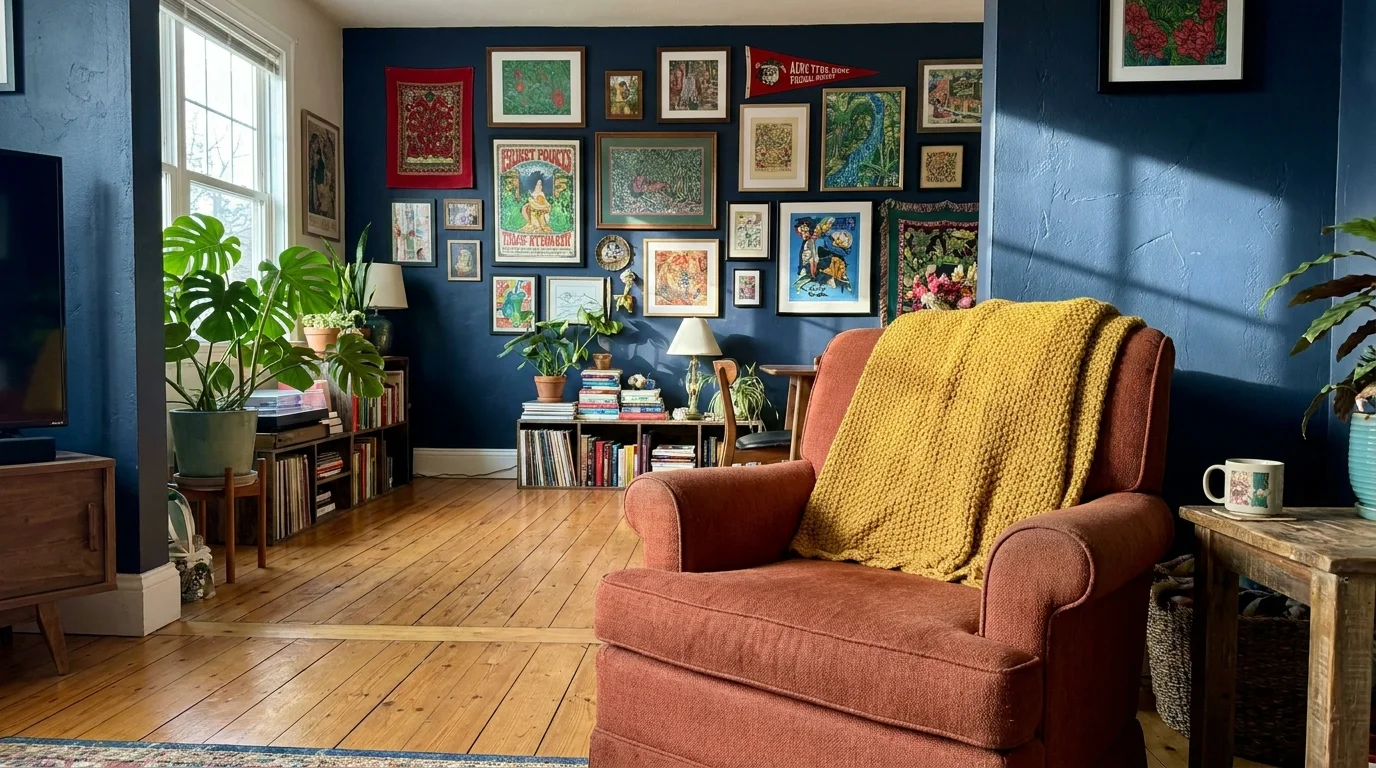
Newer generations are vehemently rejecting this sterile palette in favor of vibrant color drenching and warm, earth-toned environments. Younger demographics crave spaces that feel alive, embracing biophilic design elements that draw inspiration directly from nature. They seek chromatic saturation to boost their mood and reflect their personalities, pivoting toward rich olive greens, deep terracottas, warm ochres, and sophisticated chocolate browns.
If you want to move away from an overwhelmingly gray interior, you do not need to replace all your furniture simultaneously. Begin by introducing seating upholstered in highly tactile, colorful fabrics like rust-colored velvet or cream-toned bouclé. Swap out cool-toned silver hardware for unlacquered brass, and layer your room with warm-toned vintage rugs. These strategic updates instantly inject dynamic energy into a previously monotonous space.
Trend #4: High-Gloss and Mirrored Surfaces
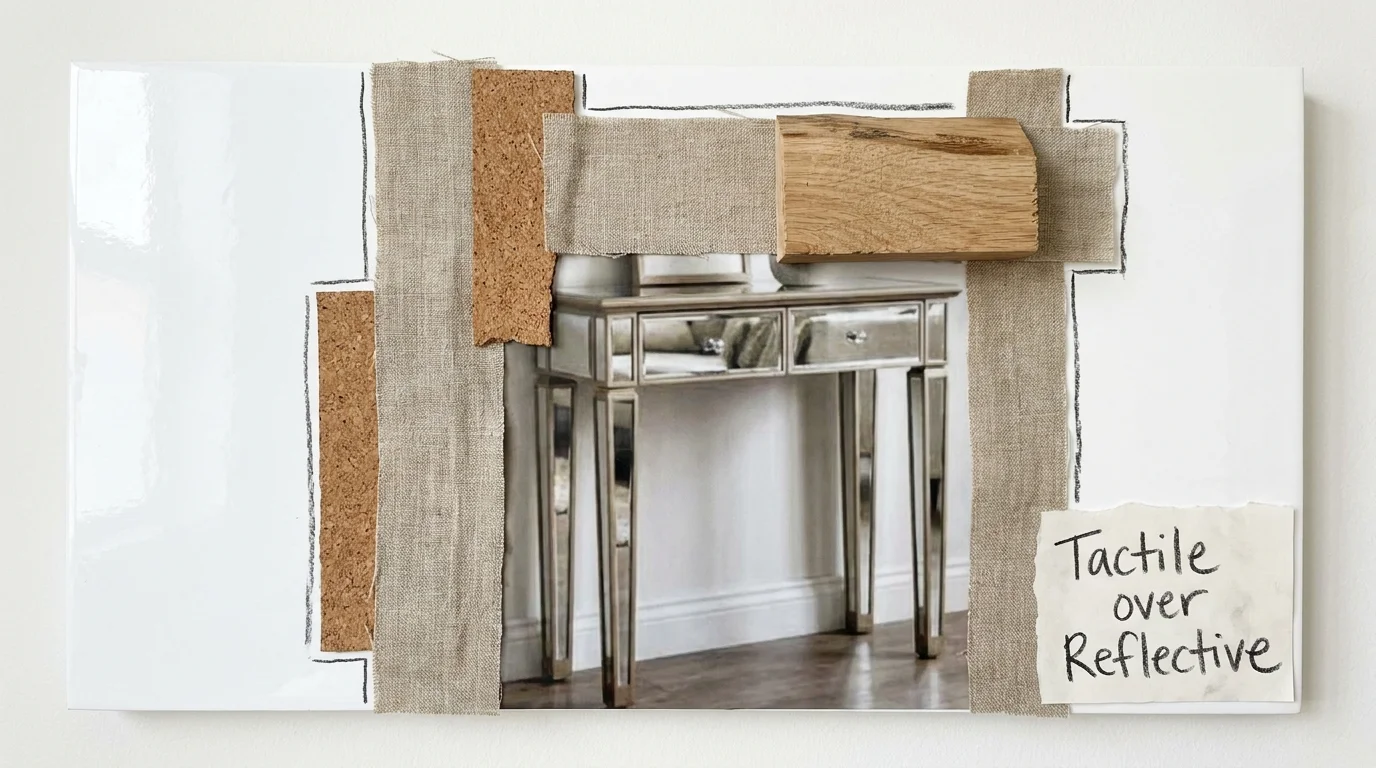
Mirrored dressers, crushed velvet headboards, and high-gloss acrylic coffee tables defined the overtly glam aesthetic of the late 2000s. This style relied heavily on hyper-reflective surfaces to bounce light around a room, creating an illusion of expansive space and manufactured luxury. At the height of its popularity, mirrored furniture offered a flashy, theatrical approach to home decor that demanded immediate visual attention.
Today, younger buyers actively avoid these highly polished pieces due to their demanding maintenance and the cold energy they introduce. Mirrored surfaces are notorious magnets for fingerprints and dust, requiring constant, exhausting upkeep. More importantly, they clash with the contemporary desire for grounded, calming sanctuaries. The modern aesthetic leans heavily into tactile, matte finishes that absorb light softly rather than reflecting it aggressively.
To capture this updated atmosphere in your own home, incorporate materials offering rich, subtle textures. Plaster finishes, honed marble, matte ceramics, and brushed metals are excellent replacements for the glossy artifacts of the past. A beautiful travertine coffee table or a matte black ash credenza provides a profound sense of architectural integrity and quiet elegance without overwhelming your senses.
Trend #5: Faux-Distressed Farmhouse Furniture
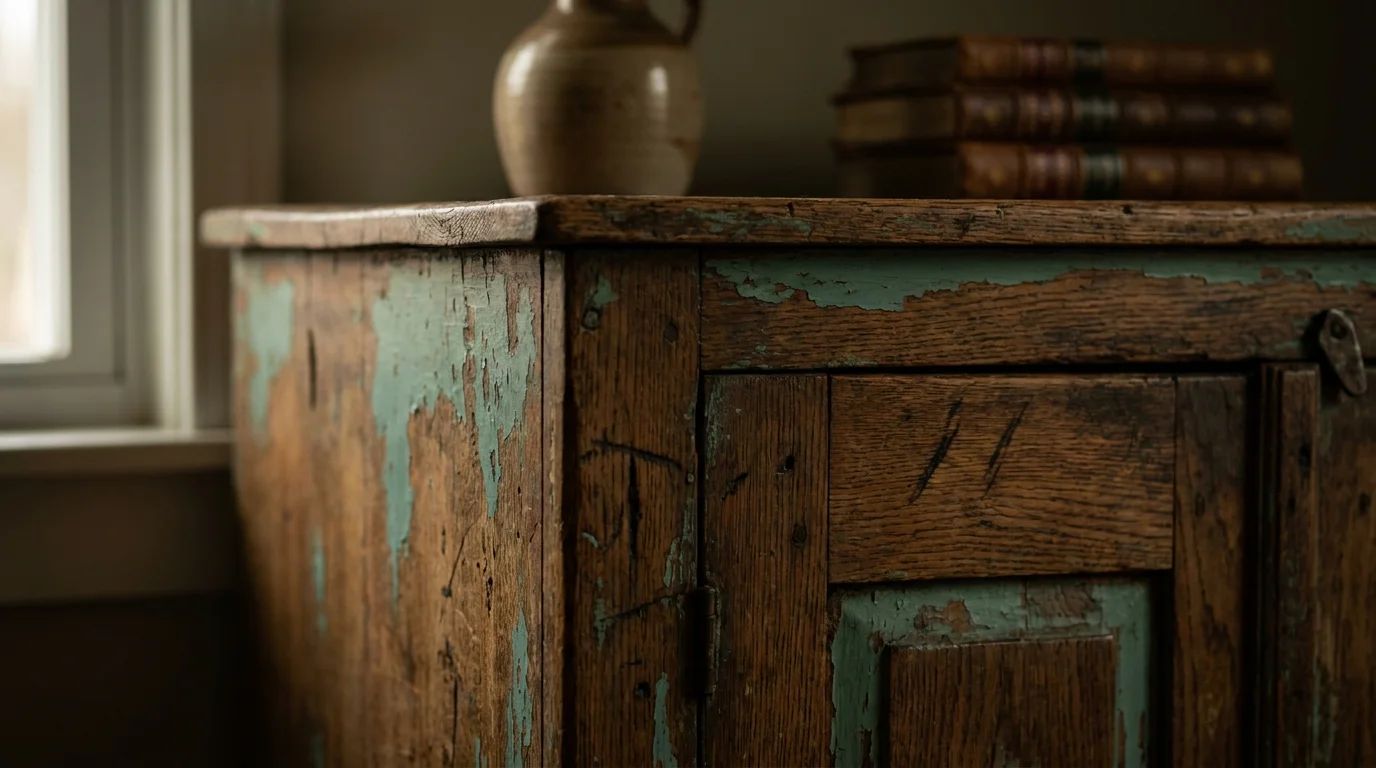
Manufactured “shabby chic” and faux-distressed farmhouse furniture experienced a meteoric rise in popularity over the last decade. Mass-market retailers churned out millions of pieces featuring mechanically chipped white paint, artificially gouged edges, and faux-rusted hardware. The goal was to replicate the rustic charm of a country estate. Because the aging process was entirely simulated in factories, the resulting pieces looked contrived and identical to one another, completely defeating the purpose of a vintage aesthetic.
This over-engineered rusticity feels deeply inauthentic to younger buyers who prioritize genuine character. The aesthetic tide has shifted firmly toward Organic Modernism, a design philosophy celebrating genuine patina and the unaltered imperfections of raw, natural materials. Today’s design enthusiasts want furniture that has earned its wear through decades of actual human use.
When updating your home decor, completely avoid pieces that look deliberately damaged. Choose furniture highlighting the uninterrupted beauty of natural wood grains, raw edges, and smooth, unpainted surfaces. Opt for a lightly washed oak dining table or a smooth walnut credenza. If you truly desire a distressed look, purchase a genuine antique carrying the authentic marks of time.
Trend #6: Oversized, Single-Function Recliners
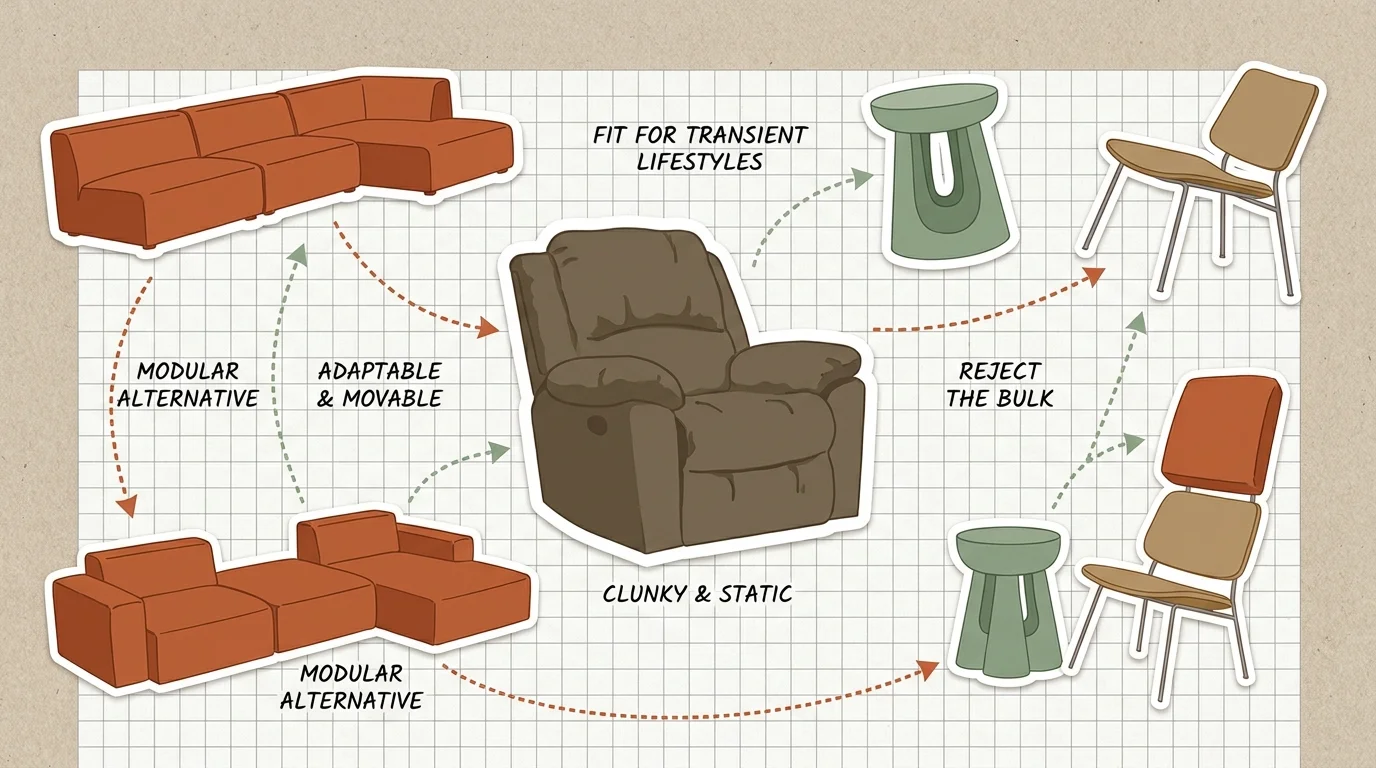
The bulky, overstuffed leather recliner—often featuring dual cup holders and hidden storage consoles—has long been the undisputed king of basement family rooms. These massive pieces of single-function furniture were historically purchased purely for ergonomic comfort, completely disregarding how their immense scale visually dominated the physical space. They dictate the entire layout of a living room, forcing all other design elements to accommodate their wide, cumbersome footprints.
Modern urban living and a strong preference for sleek silhouettes have driven younger demographics to avoid these disruptive visual anchors entirely. As homes become increasingly space-conscious, younger buyers refuse to sacrifice a significant portion of their square footage to an unsightly recliner. They prioritize functional elegance, demanding that their seating options be both incredibly comfortable and aesthetically pleasing.
You can achieve this perfect balance without surrendering your comfort. Opt for tailored push-back recliners elegantly disguised as stylish club chairs, or invest in ergonomically designed mid-century lounge chairs paired with matching ottomans. These sophisticated alternatives provide excellent lumbar support and relaxation while seamlessly blending into your room’s overall architectural flow.
Trend #7: Impractical, Formal Dining Sets
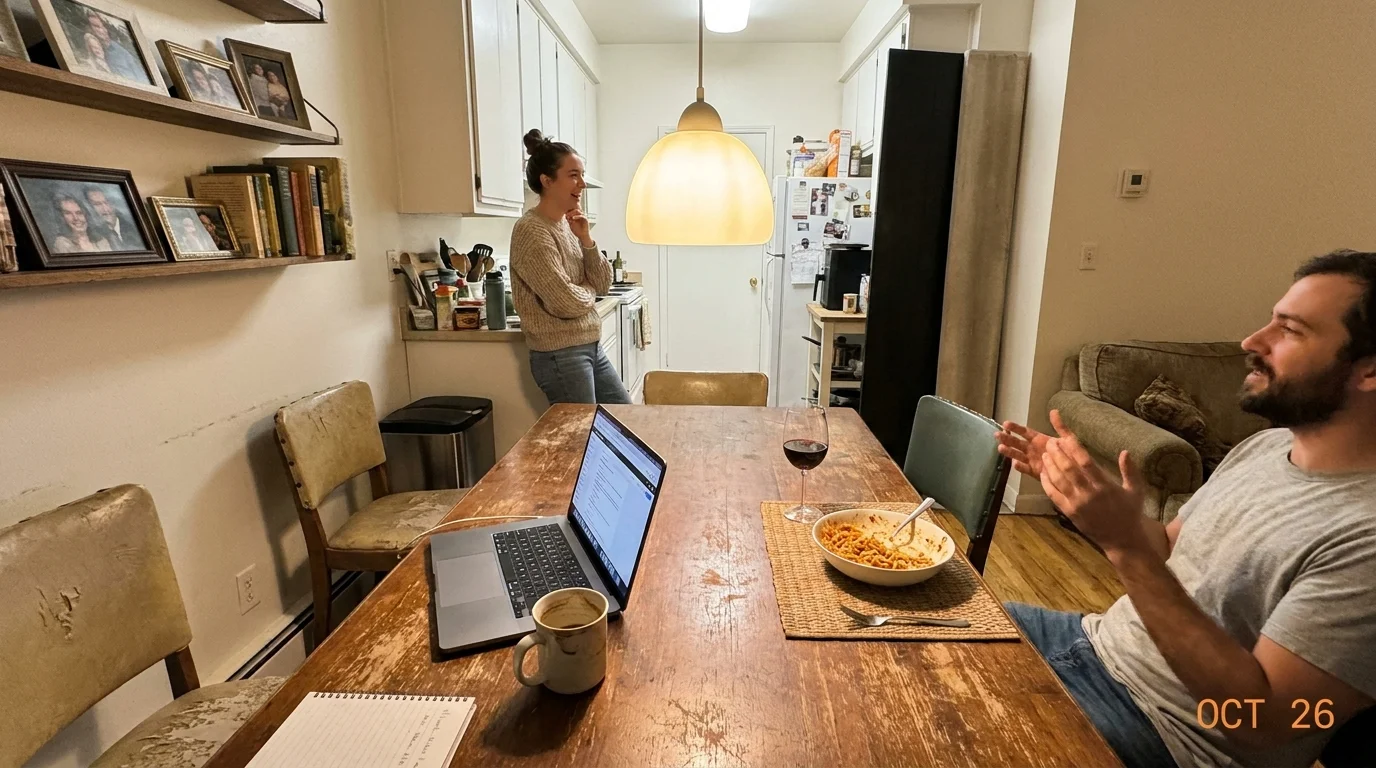
Historically, a massive, heavy mahogany dining table surrounded by eight matching, high-backed chairs served as a powerful status symbol. Often isolated in a dedicated formal dining room, these grand setups were utilized perhaps two or three times a year for major holidays, remaining completely empty for the rest of the year. The traditional formal dining set prioritized strict etiquette over daily practicality.
The modern lifestyle fundamentally demands versatility, rendering single-purpose formal dining sets obsolete for younger buyers. Today’s Millennials and Gen Z prefer highly adaptable, multi-functional eating spaces that integrate naturally into open-plan living environments. A dining table frequently doubles as a work-from-home desk, a children’s crafting station, and a casual gathering spot. The rigid formality of the past feels incredibly restrictive to a generation valuing fluid, relaxed living.
To adapt your dining space for modern utility, consider purchasing an extendable mid-century modern pedestal table featuring clean lines. Rather than buying a set of identical chairs, mix your seating arrangements to foster a communal, welcoming atmosphere. Combine a built-in banquette or a wooden bench on one side with a diverse collection of sculptural, comfortable dining chairs on the other.

Trend #8: Mass-Produced “Word Art” Furniture
During the peak of the modern farmhouse craze, mass-produced “word art” infiltrated almost every category of furniture and home decor. Living room benches were emblazoned with the word “WELCOME,” dining tables featured “GATHER” carved deeply into the apron, and throw pillows aggressively commanded guests to “RELAX.” This literal approach to interior design left absolutely nothing to the imagination, essentially providing written instructions on how occupants were expected to behave.
This overt, thematic decor lacks nuance and feels exceptionally inauthentic to younger demographics. Millennials and Gen Z heavily prioritize subtle storytelling and emotional resonance in their spaces. They view explicit word art as a hallmark of mass-consumerism—a superficial shortcut to creating ambiance. They want the atmosphere of a room to communicate its purpose organically through layout, lighting, and materiality.
Let the inherent qualities of your interior design communicate the mood of your home. Instead of a wooden sign telling guests to gather, hang a captivating piece of abstract canvas art or a framed vintage textile that naturally sparks conversation. Use warm, layered lighting, deeply inviting textures, and carefully curated sculptural furniture to make a space feel genuinely welcoming.
Trend #9: Ultra-Low Minimalist Platform Beds
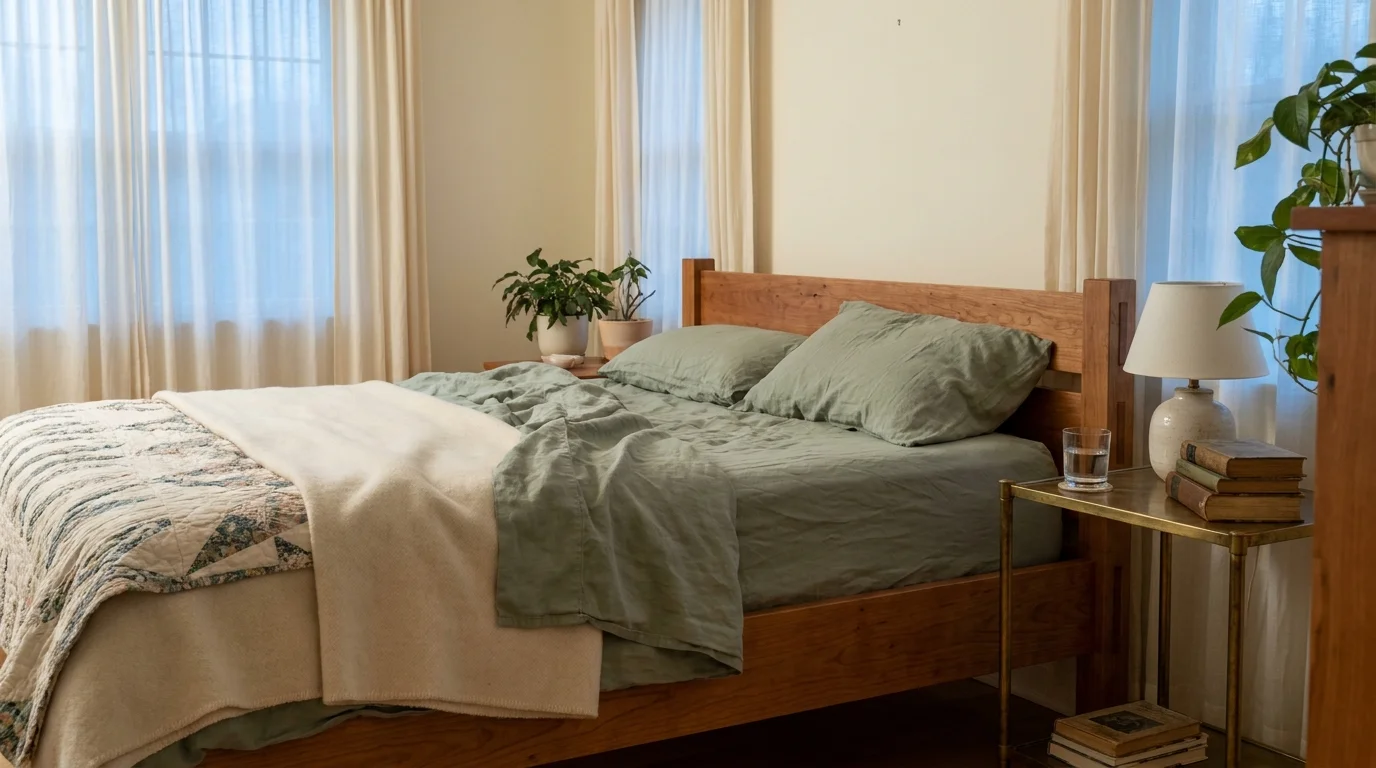
The ultra-low profile minimalist platform bed—often resting just an inch or two above the floor and entirely lacking a headboard—gained significant traction alongside the rise of stark contemporary minimalism. Inspired broadly by traditional floor sleeping but adapted for Western aesthetics, these beds photograph beautifully for social media. They create a strong horizontal sightline that makes ceilings appear taller and bedrooms feel larger.
However, the sheer difficulty of using them daily has led to their rapid decline among pragmatic younger buyers. Navigating an ultra-low bed requires significant physical effort, making them highly unappealing for long-term use. Furthermore, the lack of under-bed clearance completely eliminates a crucial storage opportunity, which is a major dealbreaker for buyers navigating compact urban apartments. The absence of a headboard also means there is no comfortable backrest for reading or working in bed.
Pragmatism is driving a massive resurgence of highly functional, elevated bed frames. You should invest in designs featuring upholstered statement headboards, offering both visual grandeur and plush comfort. Look for beds with integrated, hidden storage drawers built seamlessly into the frame. You can easily maintain clean lines while maximizing the everyday utility of your bedroom.
The Big Picture: Weaving These Trends into Your Home
Understanding exactly what younger buyers are avoiding provides you with a remarkably clear roadmap for the future of interior design. This generational shift away from mass-produced matching sets, disposable fast furniture, and sterile gray color palettes signals a broader cultural movement toward authenticity, sustainability, and profound personal expression. The modern home is no longer an overly formal showroom designed to impress outsiders; it is a highly functional, deeply curated sanctuary tailored to the specific psychological and aesthetic needs of its inhabitants.
When weaving these predictive insights into your own space, remember that you do not need to discard everything you currently own and start completely from scratch. Cultivating a beautiful home is an ongoing, joyful evolution, not an overnight renovation. Focus on upgrading your pieces slowly over time, prioritizing solid craftsmanship, tactile natural materials, and items that carry genuine provenance. Allow your rooms to develop organically by boldly mixing vintage finds with high-quality contemporary essentials. By intentionally rejecting fleeting fads and embracing thoughtful home styling, you will effortlessly create an environment that feels both brilliantly current and timelessly yours.
Frequently Asked Questions
If I already own a matching bedroom set, how can I update my space without buying all new furniture?
You can easily break up the visual monotony of a matching set by distributing the pieces throughout different rooms in your home. Keep the bed and dresser in your primary bedroom, but replace the matching nightstands with vintage brass tables or painted accent pieces. Use the matching nightstands in a guest room or as end tables in a home office. This simple redistribution instantly gives your spaces a much more customized, collected appearance.
What is the most effective way to identify high-quality furniture that will outlast fast furniture trends?
When shopping for furniture, you should always closely examine the materials and internal construction techniques. Look for solid wood frames rather than medium-density fiberboard (MDF) or particleboard hidden beneath thin veneers. Check the drawers for traditional dovetail joinery, which indicates significantly superior craftsmanship compared to basic staples or industrial glue. Additionally, feel the weight of the piece; high-quality furniture is generally substantially heavier than mass-produced, flat-pack alternatives.
Are younger buyers abandoning new furniture altogether in favor of vintage pieces?
Not entirely. While there is a massive surge in the popularity of vintage and antique shopping driven by sustainability and a desire for authentic provenance, younger buyers are actively mixing these older pieces with new, contemporary items. The ultimate goal is to blend the reliable functionality of modern upholstery—such as a brand-new performance fabric sofa—with the unique character and rich history of a vintage wooden coffee table or a hand-woven antique rug.
How can I incorporate color into my living room if I currently have an all-gray aesthetic?
Transitioning away from an all-gray room does not require a complete, expensive overhaul. Start by gradually adding warmth through layered textiles and updated lighting. Introduce throw pillows, heavy drapes, and a large area rug in rich, earth-toned hues like terracotta, deep olive, or mustard yellow. Swap out cool white lightbulbs for warm white options to soften the harshness of the gray surfaces. Finally, incorporate natural wood elements and lush indoor plants to introduce organic texture and beautifully break up the monochromatic palette.
For the latest color forecasts, consult industry leaders like Pantone and paint companies like Benjamin Moore. For professional design standards, refer to the American Society of Interior Designers (ASID).
Disclaimer: This article reflects design trend analysis and predictions. Personal taste and timeless design principles should always guide your decorating choices.
