

Look up from your beige walls and recognize the massive, untapped canvas hovering right above your head. The ceiling—often relegated to standard builder-grade white—is the fifth wall of your room and the ultimate frontier for sophisticated interior design. Treating this expanse with bold ceiling colors instantly transforms the entire atmospheric volume of a space, altering perceived height, light, and architectural drama. Whether you crave a moody, enveloping living room or a dramatic dining space that anchors your furniture, painted ceiling ideas provide unmatched visual impact. Modern ceiling design embraces striking hues that establish character and architectural definition without taking up a single square inch of floor space.
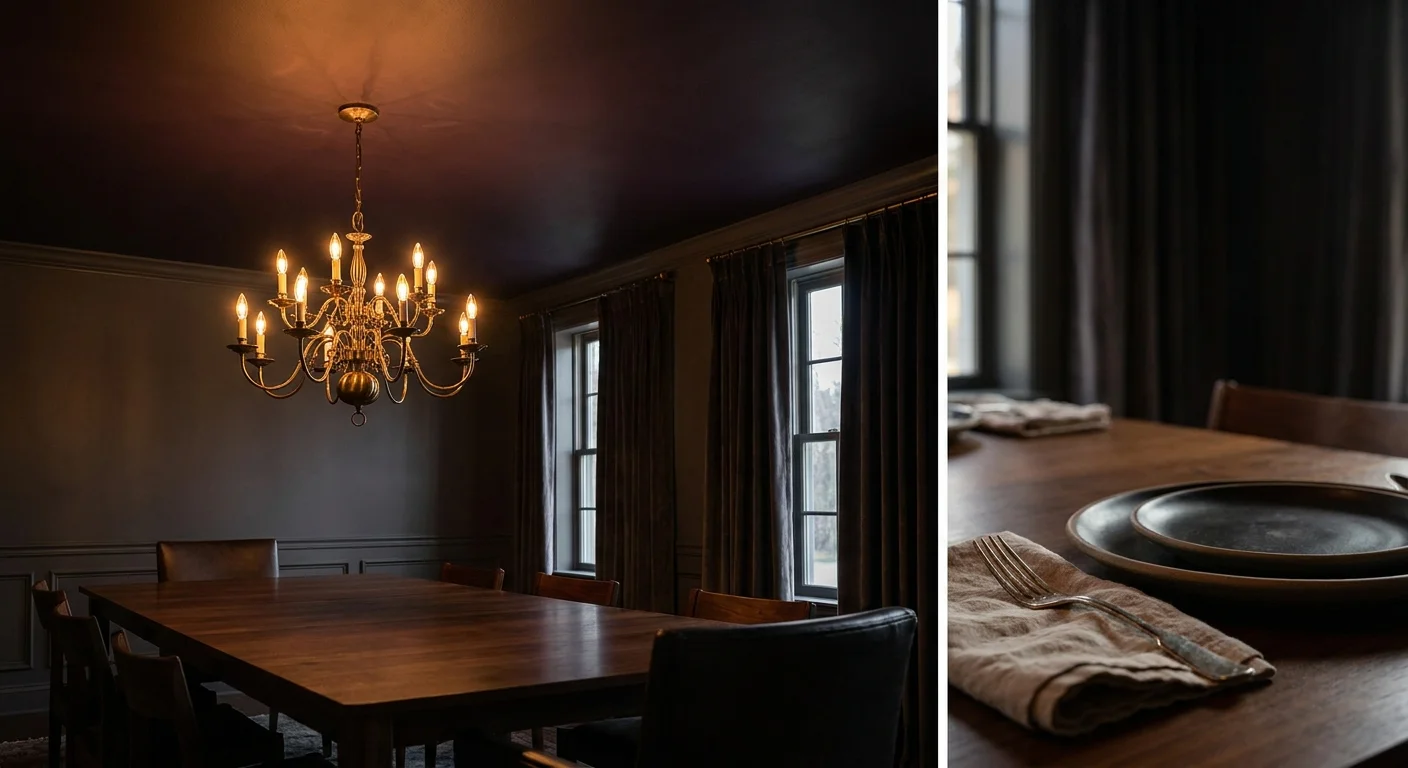
Trend #1: Aubergine and Deep Plum
Embrace the quiet luxury of deep purple. Aubergine establishes a rich, enveloping atmosphere that feels inherently regal yet incredibly grounded. When you paint your ceiling this dark, saturated hue, you lower the visual height of an overly tall room, creating a sense of intimacy perfect for formal dining rooms or moody studies. Aubergine absorbs artificial light beautifully; in fact, a flat, dark finish can absorb over 80% of ambient light, requiring you to pair it with strategic, low-hanging brass chandeliers to cast a warm, sophisticated glow across your dining table. Use a matte finish to enhance the velvety texture of the color and hide any surface imperfections in the drywall. You can ground the space further by repeating plum accents in your textiles or rug. This ceiling paint trend works especially well when paired with warm neutral walls, allowing the statement ceiling color to command attention without overwhelming the senses. By drawing the eye upward, you celebrate the architectural volume of your home while making a fearless design statement.
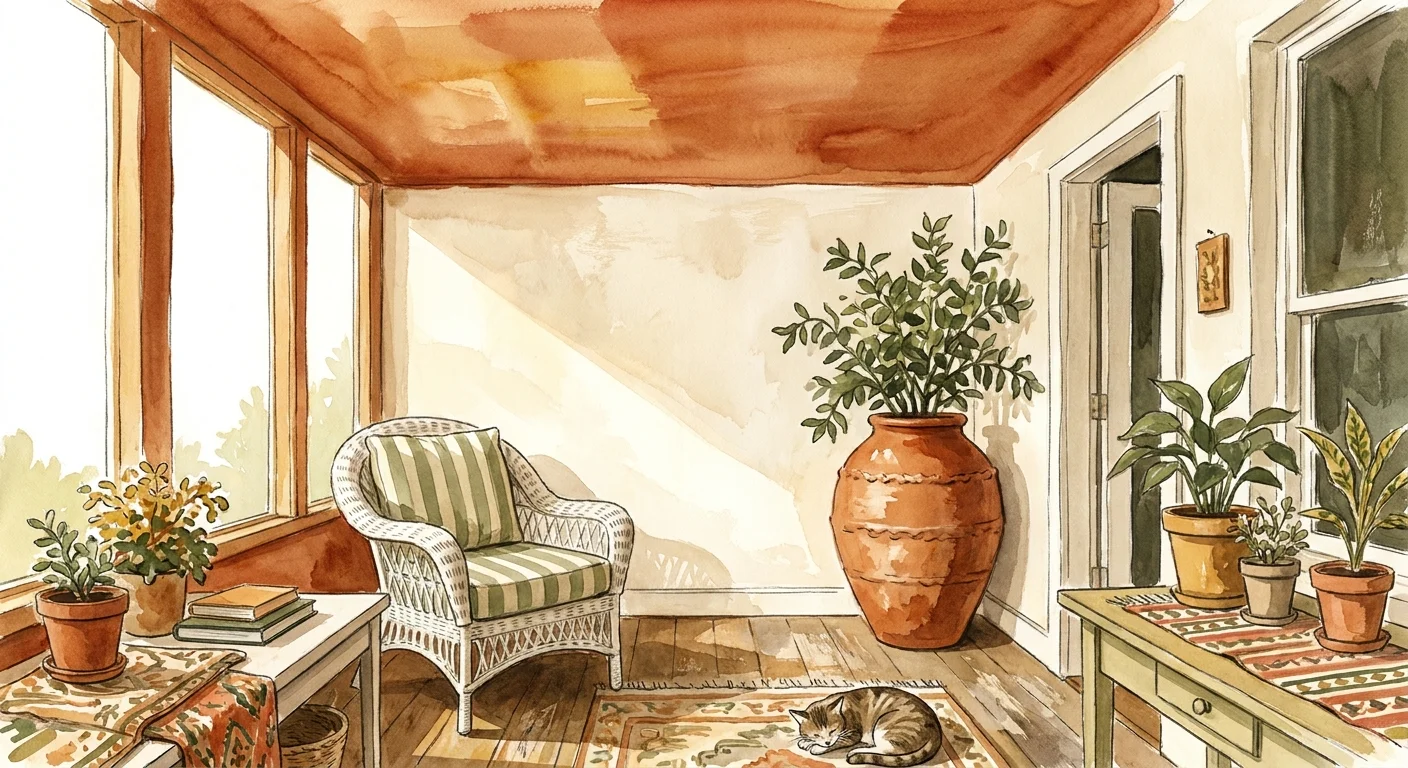
Trend #2: Terracotta and Baked Clay
Bring the warmth of the earth indoors with terracotta. This baked clay hue infuses a room with an organic modernism that feels both rustic and highly curated. A terracotta ceiling mimics the comforting embrace of a Mediterranean villa, warming up stark white or cool gray walls instantly. Apply this color in kitchens or sunrooms where natural daylight can pull out the subtle orange and red undertones as the sun moves across the sky. Terracotta reflects light in a way that universally flatters skin tones, making your living spaces feel undeniably inviting and vibrant. To implement this modern ceiling design successfully, maintain a matte or eggshell finish to keep the organic illusion intact; a shiny finish undermines the earthy aesthetic. Accentuate the ceiling with natural wood tones in your flooring and furniture to tie the biophilic palette together. A terracotta ceiling effectively bridges the gap between historical architecture and contemporary interior styling.
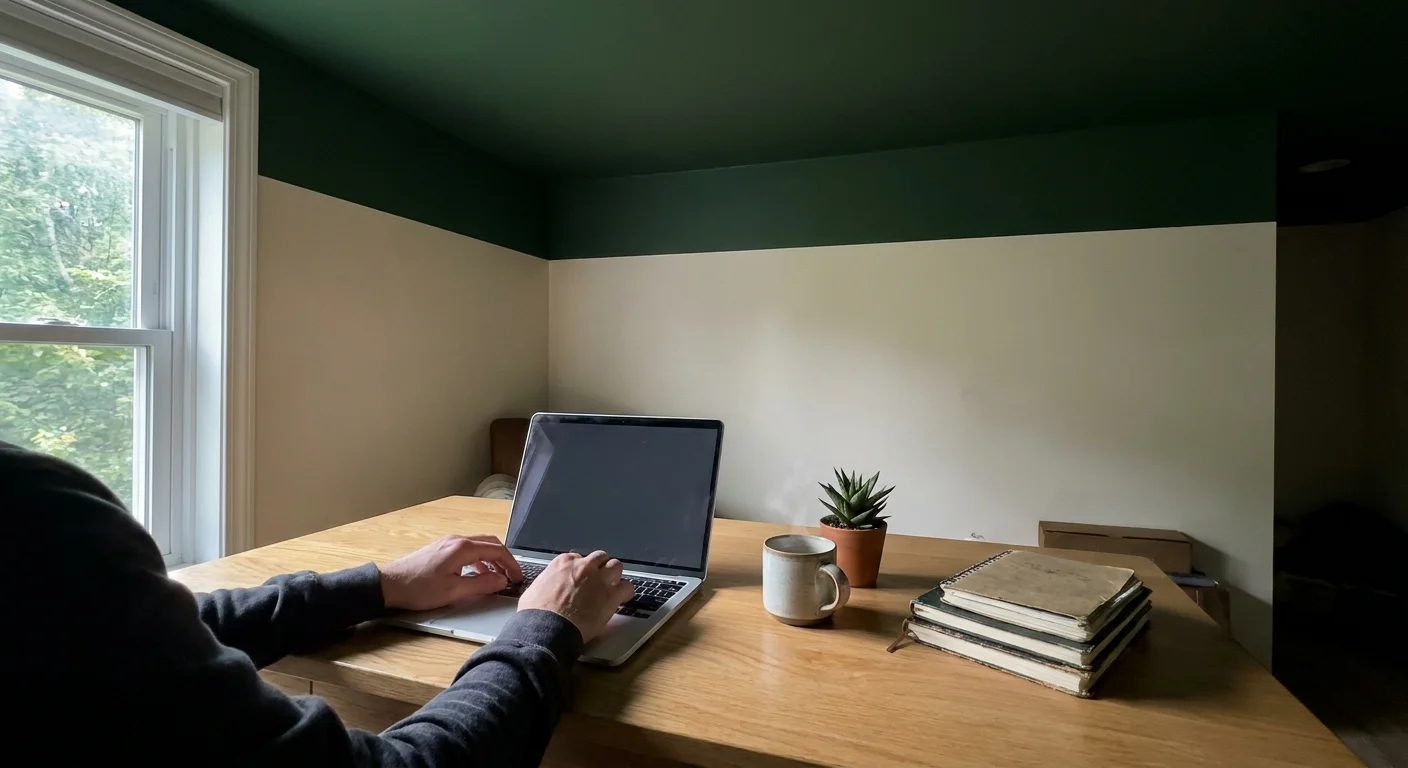
Trend #3: Forest Green and Deep Olive
Channel the restorative power of nature with forest green. Biophilic design continues to dominate interior spaces, and moving verdant hues to the ceiling is the ultimate expression of this movement. A deep olive or forest green ceiling acts like a lush canopy, bringing the outdoors inside while grounding the room in profound tranquility. This color thrives in bedrooms and home offices, where focus, relaxation, and a sense of retreat are paramount. If you have crisp white walls and plenty of natural light, a dark green ceiling provides a striking, high-contrast anchor that dictates the mood of the entire floor plan. For a highly cohesive and custom look, extend the green paint down the top quarter of the walls to create an architectural border or picture rail effect. Pair this statement ceiling color with natural materials like woven rattan, light oak flooring, and heavily textured linen upholstery.

Anchor your room with the infinite depth of saturated navy blue. Often considered a dark neutral, navy blue provides the drama of black but retains a hint of maritime color that shifts beautifully throughout the day. Painting your ceiling navy blue simulates the night sky, making the physical boundary of the ceiling recede and tricking the eye into perceiving an endless expanse above. This technique works exceptionally well in media rooms, libraries, or primary bedrooms where you want to foster a cozy, restful environment conducive to relaxation. Apply a high-gloss lacquer finish to bounce ambient light around the room. Lacquered ceilings can reflect up to 90% of available light, mimicking the reflective, undulating qualities of a quiet ocean at midnight. Contrast the glossy navy ceiling with crisp white crown molding to strictly highlight the architectural separation between the vertical walls and the horizontal ceiling plane. This bold ceiling color guarantees an atmosphere of tailored sophistication.
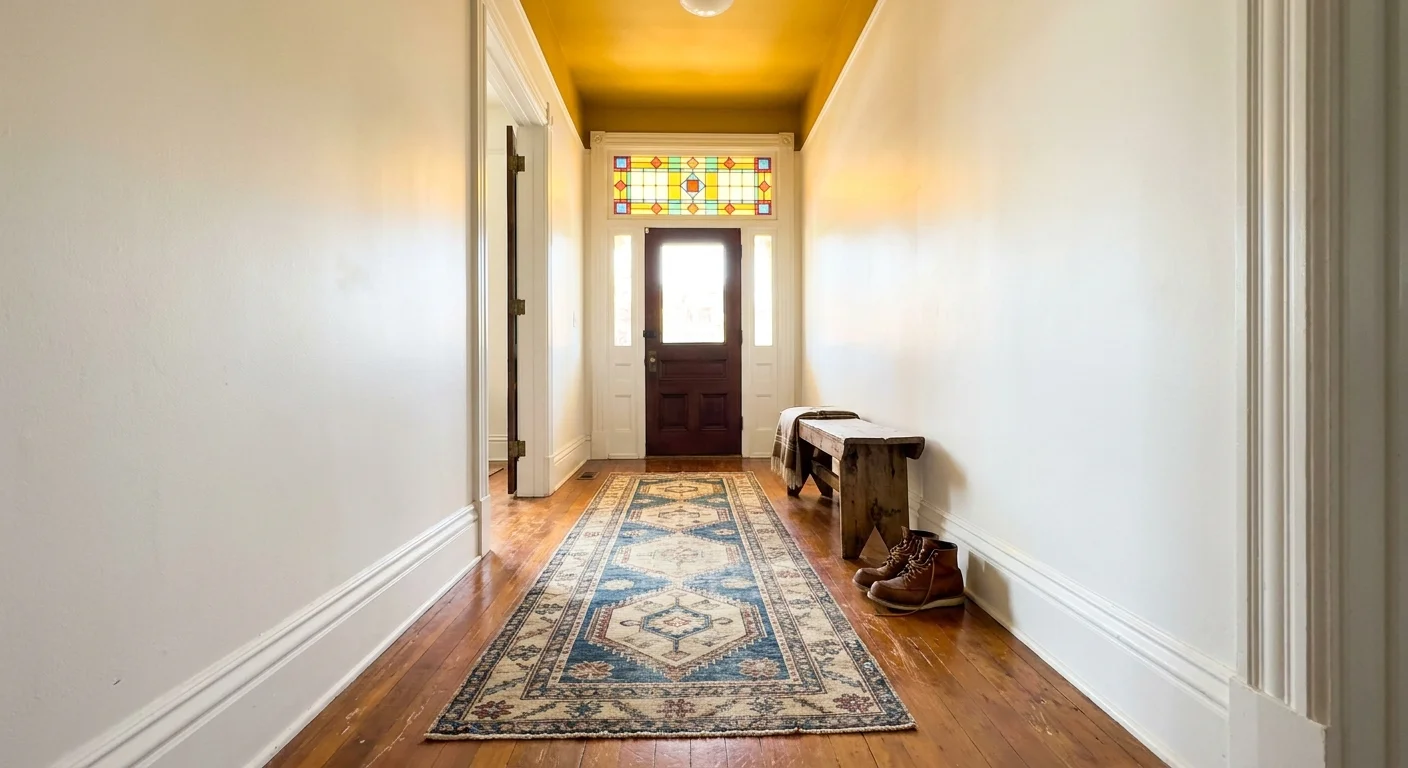
Trend #5: Mustard Yellow and Ochre
Inject a burst of energetic optimism into your home with mustard yellow. While many fear applying yellow to their walls, moving an ochre or mustard shade to the ceiling offers a controlled dose of sunshine that elevates the entire room. This bold ceiling color radiates warmth, effectively counteracting the physical chill of north-facing rooms that receive limited natural sunlight. Mustard yellow pairs beautifully with charcoal gray or navy blue walls, creating a high-contrast, tailored aesthetic that feels highly intentional. In a breakfast nook or a transitional hallway, an ochre ceiling establishes a cheerful, welcoming vibe that energizes your daily routines. To keep the look sophisticated rather than juvenile, select a yellow with heavy brown or muddy undertones. This ensures the color reads as a rich, historical pigment rather than a primary bright. Ground the design with brass hardware and dark walnut furniture for a truly elevated finish.
Trend #6: Charcoal and Soft Black
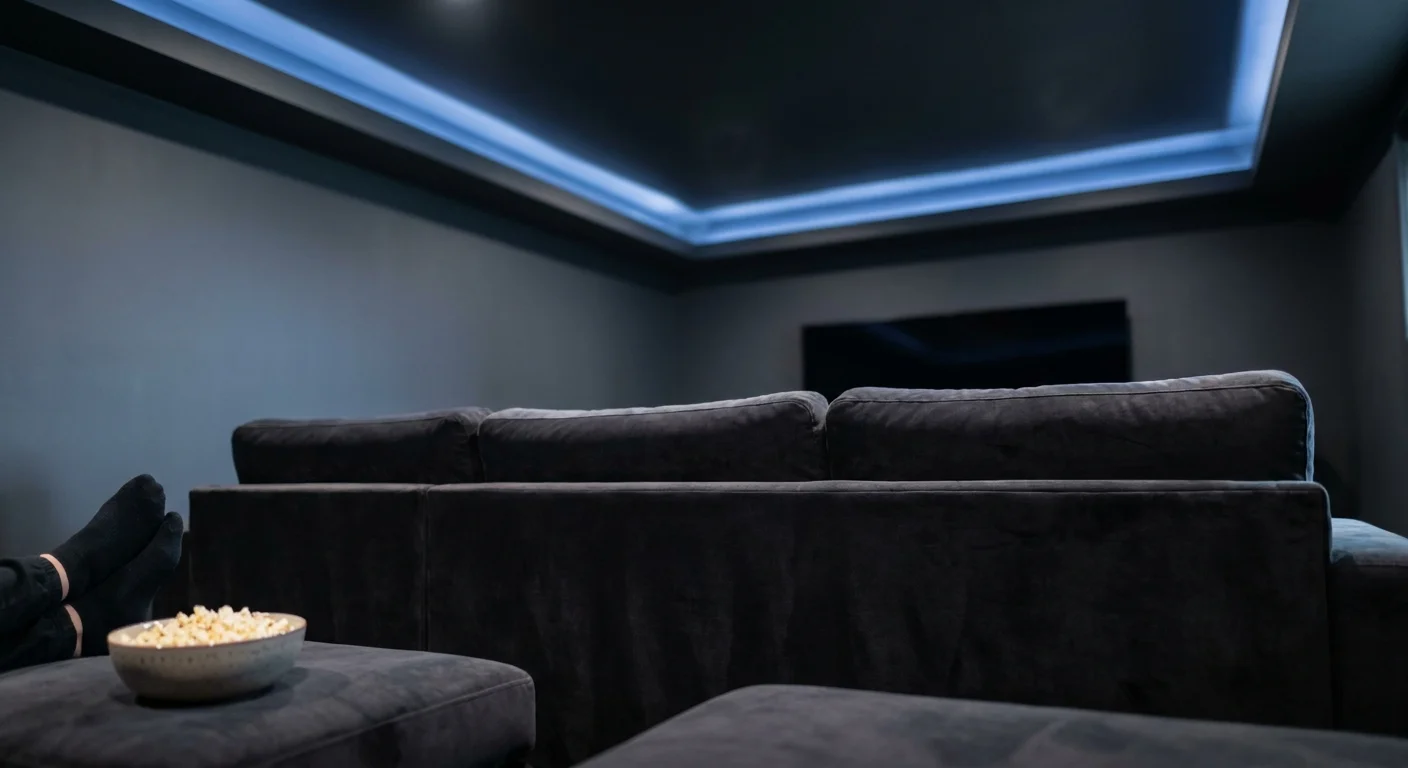
Redefine dramatic elegance with a charcoal or soft black ceiling. Defying the outdated myth that dark colors make a room feel inherently small, a black ceiling actually blurs the edges of the room, adding a layer of profound sophistication and mystery. Industrial lofts, contemporary living rooms, and modern minimalist spaces benefit significantly from this approach, as the dark ceiling conceals exposed ductwork, tracks, and structural imperfections while visually organizing the chaotic elements of a space. Soft black provides a stark, gallery-like contrast to art-filled white walls below. Enhance this modern ceiling design by incorporating sculptural metallic light fixtures; the dark background forces the eye to focus entirely on the silhouette of the chandelier. If your room features tall windows, a charcoal ceiling frames the exterior view brilliantly, drawing the eye directly out toward the landscape and making the physical room feel like an extension of the outdoors.
Trend #7: Blush Pink and Plaster
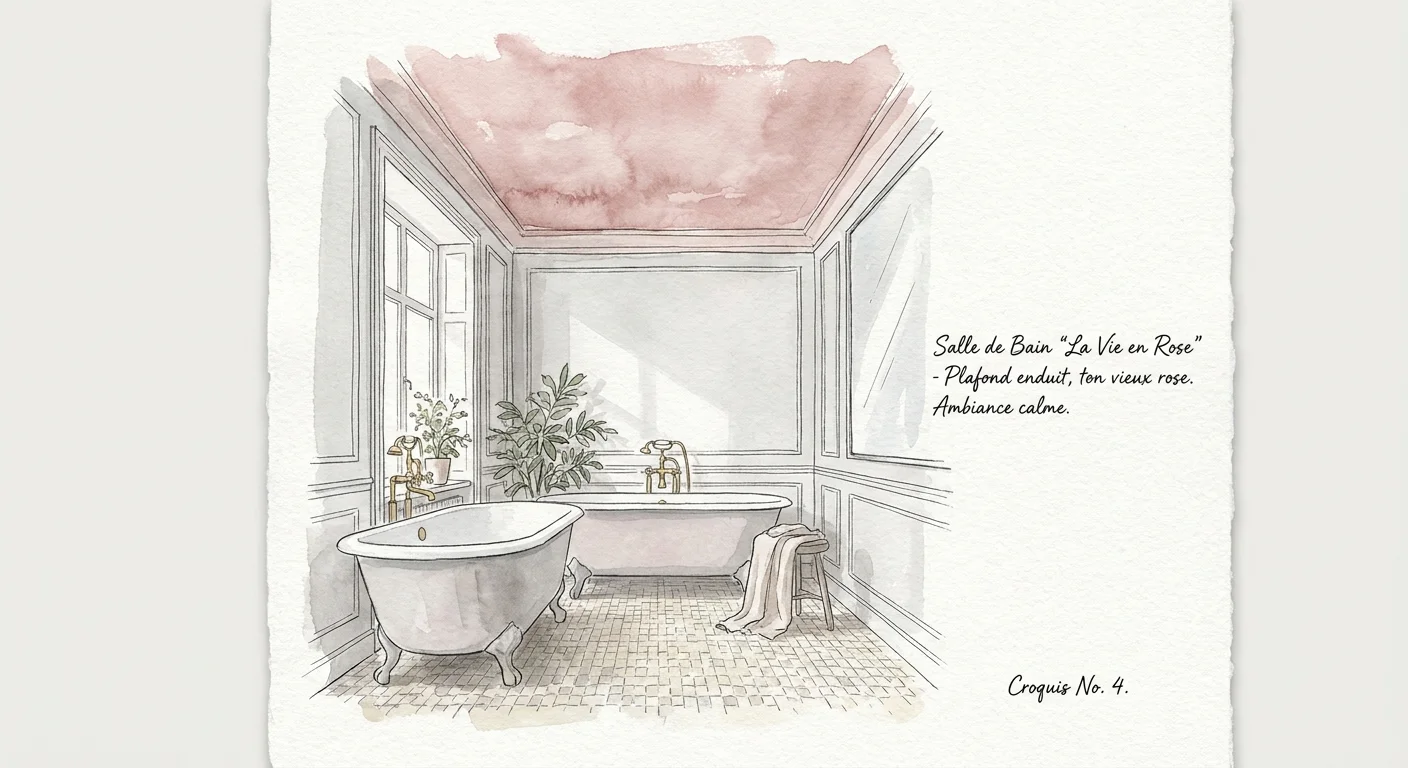
Soften the harsh angles of modern architecture with blush pink. A pale pink ceiling acts as a massive cosmetic filter for your room, reflecting a universally flattering, rosy glow onto everything—and everyone—below. This hue represents a subtle approach to bold ceiling colors, offering a gentle departure from stark white without forcing you to commit to a dark jewel tone. Blush pink thrives in bathrooms, dressing rooms, and formal living rooms that prioritize a serene, highly elegant atmosphere. When applied in a traditional Venetian plaster finish, the pink ceiling gains a historical provenance, adding tactile texture and visual movement that a standard flat paint simply cannot achieve. Pair this painted ceiling idea with cool Calacatta marbles, brushed brass hardware, and plush velvet upholstery to master the aesthetic of quiet luxury. A blush ceiling whispers its design credentials, creating an environment that feels both curated and effortlessly beautiful.
Trend #8: Burnt Orange and Rust
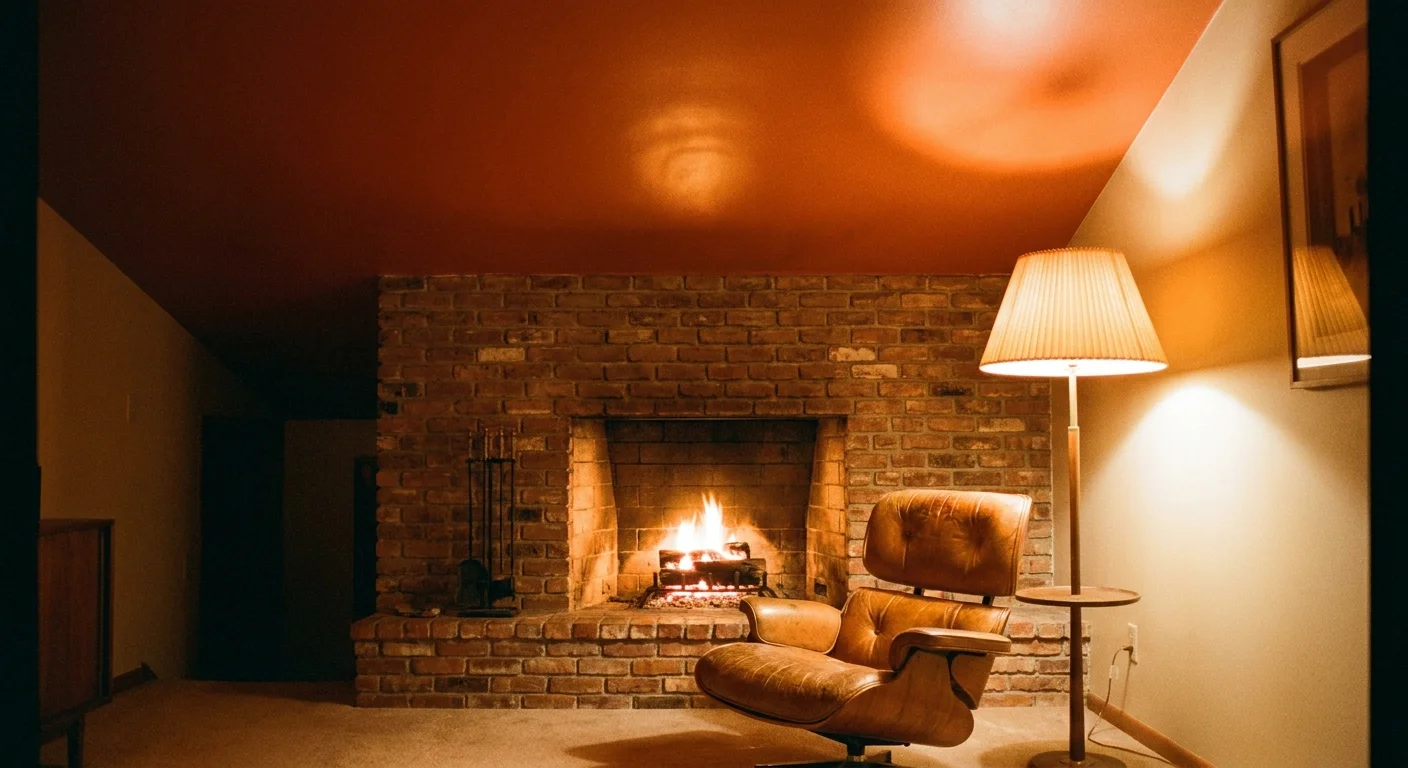
Ignite your interior palette with the fiery energy of burnt orange. A rust-colored ceiling delivers an unexpected punch of retro-inspired warmth, drawing heavily from mid-century modern color palettes while remaining fiercely contemporary. This color excels in social spaces—like open-concept living rooms, basement bars, and retro dining areas—because warm colors naturally stimulate lively conversation and appetite. When you paint a ceiling burnt orange, you lower the visual roofline, creating a snug, enveloping vibe even in large, historically cavernous rooms. Balance the sheer intensity of the rust ceiling with cool-toned furnishings, such as slate gray sofas, teal accent chairs, or navy blue drapery. Implement a flat, chalky finish to prevent the color from appearing too aggressive or reflective, allowing the rust hue to smolder quietly above your daily activities. This rich color instantly transforms a builder-grade room into a bespoke, architecturally fascinating environment.
Trend #9: Sage and Mint Green
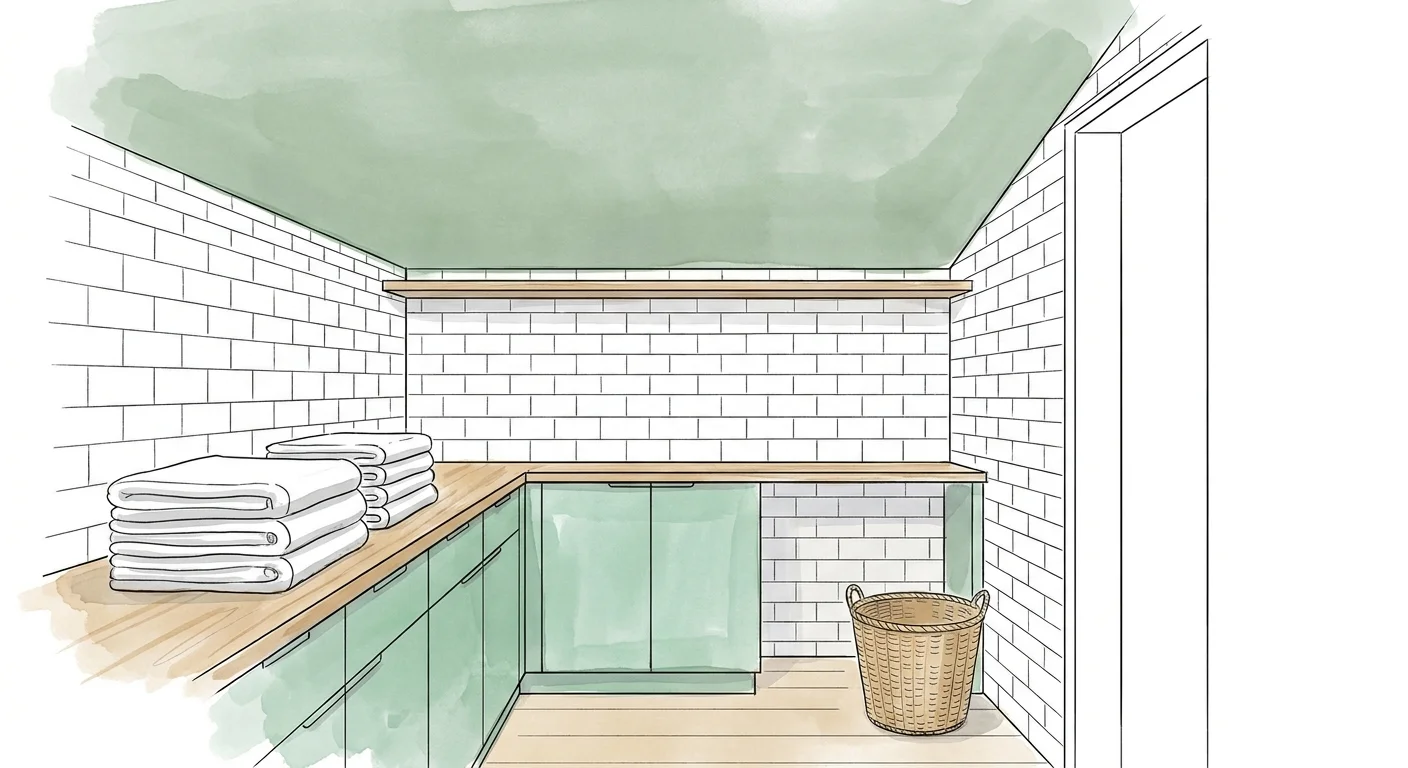
Breathe fresh life into tired spaces with a subtle sage or mint green ceiling. If deep forest green feels entirely too heavy for your square footage, these lighter botanical shades offer an airy, uplifting alternative. Sage green carries a slight gray undertone, making it an incredibly versatile neutral that pairs effortlessly with a wide range of interior styles, from rustic farmhouse to sleek contemporary. Applying this color to the ceiling of a kitchen, a laundry room, or a sunny vestibule injects serious personality into utilitarian spaces that often lack architectural interest. Mint green reflects natural light beautifully, actively amplifying the perceived brightness of a room throughout the day. Ground this delicate ceiling paint trend with dark wood floors, crisp white subway tile, and matte black hardware to prevent the space from feeling overly sweet or pastel-heavy. A sage ceiling provides a whisper of color that feels entirely fresh.

Trend #10: Rich Teal and Peacock
Make an unforgettable statement with a rich teal or peacock blue ceiling. Straddling the line between blue and green, teal offers a dynamic, jewel-box effect that shifts in visual intensity as the sun moves across the sky. This bold ceiling color is the absolute hallmark of maximalist design, perfect for homeowners who want their spaces to exude bold confidence and creative flair. Use teal in a cramped powder room or a grand entryway to immediately captivate guests the very moment they step inside your home. To maximize the visual impact, employ color-drenching—painting the walls, trim, wainscoting, and ceiling the exact same shade of peacock blue. This specific technique completely erases the room’s traditional boundaries, resulting in a fully immersive, cinematic interior experience that celebrates bold, unapologetic design. Highlight the teal expanse with crystal lighting fixtures to add a layer of necessary sparkle.
Trend #11: Warm Greige and Mushroom
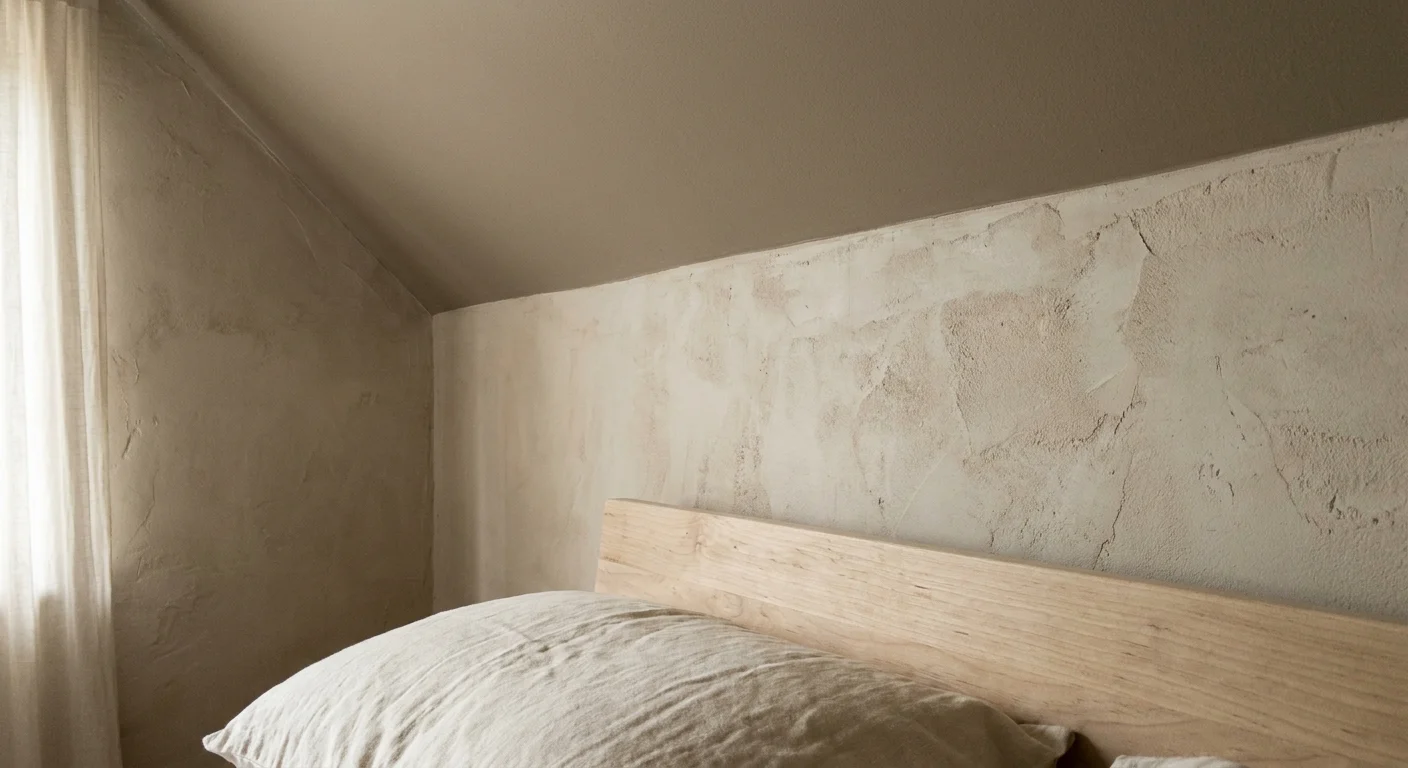
Embrace the nuanced sophistication of a warm greige or mushroom ceiling. While it might seem vastly less audacious than aubergine or teal, moving a saturated, muddy neutral from the walls to the ceiling is a distinctly modern, elevated design choice. A mushroom ceiling provides necessary visual weight and warmth, effectively grounding a room painted in crisp architectural whites or soft, buttery creams. This subtle approach is the absolute epitome of quiet luxury, whispering rather than shouting its complex design credentials. Implement this painted ceiling idea in sprawling open-plan living areas to subtly delineate specific functional zones without the need for physical walls or heavy rugs. The warm undertones of the greige harmonize flawlessly with natural quartzite countertops, bleached oak flooring, and heavily textured boucle upholstery, resulting in a cohesive, highly tailored environment that feels timelessly elegant. You achieve a designer-curated look that respects traditional color theory while subverting standard placement expectations.
Trend #12: High-Gloss Tomato Red
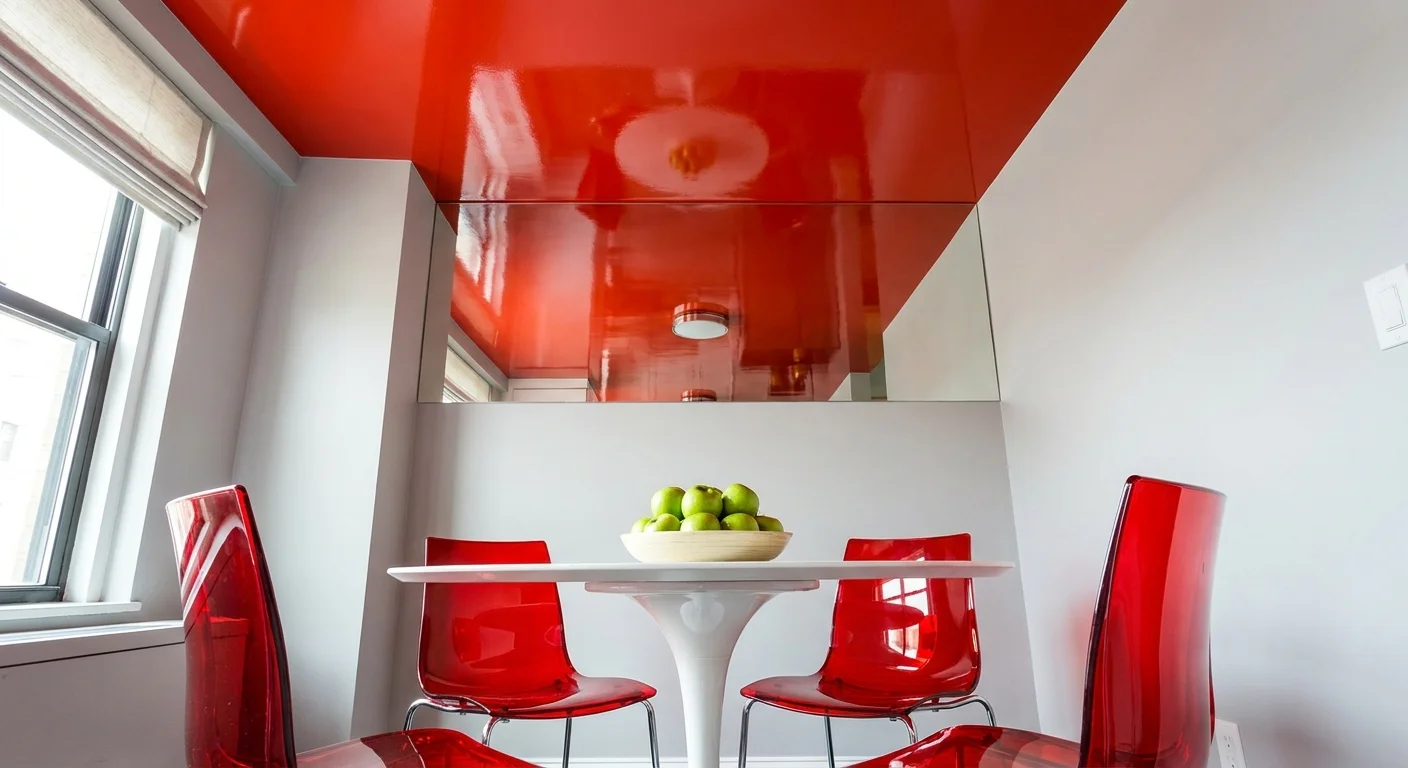
Electrify your design scheme with a high-gloss tomato red ceiling. This is the ultimate power move in professional interior design, firmly reserved for spaces that demand high energy and absolute dramatic flair. A lacquered red ceiling acts as a massive visual reflector, aggressively bouncing light and color throughout the room. Because red wavelengths are the longest in the visible spectrum, this color advances toward the eye, actively lowering the perceived ceiling height and creating an atmosphere of unabashed, old-world glamour. Deploy this fierce statement ceiling color in a formal dining room, an entertainment space, or a moody, book-filled library, pairing it directly with dark, paneled walls to balance the visual intensity. Achieving a flawless high-gloss finish requires meticulous, time-consuming prep work—the ceiling drywall must be skim-coated perfectly smooth, as the unforgiving lacquer will highlight every single bump and imperfection. The resulting mirror-like surface is entirely worth the extensive effort, delivering an unparalleled architectural showpiece that keeps your guests looking up. A red ceiling ensures your room leaves a lasting impression long after the dinner party ends.
The Big Picture: Weaving These Trends into Your Home
Treating your ceiling as an active, crucial participant in your color scheme requires a strategic approach to balance and spatial proportion. When you introduce a statement ceiling color, you must physically anchor the rest of the room to prevent the space from feeling top-heavy or visually overwhelming. Echo the ceiling hue in lower elements of the room—a heavily patterned throw pillow, a vintage area rug, or a striking piece of oversized artwork—to draw the eye downward and create a cohesive visual loop that grounds the aesthetic.
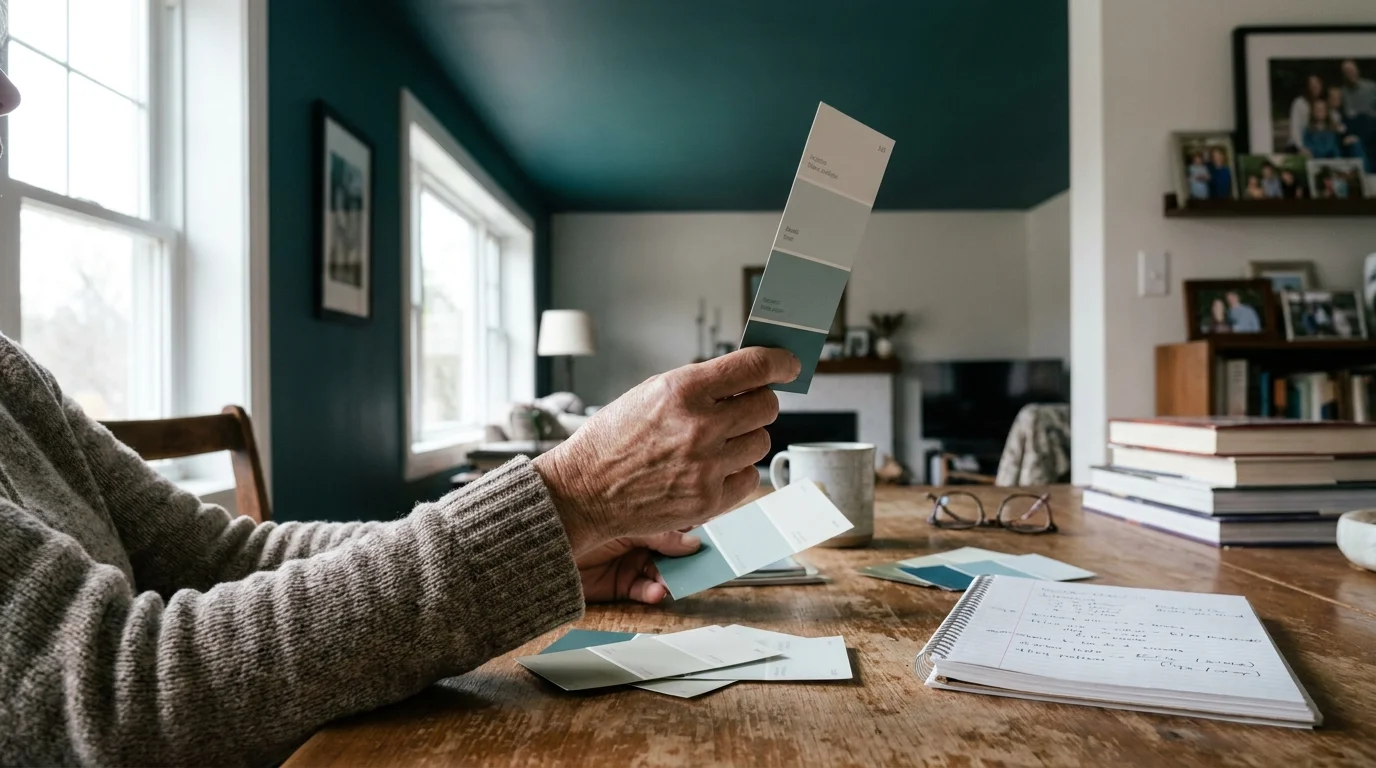
Consider the paint finish just as carefully as the specific color. Matte finishes effortlessly hide drywall imperfections and heavily absorb light, making them ideal for dark, moody colors like forest green, rust, or aubergine. Conversely, high-gloss or lacquer finishes bounce ambient light beautifully, adding perceived height, but they require a perfectly skim-coated ceiling to avoid highlighting structural flaws. Always test your paint colors by applying large swatches directly to the ceiling; light hits horizontal surfaces drastically differently than vertical walls, which dramatically alters how your chosen hue reads throughout the morning, afternoon, and evening. By treating the fifth wall with the exact same respect and consideration as your flooring and furniture, you inherently elevate the entire architectural integrity of your home. You transform an often-ignored expanse into a stunning, highly customized design feature.
Frequently Asked Questions
Do dark ceiling colors make a room look smaller?
Not necessarily; in fact, the opposite is often true. While dark colors physically lower the perceived height of a ceiling, they simultaneously blur the sharp corners and right angles of a room. This loss of defined architectural boundaries tricks the eye into seeing an endless expanse, much like gazing into a night sky. If you intentionally pair a dark ceiling with light, neutral walls and ample layered lighting, the room maintains its essential spaciousness while gaining significant, undeniable architectural drama.
Should I paint the ceiling trim the same color as the ceiling?
Your specific approach to trim depends entirely on your ultimate design goals. Painting the crown molding the same color as the ceiling physically extends the bold hue down the wall, creating a lush canopy effect that feels distinctly modern and highly immersive. Conversely, leaving the trim crisp white or matching it to the wall establishes a sharp, traditional boundary that proudly highlights the architectural separation between the vertical wall plane and the horizontal ceiling surface.
What is color-drenching, and does it work with bold ceilings?
Color-drenching is an immersive design technique that involves painting the walls, baseboards, trim, doors, and ceiling the exact same, unbroken color. This specific technique works exceptionally well with bold ceiling colors, as it completely envelops the room in a single, continuous hue. Color-drenching actively eliminates harsh visual breaks and shadows, allowing your curated furniture silhouettes and vibrant artwork to take absolute center stage against a unified, deeply monochromatic background.
How do I accurately choose between a warm or cool ceiling color?
Start by meticulously analyzing the natural light entering your specific space. North-facing rooms generally receive cool, bluish light and benefit immensely from warm ceiling colors like terracotta, mustard, or blush pink to actively counteract the inherent chill. South-facing rooms receive intense, warm sunlight throughout the day, making them the absolute perfect canvas for cool, receding shades like saturated navy, mint green, or charcoal gray. Always test paints directly on the ceiling to observe these light shifts.
For the latest color forecasts, consult industry leaders like Pantone and paint companies like Benjamin Moore. For professional design standards, refer to the American Society of Interior Designers (ASID).
Disclaimer: This article reflects design trend analysis and predictions. Personal taste and timeless design principles should always guide your decorating choices.
