

Reviving a flat space requires more than a fresh coat of paint; a strategically placed wallpaper accent wall transforms the entire architectural energy of your room. Leading designers are abandoning predictable painted focal points in favor of immersive, textured wallcoverings that define a home’s aesthetic narrative. Understanding these emerging wallpaper trends gives you the exact blueprint to elevate your interiors into a layered, sophisticated sanctuary. You will discover how modern wallpaper designs manipulate light, introduce crucial tactile elements, and create architectural depth without requiring extensive renovations. From woven grasscloths to expansive biophilic murals, these refined statement wall decor techniques offer a high-impact, actionable upgrade for your home styling strategy.
Trend #1: Immersive Biophilic Murals and Panoramic Landscapes
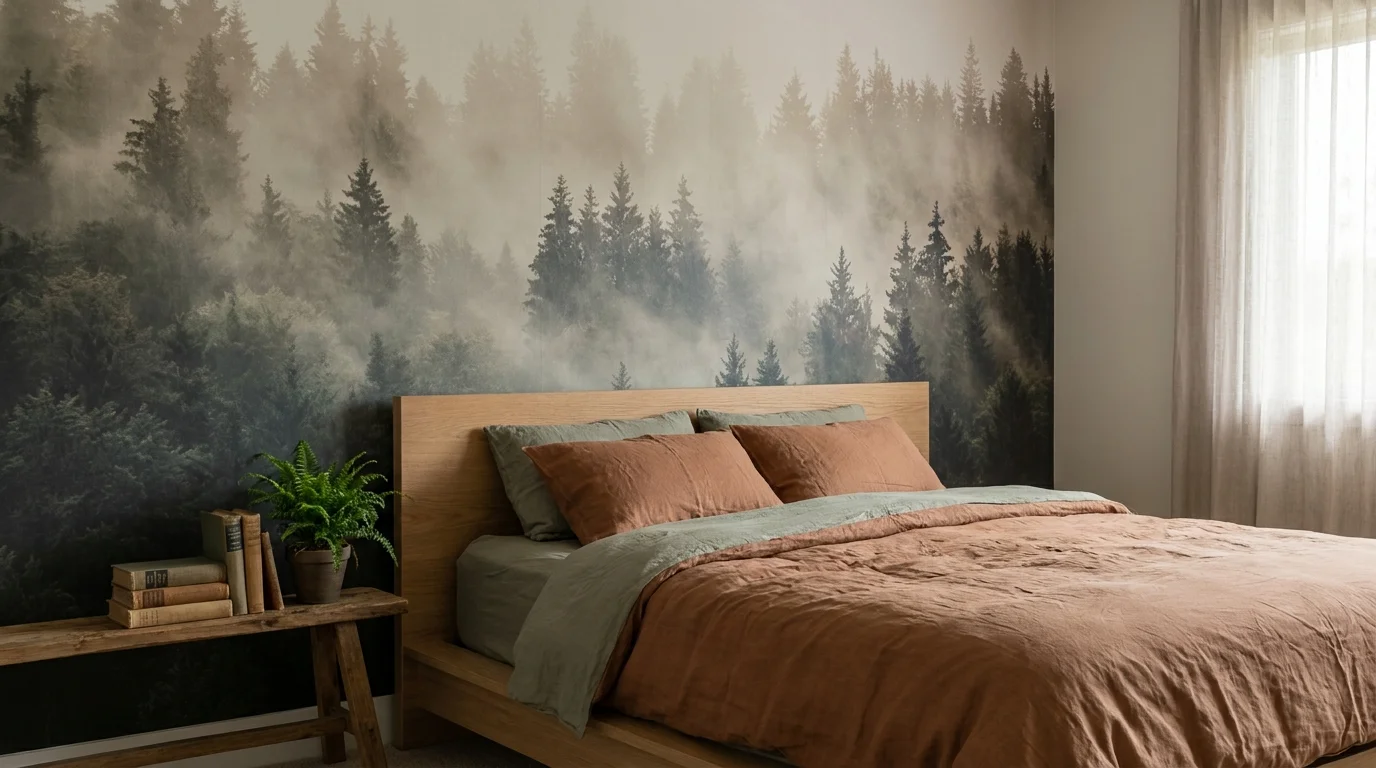
Standard repeating botanical prints are stepping aside to make room for expansive, non-repeating scenic murals that transform your room into an immersive environment. You no longer have to rely on small-scale leaf patterns; modern wallpaper designs now offer sweeping panoramas of misty alpine forests, vintage jungle etchings, and lush botanical conservatories. This distinct shift toward large-scale biophilic design roots your interior in the natural world, a scientifically proven strategy for lowering cortisol levels and introducing profound calm into high-traffic living spaces.
These panoramic murals act as massive pieces of bespoke art, entirely eliminating the need for additional framed artwork on your focal wall. By installing a scenic mural behind a primary bedroom headboard or along the longest wall of a formal dining room, you instantly establish a powerful architectural anchor. The lack of a repeating pattern tricks the human eye into perceiving continuous, uninterrupted depth; this visual illusion pushes your physical walls outward, making confined, boxy spaces feel incredibly vast and airy.
When you execute this wallpaper accent wall trend, you must keep the surrounding color palette tightly controlled to maintain elegance. Extract two or three dominant hues directly from the mural—perhaps a muted sage green and a soft, earthy terracotta—and pull those exact tones into your adjacent painted walls, area rugs, and upholstery. This disciplined color-matching technique ensures your landscape mural remains a sophisticated statement wall decor feature rather than an overwhelming, chaotic distraction.
Trend #2: Tactile Textures and Woven Grasscloths
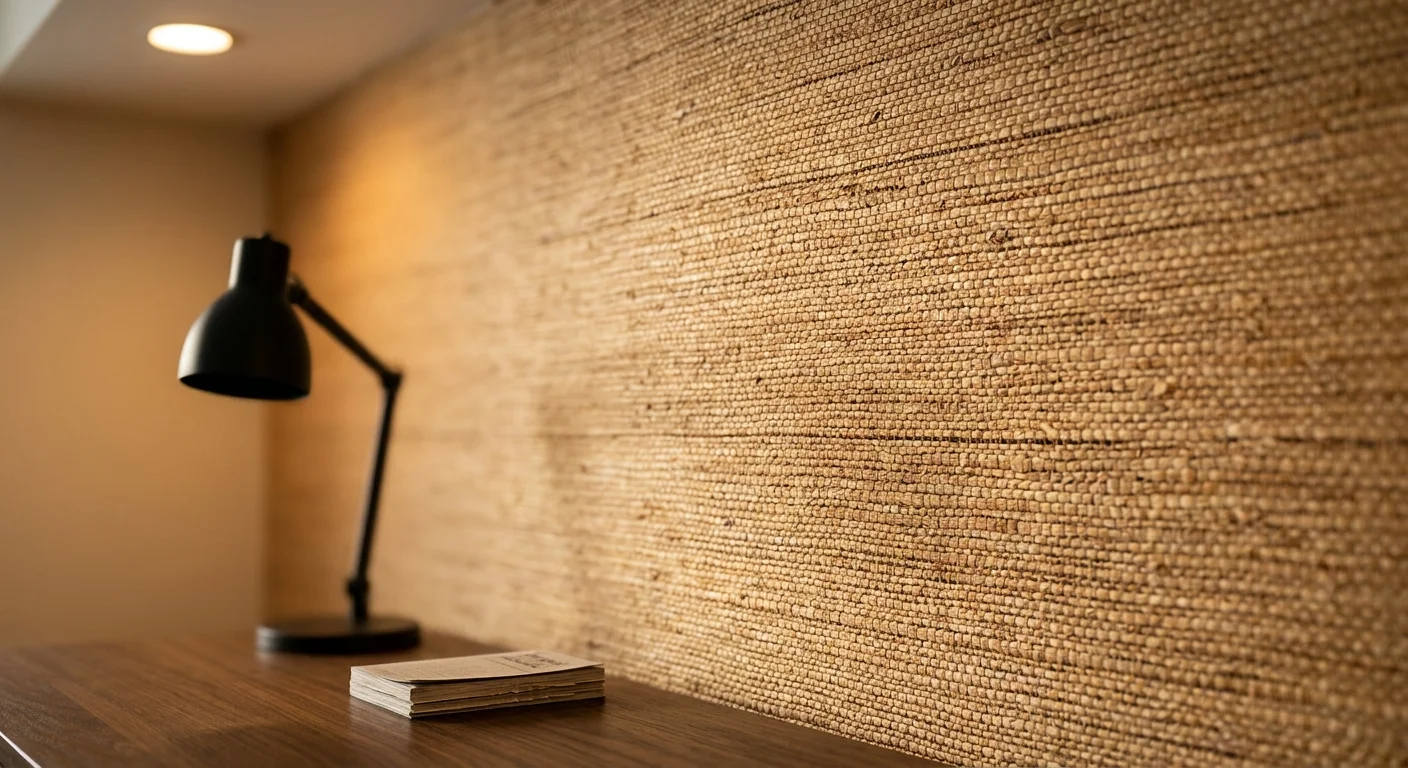
The contemporary design landscape increasingly prioritizes spaces that engage the sense of touch just as much as the sense of sight. A flat, painted accent wall offers nothing tactile, driving the massive resurgence of textured wallcoverings made from natural fibers. Authentic grasscloth, woven jute, raw silk, and metallic cork seamlessly inject warmth and organic irregularity into sterile, overly modern rooms. You can feel the craftsmanship in these materials; the slight variations in fiber thickness and dye lots prove the material’s natural provenance.
Beyond their stunning visual appeal, textured wallpapers provide significant acoustic benefits for your home. Hard surfaces bounce sound waves, creating chaotic echoes in minimalist living rooms and echoing hallways. Woven grasscloth and heavy linen wallpapers naturally dampen these sound waves, absorbing ambient noise and creating a softer, more intimate auditory environment. You will find these tactile papers incredibly effective in home offices, media rooms, and high-ceilinged spaces where acoustics often present a structural challenge.
Because grasscloth contains visible horizontal and vertical seams upon installation, you should embrace this paneling effect as part of the authentic aesthetic. Illuminate your textured wallpaper accent wall with strategic grazing light; position recessed ceiling fixtures or sleek floor uplights a few inches from the wall’s surface. This sharp lighting angle catches the raised natural fibers, casting microscopic shadows that amplify the material’s rich texture and completely transform the room’s atmosphere after sunset.
Trend #3: Architectural Trompe L’Oeil and Faux Millwork
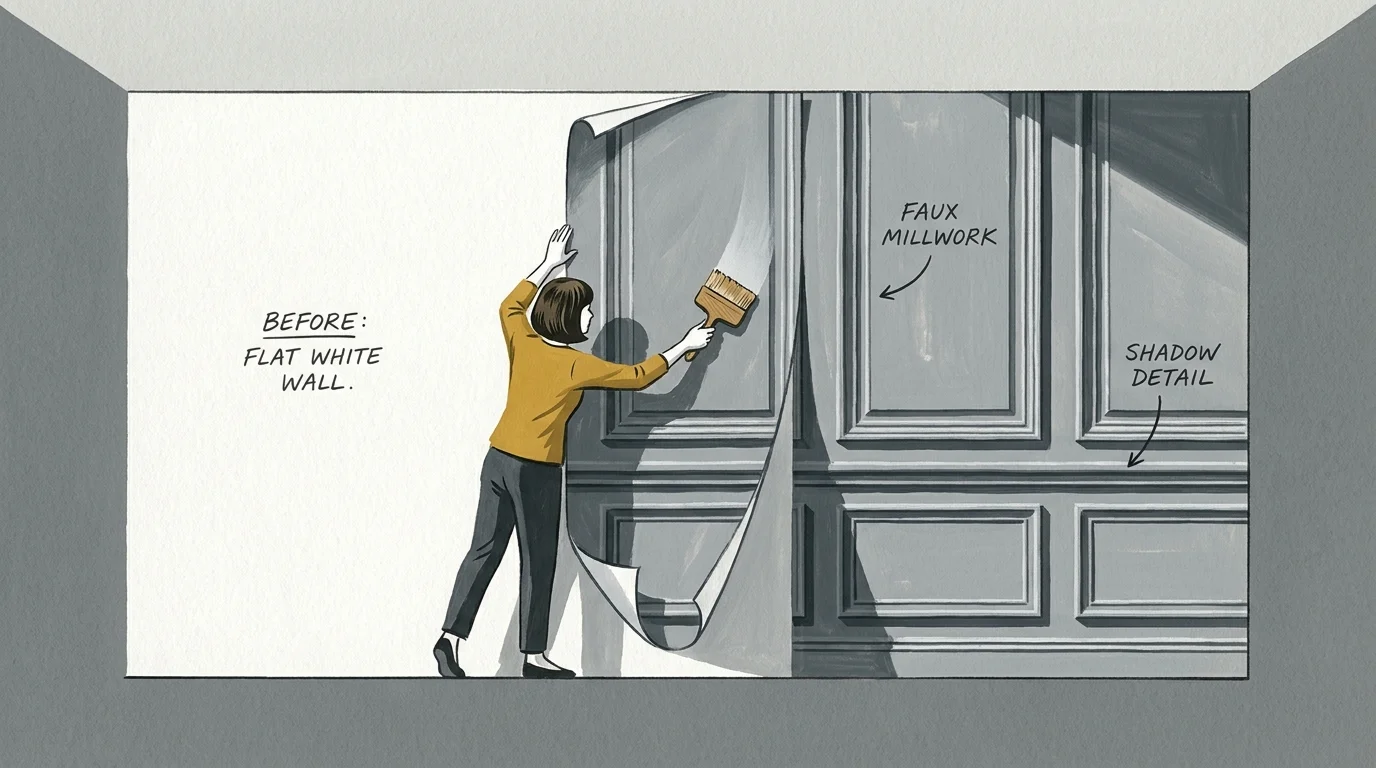
High-end custom millwork demands massive budgets and weeks of invasive construction, but architectural trompe l’oeil wallpapers deliver the exact same visual gravitas at a fraction of the cost. Advanced digital printing technology now produces hyper-realistic illusions of 3D surfaces, completely revolutionizing how you can add structural character to builder-grade homes. You can now source modern wallpaper designs that flawlessly mimic slatted wood paneling, ornate Parisian plaster moldings, poured concrete, and deeply veined marble slabs.
This trend directly addresses the desire for historical character and structural intrigue in otherwise featureless, square rooms. A fluted wood wallpaper installed behind a minimalist sofa instantly creates the illusion of a custom-built architectural partition. Similarly, a faux-plaster molding wallpaper applied to a dining room wall establishes immediate, convincing neoclassical elegance. The shading and highlights printed onto the flat paper deceive the eye so effectively that guests will instinctively reach out to touch the faux textures.
To successfully pull off this illusion, you must pay strict attention to scale and lighting. Ensure the shadows printed on the trompe l’oeil wallpaper align logically with the actual light sources in your room. If you choose a faux wood slat design, extend it seamlessly from the baseboard all the way to the ceiling line without interruption. This floor-to-ceiling application maximizes the verticality of the space and reinforces the illusion of authentic architectural structural elements.
Trend #4: Maximalist Chinoiserie and Heritage Revivals
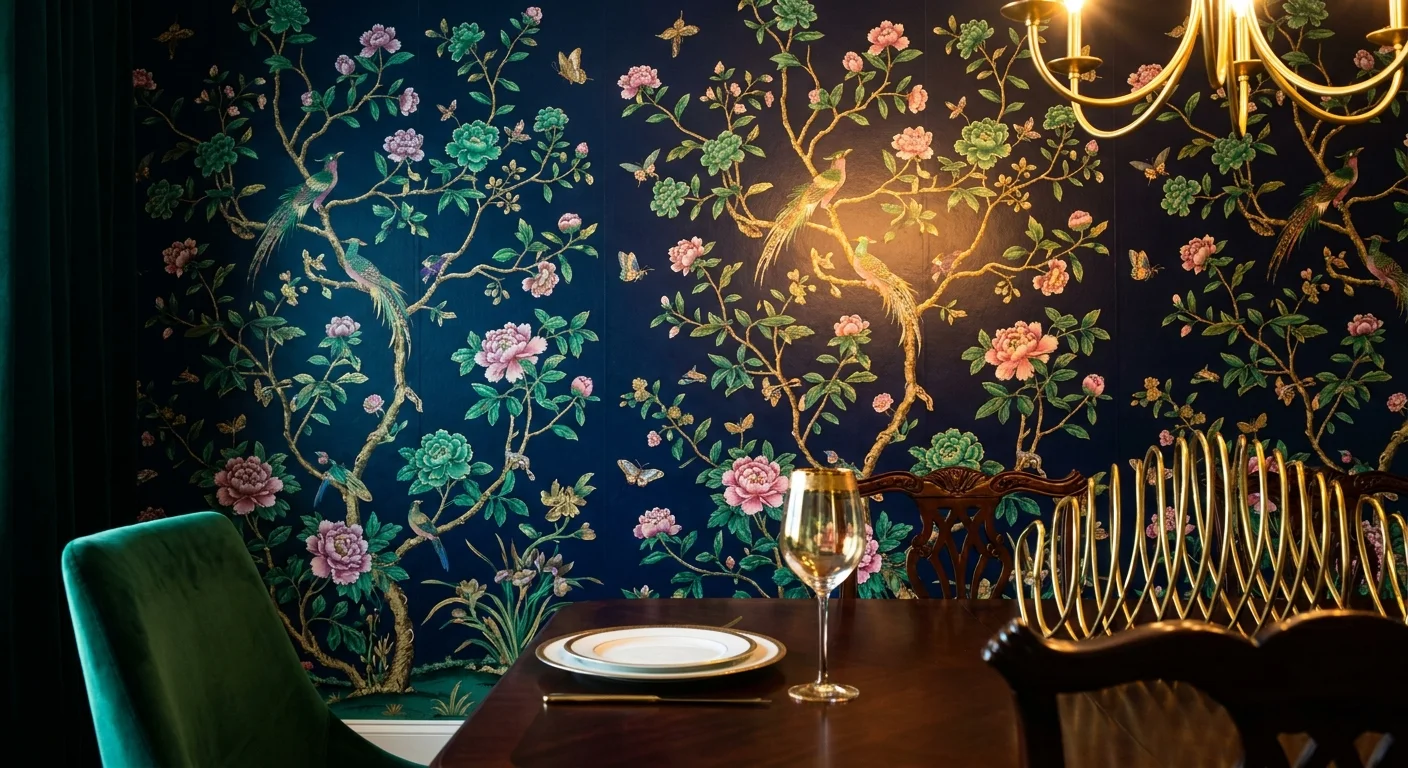
Minimalism is steadily yielding ground to opulent, historically rich aesthetics, bringing maximalist Chinoiserie and dark, moody heritage florals to the forefront of design. These intricate patterns feature lush garden scenes, exotic birds, and sweeping floral motifs, often set against deeply saturated, dramatic backgrounds like aubergine, midnight navy, and charcoal black. This trend channels a sense of “quiet luxury” and old-world provenance, injecting profound drama and romanticism into your home.
Unlike the brightly colored, overly sweet florals of the past decades, today’s heritage revivals rely on rich contrast and sophisticated restraint. The dark backdrop grounds the intricate botanical elements, preventing the pattern from feeling excessively chaotic. You will see these striking wallpapers thriving in intimate, enclosed spaces where you want to create a jewel-box effect. Powder rooms, formal dining spaces, and cocktail lounges serve as the perfect canvas for this specific style of statement wall decor.
Tension drives the success of a heritage accent wall. You must deliberately contrast the ornate, vintage-inspired wallpaper with sleek, highly contemporary furnishings. Place a stark, geometric brass mirror against a lush Chinoiserie backdrop, or position a smooth marble dining table in front of a dark Dutch floral mural. This calculated friction between historical patterns and ultra-modern furniture prevents your room from looking like a dusty museum exhibit, ensuring the space feels vibrant, curated, and deeply personal.
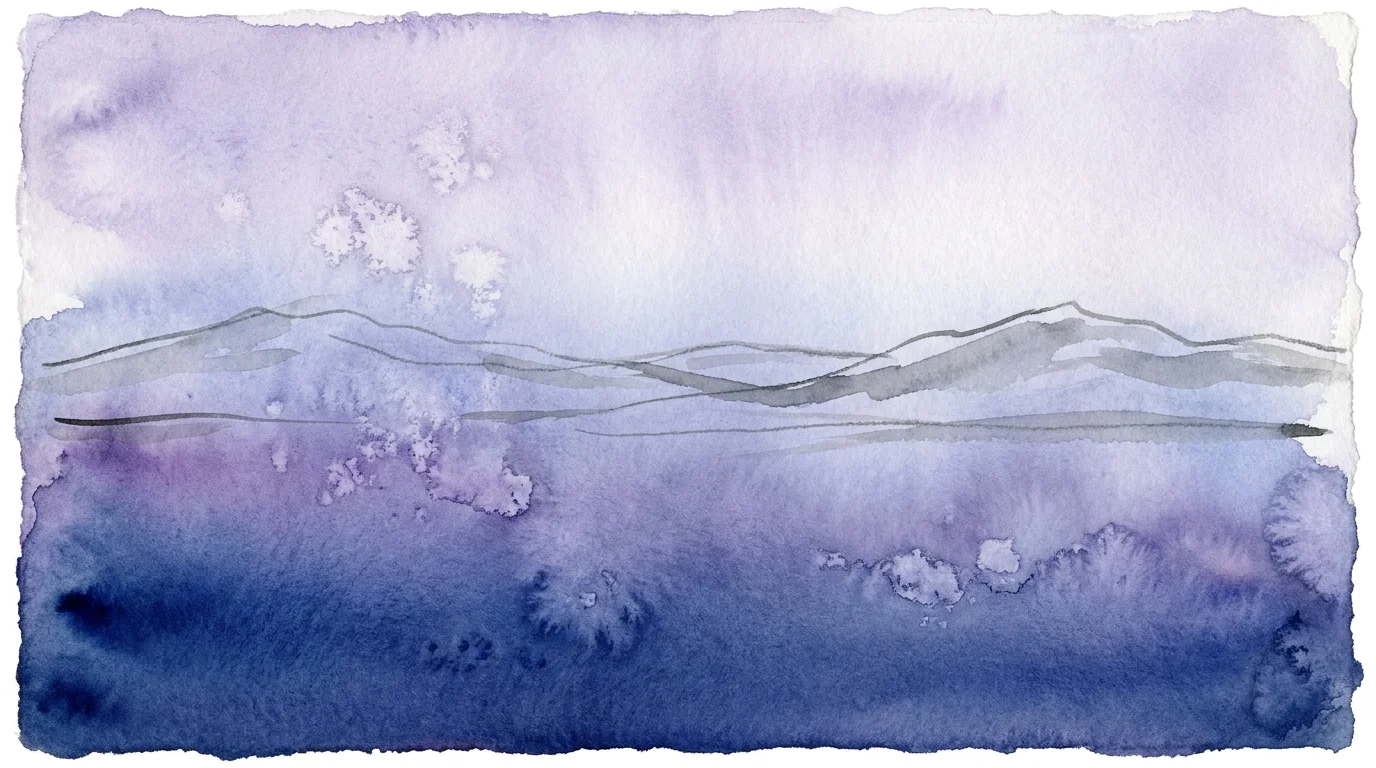
Trend #5: Watercolor Washes and Ombré Gradients
Rigid geometric patterns and sharp chevrons are fading from favor, replaced by the ethereal, fluid transitions of ombré gradients and watercolor washes. These stunning wallcoverings mimic the seamless color transitions of dawn skies, deep oceans, and natural atmospheric phenomenons. By removing harsh lines and repeating motifs, ombré wallpapers induce an immediate psychological state of calm, making them highly desirable for spaces dedicated to rest and mental decompression.
A floor-to-ceiling gradient wallpaper manipulates spatial perception brilliantly. When you install an ombré paper that begins with a deep, saturated color at the baseboard and gradually fades into a soft, airy cream or stark white near the ceiling, you force the eye upward. This specific visual technique dramatically increases the perceived height of your ceiling. You can effectively use this strategy in basements, attic bedrooms, or any room suffering from oppressively low, restrictive architecture.
Gradient and watercolor wallpapers require restraint in your remaining decor choices. Because the wall itself acts as a massive, fluid canvas, you should limit competing patterns on your rugs and window treatments. Opt for solid, textured fabrics like boucle, velvet, and washed linen. When brainstorming accent wall ideas for a primary suite, a soft blush-to-sand gradient behind the bed serves as a serene, sophisticated focal point that gently lulls you to sleep and invigorates you upon waking.
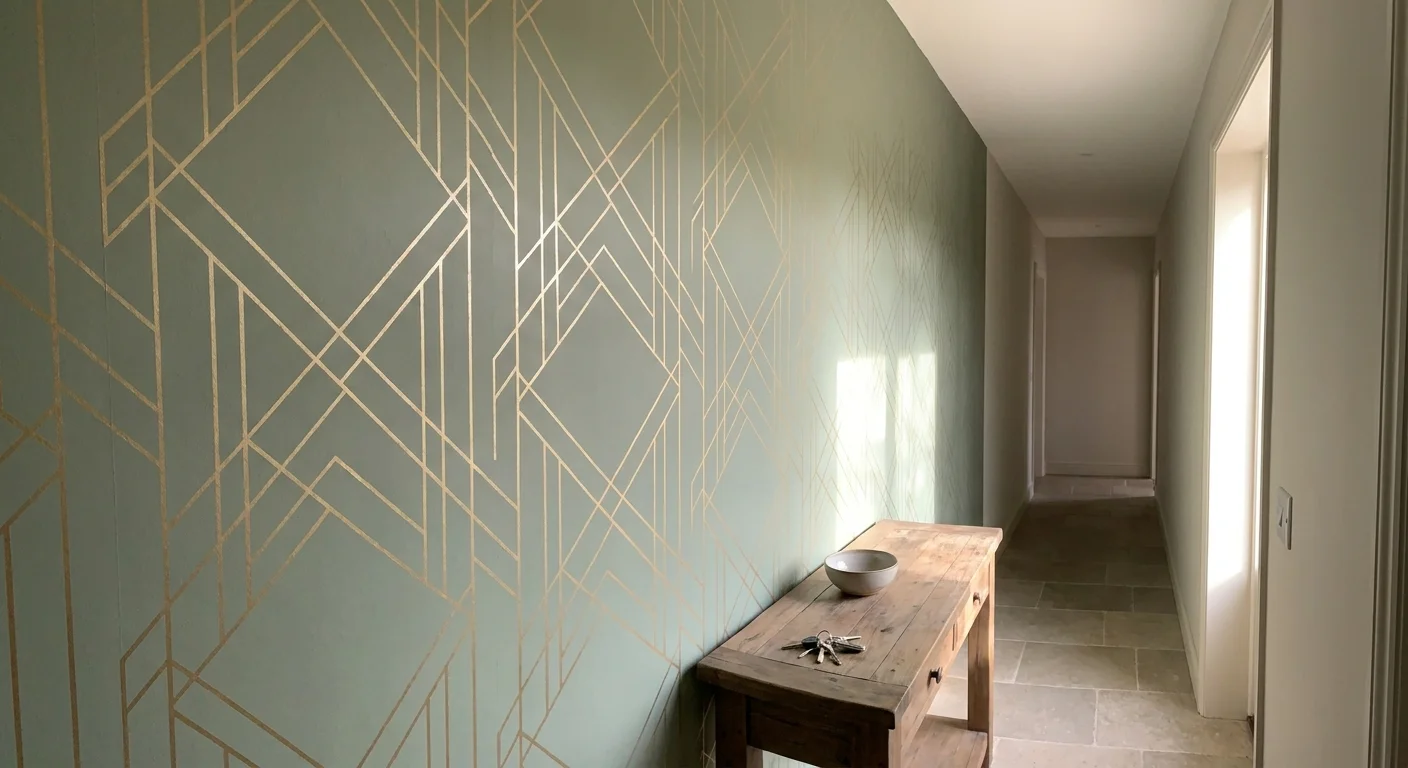
Trend #6: Subtle Metallics and Art Deco Geometrics
Metallic wallpapers have matured far beyond the loud, reflective gold foils of the early 2000s. The current iteration focuses on subtle, oxidized patinas and brushed metallic threads woven into sophisticated, Art Deco-inspired geometric grids. You will find wallpapers featuring matte charcoal backgrounds sliced by razor-thin lines of champagne gold, tarnished silver, and aged copper. These designs introduce a refined, adult sense of glamour without overwhelming the visual senses.
The primary advantage of metallic-infused wallpaper lies in its ability to manipulate light within dark or windowless environments. The metallic elements catch and scatter whatever ambient light exists, brightening up gloomy entryways, narrow interior corridors, and subterranean basement bars. As you move through the space, the viewing angle shifts, causing the metallic lines to shimmer gently and bringing a dynamic, kinetic energy to the otherwise static walls.
To maximize the impact of this modern wallpaper design, you must pair it with deliberate, layered lighting. Relying solely on a harsh overhead flush-mount fixture will wash out the metallic subtleties. Instead, install warm-toned wall sconces directly onto the wallpapered surface, or use picture lights to cast a downward glow. The warm artificial light will ignite the metallic flakes in the paper, creating an incredibly luxurious, glowing atmosphere during evening hours.
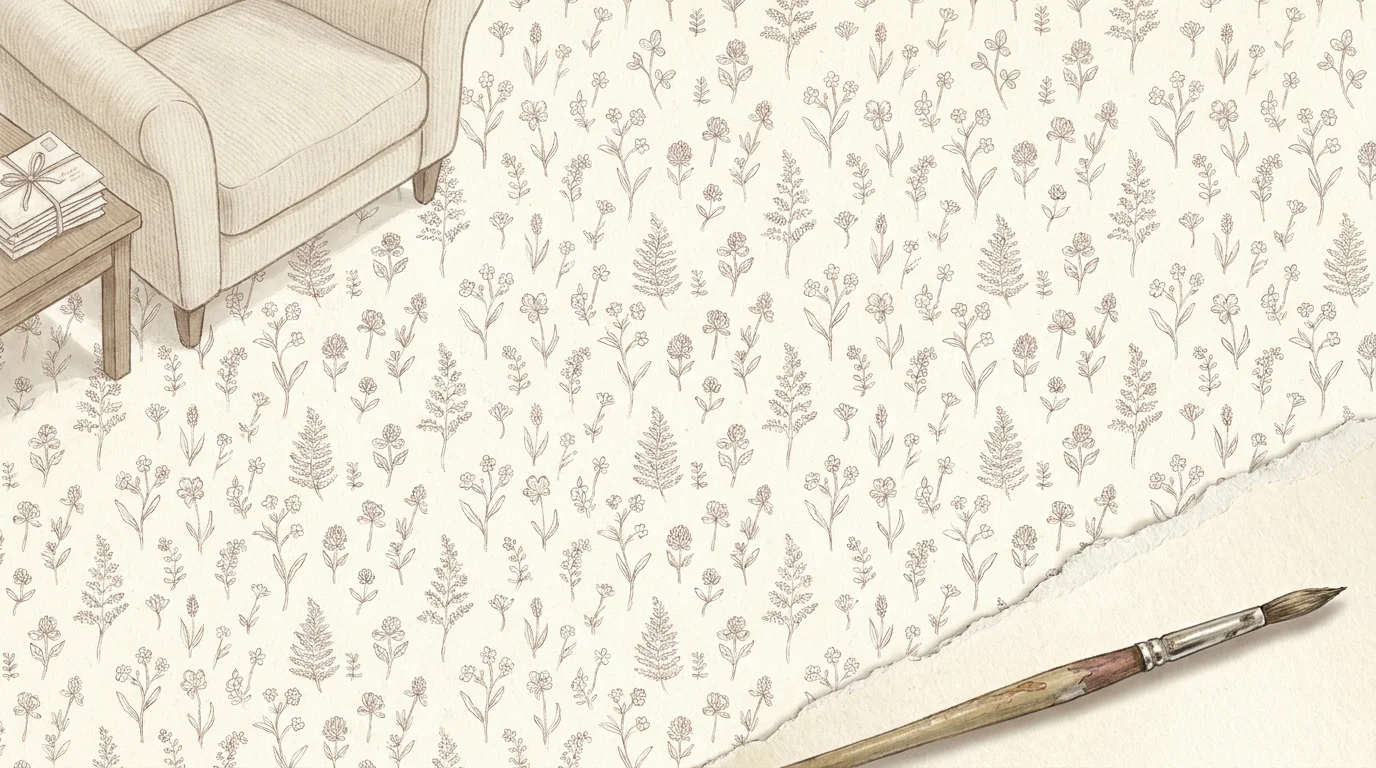
Trend #7: Micro-Florals and Quiet Luxury Patterns
For those who find large-scale murals and bold geometrics too visually aggressive, the micro-pattern trend offers the perfect solution. Inspired by the bespoke tailoring of high-end menswear, these wallpapers feature tiny, densely packed motifs—such as micro-florals, houndstooth, or subtle stippling—that read as a solid, textured color from across the room. Only as you physically approach the wall does the intricate, precise detailing reveal itself.
This understated approach epitomizes the concept of quiet luxury. It provides immense visual depth and layering without demanding the immediate attention of anyone walking into the room. You can confidently apply micro-patterned wallpapers to expansive accent walls in open-concept living rooms; they bridge the gap between stark, flat paint and overwhelming, dominating artwork. The intricate density hides wall imperfections brilliantly, masking uneven drywall and minor bumps that standard matte paint would only highlight.
Integrate a micro-patterned wallpaper accent wall by echoing its subtle colors throughout your architectural trim. If your micro-floral paper consists of tiny navy leaves on a cream background, paint your baseboards, crown molding, and interior doors in that exact navy shade. This cohesive color-blocking technique frames the wallpaper elegantly, elevating the entire room into a bespoke, designer-finished space that feels incredibly intentional and highly polished.
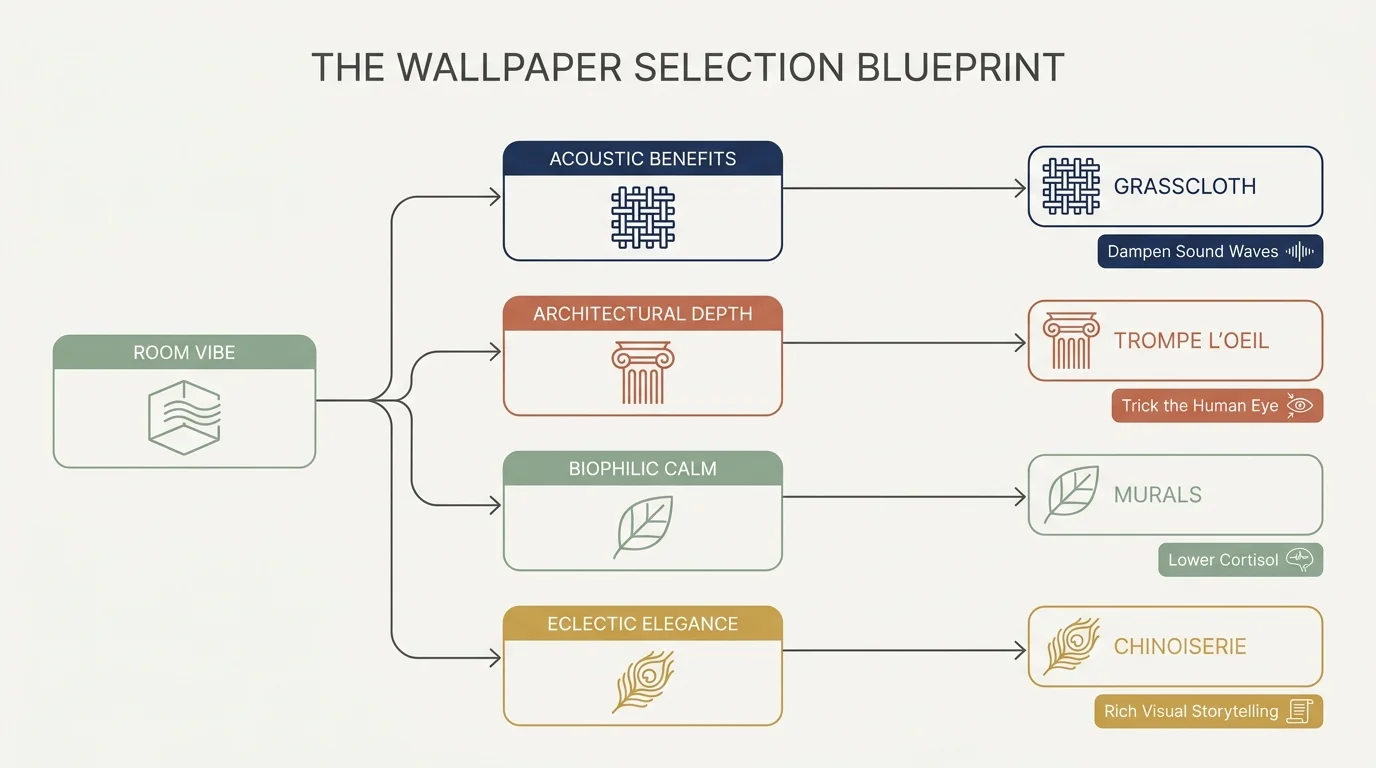
The Big Picture: Weaving These Trends into Your Home
Transforming your space with a wallpaper accent wall demands more than just selecting a beautiful pattern; it requires a strategic understanding of your room’s architecture. You must first identify the natural focal point of your space. The ideal accent wall usually anchors the heaviest piece of furniture—such as a king-sized bed, a fireplace, or a prominent media console—or serves as the furthest continuous wall you see upon entering the room. Slapping a bold pattern on a random, interrupted wall creates visual confusion rather than cohesion.
Never chase interior design trends blindly. Instead, analyze the existing architectural bones and natural lighting of your home before committing to a specific style. A dark, moody heritage floral might overwhelm a cramped, low-ceilinged apartment, but an airy, vertical ombré gradient will elevate that same space brilliantly. Order large physical swatches of your chosen wallpapers and tape them to your intended wall. Observe how the natural sunlight interacts with the colors and textures throughout the day, and note how your artificial lighting changes the mood at night.
Your ultimate goal is to create a home that feels collected and authentic, not like a staged showroom. By pairing these sophisticated wallcoverings with meaningful personal artifacts, varied textiles, and strategic lighting, you craft a dynamic environment that honors cutting-edge design while remaining comfortably yours.
Frequently Asked Questions
How do I choose which wall should be the accent wall?
You must identify the architectural anchor of your room. Walk into the space and note where your eye naturally lands; this is typically the solid wall furthest from the entry door. Walls that anchor significant furniture pieces, such as the wall behind a bed, a living room sofa, or a dining room table, serve as excellent candidates. Avoid walls heavily broken up by multiple windows, poorly placed doors, or bulky utility closets, as these interruptions will ruin the continuous visual impact of your chosen wallpaper.
Are wallpaper accent walls going out of style anytime soon?
The concept of a sharply contrasting, brightly painted accent wall feels dated, but textured, mural, and architecturally integrated wallpaper accent walls are rapidly gaining momentum. Homeowners and designers alike crave spaces with tactile depth, character, and visual storytelling—elements that flat paint simply cannot provide. By choosing sophisticated materials like woven grasscloths, subtle metallic grids, or large-scale scenic murals, you ensure your accent wall remains a timeless, high-end architectural feature rather than a passing fad.
Can I mix modern wallpaper designs with vintage or antique furniture?
Absolutely; in fact, leading designers actively encourage this exact approach. Deliberately mixing eras creates dynamic visual tension, which prevents your room from feeling entirely one-dimensional or predictable. You can dramatically modernize a heavy, antique Victorian dining set by placing it against a fluid, contemporary ombré watercolor wall. Conversely, placing a sleek, low-profile modern sofa against a traditional, moody Chinoiserie wallpaper creates an incredibly sophisticated, curated environment that spans multiple design eras seamlessly.
How does lighting affect textured and metallic wallpapers?
Lighting completely dictates the success of tactile and reflective wallcoverings. Harsh, cool-toned overhead lighting flattens textures and washes out delicate metallic threads. You must utilize layered, warm-toned lighting to bring these specific wallpapers to life. Install wall sconces, picture lights, or floor uplights that cast light parallel to the wall’s surface; this technique, known as grazing, highlights the physical peaks and valleys of grasscloth and catches the reflective metallic elements, adding immense warmth and drama to your space.
For the latest color forecasts, consult industry leaders like Pantone and paint companies like Benjamin Moore. For professional design standards, refer to the American Society of Interior Designers (ASID).
Disclaimer: This article reflects design trend analysis and predictions. Personal taste and timeless design principles should always guide your decorating choices.
