

Transform your daily living experience by adopting the meticulous design principles that make luxury boutique hotels so captivating. You can elevate your residential spaces from purely functional to deeply experiential by studying how high-end hospitality blends comfort with sophisticated aesthetics. Boutique hotel design moves beyond basic decor; it curates an atmosphere of quiet luxury that anticipates your needs while engaging your senses. We analyze the specific architectural choices, material palettes, and spatial arrangements top hoteliers use to create unforgettable environments. By translating these upscale commercial concepts into accessible residential strategies, you gain the blueprint to craft a home that feels like a perpetual getaway, merging opulent textures with intuitive, personalized functionality.
Trend #1: Spa-Inspired Wet Rooms
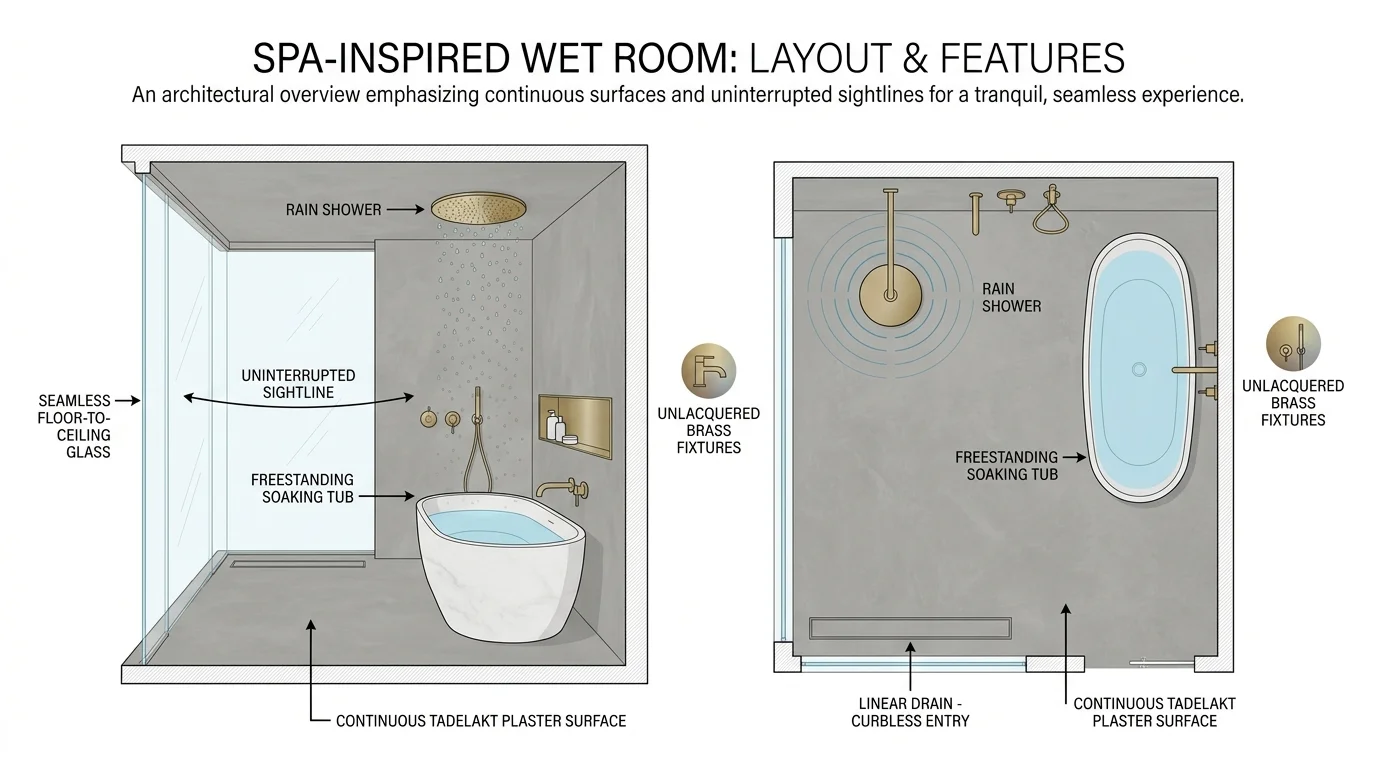
Luxury boutique hotels prioritize the bathroom as a restorative sanctuary rather than a strictly utilitarian space, a philosophy that translates beautifully into residential design. The defining feature of this movement is the wet room—a configuration where the freestanding soaking tub and the rain shower are enclosed together behind a single, seamless pane of floor-to-ceiling glass. This architectural choice visually expands the footprint of the bathroom while containing moisture and heat to create an authentic, immersive steam room experience right in your own home.
To replicate this high-end aesthetic, designers rely on continuous surface materials. Large-format porcelain slabs or authentic Tadelakt plaster sweep from the floors straight up the walls, eliminating distracting grout lines and creating a serene, monolithic look. You can elevate this foundation by incorporating unlacquered brass fixtures, which develop a rich, living patina over time. The warmth of the brass contrasts perfectly against cool, organic stone, delivering a tactile richness that defines modern luxury. When designing your own wet room, ensure your contractor slopes the floor meticulously toward a linear drain; this functional necessity allows you to skip the traditional shower curb, maintaining that flawless, uninterrupted sightline typical of elite hospitality design.
Trend #2: Immersive Color Drenching
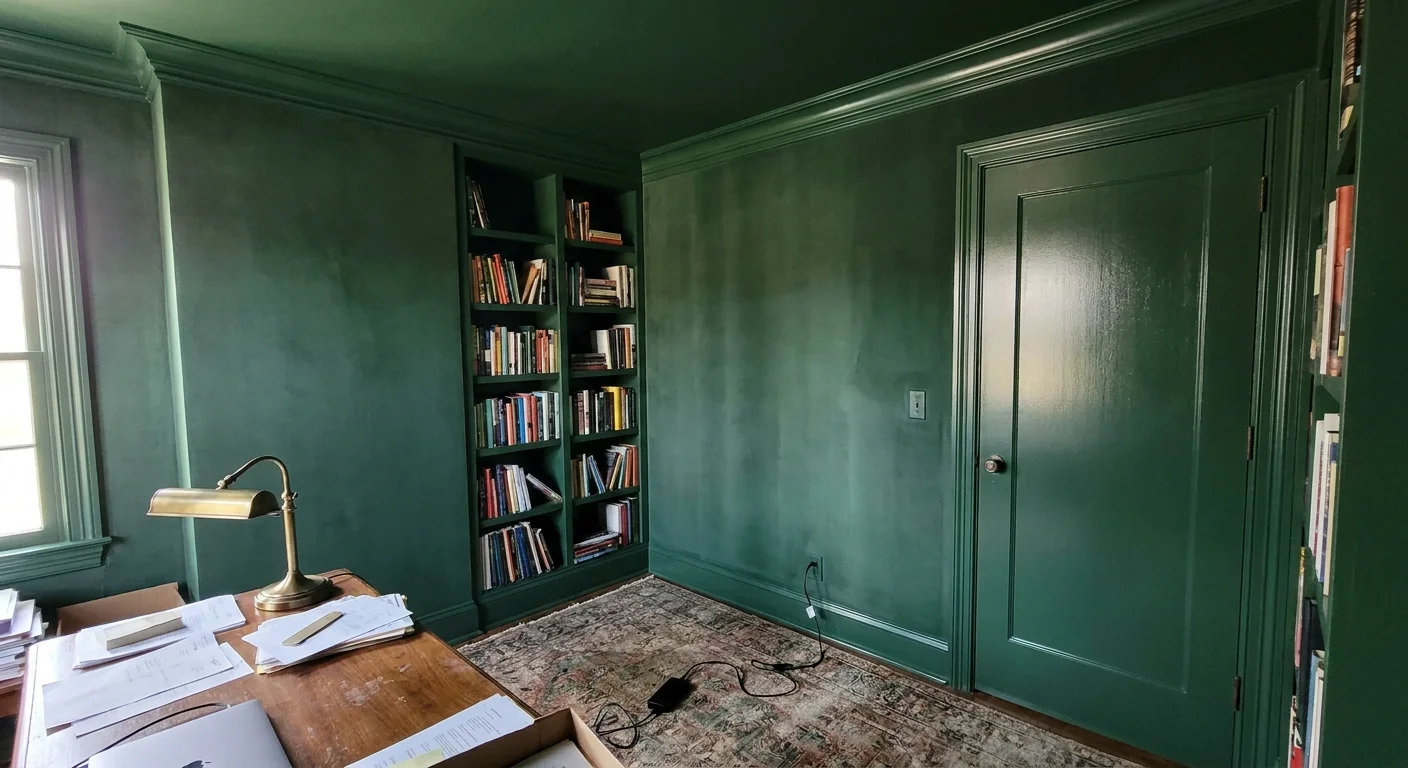
Gone are the days of the stark white hotel room featuring a single, timid accent wall. Today’s most celebrated boutique properties utilize immersive color drenching to create moody, enveloping atmospheres that instantly lower your heart rate. Color drenching involves painting the walls, baseboards, crown molding, doors, and even the ceiling in the exact same deeply saturated hue. By eliminating the visual breaks created by contrasting white trim, the room’s boundaries blur, making small spaces feel surprisingly expansive and infinitely more intimate.
You can execute this trend effectively by playing with sheen levels rather than shifting colors. Paint your walls in a velvety flat or matte finish, and apply a durable satin or semi-gloss finish in the identical color to your doors and millwork. This technique allows light to bounce differently off the various surfaces, providing subtle architectural definition without breaking the monochromatic spell. Grounding shades like deep aubergine, dark forest green, and rich terracotta work exceptionally well for this application. These complex, earth-toned pigments absorb harsh light and create a cocooning effect, transforming a standard bedroom or home office into a highly curated, sensory-driven retreat.
Trend #3: The Statement Mini-Bar and Coffee Station
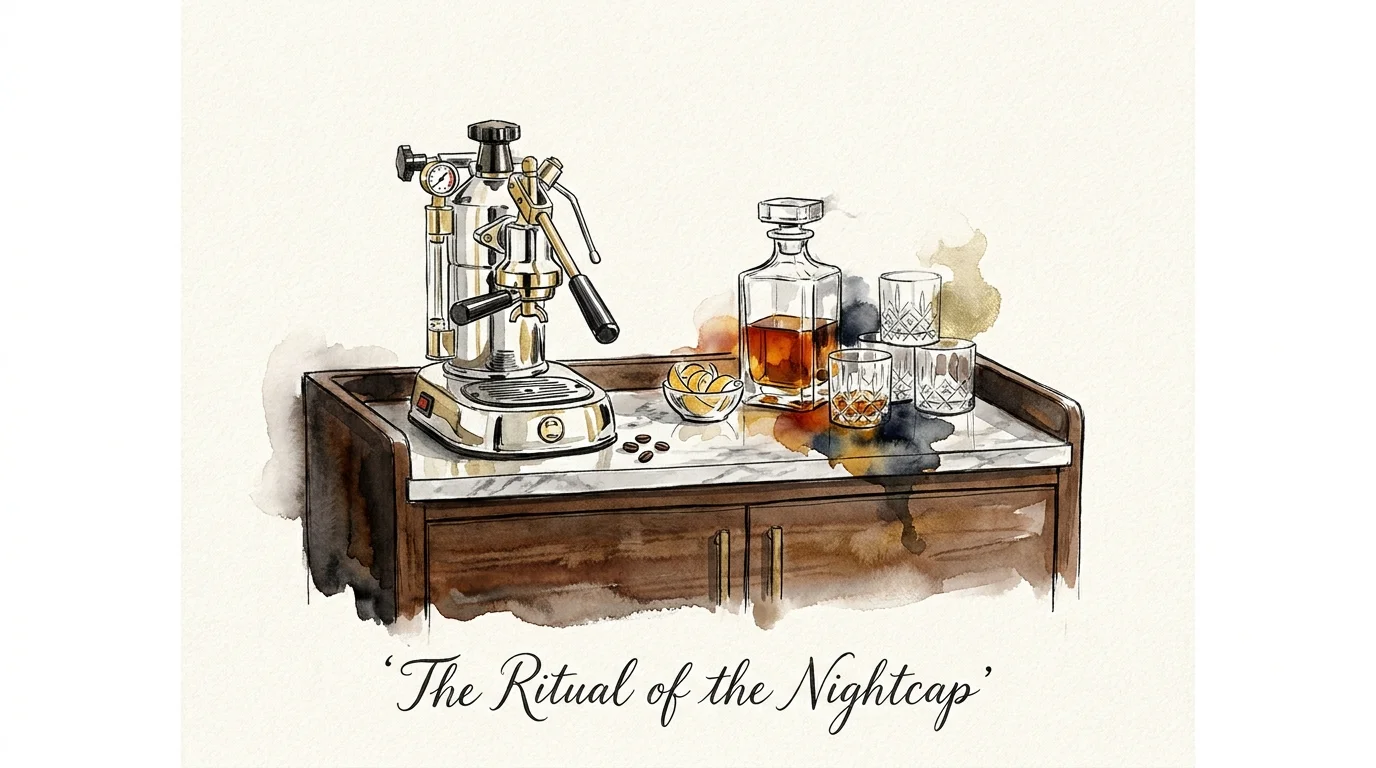
Hospitality design excels at anticipating daily rituals, turning mundane tasks like making a morning espresso or pouring an evening nightcap into a celebrated event. Boutique hotels have elevated the mini-bar from a hidden mini-fridge into a gorgeous, standalone architectural feature. Bringing this concept into your residence requires moving your beverage stations out of the crowded kitchen footprint and giving them their own dedicated, beautifully designed zones.
Look for underutilized transition spaces in your home—a wide hallway, a recessed alcove, or an empty dining room corner—and install a bespoke beverage station. Use highly tactile materials like fluted walnut cabinetry paired with a dramatically veined marble or quartzite countertop. Add warm, integrated LED strip lighting hidden beneath floating shelves to illuminate your glassware and premium spirits. You can streamline the functionality by integrating a panel-ready under-counter refrigerator that blends seamlessly with your cabinetry. By intentionally designing a space dedicated entirely to hospitality, you encourage moments of pause and celebration, capturing the exact essence of a luxury hotel stay.
Trend #4: Layered, Low-Level Lighting Architecture
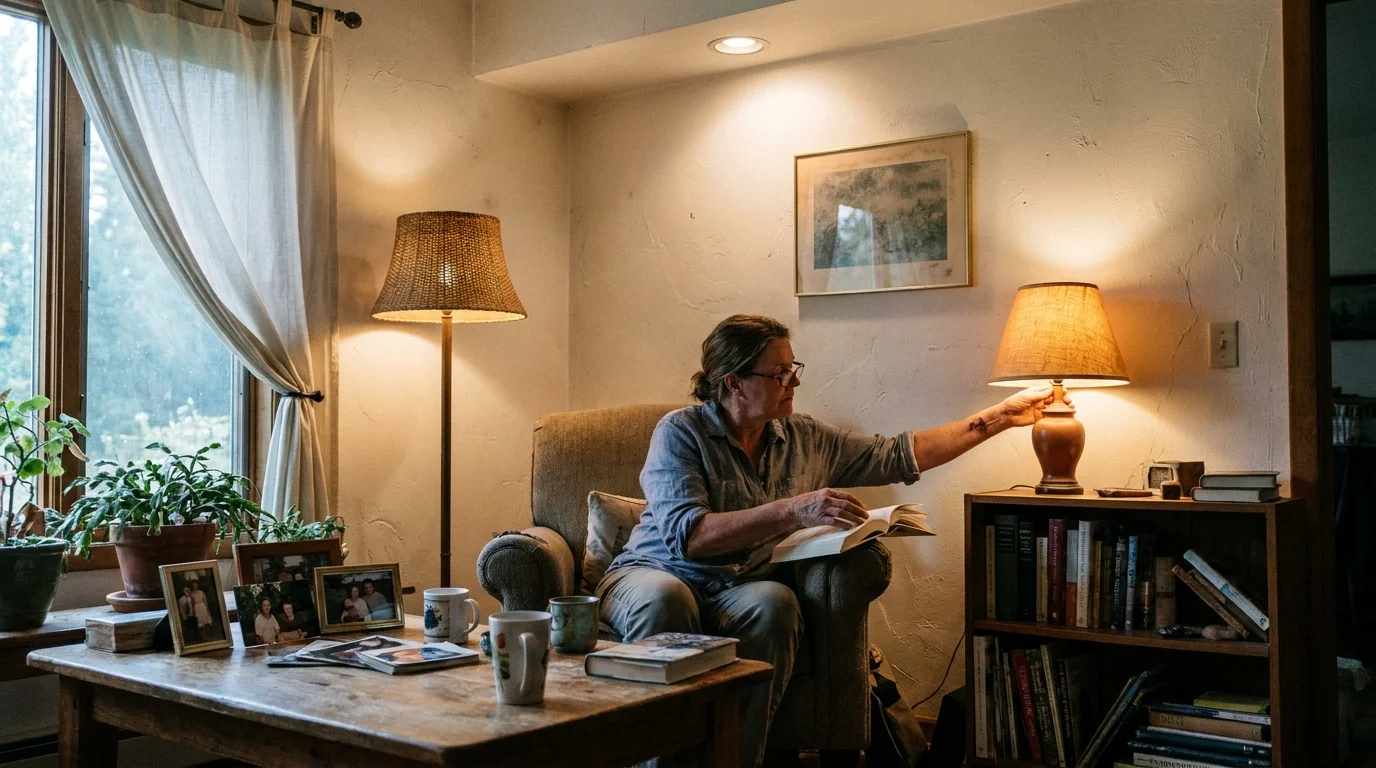
If there is one absolute rule in boutique hotel design, it is the complete rejection of the harsh, overhead “big light.” Premium hoteliers understand that lighting dictates the emotional resonance of a space. They utilize complex, layered lighting architecture to manipulate mood, relying almost entirely on low-level, indirect light sources. This approach eliminates harsh shadows, flatters the occupants, and brings a profound sense of calm to the environment.
To master this lighting strategy in your own home, you must establish three distinct layers: ambient, task, and accent lighting. Install dimmers on every single switch to grant you total control over the atmosphere. Swap out cool, clinical bulbs for LEDs sitting squarely at 2700 Kelvin on the color temperature scale, which produces a warm, amber glow reminiscent of candlelight. Incorporate wall sconces mounted at eye level to wash light gently across your walls, and use directional picture lights to highlight your art. Add hidden cove lighting above cabinetry or beneath floating furniture to create a weightless, floating effect. By keeping the light sources below the ceiling line, you immediately replicate the sultry, relaxing vibe of a high-end hotel lounge.
Trend #5: Bespoke Built-In Millwork
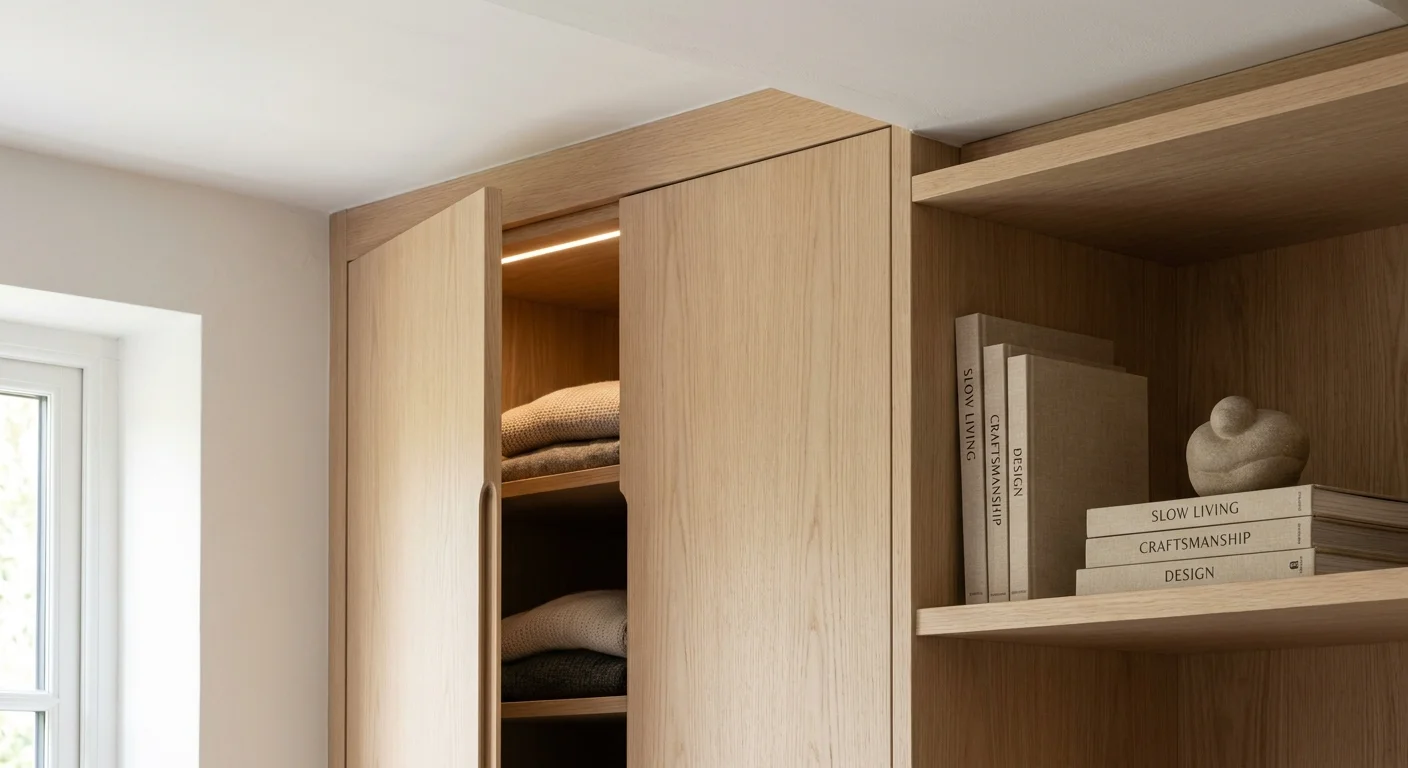
One of the primary reasons a boutique hotel room feels incredibly polished and spacious is the extensive use of custom millwork. Free-standing furniture can sometimes feel disjointed or bulky, disrupting the flow of a room. Hoteliers solve this by integrating the furniture directly into the architecture. Wall-to-wall headboards, built-in window seats, and floating nightstands create a highly tailored, intentional environment that maximizes every square inch of available floor space.
You can leverage custom carpentry to bring this seamless efficiency to your primary bedroom or living spaces. Consider installing an oversized, upholstered headboard that spans the entire width of your bedroom wall, complete with integrated floating bedside tables. Route your electrical wiring directly through the millwork to provide hidden charging stations and built-in reading sconces, effectively eliminating cord clutter. In the living room, replace a standard media console with a wall-to-wall floating credenza. This architectural approach streamlines your visual field; when furniture appears as a natural extension of the walls, the entire home feels profoundly more expensive and expertly crafted.
Trend #6: Curated Art Collections with Provenance
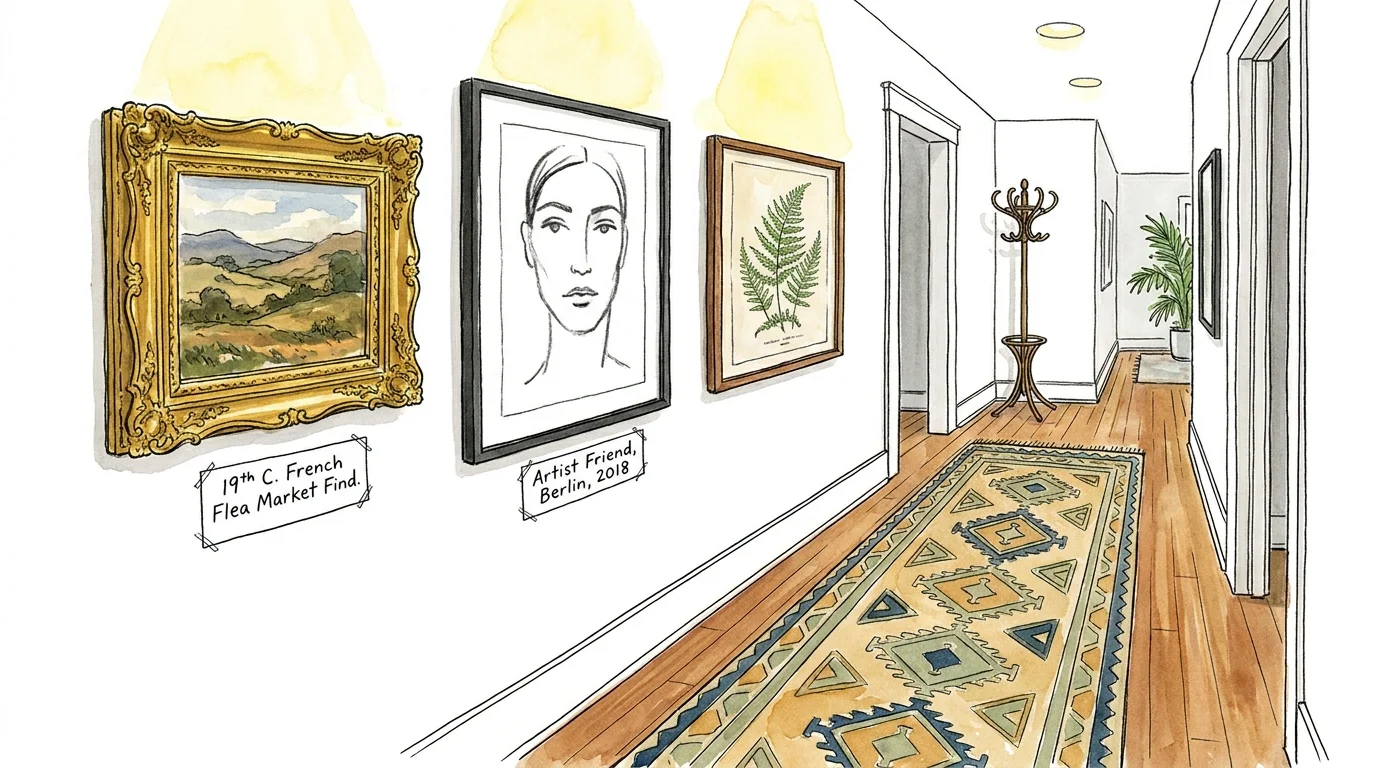
High-end hospitality has completely abandoned the era of generic, mass-produced wall decor. Today’s premier boutique hotels function almost as private galleries, showcasing curated art collections that possess genuine provenance—a clear history and an origin story. Hoteliers understand that guests crave authenticity, and bringing this philosophy into your home immediately elevates your space from a basic staging project to a soulful, collected environment.
You achieve this look by mixing mediums, eras, and origins. Instead of buying a matching set of canvas prints from a big-box retailer, build a gallery wall that pairs a vintage oil landscape sourced from an estate sale with a modern, abstract ceramic wall sculpture. Incorporate pieces that tell a personal story; frame a series of architectural sketches, a remnant of antique tapestry, or original photography from your own travels. Pay meticulous attention to the framing—use deep, museum-quality gallery frames with oversized, weighted mats to give even small or inexpensive pieces a profound sense of importance. By curating artwork with intentionality, you cultivate an interior aesthetic that feels cultured, worldly, and inherently luxurious.
Trend #7: Biophilic Transition Zones
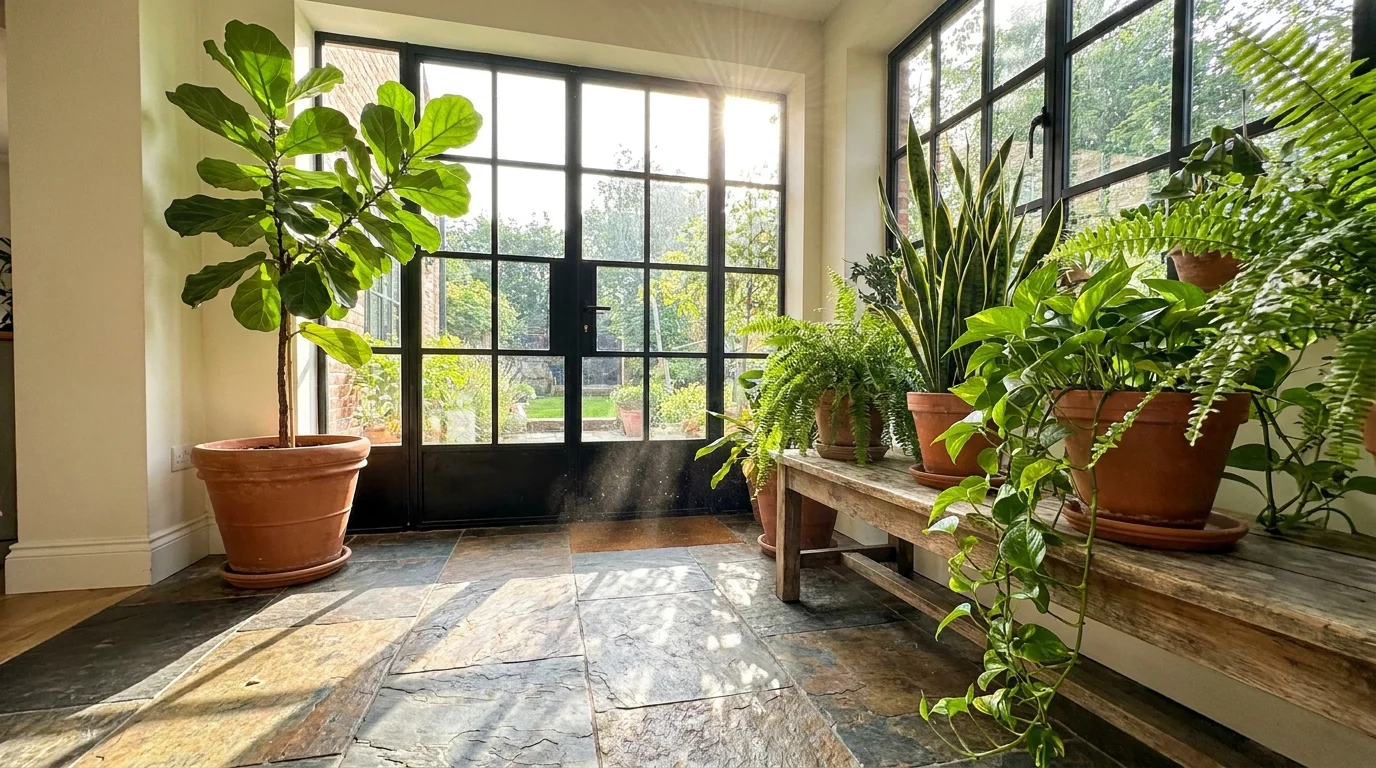
Boutique hotels consistently blur the rigid boundaries between the indoors and the outdoors, employing biophilic design principles to connect guests with nature. This goes far beyond placing a potted plant in the corner of a room; it involves integrating organic elements directly into the structural aesthetic of the building. Living green walls, massive indoor trees beneath skylights, and natural stone flooring that continues seamlessly from the lobby out onto the patio all serve to ground the environment.
To weave biophilia into your residential layout, focus on your transition zones—the spaces that connect different areas of your home or bridge the interior and exterior. Place large, sculptural indoor trees, such as a Ficus Audrey or a Black Olive tree, in your entryways or near large glass doors. If you are renovating, choose a durable, organic flooring material like tumbled travertine or slate, and run that exact same material from your kitchen directly out onto your exterior dining patio. This continuous visual line tricks the eye into seeing the outdoor landscape as an extension of your indoor square footage, inviting the calming, restorative properties of nature into your daily routine.
Trend #8: Tactile Bouclé and Performance Fabrics
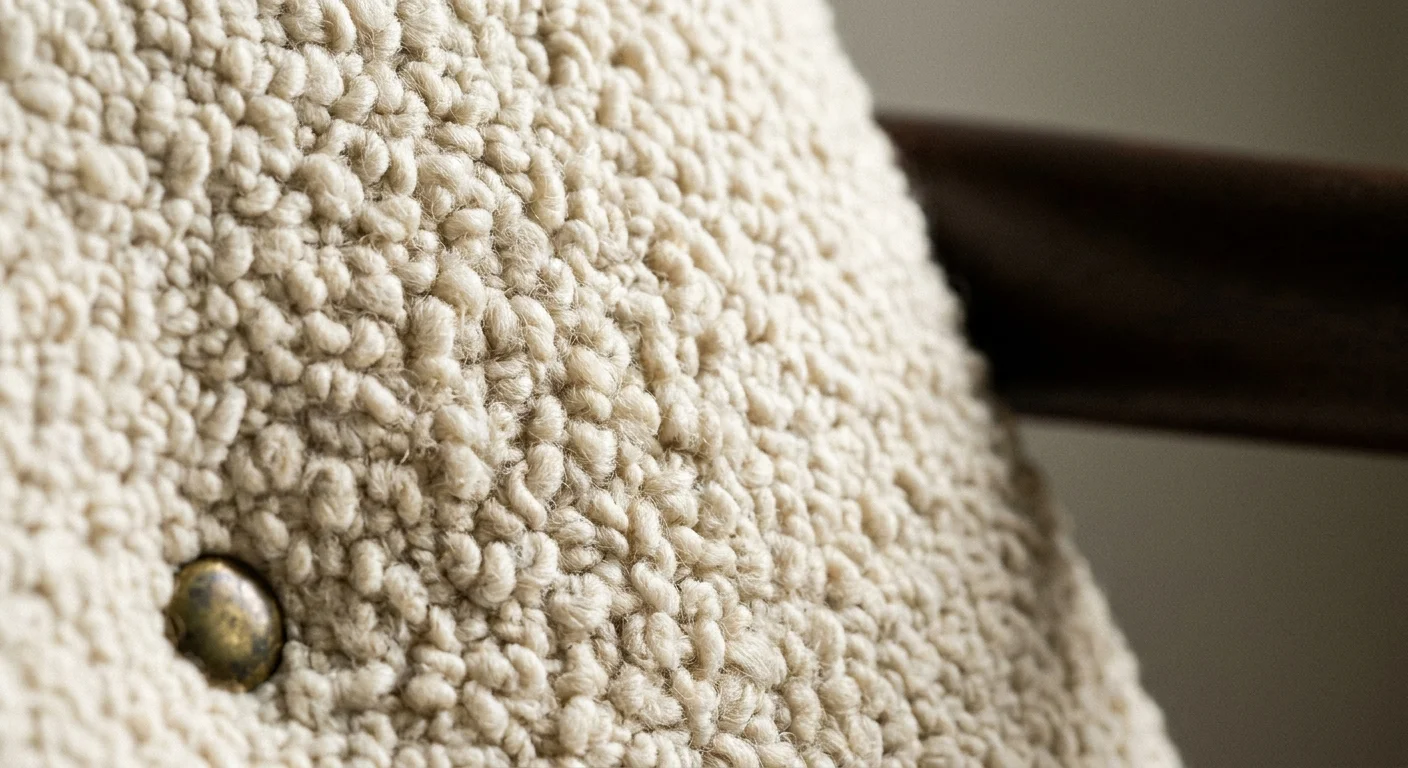
In the commercial hospitality sector, designers face a significant challenge: they must select materials that look undeniably opulent but can withstand relentless daily traffic. This tension birthed the massive trend of utilizing high-performance, ultra-tactile fabrics. Boutique hotels frequently feature undulating sofas covered in rich bouclé, heavy mohair armchairs, and crushed velvet ottomans. Because these fabrics are treated with advanced performance technology, they offer extreme sensory engagement without the fragility of traditional luxury textiles.
You can bring this worry-free luxury into your own living spaces by prioritizing texture over pattern. When selecting upholstery for your main seating, look for fabrics treated with modern performance finishes like Crypton, which repel liquids and resist stains at the molecular level. This technology allows you to confidently purchase a stark white bouclé sofa or an ivory heavy-linen sectional without fearing spills or pet damage. By layering diverse textures—pairing a nubby, looped fabric chair with a smooth, cold marble side table—you create the kind of complex, highly engineered tactile experience that defines world-class hotel lobbies.
Trend #9: The Perfectly Layered Sleep Experience
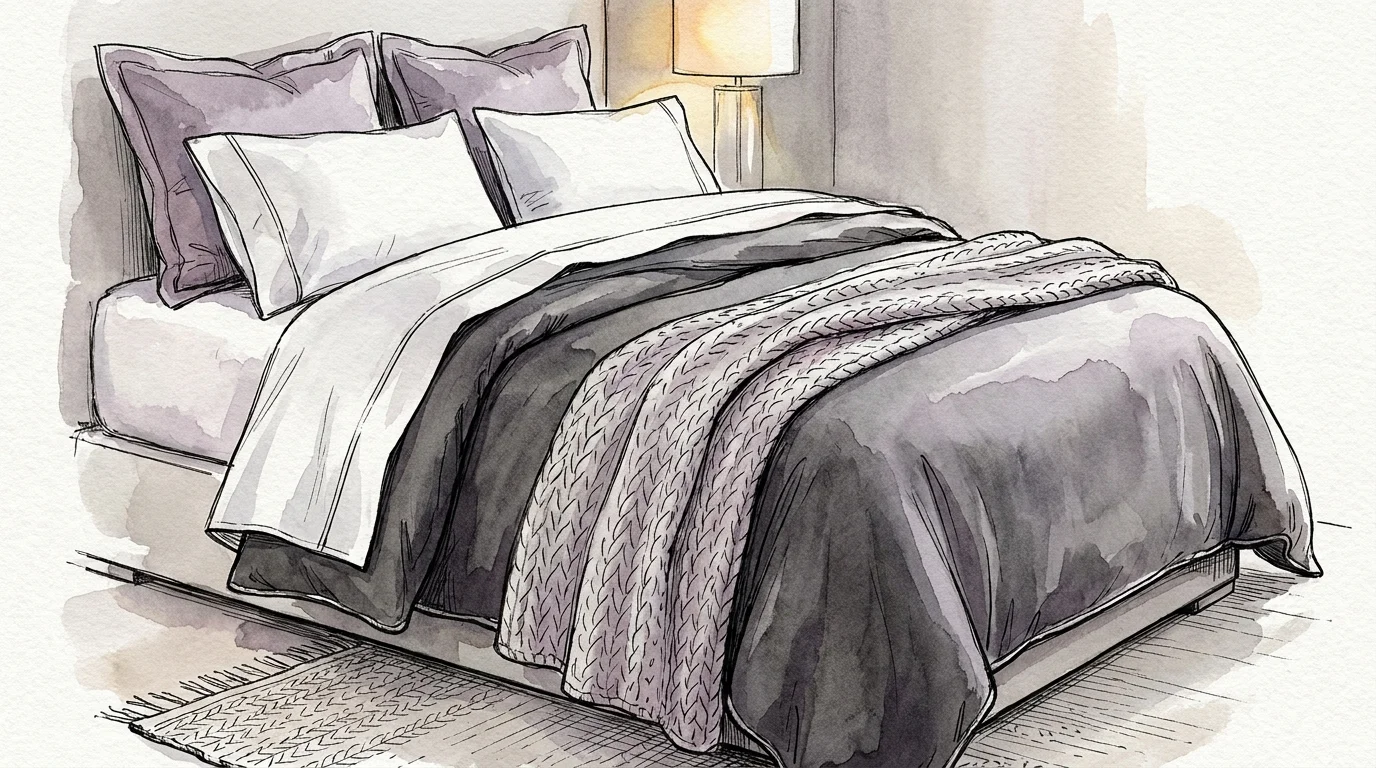
Boutique hotels built their reputations on the uncompromising quality of their beds, turning sleep into an opulent, restorative event rather than a mere biological necessity. You can replicate this five-star slumber by adopting a highly structured, architectural approach to your bedding. Hospitality designers construct beds using a meticulous layering system that prioritizes both sensory comfort and visual volume, creating a bed that looks impossibly plush and inviting.
Start your foundation with crisp, white cotton percale sheets; unlike sateen, percale breathes exceptionally well and delivers that signature, fresh-pressed hotel crunch. Over this, add a lightweight down or high-quality down-alternative duvet, sizing up the insert to ensure it completely fills the cover and drapes generously over the sides of the mattress. To build visual weight, fold a textured matelassé coverlet across the middle of the bed, and drape a heavyweight linen or alpaca throw horizontally across the foot. The pillow arrangement should remain disciplined yet inviting—prop two firm European shams against the headboard, follow with two standard sleeping pillows laid flat, and finish with a single, elongated lumbar pillow. This precise configuration transforms your bedroom into a luxurious nightly retreat.
The Big Picture: Weaving These Trends into Your Home
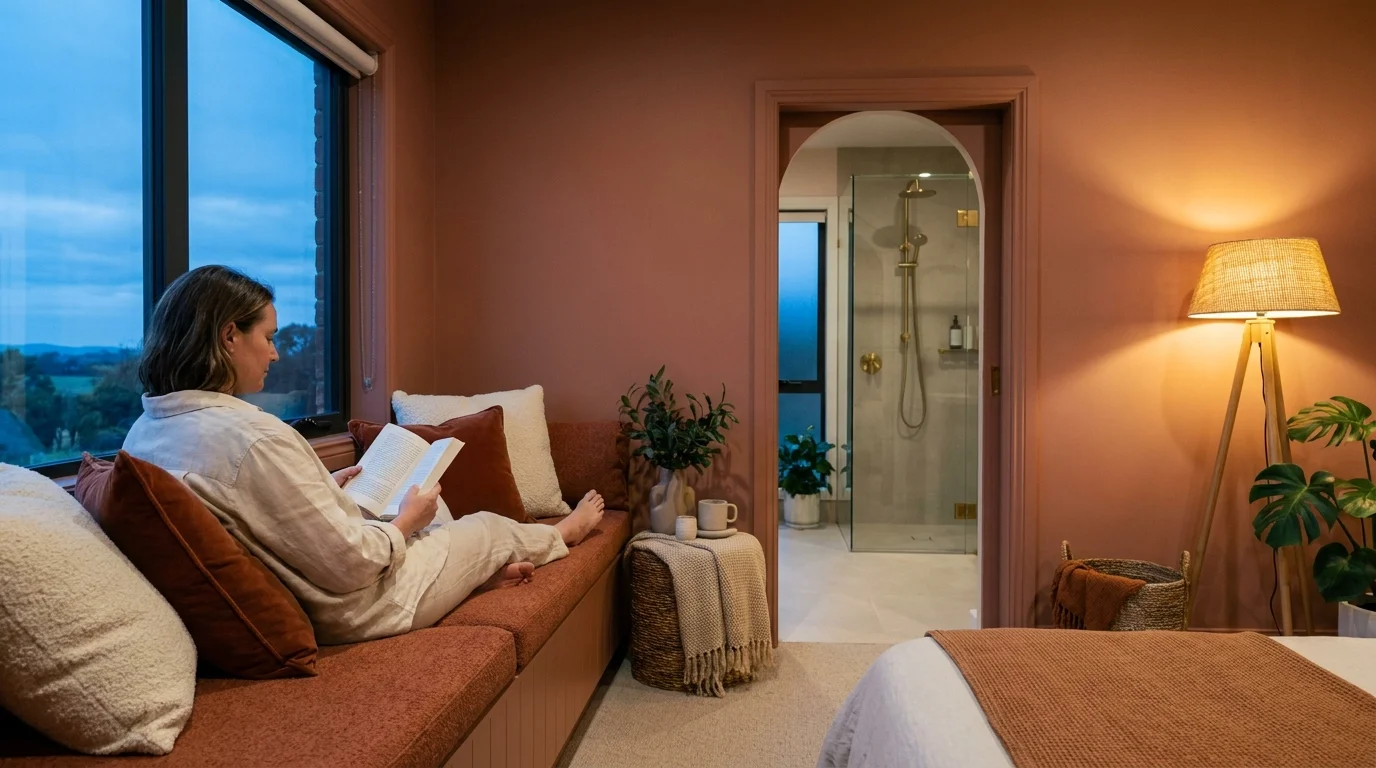
Adopting boutique hotel design principles does not mean turning your home into a sterile, commercial replica. The true secret to high-end hospitality design lies in balance, cohesion, and restraint. When you walk into a luxury hotel, you immediately notice a distinct through-line—a specific scent, a consistent color palette, and a unified hardware finish that carries you seamlessly from the lobby to the guest suites. You need to apply this same level of cohesive editing to your residential spaces to prevent your home from feeling like a disconnected series of trendy rooms.
Select two or three of these hospitality-inspired features that resonate most with your lifestyle and implement them thoughtfully. If you choose to embrace immersive color drenching in your dining room, balance that intensity by incorporating layered, low-level lighting and tactile performance fabrics in the adjacent living room. Keep your base materials authentic and grounded—rely on real woods, natural stones, and unlacquered metals that age gracefully. Ultimately, the goal is to borrow the structural elegance and intuitive functionality of a boutique hotel, while retaining the personal artifacts, family photographs, and quirky heirlooms that make the space undeniably yours. By merging hospitality-grade luxury with your unique personal narrative, you create a timeless sanctuary that feels both sophisticated and deeply welcoming.
Frequently Asked Questions
How do I incorporate boutique hotel design without my home feeling too commercial?
The key to avoiding a sterile, commercial atmosphere is to prioritize warmth and personal provenance. While hotels must maintain a certain level of universality to appeal to a broad demographic, your home should reflect your specific history. Anchor the sleek, architectural elements of hotel design—like seamless millwork and crisp white bedding—with highly personal artifacts. Display your inherited antiques, stack books you have actually read, and showcase art collected from your travels. The friction between polished hospitality design and organic, personal clutter is what makes a space feel beautifully alive.
What exactly is “quiet luxury” in the context of interior decorating?
Quiet luxury is a design philosophy that rejects overt displays of wealth, flashy logos, and aggressive trends in favor of understated elegance. In interior decorating, it manifests through an obsession with material quality and master craftsmanship. A quiet luxury space might look incredibly simple at first glance, but upon closer inspection, you notice the perfection of the custom millwork, the heavy weight of the solid bronze door hardware, and the exquisite drape of the linen curtains. It is about creating environments that feel profoundly expensive to the touch rather than just the eye.
Are high-performance fabrics truly as soft as traditional luxury textiles?
Yes, modern high-performance fabrics have evolved dramatically from the stiff, plastic-feeling materials of the past. Today’s textile mills use advanced weaving techniques to encapsulate individual fibers in stain-resistant technology before the fabric is even woven. This means you can purchase deeply textured bouclés, lush velvets, and heavy linens that feel remarkably soft and natural against the skin, while still boasting the ability to repel wine, coffee, and daily wear-and-tear.
How can I update my lighting architecture without undergoing a major renovation?
You can entirely overhaul your lighting scheme without cutting into drywall or hiring an electrician. Begin by simply not turning on your overhead fixtures. Instead, invest in plug-in wall sconces, which can be mounted easily and offer a highly custom look. Place cordless, rechargeable LED table lamps on your bookshelves or kitchen counters for unexpected pockets of warmth. Finally, swap all your existing bulbs for smart LEDs; this allows you to set the color temperature to a warm 2700 Kelvin and dim the entire room from your smartphone, instantly creating a moody, hotel-inspired atmosphere.
For the latest color forecasts, consult industry leaders like Pantone and paint companies like Benjamin Moore. For professional design standards, refer to the American Society of Interior Designers (ASID).
Disclaimer: This article reflects design trend analysis and predictions. Personal taste and timeless design principles should always guide your decorating choices.
