

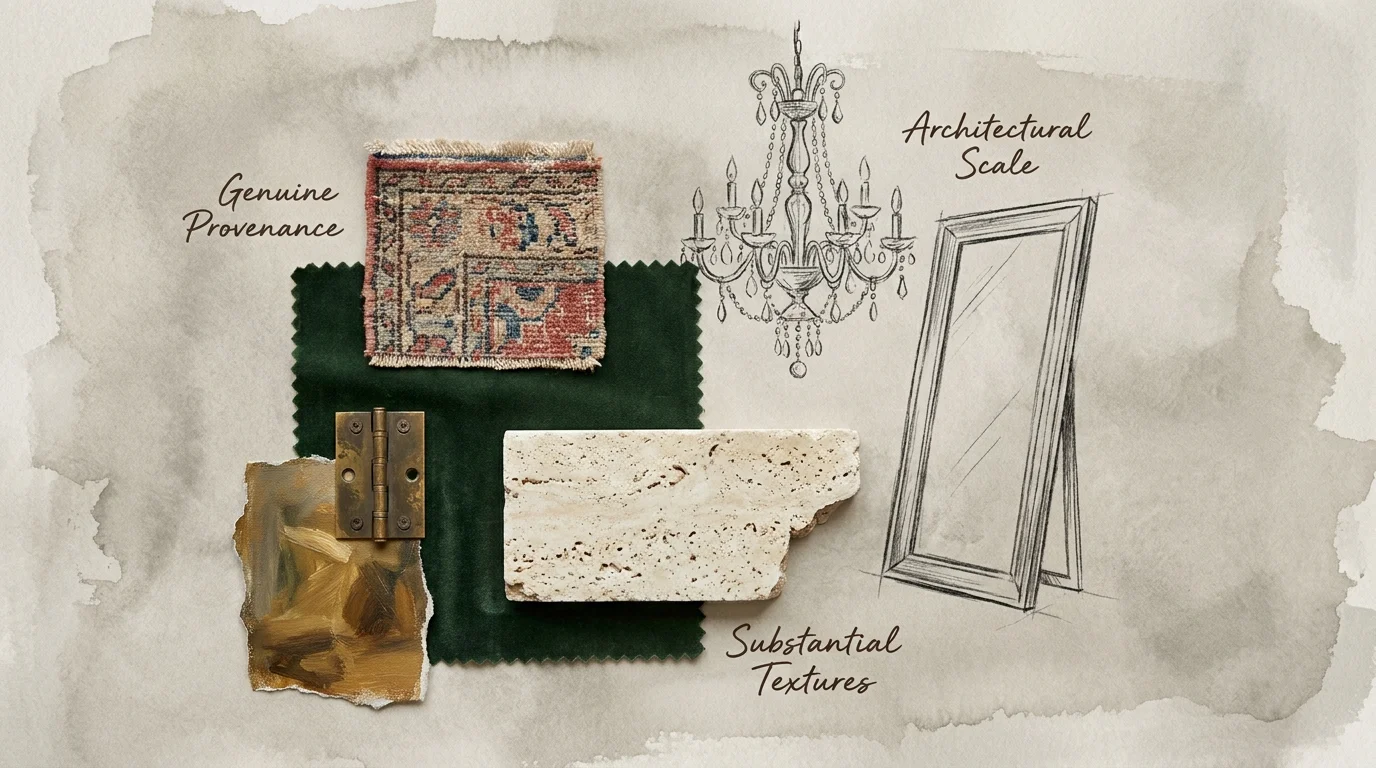
Elevating your living space from standard to spectacular requires strategic investments in specific design elements rather than a complete overhaul. The secret to a luxurious interior lies in curating high-impact decor pieces that anchor a room, draw the eye, and establish a profound sense of quiet luxury. By thoughtfully integrating substantial textures, architectural silhouettes, and materials with genuine provenance, you instantly shift the visual weight of your home. You do not need an unlimited budget; you only need a discerning eye for the items that quietly command attention. This guide breaks down the essential additions that transform ordinary rooms into sophisticated, magazine-worthy sanctuaries designed for refined, everyday living.
Trend #1: Statement Lighting with Architectural Scale
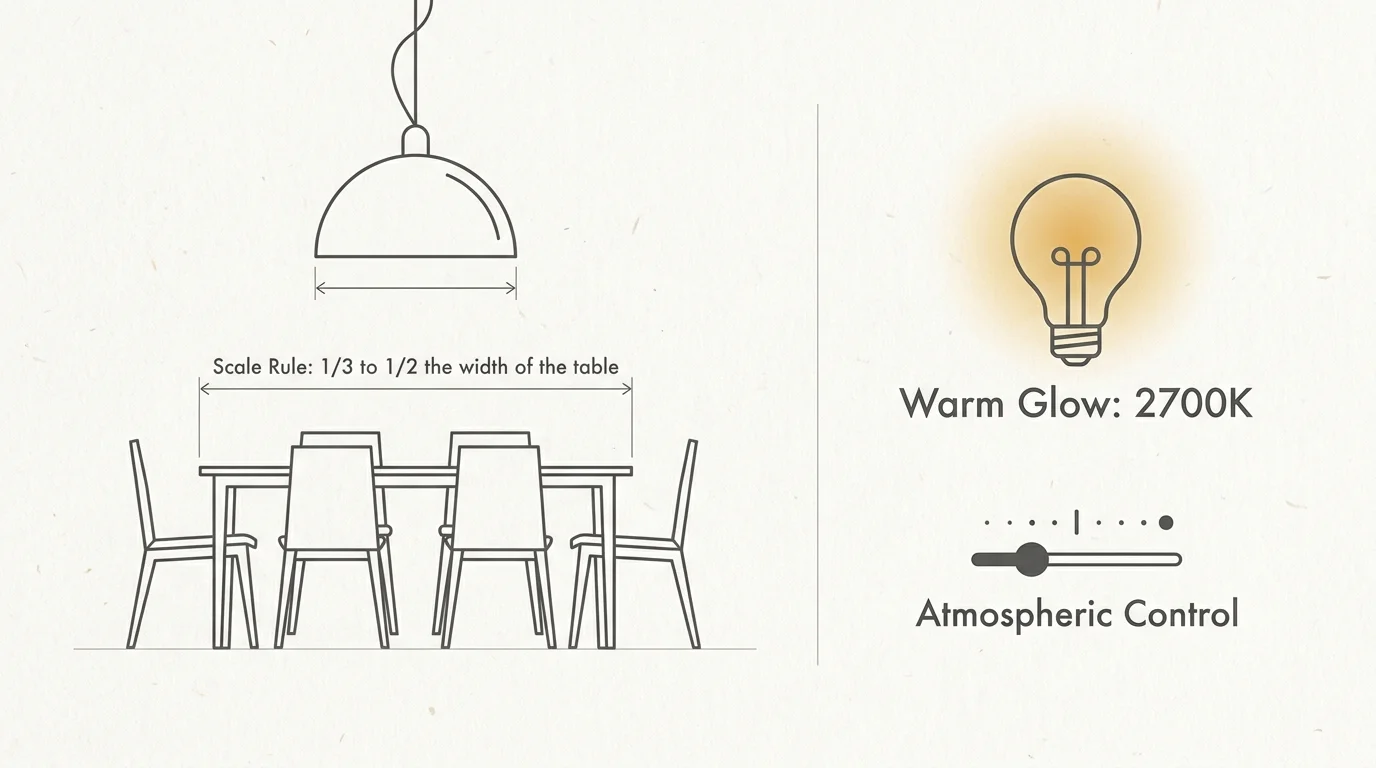
Lighting dictates the entire mood of your home. Builder-grade flush mounts and generic ceiling fans immediately drain the sophistication out of a space, whereas architectural statement lighting acts as suspended sculpture. To make your home feel instantly expensive, replace standard fixtures with oversized, meticulously crafted pendants or chandeliers that command the room. You want fixtures that utilize premium, weighty materials—think burnished brass, hand-rubbed bronze, natural alabaster, or mouth-blown glass.
The concept of scale plays a massive role here. Many homeowners choose fixtures that are far too small for their rooms, which unintentionally cheapens the aesthetic. A grand, sweeping fixture creates a focal point that draws the eye upward, highlighting your ceiling height and making the entire room feel grander. When selecting a piece for a dining room, aim for a fixture that measures at least one-third to one-half the width of the table below it.
Furthermore, pay close attention to the quality of the light itself. High-end interiors never rely on harsh, cool-toned bulbs. Equip your new architectural lighting with warm bulbs—ideally around 2700K—and put every fixture on a dimmer switch. This allows you to control the atmospheric glow, effortlessly shifting your home from bright and functional during the day to moody and elegant at night.
Trend #2: Oversized Original Artwork
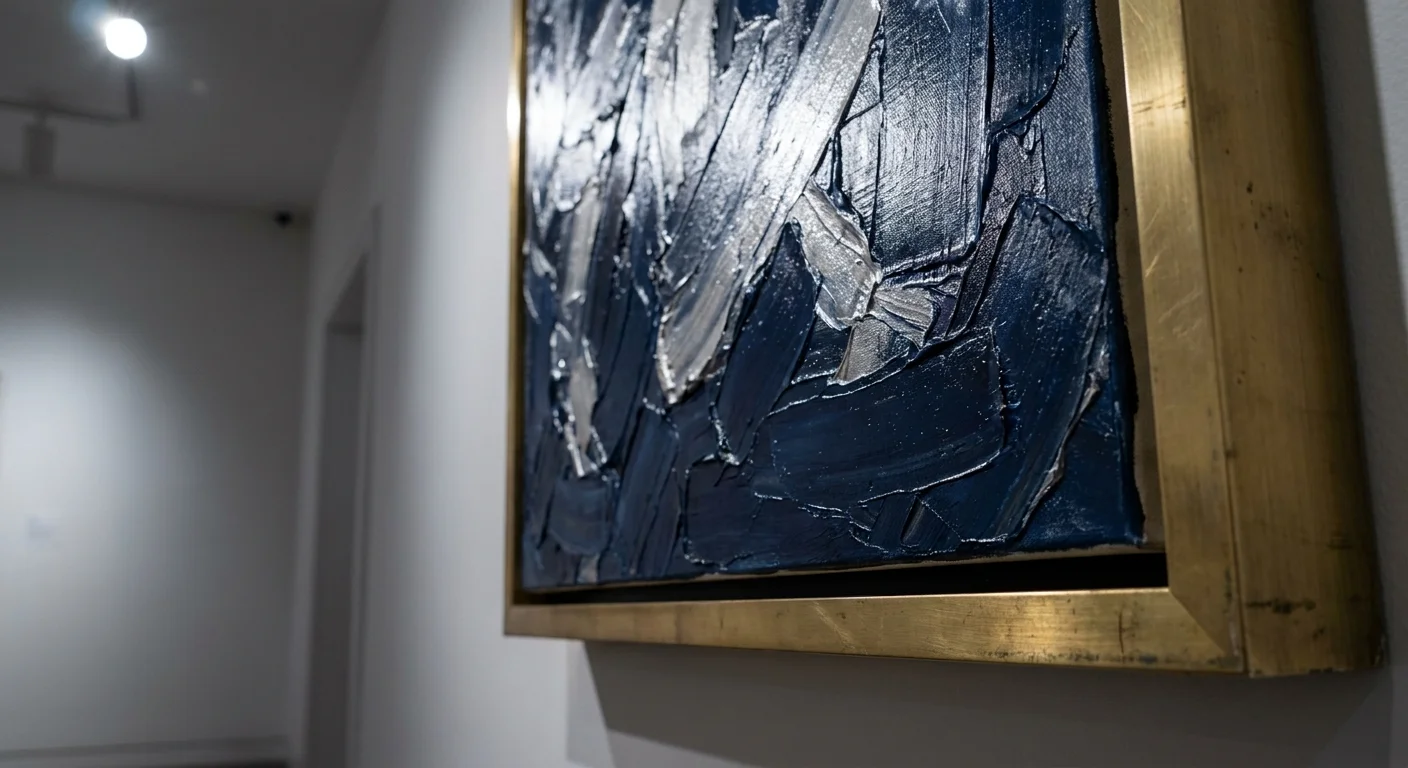
Nothing reveals a lack of design confidence quite like a smattering of small, disconnected art prints scattered across a massive wall. The luxury design world has shifted aggressively away from cluttered, chaotic gallery walls toward a more refined, gallery-like approach: the monumental, oversized canvas. Hanging one large, impactful piece of original artwork immediately signals sophistication and wealth. It demonstrates a commitment to bold design choices and gives your eye a definitive resting place.
When selecting your artwork, seek out pieces with genuine provenance. Provenance refers to the documented history, origin, and authenticity of an item. Even if you are purchasing a contemporary piece from an emerging artist, knowing the story behind the canvas adds an intangible layer of prestige to your home decor. If original oils or acrylics stretch your current budget, opt for a limited-edition lithograph or a massive, high-resolution textile piece. The goal is to introduce texture, depth, and a compelling narrative into your living space.
Framing matters just as much as the art itself. Protect your investment and elevate its appearance by utilizing custom framing. A floating frame in solid walnut or brushed brass, paired with non-reflective museum glass, provides that polished, gallery-quality finish that instantly upgrades the perceived value of the room.
Trend #3: Monumental Floor Mirrors with Vintage Patina
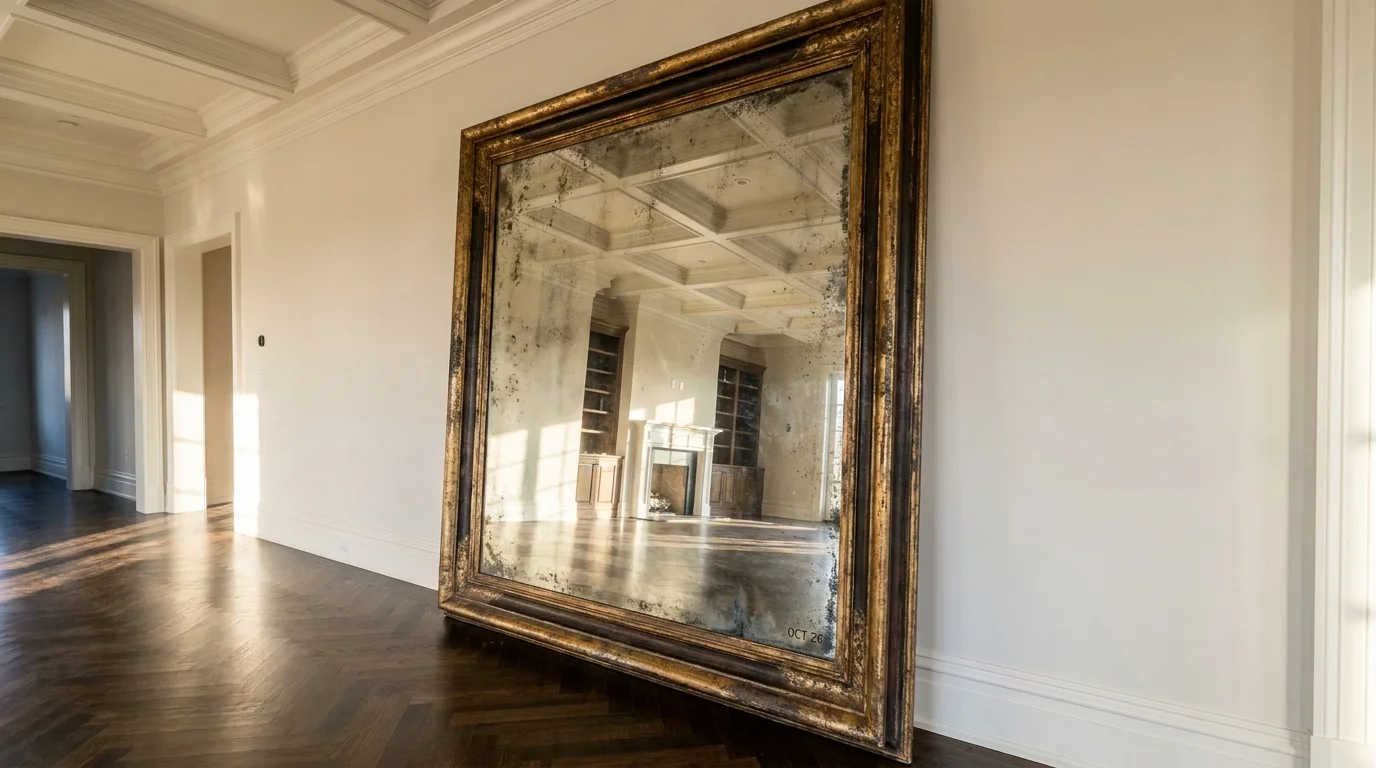
Mirrors serve as the ultimate secret weapon in high-end interiors. They manipulate light, double the perceived square footage of a room, and introduce an element of dynamic reflection. However, to achieve a truly expensive look, you must look beyond standard, flimsy wall mirrors and invest in monumental, heavyweight floor mirrors.
An oversized floor mirror leaning gracefully against a wall imparts a relaxed yet incredibly wealthy aesthetic. Look for mirrors featuring intricate, vintage-inspired crests, heavy blackened steel frames, or ornately carved wood. The frame should carry substantial physical weight. Additionally, mirrors featuring antiqued or foxed glass—where the reflective backing shows intentional signs of age and tarnishing—add instant character. This subtle patina prevents the mirror from looking like a mass-produced afterthought and instead makes it look like a treasured family heirloom.
Strategically place your floor mirror to maximize its impact. Lean a gilt-framed mirror at the end of a dark hallway to bounce ambient light and create the illusion of an endless corridor. Alternatively, position it opposite your largest window to reflect your outdoor landscaping, seamlessly bringing the outside in while dramatically brightening your interior space.
Trend #4: Custom-Draped, Heavyweight Window Treatments
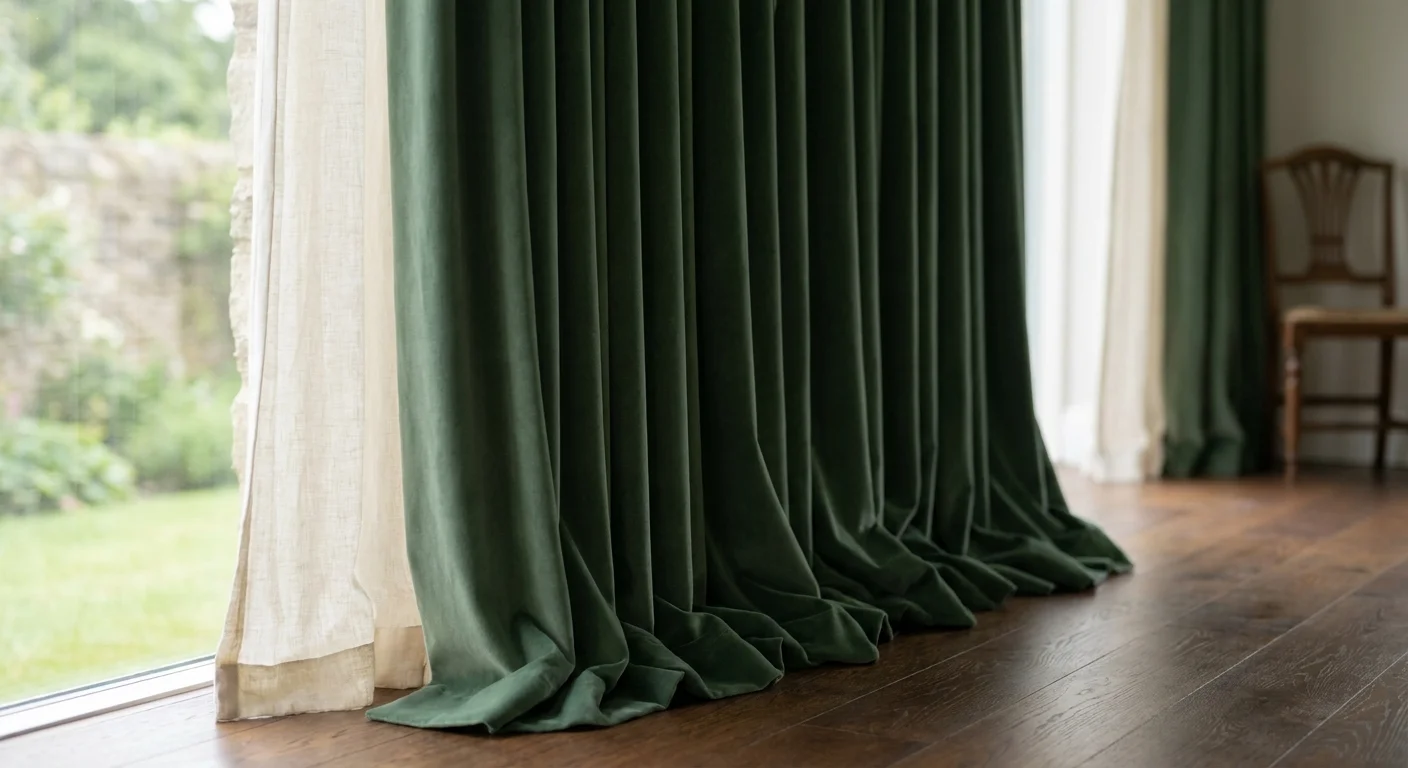
Window treatments act as the tailored suits of your home decor. Bare windows or cheap, plastic blinds leave a room feeling unfinished and stark. Installing custom, heavyweight drapery is one of the most effective decorating tips for making a space feel instantly luxurious, complete, and deeply comfortable.
The secret lies in the fabric and the fit. High-end window treatments utilize natural, substantial materials such as pure European linen, heavy cotton velvet, or slubbed silk. These materials drape beautifully, holding their pleats perfectly from the ceiling all the way to the floor. Always opt for a classic French pleat or a tailored pinch pleat, which looks infinitely more refined than standard grommet-top curtains.
To maximize the architectural impact of your drapery, you must manipulate the placement of the hardware. Mount your heavy-duty, solid metal curtain rods at least six to eight inches above the window frame—or right beneath the crown molding. Extend the rod several inches past the sides of the window casing. When the heavy curtains hang “high and wide,” they trick the eye into believing the windows are significantly larger and the ceilings are much taller than they actually are. Ensure the fabric perfectly “kisses” the floor; curtains that hover awkwardly above the baseboards instantly break the illusion of luxury.
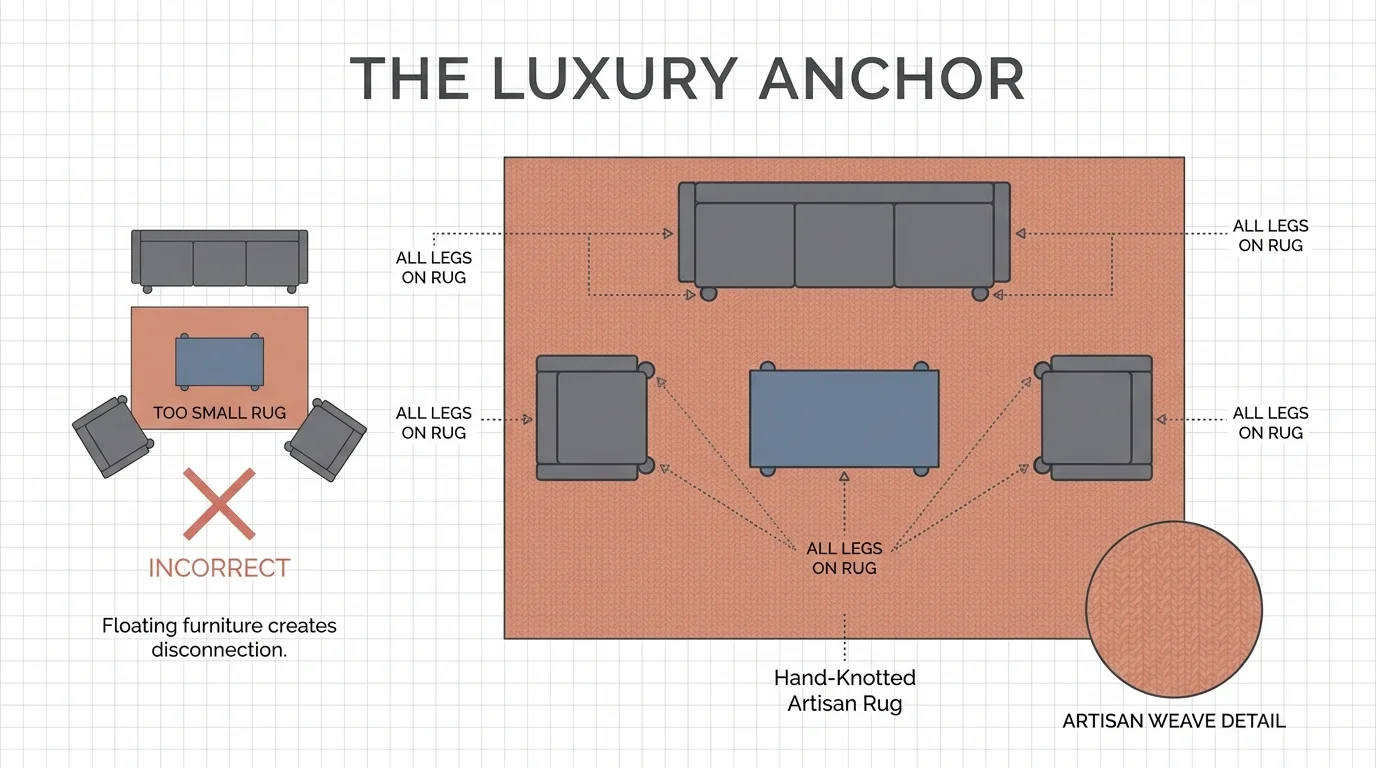
Trend #5: Hand-Knotted Artisan Rugs
A room without a substantial, high-quality rug feels like an orchestra without a conductor—the pieces are there, but nothing ties them together. The foundation of any expensive-feeling room is a hand-knotted artisan rug. While machine-made rugs crafted from synthetic fibers like polypropylene may offer short-term durability, they lack the tactile richness, color depth, and organic sheen required for true luxury design.
Investing in a hand-knotted wool or silk rug instantly upgrades your home styling. These natural materials possess an inherent elegance. Wool contains natural lanolin, which repels stains and gives the rug a subtle, sophisticated luster that synthetic fibers cannot replicate. A beautifully faded Oushak rug, a deeply saturated Persian piece, or a meticulously woven modern Tibetan design introduces an unmistakable sense of quiet luxury. These pieces whisper their quality through their intricate craftsmanship rather than shouting it with loud, trendy patterns.
Sizing is critical when deploying this trend. A luxurious rug must be large enough to comfortably ground the space. In a living room, ensure that at least the front legs of every major piece of furniture rest on the rug. A generously sized rug unifies disparate seating arrangements and makes the entire room feel larger, more cohesive, and exponentially more expensive.
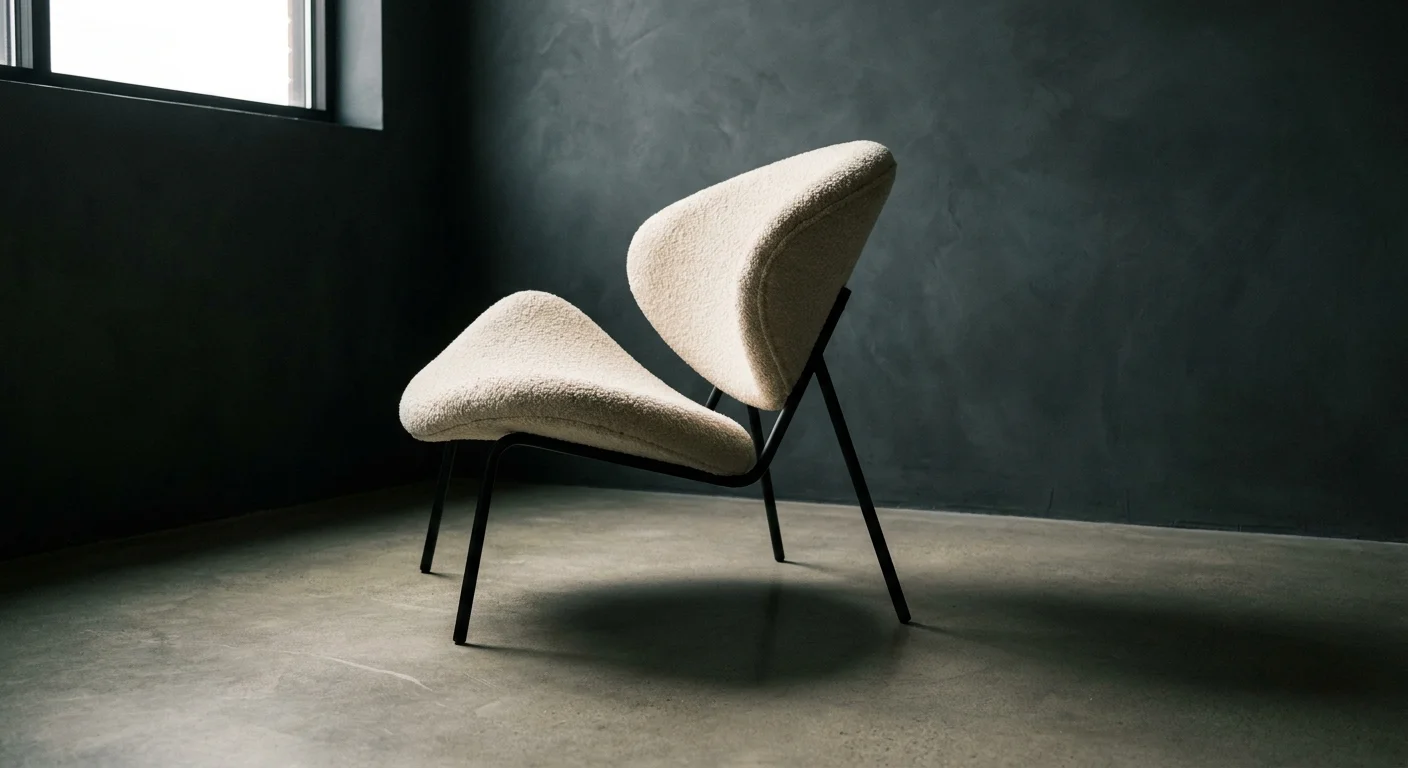
Trend #6: Sculptural Accent Seating
Standard, boxy armchairs serve a purely functional purpose, but sculptural accent seating elevates furniture to the realm of modern art. To curate a sophisticated interior, swap out generic, straight-lined chairs for seating that features unexpected, curved silhouettes and highly tactile upholstery.
Curved furniture introduces a sense of fluidity and softness to rooms that are typically dominated by the hard right angles of walls, rugs, and coffee tables. A barrel-back chair with a low profile, or an asymmetrical chaise lounge, immediately catches the eye and invites conversation. These organic shapes resonate on a psychological level, subtly referencing the natural world and making the space feel more relaxed yet meticulously designed.
Upholstery choice dictates the success of these sculptural pieces. Embrace rich, highly textured fabrics that demand to be touched. Deep-pile mohair, nubby wool boucle, and buttery, full-grain aniline leather elevate the sensory experience of the room. Place a pair of these sculptural chairs opposite a traditional, tailored sofa to create a dynamic, high-tension juxtaposition that interior designers utilize to keep a room visually stimulating.
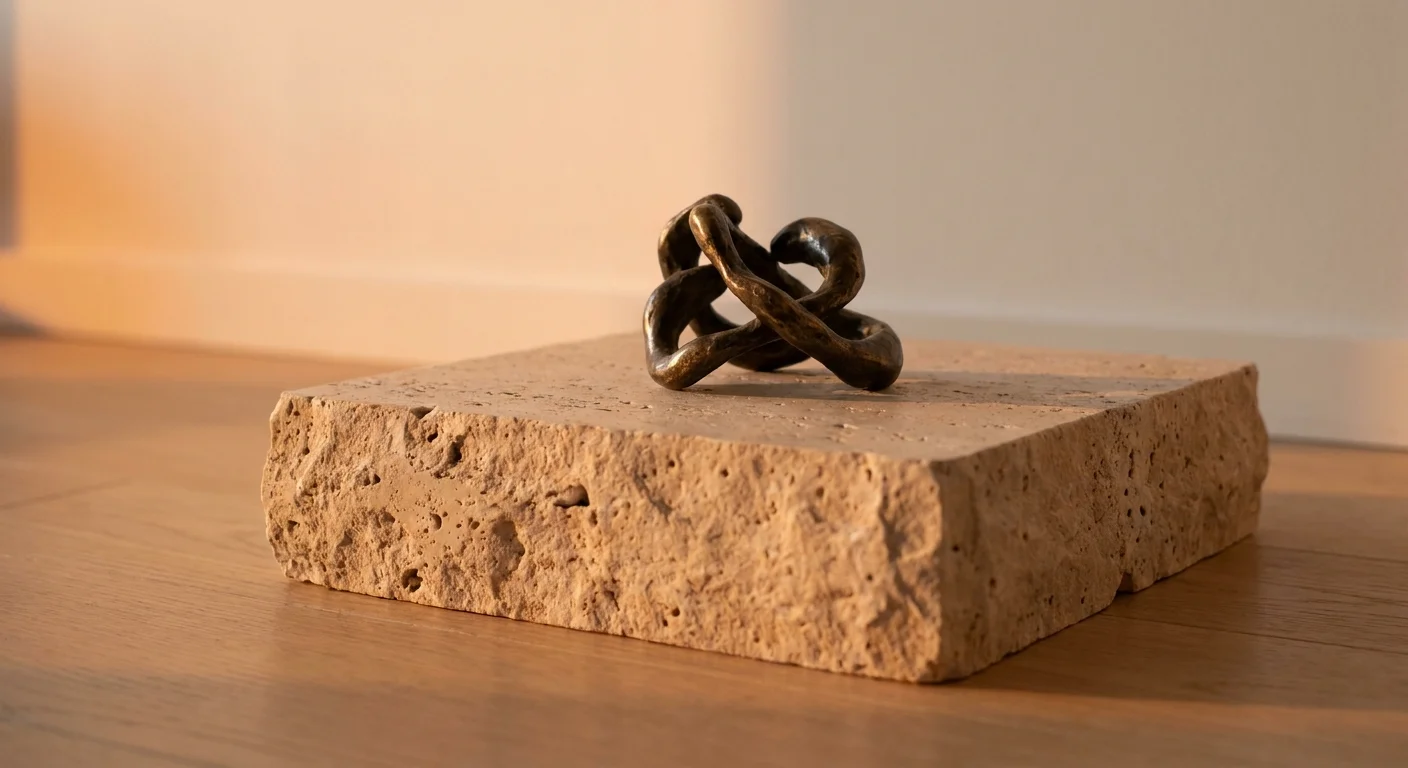
Trend #7: Natural Stone Plinths and Pedestals
If you want to understand how galleries and museums make everyday objects look like priceless artifacts, look at how they display them. Introducing natural stone plinths and pedestals into your home decor is a highly effective, insider decorating tip that brings a gallery-like sophistication directly into your living room.
A plinth is a heavy, solid block—typically crafted from highly veined marble, porous travertine, or luminous onyx—used to elevate and display objects. Incorporating these solid masses of raw stone into your home instantly conveys permanence, wealth, and a deep appreciation for natural materials. The heavy, monolithic nature of a stone pedestal contrasts beautifully with the softer elements of a room, such as velvet upholstery or sheer linen drapery.
You can use a low, wide marble plinth as a striking alternative to a traditional wooden coffee table. Alternatively, place a tall travertine pedestal in an empty, awkward corner and top it with a dramatic floral arrangement, a piece of abstract bronze sculpture, or an oversized ceramic bowl. The stone itself becomes the art, anchoring the space with its incredible visual weight and undeniable luxury.
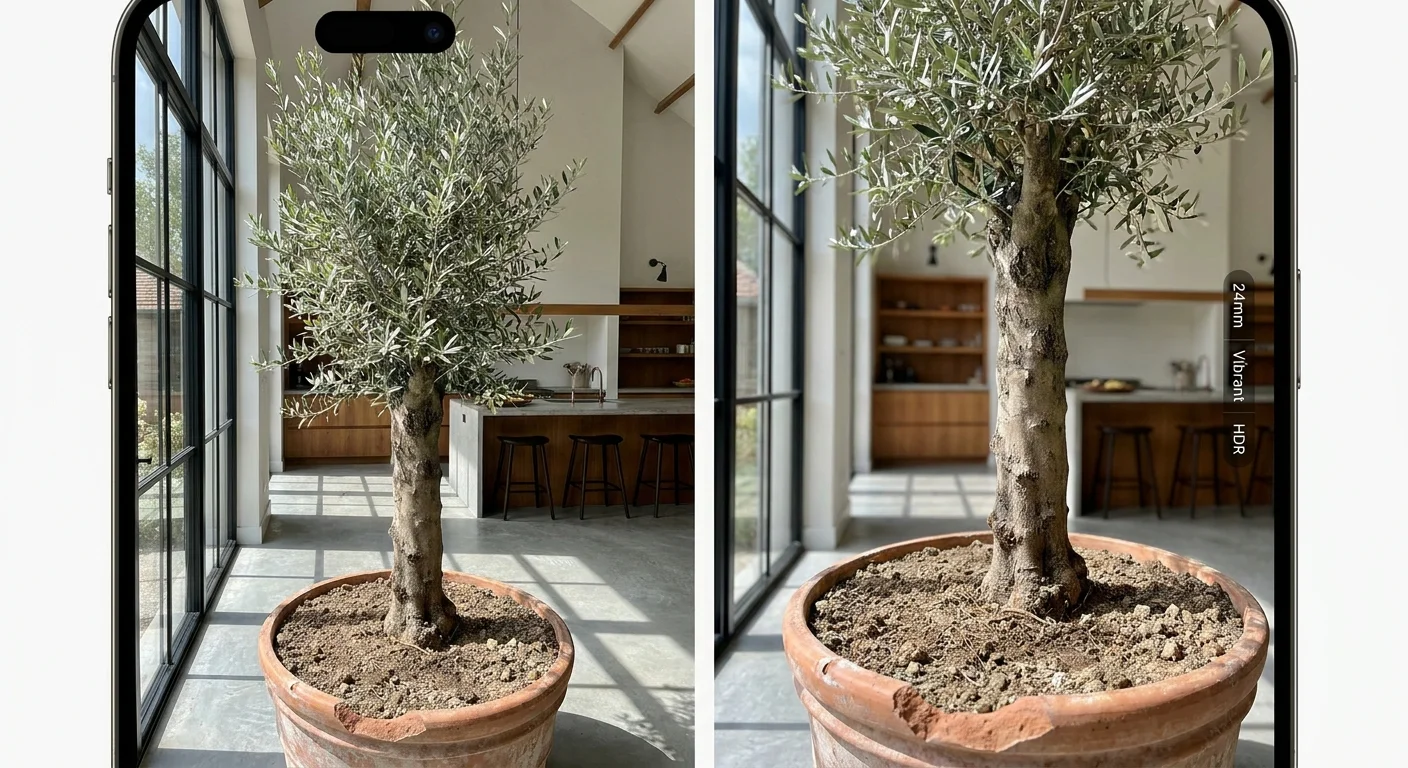
Trend #8: Oversized, Lush Indoor Trees
Connecting your interior spaces with the natural world is a core principle of biophilic design, a strategy proven to reduce stress and elevate human well-being. However, a smattering of small, dusty houseplants sitting on windowsills can make a room feel cluttered rather than calming. To make your home feel expensive, you must scale up your greenery.
Investing in a single, oversized, lush indoor tree acts as living architecture. A towering Black Olive tree, an elegant Ficus Audrey, or a sprawling Bird of Paradise adds dramatic verticality and vivid color to your home styling. The sheer scale of a six- or seven-foot indoor tree commands attention and breathes literal life into stagnant corners. It softens harsh architectural angles and casts beautiful, dynamic shadows across your walls as natural light shifts throughout the day.
The container you choose for your tree is just as vital as the plant itself. Do not leave a majestic tree in a cheap plastic nursery pot. Repot your statement greenery into a massive, heavy planter made from aged terracotta, textured concrete, or fluted brass. Top the soil with preserved Spanish moss or polished river stones to conceal the dirt and provide a clean, professionally styled finish.

Trend #9: Heavyweight Hardware and Fixtures
Interior design is not just visual; it is highly tactile. The way your home feels when you physically interact with it determines its perceived quality. Flimsy, hollow-core door knobs and lightweight, generic cabinet pulls betray a cheap build, no matter how beautifully the rest of the room is styled. Upgrading your hardware is the most cost-effective way to inject instant luxury into your kitchens, bathrooms, and interior doors.
Think of your hardware as the jewelry of your home. Replace standard, builder-grade fixtures with solid, heavyweight alternatives. Unlacquered brass is currently reigning supreme in high-end design because it is a “living finish.” Over time, the oils from your hands naturally oxidize the brass, creating a unique, darkening patina that exudes historical charm and undeniable authenticity. If brass does not suit your palette, consider solid forged iron, polished nickel, or knurled matte black steel.
The moment you grasp a heavy, beautifully cast door lever, your brain registers the density and craftsmanship of the material. That brief tactile experience instantly communicates that the home is solidly built and meticulously curated. Apply this logic to all touchpoints: kitchen cabinet pulls, bathroom faucets, interior door hinges, and even switch plates.
The Big Picture: Weaving These Trends into Your Home
Transforming your home with these nine luxury decor pieces requires a delicate balancing act. You do not want your living space to feel like a sterile showroom or an overly curated museum; you want it to feel like a deeply personal, curated sanctuary. The key to successful home styling is thoughtful integration and the masterful use of juxtaposition.
Avoid buying everything from a single era or a single retailer. A room feels the most expensive when it looks as though it was gathered slowly over a lifetime of global travel and refined collecting. Pair the raw, organic edges of a travertine plinth with the sleek, modern curves of a boucle accent chair. Hang your oversized contemporary artwork above a floor mirror that boasts a heavily antiqued, traditional frame. This friction between old and new, rough and smooth, matte and polished is what interior designers refer to as visual tension, and it is the absolute hallmark of high-end design.
Furthermore, exercise restraint. You do not need to cram all nine of these pieces into a single room. Let your statement lighting and your monumental art breathe by surrounding them with negative space. Allow the quiet luxury of your hand-knotted rug to set the foundation, and use solid, heavyweight hardware to tie the architectural details together. By making deliberate, uncompromising choices regarding scale, material, and provenance, you will effortlessly elevate the atmosphere of your home, creating a space that feels timeless, sophisticated, and undeniably expensive.
Frequently Asked Questions
How do I mix different interior design trends without creating visual chaos?
The secret to mixing trends lies in establishing a strict, cohesive color palette and relying on the 80/20 rule. Dedicate 80 percent of your room to a primary, foundational aesthetic—such as organic modernism or traditional elegance—and use the remaining 20 percent to introduce contrasting trends. If your foundational furniture features clean, minimalist lines, use that 20 percent to inject a highly ornate, vintage floor mirror or a vividly patterned artisan rug. By letting one style dominate and another play a supporting role, you create a curated look rather than a chaotic one.
Is “quiet luxury” a passing phase, or does it have long-term staying power?
Quiet luxury is less of a passing trend and more of a return to foundational design principles. It prioritizes supreme craftsmanship, natural materials, and timeless silhouettes over flashy logos and fleeting micro-trends. Because quiet luxury relies on elements like hand-knotted wool, solid stone, and exceptional tailoring, it inherently resists going out of style. Investments made in this category—such as custom drapery or heavyweight hardware—will serve your home’s aesthetic for decades.
Where should I allocate the majority of my decorating budget?
Always allocate the largest portion of your budget to the items you physically touch the most and the foundational pieces that anchor the room. Your sofa, your statement lighting, and your rugs should command the highest investment. These pieces experience the most wear and tear, and their quality—or lack thereof—is immediately obvious. You can easily save money on secondary accessories, side tables, and throw pillows without compromising the expensive feel of the room.
How does lighting temperature affect the perceived value of my home decor?
Lighting temperature drastically alters how colors and textures render in your home. Cool, blue-toned light (4000K and above) mimics sterile office environments and flattens the rich textures of your luxurious fabrics and natural stones. Warm light (2700K to 3000K) mimics the flattering, golden glow of candlelight or sunset. It enhances the depth of wood grains, highlights the sheen of velvet, and makes metallic hardware sparkle warmly, instantly raising the perceived value and comfort of the space.
For the latest color forecasts, consult industry leaders like Pantone and paint companies like Benjamin Moore. For professional design standards, refer to the American Society of Interior Designers (ASID).
Disclaimer: This article reflects design trend analysis and predictions. Personal taste and timeless design principles should always guide your decorating choices.
