

Transforming your daily environment into a sophisticated retreat requires studying the world’s most elite hospitality destinations. Five-star properties masterfully combine comfort, durability, and high-end aesthetics to create unforgettable spatial experiences that resonate deeply with guests. You can capture this identical level of refined escapism in your own residence by decoding their exact architectural and decorative strategies. The hospitality industry invests heavily in environmental psychology and premium materials to elevate standard rooms into restorative havens. Applying these proven methodologies to your home decor will fundamentally shift how you interact with your personal space—turning chaotic mornings into serene rituals and evenings into restorative interludes characterized by quiet luxury and intentional design.
Trend #1: Spatial Layering with Ambient Lighting
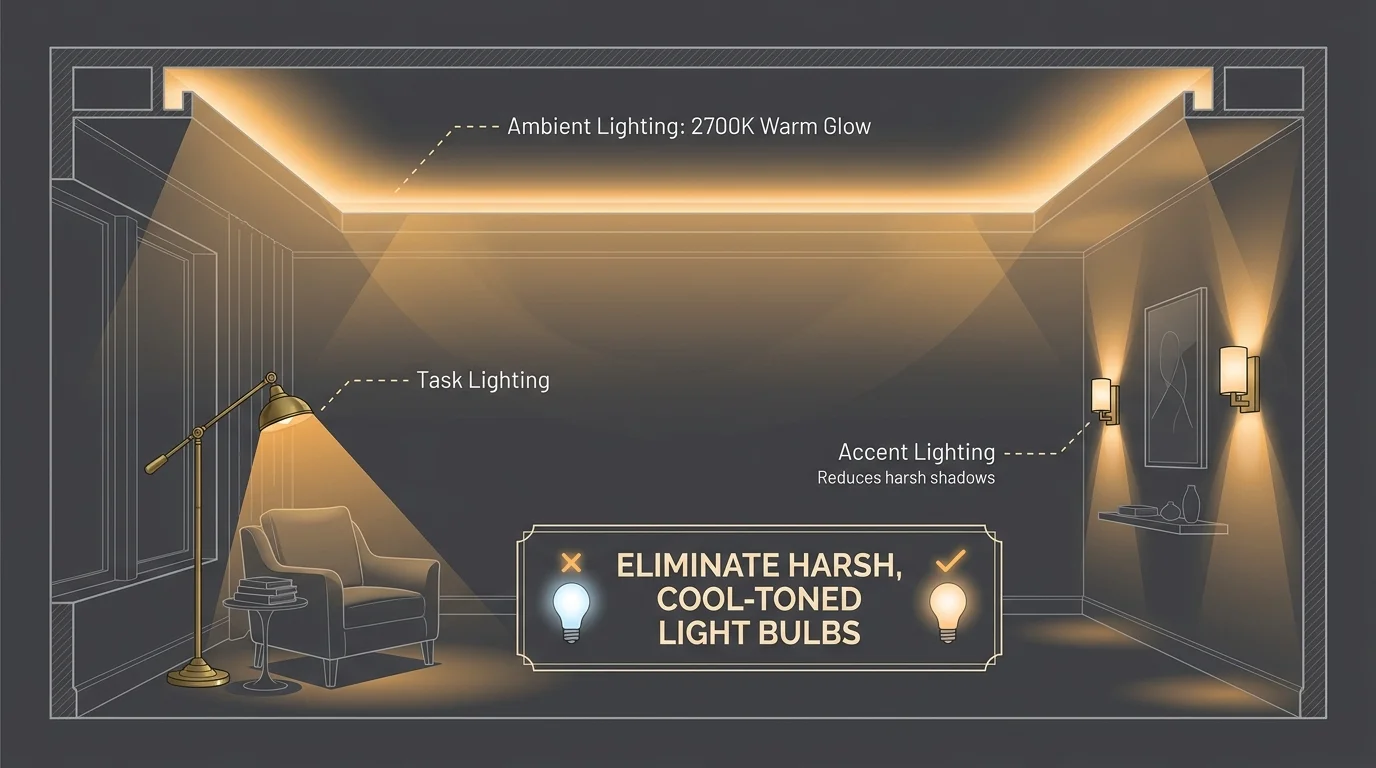
In high-end hospitality design, illumination serves as an architectural medium rather than a mere utility. Luxury hotels rarely rely on a single, glaring overhead fixture to light a room. Instead, they utilize spatial layering—a complex web of ambient, task, and accent lighting that establishes mood and dictates the flow of the space. You can replicate this deeply atmospheric quality in your home decor by entirely rethinking your approach to illumination. The objective is to create distinct pools of light that draw the eye to architectural features and invite relaxation.
To master this trend, begin by eliminating harsh, cool-toned light bulbs. Hospitality standards dictate the use of warm bulbs, typically resting at a color temperature of 2700 Kelvin, which casts a flattering, golden glow across interiors. Introduce wall sconces placed at eye level to provide soft, diffuse side lighting, which reduces harsh shadows on the face. Incorporate heavy brass floor lamps beside reading chairs, and tuck hidden LED strip lighting into ceiling coves or underneath floating bathroom vanities. Above all, every single light source in your home should operate on a dimmer switch, giving you absolute control over the visual temperature of your environment at any hour.
Trend #2: Spa-Grade Bathrooms as Private Sanctuaries
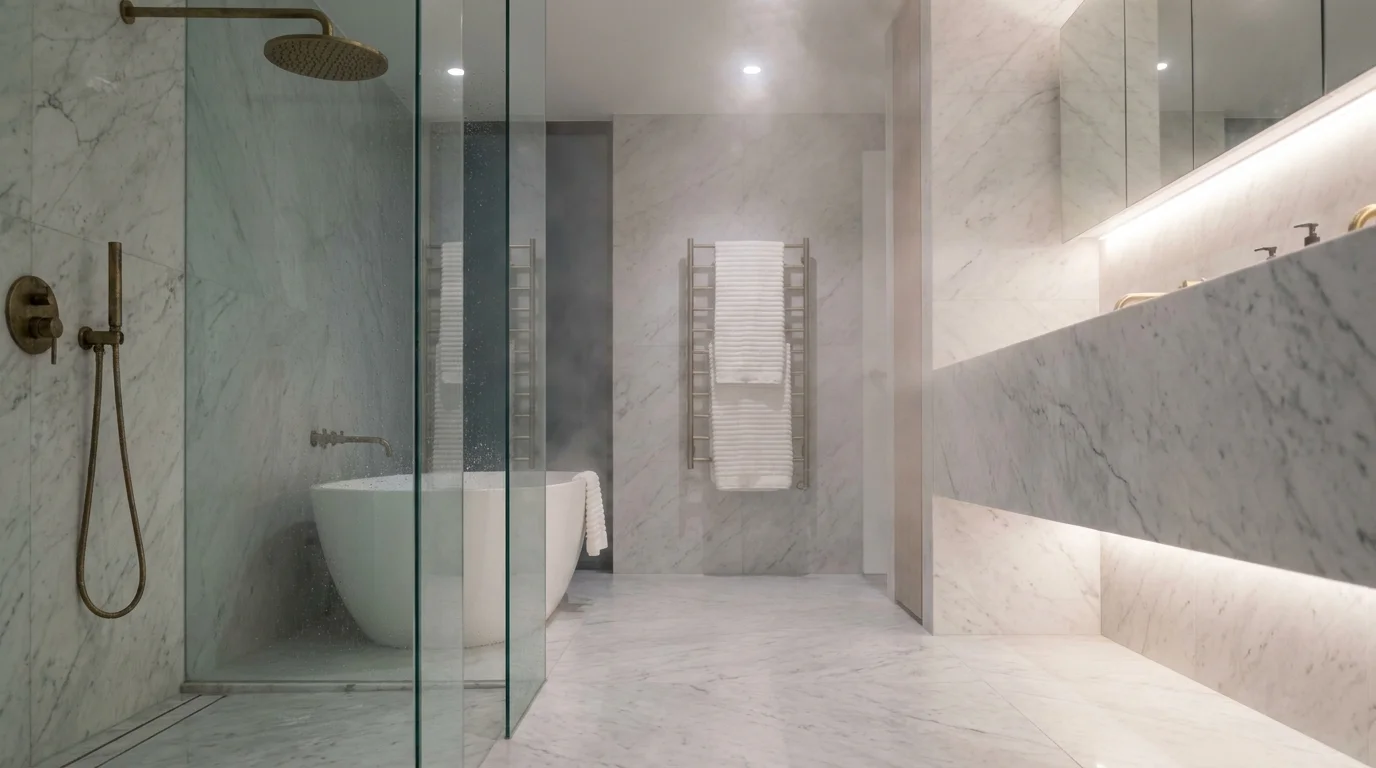
The utilitarian approach to residential bathroom design is rapidly becoming obsolete, replaced by a deep yearning for the restorative environments found in five-star resorts. Luxury design dictates that a bathroom must function as a private sanctuary—a space dedicated equally to physical hygiene and mental decompression. This shift in home trends emphasizes the “wet room” concept, where freestanding soaking tubs are positioned within expansive, glass-enclosed shower spaces, allowing water to flow freely over continuous, heated stone floors.
Achieving this opulent aesthetic requires a strict focus on materiality and spatial flow. Designers are stepping away from high-gloss ceramics and stark white grout lines. Instead, they are enveloping rooms in large-format slabs of Calacatta marble, honed travertine, or traditional Moroccan Tadelakt plaster, which offers a seamless, water-resistant finish with subtle visual texture. You can elevate your daily routines by integrating unlacquered brass hardware that develops a rich, organic patina over time. For immediate impact without structural renovations, invest in oversized rainfall showerheads, install a heated towel rack, and transition your lighting to a softer, indirect glow that mimics the tranquil atmosphere of an exclusive wellness retreat.
Trend #3: Bespoke Minibars and Beverage Stations
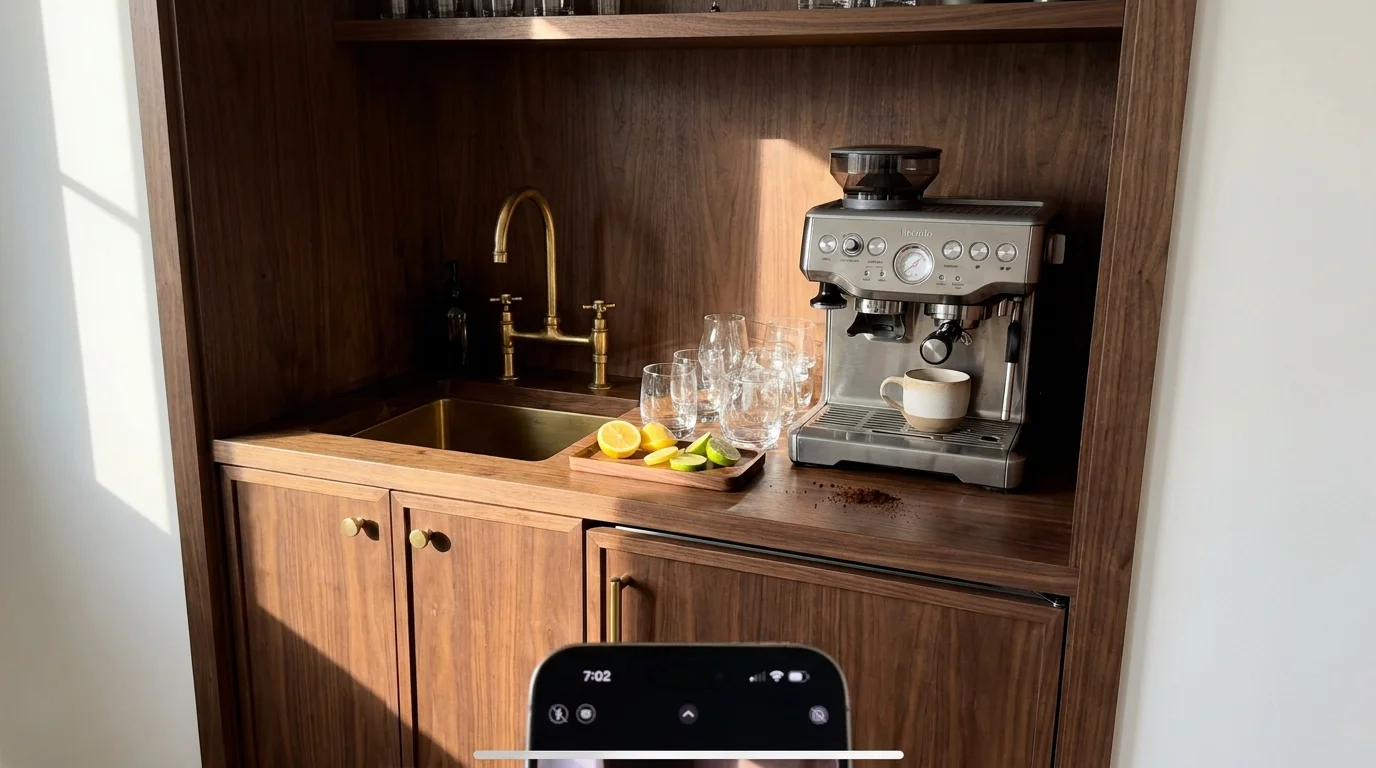
The hotel minibar has evolved from a hidden, purely functional appliance into a celebrated architectural focal point. World-class properties now feature beautifully customized beverage credenzas and built-in alcoves designed to elevate the ritual of pouring a morning coffee or mixing an evening cocktail. Translating this concept into residential interiors involves dedicating a specific, localized zone to beverage preparation, moving away from the clutter of appliances scattered across primary kitchen countertops.
To build a bespoke beverage station, consider reclaiming a transitional hallway space, a deep pantry alcove, or an underutilized dining room corner. Luxury styling relies on rich contrasts; pair dark, fumed oak cabinetry with a dramatic, heavily veined marble backsplash that extends up to a floating shelf. Conceal utilitarian elements like espresso machines and integrated dual-zone wine refrigerators behind fluted glass or pocket doors. Display your glassware with intention, illuminating the station with a dedicated picture light or internally lit glass cabinets. This dedicated zone not only streamlines entertaining but introduces an undeniable element of hospitality-grade indulgence into your daily routine.
Trend #4: The Return of Rich, Tactile Textiles
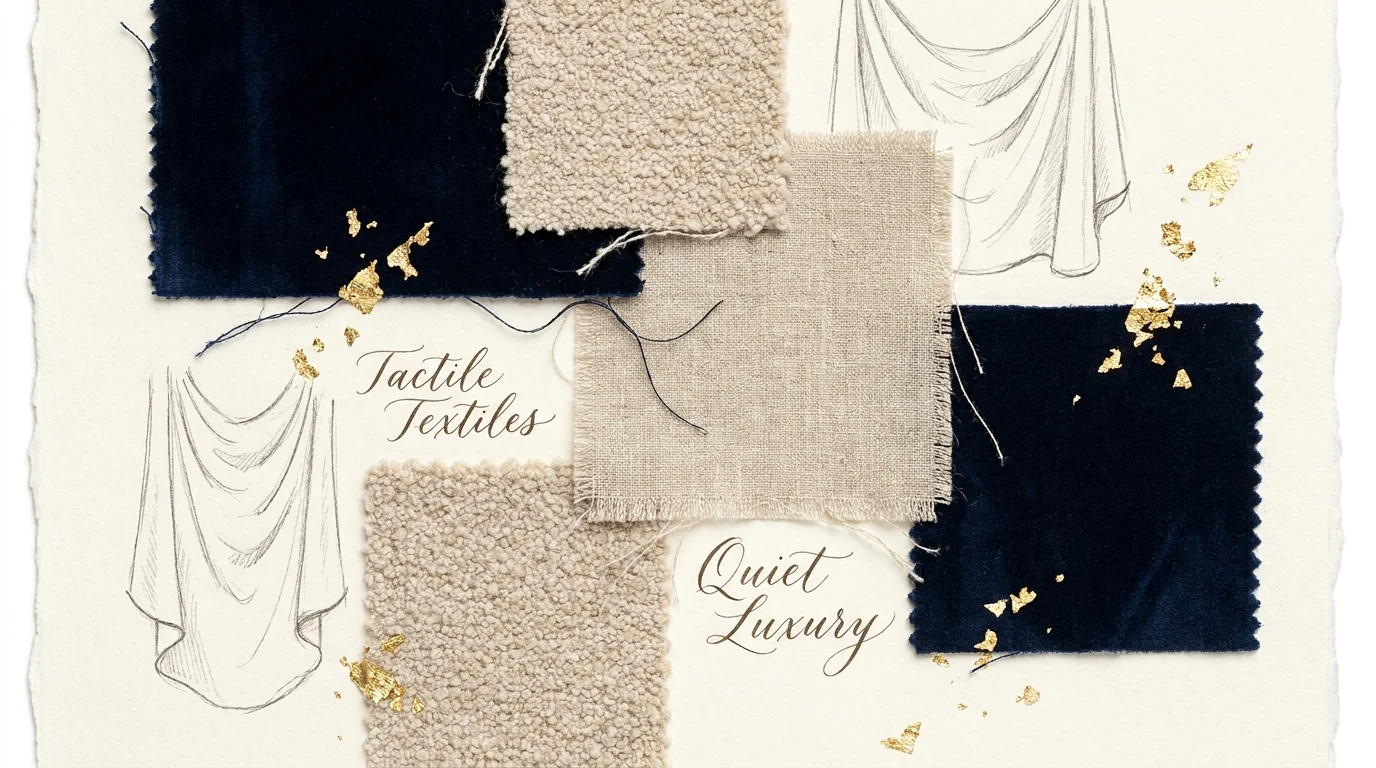
For years, residential design leaned heavily into minimalist aesthetics characterized by bare floors, smooth drywall, and sparse furnishings. While visually clean, these environments often suffered from terrible acoustics and a lack of sensory warmth. Luxury hotel design avoids this pitfall by relying on an abundance of rich, tactile textiles to dampen sound and wrap guests in physical comfort. Heavy drapery, plush upholstery, and dimensional fabrics are making a massive return to home interiors as homeowners seek environments that feel physically protective and indulgent.
Implementing this trend involves layering textures with deliberate confidence. Begin with your window treatments; replace stark, rigid blinds with wall-to-wall, floor-to-ceiling drapery crafted from heavyweight linen or brushed velvet. This simple addition instantly elevates the perceived ceiling height while absorbing echoing sound waves. In the living room, trade flat, synthetic fabric blends for sofas upholstered in luxurious bouclé, deep mohair, or distressed full-grain leather. Layering a dense, hand-knotted wool rug over hardwood floors creates a grounding effect. The key to maintaining a modern aesthetic while using heavy textiles is to keep the color palette restrained—rely on tonal variations of taupe, olive, and charcoal rather than chaotic, competing patterns.
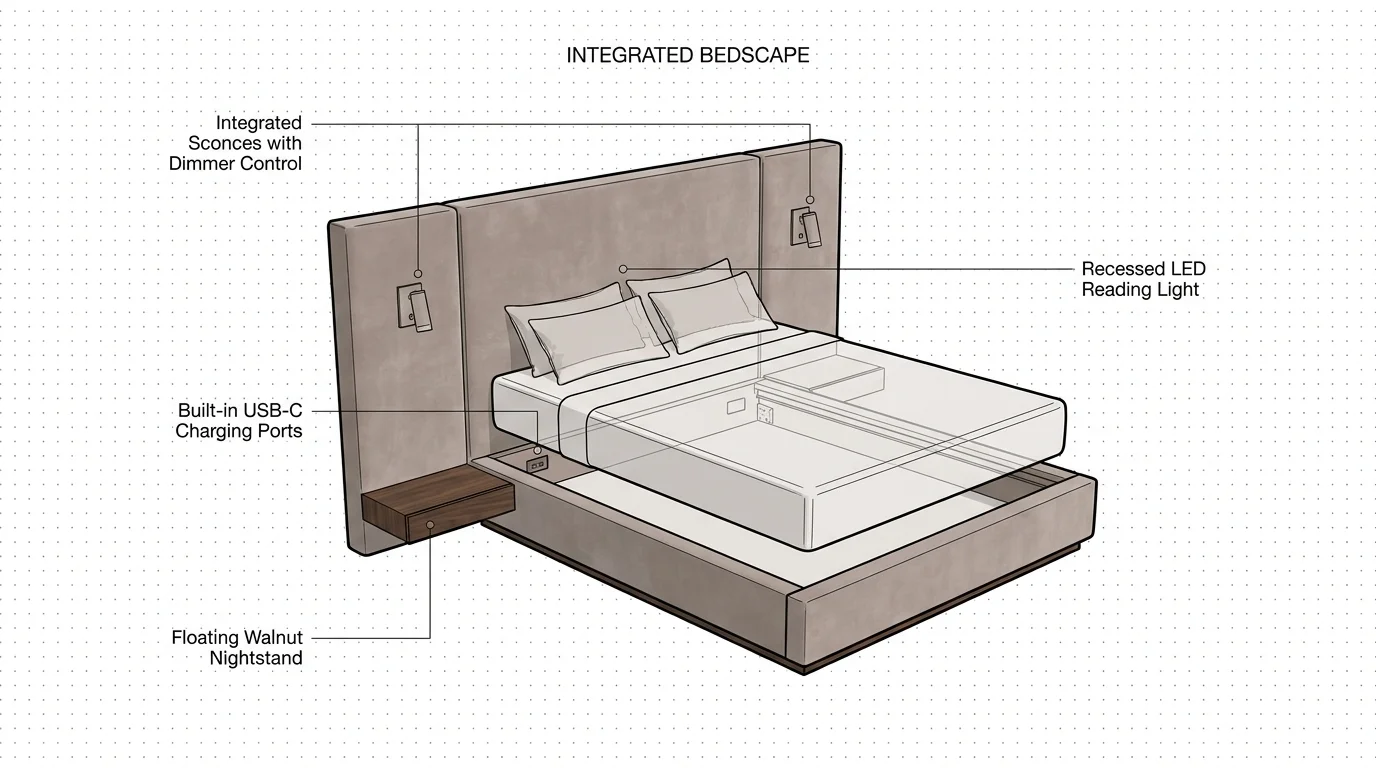
Trend #5: Statement Headboards and Integrated Bedscapes
In a luxury hotel suite, the bed is not merely a piece of furniture; it is its own localized architectural environment. Boutique properties create a sense of grandeur by utilizing massive, room-spanning statement headboards that anchor the space and dictate the symmetry of the room. This approach to bedroom styling is rapidly infiltrating residential design, replacing flimsy, standard-issue bed frames with expansive, integrated installations that completely redefine the sleeping quarters.
You can execute this look by opting for a headboard that extends horizontally far beyond the width of the mattress, seamlessly enveloping the nightstands. Upholstered panels featuring deep channel tufting offer excellent acoustic benefits, while fluted walnut or white oak panels provide a sleek, organic modernism. Furthermore, high-end hospitality styling extends to the bedding itself. Discard the concept of a single, heavy duvet. Instead, adopt the hotel-standard “triple sheeting” method using crisp, 400-thread-count percale cotton sheets layered tightly with a lightweight blanket. Flank the bed with low-profile, floating nightstands and install hardwired, articulated reading sconces directly into the headboard for a highly functional, deeply luxurious bedside experience.
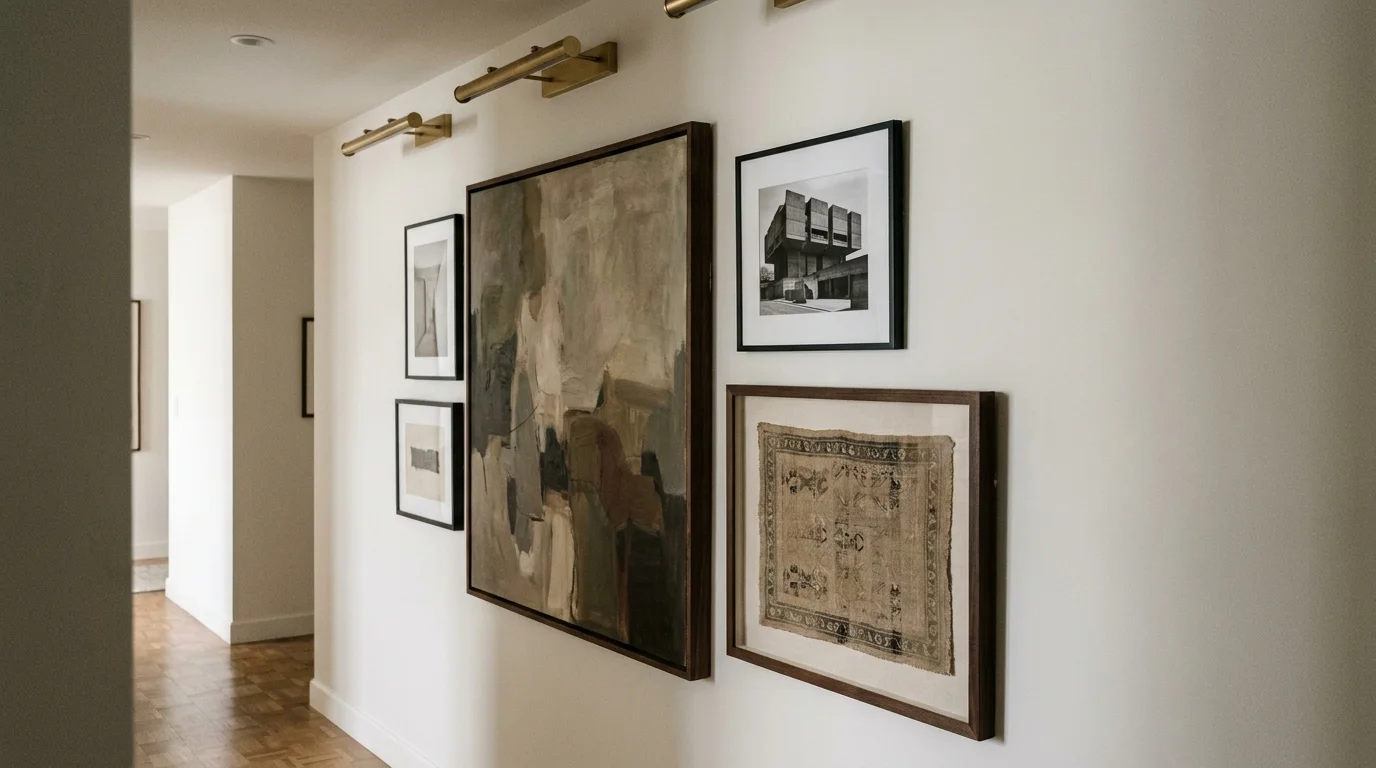
Trend #6: Curated Art Programs and Provenance
The era of purchasing mass-produced, generic canvas prints to quickly fill empty wall space is ending. Elite hotels distinguish themselves through their curated art programs, sourcing unique pieces that speak to the specific geographical location and cultural history of the property. This emphasis on “provenance”—the origin and authentic history of an object—is a foundational pillar of modern luxury design. Homeowners are adopting this curatorial mindset, treating their residences like private galleries that evolve naturally over time.
To cultivate this level of sophistication in your own interiors, embrace a slower, more intentional approach to acquiring art. Seek out original ceramics, mixed-media textural pieces, or charcoal sketches from local artists or antique markets. Do not feel compelled to fill every blank wall immediately; negative space allows significant pieces to command attention. Unify disparate works of art through consistent, high-quality framing—such as floating canvases within thin oak frames or using deep, archival matting. Elevate your collection by installing dedicated brass picture lights above your most prized pieces, a signature hotel technique that dramatically enhances the perceived value and importance of the artwork.
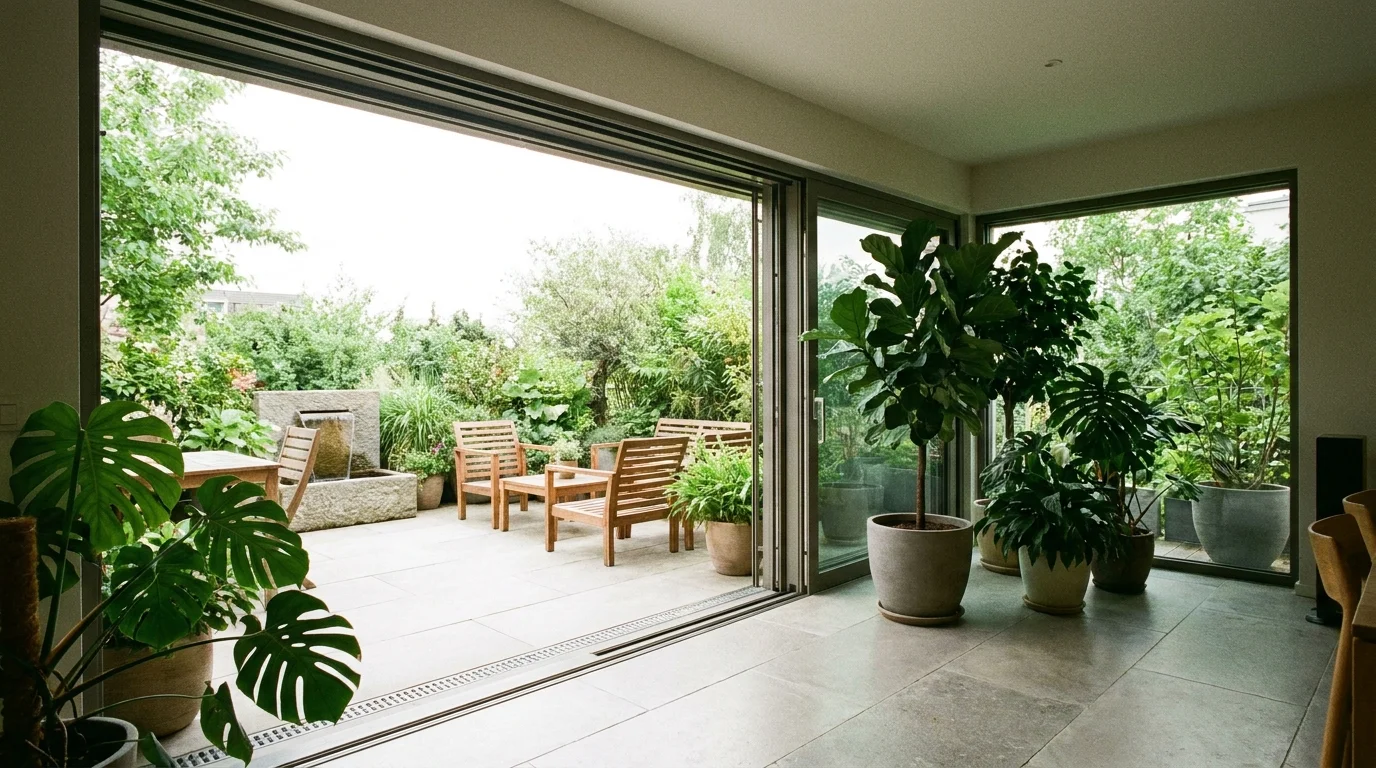
Trend #7: Biophilic Integration and Seamless Indoor-Outdoor Flow
Biophilic design—the practice of incorporating nature and natural elements into the built environment to promote psychological well-being—is a non-negotiable element in high-end resort architecture. Luxury properties utilize lush interior courtyards, expansive glass walls, and organic building materials to blur the psychological boundary between the shelter of the indoors and the vitality of the outdoors. This seamless integration drastically reduces stress and creates a deeply grounding residential atmosphere.
You do not need to construct a glass-enclosed atrium to harness the power of biophilic design. Start by rethinking your indoor foliage; abandon small, cluttered potted plants in favor of one or two massive, architectural trees, such as a Ficus Audrey or a Black Olive tree, planted in heavy, handcrafted terracotta vessels. Maximize your natural light exposure by ensuring window treatments stack entirely off the glass when opened. Introduce raw, tactile materials that clearly display their natural origins—such as live-edge dining tables, heavily grained stone countertops, and unbleached linen upholstery. By anchoring your home decor in the colors, textures, and rhythms of the natural world, you create an environment that feels inherently restorative.
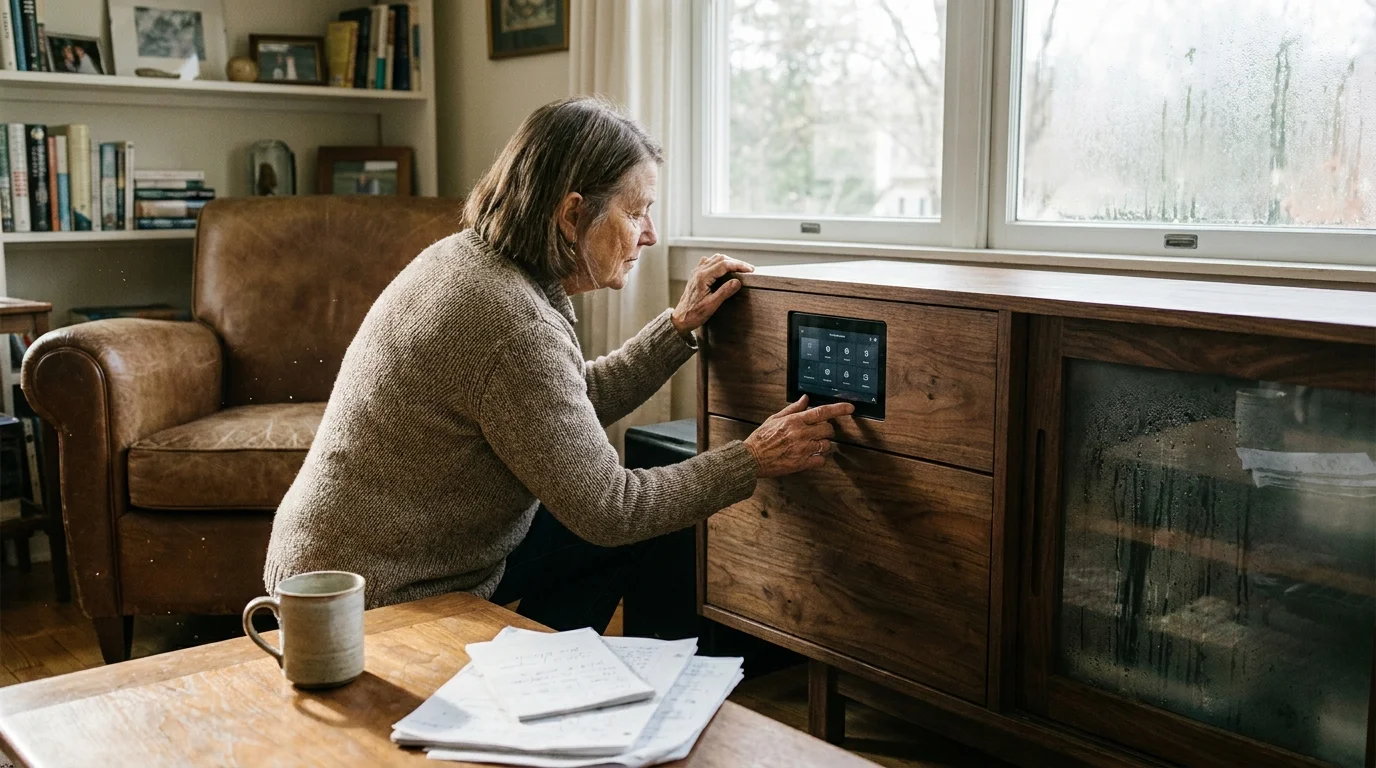
Trend #8: Quiet Luxury and Concealed Technology
In a world defined by digital exhaustion, true luxury is found in spaces where technology operates flawlessly in the background without visually dominating the environment. High-end hotels implement a “quiet luxury” approach to electronics, ensuring that screens, speakers, and wires never disrupt the aesthetic harmony of a room. A television should not be the black focal point of your living space, and banks of plastic light switches should not clutter your walls.
Transforming your home involves hiding technological friction. Invest in frame televisions that display high-definition artwork with a matte finish when powered down, or conceal screens entirely behind automated sliding artwork or custom-built cabinetry. Upgrade your auditory experience by installing invisible architectural speakers that are plastered seamlessly into the ceiling or walls. Reduce visual wall clutter by replacing rows of standard toggle switches with streamlined, programmable smart keypads from brands like Lutron, allowing you to trigger complex lighting and shading scenes with a single button press. When technology is concealed, the craftsmanship and materiality of your interiors can truly take center stage.

Trend #9: Scent-Scaping for Multisensory Impact
The most memorable aspect of walking into a luxury hotel lobby is rarely visual—it is olfactory. Premium hospitality brands invest millions in developing signature scents that immediately trigger a sense of relaxation and exclusivity. This concept, known as “scent-scaping,” treats fragrance as an invisible layer of interior architecture. If your home looks beautiful but lacks a cohesive scent profile, you are ignoring a crucial component of spatial design.
To implement scent-scaping, move away from lighting an assortment of competing, heavily perfumed candles. Instead, approach home fragrance with systemic precision. Select a high-quality, cold-air diffuser that can subtly distribute scent throughout your primary living areas without overwhelming the senses. Choose complex, sophisticated fragrance notes based on the function of the room: grounding cedarwood, vetiver, and leather for libraries and living rooms; bright bergamot and eucalyptus for bathrooms; and calming lavender or chamomile for bedrooms. By establishing a signature scent for your residence, you anchor your home decor in a powerful sensory experience that guests will instinctively associate with comfort and refinement.

The Big Picture: Weaving These Trends into Your Home
Adopting trends inspired by high-end hospitality does not mean transforming your residence into a sterile, impersonal commercial space. The magic lies in the edit. True luxury design requires a delicate balance between aspirational aesthetics and deeply personal, lived-in comfort. If you attempt to implement all of these strategies simultaneously without considering your existing architecture, the result will feel disjointed and overly thematic. Instead, treat these concepts as a toolkit for refinement.
Begin by identifying the primary friction points in your home. If your bedroom feels chaotic and fails to promote sleep, focus entirely on upgrading your bedscape and implementing layered, dimmable lighting. If your living room feels cold and uninviting, prioritize the introduction of tactile textiles and bespoke scent-scaping. Cohesion is the ultimate goal. Allow a consistent color palette and a specific family of materials—such as warm walnut, brushed brass, and natural linen—to flow seamlessly from room to room. Remember that the hallmark of a luxury hotel is an environment that anticipates your needs, functions without friction, and offers visual serenity. By prioritizing high-quality materials over fast furniture, and spatial flow over unnecessary clutter, you will cultivate a home that feels inherently luxurious, deeply personal, and fundamentally timeless.
Frequently Asked Questions
How do I achieve a luxury hotel aesthetic in a small space?
In compact living quarters, achieving a luxury aesthetic relies on rigorous decluttering and a mastery of scale. Avoid filling the room with numerous small pieces of furniture or tiny decorative objects, which visually crowd the area. Instead, opt for fewer, larger-scale pieces—a generous, deeply comfortable sofa, a large area rug that touches all furniture legs, and one oversized piece of statement art. Utilize built-in cabinetry to hide daily clutter, ensuring sightlines remain uninterrupted. Finally, leverage spatial lighting; using wall sconces instead of floor lamps frees up valuable square footage while providing that crucial, high-end ambient glow.
What is the most cost-effective way to replicate high-end hospitality interiors?
The most dramatic transformation you can achieve on a strict budget is entirely overhauling your lighting and textiles. You do not need to undertake a massive renovation to change how a room feels. Swapping out cool-toned light bulbs for 2700K warm bulbs and installing dimmer switches on every fixture costs very little but completely alters the atmospheric quality of a space. Additionally, hanging inexpensive but densely woven, floor-to-ceiling drapery tricks the eye into perceiving higher ceilings and instantly dampens echoes, creating the muffled, quiet intimacy characteristic of a luxury suite.
Does the “quiet luxury” trend have long-term staying power?
Yes. Unlike micro-trends driven by bold, highly specific patterns or neon colors, quiet luxury is rooted in the fundamental principles of classical design: superior craftsmanship, durable natural materials, and meticulous attention to functional detail. Because it shuns overt branding and loud visual statements in favor of subtle textures and hidden technology, quiet luxury provides a neutral, deeply comfortable foundation. Spaces designed with this ethos age exceptionally well, requiring only minor accessory updates over the decades rather than total aesthetic overhauls.
For the latest color forecasts, consult industry leaders like Pantone and paint companies like Benjamin Moore. For professional design standards, refer to the American Society of Interior Designers (ASID).
Disclaimer: This article reflects design trend analysis and predictions. Personal taste and timeless design principles should always guide your decorating choices.
