

Elevating your space into a luxurious sanctuary requires more than high price tags; it demands a strategic approach to texture, scale, and architectural details. You can transform standard rooms into bespoke retreats by embracing the latest shifts in interior design. Moving into 2026, the focus transitions away from stark minimalism toward a rich, layered aesthetic we call quiet luxury. This design philosophy champions artisanal craftsmanship, saturated color palettes, and tactile materials that engage the senses. Whether you are planning a full-scale renovation or making thoughtful, high-impact updates, these curated shifts offer a definitive roadmap. Discover how to incorporate elevated elements that add immediate sophistication and lasting value to your living environment without sacrificing comfort or functionality.
Trend #1: Embracing Quiet Luxury and Provenance
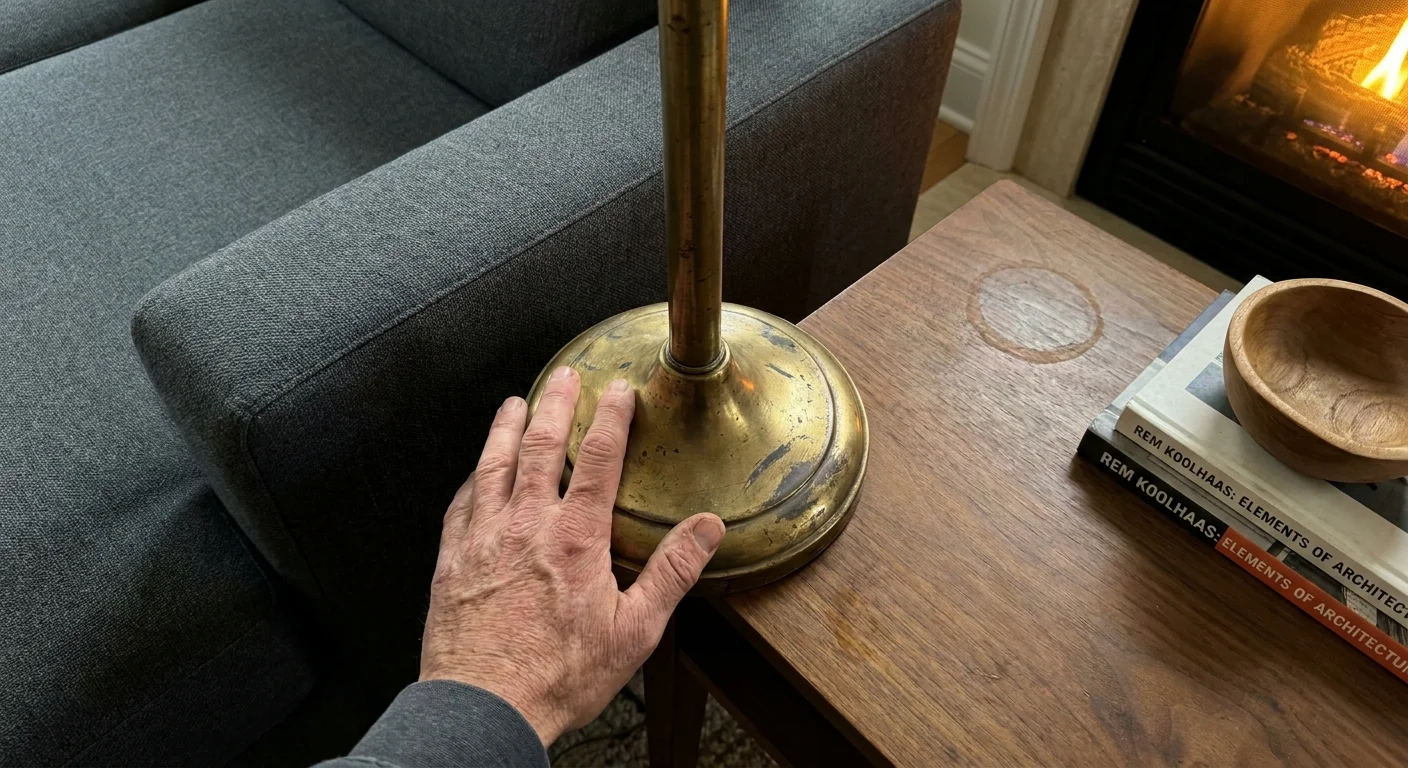
True luxury whispers; it never shouts. The era of mass-produced matching furniture sets and overtly branded decor has ended, making way for the nuanced aesthetic of quiet luxury. This approach prioritizes provenance—the unique history and origin story of your pieces. Anchor your living spaces with vintage, antique, or bespoke items that bring soul and individuality to the room. Source a mid-century burled wood credenza or commission a custom dining table crafted by a local artisan. These elements act as compelling focal points that invite conversation. Avoid purchasing complete room sets from a single retailer; this approach flattens the visual interest and screams commercial staging. Mix eras and styles intentionally. Pair a patinated brass floor lamp with a sleek, contemporary sofa to build tension. By layering pieces with distinct histories, you create a curated environment that feels collected over time rather than hastily purchased from a showroom floor. Invest in high-quality materials like solid hardwoods, top-grain leather, and hand-woven textiles. These materials age gracefully, developing a rich patina that enhances the character of your home. You instantly elevate the perceived value of your interiors when you shift your focus from brand names to exceptional craftsmanship and authentic narratives.
Trend #2: Saturated Earth Tones and Jewel Box Rooms
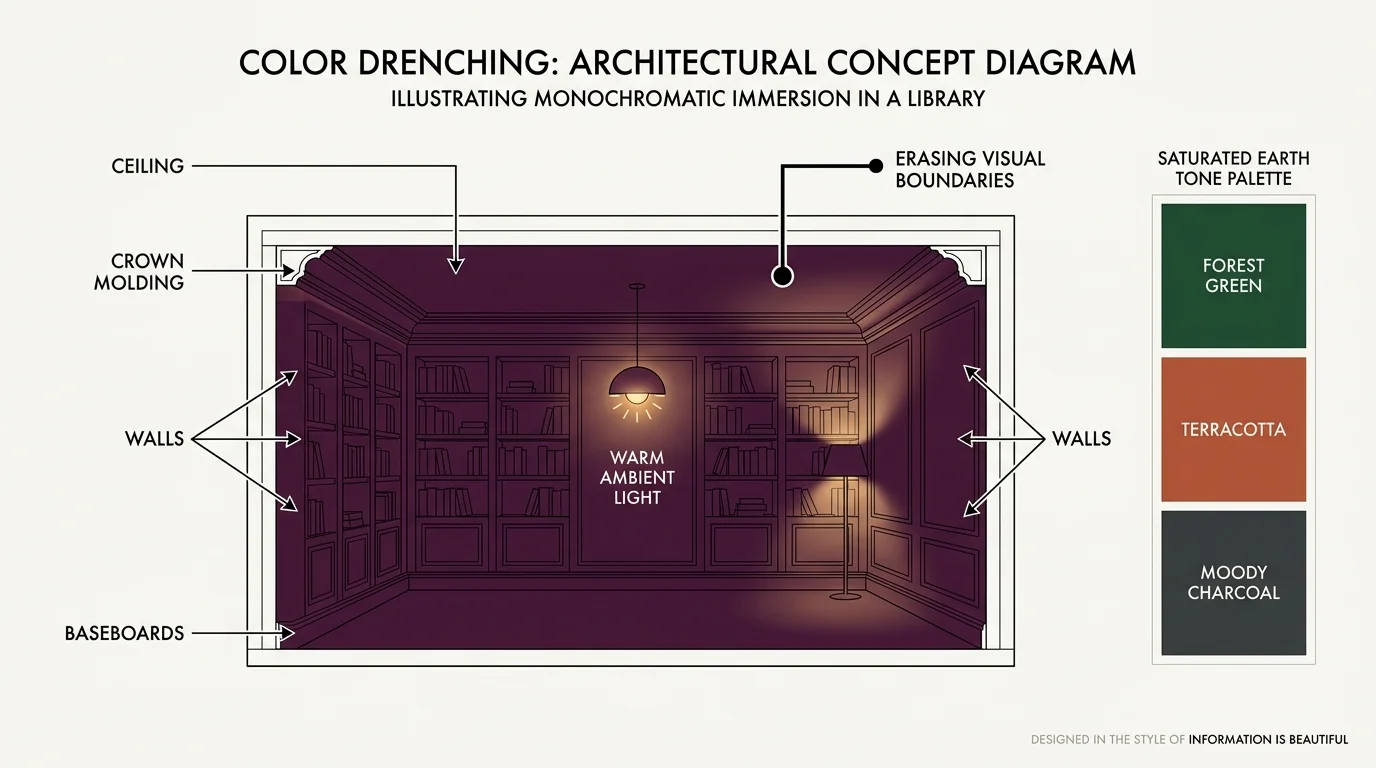
Stark, all-white interiors often feel cold and sterile. Interior design trends now pivot aggressively toward saturated earth tones and immersive color applications. Color drenching represents one of the most effective strategies for adding immediate luxury to any space. This technique involves painting the walls, baseboards, crown molding, and ceiling in a single, rich hue. By erasing the visual boundaries between the walls and ceiling, you create an enveloping, jewel-box effect that makes the room feel taller and endlessly sophisticated. Select deep, complex colors like aubergine, forest green, terracotta, or moody charcoal. Apply this treatment to a formal dining room, a cozy library, or a powder room for maximum impact. If you hesitate to commit to a fully dark room, start with the ceiling. A painted ceiling draws the eye upward, highlighting your chosen light fixtures and crown molding. A dark, monochromatic study glows beautifully under warm ambient lighting, providing a dramatic backdrop for art and mirrors. Moving beyond paint, carry these saturated tones into your upholstery and drapery to build layers of visual depth. Warm earth tones naturally soothe the nervous system, transforming your home into a grounded sanctuary.
Trend #3: Statement Stone with Dramatic Veining
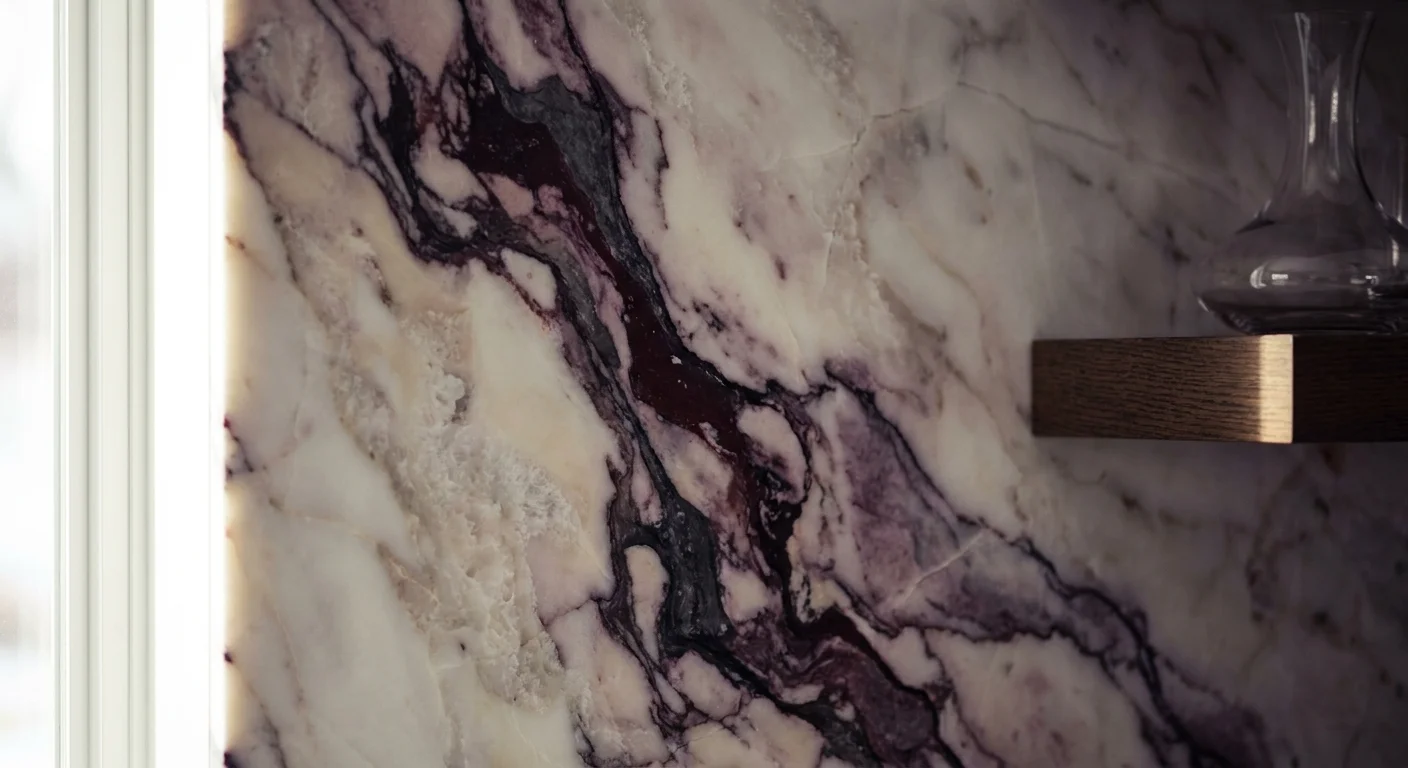
Standard white quartz countertops no longer signify a high-end kitchen or bath. Upscale home tips now universally point toward statement stone featuring dramatic, high-contrast veining. Natural materials like Calacatta Viola marble, Rosso Levanto, and heavily figured quartzite serve as the ultimate luxury signifiers. Treat these stones as functional art. Install a breathtaking slab as a monolithic kitchen backsplash that reaches all the way to the ceiling, eliminating the need for upper cabinets. Construct a waterfall island using a bold breccia marble to anchor your culinary space. Do not limit striking stone to the kitchen; introduce a heavily veined travertine vanity in the powder room or use remnant pieces to fashion custom bedside tables. Furthermore, extending the stone into the sink basin itself—creating a seamlessly integrated stone sink—offers an incredibly bespoke detail that custom builders highly recommend. Pay close attention to edge profiles. Specify a chunky mitered edge or an elegant ogee profile to maximize the visual weight and historical resonance of the material. Natural stone requires occasional sealing and maintenance, but the resulting organic beauty and tactile luxury far outweigh the effort.
Trend #4: Artisanal and Bespoke Lighting
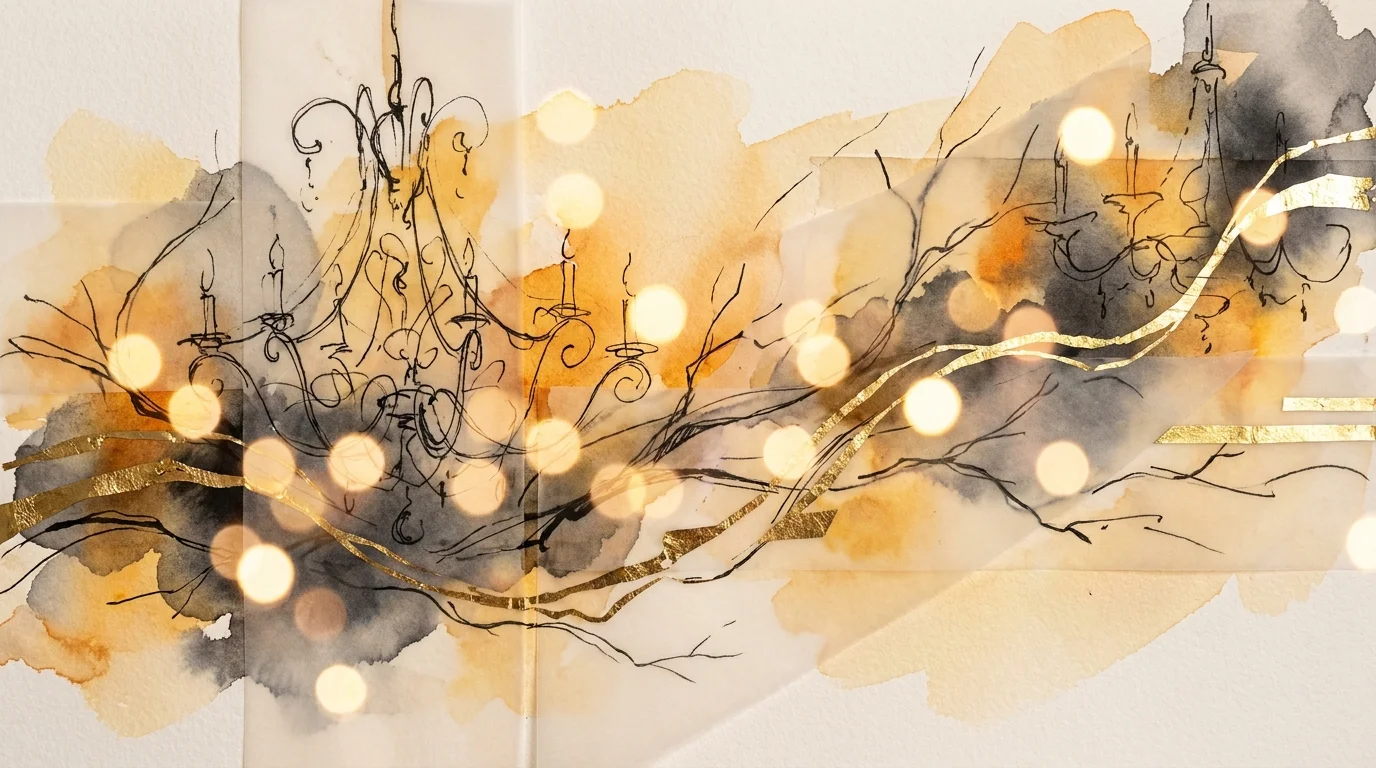
Consider lighting as the architectural jewelry of your home. Builder-grade recessed lights and generic fixtures drastically diminish the impact of an otherwise beautiful room. Elevate your environment by investing in artisanal, sculptural lighting that commands attention even when switched off. Seek out fixtures crafted from authentic materials like Murano glass, alabaster, unlacquered brass, and forged iron. Suspend a monumental, multi-tiered chandelier over your dining table or mount hand-blown glass sconces flanking your fireplace. More importantly, rethink your lighting strategy by mastering the art of layering. Combine ambient, task, and accent lighting to build a dynamic and inviting atmosphere. Eliminate harsh overhead glare; rely instead on lower-wattage bulbs scattered throughout the room via table lamps, floor lamps, and picture lights. Consider the color temperature of your bulbs carefully. Always opt for bulbs in the 2700K range to emit a soft, amber glow that flatters skin tones and highlights your architectural finishes. Install high-quality dimmers on every switch in your house. The ability to manipulate lighting levels allows you to completely alter the mood of a space, transitioning a bright kitchen into an intimate lounge.
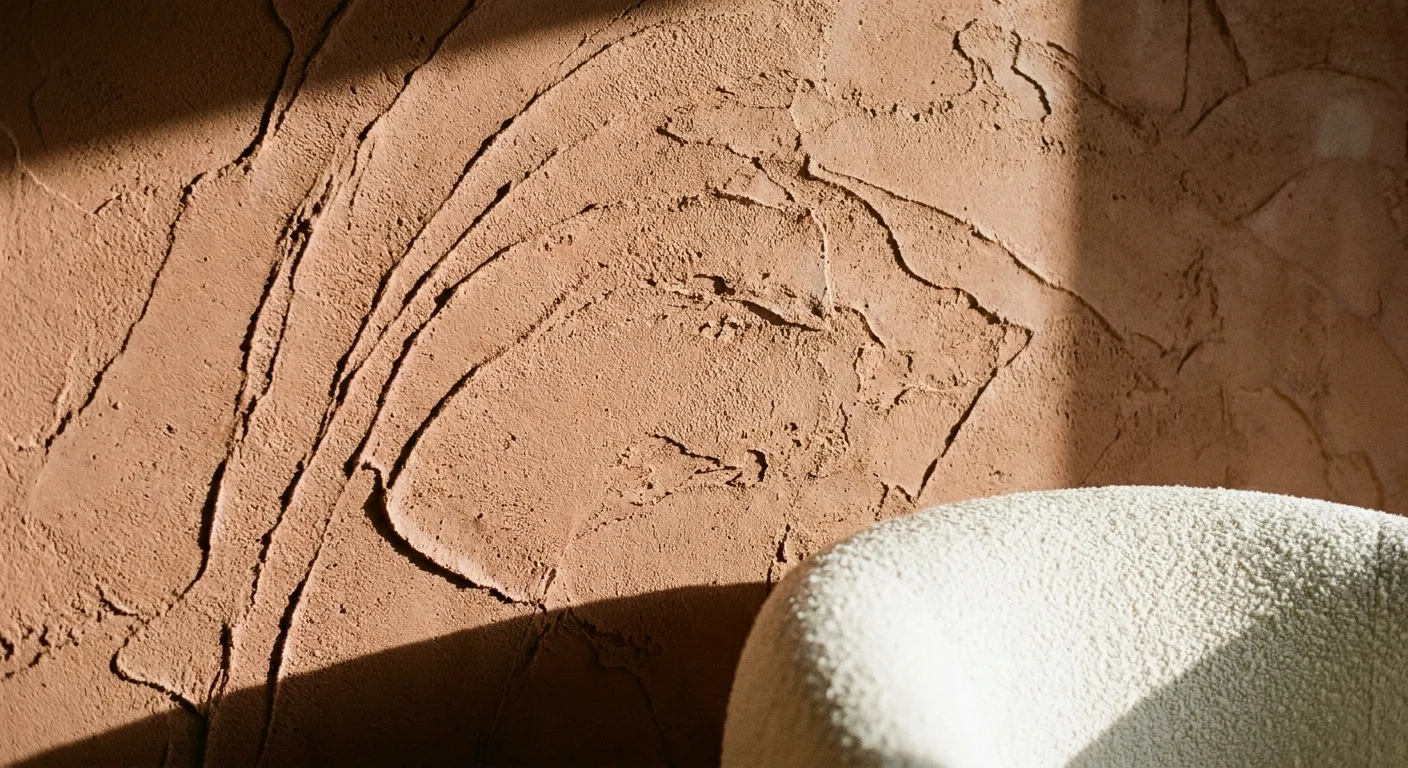
Trend #5: Tactile Walls and Architectural Textures
Flat, featureless drywall feels inherently temporary and inexpensive. Luxurious interiors engage the sense of touch through complex architectural textures and specialized wall treatments. Introduce movement and depth to your spaces by applying traditional finishes like Roman clay, Tadelakt, or Venetian plaster. These hand-applied materials bounce light beautifully, creating a soft, mottled appearance that flat paint simply cannot replicate. Apply a warm limewash to your primary bedroom walls for an instantly serene, Old World aesthetic. Beyond wet finishes, integrate three-dimensional millwork to elevate your architectural shell. For a more contemporary approach, consider installing acoustic slat wood panels. These elements serve a dual purpose, significantly deadening sound while providing strict, rhythmic vertical lines that draw the eye upward. Apply classic wainscoting or picture-frame molding in your hallways and dining areas to inject traditional elegance into modern layouts. Use reeded glass in custom cabinetry to obscure contents while introducing a ribbed, light-diffusing texture. By treating your walls as an active design element rather than a passive backdrop, you build a foundation of luxury that enhances every piece of furniture placed within the room.
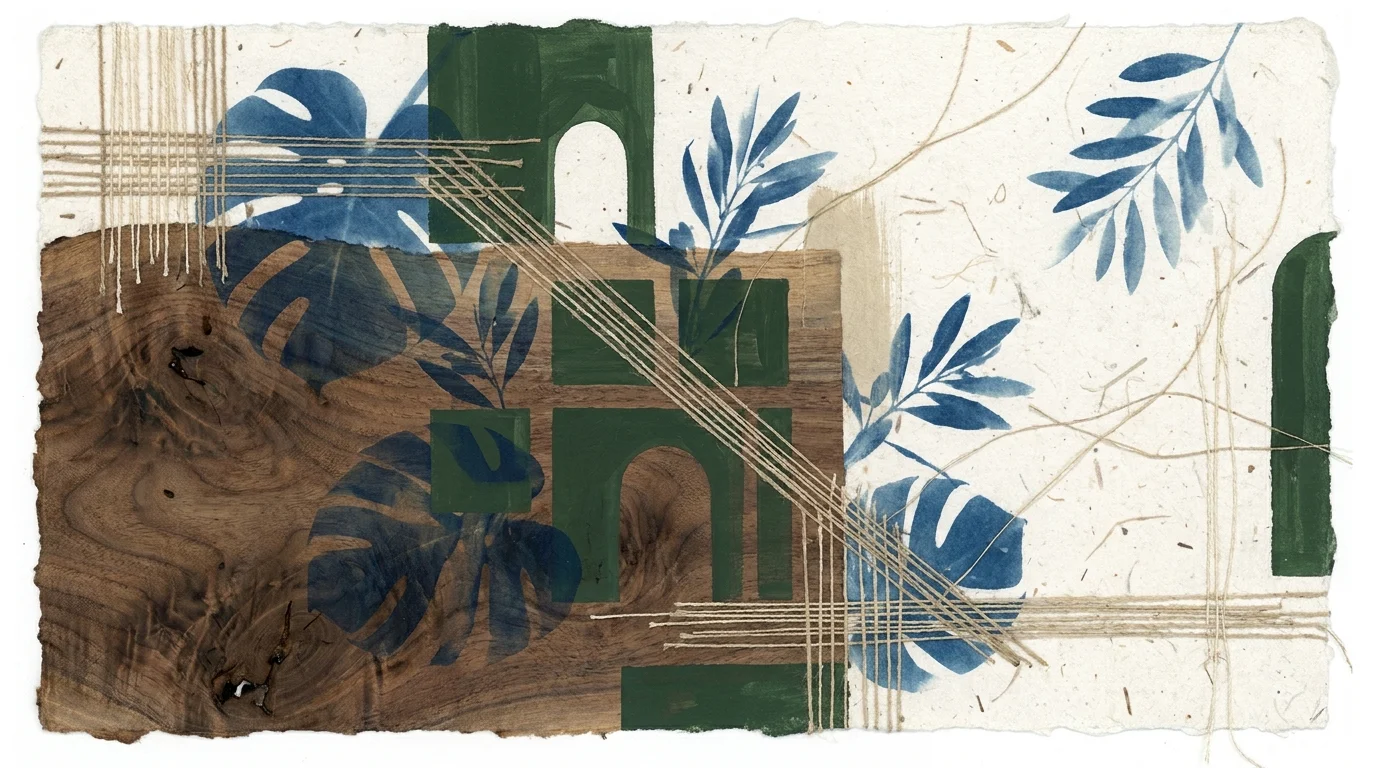
Trend #6: Elevated Biophilic Design and Natural Materials
Biophilic design has evolved far beyond scattering a few potted plants across a windowsill. Today, modern home style demands a seamless, structural integration of nature into the built environment. True luxury seamlessly blurs the line between indoor and outdoor living. Introduce large-scale, dramatic botanical elements, such as a mature indoor olive tree or a massive ceramic vessel holding architectural branches. Maximize your natural light by replacing heavy synthetic curtains with sheer, unlined linen drapery that allows sunlight to filter softly into the room. Ground your design scheme in raw, organic materials that connect the interior to the natural world. Utilize smoked oak flooring, honed travertine tables, jute rugs, and mohair upholstery. Do not underestimate the power of an interior courtyard or an oversized skylight. Framing the sky or a specific outdoor vignette as living art transforms the very foundation of your interior architecture. If your layout permits, install expansive steel-framed glass doors that open fully to exterior gardens. Incorporating water features, such as a subtle indoor fountain or a reflection pool, further enhances the sensory experience. Surrounding yourself with natural elements creates a restorative environment.
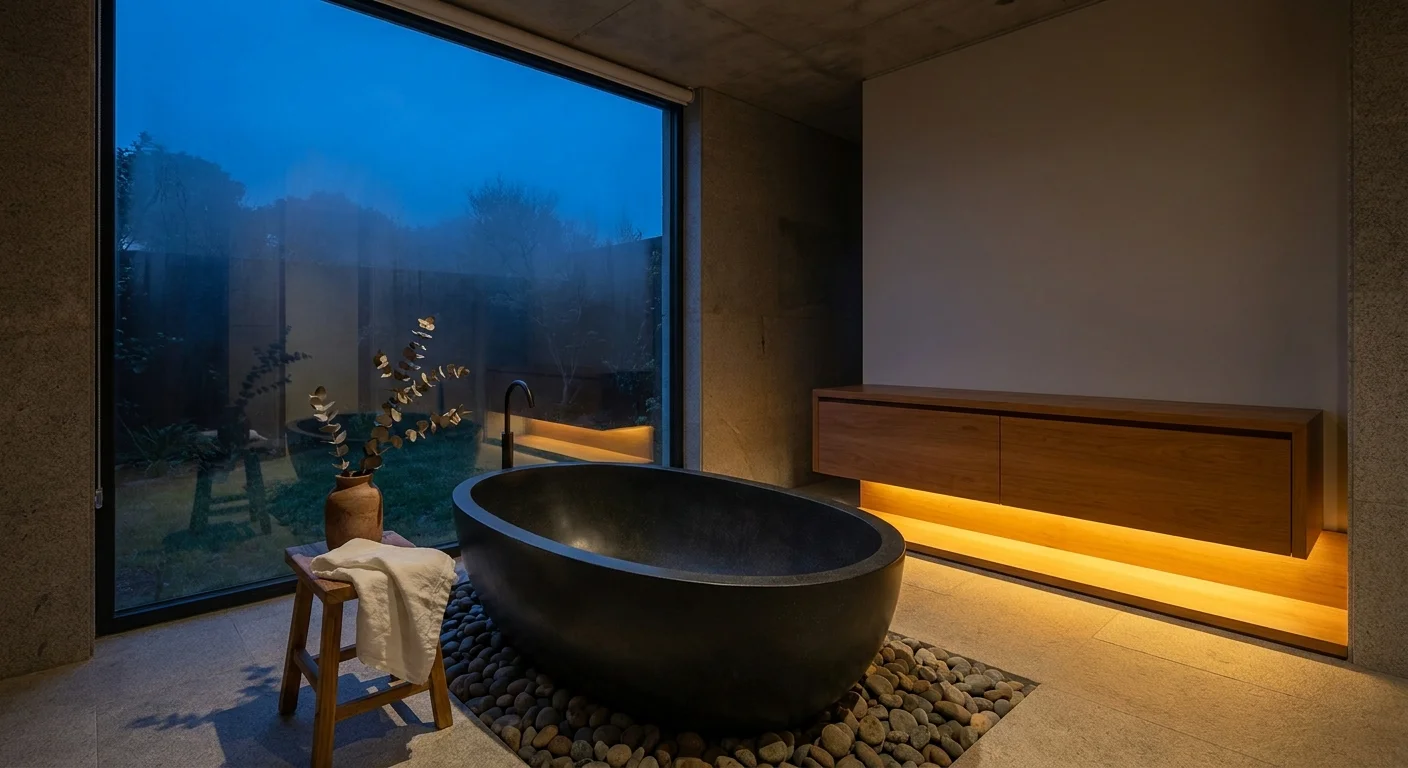
Trend #7: The Rise of Dedicated Wellness Sanctuaries
The definition of luxury now encompasses personal well-being, driving the transformation of standard bathrooms into dedicated wellness sanctuaries. A purely functional primary bath feels outdated; you must design these spaces to facilitate daily rejuvenation and spa-like rituals. Upgrade your plumbing fixtures to include a thermostatic shower system equipped with a massive rainfall showerhead, body jets, and a handheld wand. Select living finishes, like unlacquered brass or polished nickel, which elevate the tactile experience of turning on the water. Incorporate a freestanding soaking tub cast from stone resin, positioning it as the sculptural centerpiece of the room. Integrate technology seamlessly to enhance comfort; install radiant heated flooring and heated towel racks to eliminate the shock of cold tile on winter mornings. Incorporate specialized storage for your skincare and wellness tools. Custom-built vanity drawers equipped with internal power outlets ensure your countertops remain completely free of clutter, preserving the pristine, spa-like environment. If space permits, add an infrared sauna or a custom steam shower clad in floor-to-ceiling eucalyptus marble. By dedicating square footage to your physical and mental health, you achieve the ultimate hallmark of a high-end home.
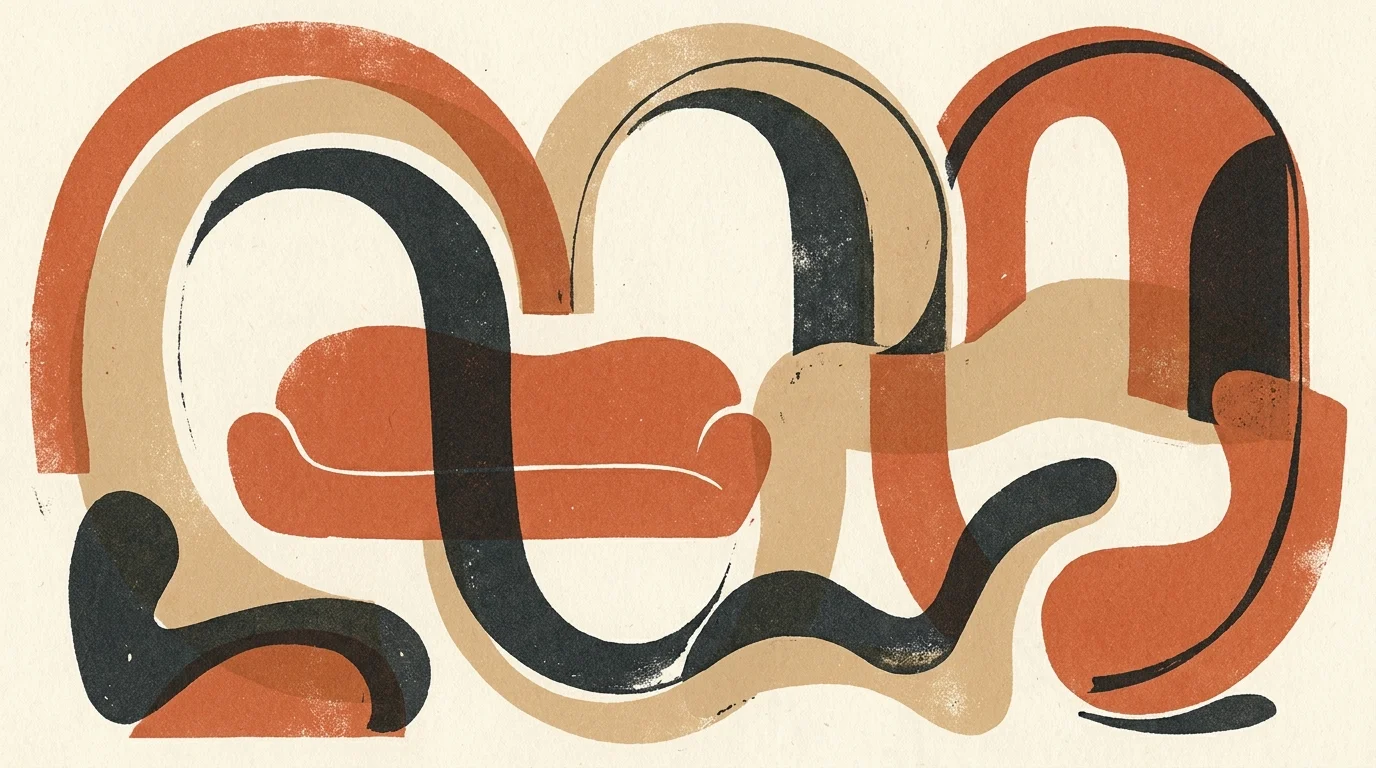
Trend #8: Curvilinear Furniture and Fluid Forms
Rigid lines and sharp right angles dominate standard residential architecture, often creating a harsh, uninviting atmosphere. Counteract this inherent blockiness by introducing curvilinear furniture and fluid architectural forms. Curves inherently soften a room, facilitating better traffic flow and encouraging a more relaxed, conversational environment. Anchor your living room with a crescent-shaped sofa upholstered in rich bouclé or crushed velvet. Replace a stark, rectangular coffee table with a kidney-shaped marble slab or a cluster of nested, circular brass tables. Beyond upholstery, look for case goods featuring fluted, curved bases rather than sharp, rectangular legs. A round dining table encourages egalitarian conversation and naturally softens the rigid boxiness of a standard dining room. Apply this philosophy to your hardscaping and renovations as well. Incorporate arched doorways to ease the transition between rooms, or design a custom kitchen island with sweeping, rounded corners. Curvilinear pieces require highly skilled craftsmanship to execute properly, which immediately signals bespoke luxury to anyone entering the space. By balancing the straight lines of your walls with the graceful arcs of your furnishings, you create a sophisticated, dynamic tension.
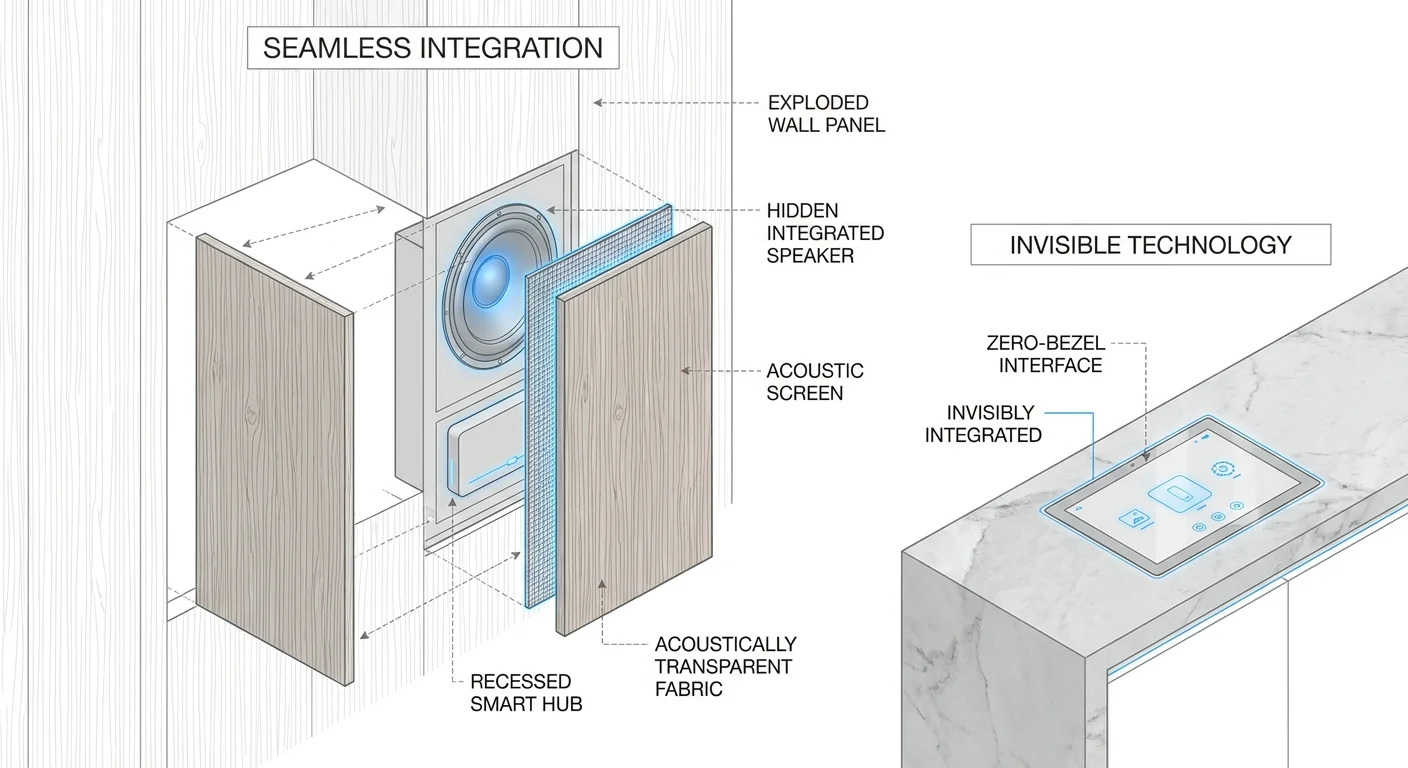
Trend #9: Invisible Technology and Seamless Integration
Nothing shatters the illusion of a beautifully curated room faster than a tangle of exposed wires, clunky plastic speakers, and a massive black television screen dominating the wall. High-end interior design relies on the total concealment and seamless integration of modern technology. You no longer have to compromise aesthetics for connectivity. Install art-display televisions that sit flush against the wall and mimic the matte finish of an actual painting; customize the digital display with classic artwork to disguise the screen entirely. Work with audio-visual professionals to plaster invisible speakers directly into your ceiling, providing immersive surround sound without a single visible grille. Hide essential smart home hubs, routers, and streaming devices inside custom-built, ventilated millwork. Smart lighting systems represent another invisible upgrade. Program your interior lights to slowly shift in color temperature throughout the day, mimicking the natural progression of the sun and supporting your circadian rhythm. Upgrade your window treatments to whisper-quiet motorized drapery that opens and closes via a smartphone app. When your technology functions flawlessly but remains completely out of sight, your home achieves a level of refined sophistication.
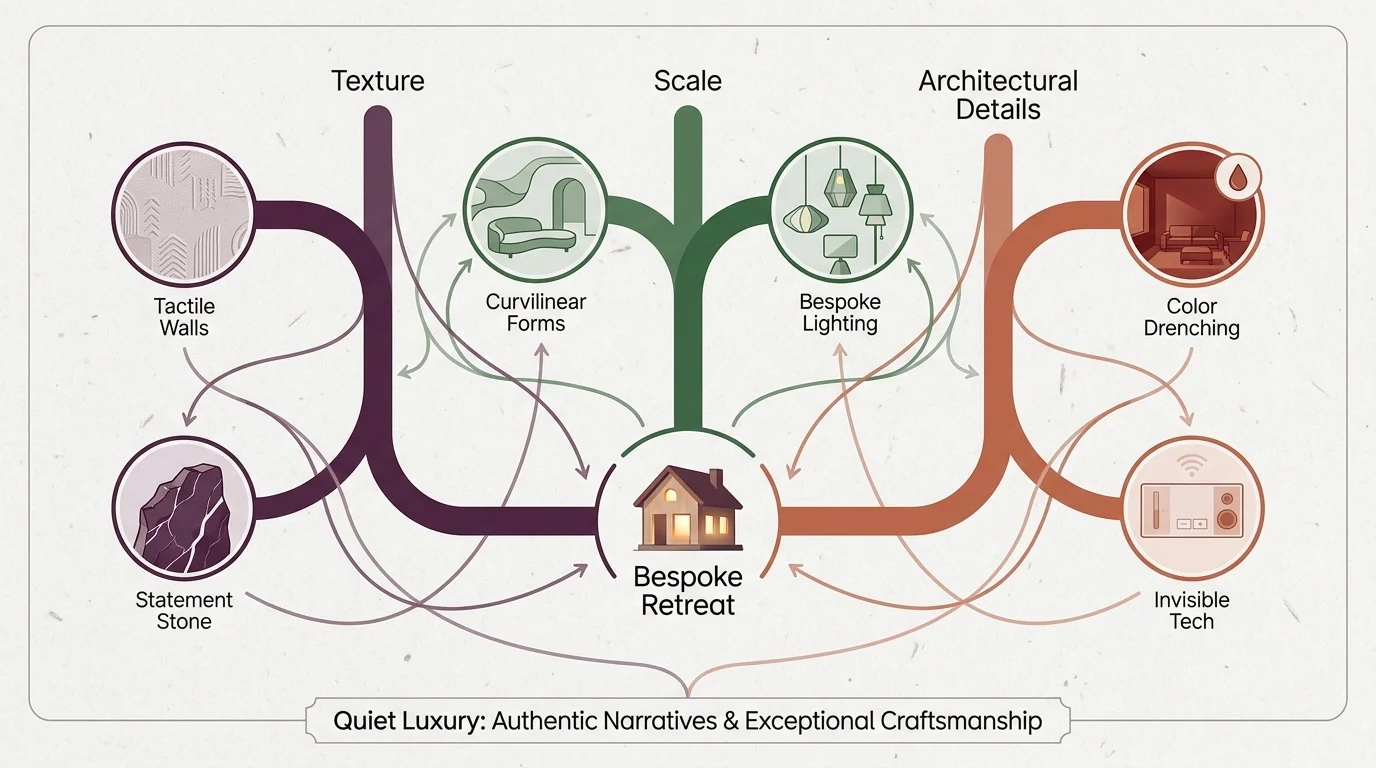
The Big Picture: Weaving These Trends into Your Home
Successfully incorporating these luxury home trends requires intentionality and restraint. You do not need to apply every concept simultaneously to achieve a high-end aesthetic. Instead, view these ideas as a menu of strategic upgrades. Start by assessing the foundational elements of your room—the lighting, the architectural texture, and the color palette. Upgrading a builder-grade light fixture or applying a rich wash of saturated paint immediately elevates the baseline of the space. Once the envelope of the room feels substantial, layer in provenance-rich antiques and organic, curvilinear furnishings. Maintain balance by adhering to the rule of contrast: pair the dramatic veining of a bold marble with the quiet simplicity of matte plaster walls. Allow your spaces room to breathe; negative space highlights the quality of your selected pieces and prevents the design from feeling cluttered. True luxury relies on the curation of meaningful, high-quality items rather than sheer volume. By thoughtfully blending tactile materials, sophisticated colors, and seamless technology, you will cultivate a timeless home environment that feels both deeply personal and effortlessly upscale.
Frequently Asked Questions
How can I make my home look expensive on a tight budget?
Achieving a luxurious look does not strictly require an enormous budget; it requires disciplined editing. Start by decluttering aggressively; space and order are the ultimate luxuries. Update your lighting by swapping out generic fixtures for statement pendants and adding warm, dimmable bulbs. Apply a fresh coat of rich, saturated paint to a small space like a powder room to create an immediate jewel-box effect. Finally, mix in one or two authentic vintage pieces—which can often be sourced affordably at estate sales—to give the room a sense of history and provenance.
Are bold marble and statement stones a passing fad?
Natural stone has been utilized in high-end architecture for centuries. While specific edge profiles or applications may evolve, the use of dramatic, heavily veined marble remains a timeless indicator of quality. Unlike manufactured quartz, which can feel dated as trends shift, authentic stone possesses organic variations that ensure your countertops or backsplashes act as unique works of art. Investing in high-quality natural materials operates as a permanent upgrade that adds long-term value to your property.
Can I mix different wood tones and metal finishes in the same room?
Absolutely. In fact, perfectly matching all your wood tones and metal finishes often results in a flat, catalog-like appearance. Modern home style thrives on the tension and depth created by mixing materials. When mixing metals, choose one dominant finish—such as unlacquered brass—and introduce a secondary finish, like polished nickel or matte black, as an accent. Similarly, anchor the room with a primary wood tone and layer in contrasting woods through smaller furniture pieces or antique accents to build a collected, bespoke aesthetic.
What is the easiest way to incorporate biophilic design?
The simplest approach begins with maximizing your natural light. Remove heavy, light-blocking window treatments and replace them with sheer fabrics. Next, introduce organic textures like jute, wool, and live-edge wood to ground the space. Finally, incorporate large-scale natural elements rather than clustering dozens of small, distracting plants. A single, dramatic indoor tree or a large vessel displaying freshly cut seasonal branches provides a much stronger, more luxurious architectural statement.
For the latest color forecasts, consult industry leaders like Pantone and paint companies like Benjamin Moore. For professional design standards, refer to the American Society of Interior Designers (ASID).
Disclaimer: This article reflects design trend analysis and predictions. Personal taste and timeless design principles should always guide your decorating choices.
