

Investing in the right living room sofa color secures the aesthetic foundation of your home for the next decade. Top designers consistently steer clients away from fleeting micro-trends, prioritizing versatile, enduring shades that anchor a space while adapting to your evolving tastes. The ideal sofa acts as a decorative chameleon—seamlessly shifting from quiet luxury to vibrant eclecticism depending on your surrounding decor, flooring, and accent textiles. Whether you gravitate toward biophilic greens, grounding earth tones, or heritage-rich jewel colors, choosing a shade with true longevity prevents costly design regrets. Master these seven designer-approved hues to elevate your interior design, enhance your home decorating strategy, and create a living area that effortlessly stands the test of time.
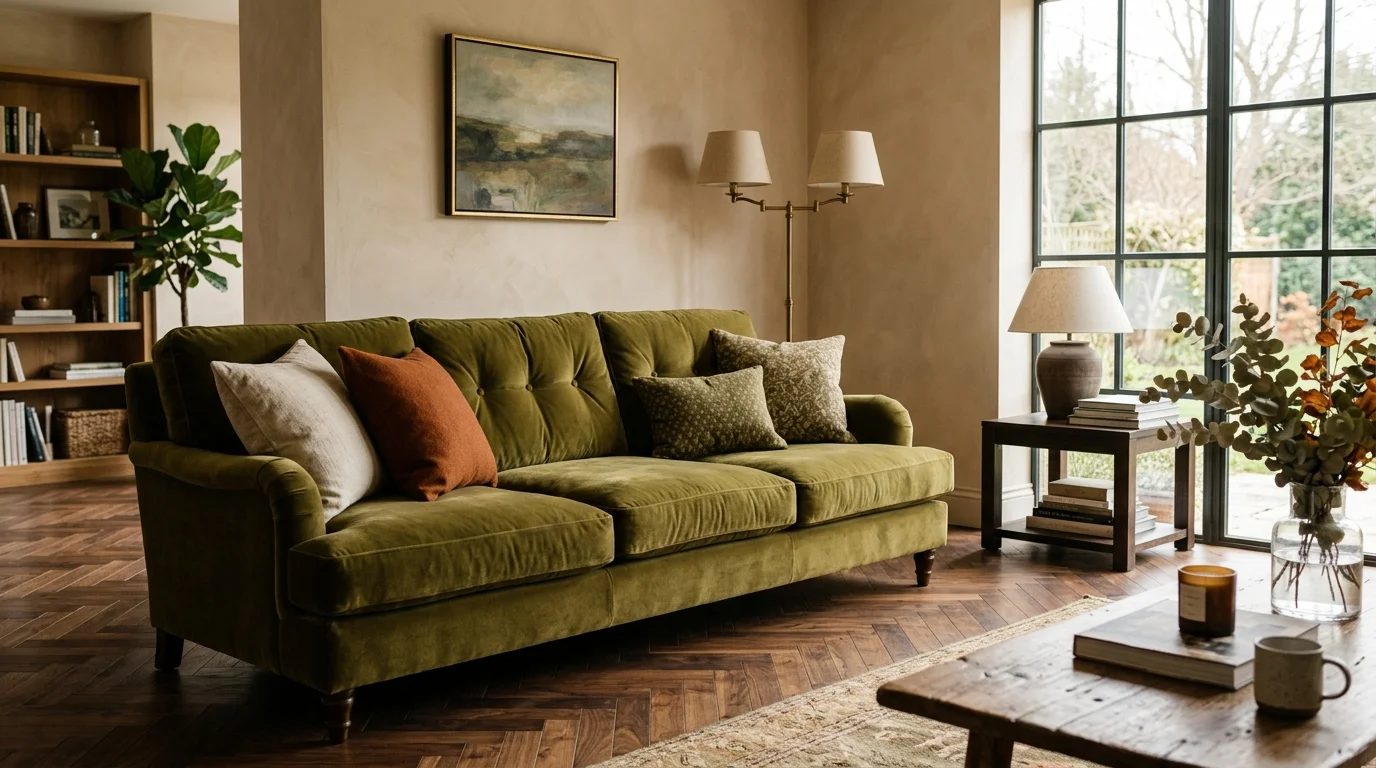
Trend #1: Warm Olive Green
Embracing biophilic design principles transforms your living room into a restorative sanctuary, and warm olive green leads this organic movement. Designers champion this earthy hue because it bridges the gap between a true neutral and a compelling accent color. Unlike stark emeralds or pale mints, olive green carries a sophisticated brown undertone that grounds your living space; it harmonizes beautifully with natural materials while adding profound visual depth to the room.
When you select an olive green sofa, you introduce a versatile foundation that adapts effortlessly to shifting seasonal trends. The fabric you choose dictates the precise mood of the piece. Pair a luxurious olive velvet sofa with unlacquered brass lighting fixtures and rich walnut flooring to cultivate a sense of quiet luxury. If you prefer a more relaxed aesthetic, opt for a slub linen fabric and surround the sofa with light white oak woods, heavily textured jute rugs, and handmade matte ceramics.
The true longevity of olive green lies in its inherent connection to the natural world. Human beings possess an innate desire to surround themselves with elements found in nature. By bringing this specific shade indoors, you create a timeless environment that bypasses the rapid life cycle of artificial, highly saturated micro-trends. To maximize this color’s potential, ensure your living room receives ample natural light—sunlight highlights the nuanced golden flecks hidden deep within the olive dye, preventing the color from feeling heavy or cavernous.
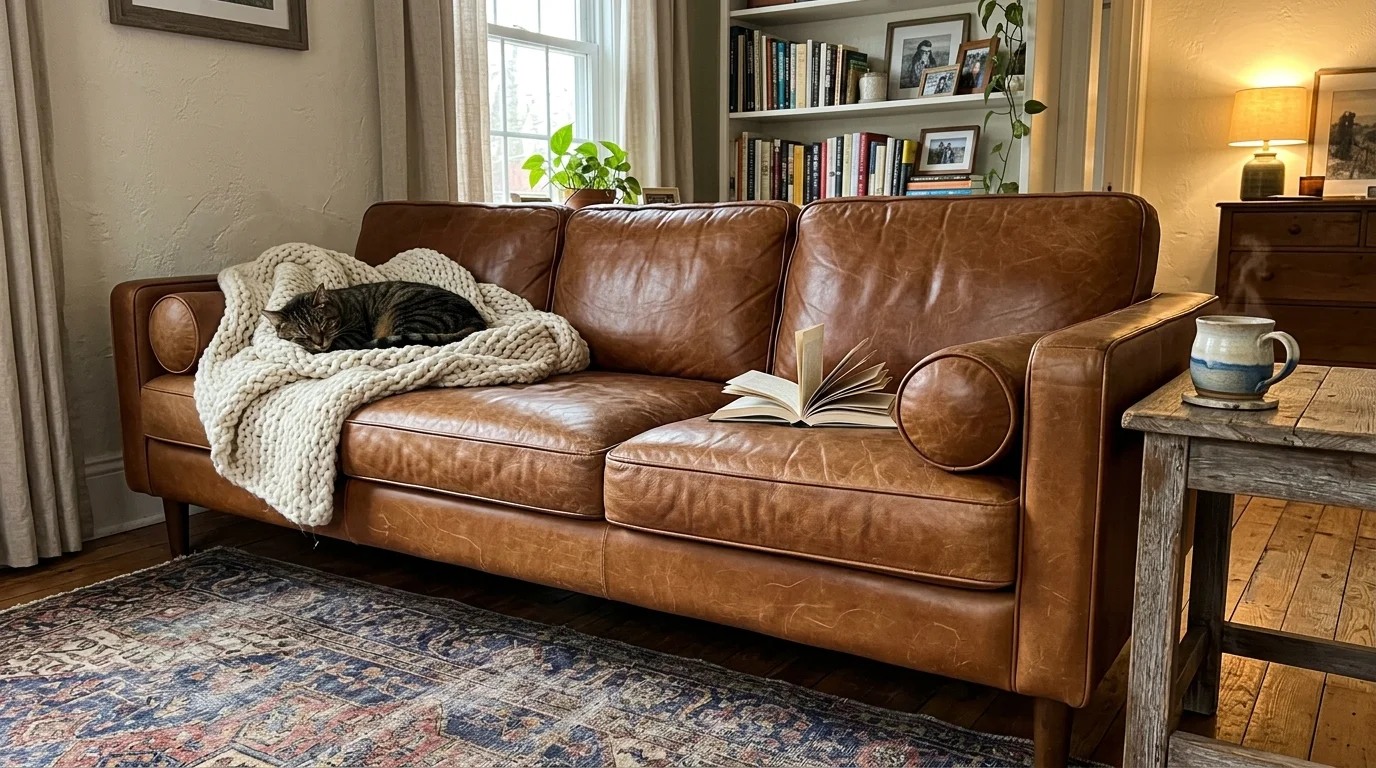
Trend #2: Rich Cognac Leather
A move toward warmth and authenticity defines current interior design trends, positioning rich cognac as a paramount choice for living room seating. This specific shade of golden-brown imparts an immediate sense of history and permanence to your home decorating efforts. Designers rely on cognac because it functions as an aesthetic anchor, providing necessary visual weight to modern, airy rooms while adding rugged sophistication to traditional spaces.
Material selection plays a critical role in the success of a cognac sofa. High-quality aniline or semi-aniline leather serves as the ultimate vehicle for this color. Over time, top-grain leather develops a unique patina—a subtle surface sheen and natural wear pattern that defines the concept of provenance. The minor scratches and inherent variations in the hide tell a story, ensuring your investment looks significantly better in year ten than it did on the showroom floor.
You guarantee longevity when you leverage cognac’s remarkable adaptability. Anchor a cognac leather sofa on a vintage Persian rug to amplify its heritage feel, or contrast it against crisp white walls and matte black steel accents for a striking industrial-modern juxtaposition. To keep the styling fresh, layer the sofa with tactile throw pillows; chunky knit wools and soft cashmere blankets soften the slick surface of the leather and invite guests to linger.
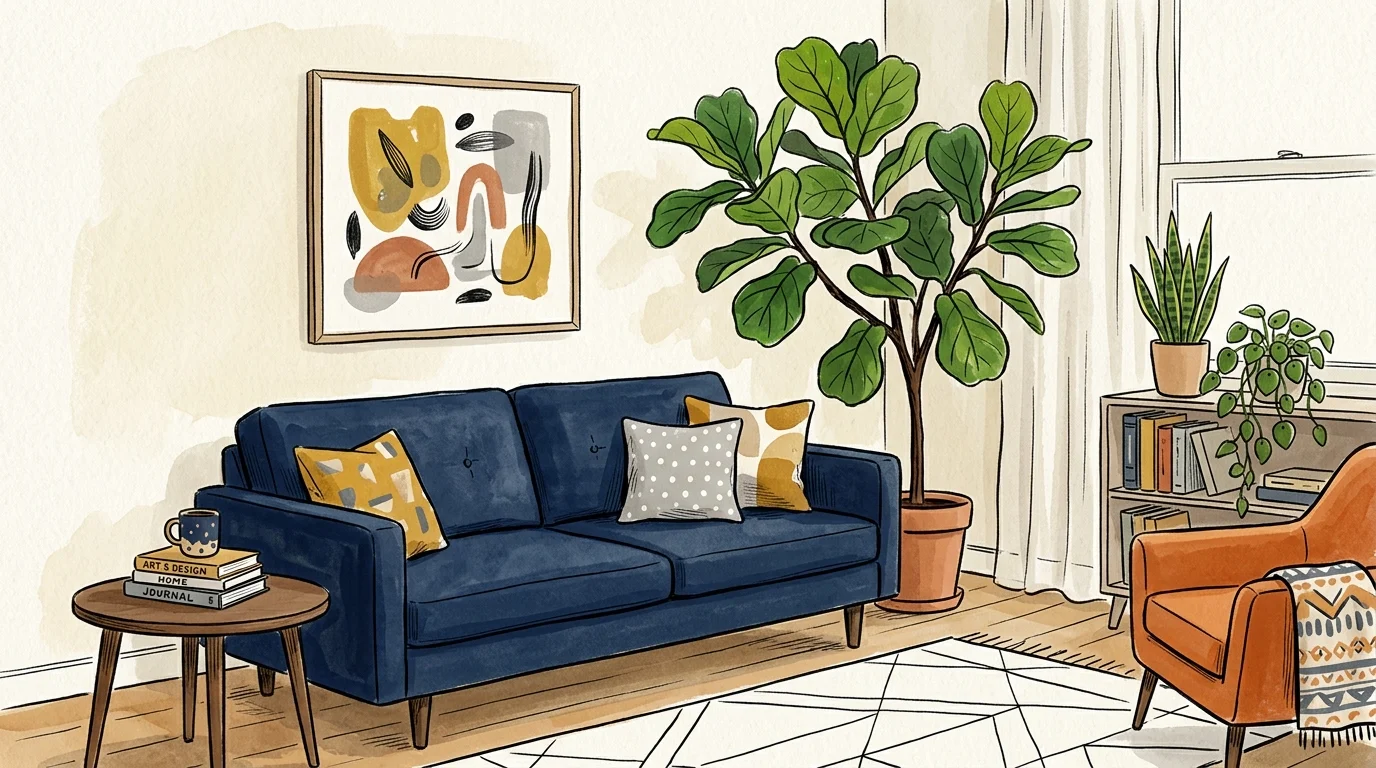
Navy blue represents the ultimate chameleon of interior design, offering the dramatic weight and structural definition of black while retaining a softer, more approachable undertone. Designers consistently recommend deep navy for clients who desire a sophisticated focal point but fear the starkness of a purely monochromatic palette. This classic hue acts as a new neutral, effortlessly absorbing ambient light to create a moody, intimate atmosphere perfect for evening lounging.
Fabric choices drastically alter navy’s visual impact in your living room design. A navy mohair or densely woven brushed cotton exudes traditional elegance and pairs brilliantly with historic architectural details like crown molding and wainscoting. Alternatively, a tightly woven navy performance linen suits a casual, airy aesthetic; it withstands heavy daily use from children and pets while masking minor stains exceptionally well.
Contrast remains the secret weapon when styling a navy blue sofa. Pair your deep blue seating with warm metallic finishes—such as brushed brass, unlacquered copper, or antique bronze—to instantly elevate the room’s perceived value. Flank the sofa with medium-toned oak side tables and suspend a statement modern chandelier overhead to maintain a fresh, contemporary vibe. Because navy fundamentally belongs to the classic color canon, it easily transcends fleeting fads, ensuring your living room remains effortlessly chic for years.
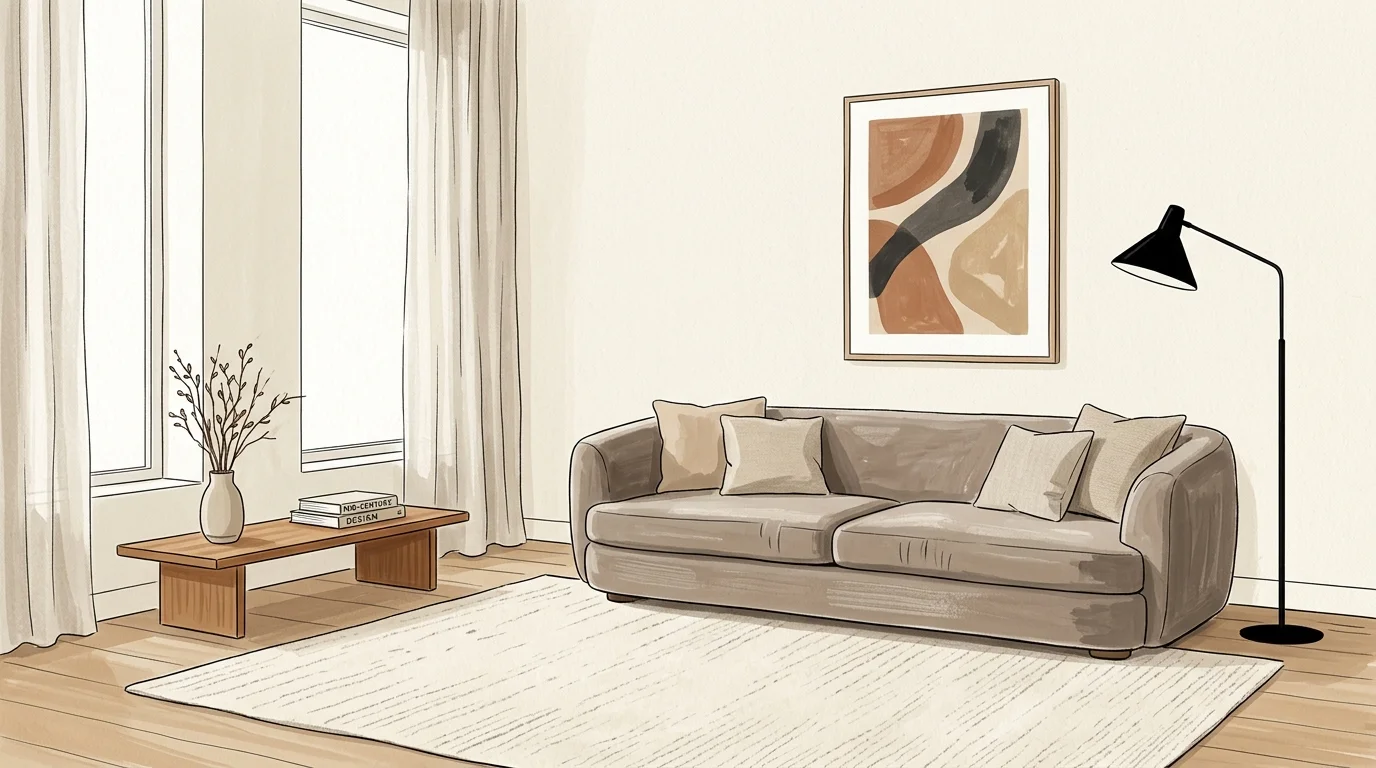
Trend #4: Mushroom and Warm Taupe
The design industry has firmly moved away from the cool, sterile greys that dominated the past decade, replacing them with complex, inviting neutrals like mushroom and warm taupe. These shades perfectly encapsulate the quiet luxury movement. They whisper rather than shout, providing a serene, sophisticated backdrop that allows your curated art collections, architectural features, and statement lighting to command attention.
A successful taupe or mushroom sofa relies entirely on texture to prevent the room from falling flat. Designers highly recommend specifying these colors in tactile fabrics such as bouclé, heavy-weight linen, or brushed chenille. The multidimensional weave of these materials catches the light differently throughout the day, ensuring the soft color dynamic continuously shifts and engages the eye.
To weave this subtle color into a compelling living room design, employ a tone-on-tone layering strategy. Surround your taupe sofa with varying shades of cream, beige, and warm clay. Introduce contrasting elements through your hard finishes; a monolithic travertine coffee table or a dark, heavily veined marble fireplace surround provides necessary friction against the soft seating. This highly intentional, layered approach creates a highly sophisticated space that feels both meticulously designed and profoundly relaxing.
Trend #5: Heritage Burgundy and Oxblood
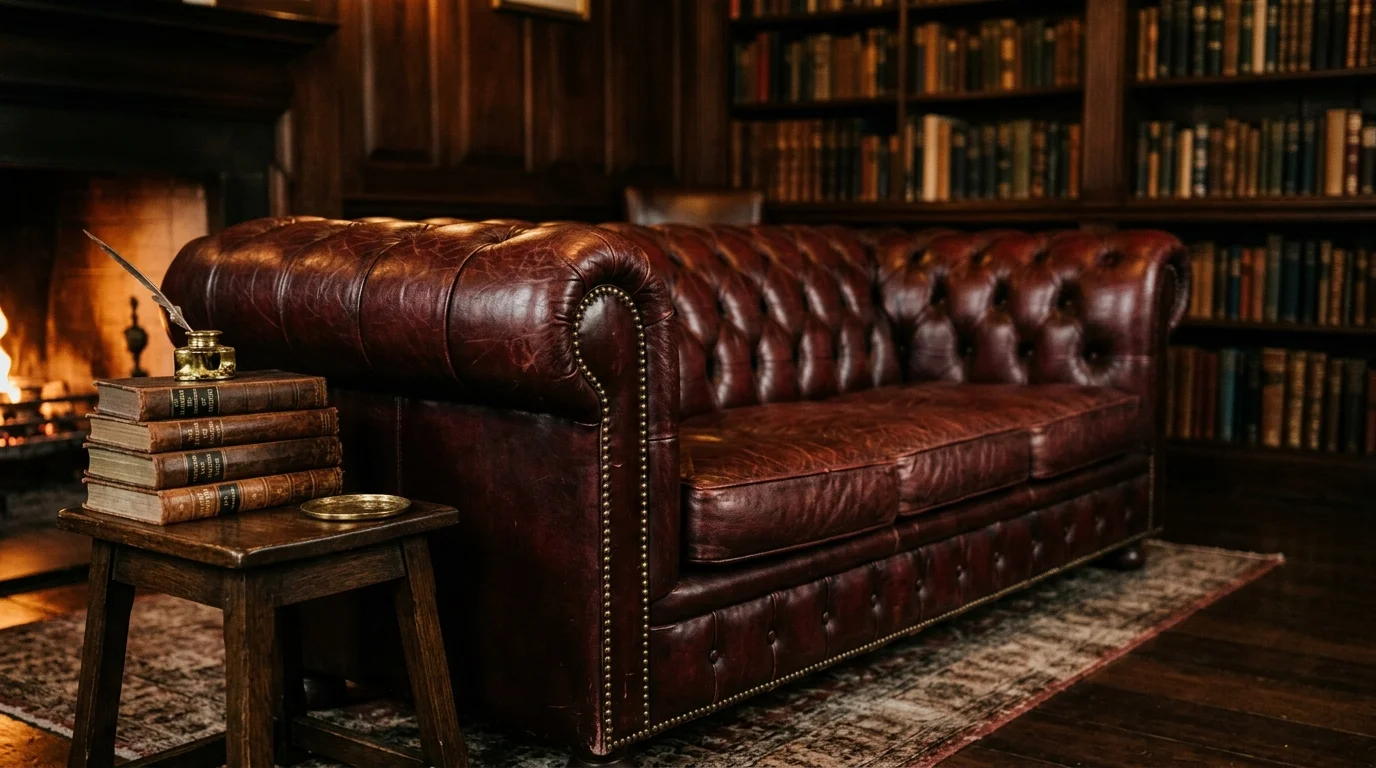
A resurgence of traditionalism and romantic design has brought heritage burgundy and oxblood back to the forefront of luxury interiors. These deeply saturated, red-brown hues inject undeniable drama and opulence into a space. Rather than appearing retro or dated, modern applications of oxblood feel incredibly curated and avant-garde, appealing directly to homeowners looking to make a confident, lasting design statement.
The sensory experience of a burgundy sofa is paramount. This color demands luxurious, light-absorbing fabrics to reach its full aesthetic potential. Deep cotton velvet, plush mohair, and supple leathers enhance the inherent richness of the shade. When light hits these premium materials, it illuminates the fiery red undertones while casting the shadowed crevices in deep, dramatic violet-black.
Styling an oxblood sofa requires a deliberate hand to maintain balance in your living room design. You can utilize the color as a striking focal point in a largely neutral, cream-based room, allowing the sofa to act as a functional piece of art. Conversely, you can embrace the color-drenching trend by pairing the burgundy sofa with dark walnut paneling, moody charcoal walls, and layered antique rugs. Regardless of your approach, this heritage color offers massive longevity due to its historical roots and unwavering elegance.
Trend #6: Earthy Ocher
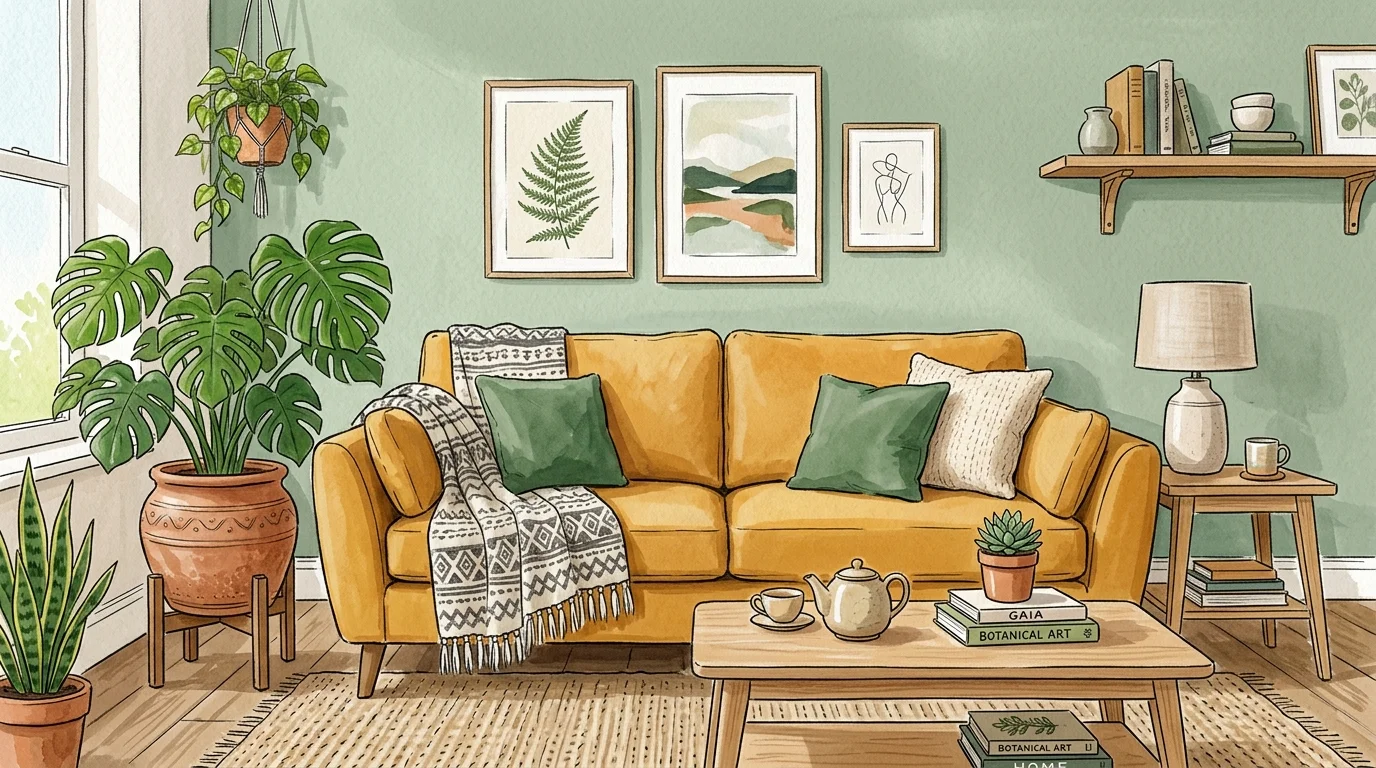
Earthy ocher and muted mustard yellows bring unparalleled warmth and a distinct vintage charm to modern living spaces. This color trend draws heavily from mid-century modern influences and the resurgence of the 1970s aesthetic, yet it has been refined for contemporary sensibilities. Designers recommend ocher because it injects joy and energy into a room without crossing into the abrasive territory of primary yellow.
When selecting an ocher sofa, prioritize fabrics with an inherently matte finish. A high-shine yellow fabric risks looking synthetic, whereas a matte linen, brushed cotton, or tightly woven wool grounds the color in nature. The organic texture tames the brightness, transforming the hue into a sophisticated, sun-baked earth tone that feels incredibly inviting.
To integrate an ocher sofa into your home decorating plan, surround it with deeply contrasting, grounding colors. Ocher pairs magnificently with moody indigo blues, forest greens, and stark charcoal greys. Incorporate organic modern silhouettes—such as curved accent chairs and asymmetrical wooden coffee tables—to soften the visual impact. Because this color so effortlessly bridges the gap between retro nostalgia and modern warmth, an earthy ocher sofa promises enduring stylistic relevance in your home.
Trend #7: Charcoal Grey with Warm Undertones
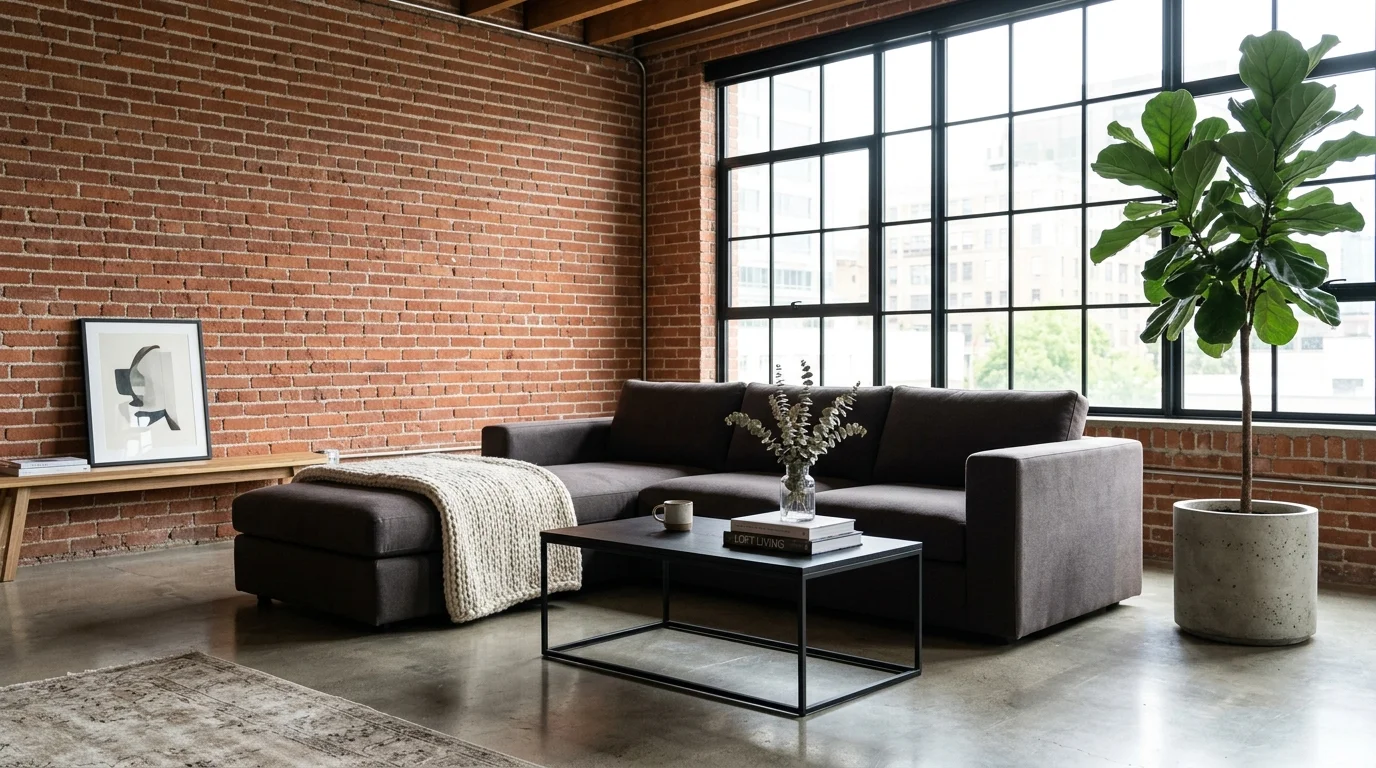
While cool, blue-based greys have waned in popularity, charcoal grey infused with warm, brown or green undertones remains a staple of high-end interior design. This specific iteration of charcoal offers the practical depth of jet black but drastically reduces the harsh, visual contrast. It serves as the ultimate workhorse color, recommended by designers for busy households that refuse to sacrifice sophisticated aesthetics for the sake of utility.
The versatility of warm charcoal shines brightest when paired with performance fabrics. A crypton-treated charcoal tweed or a stain-resistant micro-velvet masks everyday wear, pet hair, and minor spills better than almost any other color on the spectrum. This inherent practicality makes it an unbeatable choice for family rooms and high-traffic entertaining spaces, extending the physical and stylistic lifespan of your furniture.
You can push a charcoal sofa in nearly any design direction based on your styling choices. To warm up the dark seating, layer the sofa with rust-colored pillows, drape an alpaca throw over the arm, and position a richly stained wooden side table nearby. For a more tailored, metropolitan aesthetic, contrast the charcoal fabric against crisp white walls, abstract monochromatic art, and sleek polished nickel hardware. The color’s innate adaptability guarantees it will remain relevant through multiple inevitable home makeovers.
The Big Picture: Weaving These Trends into Your Home
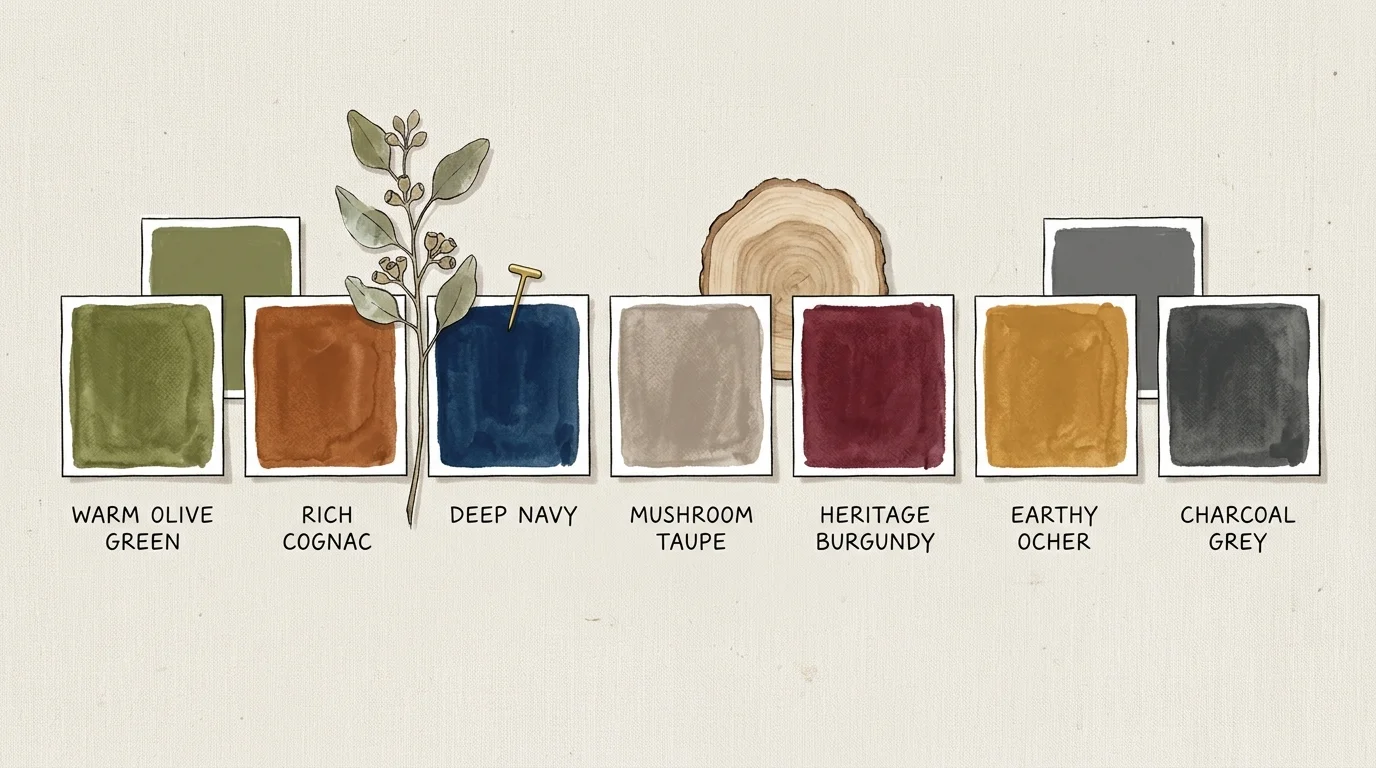
Selecting a designer-approved sofa color represents only the first step in cultivating a cohesive, enduring living space. To truly capitalize on the longevity of these seven trends, you must look at your living room holistically. Avoid the temptation to match your sofa exactly to your wall paint or area rug; overly coordinated spaces quickly read as flat and catalog-like. Instead, focus on creating a dynamic tension through complementary textures and subtle color variations.
Lighting fundamentally alters how you perceive color, making it a critical component of your design strategy. A deep navy or oxblood sofa requires layered, ambient lighting to prevent the piece from turning into a black hole when the sun goes down. Implement a mix of floor lamps, table lamps, and picture lights to gently wash the fabric in warm illumination, highlighting the texture and undertones of your chosen hue.
Ultimately, a successful living room design balances the provenance of classic shapes with the fresh perspective of these versatile colors. When you invest in a well-constructed sofa upholstered in one of these enduring shades, you establish a sophisticated baseline. You can then confidently rotate smaller, less expensive elements—such as throw pillows, decorative objects, and artwork—to refresh the room’s aesthetic over the years without ever needing to replace your foundational seating.
Frequently Asked Questions
How do I choose between a light neutral and a deeply saturated sofa color?
Your decision should hinge on your household’s lifestyle and the room’s natural lighting. Light neutrals, such as mushroom and warm taupe, excel in sun-drenched rooms, expanding the visual footprint of the space and offering a serene atmosphere. However, they require discipline to maintain. If you have young children, large pets, or frequently host gatherings, deeply saturated colors like navy, olive green, or charcoal grey provide a much more forgiving canvas while injecting sophisticated architectural weight into the room.
Can a bold color like oxblood or ocher truly offer design longevity?
Yes, absolutely. Longevity in design relies on provenance and historical precedent rather than simply being devoid of color. Oxblood and ocher have been utilized in high-end interiors for centuries, from Victorian smoking rooms to iconic mid-century modern estates. Because these colors exist deeply rooted in design history, they bypass the fleeting nature of internet micro-trends. When you pair these bold hues with classic furniture silhouettes and natural materials, they act as timeless, luxurious anchors.
What role does fabric choice play in the versatility of these colors?
Fabric dictates the sheen, depth, and tactile experience of the color, directly impacting how the sofa interacts with the rest of your room. A color like warm olive green appears incredibly opulent and formal when specified in a high-pile velvet, as the fabric catches and reflects light dramatically. Take that exact same olive green and apply it to a matte, heavy-weight linen, and the sofa instantly transforms into a relaxed, organic piece suitable for a casual coastal or farmhouse interior. Always select a fabric texture that aligns with your ultimate lifestyle goals.
How do I transition my existing living room design around a new, colorful sofa?
You do not need to renovate your entire living room to accommodate a new sofa color. Begin by identifying the undertones of your new piece. If you purchase a cognac leather sofa, pull that warm, golden-brown hue through the rest of the room in small, deliberate doses. Add a brass reading lamp, introduce a vintage rug with subtle terracotta accents, or hang artwork featuring warm ochers and browns. Distributing the sofa’s color language throughout the space ensures the new piece feels intentionally integrated rather than accidentally dropped into the room.
For the latest color forecasts, consult industry leaders like Pantone and paint companies like Benjamin Moore. For professional design standards, refer to the American Society of Interior Designers (ASID).
Disclaimer: This article reflects design trend analysis and predictions. Personal taste and timeless design principles should always guide your decorating choices.
