

Transform your primary residence into an opulent escape by adopting the design philosophies of the world’s most exclusive luxury resorts. High-end hospitality spaces excel at crafting environments that instantly lower your heart rate while captivating your eye—a delicate balance you can replicate within your own walls. You no longer need to book a flight to experience the restorative power of a five-star suite; you simply need to rethink your approach to space, materials, and flow. By integrating tactile surfaces, seamless indoor-outdoor transitions, and personalized amenities, you elevate everyday routines into indulgent rituals. Explore these nine definitive resort-inspired home styling trends to infuse your home decor with enduring sophistication, unmatched comfort, and a profound sense of everyday sanctuary.
Trend #1: Biophilic Design and Indoor-Outdoor Synergy
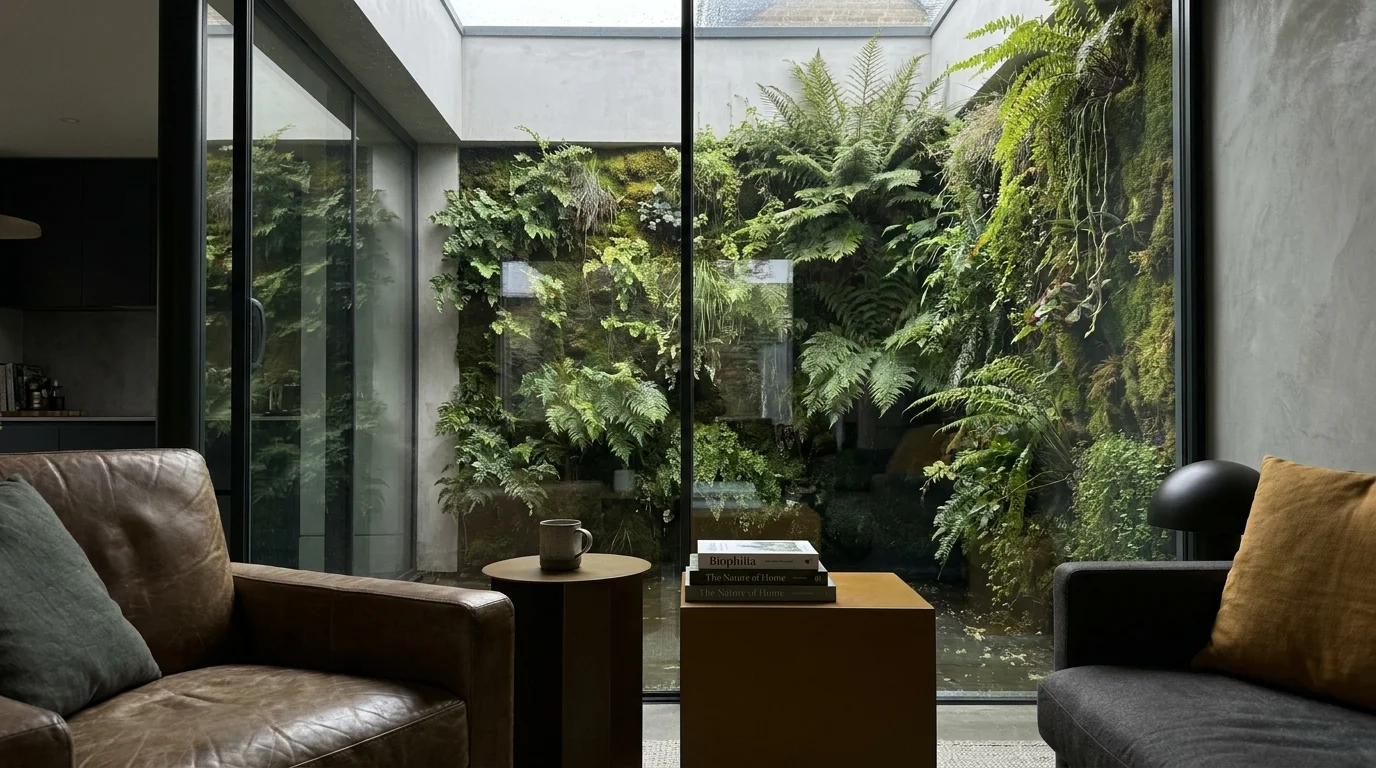
Luxury resorts from Bali to Tulum masterfully blur the boundaries between the built environment and the natural world. This architectural approach, widely recognized as biophilic design, goes far beyond scattering a few potted plants across your living room. It involves a fundamental structural integration of nature into your home styling. You achieve this synergy by installing expansive, floor-to-ceiling glass doors that fold or slide away, effectively doubling your living space and welcoming the outdoors inside. Emulate five-star estates by specifying materials directly sourced from nature; think raw travertine flooring that continues seamlessly from your formal dining room directly out to the open-air patio.
According to environmental psychology data, continuous visual access to natural elements significantly reduces stress and cognitive fatigue. To maximize these benefits, introduce internal courtyards, living green walls, and kinetic water features that engage your senses of sight and sound. The color palette relies heavily on organic earth tones—warm terracottas, muted sage greens, and deep ochres. Incorporate highly textured organic materials like reclaimed wood, honed stone, and woven rattan to ground your interiors. By anchoring your home decor in the natural landscape, you cultivate a sanctuary that feels eternally grounded, incredibly spacious, and effortlessly luxurious.
Trend #2: Spa-Inspired Wet Rooms and Monolithic Stone
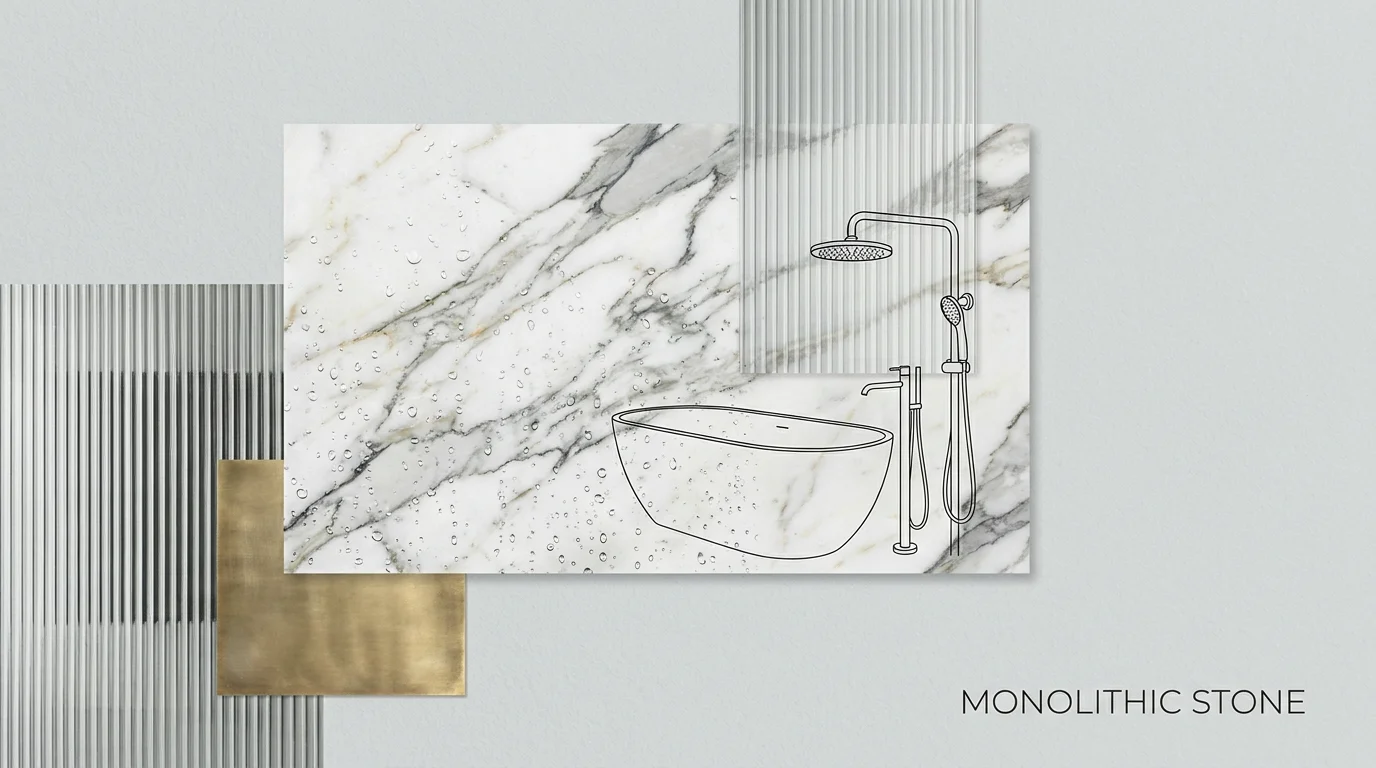
The quintessential hallmark of a luxury hotel suite is a meticulously appointed, spa-grade bathroom. Today’s premier interior design trends shift away from cramped, utilitarian bathrooms in favor of expansive, open-concept wet rooms enclosed in frameless fluted glass. You can recreate this indulgent atmosphere by placing a deep, freestanding soaking tub alongside a dual-head rainfall shower within the same continuous, waterproof enclosure. This spatial arrangement maximizes available square footage while dramatically simplifying your daily maintenance routines.
Elevate the aesthetic by utilizing large-format, monolithic stone slabs—such as heavily veined Calacatta marble or moody, dark soapstone—which eliminate the visual clutter of excessive grout lines. Incorporate radiant heated flooring to provide immediate, tactile comfort the moment you step out of the shower. Luxury resorts heavily prioritize comprehensive sensory experiences; thus, you should integrate built-in aromatherapy diffusers and waterproof, integrated smart speakers to curate a customized acoustic environment. Swap standard chrome builder-grade fixtures for living finishes like unlacquered brass or brushed gunmetal, which develop a rich, bespoke patina over time. By transforming your bathroom into a dedicated wellness zone, you bring the ultimate restorative resort amenity directly into your everyday life.
Trend #3: Curated Beverage Stations and In-Room Minibars
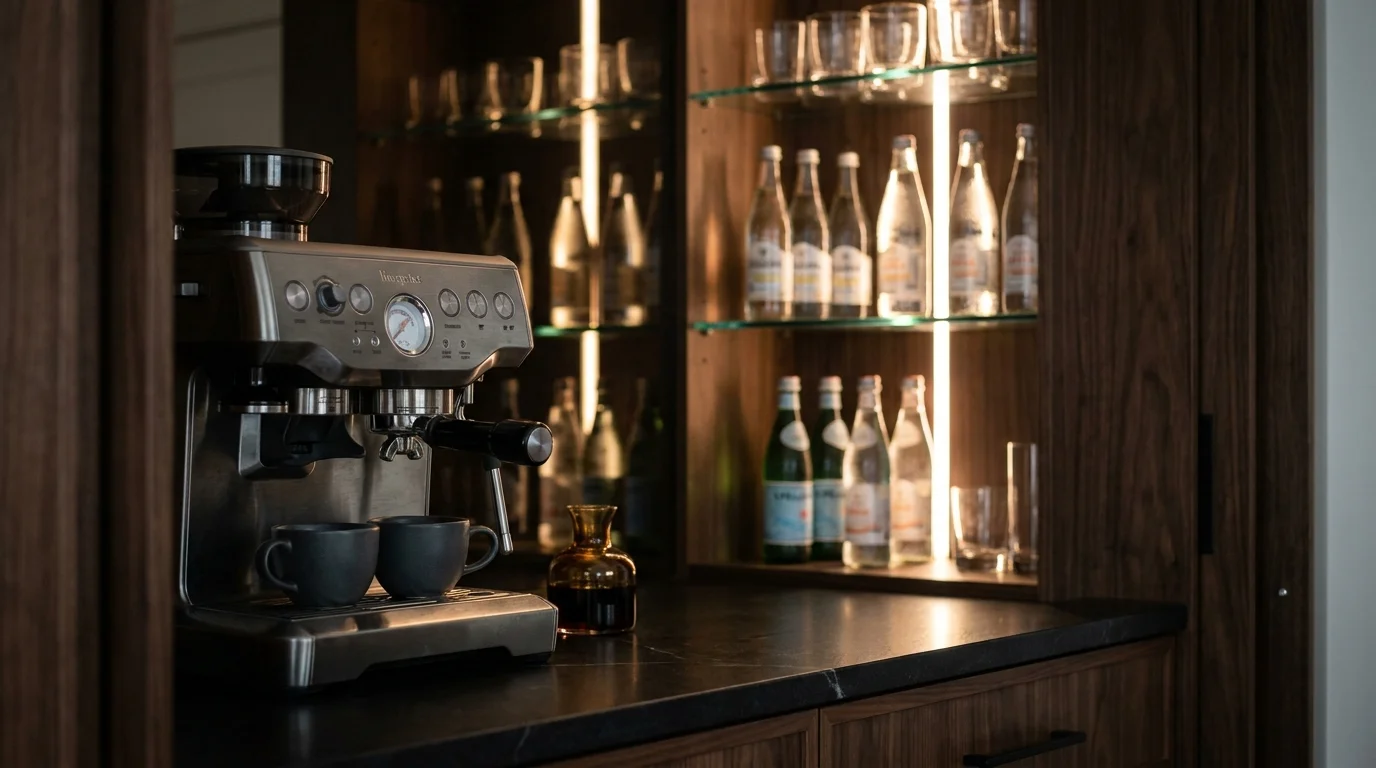
High-end hospitality thrives on the concept of localized convenience, a functional principle that translates beautifully into residential home styling. You no longer need to confine your morning coffee ritual to the main kitchen. Instead, design highly specialized beverage stations and bespoke minibars integrated seamlessly throughout your home. A primary bedroom suite gains undeniable luxury when you install a concealed morning bar, complete with an espresso machine, a discreet under-counter refrigerator drawer for fresh cream, and open shelving for artisanal ceramics.
In the living room or library, create an evening ritual space featuring a moody, custom-built cocktail cabinet. Use rich, dark wood veneers lined with antiqued mirror backsplashes to reflect ambient light and showcase your curated glassware collection. This trend champions deliberate containment; you conceal the mechanical aspects behind flush-inset doors while prominently displaying the beautiful components. Use dramatic, contrasting stone for the countertop of these stations to delineate them from the rest of your standard cabinetry. These dedicated zones elevate the simple act of making a drink—whether a morning matcha or an evening martini—into a deliberate, luxurious pause in your day, mirroring the attentive service of a private butler.
Trend #4: Oversized, Low-Profile Lounge Furniture
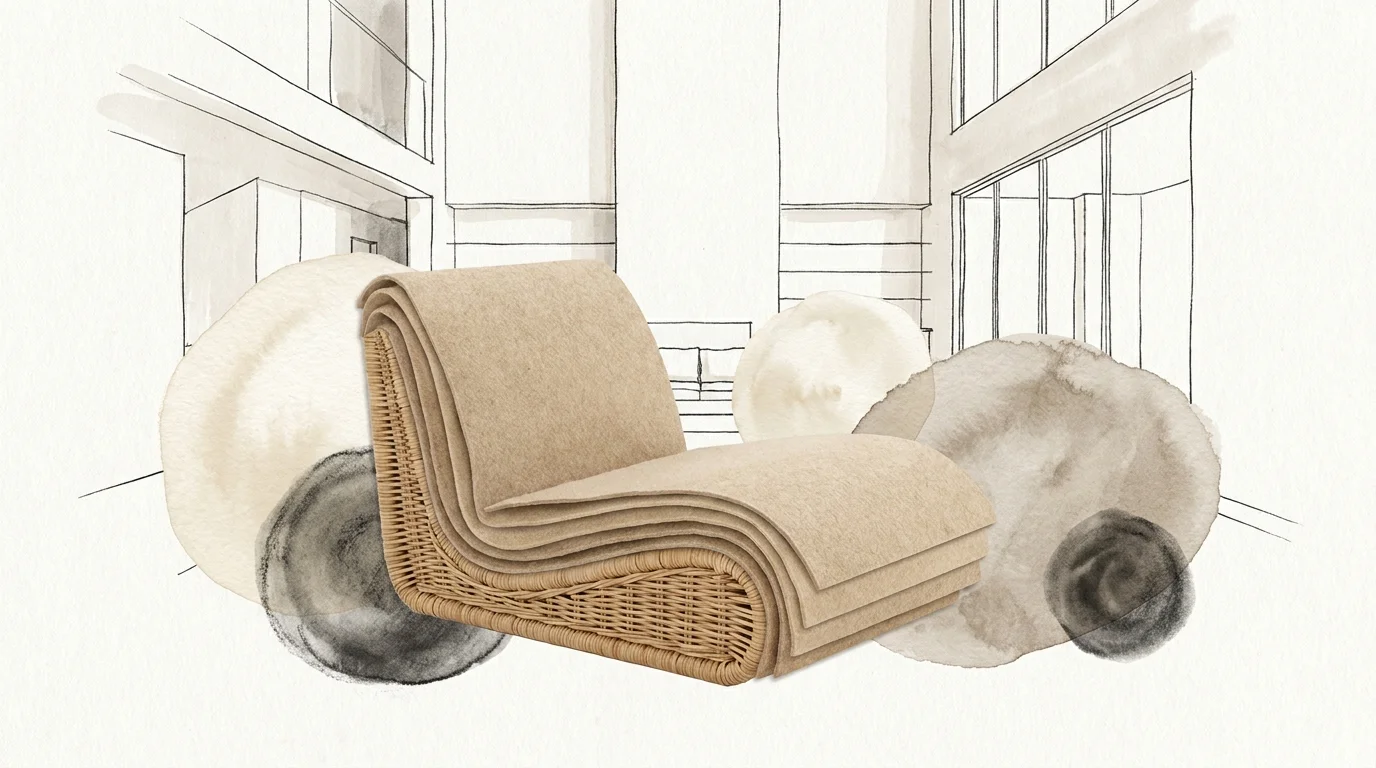
When you walk into a prestigious resort lobby, the seating immediately communicates relaxation through its generous scale and swooping silhouettes. Transitioning this inviting aesthetic into your living room requires a complete departure from stiff, formal seating arrangements. The prevailing decor trend favors oversized, low-profile lounge furniture that sits closer to the ground, promoting an inherently relaxed, reclined posture. Look for deeply tufted modular sectionals, expansive daybeds, and armless lounge chairs that encourage you to sink in and stretch out.
These pieces prioritize voluminous cushions and deep seat depths, often upholstered in performance bouclé, crushed velvet, or supple, distressed leather. The low center of gravity visually drops the eyeline, making your ceilings appear higher and thereby increasing the perceived volume of the room. Arrange these substantial pieces in conversational circles rather than rigidly facing a television screen, mimicking the communal, gathering-focused layouts of luxury lounges. To balance the visual weight of these large upholstery pieces, pair them with sculptural, open-frame accent tables and airy lighting fixtures. This approach to home decor ensures your primary living spaces feel both monumentally chic and profoundly inviting.
Trend #5: Ambient, Layered Architectural Lighting
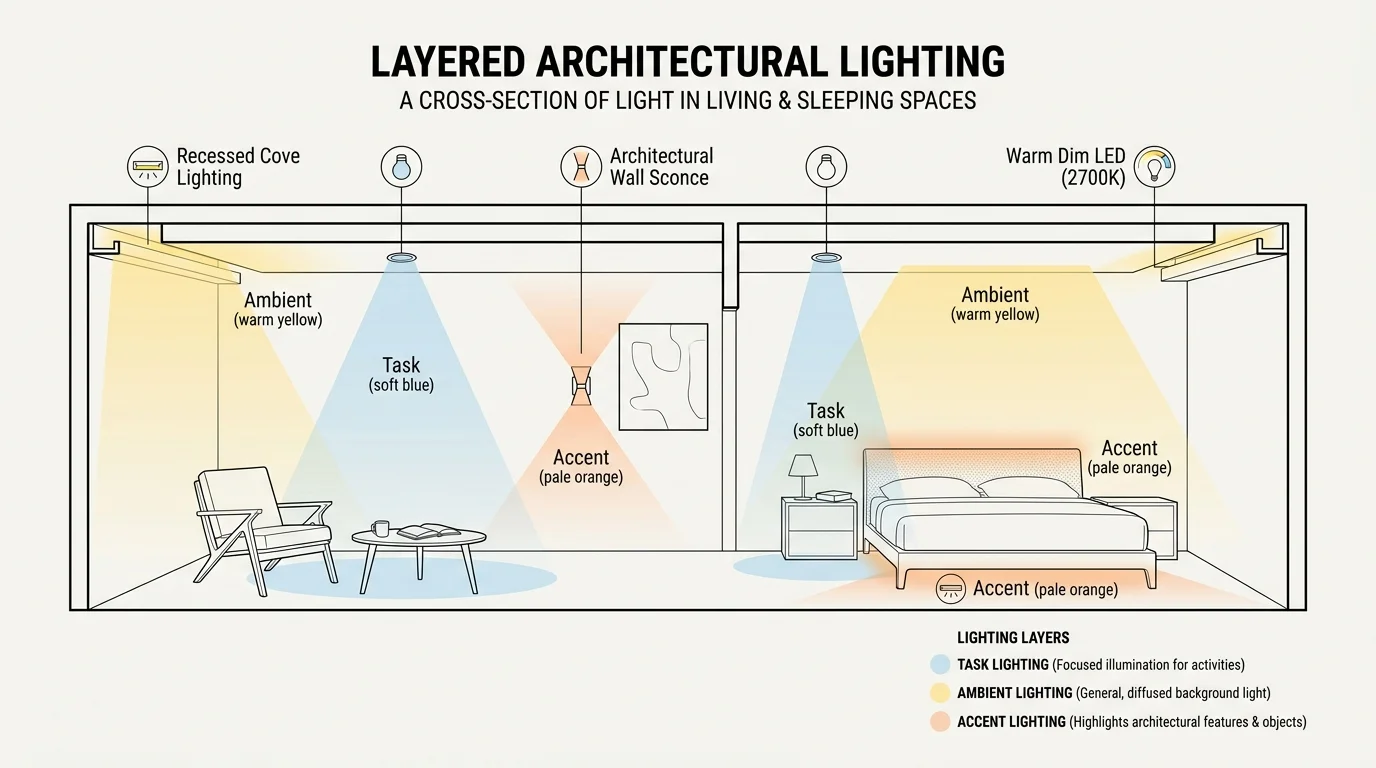
Lighting dictates the emotional resonance of any space; it serves as the invisible architecture that defines luxury interiors. Premier resorts never rely on a single, glaring overhead light source. Instead, they employ sophisticated, layered lighting schemes that you can effortlessly adapt for your own home styling. The strategy relies on mastering three distinct layers: ambient, task, and accent lighting. Start by concealing LED strip lighting within architectural coves, under floating vanity cabinets, and behind headboards to cast a soft, diffused, and indirect glow.
This technique washes your walls in light, creating a serene, floating effect that instantly softens the room’s hard architectural edges. Replace stark recessed cans with directional art lights and low-hanging, sculptural pendants that draw the eye to specific design features. Install automated smart dimmers throughout your home to ensure you can transition the mood from a bright, energizing morning environment to a moody, intimate evening atmosphere with a single touch. Warm-toned bulbs—specifically those strictly in the 2700K temperature range—are non-negotiable for replicating the golden, flattering ambiance characteristic of elite hospitality spaces. Sleep science confirms that this warmer lighting effectively prepares your brain for restorative rest.
Trend #6: The Return of Rich, Immersive Color Drenching
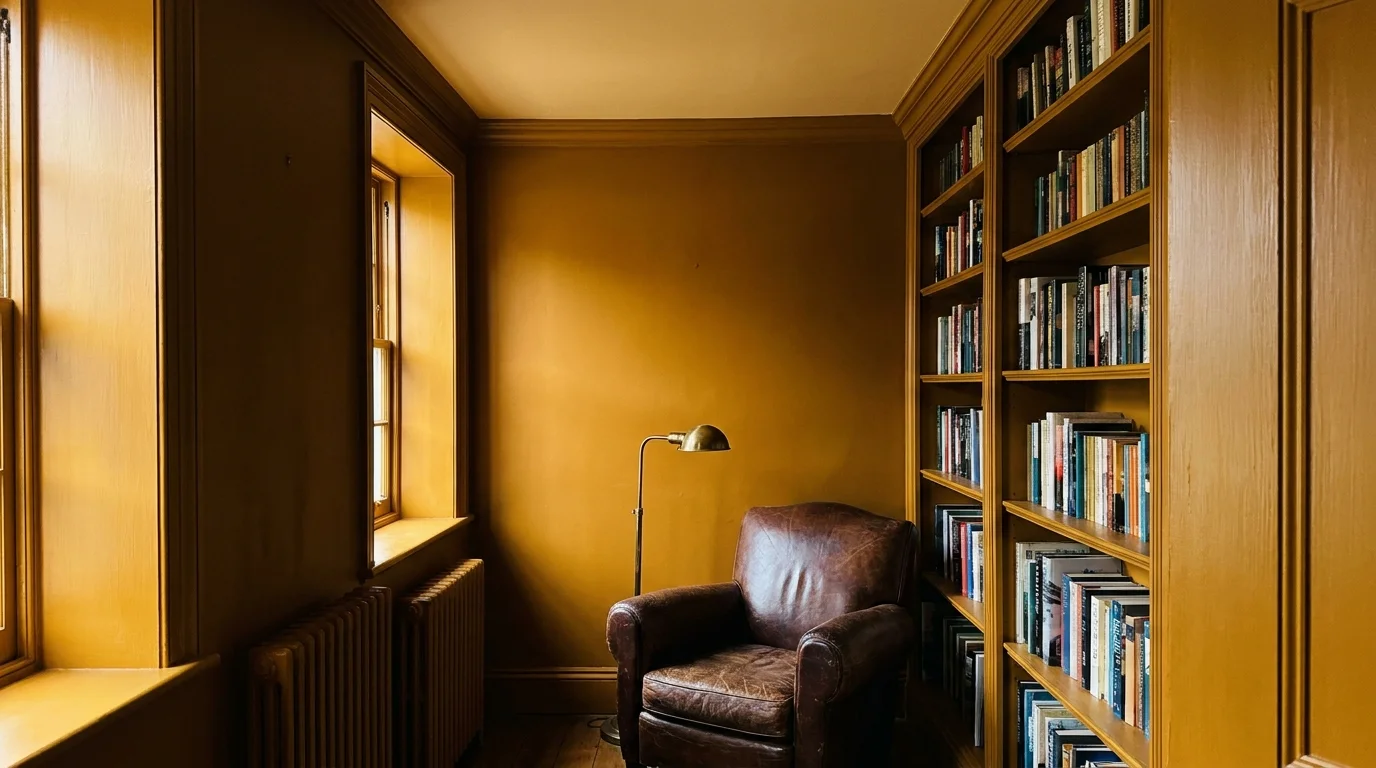
While minimalist white boxes dominated the previous decade, luxury interior design has decisively pivoted toward rich, enveloping color palettes that evoke specific geographic destinations. High-end boutique hotels frequently employ a painting technique known as color drenching, which you can use to dramatically elevate your home decor. This method involves painting the walls, trim, baseboards, and even the ceiling in a single, highly saturated hue. By eliminating contrasting white borders, you dissolve the visual boundaries of the room, creating an immersive, jewel-box effect.
Imagine a formal dining room enveloped in deep aubergine, or a cozy study saturated in dramatic forest green. This continuous application of color serves as a striking, unified backdrop that makes your fine artwork and metallic hardware pop brilliantly. For a more subtle resort aesthetic—reminiscent of the Mediterranean coast—opt for textured plaster walls in warm limestone or sun-baked terracotta. The textural variation of Roman clay or limewash adds profound depth and movement, capturing the way natural light dances across historic villas. This bold approach transforms generic drywall into a rich, tactile canvas that radiates confidence and worldly sophistication.
Trend #7: Curated Sleep Sanctuaries with Hotel-Grade Bedding
The ultimate luxury hotel experience culminates in a flawless, uninterrupted night’s sleep. To achieve this profound level of restoration at home, you must treat your primary bedroom as an uncompromising sleep sanctuary. This design trend strips away visually chaotic elements, explicitly relocating televisions, excessive technology, and home office setups out of your direct sightline. The focal point of the room becomes a monumental, upholstered headboard—often extending wall-to-wall or reaching straight up to the ceiling—which provides acoustic dampening and a commanding sense of architectural scale.
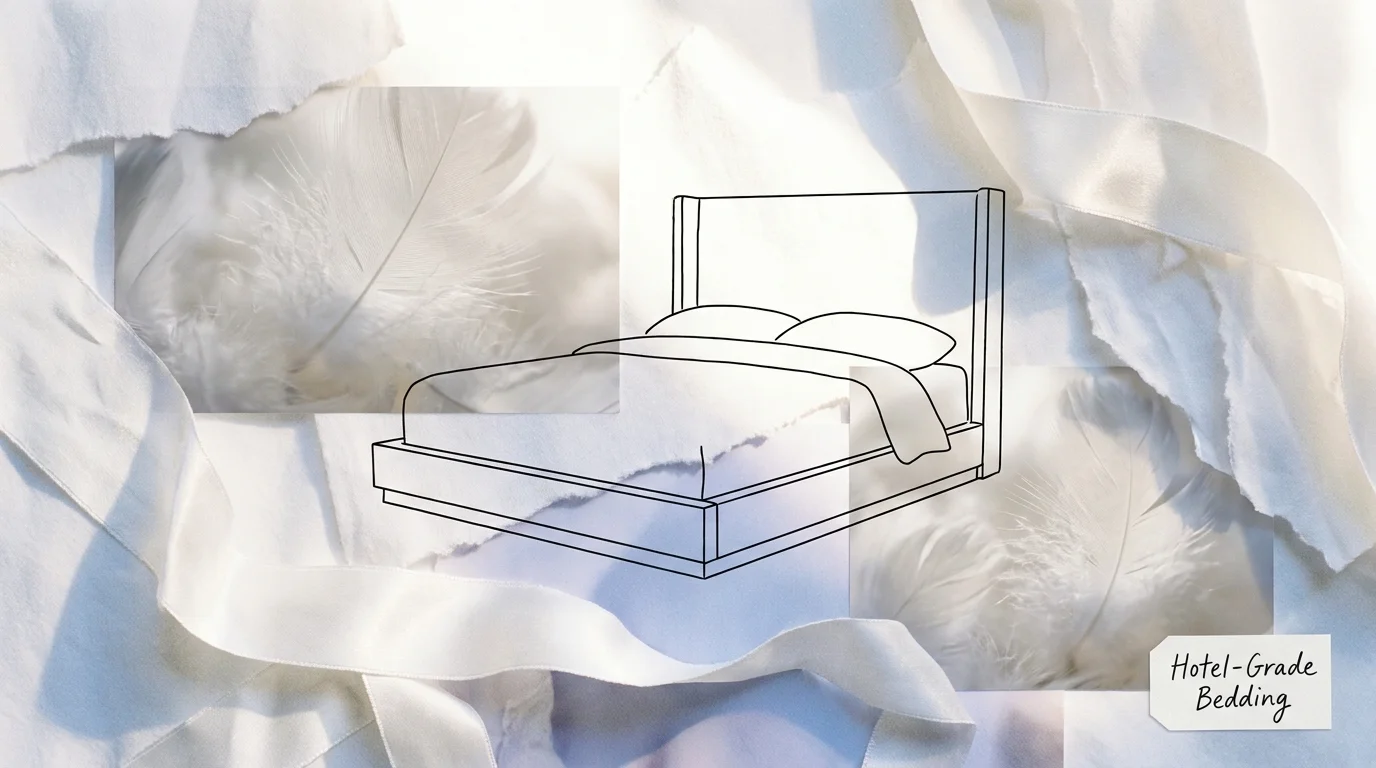
You must prioritize the tactile quality of your bedding; invest heavily in crisp, high-thread-count percale cotton or pure Belgian flax linen. Hotel-grade styling requires a precise layering technique: a fitted sheet, a flat sheet, a lightweight blanket, and a lofty down duvet folded precisely at the foot of the bed for voluminous texture. Flank the bed with substantial, asymmetrical nightstands and install integrated reading sconces with dedicated, pinpoint switches to avoid disturbing your partner. Motorized blackout drapery, hidden behind a custom fabric valance, is essential for strictly controlling natural light. By enforcing strict boundaries around the function and aesthetic of your bedroom, you guarantee a deeply restorative environment.
Trend #8: Artisanal Objects with Verifiable Provenance
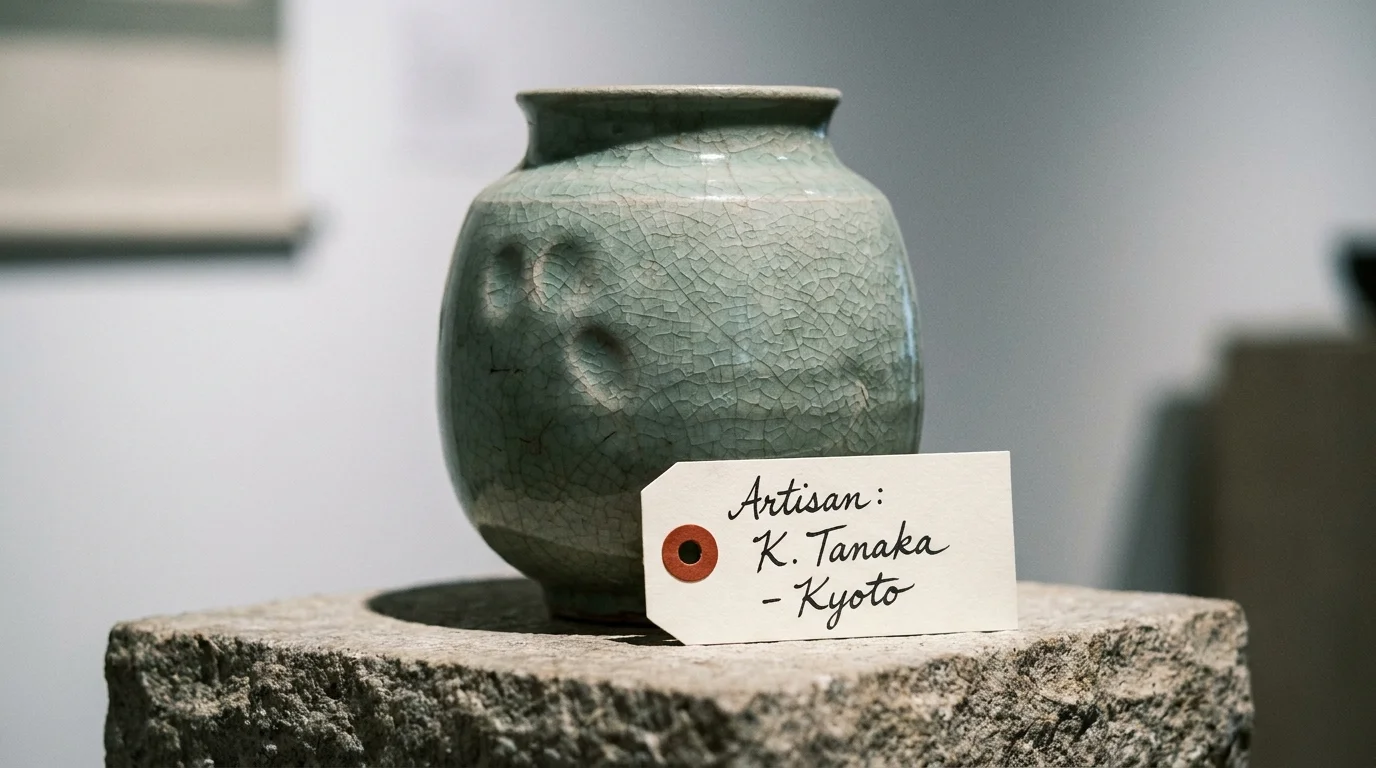
The era of mass-produced, generic room accessories has ended. Exclusive resorts curate their spaces with highly specific, hyper-local art and antiquities that tell a compelling story—a concept known in the design world as provenance. You can adopt this sophisticated approach to home styling by seeking out one-of-a-kind, artisanal pieces rather than buying complete, matched sets from big-box retailers. The goal is to make your home look like a refined collection curated over decades of global travel.
Focus on displaying handmade ceramics, hand-loomed textiles, and original abstract canvases that show the unmistakable mark of the maker. Embrace the Japanese philosophy of wabi-sabi, which finds profound beauty in imperfection, asymmetry, and impermanence. A rough-hewn vintage wooden stool or a slightly misshapen, hand-thrown vase adds necessary visual friction to an otherwise pristine, modern room. When arranging these beautiful objects on built-in shelving or a monolithic coffee table, utilize heavy doses of negative space; allow each piece ample room to breathe rather than cluttering every available surface. This intentional, highly selective curation process ensures your luxury interiors project authenticity, worldliness, and a deep appreciation for bespoke craftsmanship.
Trend #9: Tactile Architectural Wall Treatments
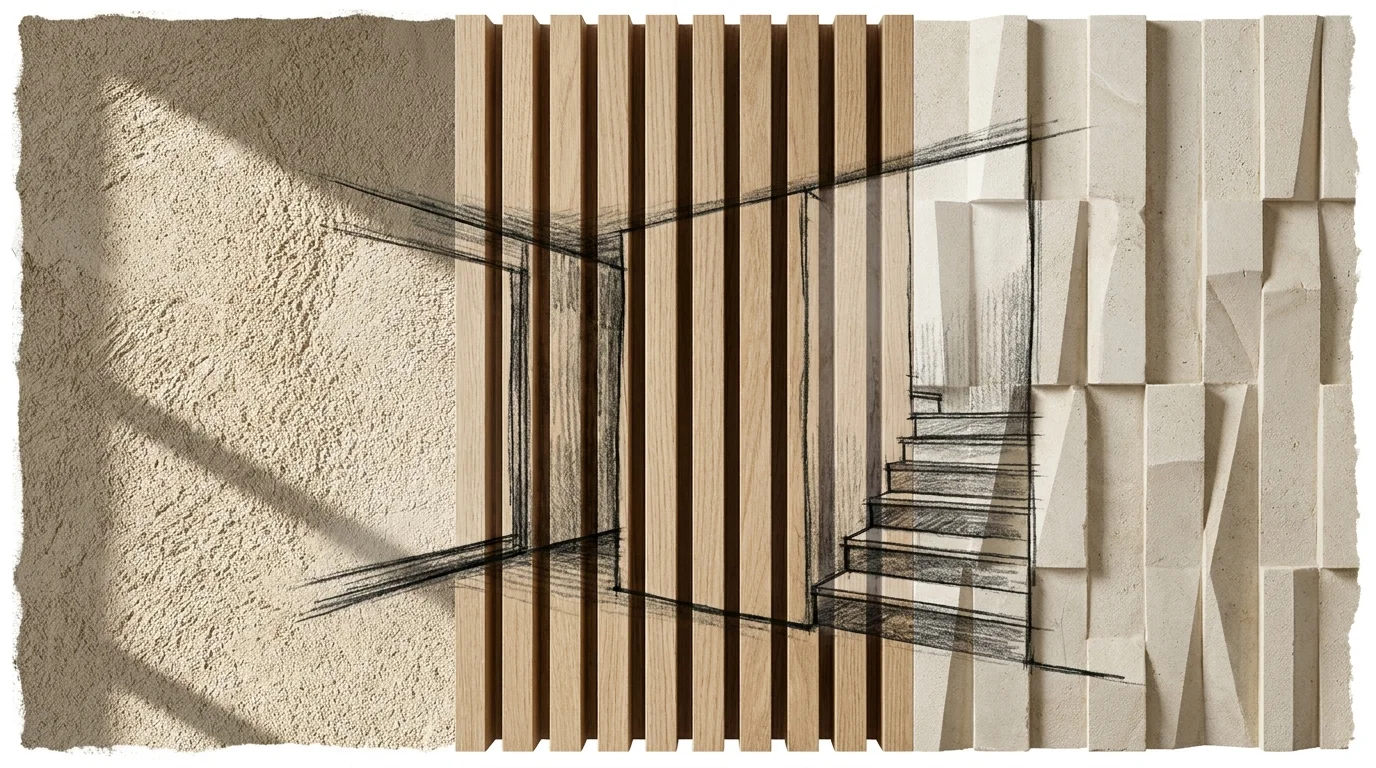
Bare, flat walls rarely exist in five-star hospitality design. To achieve a true resort aesthetic, you must treat your vertical surfaces as dynamic design elements through the use of tactile architectural wall treatments. Dimensional wall paneling has evolved far beyond traditional, fussy wainscoting. Implement vertical fluted wood panels in rich walnut or ebonized oak to draw the eye upward and introduce a rhythmic texture to your living room or home office. These slat walls not only provide immense visual interest but also dramatically improve the room’s acoustic profile by breaking up sound waves.
Alternatively, explore high-end, textured wallcoverings. Grasscloth, raw silk, and heavily embossed vinyl wallpapers bring an undeniable layer of warmth and depth that standard interior paint simply cannot replicate. In formal dining rooms or intimate powder baths, metallic-leaf or heavily patterned botanical wallpapers create dramatic, memorable moments of luxury. If you prefer a more understated approach, consider applying applied panel moldings in geometric, oversized grids for a transitional, Parisian-hotel aesthetic. By investing capital into the architectural envelope of your home, you establish a baseline of luxury that effortlessly elevates every single piece of furniture placed within the space.
The Big Picture: Weaving These Trends into Your Home
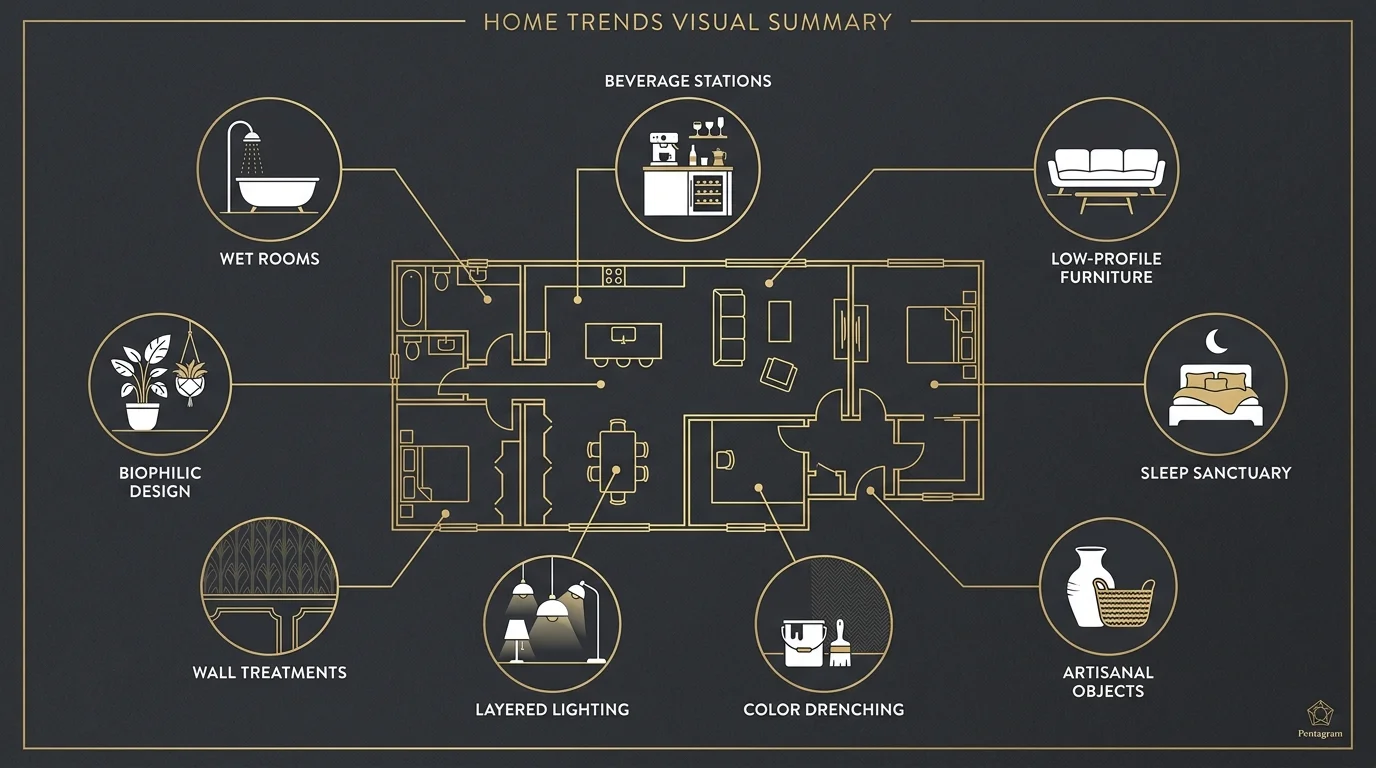
Integrating these high-end hospitality concepts into your primary residence requires a deliberate, measured approach. The secret to successful home decor lies in cohesive layering rather than attempting to replicate a commercial hotel lobby wholesale. Start the process by identifying the specific emotional response you want your home to evoke. If you seek deep tranquility, prioritize biophilic design elements, monolithic stone slabs, and expansive, spa-grade wet rooms. If your primary goal is to entertain guests, focus on curating bespoke beverage stations and arranging oversized, low-profile lounge furniture that naturally encourages lingering conversations.
You must ensure a unified visual thread connects each distinct room. Maintain a consistent, foundational color palette and carry specific metallic finishes or wood species throughout the house to create a seamless, intuitive flow. Remember that true luxury interiors are never visually chaotic or overcrowded. Embrace the profound power of negative space, allowing your architectural lighting and artisanal objects the physical room they need to make a bold statement. By selectively adopting the trends that best align with your daily lifestyle, you transform standard residential spaces into a deeply personal, restorative resort. You curate a living environment that not only anticipates your functional needs but also consistently nourishes your sophisticated aesthetic sensibilities.
Frequently Asked Questions
How do I mix resort-inspired trends without making my home look like a chaotic theme park?
The key to blending multiple design trends lies in establishing a strict, cohesive foundation. Choose one dominant aesthetic—such as organic modernism or dark, moody maximalism—and use other trends strictly as secondary accents. For instance, you can easily pair biophilic design principles with low-profile lounge furniture, provided both share a similar, muted earth-tone color palette. Limit your material combinations to a maximum of three dominant textures per room to maintain visual harmony and prevent sensory overload.
Is color drenching a passing fad, or does it have long-term staying power in luxury interiors?
Color drenching possesses significant longevity because it is deeply rooted in historic architectural practices, not just fleeting internet aesthetics. By painting walls, trim, and ceilings in a uniform color, you actually highlight the room’s architecture and furnishings rather than distracting from them. If you are concerned about the long-term commitment, start by applying this bold technique in smaller, contained spaces like a formal dining room, a private study, or a powder room, where dramatic home styling naturally thrives and feels appropriate.
What is the most cost-effective way to make my home feel like a luxury resort?
Transforming your home decor does not always require a massive, disruptive renovation. The most immediate and cost-effective upgrade is completely overhauling your lighting scheme. Swapping out harsh, cool-toned bulbs for warm, 2700K LEDs placed on automated dimmers instantly alters the entire atmosphere of your home. Additionally, ruthlessly decluttering your flat surfaces and investing in high-quality, tactile elements—such as hotel-grade percale sheets, heavy linen drapery, and signature home fragrances—yields a massive return on investment by creating a luxurious, cohesive sensory experience.
For the latest color forecasts, consult industry leaders like Pantone and paint companies like Benjamin Moore. For professional design standards, refer to the American Society of Interior Designers (ASID).
Disclaimer: This article reflects design trend analysis and predictions. Personal taste and timeless design principles should always guide your decorating choices.
