

Achieving a high-end aesthetic does not require a six-figure renovation budget; strategic, cost-effective design choices instantly elevate your space. You can transform an ordinary room into a sophisticated sanctuary by focusing on scale, texture, and architectural details rather than expensive labels. The secret to affordable luxury lies in understanding the visual cues that trick the eye into perceiving immense value. Designers rely on precise interventions—like manipulating light, introducing tactile materials, and refining hardware—to curate an environment steeped in quiet luxury. By adopting these intentional upgrades, you sidestep the steep costs of complete overhauls while infusing your home with bespoke elegance and undeniable charm.
Trend #1: Floor-to-Ceiling Drapery
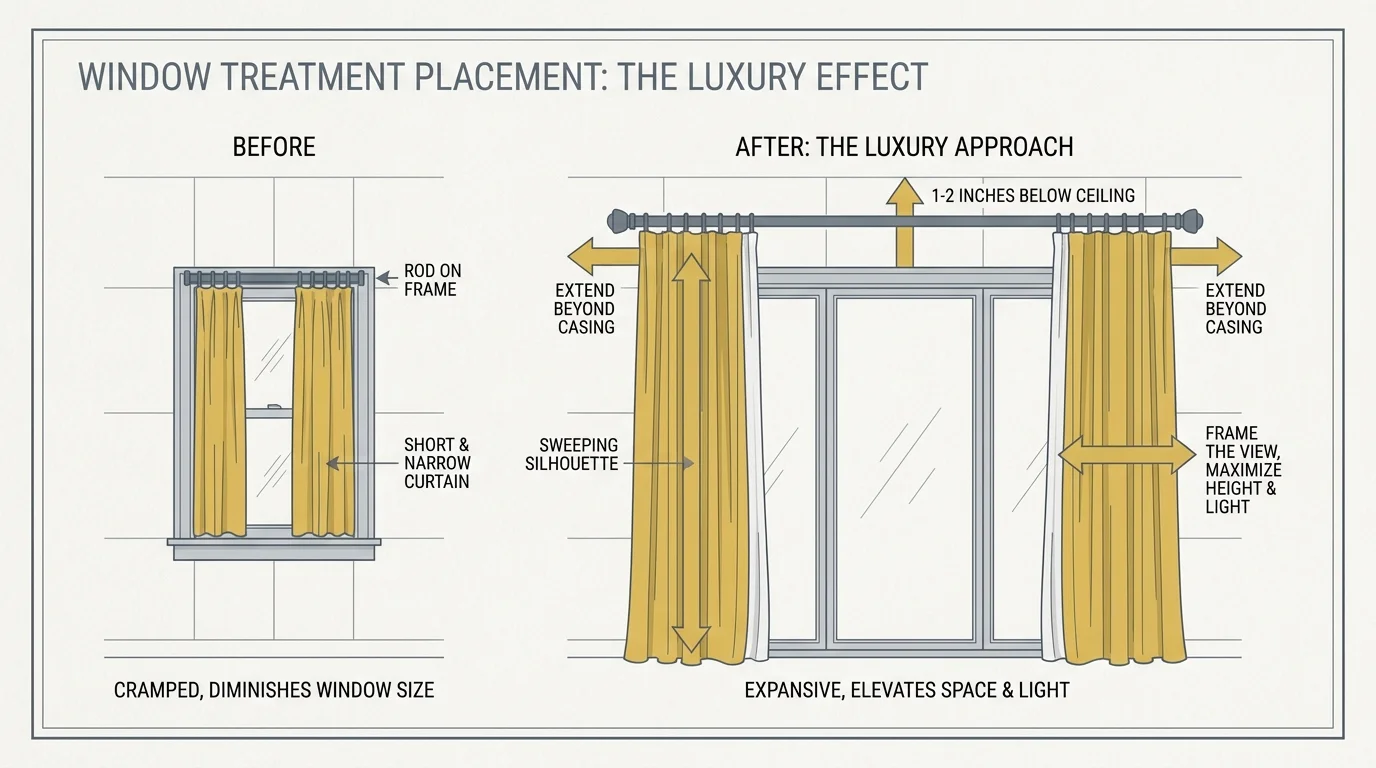
Nothing reveals a builder-grade room faster than skimpy curtains mounted immediately above a window frame. Luxury interiors consistently employ a crucial optical illusion known as verticality, which draws the eye upward to simulate soaring ceiling heights. You achieve this grandeur by mounting your curtain rods just one or two inches below the ceiling line and extending them significantly beyond the width of the window casing. This technique allows natural light to flood the room unimpeded while framing the glass with a sophisticated, sweeping silhouette.
The fabrics you choose play an equally vital role in establishing this upscale atmosphere. While custom Belgian linen or heavy silk requires a massive investment, modern poly-linen blends and synthetic velvets offer the exact same elegant drape at a fraction of the cost. You can further enhance the custom look by adding inexpensive drapery weights to the bottom hems; this simple addition ensures the fabric falls in straight, tailored pleats. Opt for pinch-pleat headers instead of casual grommets, and your affordable window treatments will instantly rival the bespoke installations found in five-star hotels.
Trend #2: Applied Architectural Molding
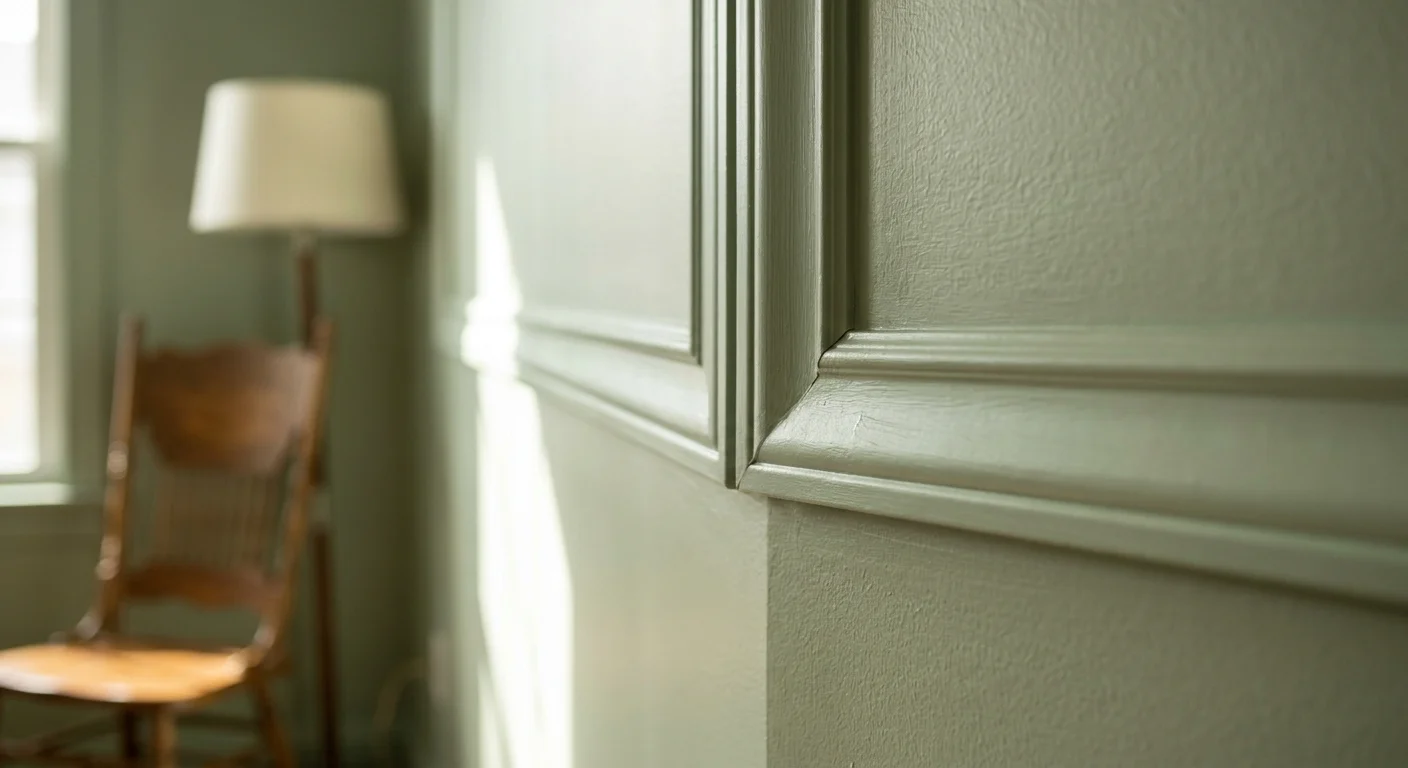
Bare drywall often feels distinctly modern and somewhat sterile, lacking the historical depth associated with luxury real estate. You can effortlessly introduce a sense of heritage and permanence to your home through applied architectural molding. Techniques like installing picture frame molding, traditional wainscoting, or classic beadboard create complex shadow lines that add immense depth to any room. This architectural layering tricks the eye into perceiving custom craftsmanship, radically upgrading the foundational structure of your living spaces.
Historically, intricate millwork required hiring specialized carpenters, but today you have access to accessible alternatives that dramatically reduce costs. You can purchase pre-primed polyurethane or medium-density fiberboard trim pieces from any local hardware store, cutting and applying them with simple construction adhesive and brad nails. By mapping out symmetrical boxes across your living room or dining room walls, you create a sophisticated grid that frames your furniture beautifully. Once painted to match the surrounding drywall, these affordable trims seamlessly integrate into the architecture, exuding an air of established wealth and timeless grace.
Trend #3: Saturated Color Drenching
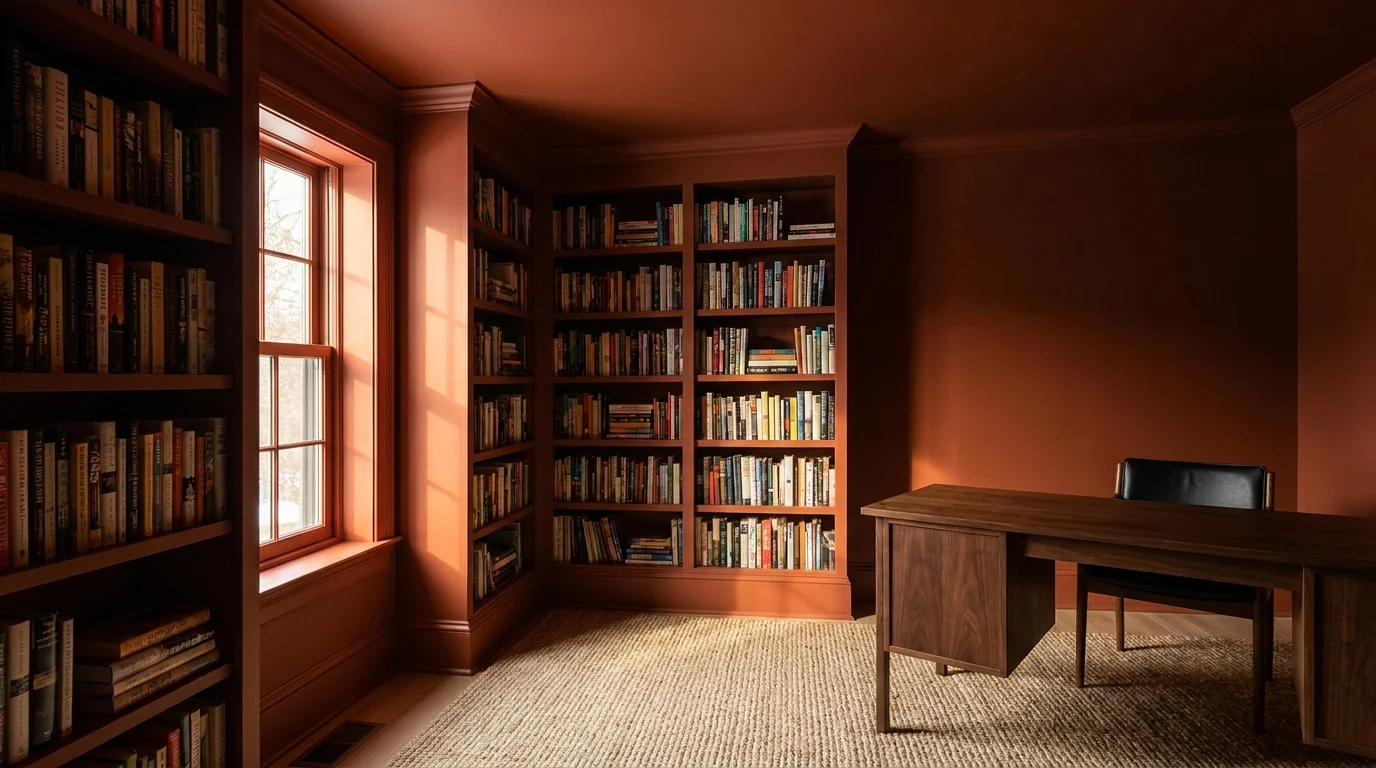
The era of the solitary, high-contrast accent wall has largely given way to a much more immersive design philosophy. Color drenching involves painting the walls, baseboards, crown molding, doors, and sometimes even the ceiling in a single, saturated hue. This technique erases visual boundaries and conceals structural imperfections, resulting in an enveloping environment that feels incredibly intentional and expensive. By unifying the room’s disparate elements under one tonal umbrella, you create a seamless backdrop that allows your furniture and art to command attention.
Choosing the right color is paramount for executing this trend successfully; rich jewel tones, muddy earth shades, and deep neutrals work best. Imagine transforming a stark white study into a moody retreat enveloped in dark aubergine, or turning a generic dining room into an elegant space drenched in sophisticated sage green. Because paint is arguably the most inexpensive material in interior design, color drenching delivers an unparalleled return on investment. You simply need to vary the paint sheens—using matte for the walls, satin for the trim, and flat for the ceiling—to ensure the monochrome palette catches the light dynamically rather than falling flat.
Trend #4: Oversized Statement Art
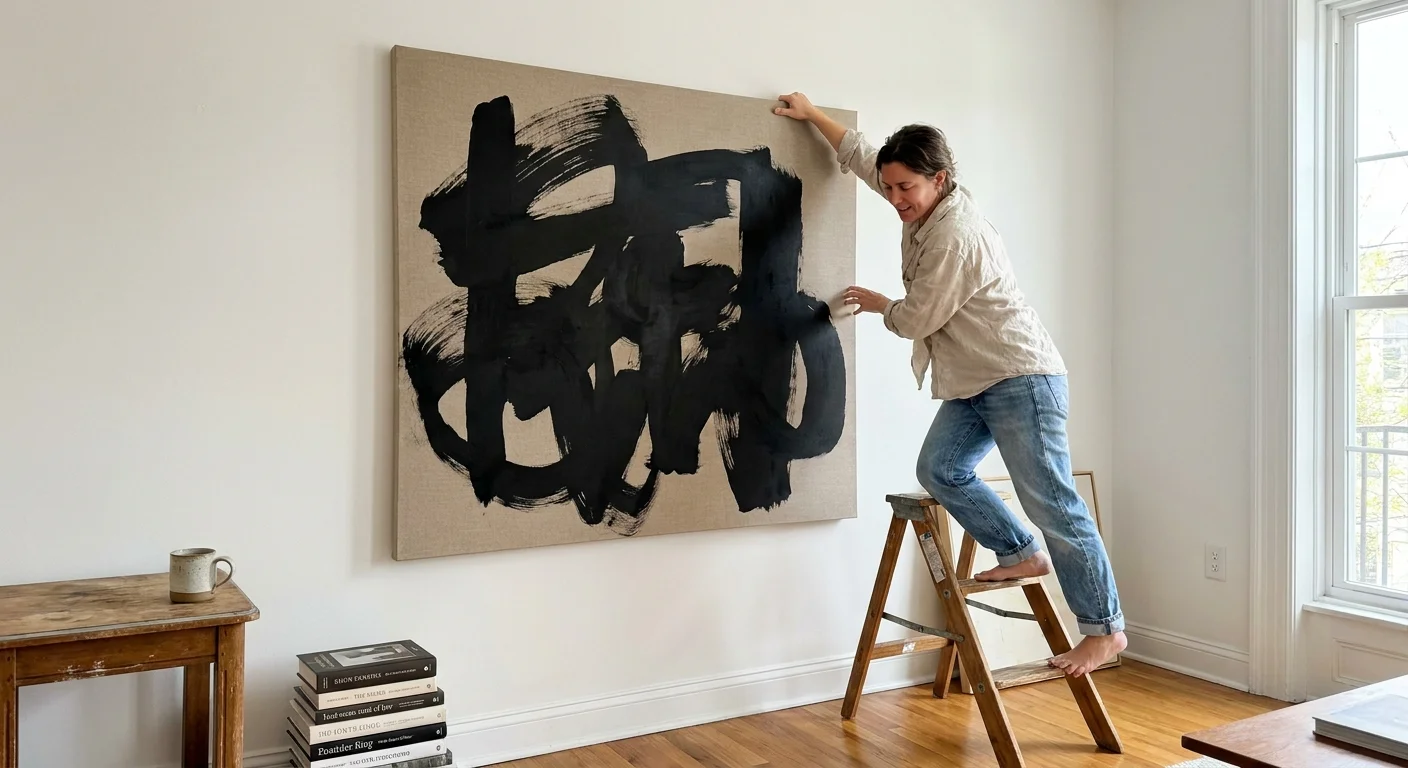
A scattered collection of small, disconnected picture frames often creates visual anxiety and clutters a space, making it feel distinctly less refined. High-end interiors utilize the concept of museum-quality negative space, where fewer, larger elements anchor the room with dramatic impact. You can replicate this gallery-like sophistication by investing in oversized statement art that commands the entire wall. A single massive canvas or a spectacularly large framed print serves as a definitive focal point, immediately establishing a deliberate and confident aesthetic hierarchy.
Securing massive artwork no longer requires bidding at international auction houses. You can browse extensive public domain archives offered by major museums to find high-resolution digital files of classical paintings, vintage botanical sketches, or striking abstract compositions completely free of charge. By sending these files to an online printer and housing them in sleek, inexpensive poster frames or DIY canvas stretchers, you produce colossal art pieces for exceptionally little money. This bold scale instantly telegraphs luxury, demonstrating a masterful understanding of proportion that standard-sized prints simply cannot achieve.

Trend #5: Heavyweight Tactile Hardware
We experience our homes not just visually, but through physical interaction, which is where the concept of haptic feedback comes into play. When you pull open a kitchen drawer or turn a bathroom door handle, the weight and temperature of the metal subconsciously inform your brain about the quality of your environment. Hollow, lightweight plastic or cheap brushed nickel pulls scream budget construction. Upgrading your hardware is an astonishingly simple micro-renovation that radically alters the perceived value of your cabinetry and doors.
Focus your attention on materials that carry physical substance, such as solid brass, matte black cast iron, or polished polished chrome. Unlacquered brass, in particular, represents the pinnacle of quiet luxury because it develops a unique patina over time; this evolving finish adds a layer of authentic history to even the newest kitchen. You can source incredibly heavy, beautifully cast knobs and pulls from online wholesalers or specialty hardware boutiques at very accessible price points. Swapping out your hardware requires nothing more than a screwdriver and an hour of your time, yet it completely redefines the tactile experience of your home.
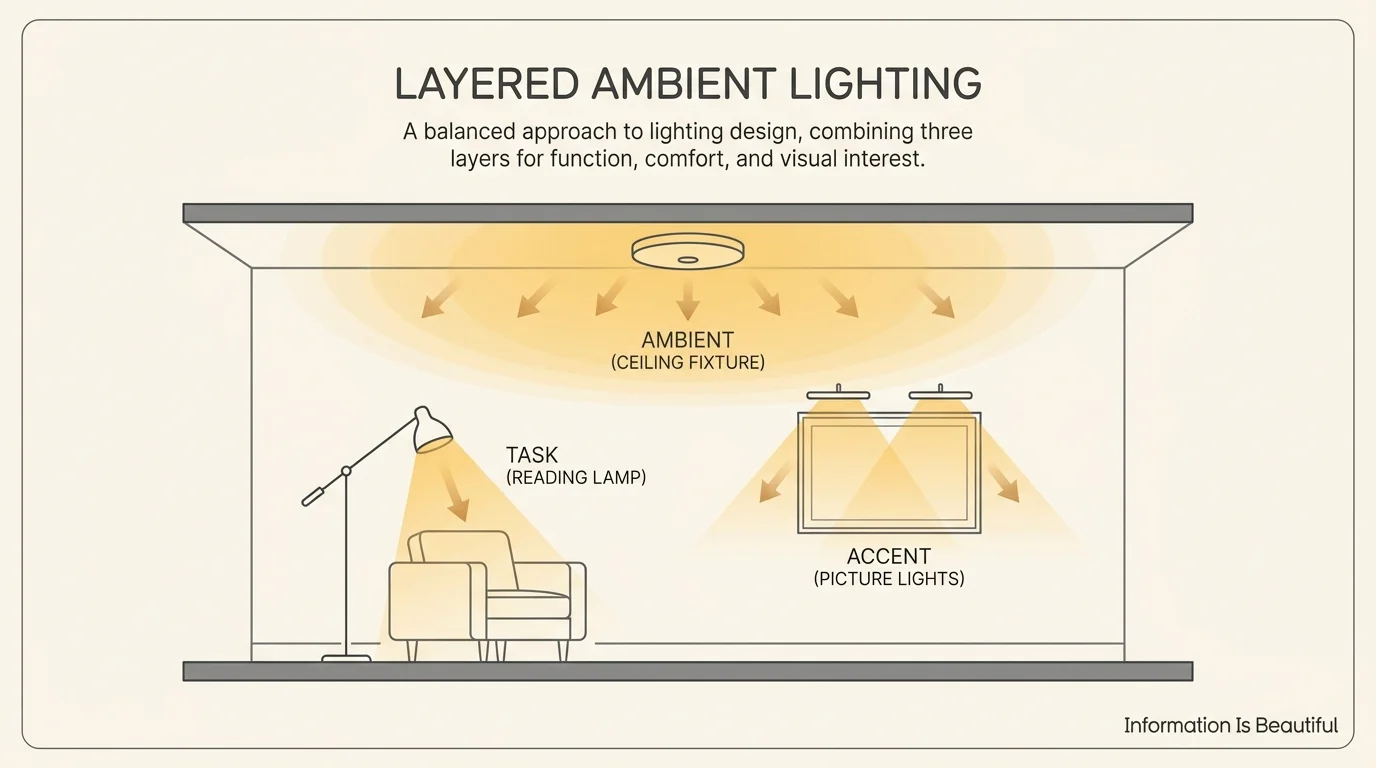
Trend #6: Layered Ambient Lighting
Lighting profoundly dictates the emotional resonance of a room; harsh, glaring overhead lights evoke the utilitarian atmosphere of a corporate office rather than a welcoming sanctuary. High-end design universally rejects the tyranny of the single ceiling fixture in favor of a layered lighting strategy. By dispersing multiple light sources across different elevations—combining table lamps, floor lamps, and wall sconces—you create pools of warm illumination that highlight architectural features and soften harsh shadows.
Previously, installing wall sconces demanded hiring an electrician to hardwire fixtures behind the drywall, a process that quickly inflated decoration budgets. The modern solution involves outfitting beautiful, inexpensive sconces with rechargeable, remote-controlled LED puck lights. You simply mount the fixture to the wall using basic anchors and drop the smart bulb inside, completely bypassing the need for electrical wiring. Ensure you select bulbs that emit a warm color temperature—ideally between 2700K and 3000K—to replicate the flattering, golden glow of a high-end boutique hotel. This strategic layering instantly cultivates a cozy, expensive atmosphere.

Trend #7: Curated Vintage Accents with Provenance
A room furnished entirely with items ordered from big-box catalogs often lacks soul, resembling a sterile showroom rather than a lived-in, luxurious home. The most captivating spaces juxtapose sleek modern foundational pieces with curated vintage accents that carry a sense of provenance. Provenance refers to the documented history or origin of an object; an item with a past adds undeniable gravitas and conversational value to your decor. Incorporating just one or two antique elements disrupts predictability and proves that your space was assembled thoughtfully over time.
You can effortlessly introduce this layered aesthetic without browsing exorbitant antique galleries. Estate sales, local thrift stores, and online auction platforms overflow with unique treasures—from a weathered 19th-century milking stool used as a side table to heavy, ornate brass candlesticks adorning a mantel. These items feature superior craftsmanship and materials, like solid mahogany or hand-blown glass, which are prohibitively expensive to reproduce today. By blending these deeply characterful, inexpensive finds with your contemporary furniture, you elevate the entire room’s narrative, creating an eclectic elegance that feels intensely personal and exclusively yours.
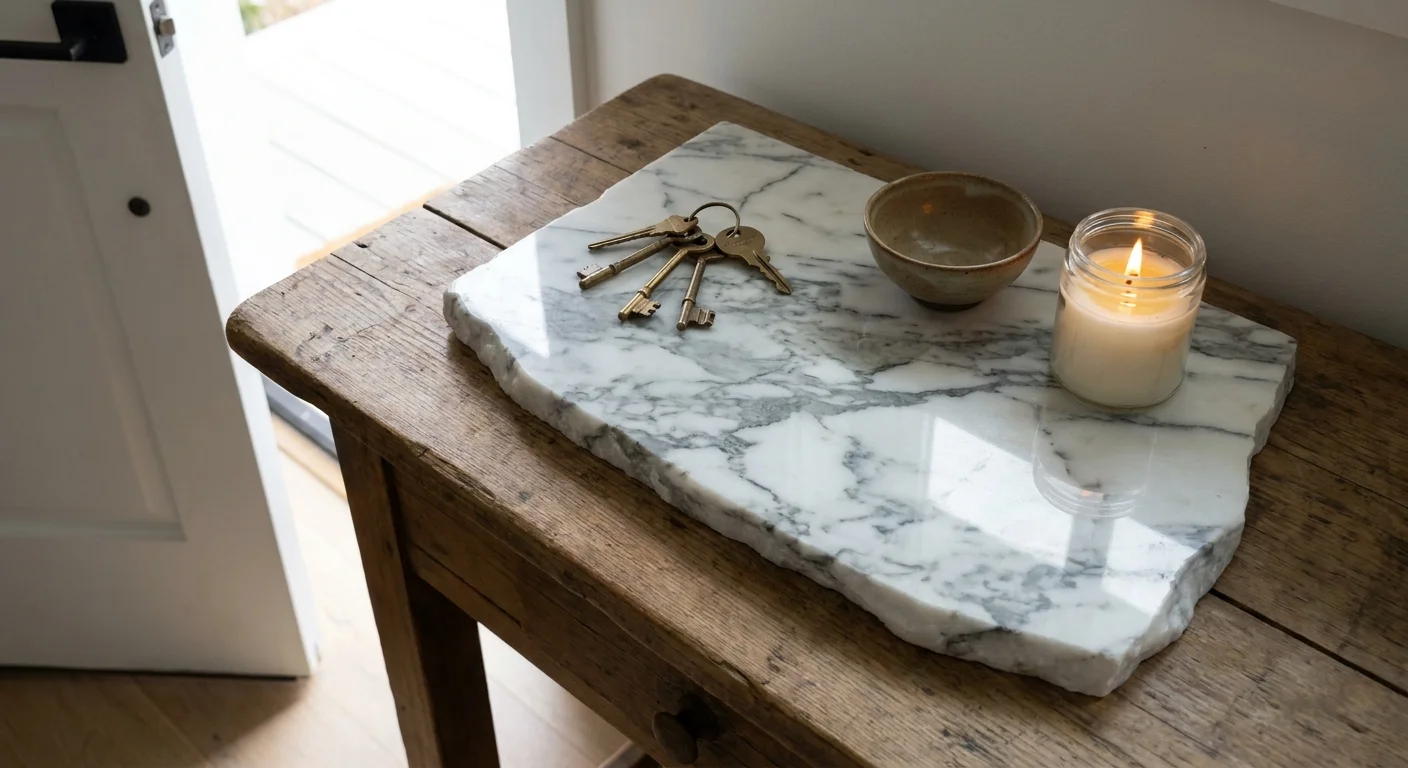
Trend #8: Natural Stone Remnants
Integrating organic materials into your home taps into biophilic design principles—a concept that emphasizes our innate human connection to the natural world. Authentic marble, deep green soapstone, and porous travertine are undeniable markers of upscale interior architecture, yet purchasing entire slabs for kitchen countertops requires a staggering budget. However, you can harness the luxurious texture and intricate veining of real stone for mere pennies on the dollar by hunting for offcuts and remnants.
Local stone fabrication yards consistently discard smaller pieces of premium rock left over from massive mansion projects. You can purchase these remnants at incredibly discounted rates and utilize them in highly creative ways across your home. Have the fabricator polish the edges of a stunning Calacatta marble square to serve as a breathtaking top for a thrifted coffee table base. Alternatively, you can use smaller rectangular offcuts as sophisticated vanity trays in your bathroom or as a heat-resistant hearth for a fireplace. Introducing genuine stone grounds your space with an earthy solidity that faux laminates and printed plastics can never replicate.
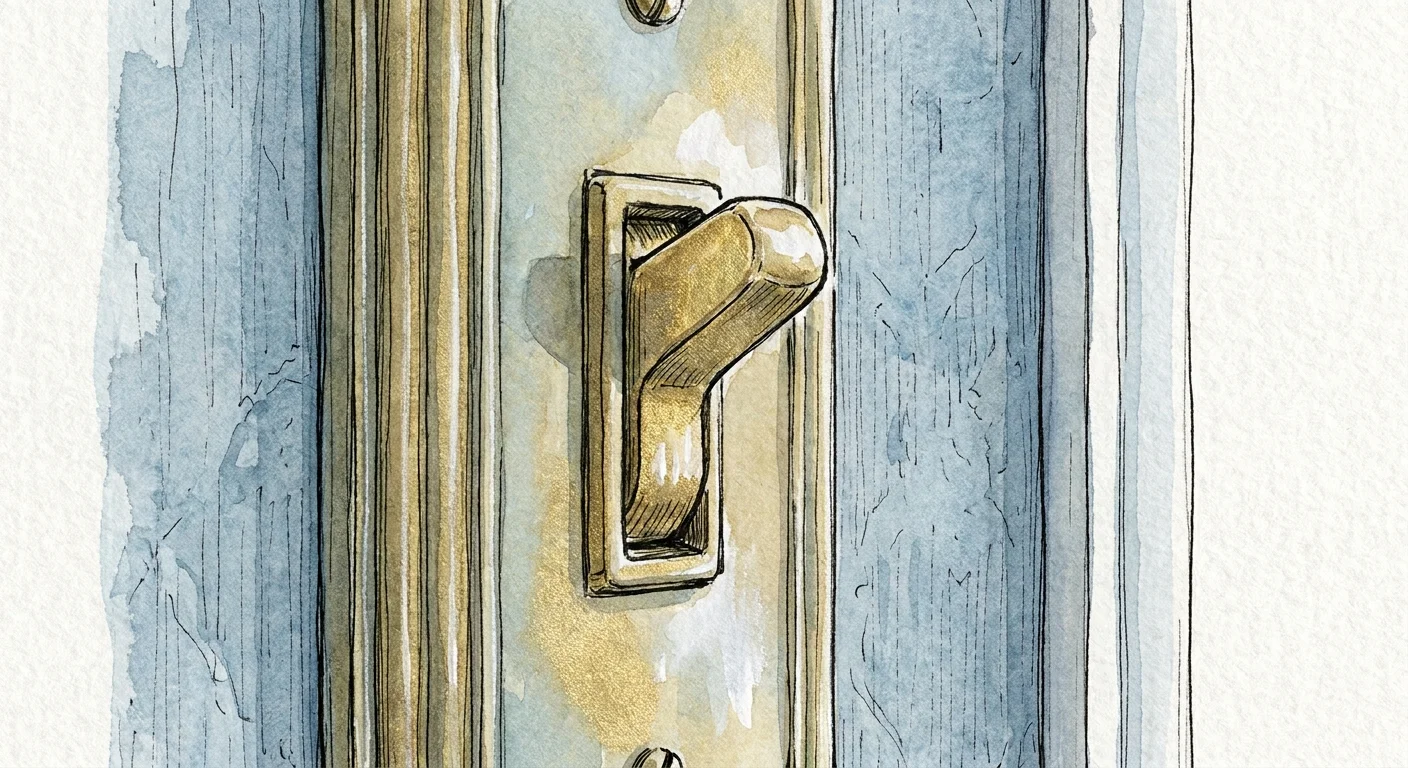
Trend #9: Elevated Architectural Micro-Details
True luxury reveals itself in the final one percent of design execution, specifically in the micro-details that most people overlook. Standard-issue white plastic switch plates, basic air return grilles, and generic door hinges visually interrupt the flow of a beautifully styled room. These utilitarian elements draw the eye for all the wrong reasons, subtly detracting from the cohesive elegance you have worked so hard to establish. Addressing these forgotten fixtures is a remarkably cheap way to signal meticulous attention to detail.
You can instantly remedy this by replacing brittle plastic outlet covers with solid metal plates finished in antique brass, brushed steel, or matte black to coordinate with your door hardware. Alternatively, you can purchase paintable wooden or composite switch plates and coat them in the exact same color as your walls; this camouflage technique makes the functional hardware virtually disappear into the architecture. Upgrading your air conditioning grilles to custom-cut wooden or decorative metal patterns further refines the space. While these modifications cost very little individually, their cumulative effect establishes a baseline of uncompromised quality throughout your entire home.
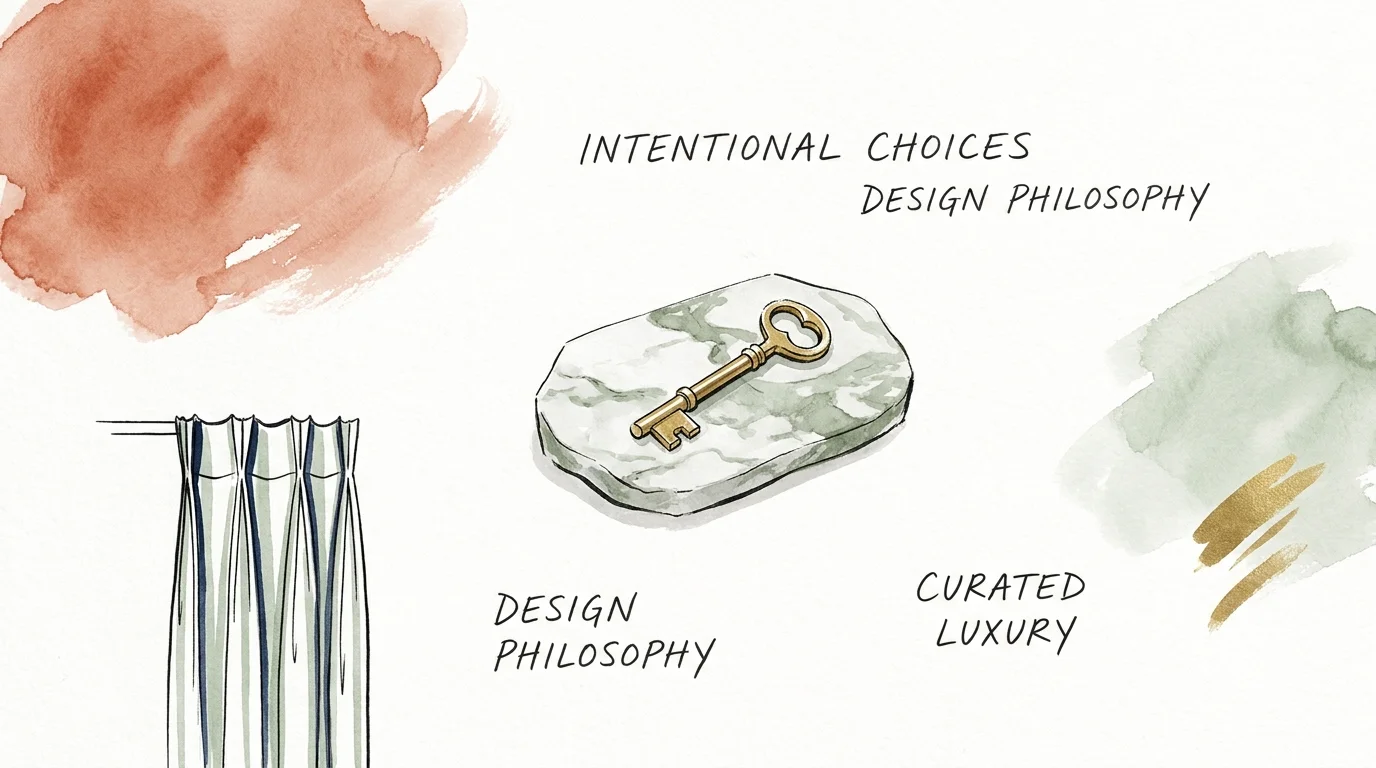
The Big Picture: Weaving These Trends into Your Home
Transforming your home into a luxurious haven does not mean you must aggressively implement every single design trend simultaneously. The hallmark of sophisticated styling is restraint; attempting to force floor-to-ceiling drapery, extensive millwork, and dark color drenching into a single tiny room will likely result in a chaotic and overwhelming environment. Instead, evaluate your home’s existing architecture and natural light to determine which specific upgrades will yield the most profound impact.
You should view these cost-effective strategies as a flexible toolkit rather than a rigid checklist. If your living room already boasts beautiful tall windows, emphasize them with dramatic drapery and let the walls remain light and airy. If you have a small, windowless powder room, that is the perfect candidate for immersive color drenching and heavy brass hardware. True interior elegance arises when intentional choices reflect your personal lifestyle while adhering to timeless principles of scale, texture, and balance. By layering these subtle yet powerful enhancements thoughtfully, you curate a home that looks exceptionally expensive and feels beautifully authentic.
Frequently Asked Questions
How do I mix these affordable luxury trends without making my home feel staged?
The key to avoiding a staged, catalog-like appearance lies in balancing contrasting textures and eras. You should anchor your room with foundational pieces in neutral, modern shapes, and then layer in character through your cost-effective upgrades. For example, if you implement dramatic color drenching on the walls, offset that intensity with a curated vintage accent piece and natural stone remnants. By mixing old with new and balancing smooth finishes with tactile materials, you create a dynamic tension that feels organic and collected over time, rather than purchased all at once.
Will color drenching make my small living room feel claustrophobic?
Contrary to popular belief, painting a small room in a dark, saturated color often has an expansive effect. When you paint the walls, trim, and ceiling the exact same dark hue, you eliminate the visual boundaries and stark contrasting lines that typically tell your eye where the room ends. The corners recede into shadow, creating an illusion of infinite depth. As long as you incorporate strategic ambient lighting and reflective surfaces—like oversized art with glass or warm metallic hardware—color drenching will make your small space feel like an intimate, luxurious jewel box rather than a restrictive cave.
What is the most impactful upgrade if I only have a weekend to decorate?
If you are constrained by time and looking for the highest immediate return on your effort, upgrading your lighting and hardware will transform your space faster than any other project. Swapping out standard builder-grade cabinet pulls for heavyweight, unlacquered brass hardware takes only a few hours but completely changes the tactile experience of your kitchen or bathroom. Following that, placing remote-controlled LED sconces in dark corners or adding a plug-in picture light above an oversized art print instantly elevates the evening ambiance of your home, requiring zero demolition or drying time.
For the latest color forecasts, consult industry leaders like Pantone and paint companies like Benjamin Moore. For professional design standards, refer to the American Society of Interior Designers (ASID).
Disclaimer: This article reflects design trend analysis and predictions. Personal taste and timeless design principles should always guide your decorating choices.
