

Certain design choices instantly date your interiors, overshadowing the architecture and making your space feel stuck in the past. Identifying these common home decor mistakes is the first step toward a revitalized, contemporary aesthetic. Whether you are aiming for a modern home idea or shedding the weight of outdated senior home decor, small adjustments yield dramatic transformations. True sophistication requires editing out tired conventions—from matching furniture sets to heavy drapery—and embracing intentional, curated environments. You elevate your living space by recognizing which decorating trends no longer serve your vision. This guide breaks down the most persistent styling errors and provides practical home makeover tips to help you achieve a timeless, elegant foundation.
Trend #1: The Matching Furniture Set Trap
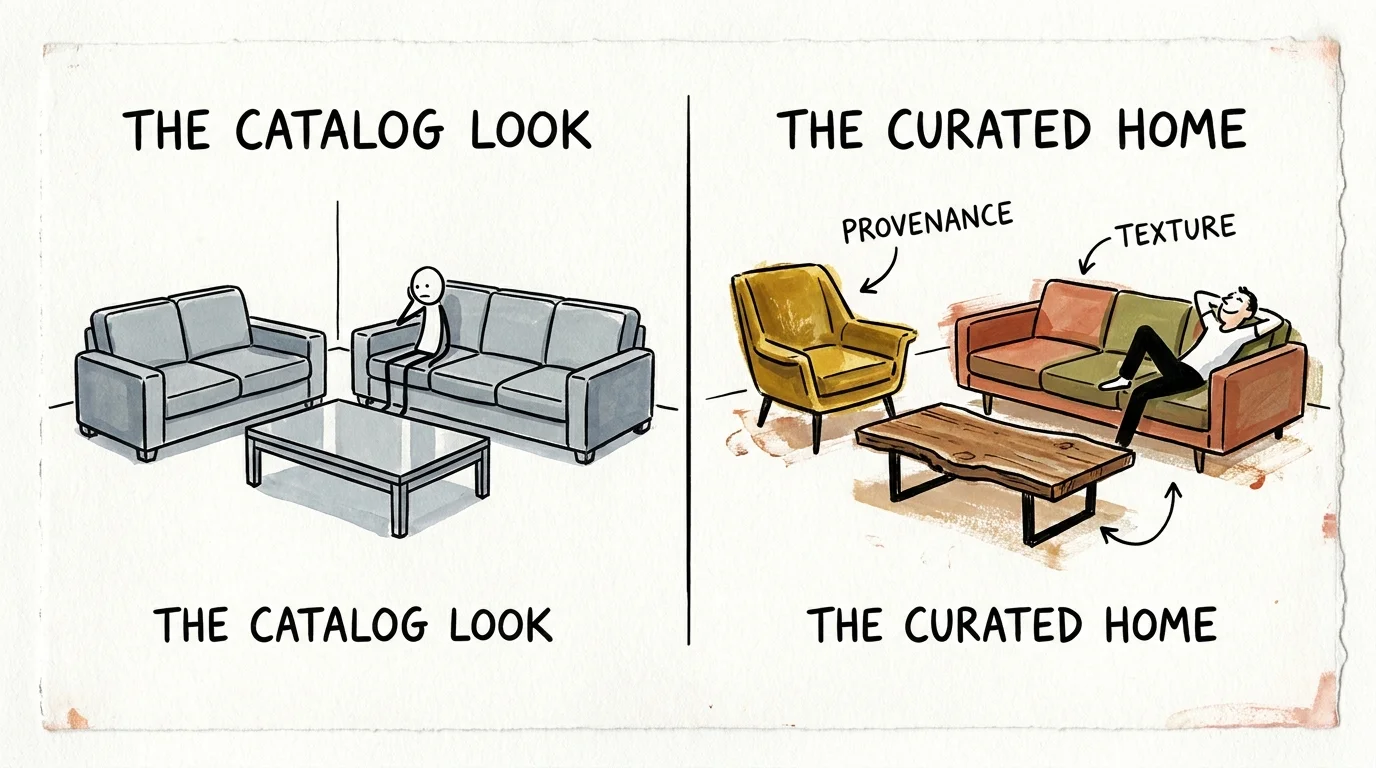
Purchasing an entire coordinating suite of furniture used to represent the gold standard of interior design; today, this approach flattens your aesthetic and ages your home instantly. When the sofa, loveseat, and armchair all share the exact same upholstery, stain, and silhouette, the room loses its depth. This lack of visual tension transforms a personal living space into a sterile catalog showroom. You instantly elevate your interiors by embracing the concept of provenance—curating pieces with unique origins and distinct histories.
You achieve a sophisticated, layered environment by deliberately mixing periods, textures, and architectural styles. Swap out the matching armchair for a sleek mid-century modern accent seat or a vintage leather club chair. Introduce a live-edge wooden coffee table to break up the monotony of manufactured upholstery. Disassembling the matching set forces the eye to travel and discover individual elements within the room. This intentional curation establishes a deeply personal aesthetic that prevents your home from feeling permanently anchored to a specific, outdated era.
Trend #2: The Ubiquity of Cool-Toned Gray Walls
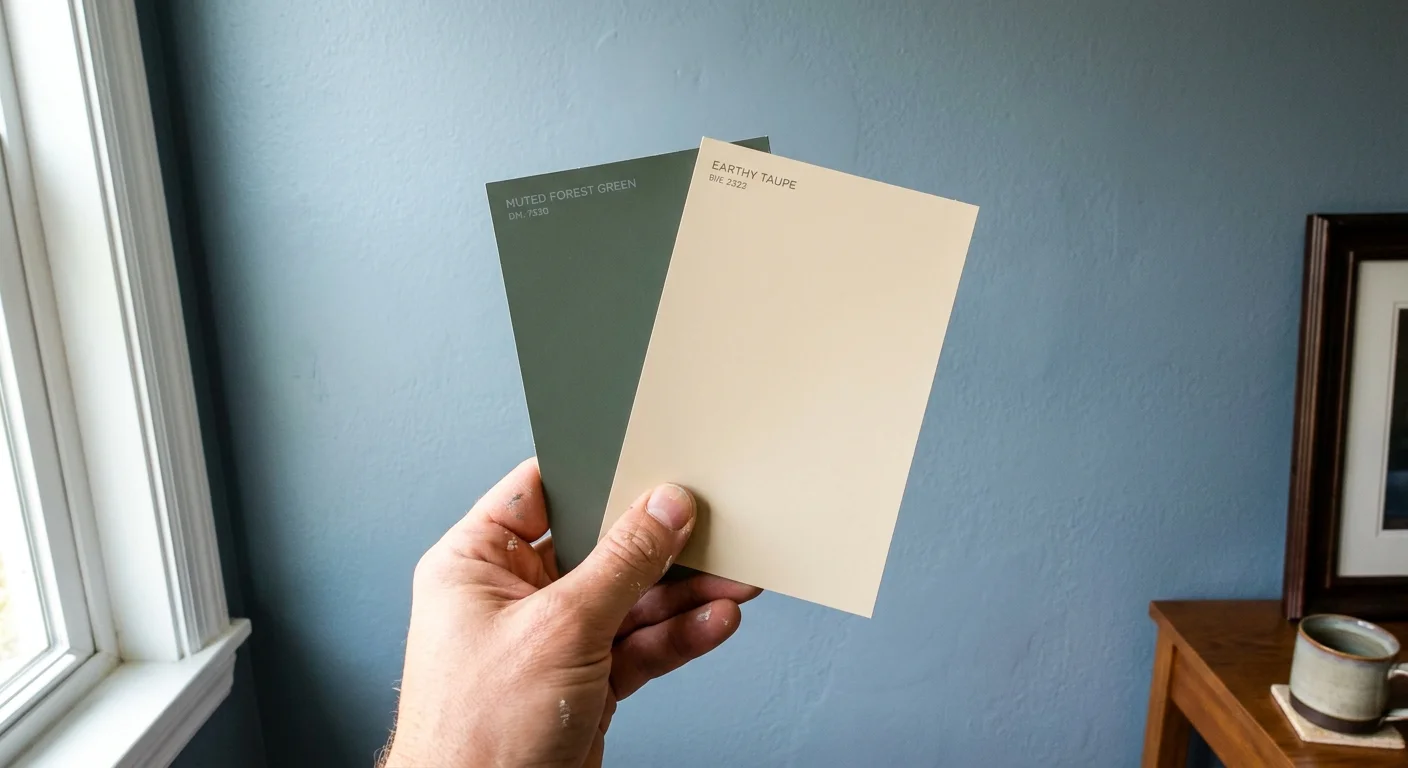
For more than a decade, cool-toned gray dominated the residential market as the ultimate default neutral. However, this icy palette now firmly stamps a home with a mid-2010s timestamp. The austere, sterile nature of flat gray walls robs a room of its inherent warmth and fails to reflect natural light beautifully. Homes enveloped in these cool tones often feel corporate and unwelcoming, particularly during the darker winter months.
You breathe immediate life into your rooms by transitioning away from this dated aesthetic and shifting toward complex, earthy neutrals. Paint manufacturers note a massive consumer pivot toward hues with higher Light Reflectance Values (LRV) that carry warm undertones. You modernize your space by applying warm taupes, creamy off-whites, or deep, enveloping jewel tones like rich terracotta and muted forest green. These richer shades create an inviting atmosphere and serve as a significantly superior backdrop for artwork and organic textures. Updating your wall color delivers an immediate return on investment, decisively shifting your home into a warm, contemporary haven.
Trend #3: Clinging to Builder-Grade Lighting Fixtures
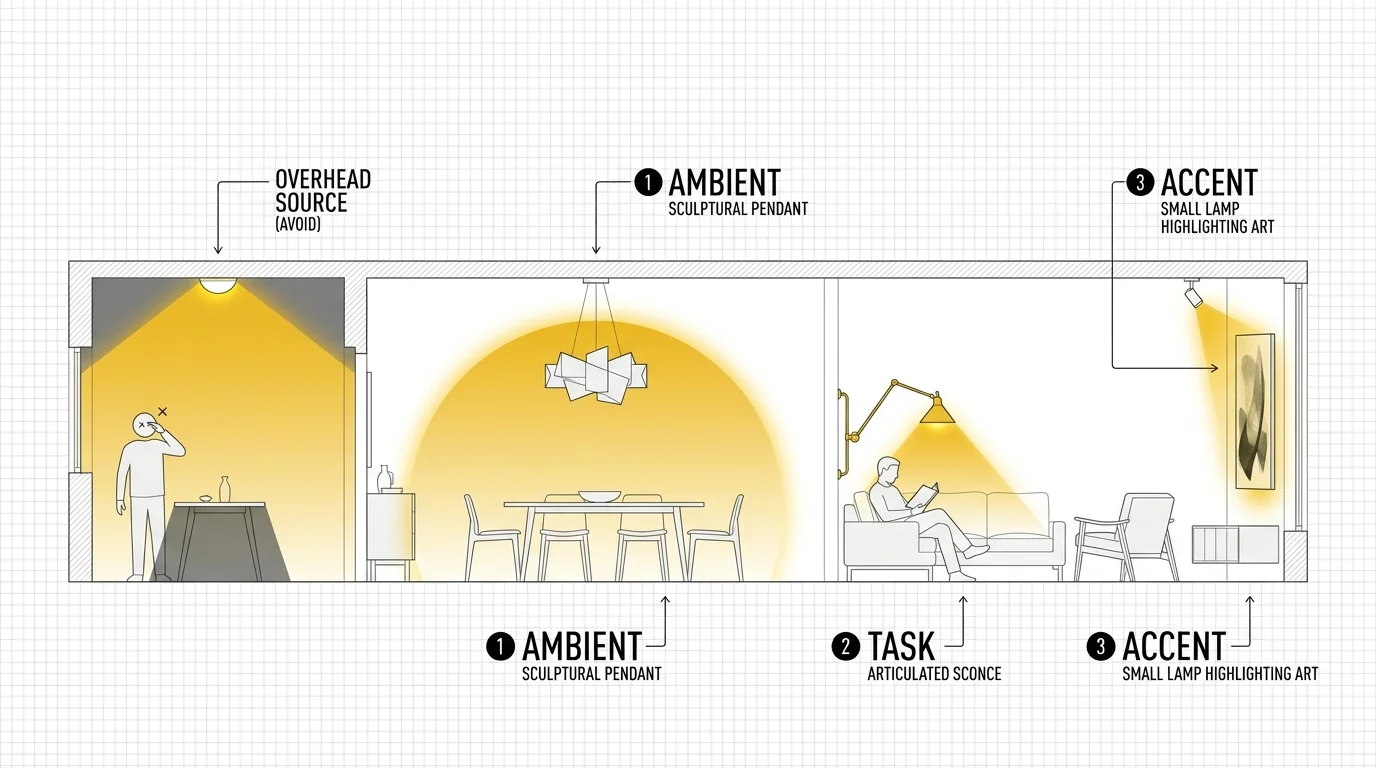
Lighting functions as the jewelry of your home; ignoring its architectural impact ranks among the most detrimental decorating mistakes you can make. Builder-grade flush mounts, generic ceiling fans, and mass-produced chandeliers broadcast an uninspired aesthetic that severely diminishes the impact of even the most beautifully furnished room. You upgrade your home’s architectural appeal effortlessly by replacing these default fixtures with deliberate statement lighting.
Incorporate sculptural pendants over kitchen islands, articulated sconces in reading nooks, and oversized chandeliers that demand attention in dining spaces. Furthermore, relying entirely on a harsh overhead source washes out your design. You must layer your lighting by combining ambient, task, and accent sources to add necessary depth and shadow to the room. Install dimmers on all primary switches and mandate the use of 2700K LED bulbs; this specific color temperature mimics the golden hour, casting a universally flattering, warm glow. Treating lighting as a vital architectural element rather than an afterthought injects an immediate sense of quiet luxury into your environment.
Trend #4: Pushing All Furniture Against the Walls
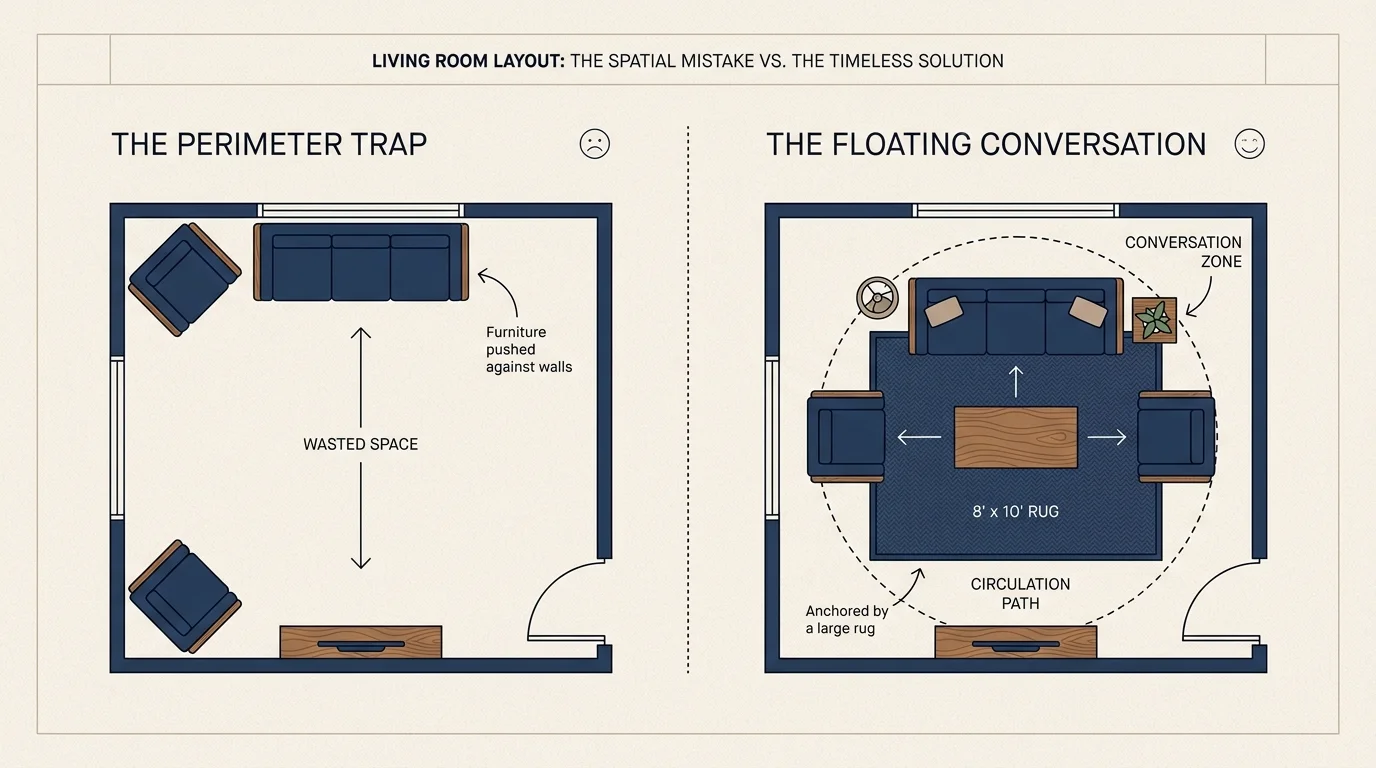
A persistent spatial planning error involves shoving every piece of seating tightly against the perimeter of the room. This “wall-hugging” approach creates an awkward, unusable void in the center of the floor and makes intimate conversation practically impossible. Many homeowners default to this layout under the false assumption that it maximizes square footage, but it actually emphasizes the strict boundaries of the room, making the space feel rigid and distinctly outdated.
You transform the dynamic of your living area by floating your furniture. Pull sofas and chairs away from the drywall and arrange them around a central focal point—such as a fireplace, a large window, or a beautifully styled coffee table. You should maintain a comfortable 14 to 18 inches of clearance between the seating edge and the coffee table to optimize ergonomic flow. When you pull pieces into the room, you also create prime opportunities to display narrow console tables behind the sofa, adding another dimension of styling potential. Modern home ideas prioritize human connection and organic flow; floating your furniture achieves exactly that.
Trend #5: Over-Accessorizing with Mass-Produced Décor
Cluttering surfaces with an abundance of generic, mass-produced decorative items visually overwhelms a room and firmly categorizes the space as outdated. Word-art signs, faux-distressed wooden plaques, and identical knick-knacks purchased from big-box retailers severely dilute the sophistication of your home. This overwhelming visual noise prevents the eye from resting and obscures the underlying architecture of your space.
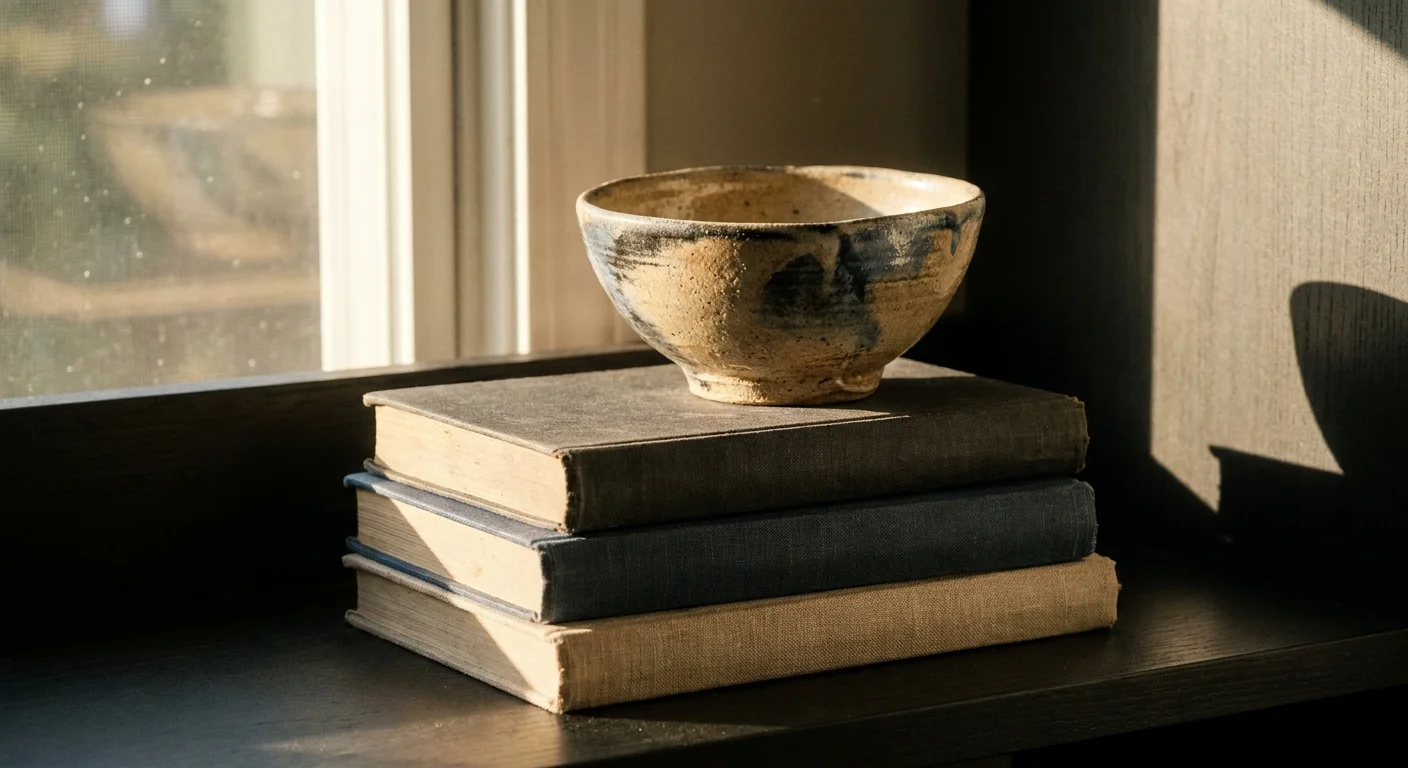
You achieve a far more elegant aesthetic by practicing the rigorous art of the edit. Adopt the principles of quiet luxury by selecting fewer, high-quality objects that hold genuine meaning, artisanal craftsmanship, or historical value. Display a single, masterfully crafted ceramic vase instead of a cluster of unrelated trinkets. Invest in original artwork, textured tapestries, or limited-edition photographic prints rather than relying on mass-market canvas reproductions. This restrained approach allows your selected pieces to breathe and command attention. When you carefully curate your accessories, your primary furnishings shine, resulting in a mature, timeless environment that feels effortlessly chic.
Trend #6: Heavy, Opaque Window Treatments
Swag valances, heavy brocade drapes, and ornate tassels suffocate a room, blocking natural light and anchoring your design firmly in the past. These dense, overly complicated window treatments create a visual heaviness that visually compresses the space, making ceilings appear lower and rooms feel distinctly darker. Nothing ages a living room faster than formal, stiff drapery pooling excessively on the floor.
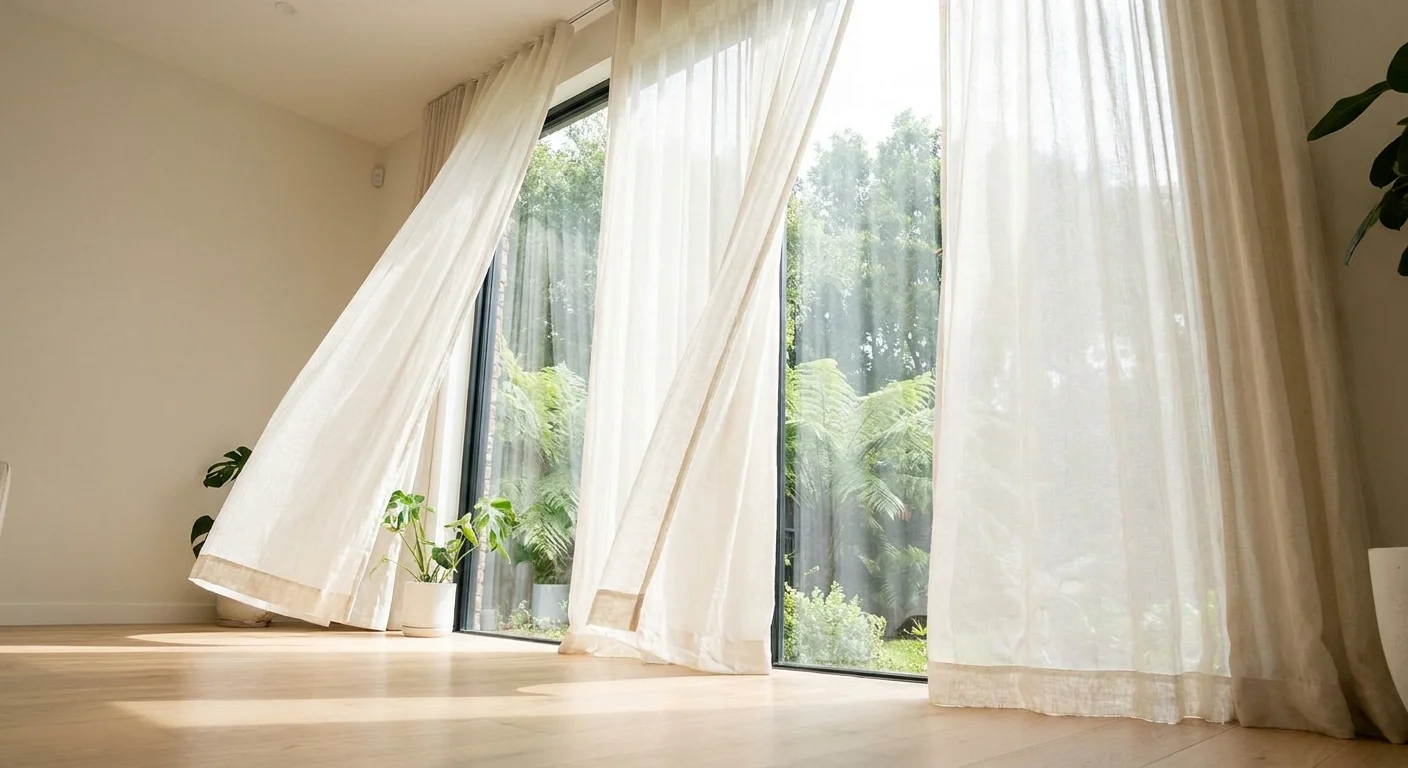
You instantly modernize your interiors by maximizing natural light through streamlined, structural window dressings. Opt for tailored, floor-to-ceiling drapery in natural fibers like pure linen or lightweight cotton blends. You manipulate the perceived scale of the room by installing the curtain rod just inches below the ceiling line and extending it significantly past the window frame; this optical illusion creates the appearance of taller ceilings and wider, grander windows. If privacy remains a concern, layer sheer linen panels with sleek, motorized cellular shades or woven wood blinds. Embracing minimalist window treatments allows the architecture to speak for itself while flooding your rooms with rejuvenating sunlight.
Trend #7: Neglecting Biophilic Design Principles
A home completely devoid of natural elements often feels stagnant, sterile, and isolated from the outside world. Historically, artificial silk plants and heavily processed synthetic materials dominated interior styling, but continuing to rely on these artificial choices constitutes a major design misstep. Biophilic design—the philosophy of purposefully connecting indoor spaces with the natural world—serves as a cornerstone of modern interior architecture.
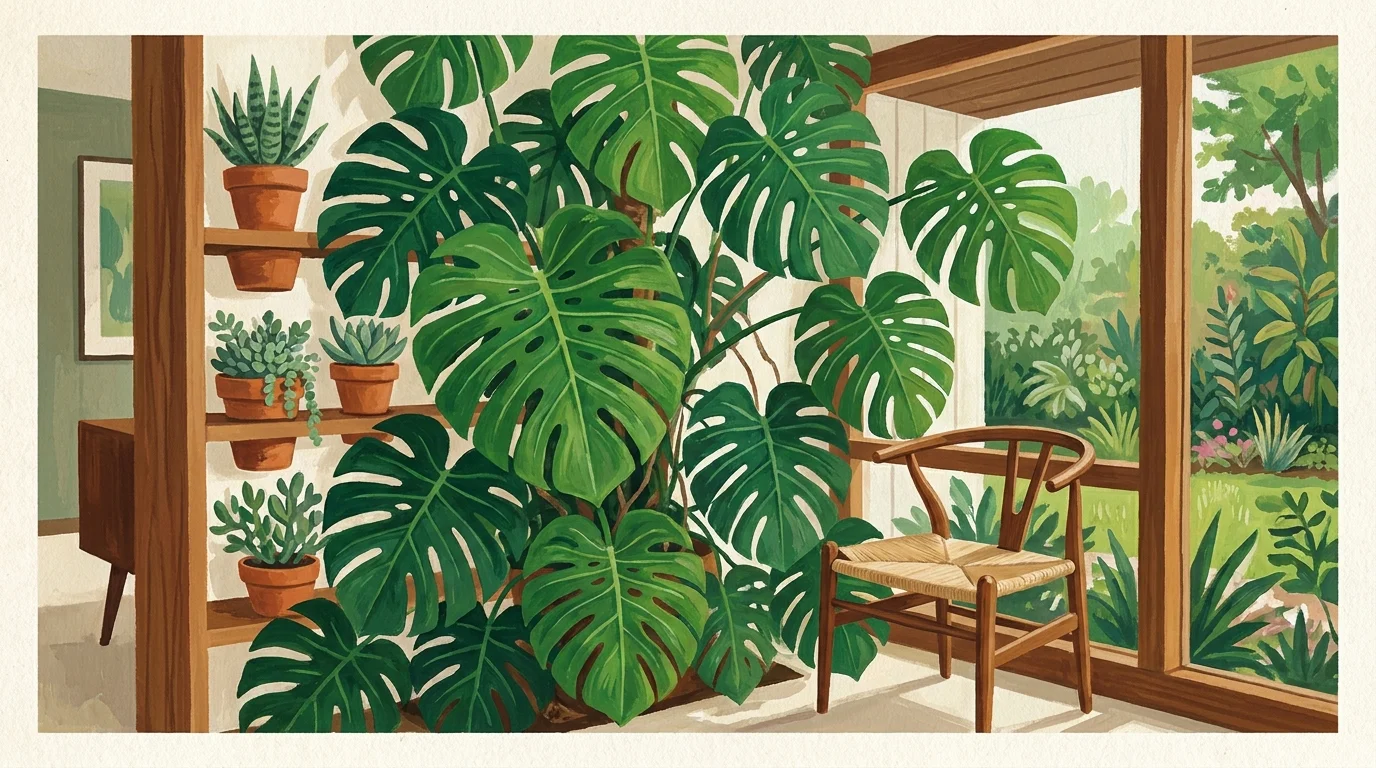
You breathe immediate vitality into your home by incorporating organic materials, living botanicals, and raw textures. Introduce large-scale potted trees like the Ficus Audrey or the classic Olea europaea (olive tree) to draw the eye upward and add vibrant, living greenery to empty corners. Layer heavily textured natural materials such as woven jute, bent rattan, raw walnut, and honed travertine into your furnishings and tabletop accessories. These organic elements soften the harsh, rigid lines of modern architecture and introduce a tactile richness that synthetic materials simply cannot replicate. Integrating nature directly into your home provides a necessary sense of grounded elegance and psychological calm.
Trend #8: Choosing Form Over Function in Rug Placement
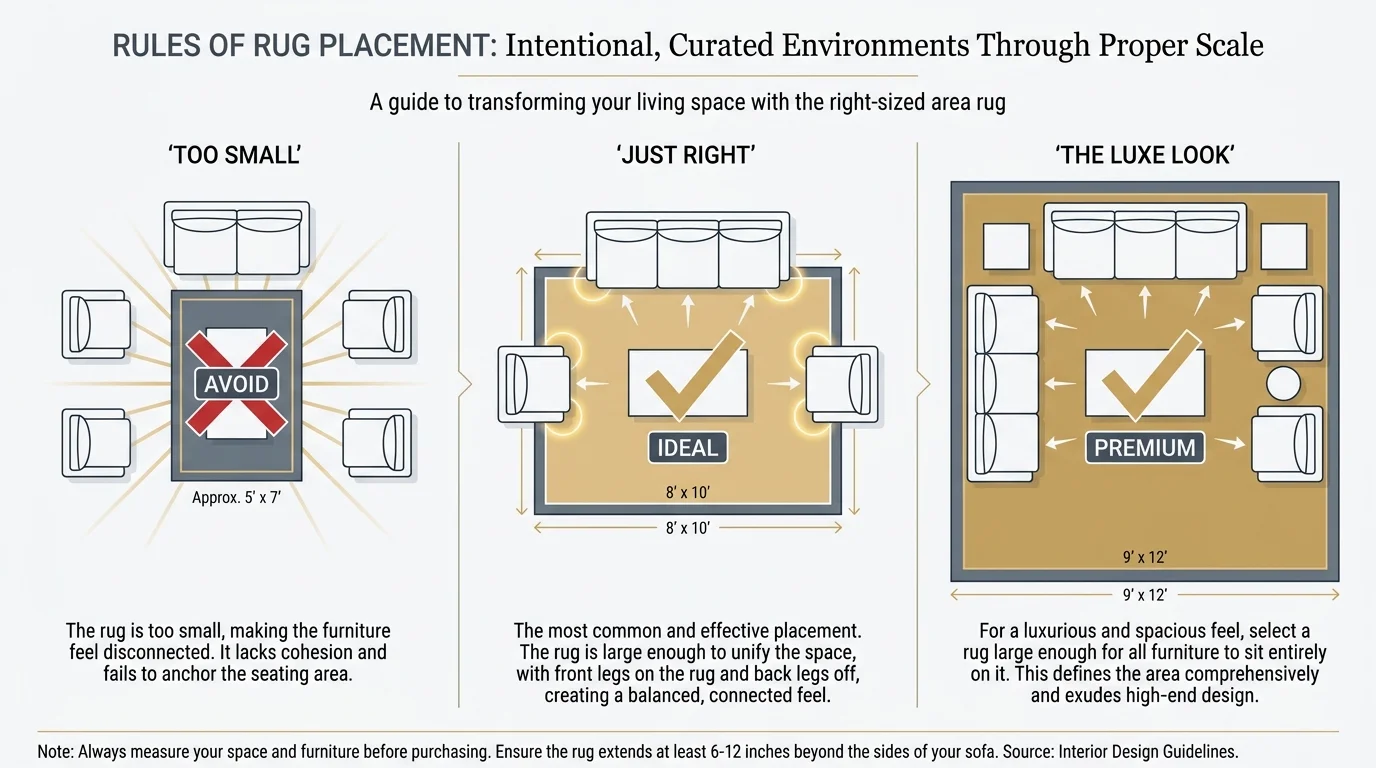
The “postage-stamp rug” syndrome occurs when a homeowner selects an area rug that is drastically disproportionate to the room and the furniture residing within it. A tiny rug floating aimlessly beneath a coffee table visually fragments the floor plan, making the room appear disjointed, unanchored, and noticeably smaller. This error disrupts the visual harmony of the space and prevents the room from feeling cohesive.
You establish a solid, modern foundation by sizing your textiles correctly. You must select a rug large enough so that at least the front legs of all major seating pieces rest comfortably on the material. For a standard living room, this typically requires an 8×10 or 9×12 rug. In dining rooms, the rug must extend at least 24 inches beyond the edges of the table to accommodate the chairs safely when they are pulled out. Generously sized rugs in rich, textural materials like wool or silk blends physically anchor the space and delineate specific zones within open-concept floor plans. Mastering rug scale provides one of the most crucial home makeover tips for securing a professionally designed appearance.
Trend #9: The “Accent Wall” Relic
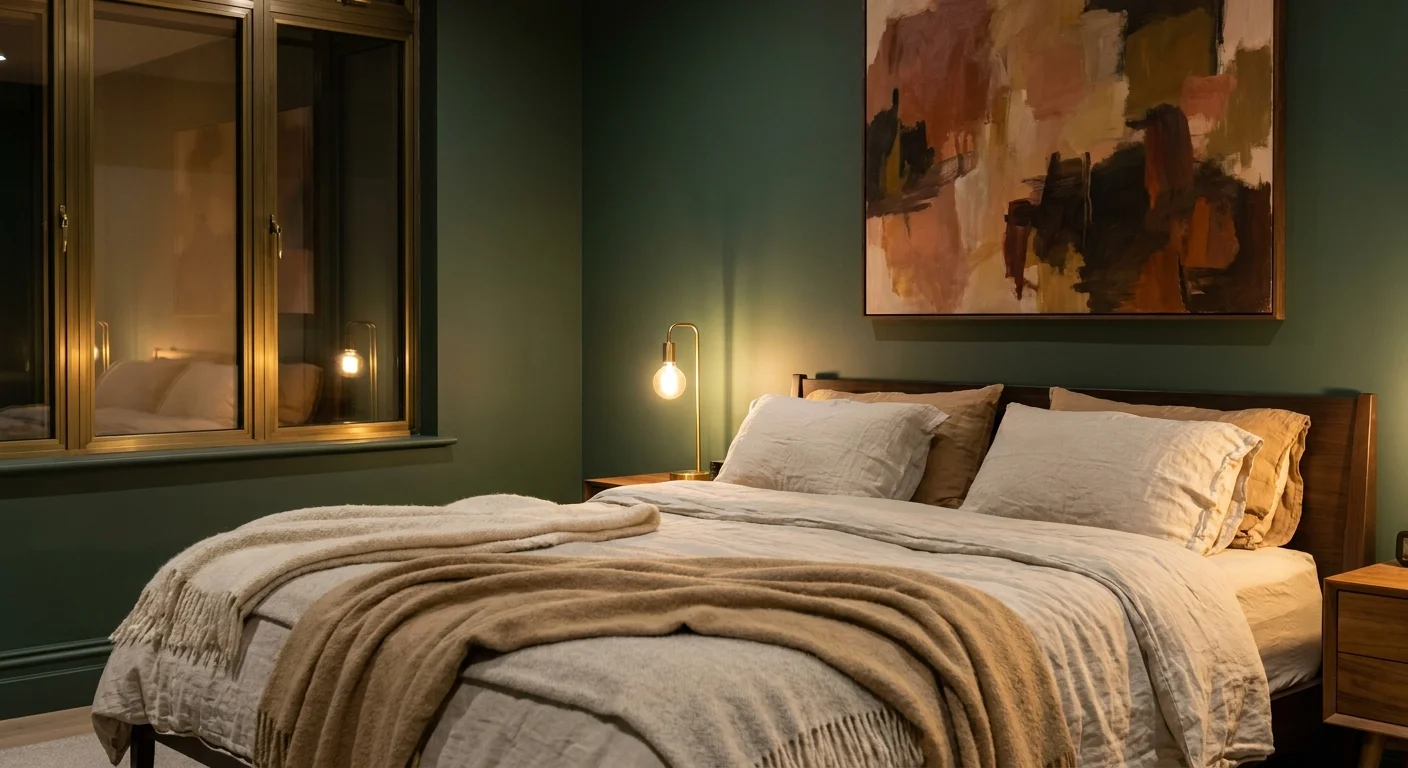
The trend of painting a single wall in a bold, contrasting color while leaving the remaining walls completely neutral has entirely lost its cachet. This isolated pop of color forcefully breaks up the visual continuity of the space and often feels like an uncommitted, timid design choice leftover from the early 2000s. It abruptly stops the eye rather than allowing it to travel smoothly around the room.
You achieve a far more sophisticated, immersive environment through the technique of color drenching. This method involves painting the walls, trim, baseboards, doors, and even the ceiling in the exact same saturated hue. Color drenching effectively erases hard architectural lines, making ceilings appear infinitely higher and rooms feel endlessly enveloping. Whether you choose an airy plaster white or a moody, saturated aubergine, enveloping the entire space in one continuous color creates a profound sense of mood and modern luxury. Abandoning the stark accent wall allows you to craft interiors that are cohesive, dramatic, and flawlessly integrated.
Trend #10: Relying on “Fast Furniture” Instead of Provenance
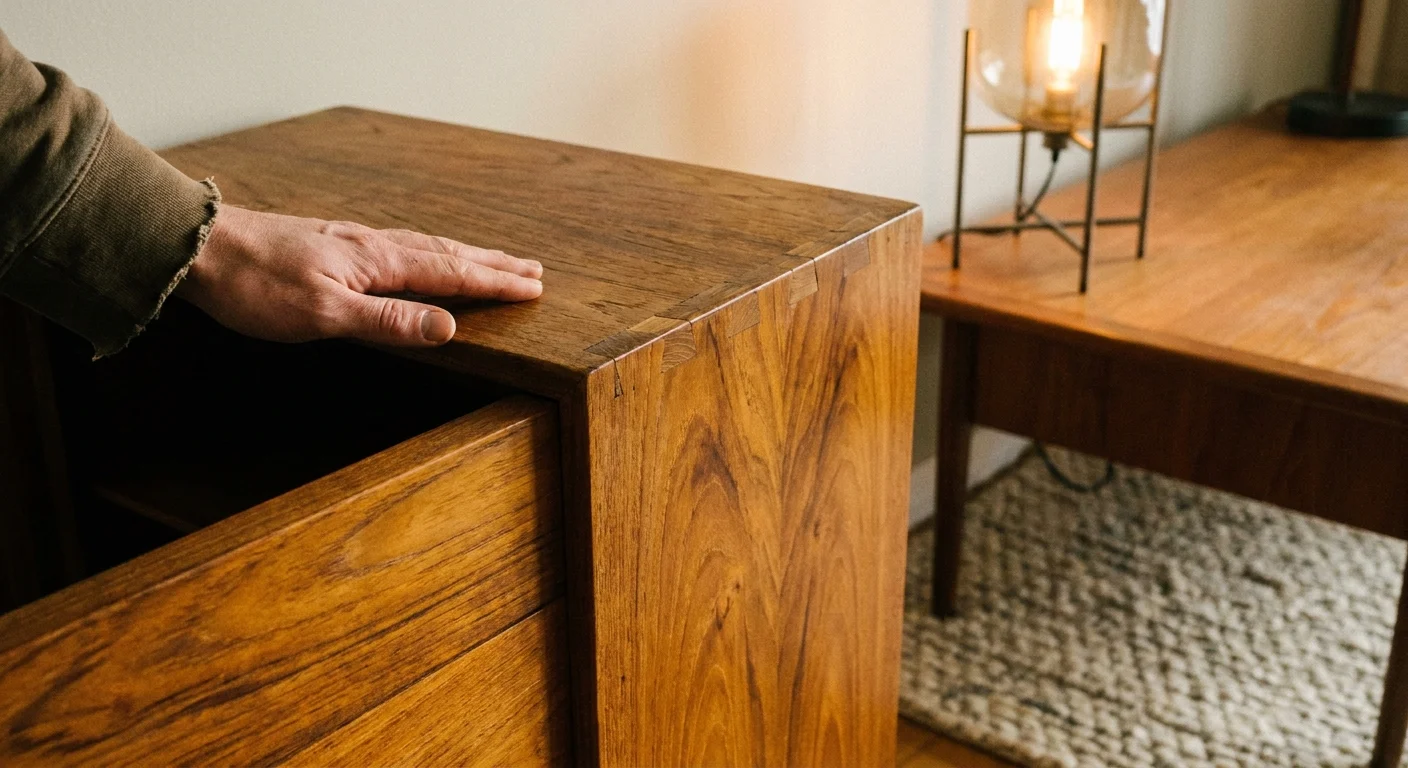
Filling a home entirely with flat-pack, disposable furniture instantly cheapens the overall aesthetic and prevents the space from developing authentic character. While highly convenient and accessible, these pieces fundamentally lack the durability, expert craftsmanship, and soul necessary to anchor a mature interior. A room populated solely by synthetic veneers and particleboard inevitably feels temporary.
You elevate your home by purposefully pivoting toward investment pieces that boast genuine provenance and lasting construction. Seek out solid wood case goods, hand-knotted vintage rugs, and artisan-crafted ceramics. While integrating a few affordable, foundational items makes practical sense for most budgets, the defining elements of your room—the primary sofa, the solid oak dining table, the statement armchair—should showcase undeniable quality. Mixing eras and manufacturing styles, such as placing a sleek, contemporary Italian sofa next to an antique French credenza, generates an undeniable visual intrigue that fast furniture cannot simulate. Prioritizing robust craftsmanship over immediate convenience ensures your home ages gracefully.
The Big Picture: Weaving These Trends into Your Home
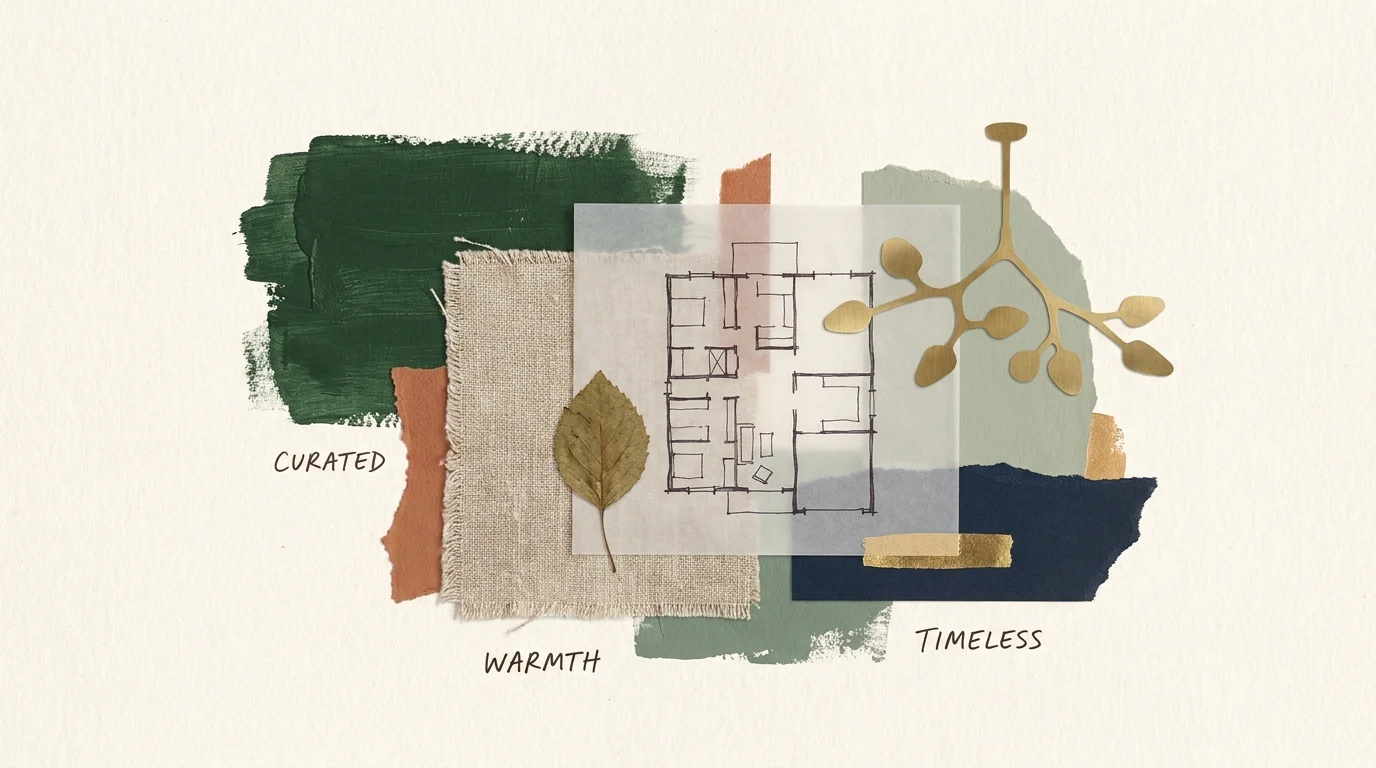
Understanding these prevalent decorating mistakes allows you to evaluate your environment with a critical, editorial eye. Modern interior design favors intentionality over accumulation. The most compelling homes evolve gradually; they reflect the lived experiences, travels, and maturing tastes of their inhabitants. You do not need to discard all your belongings and start completely over. Instead, you refine your space by making strategic, highly impactful updates—such as elevating your lighting plan, correcting your rug proportions, and committing to a sophisticated, modern color palette.
For the latest color forecasts, consult industry leaders like Pantone and paint companies like Benjamin Moore. For professional design standards, refer to the American Society of Interior Designers (ASID).
As you integrate these modern home ideas, remember that true luxury lies in comfort and personal resonance. The goal is never to chase fleeting fads but to build a timeless foundation that supports your lifestyle. By eliminating the visual clutter of outdated trends, you make room for authentic expression, ensuring your home feels both current and distinctly your own.
Frequently Asked Questions
How can I update my home decor on a tight budget?
You achieve the most significant transformations on a budget by focusing on paint and lighting. Transitioning away from cool grays to warm, earthy neutrals instantly modernizes your space. Additionally, swapping out outdated builder-grade light fixtures for contemporary silhouettes provides an immediate architectural upgrade without the need for major renovations. Rearranging your existing furniture to pull pieces away from the walls costs absolutely nothing but dramatically improves the flow and scale of your rooms.
What is the most common mistake seen in senior home decor?
The most frequent issue involves visual over-accumulation and heavy, restrictive textiles. Over the years, spaces often become crowded with collections of mass-produced decor and oversized matching furniture sets. To refresh the space, focus on editing down the accessories, maximizing natural light by removing heavy window valances, and introducing clear, unencumbered walkways. This approach honors cherished items while allowing the room to breathe.
How do I incorporate modern home ideas without making my space feel cold?
Modern design does not require sterility. You maintain a sense of deep warmth by prioritizing biophilic design principles and layering rich textures. Incorporate natural materials like raw wood, genuine leather, and woven jute. Introduce live plants and ensure your lighting plan utilizes warm 2700K LED bulbs. These organic additions soften modern, clean-lined architecture, resulting in an environment that feels both contemporary and highly inviting.
Why is lighting so critical in current decorating trends?
Lighting dictates the entire mood and perceived quality of a room. Harsh, single-source overhead lighting creates flat, unappealing shadows and washes out your furnishings. Current trends treat lighting as a crucial architectural feature; you must layer ambient, task, and accent lighting to give the room depth and functionality. A beautifully selected sculptural pendant serves as art even when switched off, proving that exceptional lighting marries form and function perfectly.
Disclaimer: This article reflects design trend analysis and predictions. Personal taste and timeless design principles should always guide your decorating choices.
