

Your kitchen backsplash serves as the visual anchor of your culinary space, bridging the gap between functional durability and high-end aesthetic appeal. Whether you plan a comprehensive kitchen remodel or seek a swift weekend home improvement project, updating this central feature dramatically transforms your environment. You can achieve remarkable results across any price point, from cost-effective subway tiles laid in unconventional patterns to opulent slabs of dramatically veined Calacatta marble that define quiet luxury. Selecting the right materials and textures requires understanding both current interior design movements and the practical demands of daily cooking. Explore these seven distinct kitchen backsplash ideas to discover the perfect balance of budget, performance, and striking kitchen decor for your upcoming renovation.
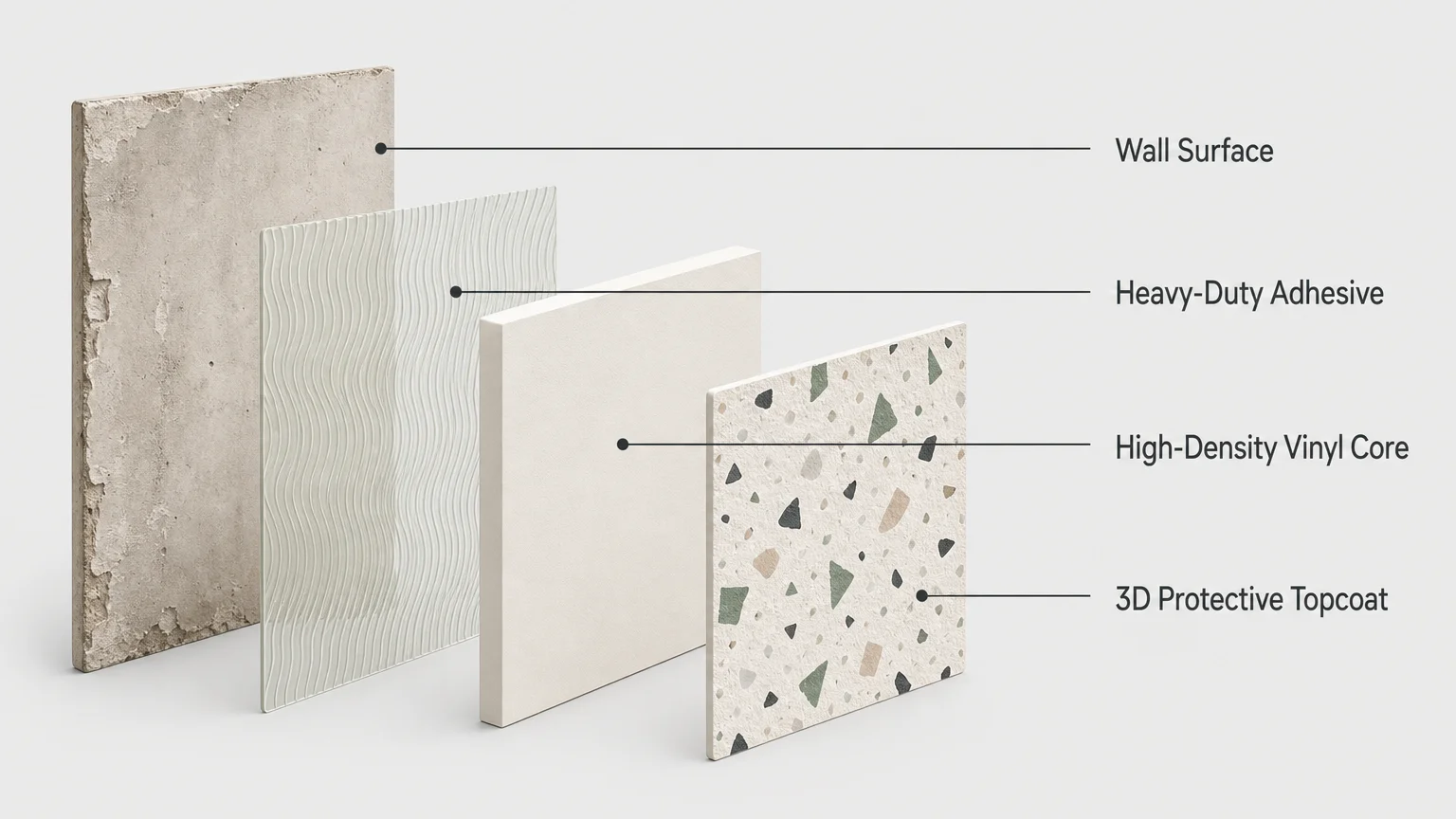
Trend #1: Peel-and-Stick Architectural Vinyl
Transforming your space no longer requires a massive demolition budget or weeks of living in a construction zone. Architectural vinyl represents a massive leap forward in affordable home improvement, offering a brilliant solution for renters and budget-conscious homeowners alike. Early iterations of adhesive tiles looked decidedly artificial, but today’s manufacturing technologies produce incredibly realistic 3D textures that accurately mimic natural stone, glazed ceramics, and rustic wood grains.
This trend thrives on accessibility and instant gratification. High-density vinyl panels feature heavy-duty adhesive backings designed to withstand the ambient heat and humidity common in active culinary spaces. You can install these panels directly over existing, dated tiles, bypassing the messy, labor-intensive demolition phase entirely. This approach dramatically lowers the barrier to entry for a significant kitchen decor upgrade.
To maximize the impact of this budget-friendly option, select patterns that emulate high-end materials. Faux-terrazzo finishes, matte black hexagons, or intricate Moroccan-inspired motifs deliver robust visual impact. Ensure you properly prepare your walls before application; cleaning the surface with a heavy-duty degreaser guarantees a secure, long-lasting bond. By utilizing premium architectural vinyl, you achieve a sophisticated refresh that respects your budget while completely revitalizing the room’s energy.
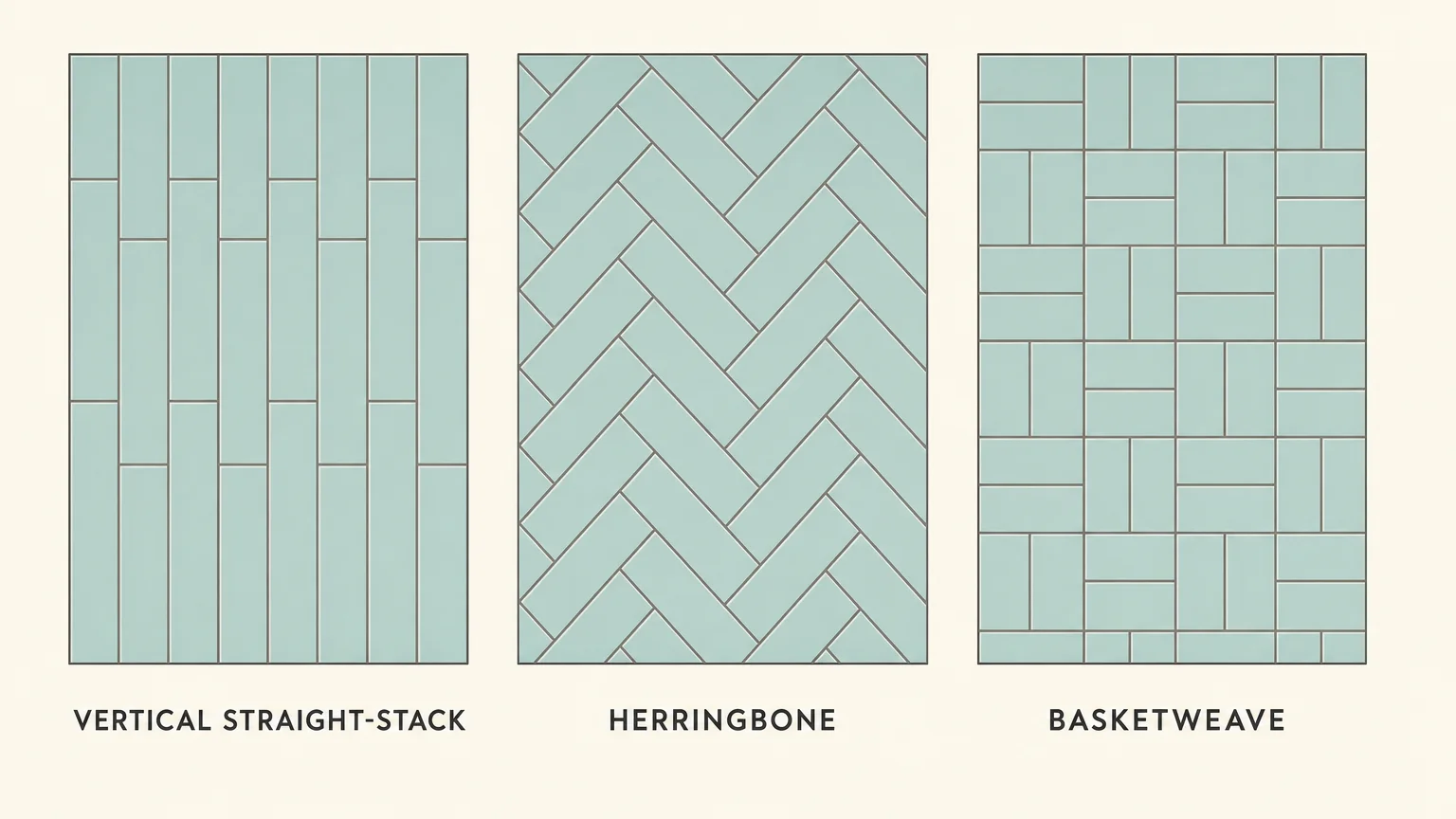
Trend #2: Unconventional Subway Tile Layouts
Subway tile remains the undisputed champion of budget-friendly kitchen remodels, but its application has evolved far beyond the traditional horizontal brick pattern. Designers now manipulate this inexpensive, readily available material to create bespoke, architectural looks without the bespoke price tag. You leverage the low cost of the raw material to justify spending a bit more time or money on a creative, intricate installation.
The vertical straight-stack layout stands out as a dominant force in contemporary interior design. By aligning classic 3×6 or 2×8 white tiles vertically, you draw the eye upward, instantly making low ceilings feel taller and giving the space a sleek, mid-century modern sensibility. Alternatively, a classic herringbone pattern infuses the room with dynamic movement and traditional elegance. For a touch of historic charm, consider the basketweave layout, which groups tiles in alternating horizontal and vertical pairs.
Your choice of grout color dramatically alters the final aesthetic. Pair crisp white subway tiles with charcoal or soft grey grout to highlight the geometry of your chosen layout. This high-contrast approach transforms a basic material into a highly graphic, textured feature wall. If you prefer a softer, more seamless appearance, match your grout precisely to the tile color. This strategy proves that brilliant kitchen design relies more on ingenuity and careful planning than on an unlimited budget.
Trend #3: Textured Zellige and Moroccan Tiles
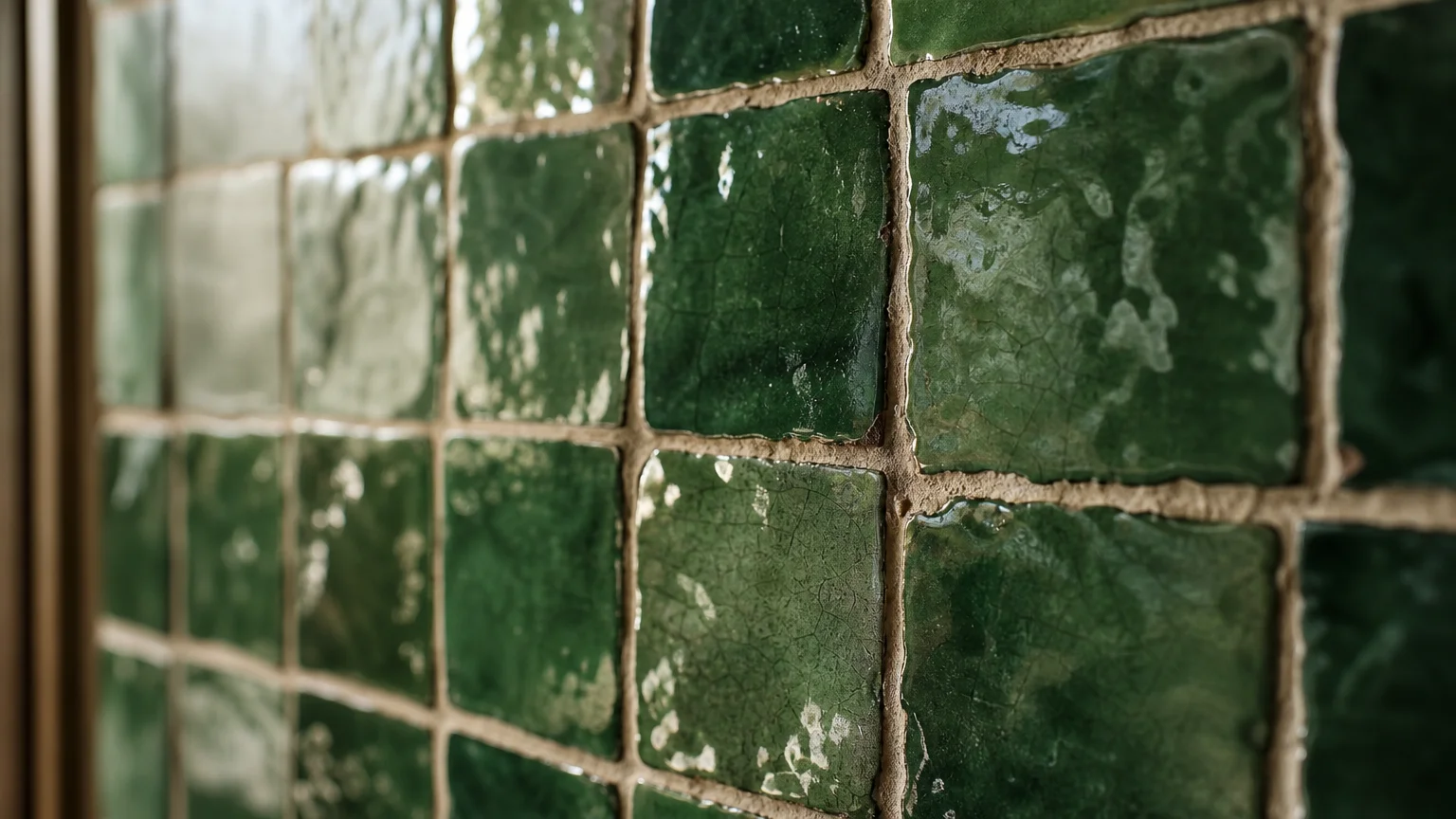
As interior design moves decisively toward organic modernism, flawless, machine-made surfaces take a backseat to materials boasting rich provenance. Authentic Zellige tiles, handcrafted from special clay found only in the Fez region of Morocco, currently dominate mid-range to high-end kitchen backsplashes. Artisans fire these tiles in traditional kilns, resulting in distinct variations in glaze, color, and texture from one tile to the next.
The appeal of Zellige lies entirely in its imperfections. Pits, chips, and undulating surfaces catch and reflect light in beautifully unpredictable ways, injecting profound warmth and soul into otherwise sterile kitchens. When the morning sun hits a Zellige backsplash, the wall appears to shimmer, softening the hard lines of modern cabinetry and stainless steel appliances. Popular color palettes include pearlescent whites, soft terracottas, and deep, moody olive greens.
Installing these handcrafted tiles requires a specific approach to maximize their authentic appeal. Traditional installation methods omit grout joints almost entirely, wedging the uneven edges directly against one another for a rustic, continuous look. Because the color varies significantly between batches, you must blend tiles from multiple boxes during installation to achieve a balanced, cohesive distribution of hues. This trend bridges the gap between raw, earthy textures and refined kitchen decor, offering a tactile experience that mass-produced materials simply cannot replicate.
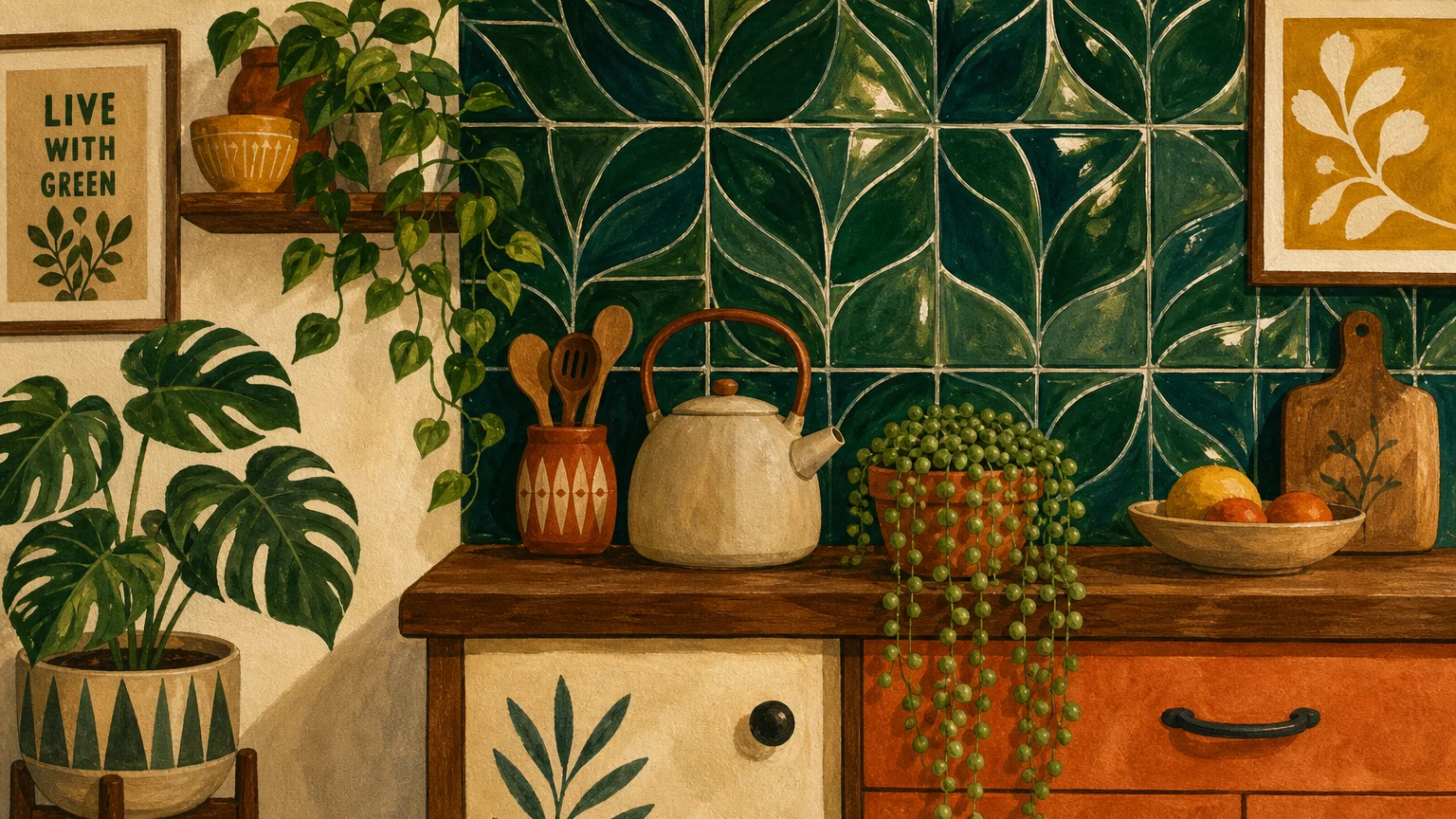
Trend #4: Biophilic Glazed Ceramics
Biophilic design principles continue to shape modern homes, emphasizing a deep, visual connection to the natural world. In the kitchen, this movement manifests through richly colored, glazed ceramic backsplashes that pull earth tones indoors. Rather than relying on safe, neutral palettes, homeowners now embrace bold, nature-inspired hues that ground the space and promote a sense of calm well-being.
Deep emerald greens, oceanic blues, and oxidized copper tones lead this color revolution. The high-gloss glazes applied to these ceramics reflect light similarly to the surface of water, bringing an elemental vitality to your kitchen remodel. The psychology behind these colors suggests they reduce stress and enhance creativity, making them ideal choices for a bustling culinary environment.
To successfully integrate biophilic ceramics into your home, pair them with complementary natural materials. A deep sage green backsplash harmonizes beautifully with raw walnut cabinetry, floating white oak shelves, and unlacquered brass hardware. The metallic accents highlight the subtle tonal variations in the ceramic glaze, creating a layered, sophisticated environment. By framing your backsplash as an extension of the natural world, you create a restorative retreat right in the heart of your home.
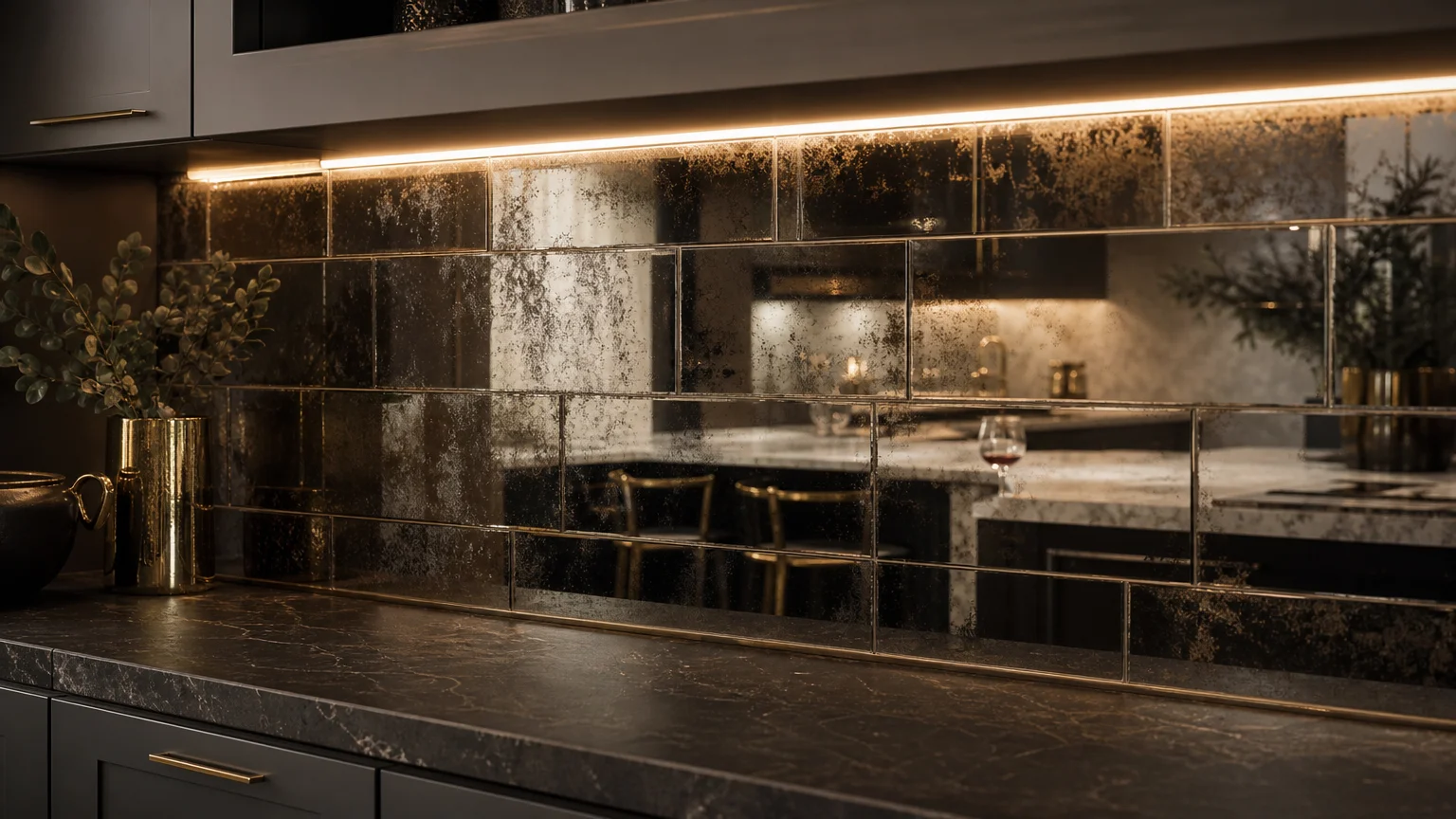
Trend #5: Metallic and Antiqued Mirrored Finishes
For those who crave sophisticated glamour and dramatic flair, metallic sheets and antiqued mirrored glass provide an unmatched level of atmospheric tension. This high-end trend draws heavy inspiration from 1920s Art Deco elegance and modern moody, dark-academia aesthetics. It rejects the bright, all-white kitchen in favor of something much more intimate and theatrical.
Antiqued mirror backsplashes offer incredible functional benefits alongside their striking appearance. By reflecting the room, the mirrored surface visually doubles the size of a restrictive galley kitchen, bouncing both natural and ambient light into dark corners. The specialized acid-washing process creates a smoky, vintage patina that obscures water spots and minor splatters far better than pristine, clear glass.
Solid sheets of raw copper or brass offer a different kind of magic through “living finishes.” Unlike sealed metals, raw brass and copper interact with the environment, oxidizing over time to develop a unique, localized patina. The area behind your range will age differently than the area behind your sink, turning your backsplash into a visual map of your culinary history. Maintaining these materials requires commitment; you must embrace the evolving tarnish or regularly polish the metal to retain its original luster. This luxurious approach guarantees a completely bespoke kitchen decor experience.
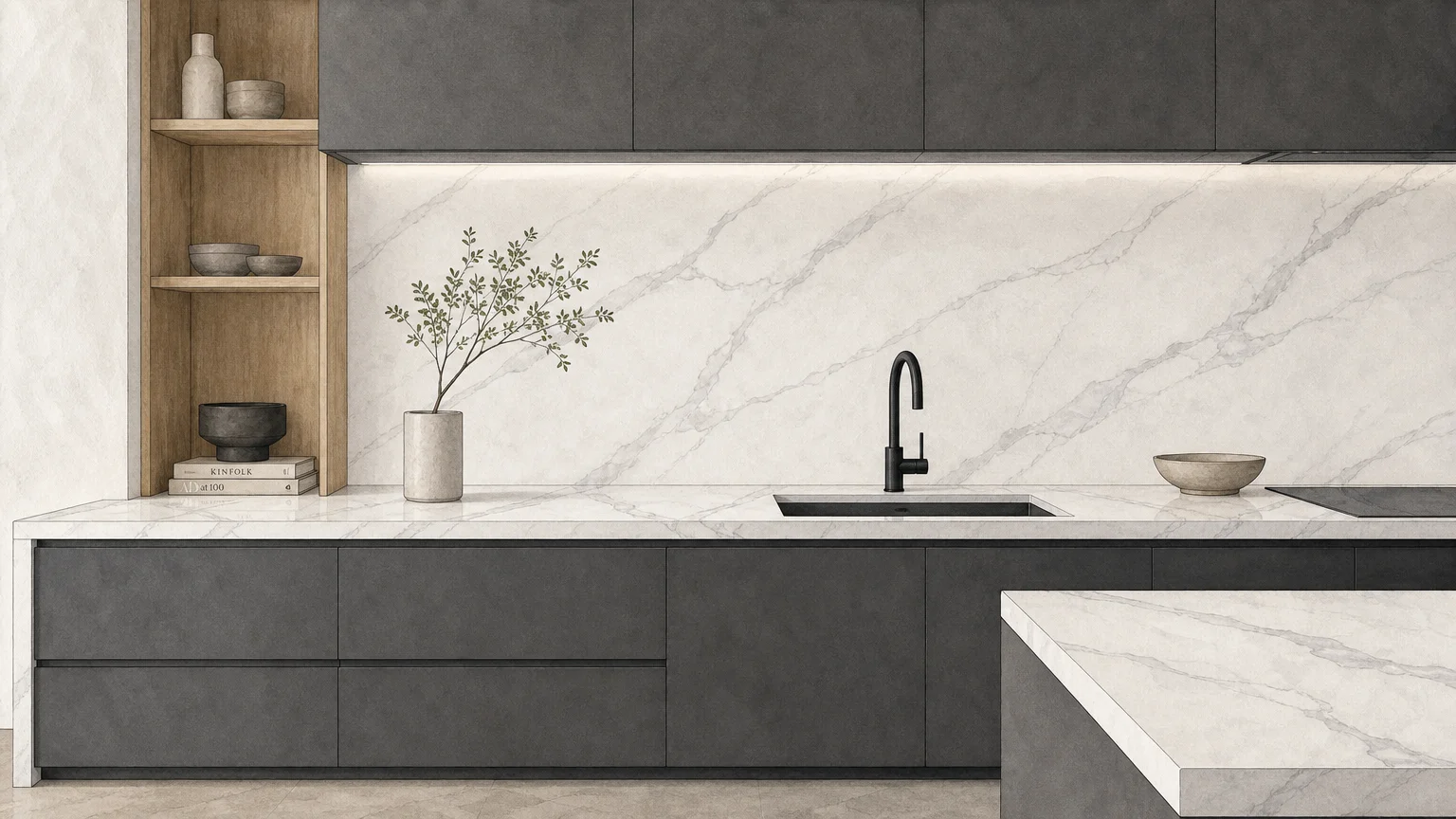
Trend #6: Seamless Quartz and Sintered Stone
The contemporary quiet luxury movement champions high-quality materials, meticulous craftsmanship, and visually serene environments. Seamless slab backsplashes capture this ethos perfectly, eliminating grout lines entirely to create an uninterrupted flow of premium stone. Extending your countertop material directly up the wall yields a cohesive, highly tailored look that defines modern luxury.
While natural stone remains popular, engineered surfaces like quartz and sintered stone dominate this specific application due to their superior performance metrics. Sintered stone, created by compacting natural minerals under extreme pressure and firing them at ultra-high temperatures, offers near-invulnerability. It completely resists thermal shock, meaning you can run it directly behind a high-output professional gas range without fear of scorching or cracking. It also repels stains from acidic foods like tomatoes and wine, requiring zero sealing.
A seamless backsplash drastically simplifies your cleaning routine. Without porous grout lines to trap grease and grime, a simple wipe-down restores the surface to pristine condition. Aesthetically, this minimalist approach works wonders in open-concept homes, where the kitchen remains visible from the living and dining areas. By minimizing visual clutter, the seamless slab creates a calm, architectural backdrop that elevates the entire home’s interior design.
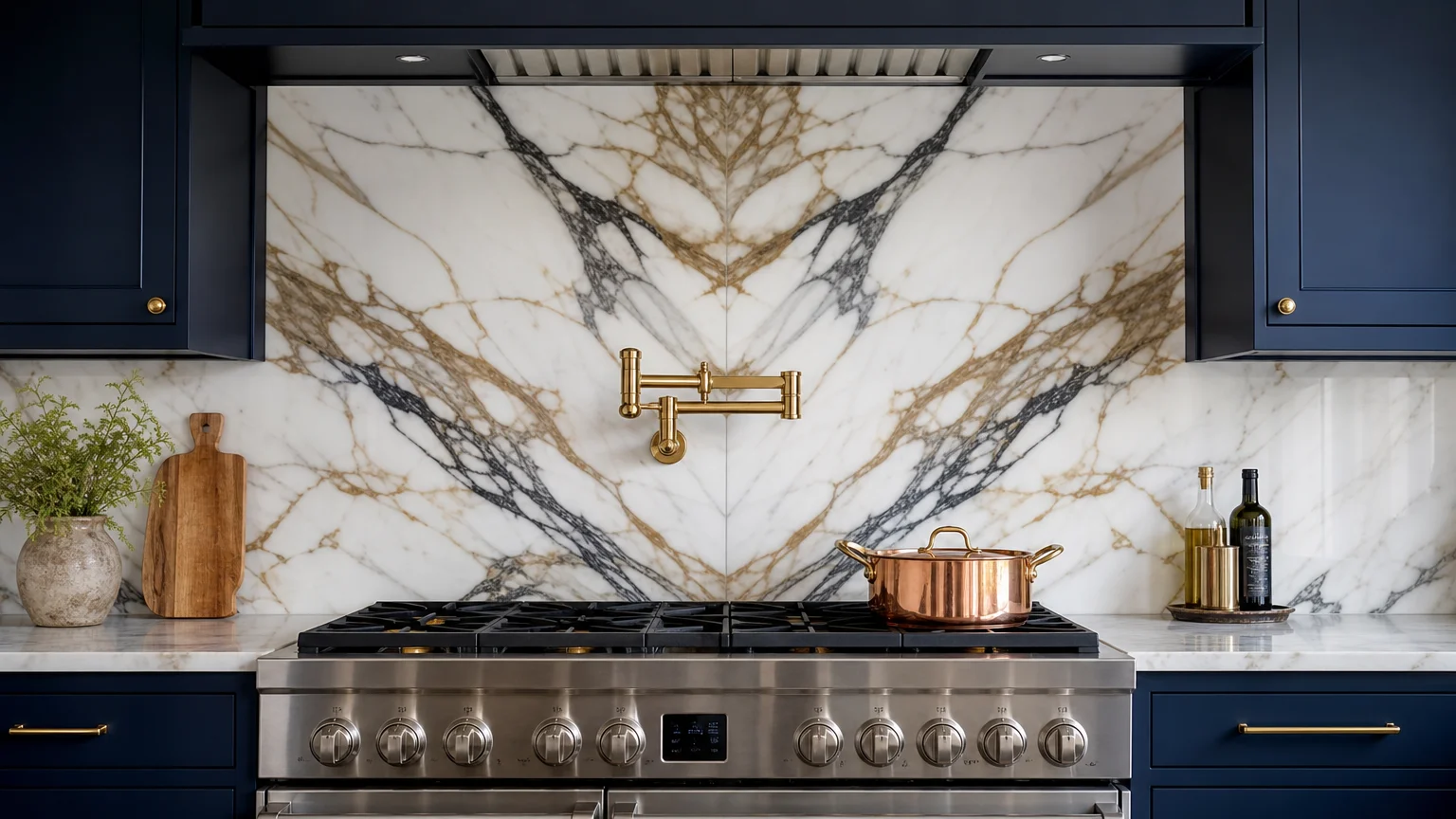
Trend #7: Bookmatched Natural Marble Slabs
At the absolute pinnacle of luxurious kitchen remodel concepts sits the bookmatched natural marble slab. This is not merely a protective wall covering; it is a monumental piece of fine art around which you build the rest of your kitchen decor. Discerning homeowners and elite designers select dramatic stones with heavy, contrasting veining to serve as the ultimate focal point.
Bookmatching requires slicing a massive block of raw marble into sequential slabs, much like a loaf of bread. When designers polish and position two adjoining slabs side-by-side, they open them like the pages of a book. The intricate veining mirrors itself perfectly across the seam, creating stunning, symmetrical geometric patterns. Exceptional stones like Calacatta Gold, Arabescato Corchia, and the deeply saturated Calacatta Viola offer the boldest, most captivating canvases for this technique.
Committing to a natural marble backsplash requires an understanding of the material’s inherent characteristics. Marble is porous and contains calcium carbonate, making it highly susceptible to etching from acidic liquids like lemon juice and vinegar. You must apply a high-quality, penetrating sealer regularly to protect the stone. However, for those who appreciate the genuine article, the inevitable patina only adds to the stone’s historic, lived-in charm. A bookmatched marble backsplash stands as a bold declaration of uncompromising taste and opulent living.
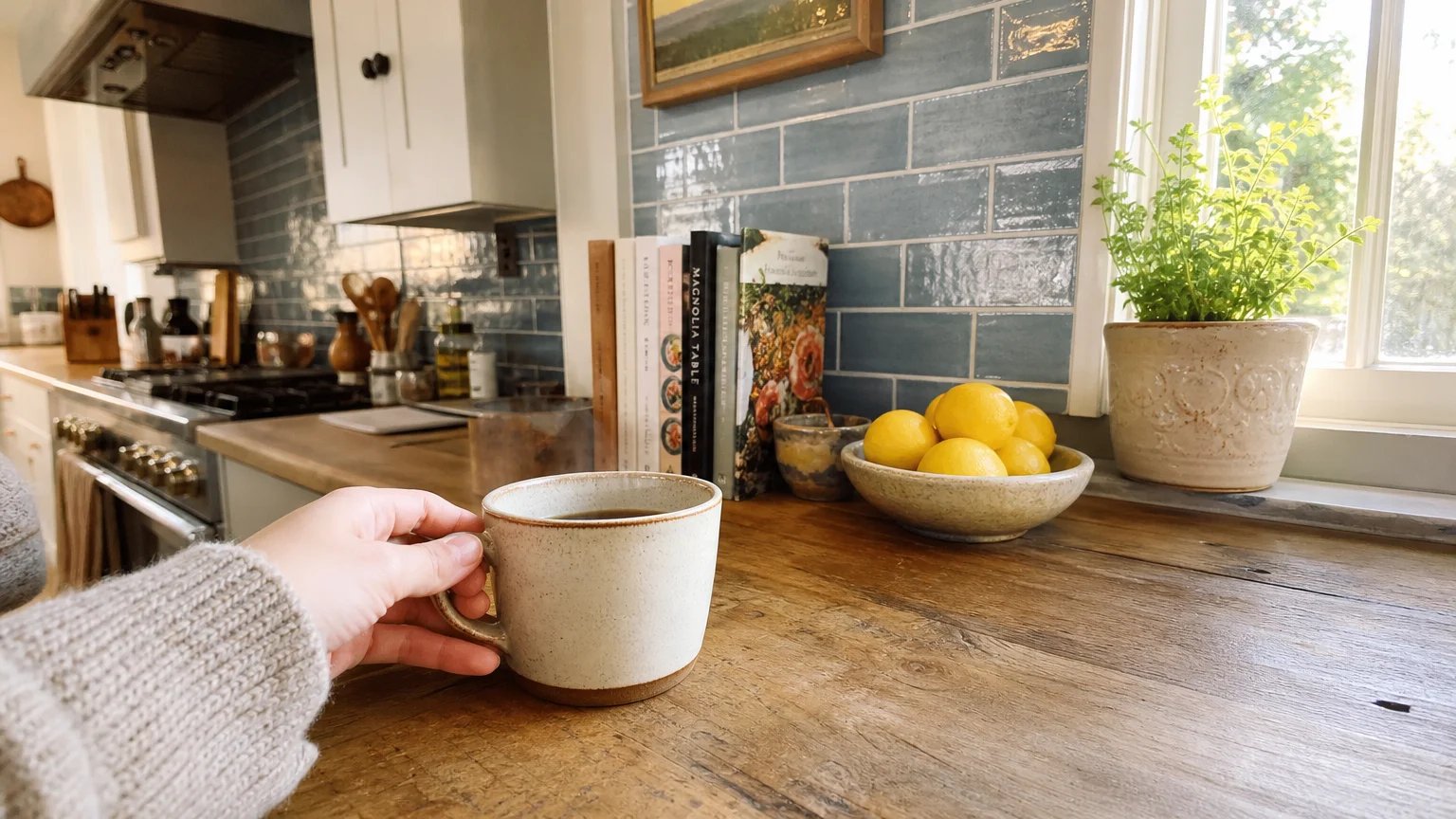
The Big Picture: Weaving These Trends into Your Home
Selecting the ideal backsplash requires balancing your immediate aesthetic desires with the long-term functionality of your culinary space. You must evaluate the architectural bones of your home, your daily cooking habits, and the existing elements within the room. A successful kitchen remodel does not involve blindly copying a trend; it involves adapting that trend to fit your specific lifestyle.
Always order physical samples before committing to a material. Observe how the textures and colors behave under your specific lighting conditions throughout the day. A dark, antiqued mirror might look incredibly chic in a brightly lit showroom but could render a windowless kitchen feeling distinctly cavernous. Similarly, verify that the undertones of your chosen tile harmonize beautifully with your cabinetry finish and countertop material.
Embrace the rule of hierarchy in your interior design. If you select a loud, heavily veined bookmatched marble for your backsplash, pair it with quiet, solid-color countertops to avoid visual chaos. Conversely, if you feature a boldly patterned granite on your island, opt for a subtle, textured Zellige or a monochromatic subway tile layout on the walls. By strategically managing visual weight, you ensure your newly designed kitchen remains both remarkably stylish and timelessly inviting.
Frequently Asked Questions
How do I mix a bold backsplash trend with patterned countertops?
You achieve harmony by establishing a clear visual hierarchy. Interior design principles dictate that a room should have only one dominant focal point. If you install a heavily veined marble countertop, select a quiet, monochromatic backsplash, such as a vertically stacked subway tile. If you choose a vibrant, biophilic ceramic tile for the wall, pair it with a subtle, solid-color quartz countertop. Forcing two bold patterns to compete inevitably makes the kitchen feel cramped and chaotic.
Do peel-and-stick backsplashes offer genuine longevity for a kitchen remodel?
Modern architectural vinyl provides excellent durability when applied correctly, lasting several years without peeling or fading. However, it remains a transitional home improvement solution rather than a permanent architectural feature. It serves beautifully for renters, budget-conscious updates, or as a stopgap measure while you save for a comprehensive renovation. For maximum longevity, you must degrease the underlying wall thoroughly before application and avoid installing the vinyl directly behind high-heat appliances without a protective backguard.
What role does lighting play in showcasing textured backsplash materials like Zellige?
Lighting completely dictates how textured materials behave visually. Flat, overhead lighting washes out the subtle undulations and natural imperfections of Zellige or Moroccan tiles. To highlight the artisanal texture, you must install under-cabinet lighting. Grazing light—where the light source runs closely parallel to the tile surface—casts delicate shadows across the dips and ridges, emphasizing the material’s handmade provenance and organic modern appeal.
Can I transition a slab backsplash into standard tile without looking disjointed?
Yes, you can successfully merge these two applications by using natural architectural breaks within the kitchen. Designers often run a seamless quartz or marble slab exclusively behind the range up to the ceiling, treating it as a primary feature wall. They then transition to a complementary, budget-friendly tile, such as a glazed ceramic, under the surrounding upper cabinets. To keep the look cohesive, ensure the tile shares a distinct color undertone with the statement slab.
For the latest color forecasts, consult industry leaders like Pantone and paint companies like Benjamin Moore. For professional design standards, refer to the American Society of Interior Designers (ASID).
Disclaimer: This article reflects design trend analysis and predictions. Personal taste and timeless design principles should always guide your decorating choices.
