

Flat latex paint no longer satisfies the growing appetite for depth, texture, and architectural narrative in luxury residential interiors. Transforming a standard focal point requires structural depth, tactile finishes, and sophisticated alternatives to paint accent wall applications that command visual authority. Today’s top interior designers look beyond simple color block accents; they leverage high-end millwork, bespoke textiles, dramatic stone surfaces, and dimensional installations to create captivating spaces. By incorporating rich materials like warm timber slats, hand-painted murals, and tactile Venetian plaster, you can elevate your room’s dynamic proportions while reflecting a refined aesthetic. These ten cutting-edge statement wall decorating ideas will help you craft spaces grounded in tactile beauty, bespoke elegance, and enduring visual appeal.
Trend #1: Fluted Wood Panels and Architectural Slat Walls
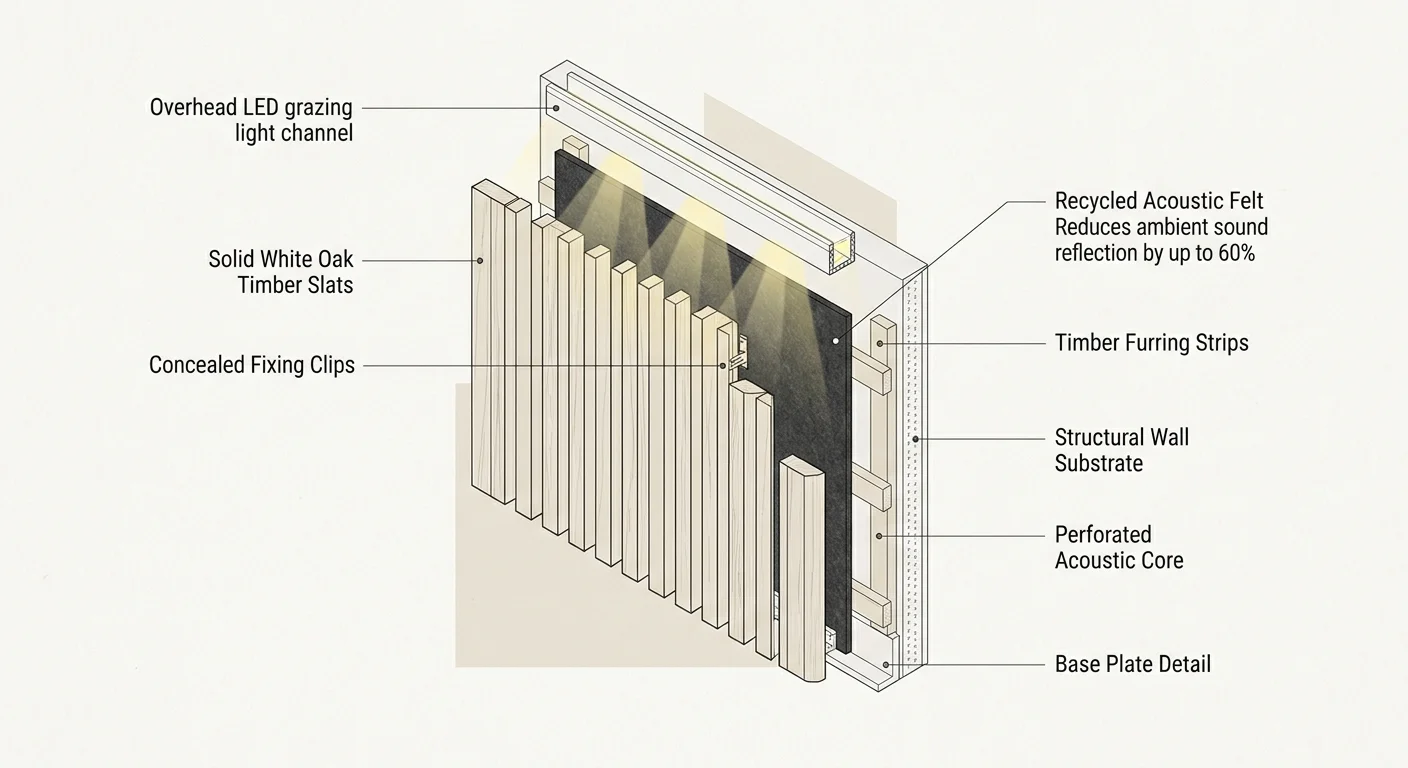
When searching for impactful wood accent wall ideas, fluted panels and timber slat systems offer far more architectural precision than old-fashioned shiplap. Modern wood paneling utilizes continuous vertical slats of solid white oak, black walnut, or thermally modified ash mounted against a dark acoustic backing. This linear structure draws the eye upward, immediately expanding the perceived height of your room while infusing the space with organic warmth.
Beyond visual drama, architectural slat walls deliver remarkable functional benefits. Acoustic paneling tests demonstrate that backing wood slats with recycled acoustic felt reduces ambient sound reflection by up to 60%; this feature makes it an ideal addition for open-concept living areas and high-ceiling media rooms. To maximize this design, run your wood slats continuously from baseboard to ceiling and install warm, concealed LED grazing lights overhead. The downward light highlights the deep relief of the timber channels, casting soft ambient shadows across the natural wood grain throughout the day.
———
Trend #2: Floor-to-Ceiling Picture Frame Molding and Grid Millwork
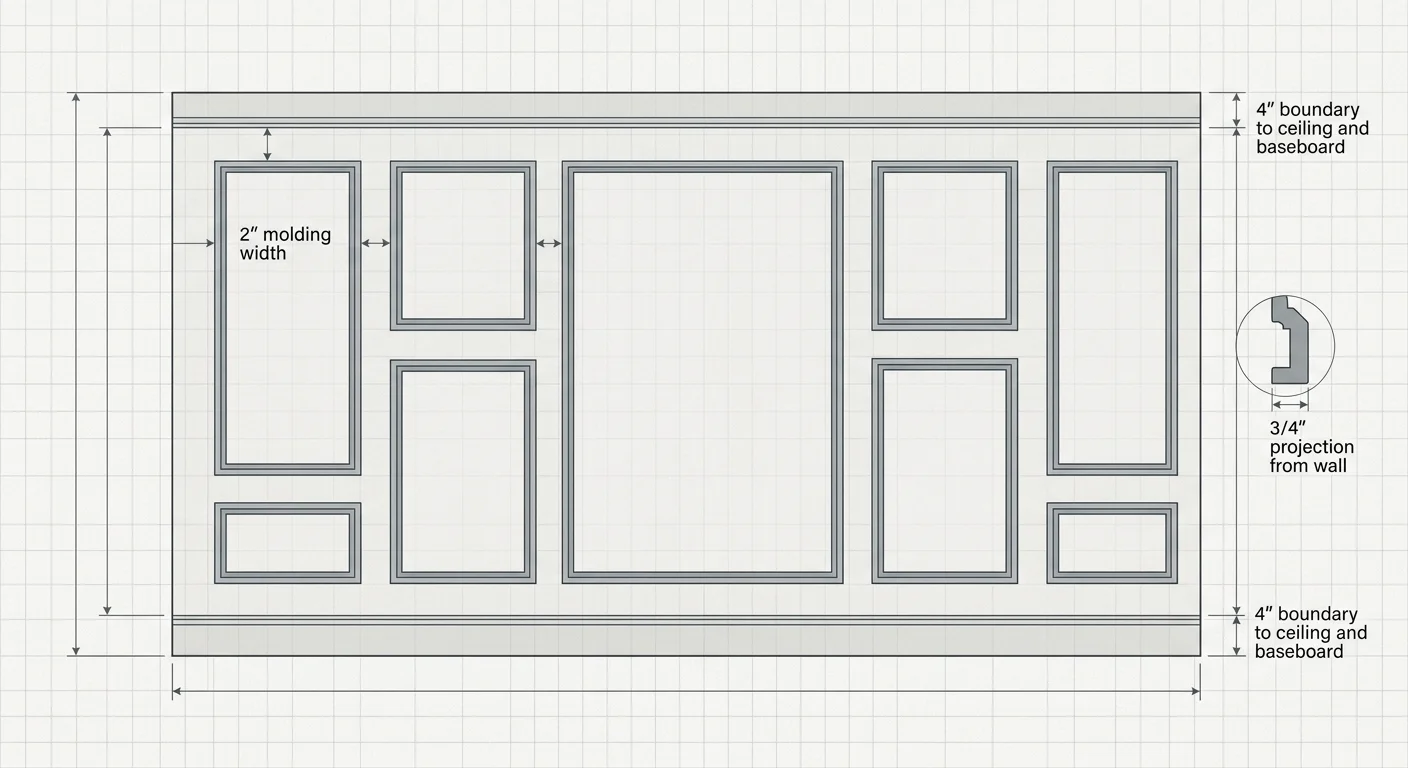
Floor-to-ceiling picture frame molding captures the essence of quiet luxury by using structural shadow play rather than bold colors to command attention. Instead of relying on painted contrast, applied architectural millwork transforms flat drywall into a sculpted canvas. Designers configure tall rectangular frames with refined two-inch moldings, maintaining a disciplined four-inch boundary along ceiling crowns, door casings, and floor baseboards.
Applying a single continuous color across the wall, trim, and baseboards in a soft matte finish produces a sophisticated monochromatic backdrop. The applied molding projects forward by three-quarters of an inch, creating delicate shadow lines that evolve as natural sunlight moves across your room. This classical technique adds historical grandeur to new construction, framing fine art beautifully or serving as a standalone sculptural feature that feels grounded, intentional, and timeless.
———
Trend #3: Mineral Lime Wash and Troweled Venetian Plaster
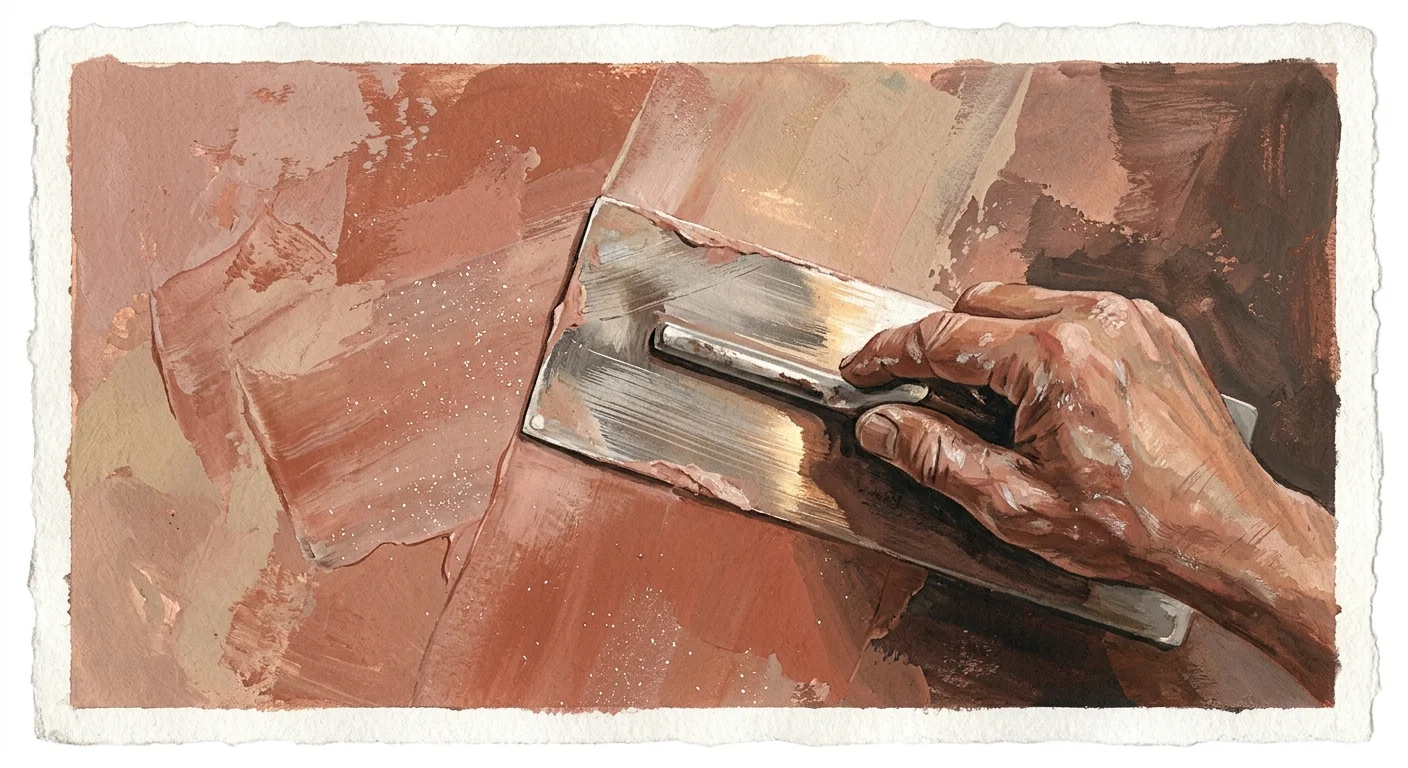
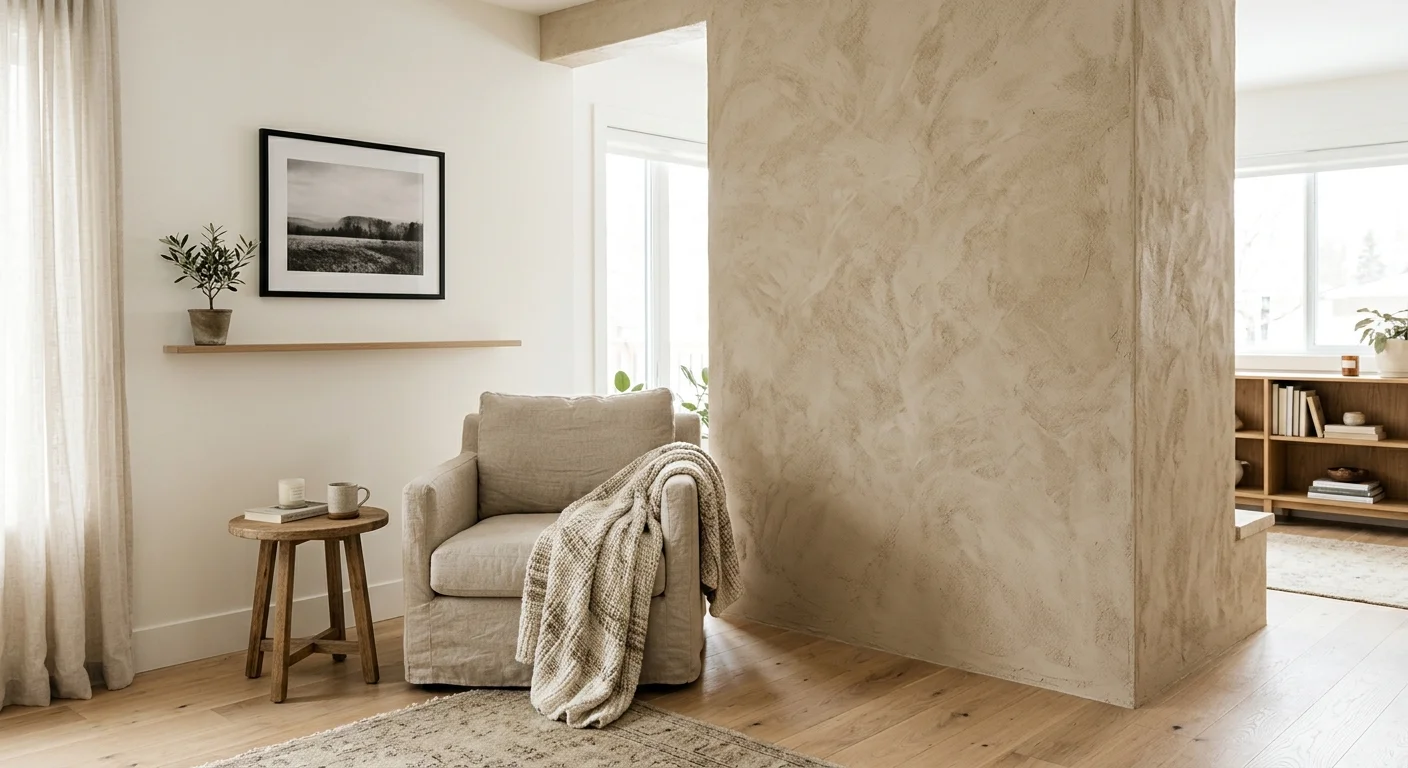
Tactile mineral finishes like authentic Venetian plaster and slaked lime washes introduce multi-dimensional depth that standard paint formulas cannot imitate. Craftspeople formulate Venetian plaster from slaked lime, crushed marble dust, and natural mineral pigments, applying multiple thin layers by hand with a stainless steel trowel. The curing process allows microscopic calcite crystals within the mixture to align, creating a low-sheen finish that catches natural light like natural stone.
Lime-based applications suit warm taupes, quiet greys, and earthy terracotta color palettes exceptionally well. Beyond its exquisite visual texture, troweled plaster is inherently breathable and naturally antimicrobial, making it a healthy, low-VOC choice for primary bedrooms and formal dining areas. Pairing a Venetian plaster feature wall with wide-plank hardwood floors and low-slung modern furniture imbues your home with artisanal provenance and quiet elegance.
———
Trend #4: Dimensional Upholstered Fabric Panels
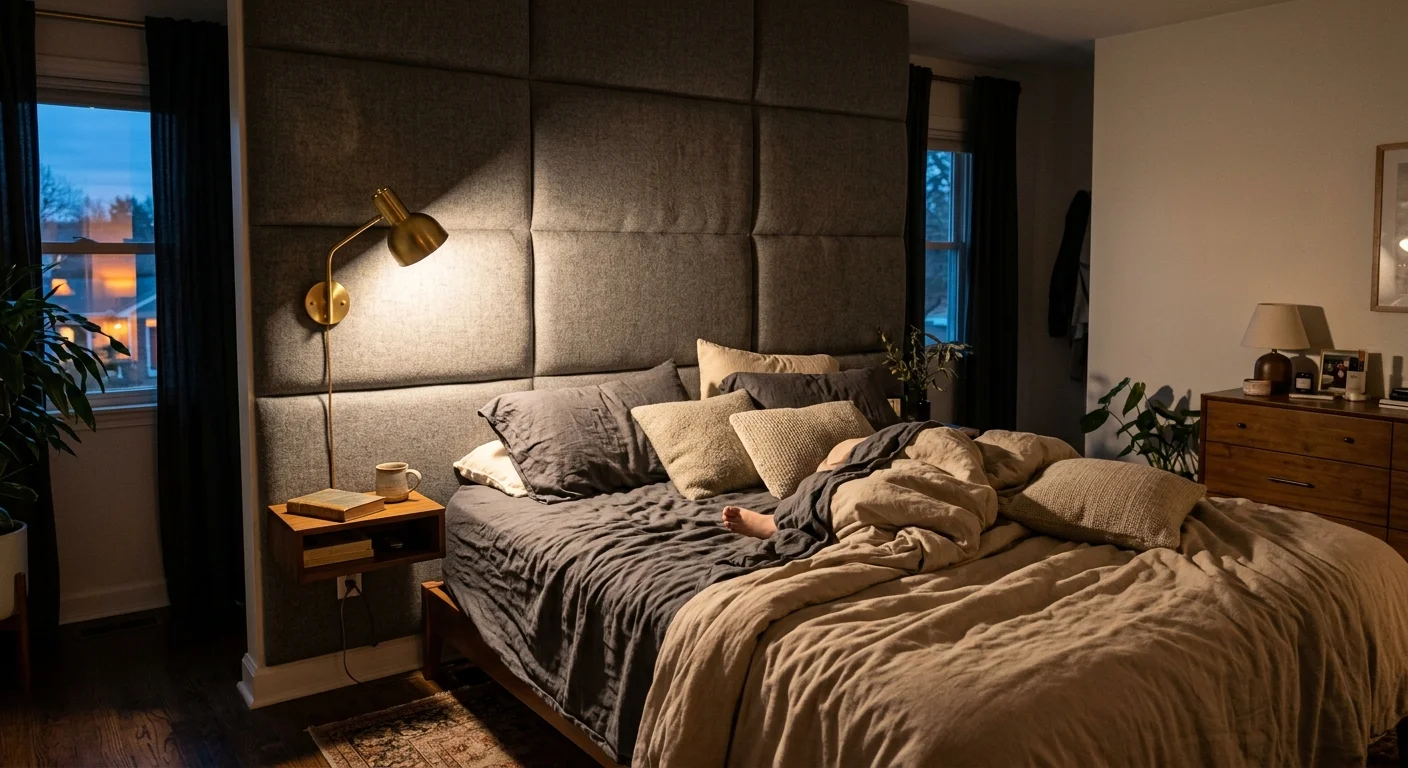
Upholstered wall panels bring soft minimalism, quiet luxury, and high-performance noise absorption into high-end residential interiors. Custom fabric-wrapped wall assemblies—utilizing textured bouclé, heavy Belgian linen, or deep mohair velvet—absorb unwanted echo and ambient chatter, turning master suites and home theaters into peaceful retreats. The padded fabric surface offers an inviting tactile contrast to hard tile or hardwood surfaces.
Designers construct these installations by wrapping high-density acoustic foam over medium-density fiberboard backing, securing the panels flush to the wall using hidden French cleat mounting systems. You can arrange panels in vertical channel sequences or large geometric grids to create a tailored focal point. Integrating upholstered panels behind a primary bed frame eliminates the need for a conventional headboard, seamlessly merging custom upholstery with interior architecture.
———
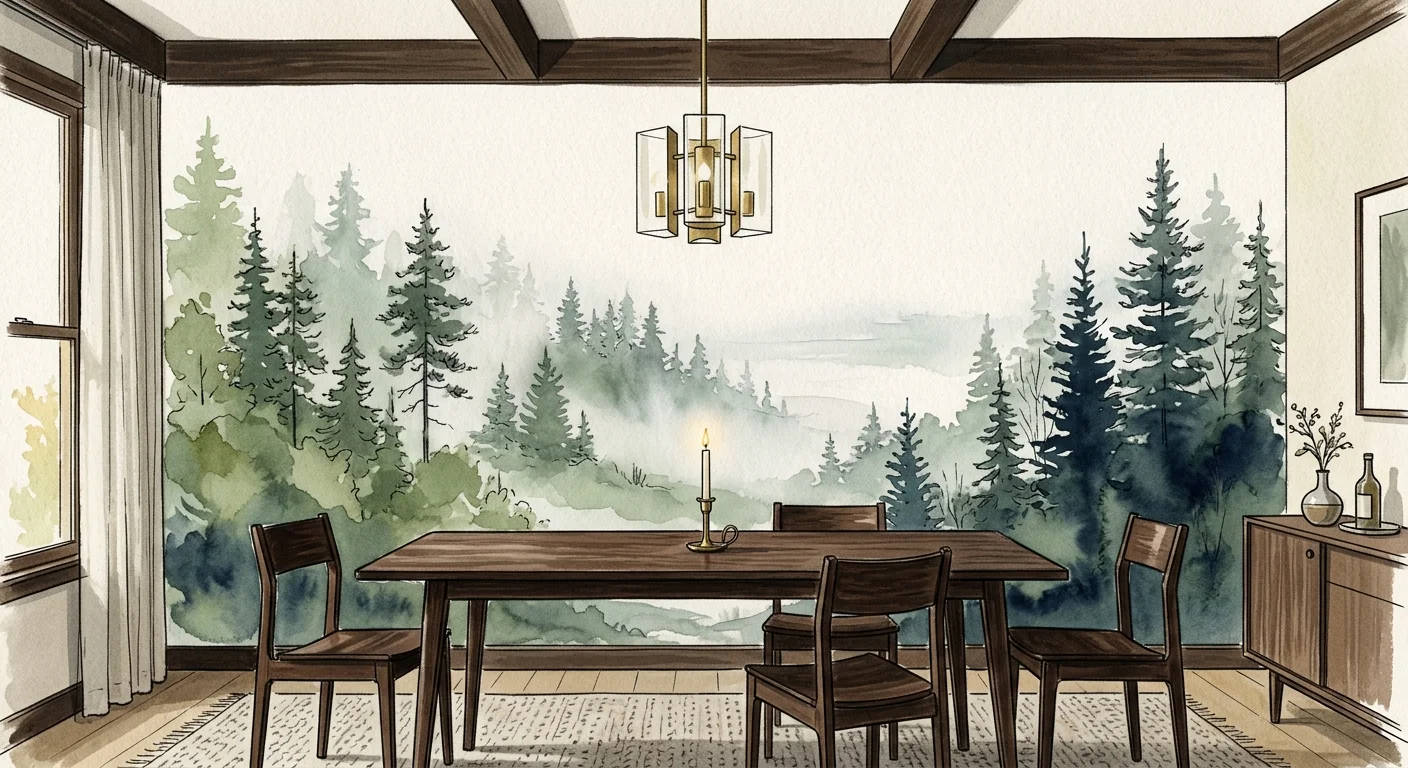
Trend #5: Hand-Painted Scenic Murals and Panoramic Wallpaper
Current wallpaper accent wall trends prioritize expansive, continuous panoramic murals over repetitive geometric motifs. Scenic wallpapers feature sweeping landscape vistas, atmospheric botanical studies, and intricate chinoiserie artwork that stretches uninterrupted across an entire wall. These large-scale art installations pull the gaze inward, creating an illusion of boundless spatial depth in dining rooms, entry foyers, and formal sitting rooms.
For an elevated aesthetic, select non-woven silk or textured grasscloth substrates that add micro-texture beneath the painted design. You can frame the outer edges of the panoramic mural with delicate wood trim, treating the wallpaper installation like a custom wall mural mounted inside architectural casing. Pairing these scenic art walls with sleek contemporary credenzas creates an intriguing visual dialogue between classic narrative art and modern design.
———
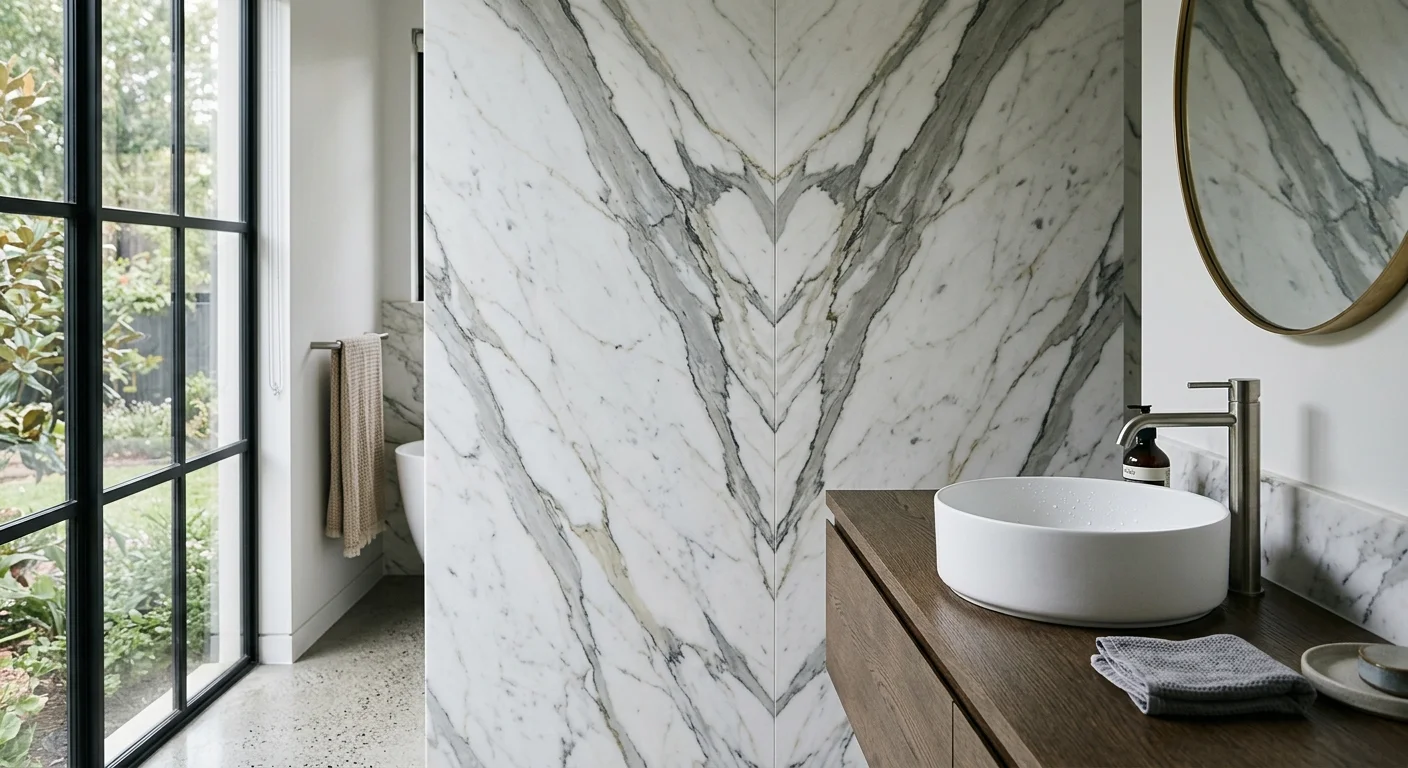
Trend #6: Book-Matched Stone Slabs and Fluted Travertine
Anchor your living space with the permanent, sculptural majesty of full-height stone slabs and micro-fluted travertine cladding. Natural stone brings an undeniable connection to nature and luxury, showcasing vivid veining in materials like silver travertine, Calacatta marble, or dramatic quartzite. Advanced fabrication technology now produces thin-cut stone veneers under three-quarters of an inch thick, enabling floor-to-ceiling installations without requiring costly structural floor reinforcement.
Book-matching two slab faces creates symmetrical, mirror-like veining patterns that instantly become the focal point of a room. Positioned behind a hearth or a floating living room credenza, natural stone offers an unshakeable sense of longevity. Directing low-voltage perimeter lighting down the face of fluted travertine highlights its natural voids and mineral striations, celebrating raw geological beauty inside your home.
———
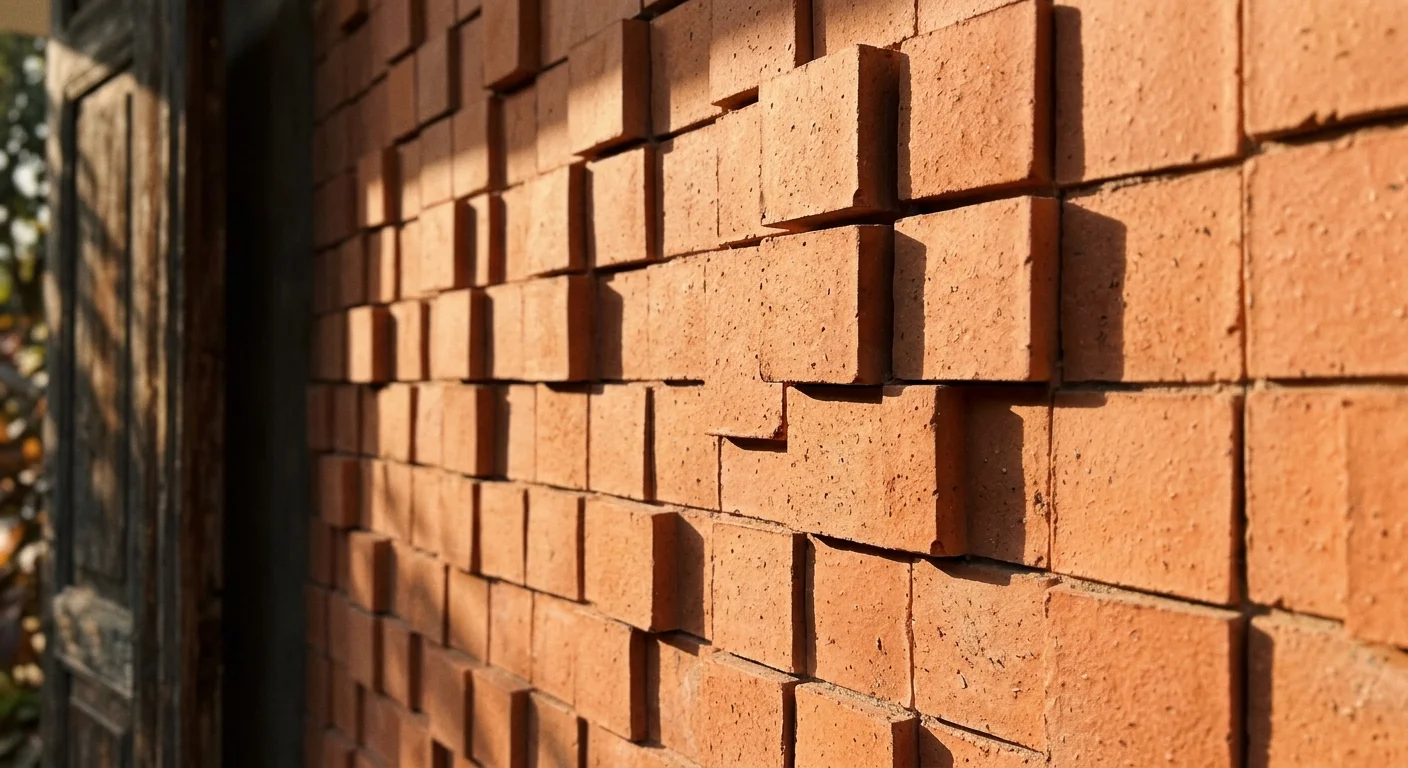
Trend #7: Dimensional Ceramic and Terracotta Tile Panels
Extending tactile ceramic and hand-formed terracotta tiles beyond kitchens and bathrooms yields unexpected statement wall decorating ideas for main living spaces. Hand-crafted Moroccan zellige tiles, three-dimensional geometric ceramics, and unglazed terracotta tiles feature organic variations in surface plane and glaze thickness. When ambient light strikes these subtle imperfections, it creates dynamic contrast across your wall surface.
Using minimal one-sixteenth-inch grout lines creates a unified, tapestry-like installation that resembles hand-sculpted art. Earthy clay, creamy alabaster, and muted forest green tiles harmonize beautifully with natural timber furnishings and brushed brass accents. This tile approach stands up to heavy daily wear while infusing living areas with warmth, texture, and permanent artisanal character.
———
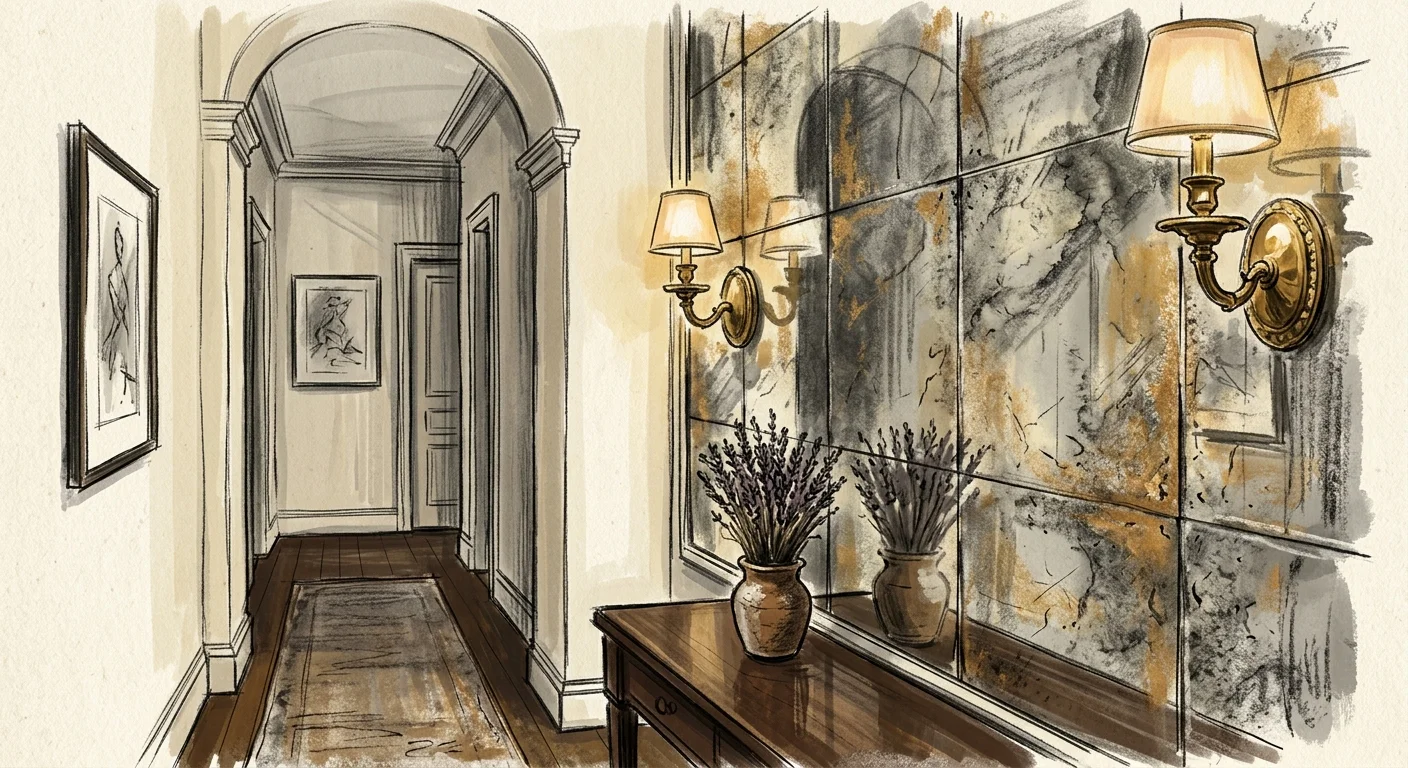
Trend #8: Tinted Mirror and Foxed Antique Glass Framing
Bronze-tinted mirror panels and foxed antique glass offer a sophisticated way to amplify indoor light and expand spatial boundaries without harsh glare. Modern reflective walls use distressed silver leafing, acid-etched patinas, and warm bronze or smoked grey tints to diffuse light gently across room layouts. Placing an antique mirrored wall opposite primary windows pulls exterior views and sunlight deep into floor plans.
Installing large glass sheets framed by narrow black iron or burnished brass grids creates the look of historic floor-to-ceiling iron windows. Distressed antique glass softens crisp reflections, providing an ambient backdrop for living rooms, formal dining areas, or dark stairwells. Accenting panel junctions with decorative brass rosettes gives the glass wall custom architectural detail and vintage allure.
———
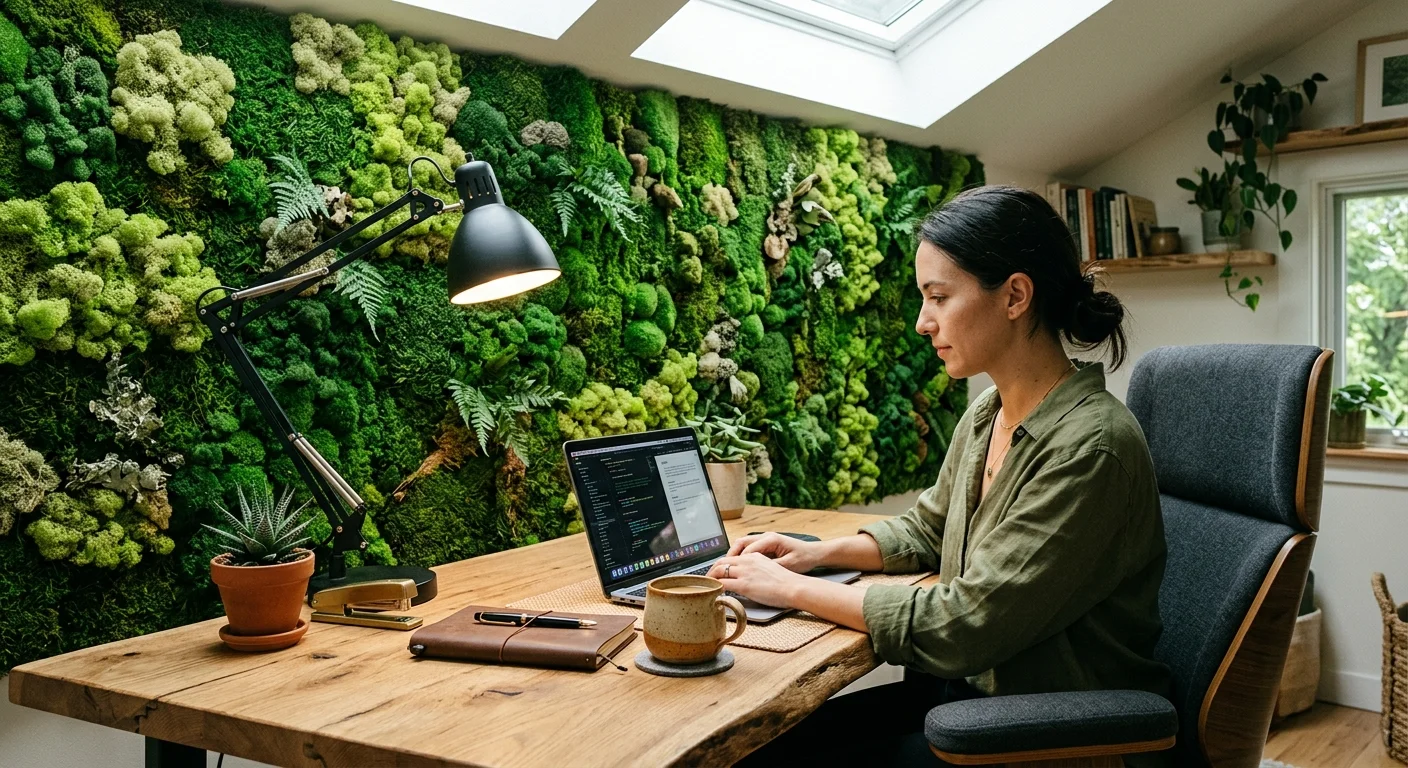
Trend #9: Preserved Moss Walls and Vertical Botanical Gardens
Integrating preserved moss installations brings biophilic design directly onto vertical interior surfaces without requiring complex plumbing or direct sunlight. Artisans craft these living walls using stabilized Scandinavian reindeer moss, sheet moss, and preserved ferns treated with natural plant glycerins. The resulting feature retains its rich green hue, soft texture, and fresh appearance for years without any watering or trimming.
Biophilic design studies indicate that incorporating natural botanical elements into interior spaces helps lower stress markers and improves daily focus. Framing a preserved moss installation within dark walnut or raw steel turns organic foliage into framed artwork. The high density of natural moss absorbs sound reverberation, making it a functional accent wall for entryways, home offices, and open dining rooms.
———
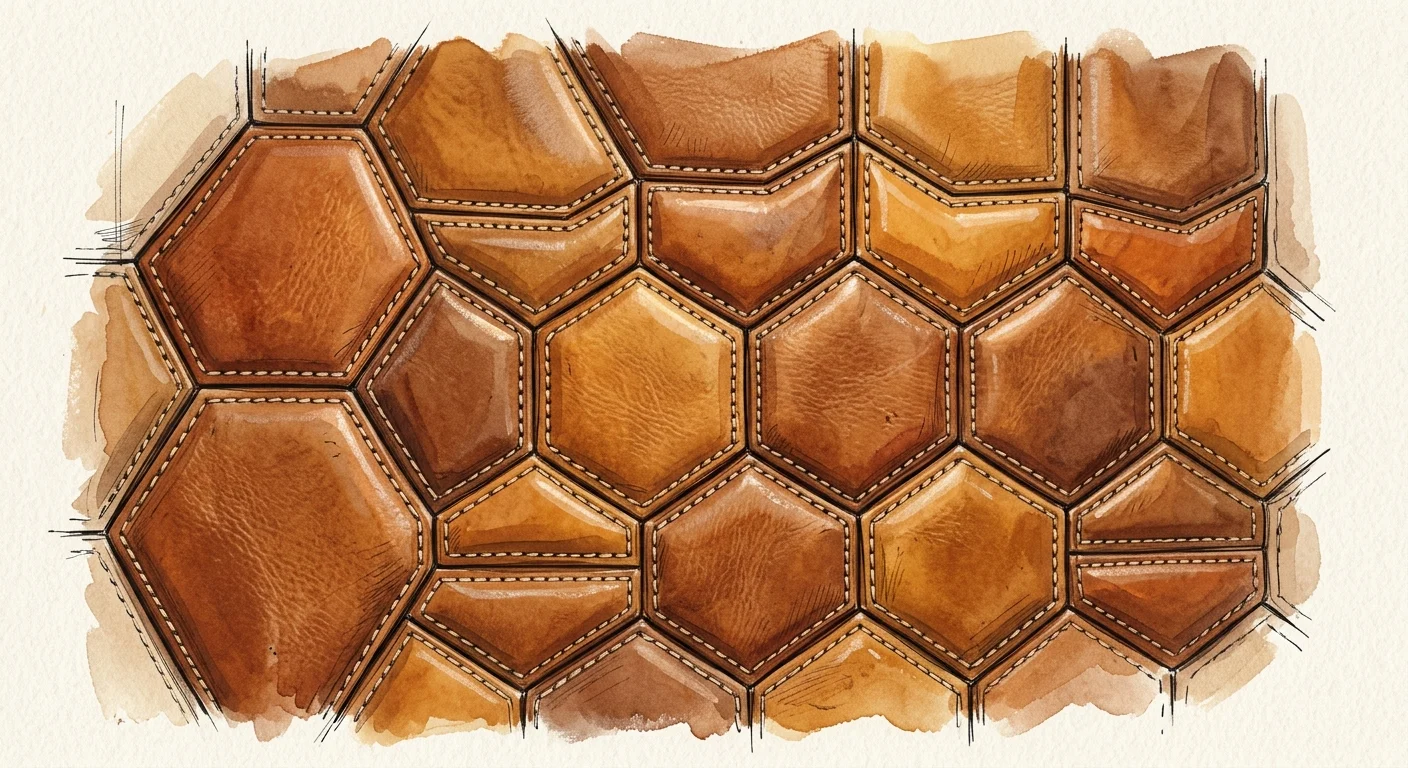
Trend #10: Stitched Leather Tiles and Tailored Suede Panels
Tailored leather tiles and suede panels introduce unmatched tactile luxury, warmth, and acoustic absorption to private residential spaces. Full-grain leather cladding develops a characterful natural patina over time, gaining beauty as it ages. Designers use deep cognac, warm espresso, olive green, and charcoal leather squares detailed with fine saddle stitching to add refined craftsmanship to interior walls.
These padded leather and suede panels deaden background noise and improve warmth, making them an ideal choice for executive home offices, private libraries, or intimate wine rooms. Pairing dark leather tiles with brushed brass inlay strips creates a sophisticated grid pattern that balances structural discipline with sensory comfort. The natural texture of leather offers a welcome alternative to smooth painted surfaces, anchoring your space in timeless elegance.
———
The Big Picture: Weaving These Trends into Your Home
Successfully integrating high-end structural accent walls requires balancing material weight, natural lighting, and surrounding finishes. A feature wall should complement your overall design layout rather than overpower it. When introducing bold textures like fluted wood paneling, raw stone slabs, or tactile Venetian plaster, maintain visual balance by keeping adjacent walls simple and monochromatic.
Lighting plays a critical role in bringing dimensional materials to life. Position ceiling-mounted grazing lights five to eight inches away from textured surfaces to cast soft, directional shadows that highlight subtle material details. Ensure your flooring material grounds the wall feature; warm oak floors suit biophilic moss or slaked lime finishes, while polished terrazzo and stone complement dramatic millwork or antiqued glass installations.
Focusing on high-quality materials and thoughtful proportions ensures your statement wall remains a timeless architectural feature rather than a passing fad. Selecting authentic materials with genuine tactile appeal allows you to design a living space that feels curated, balanced, and deeply personal.
For the latest color forecasts, consult industry leaders like Pantone and paint companies like Benjamin Moore. For professional design standards, refer to the American Society of Interior Designers (ASID).
Disclaimer: This article reflects design trend analysis and predictions. Personal taste and timeless design principles should always guide your decorating choices.
———
Frequently Asked Questions
How do non-paint accent walls impact home resale value compared to painted walls?
High-quality architectural accent walls—such as custom wood millwork, natural stone veneers, and troweled Venetian plaster—generally enhance perceived home value by adding permanent craftsmanship and structural character. Unlike bold painted walls that future buyers may need to repaint immediately, well-executed millwork and natural stone features function as built-in luxury upgrades that set properties apart in competitive real estate markets.
What is the best way to light a highly textured feature wall?
To highlight textured surfaces like fluted wood, split-face stone, or dimensional ceramic tile, use directional grazing light. Position dimmable 2700K to 3000K LED strip lights or recessed spotlights close to the wall surface at a steep downward angle. This grazing illumination emphasizes texture and casts soft shadows down the wall, enhancing depth without creating harsh glare.
Can you install heavy materials like tile or stone veneer over standard drywall?
Lightweight options such as thin-cut stone veneers under three-quarters of an inch thick and standard ceramic tiles can be safely installed over standard drywall using appropriate thin-set mortars or high-grade construction adhesives. However, for full-depth stone slabs or heavy tile panels, contractors install cement backerboard anchored directly into wall studs to ensure long-term structural integrity.
Are fabric and leather accent walls difficult to maintain over time?
Modern upholstered fabric and leather wall panels require minimal upkeep when maintained properly. Periodic gentle vacuuming with a soft brush attachment removes surface dust from bouclé or velvet panels. Treat leather wall tiles with high-grade leather conditioners once a year to keep the material supple and prevent drying or cracking from climate control systems.
