

Transforming a cold, echoing space into an inviting sanctuary requires more than just ambient lighting and plush throw pillows—it demands a grounded foundation. Grounding your interior design with tactile floor coverings instantly shifts the energy of your home, converting hard surfaces into soft, welcoming havens. In this comprehensive design report, we explore seven elevated cozy rug ideas that redefine interior warmth through rich color theory, innovative material selection, and sculptural craftsmanship. Whether you want to revitalize your main living room rug ideas or curate a serene bedroom retreat, discovering the best rugs for cozy home aesthetic transforms both visual weight and acoustic comfort.
Trend #1: Tactile High-Pile Plush and Modern Shearling
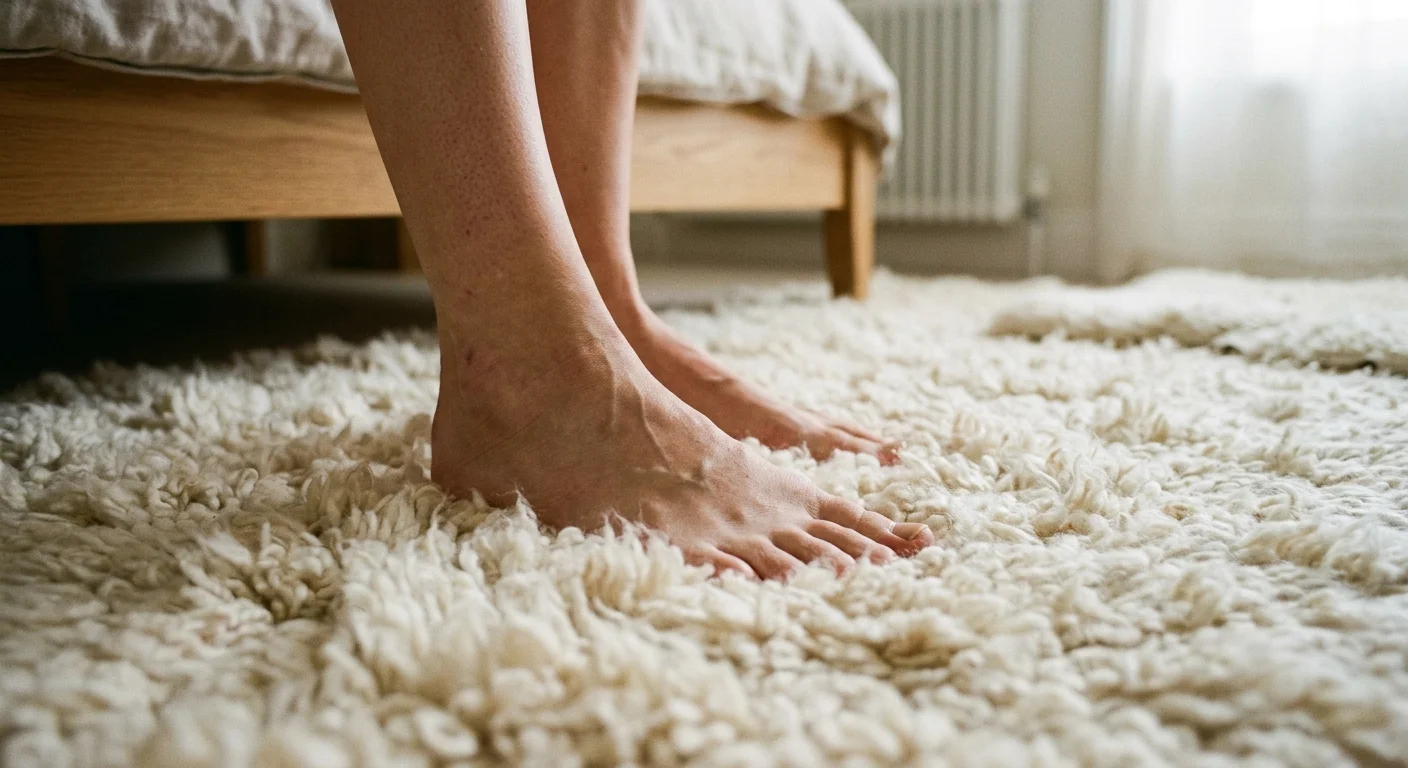
High-pile plush weaves and modern shearling surfaces represent the pinnacle of tactile comfort in contemporary interior design. Rather than relying on the uniform shags of past decades, current elevated iterations pair hand-tufted wool with varied loop heights, creating dynamic, cloud-like terrain beneath your feet. Design studios increasingly specify micro-shag and dense Mongolian fleece textures to absorb ambient airborne noise—improving sound attenuation by up to thirty percent in hard-surface living areas. This acoustic absorption creates a quiet, intimate sanctuary within busy modern households.
When exploring cozy area rug ideas within this trend, focus on organic off-white tones such as alabaster, warm cream, and light oatmeal. These gentle shades allow natural light to play softly across shifting textures without creating visual harshness. To maximize the longevity of high-pile shearling, place these luxurious textiles in low-traffic zones like bedrooms, reading nooks, or primary sitting areas. Maintain their lofty texture by utilizing a suction-only vacuum attachment; beaters can fray delicate fibers and compromise the signature cloud-like feel over time.
Trend #2: Terracotta, Amber, and Saturated Earth Palettes
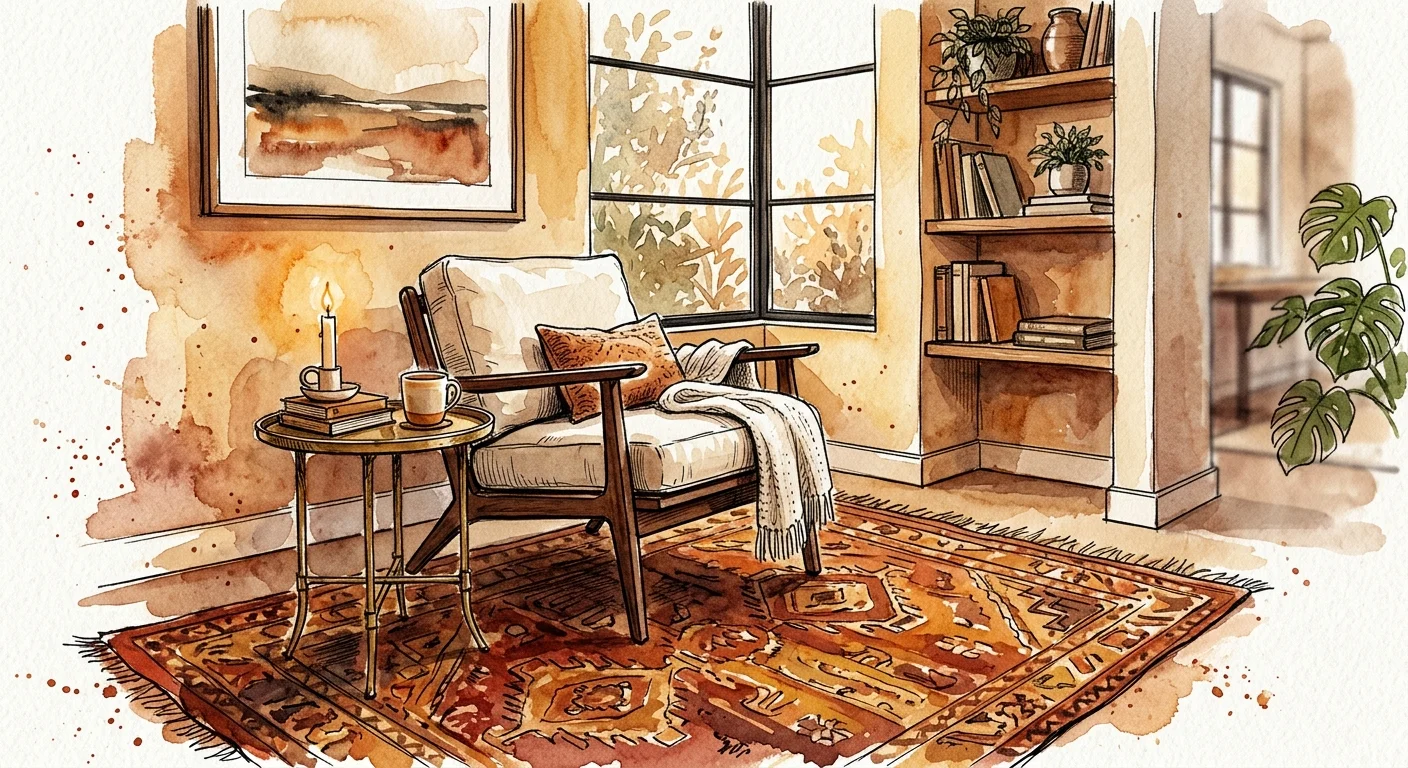
Color choices profoundly influence how warm a space feels, far beyond physical room temperature. The design world has moved away from the icy greys of previous years, embracing grounded, sun-baked pigments inspired by the natural landscape. Incorporating warm rug colors for living room arrangements—such as terracotta, rusty sienna, deep burnt orange, and golden amber—infuses instant visual heat into cold, neutral environments. These chromatic choices leverage low light reflectance values to draw the eye downward, anchoring seating groups into intimate conversation zones.
Pair these rich earth-toned floor coverings with dark walnut furniture, warm linen upholstery, and unlacquered brass accents to build a sophisticated color narrative. A rich terracotta base absorbs excess glare from floor-to-ceiling windows while casting a cozy, warm ambient glow throughout the room during twilight hours. If your room features cool-toned walls, introducing a warm amber carpet creates an inviting, balanced contrast that feels intentional, layered, and deeply comforting.
Trend #3: Layered Vintage Kilims over Natural Fiber Foundations
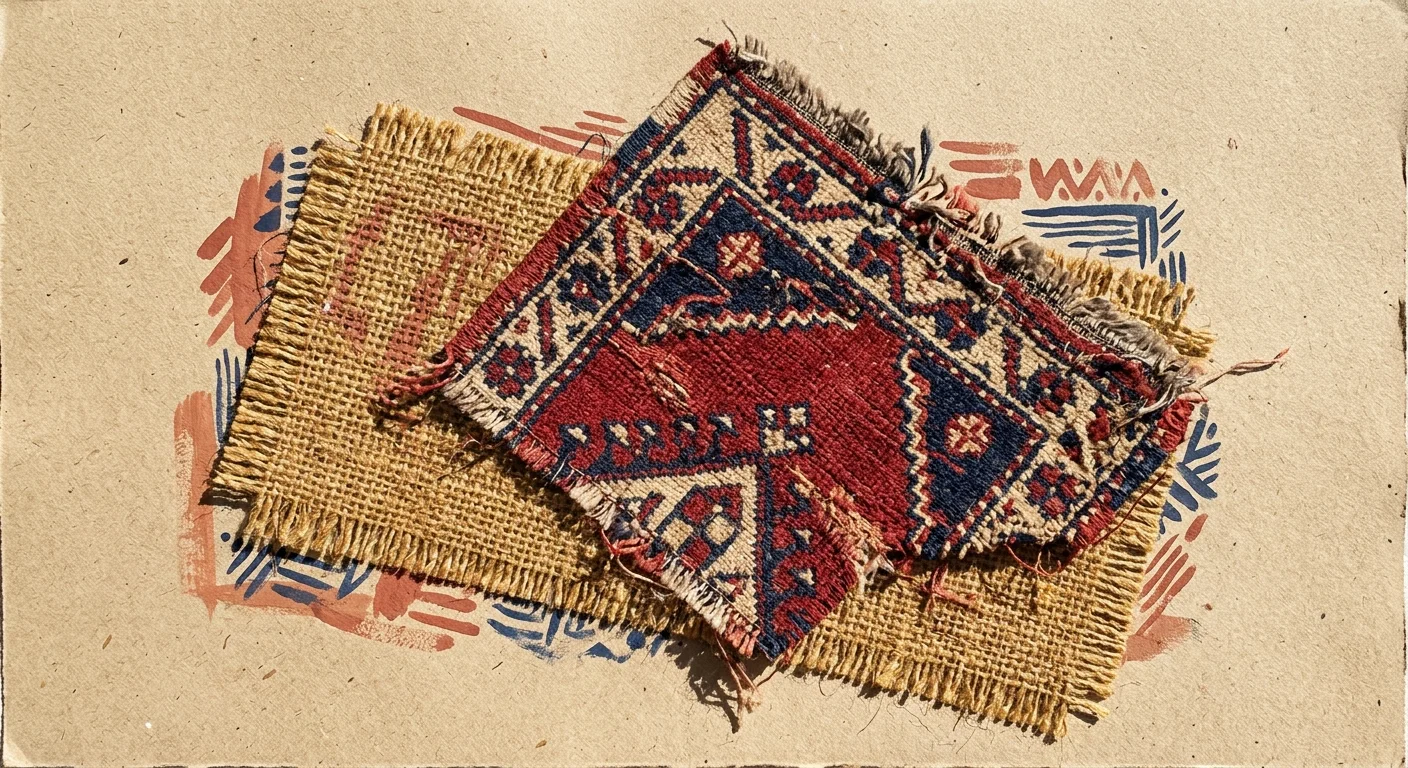
Layering textiles is an expert technique that introduces depth, history, and texture simultaneously. Start with an oversized neutral base—such as a broad-weave jute, flat-woven sisal, or dense natural wool carpet—to establish clean structural borders. Next, layer a smaller vintage Turkish Kilim or Persian flatweave over the center at a dynamic angle or perfectly aligned beneath your primary coffee table. This technique combines the structural grounding of a large natural fiber carpet with the rich provenance and artisan character of aged textiles.
Mastering these area rug decorating tips requires thoughtful attention to scale and proportion. Extend your foundation carpet eighteen to twenty-four inches beyond the main sofa footprint, ensuring all primary furniture legs rest comfortably on the weave. The top vintage layer should frame key focal points without overcrowding the lower base. This double-layered approach provides thick insulating barrier properties against chilly subfloors, substantially elevating thermal efficiency while introducing an eclectic, curated aesthetic.
Trend #4: Biophilic Botanical Motifs and Natural Organic Shapes
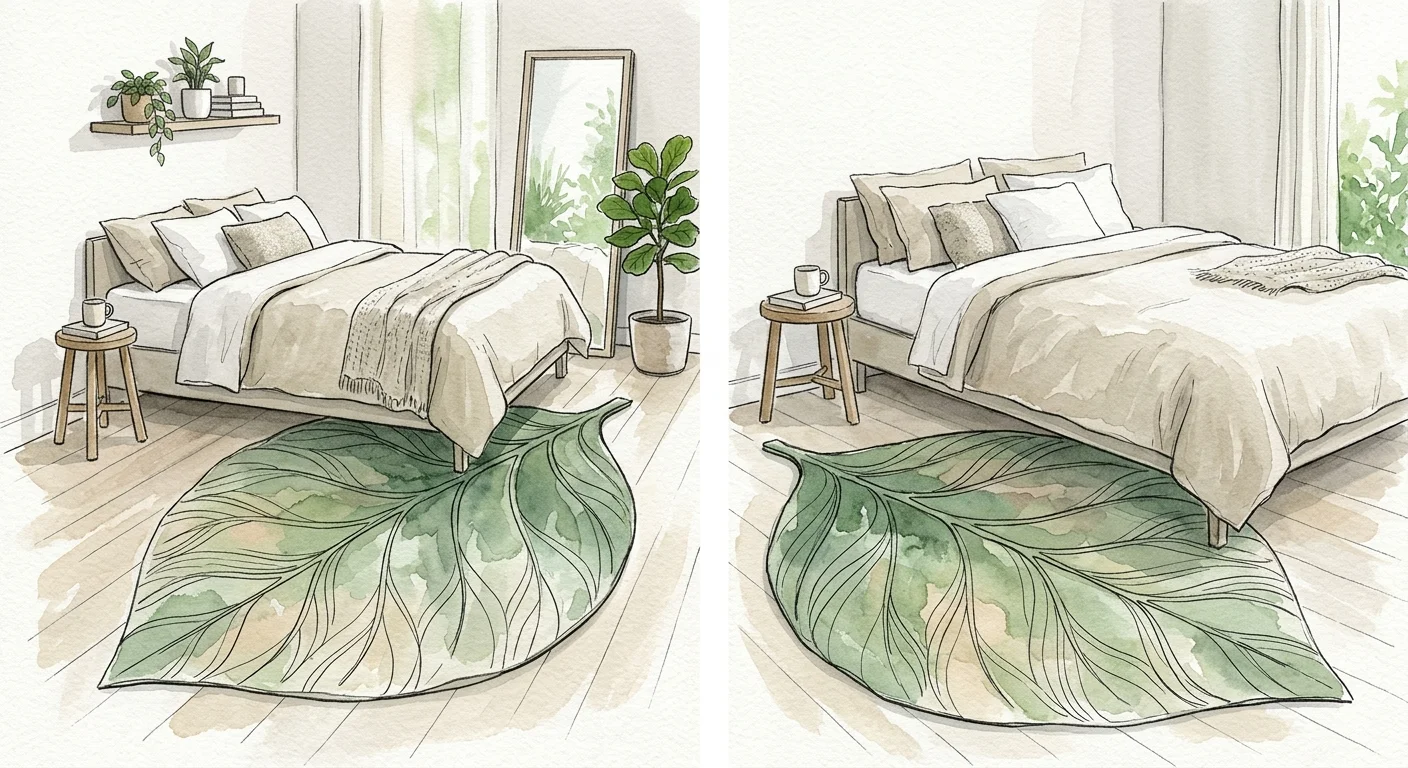
Biophilic design continues to revolutionize home interiors by strengthening our connection to nature through organic shapes and botanical patterns. Transitioning away from rigid rectangular geometries, top textile designers now sculpt rugs with undulating borders, free-form pebble outlines, and asymmetrical silhouettes. These soft edges break up the hard angles of modern architecture, instantly softening rooms with architectural rigidity or harsh modern lines.
Look for botanical weaves featuring sculpted cut-and-loop pile details that mimic mossy forest floors, soft river stones, or delicate branch structures. A palette of muted moss green, forest spruce, warm sage, and wet stone creates a soothing, restorative ambiance underfoot. By echoing natural organic motifs on the floor, you introduce an understated sensory serenity that lowers stress and enhances emotional comfort within living spaces.
Trend #5: Deep Jewel-Toned Modern Abstract Weaves
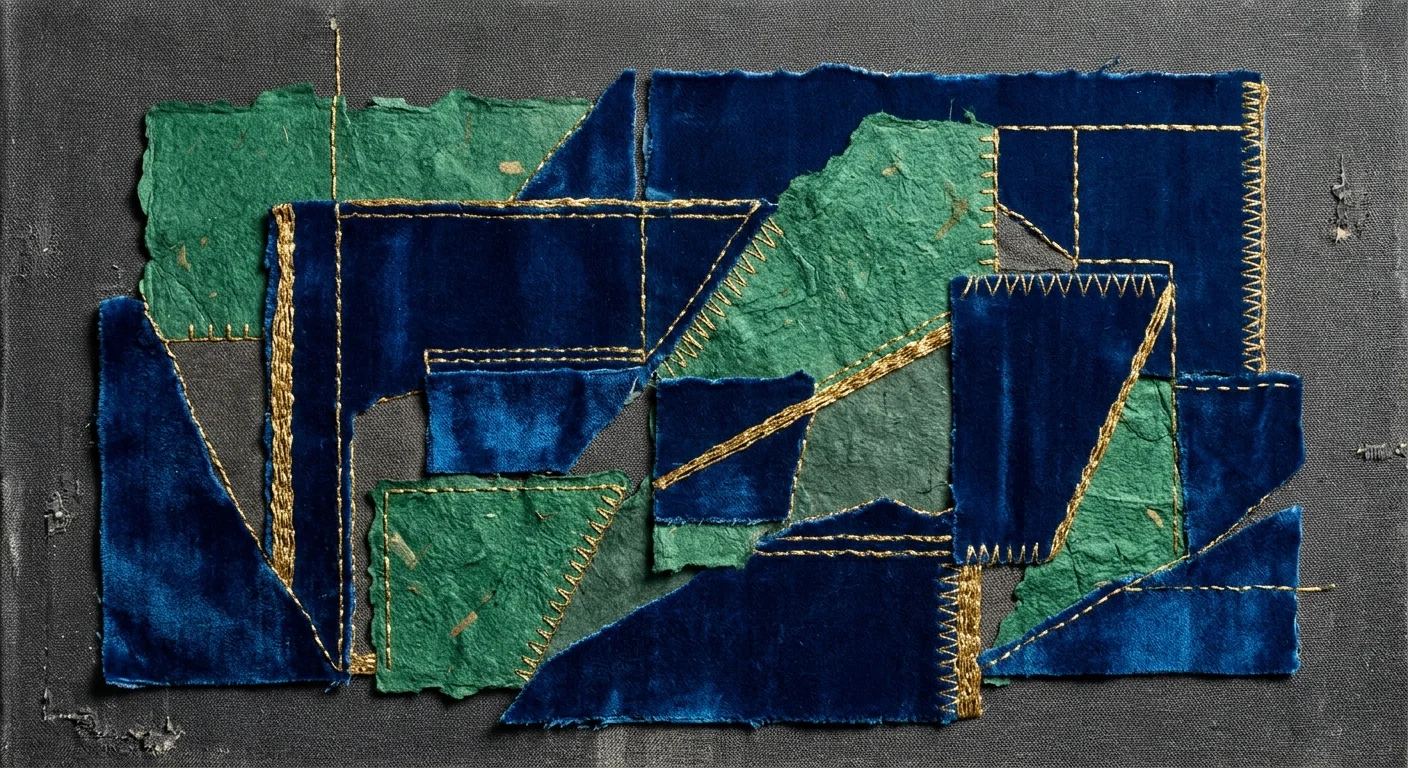
If you prefer dramatic, atmospheric interiors over quiet neutrals, deep jewel-toned abstract rugs offer a captivating path to cozy luxury. Rich hues like midnight sapphire, dark emerald, deep plum, and saturated crimson generate intense visual warmth through chromatic depth. Contemporary abstract patterns render these rich pigments in fluid, painterly brushstrokes, creating mesmerizing focal points beneath furniture groupings.
High-end artisans craft these statement pieces using luxurious wool-and-silk blends. The silk highlights capture ambient lamp light, casting a subtle, shimmering glow across the room as evening falls. Balance these bold jewel-toned rugs with dark wood paneling, rich velvet accent chairs, and layered low-level lighting. This sophisticated combination turns large, sprawling rooms into cozy, moody retreats perfect for evening relaxation.
Trend #6: Raw Un-Dyed Wool and Authentic Hand-Spun Craftsmanship
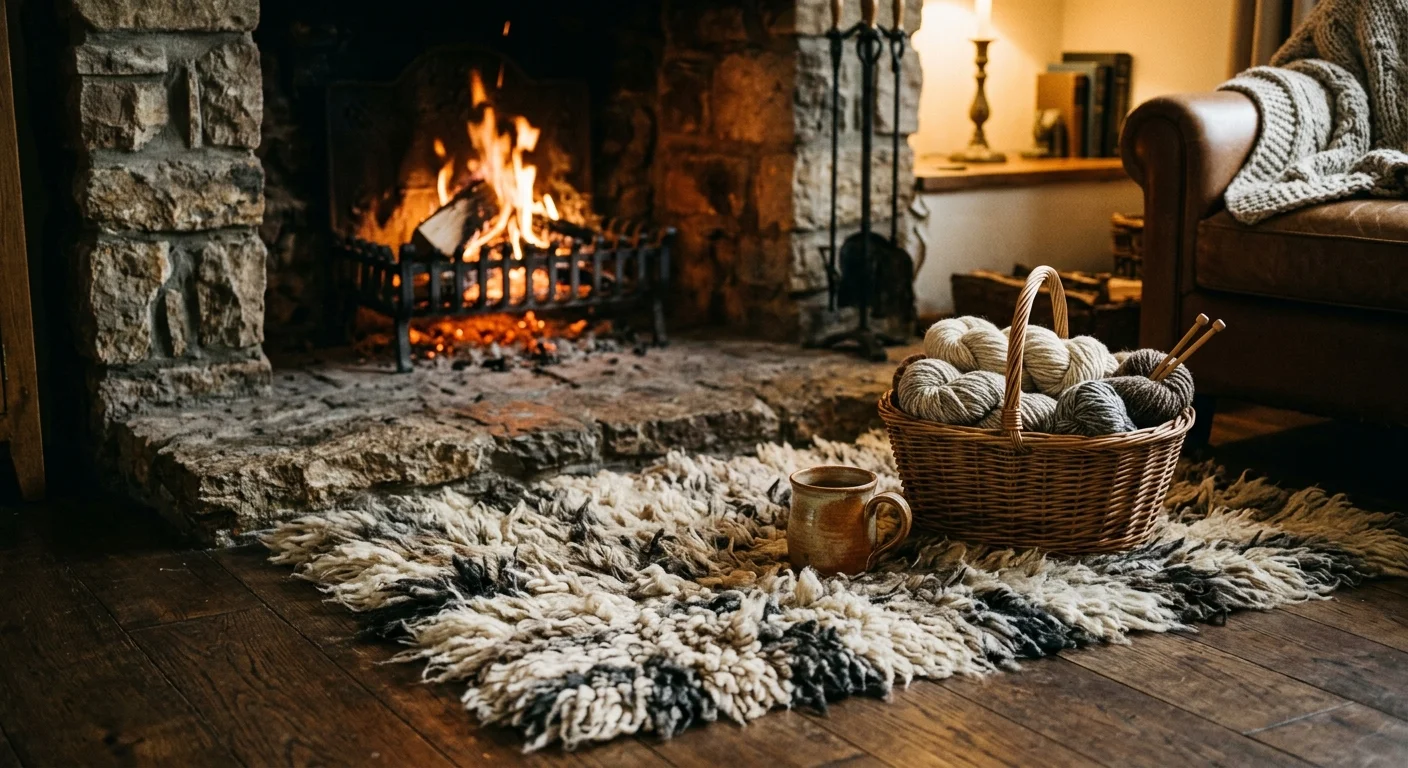
The growing preference for quiet luxury has elevated raw, un-dyed wool carpets into essential elements of cozy modern decor. Celebrating natural, unadulterated fiber variations, these rugs feature flecks of charcoal, taupe, deep fawn, and creamy ivory direct from raw fleece. The result is an authentic, understated elegance that highlights the intrinsic beauty of hand-spun craftsmanship.
Un-dyed wool ranks among the best rugs for cozy home environments due to its exceptional performance benefits. Natural wool fibers retain inherent lanolin coatings, offering superior stain resistance and exceptional resiliency against heavy foot traffic. Furthermore, natural wool acts as an outstanding acoustic and thermal insulator, trapping warm air within its fibers to reduce heating costs. Choosing hand-knotted Berber loops or thick hand-spun weaves brings a tactile, grounded warmth to minimal and transitional interiors alike.
Trend #7: Micro-Grid Geometrics and Warm Architectural Minimalism
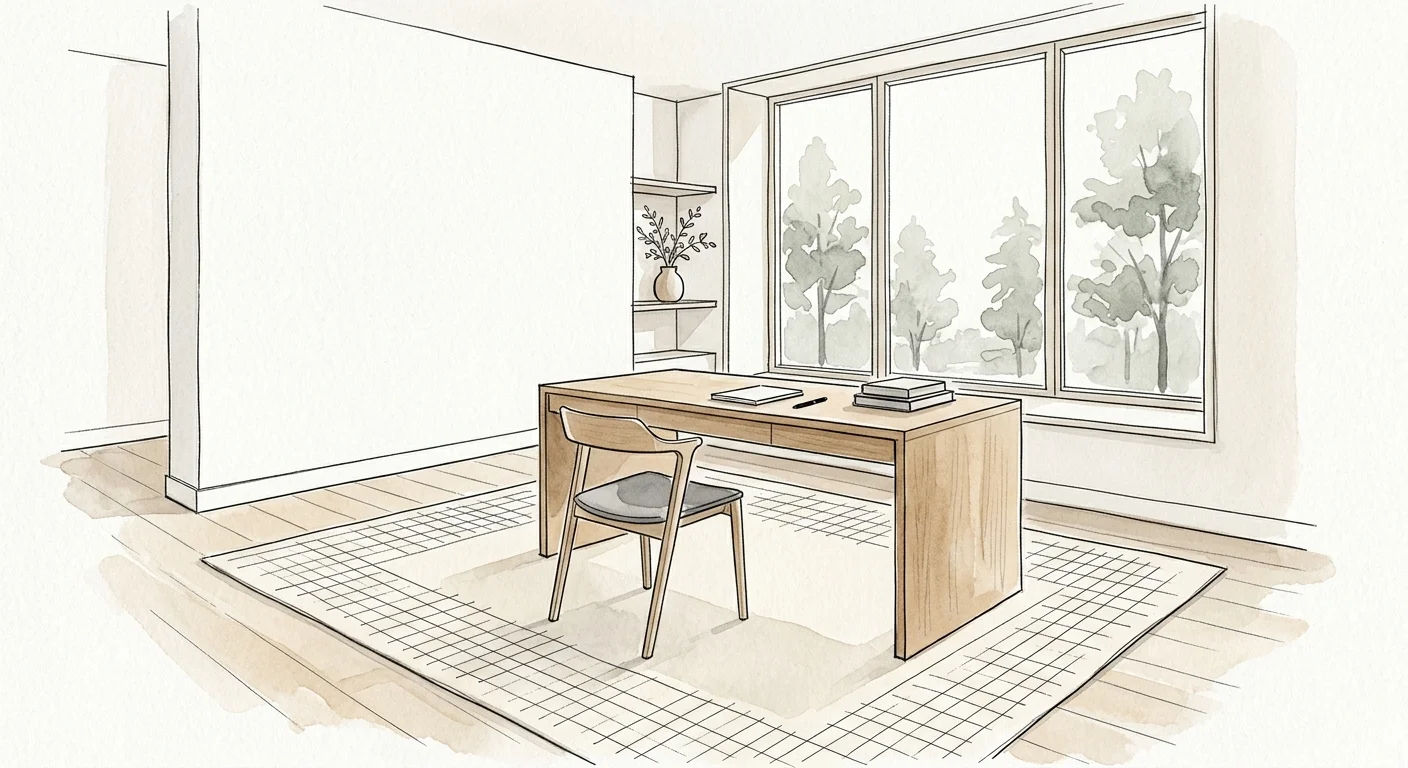
For those who prefer tailored structure over loose organic patterns, micro-grid geometric rugs deliver quiet, architectural warmth. Fine windowpane grids, subtle check patterns, and low-contrast linear motifs provide organized visual rhythm without overwhelming your existing furniture arrangement. This refined approach prevents minimalist spaces from feeling cold, clinical, or overly sterile.
When selecting architectural grid textiles as part of your overall living room rug ideas, opt for flat-woven wool bases featuring slightly raised cut-pile lines. This subtle difference in pile height adds subtle shadow lines and inviting texture to simple geometric patterns. Pair a warm alabaster grid rug with camel leather seating, warm-toned timber accent tables, and structured wool drapery for a tailored yet thoroughly inviting atmosphere.
The Big Picture: Weaving These Trends into Your Home
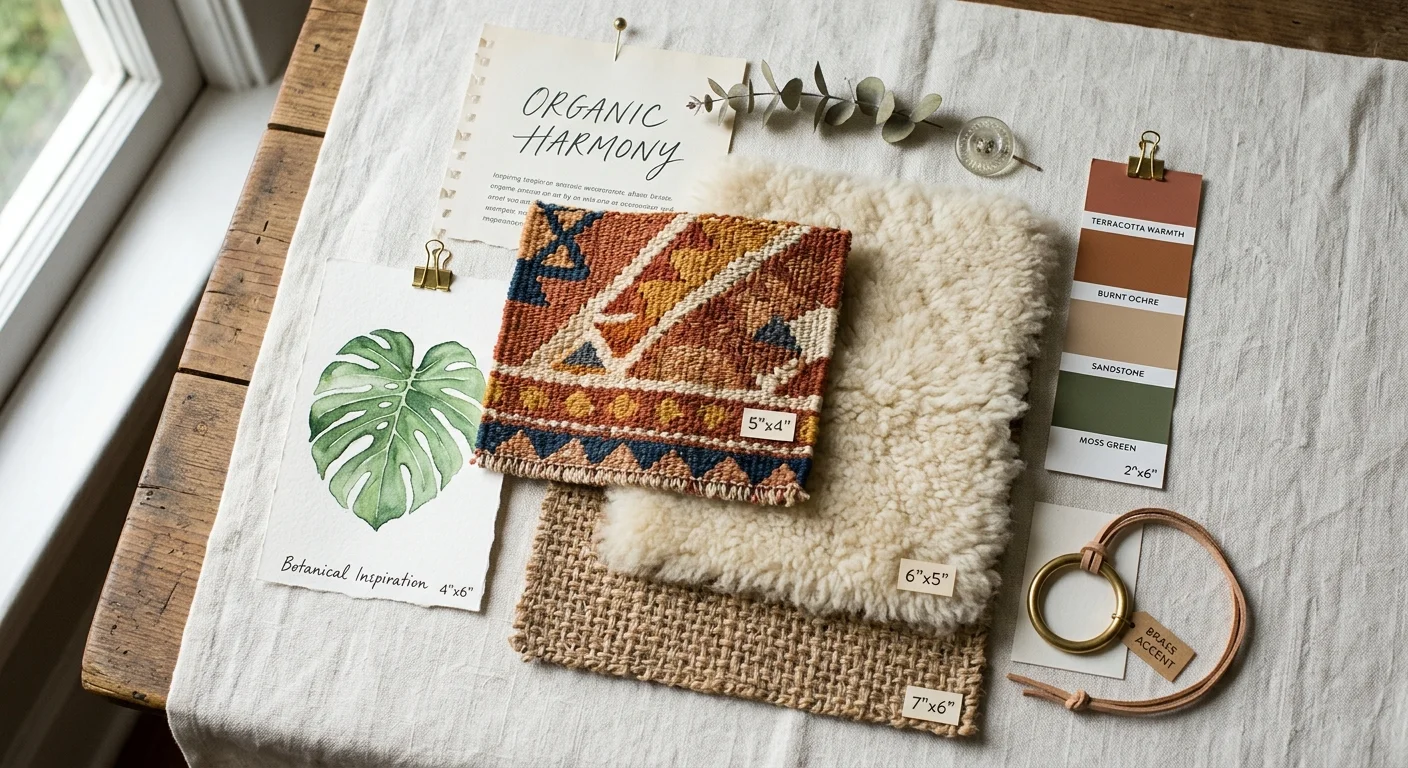
Selecting the right cozy rug requires balancing visual beauty with practical performance. Always consider the primary function and foot traffic of your room before making an investment. High-traffic living areas benefit from resilient flatweaves, dense low-pile wools, or rich multi-tonal earth palettes that naturally conceal everyday wear. Conversely, low-traffic sanctuaries like bedrooms or formal parlors welcome high-pile shearling, delicate silk blends, and high-contrast light creams.
Scale remains paramount when styling floor coverings. Avoid the common mistake of selecting undersized rugs, which causes rooms to feel disconnected and smaller than their actual footprint. Ensure your chosen carpet anchors the entire seating area, maintaining at least twelve to eighteen inches of bare floor exposed along room perimeters. By thoughtfully balancing color saturation, pile density, and scale, you can transform any space into a warm, harmonious retreat that withstands changing trends.
For the latest color forecasts, consult industry leaders like Pantone and paint companies like Benjamin Moore. For professional design standards, refer to the American Society of Interior Designers (ASID).
Disclaimer: This article reflects design trend analysis and predictions. Personal taste and timeless design principles should always guide your decorating choices.
Frequently Asked Questions
How do I choose the right rug pile height for high-traffic cozy spaces?
For high-traffic spaces like family rooms and entryways, choose a low to medium pile height (0.25 to 0.5 inches) or dense flatweave construction. Low-pile carpets woven from high-density wool withstand heavy foot traffic, resist crushing, and clean easily while providing ample physical warmth. Reserve high-pile plush shags and delicate shearling surfaces (1 to 2 inches) for lower-traffic zones like bedrooms, study retreats, and quiet sitting corners.
Can I mix different cozy rug trends within an open-concept living space?
Yes, you can successfully mix different rug trends within an open floor plan by maintaining a cohesive color palette and varying the scale of textures. For example, pair a micro-grid geometric rug in the dining area with a high-texture un-dyed wool rug in the adjoining living room. Ensure both pieces share complementary undertones—such as warm oatmeal, beige, or terracottas—to maintain visual harmony across functional zones.
What rug colors make a small room feel warm yet spacious?
To make a compact room feel warm without appearing cramped, choose soft warm neutrals with mid-tone depth. Shades like warm alabaster, pale honey, soft ochre, and warm camel reflect light while introducing cozy undertones. Avoid overly dark or heavily contrasting patterns, which can visually slice small floors into smaller fragments. Opt instead for tonal textures or subtle organic motifs that softly expand visual boundaries.
Are natural wool rugs worth the investment over synthetic options for long-term warmth?
Natural wool rugs offer superior long-term performance, durability, and insulation compared to synthetic alternatives. Wool is a natural thermal regulator with high insulation value, effectively blocking cold subfloor temperatures and dampening room acoustics. Additionally, natural lanolin makes wool inherently stain-resistant and resilient against pile crushing, allowing high-quality wool rugs to maintain their plush feel and beauty for decades.
