

Transform your stifling summer porch into a cool, breezy outdoor living room by eliminating the design flaws that trap heat and block airflow. You invest heavily in creating a seamless transition between your interior and exterior spaces; however, selecting the wrong flooring materials or mismanaging sun exposure can render that beautiful extension uninhabitable by midday. Creating a comfortable outdoor sanctuary requires the exact intentionality used when designing an interior living room. You must balance elegant aesthetics with environmental pragmatism to maximize comfort. By addressing these six common structural and decorative missteps, you optimize cross-ventilation, minimize thermal mass, and reduce ambient temperatures. You will reclaim your outdoor space entirely, ensuring it remains an inviting retreat during brutal seasonal heatwaves.

Mistake #1: Overusing Heat-Trapping Synthetic Materials
Modern home improvement projects often prioritize low-maintenance materials, leading to a surge in synthetic composites for decking and outdoor furnishings. While dense polymer-capped composites resist rot and require zero staining, they possess an incredibly high thermal mass. These synthetic materials absorb intense solar radiation throughout the morning and slowly radiate that heat back into your porch space well into the evening. On a typical summer day, a dark composite deck can reach surface temperatures exceeding 150 degrees Fahrenheit, effectively turning your outdoor living area into a radiant oven.
You can mitigate this intense heat retention by leaning into biophilic design principles that prioritize natural, breathable materials. Traditional hardwoods like ipe, teak, and mahogany offer stunning visual provenance and possess natural insulating properties that prevent them from absorbing excessive heat. If you prefer a masonry foundation, light-colored porcelain pavers or tumbled travertine remain remarkably cool underfoot, reflecting sunlight rather than hoarding it. This material philosophy extends directly to your outdoor rugs and textiles; sprawling polypropylene rugs trap rising heat and suffocate the flooring beneath them. Instead, leave wide margins of bare flooring exposed to allow the deck surface to breathe, or opt for open-weave natural fibers that facilitate air movement. By treating your porch flooring with the same careful consideration you apply to your interior dining rooms, you create a foundation that actively contributes to porch cooling rather than fighting against it.

Mistake #2: Neglecting the Science of Cross-Ventilation
Many homeowners treat their covered porches exactly like enclosed interior rooms, placing massive, solid-backed sectional sofas and dense privacy screens without considering regional wind patterns. This layout approach fundamentally disrupts the fluid dynamics of cross-ventilation. When you block prevailing breezes with heavy furniture or solid architectural barriers, you create stagnant air pockets where humidity and heat accumulate rapidly. Airflow requires both an entry point and an unobstructed exit; interrupting this pathway essentially suffocates your summer porch ideas.
Evaluate your outdoor living space to identify the primary direction of natural breezes, and arrange your seating areas to welcome rather than obstruct these currents. Swap out heavy, blocky outdoor sofas for seating that features open-weave construction, slatted teak backs, or breathable mesh slings. Pieces with exposed legs and minimal skirting allow air to flow freely beneath and around the furniture, significantly reducing the perceived temperature of the space. Furthermore, consider replacing solid wood privacy walls with louvered panels or architectural screens. Adjustable louvers give you absolute control over your environment, allowing you to angle the slats to catch cooling breezes while simultaneously deflecting harsh afternoon sunlight. Thoughtful spatial planning transforms a stagnant patio into a dynamic, well-ventilated retreat that feels perpetually refreshed.

Mistake #3: Choosing Deep, Dark Color Palettes
The interior design trend of moody, saturated color palettes has steadily migrated to home exteriors, resulting in striking charcoal facades, deep forest green trim, and matte black porch ceilings. While undeniably chic, these dark hues possess a remarkably low Solar Reflectance Index (SRI). Colors with a low SRI absorb maximum ultraviolet and infrared light, converting that solar energy directly into ambient heat. Painting your porch ceiling or exterior walls in these trending dark tones creates an oppressive envelope of heat that bears down on your seating area.
Embracing a sophisticated, high-SRI color scheme serves as an immediate and highly effective method for porch cooling. Crisp architectural whites, pale sage greens, and soft dove grays bounce solar radiation away from your home, significantly lowering the ambient temperature of your outdoor living room. You can still incorporate visual drama without sacrificing comfort by utilizing dark colors strictly as ground-level accents—perhaps through glazed ceramic planters or wrought iron side tables—while keeping all large overhead and vertical surfaces light and reflective. The classic Southern tradition of painting a porch ceiling “Haint Blue” endures not merely for its aesthetic charm, but because the soft, sky-blue hue visually opens the space and reflects indirect light, making the area feel intrinsically cooler and more expansive.
Mistake #4: Inadequate Overhead Insulating Elements
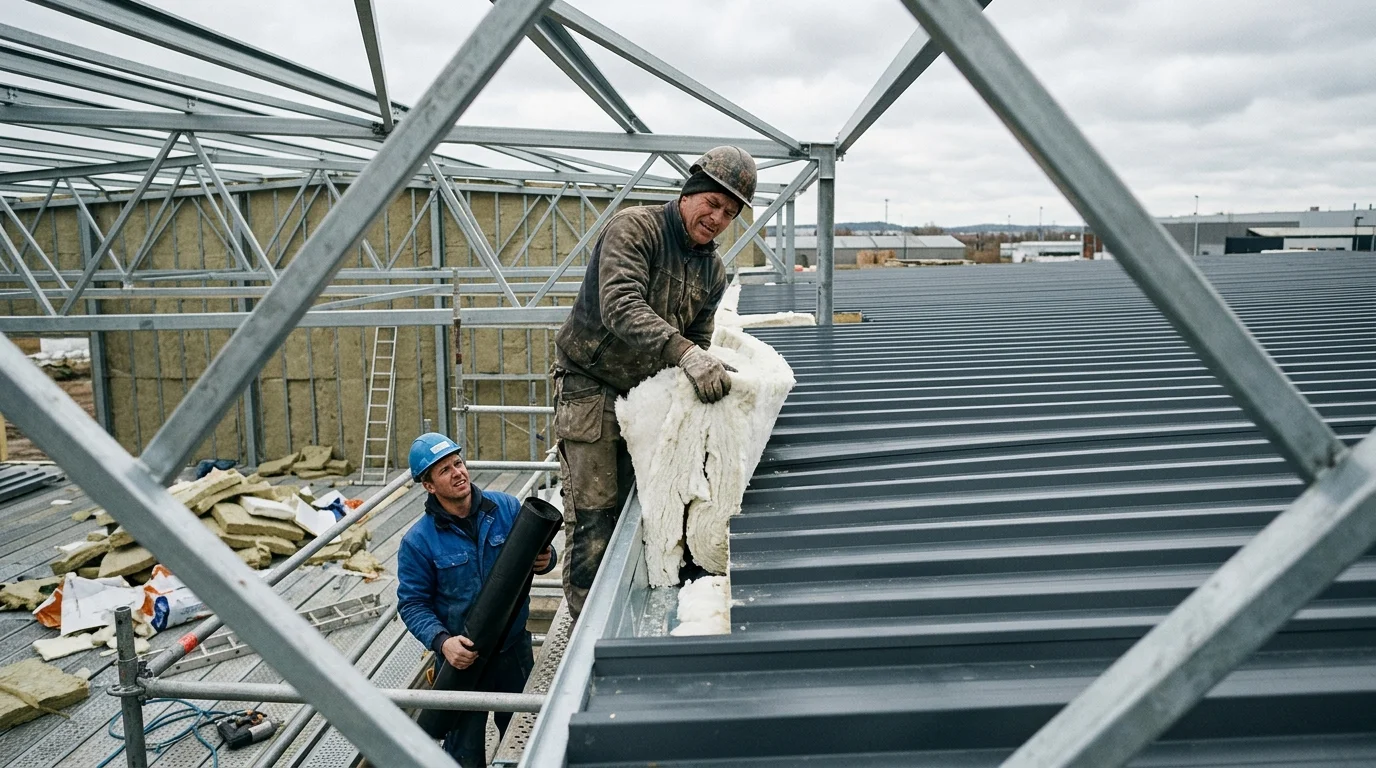
A roof alone does not guarantee a cool environment; the structural composition of your porch ceiling dictates exactly how much heat transfers into your outdoor space. Homeowners frequently leave exposed metal roofing or single-pane polycarbonate pergolas uninsulated, operating under the assumption that shade equals cool air. In reality, these thin materials act as thermal conductors, capturing the sun’s intense energy and radiating it directly downward onto your head. An unfinished ceiling void traps this superheated air, nullifying any natural breezes passing through.
You can drastically improve your porch design by introducing proper overhead insulation and dynamic shading solutions. Installing a finished ceiling—such as classic tongue-and-groove beadboard—with a layer of rigid foam insulation above it creates a critical thermal break that stops radiant heat transfer. For structures like pergolas where traditional insulation proves impossible, you must incorporate flexible shading mechanisms. Flowing outdoor drapery crafted from UV-resistant fabrics provides excellent vertical shade against harsh, low-angle afternoon sun while adding a layer of quiet luxury to your aesthetic. Retractable canopy systems or woven bamboo shades strung beneath a clear roof diffuse the sunlight, breaking up the thermal intensity before it ever reaches your outdoor dining area. These deliberate architectural additions protect your space from the greenhouse effect.

Mistake #5: Disregarding the Microclimate and Plant Placement
Treating your landscaping entirely separate from your porch design overlooks one of the most powerful natural cooling systems available to you. Surrounding your porch with vast expanses of bare concrete, unshaded driveway, or tightly cropped artificial turf creates an urban heat island right in your backyard. These hardscaping elements bake in the sun all day and generate convective heat that drifts directly into your outdoor living area, undermining every other cooling strategy you have implemented.
Harness the power of transpiration cooling by integrating strategic, dense plantings around the perimeter of your porch. As living plants release moisture into the air through their leaves, they actively cool the immediate surrounding microclimate. Planting tall, leafy deciduous trees on the southern and western exposures provides natural canopy shade during the brutal summer months while allowing warming sunlight to penetrate during the winter. Introduce climbing vines like star jasmine or native honeysuckle onto vertical trellises; these green walls block horizontal sun glare and absorb heat that would otherwise strike your home’s exterior. By blurring the boundaries between architecture and nature, you cultivate a lush, biophilic environment that visually grounds your home improvement efforts while physically lowering the temperature of the air entering your porch.

Mistake #6: Installing Inefficient Lighting and Electronics
Your choice of fixtures and appliances plays a surprisingly large role in the localized temperature of your outdoor spaces. Equipping your porch with outdated incandescent or halogen light bulbs introduces completely unnecessary heat sources; these bulbs waste the vast majority of their energy output as pure thermal radiation. Similarly, mounting massive, unrated televisions or clustering heavy electronics in a tightly enclosed corner creates a pocket of trapped heat that makes evening entertaining deeply uncomfortable.
Modernize your outdoor technology to prioritize cool-running, high-efficiency equipment. Transitioning entirely to LED lighting solutions provides brilliant illumination without contributing a single degree of ambient heat to your seating area. Furthermore, you must evaluate the actual airflow capacity of your ceiling fans. Many homeowners install aesthetically pleasing but mechanically weak fans that merely push hot air around. You need to select outdoor-rated, damp-listed fans featuring a high Cubic Feet per Minute (CFM) rating and aerodynamic blades designed to create a distinct wind-chill effect on the skin. Integrating smart home technology allows you to automate these cooling systems, turning on directional fans or high-pressure misting systems just as the afternoon heat peaks. Precision climate control ensures your porch remains a flawless extension of your home’s interior.

The Big Picture: Weaving These Trends into Your Home
Mastering porch design requires you to view your exterior spaces not as an afterthought, but as an integral component of your home’s overarching architectural narrative. The strategies employed to cool your porch directly impact the energy efficiency and comfort of your interior rooms. By blocking intense solar radiation before it hits your living room windows and lowering the ambient temperature just outside your doors, you reduce the strain on your central air conditioning and seamlessly extend your usable square footage.
As you integrate these cooling concepts, maintain a cohesive aesthetic that speaks to the rest of your home. If your interior dining rooms feature organic modernism with light oak and neutral linens, carry that exact provenance outdoors through slatted teak furniture and crisp, white UV-resistant drapery. Resist the urge to chase fleeting seasonal fads; instead, focus on timeless, high-quality materials and intelligent spatial planning. A truly luxurious outdoor living room prioritizes physical comfort and environmental harmony above all else, ensuring that your summer porch ideas mature beautifully year after year. When you respect the elements and design with intention, your porch becomes the ultimate sanctuary—a breezy, sophisticated retreat perfectly equipped to handle the height of summer.
Frequently Asked Questions
How do I transition my living room design to my porch without trapping heat?
To successfully bridge your interior and exterior spaces, you must translate your indoor aesthetic into climate-appropriate materials. If you love plush velvet and heavy wool indoors, capture that sophisticated essence outdoors using solution-dyed acrylic fabrics that mimic the texture of luxury textiles but remain breathable and cool to the touch. Mirror your indoor color palette using lighter, high-SRI shades, and prioritize furniture with exposed frames and open weaving to ensure maximum air circulation. This maintains visual continuity without compromising outdoor comfort.
Are outdoor rugs always a bad idea for hot climates?
Outdoor rugs are not inherently problematic, but the material composition and placement matter immensely. Thick, solid polypropylene rugs trap rising heat and prevent wooden decks from breathing, elevating the surface temperature. If you live in a particularly hot climate, opt for rugs made from natural, breathable fibers, or choose heavily perforated, open-weave synthetic designs. Always ensure you leave plenty of exposed flooring around the perimeter of the rug to facilitate heat dissipation, keeping the foundation of your space cool.
What role does ceiling height play in porch temperature?
Ceiling height is a critical factor in thermal comfort. Heat naturally rises, meaning a high, vaulted porch ceiling allows hot air to ascend and collect well above your seating area, keeping the air at ground level significantly cooler. If you have a lower, flat ceiling, you must compensate for the lack of vertical volume by installing high-CFM ceiling fans to aggressively push that trapped hot air horizontally out of the space. Proper insulation above the ceiling remains mandatory regardless of the height.
Can I implement these changes without a major home improvement renovation?
Absolutely. While structural additions like insulated ceilings require significant labor, you can dramatically cool your space through decorative and strategic adjustments. Swapping dark cushions for light, reflective fabrics, repositioning furniture to capture prevailing winds, and adding tall, leafy potted plants to block horizontal sun glare can be done in a single weekend. Hanging outdoor drapery to shade the western exposure is another highly impactful, non-structural solution that instantly lowers ambient temperatures.
For the latest color forecasts, consult industry leaders like Pantone and paint companies like Benjamin Moore. For professional design standards, refer to the American Society of Interior Designers (ASID).
Disclaimer: This article reflects design trend analysis and predictions. Personal taste and timeless design principles should always guide your decorating choices.
