

Your staircase serves as the architectural spine of your home, and clinging to outdated design choices instantly ages your entire interior. Modern design demands a delicate balance between structural integrity and sophisticated aesthetics, leaving behind the heavy, ornate styles of previous decades. Instead of settling for an uninspired transition between floors, you must leverage this vertical space to elevate your surrounding living and dining areas. Industry experts are decisively pivoting away from clunky silhouettes and high-maintenance materials in favor of streamlined forms, tactile surfaces, and quiet luxury. Understanding which stair trends have officially expired empowers you to make strategic remodeling decisions that enhance your daily living experience while significantly increasing your overall property value.
Trend #1: Ornate Wrought Iron Scrollwork
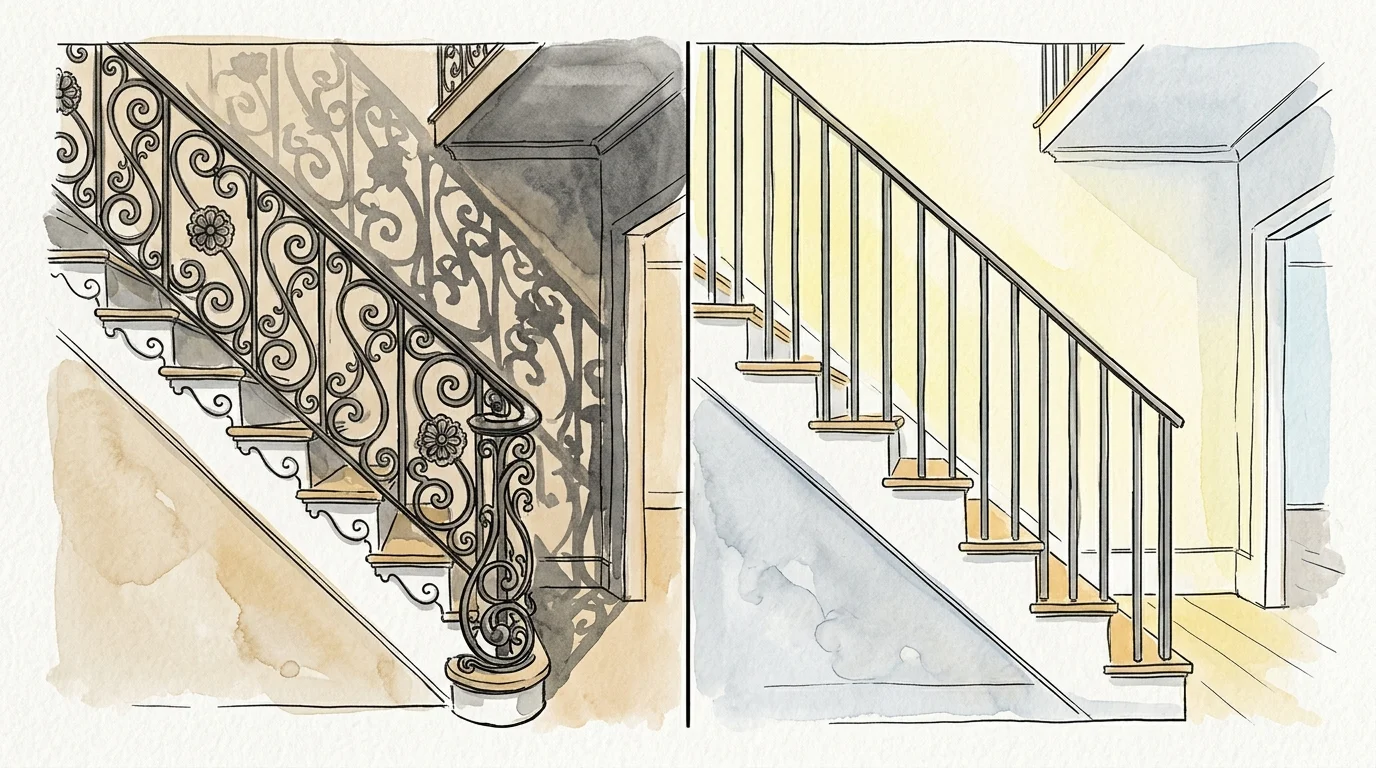
For the better part of two decades, homeowners equated domestic luxury with heavily ornamented wrought iron balusters. Inspired by Mediterranean and Tuscan villas, these intricate S-scrolls, floral medallions, and twisted metal spindles dominated the housing market. Today, this heavy-handed approach feels undeniably dated and chaotic. The visual noise created by busy ironwork aggressively fragments sightlines, making your entryways and adjoining living rooms feel significantly smaller and distinctly out of touch with contemporary sensibilities.
Designers now favor the principles of quiet luxury, replacing convoluted iron scrolls with clean, linear profiles. If you appreciate the durability of metal, you should update your staircase design by installing sleek, powder-coated steel or architectural bronze spindles. A simple, vertical orientation draws the eye upward, instantly raising the perceived height of your ceilings. This streamlined metalwork seamlessly bridges the gap between traditional and modern aesthetics, allowing your surrounding architecture to breathe.
Furthermore, transitioning to minimalist balusters directly enhances the ambient light flow throughout your home. When you remove thick, decorative iron, natural sunlight from second-story windows penetrates deeper into your ground-floor dining rooms and hallways. This subtle architectural shift transforms an imposing, dark structure into a lightweight, elegant focal point that complements, rather than dominates, your interior design palette.
Trend #2: Wall-to-Wall Carpeted Treads
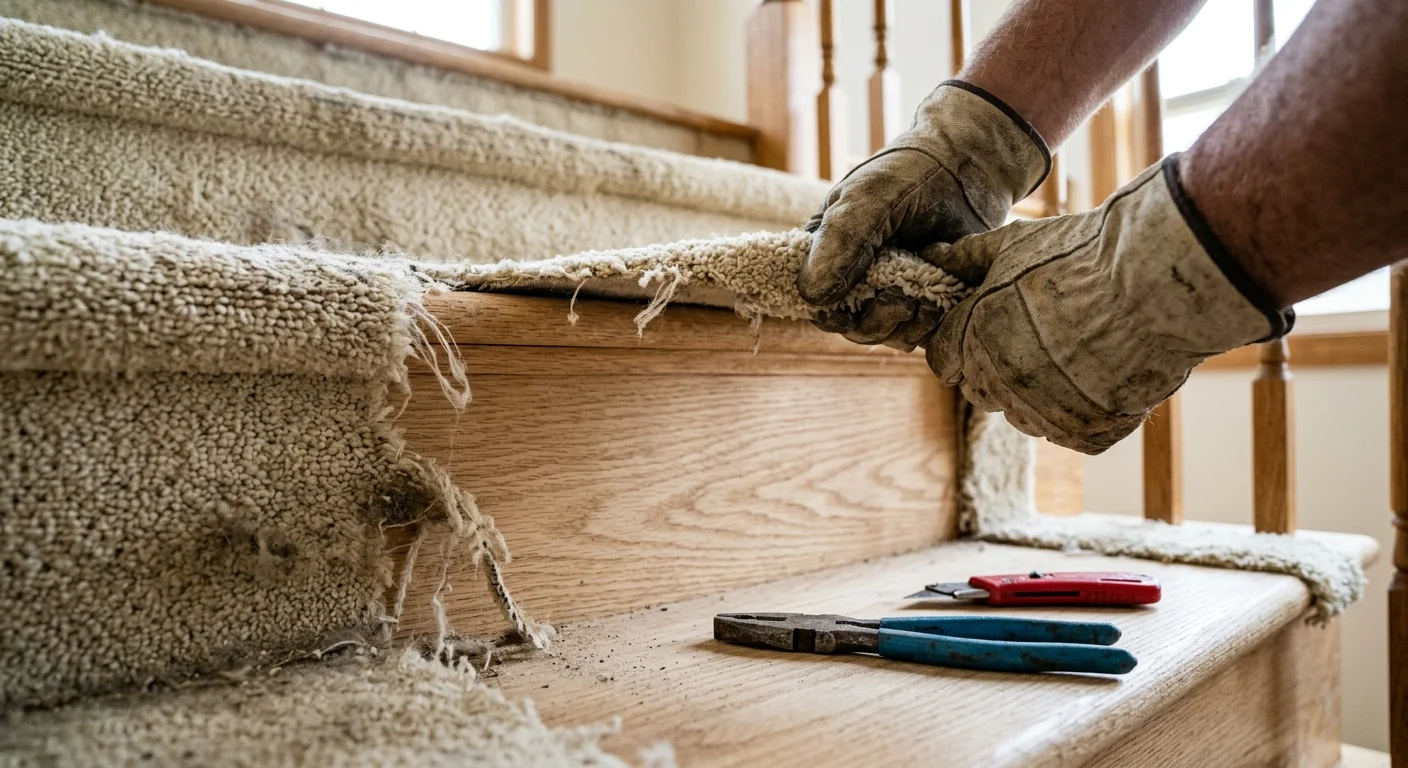
The era of fully carpeting your staircase for the sake of acoustics or safety has definitively closed. Wall-to-wall carpet on stairs notoriously traps allergens, dust, and pet dander, deteriorating rapidly under the concentrated friction of daily foot traffic. Aesthetically, thick carpeting obscures the fundamental geometry of the steps, resulting in a soft, amorphous structure that severely lacks architectural definition.
Modern interior design trends emphasize the provenance and inherent beauty of natural materials. You should rip up the tired broadloom and expose the hardwood treads underneath. Refinishing these wooden elements establishes a cohesive visual flow with the flooring in your primary living spaces. To maintain safety and dampen sound—without sacrificing style—designers highly recommend installing a custom stair runner. A well-tailored runner acts as a sartorial accessory for your home, leaving a few inches of bare wood exposed on either side of the tread.
When selecting a runner, prioritize flatweave wool, durable sisal, or low-pile nylon blends. These materials offer exceptional longevity and introduce vital texture to the space. You can utilize runners to inject unexpected color palettes or subtle geometric patterns into an otherwise neutral environment. This tailored approach provides the perfect compromise; you retain the acoustic benefits and underfoot comfort of carpet while showcasing the crisp, architectural edges of a modern wooden staircase.
Trend #3: High-Gloss Dark Cherry and Mahogany Finishes
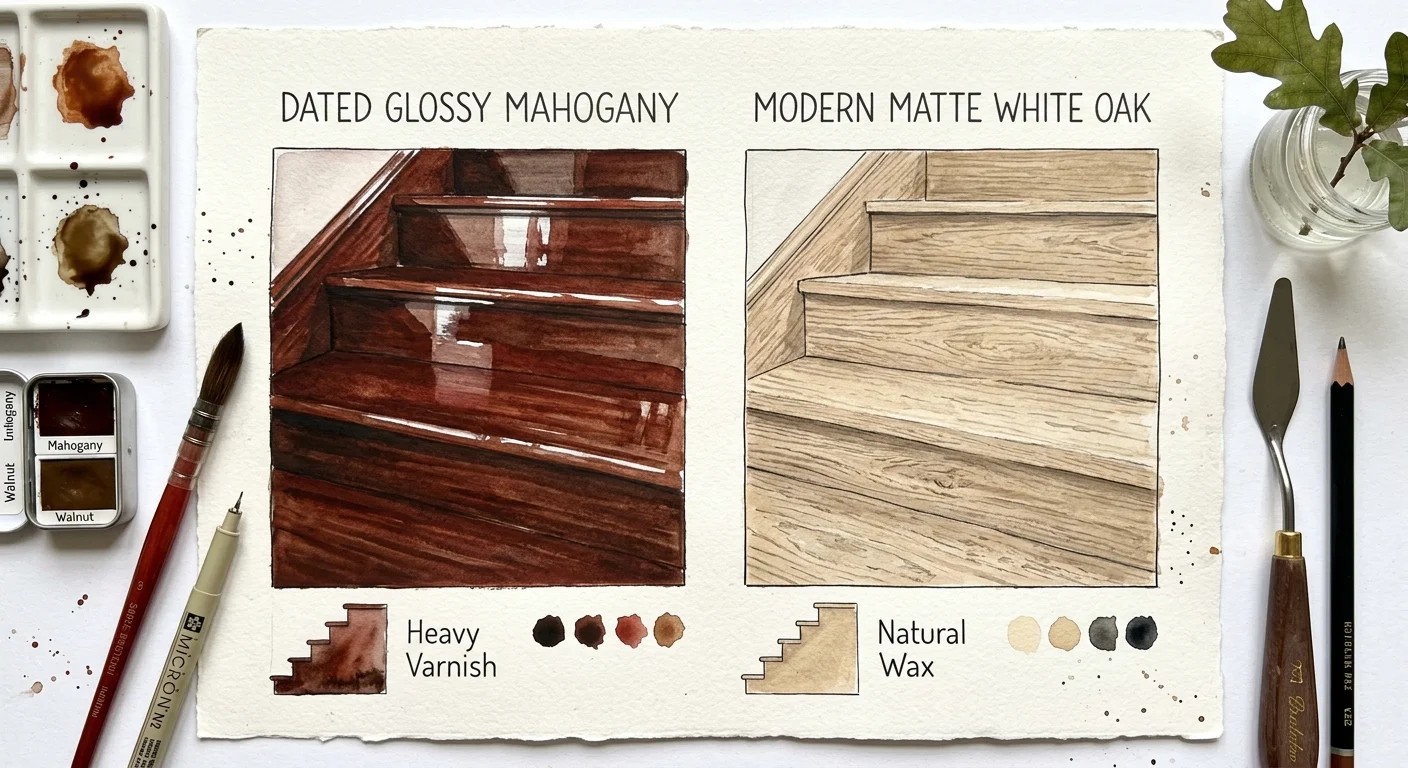
In the early 2000s, deep cherry, dark mahogany, and high-gloss espresso stains signaled high-end domesticity. However, these reflective, mirror-like finishes have lost their appeal. High-gloss polyurethane magnifies every scratch, speck of dust, and footprint, demanding constant maintenance. More importantly, heavy, dark-stained wood absorbs an immense amount of light, anchoring the staircase heavily to the floor and creating a visually oppressive atmosphere that clashes with modern, airy living spaces.
The current movement in home remodeling celebrates biophilic design—an approach that connects indoor environments to the natural world. To achieve this, you must pivot toward raw, organic wood tones sealed with ultra-matte or satin finishes. European white oak, natural walnut, and lightly bleached ash are the materials of choice for top-tier designers. These lighter woods highlight the authentic grain and natural imperfections of the timber, grounding your home in an authentic, earthy aesthetic.
Updating your staircase finishes to a lighter, matte wood fundamentally alters the color dynamics of your home. Lighter stairs bounce ambient light, making adjacent dining rooms and entryways feel expansive and inviting. If a complete tread replacement falls outside your budget, consider professionally stripping and bleaching your existing stairs. Applying a matte, water-based sealant rather than a glossy, oil-based polyurethane guarantees a fresh, contemporary look that ages gracefully alongside your evolving decor.
Trend #4: Heavy, Traditional Turned Wood Balusters
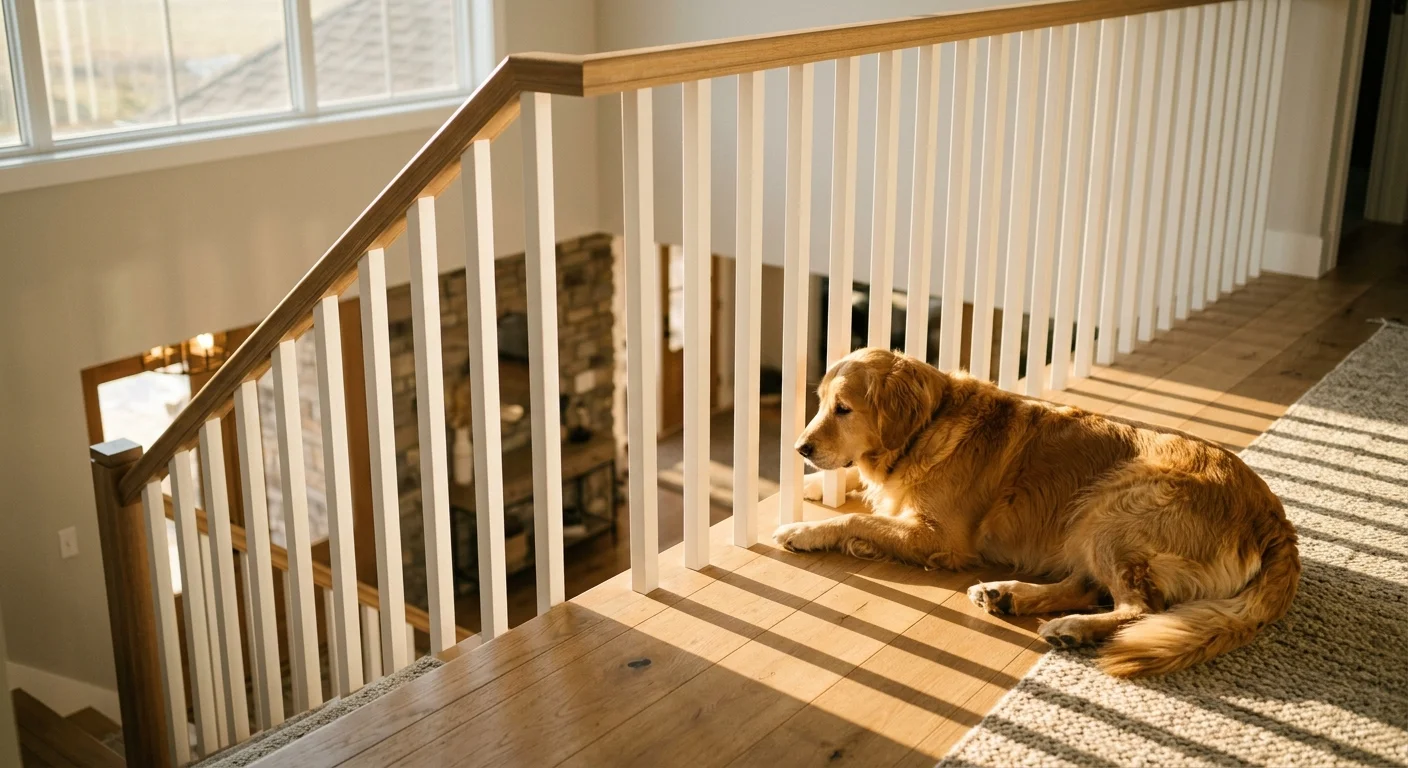
Chunky, aggressively turned wood balusters—often featuring colonial or Victorian profiles—are rapidly disappearing from high-end residential projects. While these thick wooden spindles once conveyed historical permanence, they now feel unnecessarily bulky. When lined up along a stairwell, heavy wooden balusters create a dense, fence-like barrier that isolates the staircase from the rest of the house, disrupting the open-concept flow that defines modern living.
To modernize your stair design ideas, replace these cumbersome profiles with slim, square-edged wooden spindles or frameless structural glass panels. A sleek, square baluster painted in a crisp white or a daring, moody charcoal instantly sharpens the geometry of the space. This subtle geometric shift cleans up the visual clutter, ensuring your staircase transitions smoothly into contemporary or transitional spaces.
Alternatively, many forward-thinking architects are eliminating individual spindles entirely in favor of solid plaster or drywall parapets. A continuous, smoothly plastered half-wall provides exceptional safety while establishing a sculptural, monolithic presence. This minimalist approach allows the staircase to read as a single architectural ribbon winding through the home, serving as a stunning backdrop for curated art collections or statement lighting fixtures in your foyer.
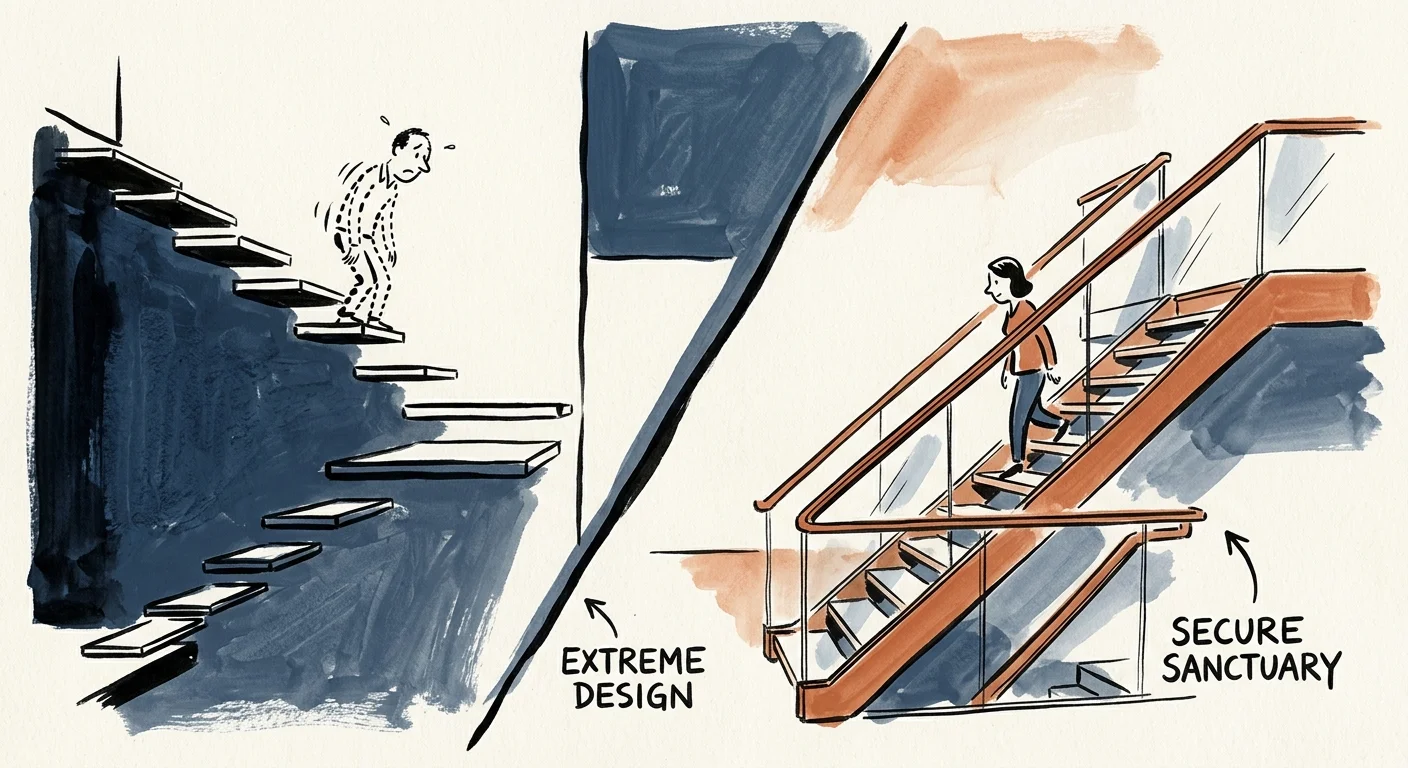
Trend #5: Impractical Ultra-Minimalist Floating Stairs
Over the past decade, ultra-minimalist floating stairs—particularly those lacking handrails or utilizing virtually invisible glass barriers—gained immense popularity in contemporary homes. Driven by a desire to achieve a gravity-defying, futuristic aesthetic, this trend ultimately sacrificed fundamental ergonomics for visual shock value. Designers and homeowners alike have realized that stairs lacking tactile support systems are treacherous, impractical, and distinctly cold.
The industry is stepping away from stark minimalism and embracing organic modernism. You do not have to abandon the floating tread concept entirely; instead, you must anchor it with warm, substantial elements. Integrate a continuous, ergonomically carved wooden handrail that invites touch. This tactile addition introduces essential warmth and ensures your staircase complies with the practical demands of daily life.
Moreover, the integration of textured materials mitigates the clinical feel of purely floating glass and steel. Consider adding a solid wood stringer or incorporating slatted wood privacy screens alongside the staircase. These vertical slats offer structural safety while allowing light to filter through in beautiful, shifting patterns. By prioritizing human-centric design, you transform a perilous architectural statement into a safe, inviting, and functionally beautiful feature.
The Big Picture: Weaving These Trends into Your Home
Upgrading your staircase requires a holistic approach; a beautiful set of stairs will fail to resonate if it awkwardly contradicts your surrounding architecture. As you filter out these outdated trends, you must ensure your new design choices integrate flawlessly with your existing living room and dining room aesthetics. The staircase acts as the central artery of your home, and its materials, colors, and textures should establish the baseline for your entire interior design palette.
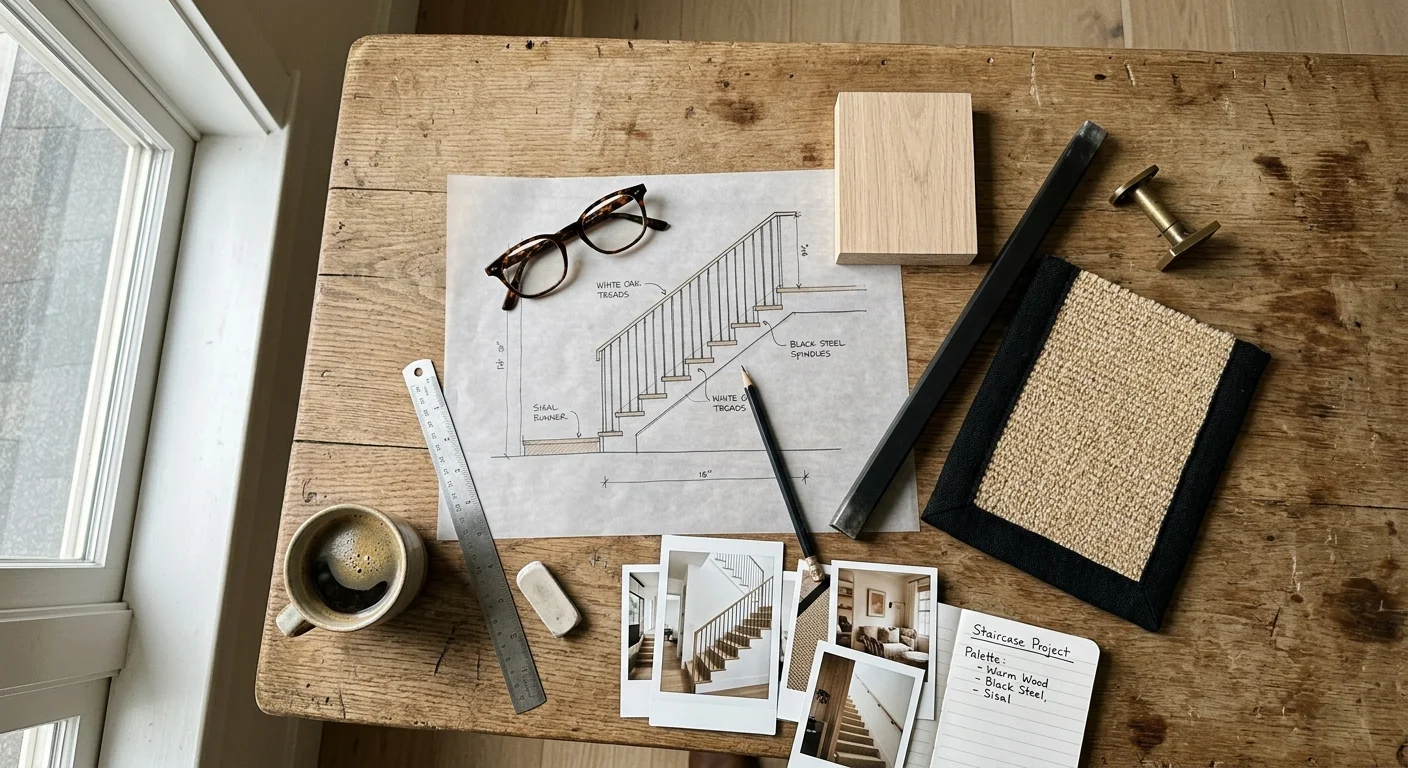
Begin by analyzing your flooring transitions. If your ground floor features wide-plank white oak, mirroring that exact material on your stair treads creates a seamless, expansive visual experience. You can then use your balusters and handrails to introduce contrasting elements. For instance, pairing natural oak treads with matte black steel spindles echoes dark hardware accents found in your kitchen cabinetry or dining room light fixtures. This intentional repetition of materials unifies the disparate zones of an open-concept home.
Lighting also plays a critical role in weaving your updated staircase into the broader environment. Outdated staircases often suffered from poor illumination, relying on a single, glaring overhead chandelier. Modern applications treat the stairs as a canvas for layered lighting. Install low-level, recessed LED step lights to highlight the natural grain of your newly finished treads. By treating your staircase as an integrated piece of functional furniture rather than a mere utility, you create a cohesive, sophisticated atmosphere that resonates from the front door to the second-floor landing.
Frequently Asked Questions
How can I update my staircase without undergoing a full, expensive remodel?
You can dramatically transform your staircase through strategic cosmetic updates rather than structural overhauls. Painting heavy, dark-stained stringers and risers a crisp white instantly lifts the visual weight of the structure. Replacing outdated iron or chunky wood balusters with sleek metal spindles is a relatively quick, non-structural job that modernizes the entire space. Additionally, stripping old wall-to-wall carpet and installing a tailored fabric runner provides an immediate, cost-effective facelift.
Are stair runners considered a fleeting trend, or do they have longevity?
Stair runners boast incredible longevity and remain a timeless staple in sophisticated interior design. Unlike wall-to-wall carpeting, a well-fitted runner celebrates the architecture of the staircase by leaving the wooden edges exposed. They provide essential safety by reducing slip hazards and significantly dampen acoustic echo in open-concept homes. By choosing durable, natural materials like wool or sisal in classic patterns, your runner will outlast passing fads.
What is the best wood finish for stairs right now?
Designers overwhelmingly prefer natural, matte finishes that showcase the authentic provenance of the wood. Ultra-matte water-based polyurethanes and hard-wax oils protect the treads without generating the high-gloss shine of the early 2000s. European white oak, natural walnut, and ash are highly sought after. These lighter, organic tones reflect natural light and seamlessly integrate with the biophilic design principles dominating contemporary interiors.
How do modern staircases integrate with open-concept living rooms?
Modern staircases enhance open-concept spaces by maintaining clear, unobstructed sightlines. By utilizing slim spindles, structural glass, or low-profile plaster parapets, the staircase becomes a breathable element rather than a visual barricade. Designers frequently echo the materials used in the living room—such as matching the stair stringer to the living room’s exposed beams or tying the stair runner’s color palette to the area rugs—ensuring the structural elements harmonize with the furnishings.
For the latest color forecasts, consult industry leaders like Pantone and paint companies like Benjamin Moore. For professional design standards, refer to the American Society of Interior Designers (ASID).
Disclaimer: This article reflects design trend analysis and predictions. Personal taste and timeless design principles should always guide your decorating choices.
