

A thoughtfully selected mirror acts as a dynamic architectural element capable of transforming the spatial perception and energetic flow of your entire home. By strategically integrating luxury mirror designs, you capture natural light, amplify visual square footage, and introduce a compelling layer of quiet luxury into your interior design scheme. Modern home decor increasingly relies on these reflective surfaces as primary focal points rather than mere functional afterthoughts. Whether you gravitate toward the organic provenance of antiqued glass or the bold geometry of oversized statement pieces, the right decorative mirrors instantly elevate your environment. Explore these ten sophisticated designs to curate a space that radiates enduring elegance, maximizes luminosity, and achieves refined spatial harmony.
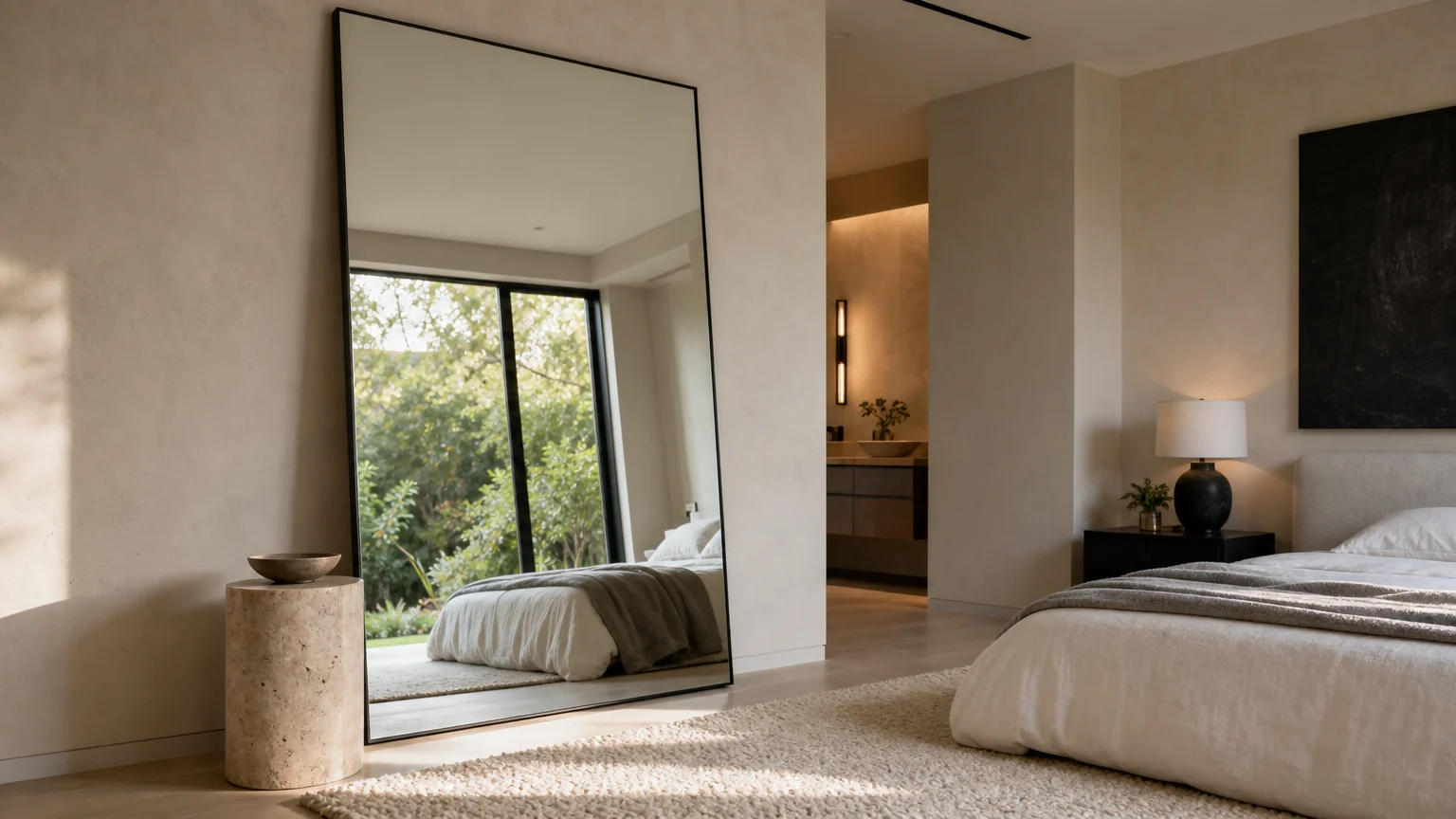
Trend #1: Oversized Floor Mirrors with Minimalist Metal Frames
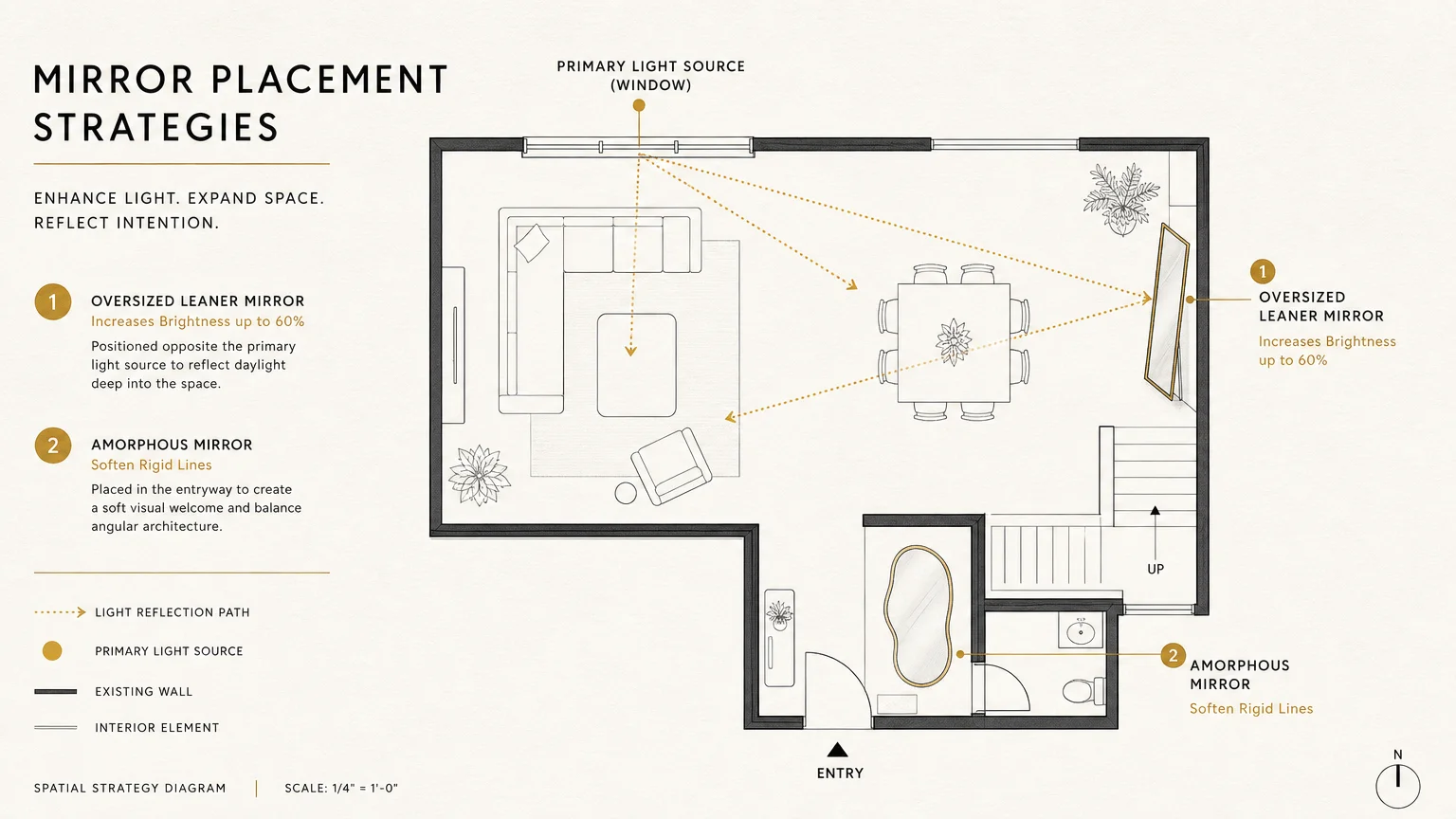
Scale represents the ultimate luxury in interior design, and an oversized floor mirror leaning gracefully against a wall provides an instant injection of grandeur. You can visually double the square footage of your living room or primary suite by introducing a massive reflective surface framed in whisper-thin brass, blackened steel, or oil-rubbed bronze. This design embodies the concept of quiet luxury; it does not demand attention through excessive ornamentation, yet it commands the room through sheer magnitude and pristine material quality. By positioning a heavy floor leaner opposite a primary light source—such as floor-to-ceiling windows or a striking crystal chandelier—you exponentially increase the ambient light in your space. Interior architecture data suggests that strategically placed oversized mirrors can enhance a room’s perceived brightness by up to sixty percent. To ground this massive architectural piece, place a substantial potted olive tree, a heavy travertine pedestal, or an upholstered bench slightly overlapping the mirror’s edge. This layering technique prevents the mirror from looking like a forgotten afterthought, integrating it seamlessly into your cohesive modern home decor.
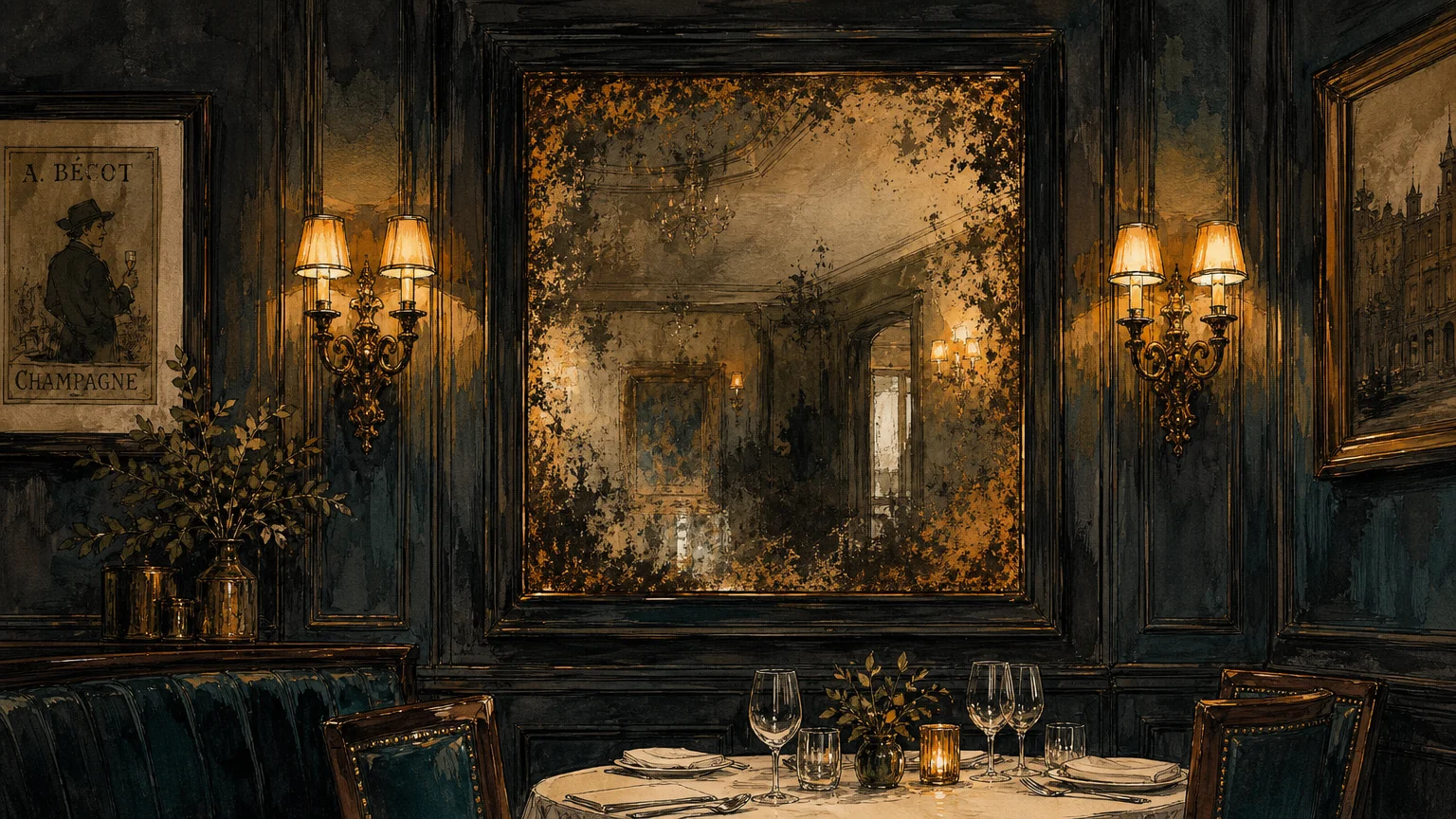
Trend #2: Antiqued and Distressed Glass
Flawless reflection often feels too clinical for deeply layered, sophisticated interiors, which explains the surging demand for antiqued or foxed glass. These luxury mirror designs intentionally feature heavy oxidization, subtle chemical distressing, and darkened, smoky patches that mimic centuries of natural aging. Incorporating an antiqued mirror into your dining room or formal sitting area immediately establishes a sense of provenance and historical weight, effectively counterbalancing the starkness of brand-new, mass-produced furniture. The muted, slightly obscured reflection softens the room’s atmosphere, making it exceptionally flattering for evening entertaining when illuminated by flickering candlelight or dim brass wall sconces. Designers frequently specify foxed glass for expansive, full-wall applications or inset into custom library millwork, where it functions more like an atmospheric, textured mural than a functional vanity piece. Choose heavily distressed patinas with warm gold, bronze, or amber undertones to infuse your space with inviting warmth and old-world European elegance. By embracing these deliberate imperfections, you add a captivating layer of curated storytelling to your home.
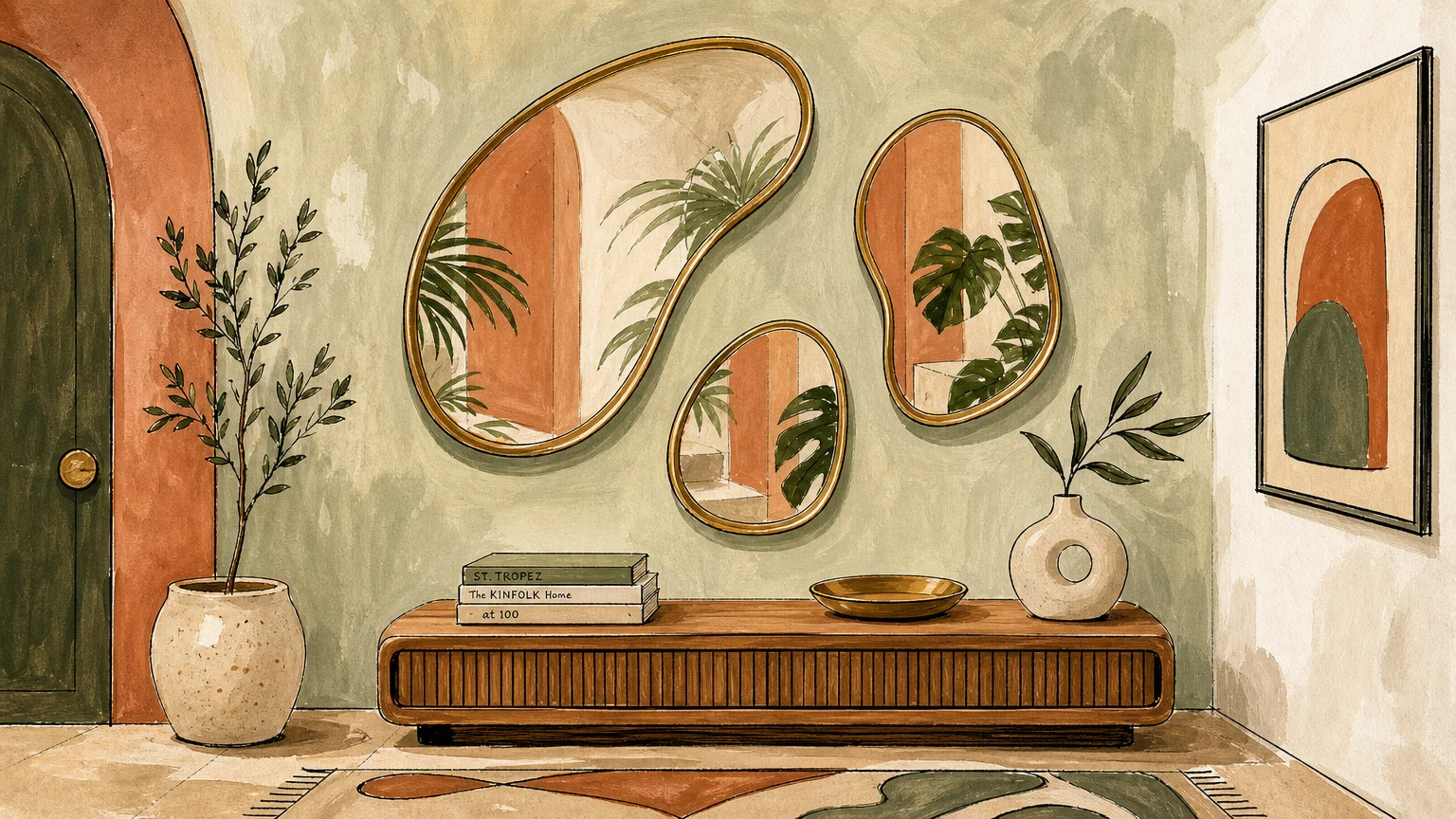
Trend #3: Asymmetrical and Amorphous Silhouettes
Rigid right angles and perfect circles no longer dominate the contemporary landscape of decorative mirrors. Asymmetrical, puddle-like, and amorphous shapes bring a vital dose of organic modernism into your home. These fluid, unpredictable silhouettes mimic the gentle forms found in nature—a central tenet of biophilic design—and effectively soften the harsh, rigid architectural lines of typical rectangular rooms. Hanging a curated cluster of pebble-shaped mirrors in a narrow entryway creates a dynamic, moving gallery wall that feels effortlessly artistic rather than strictly functional. When selecting an asymmetrical mirror, pay close attention to the edge detailing; frameless, polished edges offer a sleek, ultra-modern aesthetic, while thick, hand-carved walnut or oak borders add earthy, tactile interest. You can utilize these unconventional shapes to break up repetitive vertical lines in a hallway or to introduce an element of unexpected whimsy above a linear dining room credenza. Market analyses show a significant surge in consumer preference for curved furniture, and amorphous mirrors act as the perfect vertical extension of this comforting, soft-edge trend.
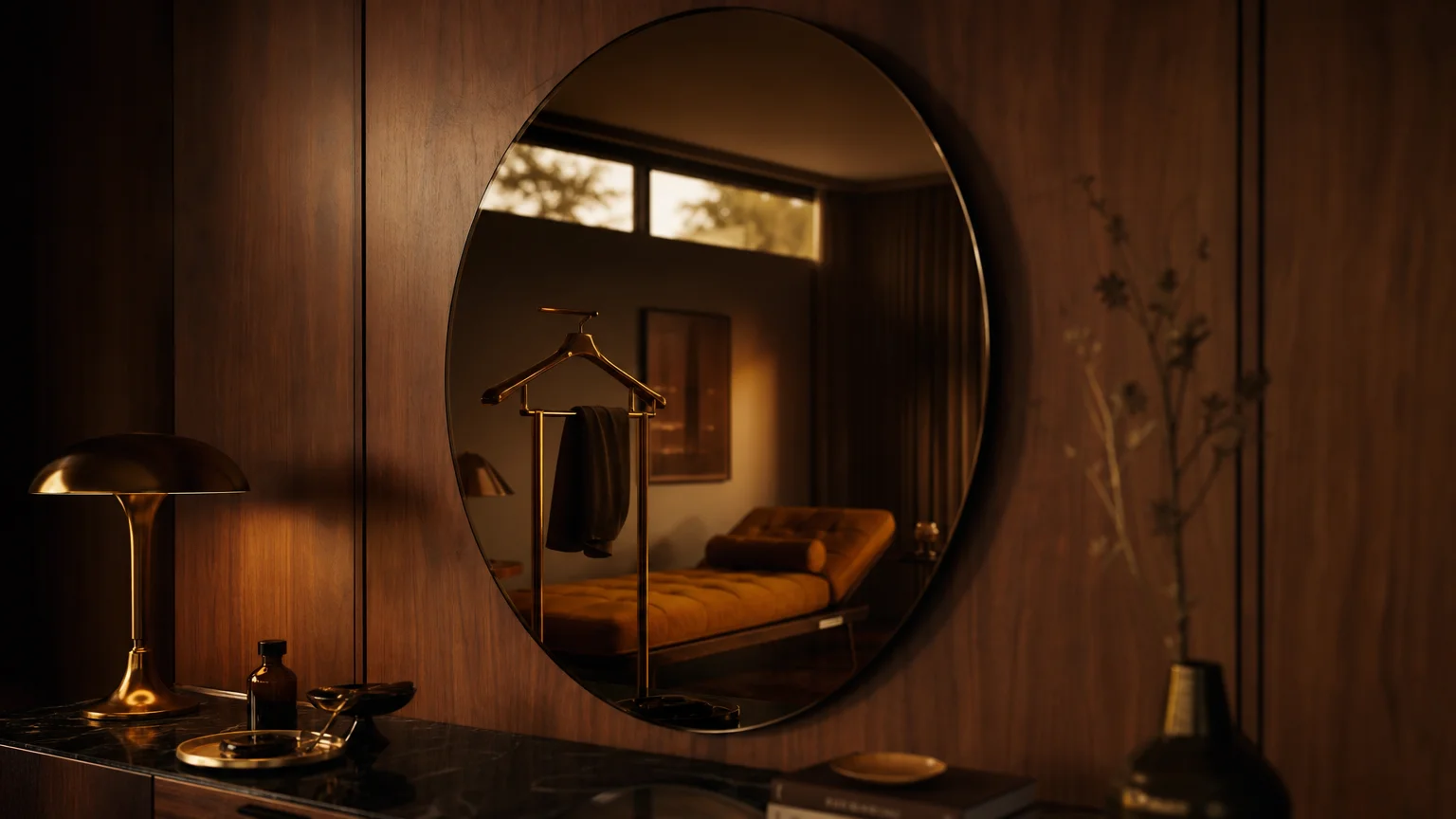
Trend #4: Tinted and Smoked Glass
If you want to cultivate a moody, intimate atmosphere, traditional silver-backed mirrors often prove too harsh and visually demanding. Smoked grey and bronze-tinted mirrors offer a seductive alternative, actively filtering the reflected light to create a sultry, atmospheric glow. This trend heavily references the sophisticated glamour of 1970s Italian design, prioritizing rich ambiance over crystal-clear, high-definition visibility. You will find tinted mirrors highly effective in spaces dedicated to relaxation and evening entertaining, such as home bars, formal dining rooms, or luxurious, boutique-style walk-in closets. The bronze tint specifically warms up cool-toned interior design ideas, harmonizing beautifully with rich walnut cabinetry, jewel-toned velvet upholstery, and brushed brass hardware. Install a large, bronze-tinted mirror behind open shelving or a wet bar to give your curated crystal decanters and object displays a deep, mysterious backdrop. As the natural light shifts throughout the day, the tinted glass transforms, moving from a subtle, reflective surface into a dark, dramatic architectural feature.
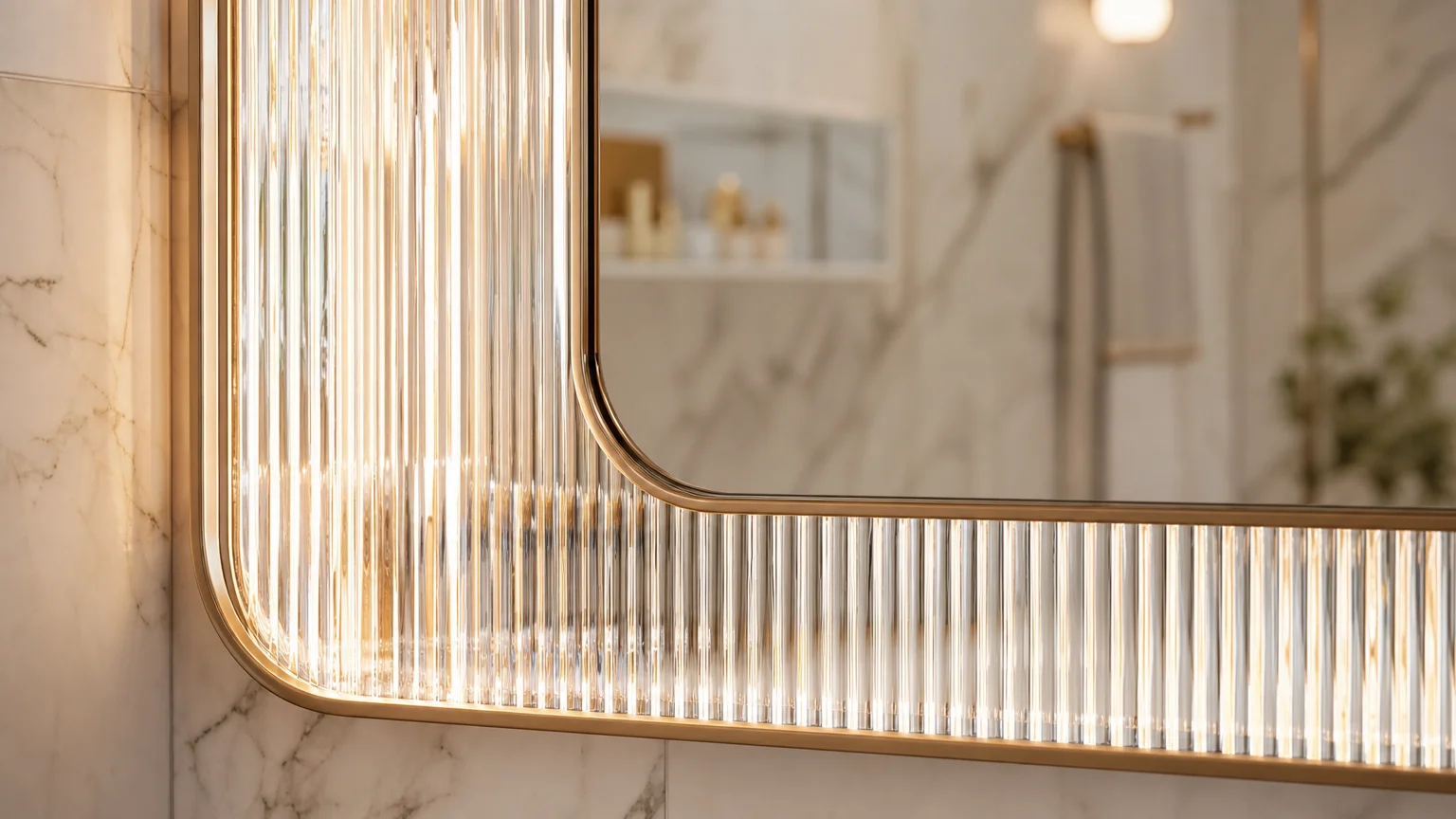
Trend #5: Fluted and Ribbed Glass Borders
The broader architectural fascination with fluted and ribbed textures has officially transitioned from reeded kitchen islands and shower doors into the refined realm of luxury mirror designs. These sophisticated pieces typically feature a clear, functional center mirror surrounded by a wide border of heavily ribbed, corrugated, or scalloped glass. The textured border catches and refracts ambient light in a mesmerizing, prismatic manner, adding a three-dimensional sculptural quality to a traditionally flat, two-dimensional surface. This specific design seamlessly bridges the gap between opulent 1920s Art Deco decadence and restrained 21st-century contemporary minimalism. Hang a fluted mirror in your powder room above a deeply veined marble vanity to introduce a layer of elevated, tactile engagement. The ribbed outer edges intentionally obscure the peripheral reflection, drawing the viewer’s eye inward while simultaneously scattering light from adjacent wall sconces into a beautiful array of vertical shadow lines across your walls. This dynamic interplay of light and texture makes the mirror a true standalone statement piece.
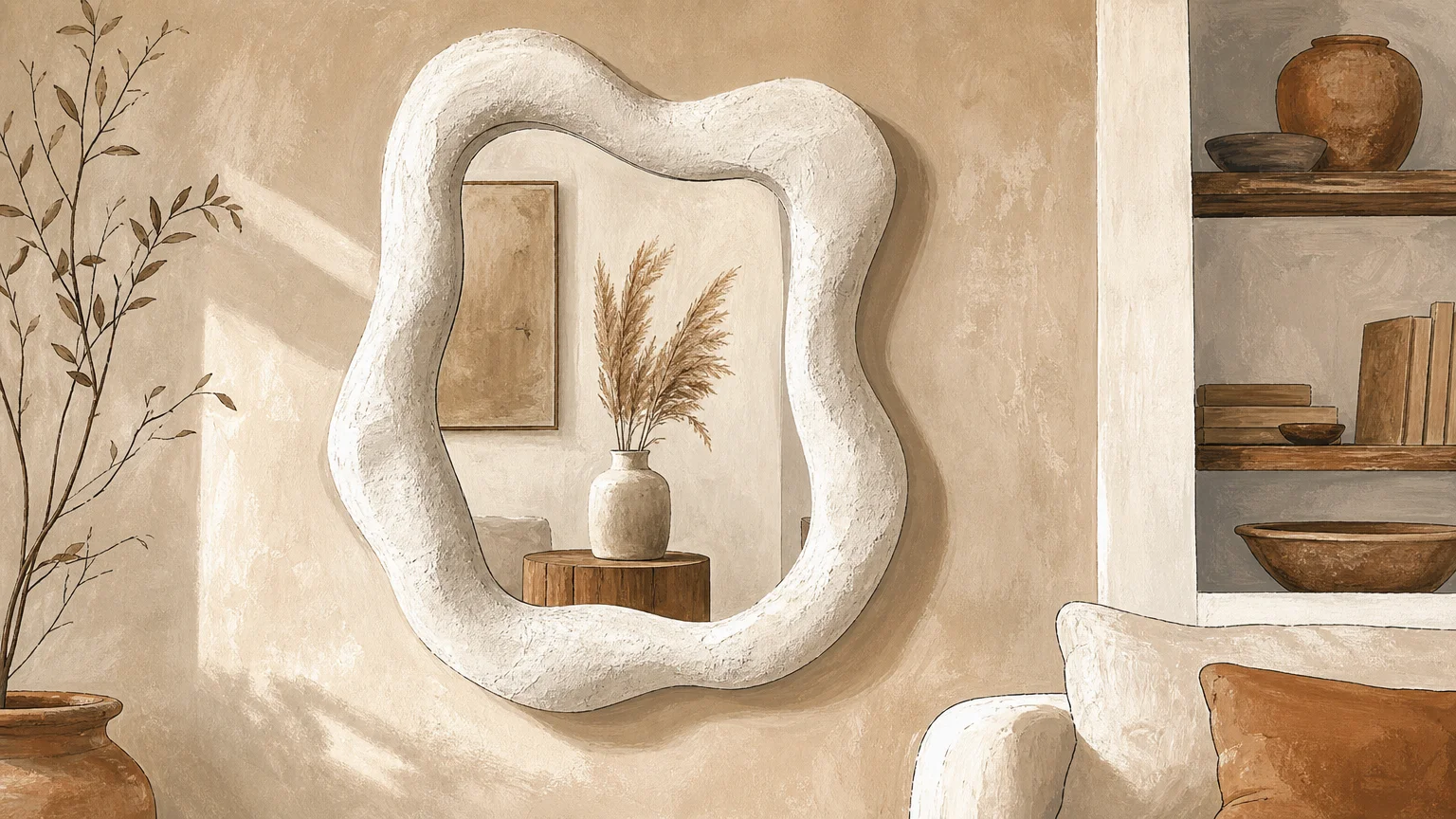
Trend #6: Sculptural Plaster Frames
The prevailing shift toward raw, unrefined materials makes sculptural plaster frames a prominent, highly sought-after feature in high-end modern home decor. These mirrors actively celebrate the Japanese aesthetic philosophy of wabi-sabi, finding quiet beauty in organic imperfection, visual asymmetry, and visible, tactile handcraftsmanship. Plaster, tadelakt, and limewash finishes currently dominate luxury wall treatments, and this earthy aesthetic naturally bleeds into furniture and decor. A chalky, matte white plaster frame undulating in uneven, deeply sculpted waves offers a striking textural contrast against the slick, polished surface of the glass it surrounds. You can utilize these artisanal pieces to inject soul and grounding warmth into spaces that otherwise feel too crisp, overly structured, or sterile. They work exceptionally well when layered into coastal, Mediterranean, or arid desert-inspired interiors. Because the thick plaster frames possess a distinctly matte finish, they absorb ambient light rather than reflect it, allowing the central mirror itself to pop visually. Display a substantial, heavily textured plaster mirror above a minimalist limestone fireplace mantel to anchor your living room.
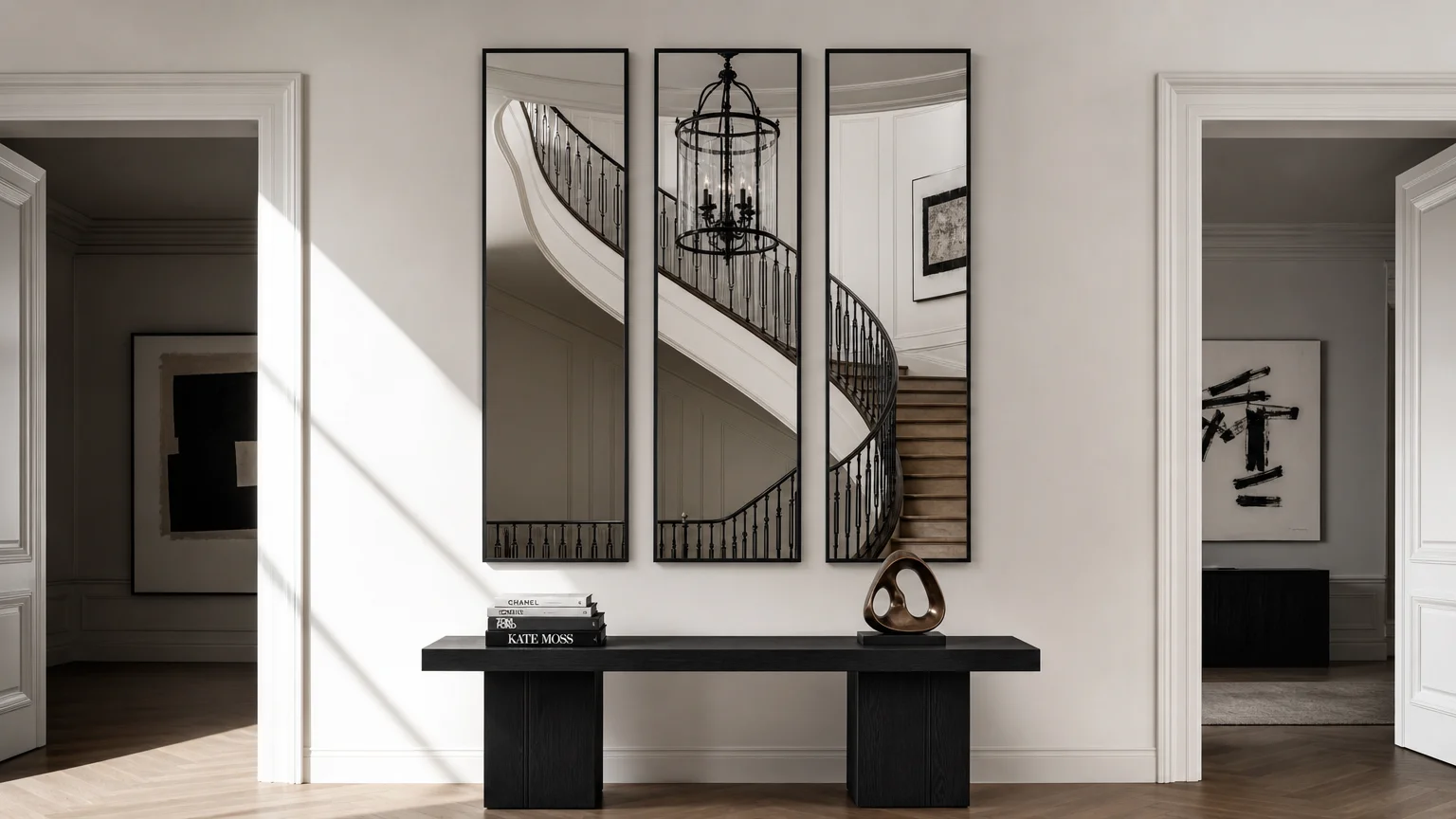
Trend #7: Triptych and Multi-Panel Installations
When a room lacks adequate windows or compelling architectural interest, triptych and multi-panel mirrors serve as the ultimate, transformative design solution. These expansive statement mirrors mimic the structural look of grand, historical factory windows or classical French doors, instantly tricking the human eye into perceiving deeper spatial volume and non-existent outdoor views. By dividing a massive reflective surface into an organized grid with slender black iron or aged brass muntins, you significantly reduce the overwhelming glare of a solid mirror while adding compelling geometric rhythm to your empty walls. You can dramatically elevate a windowless, enclosed dining room by leaning a massive windowpane mirror against the furthest wall; this strategic placement creates the distinct illusion of an adjoining conservatory or a sunlit extended living space. Pair these gridded, architectural designs with flanking indoor olive trees or tall, structural floor lamps to maximize the trompe l’oeil effect, effectively bouncing available light deep into the darkest corners of your interior.
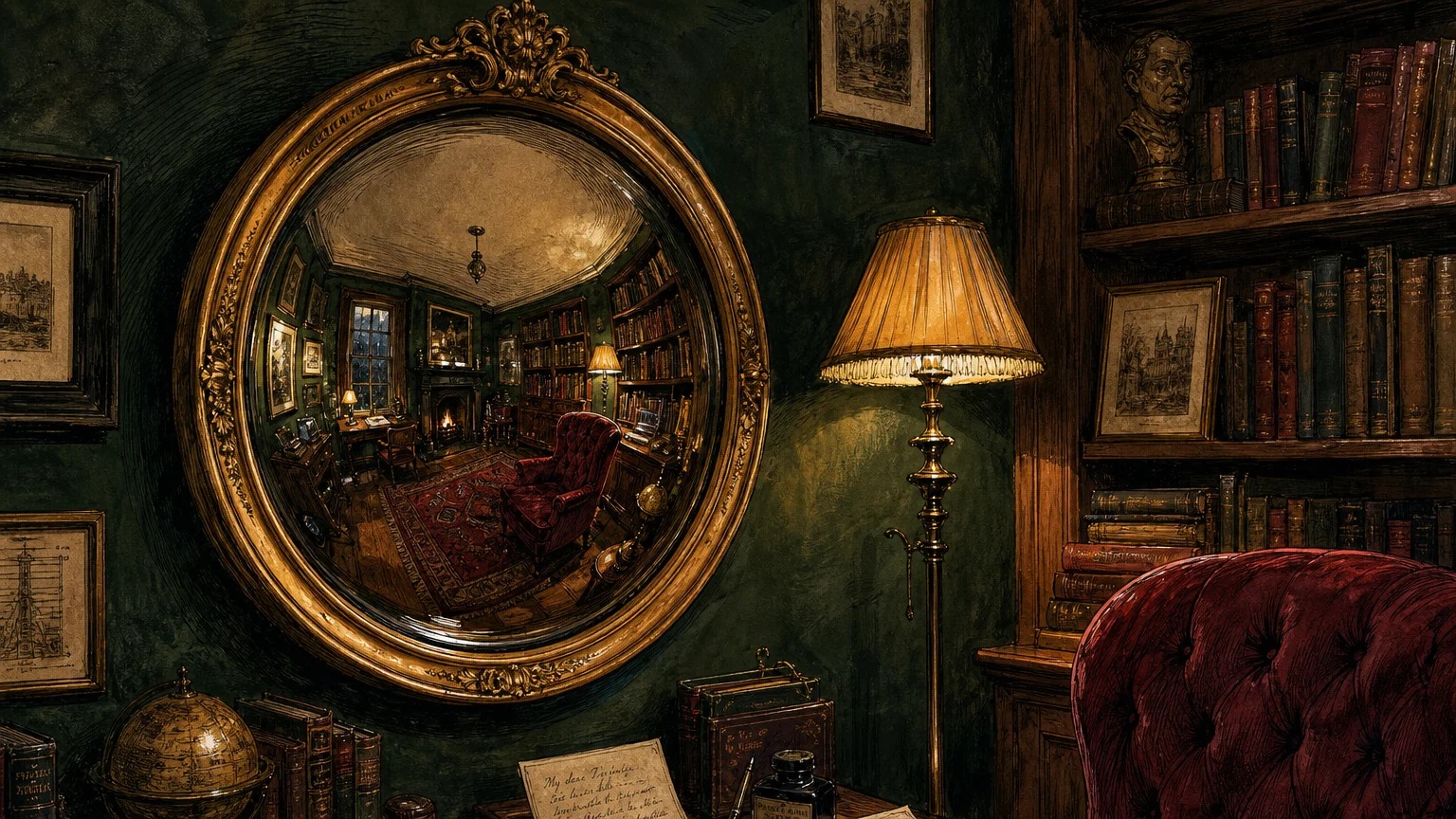
Trend #8: Deep-Set Convex Mirrors
Convex mirrors—historically referred to as bullseye or banker’s mirrors—curve dramatically outward, capturing a wide-angle, panoramic reflection of the entire surrounding room. Originally popularized in the affluent homes of the 18th and 19th centuries, these distinctive, highly stylized pieces have returned as sophisticated curiosities within modern, layered interiors. A deep-set convex mirror housed in a chunky, ebonized wood or heavily gilded frame acts as a mesmerizing, almost cinematic focal point. The intentionally distorted reflection miniaturizes your room, transforming your meticulously planned decor into a dynamic, shifting piece of interactive art. Incorporate a convex mirror above a classic mahogany entryway console or intersperse it within a traditional, floor-to-ceiling gallery wall to break up flat, two-dimensional artwork with a bulbous, light-catching element. These mirrors provide a distinct intellectual and historical charm that actively challenges the standard functional use of a reflective surface, elevating the object from a simple grooming tool to an item of pure, decorative fascination.
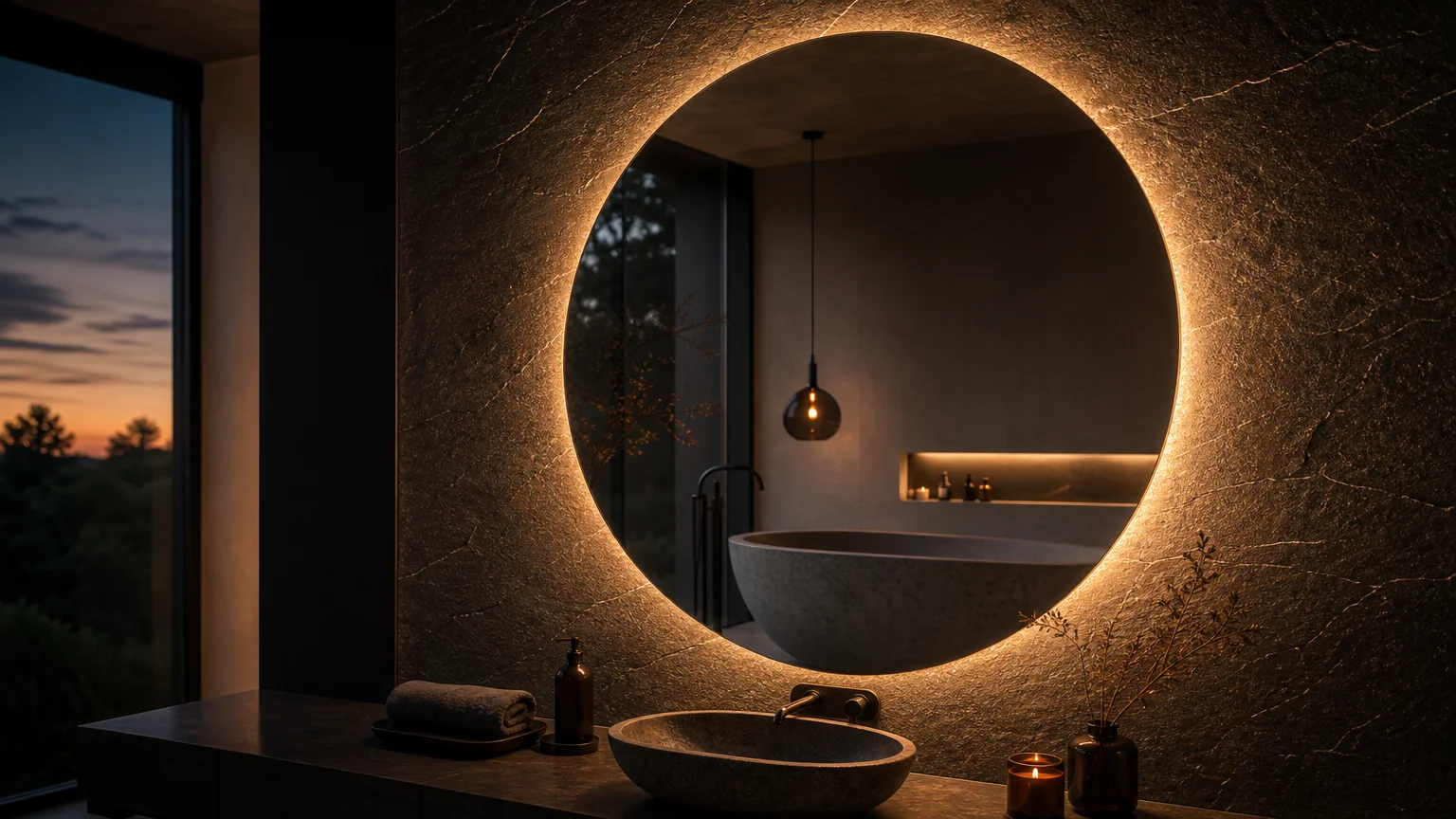
Trend #9: Backlit LED Halo Mirrors
Integrated, architectural lighting represents a major leap forward in interior design ideas, particularly within spa-like bathrooms, luxurious dressing rooms, and stark contemporary entryways. Backlit mirrors feature hidden, continuous LED light strips seamlessly mounted behind the glass, casting a soft, diffuse, glowing halo directly against the mounting wall. This floating, ethereal effect creates striking visual drama while providing incredibly flattering, shadow-free, forward-facing illumination for your daily grooming routines. To achieve a truly high-end finish, specify tunable LED lighting systems that allow you to adjust the color temperature on demand—shifting smoothly from crisp, energizing daylight for morning routines to a warm, amber, candle-like glow for evening relaxation. The complete absence of a visible, heavy frame keeps the aesthetic ultra-minimalist, clean, and forward-thinking. Pair a large, backlit, frameless pill-shaped mirror with heavily veined, dark marble walls; the soft rear glow will intensely highlight the stone’s natural texture, producing an exclusive, five-star hotel atmosphere right in your own primary suite.
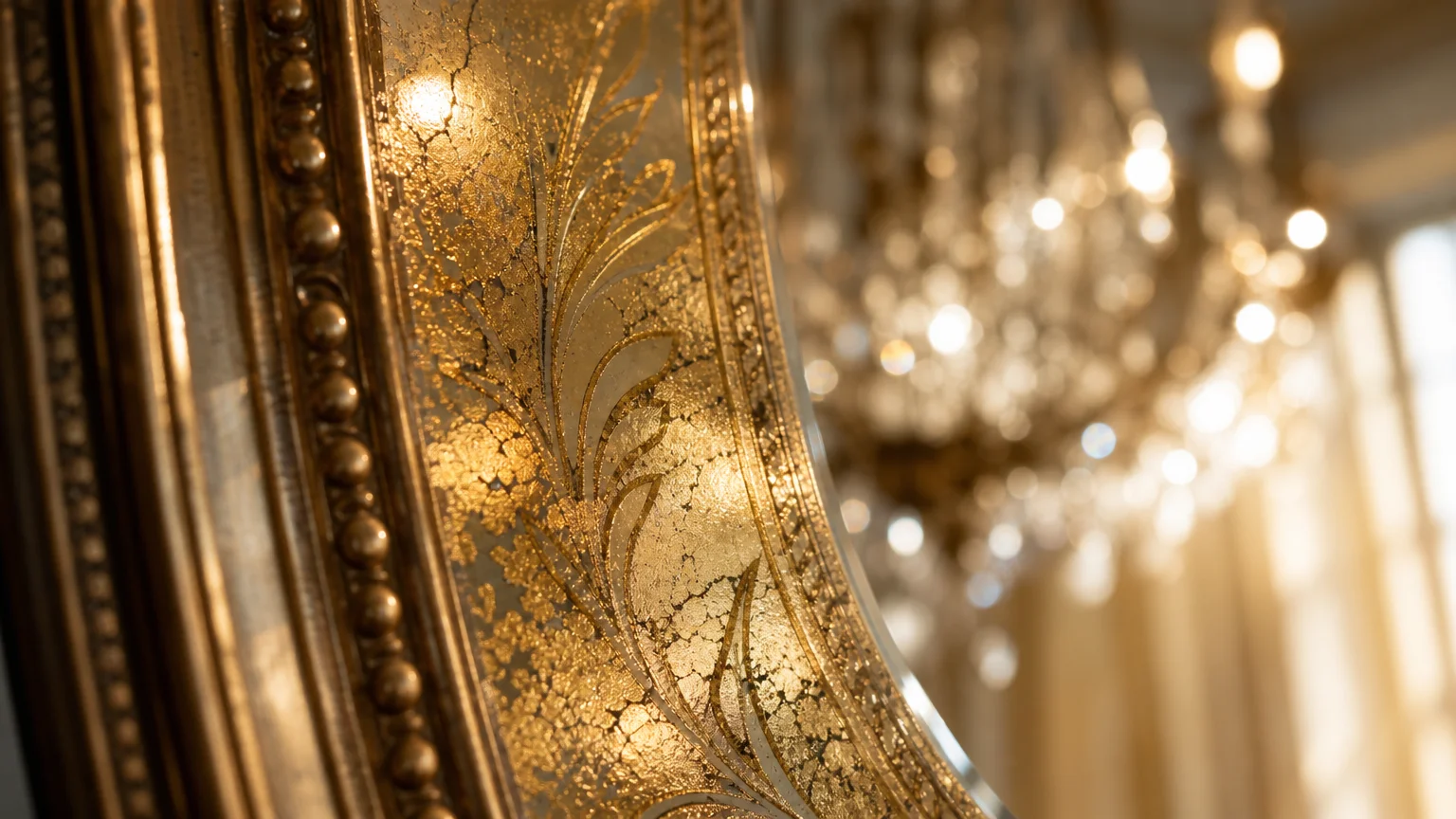
Trend #10: Verre Églomisé and Gilded Details
For the absolute pinnacle of bespoke, traditional luxury, top-tier designers increasingly turn to verre églomisé—the intricate, centuries-old artisanal technique of applying genuine gold, silver, or platinum leaf directly to the reverse side of glass. This highly specialized process produces a mirror that is less about clear, functional reflection and entirely about breathtaking, luminous artistry. Authentic verre églomisé designs often feature delicate, hand-etched botanical motifs, sharp geometric patterns, or subtle, fading borders that shimmer beautifully through the thick glass. These opulent statement mirrors demand to be treated and displayed as fine art. Hang a masterful églomisé piece above a custom-upholstered master bed or center it in a formal, lacquered dining room where seated guests can admire the intricate craftsmanship up close. The precious metal backing reflects ambient room light with an unmatched, fiery warmth that standard silvering simply cannot replicate, ensuring your space feels distinctly wealthy, highly cultivated, and deeply steeped in bespoke European luxury.
The Big Picture: Weaving These Trends into Your Home
How do you seamlessly integrate these luxury mirror designs without turning your carefully curated home into a confusing, chaotic funhouse? The key to elevated design always lies in extreme intentionality and practiced restraint. Treat each decorative mirror not as a required functional necessity, but as a deliberate architectural intervention. If you choose a heavily textured, wabi-sabi plaster frame for your main living room, balance its raw visual weight with sleek, understated side tables and plush, monochromatic seating. When working with oversized statement mirrors, you must ensure the reflection captures something genuinely beautiful—a spectacular crystal light fixture, an opposing window overlooking a lush garden, or an arresting piece of original art. Never place a mirror where it simply reflects a blank hallway door, a chaotic clutter zone, or the side of a television. By carefully orchestrating exactly what the mirror sees, you actively multiply the beauty of your existing interior design ideas. Select just one or two standout reflective pieces per room, allowing them the necessary visual breathing space they require to anchor the aesthetic and permanently elevate the daily experience of your home.
Frequently Asked Questions
How do I choose the correct scale for a statement mirror?
Choosing the correct scale depends entirely on the proportions of the underlying furniture and the height of your ceilings. As a general rule, a mirror hung above a credenza, fireplace mantel, or sofa should span roughly two-thirds to three-quarters of the furniture’s total width. If you are opting for a floor-leaning mirror, taller is always better; aim for a height of at least six feet to ensure the piece feels like an intentional architectural choice rather than an undersized mirror you simply forgot to hang.
Can I mix different luxury mirror designs in the same room?
You can successfully mix different mirror styles within a single space, provided you establish a cohesive thread that ties the room together. For example, you might feature a massive, clean-lined floor leaner with a brass frame on one side of a large living room, and a smaller, antiqued mirror in a heavily carved wooden frame above a side console. The key is to vary the scale and the application so the mirrors do not visually compete. Avoid placing two large, radically different statement mirrors on opposing walls, which creates a jarring, infinite reflection loop.
Are heavily antiqued mirrors considered timeless or just a passing trend?
Antiqued glass remains a deeply timeless design element, largely because it intentionally mimics genuine historical artifacts. Unlike ultra-trendy, brightly colored acrylic frames that cycle quickly out of fashion, foxed glass relies on the eternal appeal of provenance and aged character. Integrating an antiqued mirror into modern home decor provides immediate soul and permanence, ensuring the piece will gracefully endure shifting design fads for decades to come.
What is the best way to light a mirror for maximum impact?
To maximize both functionality and aesthetic impact, avoid casting harsh, single-source light directly onto the mirror from a high ceiling fixture. Instead, utilize layered, indirect lighting. Flank your decorative mirrors with elegant wall sconces mounted at eye level; this cross-illumination eliminates unflattering facial shadows while beautifully highlighting the mirror’s frame. If you are lighting a purely decorative, textured piece like a plaster or verre églomisé mirror, position a directional ceiling spot or picture light to gently wash down the face of the mirror, emphasizing the tactile elements of the frame over the reflection itself.
For the latest color forecasts, consult industry leaders like Pantone and paint companies like Benjamin Moore. For professional design standards, refer to the American Society of Interior Designers (ASID).
Disclaimer: This article reflects design trend analysis and predictions. Personal taste and timeless design principles should always guide your decorating choices.
