

Modern design no longer demands stark white rooms and cold, empty spaces to achieve a sophisticated aesthetic. You can embrace minimalist decor while maintaining a deeply inviting, cozy home through intentional material choices and nuanced color palettes. The secret lies in warm minimalism—a design philosophy that strips away unnecessary clutter but leaves texture, rich earth tones, and organic shapes intact. By layering tactile textiles, incorporating biophilic elements, and selecting purposeful statement pieces, you create an environment that breathes without feeling barren. These interior design trends allow you to curate a serene sanctuary that feels remarkably human, perfectly balancing visual quietness with tactile warmth.
Trend #1: Earth-Toned Plaster Finishes
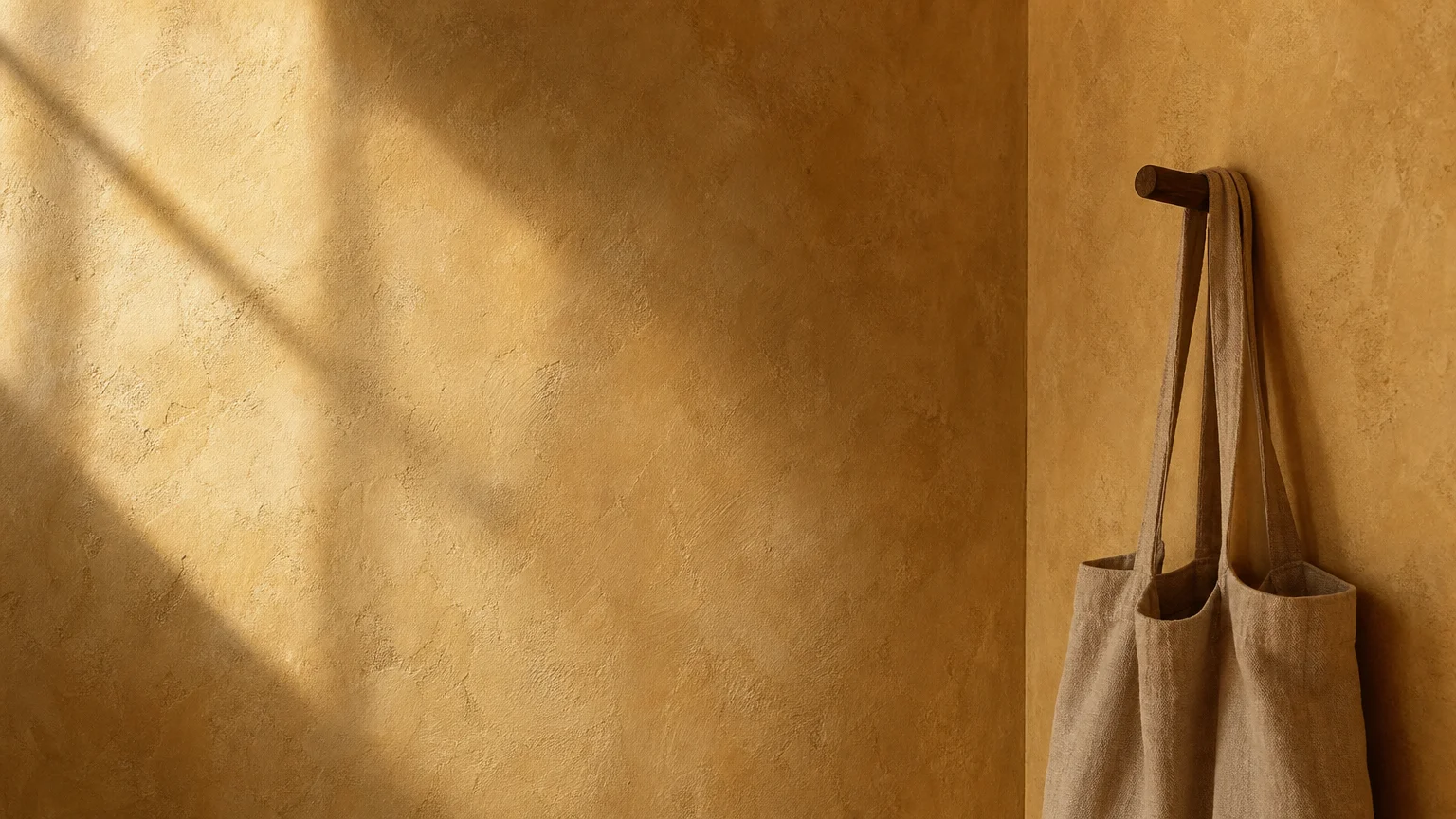
Interior design trends now dictate that flat, sterile walls must give way to dynamic, textured surfaces. Earth-toned plaster finishes—such as Roman clay, tadelakt, and limewash—introduce an immediate sense of history and depth to modern decorating. These living finishes interact beautifully with natural light, creating soft, mottled shadows that a standard matte paint simply cannot replicate. By wrapping a room in a continuous plaster finish, you blur the harsh angles between walls and ceilings, effectively wrapping the space in a visual embrace.
To implement this in your own cozy home, start by selecting warm, nuanced pigments like terracotta, soft fawn, or muted ochre. Apply the treatment to a central living area or a primary bedroom to immediately soften the acoustic and visual harshness of the room. Design industry data shows a massive resurgence in traditional application techniques, with boutique hotels and luxury developments heavily favoring mineral-based wall treatments. You can either hire an artisan for authentic Venetian plaster or utilize accessible, brush-on limewash products to achieve a similar suede-like texture. The goal is to eliminate stark white drywall and replace it with a breathable, organic envelope that feels inherently soothing. This foundational layer sets the tone for warm minimalism, ensuring the architecture itself provides character without requiring additional clutter.
Trend #2: Tactile Wood Casework
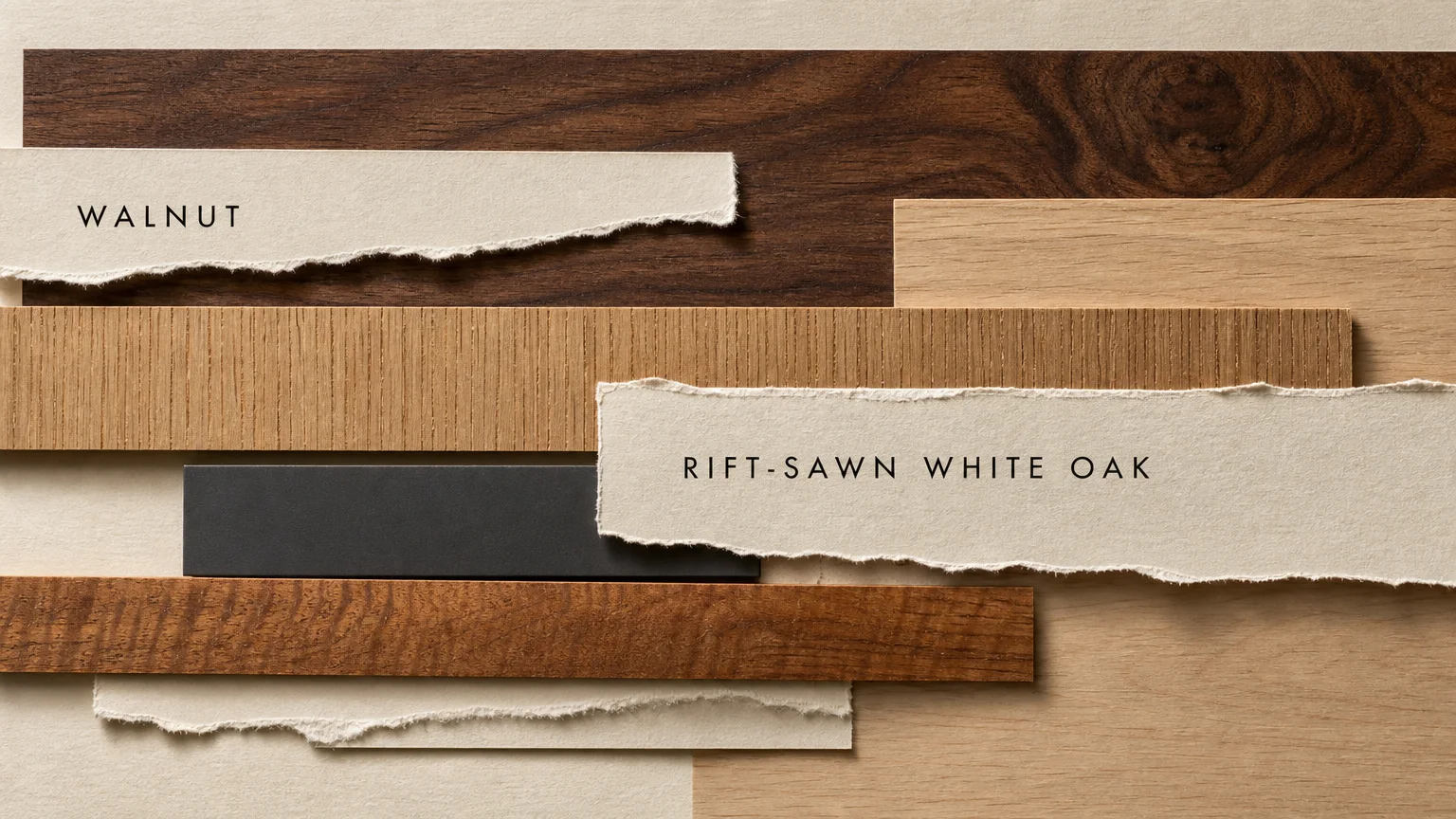
While traditional minimalism often relied on high-gloss lacquers or flat painted cabinets, the current shift favors the intrinsic beauty of tactile wood casework. Richly grained woods like rift-sawn white oak, walnut, and warm ash inject organic vitality into a streamlined space. This approach bridges the gap between austere modern decorating and the desire for a cozy home. Wood inherently carries provenance; its knots and grain patterns tell a story of growth and time, which grounds a room in nature.
When incorporating wood tones, opt for matte or satin clear coats rather than heavy, glossy varnishes. The tactile experience of running your hand over natural wood grain reinforces the sensory appeal of warm minimalism. You can introduce this trend through full kitchen cabinetry, fluted wall paneling, or substantial architectural elements like exposed ceiling beams. To maintain a refined aesthetic, ensure your wood tones relate to one another—you do not need perfectly matched sets, but selecting woods with similar undertones creates a cohesive, harmonious environment. A concrete example includes pairing wide-plank European oak flooring with darker walnut built-ins, allowing the contrast to provide visual interest without relying on decorative excess.
Trend #3: Curved and Sculptural Silhouettes
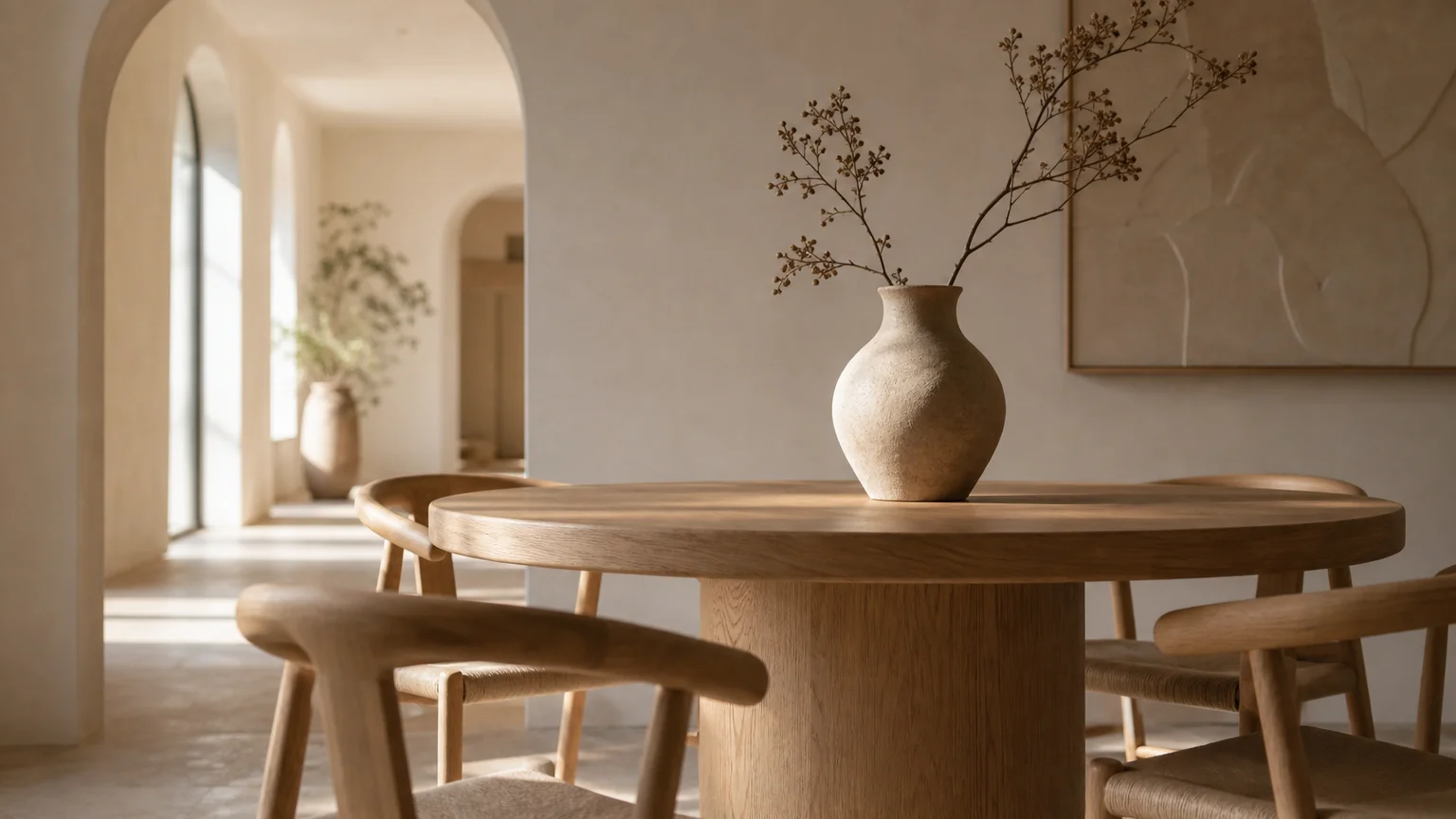
Curved and sculptural silhouettes are fundamentally reshaping how we approach furniture planning and interior architecture. The stark, rigid grid lines that defined early 2000s minimalist decor have softened. Today, you will find kidney-shaped sofas, rounded dining tables, and arched doorways softening the boundaries of our living spaces. These organic, fluid shapes mimic the natural world, instantly putting the human brain at ease and fostering a sense of safety and comfort. This psychological shift is exactly why modern decorating now embraces the curve.
To integrate this into your layout, introduce one heavily contoured statement piece per room. A plush, crescent-shaped sectional can float beautifully in the center of a living room, encouraging conversation and easy traffic flow. Alternatively, a monolithic round dining table constructed from solid timber softens the hard right angles of a typical dining room. Even small architectural interventions, such as softening the sharp corners of a plaster fireplace or adding an arched transition between your kitchen and living space, significantly reduce visual tension. These flowing lines prove that you can maintain an uncluttered environment while completely eliminating the feeling of a sterile, boxy enclosure.
Trend #4: Layered Monochromatic Textiles
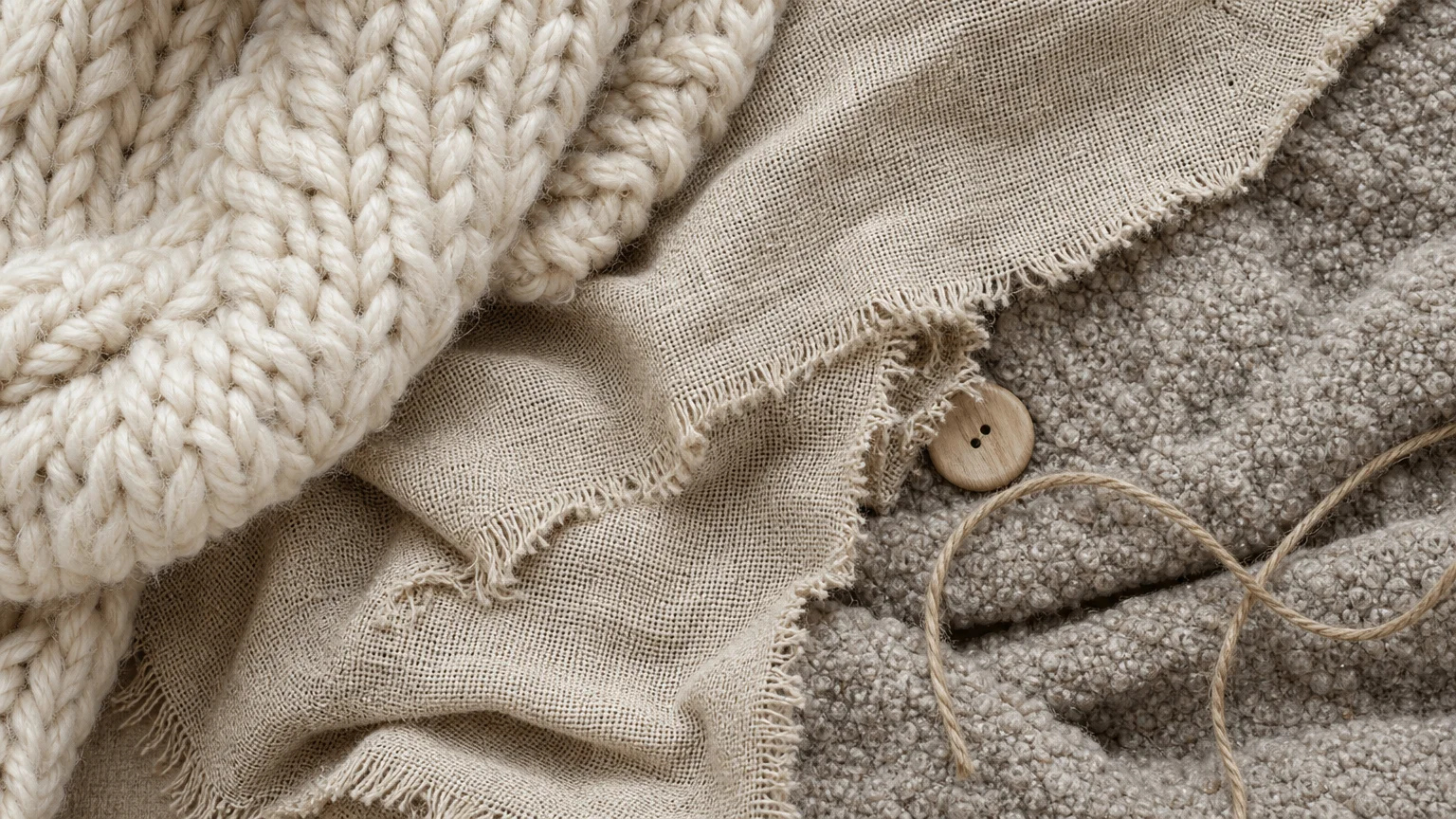
When you deliberately restrict your color palette to serene neutrals, texture must take over the heavy lifting. Layered monochromatic textiles are the absolute cornerstone of a cozy home designed with restraint. Warm minimalism thrives on the interplay of light and shadow across different woven surfaces. Imagine a living room bathed in varied shades of ivory, oat, and taupe—the visual interest stems entirely from mixing heavy nubby wools, smooth washed linens, and luxurious brushed mohair. This tactile diversity prevents a neutral room from falling flat.
To master this interior design trend, apply the rule of threes to your upholstery and bedding. On a tailored linen sofa, layer a chunky knit alpaca throw alongside velvet and bouclé accent pillows. The colors remain tightly controlled, but the contrasting textures create profound depth and warmth. You should also extend this philosophy to your window treatments and area rugs. Swap out rigid blinds for traversing drapery in a sheer, gauzy linen that filters sunlight softly, and anchor the room with a deep-pile Moroccan rug or a heavily textured sisal mat. This sensory richness ensures your minimalist decor remains deeply inviting and comfortable for everyday living.
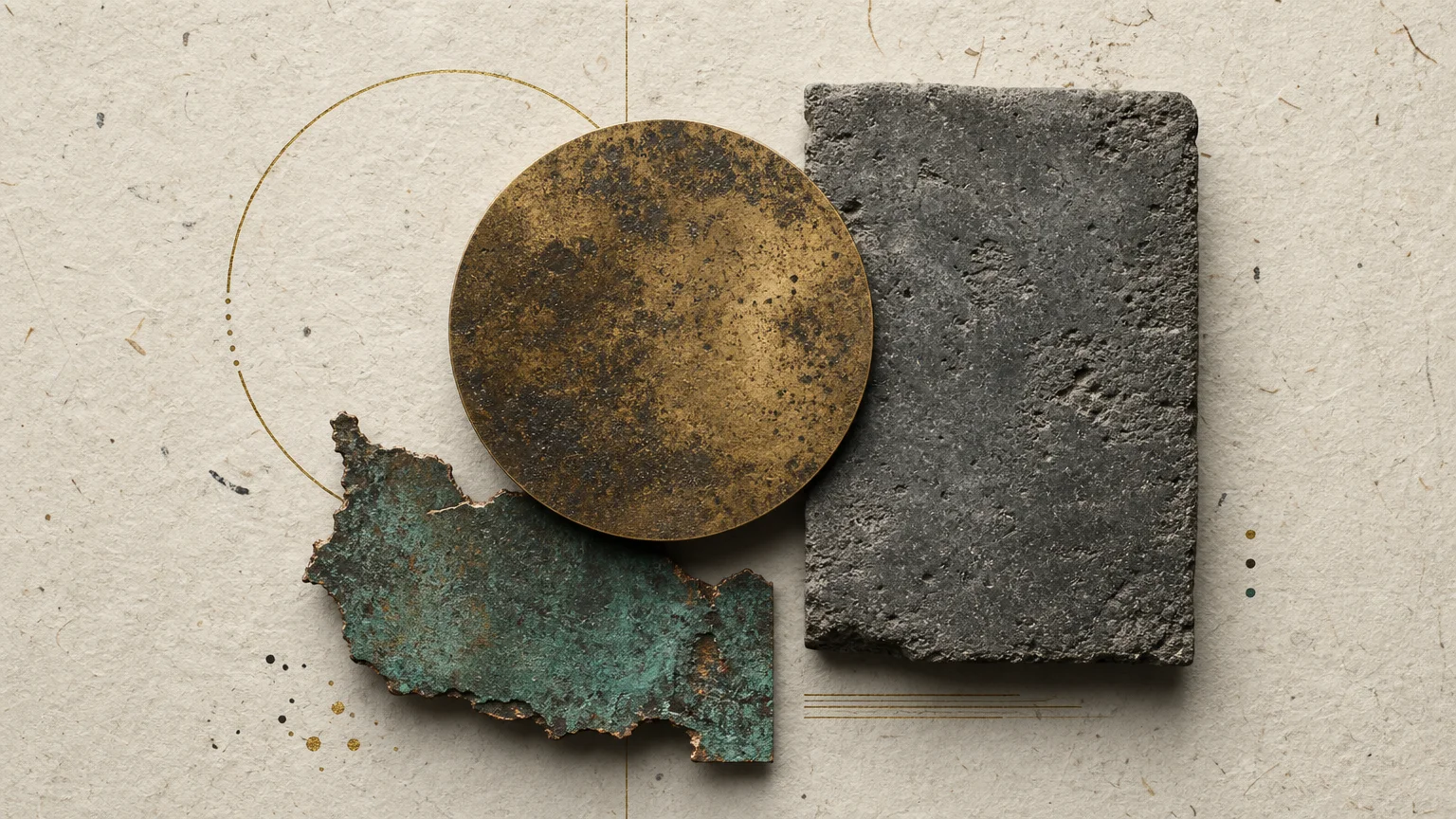
Trend #5: Patinated and Living Finishes
The concept of quiet luxury heavily intersects with warm minimalism, particularly through the use of patinated and living finishes. Flawless, mass-produced surfaces are losing ground to materials that actively age and evolve with your daily routines. Unlacquered brass, oiled bronze, and natural copper hardware develop a unique patina over time, reacting to the oils in your hands and the environment of your home. This subtle tarnishing process adds unparalleled character and authenticity to modern decorating. The pursuit of perfection has given way to an appreciation for materials that show the passage of time.
You can easily apply this trend in kitchens and bathrooms by swapping out sterile chrome or brushed nickel fixtures for unlacquered brass faucets and cabinet pulls. Over a few months, the bright gold tones will deepen into a rich, antiqued bronze, providing a warm metallic glow that contrasts beautifully against minimalist cabinetry. This philosophy also applies to natural stones and leathers. A full-grain leather sling chair that softens and scratches gracefully, or a soapstone countertop that deepens in color with use, signals a confident, relaxed approach to design. Embracing living finishes means your home becomes more beautiful, not less, as you live in it.
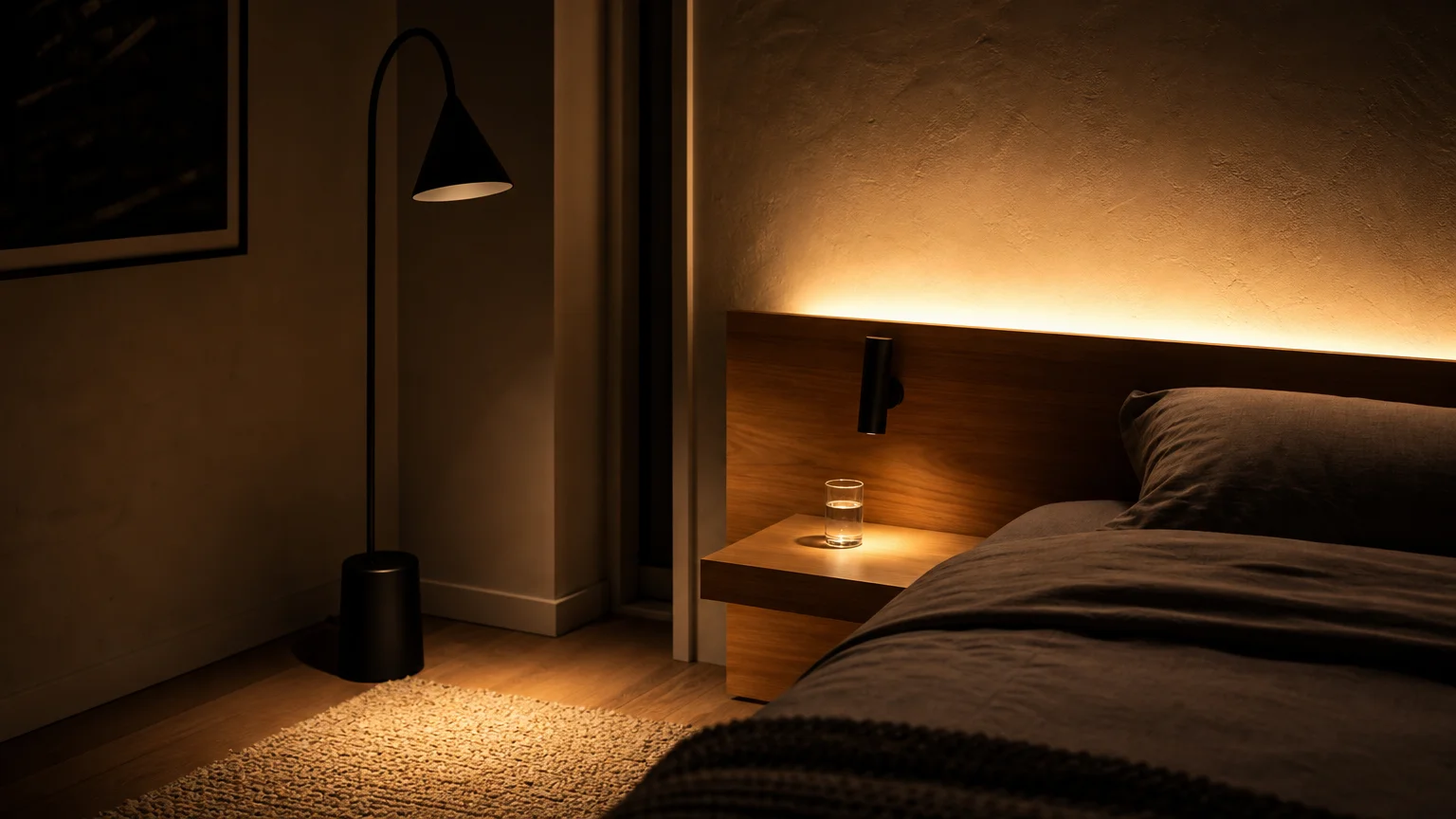
Trend #6: Ambient and Architectural Lighting
Lighting profoundly dictates the emotional resonance of a space, and the latest interior design trends completely reject harsh, uniform overhead illumination. Ambient and architectural lighting now focuses on creating pools of warmth and accentuating natural textures. A truly cozy home relies on multiple, dimmable light sources rather than a single, glaring central fixture. Warm minimalism utilizes lighting as a sculptural element during the day and a mood-setter at night. You should prioritize bulbs with a color temperature between 2700K and 3000K, which mimics the golden hour and flatters both the architecture and the inhabitants.
To execute this properly, layer your lighting across three distinct vertical planes. Install low-level light strips under floating vanities or cabinetry to wash the floor in a soft glow. At eye level, deploy articulated wall sconces with unglazed ceramic or paper shades that diffuse the light into a soft halo. Finally, use strategic picture lights or directional spotlights to highlight textured plaster walls or specific architectural details. By utilizing Noguchi-style paper lanterns or portable LED mushroom lamps, you add functional art to your minimalist decor while maintaining absolute control over the room’s atmosphere and shadow play.
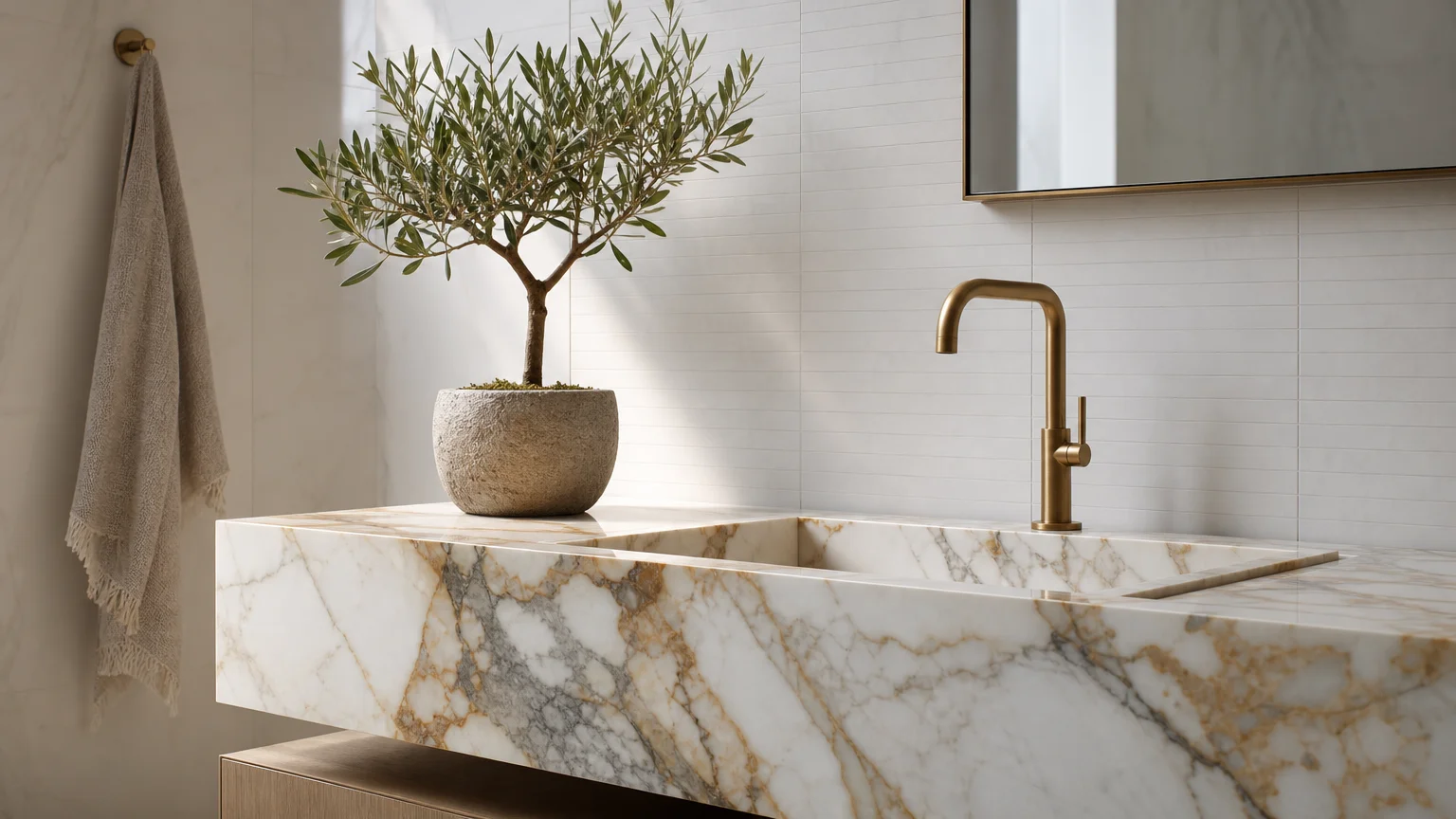
Trend #7: Biophilic Stone Statements
Stone has always been a staple of interior design, but its current application in minimalist decor is decidedly bold and monolithic. Biophilic stone statements—where materials like heavily veined Calacatta Viola marble, rugged travertine, and deep green soapstone are used as sculptural anchors—bring the majesty of the outdoors directly into your home. Rather than limiting stone to standard countertops, designers are employing it as solid blocks of natural art. A minimalist space requires very few objects, which means the objects you do choose must possess substantial visual weight and integrity.
Consider a solid travertine plinth used as a coffee table, or a custom-carved marble sink basin that floats seamlessly against a plaster wall. These heavy, earthen elements provide an essential grounding effect in otherwise airy, uncluttered rooms. The dramatic veining and natural imperfections of the stone act as the room’s primary pattern, eliminating the need for busy wallpapers or excessive artwork. When incorporating large stone elements, leave the edges honed or leathered rather than highly polished; a matte finish enhances the tactile warmth of the material and aligns perfectly with the understated elegance of modern decorating.
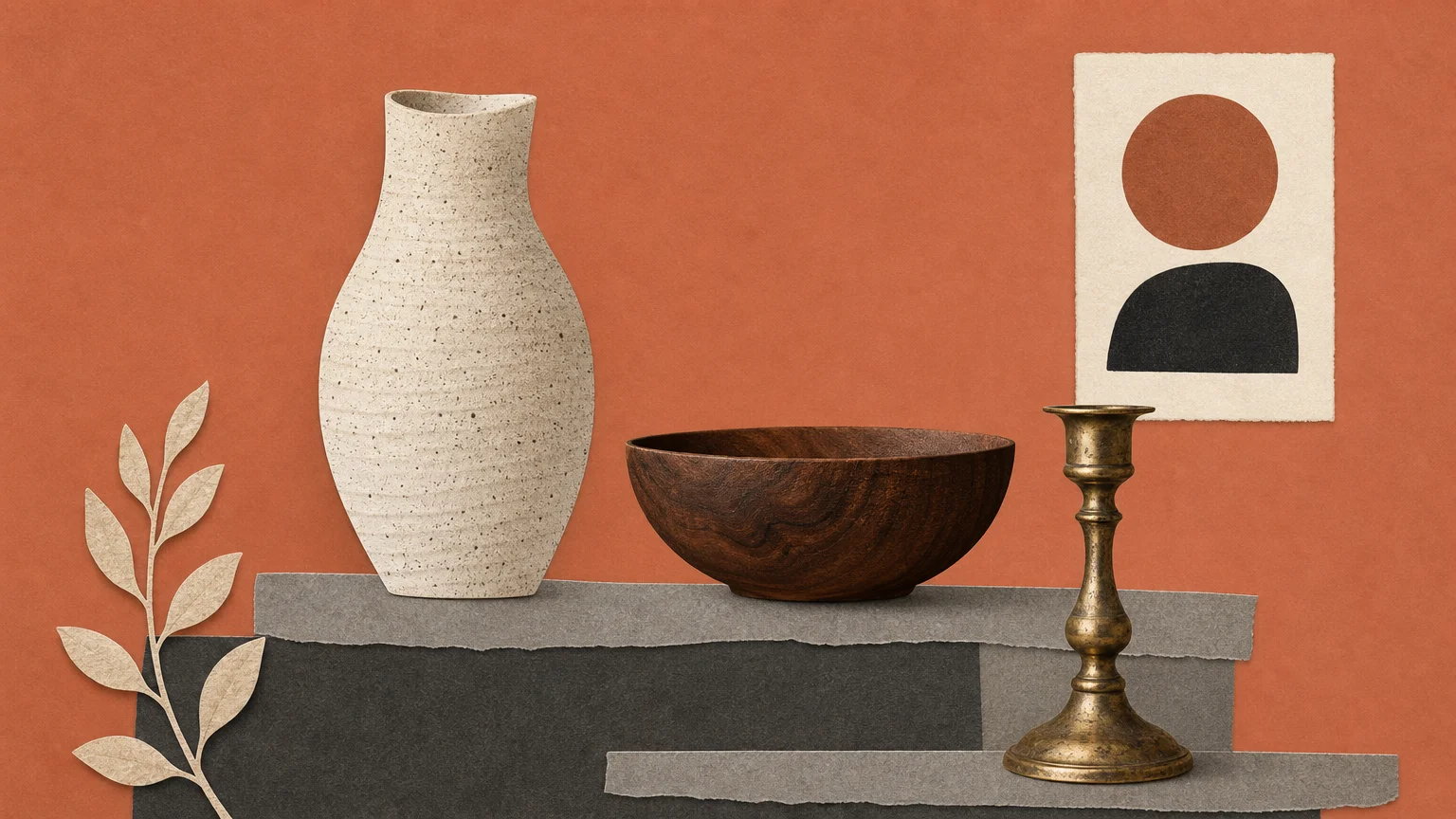
Trend #8: Curated Vintage and Artisanal Objects
The final layer of a warm minimalist aesthetic involves the precise introduction of curated vintage and artisanal objects. To prevent a streamlined home from feeling like a generic showroom, you must introduce items that possess unmistakable provenance. The Japanese philosophy of wabi-sabi—finding beauty in imperfection—heavily influences this approach. Mass-produced accessories are replaced by hand-thrown ceramics, antique wooden milking stools, and oxidized bronze vessels. These objects infuse a space with soul and distinct personality.
The key to maintaining your minimalist decor is restraint; you are not filling every empty shelf, but rather creating deliberate moments of focus. Try displaying a single, asymmetrical clay vase on an expansive dining table, or resting an antique, weathered wooden bowl on a sleek modern console. The juxtaposition of a crisp, contemporary architectural background against a rugged, time-worn object creates a thrilling visual tension. This highly curated approach ensures that every single item in your home commands attention and serves a purpose, whether functional or purely aesthetic. By prioritizing quality, history, and craftsmanship over sheer volume, you build a cozy home that feels uniquely yours and deeply connected to human artistry.
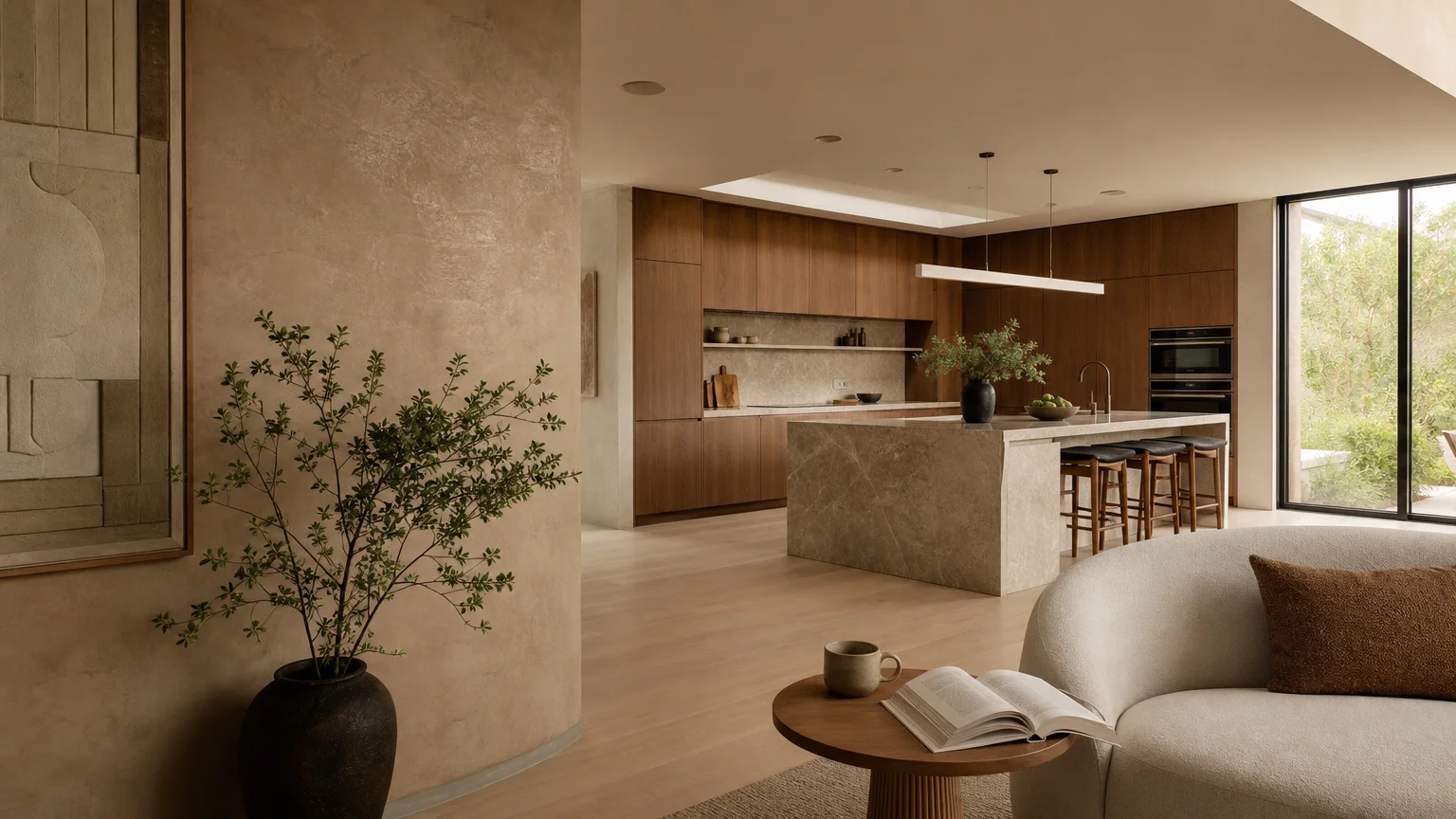
The Big Picture: Weaving These Trends into Your Home
The beauty of warm minimalism lies in its adaptability. You do not need to gut-renovate your house to embrace these interior design trends. Instead, view these eight principles as a cohesive toolkit for simplifying and enriching your environment simultaneously. Weaving these trends into your home requires a disciplined editorial eye; you must be willing to remove the superfluous so the essential can shine. Start with the foundational elements: assess your walls, floors, and lighting. Painting a stark white room in a textured, warm neutral lime wash instantly alters the mood.
From there, you can slowly replace cold, glossy furniture with tactile wood pieces and softly curved upholstery. The ultimate goal of modern decorating is not to adhere to a rigid set of rules, but to curate a space that supports your daily life and mental well-being. A truly cozy home balances the negative space—the empty areas that allow your eyes to rest—with profoundly rich, tactile materials that engage your senses. By focusing on organic textures, living finishes, and intentional lighting, you craft an enduring sanctuary that transcends fleeting fads.
Frequently Asked Questions
Q: How do I transition my current stark, minimalist decor into a warmer, more inviting space?
A: You can easily warm up a sterile environment by focusing on textiles and lighting first. You do not need to replace your large furniture immediately. Introduce a large, heavily textured area rug, layer wool and bouclé throw pillows onto your existing sofa, and swap out cool-toned LED bulbs for dimmable 2700K bulbs. Adding a few pieces of vintage pottery or a heavily grained wooden accent table will instantly break up the rigid lines and coldness of early-wave minimalism.
Q: Can I incorporate dark colors while still maintaining a warm minimalist aesthetic?
A: Absolutely. Warm minimalism is not exclusively restricted to beige and cream. Deep, saturated earth tones like olive green, rich terracotta, baked rust, and even charcoal gray work beautifully within this framework, provided they feature a matte or textured finish. The key is to avoid high-contrast, jarring color blocking. If you use a dark tone, saturate the entire room—including the ceiling and trim—to create a cohesive, enveloping feeling that feels remarkably modern and cozy.
Q: Are curved silhouettes and asymmetrical furniture just a passing fad?
A: While extreme, exaggerated curves may cycle out of high-fashion design, the fundamental shift toward organic, biophilic shapes represents a permanent evolution in interior design trends. Human beings are biologically wired to feel more relaxed around soft, rounded forms rather than sharp, aggressive angles. Investing in a curved sofa or a round dining table is a structurally sound decision that will remain functional and visually pleasing for decades.
For the latest color forecasts, consult industry leaders like Pantone and paint companies like Benjamin Moore. For professional design standards, refer to the American Society of Interior Designers (ASID).
Disclaimer: This article reflects design trend analysis and predictions. Personal taste and timeless design principles should always guide your decorating choices.
