

Optimizing the sleep environment over 60 requires targeted design interventions that prioritize restorative rest without compromising aesthetic elegance. You can achieve profound enhancements in sleep quality through budget-conscious modifications that align seamlessly with sophisticated interior design principles. Cultivating a tranquil, hazard-free sanctuary mitigates common nighttime disturbances, from sensory overload to navigational challenges. By establishing an affordable bedroom, seniors elevate both functionality and physical well-being. These strategic bedroom changes better sleep outcomes while maintaining a chic, cohesive atmosphere. Implementing these accessible upgrades merges practical health benefits with refined style, proving that cheap sleep improvements easily embrace the luxurious tenets of modern organic design and mindful living.
Trend #1: Biophilic Illumination and Amber Lightscapes
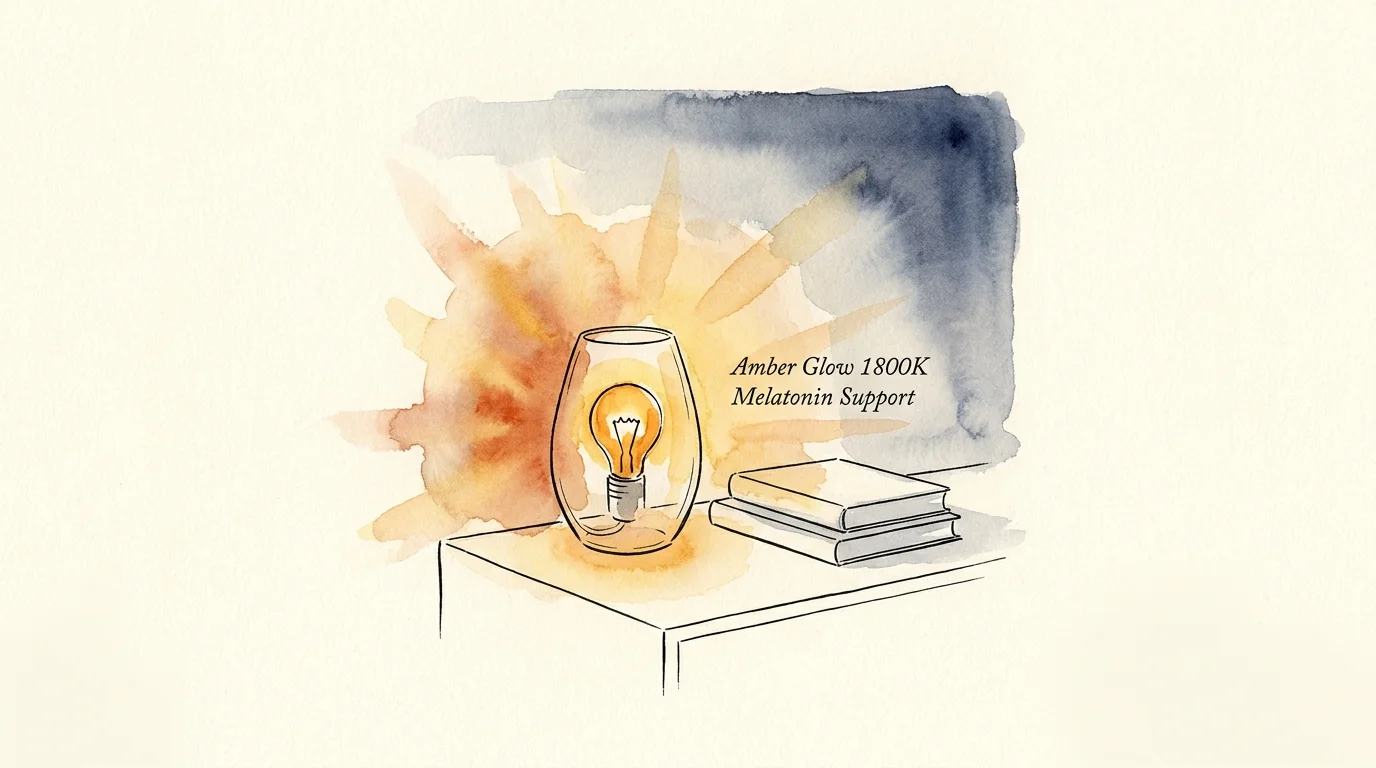
Modern interior design continues to shift away from harsh, clinical overhead lighting in favor of biophilic illumination—a lighting strategy that mimics the natural rhythms of the setting sun. For older adults, the biological impact of light is profound; exposure to blue light from standard LED bulbs disrupts the natural production of melatonin, making it incredibly difficult to fall asleep and stay asleep. You can embrace this sophisticated trend by swapping out bright bedside bulbs or installing targeted amber nightlights that emit a warm, fire-like glow.
Upgrading to low-kelvin, amber-tinted bulbs or discreet plug-in sconces transforms your bedroom into a soothing evening retreat for well under fifty dollars. These fixtures provide ample visibility for safety without signaling to your brain that it is daytime. When evaluating the bedroom upgrades sleep seniors deeply depend on, transitioning to this warm lighting aesthetic offers an immediate, measurable improvement in sleep architecture. The result is a space that feels exceptionally luxurious—reminiscent of a high-end spa—while stealthily supporting your circadian rhythm.
Trend #2: Tactile Provenance and Grounding Textiles
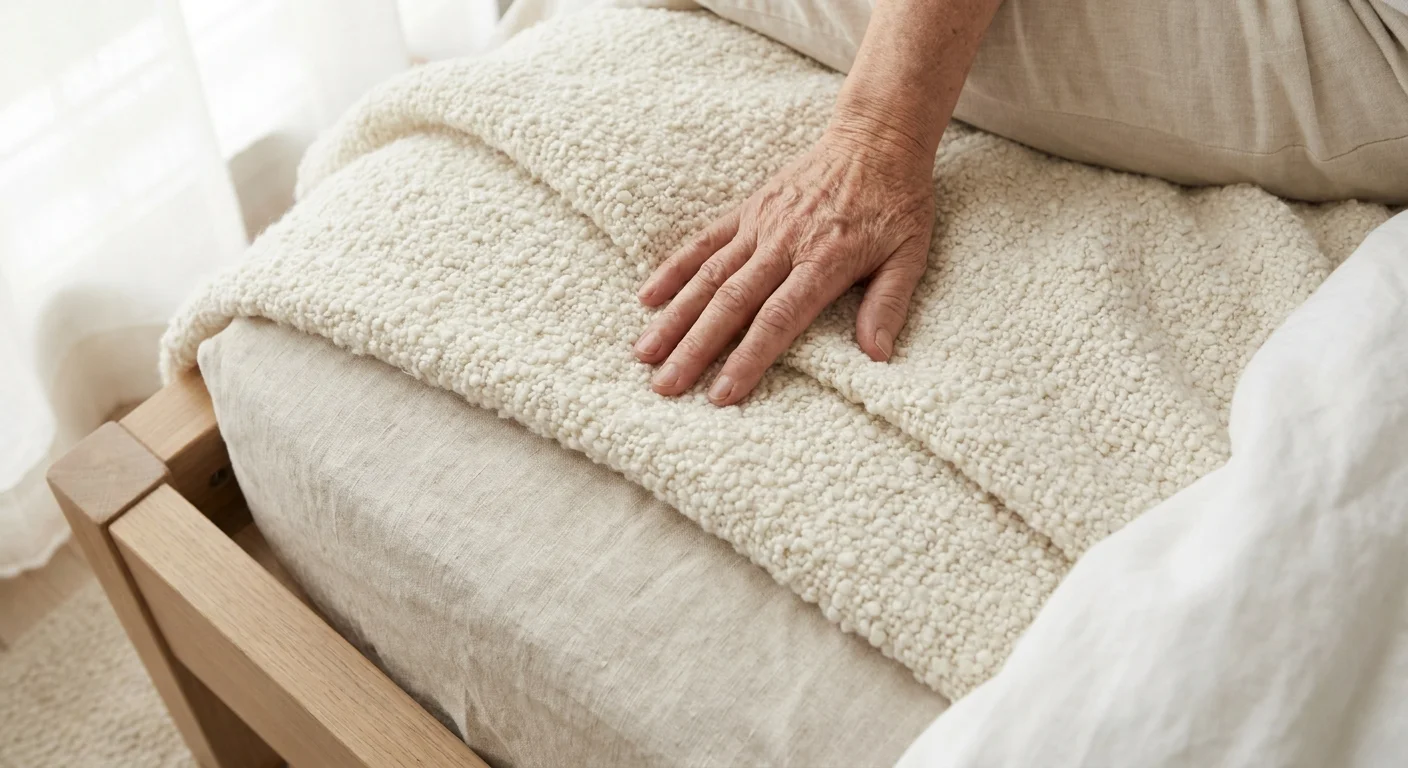
The design world is currently enamored with tactile provenance, a movement that celebrates the deep, sensory experience of natural, heavy textiles. While full weighted blankets have surged in popularity over the last decade, they often trap excess heat and can feel overly restrictive for aging bodies. Instead, the refined alternative involves draping a densely woven, chunky knit or bouclé throw blanket exclusively across the foot of the bed.
This deliberate layering adds a rich, editorial depth to your bedroom styling while offering localized deep pressure therapy. Securing a heavy, textured throw for a fraction of the cost of a full weighted system allows you to ground your lower extremities, which eases restless legs and promotes a sense of physical security. You infuse your space with the highly sought-after “quiet luxury” aesthetic simply by introducing textiles that invite touch; this strategic addition anchors the room visually and anchors your body physically for a deeper, more restorative night of rest.
Trend #3: Atmospheric Blackout Cocooning
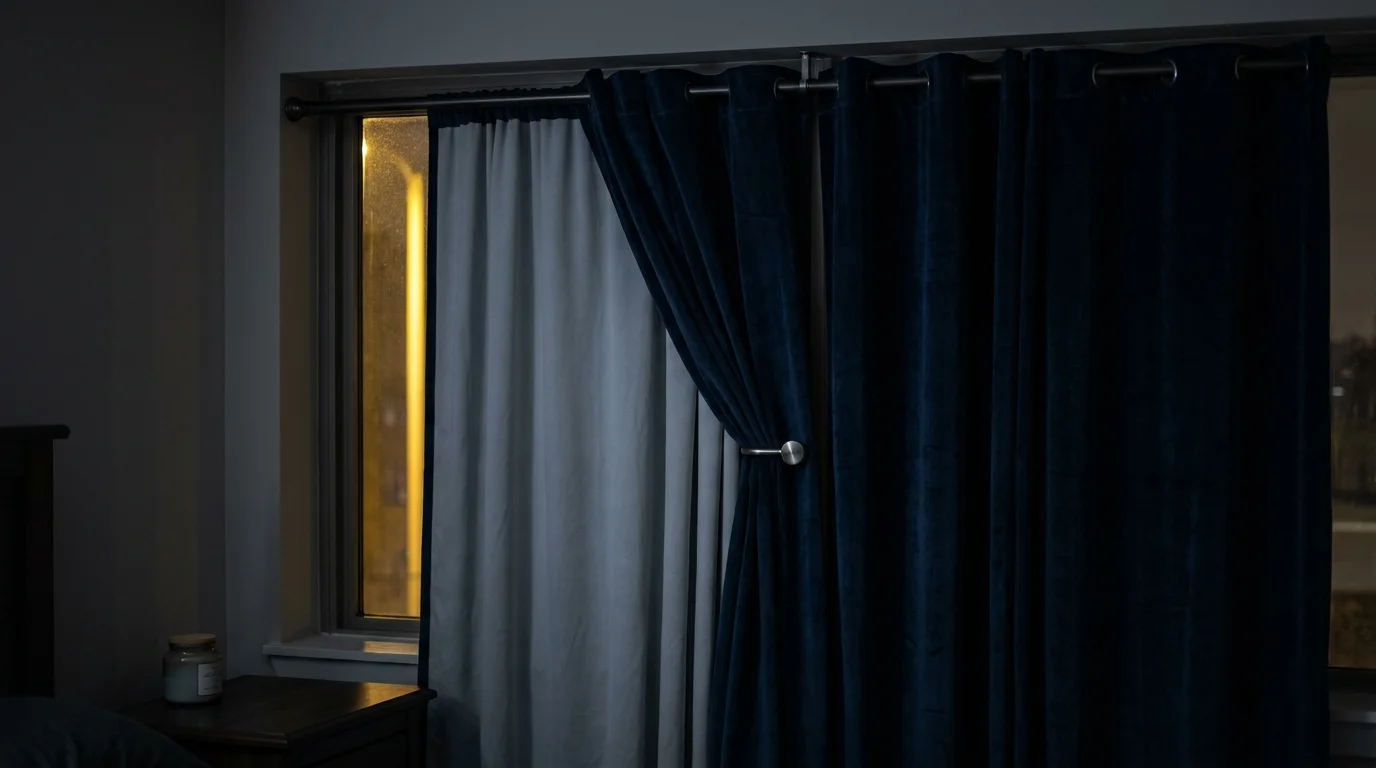
Creating a highly controlled sleep environment no longer requires a complete architectural overhaul or custom drapery that depletes your savings. The trend of atmospheric cocooning emphasizes creating a dark, draft-free enclave that protects your restorative sleep phases from external light pollution and temperature fluctuations. As our eyes age, we become more sensitive to shifting light levels, meaning even a streetlamp filtering through flimsy blinds can fracture an otherwise peaceful night.
You can achieve this high-end, hotel-quality darkness by mounting a heavy-duty tension rod inside your window frame and hanging thermal blackout panels. Accessible at most home goods retailers for a modest price, these thick, velvety panels block out intrusive light while simultaneously insulating the room against cold window drafts. This upgrade leans into the moody, saturated design trend that favors enveloping, secure spaces over stark, brightly lit rooms. By sealing out the chaotic outside world, you curate a serene internal landscape tailored strictly for deep sleep.
Trend #4: Ergonomic Architectural Hardware
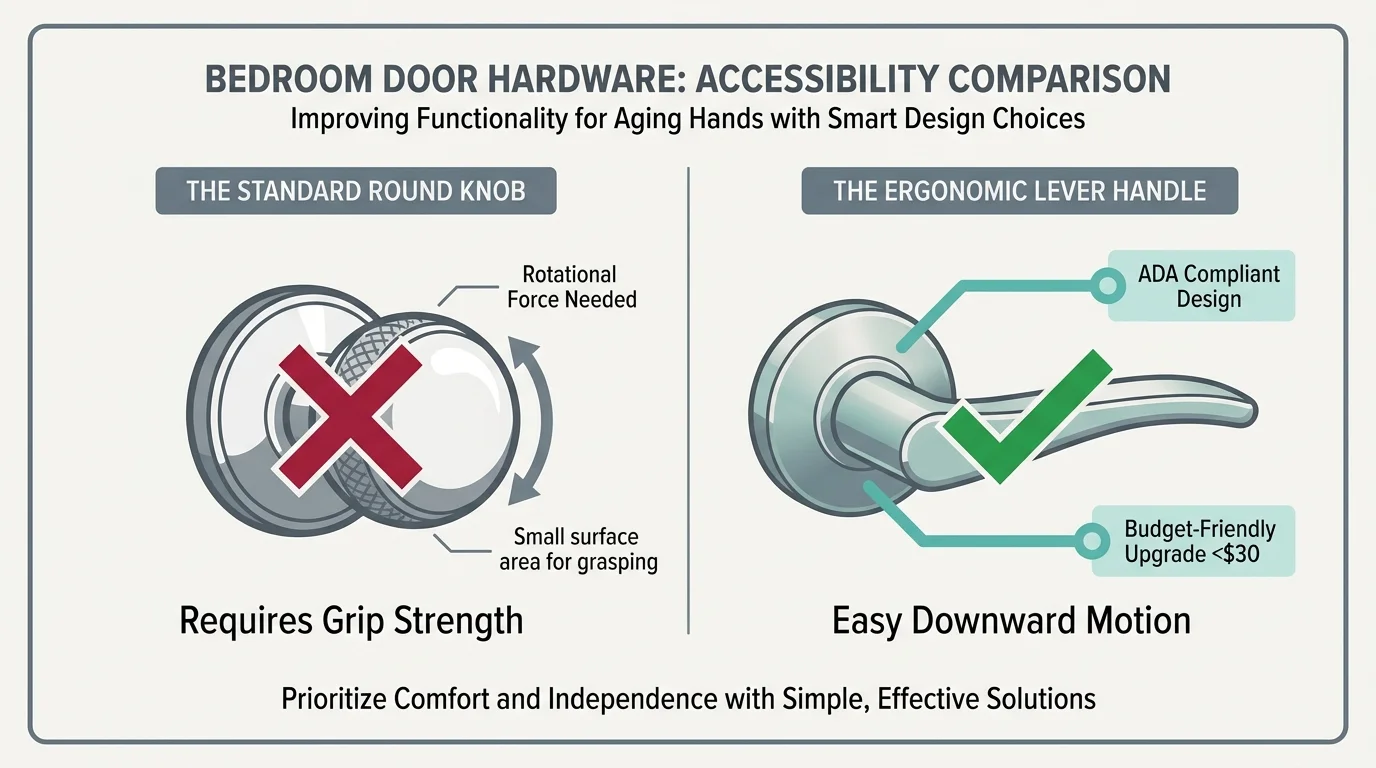
Universal design is experiencing a renaissance, shedding its previously clinical aesthetic to merge flawlessly with chic, architectural hardware trends. The tiny, intricate knobs traditionally found on nightstands and dressers often require fine motor skills that become strained or painful due to arthritis. Struggling in the dark to open a drawer for reading glasses, medications, or a glass of water inherently spikes nighttime anxiety and physical discomfort.
You can modernize your existing furniture by replacing those fiddly knobs with oversized, matte black or unlacquered brass bar pulls. These substantial pieces of hardware offer a generous surface area, allowing you to hook a finger or rest a palm to open a drawer effortlessly. Swapping out hardware is a designer’s secret weapon for reviving tired furniture; it instantly modernizes the visual profile of your bedroom while offering a highly practical, ergonomic solution that supports independent, frictionless nighttime navigation.
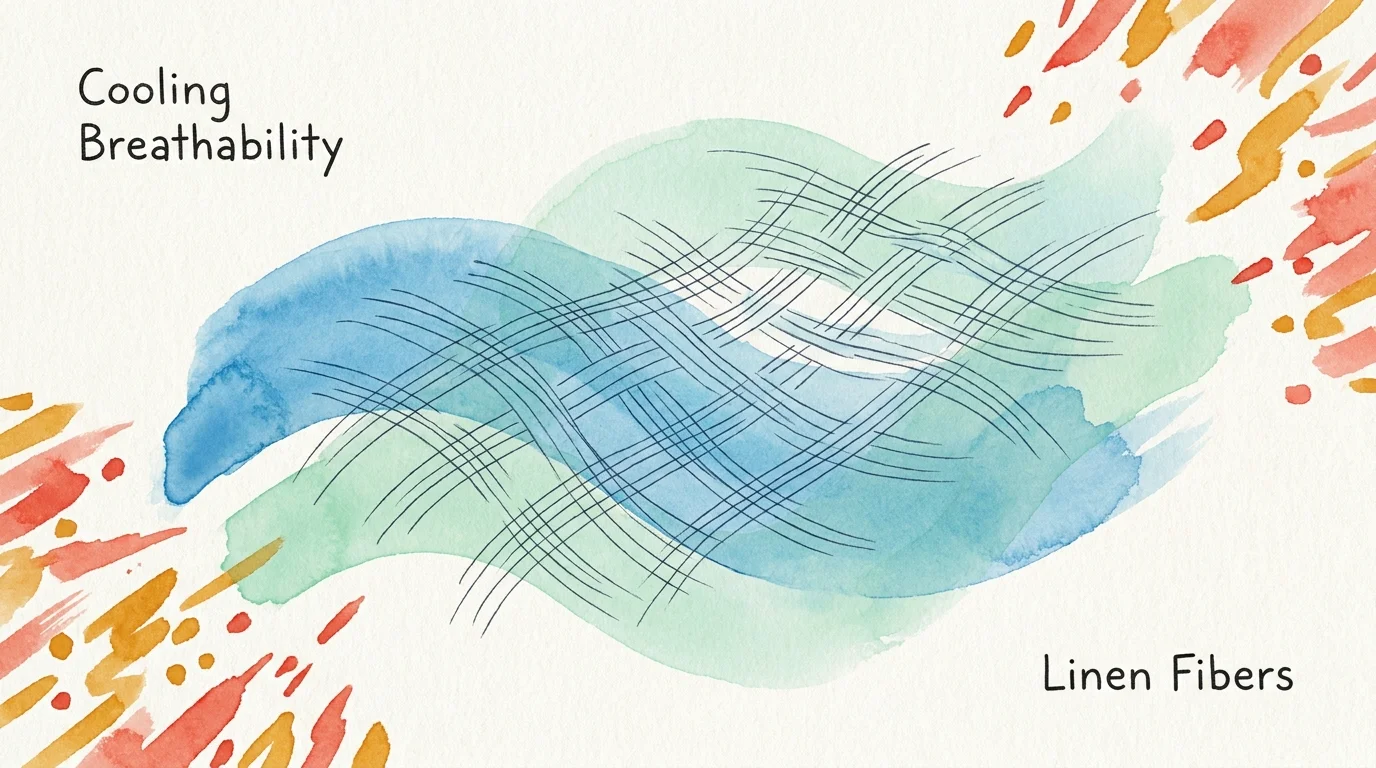
Trend #5: Chromatic Thermal Regulation
Thermal regulation remains one of the most critical factors for uninterrupted sleep, particularly as metabolic changes alter our internal thermostats. Rather than investing in entirely new bedding sets, design experts advocate for chromatic thermal regulation—the practice of upgrading just your pillowcases to crisp, breathable percale cotton in visually cooling color palettes. Percale features a simple one-over, one-under weave that inherently allows air to circulate, preventing the localized heat buildup that causes night sweats.
By selecting these high-quality, long-staple cotton pillowcases in muted, nature-inspired tones like sage green, slate blue, or soft clay, you engage the psychological principles of color theory. These sophisticated shades naturally lower your perceived room temperature and visually calm an overactive mind. For a marginal investment, your head rests on a surface that feels perpetually cool and dry, capturing the pristine, five-star hotel aesthetic while fundamentally improving your physiological comfort throughout the night.
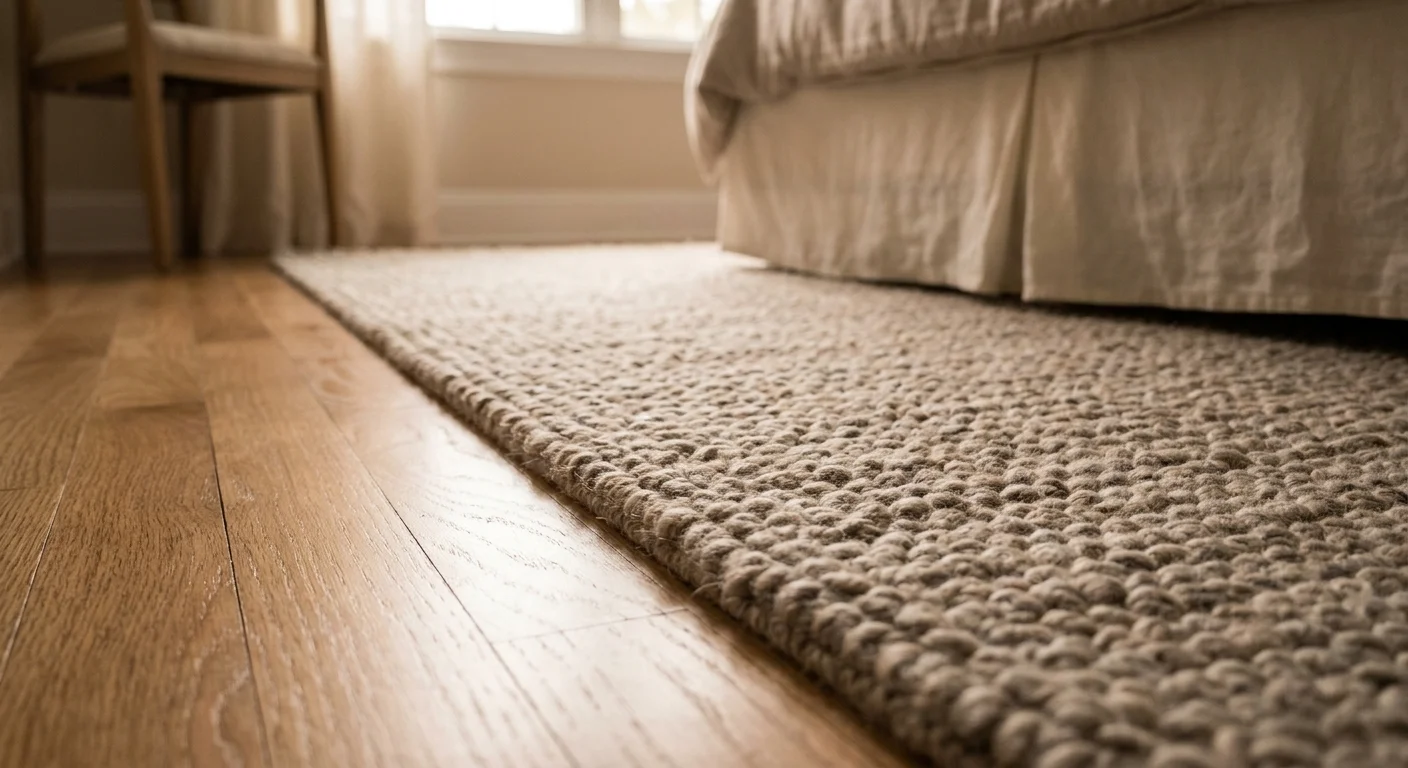
Trend #6: Acoustic Dampening Elegance
Acoustic interior design is rapidly moving from commercial spaces into residential sanctuaries, recognizing that auditory disturbances are a primary culprit of fragmented sleep. Hardwood floors and minimalist decorating schemes inadvertently create echo chambers that amplify every creak, footstep, or passing vehicle. For seniors, a sudden noise does not just disrupt sleep; it triggers a stress response that elevates the heart rate and delays a return to REM sleep.
You can actively combat this environmental noise by installing thick felt or memory foam rug pads underneath your existing bedside rugs. This invisible upgrade introduces a layer of dense material that absorbs ambient sound waves, drastically hushing the room. Furthermore, a substantial rug pad prevents the edges of your rug from curling and slipping, thereby removing a significant tripping hazard. You essentially engineer a quieter, safer environment that feels exceptionally plush underfoot, elevating the tactile experience of stepping out of bed each morning.
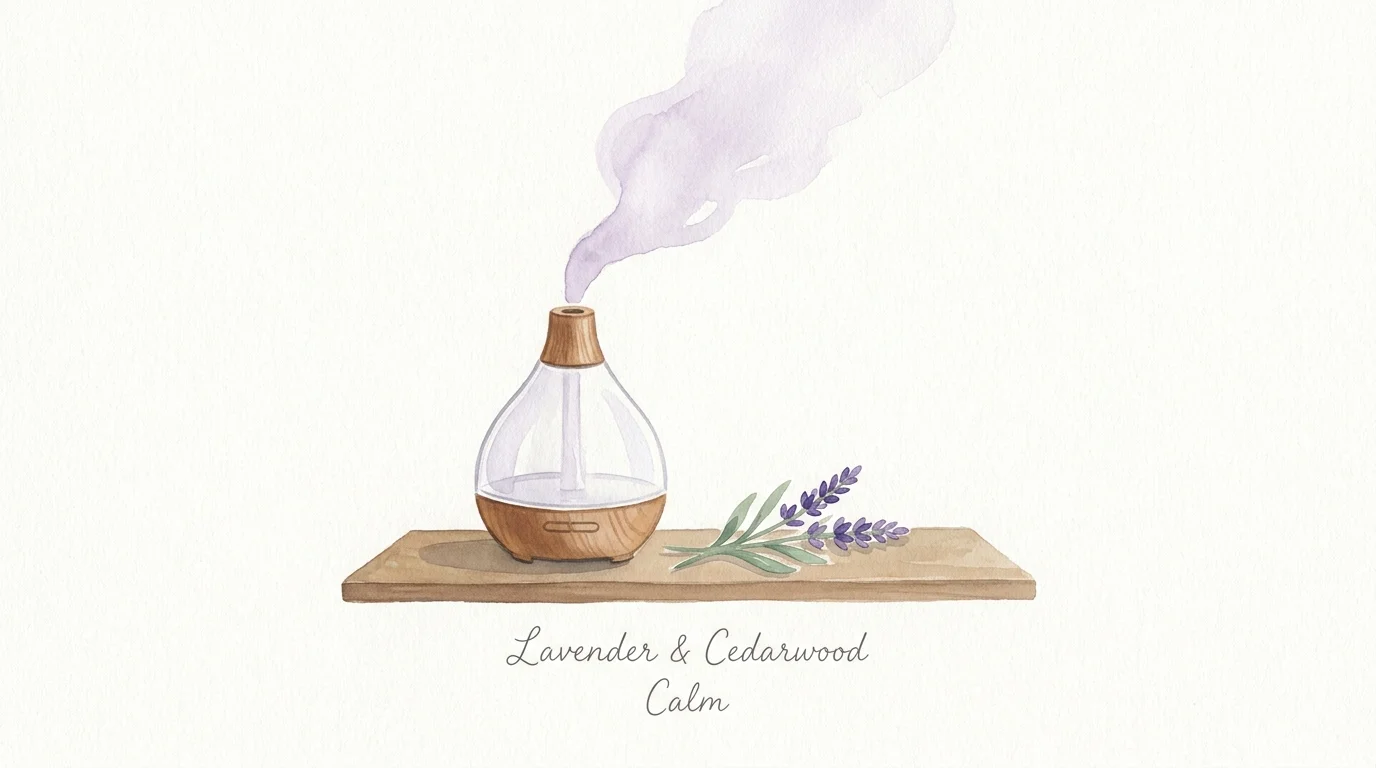
Trend #7: Olfactory Minimalism
Engaging the senses through olfactory design is an essential pillar of holistic interior styling, shifting away from synthetic plug-in air fresheners toward elegant, passive scent diffusion. Scents like lavender, cedarwood, and bergamot contain natural terpenes that have been scientifically shown to lower cortisol levels and decrease heart rates, perfectly priming the nervous system for sleep.
Integrating a beautifully crafted glass reed diffuser or a small bowl of essential oil-infused volcanic rocks provides a constant, subtle fragrance without the hazards of an open flame or the need for electrical cords. This trend champions minimalism, utilizing the scent vessel itself as a piece of sculptural art on your dresser or nightstand. By curating a signature scent for your bedroom, you create a powerful olfactory association; the moment you cross the threshold, your brain recognizes the specific botanical aroma and initiates the biological wind-down process necessary for restorative sleep.
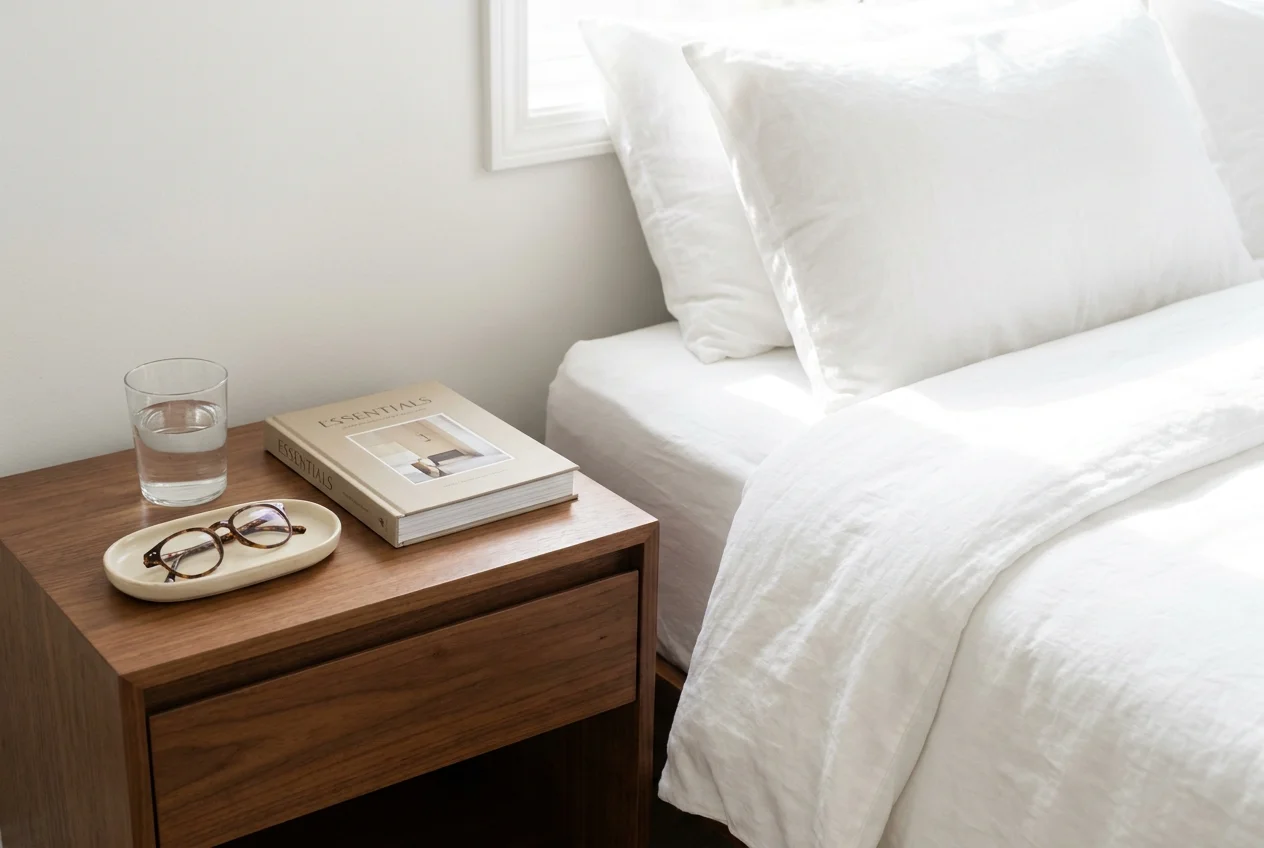
Trend #8: The Clutter-Free Nightscape
Visual noise equates directly to mental noise, and the modern bedroom serves as a prime battleground against clutter. For many seniors, the nightstand becomes a chaotic landscape of CPAP machine hoses, reading lamp cords, tablet chargers, and assorted medications. This tangled web not only looks unkempt but introduces subtle psychological stress and physical entanglement risks precisely where you need absolute serenity.
Embracing the clutter-free nightscape trend involves utilizing chic, streamlined cable management solutions. Elegant leather cord keepers, bamboo cable boxes, or simple brass wire clips can organize and conceal unsightly electronics for a minimal cost. By wrangling these modern necessities into an aesthetically pleasing arrangement, you clear the surface area for items that actually bring joy—like a favorite book or a framed photograph. This intentional editing process transforms a functional medical or technological station back into a peaceful, dignified bedside retreat.
Trend #9: Intuitive Architectural Wayfinding
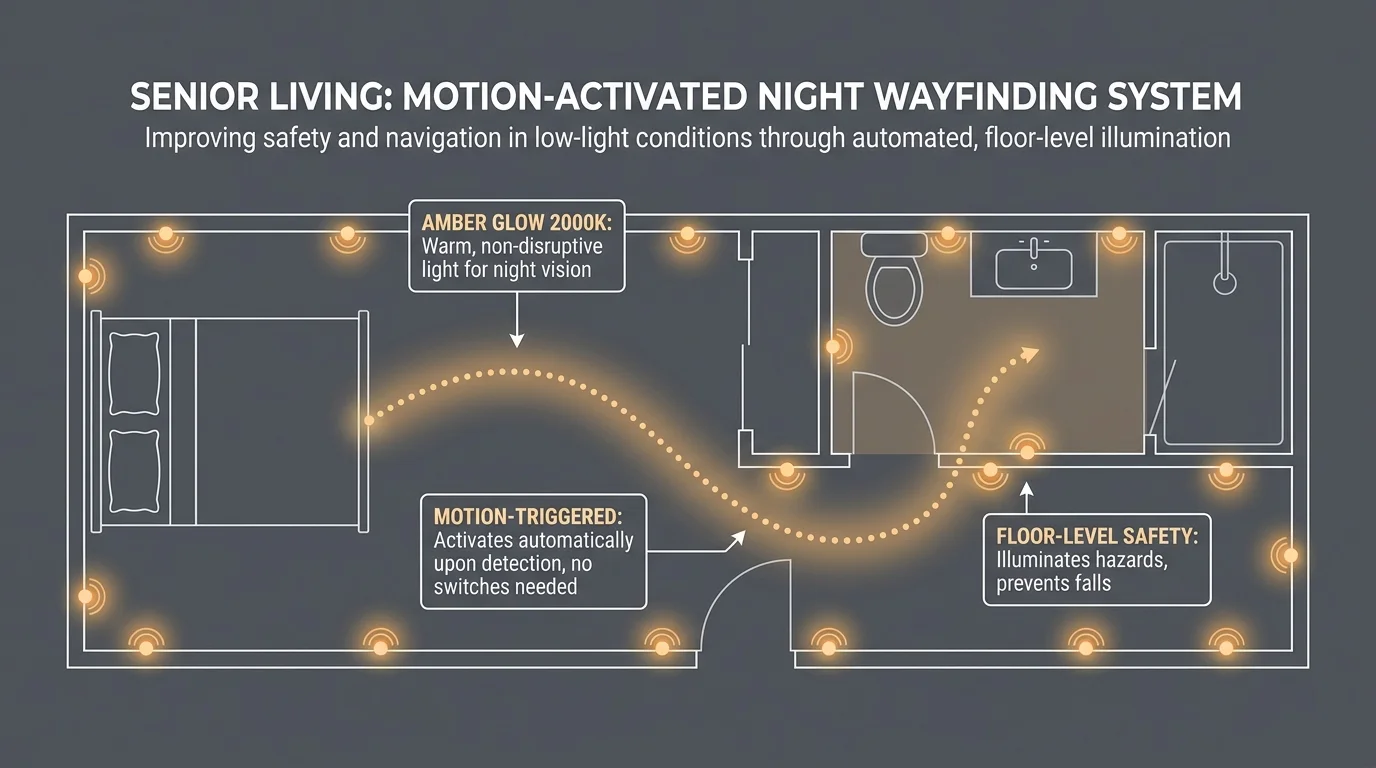
Navigating a dark bedroom for a midnight trip to the bathroom presents a serious safety concern, often resulting in disorientation or falls. Traditional solutions involve flipping on a blinding overhead light, which shatters your sleep cycle and disturbs your partner. High-end modern homes address this through integrated architectural baseboard lighting, a concept you can easily replicate on a budget with motion-activated LED strip lights.
Affixing a warm-glow LED tape strip discreetly beneath the rail of your bed frame or the bottom edge of your nightstand introduces intuitive wayfinding. The moment your feet touch the floor, a soft, downward-facing glow illuminates your path automatically, remaining on just long enough for you to navigate the room safely before fading back to absolute darkness. This hidden technology bridges the gap between crucial senior safety enhancements and sleek, contemporary design, giving your space a futuristic yet highly practical edge.
The Big Picture: Weaving These Trends into Your Home
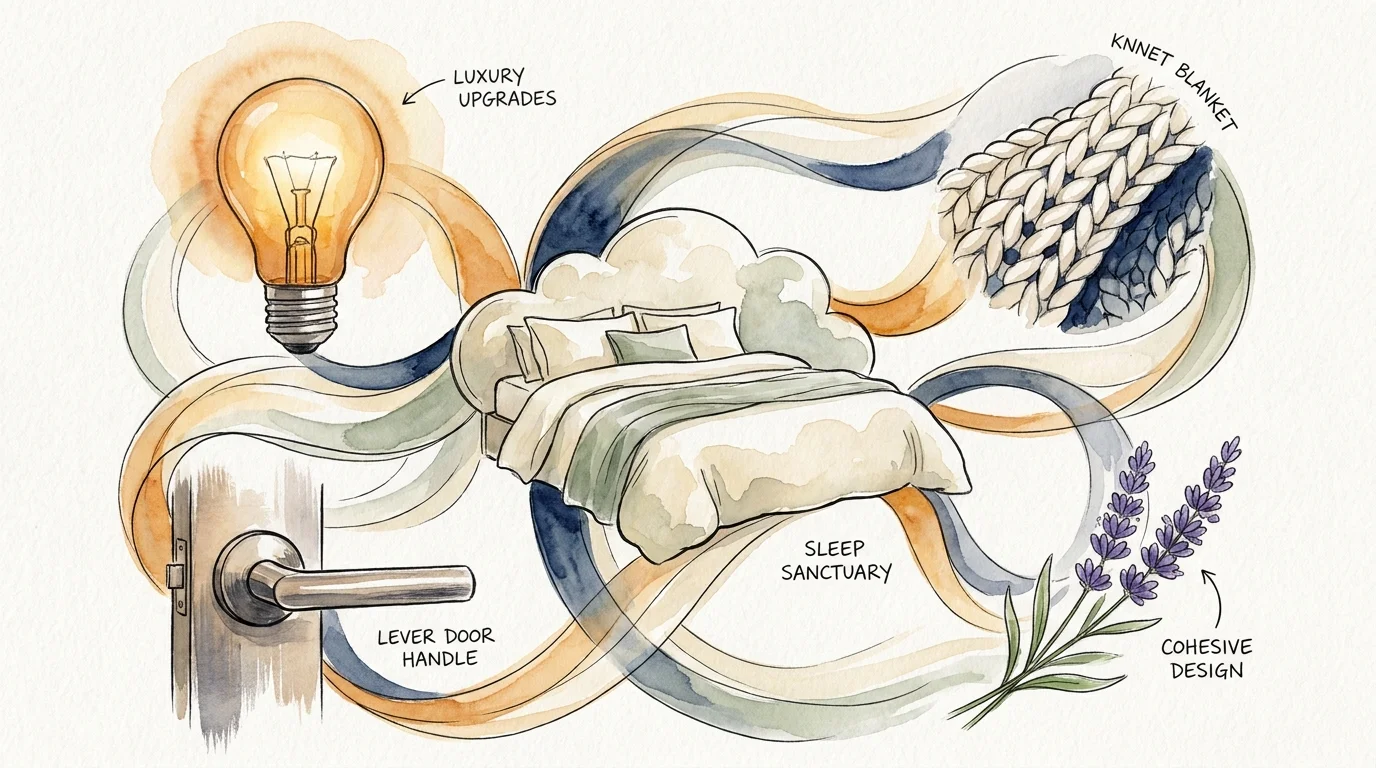
Adopting modern interior design trends should never feel like a superficial exercise in chasing aesthetics; rather, it is about intentional curation to support your daily life. When implementing these highly functional upgrades, the objective is holistic harmony. You do not need to introduce all nine concepts simultaneously to experience a transformation in your sleep quality. Instead, identify the specific environmental frictions that disrupt your rest—whether that is ambient street noise, visual clutter, or fluctuating temperatures—and address them methodically.
True sophistication in design arises from restraint and personalization. If you struggle with tactile sensitivities, focus heavily on percale cottons and weighted grounding throws. If your space feels chaotic, prioritize acoustic dampening and cord management. By blending universal design principles with these budget-friendly interventions, you strip away the institutional feel often associated with safety modifications. You replace clinical utility with elegant, invisible support systems. Your bedroom ultimately evolves into a tailored sanctuary that not only looks beautifully curated but performs flawlessly, offering you the deep, restorative rest required to thrive in your daily life.
Frequently Asked Questions
How do I incorporate modern bedroom trends without making the space feel sterile?
The key to avoiding a sterile, overly clinical environment lies in prioritizing organic textures and warm color palettes. Even when adding functional items like hardware or lighting, choose finishes with a living patina, such as unlacquered brass, and opt for warm-dim lighting over bright white LEDs. Layering natural materials like cotton, wool, and wood inherently infuses the space with warmth and character, softening the edges of highly functional upgrades.
Can budget-friendly modifications truly impact the physical quality of sleep for older adults?
Absolutely; sleep architecture is heavily dictated by environmental factors that can be managed affordably. Light pollution, temperature irregularities, and auditory interruptions are primary culprits of fragmented sleep. By strategically using tension-rod blackout curtains, crisp percale pillowcases, and acoustic rug pads, you directly mitigate the environmental triggers that pull you out of deep sleep phases. These small physical changes yield compounding biological benefits.
What is the most significant aesthetic shift in senior bedroom design today?
The industry is experiencing a massive pivot from overt “aging-in-place” products to seamless universal design. Homeowners and designers now demand that functional safety items—like ergonomic hardware, non-slip surfaces, and nighttime wayfinding lighting—be virtually indistinguishable from high-end decor. The modern aesthetic dictates that utility must be wrapped in elegance, ensuring a space remains deeply dignified, visually stunning, and entirely safe.
For the latest color forecasts, consult industry leaders like Pantone and paint companies like Benjamin Moore. For professional design standards, refer to the American Society of Interior Designers (ASID).
Disclaimer: This article reflects design trend analysis and predictions. Personal taste and timeless design principles should always guide your decorating choices.
