

Transform your transitional outdoor spaces into a lush extension of your living room by selecting the right botanical companions. Strategic container gardening elevates front porch decor from an afterthought to a curated biophilic sanctuary; it softens hard architectural lines and breathes life into your home exterior. Selecting outdoor houseplants requires understanding not just their aesthetic appeal—such as architectural fronds or trailing vines—but their resilience in shifting microclimates. Whether your entryway receives dappled morning sunlight or bakes in the afternoon heat, the precise curation of porch plants anchors your exterior design. By adopting a high-end approach to botanical styling, you create an inviting prelude to your home interior narrative.
Trend #1: Tropical Modernism with the Majesty Palm
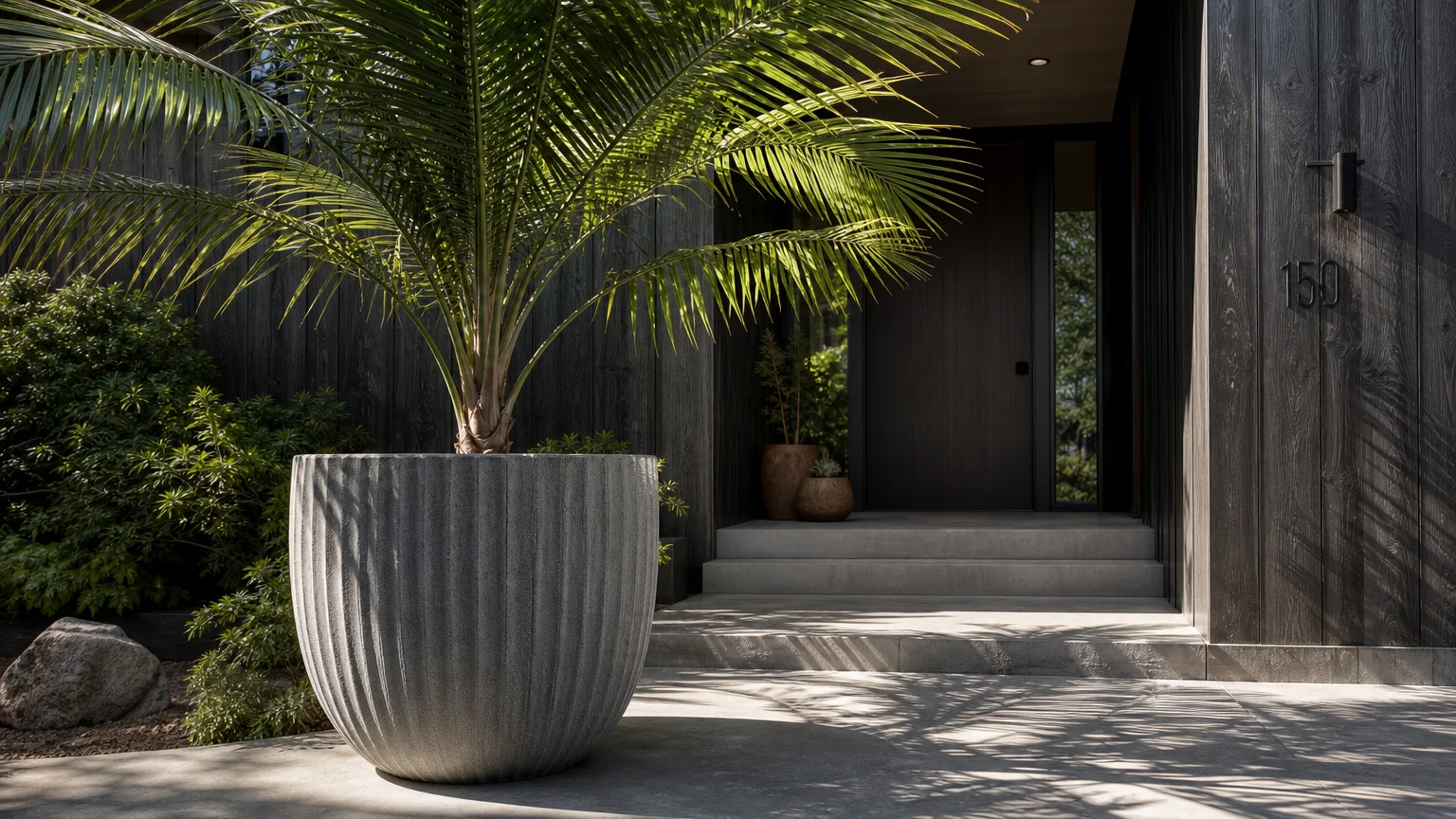
Tropical modernism relies on bold structural elements and a seamless blend of indoor and outdoor environments. The Majesty Palm serves as the ultimate living column for your porch, drawing the eye upward while establishing an imposing spatial hierarchy. These vigorous fronds fan out gracefully, introducing an undeniable architectural presence that easily rivals custom millwork or expensive porticos. By positioning symmetrical pairs of these towering palms flanking your front door, you instantly establish a grand, high-end entryway. This approach transforms standard front porch decor into an immersive, resort-like experience.
Majesty palms thrive in the bright, indirect sunlight typical of a covered porch; they demand consistently moist soil and generous humidity to maintain their deep green vibrancy. Houseplants for porch environments often fail when subjected to harsh, direct afternoon rays, making the sheltered canopy of your entrance ideal for their cultivation. To elevate the aesthetic further, place their nursery pots in oversized, fluted concrete planters. This specific design choice contrasts the organic wildness of the fronds with brutalist, contemporary geometry. This deliberate juxtaposition defines modern container gardening, marrying wild organic forms with structured, sophisticated materials to create a compelling visual statement right at your doorstep.
Trend #2: Historic Provenance via Cascading English Ivy
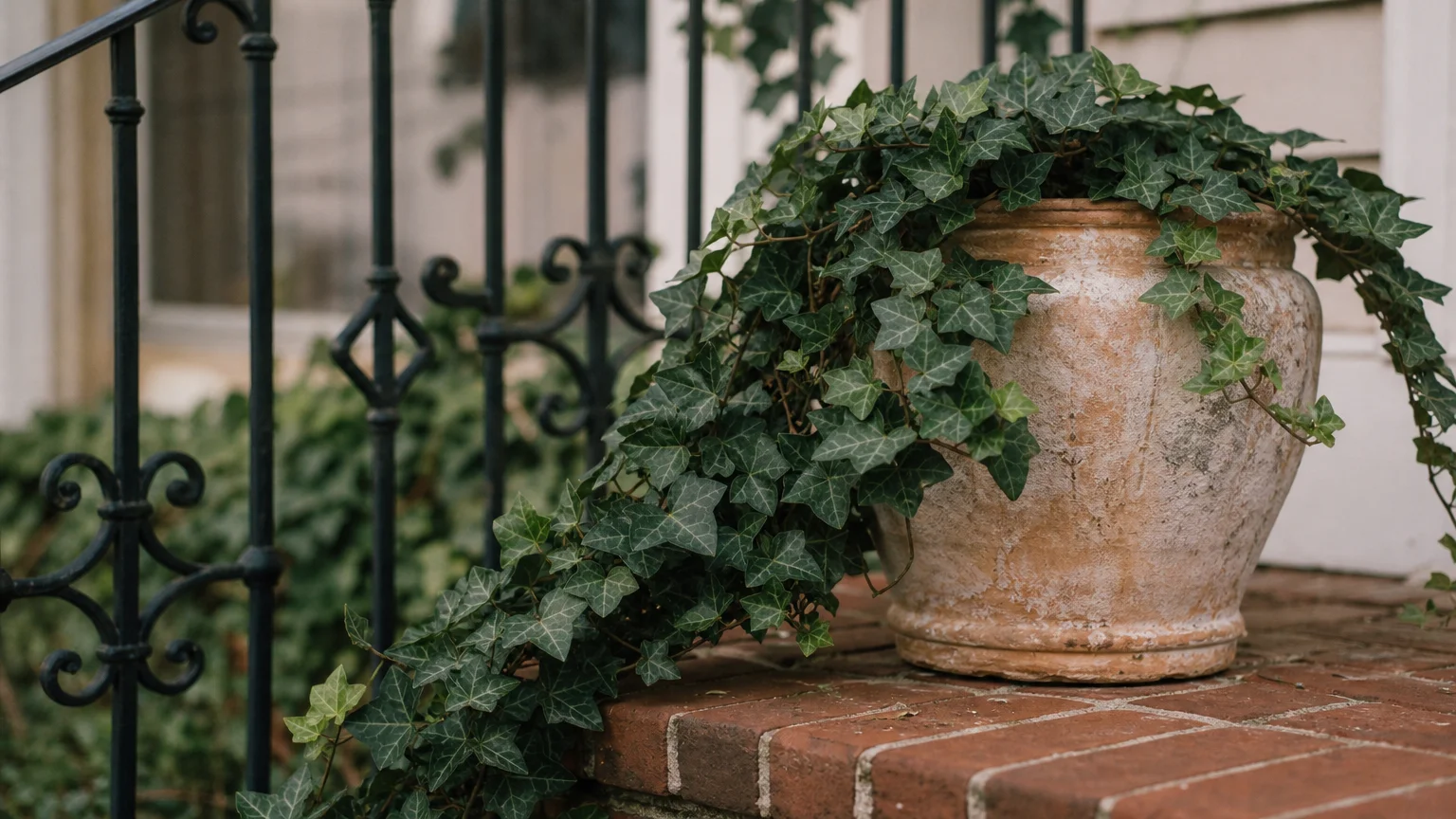
Romantic historicism is experiencing a profound resurgence in exterior design, moving away from sterile, ultra-minimalist architecture toward lived-in elegance with a clear sense of provenance. English Ivy captures this mood perfectly, acting as a living tapestry that drapes elegantly over the rigid edges of window boxes, pedestal planters, and hanging baskets. As a trailing element, it provides the essential “spiller” component in sophisticated container gardening, cascading downward to gracefully soften harsh brickwork and rigid wooden railings. Incorporating English Ivy into your front porch decor instantly imbues your home with the gravitas of a heritage estate.
The deep, verdant tones of the ivy establish a classic visual foundation that bridges the gap between your manicured lawn and the structured architecture of your home exterior. These highly resilient outdoor houseplants thrive in partial to full shade, making them exceptional candidates for deeper porches or north-facing orientations that receive limited direct sunlight. You will find that keeping the soil moderately moist allows the vines to lengthen rapidly, creating a romantic, enveloping atmosphere. For a truly curated look, pair your ivy with authentic, aged terracotta pots. The natural, chalky patina that develops on the clay over time harmonizes beautifully with the ivy’s traditional aesthetic, anchoring your entryway in timeless sophistication.
Trend #3: Quiet Luxury in Sculptural Snake Plants
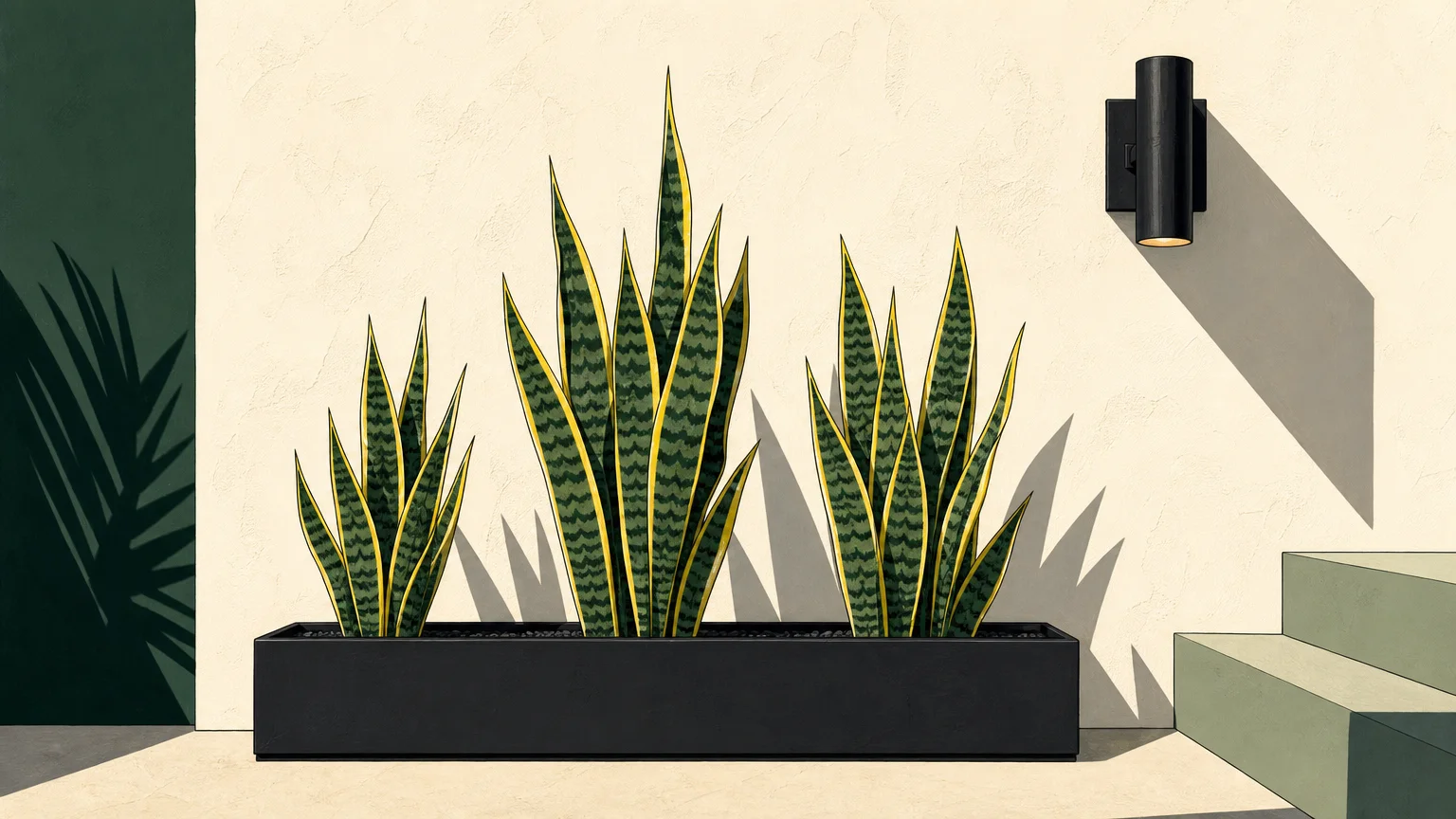
The global movement toward quiet luxury demands design elements that are striking yet fundamentally understated, prioritizing clean forms and longevity over chaotic ornamentation. The Snake Plant, with its rigid, sword-like leaves, delivers this minimalist impact flawlessly. Embracing striking verticality, these structural porch plants introduce clean lines that complement contemporary or mid-century modern facades without overwhelming the surrounding space. Their subtly mottled patterns of silver, deep green, and pale yellow add a layer of visual texture that feels incredibly intentional and highly curated.
Utilizing Snake Plants in your front porch decor demonstrates a highly disciplined approach to exterior styling; they serve as architectural exclamation points. Furthermore, their renowned durability makes them one of the most practical houseplants for porch setups available today. They tolerate a vast spectrum of lighting conditions, ranging from the deep shadows of a heavily recessed entryway to the bright glare of an east-facing exposure. Because they efficiently store water in their fleshy leaves, they require minimal hydration, thriving even when occasionally neglected during busy summer weeks. To maximize their sophisticated profile, pot them in sleek, matte black or charcoal fiberglass containers. This monochromatic styling technique forces the eye to focus entirely on the plant’s sharp, definitive silhouette, embodying the very essence of quiet, unpretentious luxury.
Trend #4: Southern Revival Aesthetics Using Boston Ferns
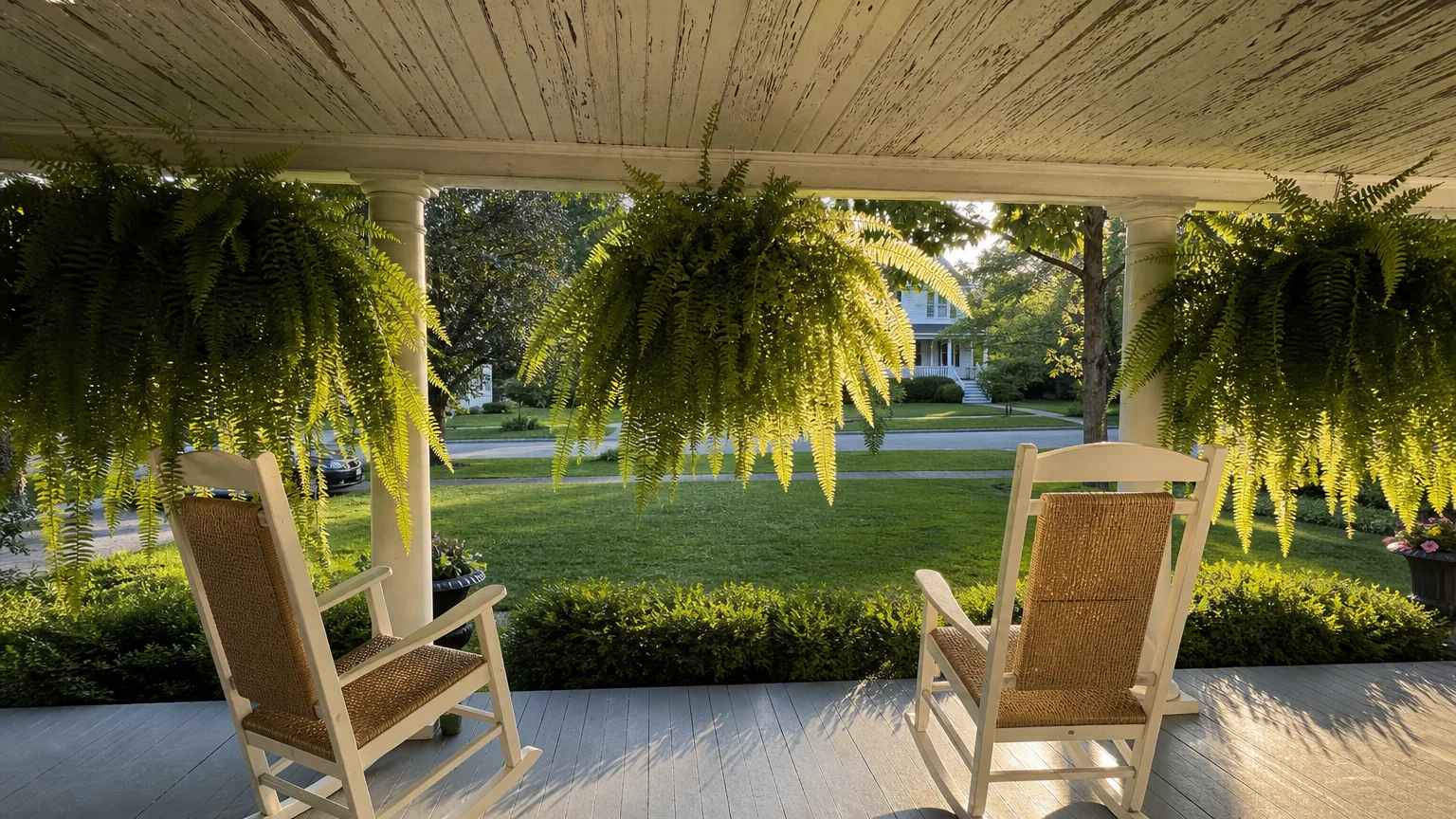
Southern gothic and historical revival aesthetics celebrate lush, overflowing biophilia that borders on the theatrical. The Boston Fern is the undisputed protagonist of this rich design narrative. With its feathery, arching fronds, this plant introduces unparalleled volume and graceful movement to your porch design. When a gentle evening breeze catches the delicate foliage, it creates a dynamic, kinetic energy that static patio furniture and inanimate decor simply cannot replicate. Suspending massive Boston Ferns from the ceiling of a sprawling wraparound porch instantly evokes a sense of bygone hospitality, transforming the space into a shaded, cooling retreat during the sweltering summer months.
These luxurious outdoor houseplants demand highly specific microclimates to thrive at their maximum potential; they strongly prefer filtered light and crave high ambient humidity. Consistent, thorough watering is absolutely non-negotiable to prevent their delicate tips from browning and shedding. When executing this opulent style of container gardening, scale is critical to achieving the desired impact. Opt for oversized, generously proportioned hanging baskets heavily lined with natural coco coir. This material retains necessary moisture while providing the excellent drainage the root systems require. By integrating these voluminous ferns into your layout, you effectively blur the boundary between the wildness of nature and the refined comfort of your interior spaces.
Trend #5: Indoor-Outdoor Continuity with the Fiddle Leaf Fig
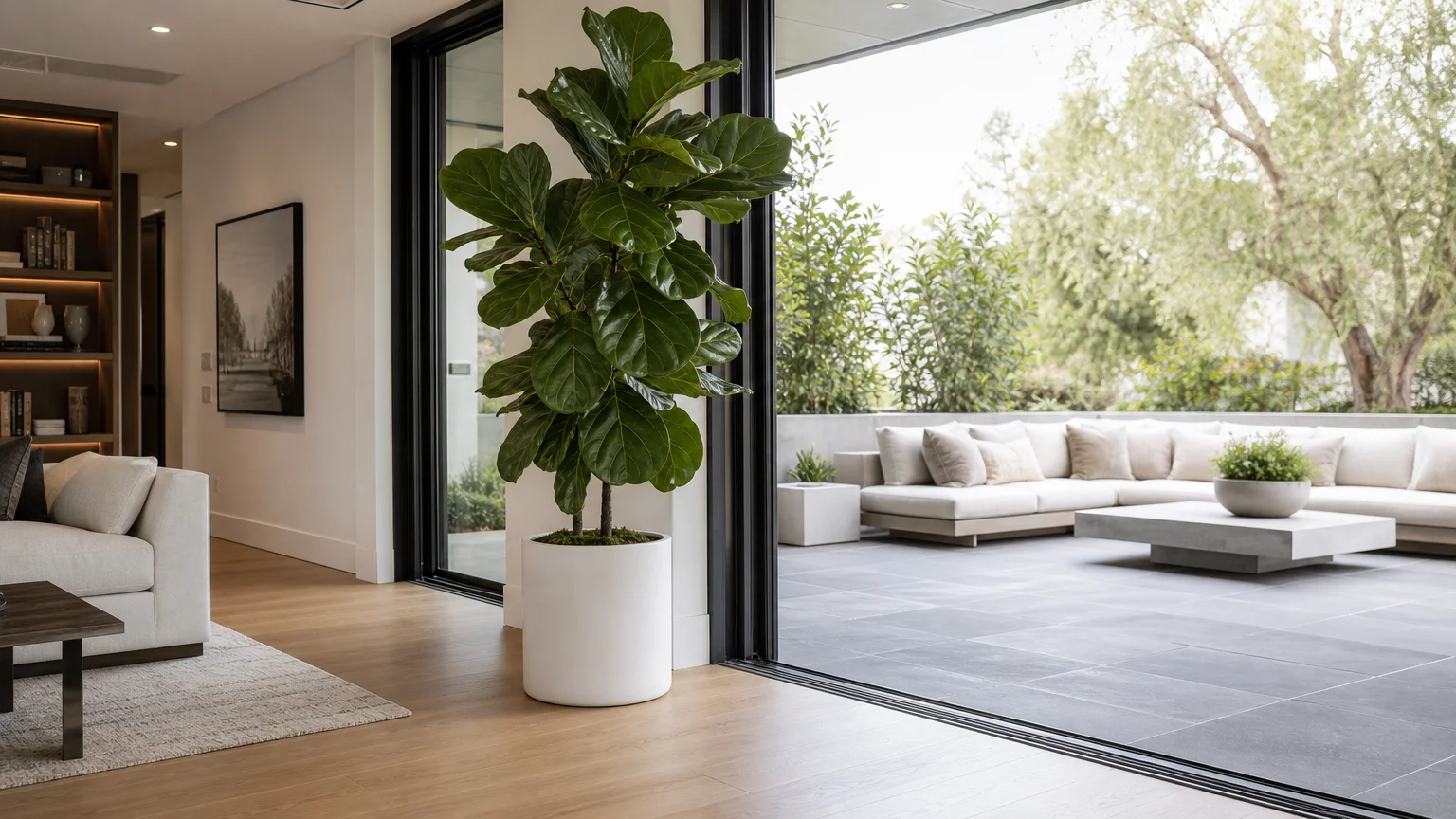
Achieving seamless indoor-outdoor continuity is a fundamental hallmark of high-end interior design, where the patio or porch is treated as a literal extension of the living room. The Fiddle Leaf Fig, long celebrated as the crown jewel of interior spaces, effectively bridges this threshold when transitioned to a protected porch. Its massive, violin-shaped, glossy leaves create an immediate, arresting focal point, establishing a dramatic scale that firmly anchors your exterior seating arrangements. The broad surface of the leaves reflects ambient light beautifully, adding a subtle shimmer to shaded corners. By bringing this iconic indoor plant outside during the warmer months, you clearly signal to guests that your porch is a curated living area rather than a mere transitional walkway.
Integrating a Fiddle Leaf Fig into your front porch decor requires a strategic understanding of its specific environmental boundaries. These statement porch plants abhor sudden temperature fluctuations and require bright, ambient light entirely shielded from the scorching midday sun. They flourish spectacularly under the deep protective overhang of a substantial porch roof. To elevate the presentation and protect the roots from extreme heat, place the plastic nursery pot inside a heavy, woven seagrass, sisal, or thick rattan basket. This textural choice softens the plant’s rigid, woody stem and introduces a crucial layer of organic warmth that ties effortlessly into chic, contemporary outdoor furniture collections.
Trend #6: Maximalist Color Forecasting via Caladiums
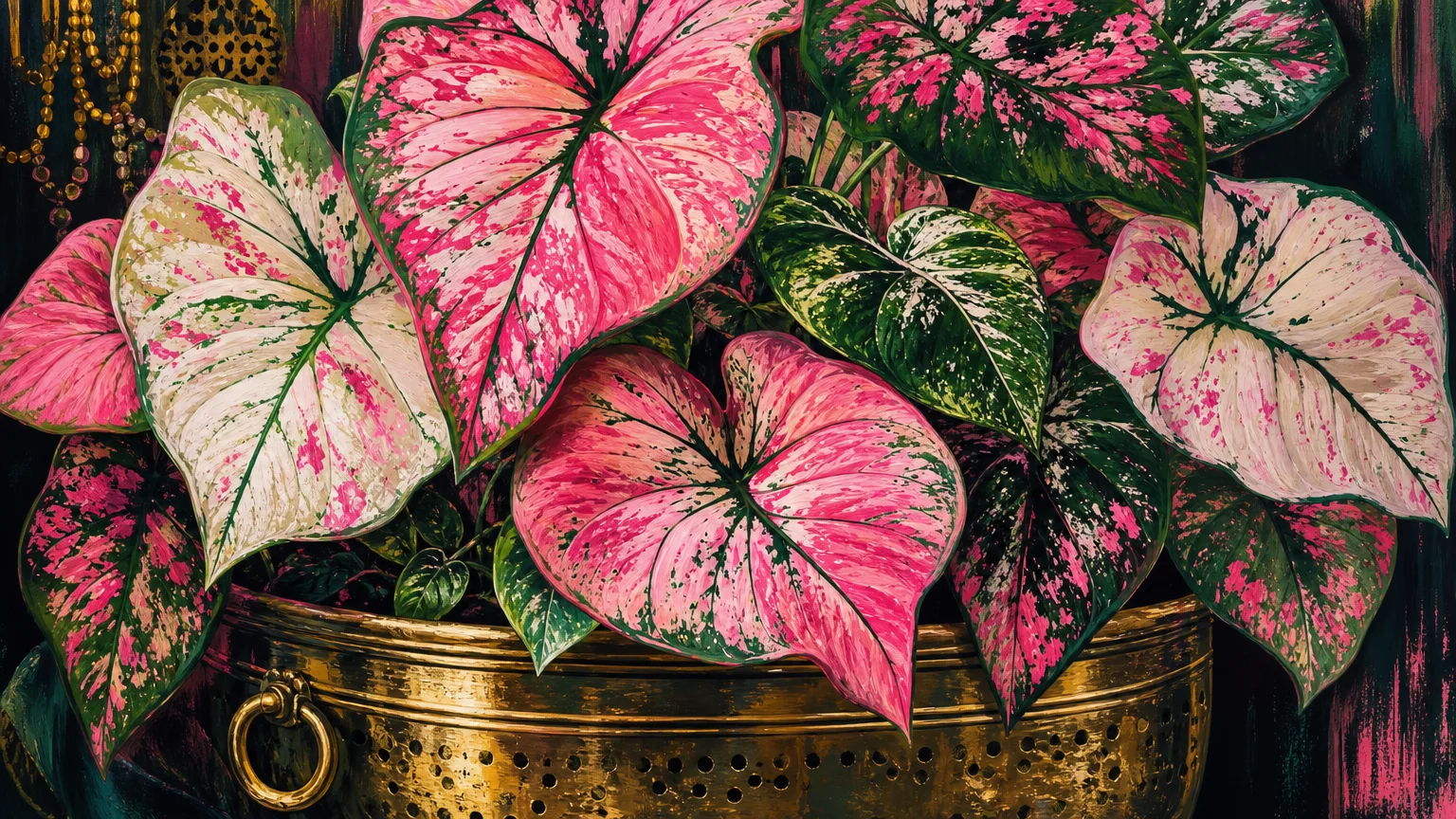
While lush greenery provides a crucial baseline for exterior styling, contemporary design forecasting points toward a bold, maximalist embrace of vivid, saturated hues. Caladiums introduce dramatic splashes of color to your entryway without requiring the constant deadheading and exhaustive maintenance associated with traditional flowering annuals. Their paper-thin, expansive heart-shaped leaves act as living canvases, boasting intricate, painted veins of deep crimson, vibrant magenta, pale pink, and crisp white. This bold application of color directly disrupts the visual monotony of standard green porch plants, allowing you to establish a dynamic, eye-catching exterior palette.
Utilizing Caladiums in your container gardening strategy enables you to pull accent colors from your home exterior paint, your front door finish, or your outdoor textiles directly into your botanical arrangements. They thrive in the humid heat and strongly prefer the dappled shade found beneath porch awnings, as direct sunlight can easily scorch their delicate, translucent foliage. By mass-planting identical Caladium varieties together in wide, low-profile concrete bowl planters, you create a dense, luxurious mound of color that feels incredibly intentional and bespoke. This sophisticated approach to utilizing outdoor houseplants demonstrates a masterful command of color theory, elevating your entryway from conventionally pretty to definitively avant-garde.
Trend #7: Organic Modernism Embracing the Tactile Jade Plant
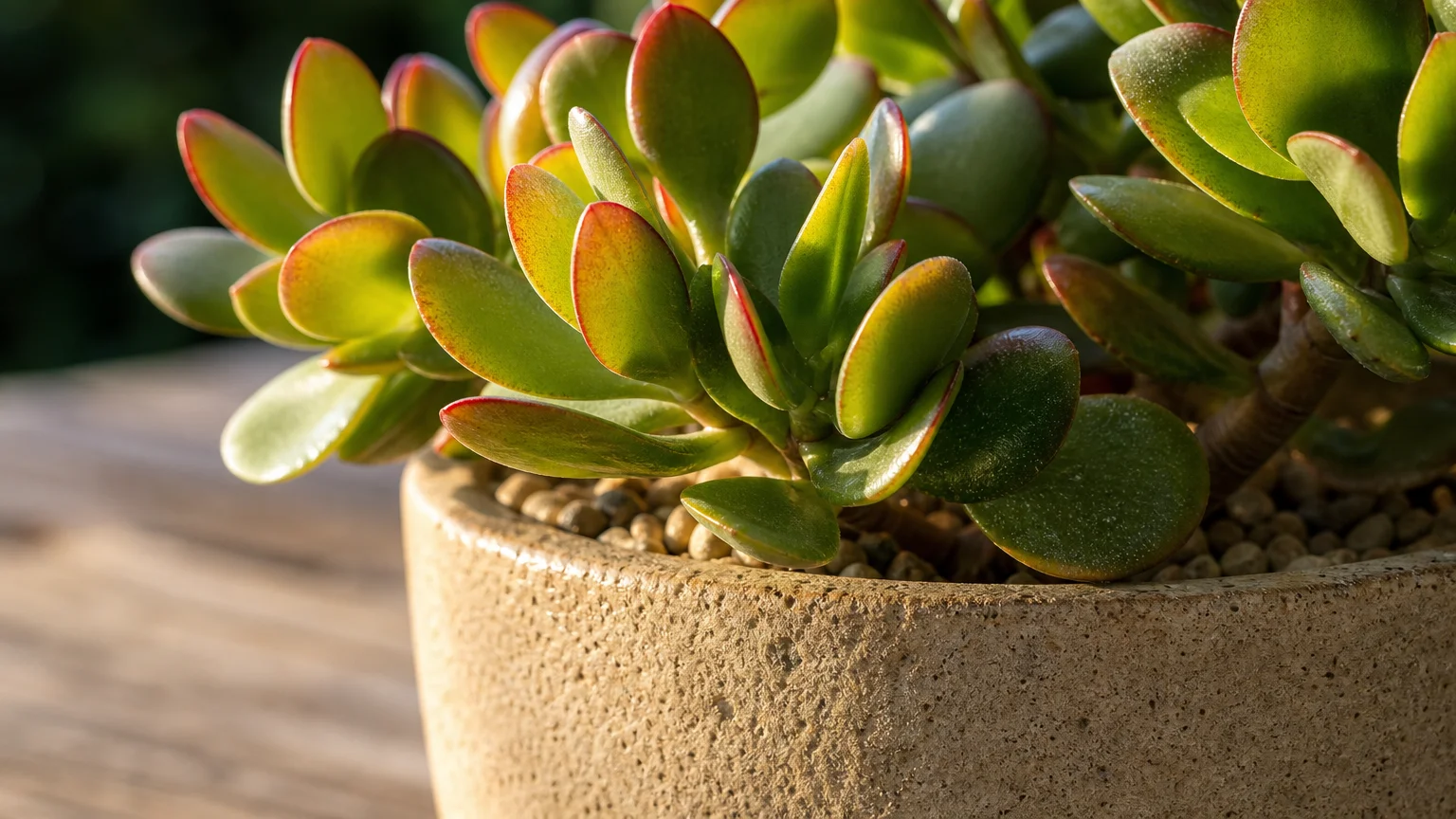
Organic modernism celebrates the inherent beauty of raw, tactile materials combined with enduring, sculptural forms. The Jade Plant, with its thick, structural woody branches and plump, pebble-like leaves, embodies this design philosophy effortlessly. As a premium succulent, it brings a fundamentally different, fleshy texture to your front porch decor, contrasting beautifully with the leafy, delicate, or feathery foliage of traditional ferns and trailing vines. Over time, a well-cared-for Jade Plant develops the gnarled, architectural character of an oversized, ancient bonsai, serving as a mesmerizing, living sculpture stationed prominently near your front door. At night, strategic uplighting placed at the base of the pot highlights the plant’s magnificent structural branching.
Incorporating these highly tactile outdoor houseplants speaks to a refined desire for permanence paired with low-maintenance luxury. They are remarkably resilient specimens, highly capable of enduring the intense heat and extended dry periods that often accompany the late summer season. They require exceptionally well-draining soil and thrive in locations where they receive generous amounts of early morning sunlight followed by afternoon shade. To fully harness their organic modern appeal, house your Jade Plant in a handcrafted, highly porous ceramic or heavy stone vessel. The natural imperfections of an artisan-crafted pot perfectly complement the plant’s sturdy, botanical architecture, resulting in a cohesive vignette that radiates earthy sophistication and profound grounding energy.
The Big Picture: Weaving These Trends into Your Home
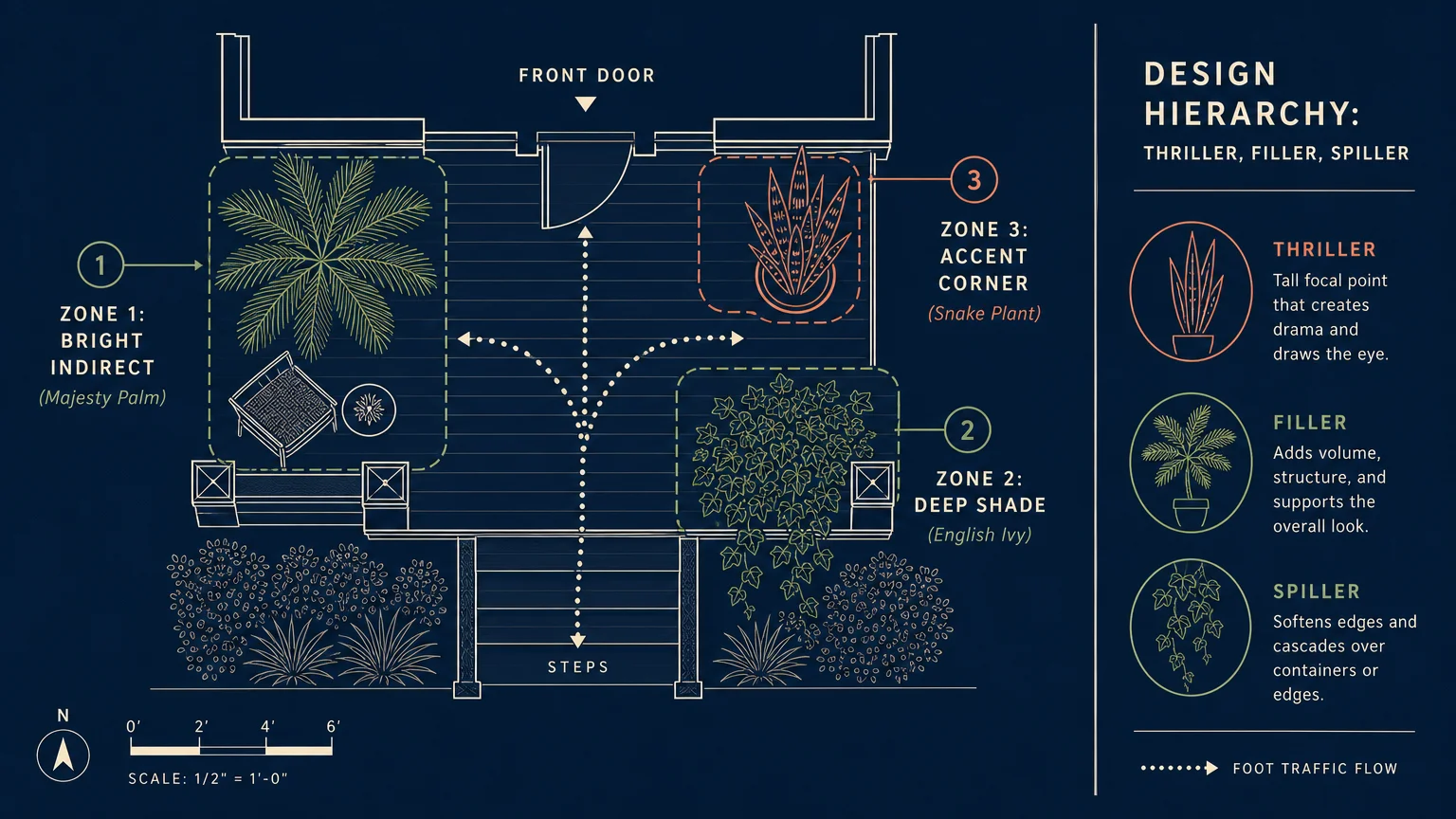
Successfully integrating these botanical trends into your exterior styling requires considerably more effort than merely purchasing attractive houseplants for porch displays; it demands a strategic, holistic approach to spatial design. The foundation of exceptional front porch decor lies in the deliberate manipulation of scale, texture, and color to create a cohesive narrative that reflects the interior aesthetic of your home. Rather than scattering small, disparate pots randomly across your entryway, focus on establishing purposeful, weighted groupings. Employ the classic design rule of three, clustering containers of varying heights to generate visual intrigue and to guide the eye naturally toward the architectural focal point of your front door.
Consider the necessary interplay between your chosen porch plants and the structural materials of your home. If your exterior features heavy, rustic stonework or rough brick, soften the imposing facade with the cascading elegance of English Ivy or the feathery, expansive volume of a Boston Fern. Conversely, if you reside in a minimalist, contemporary build with sleek siding and sharp angles, the rigid verticality of a Snake Plant or the architectural gravity of a Majesty Palm will beautifully reinforce the clean, structural lines of the property.
Container gardening is equally about the physical vessels you select. Ensure your chosen planters harmonize directly with your established exterior color palette. A cohesive, curated collection of glazed ceramics, naturally aged terracotta, or fluted concrete unifies vastly diverse plant species, transforming them into a deliberate gallery rather than a haphazard, accidental assortment. Always assess the varying microclimates of your porch; observe exactly how the natural light shifts throughout the day and place your outdoor houseplants accordingly. By treating your porch as a vital, highly designed outdoor room complete with ambient lighting and layered textures, you seamlessly extend your living space. This thoughtful execution invites guests into a beautifully layered, intentionally designed environment long before they ever cross the threshold into your foyer.
For the latest color forecasts, consult industry leaders like Pantone and paint companies like Benjamin Moore. For professional design standards, refer to the American Society of Interior Designers (ASID).
Frequently Asked Questions
How do I successfully mix different plant trends without making my porch look cluttered?
The absolute secret to mixing diverse botanical trends lies in establishing a strong, unifying visual element. If you combine the architectural strictness of a Snake Plant with the romantic, sprawling chaos of English Ivy, ensure their respective containers share a consistent material finish or exact color palette. Limiting your planter choices to a strict monochromatic scheme—such as all matte charcoal, pure white ceramic, or varying shapes of natural terracotta—imposes immediate visual order on the arrangement. Additionally, arrange your porch plants in structured, asymmetrical clusters rather than scattering them individually across the floorboards. This clustering technique anchors the space, creates intentional zones, and entirely prevents visual chaos.
Are indoor houseplants truly suitable for outdoor container gardening on a porch?
Yes, many beloved interior favorites thrive spectacularly outdoors during the warmer months, provided you respect their specific environmental boundaries. The transition from indoor climate control to outdoor living must be gradual to prevent physiological shock; introduce them to the outdoors for a few hours a day before moving them permanently. Most importantly, deeply covered porches offer the exact ideal microclimate for these sensitive species by providing bright, indirect ambient light while offering crucial protection from harsh, direct midday sun. Always monitor the soil moisture levels closely, as outdoor air circulation, wind, and ambient heat will dry out your outdoor houseplants much faster than the perfectly controlled climate of your living room.
How does biophilic design elevate standard front porch decor into high-end design?
Biophilic design operates on the proven psychological principle that humans possess an innate, biological desire to connect intimately with nature. Incorporating robust, thriving plant life into your exterior architecture physically softens harsh building materials and introduces necessary organic movement. High-end design prioritizes complete sensory experiences; the subtle rustle of Majesty Palm fronds in the wind or the vibrant, living color of a Caladium adds deep layers of texture and vitality that static, manufactured furniture simply cannot provide. This intentional, layered integration signals a luxurious, deeply considered approach to transitioning between the chaotic public street and your serene private sanctuary.
Can I sustain a cohesive look as the seasons change and certain plants die back?
Maintaining a highly sophisticated aesthetic year-round requires establishing a solid baseline of evergreen or structurally significant plants. While tender tropicals like the Majesty Palm, Caladiums, or the Fiddle Leaf Fig must inevitably transition indoors before the first frost hits, you can seamlessly swap them for cold-hardy evergreens, structured boxwoods, or even sculptural, dried branches. The true continuity of your container gardening strategy relies heavily on the permanence and quality of your planters. By investing in significant, heavy, architectural vessels, the structural integrity and spatial planning of your porch design remains completely intact, even when the botanical inhabitants shift naturally with the changing seasons.
Disclaimer: This article reflects design trend analysis and predictions. Personal taste and timeless design principles should always guide your decorating choices.
