

Marble long reigned as the undisputed pinnacle of luxury interior design, but today’s high-end homes demand materials offering greater warmth, sustainability, and visual intrigue. You can now elevate your spaces using dynamic alternatives that deliver exceptional durability while transforming your home decor. As the quiet luxury movement shifts focus toward tactile richness and provenance, designers embrace bold organic textures to replace cold, ubiquitous stone. From living rooms wrapped in rich sintered stone to dining rooms grounded by artisanal terrazzo, these sophisticated home trends provide superior performance and unique aesthetic depth. Explore these nine innovative materials redefining modern elegance, and discover fresh design ideas to curate a beautifully personalized sanctuary.
Trend #1: Sintered Stone
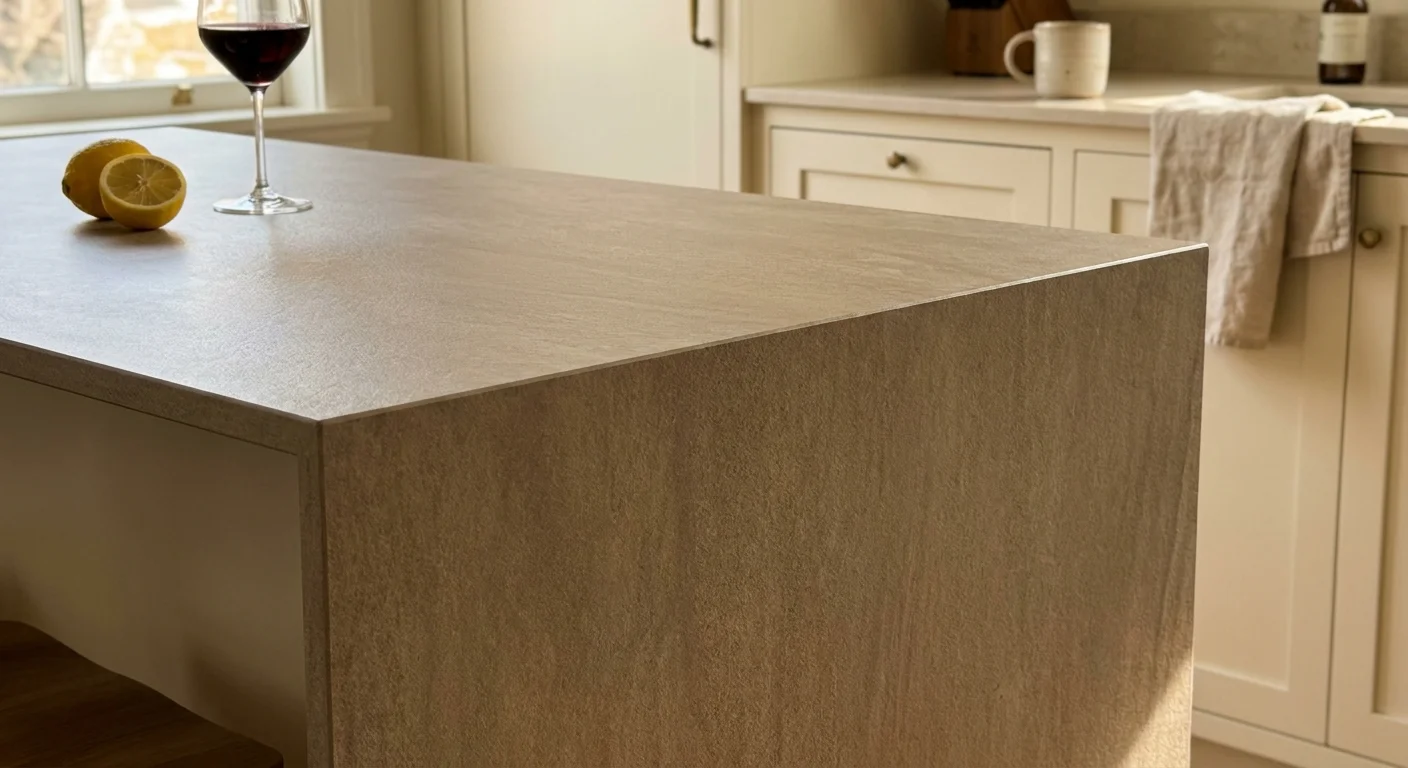
Sintered stone represents a massive technological leap in interior design, offering the aesthetic gravitas of natural rock without the porous vulnerability that plagues traditional marble. Manufacturers create this dense, highly durable surface by mimicking the earth’s natural metamorphic processes; they expose natural minerals, clay, and glass to extreme heat and immense pressure, yielding engineered slabs that resist scratches, stains, and harsh UV rays. You can confidently install sintered stone on kitchen islands, outdoor dining tables, or sun-drenched living room floors without ever fearing the permanent etching caused by spilled wine or acidic citrus.
Beyond its bulletproof functionality, sintered stone aligns perfectly with the contemporary quiet luxury movement. Available in sweeping, large-format panels, this remarkable material allows you to create dramatic, seamless installations entirely free of distracting grout lines. The refined color palettes tend to favor sophisticated, nature-inspired earth tones—think deep charcoal, warm taupe, muted terracotta, and soft sandstone—which inject grounded warmth into luxury homes. By choosing sintered stone over conventional options, you reduce ongoing maintenance headaches while elevating your home decor with a versatile surface that looks impeccably chic and performs flawlessly year after year.
Trend #2: Artisanal Terrazzo
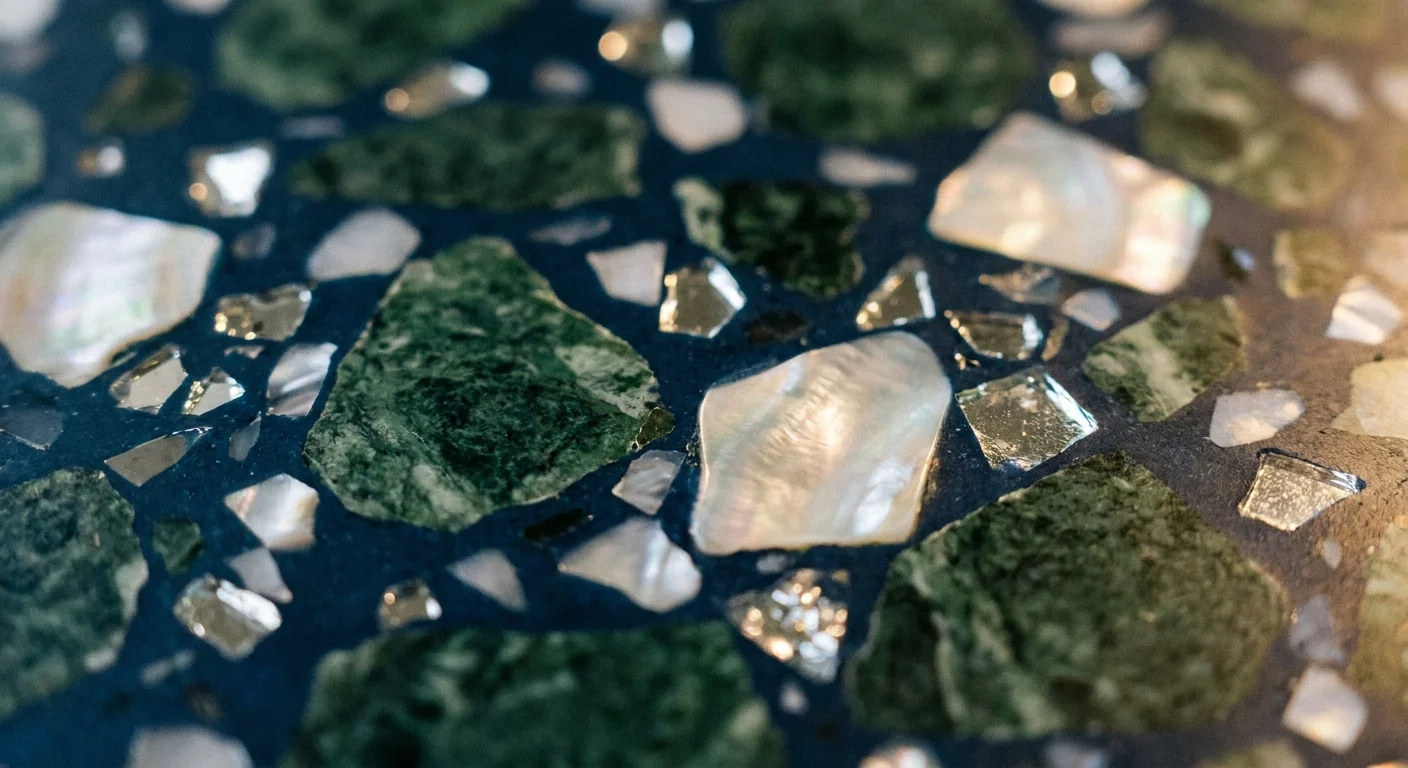
Once relegated to mid-century commercial spaces, artisanal terrazzo has experienced a brilliant renaissance in contemporary residential projects. This bespoke composite material blends fragmented chips of marble, quartz, granite, or shimmering glass into a tinted cement or resin binder, resulting in a speckled, highly customizable surface. Terrazzo allows you to inject playful yet sophisticated geometry directly into your home decor. Instead of relying on the predictable, heavily replicated veining of Carrara or Calacatta marble, you can carefully curate the exact aggregate mix and binder color to harmonize perfectly with your overarching design scheme.
Artisanal terrazzo shines brightest when designers use it to define specific, high-impact architectural moments. Imagine a seamless poured terrazzo floor sweeping elegantly through your open-concept living room, or a monolithic terrazzo dining room table anchoring your primary entertainment space. The current iterations favor oversized aggregates—traditionally known as palladiana—which create bold, graphic focal points. Designers increasingly specify rich, moody base colors like dark forest green, deep navy blue, or warm mustard to contrast with luminous chips of mother-of-pearl or crushed mirror. This bespoke quality ensures your interior design leans toward absolute individuality, cementing custom terrazzo as a premier choice for those seeking both robust durability and unmatched artistic expression.
Trend #3: Tadelakt and Venetian Plaster
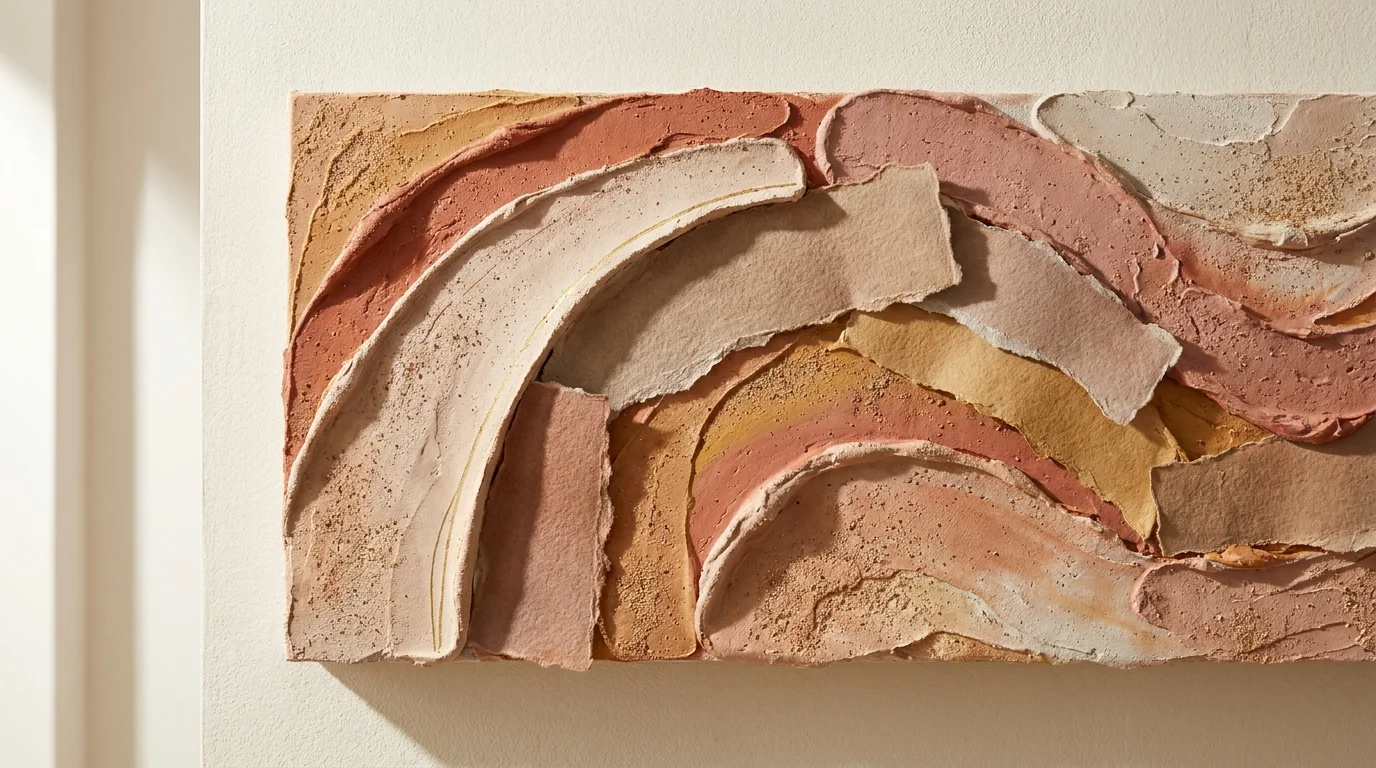
Tadelakt, an ancient waterproof lime plaster originating from traditional Moroccan architecture, offers a breathtakingly organic alternative to the rigid geometry of cut marble tiles. Master artisans apply this specialized material entirely by hand, burnishing the wet surface with smooth river stones before treating it with a natural olive oil soap to create a seamless, water-resistant barrier. The resulting architectural finish possesses a soft, velvety luster that subtly catches natural light, bringing an unparalleled sense of tactile depth and artisanal provenance to luxury homes.
Embracing tadelakt allows you to lean fully into the biophilic design philosophy, which actively seeks to connect structured indoor spaces with the calming irregularity of the natural world. Because the plaster is hand-applied, it effortlessly accommodates curved silhouettes, rounded archways, and sculpted, monolithic vanities that feel organically molded directly from the earth. You can eliminate jarring grout lines entirely, creating a continuous, meditative flow in primary bathrooms, wet rooms, or statement powder rooms. Color palettes for tadelakt typically draw from soothing natural pigments—soft desert sand, warm ochre, muted sage, and dusty rose—enhancing the serene, spa-like atmosphere. This material demands expert installation, but the ultimate reward is a uniquely soulful, living surface.
Trend #4: Richly Veined Soapstone
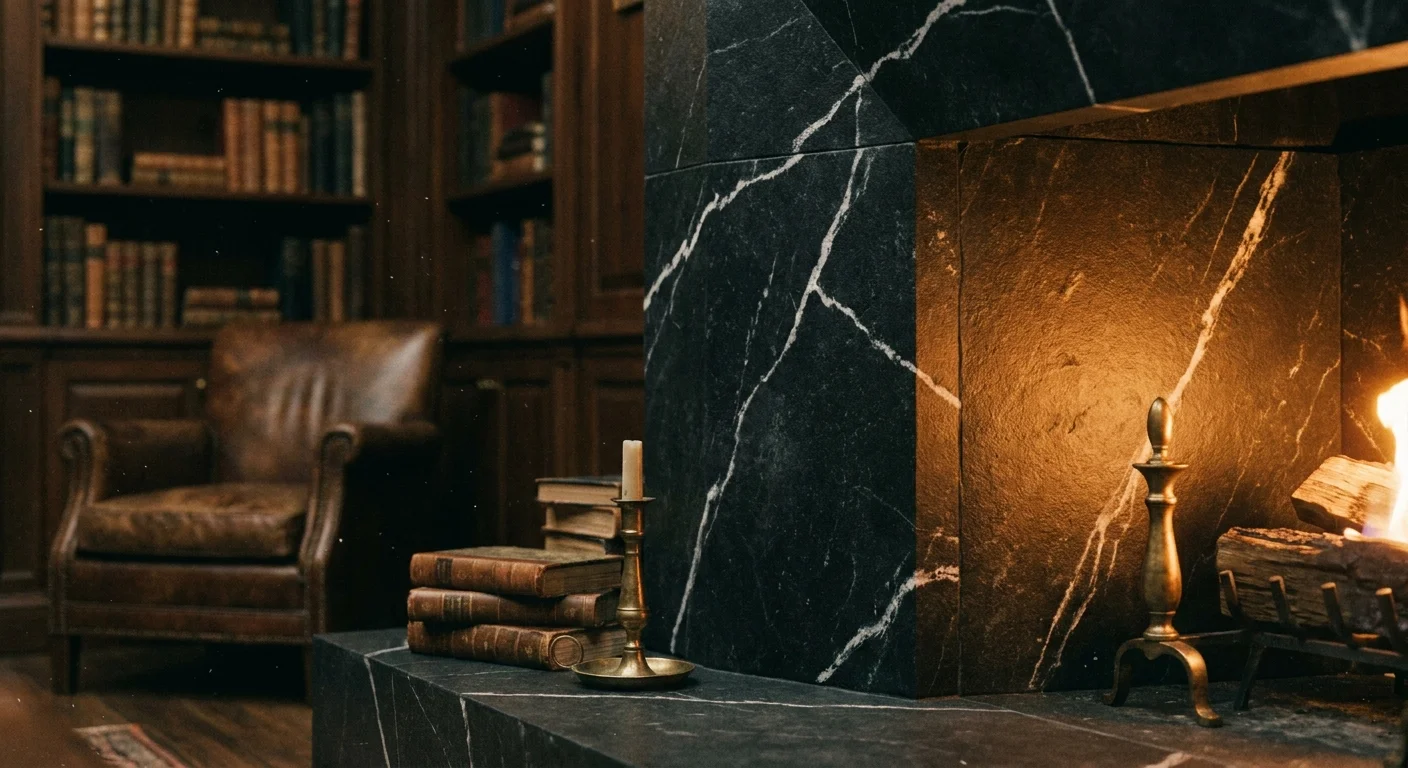
While pristine white marble has dominated high-end kitchen and bathroom surfaces for over a decade, richly veined soapstone elegantly answers the growing desire for moody, atmospheric interior design. Soapstone is a remarkably dense, naturally non-porous metamorphic rock renowned for its exceptional heat resistance and signature velvety, matte texture. Unlike traditional marble, which requires obsessive sealing and constant vigilance to prevent deep stains, soapstone naturally repels liquids. You can confidently set a scorching hot cast-iron pan directly onto a soapstone counter or accidentally spill red wine during a lively dinner party without leaving a permanent mark.
The true, enduring allure of soapstone lies in its celebrated status as a dynamic living finish. Over time, the raw stone naturally oxidizes and deepens in color, developing a rich, personalized patina that beautifully maps the story of your daily culinary life. You can accelerate this aging process by applying food-grade mineral oil, which instantly transforms the characteristic soft gray surface into a striking charcoal or almost-black hue, highlighting the dramatic milky white quartz veining. Incorporating heavy soapstone into your home decor grounds bright, airy kitchens with profound visual weight. It pairs exceptionally well with unlacquered brass hardware and warm, natural timber cabinetry, creating a sophisticated tension between dark and light architectural materials.
Trend #5: Burl Wood and Exotic Timber Veneers
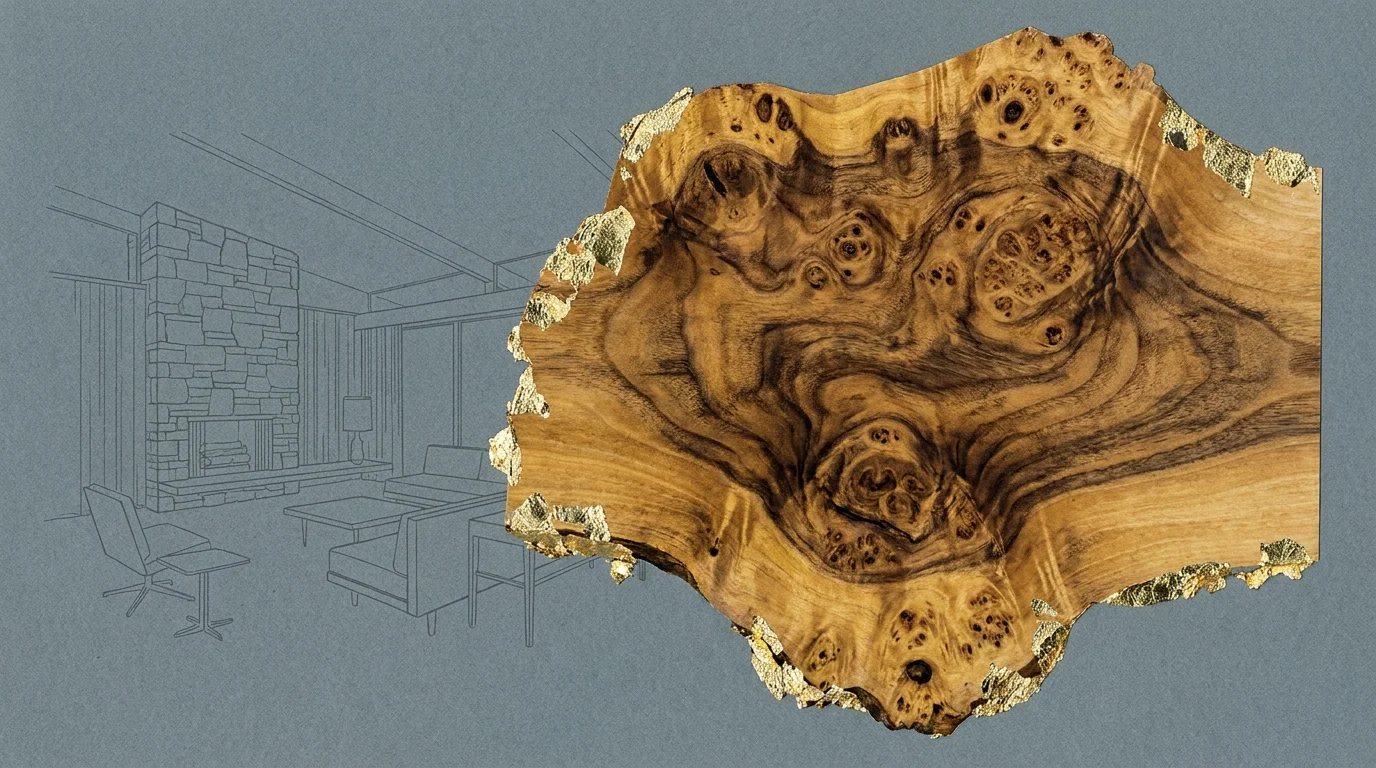
The dramatic resurgence of burl wood and rare exotic timber veneers represents a definitive, industry-wide shift away from cold, monolithic stone surfaces toward inviting, organic warmth. Burl wood features complex, swirling grain patterns caused by a tree’s natural response to environmental stress or subtle injury. When sliced into thin veneers and applied to custom cabinetry, statement dining room tables, or wall paneling, these distinctive woods create an intricate visual texture that effortlessly rivals the most dramatic, high-contrast marble veining.
Integrating rich burl wood into luxury homes instantly elevates the space with a palpable sense of rare provenance and quiet luxury. The intricate patterns naturally draw the eye, making a polished burl wood dining room table or a bespoke living room credenza function successfully as everyday art. You can balance the intense visual activity of the dense wood grain by pairing it with streamlined, minimalist furniture and a restrained, neutral color palette featuring soft creams, warm ivories, and muted taupes. Beyond traditional burl, designers increasingly utilize exotic timbers like Macassar ebony, smoked oak, and rich walnut to bring profound depth to modern home trends. These responsibly sourced, high-quality veneers offer a sustainable, highly tailored way to achieve high-impact luxury.
Trend #6: Semi-Precious Stone and Petrified Wood
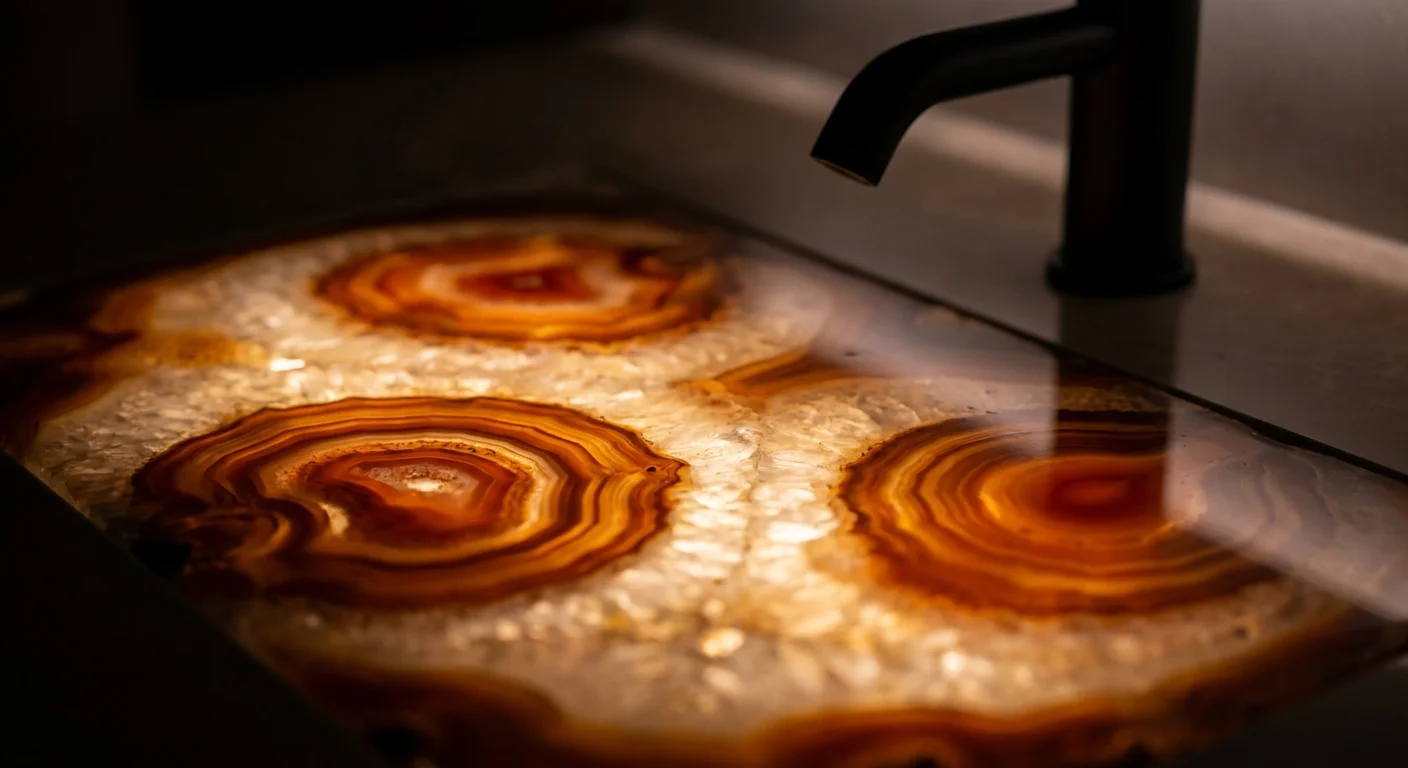
For discerning homeowners seeking the ultimate expression of design exclusivity, semi-precious stone and authentic petrified wood slabs offer a jaw-dropping, highly textural alternative to conventional marble. Petrified wood is a fascinating, prehistoric fossilized material where organic plant matter and tree trunks have been entirely replaced by dense minerals—like chalcedony, agate, and quartz—over millions of years. The resulting, highly polished slabs impeccably retain the visual growth rings and rugged bark structures of ancient forests while possessing the extreme hardness and incredible durability of solid crystal.
Using these extraordinary, geologically significant materials allows you to confidently infuse your interior design with literal ancient history and unparalleled natural beauty. You might carefully specify a dramatic, backlit agate slab for an illuminated living room wet bar, or commission a massive, solid petrified wood island to anchor an avant-garde, high-end kitchen. The available color palettes are extraordinarily rich and deeply saturated, featuring earthy ambers, deep siennas, rich mahogany tones, and unexpected, vibrant flashes of crystalline blue or emerald green. While these rare materials represent a significant financial investment, they successfully act as the ultimate, conversation-starting focal point in luxury homes. They push everyday home decor far beyond simple aesthetics and into the curated realm of a natural history collection.
Trend #7: Patinated Architectural Metals
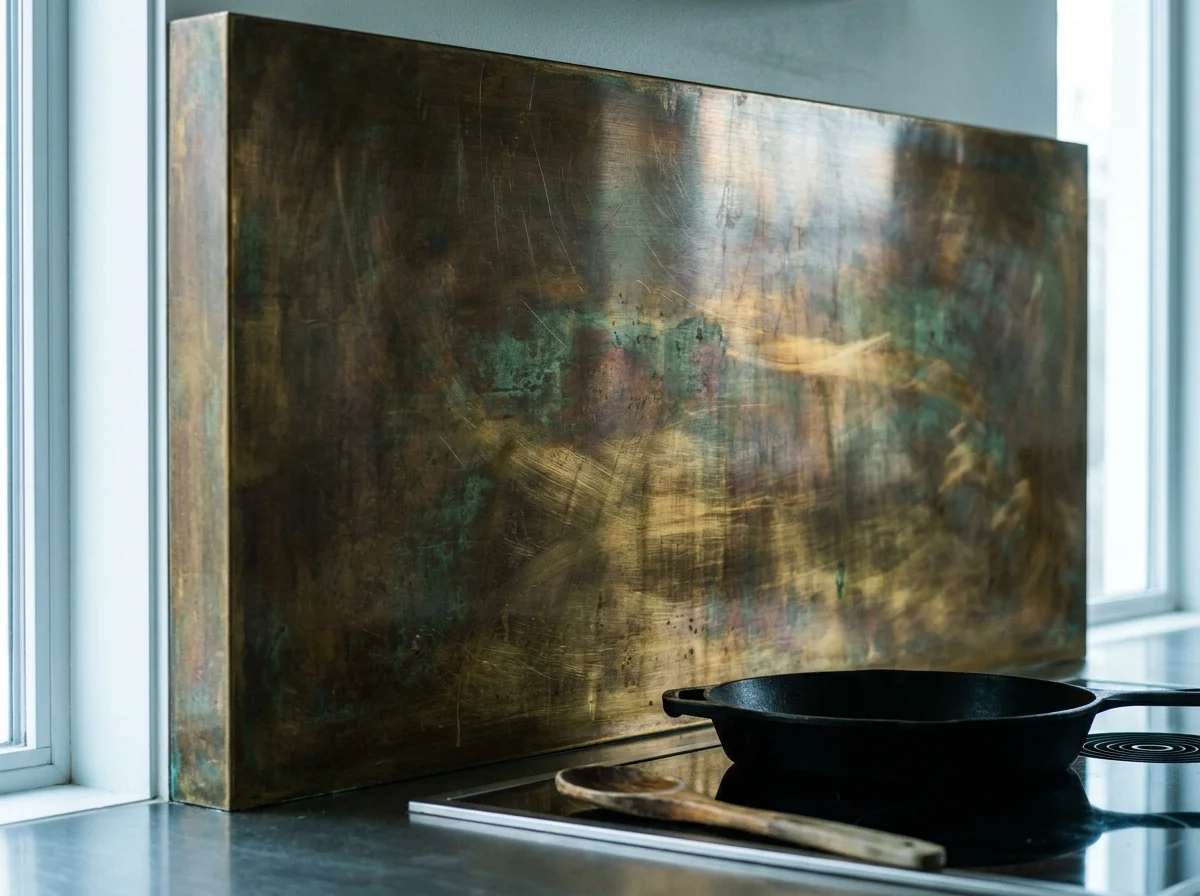
Patinated architectural metals—specifically unlacquered copper, raw zinc, and deep bronze—are rapidly emerging as sophisticated, unexpected alternatives for kitchen countertops, custom range hoods, and striking statement wall cladding. Much like natural soapstone, these raw architectural metals offer a beautifully dynamic living finish that actively evolves with daily interaction and atmospheric environmental exposure. A pristine, newly installed copper kitchen island will gradually transition from a bright, highly reflective penny hue to a complex, richly layered mosaic of deep browns, warm auburns, and eventually a striking green verdigris, intimately mapping the exact provenance of your home’s culinary activity.
This beautiful organic evolution appeals deeply to the prevailing quiet luxury ethos, which highly prizes authentic material character and natural aging over sterile perfection. You can cleverly incorporate patinated zinc to achieve a cool, slate-blue industrial elegance in a modern loft, or utilize aged brass to inject profound historic warmth into a formal dining room or wet bar. Furthermore, these specific metals boast inherent natural antimicrobial properties, making them highly practical and exceptionally hygienic for high-traffic food preparation zones. To integrate this bold trend successfully, actively contrast the raw, continuously evolving nature of the metal with crisp, modern millwork and sleek architectural lines.
Trend #8: Microcement and Seamless Concrete
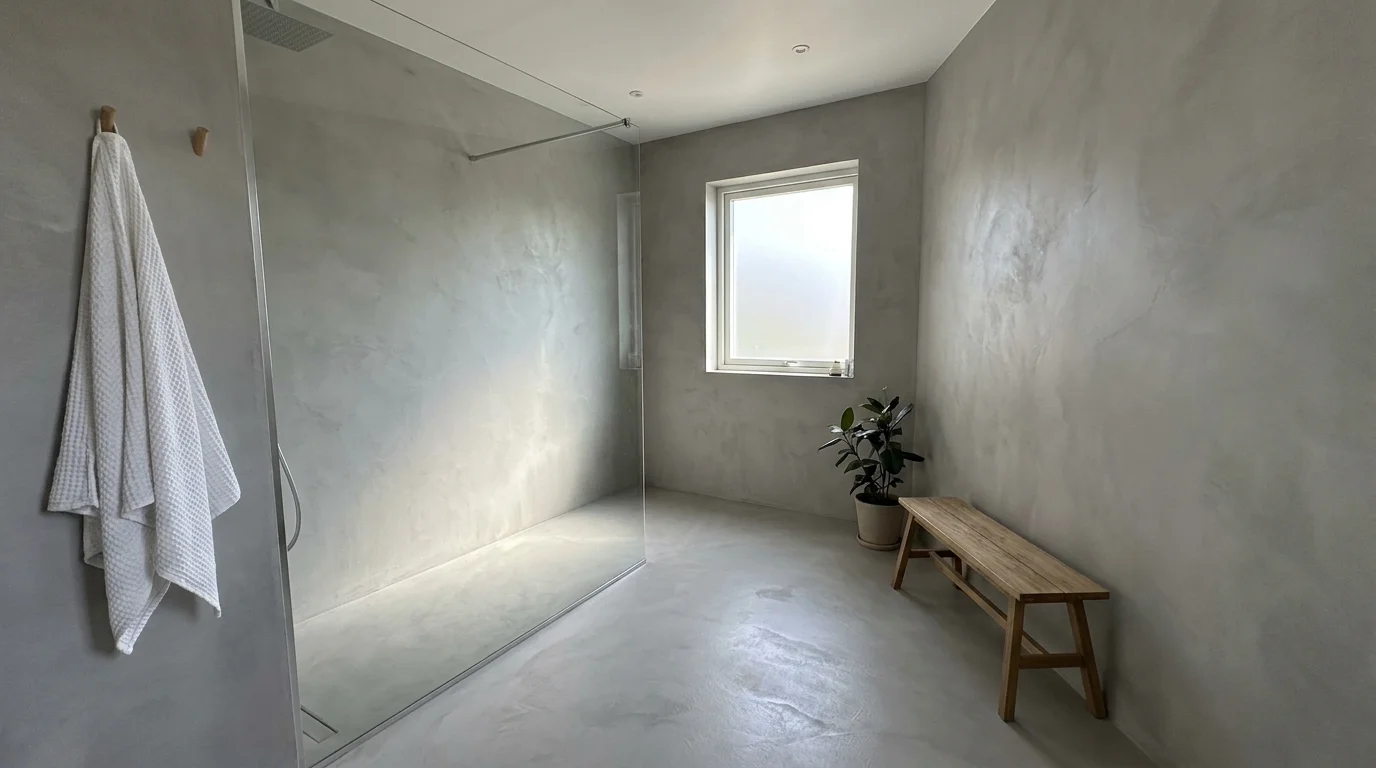
Microcement provides an impeccably seamless, resilient architectural surface that completely redefines the boundaries of minimalist interior design. Unlike traditional poured concrete, which is heavy, difficult to install, and prone to extensive structural cracking, microcement is a specialized, engineered coating applied by hand in ultra-thin layers directly over existing substrates. This innovative application method allows you to easily achieve the coveted brutalist, monolithic aesthetic on interior floors, sweeping accent walls, and even custom-built furniture without facing the logistical nightmares associated with traditional concrete.
The profound appeal of microcement lies primarily in its completely uninterrupted visual flow. By continuously running the same subtle, hand-troweled texture from your living room floors straight up into your walk-in bathroom shower enclosures, you visually expand the spatial footprint and create a profoundly calming sanctuary. The cured material is inherently waterproof, highly flexible, and incredibly resistant to daily abrasions. While stark industrial gray remains popular, modern luxury home trends heavily favor microcement custom-tinted with warm, earthy pigments. Think soft desert sand, warm bone white, or muted, baked terracotta. This intentional injection of organic color successfully warms up the cold industrial edge, allowing microcement to replace marble effortlessly.
Trend #9: Large-Format Luxury Porcelain
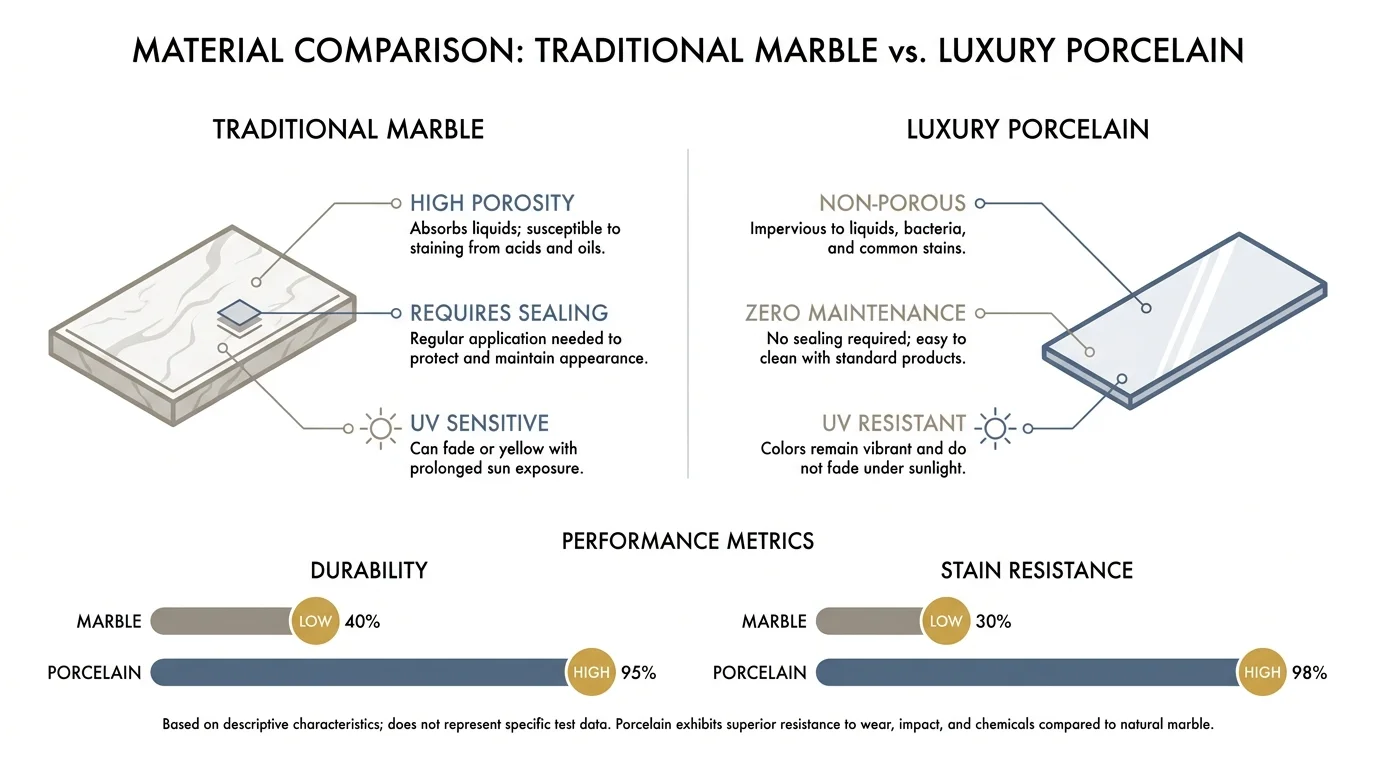
Large-format luxury porcelain represents the absolute pinnacle of modern material manufacturing, offering designers unprecedented aesthetic versatility combined with zero-maintenance, high-performance durability. Today’s advanced, high-definition printing technology allows engineered porcelain slabs to perfectly mimic the world’s rarest materials, including extinct marble varieties, oxidized industrial metals, and highly distressed exotic woods. However, unlike porous natural stone, glazed luxury porcelain is entirely impervious to extreme heat, stubborn stains, and degrading UV fading. You can confidently install a pristine white, heavily veined porcelain slab in your busy kitchen and accidentally spill acidic lemon juice without giving it a second thought.
Beyond mere visual imitation, luxury porcelain allows ambitious designers to radically push the traditional boundaries of scale and interior application. These ultra-thin, remarkably lightweight slabs can be safely used to seamlessly clad entire double-height living room walls, flawlessly wrap massive, multi-tiered kitchen islands, or construct sleek, floating bathroom vanities. The lightweight material easily facilitates continuous, dramatic book-matched patterns that would be structurally impossible to achieve with immense natural stone slabs. By consciously choosing luxury porcelain over quarried rock, you embrace a highly engineered, forward-thinking solution that delivers the exact visual aesthetic you desire while guaranteeing superior day-to-day performance.
The Big Picture: Weaving These Trends into Your Home
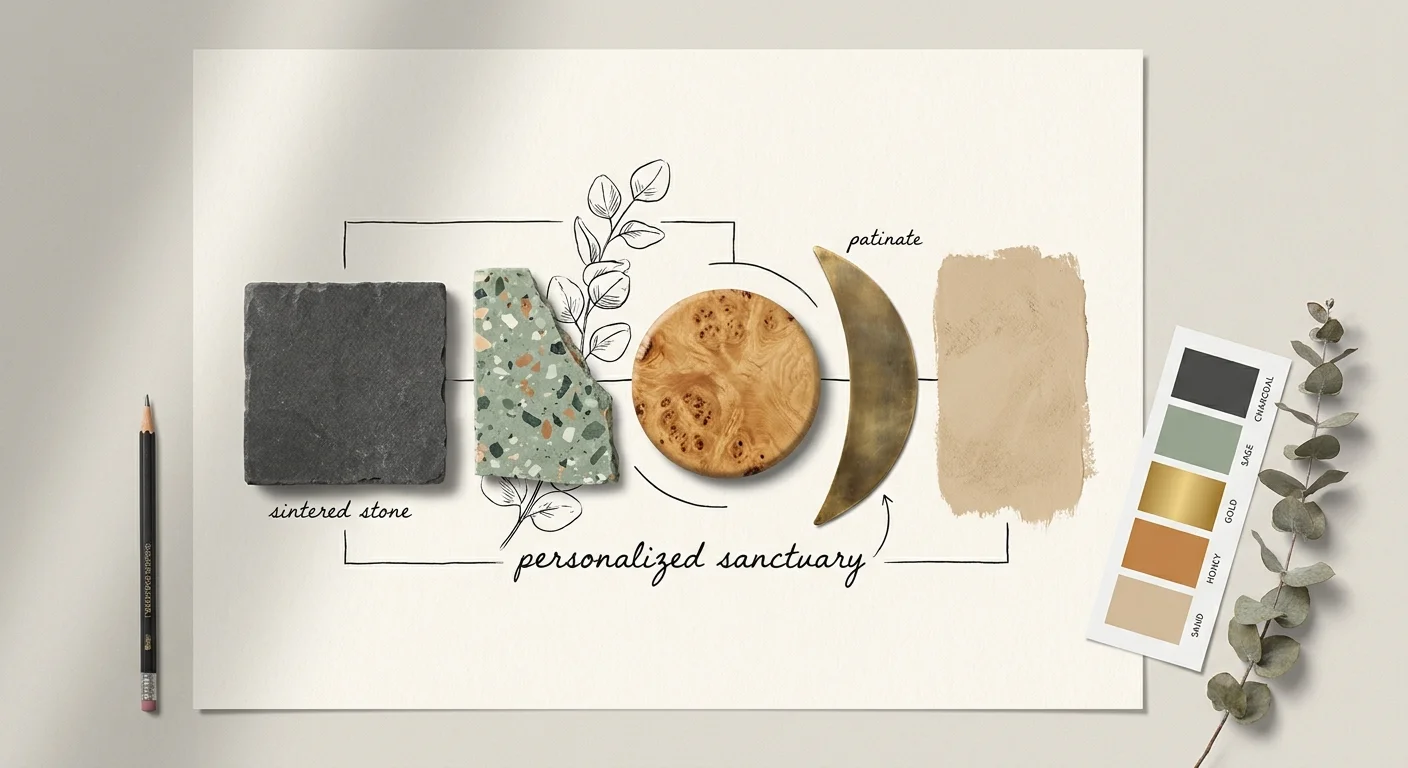
Transitioning gracefully away from ubiquitous, predictable marble requires a thoughtful approach to architectural balance, tactile texture, and your own personal style. You certainly do not need to gut your entire home or embark on a massive renovation to embrace these innovative materials; instead, introduce them strategically to elevate your existing interior design. Start by carefully identifying the specific functional needs and overarching atmospheric goals of your living space. If you desire a serene, spa-like primary bathroom retreat, strongly consider the seamless, enveloping warmth of hand-burnished tadelakt plaster. If your open-concept kitchen serves as a high-traffic entertaining hub, the bulletproof elegance of large-format sintered stone or luxury porcelain will serve you beautifully.
The key to mastering successful home decor lies in skillfully balancing the material mix. Pair the moody, dense visual weight of a dark soapstone countertop with the rich, swirling grain of custom burl wood cabinetry to create a layered, tactile environment. Intentionally contrast the cool industrial edge of seamless microcement floors with plush, opulent textiles and brightly patinated brass lighting fixtures. By thoughtfully combining these unexpected, dynamic materials, you establish a compelling, ongoing design dialogue between natural historic provenance and cutting-edge engineered performance. Ultimately, true interior luxury is deeply personal. Choose extraordinary materials that resonate with your daily lifestyle, beautifully develop rich character over time, and consistently bring enduring warmth and sophisticated elegance to your luxury home.
Frequently Asked Questions
How do I mix these unexpected materials without making my luxury home look visually chaotic?
Successful material mixing relies entirely on establishing a strong, dominant foundation and using secondary, highly textured materials strictly as intentional architectural accents. Select one primary, expansive surface—such as a completely seamless microcement floor or a massive sintered stone accent wall—to firmly ground the space. Then, carefully introduce one or two contrasting textures, like a bespoke burl wood powder room vanity or a patinated brass kitchen backsplash. Always ensure your chosen color palettes share a cohesive, unifying undertone; for instance, mixing cool grays with warm ambers can work beautifully, provided you intentionally bridge the visual gap with high-quality transitional neutrals and rich textiles.
Are living finishes like natural soapstone and patinated copper difficult to clean and maintain?
Living finishes demand a conscious shift in design perspective rather than hours of intense maintenance. They are inherently not difficult to care for, but they stubbornly refuse to remain static. You must willingly embrace the natural, ongoing oxidation and gentle wear that naturally occurs over time, which ultimately adds unique character and irreplaceable provenance to your home decor. Deep soapstone merely requires occasional oiling with mineral oil to maintain its striking dark color, while raw copper and aged brass simply need gentle, routine cleaning with mild, non-abrasive soap. If you strongly prefer a flawless, permanently unchanging surface, luxury porcelain or engineered sintered stone are vastly better choices for your lifestyle.
Do these unconventional marble alternatives actually add resale value to luxury homes?
Absolutely, without question. The contemporary high-end real estate market increasingly values bespoke, high-performance materials far over generic, easily recognizable builder-grade marble. Discerning buyers in the ultra-luxury sector readily recognize the sophisticated, artistic appeal of custom artisanal terrazzo, the immense durability of engineered sintered stone, and the exclusive, museum-quality nature of authentic petrified wood. Actively investing in these premium, unexpected materials clearly demonstrates a profound commitment to uncompromising quality, custom interior design, and thoughtful architectural detailing. All of these intentional design choices significantly enhance both the intrinsic daily enjoyment and the ultimate financial resale value of your premium property.
For the latest color forecasts, consult industry leaders like Pantone and paint companies like Benjamin Moore. For professional design standards, refer to the American Society of Interior Designers (ASID).
Disclaimer: This article reflects design trend analysis and predictions. Personal taste and timeless design principles should always guide your decorating choices.
