

Securing a visually stunning property often blinds buyers to underlying structural realities, making a comprehensive property defects checklist your most crucial design asset. Real estate warnings frequently highlight that the most costly home inspection issues hide beneath fresh coats of trendy paint and newly installed luxury finishes. You must look past the immediate aesthetic appeal of arched doorways and bespoke millwork to assess the foundational integrity of your investment. A beautiful living room loses its charm quickly when sagging joists or outdated wiring demand thousands in unexpected repairs. Understanding these critical housing inspection tips ensures your design aspirations rest on a solid, safe, and financially sound foundation rather than a precarious illusion of domestic perfection.
Trend #1: The Aesthetic Flip Masking Foundational Flaws
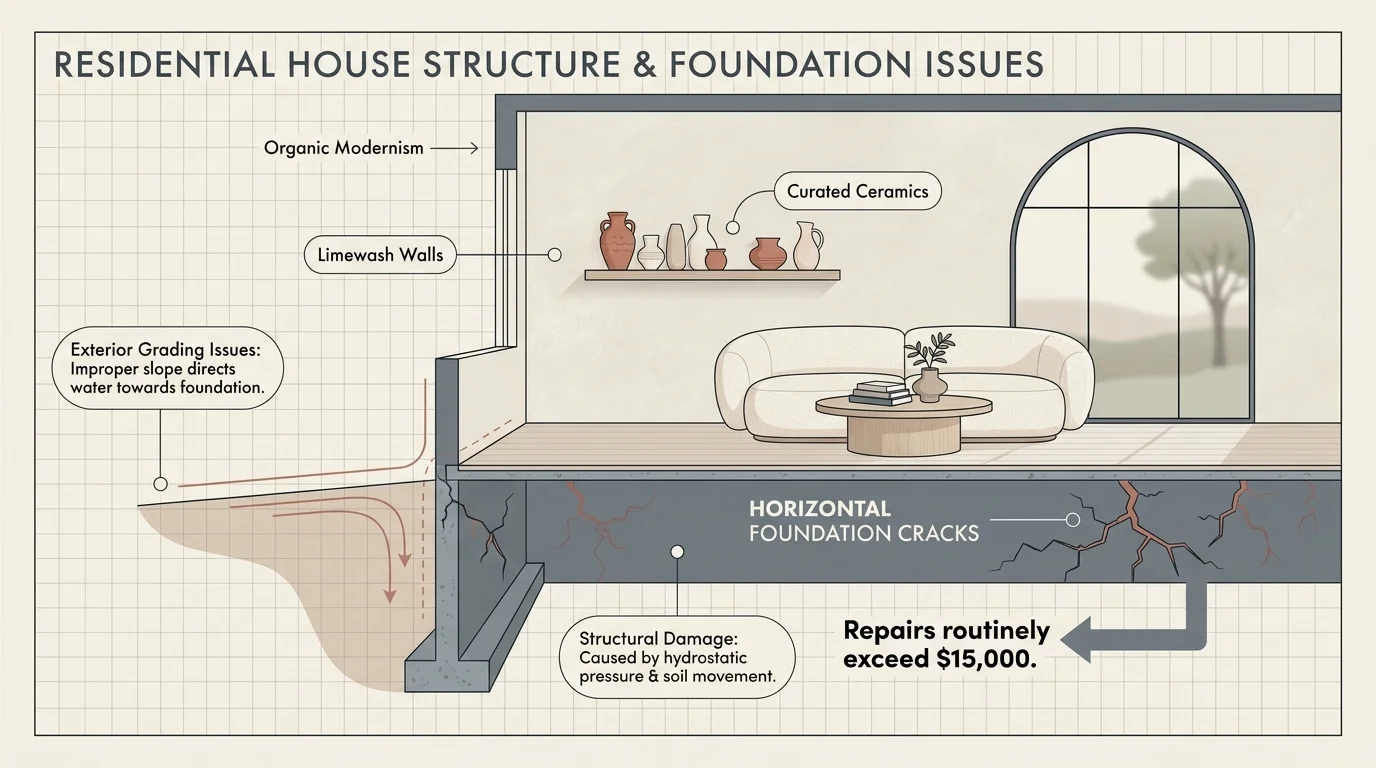
The rise of organic modernism has popularized serene, neutral palettes, limewash walls, and minimalist staging. While these elements create a calming, editorial aesthetic, they frequently serve as a cosmetic smokescreen for severe foundational settling. House flippers often deploy this turnkey look to distract you from sloping floors or diagonal cracks radiating from window frames. Beneath the pristine bouclé furniture and curated ceramics, a failing foundation can require underpinning or hydraulic piering—repairs that routinely exceed $15,000. When evaluating a newly renovated property, you must actively inspect the exterior perimeter for grading issues and examine the basement for horizontal foundation cracks. Do not let a beautifully styled living room deter you from rigorously questioning the structural integrity of the home’s concrete base.
Trend #2: Open-Concept Renovations Compromising Load-Bearing Walls
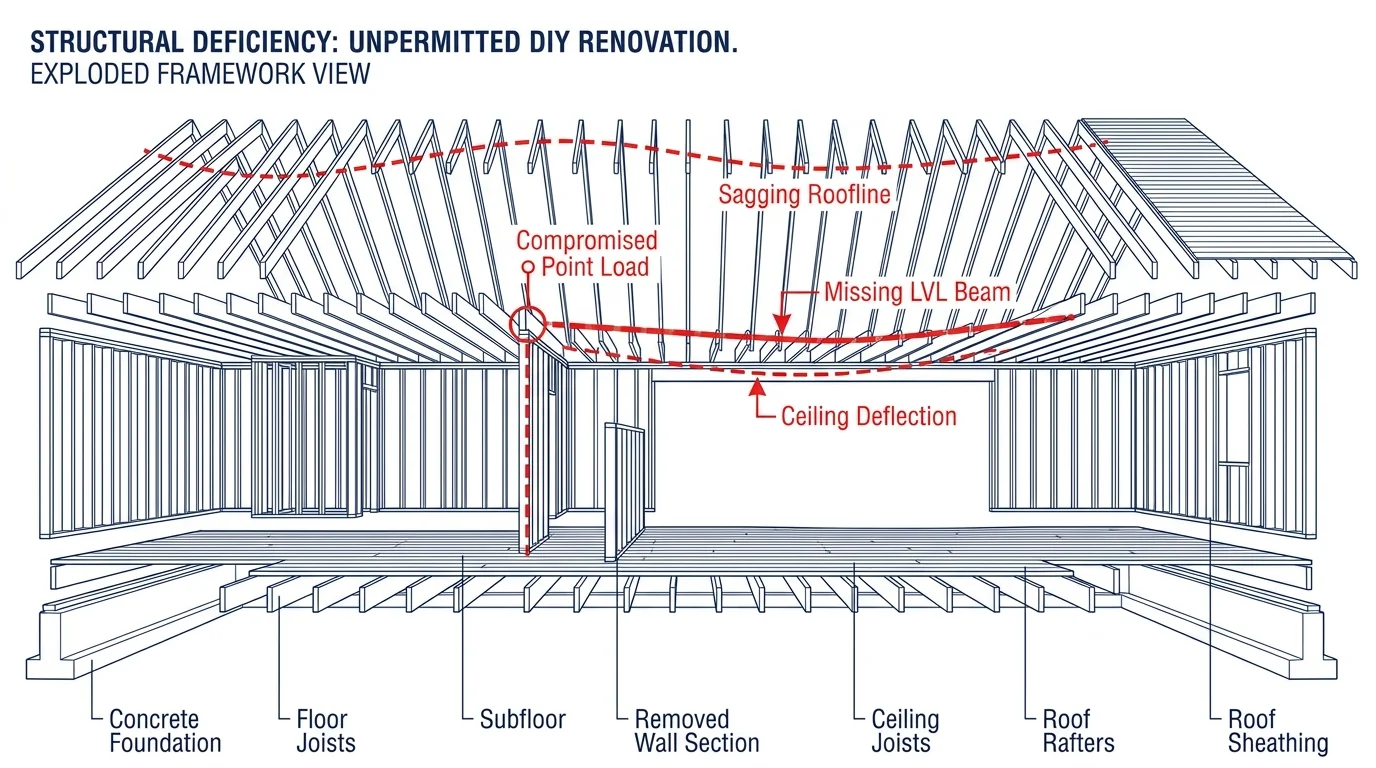
Sprawling, light-filled living and dining areas remain highly desirable, driving homeowners to tear down interior walls in pursuit of an airy, uninhibited flow. However, this architectural ambition frequently introduces significant home buying risks when unpermitted work compromises the property’s skeletal framework. Ambitious DIYers and budget-conscious contractors occasionally remove load-bearing walls without installing properly engineered steel or laminated veneer lumber (LVL) beams. The immediate result is a gorgeous, sprawling entertaining space; the long-term reality is a sagging roofline and severe deflection in the ceilings above. Your inspector will look for uneven floorboards, sticking doors, and ceiling cracks that indicate a compromised point load. Resolving structural deficiency after the drywall is finished requires tearing open the ceiling and retrofitting expensive support beams.
Trend #3: Historic Provenance Paired With Outdated Knob-and-Tube Wiring
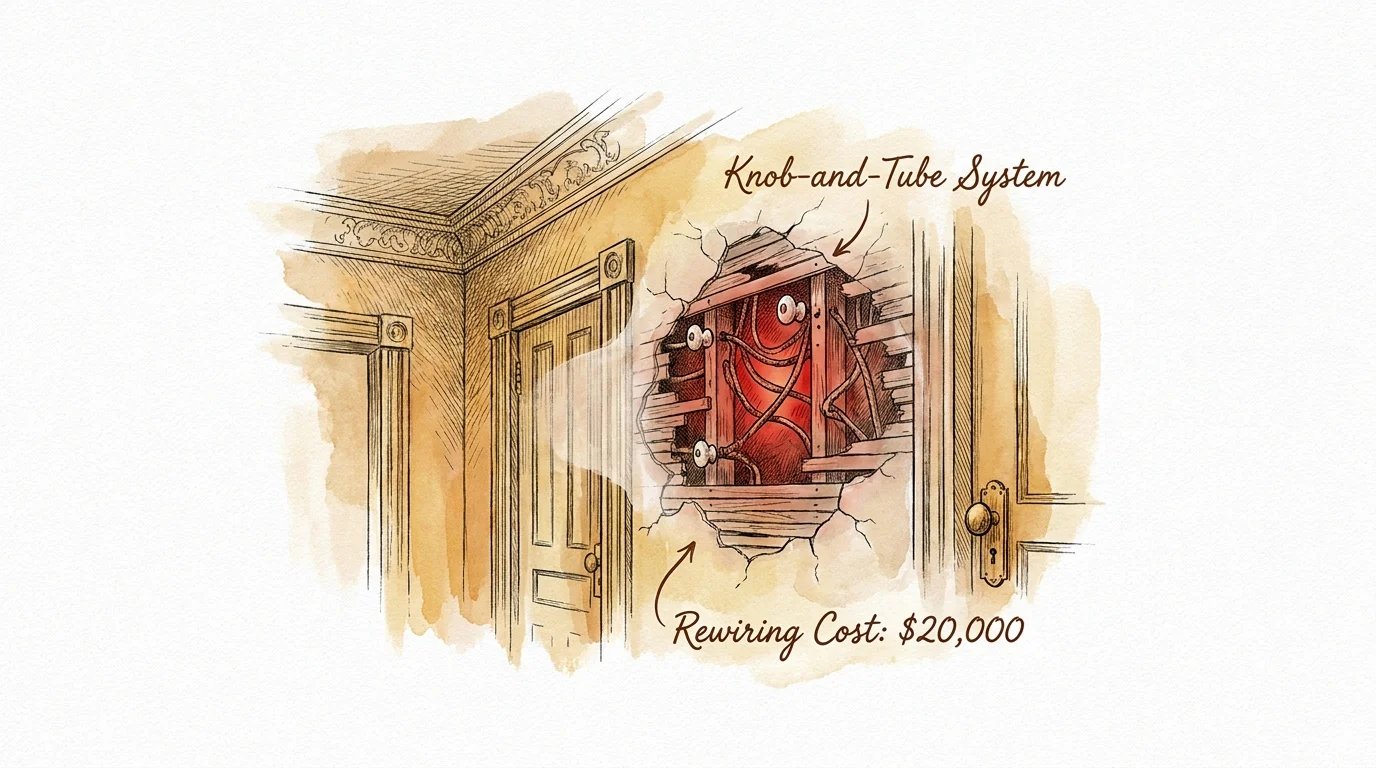
The current appetite for quiet luxury has fueled a resurgence in purchasing heritage properties. Buyers crave the original plaster moldings, unlacquered brass hardware, and authentic architectural provenance of Victorian and Craftsman estates. Unfortunately, the preservation of historical aesthetics often means previous owners neglected the unseen electrical systems. Knob-and-tube wiring, commonly found in homes built before 1950, presents a catastrophic fire hazard. Its rubber insulation degrades over time, and the lack of a ground wire makes it dangerously incompatible with modern electronics. Insurance companies frequently refuse to underwrite properties with active knob-and-tube systems, leaving you with an immediate, non-negotiable expense. Rewiring a historic home while preserving its delicate lath-and-plaster walls is a meticulous process that can cost upward of $20,000.

Trend #4: Spa-Inspired Wet Rooms Concealing Subpar Waterproofing
Primary en suites have evolved into luxurious, spa-inspired wet rooms featuring seamless transitions, curbless showers, and floor-to-ceiling zellige tile. This monolithic approach to bathroom design visually expands the space and elevates the daily bathing ritual. Yet, beneath the handcrafted Moroccan tiles, poorly executed waterproofing systems create a breeding ground for catastrophic leaks. Achieving a truly waterproof curbless shower requires precise grading, specialized pan liners, and comprehensive membrane systems. When inexperienced contractors attempt this high-end look, water inevitably wicks through the grout, saturating the subfloor and destroying the drywall in the rooms below. Inspectors frequently utilize thermal imaging cameras to detect trapped moisture behind these exquisite tile installations, exposing hidden water damage that necessitates completely gutting the newly renovated bathroom.
Trend #5: Authentic Reclaimed Flooring Plagued by Pest Damage
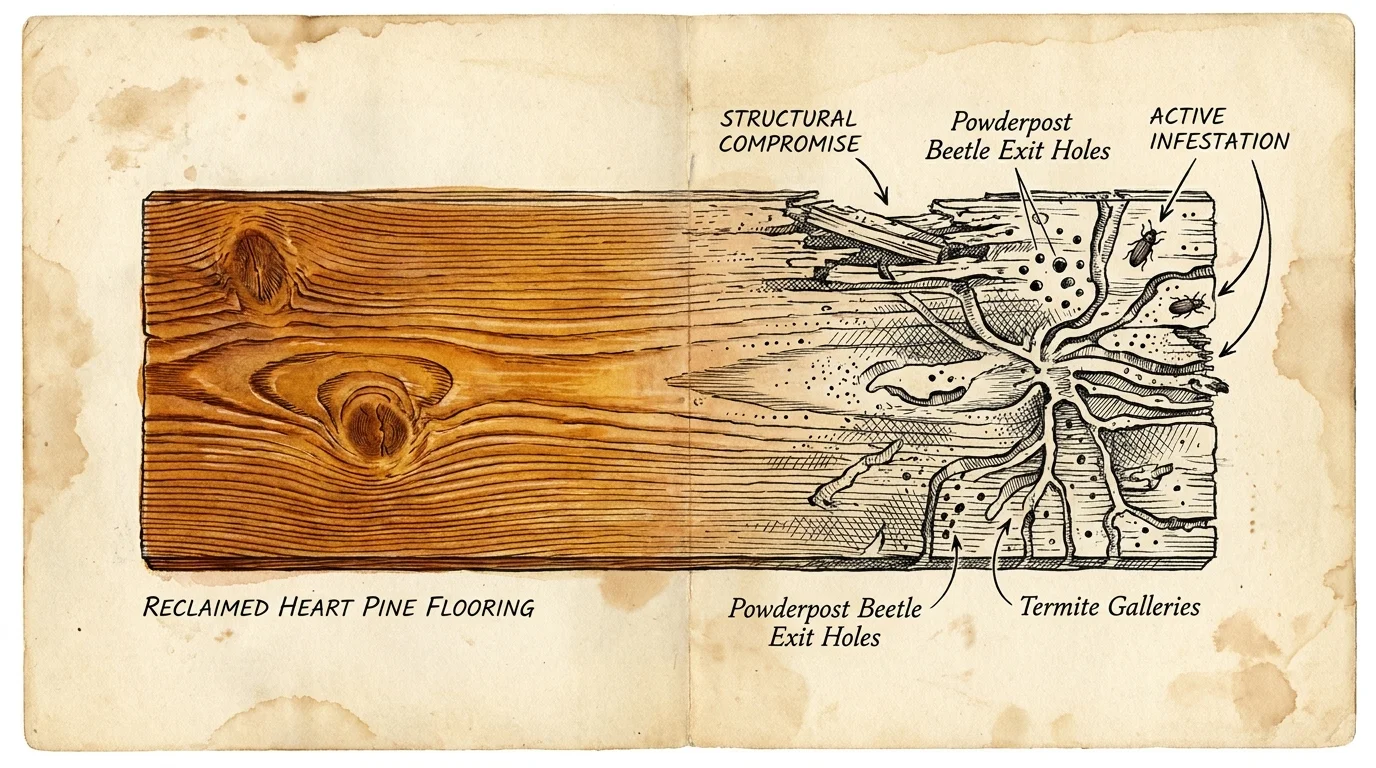
Nothing anchors a dining room quite like the organic warmth and rich patina of authentic reclaimed wood flooring. Sourcing centuries-old European oak or antique heart pine arranged in intricate herringbone patterns represents the pinnacle of bespoke interior design. However, introducing salvaged timber into a climate-controlled home carries the distinct risk of importing active wood-destroying insects. Powderpost beetles and drywood termites often lie dormant inside reclaimed planks, only to emerge and multiply once installed. Left unchecked, these pests will migrate from your stunning new floorboards into the structural joists of the house. During an inspection, professionals look for microscopic exit holes and tiny piles of frass—resembling fine sawdust—that indicate an active infestation requiring expensive, whole-home fumigation.
Trend #6: Maximalist Vintage Lighting Overloading Modern Circuits
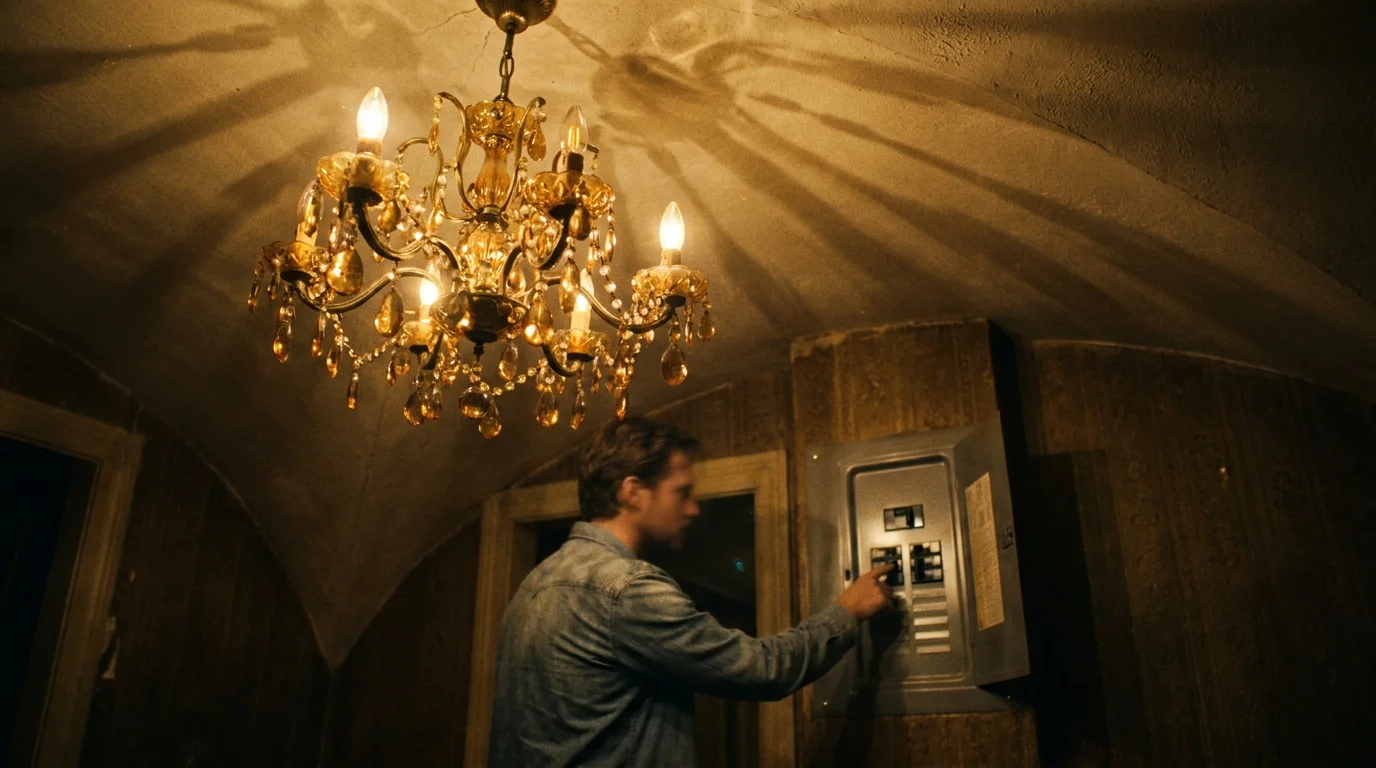
Maximalism champions the curation of bold, expressive fixtures, leading many homeowners to source antique European chandeliers and oversized mid-century sconces. While these statement pieces inject unparalleled character into a home, they frequently mask severely outdated electrical panels. Plugging high-draw modern appliances and smart-home ecosystems into a property utilizing a vintage Federal Pacific or Zinsco electrical panel is a recipe for disaster. These obsolete panels are notorious for failing to trip during a power surge, creating an imminent fire risk. Furthermore, wiring antique fixtures into ungrounded circuits amplifies the danger. Upgrading to a modern 200-amp service panel is a necessary, albeit unglamorous, $3,000 to $5,000 investment required to safely illuminate your meticulously curated art and vintage lighting collections.
Trend #7: Eco-Friendly Exterior Upgrades Exposing Roofing Vulnerabilities
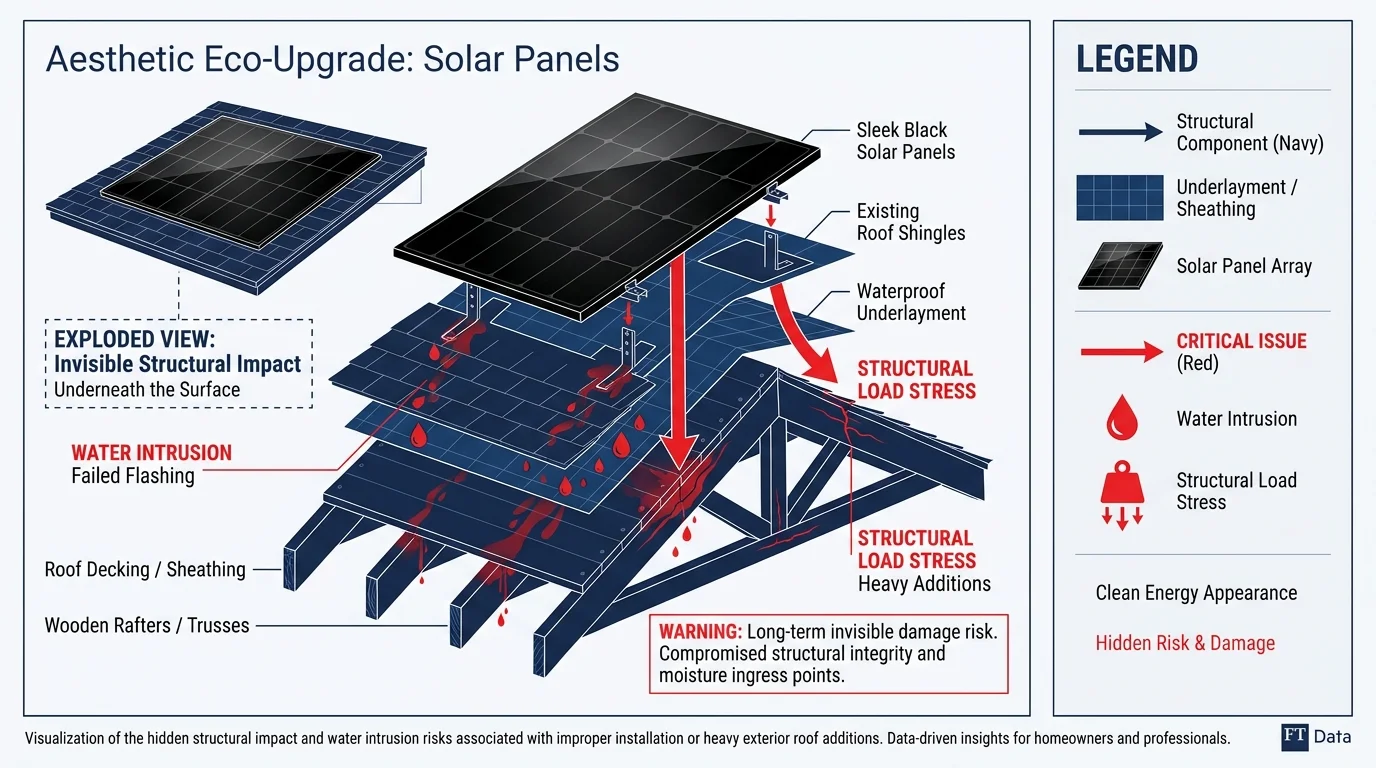
Biophilic design and sustainability efforts have moved beyond the interior, manifesting as heavy green roofs, rooftop gardens, and extensive solar panel installations. While reducing your carbon footprint is a noble and increasingly popular pursuit, these heavy exterior additions frequently overload aging roof trusses. A roof structured to support standard asphalt shingles will bow under the massive dead weight of saturated soil or heavy solar arrays. Furthermore, the installation process for these eco-friendly upgrades often punctures the existing roofing membrane, leading to slow, undetectable leaks. An inspector will navigate the attic space to assess the rafters for deflection, water staining, and biological growth, ensuring your commitment to sustainability does not compromise the structural envelope of your home.
Trend #8: Sun-Drenched Conservatories Hiding HVAC Strains
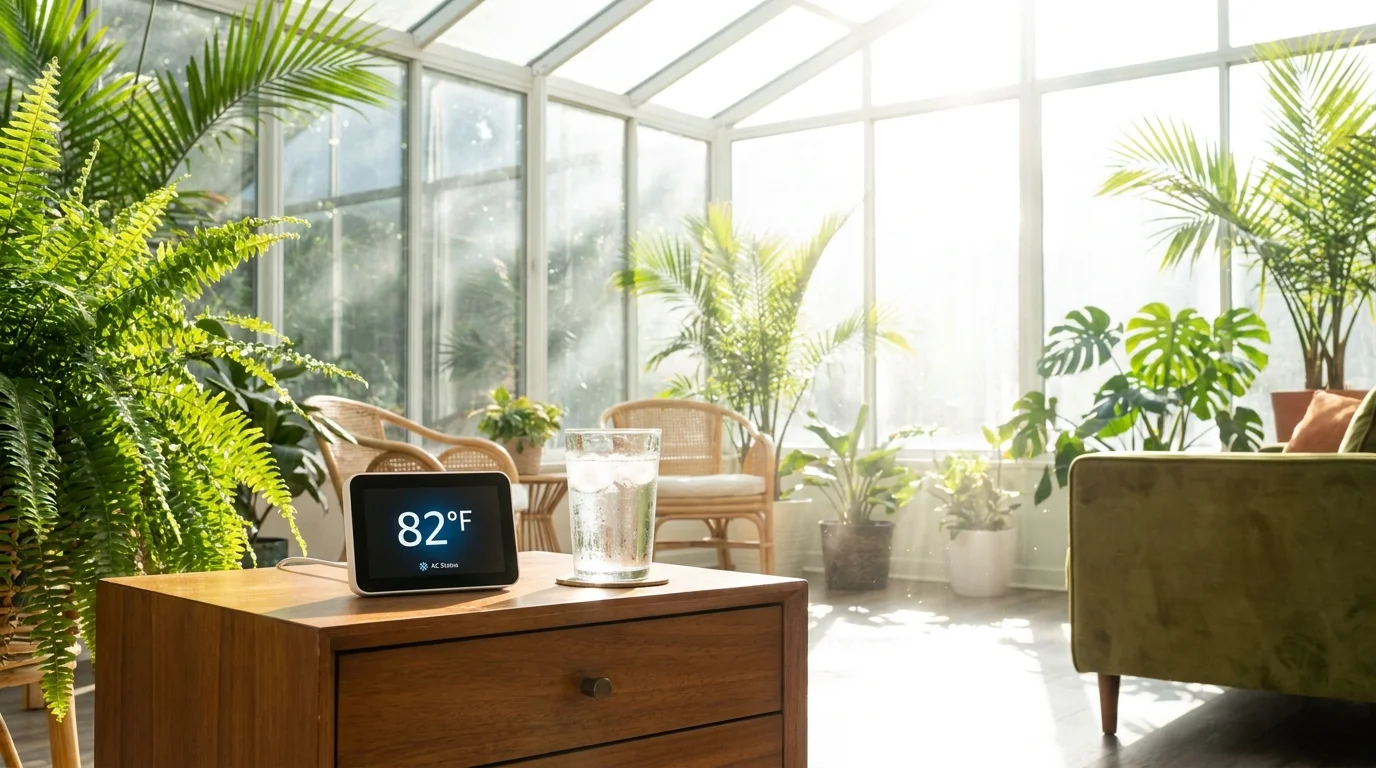
Blurring the line between indoor and outdoor living remains a dominant architectural trend. Homeowners are rapidly replacing solid exterior walls with massive expanses of steel-framed Crittall glass and adding four-season sunrooms to maximize natural light. While visually spectacular, these glass-heavy additions radically alter the thermal dynamics of the property. Often, renovators fail to upgrade the home’s primary heating, ventilation, and air conditioning (HVAC) system to accommodate the increased cubic footage and significant heat loss associated with large windows. The existing furnace and air compressor end up working continuously, leading to premature mechanical failure, extreme temperature fluctuations, and indoor condensation that breeds mold. You must verify that the HVAC infrastructure is properly sized for the home’s new footprint.
Trend #9: Architectural Salvage Harboring Toxic Materials
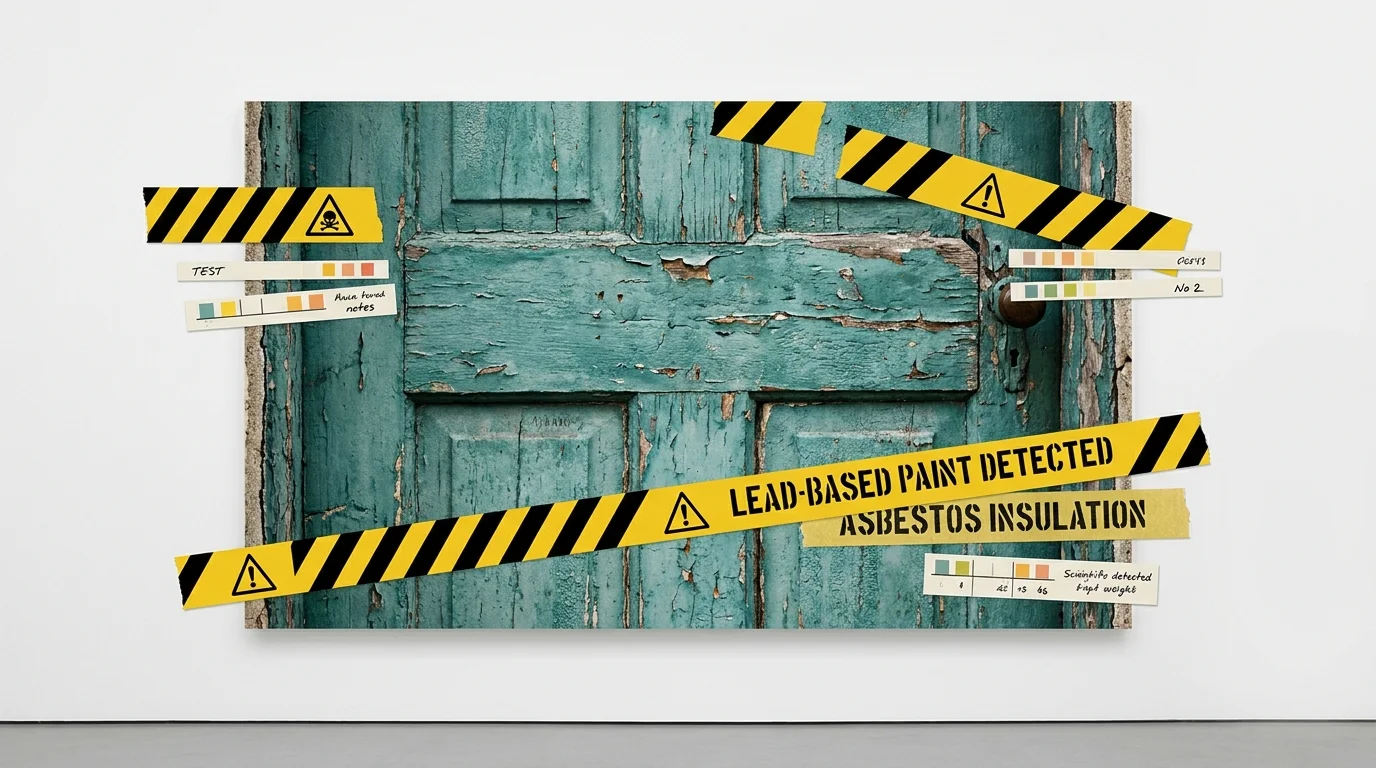
Injecting soul into a cookie-cutter home often involves integrating architectural salvage. Heavy carved doors from the 1920s, antique fireplace mantels, and weathered corbels provide immediate texture and historical depth to a modern living room. The hidden danger lies in the toxic legacy of these salvaged materials. Antique painted surfaces almost universally contain lead-based paint, while vintage flooring adhesives and textured ceiling panels frequently harbor asbestos. As long as these materials remain undisturbed, the risk is relatively low. However, sanding an antique mantel to fit your space or drilling into salvaged millwork releases hazardous particulates into the air. Professional abatement and remediation require specialized containment procedures that quickly inflate your renovation budget by thousands of dollars.
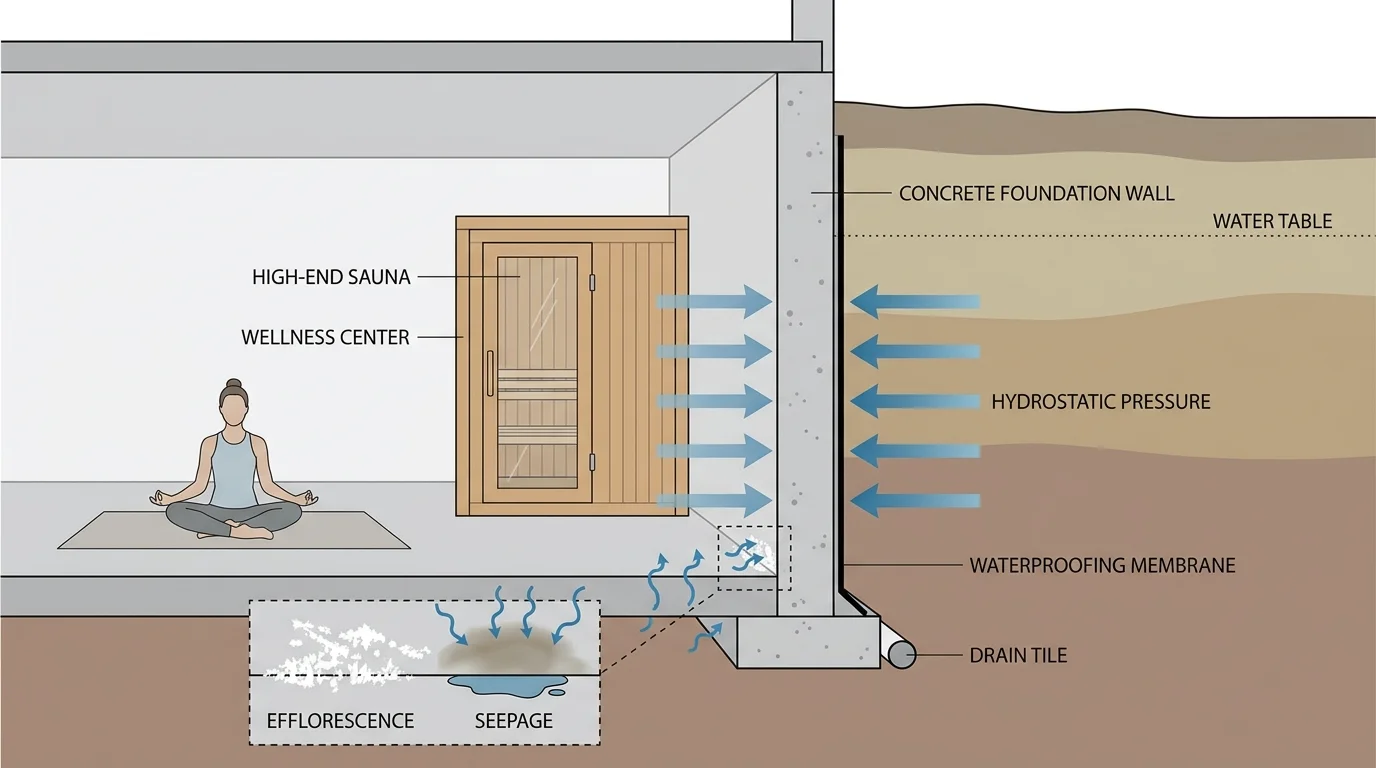
Trend #10: Basement Wellness Centers Unveiling Hydrostatic Pressure
The transformation of dark, unfinished basements into subterranean wellness centers—complete with infrared saunas, cold plunge pools, and high-end home gyms—is a hallmark of modern luxury real estate. Yet, installing drywall and expensive engineered flooring over a concrete foundation without addressing exterior grading and hydrostatic pressure is a costly oversight. Water naturally seeks the path of least resistance; if the soil around the property does not slope away from the foundation, water will press against the concrete walls and seep into your new wellness retreat. The resulting efflorescence and toxic black mold growth remain hidden behind pristine white drywall until the damage is extensive. Proper interior perimeter drains and sump pumps must be verified prior to purchasing a finished basement.
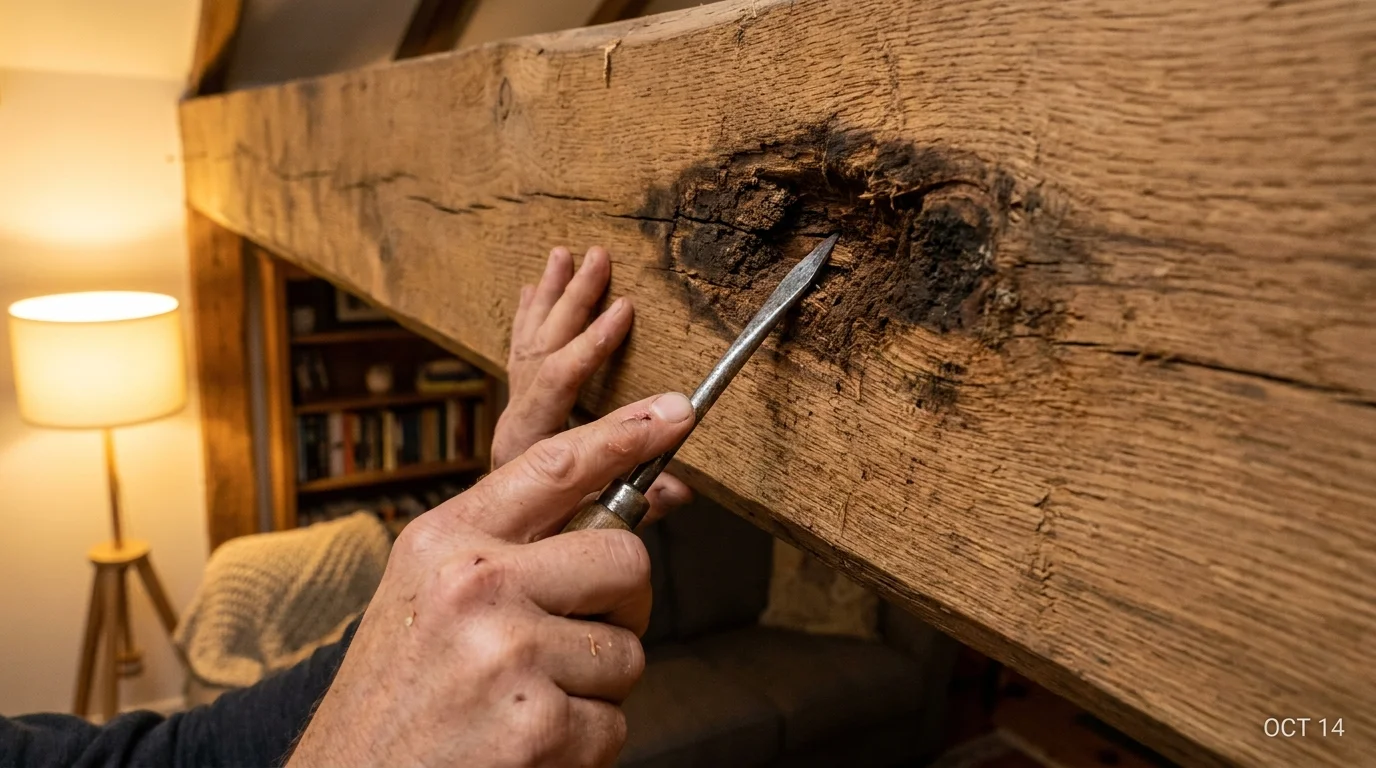
Trend #11: Rustic Exposed Beams Masking Dry Rot
Vaulted ceilings adorned with rough-hewn, exposed timber beams continue to dominate the modern farmhouse and rustic-chic aesthetic. Exposing the structural skeleton of a roof adds vertical volume and architectural interest. Unfortunately, this design choice frequently involves removing the vital insulation barrier between the roof deck and the living space. Without proper ventilation and insulation, warm interior air collides with the cold roof deck, causing condensation. Over time, this trapped moisture feeds dry rot, quietly deteriorating the structural integrity of the very beams you sought to highlight. A thorough home inspection will probe these exposed timbers for soft spots and assess the exterior roof for ice dams, ensuring the rustic aesthetic is not masking advanced wood decay.
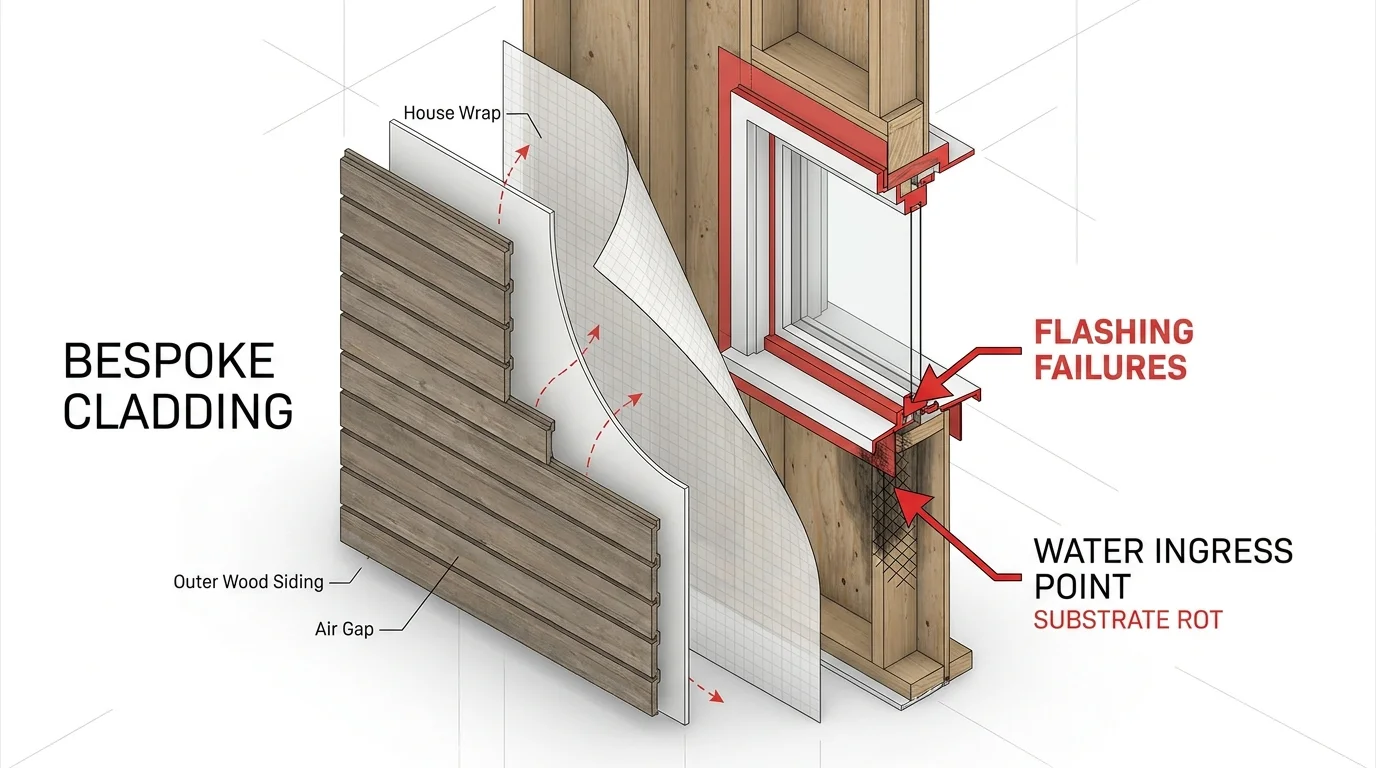
Trend #12: Bespoke Exterior Cladding Concealing Flashing Failures
Curb appeal has undergone a renaissance, with homeowners wrapping dated facades in bespoke exterior cladding like shou sugi ban wood, high-end composite siding, or heavily painted brick. This modernization drastically elevates the property’s visual narrative but often conceals catastrophic window flashing failures. When contractors rush to install new siding over old exterior envelopes, they frequently neglect the meticulous flashing and weather-barrier integration required around window and door frames. Rainwater penetrates these vulnerable junctions, becoming trapped behind the beautiful new cladding. This trapped moisture slowly rots the sheer walls and structural studs, creating a devastating loss of structural integrity that remains completely invisible from the street. An inspector’s moisture meter is your only defense against this hidden decay.
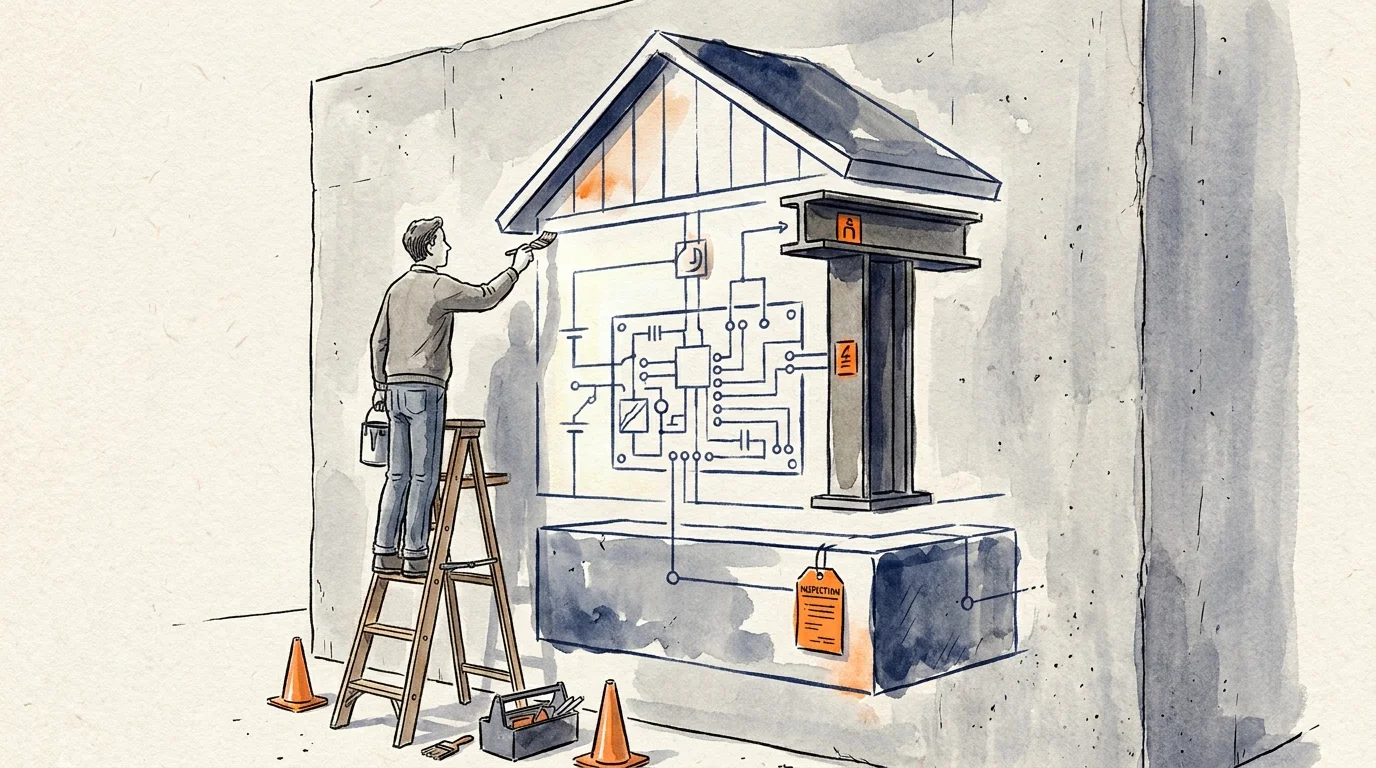
The Big Picture: Weaving These Trends into Your Home
Balancing high-end design aspirations with rigorous structural prudence requires a disciplined approach to homeownership. True luxury is not just what you can see; it is the peace of mind that comes from knowing the bones of your home are as solid as its aesthetic is beautiful. When evaluating a property or planning a renovation, prioritize foundational integrity, electrical safety, and moisture management over cosmetic updates. Only once the structural envelope is secure should you layer in the bespoke millwork, imported textiles, and curated color palettes that make a house feel entirely yours.
For the latest color forecasts, consult industry leaders like Pantone and paint companies like Benjamin Moore. For professional design standards, refer to the American Society of Interior Designers (ASID).
Frequently Asked Questions
How can you balance investing in aesthetic upgrades with necessary structural repairs?
You must adopt a “bones-first” philosophy. Allocate your initial budget toward resolving immediate safety and structural issues, such as upgrading outdated electrical panels or addressing foundation cracks. Once the home is structurally sound, you can confidently invest in high-end aesthetic finishes like zellige tile and reclaimed flooring without the fear of having to rip them out to fix an underlying leak later.
Should a failed inspection deter you from purchasing a heritage property?
Not necessarily, provided the purchase price accurately reflects the cost of remediation. Heritage properties offer unparalleled charm and craftsmanship. If an inspection reveals knob-and-tube wiring or lead paint, use that data to negotiate a seller concession. As long as you have the budget and patience to properly update the mechanical systems, a heritage home remains a phenomenal canvas for sophisticated interior design.
Which design trends actually improve the long-term structural integrity of a home?
Trends that focus on upgrading the building envelope—such as installing high-efficiency architectural windows, upgrading to standing-seam metal roofs, and integrating smart moisture-detection systems—profoundly enhance a home’s longevity. Thoughtful landscaping that prioritizes proper grading and drainage is another exterior trend that actively protects your foundation from hydrostatic pressure while simultaneously elevating curb appeal.
Disclaimer: This article reflects design trend analysis and predictions. Personal taste and timeless design principles should always guide your decorating choices.
