

Home buyers are actively abandoning ultra-modern, sterile spaces in favor of nostalgic homes equipped with historically rich, character-driven architecture. The modern real estate market reveals a massive cultural shift toward provenance and quiet luxury, proving that vintage home trends provide the timeless warmth that open-concept layouts desperately lack. You will discover that features once considered obsolete—such as separated living spaces, ornate moldings, and dedicated utility rooms—are commanding premium prices today. Buyers crave authentic craftsmanship and distinct room identities to anchor their daily routines. By understanding these reviving interior design elements, you can elevate your own property value and cultivate a deeply personalized, sophisticated sanctuary that easily withstands fleeting fads.
Trend #1: Closed Floor Plans and Broken-Plan Layouts
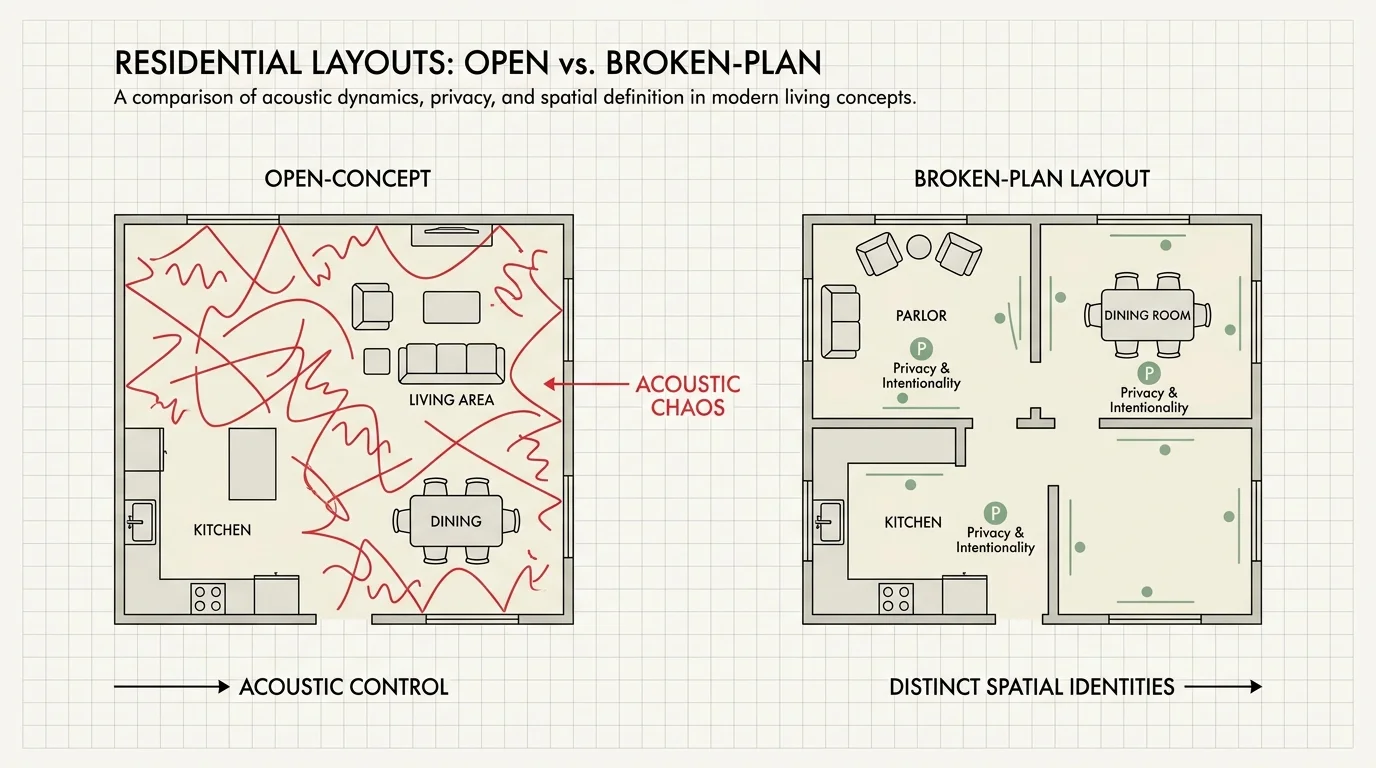
For decades, the real estate market pushed a relentless narrative that knocking down every interior wall would create the ultimate, family-friendly living space; today, home buyers vehemently disagree. You now see a sharp, definitive pivot back to closed floor plans—often referred to in architectural circles as broken-plan layouts—because they offer unparalleled acoustic privacy and distinct spatial identities. Working from home fundamentally altered how we interact with our houses, exposing the glaring, highly disruptive flaws of a cavernous, echoing open-concept great room. A separated living room or parlor allows you to curate distinct, hyper-specific moods and color palettes for different spaces without visual clashing. You can confidently drench a cozy, enclosed den in saturated hues like moody aubergine or deep forest green while keeping your main hallway light, airy, and neutral. This deliberate architectural division champions the concept of quiet luxury, giving each room its own purpose and aesthetic vocabulary rather than forcing a single, monotonous design scheme across your entire home. By thoughtfully rebuilding walls and defining doorways, you reclaim the intimacy, acoustic control, and intentionality that define truly sophisticated interior design.
Trend #2: Butler’s Pantries and Hidden Sculleries
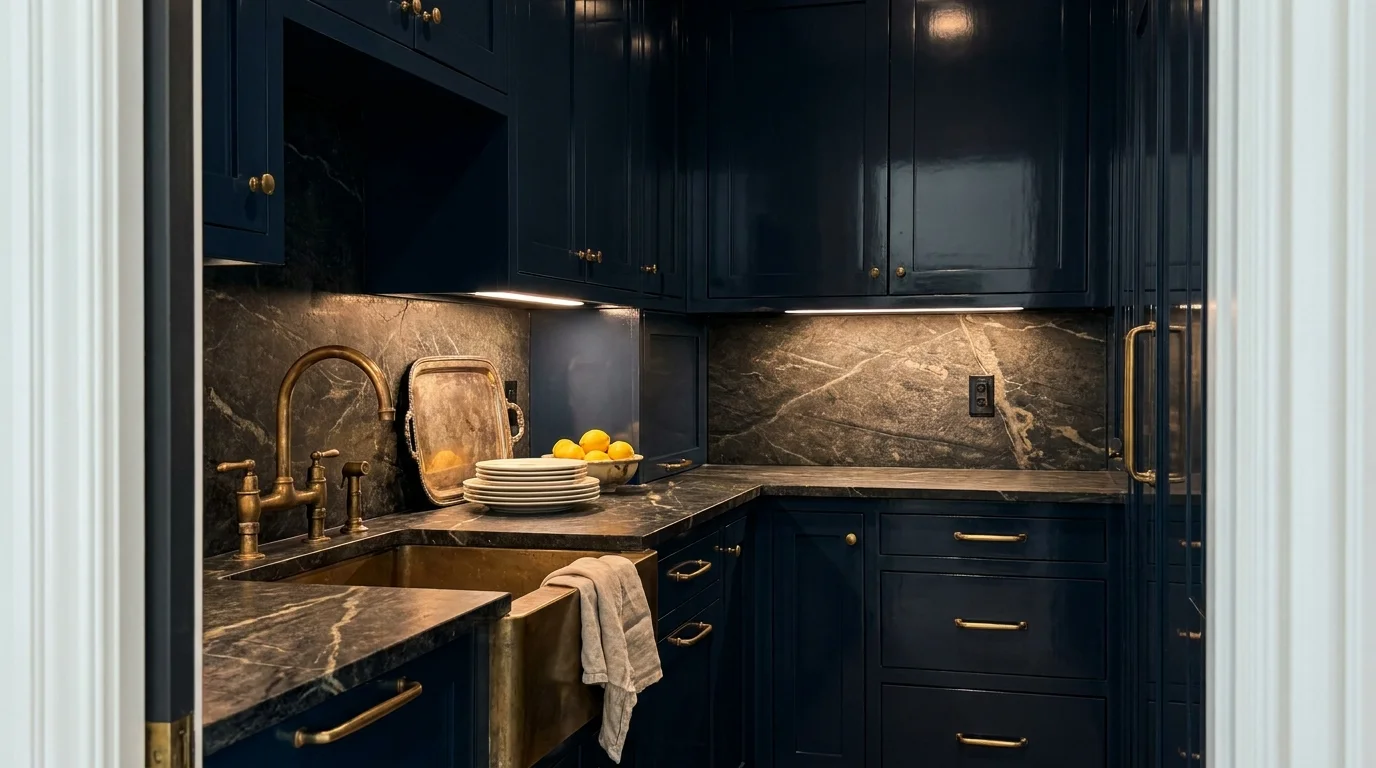
The pristine, minimalist showpiece kitchen remains a highly coveted asset, but maintaining its immaculate appearance on a daily basis requires an old-school architectural secret—the butler’s pantry. Originally designed in grand estates as a dedicated staging area for formal events, this transitional space now serves as a secondary prep kitchen or scullery, allowing you to hide small appliances, dirty dishes, and meal prep chaos from your entertaining zones. Modern vintage home trends elevate these formerly utilitarian zones into highly stylized jewel boxes of design. You can freely experiment with bold, daring choices here; think high-gloss navy blue cabinetry, heavily veined soapstone or dark marble countertops, and unlacquered brass hardware that naturally develops a rich, varied patina over time. A fully equipped scullery gives you the practical freedom to host and entertain flawlessly while preserving the aesthetic perfection of your primary culinary space. Discerning home buyers eagerly search for these hidden sanctuaries because they perfectly balance the messy realities of pragmatic daily living with high-end, aspirational entertaining standards.
Trend #3: Formal Dining Rooms for Intentional Gathering
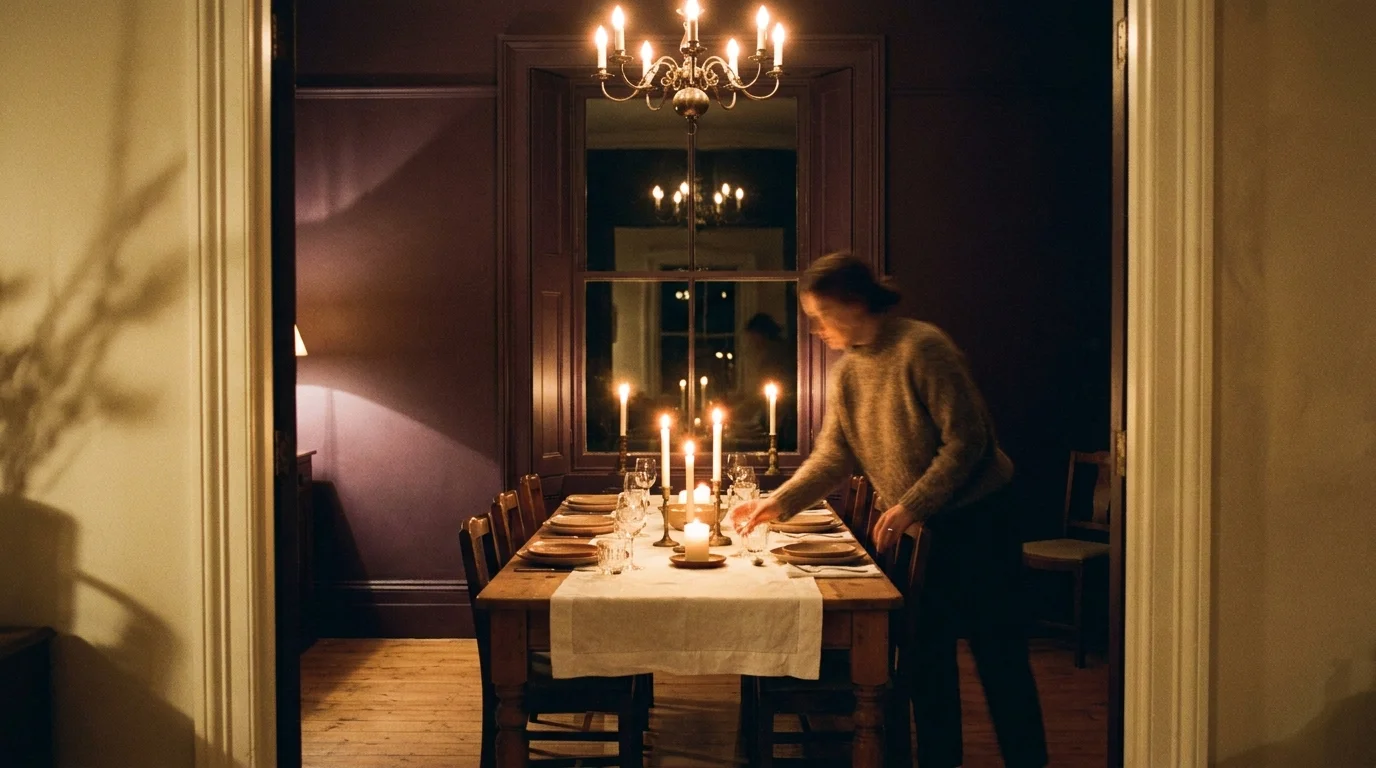
The casual kitchen island breakfast bar dominated the residential building market throughout recent decades, but the formal dining room is experiencing a massive, unexpected renaissance. Homeowners increasingly crave dedicated environments designed specifically for intentional gathering and focused conversation. Reclaiming this specific footprint forces a crucial, psychological separation between the bustling chaos of food preparation and the refined elegance of the dining experience. A formal dining room gives you an enclosed, distinct canvas to introduce serious decorative drama that might otherwise overwhelm a large multi-purpose area. You can sheath the walls in sweeping, hand-painted scenic wallpaper or heavily textured natural grasscloth, anchoring the space with a dramatic crystal or vintage mid-century modern chandelier. Dark, lacquered ceilings paired with rich mahogany or burled wood tables perfectly exemplify the thrilling return to traditional, old-world glamour. Buyers are quickly realizing that these purposefully enclosed spaces foster deeper conversations and create memorable, lingering dinner parties—proving that the deep human desire for meaningful, screen-free connection heavily influences modern real estate preferences.
Trend #4: Authentic Wood Paneling and Intricate Millwork
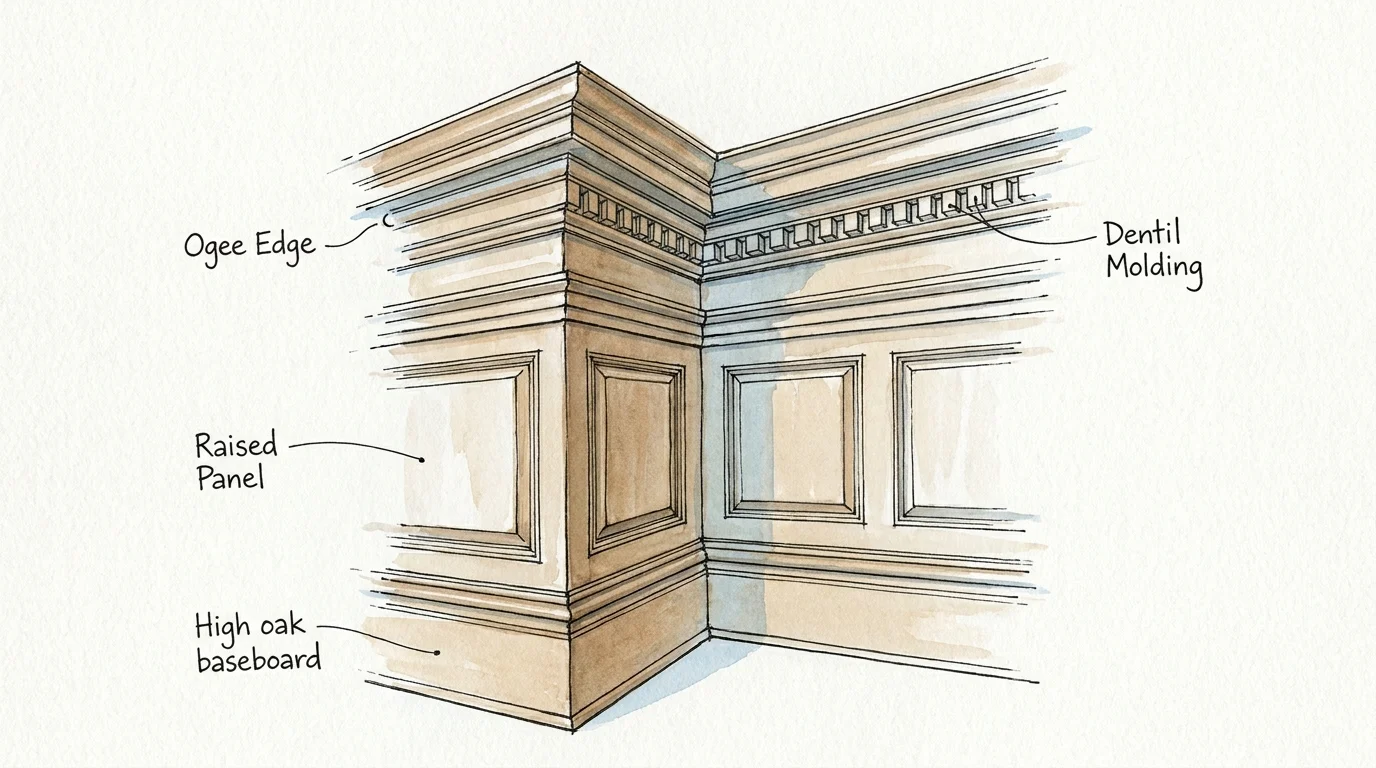
Forget the cheap, synthetic veneer paneling of the 1970s; today’s luxury market demands authentic, masterfully crafted wood paneling and architectural millwork. Sophisticated home buyers actively seek properties featuring original wainscoting, heavy picture frame molding, and fluted wall details because these traditional elements instantly communicate historic provenance and bespoke, irreplaceable craftsmanship. Flat, unadorned drywall boxes often feel sterile and uninspired to the modern eye; intricate millwork introduces critical texture, shadow lines, and structural interest to your vertical spaces. You can highlight these historical features by painting both the walls and the heavy trim in a singular, tonal color—a popular technique known in the industry as color drenching—to achieve a thoroughly modernized vintage aesthetic. Alternatively, leaving high-quality walnut, cherry, or white oak paneling in its natural, unstained state introduces a biophilic warmth that manufactured materials simply cannot replicate. Investing in heavy, historically accurate moldings instantly elevates the perceived architectural value of your property, beautifully bridging the gap between nostalgic homes and highly tailored, contemporary luxury.
Trend #5: Stained Glass and Functional Transom Windows
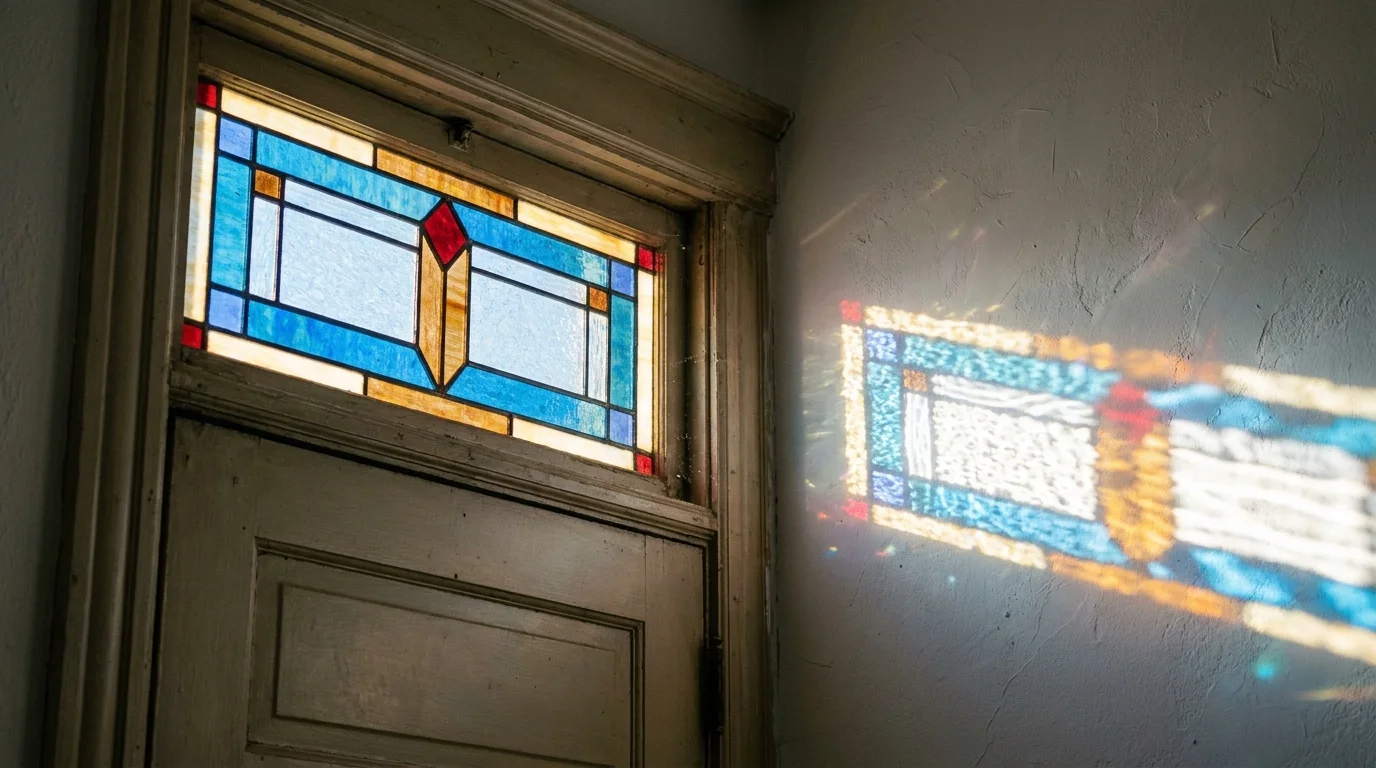
Mass-produced, frameless vinyl windows certainly prioritize thermal efficiency, but they systematically strip a vintage property of its unique soul and architectural narrative. In direct, passionate response, the restoration and strategic incorporation of stained glass and functional transom windows rank incredibly high among current interior design trends. These delicate, highly artistic glass installations serve a magnificent dual purpose: they flood your interior spaces with bright, natural light while simultaneously providing essential privacy from encroaching neighboring properties. Placing a meticulously restored leaded glass window in a main stairwell or a primary bathroom allows you to introduce organic, shifting patterns of colored light that change dynamically throughout the day. Transom windows situated above interior doorways intelligently pull illumination into central hallways, entirely mitigating the dark, oppressive corridors so common in historic architecture. Whether the leaded designs feature intricate Victorian floral motifs or striking, streamlined Art Deco geometries, these architectural glass elements act as built-in, glowing artwork. Buyers immediately recognize and deeply value the irreplaceable character of authentic stained glass, accurately viewing it as a clear marker of a home with a storied, treasured past.
Trend #6: Custom Built-In Cabinetry and Library Walls
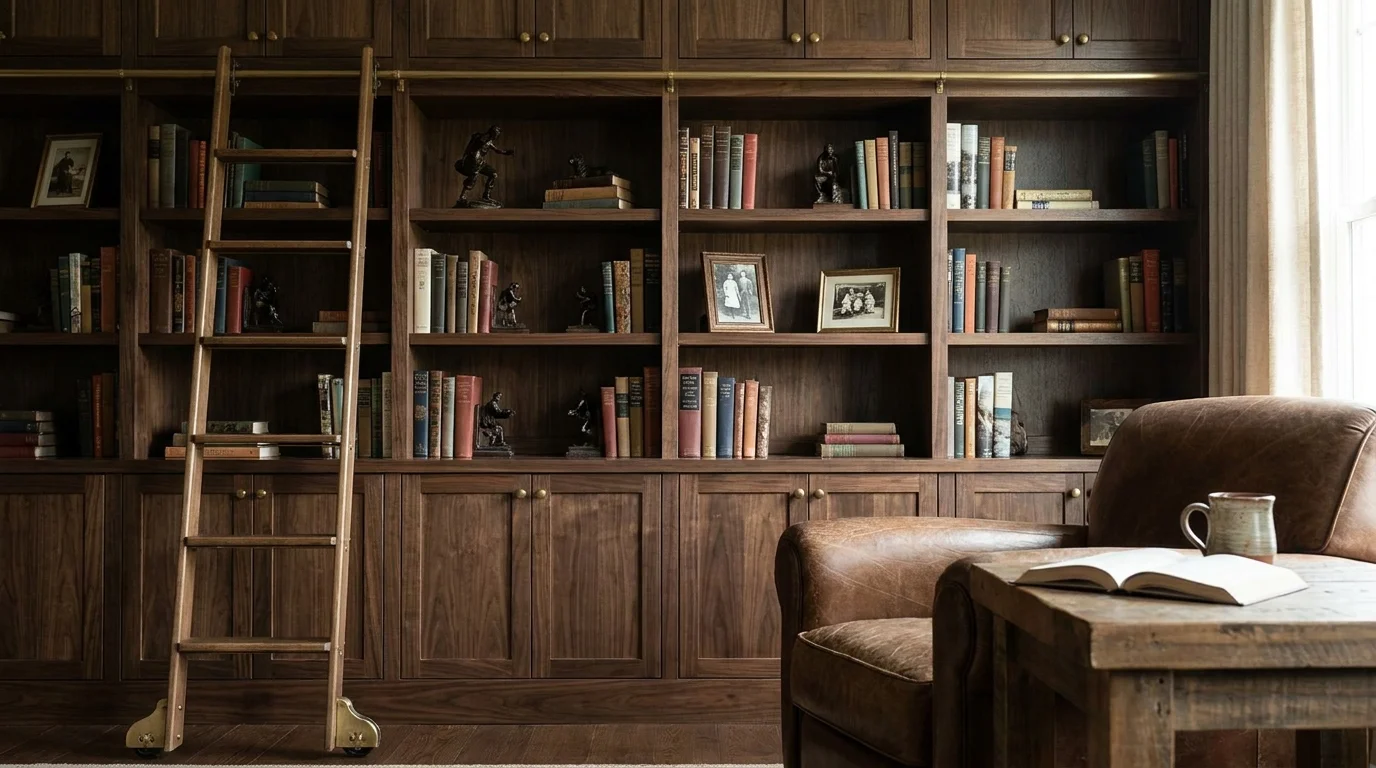
The recent era of floating, hyper-minimalist shelves is gracefully coming to an end as knowledgeable buyers shift their focus entirely toward substantial, floor-to-ceiling built-in cabinetry. Historic homes naturally utilized every awkward architectural alcove and structural niche for enclosed storage, a highly practical, space-saving concept that modern homeowners desperately want to reinstate in their own residences. Custom library walls, deeply arched built-in bookcases, and integrated window seats offer a sophisticated, tailored method for displaying your curated collections, vintage books, and cherished family heirlooms. These permanent, heavy fixtures beautifully ground a room, providing immense structural weight and a comforting sense of permanence that transient, freestanding furniture entirely lacks. You can further customize these bespoke units with integrated, warm LED wash lighting and rich, deeply contrasting interior paint colors to perfectly highlight your displayed artifacts. Framing a living room fireplace with highly symmetrical, custom-milled cabinetry maximizes your functional, hidden storage while simultaneously creating a stunning, unified architectural focal point. Real estate professionals consistently note that high-quality, site-specific built-ins significantly boost overall property appeal, clearly signaling to prospective buyers that the home was thoughtfully, meticulously designed for long-term, elegant living.
Trend #7: Clawfoot Tubs and Pedestal Sinks
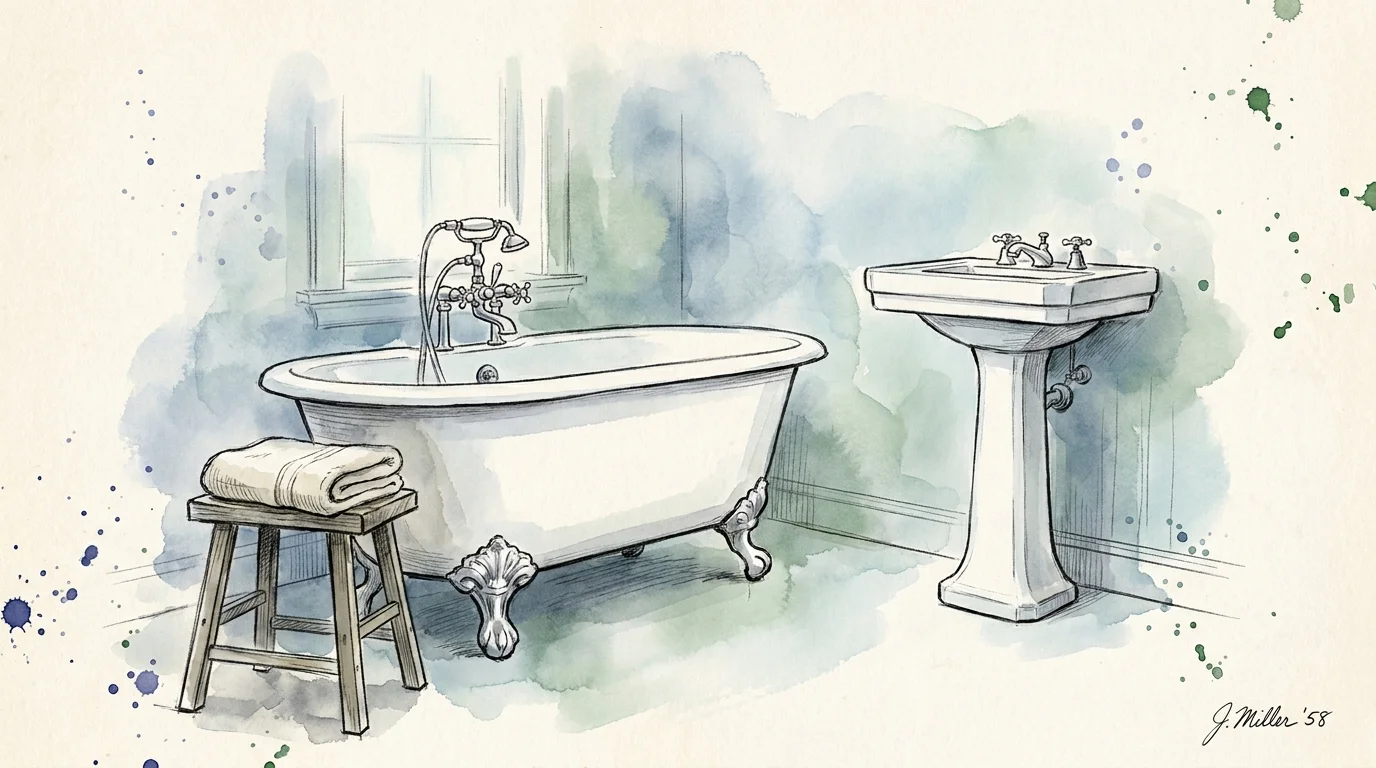
While expansive, fully glass-enclosed wet rooms and digital showers currently dominate contemporary bathroom renovations, the timeless, undeniable allure of heavy cast iron clawfoot tubs and delicate porcelain pedestal sinks is fiercely capturing the hearts of modern buyers. These freestanding, historic fixtures operate as incredibly striking sculptural elements, instantly transforming a purely functional, sterile bathroom into a deeply romantic, European-inspired spa retreat. A heavily enameled, authentic clawfoot tub retains water heat exceptionally well, offering you a vastly superior and prolonged soaking experience compared to flimsy modern acrylic alternatives. Deliberately pairing these classic vintage silhouettes with unlacquered brass or polished nickel plumbing cross-handles brilliantly enhances their overall historical authenticity. Although a traditional pedestal sink completely lacks the hidden under-counter storage of a massive modern vanity, it visually opens up cramped, dark quarters and elegantly highlights beautiful, custom mosaic tile work on the floor and surrounding walls. To intelligently offset the inevitable storage deficit, you can seamlessly incorporate antique apothecary cabinets or smartly built-in recessed linen closets. This deliberate, highly aesthetic nod to early twentieth-century sanitation design provides the exact type of unique, nostalgic character that successfully distinguishes an exceptional, memorable home from a standard, cookie-cutter development.
Trend #8: Solid Hardwood and Parquet Flooring
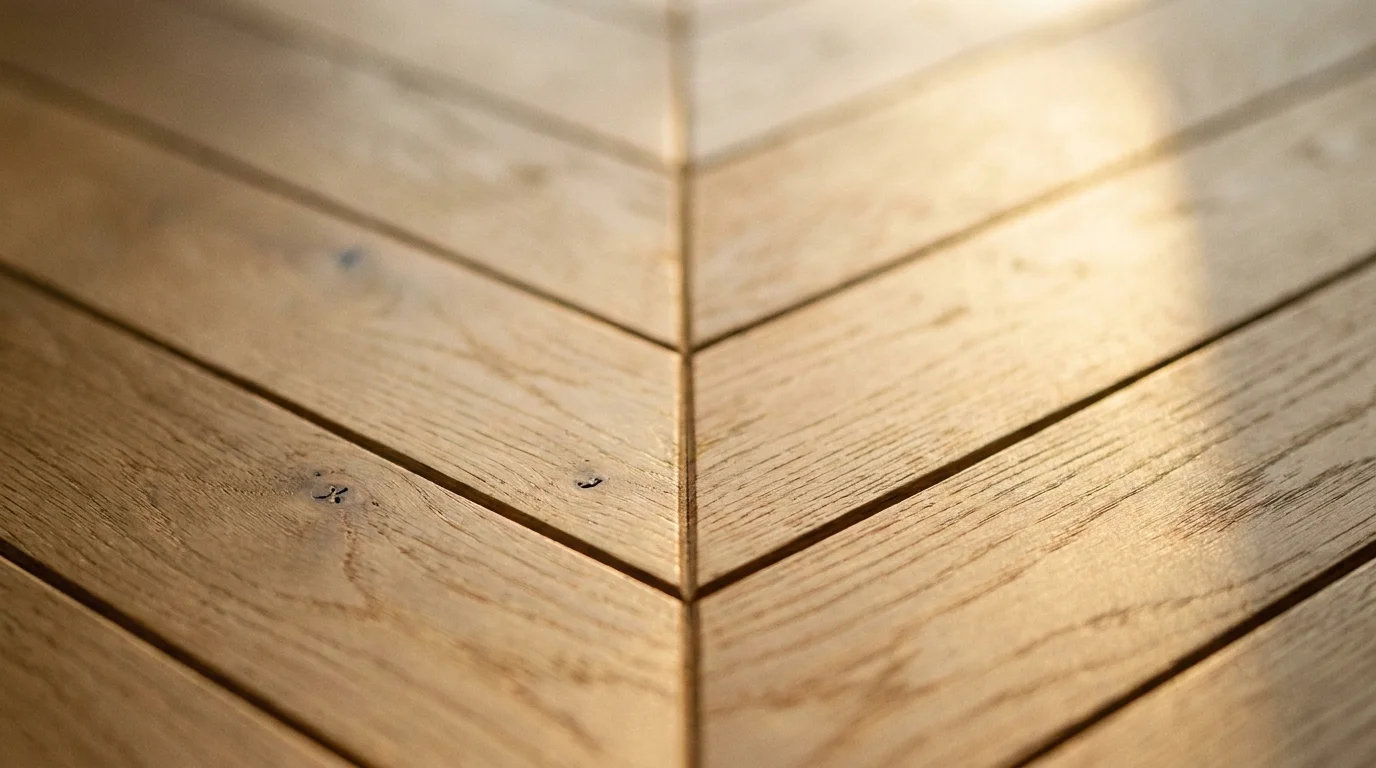
The absolute ubiquity of luxury vinyl plank and thin engineered wood has aggressively sparked a massive, highly vocal counter-movement among premium buyers who now demand the uncompromising quality of solid, site-finished hardwood floors. Original geometric parquet, precise chevron, and classic herringbone patterns represent the absolute pinnacle of traditional flooring craftsmanship, requiring immense, specialized skill to properly install and finish. You simply cannot successfully replicate the visual depth, incredible longevity, and satisfying acoustic solidity of true, three-quarter-inch thick solid oak, maple, or hickory flooring. Solid wood gives you the invaluable, practical ability to fully sand and beautifully refinish your floors multiple times over several decades, effortlessly adapting to shifting color trends without thoughtlessly sending massive amounts of synthetic, plastic materials to a landfill. Today’s sophisticated aesthetic heavily favors a matte, natural oil finish that perfectly highlights the organic grain and unique, beautiful imperfections of the timber, aggressively shifting away from the hyper-glossy, unnaturally orange-tinted polyurethane stains of the past. Restoring original boards or installing authentic, intricate solid wood flooring firmly establishes an unshakeable foundation of quiet luxury, definitively ensuring your home heavily resonates with an undeniable sense of premium quality and enduring, multi-generational value.
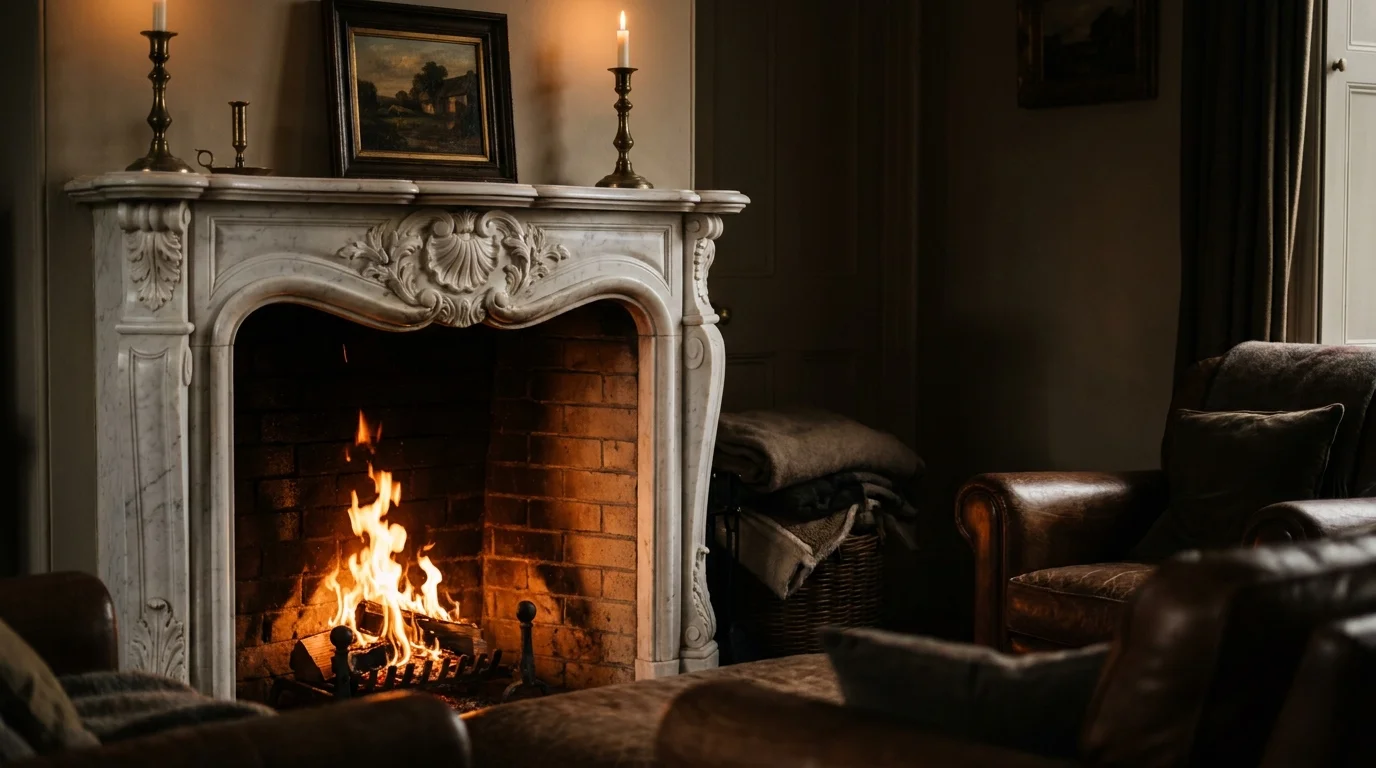
Trend #9: Wood-Burning Fireplaces and Ornate Mantels
Despite the absolute, push-button convenience of modern gas logs or digital electric heating inserts, the highly visceral, deeply sensory experience of a true, functioning wood-burning fireplace currently commands incredible attention in today’s competitive real estate landscape. The distinct, nostalgic scent of burning cedar, the comforting, auditory crackle of the seasoned wood, and the primal, radiating warmth of a real fire create an entirely irreplaceable, magical ambiance that synthetic, artificial options completely fail to emulate. Savvy home buyers actively, relentlessly seek out properties featuring intact masonry chimneys and ornately carved, original fireplace surrounds. Surrounding the roaring hearth with a deeply veined, dramatic marble slab or a painstakingly detailed, hand-carved solid mahogany mantel instantly provides your primary living space with a grand, historical, and deeply grounding anchor. Even in warmer, southern climates where the sheer functional necessity of a roaring fireplace is absolutely minimal, the sheer architectural presence of a substantial, commanding mantelpiece brilliantly structures the entire room, naturally dictating elegant furniture layout and intimate social interaction. A beautifully preserved, functional wood-burning fireplace strongly stands as the ultimate, indisputable testament to the comforting, deeply nostalgic power of historic domestic life.
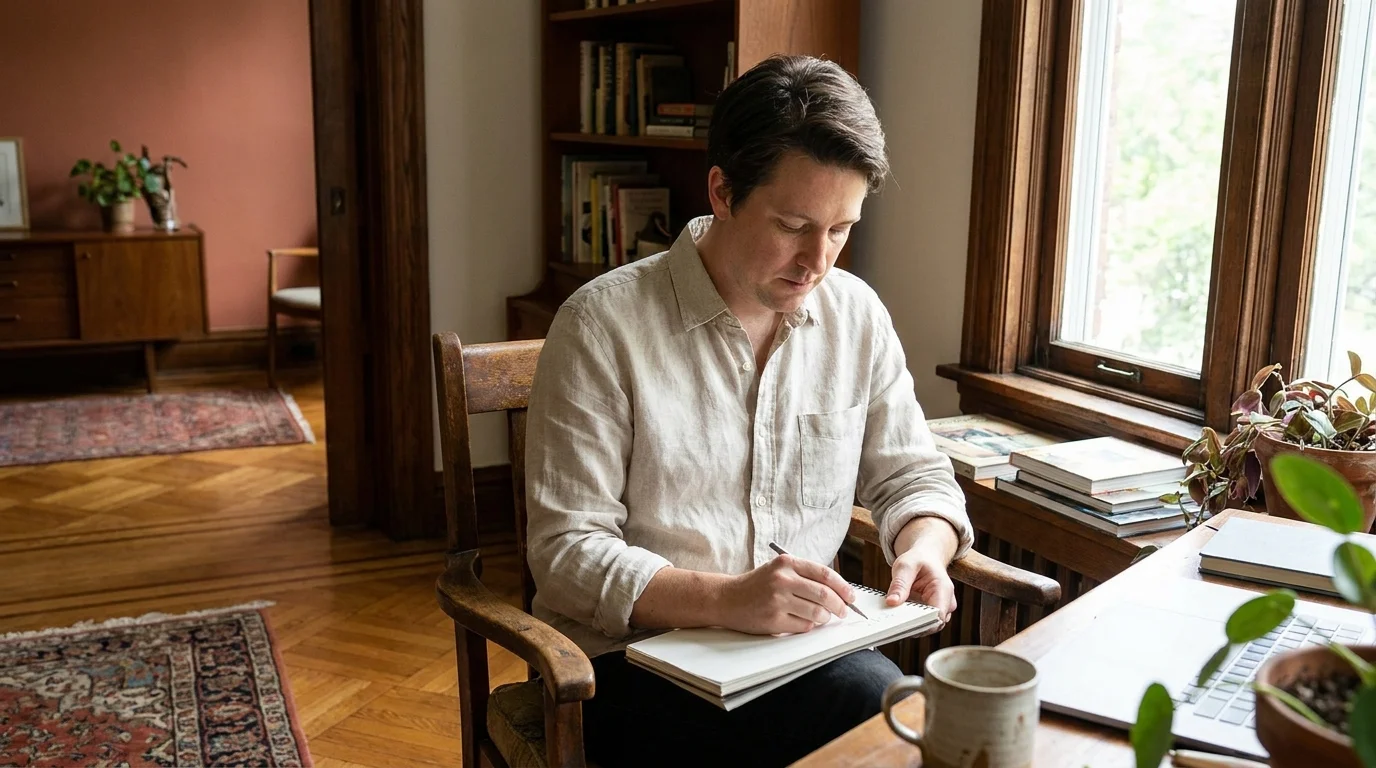
The Big Picture: Weaving These Trends into Your Home
Adopting these deeply historic, richly architectural elements absolutely does not require you to thoughtlessly transform your modern property into an outdated, dusty time capsule. The most financially successful and highly valued residential spaces brilliantly master the delicate, highly nuanced art of transitional design, thoughtfully balancing heavy, historic architecture with clean, streamlined contemporary furnishings. If you bravely introduce dark, imposing wood paneling into a study, strategically counter its immense visual weight with a light, low-profile modern sofa and vibrant, large-scale abstract artwork. When designing and executing a newly constructed, highly functional butler’s pantry, you can deeply honor traditional, old-world craftsmanship while simultaneously utilizing cutting-edge, ultra-energy-efficient culinary appliances. True visual cohesion relies entirely on strictly selecting two or three deeply nostalgic features—perhaps painstakingly restoring your original chevron parquet floors and formally enclosing your grand dining room—and intelligently allowing them to firmly dictate the overall structural rhythm of the house. Proudly embrace the inherent, beautiful imperfections of naturally aged brass and the warm, unyielding natural patina of real, solid wood; these dynamic elements infuse your daily environment with an authentic, undeniably rich soul. By thoughtfully and precisely curating these specific vintage home trends, you successfully build a layered, deeply personal, and highly luxurious residence that easily transcends the rapid, exhausting cyclical nature of standard, fleeting interior design fads.
Frequently Asked Questions
How can you effectively incorporate vintage interior design trends into a newly built, builder-grade home?
Integrating character into a brand-new build requires you to focus strictly on foundational architectural elements rather than superficial decor. Start by aggressively upgrading your standard, flat baseboards and hollow-core doors to heavy, historically accurate millwork and solid wood doors. You can install high-quality picture frame molding in your primary dining space or living room to instantly break up large, monotonous drywall expanses. Additionally, swapping out generic, factory-grade lighting fixtures and cabinet hardware for unlacquered brass or polished nickel alternatives establishes an immediate, highly authentic sense of historic provenance without necessitating major, structural demolition.
Are closed floor plans considered detrimental to property resale value?
Absolutely not; the real estate market is currently experiencing a massive, highly documented shift away from the cavernous open-concept layout. Home buyers actively seek homes with distinct, separated rooms because they desperately require enhanced acoustic privacy for remote work and specialized spaces for focused, quiet relaxation. While knocking down every wall was once the undisputed industry standard, today’s premium buyers view closed floor plans and dedicated formal dining rooms as highly desirable markers of quiet luxury and intentional, sophisticated living. Retaining or purposefully rebuilding these structural walls actually increases your property’s competitive appeal.
Will installing ornate wood paneling or heavy crown molding visually lower your ceiling height?
When executed correctly, intricate millwork and heavy molding actually draw the eye upward, beautifully emphasizing your room’s vertical proportions rather than compressing them. To prevent heavy wood paneling from feeling oppressive in a room with standard ceiling heights, you should employ the highly effective technique of color drenching—painting the walls, the extensive trim, and the baseboards all in the exact same carefully chosen hue. This unified, monochromatic approach completely eliminates harsh visual breaks, successfully tricking the human eye into perceiving a much taller, far more expansive space while retaining all the rich texture of the vintage home trends.
For the latest color forecasts, consult industry leaders like Pantone and paint companies like Benjamin Moore. For professional design standards, refer to the American Society of Interior Designers (ASID).
Disclaimer: This article reflects design trend analysis and predictions. Personal taste and timeless design principles should always guide your decorating choices.
