

Mastering timeless home design begins by observing the architectural mastery of Craftsman homes, where function and organic beauty merge seamlessly. You can elevate your own modern spaces by implementing the artisanal craftsmanship and natural materials found in these 15 inspiring properties. Born from the Arts and Crafts movement, Craftsman house design rebels against mass production by celebrating hand-wrought details that anchor a room in enduring style. Exploring these fundamental principles allows you to integrate authentic woodwork, earthy palettes, and purposeful built-ins into any aesthetic. Whether renovating a historic bungalow or injecting soul into a new build, studying these historic precedents offers a proven blueprint for creating deeply personal, sophisticated interiors that will never feel dated.
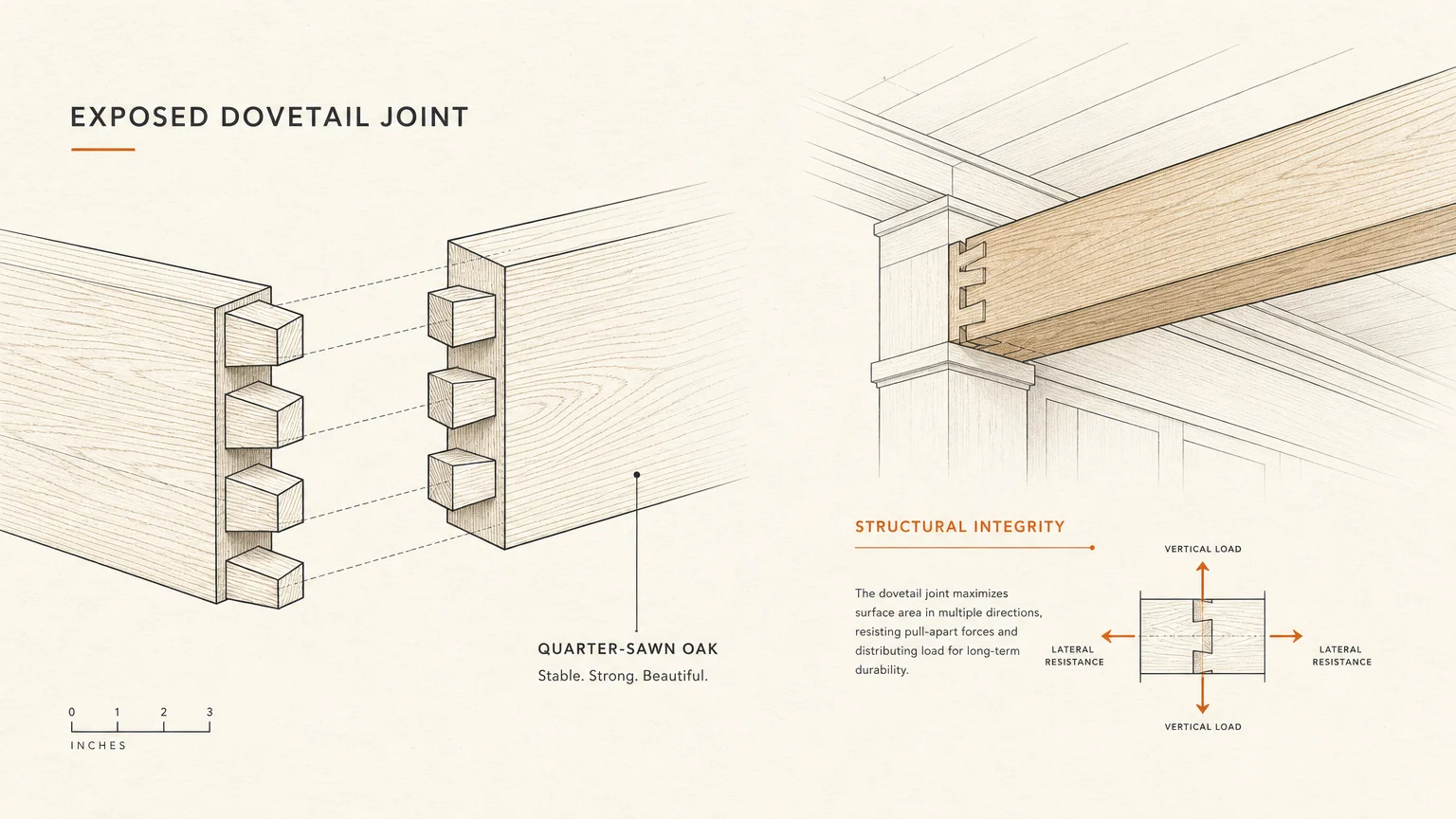
Trend #1: Artisanal Woodwork and Exposed Joinery
Craftsman house design prioritizes honesty in construction, famously highlighting structural elements rather than hiding them behind layers of drywall. You see this vividly in historical Pasadena bungalows, where exposed ceiling beams and intricate dovetail joints become the primary decorative features of the living space. This quiet luxury approach—where the quality of the material and the skill of the artisan speak for themselves—brings immense warmth and character to residential interiors. To capture this enduring aesthetic, invest in custom oak or mahogany trim finished with a clear seal that allows the natural wood grain to shine. Modern interior interpretations frequently blend these traditional, heavy wood elements with sleek, contemporary furnishings. This deliberate juxtaposition creates a balanced, organic modernism that feels both historically rooted and strikingly fresh.
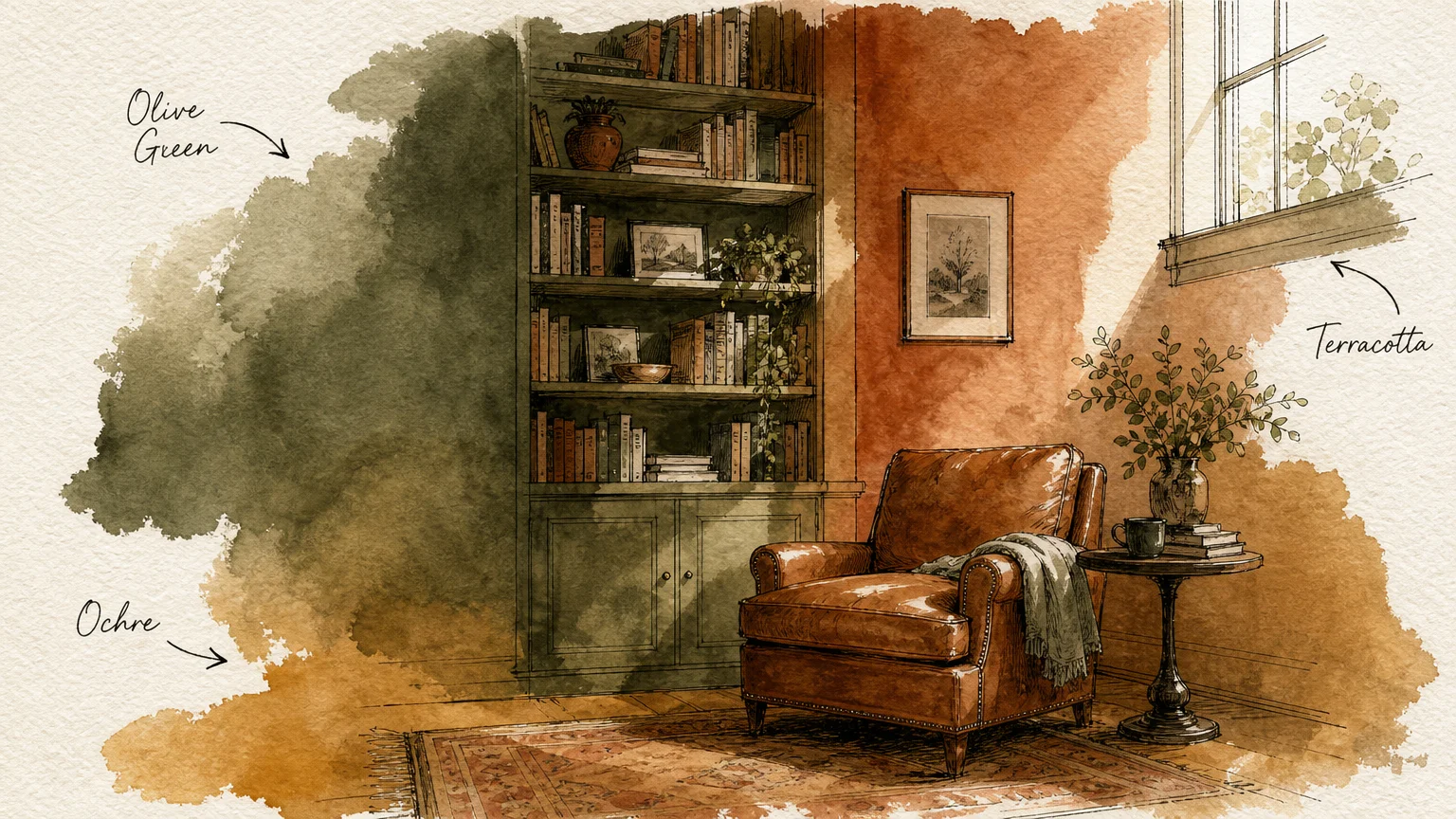
Trend #2: Earth-Toned Color Palettes
Moving definitively away from stark whites, Craftsman architecture embraces colors pulled directly from nature to foster a biophilic connection between indoors and out. Classic Craftsman homes rely heavily on muted olive greens, warm terracottas, and deep, muddy ochres to complement the extensive interior woodwork. These historically accurate shades absorb natural light beautifully; they create a cozy, enveloping atmosphere that feels inherently sophisticated. You can successfully apply this timeless home design strategy by painting your dining room, library, or den in rich, saturated tones that instantly ground the space. Selecting high-quality paints with a matte or eggshell finish further mimics the historical authenticity of early twentieth-century interiors. Ultimately, these earthy backdrops provide a perfect, moody canvas for displaying both antique collections and vibrant contemporary art.
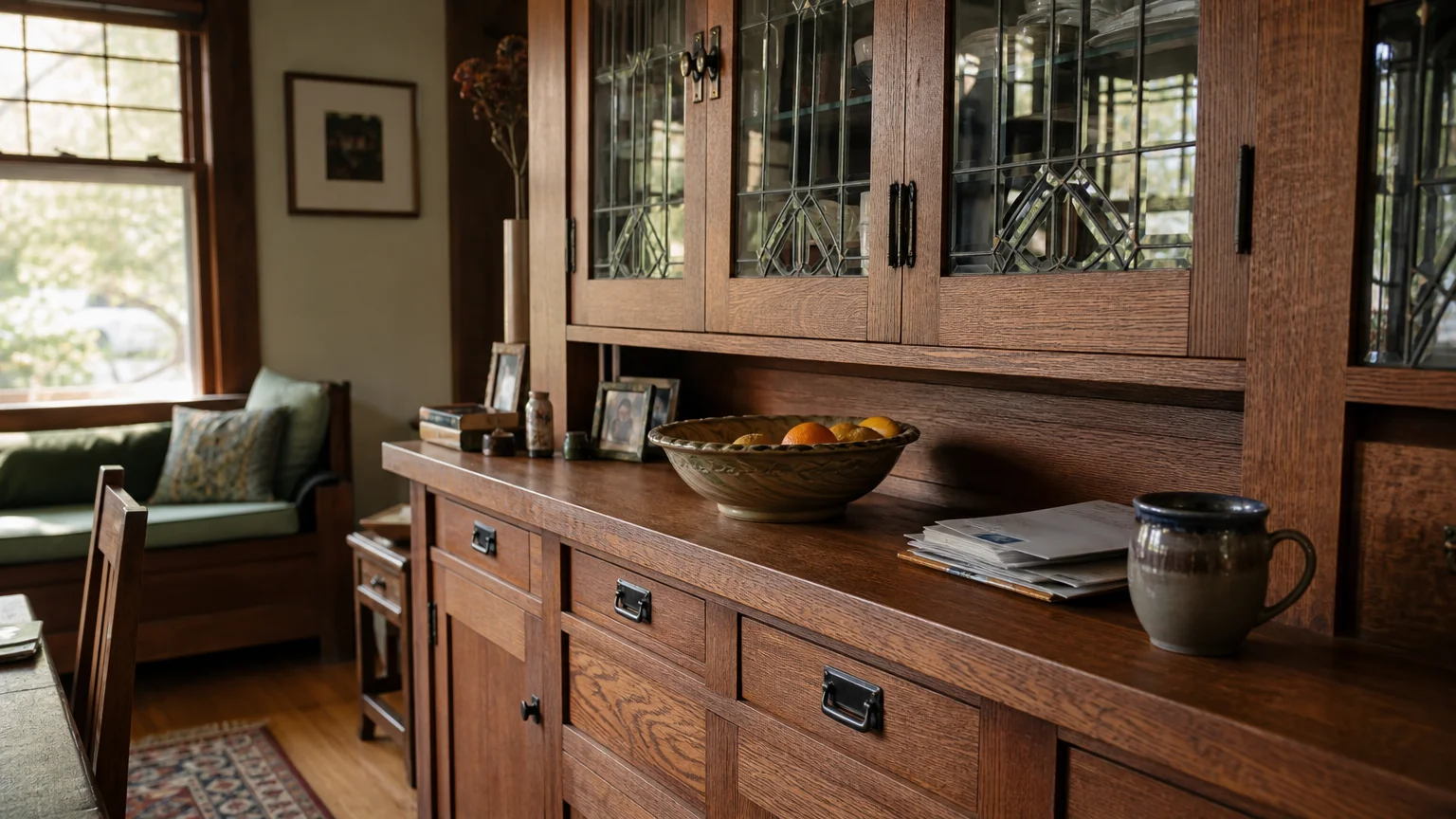
Trend #3: Purposeful Built-In Cabinetry
The original Arts and Crafts movement heavily emphasized maximizing daily utility without sacrificing aesthetic beauty, making integrated built-in cabinetry a permanent hallmark of the style. In legacy Craftsman style homes, you will frequently discover glass-front bookcases flanking a grand fireplace or expansive built-in buffets anchoring a formal dining room. These substantial architectural additions eliminate the need for bulky freestanding furniture while establishing a compelling sense of permanence and provenance in your home. You can seamlessly incorporate this trend by designing a custom window seat featuring hidden storage or a built-in hallway drop zone using rich, quarter-sawn oak. Highlighting these practical features with authentic brass or blackened iron hardware delivers essential organization while simultaneously honoring the structural integrity of your living space.
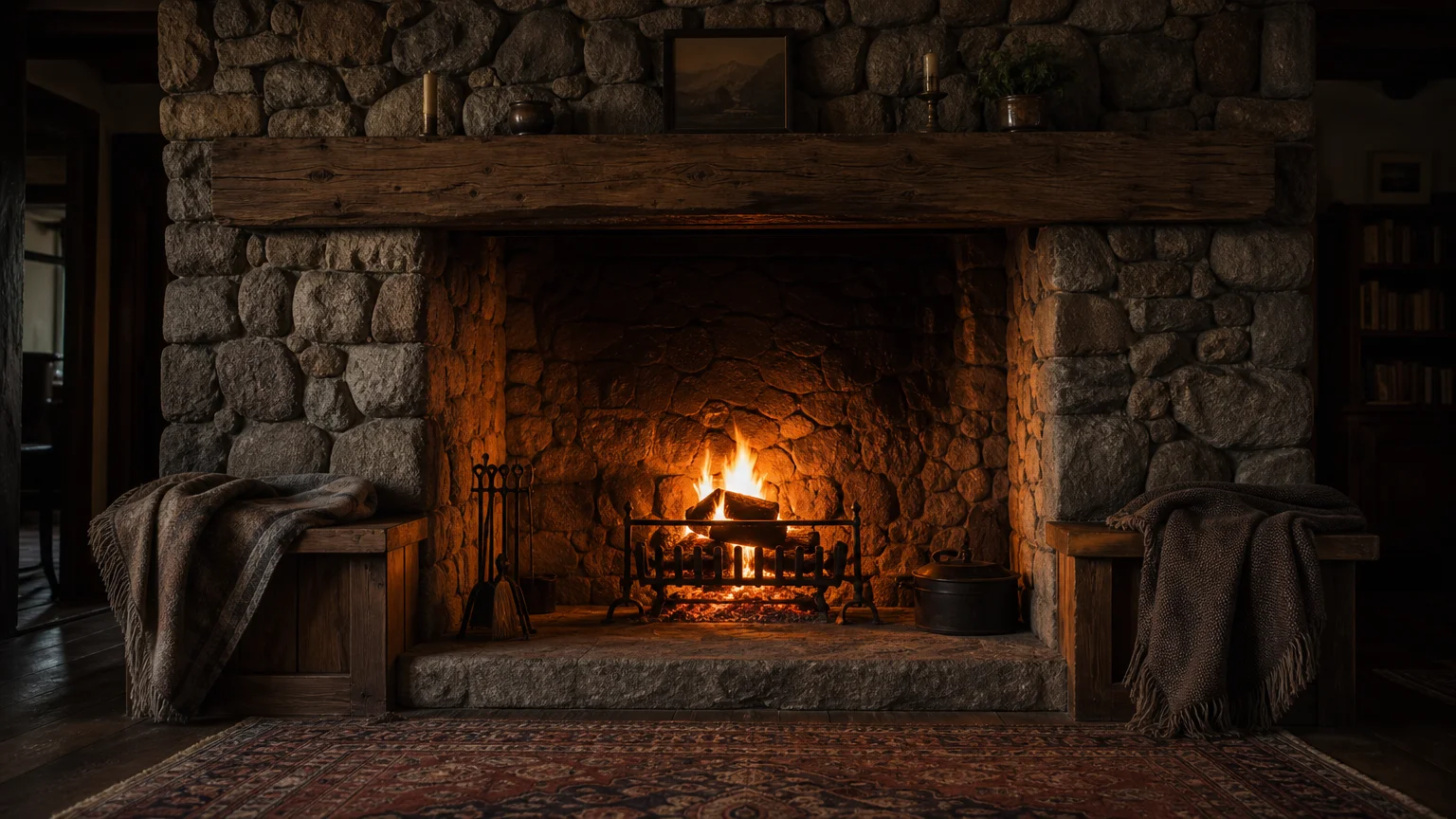
Trend #4: The Centralized Hearth and Inglenook
Craftsman house design intentionally utilizes the fireplace as the undeniable beating heart of the living room, often framing it within an intimate, recessed inglenook. This brilliant architectural technique creates a cozy room-within-a-room dedicated entirely to conversation, reading, and relaxation. Historically, these robust hearths feature hand-fired glazed tiles or rugged, stacked river rock, emphasizing a deep appreciation for raw, tactile materials. You can recreate this highly inviting atmosphere by establishing a symmetrical seating arrangement focused entirely on your fireplace—purposely avoiding the modern tendency to center rooms around a massive television screen. Flanking your hearth with built-in wooden benches or low-slung, leather armchairs fosters an intimate gathering space that actively celebrates the age-old ritual of coming together around a fire.
Trend #5: Stained Glass and Leaded Windows
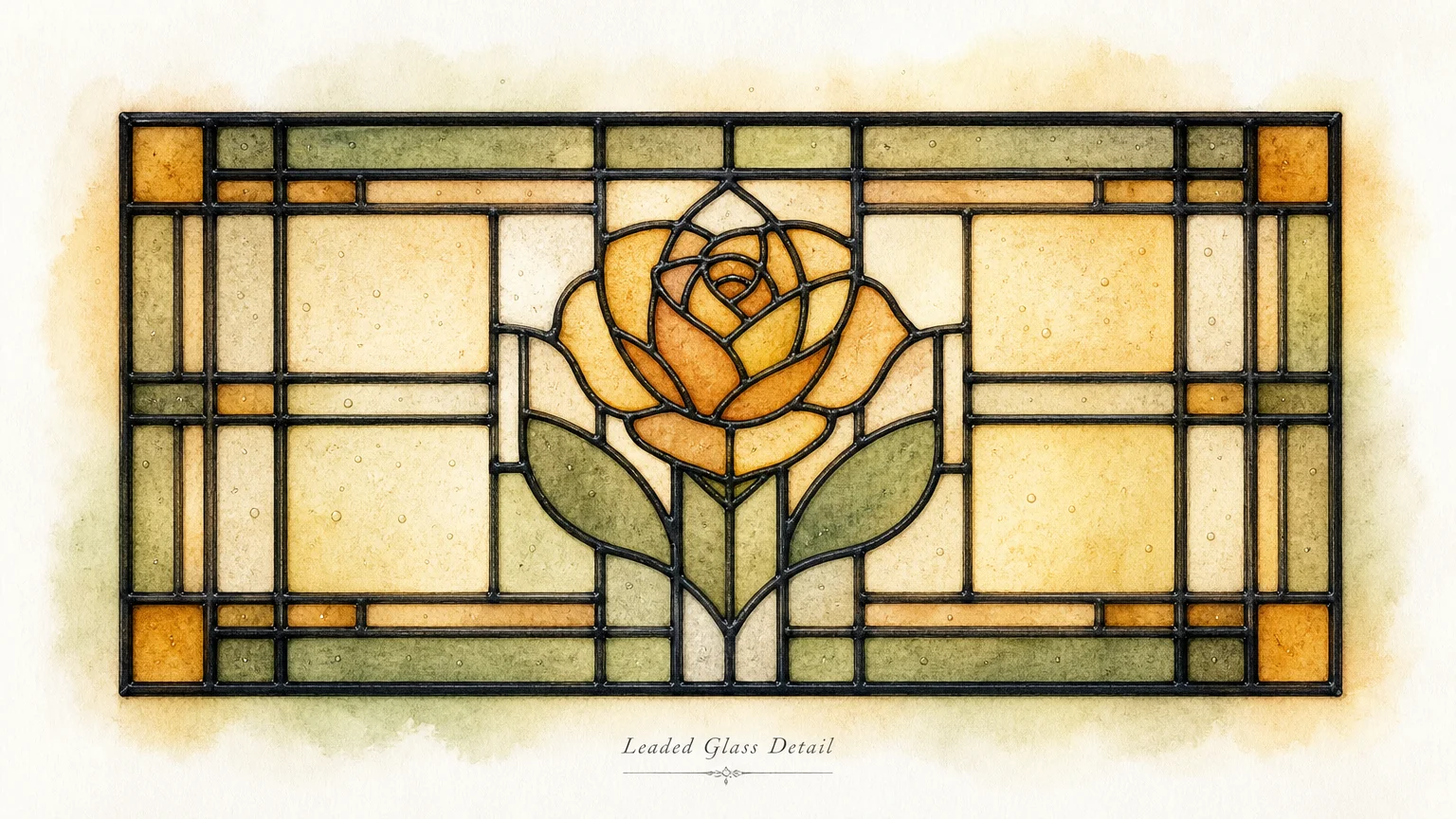
Artisan glasswork provides a vital opportunity to inject vibrant color and complex geometric artistry into Craftsman homes without overwhelming the serene, wood-heavy architecture. Original historic properties frequently showcase highly stylized motifs of local flora and fauna in their transoms, sidelights, and upper window sashes. These beautiful installations filter harsh midday sunlight, casting warm, intricate patterned glows across your interior hardwood floors. To leverage this sophisticated timeless home design element, consider commissioning a local artisan to create a custom leaded glass panel for your front entryway or a prominent stairwell window. This thoughtful investment adds immediate historical gravitas to your property; furthermore, it serves as a bespoke piece of integrated architectural art that elevates your entire exterior and interior facade.
Trend #6: Tapered Columns and Overhanging Eaves
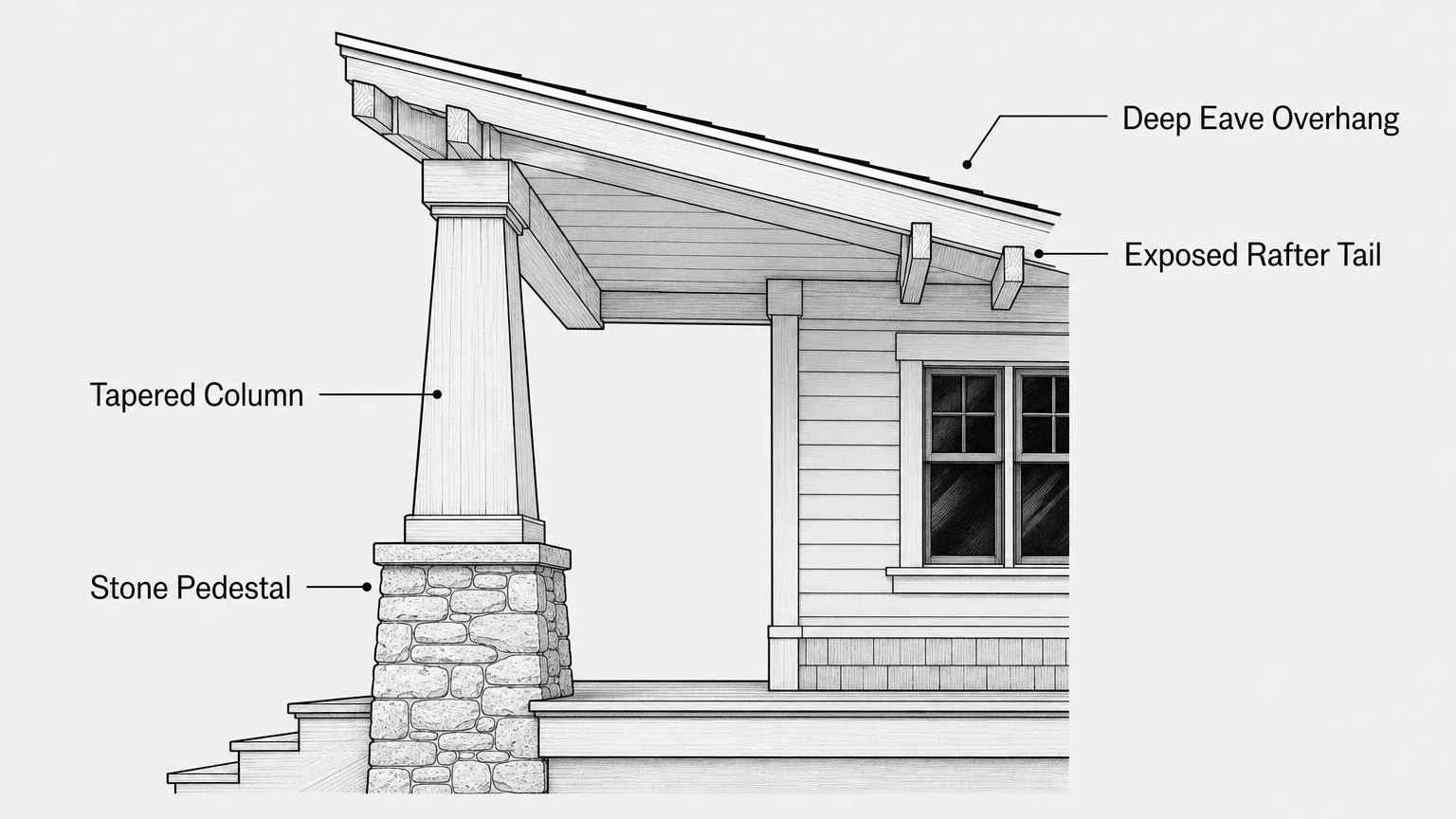
While primarily recognized as a defining exterior feature, the profound structural design of Craftsman architecture heavily dictates the internal, lived experience. Deep, overhanging exterior eaves shield interior rooms from the harsh glare of the summer sun, creating a soft, diffused natural light that perfectly complements dark wood interiors. Inside, tapered, battered columns resting on heavy stone or brick piers establish a muscular, grounded aesthetic that effortlessly commands attention. You can elegantly nod to these iconic structural choices indoors by utilizing similarly tapered woodwork on staircase newel posts, fireplace surrounds, or prominent room dividers. Embracing these exceptionally sturdy, geometric proportions creates a comforting sense of safety and unshakable permanence that firmly defines the enduring, global appeal of the Arts and Crafts movement.
Trend #7: Restored and Celebrated Hardwood Floors
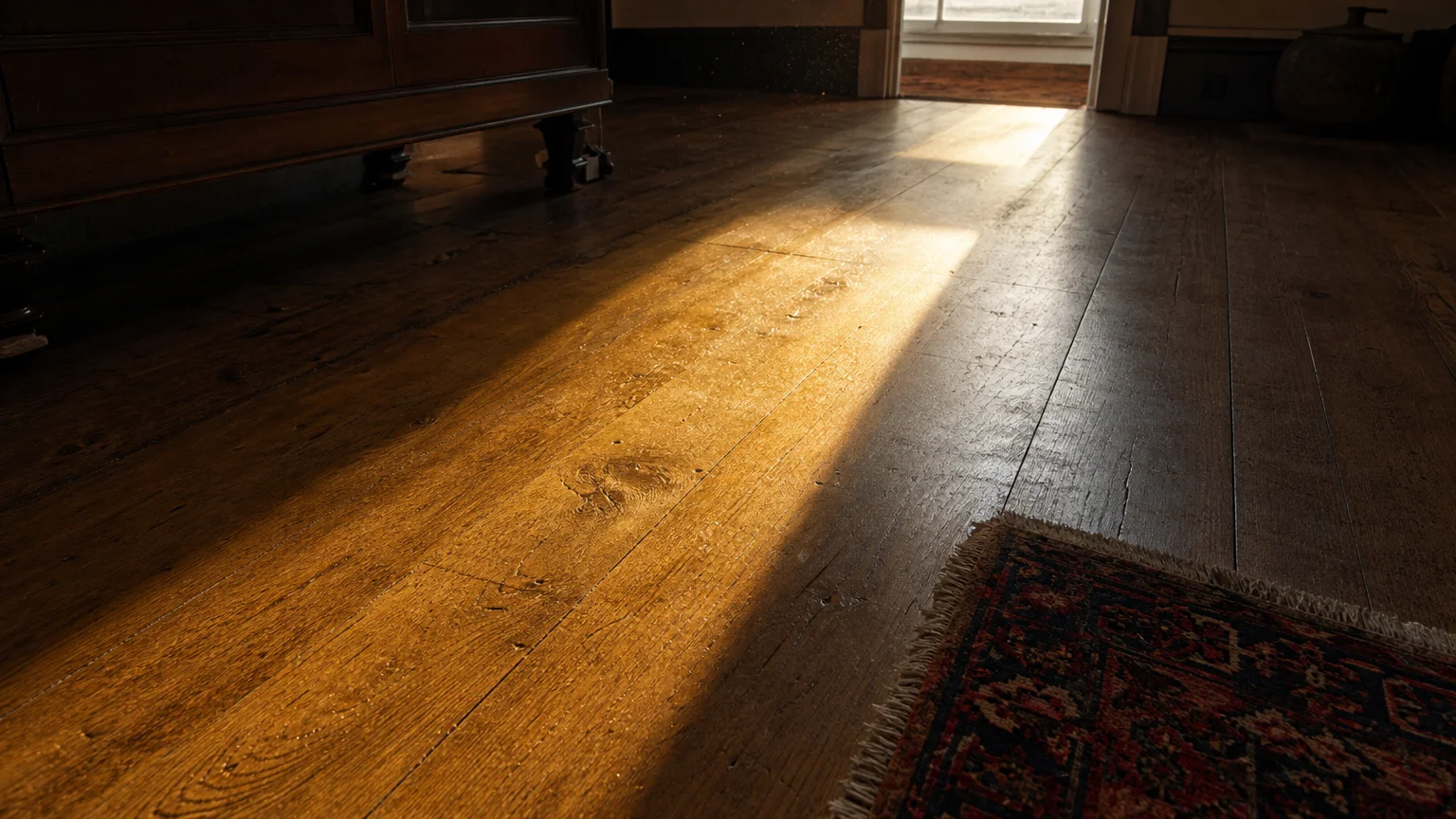
Wall-to-wall carpeting genuinely has no place in authentic Craftsman house design, which strongly favors showcasing the natural, unadorned beauty of continuous hardwood flooring. Historic residential examples typically feature narrow planks of durable maple, white oak, or Douglas fir, often exquisitely detailed with intricate inlaid borders utilizing contrasting wood species. This continuous flooring treatment visually expands the footprint of smaller historic bungalows and provides a durable, easy-to-clean surface for active families. When updating your own modern home, prioritize restoring original floors or installing high-quality solid wood over synthetic, temporary alternatives. Complementing these rich, gleaming floors with strategically placed, hand-woven wool rugs adds necessary acoustic dampening and introduces a layer of soft, textural contrast to the home’s hard architectural lines.
Trend #8: Hand-Fired Tiles and Artisanal Mosaics
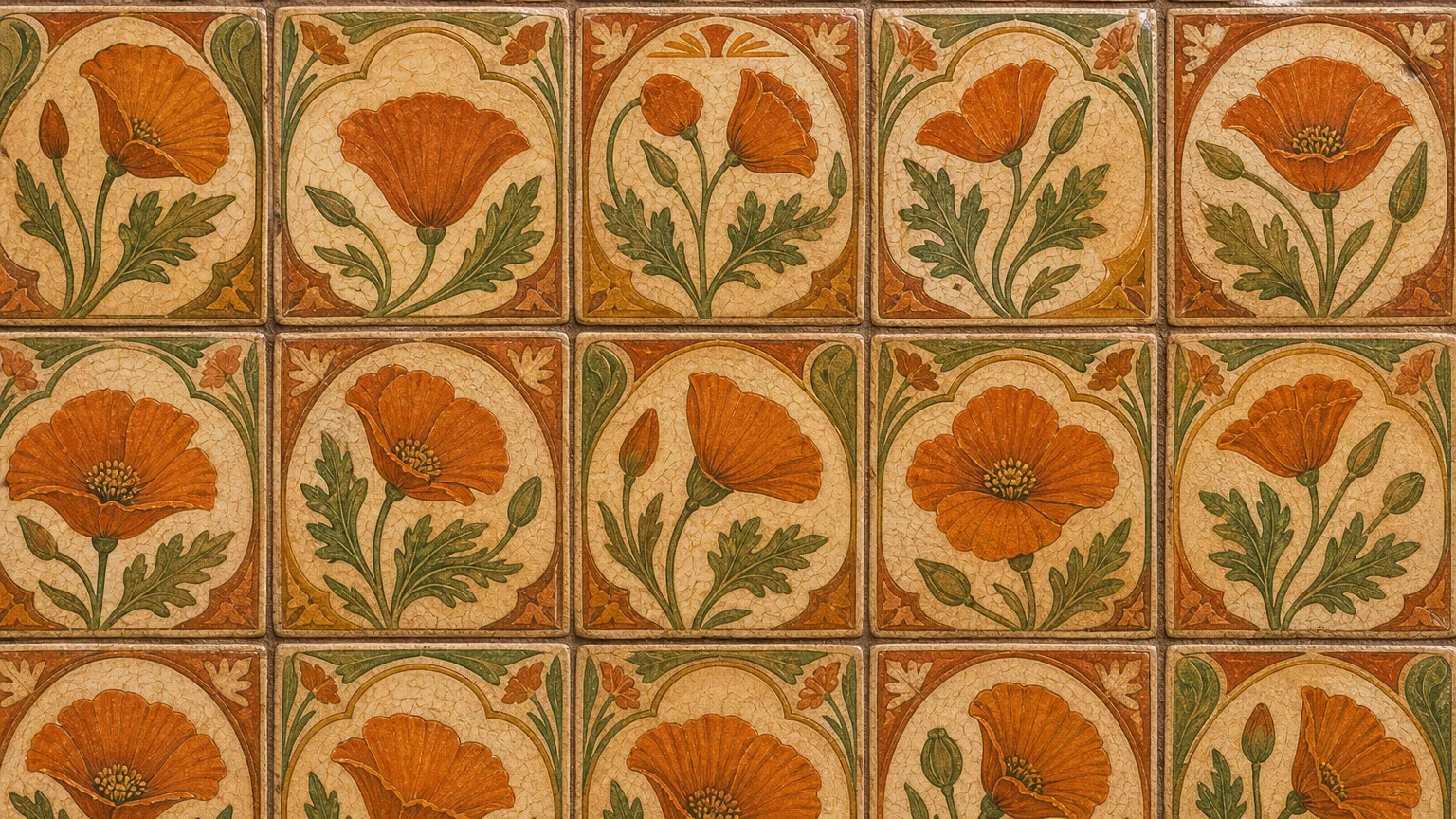
The passionate rejection of factory-made uniformity during the Arts and Crafts era sparked a massive, enduring renaissance in artisanal tile making. Craftsman homes frequently display stunning, matte-finished tiles featuring bold geometric patterns or stylized nature scenes surrounding fireplace surrounds, inside utilitarian kitchens, and across durable bathroom floors. The subtle, unavoidable variations in glaze and texture inherent in handmade tiles add a critical layer of organic imperfection that precise machine-made products simply cannot replicate. You can expertly introduce this highly tactile trend by selecting authentic zellige or custom ceramic tiles for a striking kitchen backsplash or a dramatic bathroom accent wall. Choosing rich, deep glazes in forest green, amber, or midnight blue pays beautiful homage to traditional Craftsman palettes while remaining effortlessly contemporary.
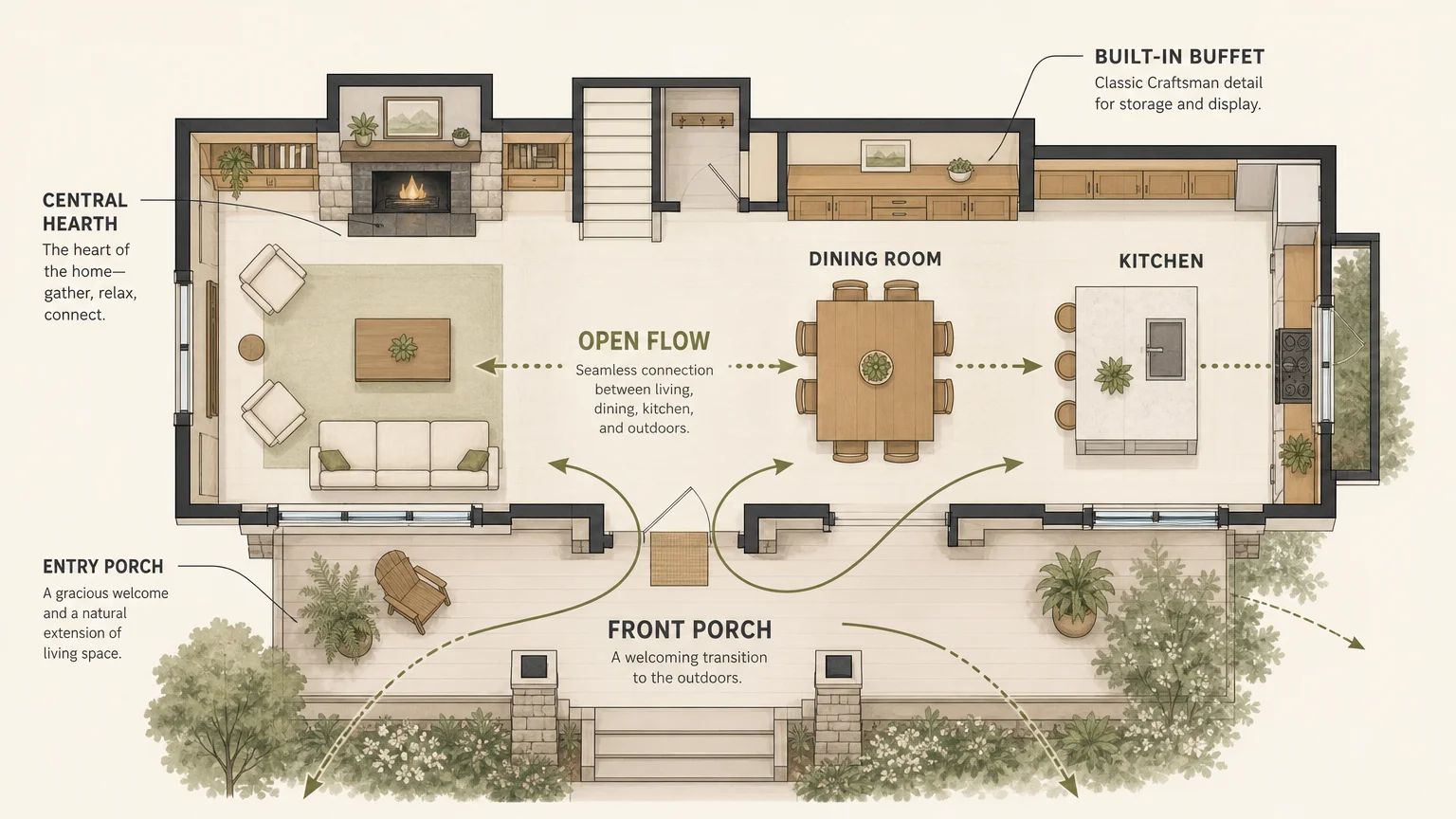
Trend #9: Open and Flowing Floor Plans
Long before modern, cavernous open-concept living became the standard in residential construction, Craftsman architecture quietly revolutionized domestic layouts by eliminating rigid, boxy, isolated rooms. These forward-thinking homes introduced wide colonnades, built-in bookcases, and sturdy half-walls to separate distinct spaces—like the living room and formal dining room—while deliberately maintaining continuous sightlines and shared airflow. This intelligent approach fosters a highly communal living environment while still offering clearly defined zones for specific family activities. If you are renovating a deeply closed-off historical home, consider widening key doorways or installing classic Craftsman-style room dividers to open up the restrictive space. This proven structural strategy heavily encourages natural social interaction and successfully maximizes the vital reach of natural light throughout your entire main floor.
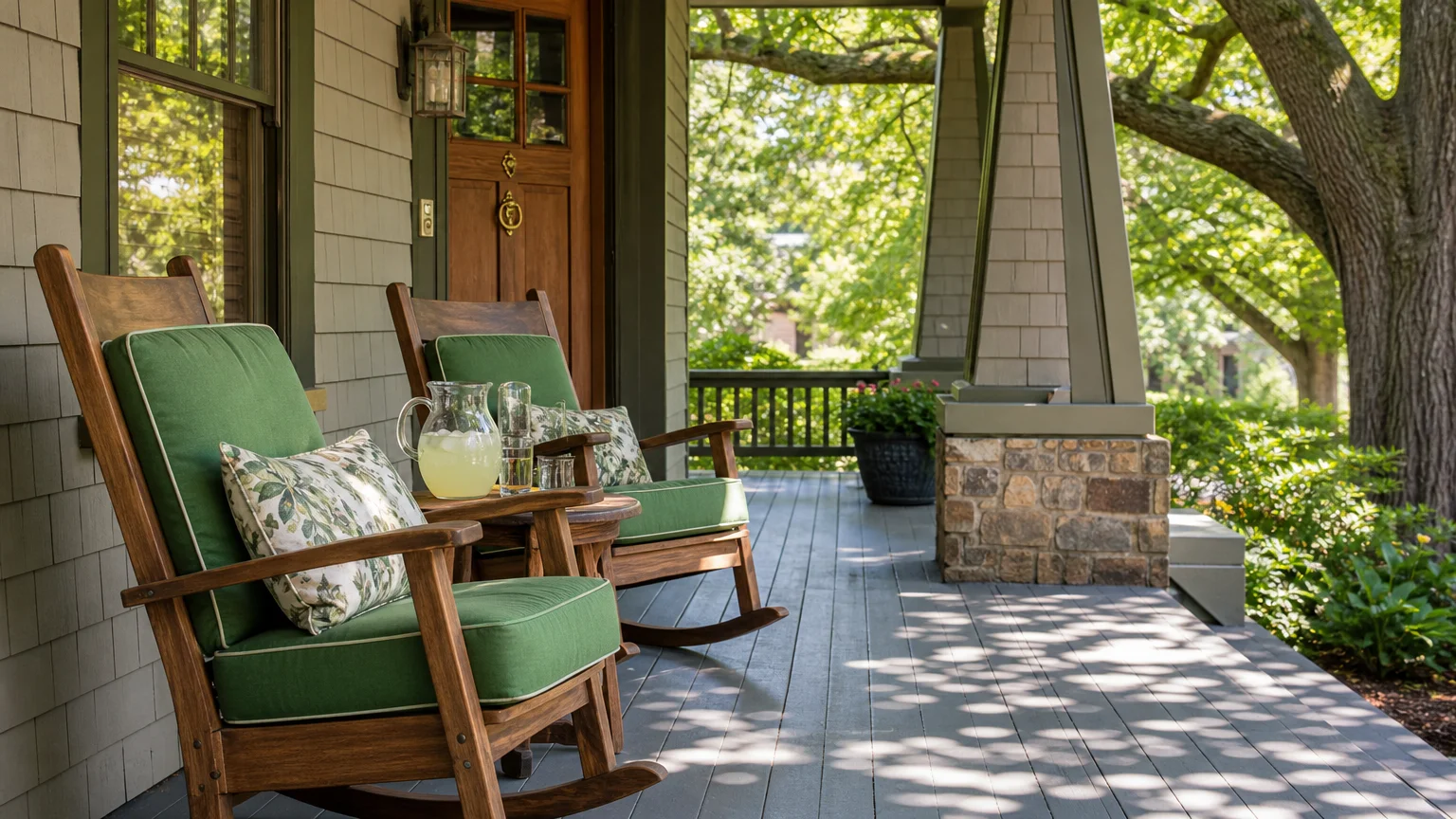
Trend #10: Prominent and Functional Front Porches
The quintessential Craftsman front porch operates as a highly vital transitional space, seamlessly bridging the gap between the deeply private interior and the public neighborhood. These deep, incredibly welcoming structures are purposefully designed to be actively used, fully furnished with sturdy rocking chairs, heavy hanging swings, and large potted ferns. The covered porch physically extends the functional living footprint of the home, actively encouraging outdoor relaxation regardless of passing inclement weather. You can easily maximize your own front porch or backyard patio by treating it as a true outdoor living room; invest in weather-resistant, solid teak furniture and highly durable outdoor textiles. Enhancing this critical area with patinated copper lanterns and classic, heavy house numbers creates an inviting, historically accurate entry sequence.
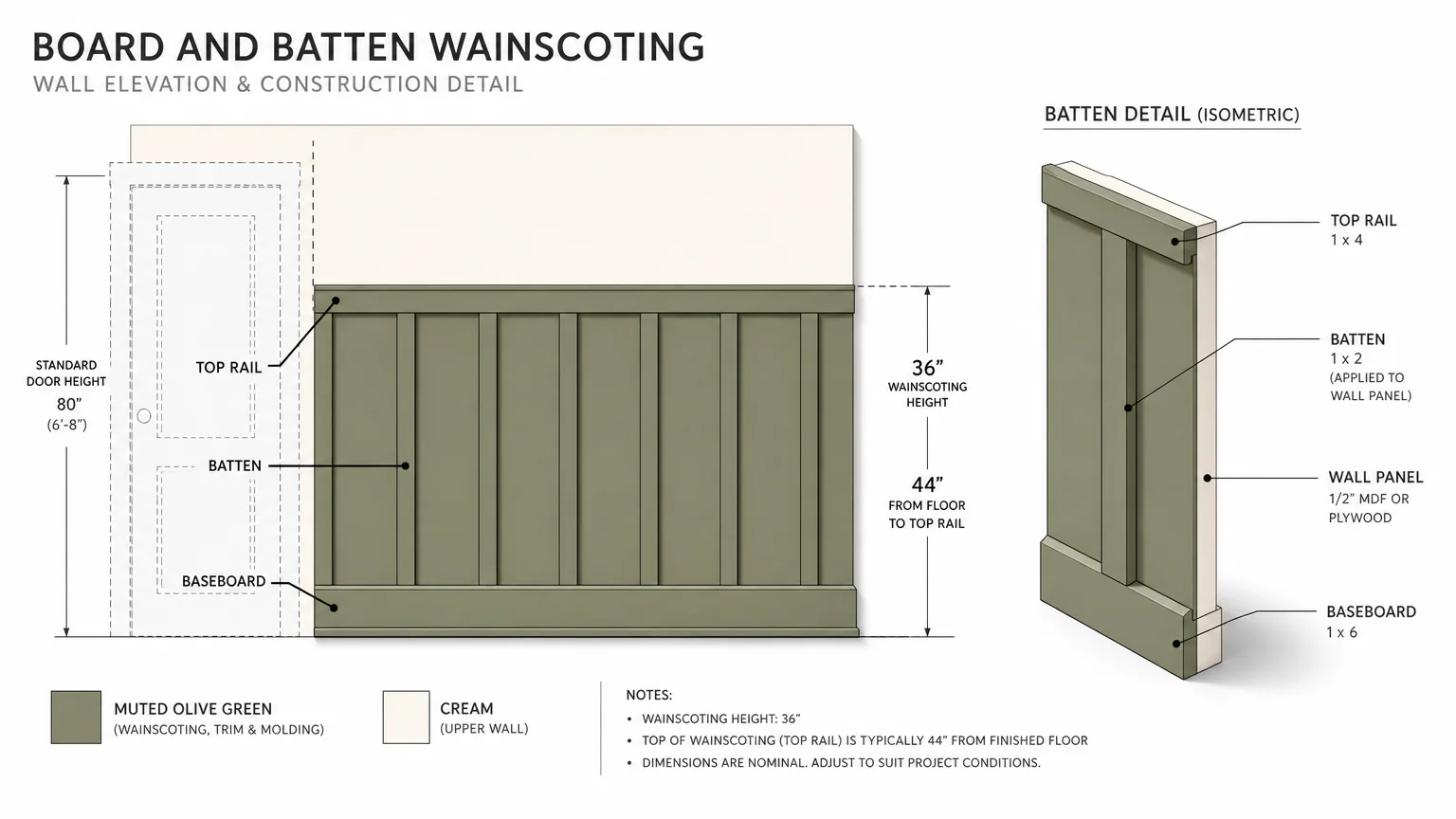
Trend #11: Architectural Board and Batten Wainscoting
Interior walls in authentic Craftsman style homes rarely rely on flat, unadorned paint alone; they brilliantly utilize extensive wainscoting to introduce much-needed texture and compelling architectural interest. High board and batten paneling, typically rising two-thirds of the way up the wall, frequently wraps around formal dining rooms, cozy studies, and grand entryways. This traditional treatment not only protects fragile plaster walls from daily household wear but also provides a sturdy visual base that immediately grounds the entire room. Implementing this specific timeless home design feature instantly elevates a historically bland space, providing a perfect, structured framework for displaying curated art collections or striking, William Morris-inspired wallpaper above the prominent plate rail. Choose a flat or satin paint finish to maintain an understated elegance.
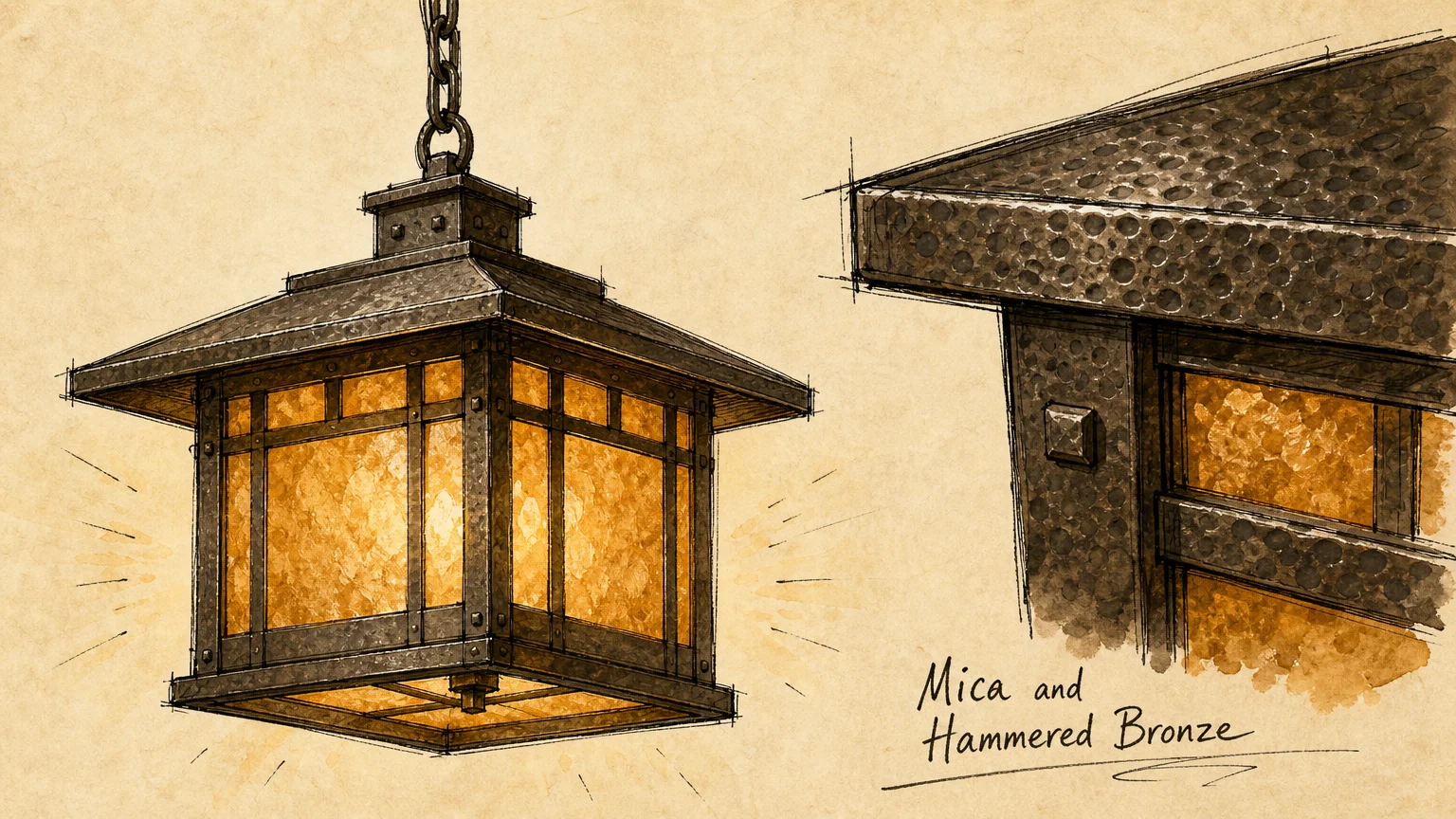
Trend #12: Authentic Period Lighting Fixtures
Lighting in classic Craftsman architecture serves as a primary decorative accessory, confidently stepping away from generic overhead glass domes in favor of highly stylized, functional art. Iconic Mission-style chandeliers, delicate mica-shade table lamps, and rugged hammered copper wall sconces permanently define the illumination strategy of these historic spaces. The carefully selected materials—often featuring patinated bronze, stained glass, and warm, oiled wood—emit a soft, ambient glow that drastically enhances the cozy nature of the paneled rooms. Upgrading your builder-grade lighting to heavy fixtures that prominently echo these organic materials instantly shifts the entire atmosphere of your home. Focus strictly on sourcing high-quality pieces with clean, geometric lines and warm metallic finishes to accurately capture the moody, highly inviting spirit of the era.
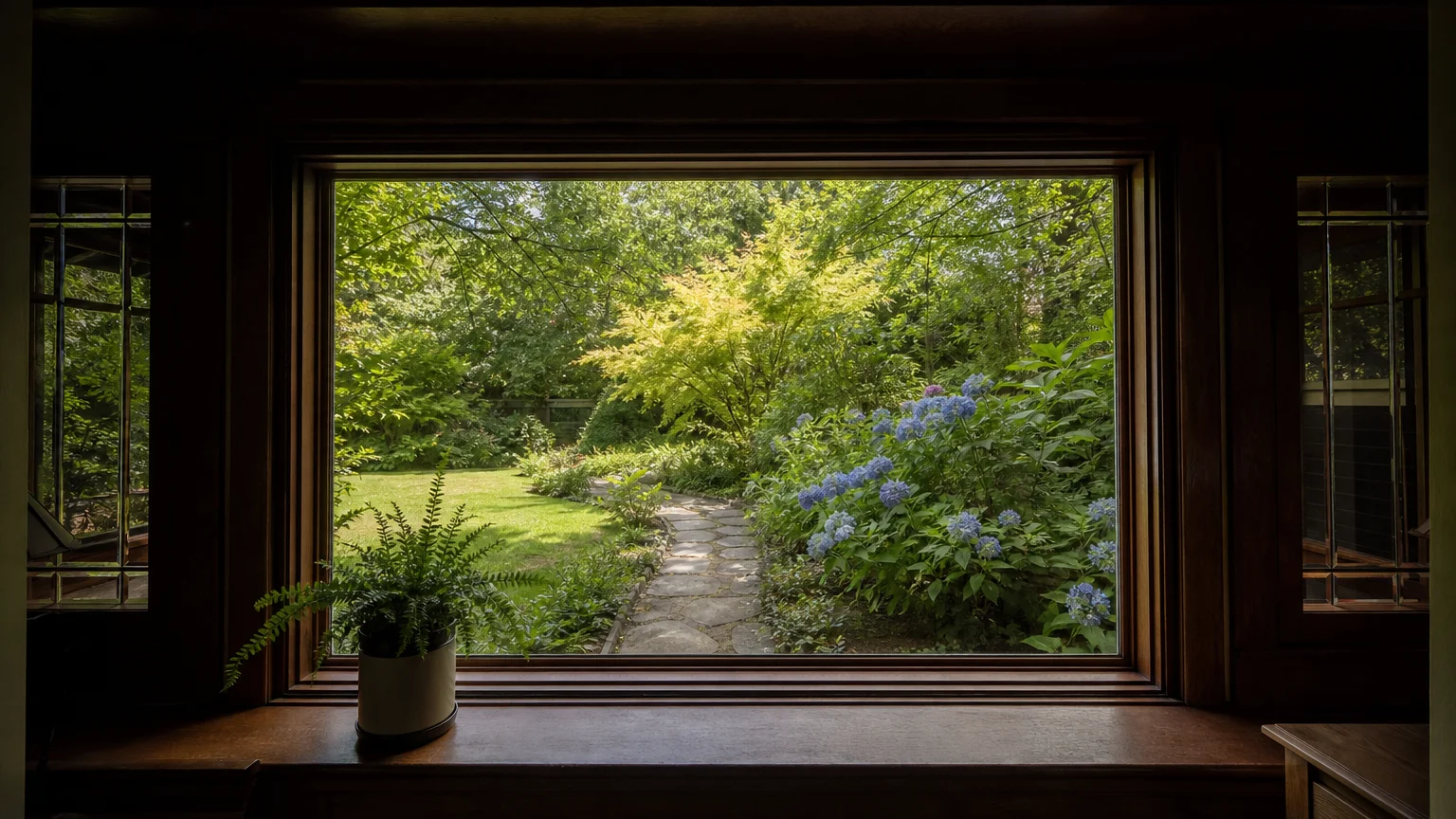
Trend #13: The Integration of Nature and Biophilic Design
Craftsman design was inherently biophilic long before the trendy term entered the modern architectural and interior design lexicon. These brilliant historic homes were meticulously sited to harmonize perfectly with their specific natural landscapes, purposefully utilizing local stone and heavy timber to visually anchor the structure to the earth. Interiors brilliantly blur the distinct line between inside and out through banks of large, unadorned windows and the prevalent, enthusiastic use of botanical motifs in luxurious textiles and intricate wallcoverings. You can effortlessly enhance this vital biophilic connection in your own modern home by maximizing window exposures, introducing large-scale indoor plants, and opting for natural fiber rugs. Prioritizing this deep, daily connection to nature drastically reduces stress and creates a deeply calming residential sanctuary.
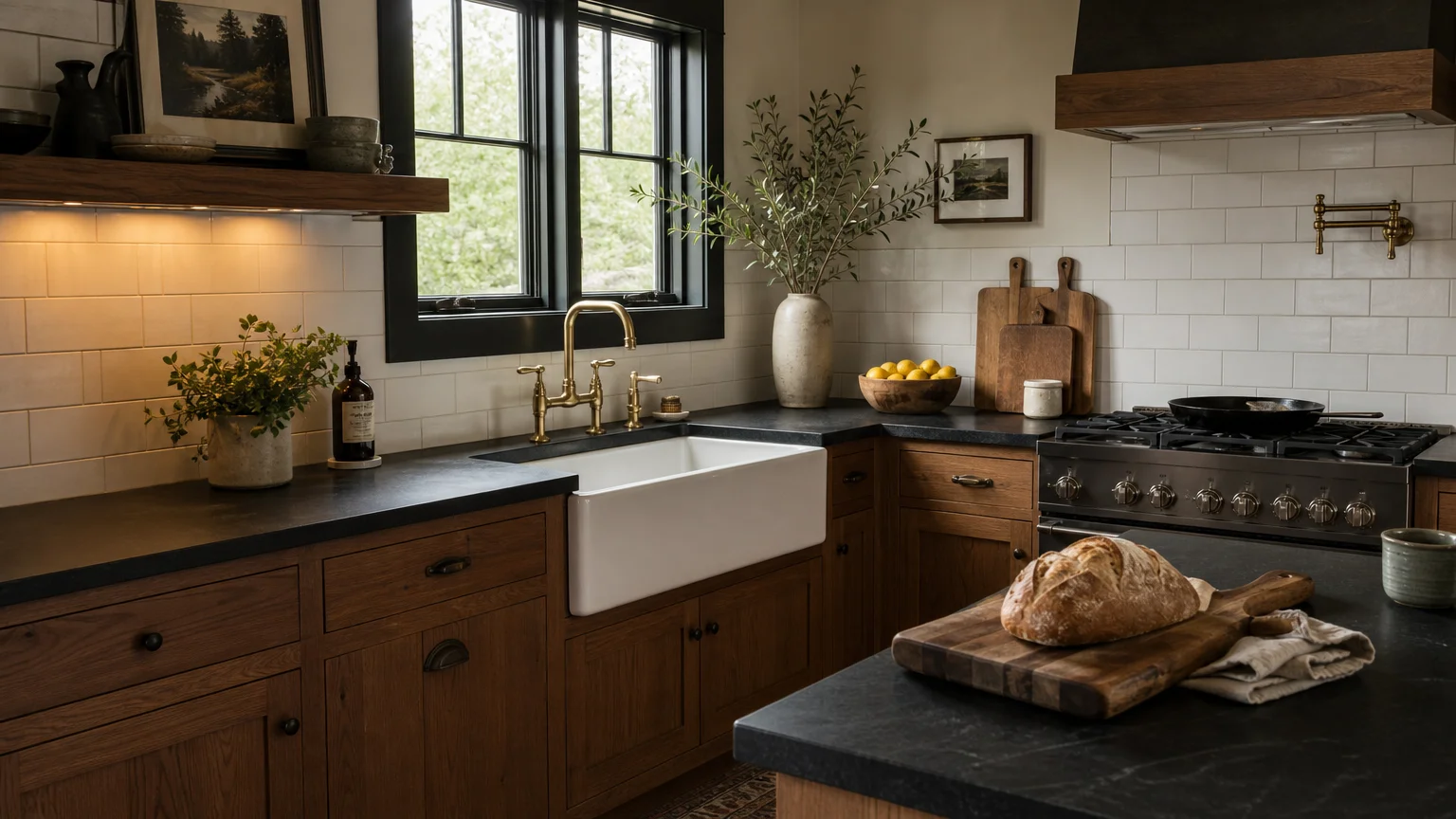
Trend #14: Utilitarian and Beautiful Kitchens
Unlike the opulent, hidden, and highly restrictive kitchens of the preceding Victorian era, classic Craftsman kitchens heavily embrace a clean, utilitarian aesthetic focused entirely on efficiency and hygiene. Historical examples from these properties feature simple, unadorned shaker-style cabinetry, durable soapstone or butcher block countertops, and deep, highly practical farmhouse sinks. This refreshingly straightforward approach to kitchen design actively avoids excessive, frivolous ornamentation, relying instead entirely on the innate beauty of high-quality, durable building materials. To achieve this enduring, timeless look in your own home renovation, completely avoid high-gloss modern finishes; instead, select solid wood cabinetry with a deeply saturated painted or natural matte finish, perfectly paired with honed stone counters. Emphasizing strict function and authentic materials ensures your kitchen remains highly practical.
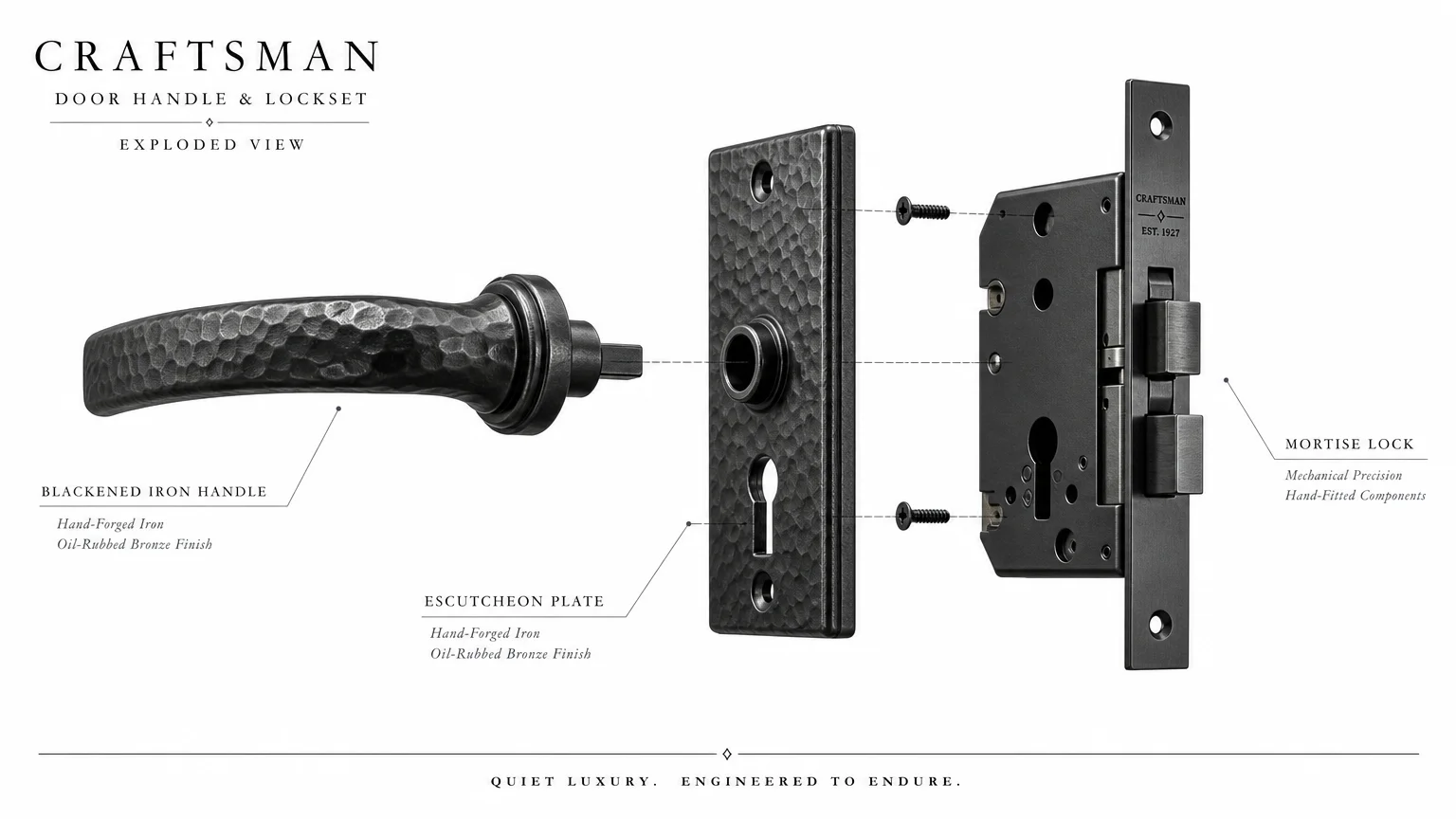
Trend #15: Quiet Luxury in Functional Hardware
The final, perhaps most intimate defining characteristic of Craftsman homes lies in the meticulous, unwavering attention to functional hardware. Everyday utility pieces—like heavy door hinges, substantial cabinet knobs, drawer pulls, and cast-iron register grates—are absolutely never treated as cheap afterthoughts; they are proudly celebrated as vital components of the home’s architectural jewelry. Authentic Craftsman hardware frequently features hammered metals, unlacquered brass, or deeply oiled bronze that naturally develops a rich, unique patina over years of daily use. You can subtly but profoundly elevate your entire home by swapping out generic, factory-made door hardware and kitchen cabinet pulls for substantial, highly tactile pieces featuring a living finish. This deep commitment to quiet luxury in the smallest, most tactile details solidifies enduring craftsmanship.
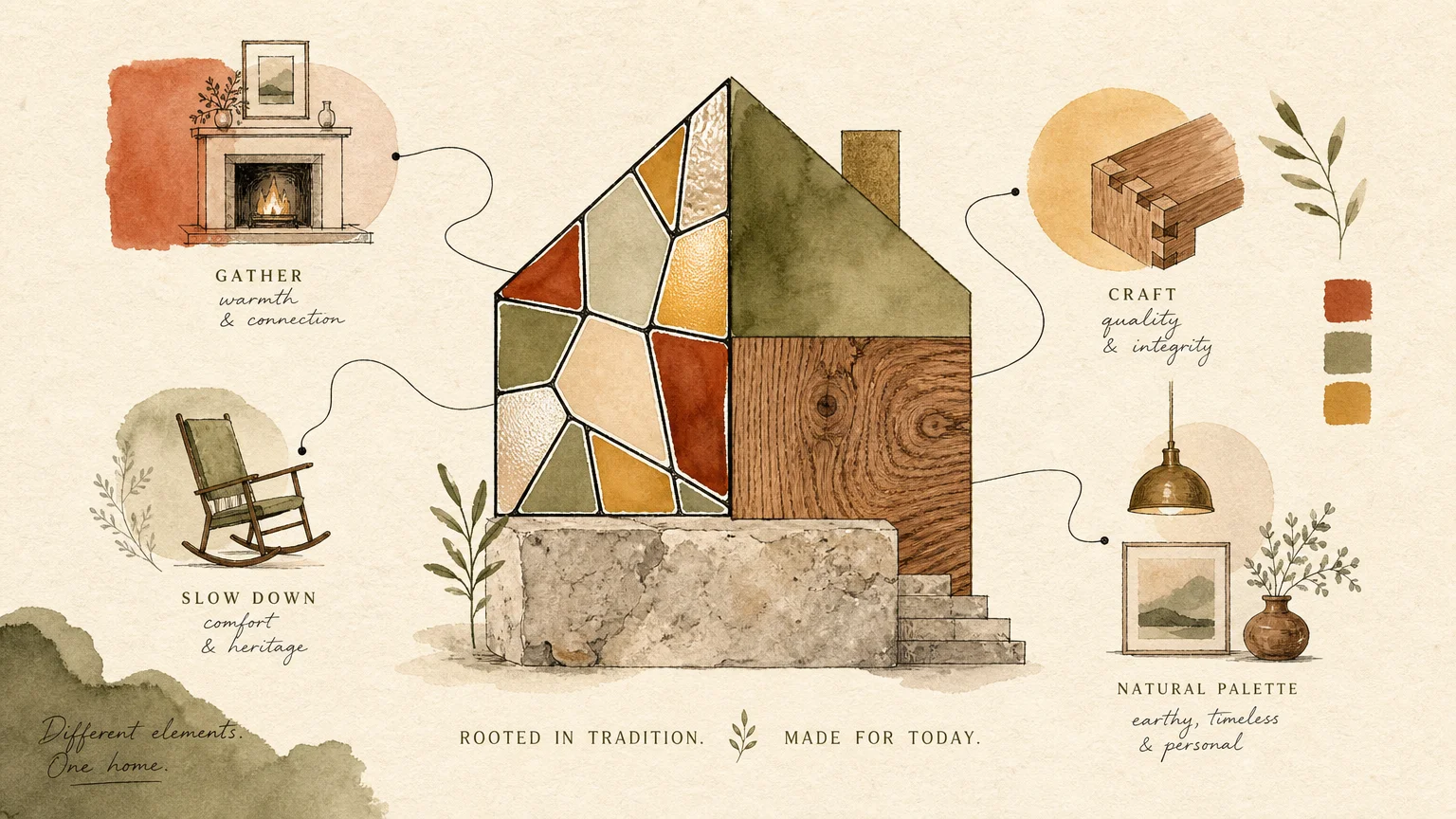
The Big Picture: Weaving These Trends into Your Home
Integrating these robust Craftsman trends into a modern aesthetic requires a highly balanced, carefully curated approach to actively prevent your home from feeling like a rigid, untouchable museum exhibit. You absolutely do not need to commit to a strict, top-to-bottom historical restoration to genuinely benefit from these incredibly enduring design principles. Start by establishing a strong, unshakable foundation of high-quality, natural materials—like restoring original hardwood floors and installing solid wood interior trim—that immediately ground your living space. Next, introduce the iconic, earthy color palette in highly specific zones, such as a cozy den or a formal dining room, deliberately allowing other areas of the house to remain lighter and slightly more transitional.
It is vital to contrast heavy, traditional architectural elements, such as chunky built-in oak bookcases or a dominant, stacked stone hearth, with lighter, modern contemporary furnishings to maintain a dynamic, airy, and welcoming feel. By intensely focusing on the underlying philosophy of the original Arts and Crafts movement—which passionately celebrates daily function, authentic human craftsmanship, and unadorned natural beauty—you can flawlessly weave these timeless principles into literally any home style with immense sophistication and effortless grace.
Frequently Asked Questions
Can I mix Craftsman design elements with modern or contemporary furniture?
Absolutely. Craftsman architecture provides a highly robust, incredibly warm visual backdrop that contrasts beautifully with the sleek, clean lines of modern or mid-century contemporary furniture. The ultimate key to successful stylistic blending lies in maintaining a strict, consistent focus on high-quality materials and deliberately avoiding overly ornate, fussy pieces that aggressively clash with the straightforward, honest geometry of traditional Craftsman design.
Does Craftsman house design still hold its value in today’s real estate market?
Yes, exceptionally well. The intense historical emphasis on solid, unyielding construction, highly practical built-in storage, and premium natural materials aligns perfectly with current, modern buyer demands for homes with authentic character and proven longevity. Timeless home design inherently and stubbornly resists the rapid, costly depreciation frequently associated with hyper-trendy, fast-fashion interior design aesthetics.
How do I incorporate Craftsman style if my home is a standard modern new build?
Focus heavily on adding immediate architectural character through strategic, high-quality millwork. Installing tall board and batten wainscoting in your dining room, adding a substantial reclaimed wood mantel to your standard fireplace, or simply framing your existing doorways with wider, flat, authentic trim immediately introduces a strong Craftsman sensibility. Furthermore, upgrading your builder-grade hardware and standard lighting fixtures to warm, patinated metals drastically enhances the authentic, handcrafted atmosphere.
For the latest color forecasts, consult industry leaders like Pantone and paint companies like Benjamin Moore. For professional design standards, refer to the American Society of Interior Designers (ASID).
Disclaimer: This article reflects design trend analysis and predictions. Personal taste and timeless design principles should always guide your decorating choices.
