

Breathing fresh life into an aging property does not require a six-figure renovation or a complete architectural overhaul. You can masterfully revitalize older spaces by embracing strategic, budget-friendly decor updates that merge historical charm with modern sensibilities. Whether you are addressing faded finishes, tired floor plans, or dated lighting, the secret lies in curated enhancements rather than mass replacements. By tapping into the latest home decor trends, you can elevate your existing architecture without draining your savings. From integrating quiet luxury through textured textiles to adopting biophilic design principles that bring the outdoors inside, these nine affordable upgrades will instantly transform your historic or mid-century residence into a chic, contemporary haven perfectly tailored to your evolving lifestyle.
Trend #1: Heritage Color Drenching
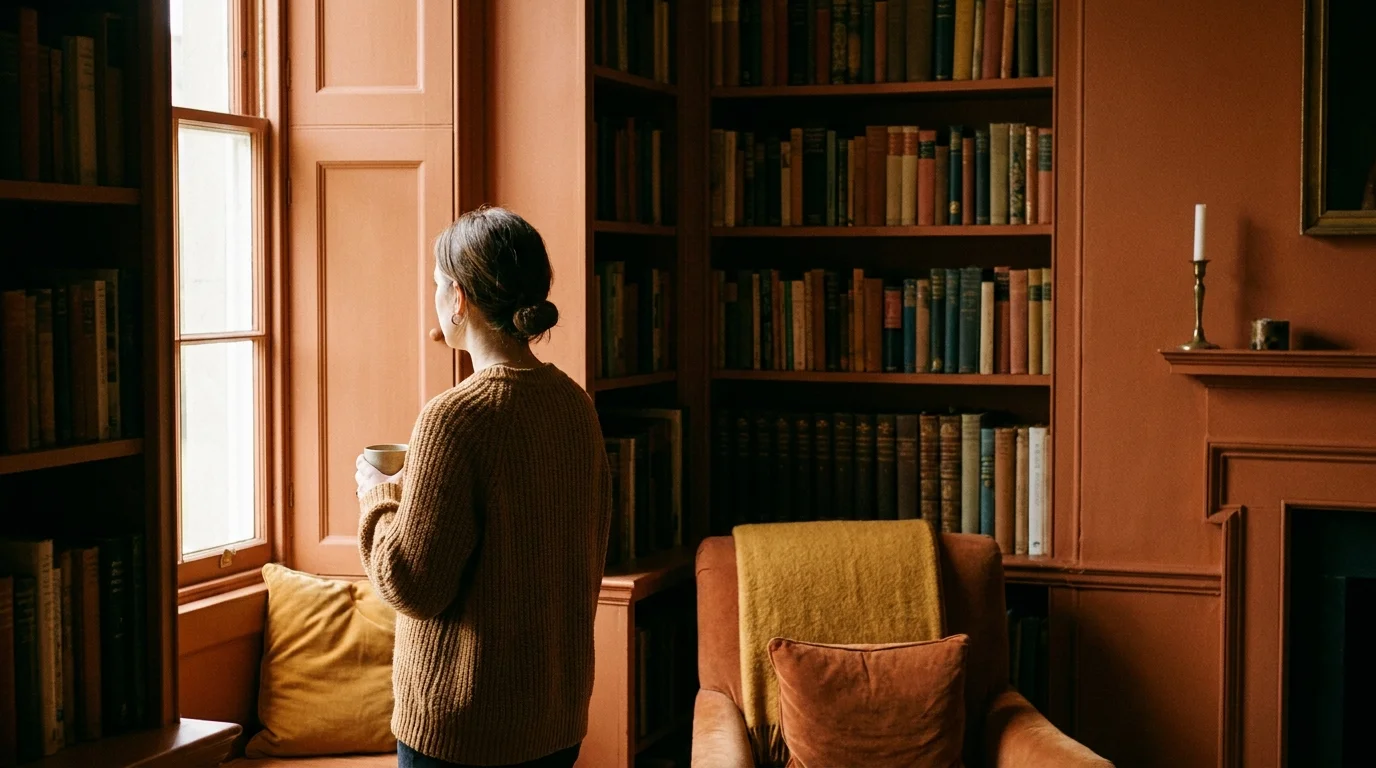
Few design strategies offer the transformational power of a simple can of paint. Heritage color drenching involves painting your walls, baseboards, window casings, and even the ceiling in a single, continuous hue. While older homes frequently feature disjointed trim or awkward architectural transitions, draping the entire space in one saturated tone effectively camouflages these imperfections. You eliminate the high-contrast lines that draw the eye to low ceilings or scuffed baseboards, creating a seamless, cocoon-like environment.
To execute this look successfully, lean into historically grounded palettes. Deep aubergine, rich forest green, muted terracotta, and dusty cerulean are dominating the interior design landscape. These moody, sophisticated colors reflect light beautifully when applied in varying finishes—such as an eggshell on the walls paired with a high-gloss on the trim. This approach delivers a bespoke, library-esque aesthetic that feels expensive and intentional, all for the minimal cost of a few gallons of premium paint.
Trend #2: Organic Modernism and Biophilic Integration
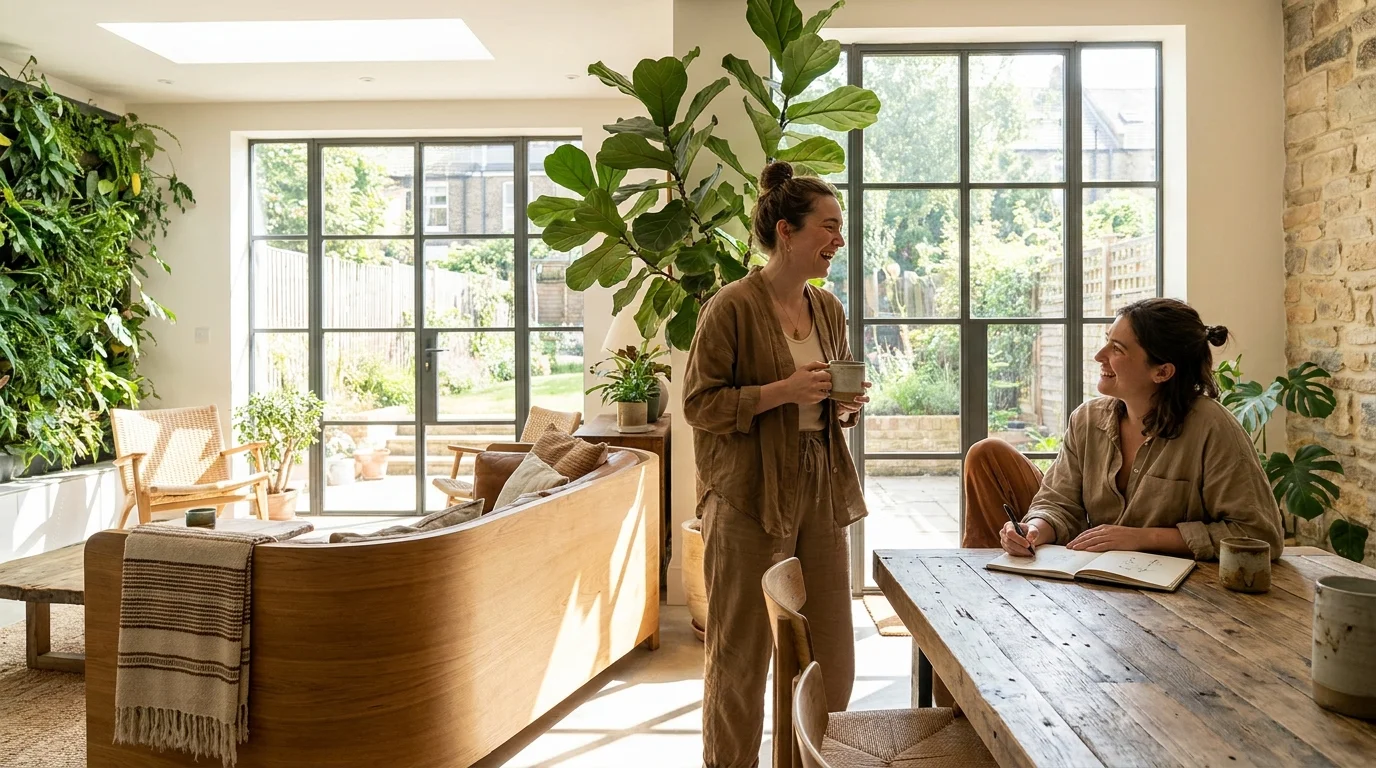
Modern interior aesthetics are shifting away from stark, sterile environments and moving toward spaces that nurture our connection to the natural world. Organic modernism focuses on raw materials, fluid shapes, and an inherent warmth that instantly updates a stale room. Central to this movement is biophilic design, a principle that emphasizes incorporating natural elements to improve both the aesthetic and emotional resonance of a space.
You do not need to install massive floor-to-ceiling windows to capture this trend. Instead, focus on accessible material swaps. Introduce side tables crafted from live-edge wood offcuts, display imperfect handmade ceramics, and anchor your living room with a chunky jute or sisal rug. Houseplants remain one of the most effective ways to breathe vitality into a room; styling large, leafy greens in woven seagrass baskets instantly softens rigid corners. By prioritizing materials that age gracefully and patinate over time, you bring a dynamic, living energy into your home.
Trend #3: Quiet Luxury Through Tactile Hardware
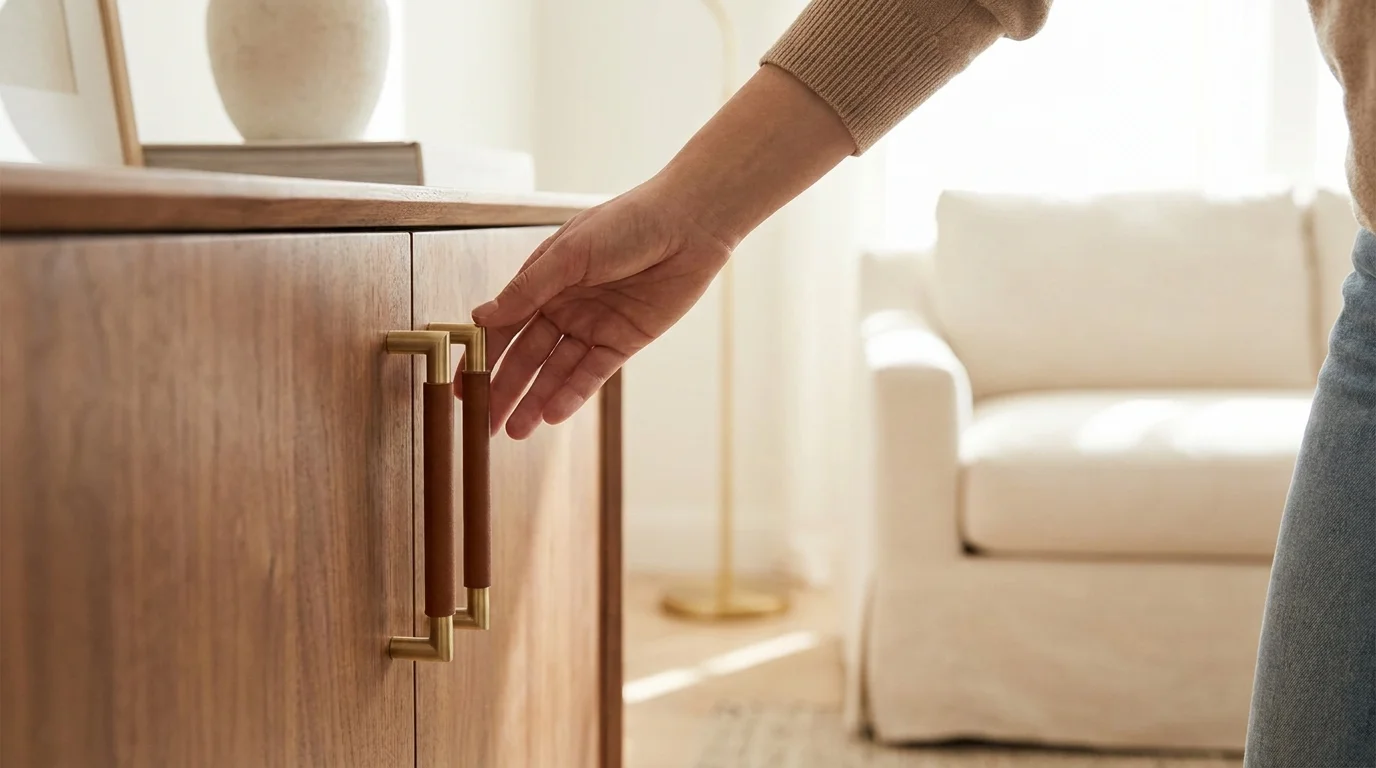
The concept of quiet luxury has transcended fashion and firmly rooted itself in interior design. This trend champions understated elegance, prioritizing high-quality materials and craftsmanship over flashy branding or ostentatious focal points. In an older home, the quickest way to achieve this sophisticated restraint is by updating your hardware. Builder-grade shiny brass or mundane plastic pulls quickly date a kitchen or bathroom, but replacing them requires minimal effort and financial investment.
Opt for unlacquered brass, which develops a beautiful, authentic patina as it interacts with the oils on your hands. Alternatively, forged iron or matte black fixtures provide a crisp, modern contrast against traditional wooden cabinetry. The secret to mastering quiet luxury lies in the tactile experience; a cabinet knob should feel heavy and substantial when you grip it. Upgrading your hinges, doorknobs, and drawer pulls unifies your home under a cohesive, premium design language without necessitating a full-scale remodel.
Trend #4: Soft Textural Layering
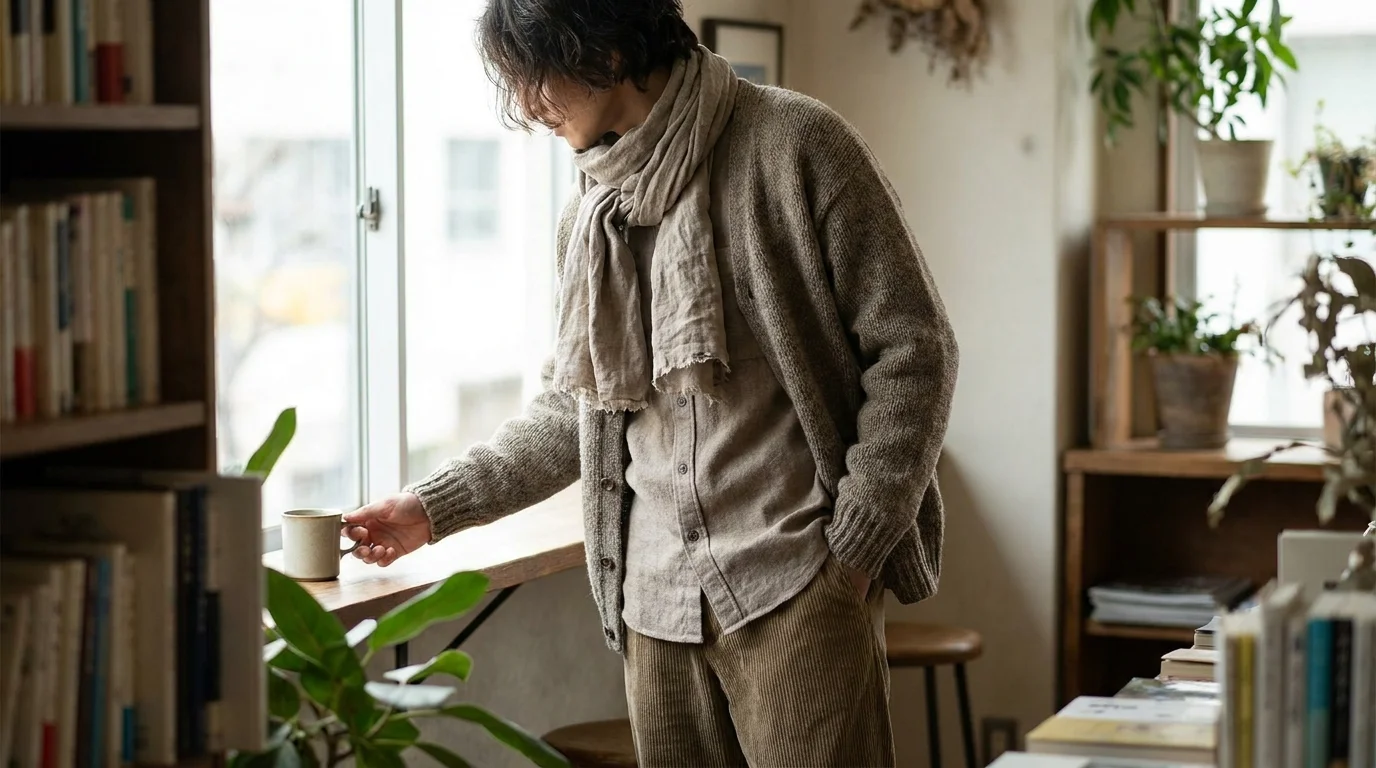
Older properties frequently feature vast expanses of hard surfaces—think original hardwood floors, plaster walls, and brick fireplaces. While architecturally significant, these elements can make a room feel acoustically hollow and visually cold. Soft textural layering mitigates this starkness, serving as a highly effective affordable decor strategy that introduces warmth and depth.
The goal is to engage the senses by contrasting rough and smooth surfaces. Drape a heavyweight, nubby bouclé throw over a sleek mid-century leather chair. Hang voluminous, floor-pooling linen curtains to soften the harsh geometry of your window frames. Rug layering is another fantastic technique; place a smaller, vibrantly patterned vintage kilim over a large, inexpensive natural fiber rug to define a seating area. By generously applying textiles throughout your living and dining spaces, you absorb echoes and craft an inviting, comfortable atmosphere that feels deeply curated.
Trend #5: Curating Vintage Provenance
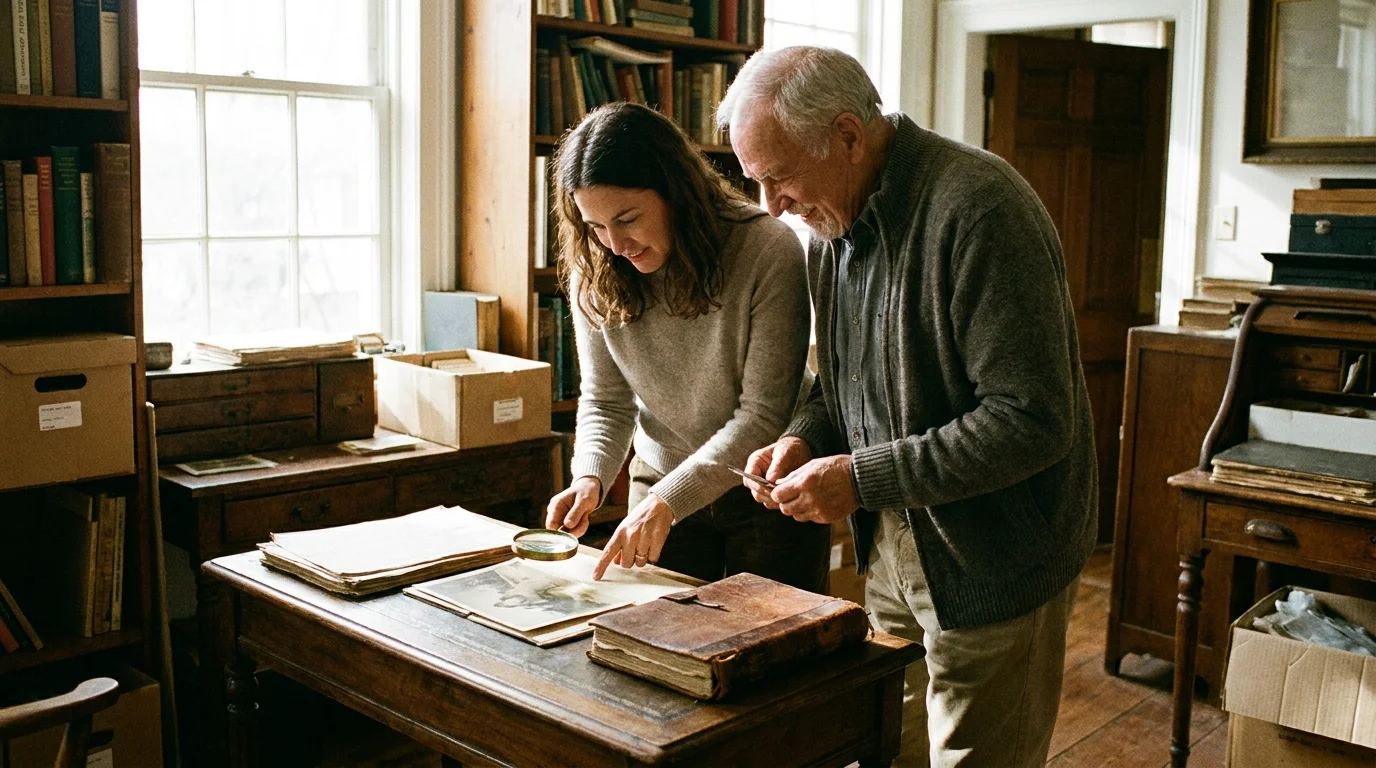
There is a profound shift occurring in how we source our furnishings. Design enthusiasts are turning away from mass-produced, flat-pack furniture in favor of pieces that boast provenance—a documented history or an inherent vintage charm. Sourcing antiques from thrift stores, estate sales, and online marketplaces is not just ecologically responsible; it is a brilliant way to add soul and narrative to your spaces.
This trend is particularly relevant to senior home design, where the goal is often to gracefully merge cherished family heirlooms with updated, accessible layouts. A heavy, ornate Victorian dresser can serve as a stunning bathroom vanity when topped with a sleek marble remnant and a modern vessel sink. Juxtaposing the old with the new prevents your home from looking like a staged showroom. Emphasizing the natural wear, scratches, and fading of vintage wood allows your home to tell a story, grounding modern updates in historical permanence.
Trend #6: Architectural Trompe l’Oeil
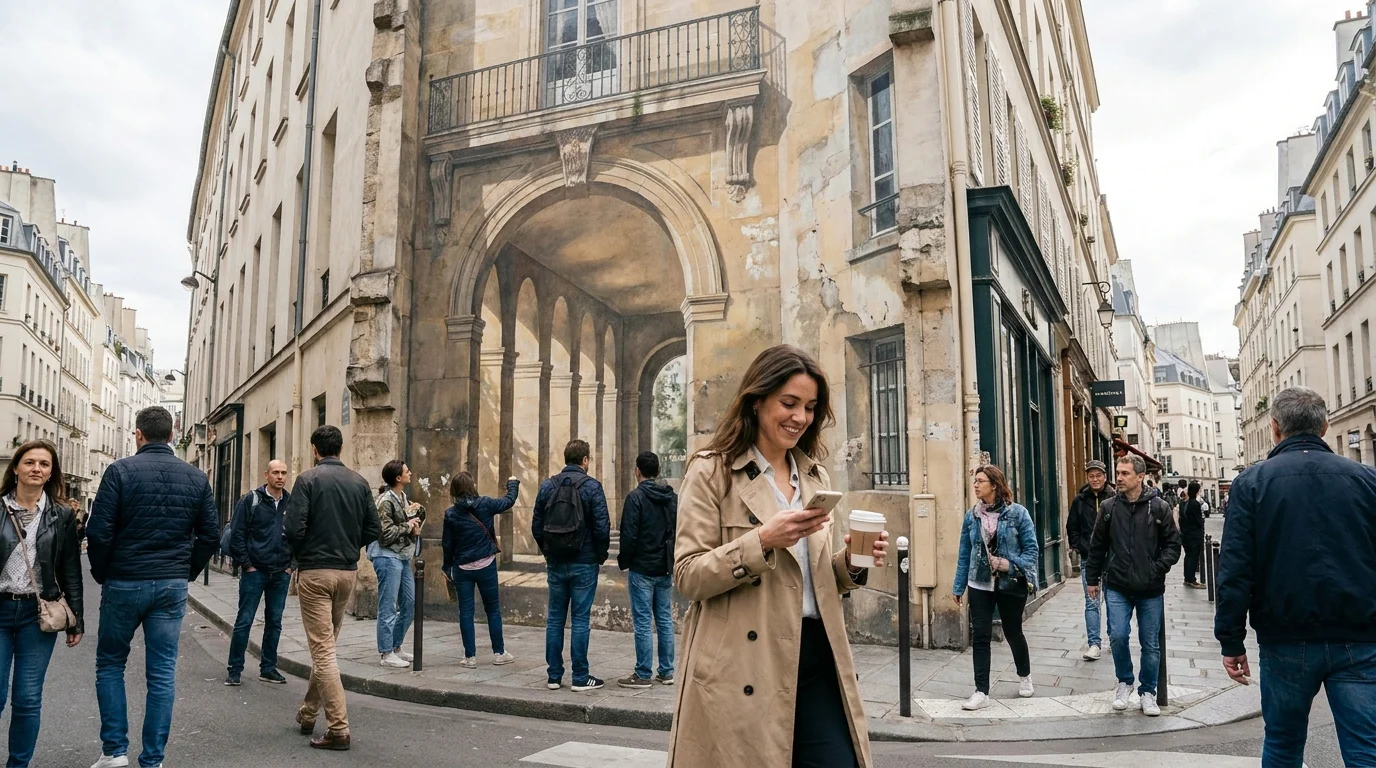
Many aging homes, particularly those built in the mid-to-late 20th century, suffer from boxy floor plans devoid of interesting architectural details. Fortunately, you can fabricate the illusion of depth and custom millwork through the clever application of paint. Architectural trompe l’oeil—a technique designed to deceive the eye—allows you to paint faux arches, headboards, and wainscoting directly onto flat drywall.
Consider painting a soft, sweeping arch in a contrasting terracotta behind a floating shelf to mimic a built-in alcove. You can also fake the appearance of tall baseboards by painting the bottom twelve inches of your walls a dark, grounding color, capping the line with a slender piece of inexpensive pine trim. These visual tricks add a layer of bespoke craftsmanship to your rooms, breaking up monotonous walls and introducing structural intrigue on a micro-budget.
Trend #7: Oversized Statement Art
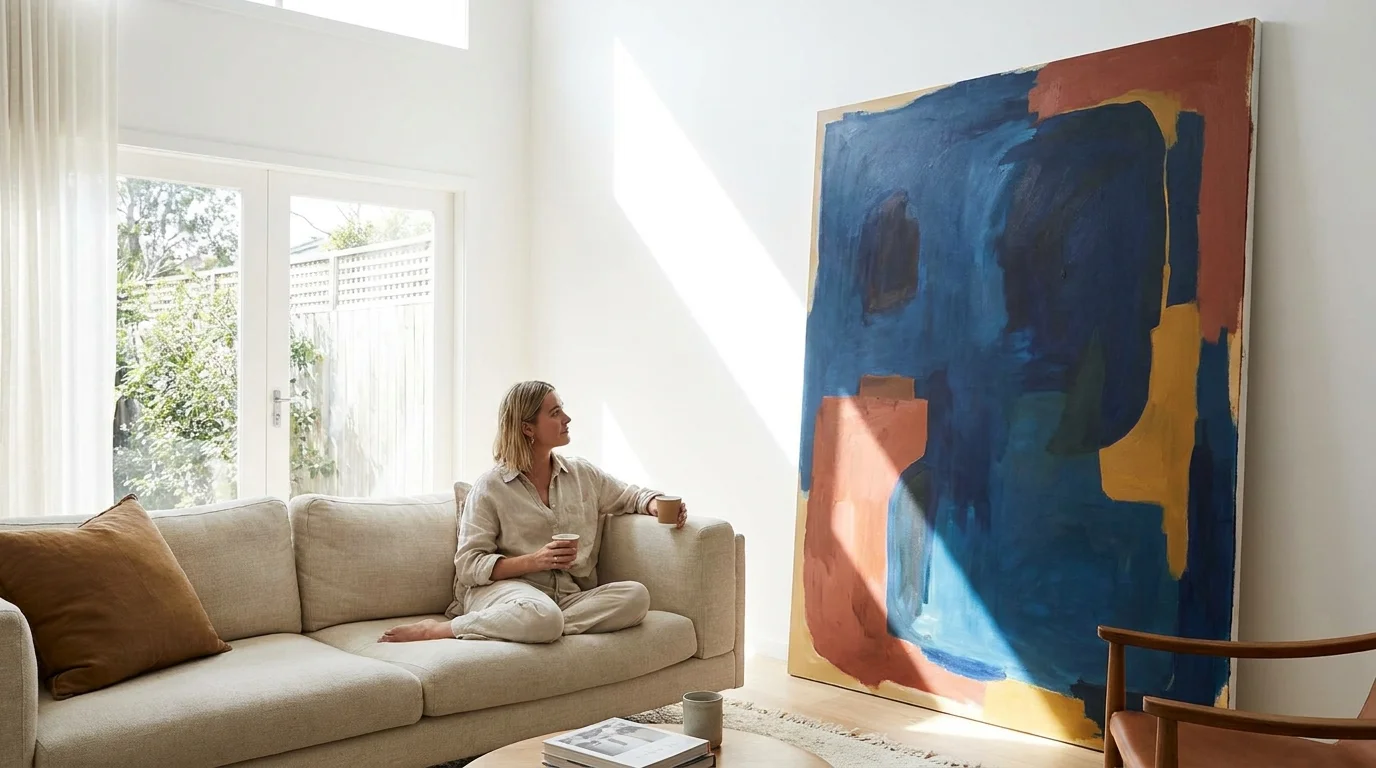
For years, cluttered gallery walls dominated the design conversation. Today, the pendulum has swung toward bold, singular statements. Replacing a chaotic arrangement of small, mismatched frames with one massive piece of artwork immediately modernizes an older room. This approach dramatically reduces visual clutter, allowing the eye to rest and making the entire space feel significantly larger.
Sourcing oversized art no longer requires a gallery budget, making it one of the most accessible modern home ideas available today. You can purchase high-resolution digital downloads of public domain oil paintings or contemporary abstracts for just a few dollars. Have these files printed at a local copy center on architectural blueprint paper, and frame them using simple, DIY wooden slats. A single, moody landscape stretching across your dining room wall acts as an expansive window, instantly elevating the room’s sophistication.
Trend #8: High-Fidelity Temporary Finishes
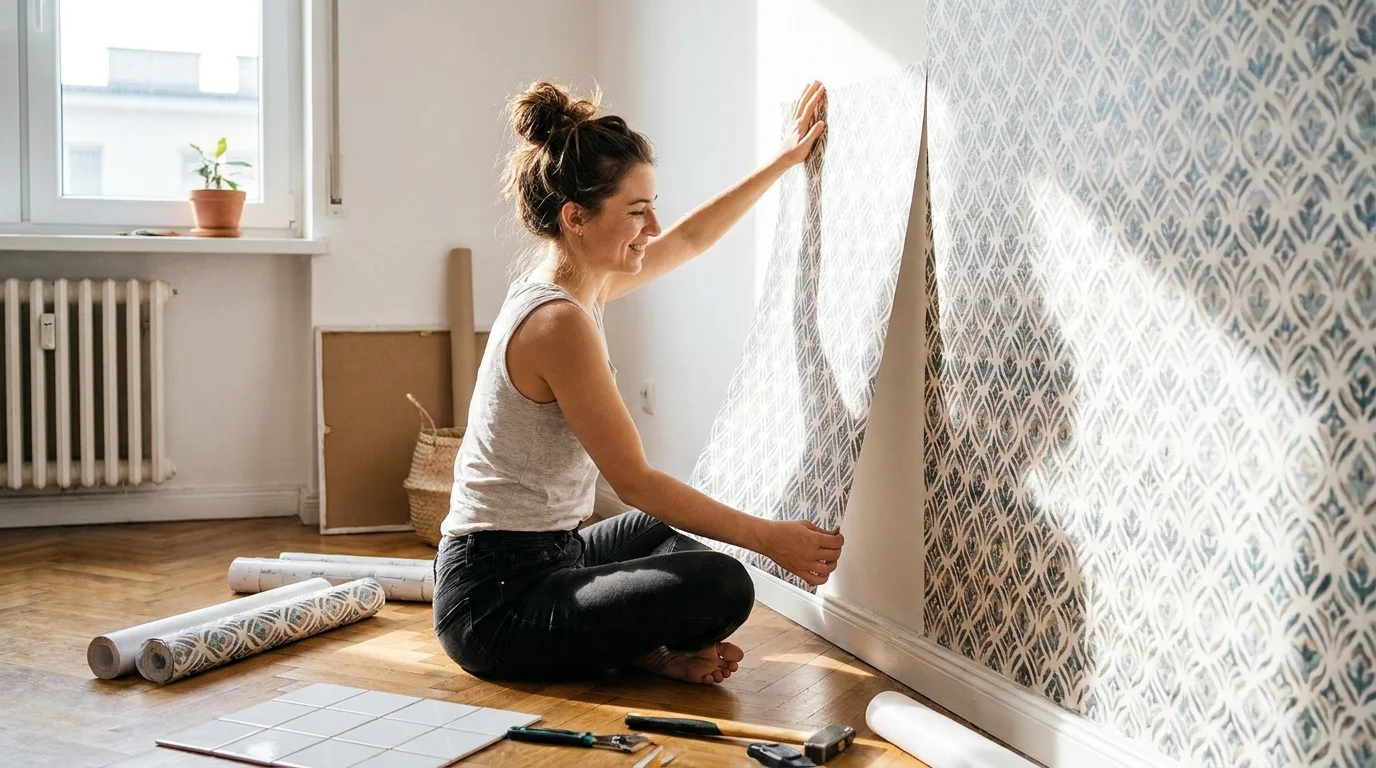
The stigma surrounding peel-and-stick products has officially dissipated, thanks to massive leaps in manufacturing technology. Today’s temporary finishes offer incredibly realistic textures and patterns, making them indispensable for budget home upgrades. If your older home suffers from dated linoleum flooring, cracked bathroom tiles, or a gloomy kitchen backsplash, you can cover these eyesores over a single weekend.
Look for heavy-duty vinyl floor decals that perfectly mimic the look of traditional encaustic cement tiles or poured terrazzo. For your walls, high-quality removable wallpaper featuring botanical prints or textured grasscloth can redefine a primary bedroom or a tiny powder room. Because these materials are non-permanent, they afford you the freedom to experiment with bold patterns and deep colors without the fear of hurting your property’s resale value or committing to a permanent masonry project.
Trend #9: Biomorphic Silhouettes
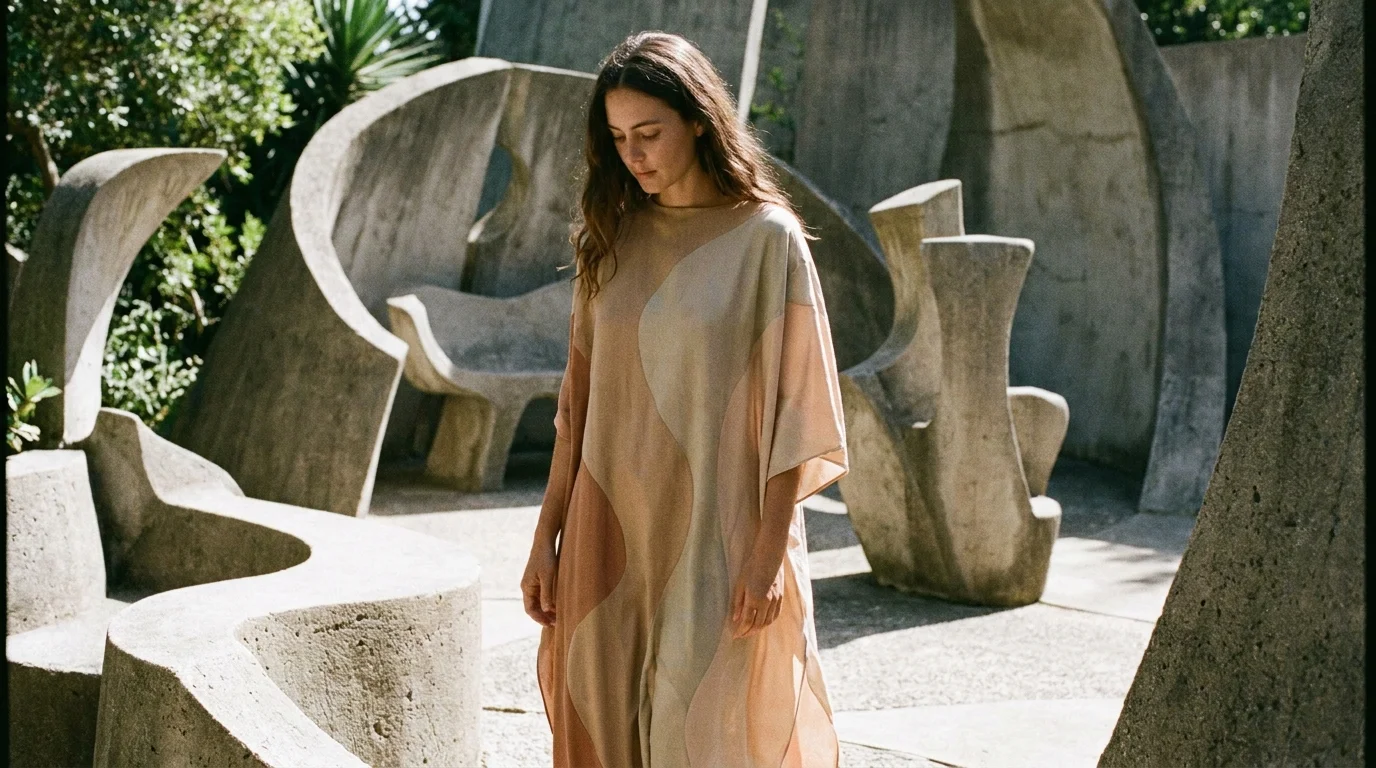
To counteract the rigid, orthogonal lines typical of aging architecture, designers are introducing biomorphic silhouettes. This trend focuses on furniture and decor that mimic the organic, asymmetrical curves found in nature. A room filled exclusively with square rugs, rectangular tables, and sharp-angled sofas quickly feels stagnant; introducing curves disrupts that predictability and facilitates a better flow of traffic.
You can weave this trend into your existing decor by swapping out a sharp, glass coffee table for a kidney-shaped wooden alternative. Hang a large, asymmetrical pond mirror opposite a window to bounce natural light around the room while acting as a sculptural focal point. Even small additions, like a spherical ceramic table lamp or a crescent-shaped velvet throw pillow, introduce the necessary softness to modernize a stiff, formal living area.
The Big Picture: Weaving These Trends into Your Home
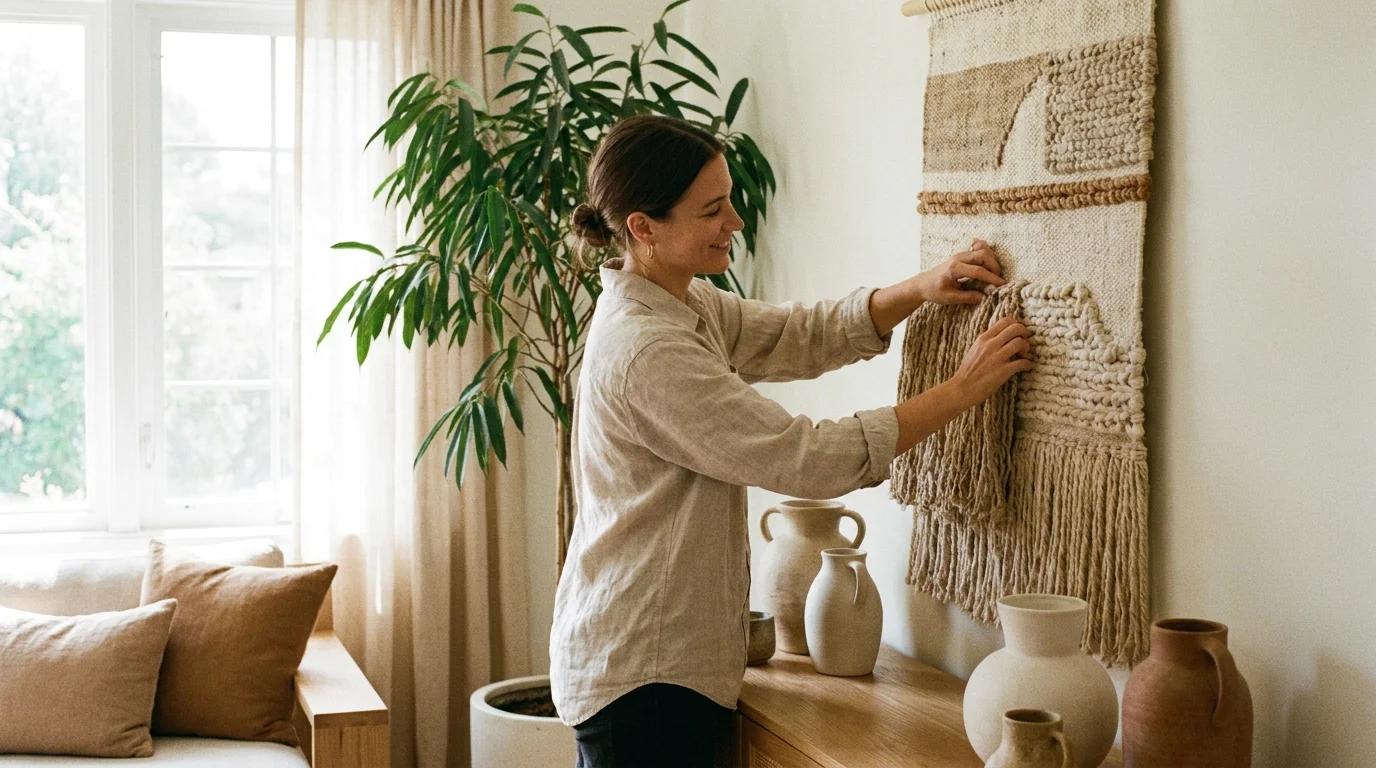
Transforming an older home is not about chasing fleeting fads or erasing the original character of the property. The most successful interiors strike a delicate balance between honoring the past and embracing contemporary functionality. As you implement these budget-friendly updates, focus on restraint. You do not need to tackle all nine trends simultaneously. Start by identifying the rooms that feel the most stagnant and apply one or two strategies—such as heritage color drenching an awkward hallway or upgrading the hardware in your primary bathroom.
Pay attention to the natural light and the existing architectural bones of your house. Let the intrinsic charm of your space guide your material choices. By thoughtfully layering organic textures, integrating vintage pieces, and utilizing the transformative power of paint, you craft an environment that feels both fresh and historically rooted. Ultimately, the best interior design reflects your personal journey, creating a cohesive sanctuary that evolves organically alongside you.
Frequently Asked Questions
How do I mix modern trends with the existing traditional architecture of my home?
The key to blending modern elements with traditional architecture is finding shared material languages. If your home has heavy, dark oak trim, do not fight it with hyper-modern glossy plastics. Instead, introduce modern silhouettes made from natural materials—like a sleek travertine coffee table or a minimalist linen sofa. This creates a deliberate juxtaposition that feels sophisticated rather than accidental. Allow the traditional architecture to act as a structured frame for your contemporary furnishings.
Are peel-and-stick finishes actually durable enough for high-traffic areas?
Yes, provided you invest in high-fidelity, premium options and meticulously prepare the underlying surface. The longevity of removable wallpaper or vinyl floor tiles depends entirely on installation. Surfaces must be thoroughly degreased and dried before application. While they may not outlast authentic ceramic tile in a wet room over decades, heavy-duty vinyl finishes easily withstand daily wear in kitchens and entryways for several years, offering an excellent medium-term solution while you save for a permanent renovation.
Will dark color drenching make my small, older rooms feel claustrophobic?
Contrary to popular belief, painting a small room a dark color can actually make it feel more expansive. When you paint the walls, trim, and ceiling the same deep shade, you obscure the visual boundaries of the room. The corners visually recede into shadows, creating an illusion of infinite depth. To ensure the space feels cozy rather than oppressive, incorporate varied lighting sources—such as wall sconces and table lamps—and add reflective surfaces like brass accents or oversized mirrors to bounce the ambient light.
For the latest color forecasts, consult industry leaders like Pantone and paint companies like Benjamin Moore. For professional design standards, refer to the American Society of Interior Designers (ASID).
Disclaimer: This article reflects design trend analysis and predictions. Personal taste and timeless design principles should always guide your decorating choices.
